 en
 Español


how does a chain hoist work: Applications, Selection Criteria, and Practical Guidance
Content
- 1 Following the power path from hand to hook
- 2 What each part does, and what wears first
- 3 Why the load stays where you leave it
- 4 Manual, lever and electric: which type fits the job
- 5 Matching capacity and configuration to the real load
- 6 Daily checks and habits that prevent failures
- 7 Fitting a hoist into a wider warehouse lifting plan
A maintenance technician needs to lift a 600 kg pump off its base and set it down on a transport skid. There is no forklift access, no overhead crane, and the nearest beam is four metres above the floor. A one tonne chain block hung from a beam clamp does the job with one hand pulling the hand chain. That everyday scene is the fastest route into the mechanics, because the tool is simple enough to explain in a single sentence.
A chain hoist works by converting a long, low effort pull on a hand chain into a short, high force lift at the hook. The hand chain turns a hand wheel, a gear train multiplies the turning force, and the final gear rotates a load sheave whose pockets pull the load chain link by link. An automatic brake holds the load the moment the operator stops pulling. Everything else in the design supports those three functions: multiply the force, guide the chain, and never let the load run away.
Following the power path from hand to hook
Take the housing apart mentally and the sequence is easy to follow. On a manual chain block the path runs like this:
- The operator pulls the hand chain downward. The chain sits in the pockets of a hand wheel mounted on the input shaft at the top of the housing.
- The hand wheel shaft carries a small pinion gear. That pinion drives a larger gear, and on most industrial units a second reduction stage follows. Each stage trades rotational speed for torque.
- The output gear is keyed to the load sheave, the wheel that the load chain runs over. Its machined pockets match the link pitch, so every rotation draws chain into the housing and shortens the distance between the sheave and the hook block.
- The hook block returns the chain upward. When two or more falls of chain are used, the block carries a moving sheave and the load is shared between the falls, which lowers the force carried by each chain section.
Nothing here creates energy. The hoist trades distance for force. A high gear ratio and a large hand wheel relative to the load sheave mean a light pull, but the operator then feeds many metres of hand chain through the wheel for every metre the load rises. That is the number worth checking on a data sheet. A typical one tonne manual unit asks for a hand pull in the region of 250 to 400 N, and the exact figure, the number of falls and the chain length per lift are all printed on the plate.
What each part does, and what wears first
Buying or inspecting a hoist is easier when each component is tied to a job and to a failure mode. The table below pairs them.
| Component | Job in the lift | Inspection point |
|---|---|---|
| Hand chain and hand wheel | Takes the operator pull and converts it into rotation of the input shaft | Twisted or rusty hand chain, worn pockets, damaged chain guide |
| Gear train | Multiplies torque and reduces speed through one or two stages | Rattling or grinding noise, oil loss, backlash, damaged teeth |
| Load sheave | Engages the load chain and draws it through the housing | Worn pockets, chain sitting unevenly, scoring on the flange |
| Load chain | Carries the full load between sheave and hook block | Twists, gouges, corrosion, stretched links, wear measured across five links |
| Hook block and hook | Connects the sling to the hoist and shares the load across chain falls | Throat opening, latch condition, cracks, deformation, side loading marks |
| Automatic brake | Holds the load whenever the pull stops | Load creep when released, jerky lowering, oil or grease on the friction faces |
Two of these deserve more attention than the rest. The load chain is a purpose made alloy chain, usually grade 80 or grade 100, and it is not interchangeable with the hand chain, which carries only the operator effort. The hook is the other weak link in practice, because hooks get side loaded, dropped, and used with the load sitting on the tip rather than in the bowl.
Why the load stays where you leave it
The brake is the part that makes a chain hoist safe to walk away from. In the most common arrangement, the Weston type brake, the load sheave shaft carries a threaded hub, a friction disc and a ratchet wheel. Load weight tries to rotate the shaft backwards, the thread pulls the friction disc hard against the ratchet, and a pawl stops the ratchet turning. The grip rises with the load, so a heavier load brakes harder than a light one.
Lowering reverses the process. The operator pulls the hand chain in the opposite direction just enough to release the friction face, and the load descends at the speed of the pull. Release the chain halfway down and the brake re-applies at once.
This is why grease on the friction face matters more than most operators expect. A contaminated disc is the difference between a load that holds its position and a load that creeps down while the hook is unattended. Electric chain hoists add a motor disc brake and often a second load brake, plus upper and lower limit switches, so the holding function does not depend on a single friction surface.
Manual, lever and electric: which type fits the job
The three families share the same chain and sheave logic but differ in how the input is generated and how the unit is used.
| Type | Input | Typical use | Plan around |
|---|---|---|---|
| Manual chain block | Hand chain over a hand wheel | Intermittent lifts, maintenance work, plant rooms, sites without power | Pull effort per tonne and the physical duty on the operator |
| Lever hoist | Ratchet lever | Pulling and tensioning, confined spaces, lifting in any orientation | Short lift per stroke, so long lifts take time |
| Electric chain hoist | Motor through the gear train | Repeated lifting on production lines, loading bays and high duty cycles | Power supply, duty class and brake maintenance |
| Trolley mounted unit | Manual or electric hoist on a beam trolley | Moving a load along a runway beam as well as lifting it | Beam capacity, flange width and trolley adjustment |
A lever hoist is often the better choice for a horizontal pull, because the load chain can tension or drag as well as lift, and the handle works in tight positions where a hand chain cannot hang freely.
Matching capacity and configuration to the real load
The capacity marked on the housing is the working load limit of the hoist, not a target. Work through these points before ordering:
- Calculate the total load, including the sling, spreader beam and any attachment, then add margin for a load that may stick to a surface and release suddenly.
- Measure the headroom and the required hook height. More chain falls increase capacity and reduce pull effort but also reduce the maximum lift for a given chain length.
- Confirm the anchor. A beam clamp, trolley or eyebolt must be rated for the hoist plus the load, and the beam itself must carry the resulting point load.
- Match the chain finish to the environment. Galvanised chain suits wet or washdown areas, and cold store work needs lubricants and chain grades rated for low temperature.
- For electric units, check the duty class against the number of starts per hour, because a light duty hoist worked continuously will overheat and wear its brake early.
- Ask for the test certificate, the marking on the unit, and the spare parts position for chain, hooks and brake discs.
Daily checks and habits that prevent failures
Most chain hoist incidents come from use rather than from the mechanism. The short list below covers the checks that catch the majority of problems:
- Read the capacity plate and stay under it, sling weight included.
- Inspect the load chain for twists, gouges and corrosion, and measure wear across five links against the manufacturer discard limit.
- Check the hook throat opening and latch, and seat the load in the bowl of the hook rather than on the tip.
- Never wrap the load chain around a load or use it as a sling. Use a sling with its own rating and the correct angle factor.
- Keep the load directly under the hoist, lift vertically, and avoid shock loading or dragging a load sideways.
- Lower the load fully and slack the chain before storage, keeping chain off the floor and away from weld spatter.
- Record periodic inspections by a competent person, with the date and the findings.
Fitting a hoist into a wider warehouse lifting plan
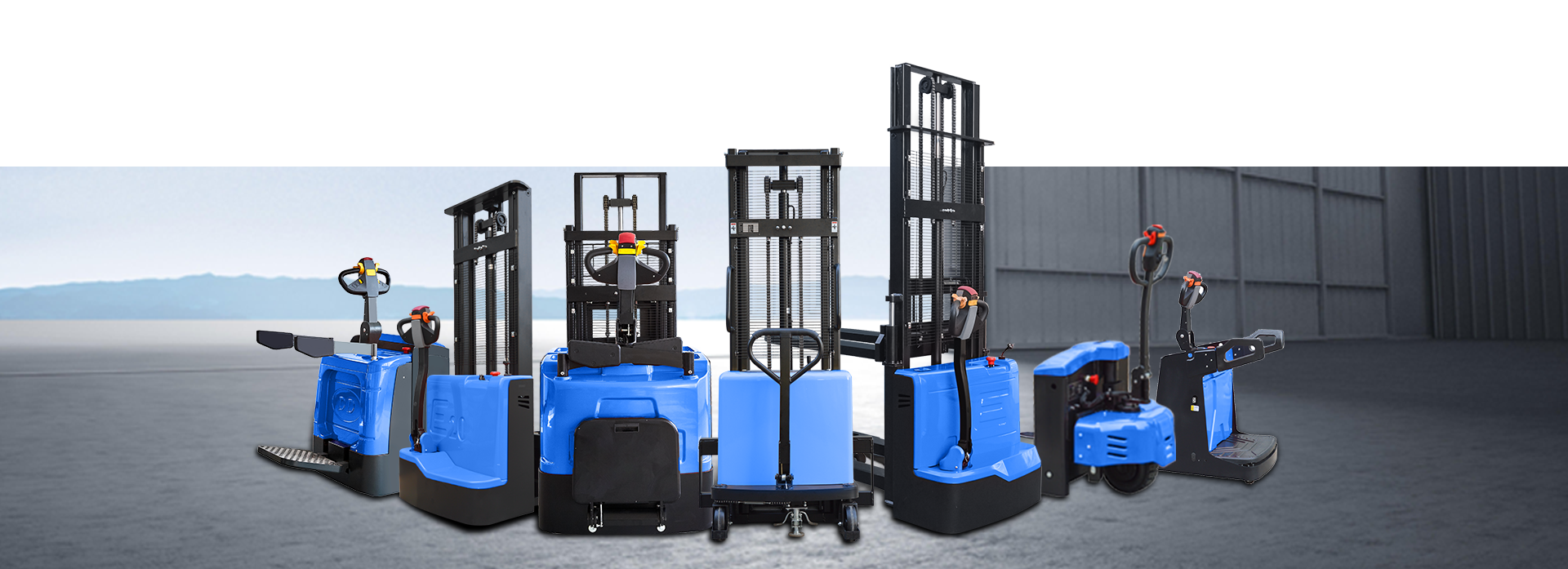
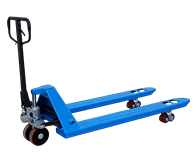
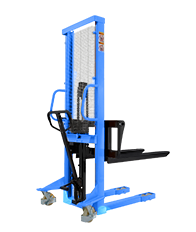
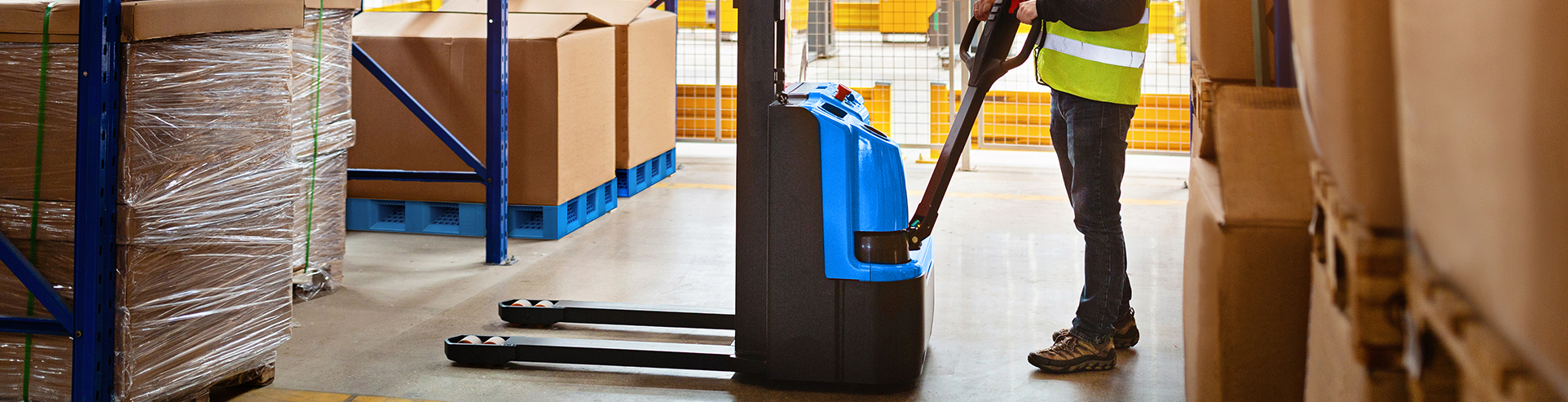
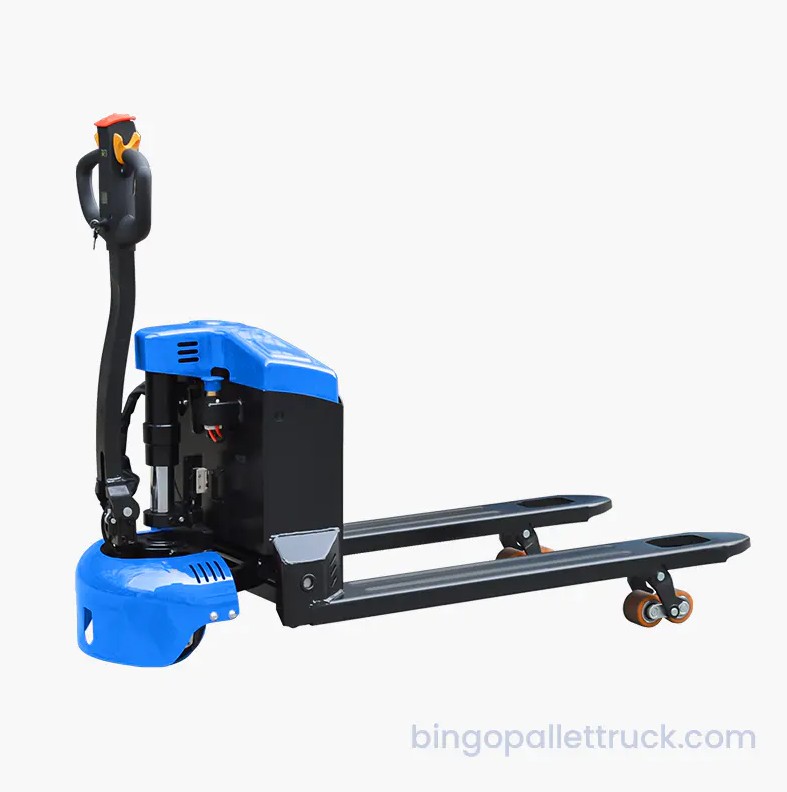
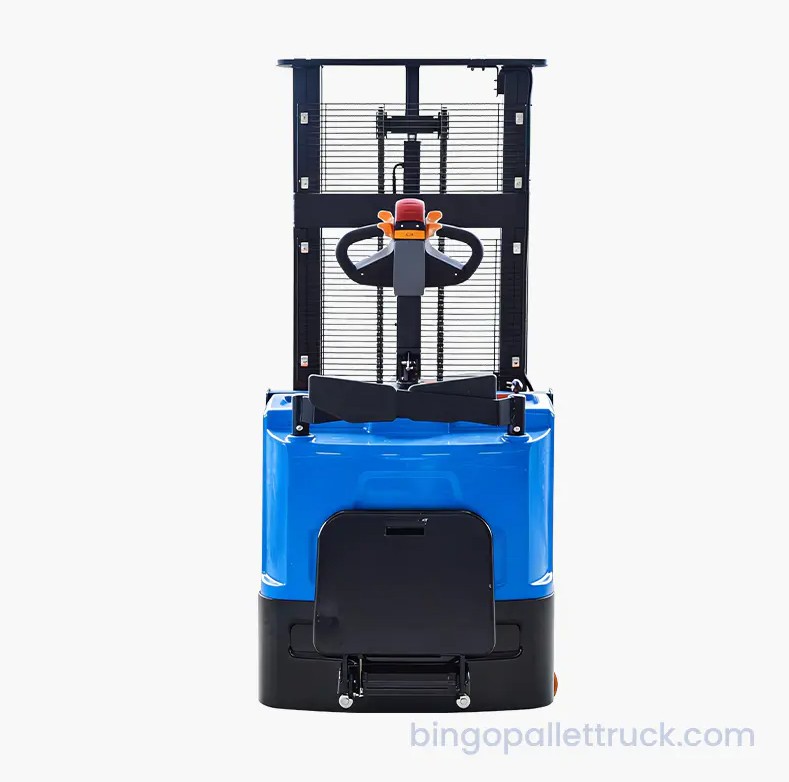
A chain hoist solves the vertical lift. The rest of the handling chain still has to be designed around it. In a warehouse, a hoist may raise a motor, a tote or a spare part to a mezzanine, while the daily movement of palletised goods between floor level and the first or second beam is normally handled by stackers and pallet trucks, because they move as well as lift.
 CDD15G 1500 kg Electric Stand-On StackerFor factory and warehouse pallet handling, this stand-on electric stacker offers 1500 kg capacity, two-stage lift options and integrated charging.View Product →
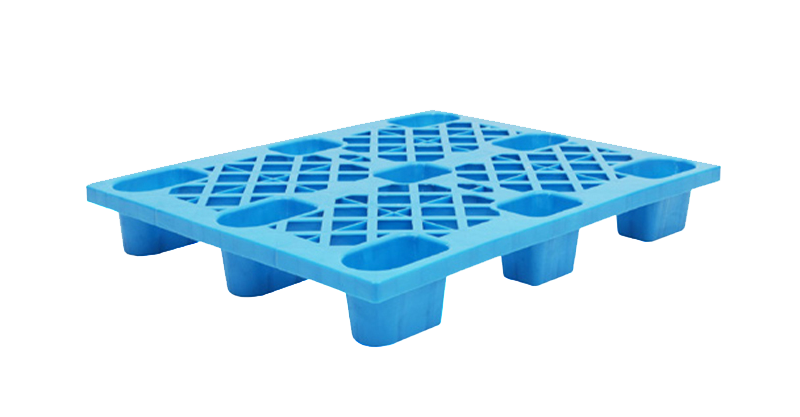
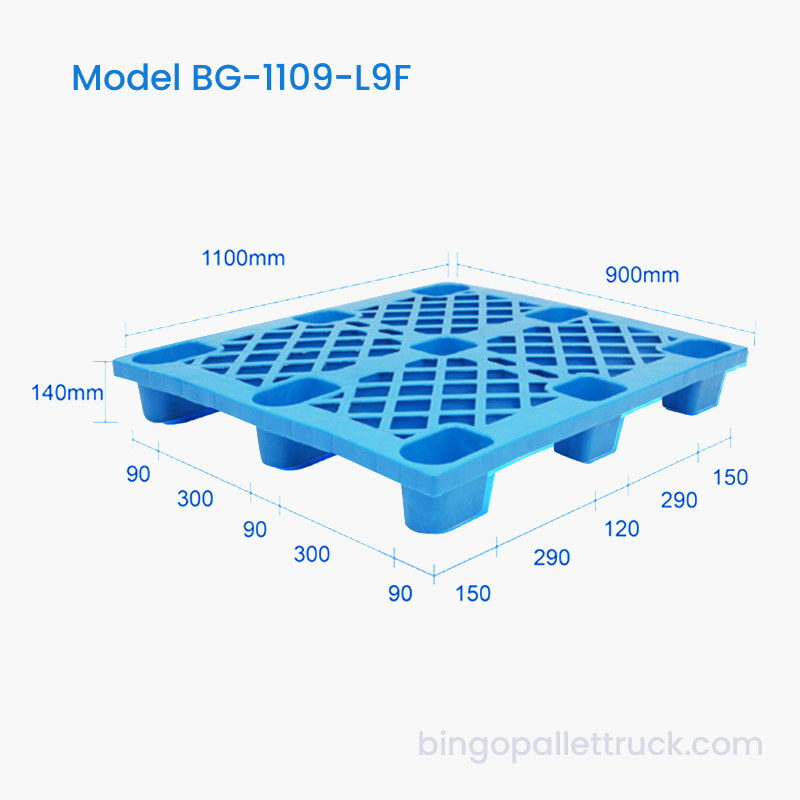
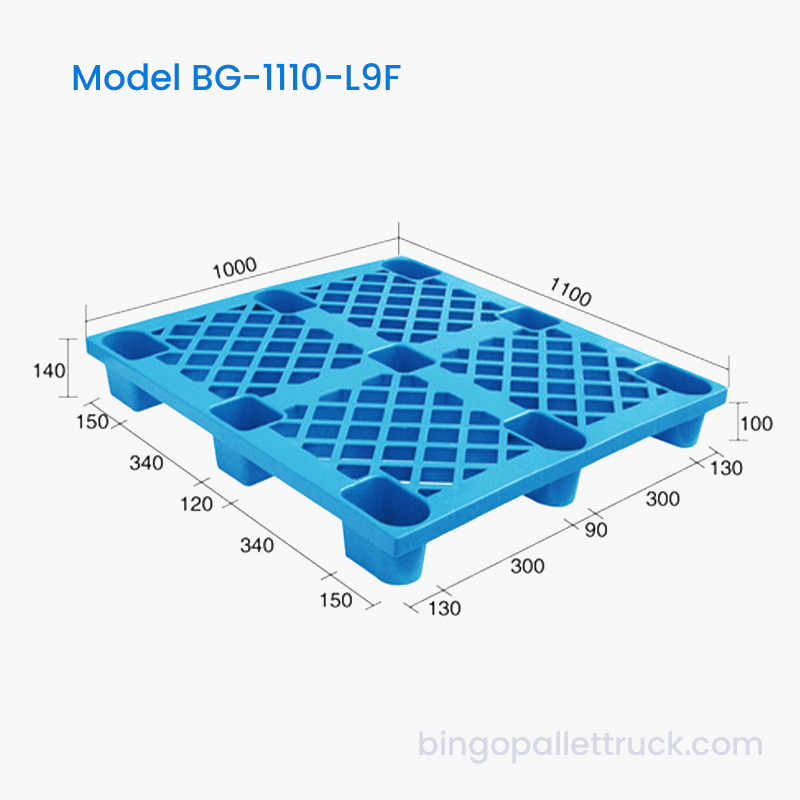
The load interface matters as much as the lifting device. A pallet that will be lifted by sling or handled by forks needs a deck and base that suit the method, and a pallet that goes into racking needs the right number of runners and a rating for racking rather than for floor stacking only. Deck surface, entry type and runner count decide how the load behaves once it leaves the ground.
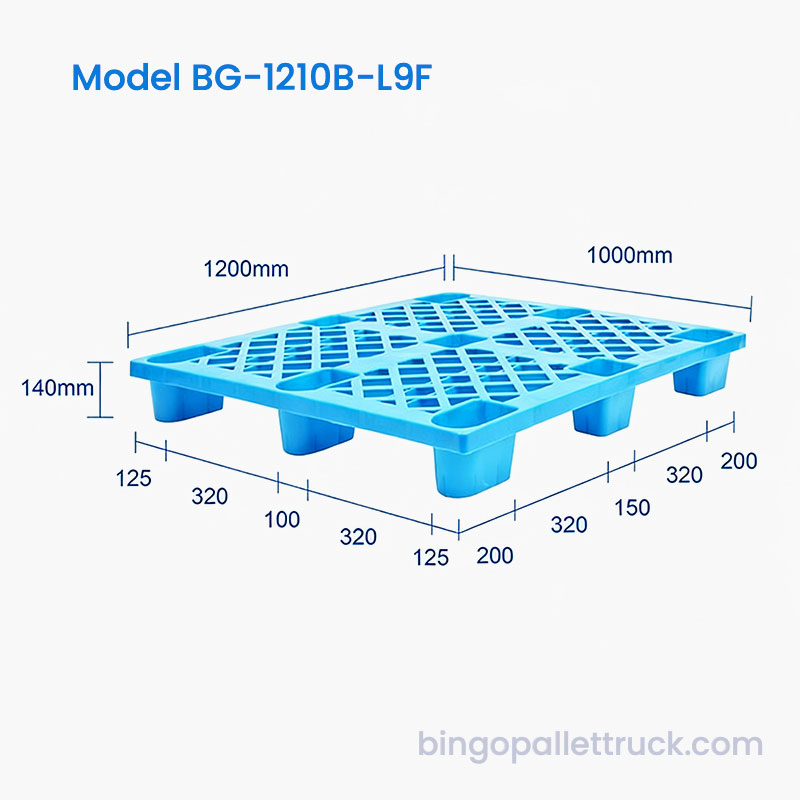 BG-1210B-L9F 1200×1000 mm Nestable Plastic PalletLightweight 1200×1000 mm nestable HDPE pallet with grid deck and nine-leg base, 500 kg dynamic capacity for retail and light warehousing.View Product →
Overhead, the same logic applies. The beam that carries the trolley, the rack beam that carries the pallet and the floor that carries the stacker all sit in one load path, and a lift that ignores beam deflection or point loading simply moves the risk from the hoist to the building.
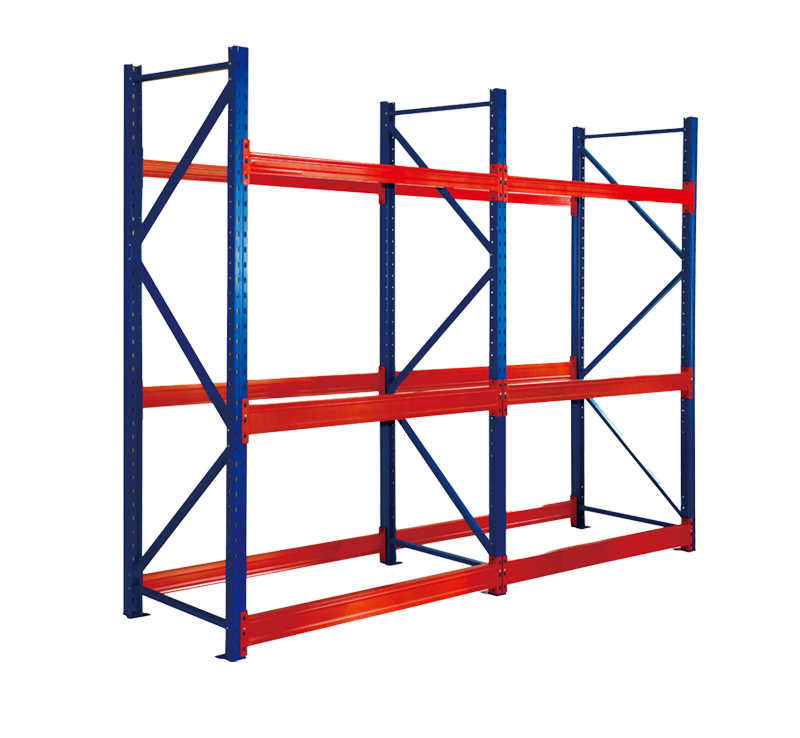
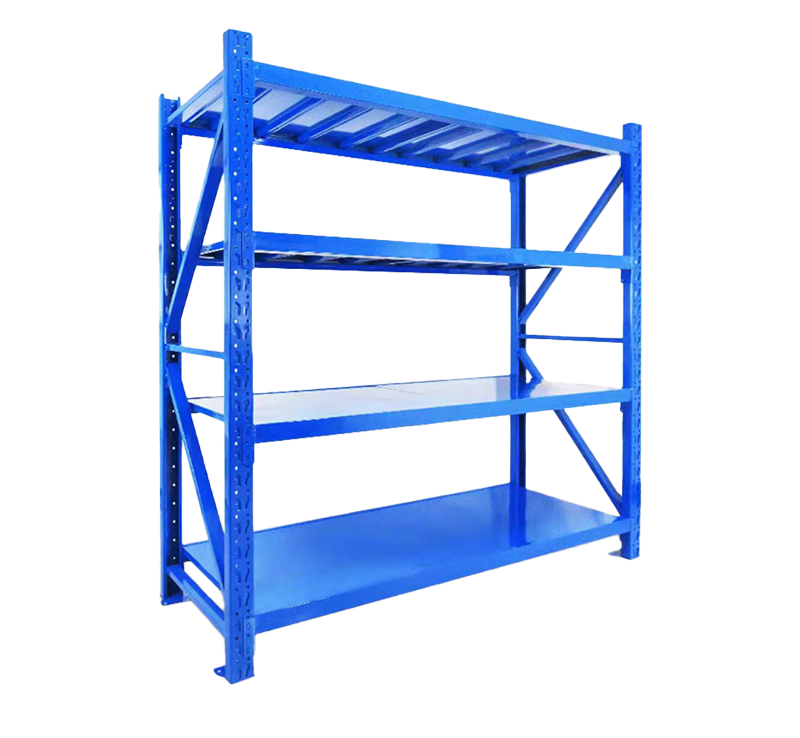
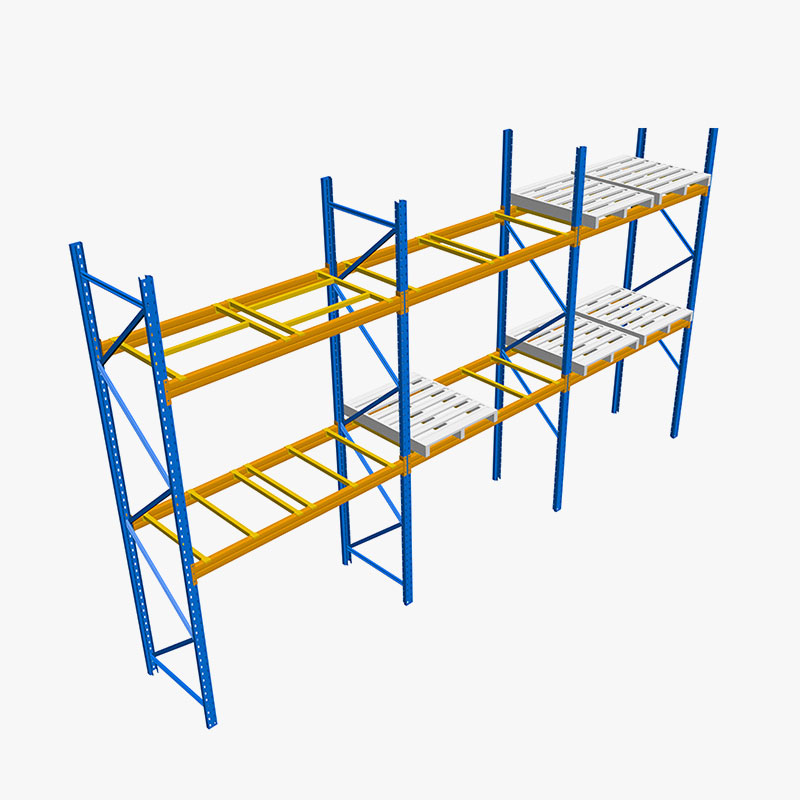 Heavy Duty Selective Pallet Racking with Adjustable BeamsCold-rolled steel racking with adjustable beams, up to 1800 kg per layer, for flexible pallet storage in logistics and cold storage.View Product →
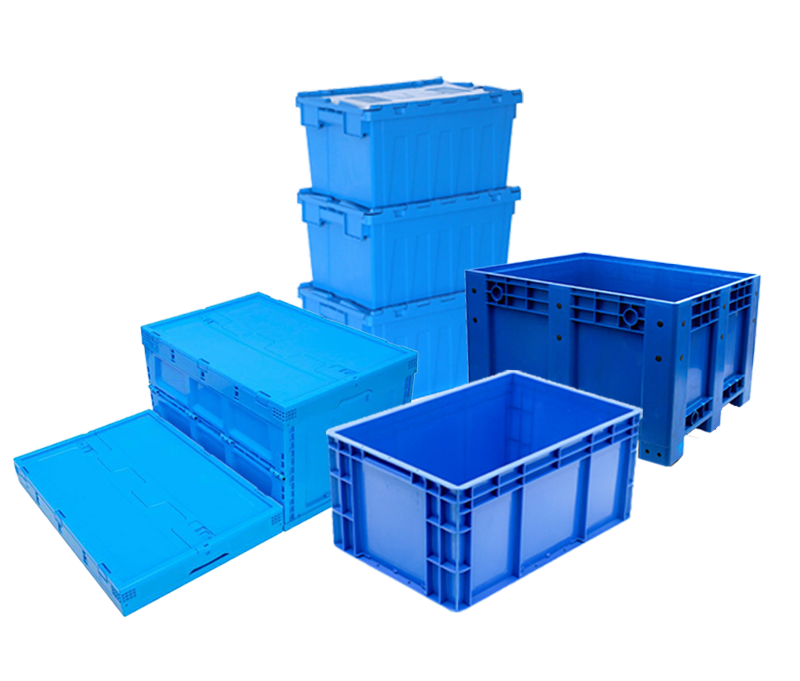
That is the practical argument for specifying lifting equipment, storage containers and racking together. Bingo supplies all four systems across the handling equipment range, from hand pallet trucks and electric stackers to plastic pallets, containers, stretch wrap and pallet racking, so the hoist, the pallet and the beam are matched on capacity before anything arrives on site.
If you are planning a lift or a rack installation and the numbers do not yet line up, send the load details, the lift height and the floor or beam conditions to the team through the contact page and have the hoist, the load interface and the storage structure checked as one system.

Copyright @ Yancheng Bingo Machinery Equipment Co., Ltd. All rights reserved Warehouse Logistics Equipment Manufacturer Pallet Truck Supplier
