 en
 Español

Heavy Duty Self Dumping Hopper Guide for Safer Warehouse Waste Handling
Content
A 3 cubic yard hopper loaded with wet metal chips can weigh more than the forklift rating shown on the rental sheet. That is why a heavy duty self dumping hopper should be selected by load, dump control, and fork compatibility first, not by volume alone. The unit is a container with a pivoting body, a latch, and fork pockets. The forklift lifts it, carries it to the discharge point, and releases the latch so the body tips forward. In a plant, that simple action replaces multiple manual transfers of scrap, swarf, offcuts, powders, or packaging waste.
Heavy duty is a practical description, not a marketing badge. It usually means a reinforced steel body, a stronger base, a protected pivot, and a latch that can be operated safely with a load inside. Common working volumes range from about half a cubic yard to 5 cubic yards, but the rated load matters more than the box size. A hopper used for dry cardboard has different demands from one used for wet sand, metal stampings, or food waste.
Why heavy duty matters on the floor
The weakest points on a self dumping hopper are the pivot, the latch, and the base corners. A light body may look adequate when empty, but repeated drops, uneven floors, and wet loads expose thin steel quickly. Dents around the base can stop the hopper from sitting flat. Worn pivot pins can make the body tip at an angle. A bent latch can release without warning. These faults do not just shorten service life. They create spill risk, damage forklift forks, and force unplanned cleaning in the aisle.
For dense or abrasive material, check plate thickness, weld quality, and reinforcement at the hinge and fork pockets. A hopper that is moved by forklift every shift needs a base designed for impact, not just a flat sheet. If the material is wet or corrosive, confirm drain holes and coating or material suitability. Stainless steel or a protective coating may be appropriate in food, chemical, or washdown areas, but it should be matched to the actual exposure rather than chosen as a default.
Sizing by load and forklift capacity
Start with the material, not the hopper catalogue. Estimate the bulk density of the load and multiply it by the working volume to get a rough payload. Add the empty hopper weight. Then compare the total with the forklift capacity at the actual load center, not only the capacity on the counterweight plate. A hopper carried on the forks moves the load forward, which reduces safe capacity. Wet loads, compacted material, and material that clings to the sides can push the total above the nominal estimate.
Allow a working margin for uneven filling and for material that absorbs water. A hopper that is filled to the top in the yard may be overloaded by the time it reaches the press or furnace. Mark a fill line if operators tend to judge by eye. For multi shift operations, record the empty weight on the hopper and keep a simple load limit sign at the dump station. This is basic, but it prevents the common mistake of treating volume as weight.
Selection checklist for heavy duty hoppers
| Criterion | What to check | Why it matters |
|---|---|---|
| Rated load | Match the hopper rating to the material weight, not the volume alone | Wet or dense loads can exceed volume based assumptions |
| Steel and welds | Review plate thickness, reinforced corners, and continuous welds | Thin bodies dent and pivot points wear faster |
| Dump mechanism | Confirm latch type, pivot pins, safety stop, and dump angle | Uncontrolled discharge creates injury and spill risk |
| Fork pockets | Verify opening size, spacing, fork length, and engagement depth | Poor fit can let the hopper shift during lifting |
| Base and casters | Check floor contact, drain holes, and caster rating if casters are used | Trapped liquid and uneven floors speed corrosion and wear |
| Forklift match | Confirm truck capacity at load center, mast rating, and aisle clearance | The hopper plus load can exceed the truck rating |
| Maintenance access | Check replaceable parts, inspection points, and common wear items | Pivot and latch wear are frequent causes of downtime |
Safety and dump control
Most incidents around a self dumping hopper happen at the moment of discharge. Keep pedestrians outside the tip zone. Park on a level floor with enough clearance for the body to swing forward. Lower the hopper to a stable height before releasing the latch. Confirm that the forks are fully engaged and that the hopper cannot slide toward the fork tips. If the latch is stiff or the body does not tip smoothly, stop and inspect the pivot and pins instead of forcing it.
Operators should be trained on the specific release method used at the site. Some latches are operated from the driver seat with a rope or handle. Others require the operator to step down. The second method needs a clear procedure for parking, isolating the forklift, and standing outside the tip path. Safety chains, secondary locks, and dump angle stops should be checked at every shift. A hopper that has been overloaded may look normal but have a bent pivot or stretched latch. Remove it from service until it is inspected.
Staging and storage around the dump station
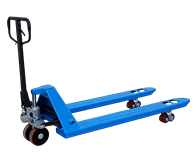
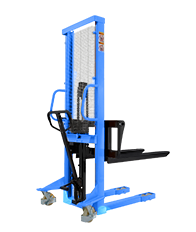
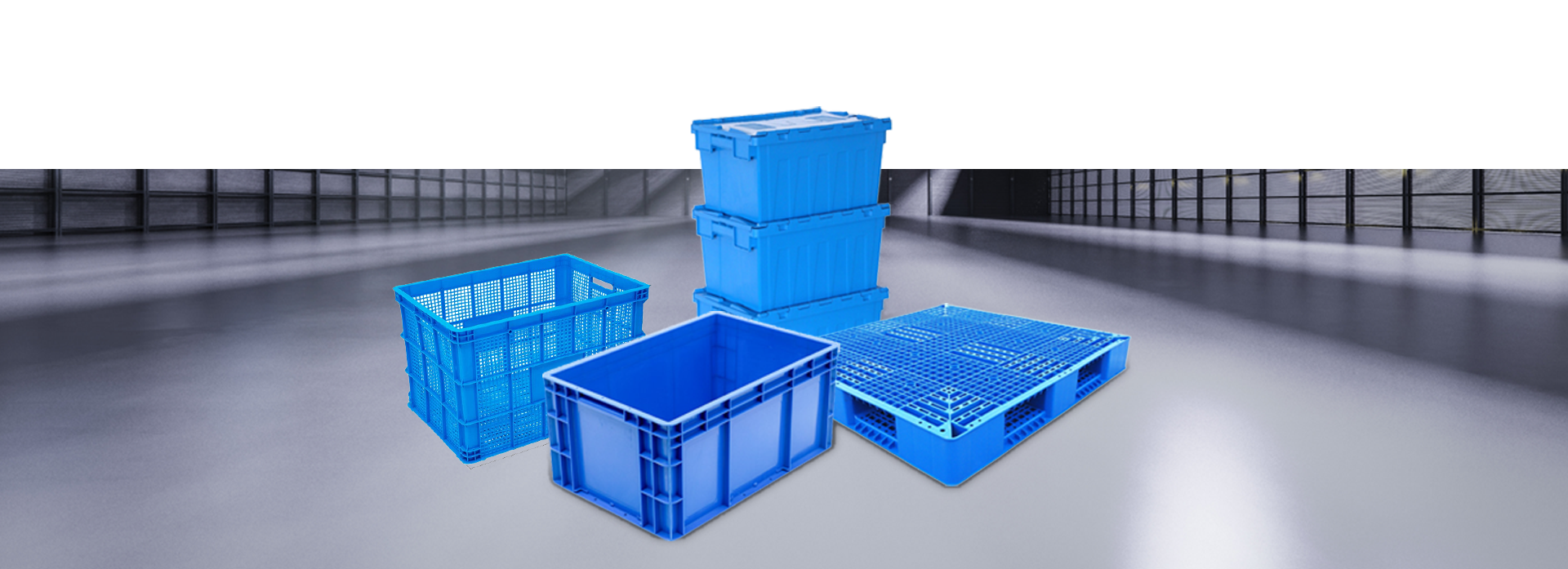
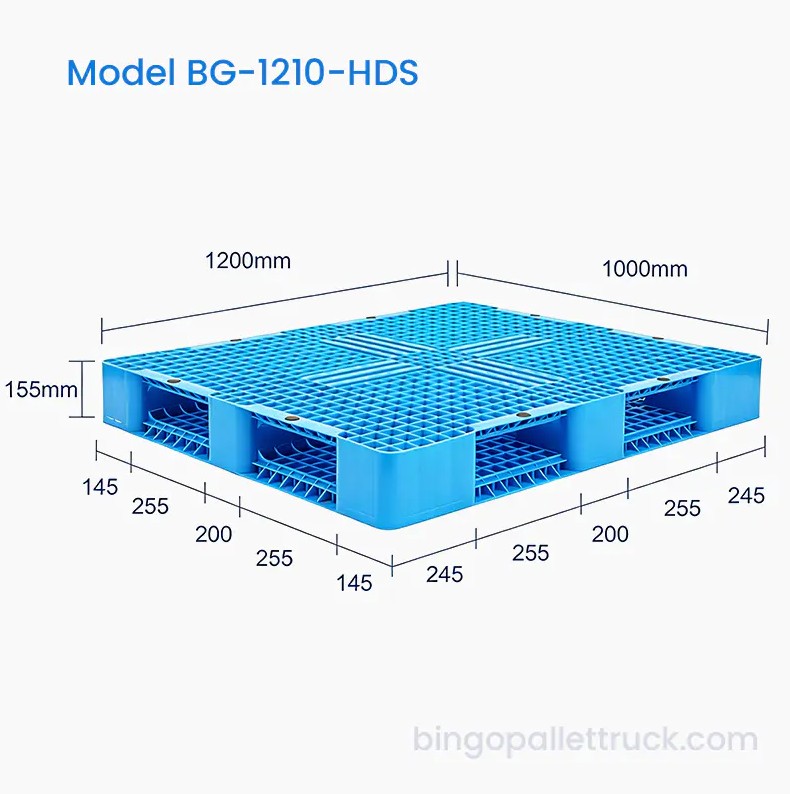
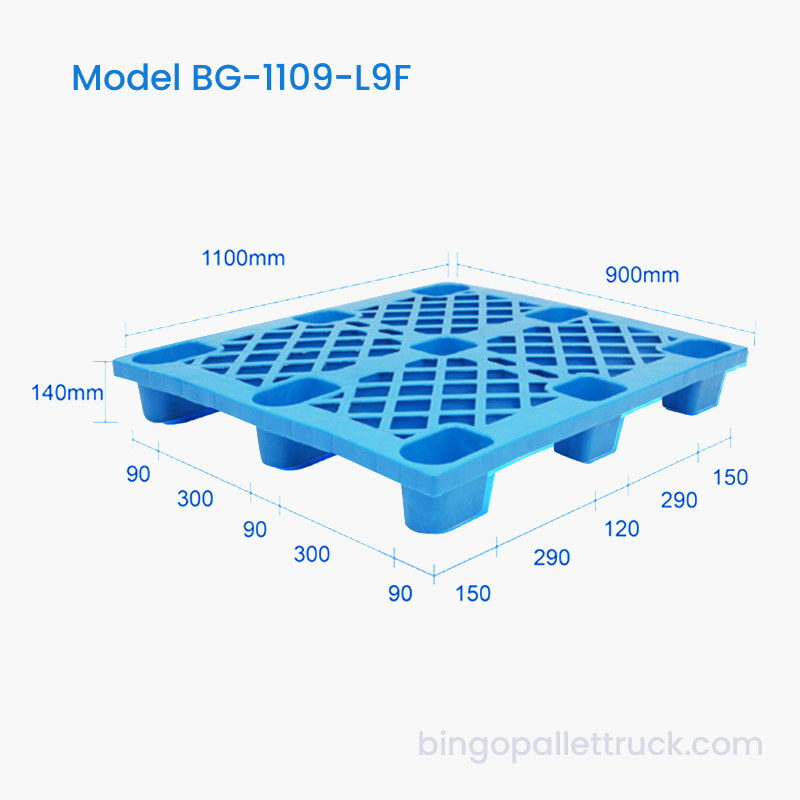
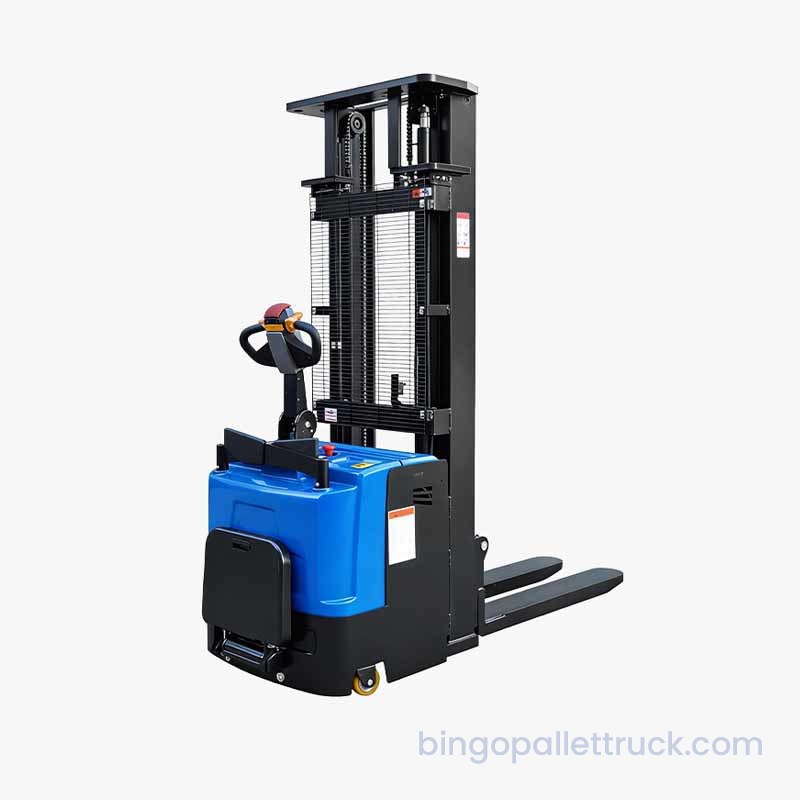
Hoppers rarely work alone. The dump station needs a clear approach, a level pad, and a separate zone for pallets, containers, and racking. Bingo's catalogue focuses on pallets, storage containers, racking, and handling equipment rather than hoppers, so the useful connection is the equipment around the hopper. A heavy duty double sided plastic pallet can support dense loads in dry staging areas. Heavy duty selective pallet racking with adjustable beams can separate hopper traffic from stored goods while keeping the aisle clear. A 2000 kg electric standon stacker can handle pallet level moves where the load and fork dimensions fit the task.
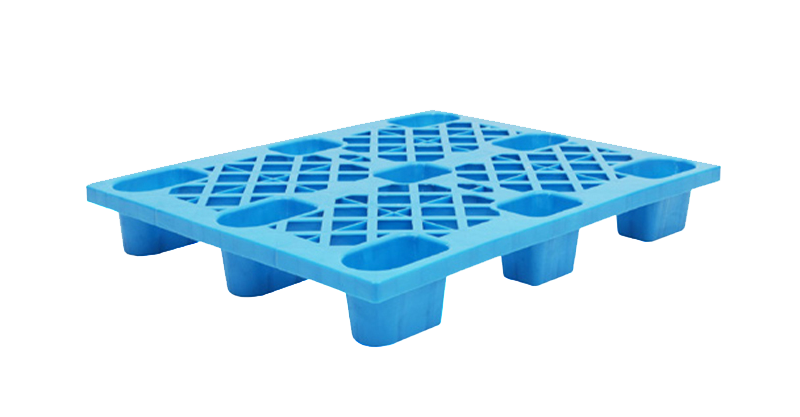
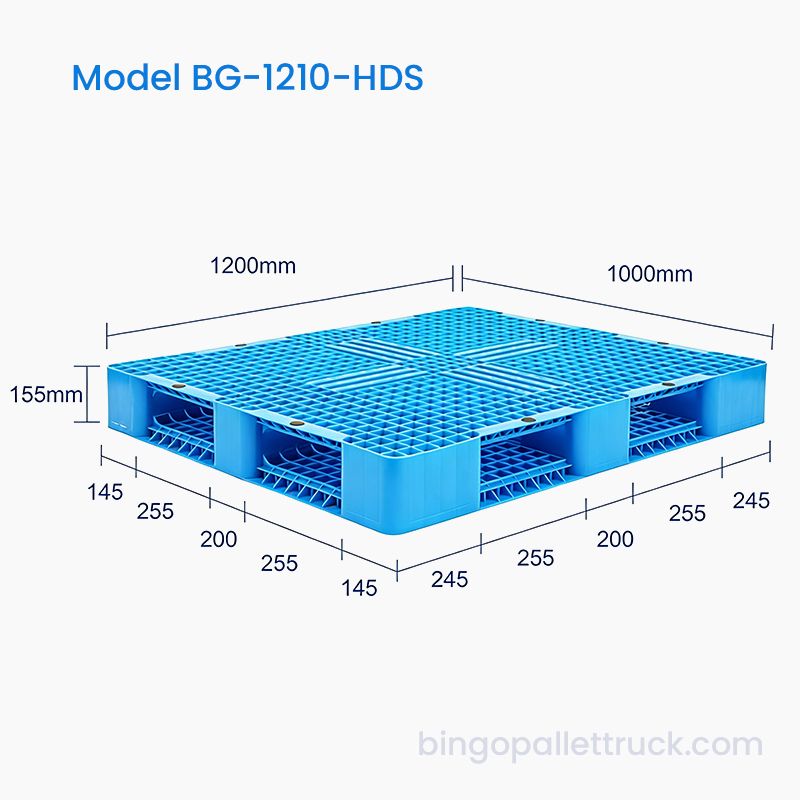 Heavy-Duty Double-Sided Plastic Pallet for RackingA 1200×1000 mm HDPE pallet with steel tubes, 2000 kg dynamic load, and four-way access for dense dry staging near hopper areas.View Product →
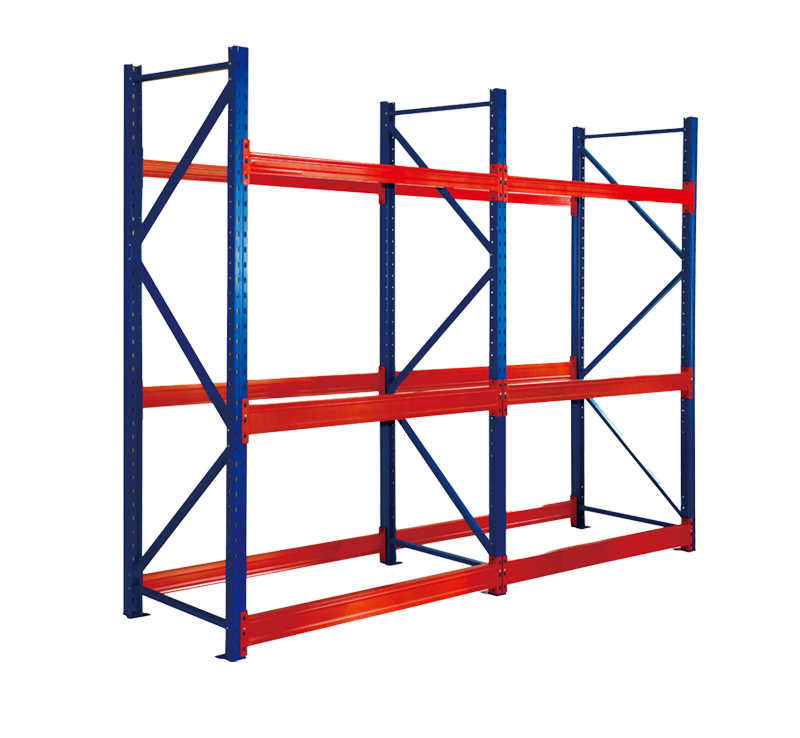
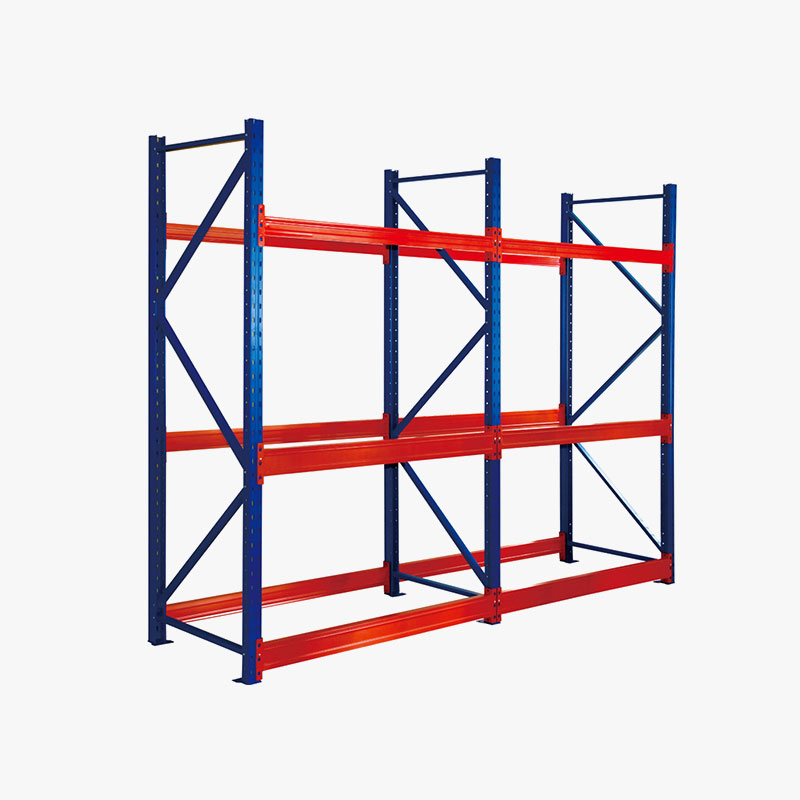
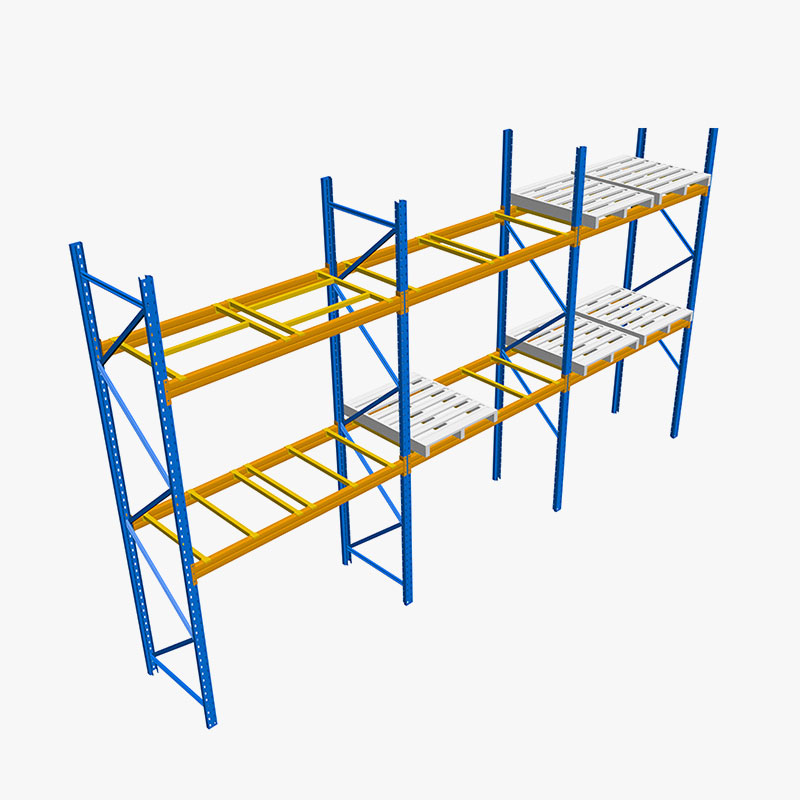 Heavy-Duty Selective Pallet Racking with Adjustable BeamsCold-rolled steel racking with up to 1800 kg per layer and adjustable beams helps separate hopper traffic from stored goods while keeping aisles clear.View Product →
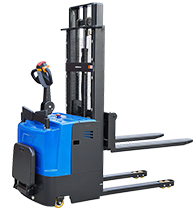
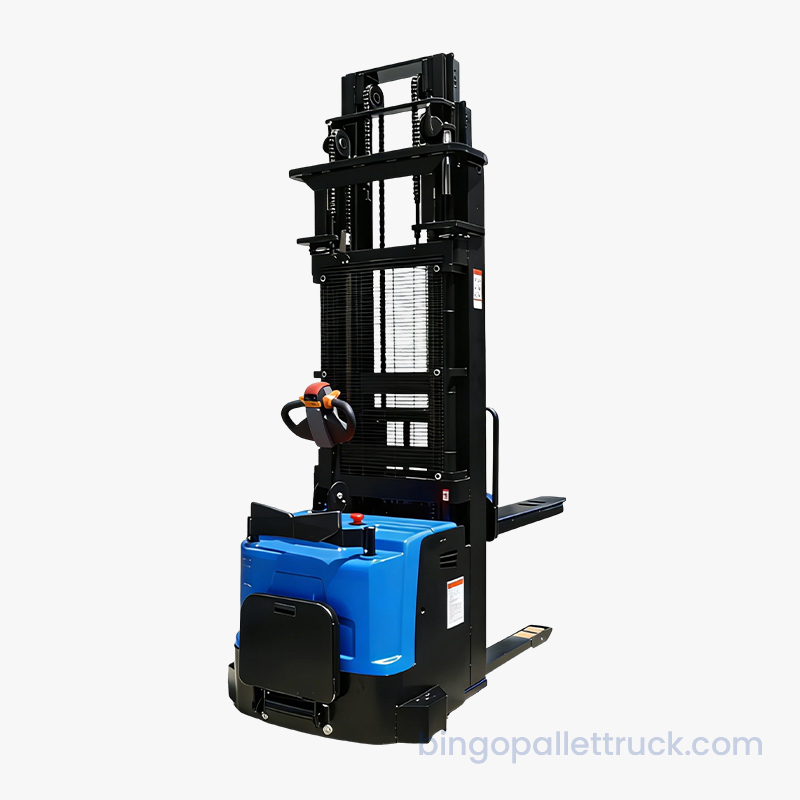
 2000 kg Electric Stand-On Stacker for WarehousingA battery-powered stand-on stacker with 2000 kg rated load and lift heights up to 4000 mm for pallet-level moves around hopper zones.View Product →
For manufacturing plants, the discharge point often sits between production and the warehouse. That makes it worth reviewing the wider manufacturing supply chain solutions when the hopper is part of a scrap, waste, or raw material flow. Keep hopper routes separate from picking aisles where possible. If the hopper must cross a traffic lane, mark the crossing and define who has right of way. The storage zone should not force the forklift to reverse blind or lift the hopper over pedestrians.
Procurement questions and maintenance
Before ordering, ask for the rated load, empty weight, steel thickness, fork pocket dimensions, dump angle, latch type, and replacement part list. Ask how the latch is released and whether it can be reached without standing in the tip zone. Confirm the hopper can be picked up by your forklift with the forks fully engaged. For a fleet, ask for a consistent lifting point so operators do not need different routines for each unit.
- Can the supplier provide the load rating for the hopper plus a stated material density
- Are pivot pins and latch springs available as spare parts
- Does the base drain freely after wet loads
- Is the finish suitable for the actual washdown or chemical exposure
- Can the hopper be inspected without removing the body from the base
Routine inspection should cover pivot pins, latch springs, welds, base flatness, and fork pocket wear. Clean the body after wet or sticky loads. Do not modify the latch or weld extra hooks to the body unless the manufacturer approves the change. A damaged hopper should be tagged out, not returned to service because it still rolls or sits flat.
Next step for your project
The safest purchase is not the largest hopper in the catalogue. It is the one that matches the material, the forklift, the dump point, and the cleaning routine. Confirm the load limit first, then check the pivot and latch, then lay out the traffic path around the discharge zone. If the hopper will support a manufacturing or warehouse flow, contact Bingo to review the pallets, racking, and handling equipment around that station. A short site review can expose clearance, staging, and fork fit issues before the unit arrives.

Copyright @ Yancheng Bingo Machinery Equipment Co., Ltd. All rights reserved Warehouse Logistics Equipment Manufacturer Pallet Truck Supplier
