Pallet racking is the backbone of modern warehouse storage. Whether you're managing a distribution center, manufacturing facility, or retail stockroom, choosing the right pallet racking system directly determines how efficiently your space and inventory are utilized. This article breaks down everything you need to know — from system types and load specifications to installation standards and optimization strategies — so you can make informed decisions for your warehousing operations.
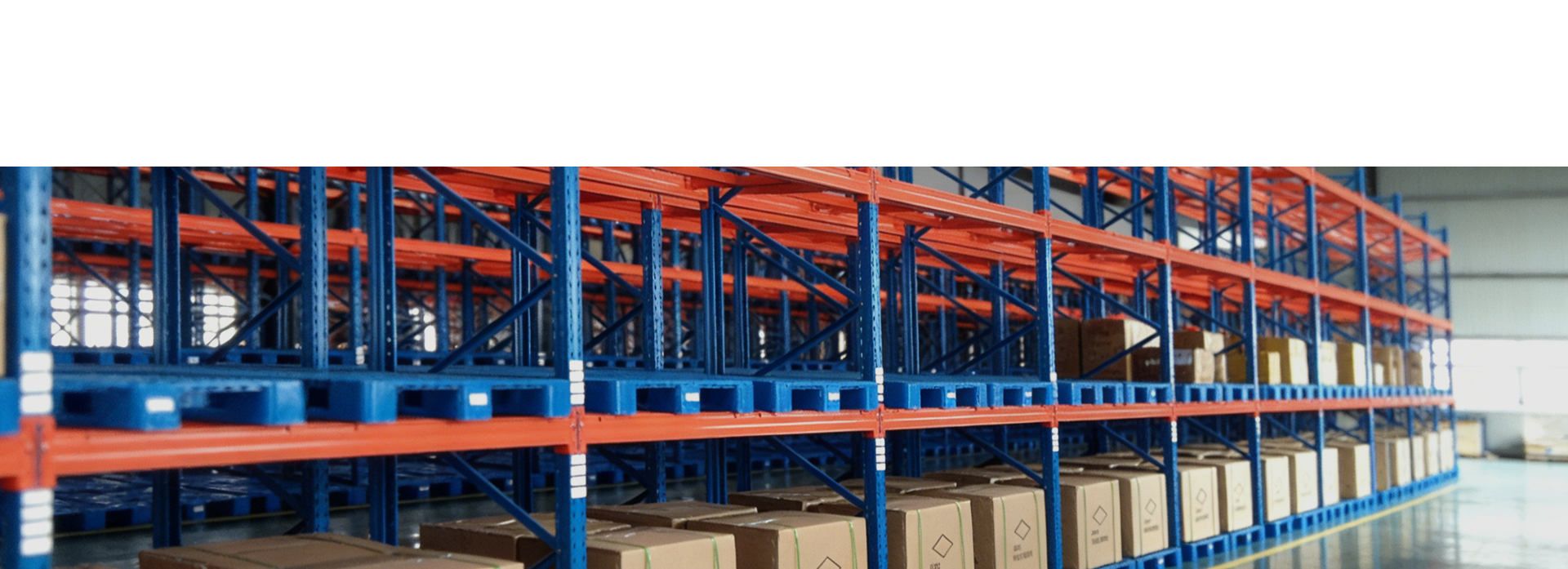
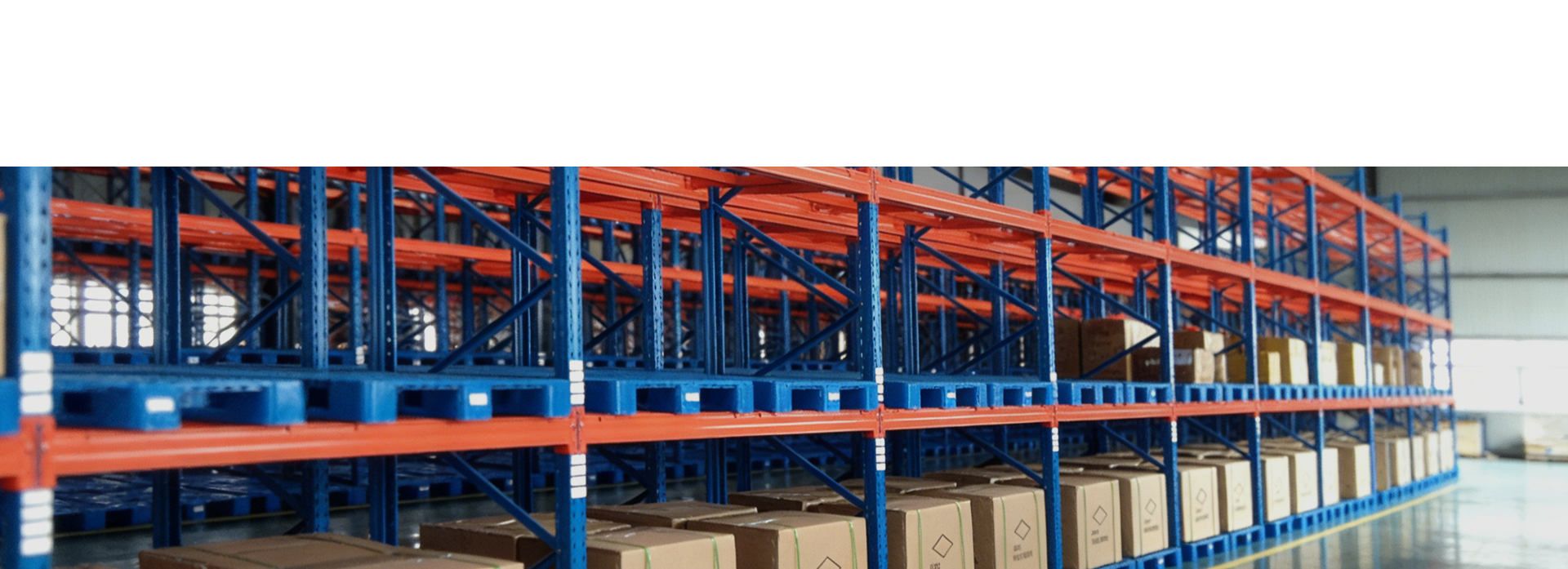
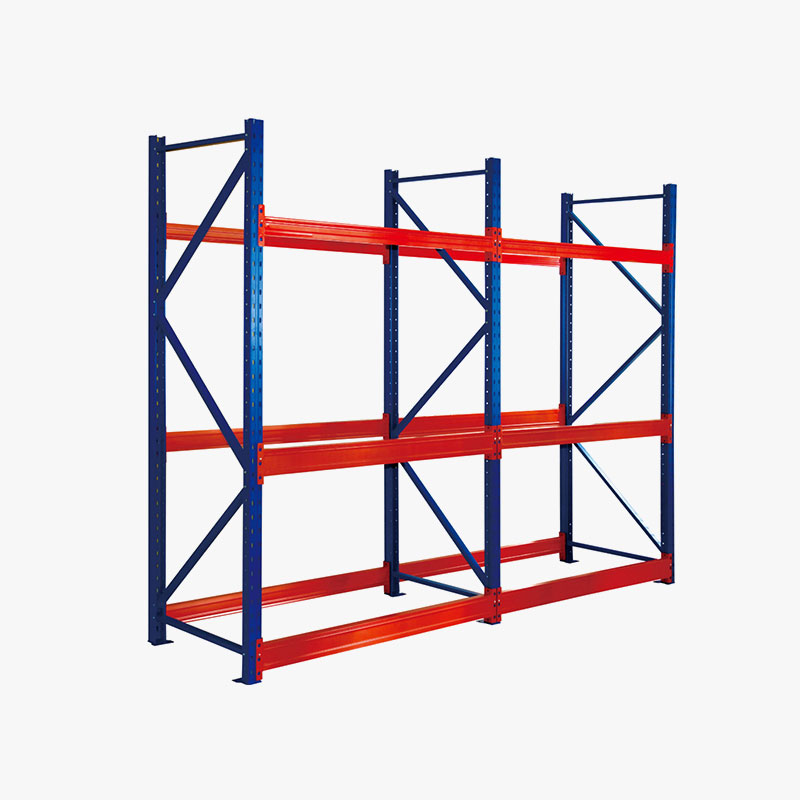
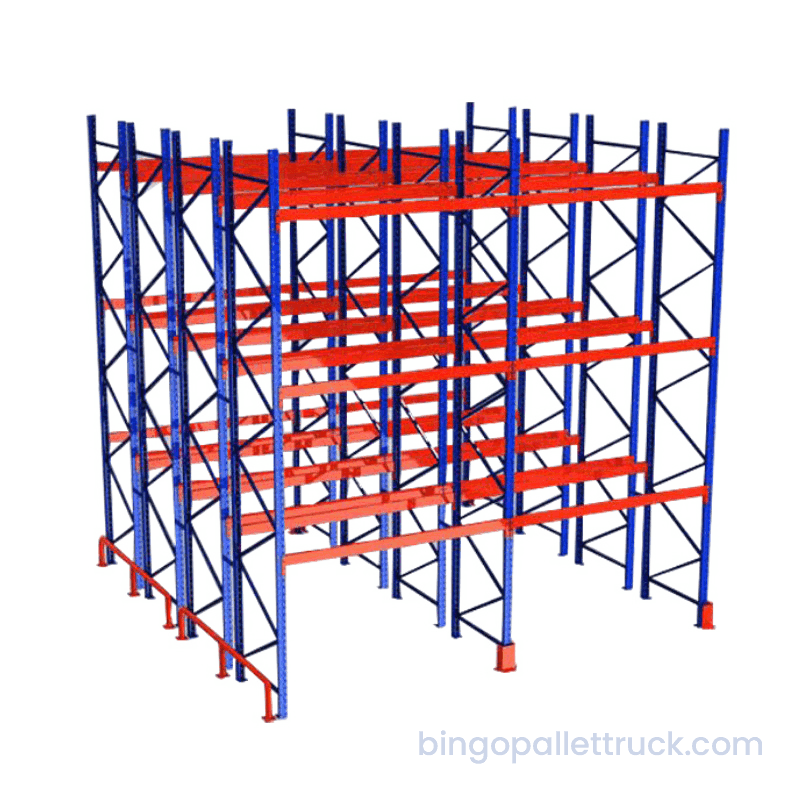
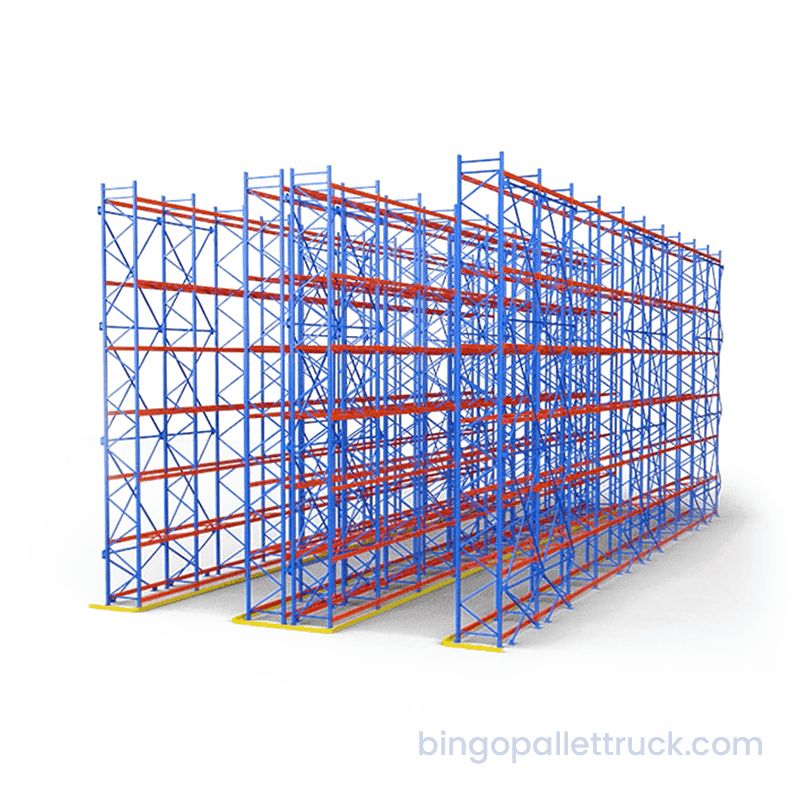
Pallet racking refers to a material handling storage system designed to store materials on pallets — also called "skids" — in horizontal rows with multiple levels. These systems are engineered to maximize vertical space while providing organized, accessible storage for a wide range of goods.
The global warehouse racking market was valued at approximately $11 billion in 2023 and is projected to grow at a CAGR of over 7% through 2030, driven by the rapid expansion of e-commerce fulfillment centers and third-party logistics (3PL) providers. In high-density distribution centers, an optimized pallet racking system can increase storage capacity by up to 40–60% compared to floor-level stacking.
Beyond capacity, racking systems improve picking accuracy, reduce product damage, enhance workplace safety, and enable faster inventory turnover — all critical metrics in today's supply chain environment.
Not all pallet racking solutions are created equal. Each system type is optimized for specific throughput volumes, SKU counts, and operational workflows. Below is a comparison of the most widely used systems:
Overview of Common Pallet Racking System Types and Their Best Use Cases
| Racking Type |
Selectivity |
Space Utilization |
Best For |
FIFO / LIFO |
| Selective Pallet Rack |
100% |
Medium |
High SKU variety, frequent access |
FIFO / LIFO |
| Drive-In / Drive-Through Rack |
Low |
Very High |
Low SKU count, bulk storage |
LIFO (Drive-In) / FIFO (Drive-Through) |
| Push Back Rack |
Medium |
High |
Medium SKU variety, high volume per SKU |
LIFO |
| Pallet Flow Rack |
Medium |
High |
High-turnover perishables, FIFO-critical goods |
FIFO |
| Double Deep Rack |
Medium-Low |
High |
Warehouses with limited aisle space |
LIFO |
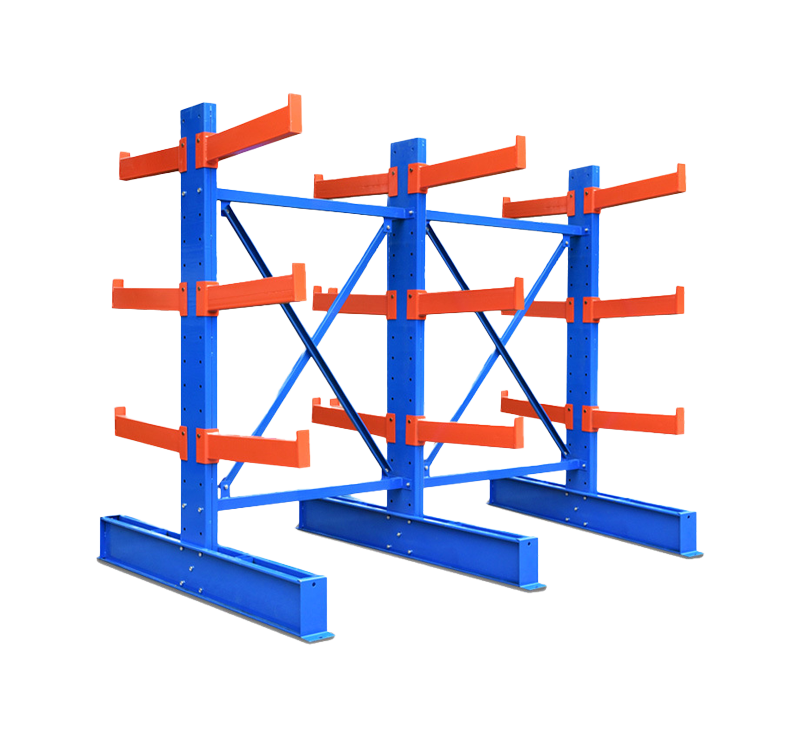
| Cantilever Rack |
High |
Medium |
Long or irregularly shaped items (pipes, lumber) |
FIFO / LIFO |
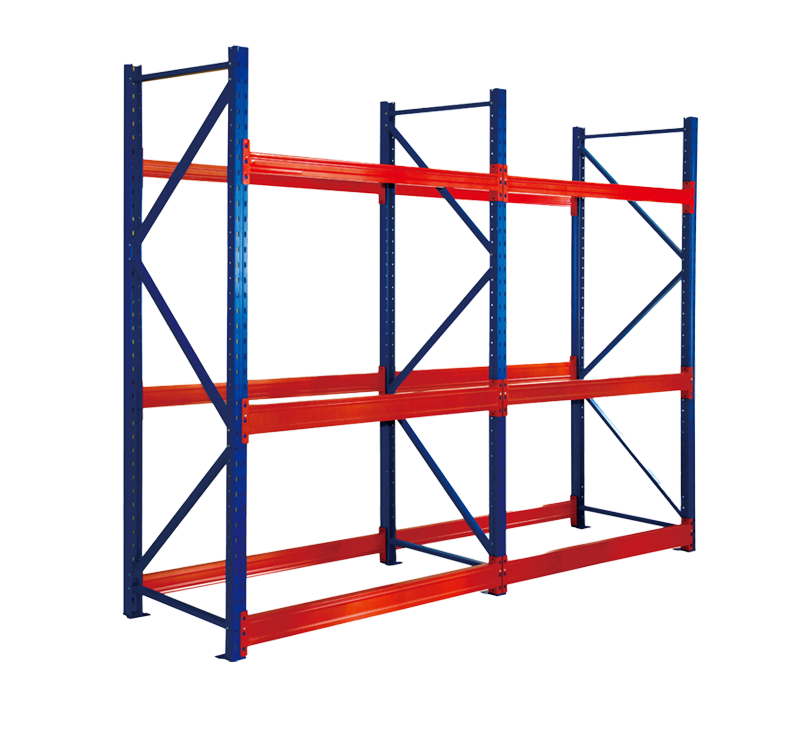
Selective Pallet Racking — The Industry Standard
Selective racking is the most widely adopted system globally, accounting for over 60% of installed warehouse racking. It provides direct access to every pallet position, making it ideal for operations with high SKU diversity. Standard beam levels are typically spaced at 1,800–2,200mm intervals, and systems can reach heights of 10–12 meters with appropriate forklift equipment.
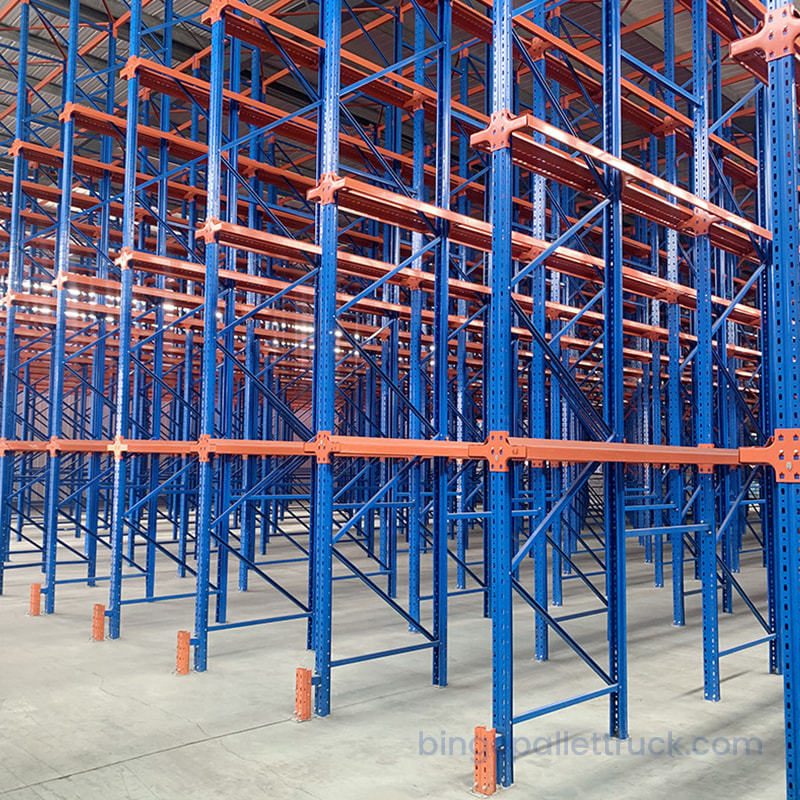
Drive-In Racking — Maximum Density for Bulk Storage
Drive-in racking eliminates access aisles within the rack structure, allowing forklifts to drive into the rack lanes. This system can increase storage density by up to 75% compared to selective racking — but at the cost of selectivity. It's most effective for cold storage facilities and manufacturers with large quantities of identical SKUs.
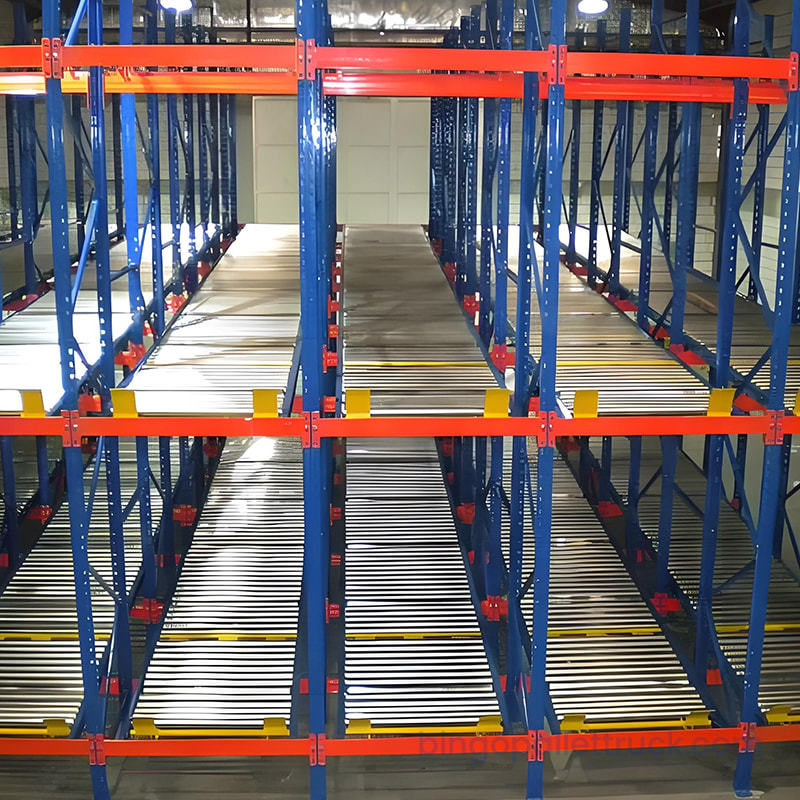
Pallet Flow Racking — FIFO Automation
Pallet flow systems use gravity-fed rollers or wheels to automatically move pallets from the loading end to the picking face. This ensures true FIFO rotation — critical in food, beverage, and pharmaceutical industries where expiration date management is mandatory. A typical flow lane can hold 5–15 pallets in depth, significantly reducing replenishment labor.
Key Technical Specifications to Evaluate
Selecting a racking system without reviewing technical specifications is one of the most common — and costly — mistakes in warehouse planning. Here are the critical parameters every buyer should assess:
Load Capacity
Each racking component has rated load capacities that must not be exceeded. Beam load capacity refers to the maximum weight a pair of beams can safely support across one bay, typically ranging from 1,000 kg to 5,000 kg per level for standard selective racking. Upright frame capacity determines total column load, which must account for the cumulative weight across all levels, including dynamic forces from forklift impact.
- Always verify the UDL (Uniformly Distributed Load) rating per beam pair
- Factor in dynamic loading — forklift vibrations can add 10–25% to static load values
- Never mix components from different manufacturers without engineering verification
Upright Frame Dimensions
Upright frames come in varying depths (typically 800mm, 1,000mm, or 1,100mm) and thicknesses (1.5mm to 3.0mm steel gauge). Deeper frames provide greater stability for taller rack structures. For racks exceeding 6 meters in height, frame depths of at least 1,000mm are typically recommended by structural engineers.
Beam Profile and Connection Type
Beam profiles (box beam, step beam, open-back beam) affect both load distribution and pallet compatibility. The connector system — whether teardrop, keyhole, or hook-in — determines ease of adjustment and the frequency at which beam heights can be reconfigured. Teardrop connectors are the most common standard, offering tool-free adjustment in 50mm increments.
Seismic and Wind Load Ratings
In regions with seismic activity or for outdoor/semi-outdoor installations, racking must meet local seismic zone requirements. Many national standards (such as EN 15512 in Europe, RMI in North America) mandate specific bracing configurations and anchor bolt specifications based on geographic risk zones.
Pallet Racking Safety Standards and Compliance
Structural failure of pallet racking is responsible for thousands of warehouse injuries annually worldwide. Compliance with established standards is non-negotiable — not only for worker safety but also for insurance coverage and operational continuity.
International Standards Overview
- EN 15512 (Europe): Specifies design principles for adjustable pallet racking systems, including load testing and safety factors
- ANSI MH16.1 / RMI (North America): Covers specification, design, testing, and utilization of industrial steel storage racks
- AS 4084 (Australia): Australian standard for steel storage racking, widely referenced across Asia-Pacific
- GB/T 26014 (China): National standard for non-continuous mechanical storage equipment racking
Regular Inspection Protocols
SEMA (Storage Equipment Manufacturers' Association) guidelines recommend that all racking installations be inspected by a qualified person at least once every 12 months, with ongoing daily visual checks by trained staff. Damage classification follows a traffic-light system:
- Green: Minor damage — monitor and schedule repair within 4 weeks
- Amber: Significant damage — reduce load immediately, repair within 4 weeks
- Red: Severe damage — unload immediately, do not use until repaired or replaced
Forklift collisions are the leading cause of racking damage. Installing column guards, end-of-aisle protectors, and rack barriers can reduce collision-related damage by up to 80% in high-traffic aisles.
Effective racking layout planning requires balancing storage density with operational efficiency. A poorly designed layout can waste 20–30% of available floor space or create bottlenecks that slow throughput by similar margins.
Step 1: Assess Your Inventory Profile
Before selecting a system, analyze your inventory data:
- Total number of SKUs and pallet positions required
- Weight and dimensions of heaviest and largest pallets
- Inventory velocity (fast-moving A items vs. slow-moving C items)
- FIFO or LIFO requirements by product category
- Seasonal fluctuations in inventory volume
Step 2: Define Aisle Width Based on Equipment
Aisle width is one of the most significant factors in layout efficiency. The type of forklift dictates the minimum aisle requirement:
- Counterbalance forklift: 3,500–4,500mm aisle width required
- Reach truck: 2,700–3,200mm — increases storage density significantly
- Narrow aisle (VNA) truck: 1,600–1,800mm — maximizes density but requires guided rail systems
- Man-up order picker: Similar to reach truck aisles, optimized for multi-level picking
Step 3: Optimize Vertical Space
The usable rack height is typically limited to the clear ceiling height minus 1,000mm to allow safe clearance for sprinkler systems and lighting. In a standard 10-meter clear-height warehouse, this allows for racks up to approximately 9 meters, often accommodating 4–5 pallet levels depending on product height.
Step 4: Apply ABC Slotting Principles
Place high-velocity (A) SKUs at ergonomic picking heights (800–1,800mm from floor) and nearest to dispatch areas. Medium-velocity (B) items should occupy mid-level positions and secondary zones. Slow-moving (C) items can be placed at the highest rack levels or farthest aisles. Proper ABC slotting can reduce picker travel distance by 30–50% in high-activity warehouses.
Integration with Pallets and Handling Equipment
Pallet racking does not function in isolation — it is part of an integrated material handling ecosystem. Compatibility between racking, pallets, and handling equipment is essential for both safety and efficiency.
Pallet Compatibility
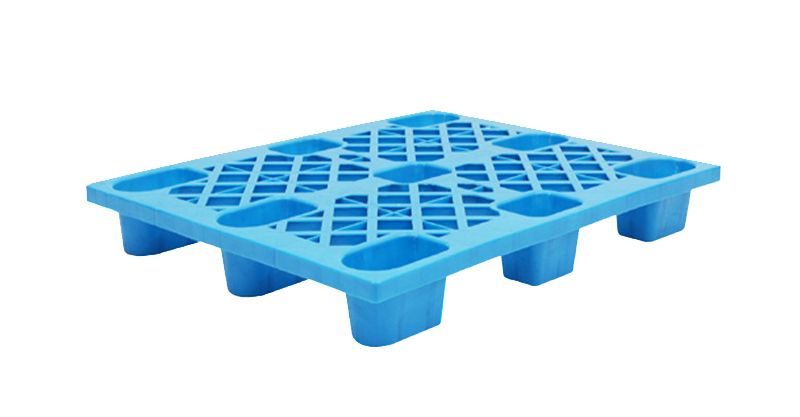
The standard pallet footprint (1,200 × 1,000mm in Europe, 1,219 × 1,016mm in North America) dictates beam length selection. Most selective racking systems are designed for two-pallet bays (2,700mm beam length) or three-pallet bays (3,600mm+). Using plastic pallets — which offer dimensional consistency and eliminate nail/splinter hazards compared to wooden alternatives — can reduce beam damage and improve system longevity. As a manufacturer and supplier of warehousing solutions, Bingo provides a comprehensive range of plastic pallets engineered to meet standard racking beam specifications, ensuring consistent load distribution and compatibility across storage systems.
Handling Equipment Coordination
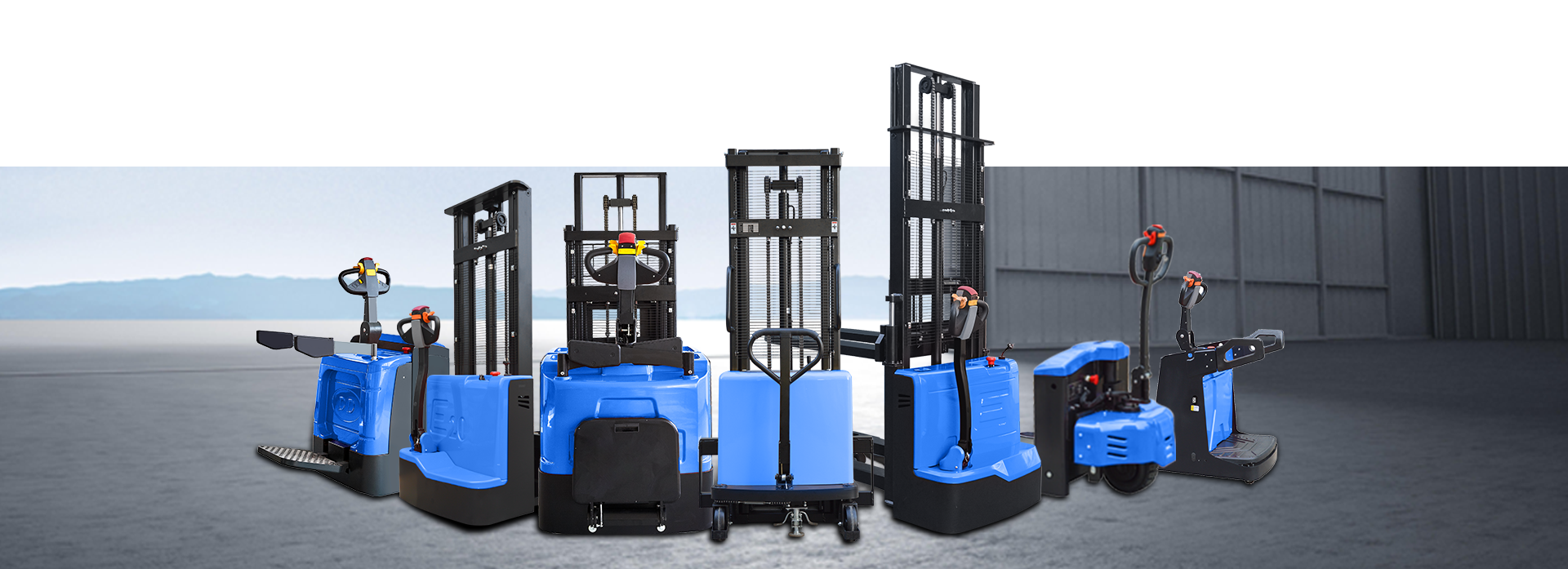
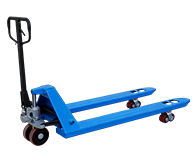
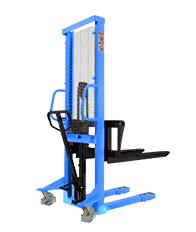
Forklift mast height and rated capacity at maximum lift height must be verified against the highest rack beam position. A forklift rated at 2,500 kg at ground level may only handle 1,200–1,500 kg at 6-meter lift height — a critical factor when loading upper rack levels. As a supplier of manual and electric pallet trucks and stackers, Bingo designs handling equipment to complement its storage system offerings, ensuring lift height, capacity, and turning radius are matched to the specific racking configuration.
Stretch Wrap and Load Unitization
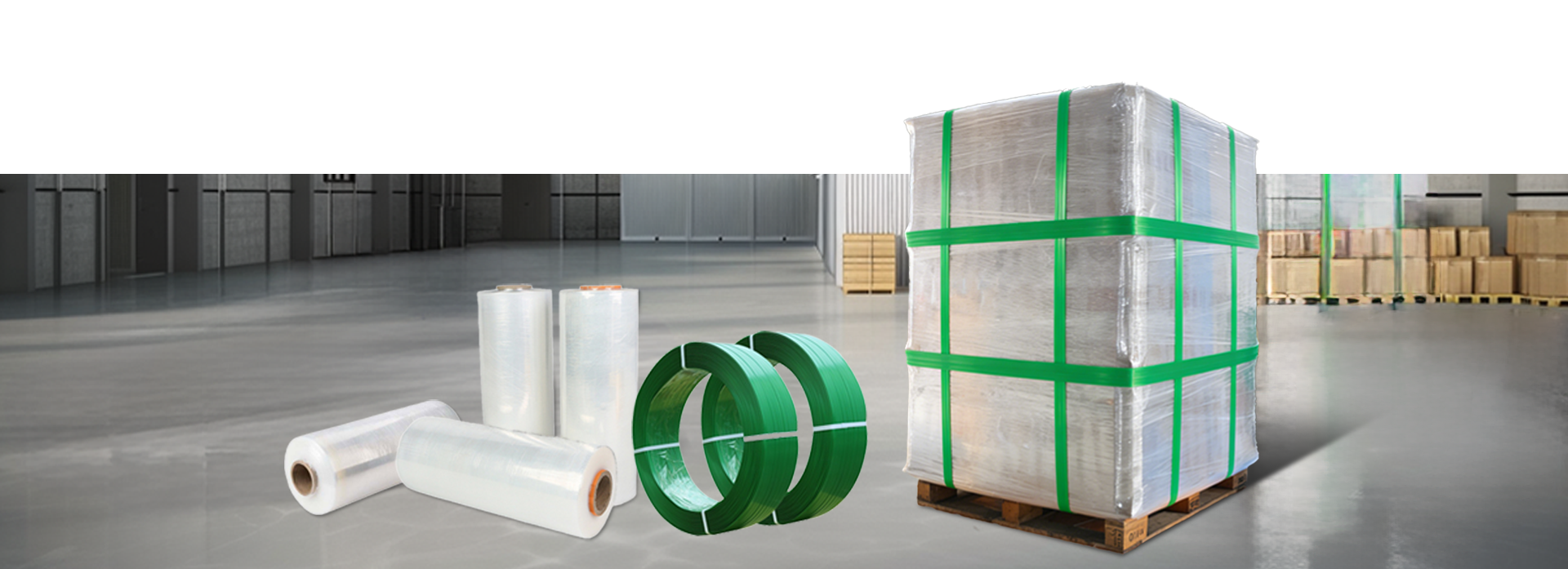
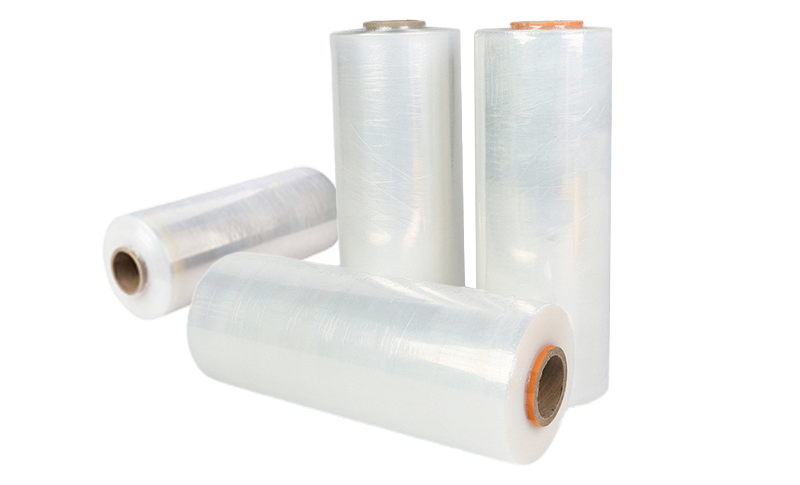
Palletized loads stored at height must be properly unitized to prevent shifting or collapse during storage and retrieval. Stretch wrapping is the industry-standard method, with minimum 200% pre-stretch film recommended for loads exceeding 500 kg. Proper wrapping reduces in-rack load movement and protects goods from dust and moisture — particularly important in high-bay racking where manual inspection of upper levels is limited.
Common Mistakes in Pallet Racking Selection and Use
Even experienced warehouse managers make avoidable errors when specifying or operating racking systems. Understanding these pitfalls can save significant costs and prevent accidents.
- Underestimating future capacity needs: Designing a rack system for current inventory without accounting for 3–5 year growth projections often results in costly mid-term retrofits. Always plan for at least 20–30% expansion capacity.
- Ignoring floor loading limits: Each rack bay transfers load to the floor through baseplate anchors. In older facilities, floor slab load ratings (typically 3–8 tonnes per square meter) may be exceeded by dense, high-load racking configurations without engineered spreader plates.
- Overloading beams progressively: As product weights increase or change over time, beam capacities are frequently exceeded without formal re-evaluation. Load notices must be posted and respected at every bay.
- Failing to anchor uprights correctly: Uprights must be bolted to the floor with manufacturer-specified anchors. Unanchored or under-anchored racks are a leading cause of catastrophic collapse, particularly under forklift impact.
- Delaying repair of damaged components: A single damaged upright — even with minor visible deformation — can reduce the structural capacity of an entire rack bay by 50% or more. Replace, don't just monitor.
- Using incompatible component brands: Mixing uprights and beams from different manufacturers without engineering sign-off voids safety certifications and creates unpredictable load behavior at connectors.
Emerging Trends: Automation-Ready Racking Systems
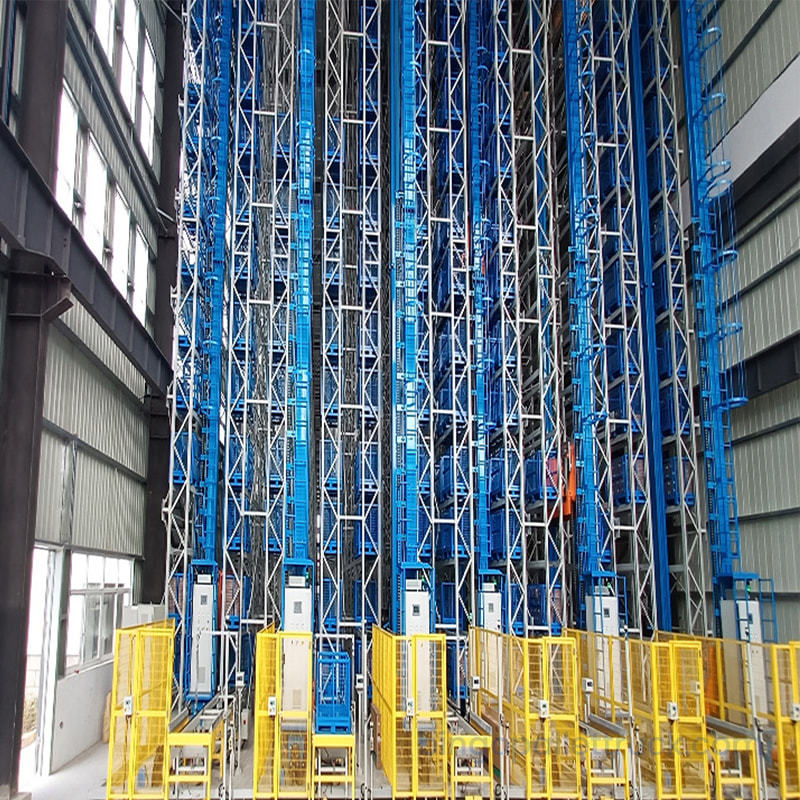
As warehouses evolve toward greater automation, pallet racking systems are increasingly being designed to accommodate automated storage and retrieval systems (AS/RS), autonomous mobile robots (AMRs), and shuttle-based solutions.
Rack-Supported Buildings
In high-bay automated warehouses, the racking structure itself serves as the building framework — with rack uprights supporting the roof and wall cladding. These rack-supported structures can reach heights of 40 meters or more, dramatically increasing storage density per square meter of land. They are particularly common in AS/RS installations for food and beverage cold storage.
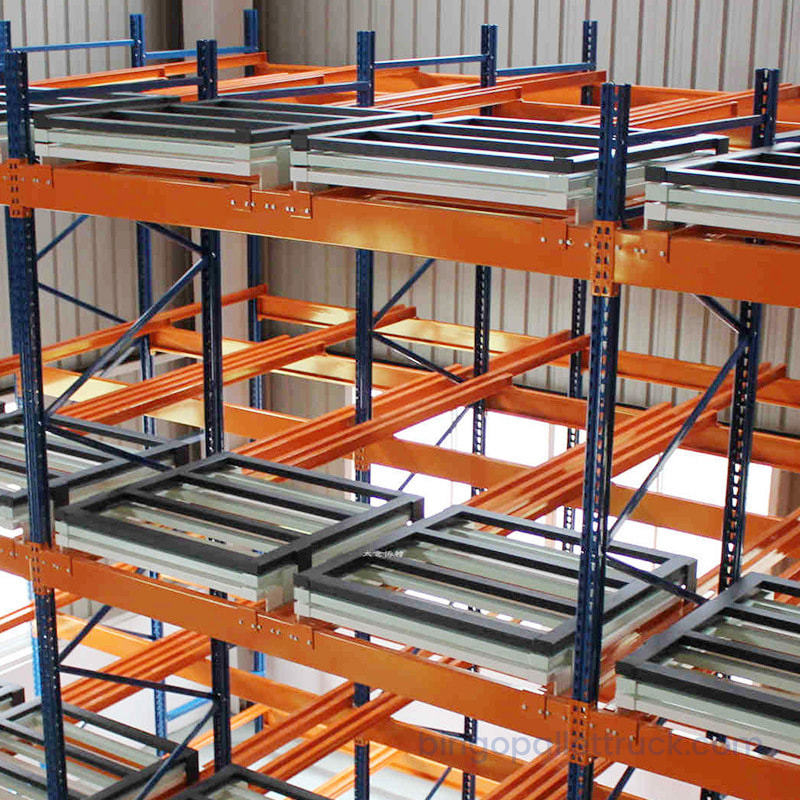
Shuttle Racking Systems
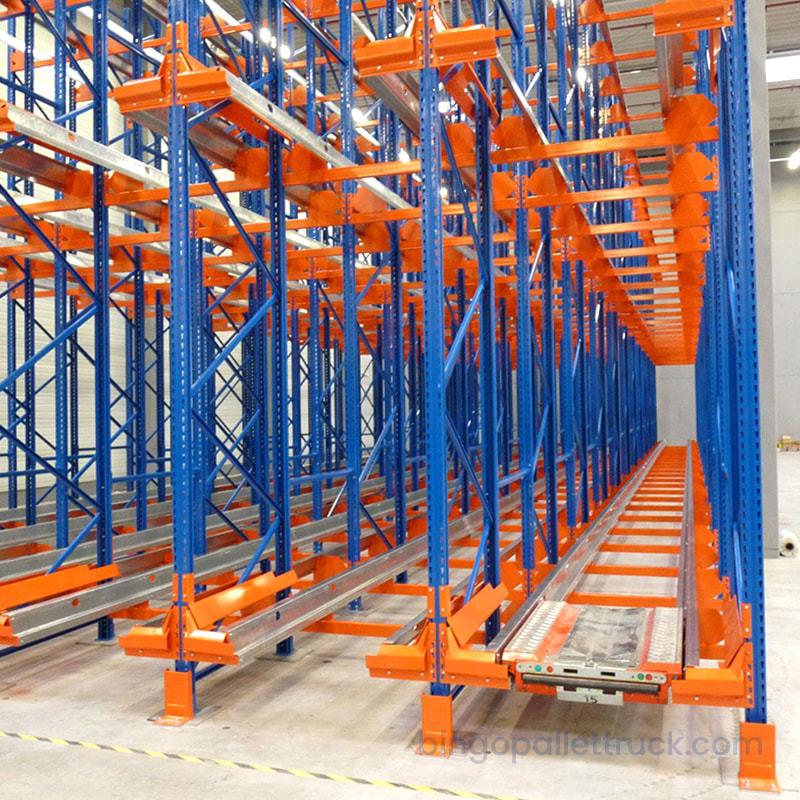
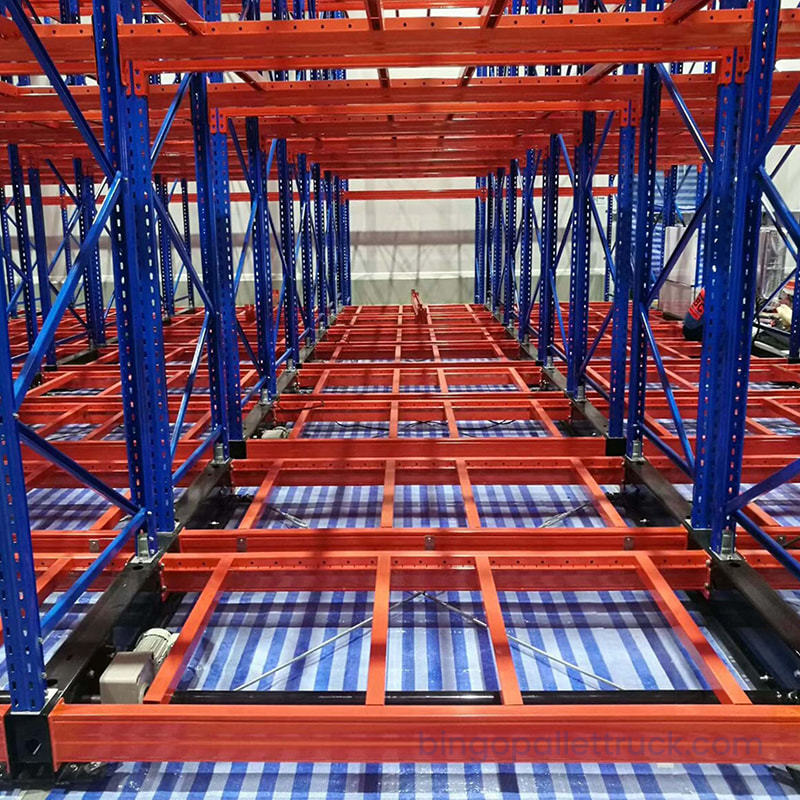
Pallet shuttle systems deploy semi-autonomous shuttle vehicles within rack channels to move pallets, eliminating the need for forklifts to enter rack lanes. This improves safety, allows rack channels to extend up to 30–40 pallets deep, and increases throughput rates significantly. Shuttle systems are gaining traction in e-commerce fulfillment centers with high SKU volumes and fast order cycles.
IoT-Enabled Rack Monitoring
Smart sensor systems embedded in rack uprights can now continuously monitor structural load, detect impact events, and alert facility managers in real time when thresholds are exceeded. Early adopters report a reduction in unplanned racking downtime of up to 35% through predictive maintenance enabled by IoT monitoring data.
Choosing a Pallet Racking Supplier: What to Look For
The quality and reliability of your racking supplier has long-term implications for safety, compliance, and total cost of ownership. Key criteria to evaluate include:
- Certification and standards compliance: Confirm that products meet relevant national or international standards (EN 15512, RMI, AS 4084, etc.) with third-party test documentation available on request
- Engineering support: Reputable suppliers provide professional layout planning, load calculation reports, and installation supervision — not just product catalogs
- Manufacturing traceability: Steel coil origin, gauge verification, and weld quality records should be available for all structural components
- Spare parts availability: Ensure the supplier can provide replacement beams, uprights, and connectors within a reasonable lead time to avoid prolonged operational shutdowns after damage events
- Integrated solution capability: Suppliers who also offer pallets, handling equipment, and storage accessories can provide a more cohesive system — reducing compatibility risks and simplifying procurement
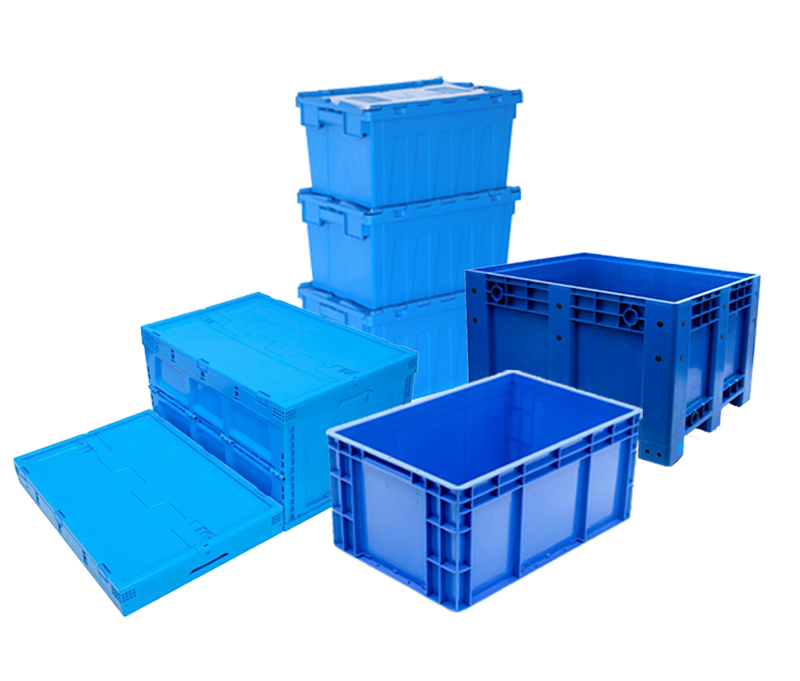
As a manufacturer and supplier specializing in warehousing and logistics equipment, Bingo provides integrated storage solutions that span pallet racking systems, plastic pallets, handling equipment, and packaging materials. This integrated approach allows customers to source compatible, tested components from a single supplier — simplifying procurement, reducing coordination complexity, and ensuring system-wide compatibility across the entire material handling chain.

 en
en  Español