 en
en  Español


Material Handling Equipment Examples: 25+ Types for Warehouses and Factories
A warehouse manager planning a facility expansion faces a long list of purchasing decisions. A 2,500 kg hand pallet truck costs about USD 1,000, while a basic forklift can cost USD 25,000 or more, and choosing between them involves more than price. The right material handling equipment directly affects cycle time, labor cost, floor space utilization, and safety. This article lists concrete material handling equipment examples across the main categories and explains how to match them to your operation.
Content
- 1 What Counts as Material Handling Equipment?
- 2 Transport Equipment Examples Found in Most Warehouses
- 3 Storage and Handling Equipment Examples
- 4 Unit Load Formation and Packaging Equipment
- 5 Engineered Systems and Automation Examples
- 6 How to Choose the Right Material Handling Equipment
- 7 Final Thoughts on Material Handling Equipment Examples
What Counts as Material Handling Equipment?
Material handling equipment covers any tool, machine, or system used to move, store, control, and protect goods inside a facility. The most common classification divides it into four groups: transport equipment, storage and handling equipment, unit load formation equipment, and engineered systems. Each group answers a different operational need, and most facilities need a combination of all four. Transport equipment moves products from receiving to storage to shipping. Storage equipment holds products between moves. Unit load equipment keeps products organized and protected. Engineered systems automate the flow between these functions.
Transport Equipment Examples Found in Most Warehouses
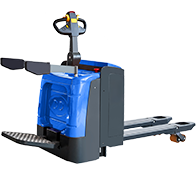
Transport equipment is the workhorse of any warehouse or factory. It includes industrial trucks such as pallet trucks, stackers, forklifts, and tow tractors, plus conveyors and cranes. The choice depends on travel distance, load weight, aisle width, and required throughput.
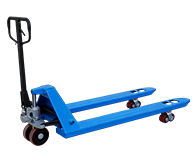
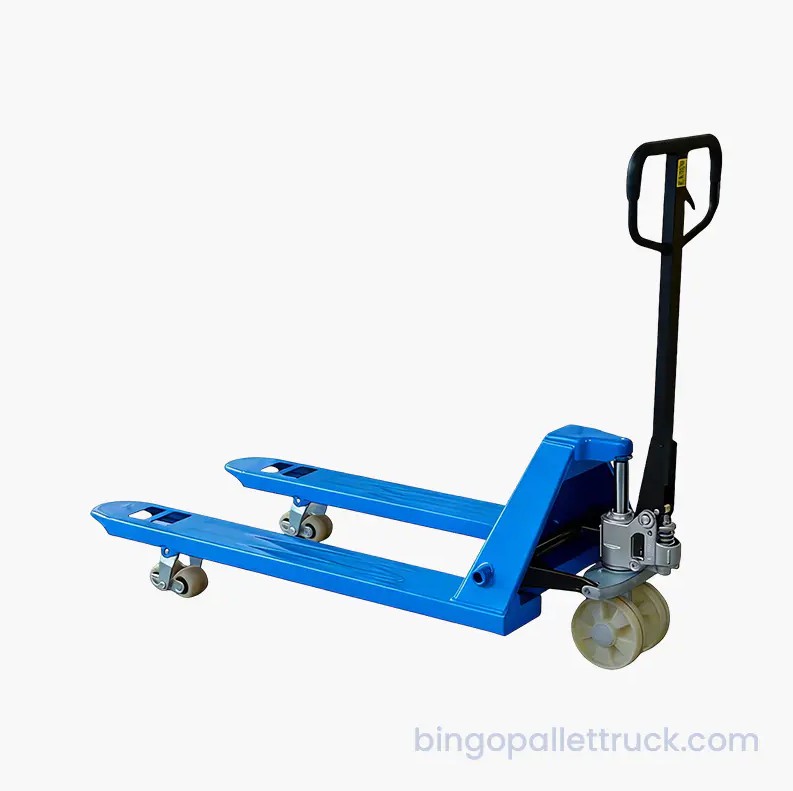
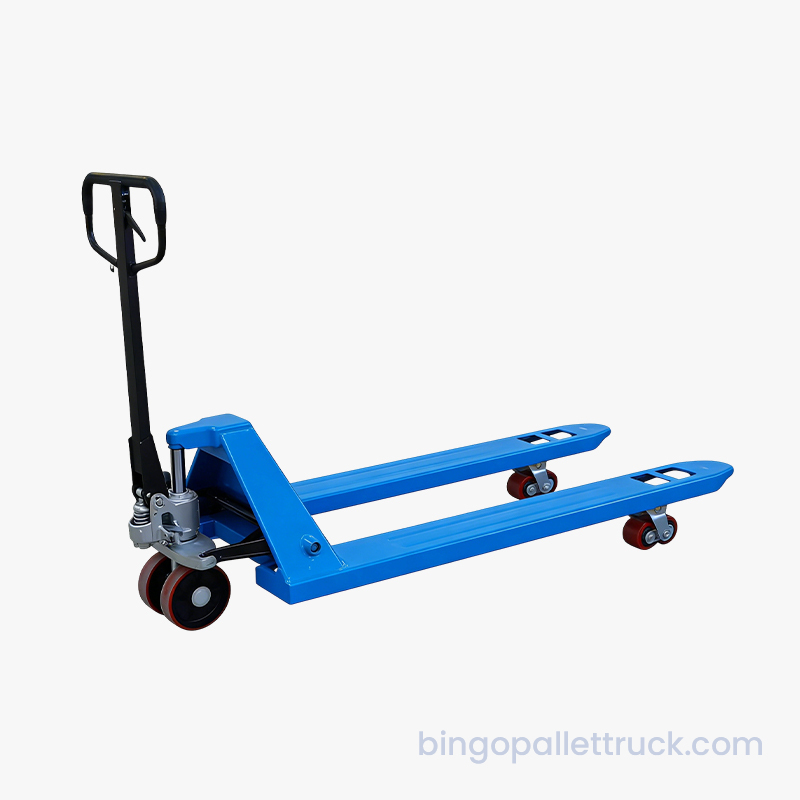
The hand pallet truck is probably the most common example of material handling equipment. A typical unit like the 2500 kg hand pallet truck has a 2,500 kg capacity, durable steel forks, and polyurethane wheels for smooth movement. It is ideal for loading and unloading trailers, moving pallets across flat floors, and positioning loads at workstations. It requires no battery or operator license, and maintenance is limited to checking seals and wheel wear. A facility doing fewer than 40 pallet moves per day often finds that a manual pallet truck is the most cost-effective starting point. For heavier duty cycles, an electric pallet truck reduces operator fatigue and doubles travel speed.
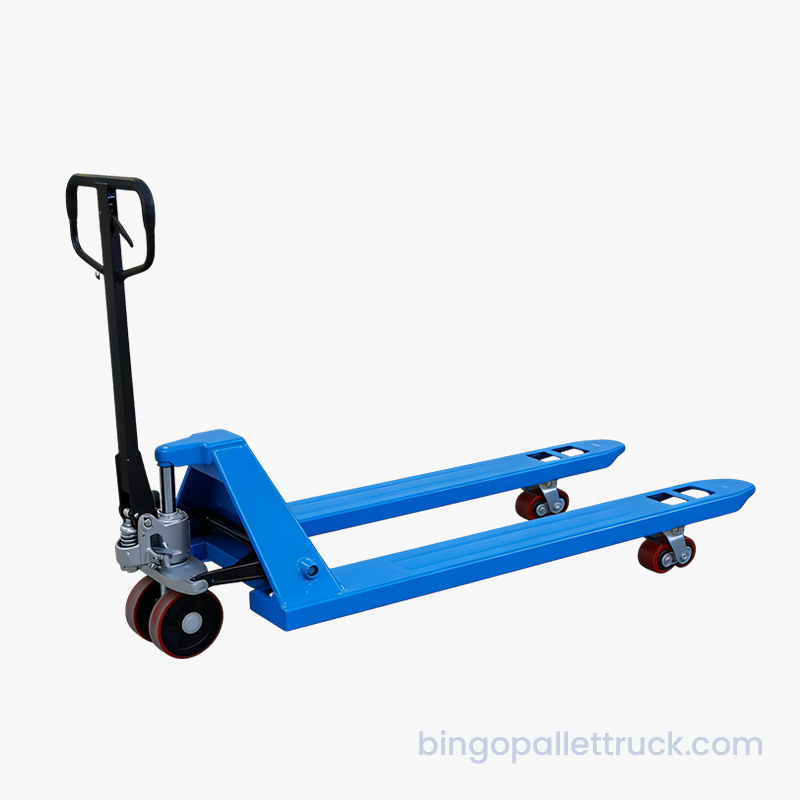 2500kg Hand Pallet Truck Heavy Duty Manual Pallet Jack for Heavy Load Material HYancheng Bingo Machinery Equipment Co., Ltd is China 2500kg Hand Pallet Truck Heavy Duty Manual Pallet Jack for Heavy Load Material Handl...View Product →
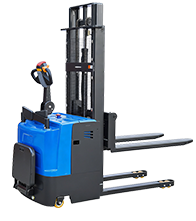
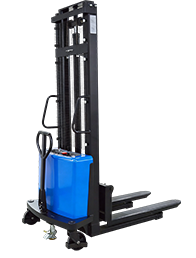
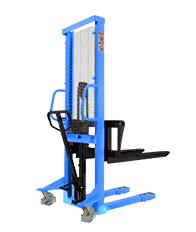
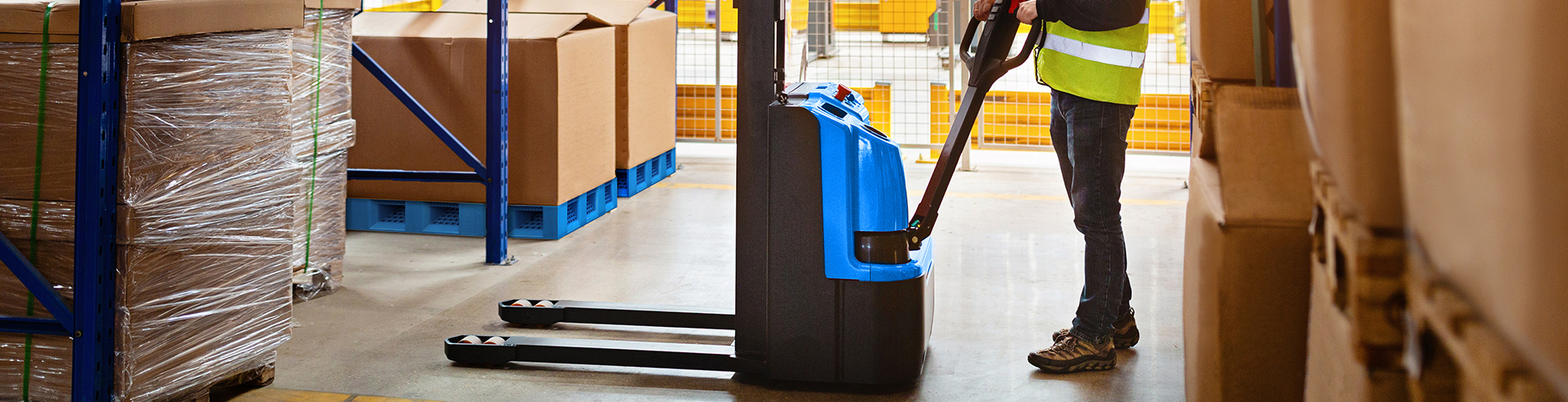
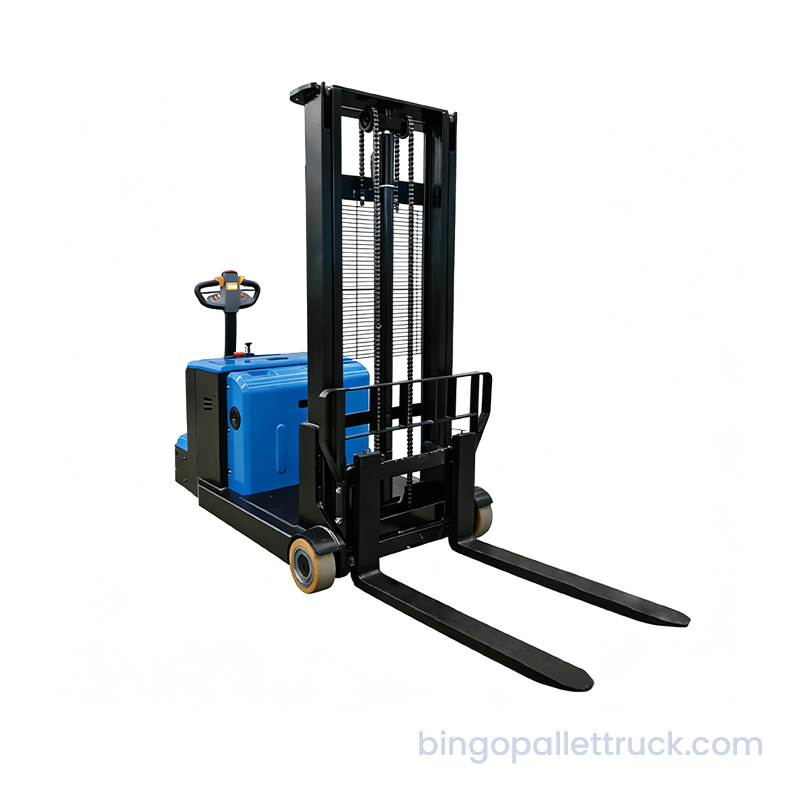
Electric stackers take over when loads must be lifted to racking levels. A walkie electric stacker can lift 1,500 kg to heights around 3 meters. A counterbalanced model eliminates the need for outriggers and can handle heavier loads in tighter spaces, although it costs more. Forklifts are the general-purpose option for palletized goods both indoors and outdoors, offering capacities from 1,000 kg to 5,000 kg.
Typical Entry Cost of Transport Equipment (USD)
The horizontal bar chart compares typical entry prices for five types of transport equipment. Hand pallet trucks sit at the lowest investment level, making them the default choice for manual operations. Electric pallet trucks cost several times more but deliver higher speed and lower physical strain. Stackers and forklifts push the investment higher because they include lifting masts, hydraulic systems, and stronger traction units. The chart does not show total ownership costs, because electric equipment consumes batteries, chargers, and spare parts over time. This comparison explains why many facilities start with manual pallet trucks and upgrade gradually as volume grows.
Conveyors handle unit loads and loose items without a driver. Belt conveyors, roller conveyors, and chain conveyors move cartons, totes, and pallets between zones. A conveyor system is justified when order volume exceeds roughly 500 cartons per hour over fixed paths. It reduces labor and improves flow consistency, but it consumes floor space and is less flexible than mobile equipment.
Storage and Handling Equipment Examples
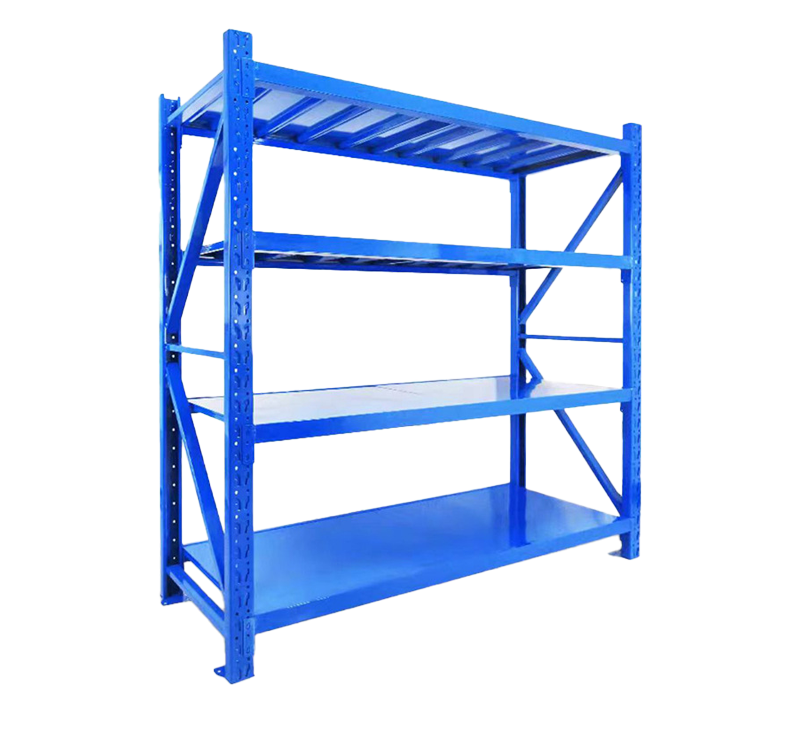
Storage equipment includes pallet racks, shelving systems, plastic pallets, crates, totes, and bins. These items determine how much product a facility can hold and how accessible that product remains.
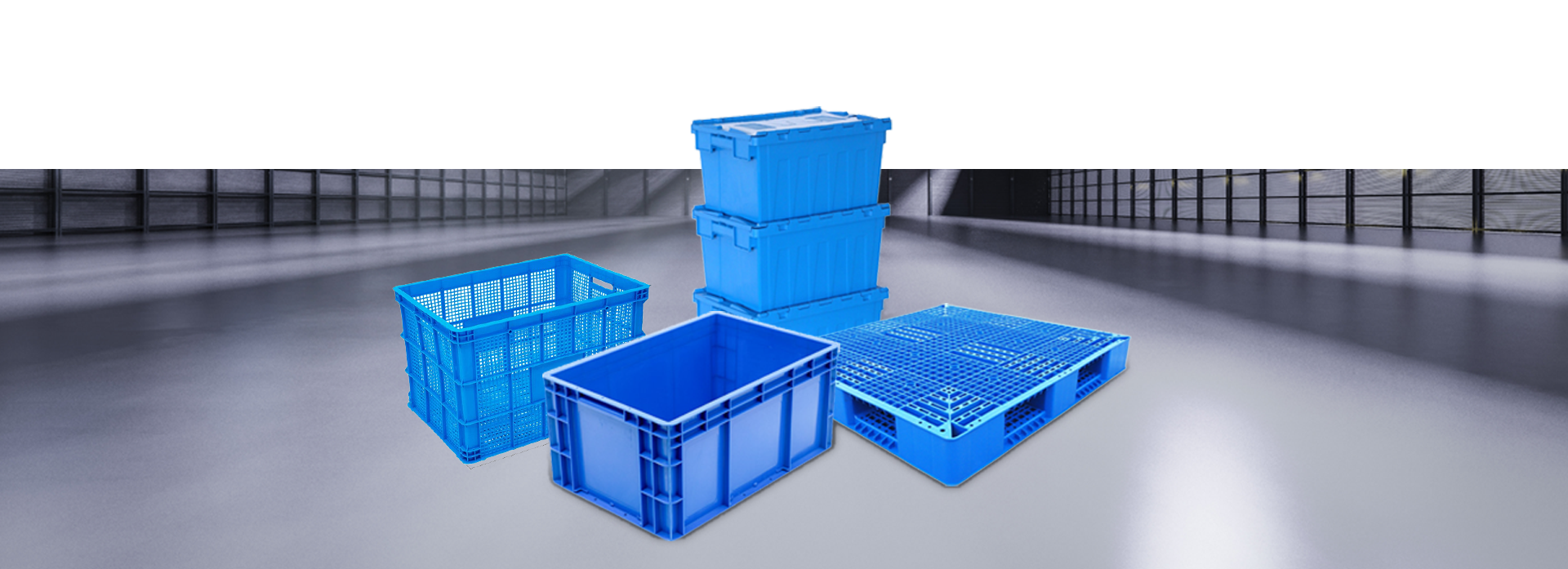
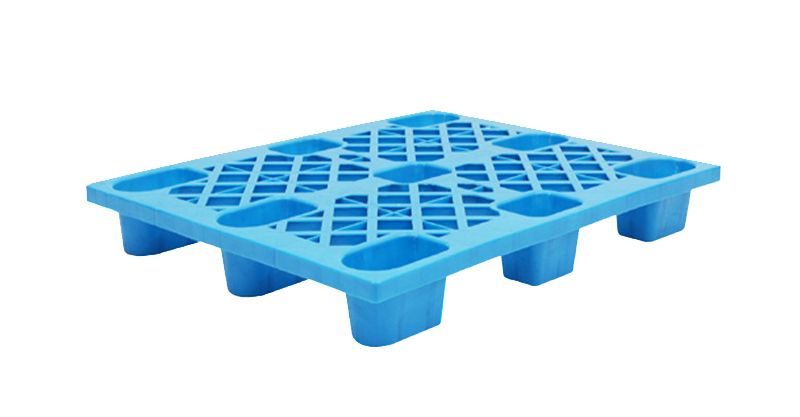
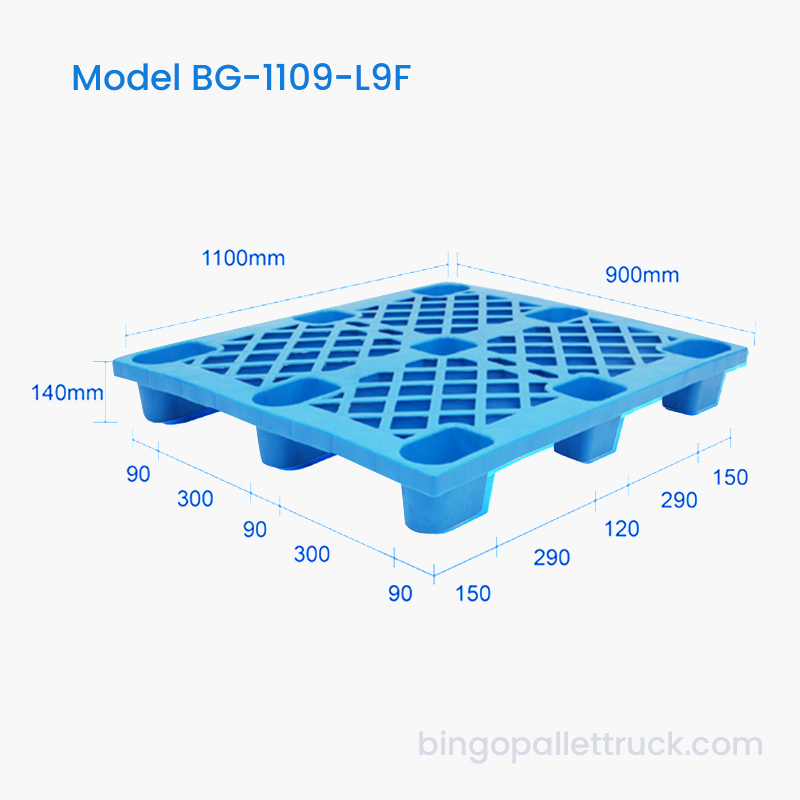
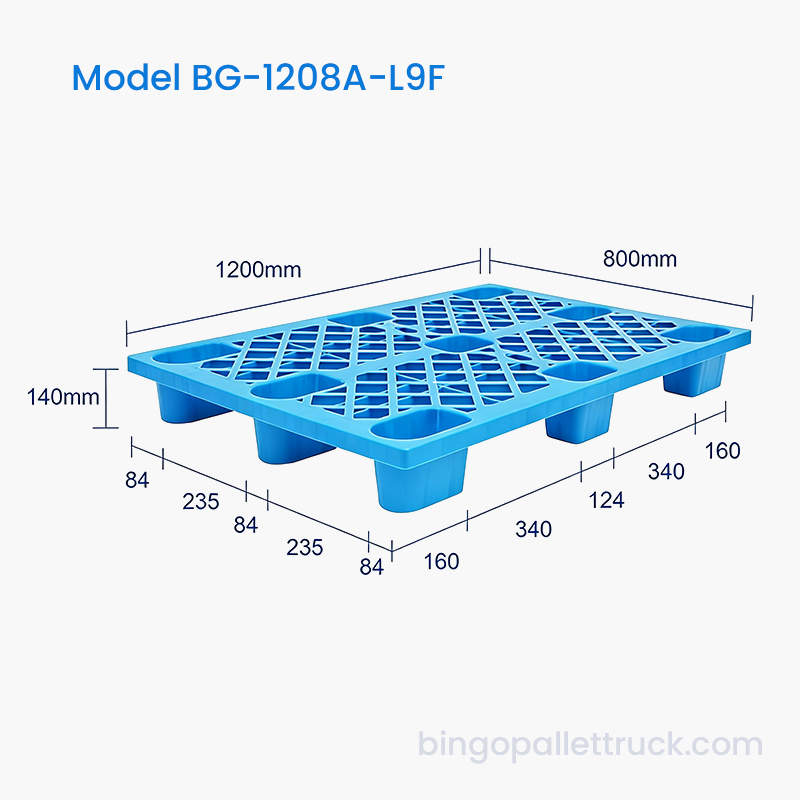
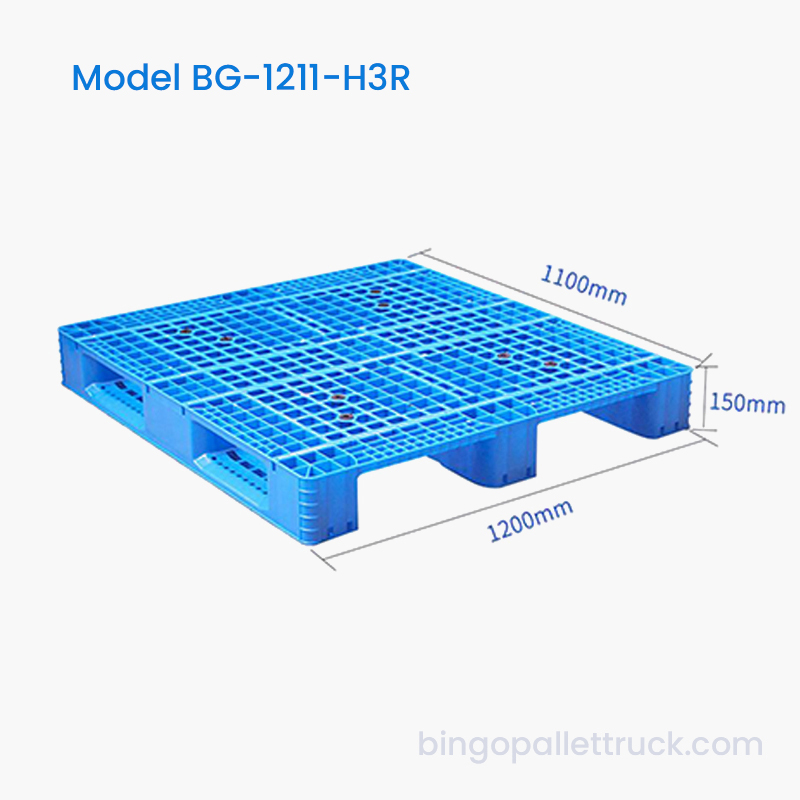
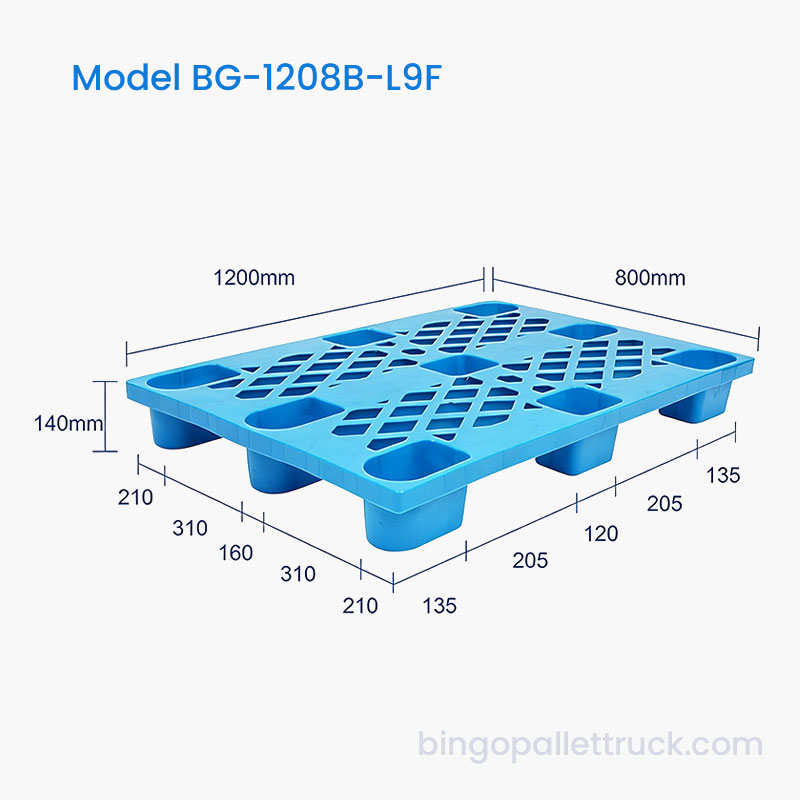
Plastic pallets are a foundational storage example. A 1200 x 1000 mm solid top plastic pallet, for instance, supports static loads of several tons, resists moisture and chemicals, and works with both pallet jacks and racking. Plastic pallets avoid the splinters of wood pallets and clean easily for food or pharmaceutical use. They are also nestable or stackable in certain designs, which reduces empty pallet space on return logistics. Many manufacturers offer regional standard sizes, so you can standardize across export routes.
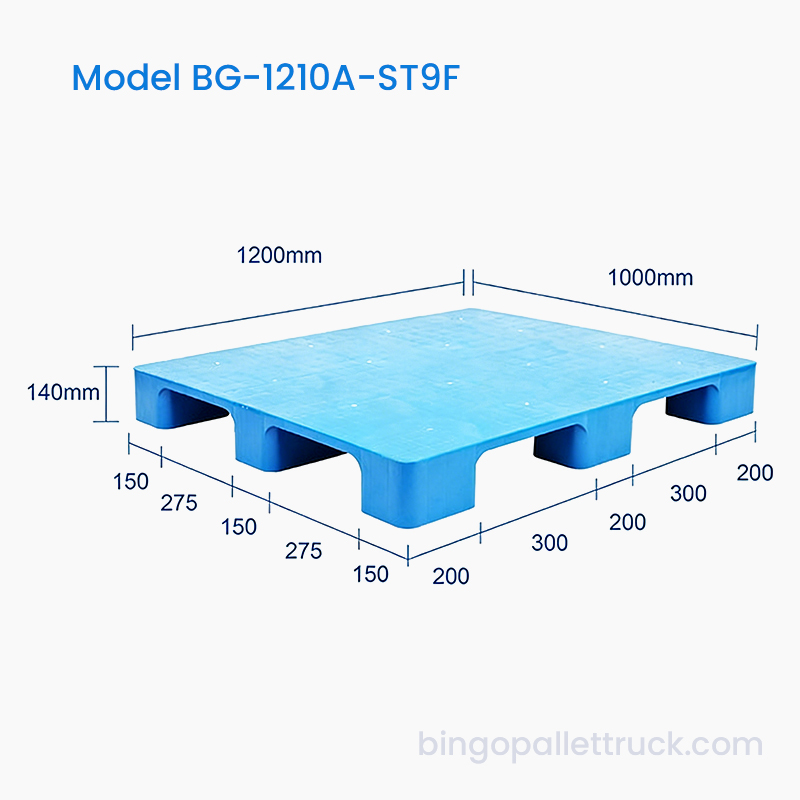 Durable 1200x1000mm Solid Top 9 Legs Plastic Pallet for Frequent Shipping Use MaYancheng Bingo Machinery Equipment Co., Ltd is China Durable 1200x1000mm Solid Top 9 Legs Plastic Pallet for Frequent Shipping Use manufa...View Product →
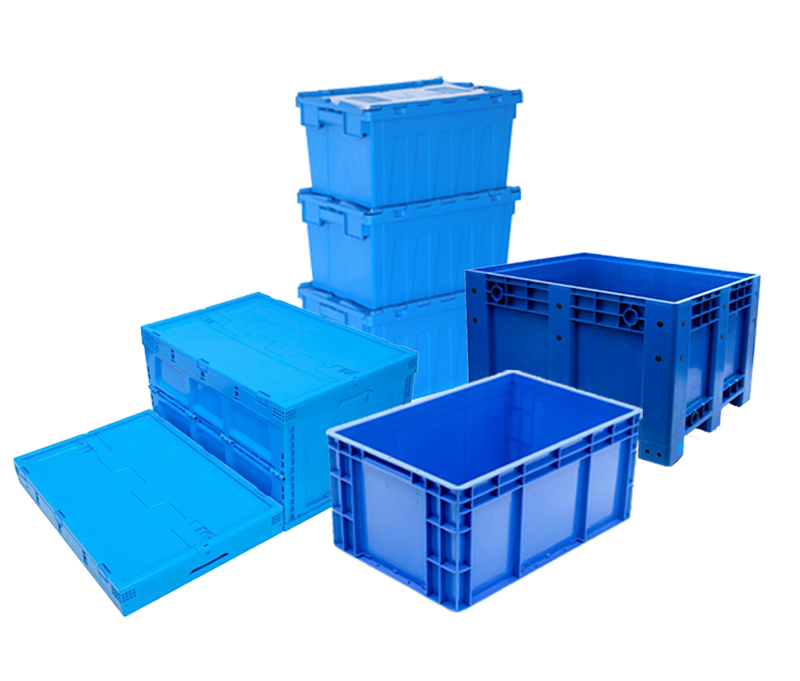
Plastic crates and totes organize smaller goods. Stackable plastic crates save floor space when filled, while nestable and collapsible crates save space when empty. A 53 L collapsible plastic crate can hold about 35 kg of parts or produce. Dividing totes with 4 to 30 compartments keep different SKUs separate in one container. These are widely used in manufacturing supply lines, cold chains, and retail distribution.
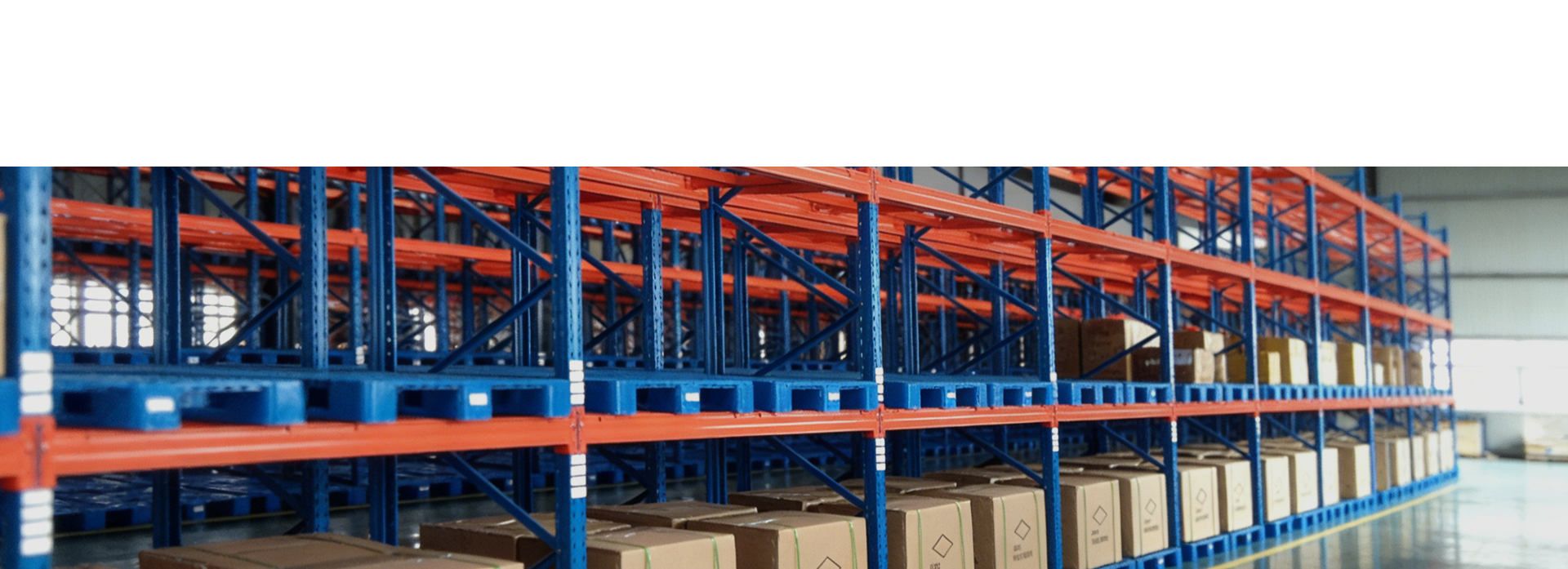
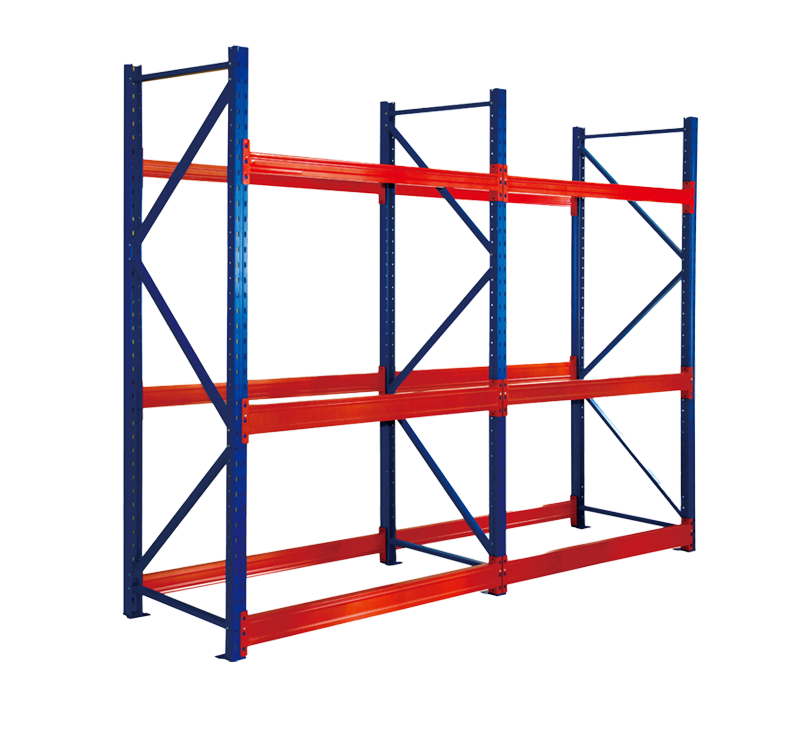
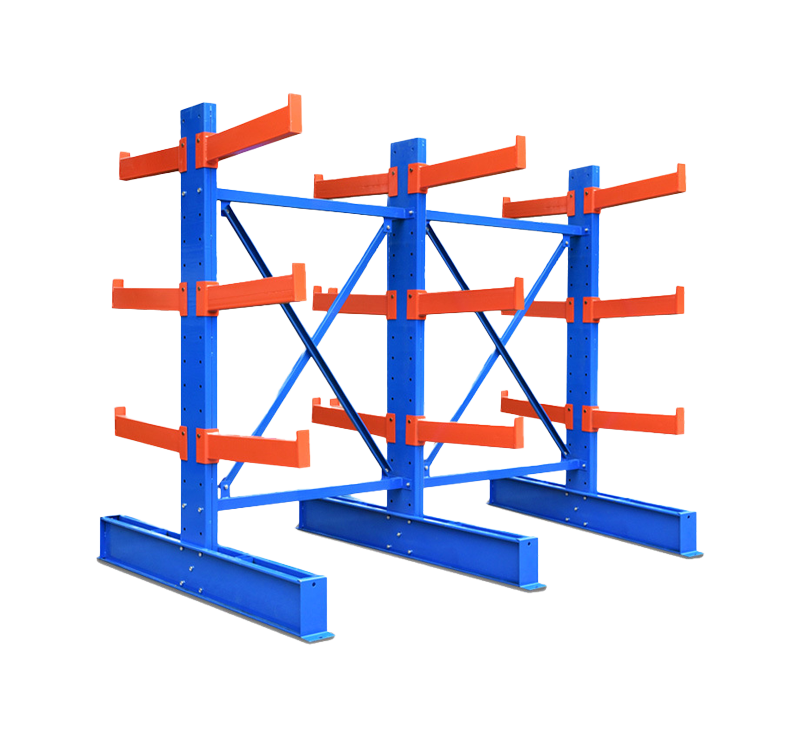
Pallet racking stores palletized loads vertically. Selective pallet racking is the simplest and most common type. Double-deep racking increases density by placing loads two positions deep. Drive-in racking stores product in deeper lanes, and pallet flow racks work on a first-in, first-out basis. Cantilever racks handle long loads such as pipes and lumber. A heavy duty selective pallet racking system uses upright frames and adjustable beams to accommodate different pallet sizes, and it gives direct access to every pallet.
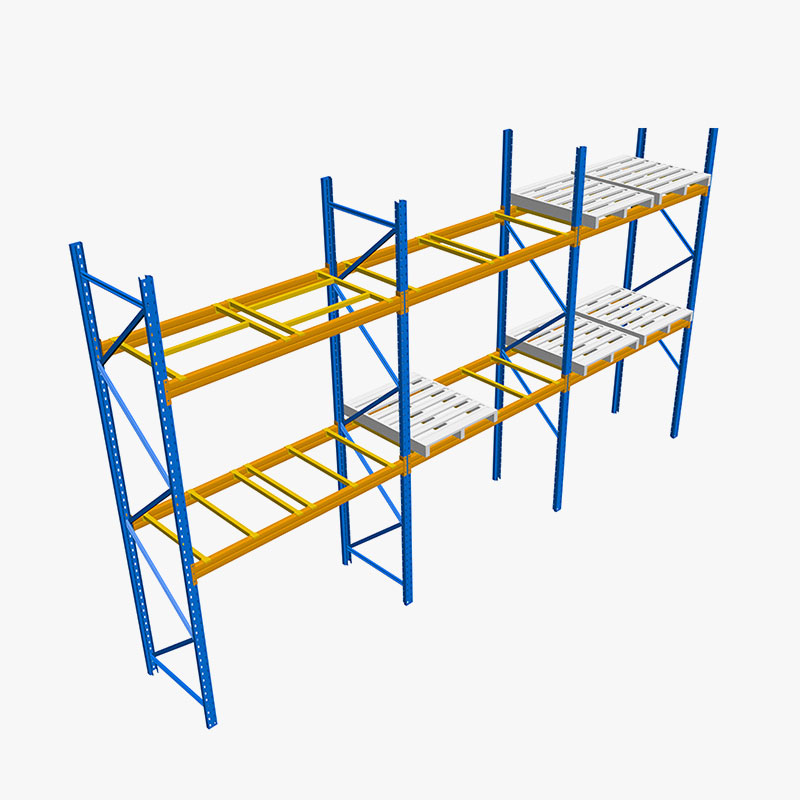 Heavy Duty Selective Pallet Racking Designed with Adjustable Beams for Flexible Yancheng Bingo Machinery Equipment Co., Ltd is China Heavy Duty Selective Pallet Racking Designed with Adjustable Beams for Flexible Stor...View Product →
Relative Storage Density by Rack Type
The column chart compares the relative storage density of five racking strategies. Selective racking, which gives every pallet direct access, stores the fewest pallets per square meter because it needs an aisle in front of every row. Double-deep racks place pallets two positions deep and reduce the number of aisles, improving density by roughly 40 percent. Drive-in racks use a shared interior lane and raise density further, but they are compatible only with last-in, first-out stock rotation. Pallet flow racks offer high density and first-in, first-out rotation because pallets travel on rollers from the rear to the front. Automated storage and retrieval systems maximize density by removing normal forklift aisles entirely. Moving from left to right on this chart means accepting a higher upfront investment and more complex control logic.
Unit Load Formation and Packaging Equipment
Unit load equipment keeps items stable and easier to handle as a single unit. Stretch wrap, strapping materials, pallet boxes, and load stabilizers all fall into this category.
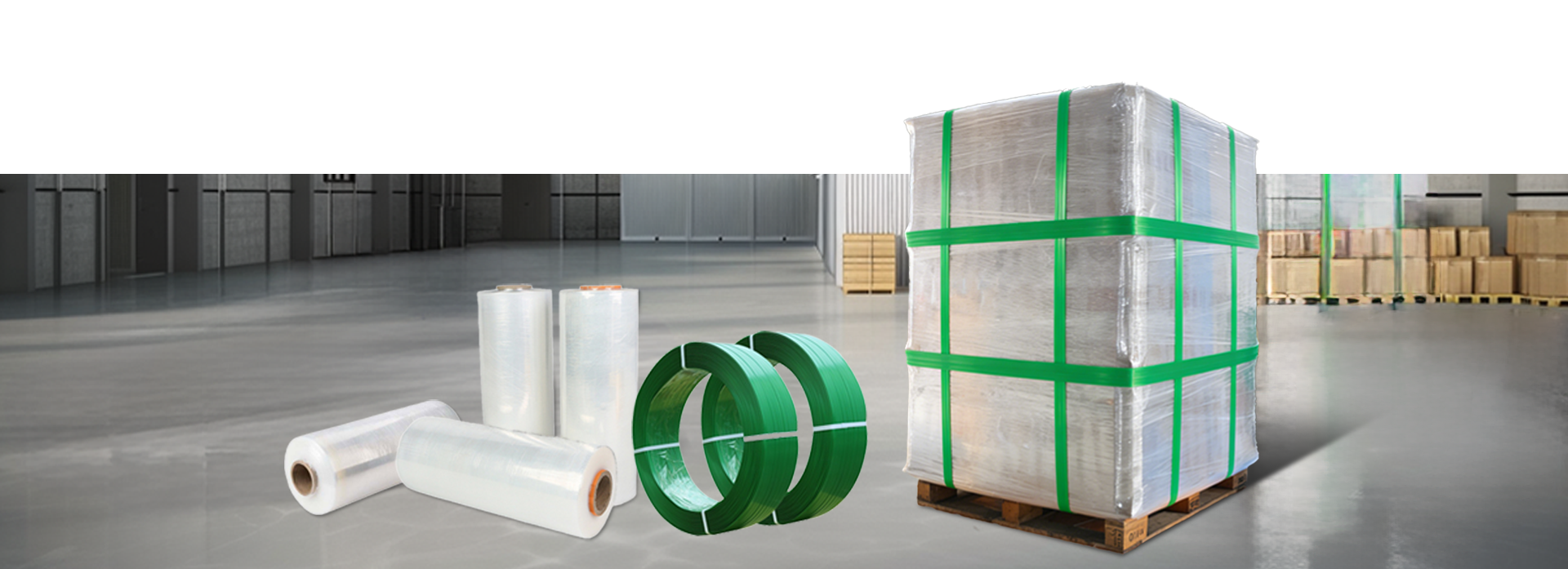
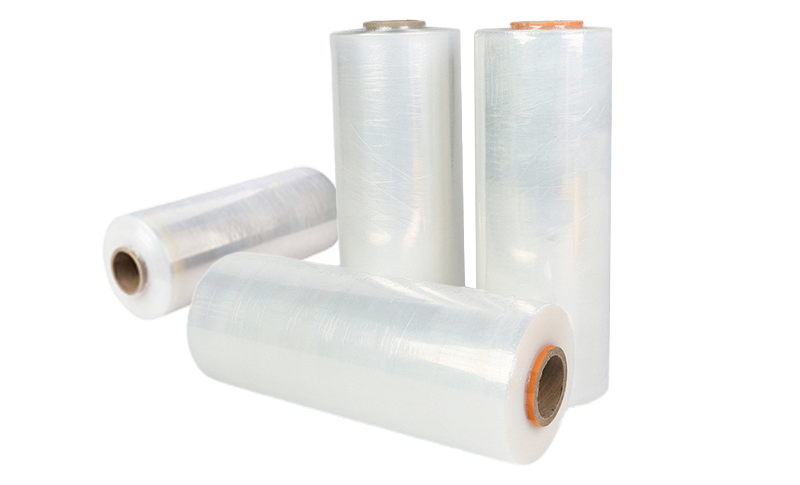
Stretch wrap is the most common way to secure a pallet load. Cast LLDPE film, applied by hand or by machine, stretches around the load to hold it tight. A typical pallet requires 90 to 150 grams of film depending on load weight and film width. PET strapping provides a strong tensioned band for heavy loads, while PP strapping is lighter and more economical for cartons. Pallet boxes and bulk containers combine a pallet base with collapsible walls for transporting large volumes of produce or parts. Plastic water tanks handle liquid storage and transport in industrial settings.
Engineered Systems and Automation Examples
Engineered systems integrate hardware, controls, and software to move and store goods automatically. An automated storage and retrieval system, or AS/RS, uses stacker cranes in narrow aisles to store pallets several levels high. Shuttle cart systems push pallets into deep lanes, making them effective for high-density, semi-automated warehouses. Automated guided vehicles and autonomous mobile robots carry pallets or totes along defined paths or using onboard sensors.
These systems show why equipment selection changes with scale. A facility handling fewer than 200 pallet moves per day can rely on manual trucks. Between 200 and 800 moves, a fleet of electric pallet trucks and stackers is usually more economical. Above 400 to 500 moves, automation cost per move falls below manual labor cost, and the payback period becomes acceptable.
Cost per Pallet Move vs Daily Volume
The line chart compares the cost per pallet move for a manual operation and an automated system at different daily volumes. The manual line stays nearly flat because labor hours increase roughly in line with volume. The automated line starts higher because the system carries fixed costs for equipment, software, and maintenance. The two lines cross at roughly 400 pallet moves per day. Below that point, manual equipment is more economical. Above it, automated equipment becomes cheaper per move. This crossover helps a manager decide when to invest in automation instead of simply adding more staff.
How to Choose the Right Material Handling Equipment
Choosing equipment requires matching the equipment to the product, the building, and the process. Start with load characteristics such as weight, dimensions, fragility, and whether the product is palletized or loose. Then consider the facility layout: aisle width, floor condition, door heights, and racking configuration. Operational volume determines whether manual, powered, or automated equipment is justified. Finally, safety requirements matter because a forklift operating in a pedestrian-heavy area needs additional safeguards. For specific industry guidance, manufacturing supply chain solutions and e-commerce warehousing logistics solutions offer practical starting points.
| Scenario | Recommended equipment | Typical capacity | Cost range |
|---|---|---|---|
| Flat-floor pallet moves under 40 per day | Hand pallet truck | 2,000 to 2,500 kg | USD 800 to 1,500 |
| Frequent pallet moves over long distances | Electric pallet truck | 2,000 to 3,000 kg | USD 3,500 to 8,000 |
| Lifting to the first racking level | Semi-electric stacker | 1,500 to 2,000 kg | USD 3,000 to 6,000 |
| Lifting to 3 to 5 m racking levels | Electric stacker | 1,000 to 2,000 kg | USD 8,000 to 18,000 |
| Mixed indoor and outdoor heavy loads | Forklift | 1,000 to 5,000 kg | USD 18,000 to 50,000 |
| High-density cold storage | Drive-in or shuttle racking | Per pallet position | Project based |
| High-throughput distribution center | AS/RS system | More than 1,000 pallet positions | Project based |
Equipment Capability Comparison
The radar chart compares three representative classes of material handling equipment across five selection criteria. A manual pallet truck scores highest in affordability and flexibility because it is inexpensive and goes almost anywhere, but it falls short in throughput and space efficiency. An electric stacker holds the middle ground, with decent flexibility, moderate throughput, better safety, and reasonable space utilization. An automated storage and retrieval system dominates throughput and space efficiency, but its high initial cost and fixed installation limit its affordability and flexibility. The radar chart shows that no single equipment type wins on every criterion. Most operations need a mix, for example using AS/RS for dense storage while keeping manual trucks for receiving and shipping. A practical approach is to identify your two or three most critical criteria and choose equipment that scores well on those.
Final Thoughts on Material Handling Equipment Examples
No single example of material handling equipment fits every warehouse. The examples above show that each piece of equipment solves a specific part of the material flow: moving, storing, forming loads, and automating. Start with a clear picture of your load sizes, daily throughput, building constraints, and budget. Then select equipment that matches the busiest bottleneck and plan for the next stage of growth. If you are planning a new warehouse or expanding an existing one, reviewing your options against these equipment examples helps you avoid both overbuying and under-specifying. The decisions you make today should remain useful even as your operation scales.

Copyright @ Yancheng Bingo Machinery Equipment Co., Ltd. All rights reserved Warehouse Logistics Equipment Manufacturer Pallet Truck Supplier
