 en
en  Español

Custom Material Handling Solutions: How to Design Equipment and Racking
A distribution manager we worked with last year was facing a familiar problem: SKU count had doubled in two years, picking accuracy was dropping, and generic pallet racks plus mixed container sizes forced forklift drivers to travel twice as far for every order. The conclusion from that project is simple: off-the-shelf equipment assembled piece by piece rarely delivers the same result as a custom material handling solution designed around the load, flow and building constraints of a specific warehouse. When equipment, containers and racking are specified together, throughput improves, damage drops, and the operation gains capacity without adding floor space.
Content
- 1 What Custom Material Handling Solutions Actually Include
- 2 Storage Density: Choosing the Racking Architecture First
- 3 Matching Handling Equipment to the Load Profile
- 4 Containers and Packaging Complete the Unit Load
- 5 Evaluating a Custom Solution: Six Criteria That Matter
- 6 Cost Trajectory: Why the Payback Comes Within a Few Years
- 7 Applying Custom Solutions Across Industries
- 8 Steps to Developing a Custom Material Handling Solution
What Custom Material Handling Solutions Actually Include
A custom material handling solution is not a single machine. It is an integrated combination of four equipment systems that are specified together so that every hand-off in the warehouse is seamless:
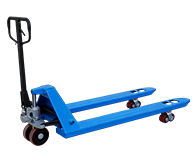
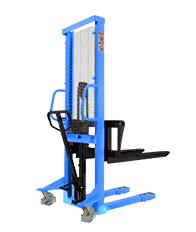
- Handling equipment such as hand pallet trucks, electric pallet trucks, electric stackers and semi-electric stackers, chosen by load weight, lift height and aisle width.
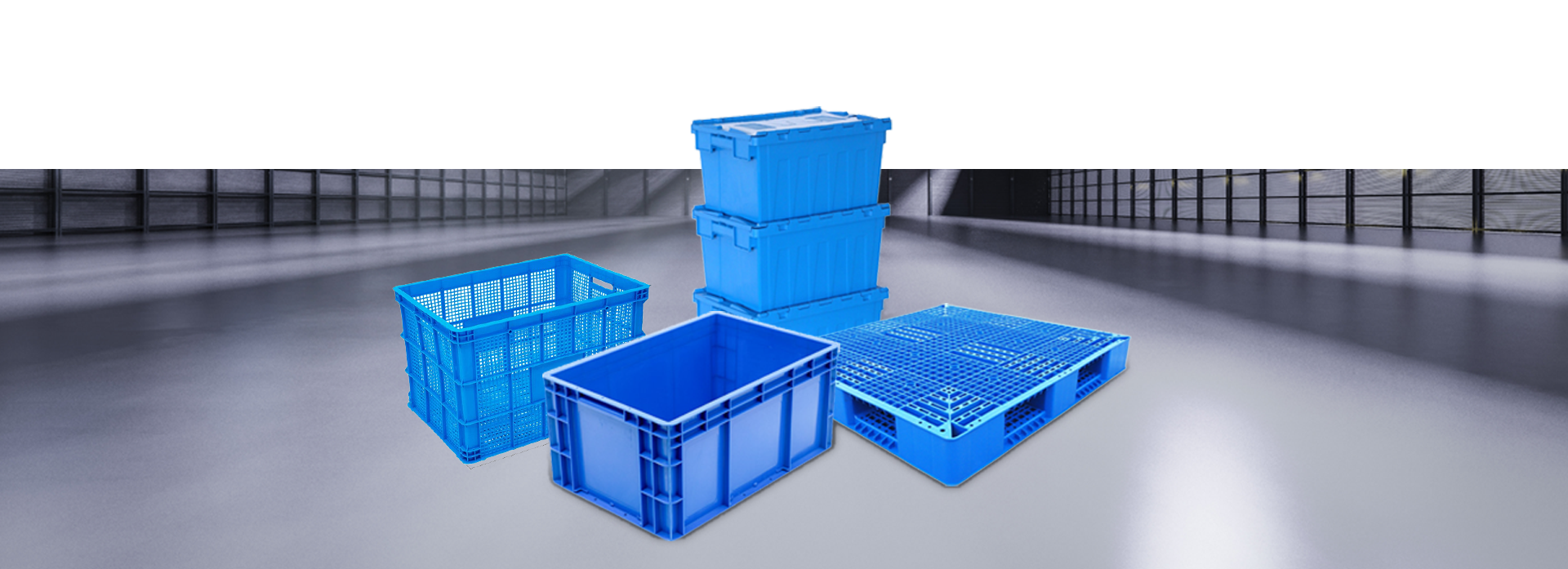
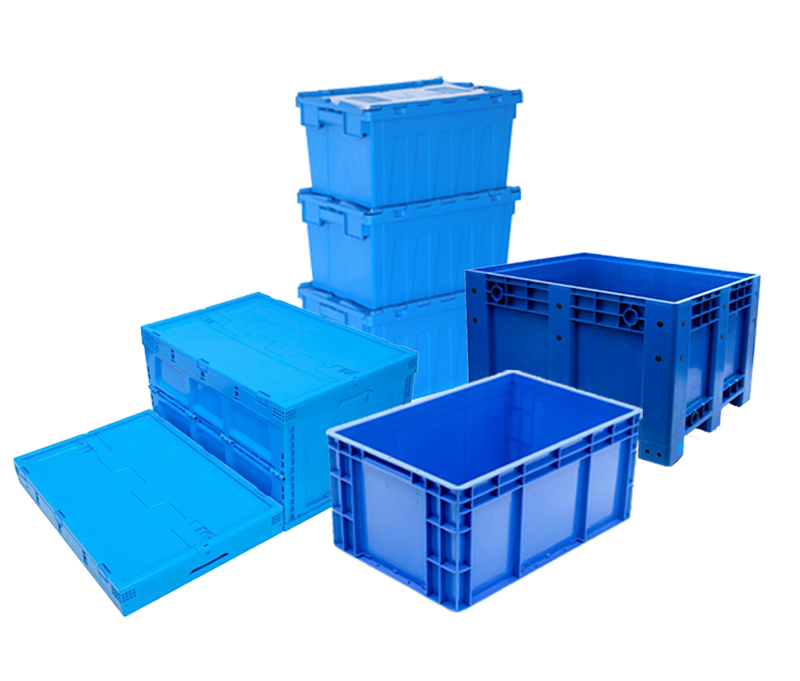
- Storage containers including plastic pallets, tote boxes, crates and bulk containers, selected by product size, weight and rack compatibility.
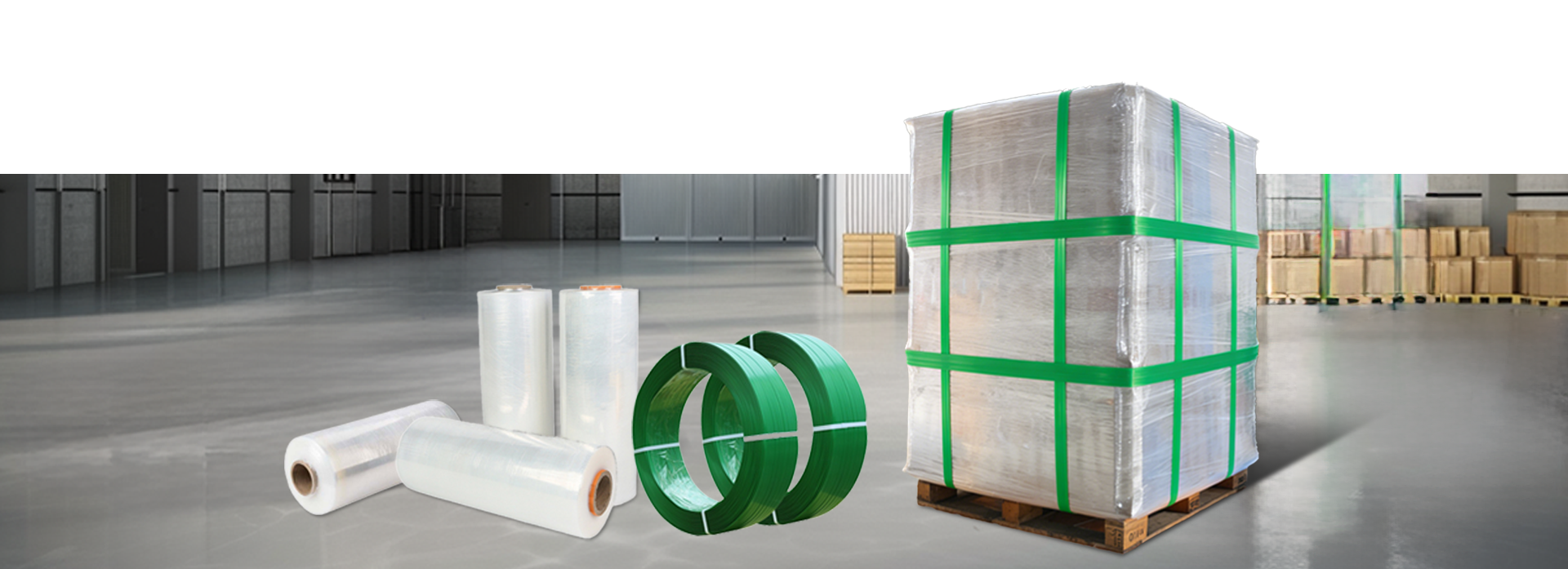
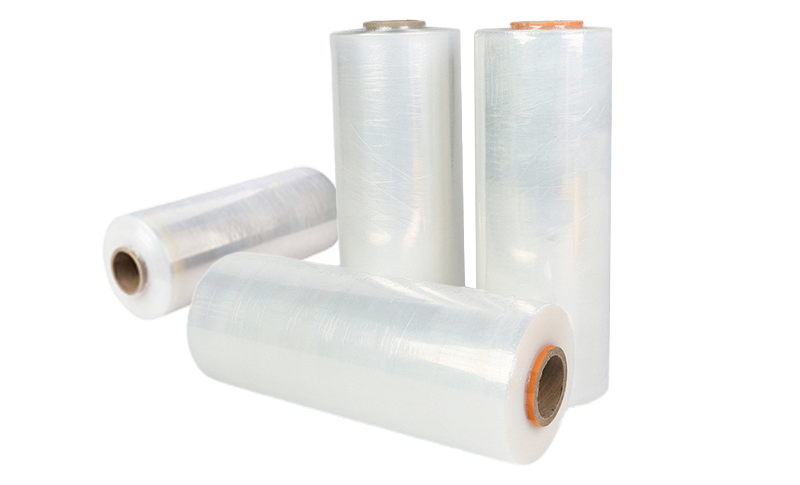
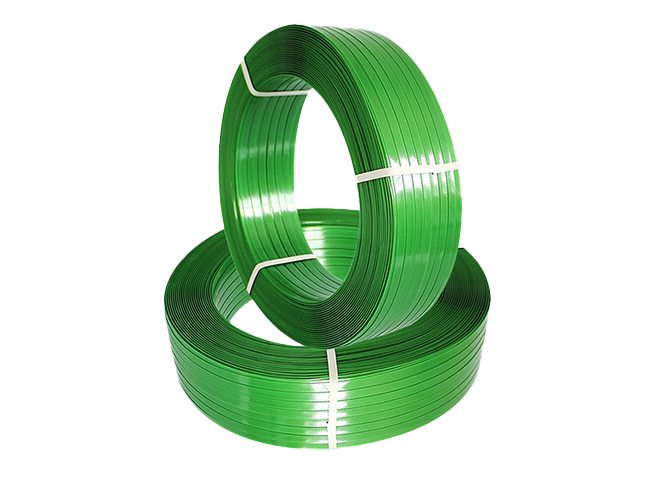
- Packaging materials such as stretch wrap and strapping, matched to the load stability requirements of each shipment.
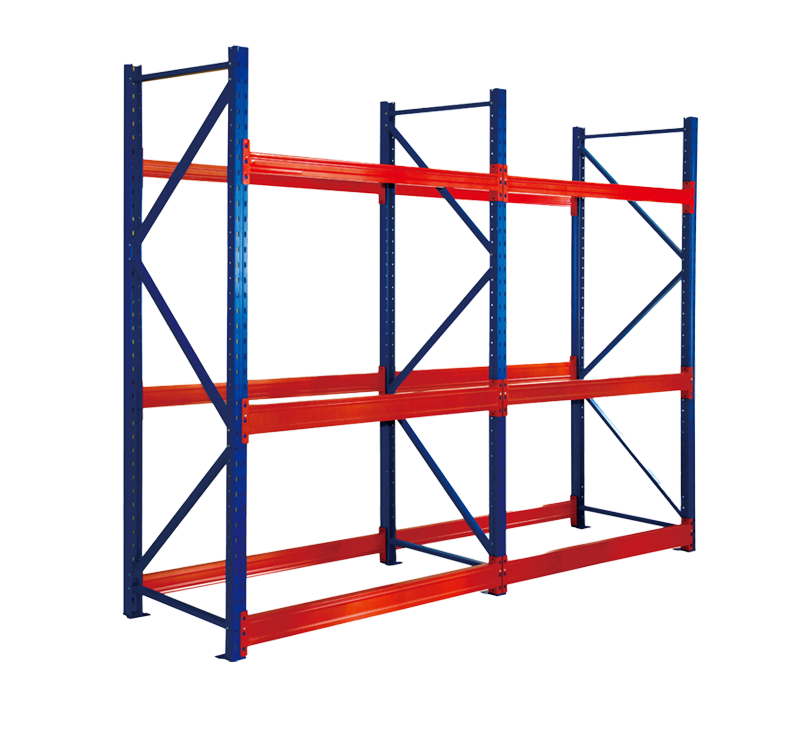
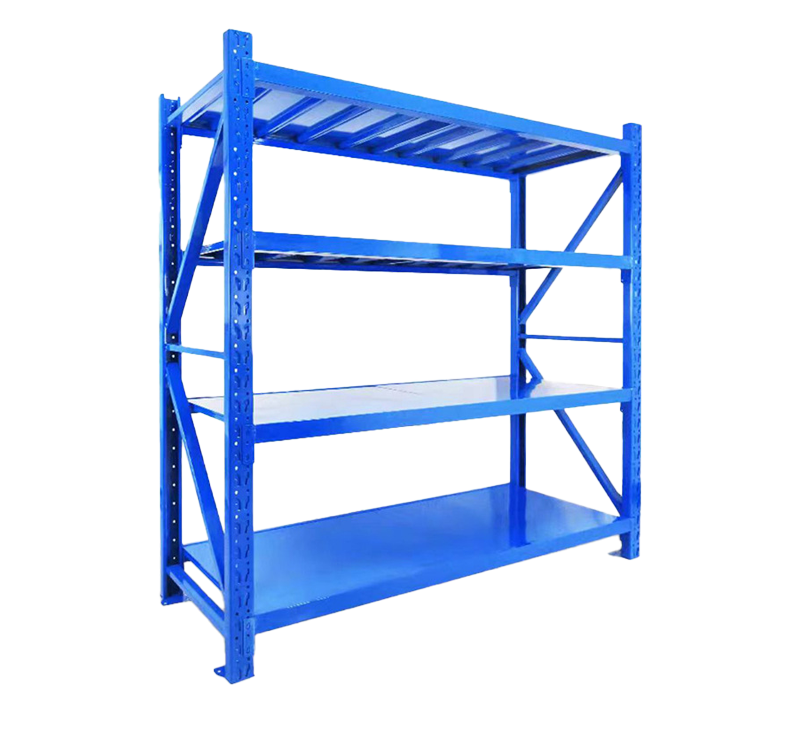
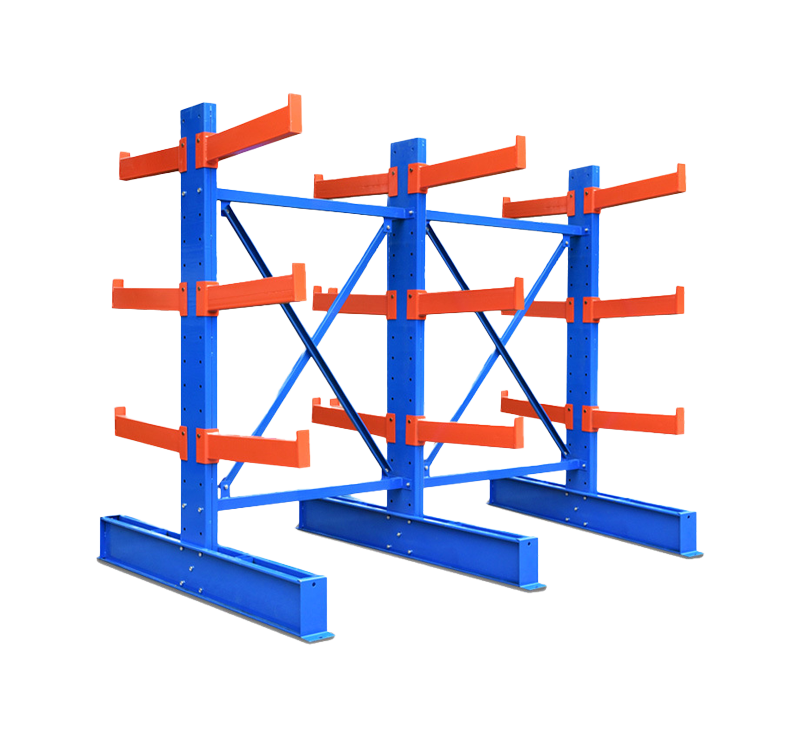
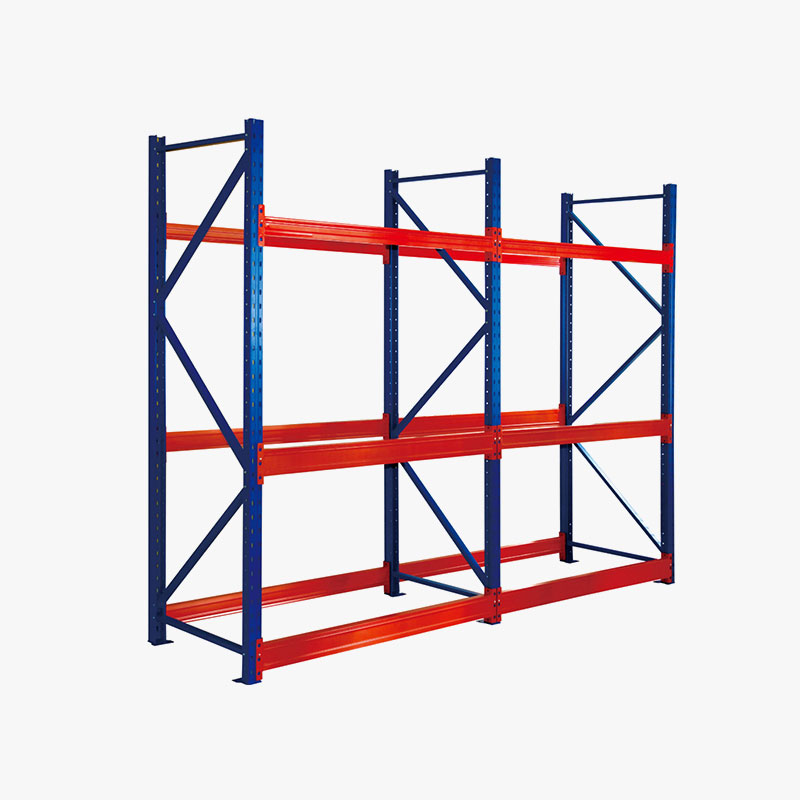
- Warehouse racking including selective pallet rack, drive-in rack, pushback rack, carton flow rack and automated storage systems, arranged by density and throughput targets.
The value of specifying these four systems together is that they become one working process. A pallet that fits the rack footprint, a tote that fits the shelf depth, and a stacker that reaches the top beam without requiring an oversized aisle all reduce wasted motion and space.
Storage Density: Choosing the Racking Architecture First
In most warehouse projects, the racking decision drives everything else. Racking determines how many pallet positions fit in a given footprint, how much travel happens between receiving and storage, and how many forklifts or stackers the operation needs. Custom solutions start by calculating the density requirement from the inventory profile: how many SKUs, how many pallets per SKU, and whether the flow needs to be FIFO or LIFO.
The chart shows the density index for several racking architectures, with selective rack set at 100. Double-deep rack raises density to about 140 by storing two pallets deep in each bay, at the cost of reduced selectivity. Pushback and drive-in rack trade aisle space for considerably higher pallet counts. Pallet flow rack combines high density with FIFO rotation, which matters for perishable stock. Shuttle rack and AS/RS push density above 220 and above 260 respectively while adding automation. The practical implication is that two warehouses of the same size can need completely different racking if one holds 2000 SKUs and the other holds 50.
For operations that want the highest density without sacrificing automated control, a customized AS/RS racking for automated storage is one option when floor space is expensive and labor availability is limited.
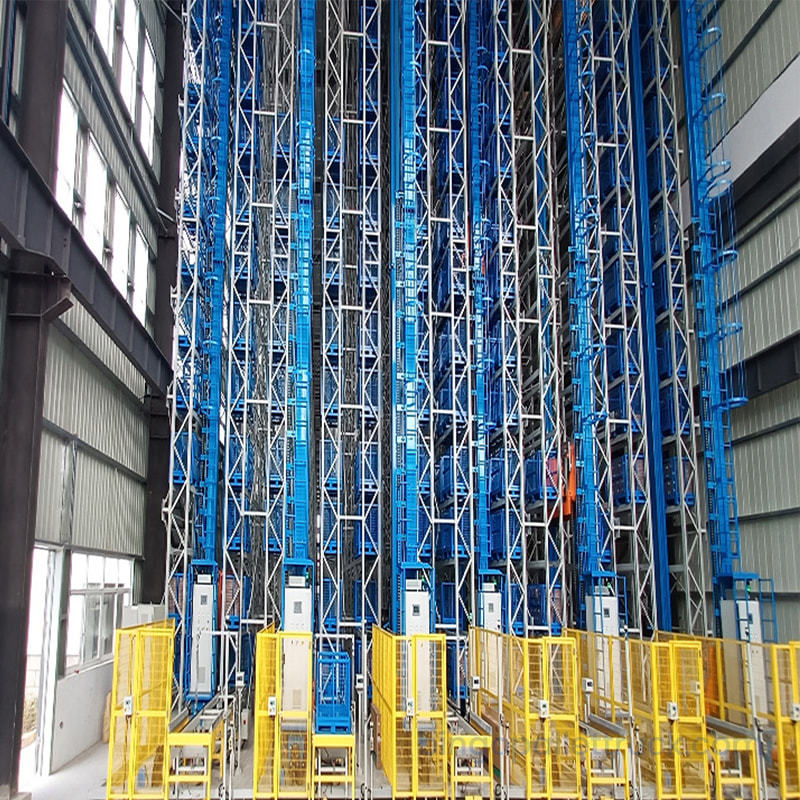 Customized ASRS Racking for Heavy-Duty Fully Automated Intelligent Storage SolutYancheng Bingo Machinery Equipment Co., Ltd is China Customized ASRS Racking for Heavy-Duty Fully Automated Intelligent Storage Solution ...View Product →
Matching Handling Equipment to the Load Profile
Handling equipment is where load capacity and lift height get matched to the racking plan. The column chart below shows the rated capacity ladder that we commonly work with, from a 1000 kg manual stacker up to a 3000 kg EPS electric stand-on stacker.
The column chart orders typical rated capacities from smallest to largest across the equipment families we specify. A 1000 kg manual stacker suits light maintenance loads and very narrow spaces where powered equipment is not practical. The 1500 kg electric walkie stacker covers medium payloads in smaller facilities. The 2000 kg class, represented here by the semi-electric stacker, matches the weight of a fully loaded standard pallet and is the most frequently selected range. A 2500 kg hand pallet truck remains the baseline for horizontal movement on flat floors. The 3000 kg EPS stand-on stacker carries heavy pallets while the operator rides, which reduces fatigue on high-frequency runs. Selecting a class below the actual load weight is the fastest way to generate breakdowns, while going far above it adds cost and reduces maneuverability.
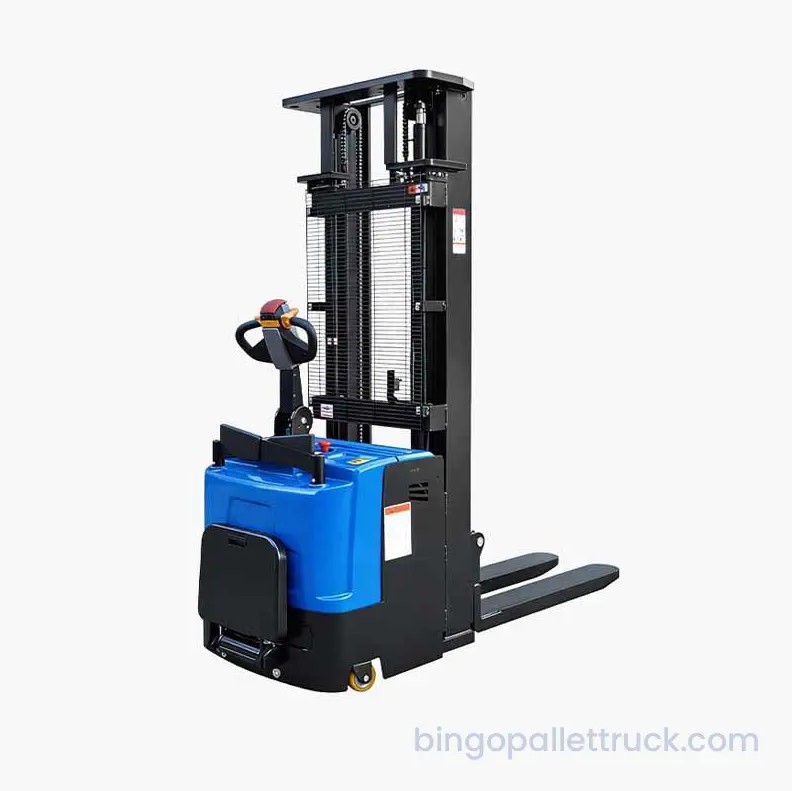
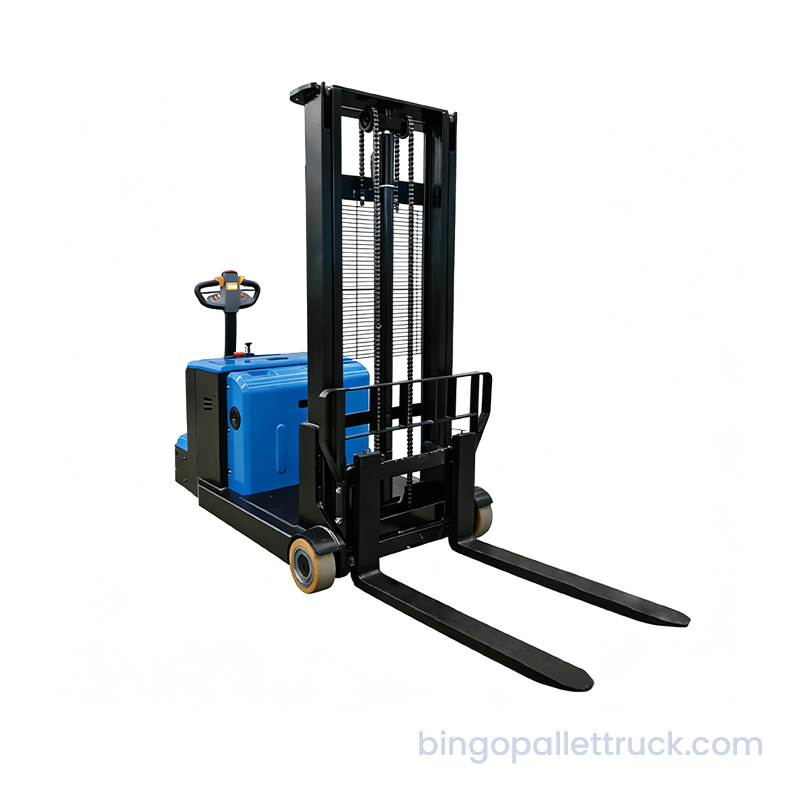
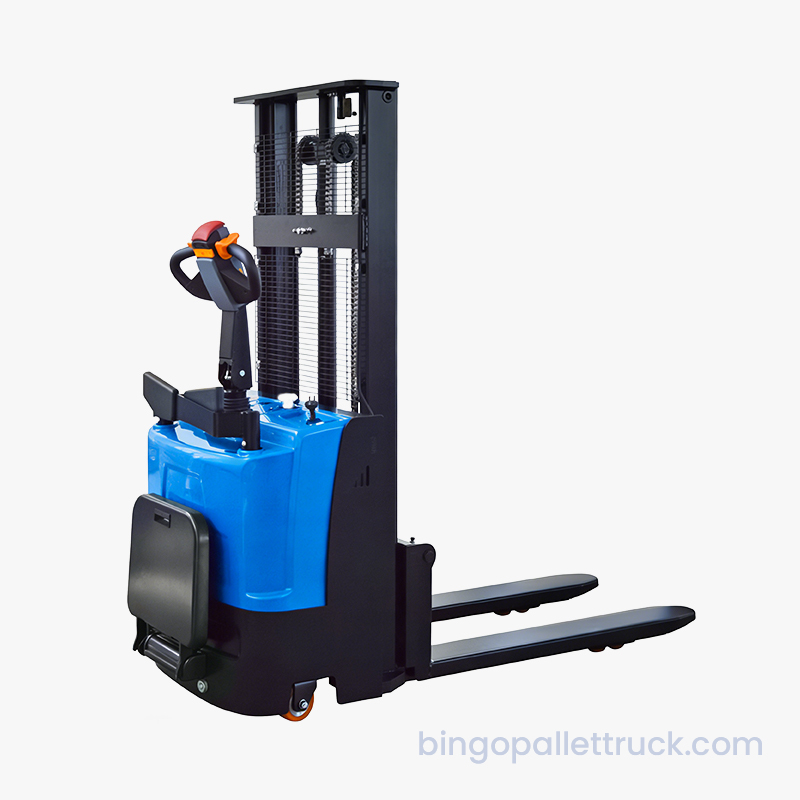
For heavy palletized loads in a high-frequency operation, a 3000 kg EPS electric stand-on stacker can cut operator fatigue and cycle time.
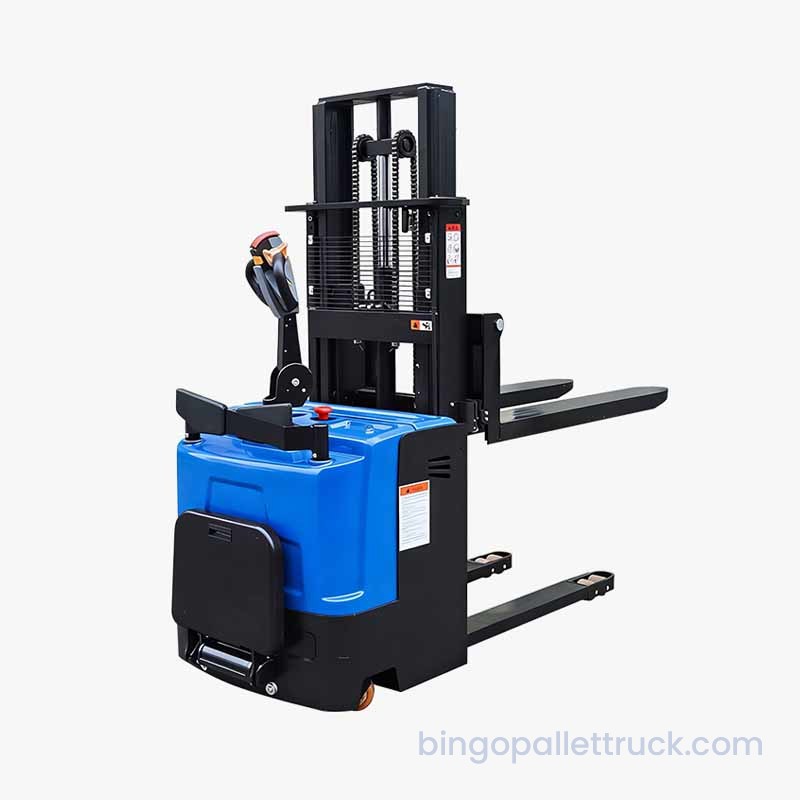 3000kg Heavy Duty EPS Electric Stand-on Stacker for Logistics Manufacturer, FactYancheng Bingo Machinery Equipment Co., Ltd is China 3000kg Heavy Duty EPS Electric Stand-on Stacker for Logistics manufacturer and OEM c...View Product →
Containers and Packaging Complete the Unit Load
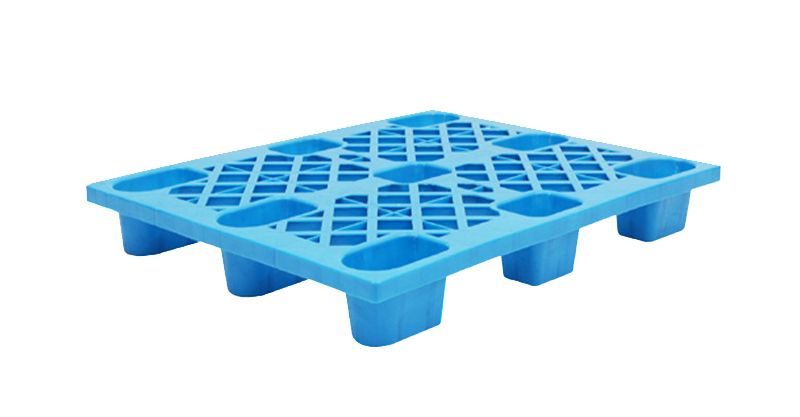
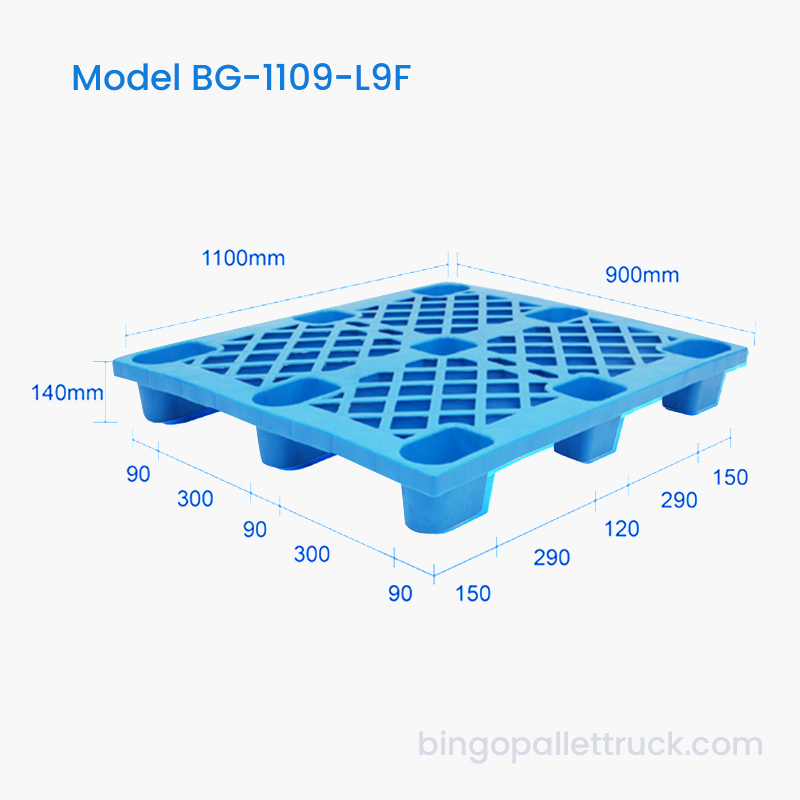
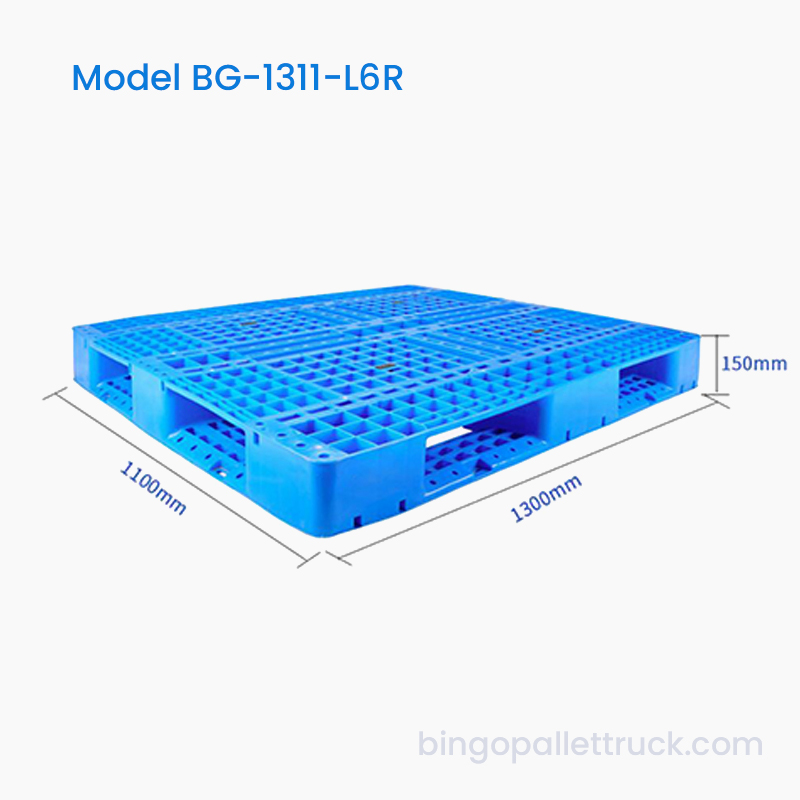
Storage containers deserve separate attention because they define the unit load that every other system must handle. Plastic pallets come in regional footprints such as 1200 x 1000 mm global, 1200 x 800 mm Euro and 1100 x 1100 mm Asia, and in nine-leg, six-runner or three-runner base configurations. Totes and crates range from about 1 liter for small parts up to several hundred liters for bulk handling, including nesting, stacking, folding and dividable designs. Stretch wrap and strapping then stabilize the load for shipment. A 1200 x 1000 mm six-runner plastic pallet is a typical warehouse workhorse, but the exact pallet design should be checked against the rack type, the forklift entry direction and the load weight before the order is placed.
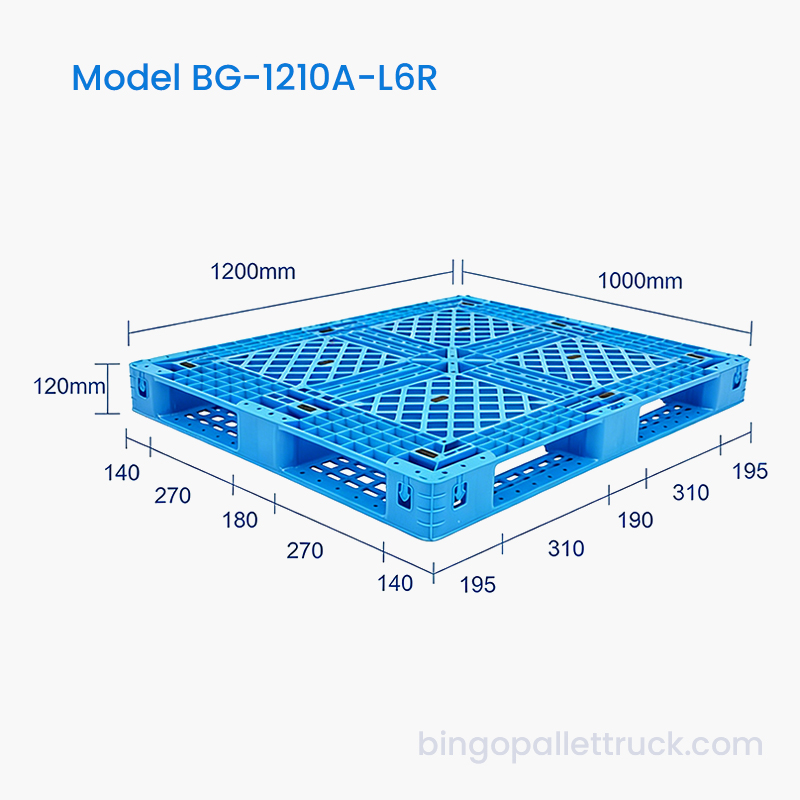 1200x1000mm Six Runner Plastic Pallet for Logistics Use Manufacturer, Factory - Yancheng Bingo Machinery Equipment Co., Ltd is China 1200x1000mm Six Runner Plastic Pallet for Logistics Use manufacturer and OEM company...View Product →
Evaluating a Custom Solution: Six Criteria That Matter
When we compare an off-the-shelf equipment list with a custom material handling solution, six criteria explain most of the performance gap. The radar chart below scores both approaches from one to ten across those criteria.
The chart shows the trade-off that buyers face at the start of a project. A standard installation scores higher on initial cost because it uses catalog prices and minimal engineering. A custom solution scores lower on that axis because design work and non-standard components add upfront expense. The custom solution then scores markedly higher on space utilization, throughput and flexibility, because every rack level, aisle width and container size is matched to the actual product mix. Safety also improves when the equipment is specified for the actual load height and operator workflow instead of adapted from a generic model. Over the life of the warehouse, those advantages offset the initial cost gap, which is why the comparison should never be made on purchase price alone.
Cost Trajectory: Why the Payback Comes Within a Few Years
This line chart compares the operating cost index of a standard setup and a custom solution over five years, with the first year of the standard setup set to 100.
This chart compares the operating cost index of a standard equipment setup and a custom material handling solution over five years. The standard setup starts lower because it involves catalog equipment and minimal planning fees. However, its cost curve climbs steadily as inefficient layouts, mismatched containers and high travel distances produce more labor hours, product damage and downtime. The custom solution starts about twelve percent higher in the first year due to design, configuration and non-standard components. After year three the custom curve flattens, while the standard curve keeps rising, so the cumulative difference grows in the second half of the comparison. In real projects, this pattern usually shows up as a payback period of two to three years for the custom solution.
Applying Custom Solutions Across Industries
Custom material handling solutions are not limited to one warehouse type. The design process changes depending on the industry, but the method is the same: define the load unit, define the flow, then select equipment and containers that match. This is where our industry solutions pages, which cover five key sectors, can help you bridge from a generic layout to an operationally specific plan.
| Industry | Primary focus | Typical equipment and containers |
|---|---|---|
| Manufacturing supply chain | Line-side parts feeding and work-in-progress storage | Stackable totes, dividable totes, pallet rack, hand pallet trucks |
| E-commerce warehousing | Fast picking and flexible storage | Carton flow rack, boltless shelving, collapsible totes, electric stackers |
| Supermarket and retail distribution | Mixed-load handling and returns | Collapsible crates, plastic pallets, stretch wrap |
| Food cold chain | FIFO rotation and low-temperature operation | Pallet flow rack, plastic pallets, stackable plastic totes |
| Biomedical industry | Clean, traceable and secure storage | Plastic totes with lids, drawer racking, spill pallets |
Each row in the table represents a different set of operational constraints. A manufacturing plant prioritizes the flow of small parts to the line, while a cold chain warehouse prioritizes strict rotation and washdown-friendly surfaces. The common thread is that the chosen equipment must support the specific unit load, whether that is a 600-liter bulk container or a 6-liter tote.
Steps to Developing a Custom Material Handling Solution
A reliable custom material handling solution follows a five-step process, and skipping any of these steps is the main reason projects fail to meet expectations.
- Define the unit load. Document every product size, weight, pallet footprint and storage mode, including rackable and stackable requirements.
- Measure the flow. Record receiving volume, put-away times, picking frequency and shipping peaks so the solution is sized for the real workload, not an average.
- Match the equipment class. Select handling equipment by load capacity, lift height and aisle width, and containers by volume and durability.
- Simulate the layout. Test the racking arrangement, aisle dimensions and equipment paths against the flow data before purchasing.
- Plan the rollout. Sequence the installation so operations can continue while racking and equipment are being commissioned.
Each step produces a concrete specification. The result is a bill of materials that is internally consistent, which is exactly where a multi-category supplier has an advantage.
The difference between buying equipment and developing a custom material handling solution comes down to integration. When pallets, totes, racks, trucks and packaging materials are specified as one system, the warehouse runs with less wasted travel, higher storage density and lower operating cost. Start with the unit load and the flow, choose the racking architecture, then match every container and machine to that plan. If you are working through this process for a new facility or an existing operation, discussing the layout with a supplier that covers all four equipment systems can quickly reveal where the current plan is oversized, undersized or mismatched. You can reach our team through the contact page with the building dimensions, SKU count and load profile, and we can help translate that data into a coherent specification.
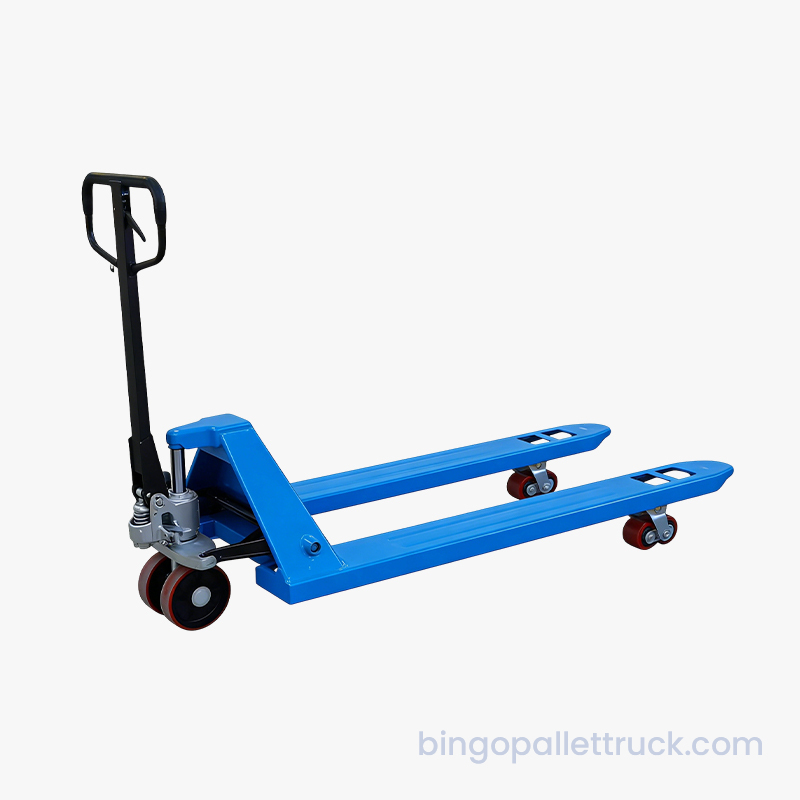

Copyright @ Yancheng Bingo Machinery Equipment Co., Ltd. All rights reserved Warehouse Logistics Equipment Manufacturer Pallet Truck Supplier
