 en
en  Español
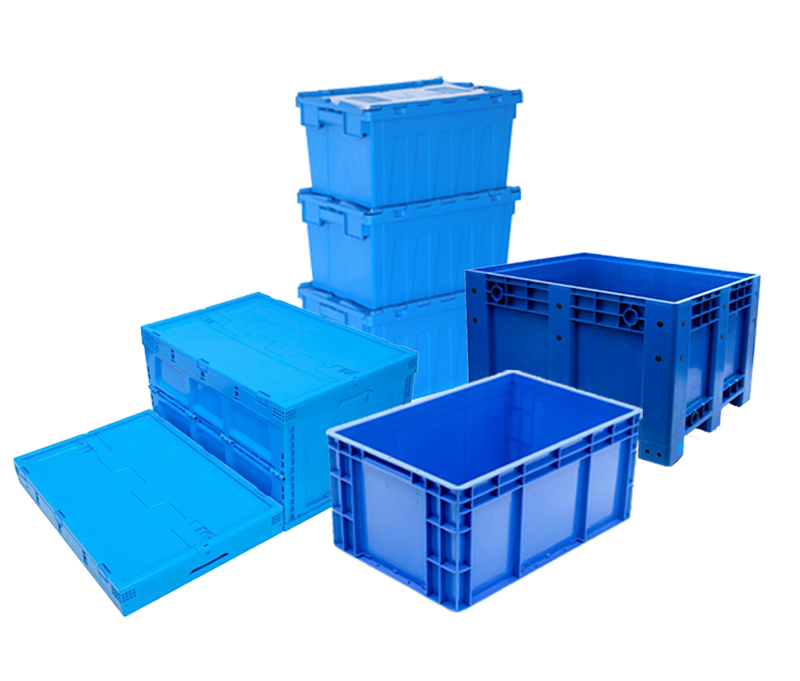

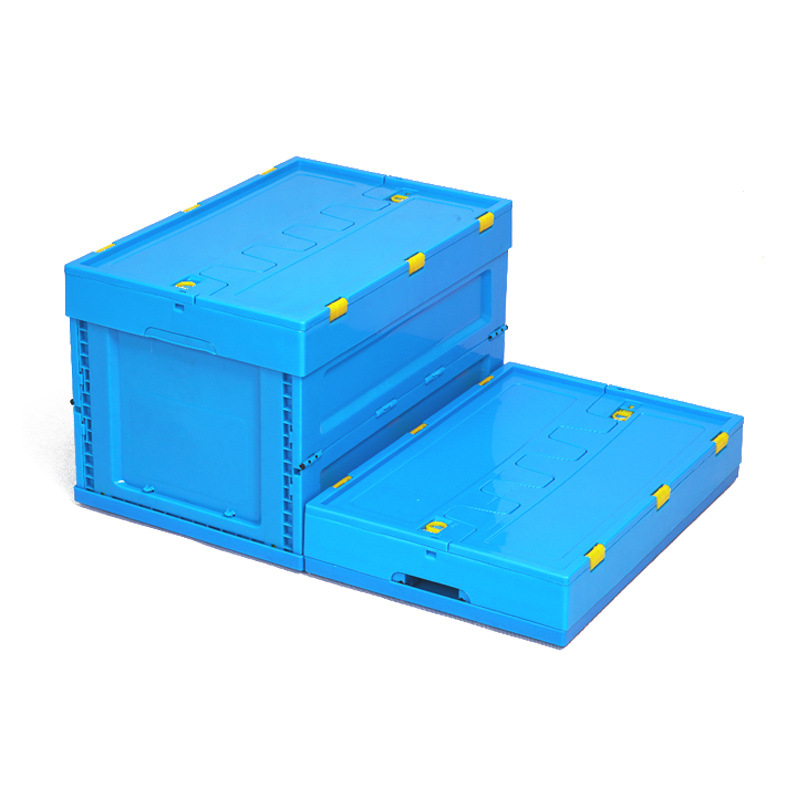
What are the advantages of Plastic Totes?
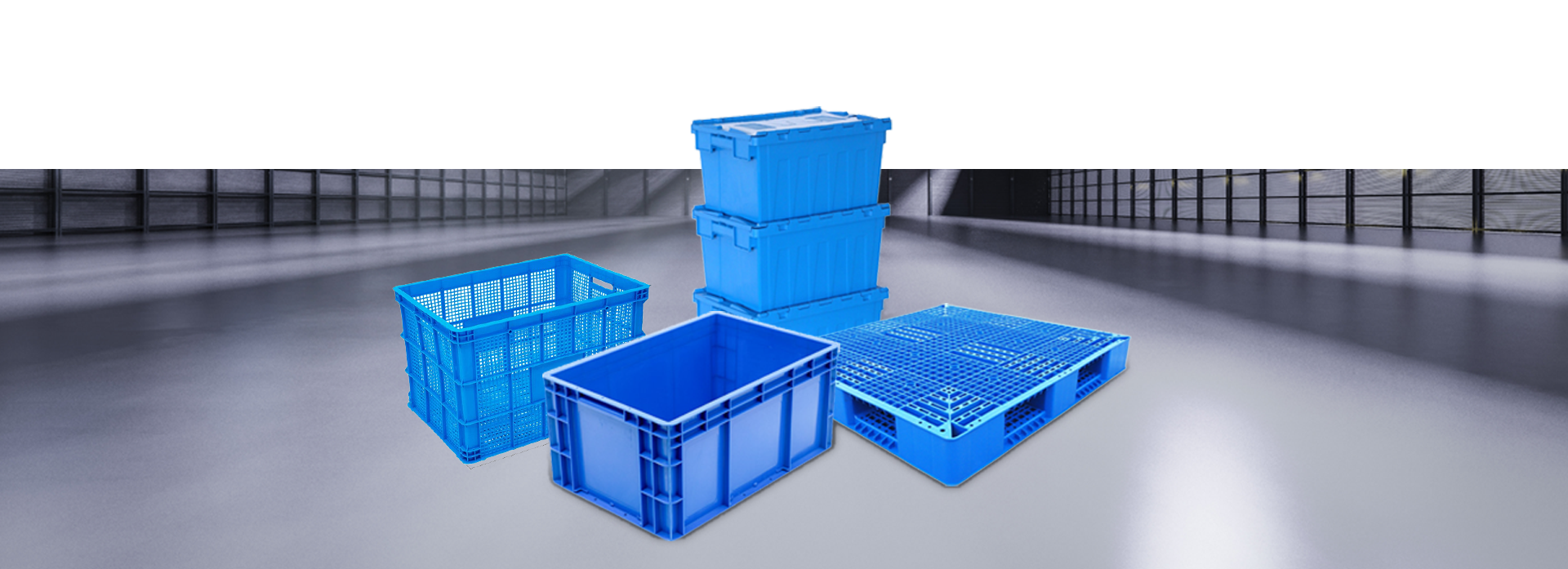
Plastic totes offer a compelling combination of durability, cost efficiency, and versatility that makes them the go-to storage and transport solution across industries. Whether used in warehouses, retail environments, agriculture, or home organization, plastic totes consistently outperform alternatives like cardboard boxes or wooden crates in longevity, hygiene, and total cost of ownership. The core advantages include resistance to moisture and chemicals, stackability, long service life exceeding 10–15 years, and compatibility with automated handling systems.
Content
- 1 Exceptional Durability and Long Service Life
- 2 Lower Total Cost of Ownership Compared to Alternatives
- 3 Superior Moisture and Chemical Resistance
- 4 Optimized Stackability and Space Efficiency
- 5 Compatibility with Automation and Warehouse Management Systems
- 6 Hygienic Design for Food, Pharmaceutical, and Medical Use
- 7 Versatility Across Industries and Applications
- 8 Environmental Benefits of Reusable Plastic Totes
- 9 Customization Options That Improve Operations
- 10 Safety Benefits for Workers and Products
- 11 Plastic Totes vs. Alternative Container Types
Exceptional Durability and Long Service Life
One of the most significant advantages of plastic totes is their ability to withstand repeated use under demanding conditions. High-density polyethylene (HDPE) and polypropylene (PP) totes can endure thousands of loading and unloading cycles without cracking, warping, or losing structural integrity. In contrast, a standard corrugated cardboard box typically lasts only 3–5 uses before it must be discarded.
Many industrial-grade plastic totes are rated to carry loads ranging from 50 lbs to over 2,000 lbs, depending on design and wall thickness. This makes them suitable for everything from picking small parts in a fulfillment center to transporting bulk agricultural produce. Their impact resistance also means fewer product losses due to container failure during transit.
UV-stabilized variants extend outdoor service life significantly, resisting sunlight degradation that would otherwise cause brittleness. In logistics operations, this translates to a container that remains functional for 10 to 15 years or longer with basic maintenance.
Lower Total Cost of Ownership Compared to Alternatives
While the upfront cost of a plastic tote is higher than a cardboard box, the long-term economics strongly favor plastic. Consider a scenario in which a distribution center ships 500 orders per week. Using single-use cardboard boxes at an average cost of $1.50 each adds up to $39,000 per year. The same operation using reusable plastic totes, each costing $15 and lasting 5 years with 200+ uses, reduces per-use cost to roughly $0.075 — a savings of more than 95% per cycle.
Additional cost reductions come from:
- Eliminated or reduced packaging waste disposal fees
- Lower labor costs due to faster packing and unpacking
- Reduced product damage claims from superior protection
- Fewer replacement purchases over time
Many companies report a return on investment within 12 to 18 months of switching from single-use packaging to reusable plastic tote systems.
Superior Moisture and Chemical Resistance
Plastic totes are inherently impervious to water, humidity, and many industrial chemicals. This makes them indispensable in environments where cardboard or wood would quickly deteriorate. Cold storage facilities, food processing plants, pharmaceutical warehouses, and chemical distribution operations all depend on plastic totes precisely because they do not absorb moisture, swell, or harbor mold and bacteria in the way porous materials do.
Food-grade plastic totes, manufactured to comply with FDA and other regulatory standards, can safely contact perishable goods without leaching harmful substances. They can be thoroughly sanitized using high-pressure water jets, steam cleaning, or chemical disinfectants — a process that is impossible with cardboard and difficult with wood.
In automotive and manufacturing environments, plastic totes regularly come into contact with lubricants, cutting fluids, and solvents. Resistance to a broad spectrum of chemicals prevents degradation and contamination of the stored components, maintaining part quality and worker safety.
Optimized Stackability and Space Efficiency
Plastic totes are engineered with precise dimensional tolerances, enabling them to stack securely and uniformly. This is a major logistical advantage over non-standardized containers. Many designs feature a nesting capability: when empty, totes nest inside one another to save up to 60–70% of storage space compared to stacked full-size configurations. When loaded, integrated stacking rails or lip designs keep them stable at heights of 6 to 8 totes or more.
Consistent external dimensions also make plastic totes compatible with standard pallet sizes (GMA 48"×40" pallets, for example), optimizing truck and container loading. By maximizing cube utilization, businesses can reduce the number of shipments required or fit more product into each load, directly cutting freight costs.
Stack Height and Weight Capacity Overview
| Tote Type | Typical Load Capacity | Max Stack Height | Nesting Ratio (Empty) |
|---|---|---|---|
| Light-duty picking tote | Up to 50 lbs | 6–8 totes | 4:1 |
| Medium-duty storage tote | 50–150 lbs | 5–6 totes | 3:1 |
| Heavy-duty industrial tote | 150–2,000+ lbs | 4–5 totes | 2:1 |
| Agricultural bulk bin | 500–2,500 lbs | 3–4 totes | 2:1 |
Compatibility with Automation and Warehouse Management Systems
Modern fulfillment and manufacturing operations rely heavily on conveyor systems, robotic picking arms, automated storage and retrieval systems (AS/RS), and barcode or RFID scanning. Plastic totes are purpose-built for integration with these technologies. Their smooth, consistent surfaces allow conveyor belts to transport them reliably without snagging, while flat bottom profiles prevent jamming at transfer points.
Many tote designs incorporate molded slots or recesses for RFID tag embedding, enabling real-time inventory tracking without retrofitting. Standardized label areas on tote sidewalls support barcodes and QR codes that scanners can read at high speeds — a necessity in facilities processing thousands of orders per hour.
For robotic picking systems, consistent tote geometry means grippers can be programmed with precise parameters, reducing error rates. A single tote specification used across an entire facility eliminates the need to reprogram automated systems for different container sizes — a significant operational benefit as automation investments grow.
Hygienic Design for Food, Pharmaceutical, and Medical Use
In regulated industries, container hygiene is not optional — it is a compliance requirement. Plastic totes with smooth, non-porous interiors and rounded corners are designed specifically to prevent debris accumulation and simplify cleaning validation. Unlike wooden pallets or cardboard, plastic surfaces do not harbor pests, fungi, or persistent bacterial biofilms when properly maintained.
Food-safe totes manufactured from virgin food-grade resin meet standards such as FDA 21 CFR and EU Regulation No. 10/2011 for food contact materials. Pharmaceutical operations using plastic totes can demonstrate cleaning validation more reliably because smooth surfaces have measurable, reproducible cleanliness thresholds.
Color-coded tote systems are widely used to enforce contamination controls. For example, a facility might use:
- Blue totes for raw materials entering the facility
- Yellow totes for work-in-progress components
- Green totes for finished, inspected goods ready for dispatch
- Red totes for quarantined or rejected items
This visual management system reduces human error, speeds up audits, and supports HACCP and GMP compliance with minimal administrative overhead.
Versatility Across Industries and Applications
Few storage solutions match the range of contexts in which plastic totes perform effectively. From a small retail backroom to a multi-story distribution center, from a farm field to a hospital supply room, the same fundamental product type adapts to vastly different requirements through variations in size, color, lid type, and material grade.
Key Industries and Use Cases
- E-commerce and fulfillment: Order picking, sorting, conveyor transport, returns processing
- Food and beverage: Produce harvesting, cold chain storage, bakery trays, seafood transport
- Automotive manufacturing: Parts kitting, line-side delivery, component transport between facilities
- Retail: Back-of-store inventory, seasonal merchandise storage, loss prevention tagging
- Healthcare: Sterile supply distribution, pharmacy bin systems, specimen transport
- Agriculture: Crop harvesting bins, nursery containers, seed and chemical storage
- Household: Garage organization, seasonal decoration storage, moving and relocation
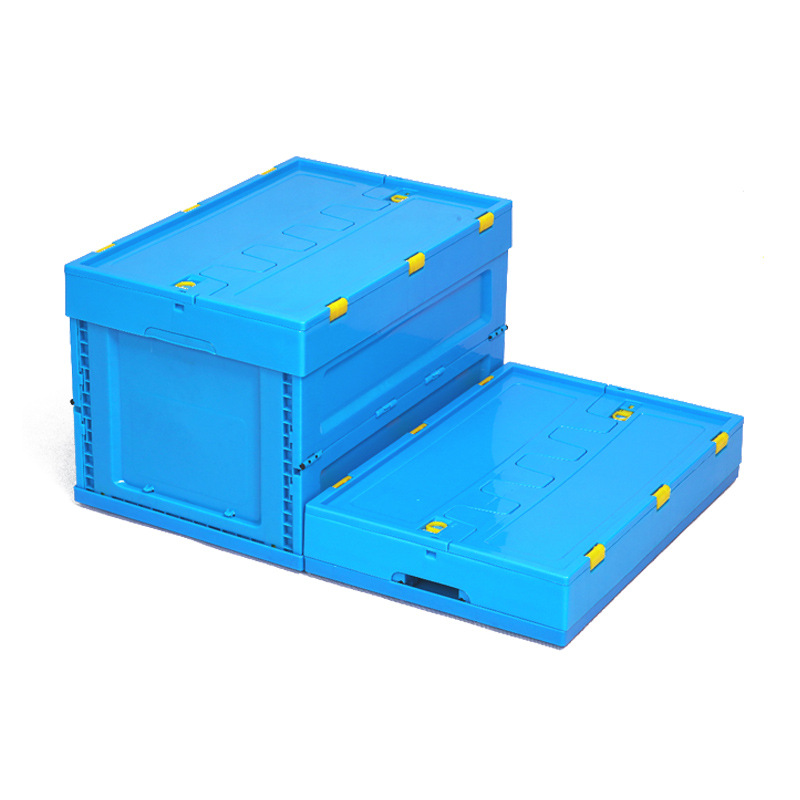
Lidded totes add protection from dust, pests, and unauthorized access. Vented totes allow air circulation for fresh produce. Collapsible totes reduce return-trip shipping costs. The breadth of available configurations means a single procurement relationship can serve an entire enterprise's storage needs.
Environmental Benefits of Reusable Plastic Totes
The environmental case for plastic totes is stronger than many people initially assume. A life-cycle analysis comparing reusable plastic totes to single-use corrugated cardboard typically shows that after just 4–6 reuse cycles, the plastic tote carries a lower cumulative carbon footprint. Over a 10-year service life with hundreds of cycles, the difference becomes dramatic.
Key environmental advantages include:
- Dramatically lower annual waste generation compared to single-use alternatives
- End-of-life recyclability — HDPE and PP are among the most widely recycled plastics globally
- Availability of totes manufactured with 30–100% post-consumer recycled resin
- Reduced need for protective void fill and dunnage materials inside the tote
- Lower transportation emissions per unit moved, due to consistent stacking geometry maximizing load efficiency
Several tote rental and pooling programs have emerged to support a circular economy model, where totes are professionally cleaned, inspected, and recirculated rather than reaching landfill. Companies participating in such programs can report verified waste diversion figures as part of their sustainability disclosures.
Customization Options That Improve Operations
Plastic totes are available in a wide range of custom configurations that go far beyond simple size and color variation. Businesses can specify features that directly enhance operational workflow:
- Attached lids: Prevent lid loss and reduce packing steps
- Pick windows or hand holes: Allow quick visual inventory without removing contents
- Interior dividers and inserts: Segment compartments for kitting or fragile-item protection
- ESD (electrostatic dissipative) materials: Essential for electronics and semiconductor handling
- Drain holes: For wash-down or wet-environment applications
- Custom molded logos or part numbers: Permanent identification without labels
- Anti-microbial additives: For healthcare and food environments with strict germ-control requirements
For large-volume buyers, custom tooling for proprietary tote designs is a viable investment. Having a tote engineered specifically for a product's dimensions eliminates wasted space and reduces product movement during transit — both of which translate to measurable cost and quality improvements.
Safety Benefits for Workers and Products
Ergonomic design is a key consideration in modern plastic tote manufacturing. Totes with integrated hand grips, molded carry handles, and ergonomic lip profiles reduce the awkward wrist positions and grip strain that contribute to musculoskeletal injuries in warehouse and manufacturing environments. In facilities processing high volumes of manual picks per shift, this can meaningfully reduce worker injury rates and associated compensation costs.
From a product safety perspective, the rigid walls of a plastic tote provide consistent crush resistance that flexible bags or even cardboard boxes cannot match. Fragile components, electronics, and perishables are better protected against impact damage during conveyor transport, forklift operations, and truck transit.
Secure lid options — snap-on, latching, or tamper-evident designs — protect contents from contamination, pilferage, and accidental spillage. In pharmaceutical and clinical settings, tamper-evident totes provide chain-of-custody documentation support, contributing to regulatory compliance without additional packaging layers.
Plastic Totes vs. Alternative Container Types
To fully appreciate the advantages of plastic totes, it helps to compare them directly against the most common alternatives used for storage and transport.
| Feature | Plastic Totes | Cardboard Boxes | Wooden Crates | Metal Containers |
|---|---|---|---|---|
| Service life | 10–15+ years | 1–5 uses | 3–5 years | 15–20+ years |
| Moisture resistance | Excellent | Poor | Moderate | Excellent (varies) |
| Weight | Light to moderate | Very light | Heavy | Heavy |
| Cleanability | Excellent | Not cleanable | Difficult | Good to excellent |
| Automation compatibility | High | Moderate | Low | Moderate |
| Upfront cost | Moderate | Low | High | Very high |
| Long-term cost per use | Very low | High (replace each use) | Moderate | Low |
| Recyclability | High (HDPE/PP) | High (paper) | Moderate | High (metal) |
The comparison shows that while metal containers can match plastic totes on durability, they are far heavier and more expensive, creating handling and freight cost disadvantages. Cardboard excels only in upfront cost and weight but fails on nearly every operational metric. Plastic totes occupy the optimal balance point for most industrial and commercial applications.

Copyright @ Yancheng Bingo Machinery Equipment Co., Ltd. All rights reserved Warehouse Logistics Equipment Manufacturer Pallet Truck Supplier
