 en
en  Español




What are the advantages of using Collapsible Plastic Totes?
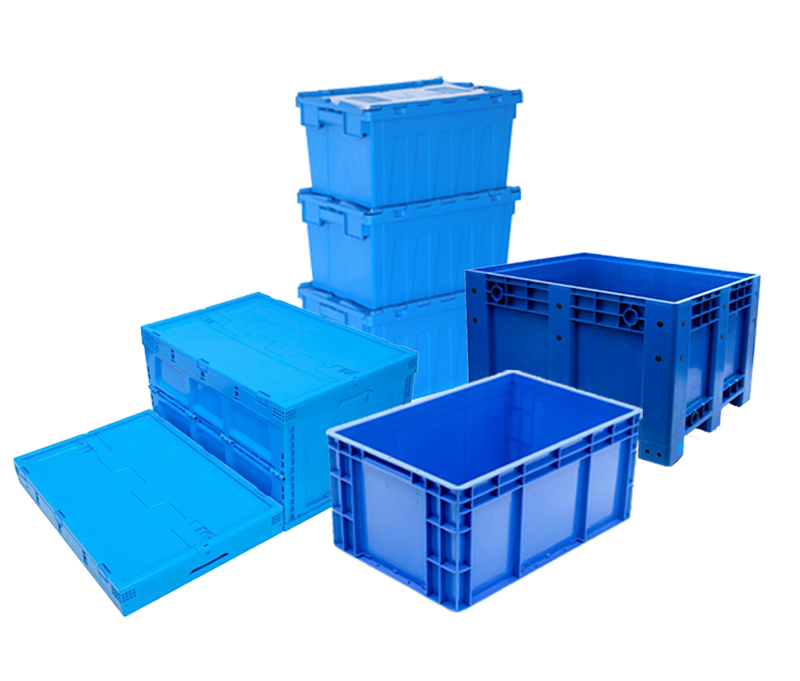
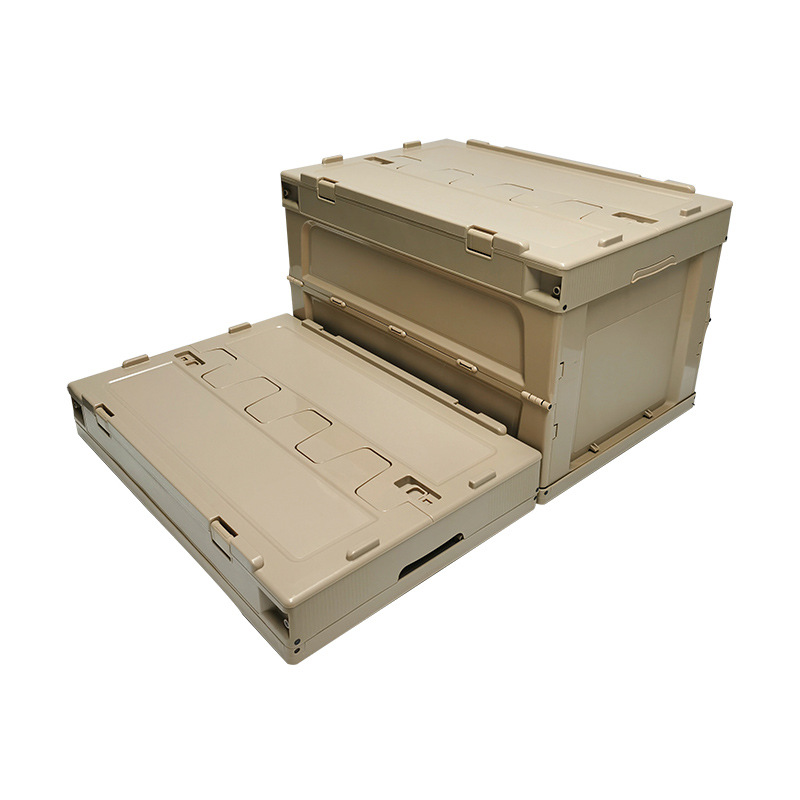
Collapsible plastic totes offer a powerful combination of space savings, cost efficiency, durability, and operational flexibility that rigid containers simply cannot match. When empty, they fold flat to as little as 25–30% of their expanded height, slashing return freight costs and storage footprint. When in use, they provide the same structural strength, load capacity, and hygienic properties as fixed-wall plastic containers. For warehouses, distribution centers, manufacturers, retailers, and logistics providers handling returnable packaging, collapsible plastic totes are one of the highest-return equipment investments available.
This article examines every significant advantage of collapsible plastic totes — with concrete data, industry examples, and practical guidance — so that operations managers, procurement teams, and supply chain planners can make fully informed decisions about adopting or expanding their use.
Content
- 1 Advantage 1: Dramatic Space Savings When Empty
- 2 Advantage 2: Lower Return Freight and Logistics Costs
- 3 Advantage 3: Durability and Long Service Life
- 4 Advantage 4: Significant Cost Savings Over Single-Use Packaging
- 5 Advantage 5: Hygienic Design for Food, Pharmaceutical, and Clean-Room Applications
- 6 Advantage 6: Environmental Sustainability and Reduced Carbon Footprint
- 7 Advantage 7: Operational Efficiency and Ergonomic Benefits
- 8 Advantage 8: Versatility Across Industries and Applications
- 9 Collapsible Plastic Totes vs. Key Alternatives: A Comparative Overview
- 10 Types of Collapsible Plastic Totes and Their Specific Advantages
- 11 Key Specifications to Evaluate When Selecting Collapsible Plastic Totes
- 12 Implementing a Collapsible Tote Pool: Best Practices for Maximum ROI
- 13 Performance Summary: Collapsible Plastic Totes by Application Sector
- 14 Bingo: Warehousing and Logistics Equipment Solutions for Global Operations
- 15 Frequently Asked Questions About Collapsible Plastic Totes
- 15.1 How many times can a collapsible plastic tote be collapsed and re-erected before it wears out?
- 15.2 Can collapsible plastic totes be used in freezer and cold chain applications?
- 15.3 What is the best way to clean and sanitize collapsible plastic totes for food applications?
- 15.4 Are there standard footprint sizes for collapsible plastic totes, and why does this matter?
Advantage 1: Dramatic Space Savings When Empty
The defining advantage of a collapsible plastic tote is its ability to reduce its own volume when not carrying a load. A standard collapsible tote with an expanded height of 300 mm typically collapses to a stacked height contribution of 75–90 mm per unit — a volume reduction of 65–75%. In practical terms, this means a pallet position that holds 8–10 expanded totes can store 30–40 collapsed totes in the same footprint.
This space compression has cascading benefits across the supply chain:
- Warehouse storage — empty container inventory occupies a fraction of the floor or rack space required by rigid bins, freeing premium warehouse locations for revenue-generating stock.
- Truck and container utilization — returning empty collapsible totes by truck rather than empty rigid containers increases the number of units per trailer load by 3–4 times, directly cutting return transport cost per unit.
- Retail back-of-house and receiving areas — collapsed totes waiting for the next outbound shipment can be stored in narrow aisles, under shelving, or in areas where expanded containers could never fit.
- Manufacturing line-side storage — components supplied in collapsible totes can be emptied and collapsed at the assembly station, keeping work-in-progress areas clear without requiring a dedicated empty-container collection run.
For operations running a high-velocity returnable packaging loop — for example, an automotive parts supplier shipping to an assembly plant and receiving empties daily — the space saving from collapsible totes can eliminate the need for a dedicated empty-container storage area entirely.
Advantage 2: Lower Return Freight and Logistics Costs
In any returnable container program, the cost of shipping empty containers back to the origin point is a significant recurring expense. With rigid containers, every return trip moves mostly air — the empty internal volume of the container contributes nothing to transport revenue but occupies truck, rail, or ocean freight capacity.
Collapsible plastic totes eliminate this inefficiency. Because collapsed totes nest tightly on pallets, the number of units that fit in a standard 13.6-meter semi-trailer increases from roughly 600–800 (expanded) to 2,400–3,200 (collapsed) for a typical 600 × 400 mm footprint tote. This means return freight cost per tote unit drops by approximately 75% compared to rigid containers of equivalent capacity.
For operations that ship containers internationally, the savings are even more pronounced. A 20-foot ocean freight container (33 cubic meters) that might accommodate 500 expanded rigid totes can hold 1,800–2,000 collapsed collapsible totes of the same footprint. Over thousands of return trips per year, this translates directly to fewer vessels, fewer trucks, and lower carbon emissions per unit moved.
A concrete industry example: a European grocery retailer operating a nationwide fresh produce distribution network reported a 68% reduction in empty-container return transport costs after converting from rigid plastic crates to collapsible totes — savings that more than offset the higher initial purchase cost of the collapsible units within the first 18 months of operation.
Advantage 3: Durability and Long Service Life
Modern collapsible plastic totes are manufactured from high-density polyethylene (HDPE) or polypropylene (PP) — the same engineering-grade thermoplastics used in rigid industrial containers that routinely achieve service lives of 10–15 years in demanding logistics environments. The hinge and latch mechanisms that enable collapsing are injection-molded in the same high-strength polymer as the walls, and quality totes are engineered to withstand 5,000–10,000 collapse-and-erect cycles before showing significant wear.
Key durability characteristics of quality collapsible plastic totes include:
- Impact resistance — HDPE totes absorb impacts from forklift handling, conveyor transfers, and drops without cracking or deforming. Impact resistance is maintained to temperatures as low as −20°C in cold chain applications.
- UV resistance — totes used in outdoor yard storage or open-bay receiving areas benefit from UV-stabilized polymer formulations that prevent embrittlement and color fading over years of sun exposure.
- Chemical resistance — polypropylene totes resist oils, cleaning agents, mild acids, and bases encountered in food processing, pharmaceutical, and light chemical manufacturing environments.
- Load capacity — a standard 600 × 400 mm collapsible tote typically carries a dynamic load of 15–30 kg depending on wall thickness and design; heavy-duty models support up to 50 kg.
- Stack strength — when expanded and loaded, collapsible totes stack to 4–6 tiers on standard pallets with stacking loads of 200–600 kg depending on the design, comparable to equivalent rigid containers.
The long service life of quality collapsible totes means the total cost of ownership per trip is substantially lower than single-use corrugated cartons or lower-grade reusable containers, even accounting for the higher initial unit cost.
Advantage 4: Significant Cost Savings Over Single-Use Packaging
The economic case for collapsible plastic totes over disposable packaging — primarily corrugated cardboard boxes — becomes compelling at moderate-to-high shipment volumes. A corrugated carton is used once, then recycled or discarded. A collapsible plastic tote in an active pool is reused hundreds or thousands of times.
Consider a distribution operation shipping 10,000 units per week in corrugated cartons at a typical carton cost. After switching to collapsible totes with a service life of 500 trips, the per-trip container cost drops by 80–90% compared to single-use cartons. The break-even point — where cumulative tote reuse savings exceed the higher upfront tote purchase cost — is typically reached within 6–18 months of deployment, depending on trip frequency and carton cost.
Beyond the direct container cost, the switch to collapsible plastic totes eliminates or substantially reduces:
- Packing material costs — no inner liners, void fill, or tape required; items simply go into the tote.
- Cardboard waste disposal costs — cardboard recycling or landfill tipping fees, baling labor, and compactor maintenance are eliminated when single-use packaging is removed from the process.
- Product damage claims — rigid plastic totes provide superior product protection compared to corrugated cartons that weaken when wet or crushed in a stack, reducing damage-in-transit claims and associated administration costs.
- Packing time — totes are erected rapidly (typically in 3–5 seconds for a fold-and-lock design) and require no tape or sealing, reducing packing labor cost per unit.
Advantage 5: Hygienic Design for Food, Pharmaceutical, and Clean-Room Applications
Collapsible plastic totes offer significant hygiene advantages over both corrugated cartons and wooden crates — the two most common alternatives in food and pharmaceutical supply chains. Plastic is non-porous, does not absorb moisture, and does not harbor bacteria in the way that wood fibers and corrugated fluting can.
Key hygiene-related advantages include:
- Washability — smooth plastic surfaces withstand high-pressure hot water washing and chemical sanitization with food-grade detergents, allowing totes to be returned to food contact service with confidence. Most collapsible tote designs allow the folded walls to unfold for thorough interior cleaning access.
- No fiber or particle contamination — corrugated cartons shed fibers and dust particles that can contaminate open food products or pharmaceutical components. Plastic totes shed no such particles.
- Pest resistance — plastic totes do not provide harborage for insects or rodents that are attracted to corrugated cardboard; this is a material regulatory compliance point for food manufacturing facilities.
- HACCP and BRC compliance support — food operations working to HACCP, BRC, or IFS certification standards frequently specify collapsible plastic totes in primary and secondary handling areas because they facilitate the allergen control and cross-contamination prevention requirements of these standards.
- Color-coded segregation — collapsible totes are available in a full range of colors, enabling visual color-coding systems that separate raw from processed materials, allergen from allergen-free product streams, or clean from dirty container pools.
Advantage 6: Environmental Sustainability and Reduced Carbon Footprint
The environmental credentials of collapsible plastic totes compare favorably with single-use alternatives when evaluated over a full product lifecycle. A life cycle assessment (LCA) comparing reusable plastic totes against single-use corrugated cartons typically finds that reusable plastic totes generate 60–80% less CO₂ equivalent per unit of goods transported when used for 50 or more trips, despite the higher energy input required to manufacture the initial plastic unit.
The collapsible design amplifies this environmental benefit in two specific ways:
- Fewer return transport trips — because collapsed totes pack 3–4 times more densely than rigid containers, fewer truck journeys are needed to return empties. Each avoided truck journey eliminates approximately 0.5–1.0 kg CO₂ per km of transport emissions.
- End-of-life recyclability — HDPE and PP are both widely accepted in industrial plastics recycling streams. When a collapsible tote reaches end of service life, it can be granulated and reprocessed into new plastic products, avoiding landfill and preserving the material value of the original polymer.
For companies with published sustainability commitments — Scope 3 emissions reduction targets, packaging waste reduction pledges, or circular economy goals — switching to collapsible plastic totes in their supply chain is a quantifiable, reportable action that delivers measurable progress against these commitments.
Advantage 7: Operational Efficiency and Ergonomic Benefits
Beyond the financial and environmental advantages, collapsible plastic totes deliver measurable ergonomic and operational efficiency gains at the warehouse and distribution level:
Faster Setup at Pack Stations
A collapsible tote can be erected from flat to fully open in 3–5 seconds with a single fold-and-click motion. No tape dispenser, no folding box blanks, no inner liner insertion — the tote is ready to receive product immediately. In a high-velocity fulfillment center processing thousands of orders per day, this difference in pack station setup time compounds into meaningful labor savings.
Consistent Dimensions for Automated Handling
Unlike corrugated cartons that vary in size and rigidity, collapsible plastic totes have precise, consistent external dimensions that are compatible with automated conveyor systems, sorters, AS/RS (automated storage and retrieval systems), and robotic picking cells. The ability to integrate a single tote design across automated and manual handling zones simplifies systems integration and reduces error rates.
Reduced Manual Handling Weight
A standard 600 × 400 × 300 mm collapsible tote typically weighs 1.5–3.0 kg empty — lighter than a rigid container of equivalent volume. Collapsed totes in stacks are easy for a single operator to carry and position, reducing manual handling injury risk in receiving, return-processing, and replenishment tasks.
Simplified Empty Container Management
Empty container accumulation at store receiving docks, manufacturing line-side areas, and retail back-of-house locations is a persistent operational headache with rigid containers. Collapsible totes solve this by enabling line-side collapse — an operator folds and stacks empties immediately after unloading, converting a pile of bulky empties into a compact, manageable stack that can be moved on a trolley or hand pallet truck without a forklift.
Advantage 8: Versatility Across Industries and Applications
Collapsible plastic totes are not sector-specific equipment. The same fundamental design — a rigid base, folding side walls, and interlocking panels — serves a remarkably diverse range of industries and use cases:
- Grocery and fresh produce retail — collapsible totes carry fruit, vegetables, dairy, meat, and bakery products from distribution center to store shelf, replacing single-use cartons and wooden crates in ambient, chilled, and frozen temperature zones.
- Automotive parts logistics — small-to-medium pressed parts, fasteners, and sub-assemblies are routed from tier-1 suppliers to assembly plants in collapsible totes on a continuous loop, with collapsed empties returned on the same transport that delivered full loads.
- E-commerce fulfillment — collapsible totes are used as picking containers, sort consolidation vessels, and outbound shipping units in high-velocity order fulfillment operations where consistent tote dimensions enable automated sortation.
- Pharmaceutical distribution — temperature-sensitive medications and healthcare products are distributed in food-grade collapsible totes that meet the cleanliness and traceability requirements of GDP (Good Distribution Practice) guidelines.
- Electronics and component manufacturing — ESD-safe collapsible totes protect sensitive electronic components from electrostatic discharge during inter-plant transfer and line-side storage.
- Textile and apparel logistics — folded garments, accessories, and footwear are distributed through retail supply chains in collapsible totes that replace cardboard master cartons at the store replenishment level.
- Post and parcel delivery — last-mile delivery depots use collapsible totes as sort and delivery containers for small parcels, collapsing empties at the delivery point for compact return.
Collapsible Plastic Totes vs. Key Alternatives: A Comparative Overview
The table below compares collapsible plastic totes against the three most common alternatives — corrugated cartons, rigid plastic bins, and wooden crates — across the criteria most relevant to supply chain decision-making:
| Criterion | Collapsible Plastic Tote | Corrugated Carton | Rigid Plastic Bin | Wooden Crate |
|---|---|---|---|---|
| Reusable | Yes — 500–1,000+ trips | No — single use | Yes — 500–1,000+ trips | Limited — 20–50 trips |
| Empty volume reduction | 65–75% collapse | Flattenable, fragile | None — full volume when empty | None — full volume when empty |
| Return freight cost | Very low | N/A — disposed on site | High | Very high |
| Hygiene / washability | Excellent | Poor — absorbs moisture | Excellent | Poor — harbors bacteria |
| Initial unit cost | Moderate–High | Low | Moderate | High |
| Total cost per trip (lifecycle) | Very low | High — per-use cost | Low | High |
| Cold chain compatibility | Yes — to −30°C | Limited — weakens when wet | Yes — to −30°C | Yes but heavy |
| Automation compatibility | High — consistent dimensions | Moderate | High | Low |
| End-of-life recyclability | Yes — HDPE/PP recyclable | Yes — paper recycling | Yes — HDPE/PP recyclable | Limited |
Types of Collapsible Plastic Totes and Their Specific Advantages
Collapsible plastic totes are not a monolithic product category. Several design variations exist, each optimized for specific handling environments and operational requirements:
Four-Side Folding Totes
All four walls fold inward onto the base, achieving the maximum volume reduction — typically 70–75% of expanded height. This design is most common in grocery, retail distribution, and postal applications where dense collapsed stacking and frequent erect-collapse cycles are priorities. Four-side folding totes are the most space-efficient design available.
Two-Side Folding (Drop-Side) Totes
The two long walls fold down while the two short walls remain fixed. This design is simpler and more robust at the hinge points because fewer folding elements are involved. Drop-side totes are preferred in industrial parts logistics and automotive supply chains where load capacity and durability under frequent heavy handling are priorities over maximum space reduction. Collapse ratio is typically 50–60%.
Collapsible Totes with Lids
Some designs incorporate an integral or separate lid that clips onto the assembled tote, providing product security, dust exclusion, and the ability to stack loaded totes without load bearing on the top layer of product. Lid-equipped totes are used in pharmaceutical, electronics, and high-value goods distribution where product protection during transit is critical.
Ventilated Collapsible Totes
Perforated or slatted wall designs allow air circulation around the contents — essential for fresh produce, cut flowers, bakery products, and other goods that generate or require airflow for temperature control. Ventilated collapsible totes are standard equipment in cold chain fresh food distribution.
ESD-Protected Collapsible Totes
Manufactured from polymer compounds with surface resistivity of 10⁵ to 10¹¹ ohms, ESD-safe collapsible totes protect sensitive electronic components from electrostatic damage during handling and storage. These are standard equipment in PCB assembly, semiconductor, and precision electronics manufacturing and distribution environments.
Key Specifications to Evaluate When Selecting Collapsible Plastic Totes
Procurement managers and logistics engineers evaluating collapsible plastic totes for a specific application should assess the following specifications systematically:
- External footprint dimensions — standard Europool footprints (600 × 400 mm, 400 × 300 mm) ensure compatibility with Euro pallets, standard racking, and conveyor widths. Non-standard footprints may offer better volume efficiency for specific products but reduce system interoperability.
- Dynamic load capacity — the maximum weight a single tote can carry in motion (conveyor, forklift, or manual handling). Confirm this rating matches the heaviest product unit the tote will carry, with a safety margin.
- Stacking load — the maximum cumulative weight that can be stacked on a fully loaded tote; critical for pallet stability and rack bay design.
- Collapsed height per unit — determines how many collapsed units fit per pallet position; a key factor in the return freight cost calculation.
- Collapse-erect cycle rating — the manufacturer's rated number of full collapse-and-erect cycles before the hinge and latch mechanism shows significant wear. Specify a minimum of 3,000 cycles for high-frequency operations.
- Temperature range — confirm the polymer formulation is rated for the lowest storage and transit temperature the tote will encounter; for frozen food applications, HDPE rated to −30°C is the minimum requirement.
- Food contact compliance — for food applications, verify that the polymer and any colorants comply with relevant food contact regulations (EU Regulation 10/2011, FDA 21 CFR, or equivalent).
- RFID or barcode label area — for traceability-enabled container pools, confirm that the tote design includes a flat, accessible label or RFID inlay mounting area compatible with the tracking system being used.
Implementing a Collapsible Tote Pool: Best Practices for Maximum ROI
Switching to collapsible plastic totes delivers the greatest return when the implementation is structured around the following operational principles:
- Standardize on the fewest possible tote sizes — the logistics benefits of consistent dimensioning (pallet fill efficiency, rack compatibility, conveyor compatibility) are maximized when a single or small family of tote sizes handles the majority of SKUs. Resist the temptation to specify custom sizes for every product type.
- Establish a clear collapse protocol at every unloading point — the space and cost benefits of collapsible totes are only realized if totes are actually collapsed at the point of emptying. Written procedures, visual work instructions, and brief training for all personnel who handle empty totes are essential.
- Track tote pool inventory with barcodes or RFID — container loss (totes that leave the loop and are not returned) is the primary ongoing cost of a returnable packaging program. A tracking system that records tote location at each scan point enables rapid identification of where containers are accumulating and supports loss accountability.
- Schedule regular wash cycles — totes in food, pharmaceutical, or high-hygiene applications should be washed at defined intervals (typically every 5–10 trips or upon return from any external destination). Establish a wash-and-inspect station at the return point to catch damaged units before they re-enter the active pool.
- Plan pool size based on trip frequency and pipeline stock — the total number of totes required equals the number of loads in transit plus the number being filled plus the number being emptied plus the number in the wash cycle plus a safety buffer. Undersizing the pool creates shortages; oversizing ties up capital unnecessarily.
- Negotiate return lead times with supply chain partners — the financial and operational case for collapsible totes depends on regular, reliable return of empties. Agreed service levels for empty return — for example, within 5 business days of delivery — should be written into supplier and customer contracts.
Performance Summary: Collapsible Plastic Totes by Application Sector
| Industry Sector | Key Tote Requirement | Typical Size (mm) | Primary Advantage Realized |
|---|---|---|---|
| Grocery / fresh food retail | Food-safe, ventilated, washable | 600 × 400 × 200–320 | Return freight cost reduction |
| Automotive parts | High load capacity, robust hinge | 600 × 400 × 280–420 | Dense collapsed return shipping |
| E-commerce fulfillment | Conveyor-compatible, consistent size | 400 × 300 × 200–300 | Automation compatibility |
| Pharmaceutical | Cleanroom-washable, lidded, traceable | 600 × 400 × 200 | Hygiene and product protection |
| Electronics manufacturing | ESD-safe, anti-static | 400 × 300 × 150–200 | ESD protection, compact storage |
| Post and parcel delivery | Lightweight, fast erect/collapse | 600 × 400 × 250 | Depot space saving, driver efficiency |
Bingo: Warehousing and Logistics Equipment Solutions for Global Operations
Bingo is an enterprise specializing in the production, sales, and service of warehousing and logistics equipment. Focused on the equipment needs of diverse warehousing and logistics scenarios, Bingo provides global customers with one-stop, integrated solutions for material storage and handling — combining deep product expertise with a comprehensive range of equipment including collapsible plastic totes, storage bins, pallets, shelving systems, and material handling accessories.
For operations evaluating collapsible plastic totes, Bingo's integrated approach means that tote selection does not happen in isolation from the broader warehouse and logistics system. Bingo's team understands how tote dimensions interact with racking bay sizes, conveyor widths, pallet configurations, and return logistics flows — and provides equipment recommendations that optimize performance across the entire storage and handling environment, not just the container specification alone.
Whether the requirement is a high-volume grocery distribution tote program, an automotive parts returnable packaging pool, an e-commerce fulfillment tote solution, or a pharmaceutical-grade collapsible container system, Bingo's product range and application expertise support customers from initial specification through to full-scale deployment and ongoing equipment management — making Bingo a reliable partner for organizations seeking the full operational and financial advantages that quality collapsible plastic totes deliver.
Frequently Asked Questions About Collapsible Plastic Totes
How many times can a collapsible plastic tote be collapsed and re-erected before it wears out?
Quality collapsible plastic totes from reputable manufacturers are engineered and tested to withstand a minimum of 3,000 to 5,000 full collapse-and-erect cycles; premium industrial designs are rated to 10,000 cycles or more. The hinge mechanism is typically the first component to show wear. In real-world operations where totes are used in active distribution loops, cycle life rarely becomes the limiting factor — UV degradation, impact damage, or contamination from product or cleaning chemicals typically define the end of service life before the hinge mechanism fails.
Can collapsible plastic totes be used in freezer and cold chain applications?
Yes — HDPE-based collapsible totes are specifically suitable for cold chain use. High-density polyethylene maintains adequate impact resistance and flexibility at temperatures as low as −30°C, which covers the full temperature range of frozen food distribution. The key consideration for freezer applications is to allow totes to return to ambient temperature before collapsing, as some hinge mechanisms are stiffer at sub-zero temperatures. Many food-grade collapsible tote designs include reinforced hinges and larger collapse tabs specifically to ease operation in cold handling environments.
What is the best way to clean and sanitize collapsible plastic totes for food applications?
The standard approach for food-grade collapsible tote cleaning is a three-stage process: pre-rinse with cold water to remove loose debris, hot water wash at 60–80°C with food-approved detergent (typically through a tunnel washer or rotary cage washer), followed by a sanitizing rinse with an approved sanitizer solution. Totes should be allowed to drain and air-dry before returning to the active pool. Automated crate washer systems that process totes collapsed (for water access to all surfaces) or expanded (for more thorough interior cleaning) are available depending on production volume and hygiene specification requirements.
Are there standard footprint sizes for collapsible plastic totes, and why does this matter?
The most widely adopted footprint standards are the 600 × 400 mm Europool size (a half-Euro pallet base that allows 4 totes per layer on a standard 1200 × 800 mm Euro pallet) and the 400 × 300 mm quarter-Euro size. In North America, 24 × 16 inch and 18 × 12 inch footprints are common GMA-pallet-compatible sizes. Specifying footprints that align with these standards ensures compatibility with existing racking, conveyor infrastructure, and pallet patterns throughout the supply chain — and makes it possible to combine totes from the pool with other standard containers on the same pallets and in the same rack bays without reconfiguration.

Copyright @ Yancheng Bingo Machinery Equipment Co., Ltd. All rights reserved Warehouse Logistics Equipment Manufacturer Pallet Truck Supplier
