 en
en  Español



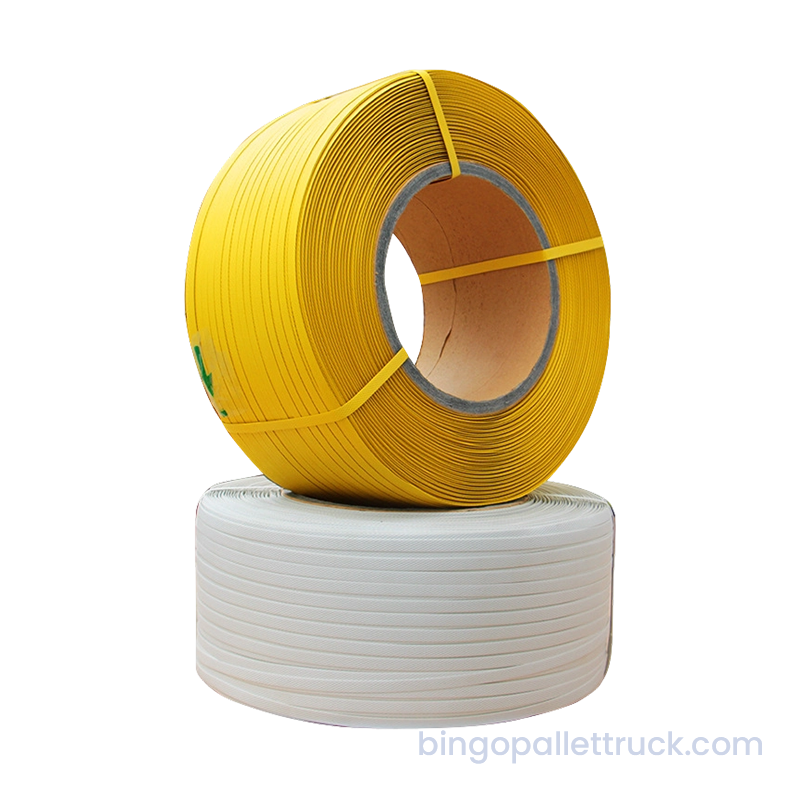
What is Packing Strapping?
Content
- 1 Direct Answer: What Is Packing Strapping?
- 1.1 Why Packing Strapping Is Essential in Modern Logistics
- 1.2 Types of Packing Strapping Materials
- 1.3 Polypropylene Strapping
- 1.4 Polyester Strapping
- 1.5 Comparative Performance and Selection Guide
- 1.6 Application Methods and Equipment
- 1.7 Manual Hand Tools
- 1.8 Battery-Powered Tools
- 1.9 Semi-Automatic Arch Machines
- 1.10 Fully Automatic Systems
- 1.11 Pneumatic Steel Strapping Systems
- 1.12 Joint Types and Their Impact on Performance
- 1.13 Industry-Specific Applications
- 1.14 Corrugated Packaging and Printing
- 1.15 Lumber and Building Materials
- 1.16 Metal Products and Heavy Industry
- 1.17 Agriculture and Horticulture
- 1.18 Glass and Ceramics
- 1.19 Best Practices for Effective Strapping
- 1.20 Safety Considerations and Workplace Hazards
- 1.21 Sustainability and Recycling Trends
- 1.22 Conclusion
- 2 Core Applications of Packing Strapping
- 3 The Fundamental Distinction between strapping tape and Packing Strapping
- 3.1 Structural and Material Differences
- 3.2 Functional Purpose and Load-Bearing Mechanism
- 3.3 Comprehensive Comparison Across Key Dimensions
- 3.4 Typical Use Cases and Application Scenarios
- 3.5 Can They Be Used Together?
- 3.6 Common Misconceptions and Substitution Risks
- 3.7 Selection Guidelines for Packaging Professionals
- 3.8 Economic and Operational Impact
- 3.9 Conclusion
- 4 Direct Answer: How to Use Packing Strapping
- 4.1 Pre-Application Planning and Preparation
- 4.2 Step-by-Step Manual Strapping Procedure
- 4.3 Using Battery-Powered Combination Tools
- 4.4 Operating Semi-Automatic and Automatic Strapping Machines
- 4.5 Steel Strapping: Specialized Techniques and Safety Protocols
- 4.6 Woven Cord Strapping: Manual Buckle Application
- 4.7 Edge Protectors and Load Preparation Accessories
- 4.8 Quality Control and Post-Application Inspection
- 4.9 Common Mistakes and How to Avoid Them
- 4.10 Integration with Stretch Wrap and Other Containment Methods
- 4.11 Conclusion
Direct Answer: What Is Packing Strapping?
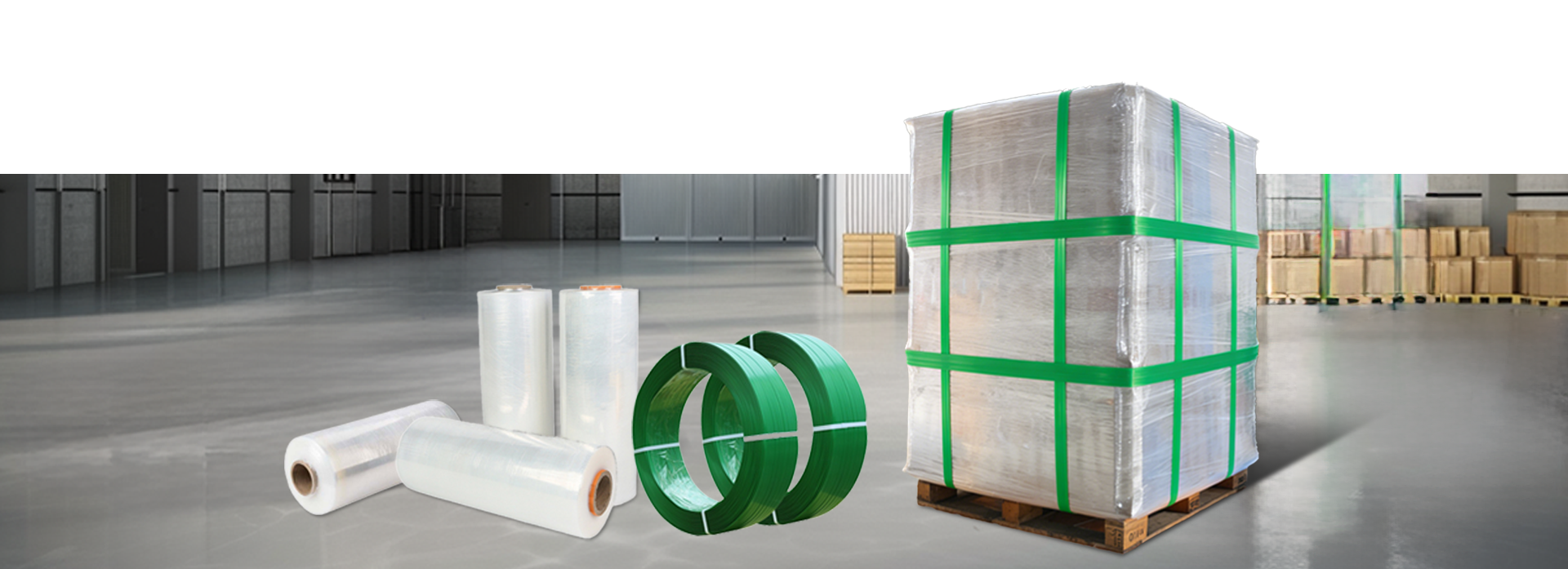
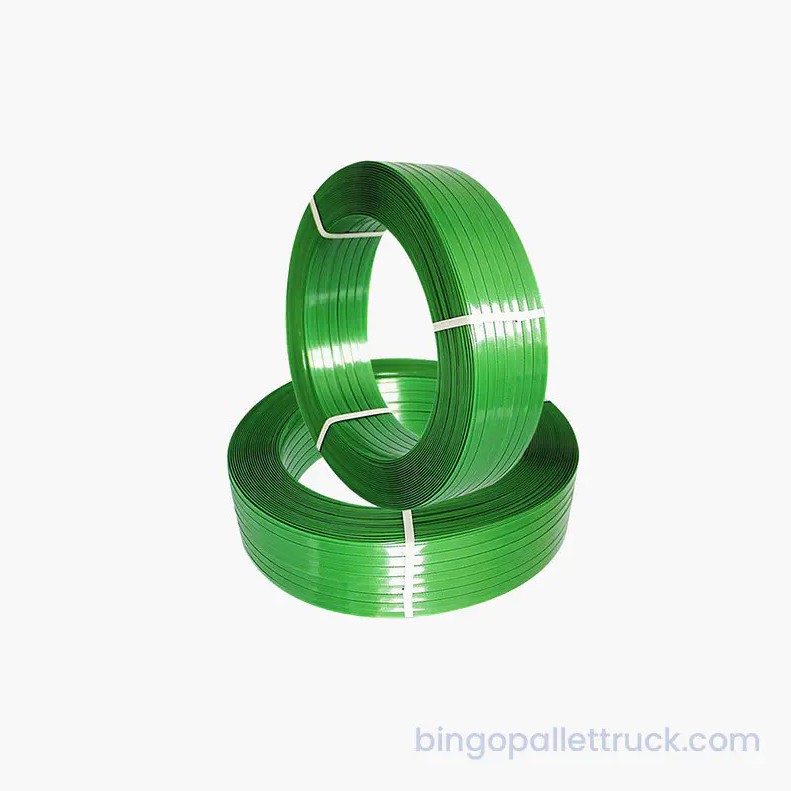
Packing strapping is a high-tensile binding material used to secure, reinforce, and stabilize packages, pallets, and bundled goods during storage, handling, and transportation. Also known simply as strapping or banding, it is applied around boxes, crates, palletized loads, or individual items to prevent shifting, collapse, or separation. Packing strapping comes in multiple material types—primarily polypropylene (PP), polyester (PET), steel, and woven cord—and is applied using manual tensioners, semi-automatic machines, or fully automated strapping systems depending on throughput requirements and load characteristics.
Why Packing Strapping Is Essential in Modern Logistics
In global supply chains, products frequently endure multiple handling stages: warehouse loading, forklift transport, truck or container shipping, and final-mile delivery. Without adequate strapping, palletized loads can destabilize, individual boxes may shift and crush, and heavy items risk falling during lifting operations. Industry data indicates that improper load containment contributes to approximately 11% of all freight damage claims, with loose or unstrapped loads representing a significant portion of preventable losses.
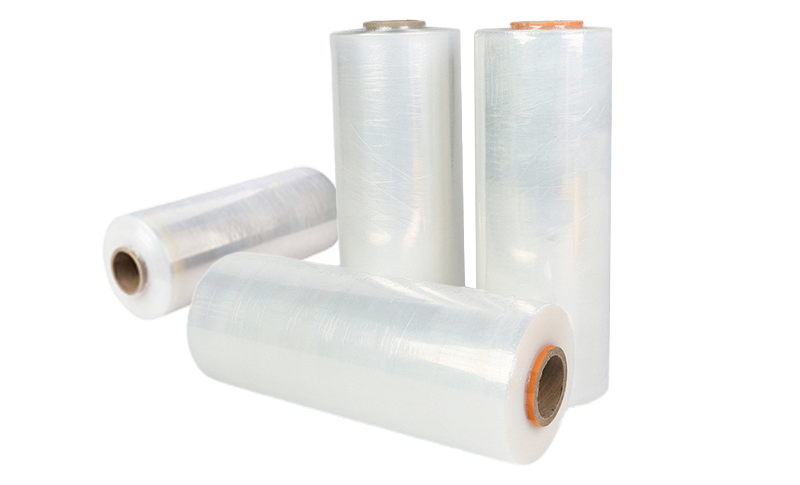
Packing strapping addresses these vulnerabilities by creating a circumferential tension force that holds items together as a single rigid unit. Unlike stretch wrap, which relies on surface friction and elastic cling, strapping provides a mechanical lock that does not relax over time. This makes it indispensable for heavy, rigid, or irregularly shaped loads that stretch film alone cannot adequately secure.
Furthermore, strapping serves critical functions beyond mere containment. It reinforces weak points in packaging, such as the center seams of large corrugated boxes or the joints of wooden crates. It enables vertical stacking by preventing lateral bulging. It also facilitates handling by creating defined lifting points or attachment locations for hooks and slings.
Types of Packing Strapping Materials
The selection of strapping material depends on load weight, sharpness of edges, environmental exposure, cost constraints, and compatibility with existing packaging machinery. Each material offers distinct mechanical properties, application methods, and performance characteristics.
Polypropylene Strapping
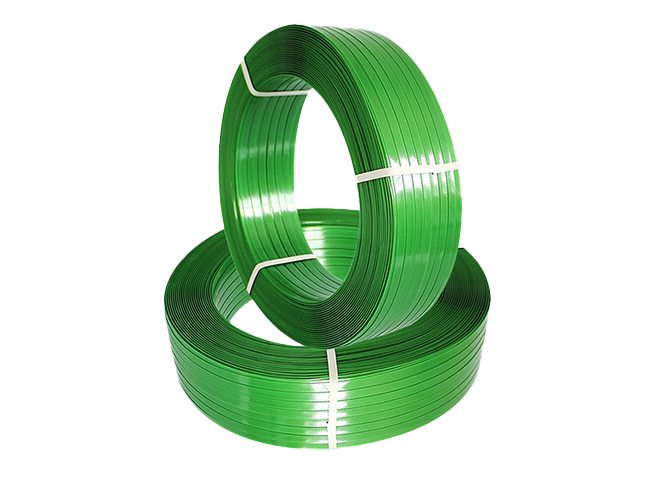
Polypropylene (PP) strapping is the most widely used plastic strapping material due to its low cost, light weight, and versatility. It is manufactured through extrusion of PP resin, typically in widths ranging from 5 mm to 19 mm and thicknesses of 0.4 mm to 1.0 mm. PP strapping is available in embossed (textured) and smooth variants, with embossed versions offering better grip in friction-weld applications.
Typical breaking strengths for PP strapping range from 80 kg to 450 kg depending on width and thickness. It is ideal for light to medium-duty applications such as bundling printed materials, sealing corrugated cartons, and unitizing consumer goods on pallets up to approximately 500 kg total weight. PP strapping is applied using manual hand tools, battery-powered devices, or semi-automatic arch machines.
However, PP exhibits significant relaxation over time—losing 25% to 40% of initial tension within 24 hours under constant load. It is also sensitive to ultraviolet degradation and becomes brittle at temperatures below -10°C. Consequently, it is unsuitable for long-term outdoor storage or heavy industrial loads requiring sustained tension.
Polyester Strapping
Polyester (PET) strapping has emerged as the leading alternative to steel for medium to heavy-duty applications. Made from polyethylene terephthalate, PET strapping offers exceptional tensile strength—typically 300 kg to 1,200 kg breaking strength for standard industrial grades—while weighing approximately 75% less than equivalent steel strapping. Standard widths range from 9 mm to 32 mm with thicknesses of 0.5 mm to 1.3 mm.
PET strapping demonstrates superior tension retention, losing only 5% to 15% of initial tension over extended periods. It is highly resistant to UV radiation, moisture, and most chemicals, making it suitable for outdoor storage and maritime shipping. Its elasticity allows it to absorb shock and impact during transit without breaking, a critical advantage over rigid steel banding.
PET strapping is secured using friction-weld, heat-seal, or serrated-seal joints. Friction welding—where overlapping strap ends are vibrated at high frequency to generate heat and fuse the material—creates joints with 70% to 85% of the parent material's strength. PET is fully recyclable and poses no sharp edges when cut, significantly improving workplace safety compared to steel.
Comparative Performance and Selection Guide
Selecting the appropriate strapping material requires balancing load requirements, cost, safety, and operational efficiency. The following table provides a comprehensive comparison across key performance dimensions:
| Property | Polypropylene | Polyester (PET) | Steel | Woven Cord |
|---|---|---|---|---|
| Typical Breaking Strength | 80–450 kg | 300–1,200 kg | 450–2,500 kg | 400–2,000 kg |
| Tension Retention (24h) | 60–75% | 85–95% | 100% | 80–90% |
| Elongation at Break | 15–25% | 10–18% | <1% | 12–20% |
| Weight (Relative) | Lightest | Light | Heavy | Very Light |
| UV Resistance | Poor | Excellent | Good (may rust) | Good |
| Tool Requirement | Manual or semi-auto | Battery or pneumatic | Pneumatic or heavy manual | Manual tensioner |
| Safety (Edge Hazard) | Low | Low | High | Very Low |
| Recyclability | Yes (Type 5) | Yes (Type 1) | Yes (scrap metal) | Yes (Type 1) |
| Typical Cost per Meter | Lowest | Moderate | Higher | Moderate |
For loads under 500 kg with stable geometry and indoor storage, polypropylene offers the most economical solution. For loads between 500 kg and 2,000 kg requiring outdoor exposure or shock absorption, polyester provides the optimal balance of strength, safety, and cost. Steel remains necessary only for loads exceeding 2,000 kg, extreme rigidity requirements, or high-temperature environments. Woven cord excels in applications demanding manual portability and flexibility without powered equipment.
Application Methods and Equipment
The method of strapping application significantly impacts efficiency, consistency, and joint strength. Operations range from low-volume manual handling to high-speed automated lines.
Manual Hand Tools
Manual tensioners, sealers, and cutters are used for low-volume operations or field applications where portability is essential. A typical manual tensioner for PP or PET strapping applies tension up to 250 kg through a ratchet mechanism. The operator feeds the strap around the load, tensions it manually, secures the joint with a metal or plastic seal using a crimping sealer, and trims the excess. Cycle time averages 30 to 60 seconds per strap, making manual methods suitable for volumes below 50 pallets per day.
Battery-Powered Tools
Battery-powered combination tools integrate tensioning, sealing, and cutting into a single handheld device. These tools can achieve tensions up to 4,000 N (approximately 400 kg) for PET strapping and complete a cycle in 3 to 6 seconds. They eliminate the need for separate seals by using friction-weld or heat-seal joints. A single battery charge typically processes 300 to 600 cycles, making these tools ideal for medium-volume operations of 50 to 200 pallets per day.
Semi-Automatic Arch Machines
Semi-automatic strapping machines feature a fixed arch through which the operator places the package. Upon activation, the machine automatically feeds, tensions, seals, and cuts the strap. These machines handle PP or PET strapping in widths up to 15 mm and achieve cycle times of 1.5 to 3 seconds. They require an operator to position each item but eliminate manual tensioning and sealing. Typical throughput ranges from 500 to 1,500 packages per hour.
Fully Automatic Systems
Fully automatic strapping machines integrate with conveyor systems to process packages without operator intervention. These systems can apply multiple straps at programmable positions, adjust tension dynamically based on load weight, and interface with warehouse management systems for tracking. High-speed models achieve throughputs exceeding 60 straps per minute. Automatic systems are standard in high-volume distribution centers, corrugated box plants, and printing facilities processing 5,000+ packages per shift.
Pneumatic Steel Strapping Systems
Steel strapping requires pneumatic tensioners and sealers due to the force necessary to tension high-tensile steel bands. Pneumatic tensioners can apply forces exceeding 8,000 N, while pneumatic sealers crimp metal seals with pressures of 6 to 10 bar. These tools are heavier and require compressed air infrastructure, limiting their mobility but providing the only practical method for securing heavy industrial loads.
Joint Types and Their Impact on Performance
The joint is the weakest point in any strapping system. Joint efficiency—the ratio of joint strength to parent strap strength—determines the effective working load limit of the entire strapped assembly.
| Joint Type | Compatible Materials | Efficiency Range | Application Method |
|---|---|---|---|
| Friction Weld | PP, PET | 70–85% | Battery or automatic tools |
| Heat Seal | PP | 60–75% | Arch machines |
| Serrated Seal (Metal) | PP, PET, Steel | 50–80% | Manual or pneumatic crimping |
| Snap-on Buckle | Woven Cord | 40–60% | Manual tensioner |
| Notched Joint (Steel) | Steel | 75–90% | Pneumatic sealer |
Friction-welded joints offer the best balance of strength and convenience for plastic strapping, achieving efficiencies up to 85% when properly executed. For critical heavy loads, notched steel joints provide the highest reliability but require specialized equipment. Buckle joints on woven cord sacrifice strength for portability and reusability.
Industry-Specific Applications
Packing strapping serves diverse industries with specialized requirements shaped by product characteristics, handling intensity, and regulatory environments.
Corrugated Packaging and Printing
The corrugated industry is the largest consumer of polypropylene strapping. Boxes exiting production lines are bundled into stacks of 10 to 50 units using PP straps at 12 mm to 15 mm width. Strapping prevents box deformation during stacking and enables forklift handling of bundled units. High-speed inline strappers process up to 80 bundles per minute, making arch machines essential for integrated production lines.
Lumber and Building Materials
Timber mills use polyester or woven cord strapping to bundle dimensional lumber, plywood sheets, and engineered wood products. A typical lumber bundle weighing 1,500 to 2,500 kg requires 3 to 5 straps applied at calculated spacing to prevent individual board slippage. PET strapping has largely replaced steel in this sector due to its comparable strength, lighter weight, and elimination of rust stains on wood surfaces.
Metal Products and Heavy Industry
Steel coils, metal pipes, aluminum extrusions, and construction rebar require steel strapping for loads exceeding 5,000 kg. Steel's zero elongation prevents coil telescoping during lifting and transport. Edge protectors—typically fiberboard or plastic channels—are mandatory to prevent strap cutting into sharp metal edges. In some applications, steel strapping is combined with stretch wrap to provide both structural containment and environmental protection.
Agriculture and Horticulture
Fresh produce, hay bales, and nursery stock are bundled using polypropylene or woven cord strapping. UV-stabilized PP is essential for outdoor storage of hay bales, where straps must withstand 6 to 12 months of sun exposure without degradation. Woven cord is preferred for tree ball and burlap wrapping due to its flexibility and gentle grip on root systems.
Glass and Ceramics
Flat glass, ceramic tiles, and sanitary ware require strapping that distributes tension evenly to prevent breakage. Polyester strapping with edge protectors is standard for glass packs, while PP is used for lighter ceramic tile bundles. The strapping system must accommodate the fragile nature of these products while providing sufficient unitization for crane and forklift handling.
Best Practices for Effective Strapping
Proper strapping technique is as important as material selection. Suboptimal application can reduce effective containment by 30% to 50% even when using high-quality strapping.
- Position straps at load stress points: For palletized goods, place the first strap approximately 15 cm from the bottom edge and the top strap 15 cm from the top edge, with intermediate straps spaced evenly. This prevents the load from sliding vertically during forklift tilting.
- Use edge protectors on sharp corners: Without edge protectors, strapping tension concentrates at corner points and can cut into corrugated boxes, wooden crates, or soft packaging within 24 to 48 hours. Fiberboard, plastic, or metal edge protectors distribute the load across a wider surface area.
- Maintain consistent tension: Under-tensioned straps allow load movement; over-tensioned straps may crush fragile packaging or snap during impact. Follow manufacturer specifications for optimal tension settings, typically 30% to 50% of the strap's breaking strength.
- Apply multiple straps for heavy loads: A single strap rarely provides adequate security for palletized loads. Industry guidelines recommend a minimum of 2 straps for loads under 500 kg, 3 to 4 straps for 500 kg to 1,500 kg, and 5 or more straps for loads exceeding 1,500 kg.
- Combine with stretch wrap for comprehensive protection: Strapping provides structural containment while stretch wrap offers dust, moisture, and tamper protection. The combination reduces damage rates by an additional 15% to 25% compared to strapping alone.
- Inspect and re-tension after initial settling: Plastic strapping relaxes during the first 12 to 24 hours after application as the load compresses and the strap material creeps. For critical shipments, re-tension straps after this settling period or use pre-stretched strapping to minimize relaxation.
Safety Considerations and Workplace Hazards
Packing strapping, particularly steel, presents significant safety risks that require formal training and protective measures.
Steel strapping edges can cause severe lacerations. When cut under tension, steel straps can whip with force sufficient to cause eye injuries, facial lacerations, or broken bones. OSHA and equivalent safety agencies mandate the use of safety glasses, cut-resistant gloves, and protective footwear when handling steel strapping. Strapping cutters with long handles should be used to maintain distance from the cut point.
Plastic strapping under high tension can also snap and recoil, though with less severe consequences than steel. All strapping operations should maintain clear zones around the tensioning area, and personnel should never stand in the line of the strap path during tensioning or cutting.
Proper disposal is another safety concern. Cut strapping pieces left on warehouse floors create trip hazards and can entangle forklift wheels. Implementing dedicated collection bins and immediate cleanup protocols reduces these risks.
Sustainability and Recycling Trends
Environmental considerations are increasingly influencing strapping material selection and waste management practices.
Polypropylene and polyester strapping are both recyclable thermoplastics. PET strapping is classified as Type 1 plastic and can be reprocessed into new strapping, fiberfill, or sheet products. PP strapping is Type 5 plastic with a smaller recycling infrastructure but is increasingly accepted by specialized recyclers. Many large distribution centers now operate closed-loop programs where used plastic strapping is baled and returned to manufacturers for reprocessing.
Steel strapping is fully recyclable as scrap metal, though the sharp edges require careful handling during collection. Recycling steel strapping avoids the energy-intensive production of virgin steel, reducing carbon emissions by approximately 60% compared to primary steel manufacturing.
Bio-based alternatives are emerging in research and limited commercial production. Strapping made from polylactic acid (PLA) or other biodegradable polymers offers potential for applications where recycling infrastructure is unavailable. However, current bio-based strapping lacks the tensile strength and cost competitiveness required for mainstream industrial adoption.
Conclusion
Packing strapping is a foundational element of modern packaging and logistics, providing the mechanical containment that stretch wrap, tape, and other methods cannot achieve alone. From lightweight polypropylene bundling printed materials to heavy-duty steel securing metal coils, strapping materials span a performance range covering breaking strengths from 80 kg to over 2,500 kg.
The evolution of polyester strapping has fundamentally changed industry practices, offering steel-comparable strength at a fraction of the weight and with substantially improved safety. For most applications between 500 kg and 2,000 kg, PET represents the optimal choice, combining high tension retention, UV resistance, and recyclability.
Effective strapping requires more than selecting the right material—it demands proper equipment, correct tension settings, strategic strap placement, and adherence to safety protocols. By understanding the mechanical properties, application methods, and industry-specific requirements outlined in this guide, logistics professionals can significantly reduce product damage, improve handling efficiency, and ensure that goods arrive at their destination in the same condition they left the facility.
Core Applications of Packing Strapping
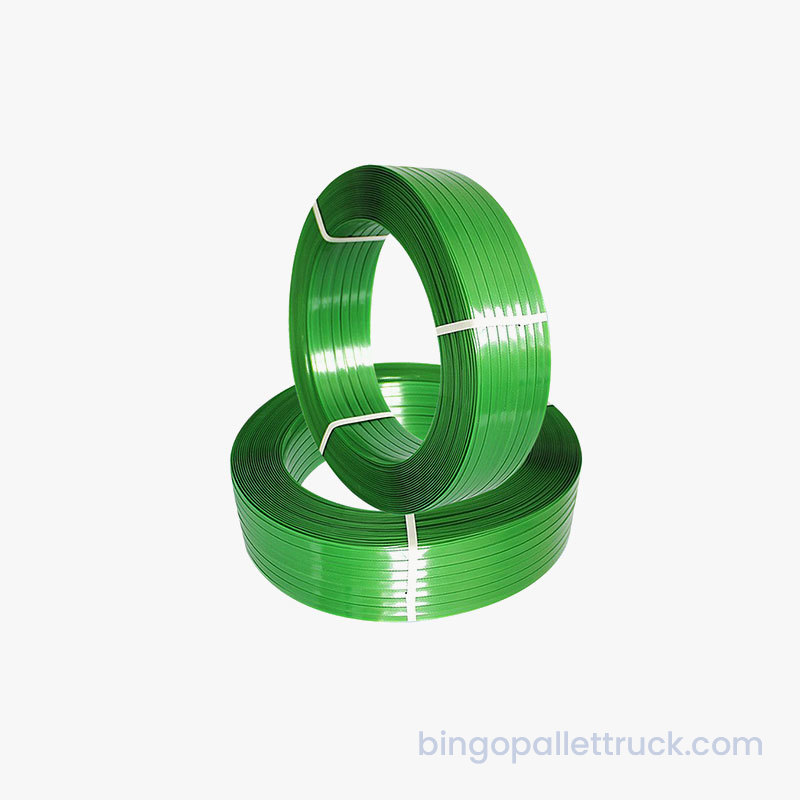
Packing strapping serves as a critical binding and securing material across global supply chains. Its primary uses include bundling corrugated boxes onto pallets, reinforcing heavy loads during transit, and stabilizing construction materials such as bricks, lumber, and steel coils. The global strapping materials market reached USD 6.2 billion in 2022 and is projected to grow at a CAGR of 4.9% through 2030, reflecting the essential role strapping plays in modern logistics and industrial packaging.
Material Types and Their Specific Uses
Different strapping materials are engineered for distinct load requirements and environmental conditions. Selecting the correct material directly impacts load security, cost efficiency, and workplace safety.
Polyester (PET) Strapping for Heavy Loads
Polyester strapping offers an excellent strength-to-weight ratio and is commonly used for securing lumber, PVC pipes, bricks, and other heavy materials that require retained tension over long transit periods. PET strapping provides superior elongation recovery compared to polypropylene, making it ideal for loads that may settle or shift during transportation. It represents a significant portion of the plastic strapping segment, which dominates approximately 63.4% of the overall packaging straps and buckles market.
Polypropylene (PP) Strapping for Light and Medium Duty
Polypropylene is the most widely used strapping material, accounting for roughly 82% of plastic strapping product-type share. It is economical, versatile, and suitable for bundling corrugated boxes, securing lightweight consumer goods, and unitizing retail products. PP strapping is frequently employed in automated packaging lines within food and beverage, pharmaceutical, and e-commerce fulfillment centers due to its compatibility with high-speed strapping machines.
Specialty Materials: Nylon, Composite, and Paper
Nylon strapping provides unique elasticity and strength for securing heavy loads with sharp edges. Composite strapping combines multiple material properties to deliver ultra-low elongation, high impact resistance, and superior break strength. Paper strapping serves as an environmentally friendly alternative for light to medium-duty consumer packaging, offering easy recyclability and aligning with sustainability mandates.
| Material | Typical Break Strength | Primary Applications | Cost Level |
|---|---|---|---|
| Steel | 1,200 – 2,500 lbs | Heavy machinery, metal coils, concrete | High |
| Polyester (PET) | 600 – 1,400 lbs | Lumber, bricks, PVC pipes | Medium |
| Polypropylene (PP) | 100 – 600 lbs | Corrugated boxes, consumer goods | Low |
| Composite | 800 – 1,600 lbs | Heavy pallets, sharp-edged loads | Medium-High |
Industry-Specific Strapping Applications
Strapping requirements vary significantly across industries based on product weight, fragility, regulatory standards, and handling conditions. The following sectors represent the largest consumers of strapping systems globally.
Food and Beverage Industry
In food and beverage logistics, strapping secures glass bottles, aluminum cans, and PET containers onto pallets for distribution. Automated strapping machines are particularly critical here, as they must handle high throughput while minimizing material consumption and carbon footprint. Strapping systems in this sector must also comply with hygiene standards and be compatible with cold-chain environments.
Construction and Building Materials
The construction industry relies heavily on steel and polyester strapping to secure concrete blocks, tiles, drywall panels, and scaffolding components. On job sites, strapping tools are used to tie down loads during transport and to bundle materials for crane lifting. Proper strapping prevents load shifting that could cause structural damage or workplace injuries, directly contributing to site safety compliance.
Lumber, Panel, and Wood Products
The lumber industry uses high-tensile polyester strapping to bundle dimensional lumber, plywood, and engineered wood products. Strapping systems streamline the packaging process, enabling efficient loading and unloading while preventing warping or edge damage. Given that wood products are often shipped over long distances, retained tension properties of polyester make it the preferred material for this sector.
Pharmaceutical and Consumer Electronics
Pharmaceutical packaging demands lightweight, easily recyclable strapping materials such as polypropylene for carton closing and bundle reinforcement. Consumer electronics represents the fastest-growing segment within plastic strapping materials, driven by the need to secure high-value, fragile devices during global distribution. Anti-static and non-abrasive strapping variants are often specified for sensitive electronic components.
Agriculture and Fresh Produce
Agricultural operations use strapping to secure crates of fruits, vegetables, and bulk produce during transit. The primary objective is to minimize movement that causes bruising or spoilage. Strapping systems also increase loading and unloading efficiency, reducing exposure to environmental elements and helping maintain cold-chain integrity for perishable goods.
Functional Uses Beyond Basic Bundling
Modern strapping applications extend far beyond simple bundling. Advanced techniques and tool innovations have expanded the functional scope of strapping across operational environments.
Palletizing and Unit Load Stabilization
Strapping is fundamental to palletizing operations, where it works in conjunction with stretch wrap to create stable unit loads. The strap provides vertical compression and horizontal containment, preventing layer shifting and toppling during forklift handling and over-the-road transport. E-commerce growth has driven a 41% increase in packaging automation demand for strapping systems in recent years.
Load Securing and Safety Compliance
In logistics and warehousing, strapping is a critical component of workplace safety protocols. Properly tensioned straps prevent heavy loads from shifting or falling, reducing accident risks and ensuring compliance with occupational safety regulations. High-tensile strapping materials and robust tensioning mechanisms safeguard valuable machinery and equipment against theft and transit damage.
Reinforcement and Package Integrity
Strapping reinforces corrugated boxes and large containers that experience stress during stacking and handling. Cross-strapping patterns distribute load forces evenly across package surfaces, preventing box failure at stress points. This reinforcement is particularly valuable for international shipments where cargo may be handled multiple times across different transportation modes.
Tool and Equipment Variations for Different Uses
The effectiveness of strapping depends significantly on the tools used to apply, tension, and seal the material. Tool selection affects operator safety, application speed, and final load security.
Manual Tools for Low-Volume Operations
Manual tensioners and sealers are cost-effective solutions for small-scale operations. Steel strapping typically requires separate tensioners, sealers, and shears, or heavy all-in-one notch tools. Plastic strapping manual tools are generally lighter, safer, and more ergonomic, often using clips or buckles for low-tension applications.
Pneumatic and Battery-Powered Tools
Pneumatic strapping tools deliver consistent tension for high-volume applications but require fixed air supply stations. Battery-powered tools have emerged as a transformative innovation, offering full mobility and reduced tool count for plastic strapping applications. Modern battery tools integrate tensioning, sealing, and cutting into single units with wireless connectivity and smart software features, significantly improving operational efficiency.
Sustainability and Environmental Considerations
Environmental impact is increasingly influencing strapping material selection and usage patterns across industries.
Recyclability and Material Recovery
Steel strapping is fully recyclable and contributes to circular economy goals, though its production energy intensity remains a consideration. Plastic strapping, particularly PET and PP variants, is recyclable but currently represents a limited fraction of overall plastic recycling streams. Recycled PET now accounts for approximately 8% of PET-derived strapping in Europe and North America, with continued growth expected as collection infrastructure improves.
Paper Strapping and Bio-Based Alternatives
Paper strapping offers a compostable and consumer-friendly alternative for light-duty applications, eliminating plastic waste entirely. Emerging bio-based strapping materials aim to replicate the performance of synthetic plastics while using renewable feedstocks, though current adoption remains limited by cost and availability constraints.
Waste Reduction Through Proper Specification
Using appropriately specified strapping for each application minimizes material waste and reduces environmental impact. Over-specifying steel for light loads wastes resources and increases handling risks, while under-specifying plastic for heavy loads leads to failure, product damage, and additional replacement costs. Proper tension control and tool calibration further reduce strap consumption by 5% to 15% in typical operations.
Market Trends and Future Outlook
The strapping industry is evolving in response to automation demands, sustainability pressures, and global trade growth.
Smart Strapping and Connected Tools
Next-generation battery-powered strapping tools now feature wireless connectivity, digital tension logging, and predictive maintenance alerts. These smart tools enable quality traceability and reduce downtime by monitoring wear components in real time. Such innovations are particularly valuable in pharmaceutical and food industries where strap tension consistency is critical for regulatory compliance.
Integration with Automated Packaging Lines
Strapping systems are increasingly integrated with robotic palletizers, automatic stretch wrappers, and warehouse management systems. This integration creates synchronized packaging workflows that minimize labor requirements and maximize throughput. The trend toward fully automated end-of-line packaging is expected to accelerate as labor costs rise and e-commerce fulfillment demands continue to intensify.
The Fundamental Distinction between strapping tape and Packing Strapping
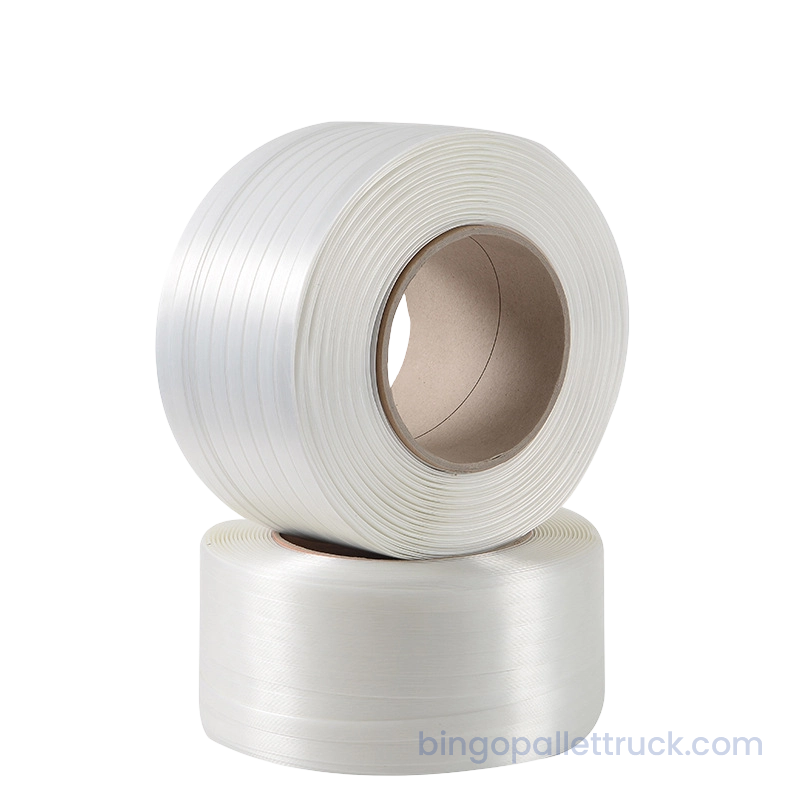
Strapping tape and packing strapping are entirely different categories of packaging materials with distinct structures, application methods, and functional purposes. Strapping tape is a pressure-sensitive adhesive tape reinforced with fiberglass filaments or polyester yarns, applied to box surfaces to seal flaps or reinforce seams. Packing strapping is a non-adhesive band or cord—typically made of polypropylene, polyester, steel, or woven cord—wrapped circumferentially around loads and secured through tensioning and mechanical joints. The former relies on adhesive bonding to flat surfaces; the latter relies on tensile force and mechanical fastening to bind three-dimensional objects together.
Structural and Material Differences
Understanding the physical construction of each product clarifies why they cannot substitute for one another.
Strapping Tape Construction
Strapping tape consists of three primary layers: a backing film (usually polypropylene or polyester), longitudinal reinforcement filaments (fiberglass or synthetic yarn), and a pressure-sensitive adhesive coating (rubber-based or acrylic). Standard widths range from 12 mm to 75 mm, with thicknesses between 0.12 mm and 0.25 mm. The fiberglass filaments provide tensile strength in the longitudinal direction, typically achieving 300 N to 1,500 N per 25 mm width.
The adhesive layer is activated by manual pressure and requires a clean, dry, relatively flat surface to achieve optimal bond strength. On corrugated cardboard, peel adhesion values typically range from 4 N/cm to 12 N/cm depending on adhesive formulation and surface condition. The tape cannot function without surface contact—its entire holding mechanism depends on the adhesive-substrate interface.
Packing Strapping Construction
Packing strapping is a homogeneous or composite band with no adhesive component. Polypropylene strapping is extruded as a continuous flat band, typically 5 mm to 19 mm wide and 0.4 mm to 1.0 mm thick. Polyester strapping is manufactured through stretching and heat-setting processes to achieve molecular orientation that provides high tensile strength. Steel strapping is cold-rolled from steel strip.
Unlike tape, strapping does not adhere to surfaces. It functions by being wrapped around an object or group of objects and tensioned to create a compressive force. The strap ends are joined through friction welding, heat sealing, metal seals, or buckles—mechanical methods that create a closed loop. The holding force comes from the strap's tension and the friction between the strapped items, not from any adhesive bond.
Functional Purpose and Load-Bearing Mechanism
The divergent mechanical principles underlying each product dictate their respective roles in packaging systems.
How Strapping Tape Works
Strapping tape resists forces parallel to the surface to which it is applied. When sealing a box, the tape prevents the top flaps from separating by transferring tensile stress through the adhesive into the cardboard fibers. When used for reinforcement, it distributes stress across box seams and prevents tearing at stress concentration points. Its effectiveness is limited to two-dimensional surface applications where continuous adhesive contact is maintained.
The tape's holding capacity is determined by adhesive bond strength, which degrades under temperature extremes, humidity, and surface contamination. At temperatures above 60°C, rubber-based adhesives soften significantly; below -10°C, acrylic adhesives become brittle and may delaminate. Moisture can weaken cardboard-tape bonds by compromising the cardboard substrate rather than the adhesive itself.
How Packing Strapping Works
Packing strapping creates a three-dimensional containment system. When tensioned around a load, the strap exerts a uniform radial compressive force that holds items together as an integrated unit. This force is independent of surface adhesion—the strap grips through friction and mechanical interlock with the load geometry. A properly tensioned strap can resist forces from any direction: vertical lifting, horizontal shifting, and rotational torque.
The compressive force generated by strapping is substantial. A PET strap tensioned to 400 kg on a pallet measuring 1.2 m by 0.8 m creates a clamping pressure of approximately 4.2 kg per linear centimeter of strap contact. For a pallet with four straps, this translates to total compressive containment exceeding 1,600 kg—a level of force impossible to achieve with adhesive tape on any packaging surface.
Comprehensive Comparison Across Key Dimensions
The following table synthesizes the critical differences between these two packaging materials:
| Attribute | Strapping Tape | Packing Strapping |
|---|---|---|
| Primary Material | PP/PET film + fiberglass + adhesive | PP, PET, steel, or woven cord |
| Holding Mechanism | Pressure-sensitive adhesion | Tensile tension + mechanical joints |
| Typical Tensile Strength | 300–1,500 N per 25 mm width | 800–25,000 N per strap |
| Application Dimension | Two-dimensional (surface) | Three-dimensional (circumferential) |
| Surface Requirement | Clean, dry, flat surface essential | No surface adhesion required |
| Maximum Load Capacity | Limited to box integrity (~30–50 kg) | Up to 2,500+ kg per strapped unit |
| Reusability | Single-use; adhesive degrades on removal | Cord strapping reusable; others single-use |
| Application Speed | 5–15 seconds per application | 30 seconds to 3 minutes per strap |
| Equipment Required | Manual dispenser or tape gun | Tensioner, sealer, and cutter tools |
| Temperature Range | -10°C to 60°C (adhesive dependent) | -40°C to 80°C (PET); higher for steel |
| Cost per Application | $0.05–$0.50 | $0.10–$2.00 per strap |
Typical Use Cases and Application Scenarios
The practical applications of these materials rarely overlap. Each occupies a distinct niche in the packaging hierarchy.
When to Use Strapping Tape
- Box sealing and closure: Securing top and bottom flaps of corrugated shipping boxes weighing up to 30 kg. Standard carton sealing tape suffices for lighter boxes; strapping tape is reserved for heavier or reinforced boxes.
- Box reinforcement: Applying cross-pattern strips to boxes containing dense or heavy items to prevent seam bursting. A box containing 25 kg of metal parts may require fiberglass tape reinforcement on all seams.
- Pallet label attachment: Securing shipping documents, labels, and packing lists to palletized loads where the tape must withstand handling abrasion.
- Temporary bundle securing: Holding together lightweight items such as PVC pipes, molding strips, or poster tubes for short-term handling.
- Edge and corner protection: Reinforcing vulnerable corners of furniture or appliances during transit to prevent cardboard corner protectors from shifting.
When to Use Packing Strapping
- Pallet unitization: Securing multiple boxes, bags, or items onto a pallet to create a single handling unit. A standard pallet load of 500 kg to 1,500 kg requires 2 to 4 straps for adequate containment.
- Heavy item bundling: Grouping metal bars, pipes, lumber, or construction materials into manageable lifts. Steel strapping is standard for bundles exceeding 2,000 kg.
- Load reinforcement on unstable pallets: Preventing top-heavy or irregularly shaped loads from tipping during forklift transport. Strapping creates a rigid connection between the load and the pallet deck.
- Compression of soft goods: Reducing the volume of textiles, foam products, or agricultural materials by applying circumferential compression. Strapping can reduce bale volume by 15% to 30%, optimizing transport density.
- Securing items to pallets for ocean freight: Maritime shipping subjects pallets to extreme forces from vessel motion. Strapping provides the mechanical lock necessary to prevent load shift over weeks at sea.
Can They Be Used Together?
Far from being competitors, strapping tape and packing strapping are frequently complementary components of a comprehensive packaging strategy. Their combined use addresses different failure modes simultaneously.
In a typical palletized shipment, the individual boxes are first sealed with strapping tape to maintain box integrity. The sealed boxes are then stacked on the pallet and may be wrapped with stretch film for dust and moisture protection. Finally, packing strapping is applied around the entire pallet load to create the structural bond that prevents the stack from shifting or toppling.
This layered approach follows the principle of progressive containment: tape secures the primary package (the box), stretch wrap stabilizes the secondary package (the pallet surface), and strapping provides the tertiary containment (the entire unit). Removing any layer compromises the overall system. A pallet strapped without taped boxes risks individual box flap opening; a pallet taped without strapping risks catastrophic stack collapse under lateral force.
In some specialized applications, strapping tape is applied directly over packing strapping on corrugated boxes to prevent the strap from cutting into the cardboard. This is common when using narrow PP strapping (9 mm to 12 mm) on single-wall corrugated boxes, where the strap tension of 100 kg to 200 kg can crush the box edge within hours.
Common Misconceptions and Substitution Risks
Several dangerous misconceptions lead to improper material substitution in packaging operations.
Misconception: Strapping Tape Can Secure Pallet Loads
Some operations attempt to use multiple strips of strapping tape to hold boxes together on a pallet. This approach fails for multiple reasons. First, tape adhesion to corrugated surfaces weakens under the shear forces generated during forklift acceleration and deceleration. Second, tape strips applied across box tops do not create circumferential containment—the boxes can still slide sideways or lift vertically. Third, the total tensile capacity of even 10 strips of tape is negligible compared to a single PET strap. Using tape for pallet containment increases damage rates by 300% to 500% compared to proper strapping.
Misconception: Packing Strapping Can Seal Boxes
Attempting to use strapping to close box flaps is equally ineffective. Strapping applies force perpendicular to the box surfaces, not along the flap seams. A strap around a box will hold the box walls together but will not prevent the top flaps from opening. Additionally, the narrow contact width of strapping (5 mm to 19 mm) concentrates stress on small areas of the cardboard, often causing crushing or cutting rather than sealing. Box sealing requires the continuous adhesive contact that only tape provides.
Misconception: Thicker Tape Equals Strapping
Even the heaviest strapping tape (75 mm width, 0.25 mm thickness) cannot replicate the function of packing strapping. The fundamental limitation is the adhesive bond. No pressure-sensitive adhesive can generate the clamping forces that a tensioned strap produces. Tape is designed to resist forces parallel to a surface; strapping is designed to generate forces perpendicular to a surface. These are orthogonal engineering problems requiring different solutions.
Selection Guidelines for Packaging Professionals
Choosing between these materials—or determining whether both are needed—requires systematic evaluation of the shipment characteristics.
- Evaluate the primary package: If the item is in a corrugated box that requires closure, strapping tape is mandatory. If the item is unpackaged or in a rigid container, tape may be unnecessary.
- Assess total shipment weight: For individual packages under 30 kg, tape alone is usually sufficient. For palletized loads exceeding 100 kg, strapping becomes essential regardless of other containment methods.
- Consider handling intensity: Shipments that will be forklifted multiple times, transferred between vehicles, or subjected to ocean transport require strapping. Packages handled gently from warehouse to delivery van may function with tape alone.
- Analyze load geometry: Tall, narrow, or top-heavy loads are inherently unstable and require strapping to prevent tipping. Low, wide, and evenly distributed loads may be adequately contained with stretch wrap and tape.
- Review regulatory requirements: Some industries and carriers mandate specific containment standards. Air freight, hazardous materials, and international shipping often require strapping as a condition of acceptance.
- Calculate total packaging cost: While strapping adds material and labor cost, the cost of damaged goods typically exceeds strapping expenses by a factor of 10 to 50. Under-investing in containment is false economy.
Economic and Operational Impact
The cost structures and operational workflows for these materials differ substantially, influencing procurement and labor planning.
Strapping tape is a high-volume, low-unit-cost consumable. A typical warehouse might consume 500 to 2,000 rolls annually, with individual rolls costing $2 to $8. Application requires minimal training—most employees can apply tape effectively within minutes. The primary operational cost is the tape itself, with labor adding marginal expense.
Packing strapping involves higher capital investment. Manual strapping tools cost $50 to $300; battery-powered tools range from $800 to $3,000; automatic arch machines can exceed $10,000. Strapping material costs $0.01 to $0.10 per meter depending on material type, but a single pallet may require 10 to 30 meters. Labor time per pallet is 1 to 5 minutes for manual application, compared to 5 to 15 seconds for tape sealing. The operational investment is justified only when the load characteristics demand mechanical containment.
For businesses shipping mixed loads, maintaining inventory of both materials is standard practice. The key is establishing clear protocols that specify which material to use for which load type, eliminating guesswork and ensuring consistent protection levels.
Conclusion
Strapping tape and packing strapping are not variations of the same product—they are fundamentally different engineering solutions to different packaging challenges. Strapping tape is an adhesive surface reinforcement tool designed for box sealing, seam strengthening, and light-duty bundling on flat surfaces. Its effectiveness is bounded by adhesive chemistry and substrate integrity, making it suitable for loads up to approximately 50 kg where forces remain primarily parallel to package surfaces.
Packing strapping is a mechanical containment system that generates compressive forces around three-dimensional loads through tensioned bands and mechanical joints. It operates independently of surface adhesion and can secure loads from 100 kg to over 2,500 kg against forces from any direction. Its effectiveness is bounded by material tensile strength and joint integrity, not by adhesive performance.
Attempting to substitute one for the other compromises packaging integrity, increases damage rates, and creates safety hazards. The correct approach recognizes that these materials are complementary: tape secures the primary package, and strapping secures the consolidated load. By applying each material to the problems it was engineered to solve, packaging professionals achieve optimal protection at the lowest total cost.
Direct Answer: How to Use Packing Strapping
To use packing strapping, wrap the strap around the load, tension it to the specified force, secure the ends with a mechanical joint, and trim the excess. The exact method depends on the strapping material (polypropylene, polyester, steel, or woven cord), the application equipment (manual tools, battery-powered devices, or automated machines), and the load characteristics. Proper technique ensures load stability, prevents damage, and maintains workplace safety. Incorrect application—insufficient tension, poor joint quality, or improper strap placement—can result in load failure, product damage, or personal injury.
Pre-Application Planning and Preparation
Effective strapping begins before the strap touches the load. Proper planning prevents rework, reduces material waste, and ensures consistent results across all units.
Assess the Load Characteristics
Evaluate the total weight, dimensions, center of gravity, and surface condition of the items to be strapped. A load of 200 kg of uniform cardboard boxes requires different strapping than 2,000 kg of steel pipes. Identify sharp edges, irregular shapes, or fragile surfaces that may require edge protectors, cushioning, or specialized strap placement. Measure the load's circumference at each strapping level to estimate strap length requirements—typically 1.5 to 2 times the load perimeter to allow for tensioning overlap and joint formation.
Select the Appropriate Strapping Material
Match the strapping material to the load requirements using the following decision framework:
- Polypropylene (PP): Use for loads under 500 kg with stable geometry, indoor storage, and short transit times. PP is economical and easy to handle but relaxes significantly within 24 hours.
- Polyester (PET): Use for loads between 500 kg and 2,000 kg, outdoor exposure, long-distance shipping, or where shock absorption is needed. PET retains tension and resists UV degradation.
- Steel: Use for loads exceeding 2,000 kg, rigid metal products, high-temperature environments, or where zero elongation is mandatory. Steel requires additional safety precautions due to sharp edges.
- Woven Cord: Use for manual field applications, agricultural products, or where portability and reusability are priorities. Cord is applied with buckles and manual tensioners without powered equipment.
Determine Strap Quantity and Placement
The number of straps and their vertical positions critically influence load stability. Industry guidelines recommend:
| Load Weight | Load Height | Minimum Straps | Vertical Placement |
|---|---|---|---|
| Under 300 kg | Under 80 cm | 2 | 15 cm from top and bottom |
| 300–800 kg | 80–150 cm | 3 | 15 cm from top/bottom + center |
| 800–1,500 kg | 150–200 cm | 4 | Evenly spaced at 25% intervals |
| 1,500–2,500 kg | Over 200 cm | 5–6 | Every 40–50 cm with top/bottom anchors |
| Over 2,500 kg | Any height | 6+ | Engineered spacing with steel |
For palletized loads, always position the lowest strap within 15 cm of the pallet deck to prevent the load from sliding upward during forklift tilting. The top strap should be within 15 cm of the highest point to prevent toppling. Intermediate straps distribute forces evenly and prevent the middle section from bulging or shifting.
Step-by-Step Manual Strapping Procedure
Manual strapping with hand tools is the most common method for low to medium-volume operations. The following procedure applies to polypropylene and polyester strapping using manual tensioners and sealers.
Step 1: Feed the Strap
Unroll sufficient strapping from the dispenser or coil to encircle the load with approximately 30 cm to 50 cm of overlap. Thread the strap around the load at the predetermined height, ensuring it sits flat against the surface without twists or kinks. For palletized loads, pass the strap through the pallet voids or around the pallet base, not merely around the boxes sitting on top. If using edge protectors, position them at all contact points between the strap and load corners before threading the strap.
Step 2: Insert into the Tensioner
Place the overlapping strap ends into the manual tensioner tool. For ratchet-style tensioners, thread both ends through the gripping jaws and ensure the teeth engage the strap surface firmly. The tool should be positioned on the side of the load where the operator has stable footing and clear visibility. For loads over 1,000 kg, two operators may be required—one to stabilize the strap position while the other operates the tensioner.
Step 3: Apply Tension
Operate the tensioner handle to draw the strap tight around the load. Apply tension progressively—rapid tensioning can cause the strap to slip, snap, or cut into soft packaging. For PP strapping, target tension of approximately 30% to 50% of the strap's rated breaking strength. For PET strapping, tension to 40% to 60% of breaking strength. A 19 mm wide PP strap rated at 450 kg breaking strength should be tensioned to 135 kg to 225 kg. Exceeding 70% of breaking strength risks strap failure during tensioning or transit.
Listen for creaking or cracking from the load—this indicates excessive compression that may crush packaging. If the load surface deforms visibly under tension, reduce tension and add edge protectors or additional straps to distribute force.
Step 4: Secure the Joint
With tension maintained, crimp a metal or plastic seal around the overlapping strap ends using a manual sealer tool. Position the seal centrally over the overlap, ensuring both strap ends are fully inserted into the seal cavity. Squeeze the sealer handles firmly to create a uniform crimp. For serrated seals, the crimp depth should compress the seal to approximately 60% to 70% of its original height. Inspect the joint for even compression—uneven crimps indicate misalignment and reduced joint strength.
For friction-weld joints (battery-powered tools), the tool automatically creates the weld after tensioning. Ensure the weld area is clean and free from dust or moisture, as contamination reduces weld strength by 20% to 40%.
Step 5: Trim and Inspect
Use the cutter function on the tensioner or a separate strap cutter to trim excess strap, leaving approximately 2 cm to 3 cm beyond the seal. Sharp strap ends can snag clothing or cut hands—tuck the tail against the load if possible. Visually inspect the entire strapped assembly: verify strap alignment is horizontal, the joint is secure, edge protectors are in place, and no strap segments hang loose. Apply a gentle lateral push to the load to confirm the straps resist movement.
Using Battery-Powered Combination Tools
Battery-powered strapping tools integrate tensioning, sealing, and cutting into a single handheld unit, dramatically improving speed and consistency for medium-volume operations.
Tool Setup and Calibration
Before operation, charge the battery fully—most lithium-ion batteries provide 300 to 600 cycles per charge depending on tension settings. Select the appropriate tension level using the tool's digital or analog control. For PET strapping on pallet loads of 800 kg, a tension setting of 300 kg to 400 kg is typical. Calibrate the tool monthly using a load cell to verify displayed tension matches actual applied force; drift of 10% to 15% is common after heavy use without recalibration.
Application Sequence
Thread the strap around the load and insert both ends into the tool's feed slot. The tool automatically grips the strap and initiates tensioning when the operator presses the activation button. Monitor the tension display or listen for the tool's completion signal. Once tension is reached, the tool performs a friction weld (vibrating the overlapping ends at high frequency to generate heat and fuse the material) or heat seal, then automatically cuts the excess strap. Remove the tool and inspect the weld joint for uniform width and absence of voids or discoloration.
Cycle time for battery tools ranges from 3 to 8 seconds per strap, compared to 30 to 60 seconds for manual tools. This efficiency gain makes battery tools cost-effective for operations processing 50 to 300 pallets per day.
Maintenance Requirements
Clean the welding jaws and feed mechanism daily to remove plastic residue buildup. Lubricate moving parts weekly with manufacturer-specified oil. Replace welding jaws after approximately 5,000 to 10,000 cycles or when weld quality visibly degrades. Store batteries at 20°C to 25°C and avoid deep discharge, which reduces lithium-ion battery lifespan by 30% to 50%.
Operating Semi-Automatic and Automatic Strapping Machines
Arch-style strapping machines automate the feed, tension, seal, and cut operations, enabling high-throughput packaging lines.
Semi-Automatic Machine Operation
The operator places the item inside the machine's arch (a rectangular frame through which the strap is fed) and presses a foot pedal or button. The machine automatically feeds strap around the arch, tensions it to the preset force, seals the joint via heat or friction welding, and ejects the strapped item. The operator must reposition the item for each strap, making this method suitable for 500 to 1,500 packages per hour.
Key setup parameters include tension force (adjustable from 50 N to 800 N depending on machine model), dwell time (the duration the strap remains tensioned before sealing, typically 0.5 to 2 seconds), and strap width compatibility (usually 6 mm to 15 mm for standard machines). Improper tension settings cause either loose straps that fail to contain the load or over-tensioned straps that crush fragile packaging.
Fully Automatic System Integration
Fully automatic strapping machines integrate with conveyor systems and require no operator intervention. Packages enter the machine via conveyor, sensors detect package position and dimensions, and the machine applies one or multiple straps at programmable positions. Advanced systems communicate with warehouse management software to record strapping data for quality traceability.
Automatic machines achieve speeds exceeding 60 straps per minute and can apply multiple straps per package with spacing programmable to ±2 cm accuracy. Maintenance requirements include daily cleaning of the feed track, weekly inspection of tension wheels and sealing heads, and monthly calibration of tension sensors. Downtime for a single automatic strapping line can cost $500 to $2,000 per hour in lost throughput, making preventive maintenance critical.
Steel Strapping: Specialized Techniques and Safety Protocols
Steel strapping demands distinct techniques and heightened safety awareness due to its rigidity, sharp edges, and extreme tension requirements.
Manual Steel Strapping Procedure
Steel strapping is typically supplied in oscillated or ribbon-wound coils weighing 20 kg to 50 kg. Mount the coil on a dispenser with a braking mechanism to prevent uncontrolled unrolling. Thread the strap around the load, overlapping the ends by 10 cm to 15 cm to accommodate the seal. Because steel does not stretch, precise length measurement is essential—excess overlap wastes material, while insufficient overlap prevents proper joint formation.
Insert both strap ends into a steel seal (typically a snap-on or push-type seal for lighter steel, or a notched seal for heavy-duty applications). Position the seal at the desired joint location, usually on a flat face of the load where the seal will not protrude and snag during handling. Use a manual or pneumatic sealer to crimp the seal firmly. For notched seals, the sealer cuts interlocking notches into both strap ends and the seal, creating a mechanical interlock with joint efficiency of 75% to 90%.
Pneumatic Tensioning and Sealing
For steel strapping on heavy loads, pneumatic tensioners and sealers are mandatory. Pneumatic tensioners apply forces up to 8,000 N through a ratchet or feed-wheel mechanism driven by compressed air at 6 to 10 bar. The operator threads the strap, engages the tensioner, and allows the tool to draw the strap tight. Pneumatic sealers then crimp the seal with synchronized jaw pressure. The entire process requires 15 to 30 seconds per strap.
Critical Safety Measures for Steel
Steel strapping safety cannot be overstated. Always wear cut-resistant gloves rated Level 3 or higher, safety glasses with side shields, and steel-toed boots. Never stand in the direct line of the strap when tensioning or cutting—if the strap breaks or slips, it can recoil with lethal force. Use long-handled cutters (30 cm minimum) to maintain distance when trimming strap ends. Dispose of cut steel pieces immediately in designated containers; loose steel fragments on warehouse floors cause severe foot injuries and tire damage.
When cutting steel strapping that has been under tension for an extended period, apply gradual pressure rather than snipping quickly. Rapid release of stored elastic energy in the steel can cause violent whipping. For loads strapped with multiple steel bands, cut the straps in a sequence that maintains load stability until the final strap release.
Woven Cord Strapping: Manual Buckle Application
Woven polyester cord strapping offers unique advantages in portability, reusability, and simplicity, making it ideal for field applications and irregular loads.
Buckle and Tensioner Method
Thread the cord strap through the load and pass one end through the eye of a metal or plastic buckle. Loop the strap back through the buckle's second slot to create a friction lock. Insert the buckle into a manual cord tensioner, which uses a ratchet mechanism to draw the strap tight. Tension to the desired force—typically 100 kg to 300 kg for light to medium loads—and lock the buckle by bending the metal tang or securing the plastic latch.
The key advantage of buckle joints is reusability. To release, simply straighten the buckle tang and pull the strap free. This makes woven cord ideal for internal logistics, returnable packaging systems, and agricultural applications where the same strap secures multiple loads sequentially. However, buckle joint efficiency is lower than welded joints—typically 40% to 60% of strap breaking strength—so use wider straps or multiple straps to compensate.
Field Application Tips
Woven cord is often used in outdoor or remote locations without power access. Carry pre-cut strap lengths to avoid managing heavy coils in the field. Protect cord from abrasion on rough surfaces by sliding cardboard or rubber sleeves over contact points. In wet conditions, woven cord absorbs minimal moisture and maintains strength, but metal buckles may rust—use coated or stainless steel buckles for extended outdoor exposure.
Edge Protectors and Load Preparation Accessories
Edge protectors are not optional accessories—they are essential components that determine whether strapping succeeds or fails.
Types and Selection of Edge Protectors
Edge protectors distribute strap tension across a wider surface area, preventing the strap from cutting into packaging or product edges. Common types include:
- Fiberboard (cardboard) edge protectors: Economical and recyclable, suitable for corrugated boxes and light to medium loads. Available in L-shaped profiles with leg lengths from 35 mm to 100 mm and thicknesses of 2 mm to 5 mm.
- Plastic edge protectors: Durable and moisture-resistant, reusable for multiple cycles. Preferred for outdoor storage and where fiberboard would degrade. Typically made from polypropylene or polyethylene in similar L-profiles.
- Steel edge protectors: Used with steel strapping on heavy metal loads where plastic or fiberboard would collapse under extreme tension. Coated to prevent rust transfer to products.
- Corner boards and angle boards: Extended-length protectors that run the full height or width of palletized loads, providing continuous protection along entire edges rather than isolated strap points.
Proper Placement Technique
Position edge protectors at every point where the strap contacts a corner or edge. The protector must extend beyond the strap contact width by at least 2 cm on each side. For L-shaped protectors, orient the legs to cover both the vertical face and horizontal top/bottom surfaces of the corner. On palletized loads, place protectors at the junction between the pallet deck and the load base to prevent strap cutting into the pallet structure.
Without edge protectors, a PET strap tensioned to 400 kg exerts pressure exceeding 200 kg per square centimeter on a sharp cardboard corner—sufficient to cut through double-wall corrugated in minutes. With a 50 mm wide fiberboard protector, the same force distributes to approximately 16 kg per square centimeter, well within the crush tolerance of standard packaging.
Quality Control and Post-Application Inspection
Consistent quality requires systematic inspection of every strapped load before release from the packaging station.
Visual Inspection Checklist
Inspect each strapped unit for the following criteria:
- Strap alignment: All straps should be horizontal and parallel, not diagonal or twisted. Vertical deviation should not exceed ±2 cm from the intended position.
- Joint integrity: The seal or weld should show uniform compression without cracks, gaps, or exposed strap fibers. For friction welds, the weld width should equal the strap width with no voids.
- Tension uniformity: Press each strap with moderate finger pressure. A properly tensioned strap should feel firm with minimal give. Loose straps that depress easily require re-tensioning.
- Edge protector placement: Verify protectors are centered on strap contact points and have not shifted during tensioning.
- Load integrity: Confirm the load has not been crushed, deformed, or displaced by strapping forces. Check for crushed corners, burst seams, or shifted items.
- Strap tail management: Excess strap tails should be trimmed to 2 cm to 3 cm and tucked or positioned to prevent snagging.
Periodic Testing and Validation
Conduct periodic destructive testing on sample loads to validate strapping performance. Apply lateral forces to strapped pallets using a push tester or inclined plane to measure the force required to cause load shift. A properly strapped pallet should resist 0.3g to 0.5g lateral acceleration without movement. For critical shipments, perform drop tests from 10 cm to 20 cm to simulate handling impacts and verify strap and joint integrity.
Document inspection results and test data to identify trends. If joint failure rates exceed 1% or load shift incidents increase, review tension settings, tool maintenance schedules, and operator training programs.
Common Mistakes and How to Avoid Them
Even experienced operators make errors that compromise strapping effectiveness. Recognizing these mistakes prevents costly rework and load failures.
Insufficient Tension
Under-tensioned straps allow load movement during transit. This is the most common error, often resulting from operator fatigue, poorly calibrated tools, or fear of crushing the load. Solution: Use tools with tension indicators, establish minimum tension standards for each load category, and train operators that proper tension should feel firm but not cause visible deformation of standard corrugated packaging.
Incorrect Strap Positioning
Placing straps too high or too low on a pallet reduces stability. Straps positioned above the load's center of gravity fail to prevent tipping; straps too close to the bottom edge allow the load to slide upward during forklift operation. Solution: Mark pallet positions with tape or paint to indicate correct strap heights, and use the placement guidelines in the pre-application planning section.
Poor Joint Quality
Weak joints are the primary failure mode in strapped loads. Causes include dirty strap surfaces (reducing weld strength by 20% to 40%), misaligned seals, insufficient crimp pressure, or using the wrong seal type for the strap material. Solution: Clean strap ends before welding, inspect seals visually after crimping, and match seal specifications to strap width and material exactly.
Neglecting Edge Protection
Skipping edge protectors to save time or cost is a false economy. Strap cutting into packaging compromises both the strap (reducing effective tension) and the load (exposing contents to damage and contamination). Solution: Mandate edge protectors in all strapping standard operating procedures and train operators that their omission is a quality violation.
Using Wrong Material for the Application
Applying PP strapping to heavy outdoor loads or steel strapping to fragile consumer goods creates predictable failures. Solution: Implement a material selection matrix based on load weight, environmental exposure, and handling intensity, and require supervisor approval for deviations.
Integration with Stretch Wrap and Other Containment Methods
Packing strapping rarely operates alone. Understanding how to sequence and integrate multiple containment methods maximizes protection.
For palletized loads, the standard sequence is: first, apply strapping to create the structural skeleton that prevents load shift and collapse; second, apply stretch wrap to provide dust, moisture, and tamper protection while adding surface friction between boxes. Reversing this sequence—wrapping first and strapping second—causes the stretch wrap to bunch and tear under strap tension, compromising both systems.
For loads requiring both vertical and horizontal strapping (such as tall, narrow pallet stacks), apply horizontal straps first to create the primary containment, then add vertical straps or corner posts if needed to prevent column buckling. On slip-sheeted loads, ensure the strapping penetrates or engages the slip sheet to prevent the entire load from sliding off the pallet as a unit.
When combining strapping with dunnage or void fill, position the dunnage so it does not interfere with strap contact with the load. Loose fill materials compressed under strap tension can create uneven pressure points that crush packaging at the strap lines.
Conclusion
Using packing strapping effectively requires more than wrapping a band around a load and pulling it tight. It demands systematic planning—matching material to load weight and environment, positioning straps at calculated heights, applying calibrated tension, forming quality joints, and protecting both the strap and the load with edge protectors. Whether using manual hand tools for occasional shipments, battery-powered devices for medium-volume operations, or fully automatic systems for high-speed production lines, the fundamental principles remain consistent.
The consequences of improper strapping extend beyond damaged goods. Load failures in transit can cause vehicle accidents, warehouse injuries from falling items, and supply chain disruptions that affect downstream production schedules. By following the step-by-step procedures, safety protocols, and quality inspection practices detailed in this guide, operators and logistics professionals can ensure that every strapped load arrives at its destination intact, stable, and ready for the next stage of handling.
Mastering packing strapping is an investment in operational reliability. The time spent on proper training, tool maintenance, and process validation returns measurable value through reduced damage claims, improved handling efficiency, and the confidence that your products are protected by containment systems engineered to perform under real-world conditions.

Copyright @ Yancheng Bingo Machinery Equipment Co., Ltd. All rights reserved Warehouse Logistics Equipment Manufacturer Pallet Truck Supplier
