 en
en  Español









How do you operate an electric pallet truck?
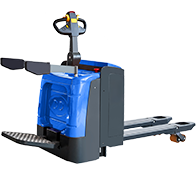
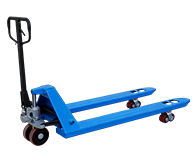
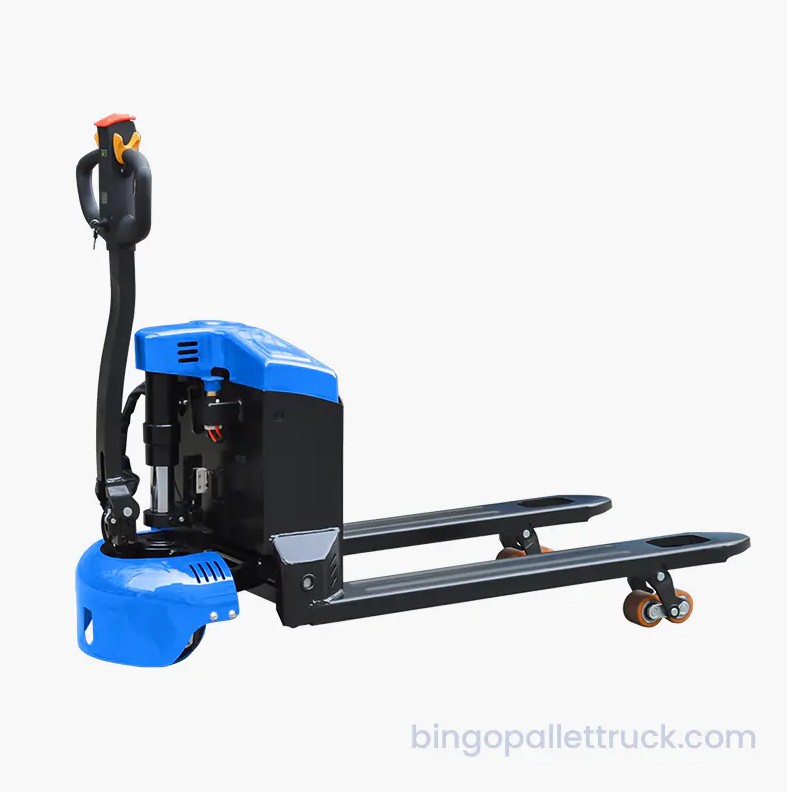
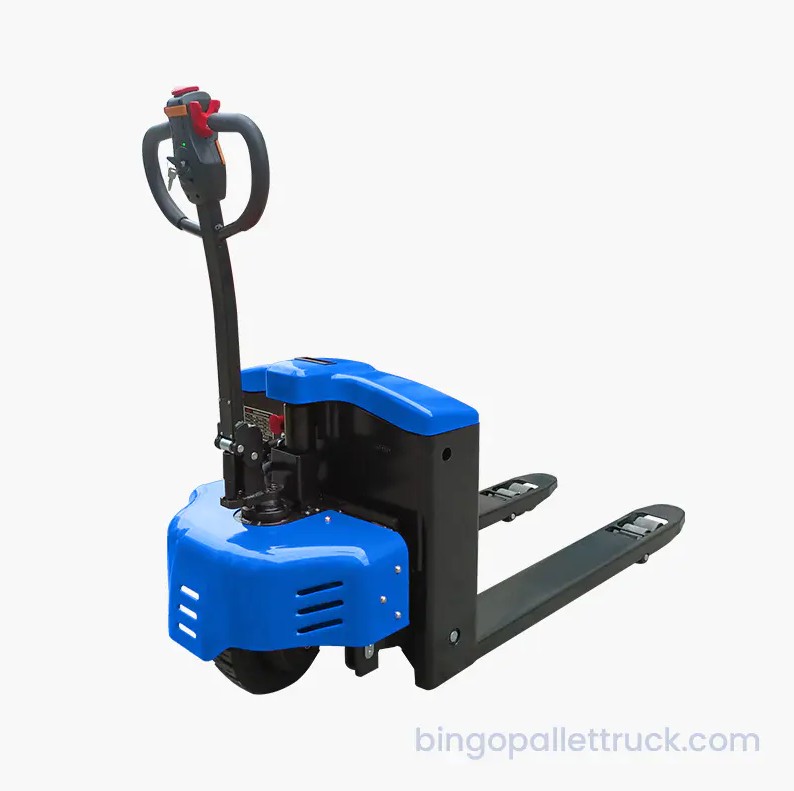
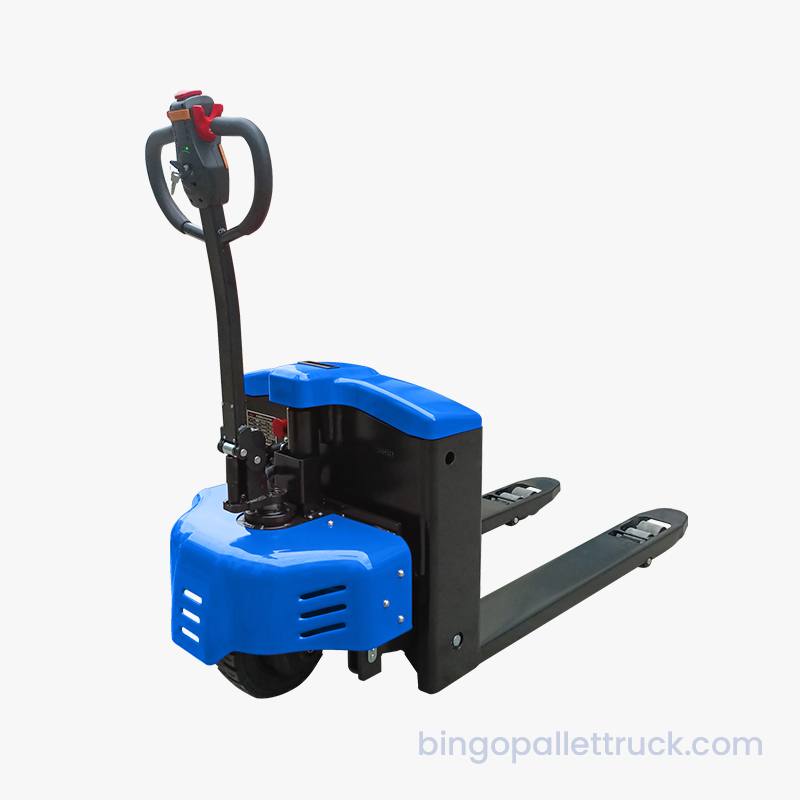
To operate an electric pallet truck, first complete a pre-operation inspection of the battery, forks, and brakes, then use the tiller handle to steer while the throttle controls forward and reverse speed. Lower the forks fully before inserting them into the pallet, lift the load using the control button, and drive at a walking pace while keeping the load low to the ground. Most workplace incidents involving powered pallet trucks occur during turning or when traveling with raised forks, so keeping the load close to the floor and reducing speed on corners are two of the most important habits an operator can build. A well maintained Electric Pallet Truck with responsive braking and clear control labeling makes this process considerably safer for daily warehouse use.
Content
- 1 Why Proper Operation Technique Matters
- 2 Pre-Operation Inspection Checklist
- 3 Step-by-Step Guide to Operating the Truck
- 4 Control Layout and Function Reference
- 5 Safety Practices Every Operator Should Follow
- 6 Battery Care and Charging Best Practices
- 7 Choosing the Right Electric Pallet Truck for Your Operation
- 8 Frequently Asked Questions
Why Proper Operation Technique Matters
An electric pallet truck may look simple to operate compared to a counterbalance forklift, but its compact size and tiller-based steering create unique handling characteristics. Because the operator typically walks alongside or rides on a platform rather than sitting in an enclosed cab, visibility and reaction time play a larger role in preventing collisions and dropped loads.
Reduced Physical Strain Compared to Manual Trucks
Manual pallet jacks require the operator to physically push and pump the handle to lift loads, which according to occupational health research from the National Institute for Occupational Safety and Health can contribute to repetitive strain injuries over time. An electric model removes this manual pumping action, reducing shoulder and lower back strain during repeated lifting cycles throughout a shift.
Higher Throughput in Busy Warehouses
Because electric models can travel at higher sustained speeds than manually pushed trucks, typically between 3.7 and 6 kilometers per hour, operators can complete more pallet moves per hour when the equipment is used correctly and travel paths are kept clear.
Pre-Operation Inspection Checklist
Before switching on any electric pallet truck, a short inspection routine helps catch mechanical or electrical issues before they cause downtime or injury.
- Check the battery charge indicator and confirm it shows sufficient charge for the planned shift.
- Inspect the forks for cracks, bends, or uneven wear on the load wheels.
- Test the horn and emergency reverse button to confirm they respond immediately.
- Verify the brake engages smoothly when the tiller handle is released or pulled to the upright position.
- Look underneath for hydraulic fluid leaks or visible damage to the lifting mechanism.
- Confirm the steering wheel and load wheels turn freely without obstruction.
Step-by-Step Guide to Operating the Truck
Once the inspection is complete, the following sequence covers the core operating steps for picking up, transporting, and setting down a palletized load.
Positioning and Lifting the Load
Lower the forks fully, then align the truck so the forks slide directly into the pallet openings without striking the pallet frame. Push forward slowly until the forks are fully inserted, then press the lift button to raise the load a few centimeters off the ground before moving.
Transporting the Load
Steer using the tiller handle, keeping the load end trailing behind you at a safe distance. Travel speed should generally not exceed a normal walking pace of about 5 kilometers per hour in aisles or near pedestrian areas, and the horn should be used at every blind corner or intersection.
Setting Down the Load
Slow the truck to a stop at the drop location, lower the forks fully using the lower control, then reverse slowly to withdraw the forks cleanly from beneath the pallet.
Control Layout and Function Reference
Most electric pallet trucks share a similar control layout on the tiller handle, though exact button placement can vary between models. The table below summarizes the typical functions found on standard units.
| Control | Function | Typical Location |
| Throttle Trigger | Controls forward and reverse travel speed | Top of tiller handle |
| Lift Button | Raises the forks to lift the pallet | Handle grip area |
| Lower Button | Lowers the forks to set down the pallet | Handle grip area |
| Horn | Alerts nearby pedestrians or other equipment | Center of tiller handle |
| Emergency Reverse | Stops forward motion and reverses direction instantly | Tiller head, facing operator |
Safety Practices Every Operator Should Follow
Safe operation depends as much on habits and awareness as it does on the equipment itself. The following practices are commonly recommended across warehouse safety training programs.
Maintain Clear Sightlines
When transporting large or stacked loads that block forward visibility, operators should travel in reverse with the load trailing rather than pushing a load they cannot see over or around.
Respect Rated Load Capacity
Overloading is a common cause of hydraulic strain and tipping incidents. Most standard electric pallet trucks are rated between 1500 and 2500 kilograms, and exceeding this limit even briefly can damage the lifting mechanism or cause the load to shift unexpectedly.
Keep Loads Low During Transport
Forks should only be raised enough to clear the floor, typically 5 to 10 centimeters, during transport. Raising the load higher increases the risk of tipping, particularly when turning corners or crossing uneven flooring.
Watch for Pedestrian Traffic
According to guidance published by the Occupational Safety and Health Administration, powered industrial trucks are involved in a significant share of warehouse pedestrian incidents each year, often at blind corners or doorways where visibility is limited. Using the horn consistently and slowing at intersections reduces this risk considerably.
Battery Care and Charging Best Practices
Battery condition directly affects both the performance and lifespan of an electric pallet truck, making proper charging habits an important part of daily operation.
- Charge the battery fully before each shift rather than relying on partial top-up charges throughout the day.
- Avoid letting the battery drop below 20 percent charge during regular use, as deep discharges can shorten lead-acid battery lifespan.
- Store the truck in a dry, temperature-controlled area, since extreme heat or cold can reduce battery efficiency.
- Inspect battery terminals periodically for corrosion, which can interfere with consistent power delivery.
Many facilities are shifting toward lithium-ion powered models because they support opportunity charging without the memory effect associated with older lead-acid batteries. An Electric Pallet Truck equipped with a lithium-ion battery pack can typically be charged during short breaks, helping maintain continuous operation across multi-shift warehouse schedules.
Choosing the Right Electric Pallet Truck for Your Operation
Not every warehouse has the same handling needs, so matching the truck to the facility layout and load types can improve both safety and efficiency.
Narrow Aisle Facilities
Compact models with a tighter turning radius are better suited to narrow aisle layouts, reducing the risk of contact with racking or shelving during turns.
High-Volume Distribution Centers
Facilities moving large volumes of palletized goods often benefit from ride-on platform models, which allow operators to cover longer distances between pick and drop points without walking the full route.
Mixed Load Weight Environments
Warehouses handling a wide range of load weights should prioritize models with a higher rated capacity and reinforced fork construction to accommodate occasional heavier pallets without exceeding safe operating limits.
Frequently Asked Questions
Do operators need certification to use an electric pallet truck
In many regions, workplace safety regulations require operators of powered industrial trucks, including electric pallet trucks, to complete formal training and evaluation before operating the equipment unsupervised.
How long does a full battery charge typically last
Depending on load frequency and travel distance, a fully charged battery on a standard electric pallet truck generally supports a full single shift of 6 to 8 hours under normal warehouse conditions.
Can an electric pallet truck be used outdoors
Most standard models are designed for smooth indoor flooring and are not rated for uneven outdoor surfaces, though some manufacturers offer reinforced wheels and sealed components for light outdoor use on paved areas.
What is the typical lifting height of an electric pallet truck
Standard electric pallet trucks are primarily designed for horizontal transport rather than high lifting, with most models raising forks only enough to clear the floor by a small margin rather than stacking loads at height.

Copyright @ Yancheng Bingo Machinery Equipment Co., Ltd. All rights reserved Warehouse Logistics Equipment Manufacturer Pallet Truck Supplier
