 en
en  Español


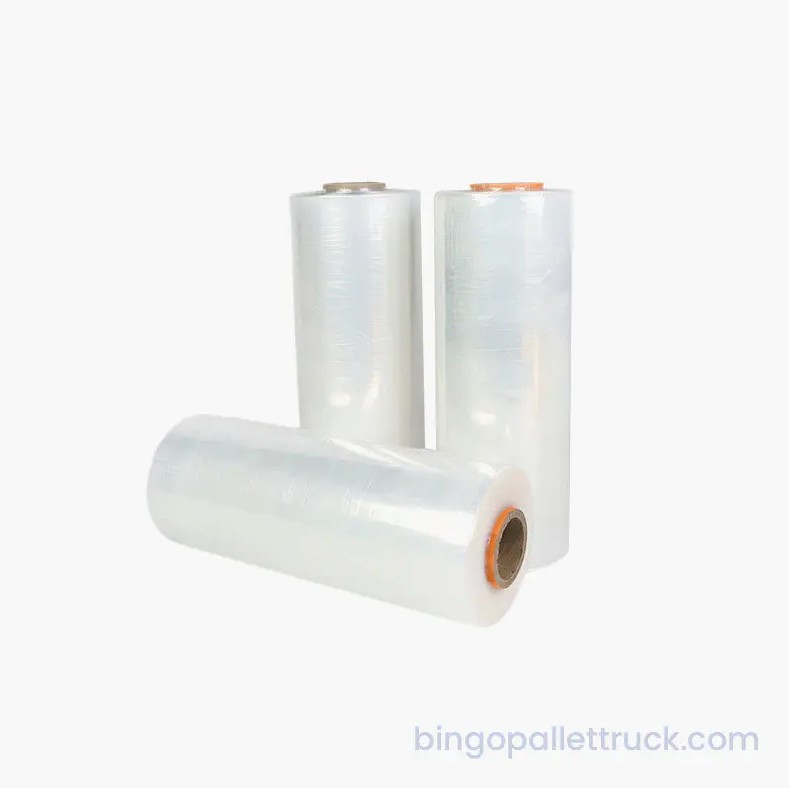
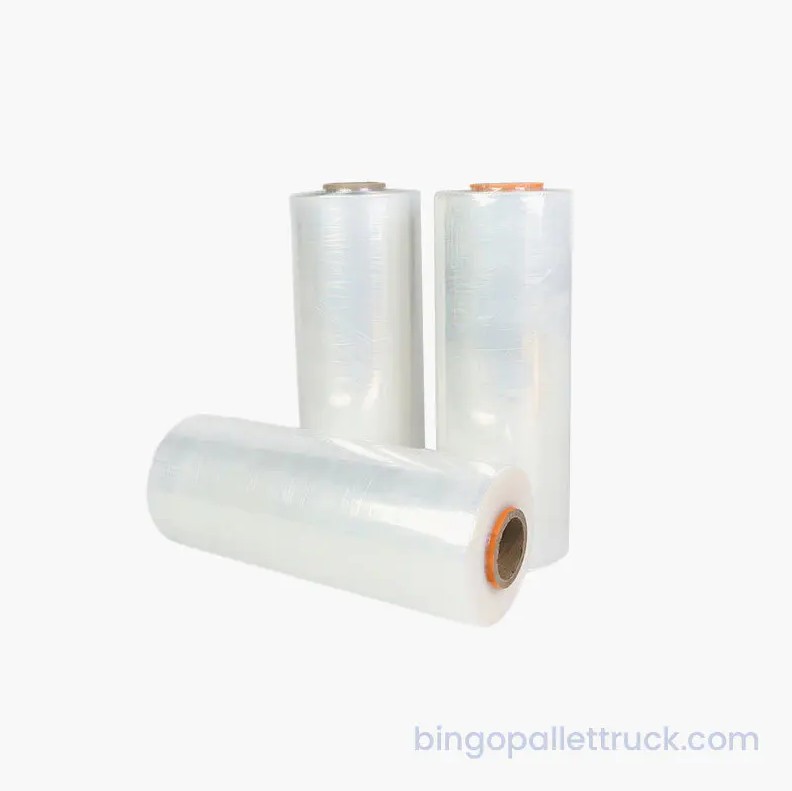
How do you use stretch wrap correctly?
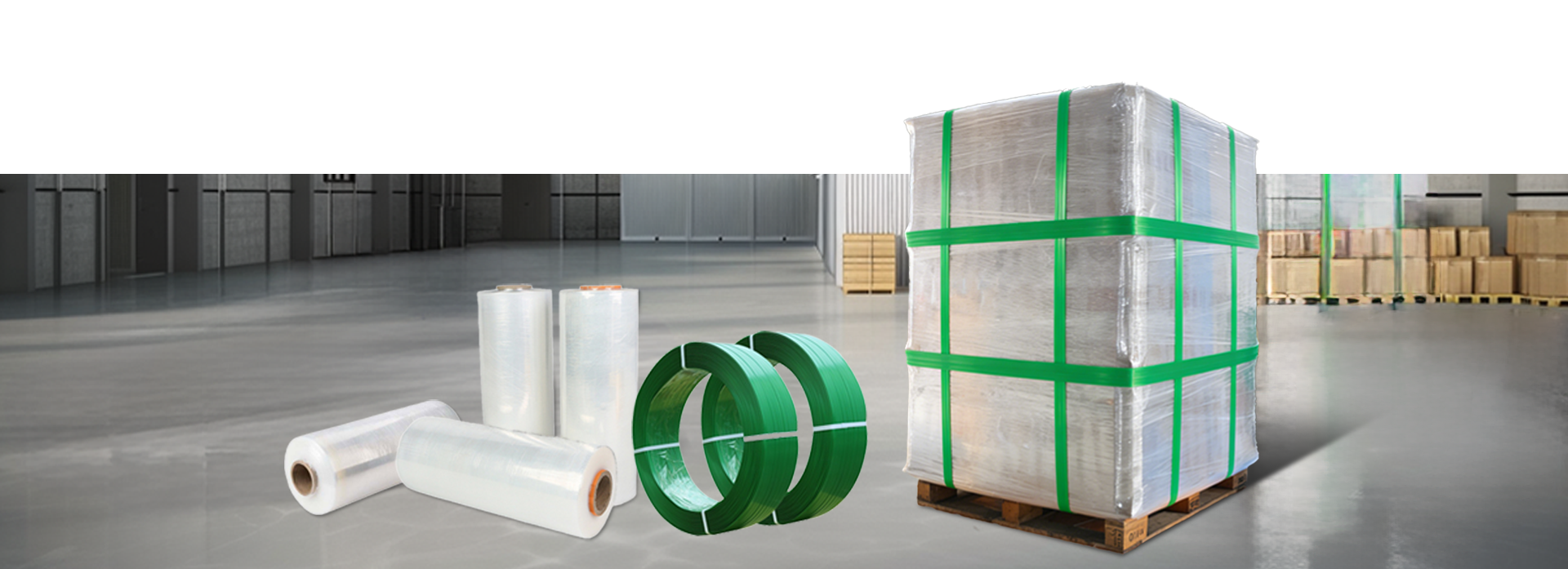
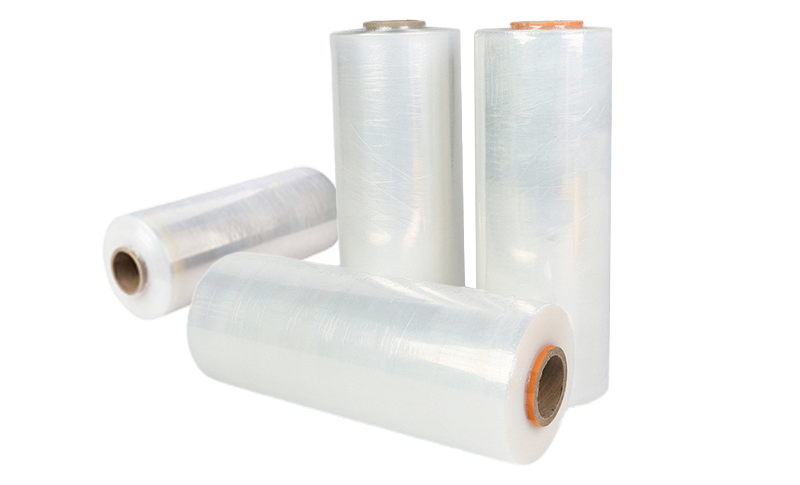
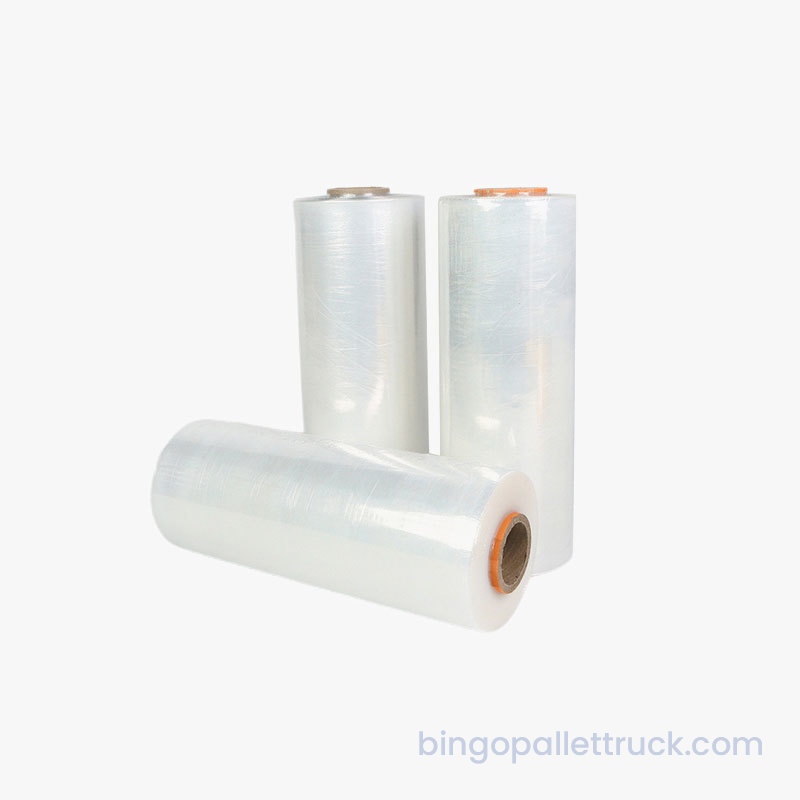
Using stretch wrap correctly means anchoring the film securely at the base of the pallet, applying consistent tension while wrapping in overlapping layers, covering the load from bottom to top and back down again, and finishing with a secure tail to prevent unraveling during transport. Getting this sequence right is what allows a product such as Stretch Wrap to hold a palletized load together securely while minimizing film usage, rather than wasting material through loose or inconsistent wrapping technique.
The sections below break down each step of proper stretch wrap application, common mistakes that reduce load stability, and practical guidance for adjusting technique based on load type and shape.
Content
Anchoring the Film at the Base
A secure starting point is essential, since a poorly anchored wrap can loosen or slip during transit regardless of how well the rest of the load is wrapped.
Proper Anchor Technique
Begin by wrapping the film around the base of the pallet, typically at the bottom corner, applying two to three wraps to firmly secure the film end before moving upward. This anchor point should be tight enough that the film does not slip when tension is applied during the rest of the wrapping process.
Angling for Better Grip
Applying the initial wraps at a slight downward angle near the pallet base can help the film grip the pallet deck itself, adding extra stability at the point where the load is most likely to shift during handling and transport.
Applying Consistent Tension While Wrapping
Tension control is one of the most important factors in effective stretch wrapping, since both too little and too much tension create different problems.
| Tension Level | Result |
| Too loose | Load shifts during transport, film may unravel |
| Properly tensioned | Secure containment force with efficient film usage |
| Too tight | Risk of crushing lightweight or fragile products |
For most standard pallet loads, stretch film is typically pre-stretched to somewhere between 150 to 250 percent of its original length during application, which maximizes containment force while using less raw film material per wrap compared to applying film without pre-stretching.
Wrapping Pattern for Full Load Coverage
How the film is layered around the load affects both stability and how well it resists punctures or tears during handling.
- Start wrapping at the base with anchor wraps as described above
- Spiral upward around the load, overlapping each pass by approximately 50 percent of the film width
- Continue to the top of the load, ensuring the top corners and edges are fully covered
- Spiral back downward to reinforce coverage and add a second layer over the load
- Finish with several tight wraps at the base to secure the tail end of the film
Maintaining a consistent 50 percent overlap between each pass is a widely referenced standard in packaging industry guidance, since it ensures no gaps exist between wraps where the film could tear or where moisture and dust could penetrate the load.
Reinforcing High Stress Areas
Certain areas of a palletized load experience more stress during handling and transport, and these areas often benefit from additional wrapping passes.
- Top of the load, which can shift or become loose if not adequately secured with cross wrapping
- Corners and edges of boxes, which are more prone to film tearing without reinforced coverage
- Base of the pallet, which bears the most stress during forklift handling and transport vibration
- Irregularly shaped loads, which may need extra wraps around protruding sections to prevent shifting
Manual vs Machine Application Technique
The correct wrapping approach can differ slightly depending on whether stretch wrap is applied by hand or using a wrapping machine.
Manual Hand Wrapping
When wrapping by hand, maintaining even tension throughout the process requires consistent arm movement and a steady walking pace around the pallet, since inconsistent hand tension is one of the most common causes of uneven wrap coverage in manual operations.
Machine Wrapping
Automated stretch wrapping machines apply film at a programmed, consistent tension and rotation speed, which generally produces more uniform results than manual wrapping, particularly for high volume operations where wrap consistency across many pallets matters for shipping reliability.
Common Mistakes That Reduce Wrap Effectiveness
Several avoidable errors are commonly responsible for load stability problems during shipping, even when stretch wrap has technically been applied.
- Skipping the base anchor wraps, leading to the entire wrap loosening from the bottom up
- Applying film with inconsistent tension, creating weak points around the load
- Failing to cover the top of the load adequately, allowing top layers to shift during transport
- Using too few wraps overall, reducing the total containment force holding the load together
Following a consistent wrapping routine, whether using manual technique or a wrapping machine, helps avoid these common issues and ensures loads secured with products like Stretch Wrap arrive at their destination intact and properly contained.
Summary
Using stretch wrap correctly comes down to securely anchoring the film at the base, applying consistent tension throughout the wrapping process, following a proper overlapping spiral pattern from bottom to top and back down, and reinforcing high stress areas of the load. Following this technique consistently helps ensure palletized loads remain stable and protected throughout handling and transport, while also making efficient use of film material.

Copyright @ Yancheng Bingo Machinery Equipment Co., Ltd. All rights reserved Warehouse Logistics Equipment Manufacturer Pallet Truck Supplier
