 en
en  Español


What are the uses of stretch wrap?
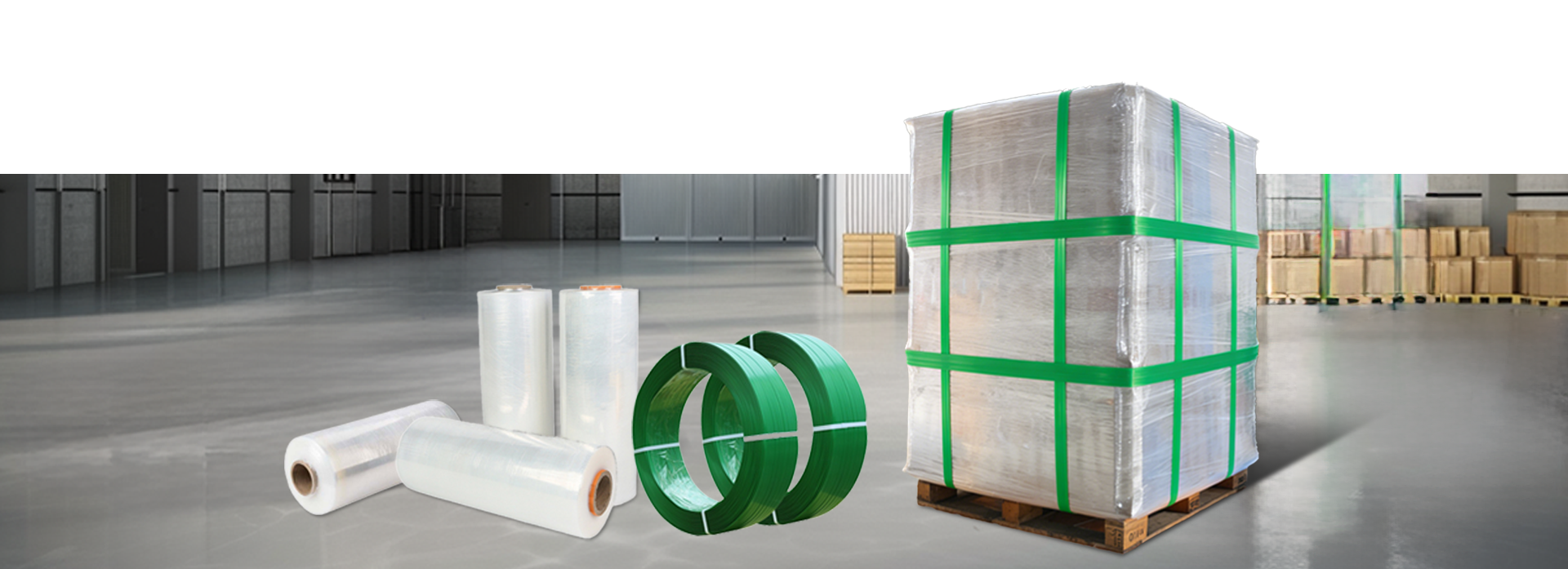
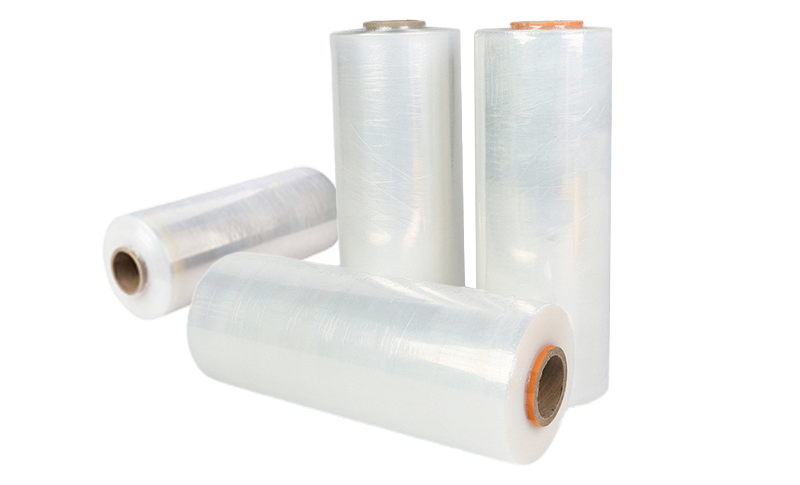
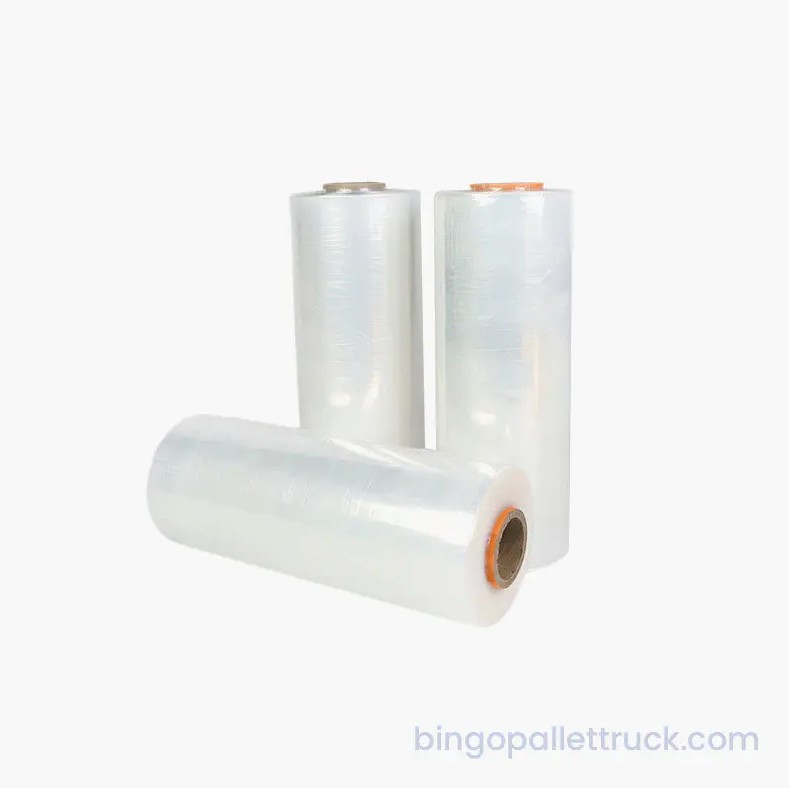
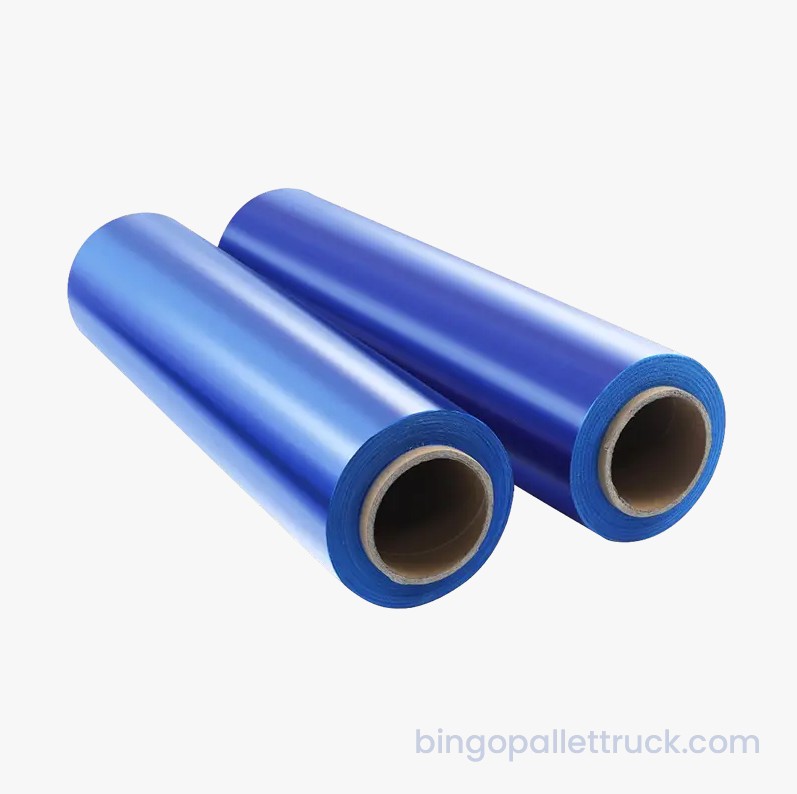
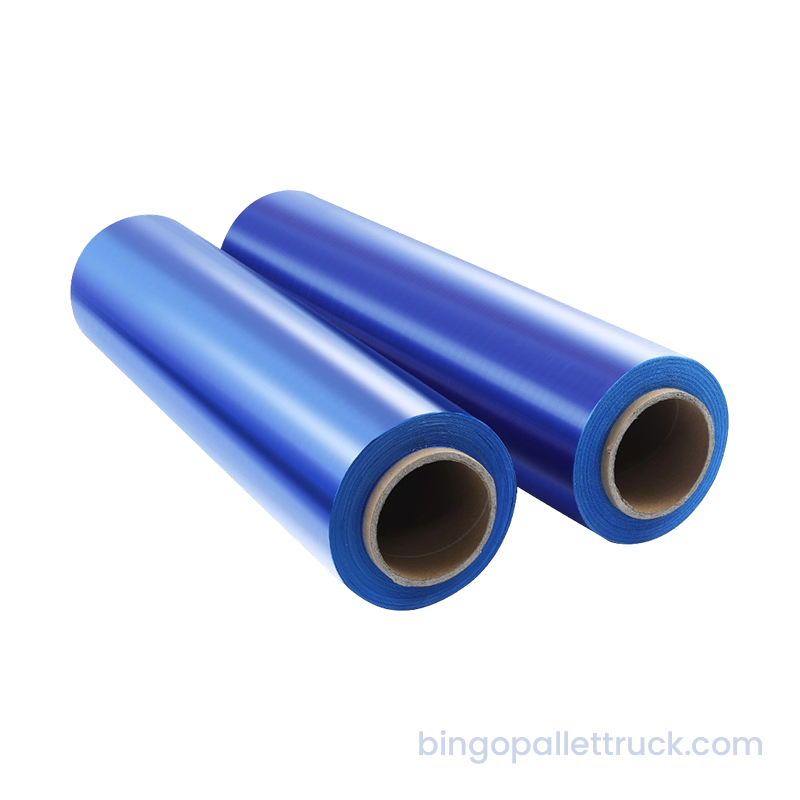
Stretch wrap is primarily used to unitize palletized loads for shipping and storage, protect goods from dust, moisture, and handling damage, and bundle irregular or multiple items together into a single stable unit. This versatility is why a product such as Stretch Wrap is found across warehousing, manufacturing, retail distribution, and moving industries, wherever loose or palletized items need to be held together securely for handling, transport, or extended storage.
The sections below break down each major use case in detail, along with practical examples of how stretch wrap functions differently depending on the specific application.
Content
Pallet Unitization for Shipping
The most common and widely recognized use of stretch wrap is combining individual boxes or items on a pallet into a single secured unit for transport.
Preventing Load Shift During Transit
When boxes are stacked on a pallet without any securing method, normal transport vibration and handling movement can cause the stack to shift, lean, or collapse. Properly applied stretch wrap holds the entire stack together as a unified load, significantly reducing the risk of shifting during truck, rail, or container transport.
Standardizing Load Handling
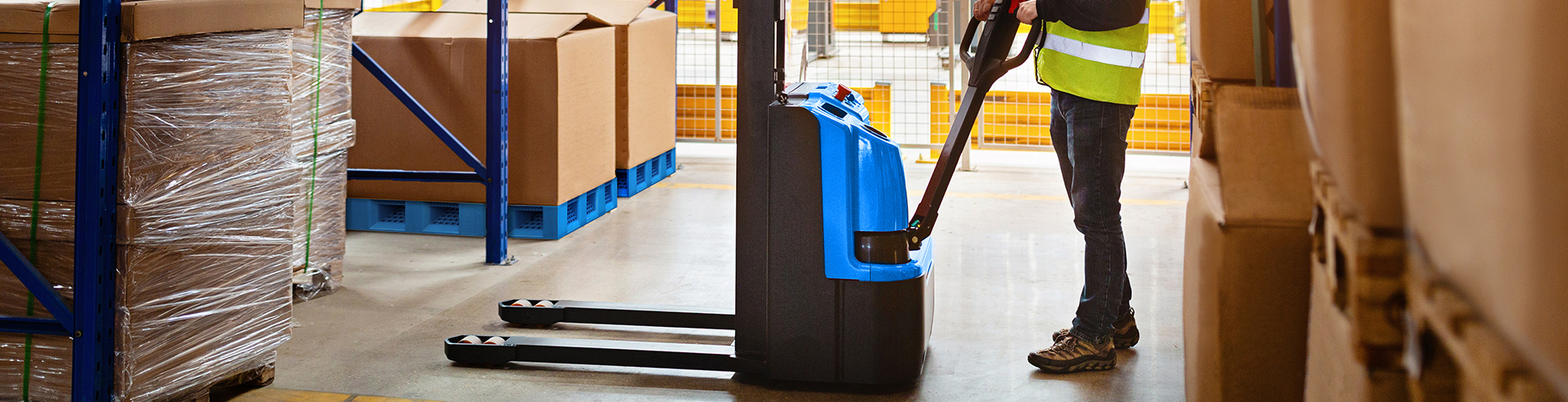
A securely wrapped pallet can be lifted, moved, and stacked by forklifts and pallet jacks as a single stable unit, which simplifies handling procedures across warehouses and distribution centers compared to managing loose, unsecured boxes individually.
Protection From Environmental Contaminants
Beyond simply holding a load together, stretch wrap also creates a physical barrier that protects goods from various environmental factors during storage and transport.
| Environmental Factor | How Stretch Wrap Helps |
| Dust and dirt | Forms a sealed barrier around exposed product surfaces |
| Light moisture exposure | Reduces direct contact with rain or humidity during outdoor storage |
| Minor handling scuffs | Adds a protective layer around box corners and edges |
| Pest and debris intrusion | Limits access points for insects or loose debris during warehouse storage |
While stretch wrap is not a substitute for full waterproof packaging in heavy rain conditions, it does provide meaningful protection against general dust accumulation and incidental moisture exposure commonly encountered during standard warehouse and yard storage.
Bundling Irregular or Multiple Items
Stretch wrap is also commonly used to combine multiple smaller or irregularly shaped items into a single manageable unit, even outside of standard palletized shipping.
- Bundling long items such as pipes, lumber, or metal rods together for easier handling and transport
- Securing loose parts or components to a larger piece of equipment during shipment
- Wrapping furniture pieces together during office or facility relocation to prevent scratching and separation
- Combining mixed small boxes into a consolidated shipping unit for less than full pallet loads
Storage Applications Beyond Shipping
Stretch wrap use extends beyond active shipping into general storage scenarios where items need protection and containment over extended periods.
Warehouse Inventory Storage
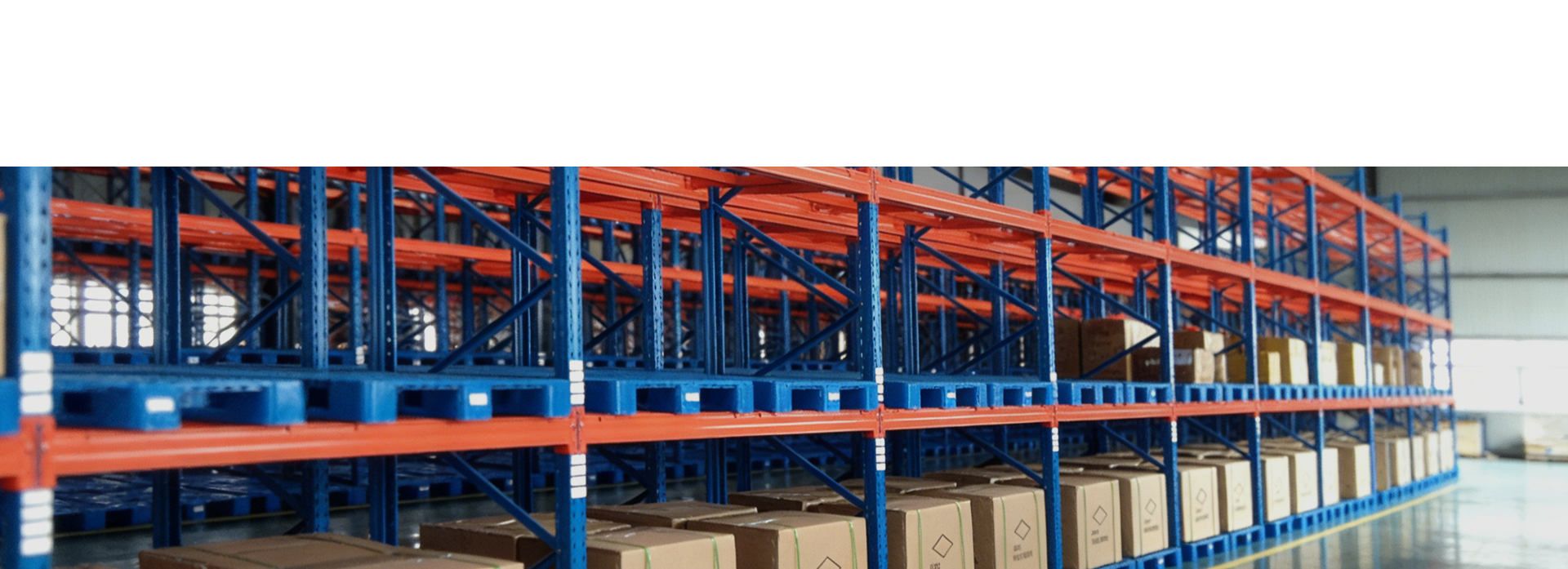
Wrapped pallets stored in warehouses for extended periods benefit from the dust and light moisture protection stretch wrap provides, helping maintain product condition until the inventory is needed for outbound shipment.
Outdoor and Temporary Storage
For goods that must be stored outdoors or in less controlled environments temporarily, stretch wrap offers a cost effective way to add a layer of protection against general weather exposure and debris, though heavier duty tarping is typically still recommended for prolonged direct rain exposure.
Moving and Relocation Applications
Beyond commercial and industrial shipping, stretch wrap is also widely used in residential and office moving contexts.
- Wrapping upholstered furniture to protect fabric from dirt and scuffing during transport
- Securing drawers shut on dressers and cabinets to prevent them from sliding open during the move
- Bundling loose items such as lamp shades, small frames, or mirrors together for more organized handling
- Wrapping mattress and box spring sets to keep them clean during transport and temporary storage
This household and moving use case has grown in popularity partly because stretch wrap is inexpensive relative to the protection and organizational benefit it provides during a move.
Industry Specific Applications
Different industries rely on stretch wrap for slightly different purposes based on their specific product handling needs.
| Industry | Typical Stretch Wrap Use |
| Food and beverage distribution | Securing case pallets while maintaining product visibility |
| Construction materials | Bundling lumber, piping, and building supplies for transport |
| Retail and e-commerce fulfillment | Unitizing mixed product pallets for outbound shipping |
| Manufacturing and industrial goods | Protecting finished components during interplant transfer |
Businesses across these sectors often select stretch wrap specifications, including film thickness and stretch capacity, based on their specific load weight and handling requirements. Reviewing options such as Stretch Wrap for the right film gauge and stretch performance helps ensure the material matches the demands of the specific application.
Summary
Stretch wrap serves a wide range of practical uses beyond simple pallet wrapping, including load unitization for shipping, protection against dust and moisture, bundling irregular items, extended storage protection, and even household moving applications. Its combination of low cost, flexibility, and reliable containment strength is what makes it a standard packaging material across warehousing, manufacturing, retail, and residential relocation contexts alike.

Copyright @ Yancheng Bingo Machinery Equipment Co., Ltd. All rights reserved Warehouse Logistics Equipment Manufacturer Pallet Truck Supplier
