 en
en  Español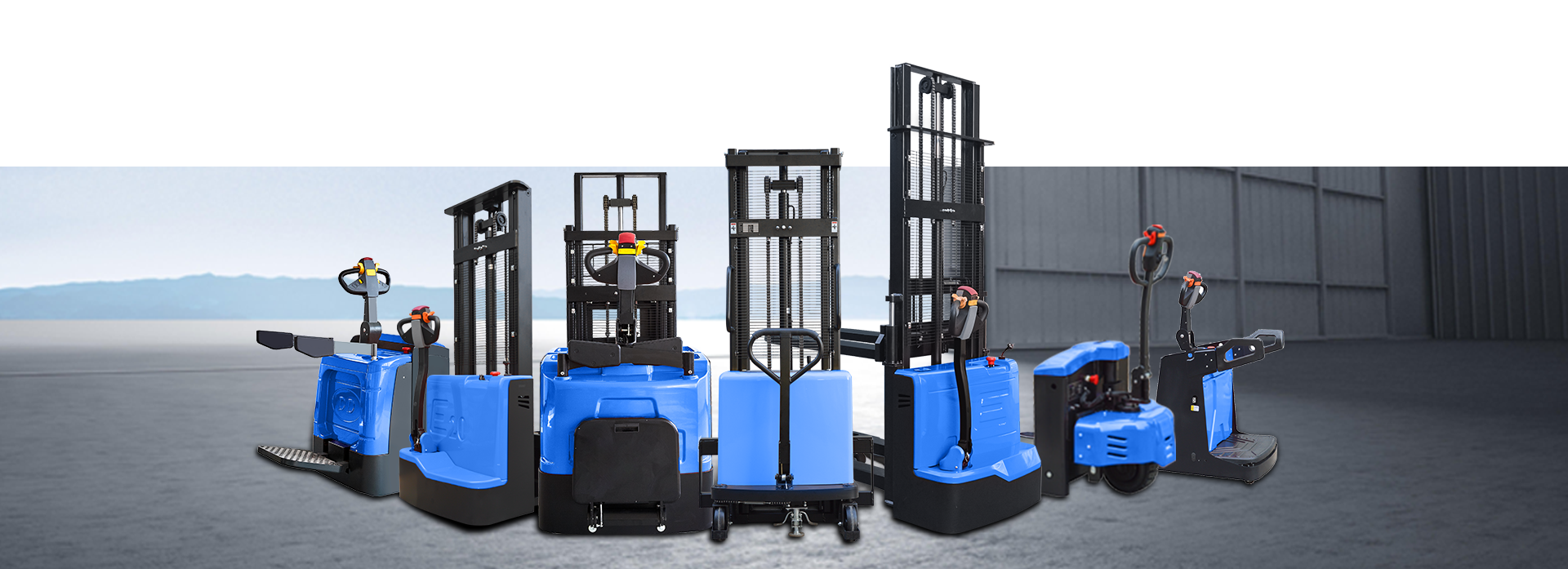



Distribution Center Equipment Guide: Types, Selection Tips, and Cost Factors Explained
Walk through a busy distribution center at mid-morning and the same four movements repeat all day: pallets travel from the inbound dock to storage, loads come down from racking, cases get consolidated into containers, and finished pallets are wrapped for outbound trucks. The short answer on equipment is that four groups do nearly all of this work: material handling machines, storage racking, reusable containers, and packaging supplies. The most expensive buying mistake is sequencing. Teams pick handling machines first, squeeze racking into the space that is left, and then pay for that decision on every shift for a decade. The order that works better is racking and layout first, handling fleet second, containers and packaging third. This article walks through what each group does, what it typically costs, and the trade-offs that decide between the options.
Content
- 1 The Four Equipment Groups That Keep a Distribution Center Moving
- 2 Material Handling: Match the Machine to the Move
- 3 Storage Racking: The Decision That Sets Your Capacity Ceiling
- 4 The Cost Case for Electrifying Early
- 5 Containers and Packaging: Small Line Items With Daily Consequences
- 6 A Practical Purchasing Sequence for New Equipment
The Four Equipment Groups That Keep a Distribution Center Moving
Each group has a distinct job, and the groups only deliver results when their dimensions agree: a pallet must fit its rack beam, the truck that lifts it must reach that beam, and the wrap around it must hold through the trip.
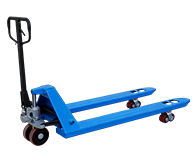
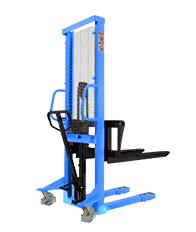
- Material handling: hand pallet trucks, electric walkie and stand-on pallet trucks, and electric stackers that lift, travel, and position palletized loads.
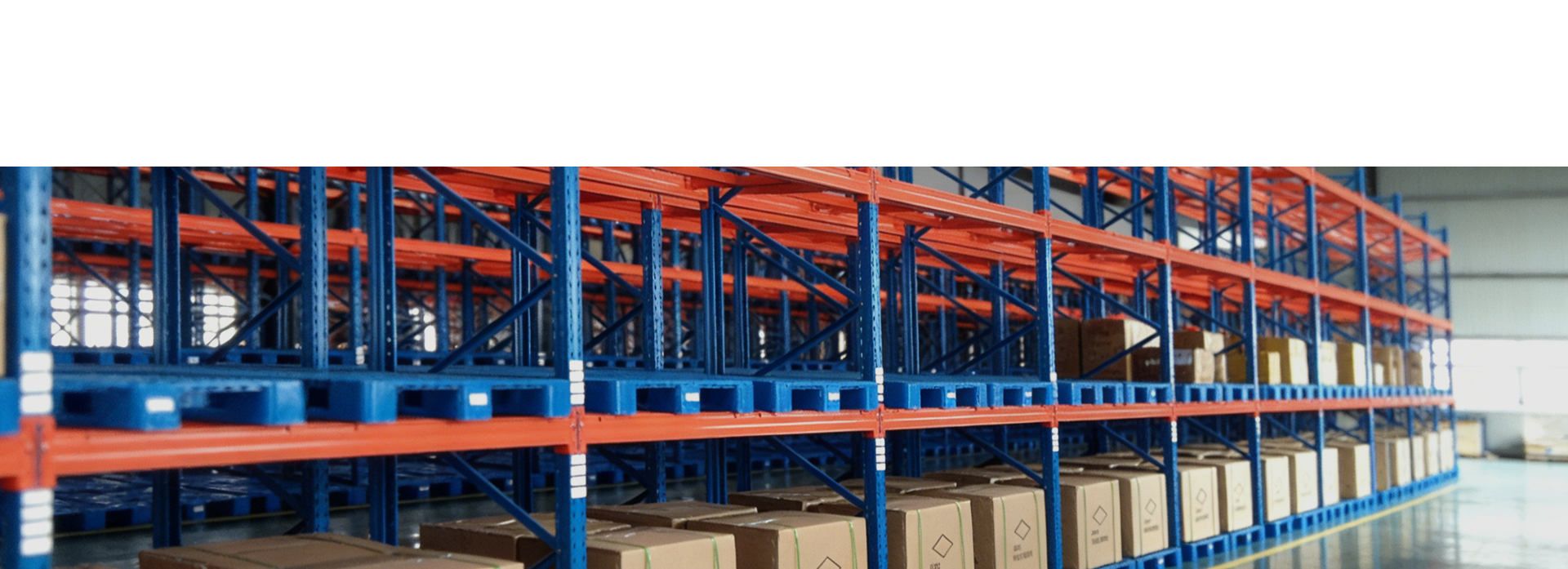
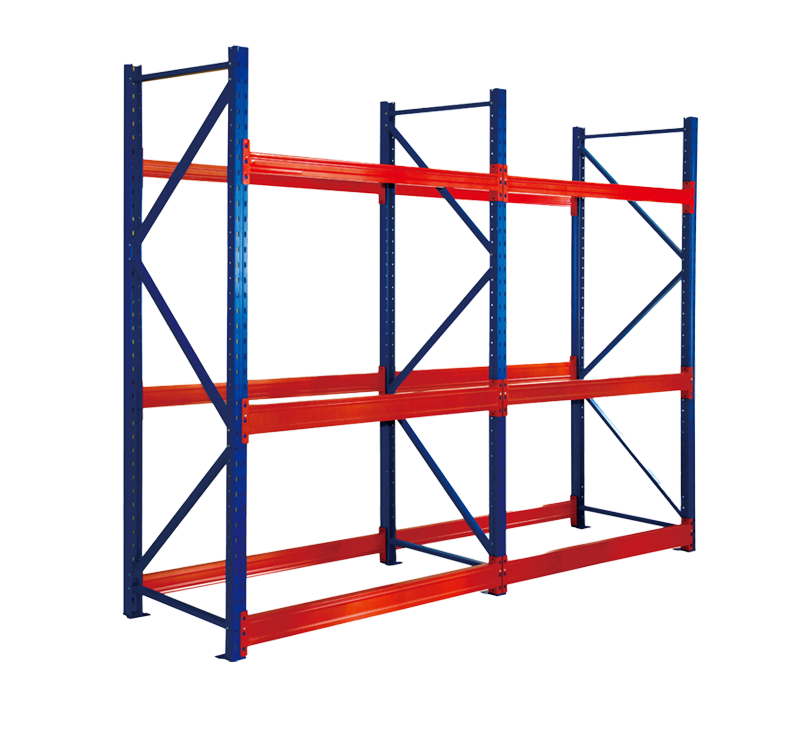
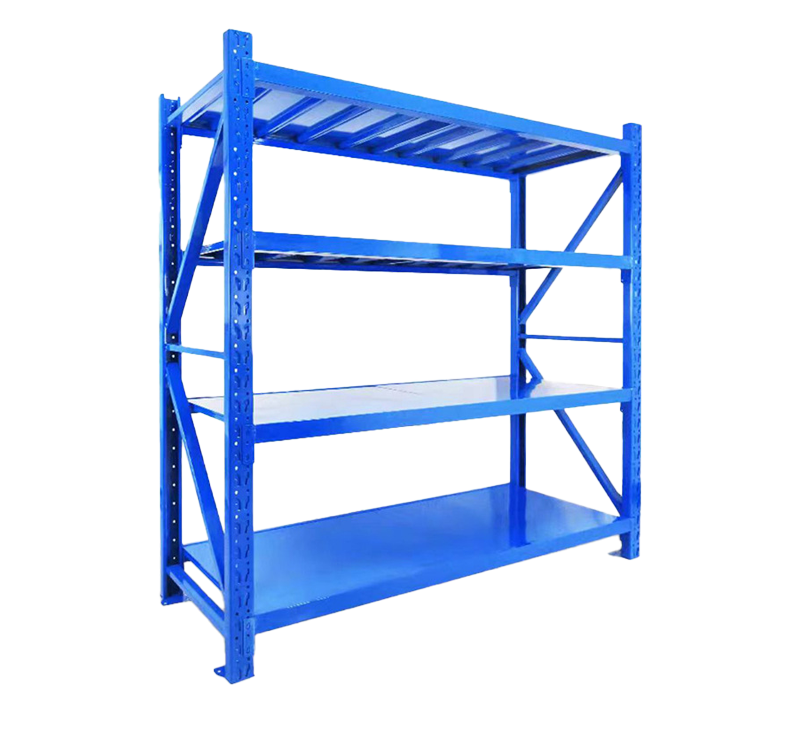
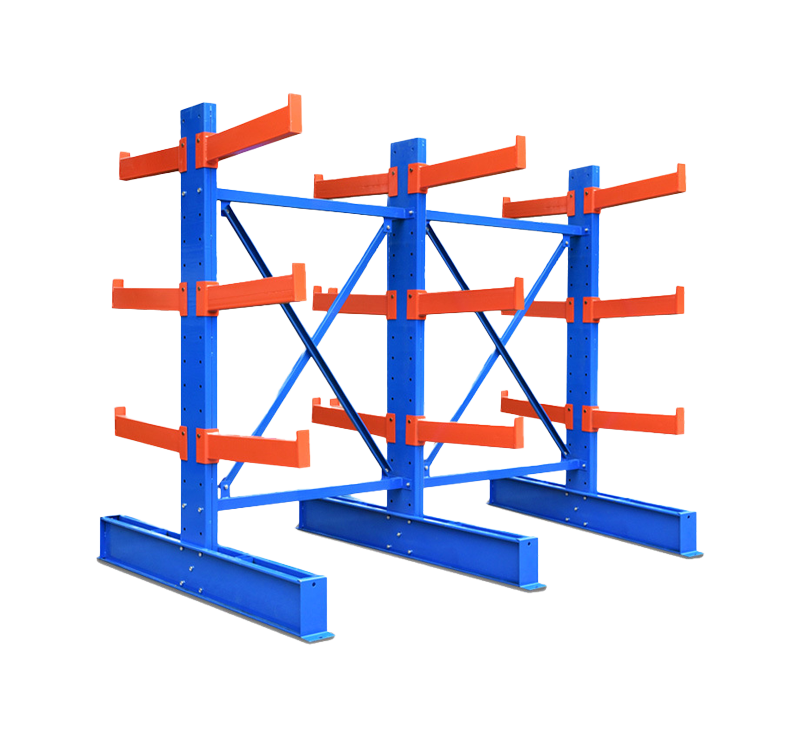
- Storage racking: selective, double deep, drive-in, push-back, pallet flow, shuttle, and automated systems that decide how many pallets the building can hold.
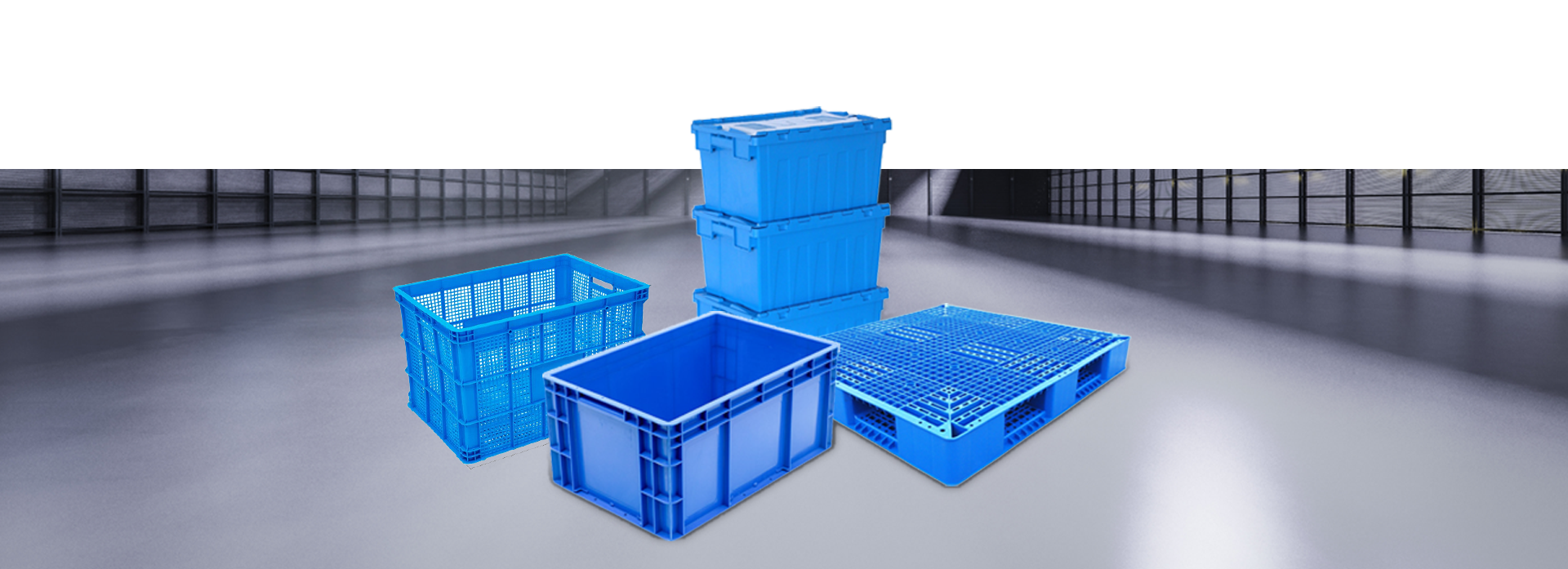
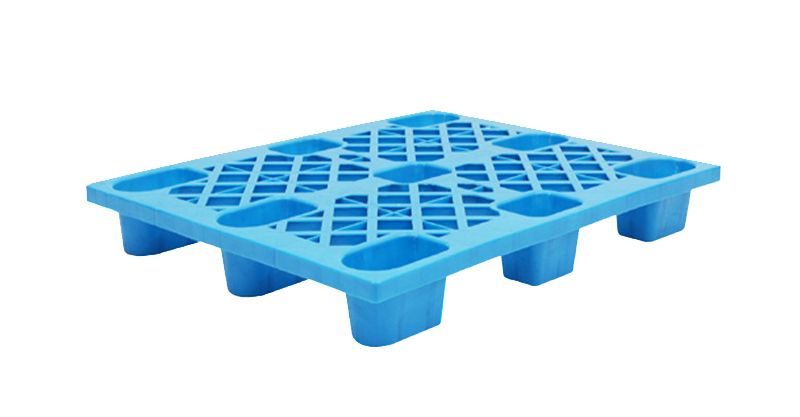
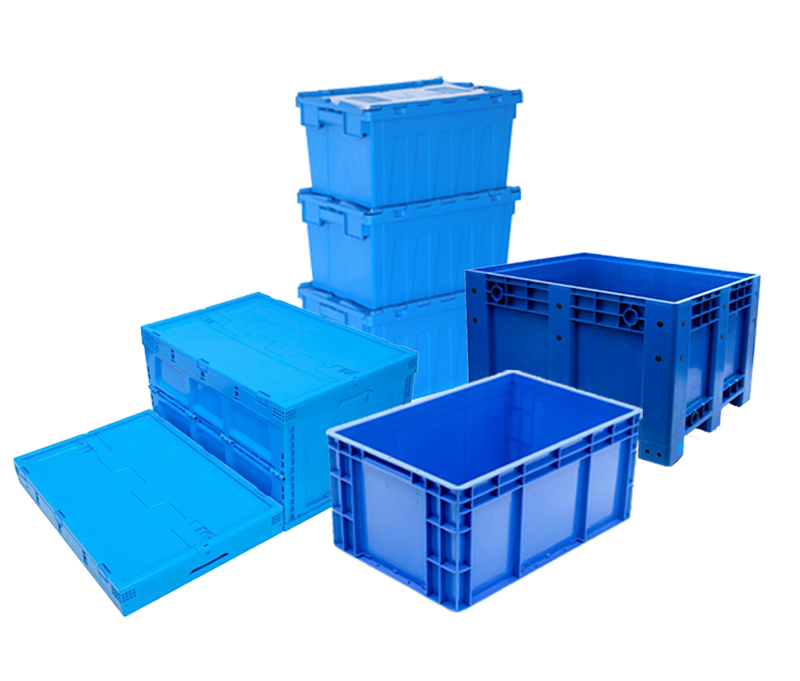
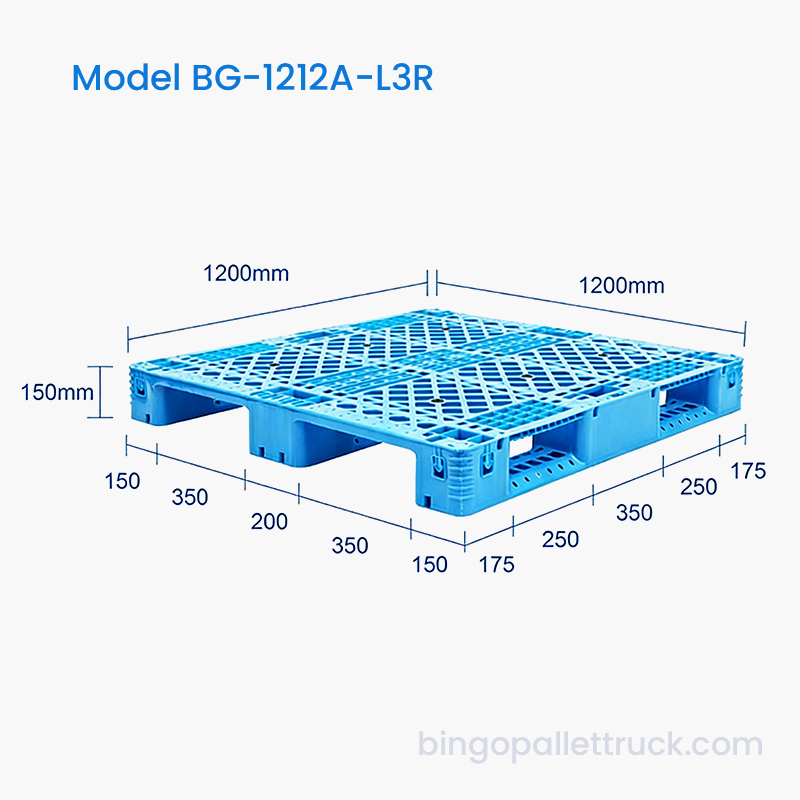
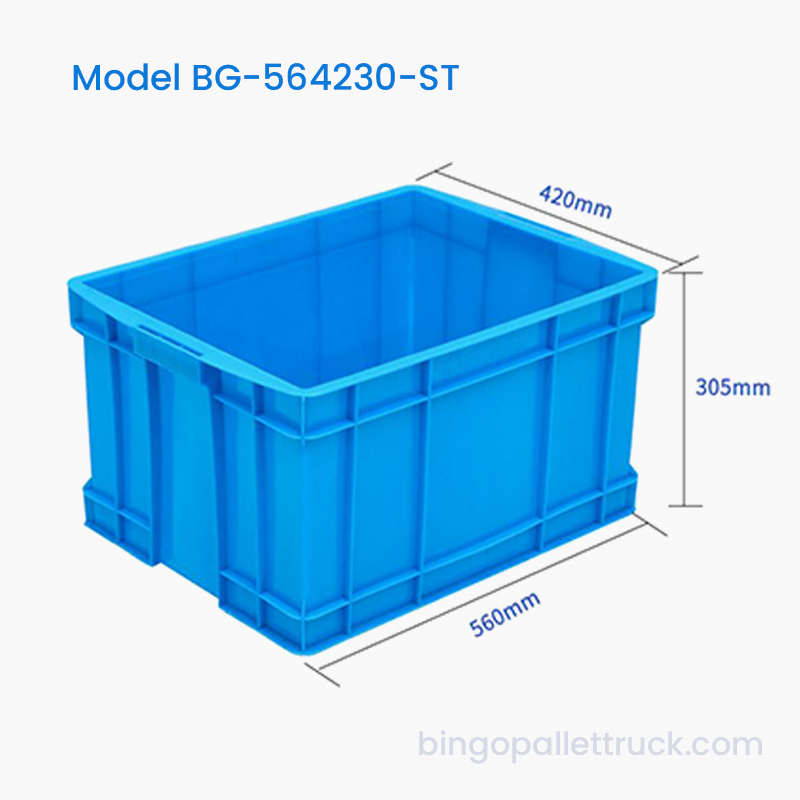
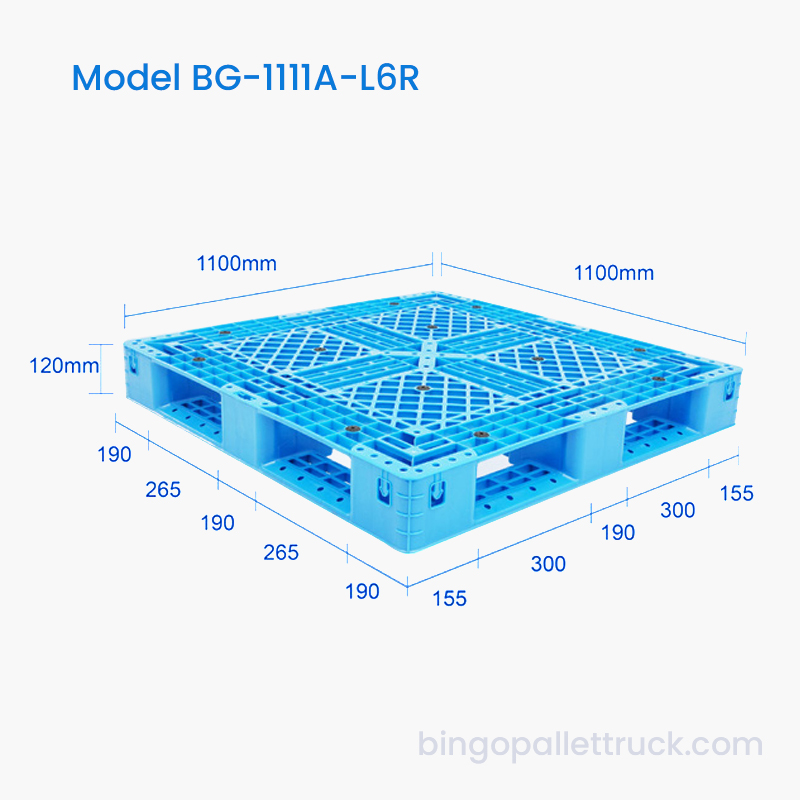
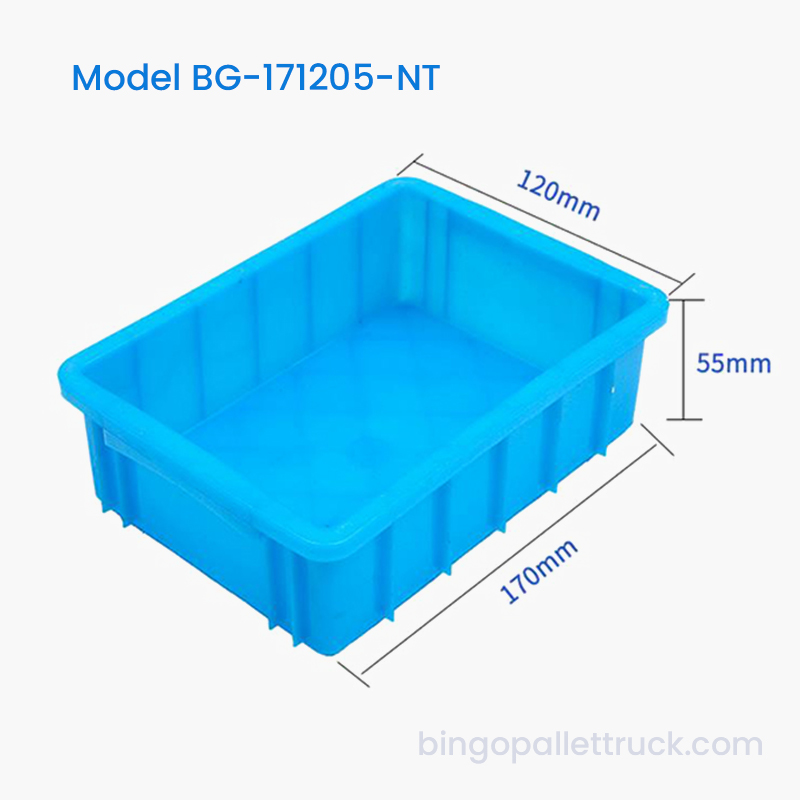
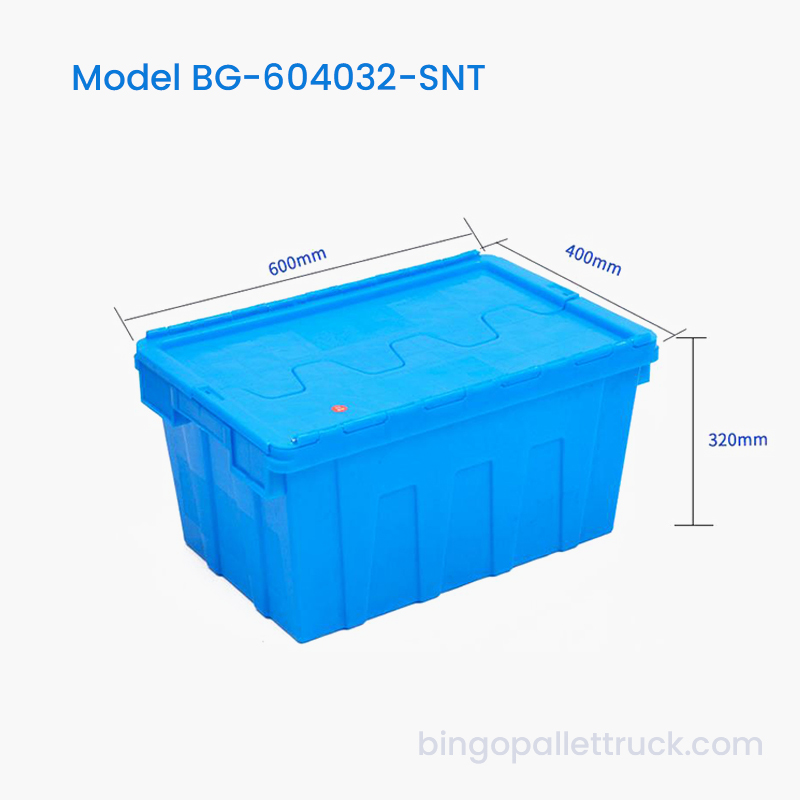
- Storage containers: plastic pallets, stackable and collapsible crates, tote boxes, and pallet boxes that protect goods and standardize unit loads.
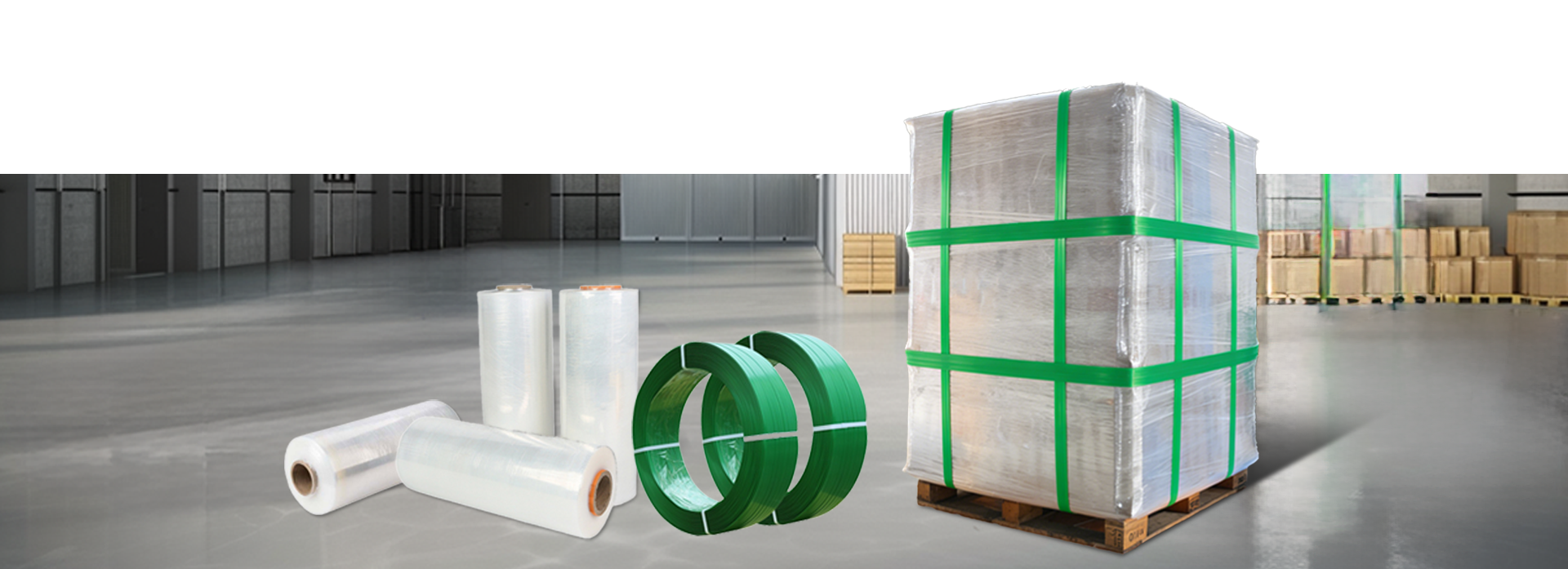
- Packaging materials: stretch wrap and strapping that keep each load intact from the packing bench to the customer dock.
Budget follows the same logic, as the chart below shows for a typical mid-size fit-out.
The chart above shows an indicative split for a mid-size facility fitting out between roughly 2,000 and 5,000 square meters of storage. Handling machines and racking together absorb about two thirds of the spend, which is why those two decisions deserve most of your planning time. Containers and packaging look small on this chart, yet they are consumed continuously, so their lifetime cost is far higher than the first invoice suggests. Dock and safety items round out the budget and are often underestimated until installation week. Your actual split will shift with the business: a cold chain operation spends proportionally more on containers, while an e-commerce site tips more toward shelving and totes. Use the chart as a sanity check rather than a rule, and challenge any quote whose proportions drift far from your volume profile.
Material Handling: Match the Machine to the Move
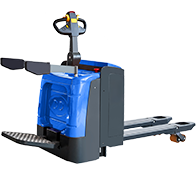
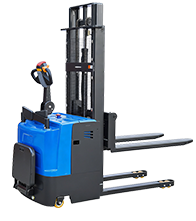
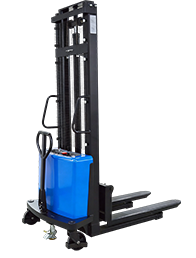
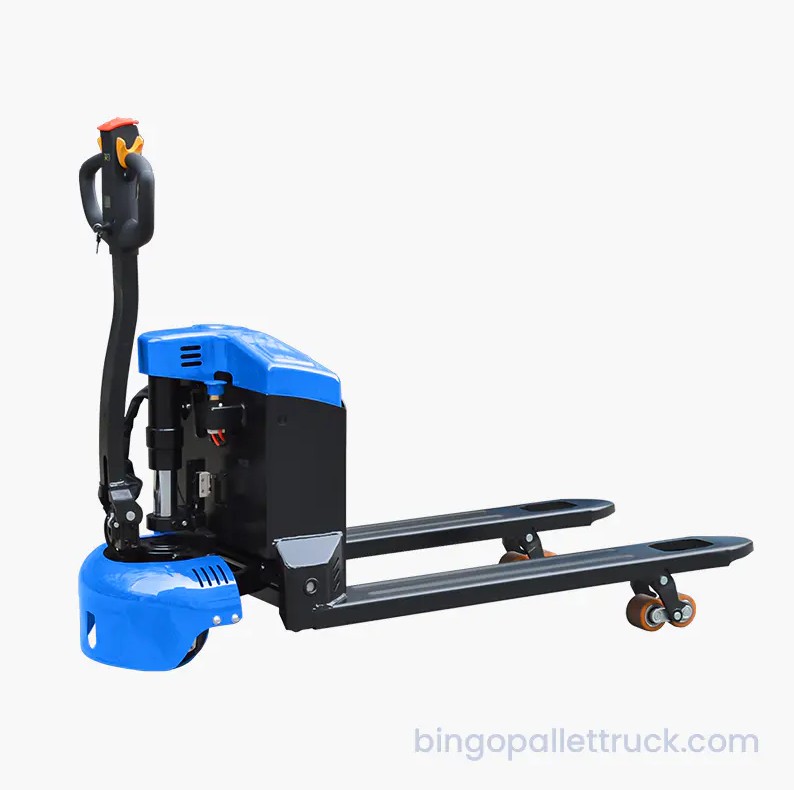
Handling choice comes down to travel distance and lift frequency. A hand pallet truck is hard to beat for short, occasional moves under about 20 meters. Once loads travel farther, or a truck runs most of a shift, a walkie electric pallet truck roughly doubles travel speed and removes the pulling strain that drives fatigue and injury claims. Stand-on models extend that advantage on longer runs, while electric stackers handle the vertical work of placing pallets onto beams without a counterbalance forklift.
If you are new to the category, it helps to read a plain explanation of what an electric pallet truck is before comparing spec sheets, because battery capacity, chassis layout, and lift height change what a model can actually do in your aisles.
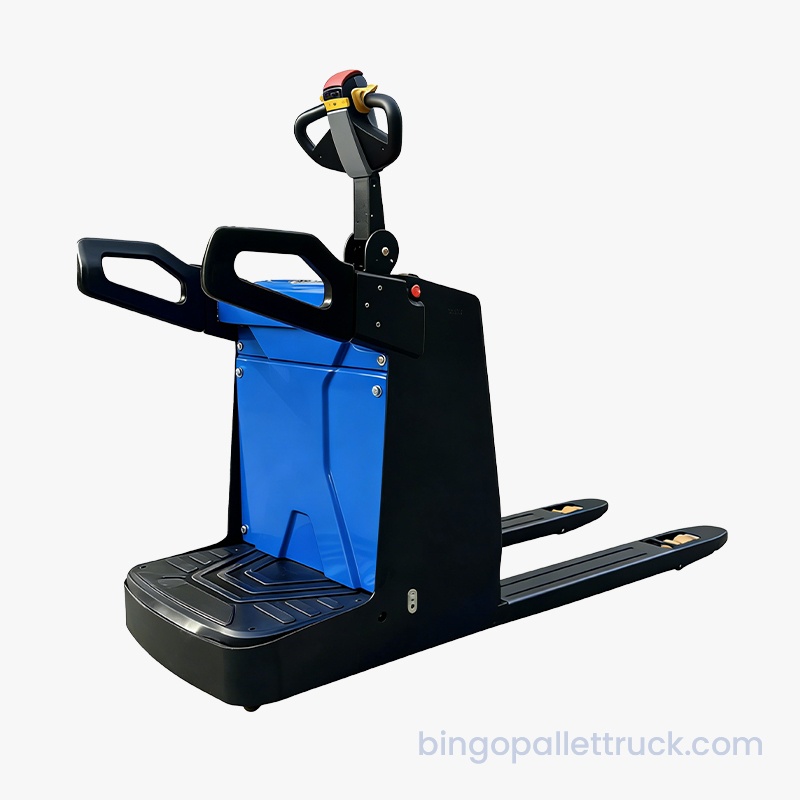
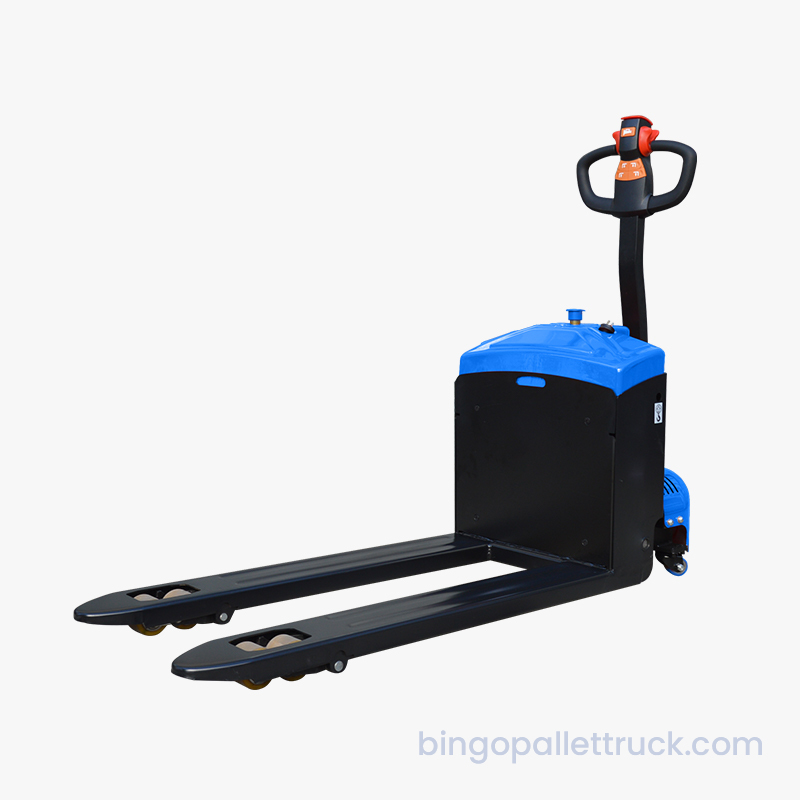 2000kg Electric Walkie Pallet Truck for Warehouse UseA 2000kg walkie pallet truck with full steel body, emergency reverse function, built-in charger, and quick battery access. It appears here as the entry point for understanding how battery and chassis specs affect real aisle performance.View Product →
Hand truck, walkie, or stacker: a side-by-side view
The radar chart below compresses the trade-offs into five scores based on day-to-day operation rather than brochure claims.
The radar chart condenses the trade-offs into five scores. The hand pallet truck wins on purchase economy and training ease, which is why it remains the default tool for short, occasional moves. The walkie electric pallet truck trades a higher purchase price for capacity and travel speed, and it holds up far better across a full shift because the operator is not pulling the load. The electric stacker is the only option here that lifts pallets up to racking beams, but it gives up some economy and needs a steadier hand. Notice that no single shape covers the whole pentagon, which is exactly why most distribution centers end up running a mix of two machine types. A practical rule: if a load travels more than about 20 meters or moves more than 50 times a day, electric assistance pays for itself quickly.
Storage Racking: The Decision That Sets Your Capacity Ceiling
Racking is the least visible equipment in a distribution center and the hardest to change later, because it fixes aisle widths, travel distances, and the total number of pallet positions. The core trade-off is density against selectivity: the more pallets you store per lane, the fewer lanes you can reach at any moment. A heavy-duty selective system remains the safest default for mixed SKUs, while higher-density layouts only pay off when SKU counts are low and volumes per SKU are high.
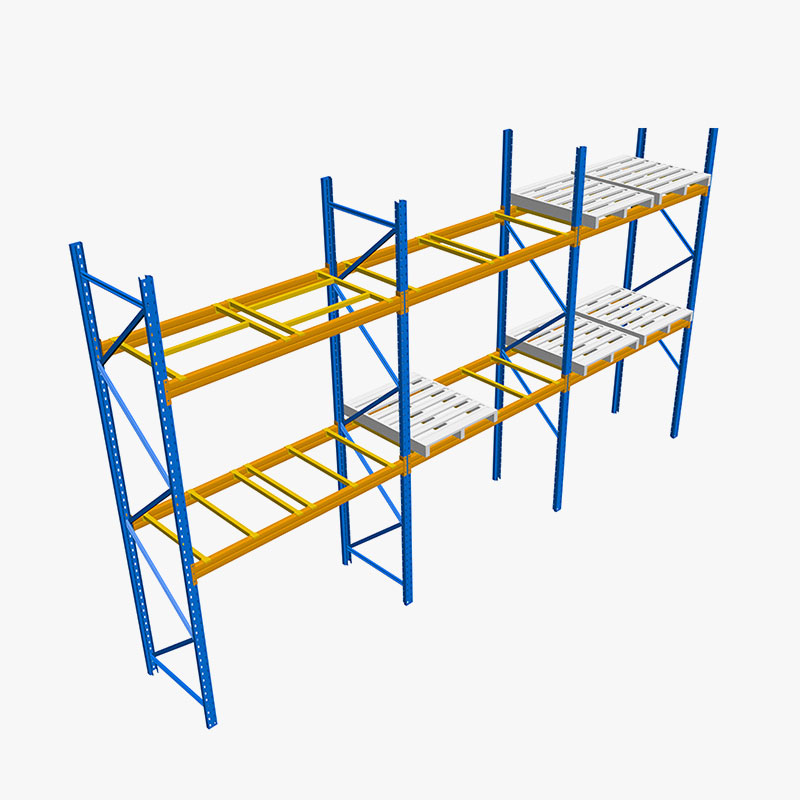 Heavy Duty Selective Pallet Racking with Adjustable BeamsCold-rolled steel selective racking with adjustable beams and up to 1800kg per layer, supporting FIFO access with standard forklifts. It fits this spot as the safe default when balancing storage density against selectivity.View Product →
The chart below indexes typical storage density against selective racking to make that trade-off visible.
Selective racking sets the index baseline because every pallet position is directly accessible from the aisle. Double deep adds roughly a third more positions by storing two pallets one behind the other, at the cost of touching the front pallet first. Push-back and drive-in climb further by holding pallets several deep, which suits operations with fewer SKUs and larger batch quantities. Pallet flow tops the index because gravity lanes keep pallets cycling from the loading side to the picking side around the clock. Treat these values as planning indexes rather than promises, since clear height, pallet dimensions, and SKU count can move real results by 20 percent in either direction. The right question is not which bar is tallest, but how quickly each stored pallet actually turns.
| Racking type | Best suited for | Loading discipline |
|---|---|---|
| Selective pallet racking | Mixed SKUs needing access to every pallet | FIFO |
| Double deep racking | Fewer SKUs with several pallets each | LIFO per lane |
| Drive-in racking | Large volumes of uniform products | LIFO |
| Push-back racking | Medium to high volume, limited SKU range | LIFO |
| Pallet flow racking | Expiration-sensitive goods and fast movers | FIFO |
The Cost Case for Electrifying Early
Labor, not machinery, is the largest cost of moving a pallet. Consider a facility handling 300 pallets per day: with hand trucks that work consumes roughly 24 labor-hours per day, while an electric walkie fleet completes it in about 12. At a fully loaded wage of $19 per hour across 250 working days, the manual approach costs about $113,000 a year against roughly $56,000 for the electric fleet, and the fleet premium of around $35,000 is recovered in about eight months. The same math sharpens further in e-commerce warehousing and logistics operations, where handling steps repeat hundreds of times a day.
Two assumptions drive the curves: a fully loaded labor rate of $19 per hour, 250 working days, and a fixed daily volume of 300 pallets. The gray manual line climbs roughly twice as fast because hand trucks need about 24 labor-hours a day where the electric walkie fleet needs about 12. The blue line starts higher on the chart because of the fleet premium, yet it crosses below the manual line around month eight. From that point the gap widens by roughly $57,000 every year, reaching about $246,000 by the end of year five. Maintenance and charging costs are included as a modest allowance inside the electric figures. Rebuild this model with your own volume, wage, and travel distances before approving any fleet purchase, because utilization is what makes or breaks the payback.
Containers and Packaging: Small Line Items With Daily Consequences
Containers decide how cleanly goods move between steps. Stackable crates and totes let one load travel from supplier to shelf without repacking, collapsible versions cut return freight sharply on reverse logistics, and dividable totes keep small parts sorted at the pick face. For cold chain work, HDPE plastic pallets and containers tolerate freezers and washdown cycles far better than wood, and spill pallets contain drum and chemical storage risks that would otherwise fail an audit.
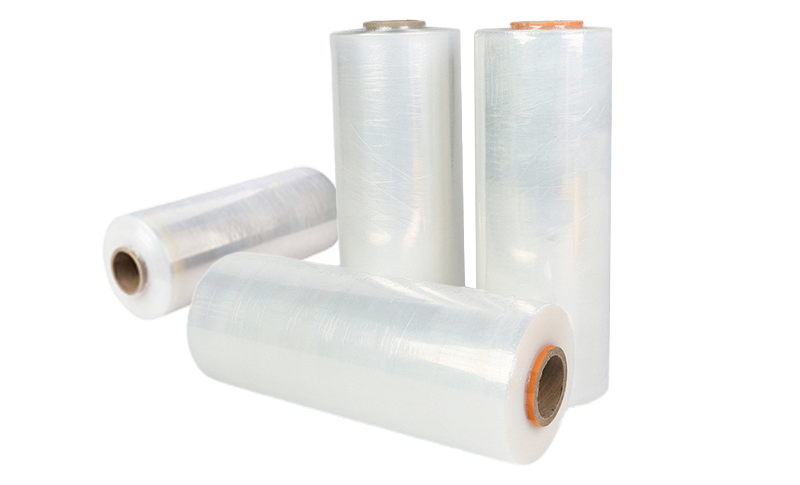
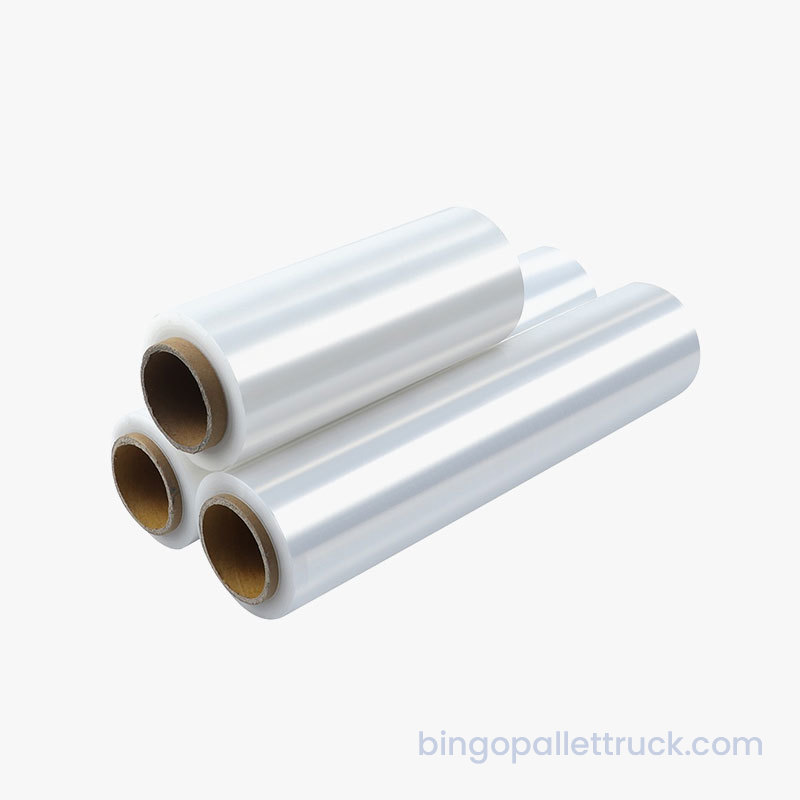 Clear LLDPE Stretch Wrap for Pallet PackagingHigh-transparency LLDPE stretch wrap with strong stretch, self-adhesion, and puncture resistance for securing palletized loads. It closes the packaging discussion as the containment force keeping loads square from bench to trailer.View Product →
Packaging closes the loop. Stretch wrap supplies the containment force that keeps a load square from pack bench to trailer, with hand wrap suiting low volumes and machine wrap paying back quickly above roughly 20 pallets per hour. Strapping completes the kit: PET for heavy palletized bundles, polyester fiber for irregular cargo, and PP for carton closing. A well-wrapped, dimensionally consistent pallet also stacks safely in racking and rarely needs rework at the outbound dock, which is where these small supply items quietly earn their budget.
A Practical Purchasing Sequence for New Equipment
The sequence below reflects the order that avoids the costly rework described at the start of this article. Working with a supplier that manufactures across all four groups, as Bingo does with handling equipment, containers, packaging, and racking, also keeps dimensions and load ratings aligned from the first drawing onward.
- Map your daily volumes: pallets in, pallets out, cases picked, and peak-to-average ratios by zone.
- Fix the racking layout first, because it fixes aisle widths, travel distances, and how many pallets the building holds.
- Size the handling fleet to your peak shift, not the average day, and confirm charging space for electric units.
- Standardize containers across inbound, storage, and outbound so one tote works at every step.
- Trial machines and containers on your floor for a full shift before committing to fleet quantities.
Distribution center equipment rewards patience at the planning stage and punishes improvisation at installation. Sequence the decisions, size the fleet to real peak volumes, and trial before you commit, and the equipment will quietly pay for itself shift after shift.

Copyright @ Yancheng Bingo Machinery Equipment Co., Ltd. All rights reserved Warehouse Logistics Equipment Manufacturer Pallet Truck Supplier
