 en
 Español

Ergonomic Material Handling Equipment: How to Choose the Right Warehouse Tools
Content
- 1 What Actually Determines Strain in a Handling Task
- 2 Start With the Unit Load, Not the Machine
- 3 Pallet Trucks and Stackers: Where Most Strain Happens
- 4 Containers and Picking Height
- 5 Reduce Vertical Lifts Before Buying Anything Else
- 6 Floor, Wheels and Traffic: The Details Buyers Miss
- 7 A Procurement Checklist for the Next Site Visit
- 8 Where the Payoff Shows Up by Industry
A warehouse picker lifts a 14 kg tote off the floor 180 times in a single shift. The tote is not the problem. The problem is the 40 cm of vertical travel, the 55 cm horizontal reach, and a smooth plastic edge with nothing to grip. Change those three numbers and the same job stops being a strain claim waiting to happen.
That is the whole logic behind ergonomic material handling equipment. Ergonomics in a warehouse is not a cushion or a mat. It is decided by four measurable things: how heavy the load is, how far it travels vertically, how far the operator has to reach horizontally, and how much force is needed to start and steer it. Equipment only earns the label when it changes one of those numbers. Everything else is marketing.
What Actually Determines Strain in a Handling Task
Musculoskeletal injuries in logistics rarely come from one heavy lift. They come from thousands of small ones performed in an awkward zone, usually below the knees or above the shoulders, often with the load held away from the body. Risk builds up in the same way a joint wears out, quietly and cumulatively.
Five variables do most of the damage. Load weight matters, but so does the coupling, which is simply how good the grip is. Vertical travel matters, because lifting from floor level to waist height is far more expensive for the body than moving the same load between waist and chest. Horizontal reach matters, because a load held at arm's length multiplies the spinal load. Push and pull force matters, especially during the breakaway moment when a pallet truck first starts to move. Finally, repetition and duration decide whether a borderline task becomes a real problem.
| Task | Main strain source | Practical target | Equipment that helps |
|---|---|---|---|
| Lifting cartons from floor level | Deep trunk bending, repeated floor starts | Keep work between knuckle and shoulder height | Lift tables, self-lifting stackers |
| Moving a loaded pallet 30 m | High breakaway force, poor wheel roll | Lowest achievable start and steer force on the actual floor | Pallet trucks with correct wheel material |
| Placing loads at 2500 mm racking level | Overhead reach, load above shoulder | Use powered lift once the target level passes head height | Electric stackers, stand-on reach stackers |
| Picking small parts from bulk bins | Extended reach, no grip point, search time | Present parts in compartments at waist height | Dividable totes, carton flow racking |
| Repetitive tote handling | Cumulative grip load, twisting | Two-handed grip on moulded handles, load kept close | Plastic totes and crates with handles |
The table is deliberately about the task rather than the product. A buyer who starts from the task usually ends up with fewer, better chosen items than one who starts from a catalogue page.
Start With the Unit Load, Not the Machine
The pallet is where ergonomics begins, because everything downstream has to handle it. If the pallet footprint does not match the truck, the racking beam and the conveyor, operators spend the day compensating with their shoulders and wrists.
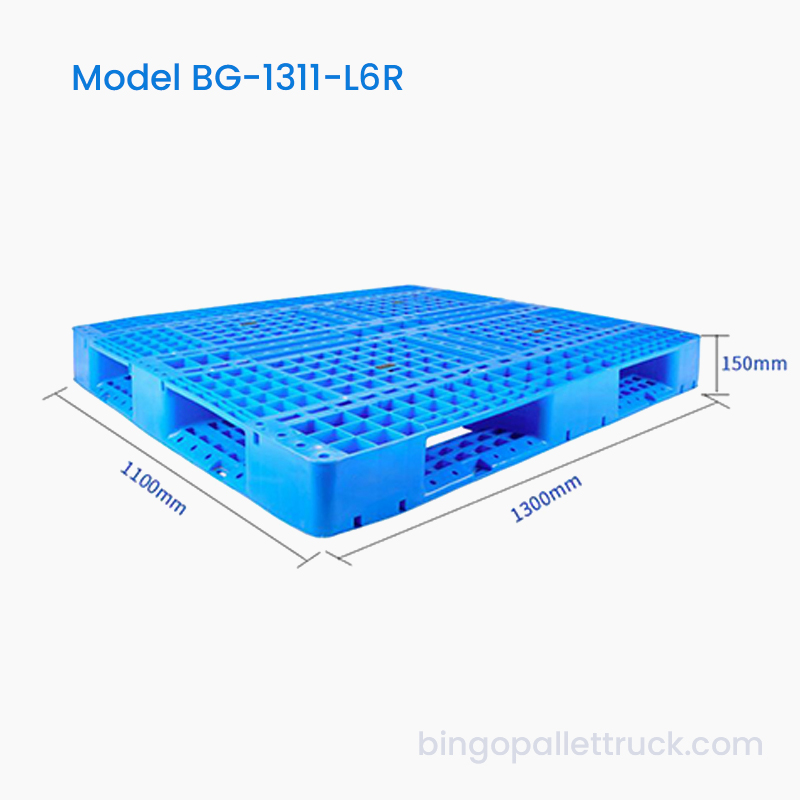
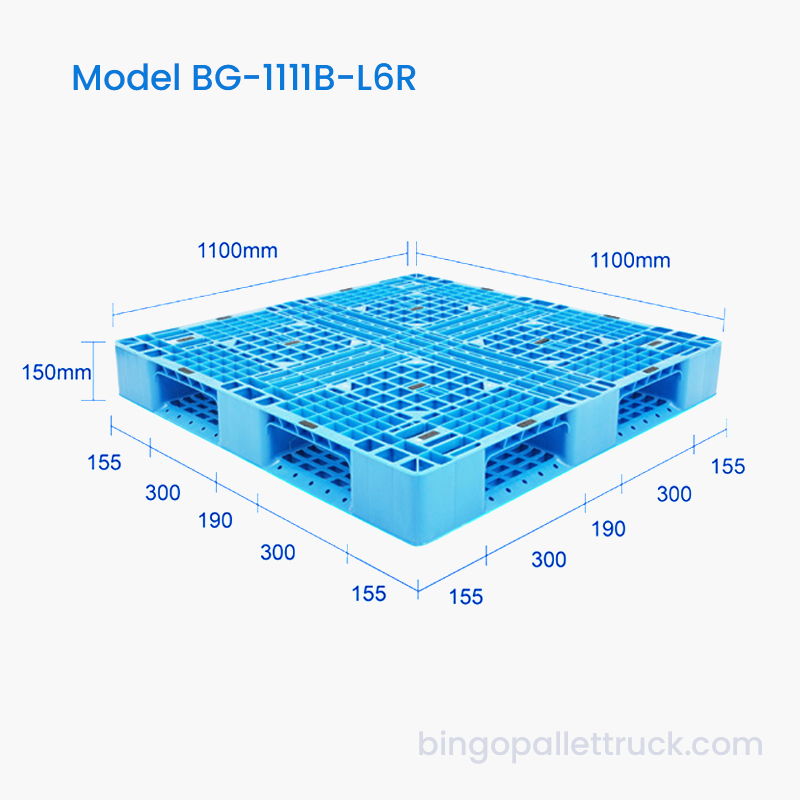
Footprints differ by region, and mixing them creates friction. Common standards include 1200 by 1000 mm for general global use, 1200 by 800 mm for European logistics, 1100 by 1100 mm for Japan and Korea, 1165 by 1165 mm for Australia and New Zealand, and 1219 by 1016 mm for the North American grocery standard. Within each size, deck type, base structure and entry direction all affect how easily the load moves.
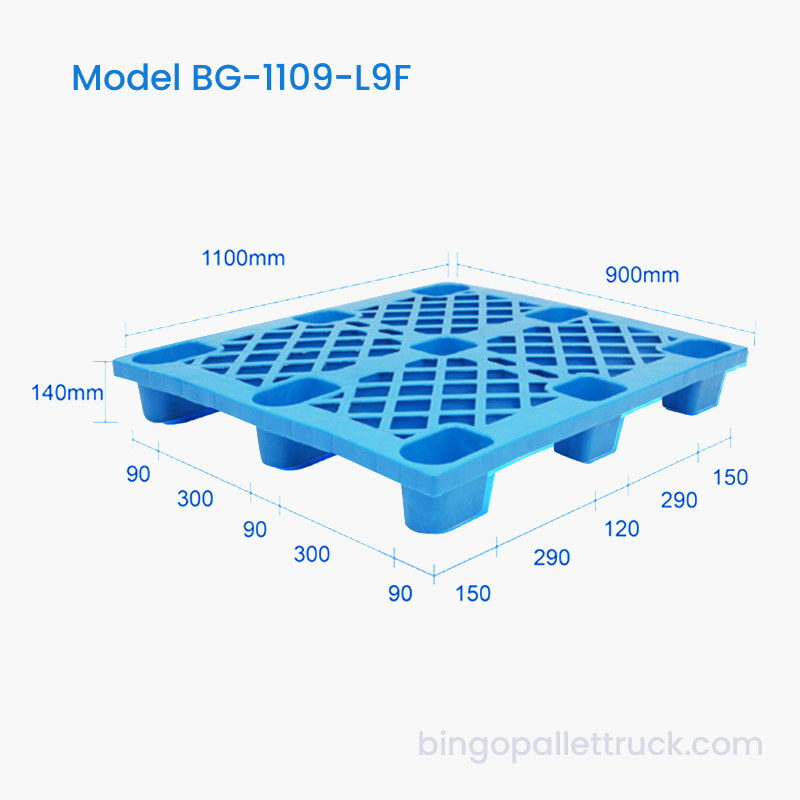
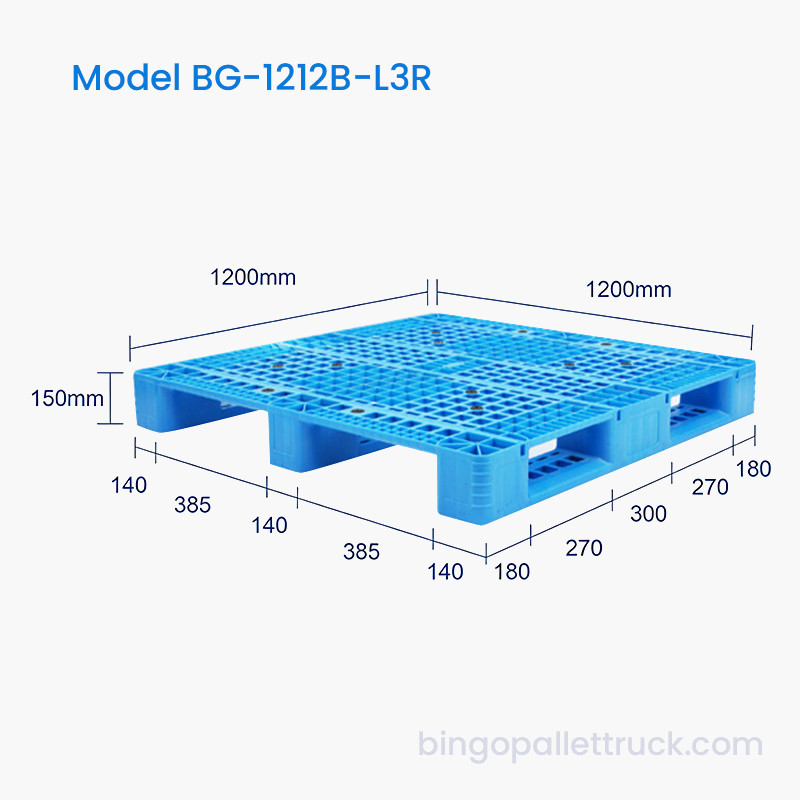
Material choice matters more than buyers expect. A well made HDPE plastic pallet has no splinters, no protruding nails and no loose deck boards, so operators grip and push with confidence instead of hesitation. Plastic pallets also hold a stable weight, which keeps the effort needed to start a load predictable shift after shift. Nestable versions collapse into a fraction of their working height when empty, which reduces the distance operators walk to fetch one.
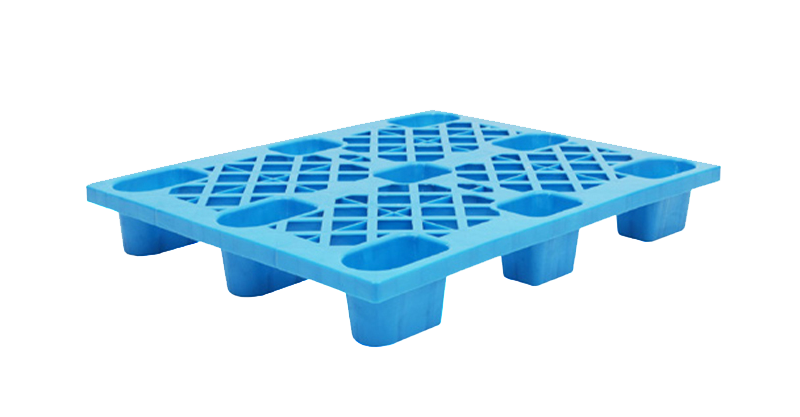
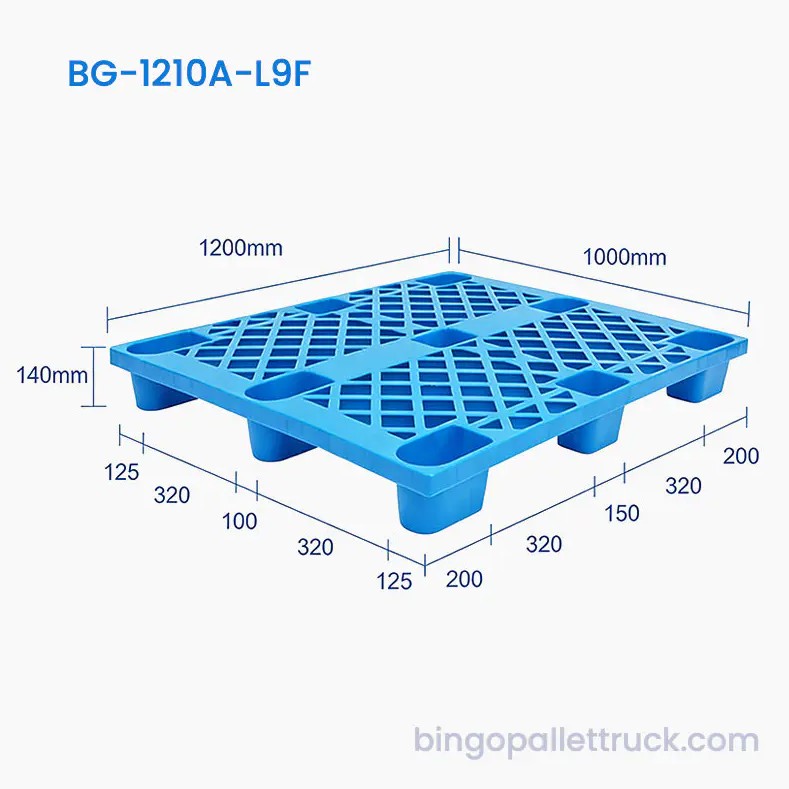
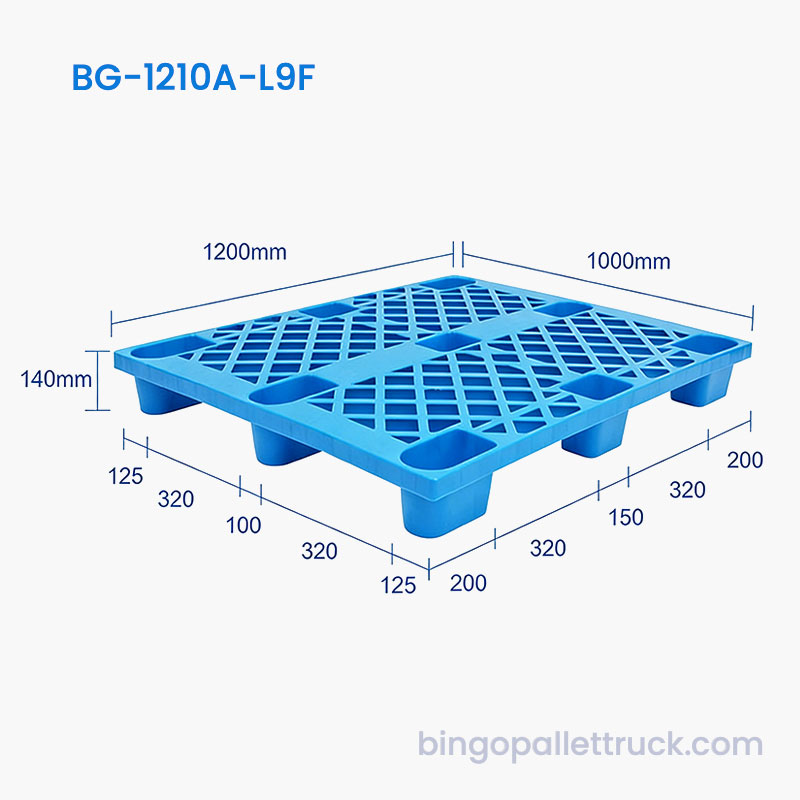 BG-1210A-L9F Lightweight HDPE Plastic Pallet 1200×1000mmLightweight HDPE pallet with 1200×1000mm footprint and nine-foot support; worth checking for warehouse handling where material and dimensional tolerance matter.View Product →
One rule is worth repeating during specification: check the tolerance. A nominal 1200 by 1000 mm pallet that runs slightly oversize can jam a racking bay or a conveyor transfer, and the operator pays for that mismatch with a harder push every single cycle.
Pallet Trucks and Stackers: Where Most Strain Happens
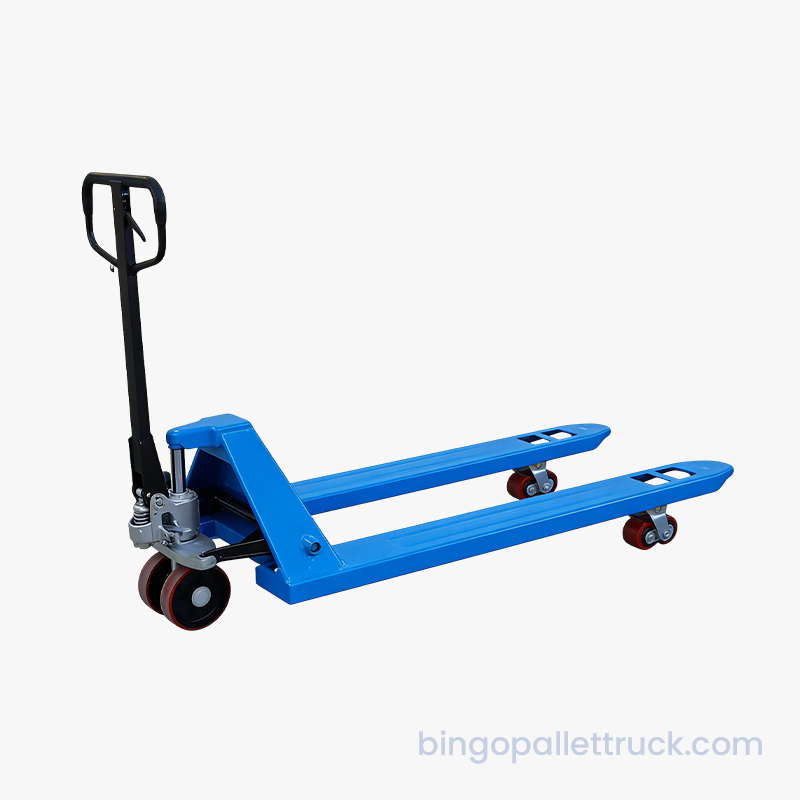
Horizontal movement is the most underestimated part of handling. A manual pallet truck rated at 2000 kg or 2500 kg is perfectly capable of moving that load on flat concrete, but the effort is concentrated in two moments: the initial pull to break the load free, and continuous steering over distance or across joints.
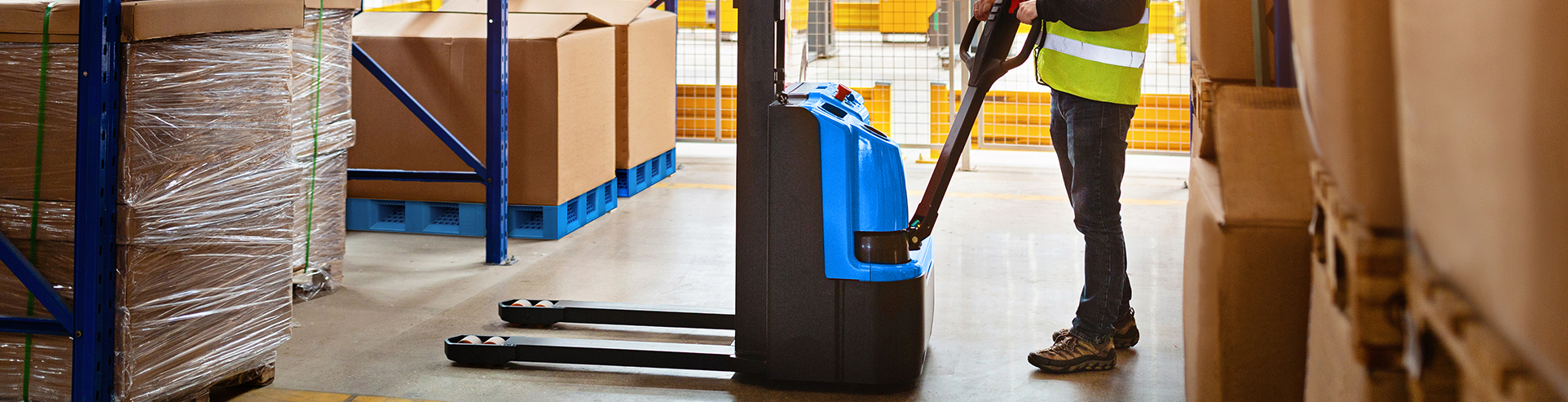
Three details decide how that feels. The tiller handle should match the operator's natural grip height and allow a straight wrist. The wheels should suit the floor, with polyurethane generally rolling smoothly on sealed concrete and nylon offering higher load capacity where surfaces are rougher. The load itself should sit squarely on the forks, because an off centre pallet turns every metre into a steering correction. For anyone new to the category, a short primer on electric pallet truck basics explains when powered travel becomes cheaper than manual effort.
- Travel distance under 10 m with light loads: a manual truck is usually sufficient.
- Travel over 20 m, ramps, or repeated trips per hour: powered travel removes the fatigue.
- Lifting above 1500 mm: choose a stacker rather than a pallet truck.
- Uneven floors and dock plates: check wheel type and chassis clearance before ordering.
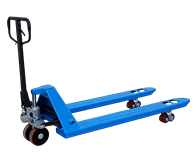
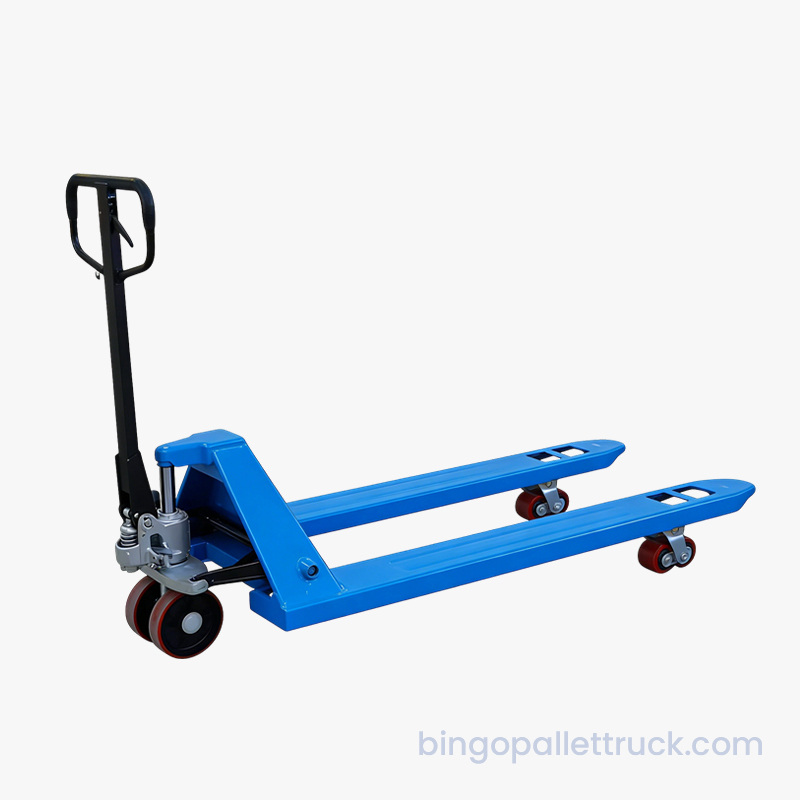 2000kg Hand Pallet Truck CBY20S/CBY20L Manual Pallet JackManual pallet jack with 2000kg capacity, 1220mm forks, and CBY20S/CBY20L width options; relevant where daily pallet movement precedes powered lifting choices.View Product →
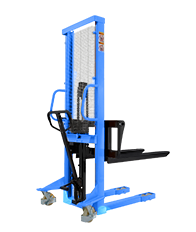
Where loads are lifted repeatedly rather than just moved, the strain shifts upward. A stacker removes the vertical lift entirely, which is the single largest reduction available in most warehouses.
Containers and Picking Height
Once pallets are settled, the next gain comes from how goods are presented to people. Container choice controls the weight of each manual pickup and the height at which hands meet the load.
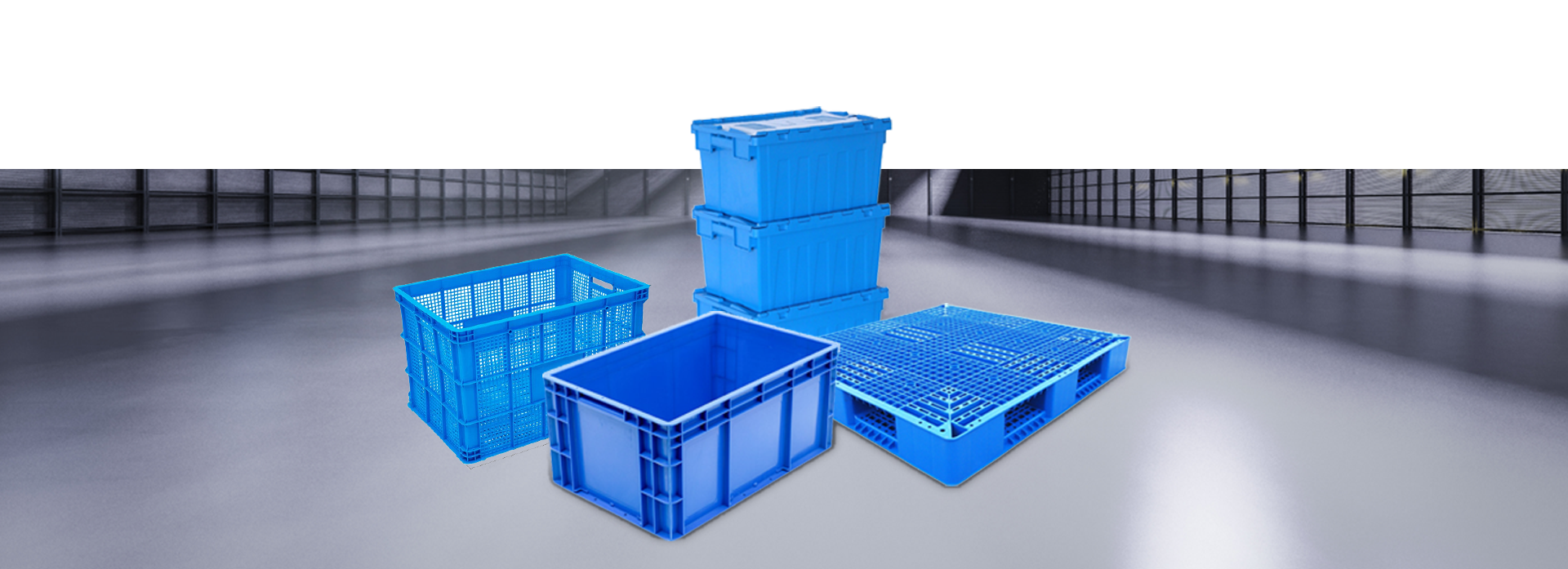
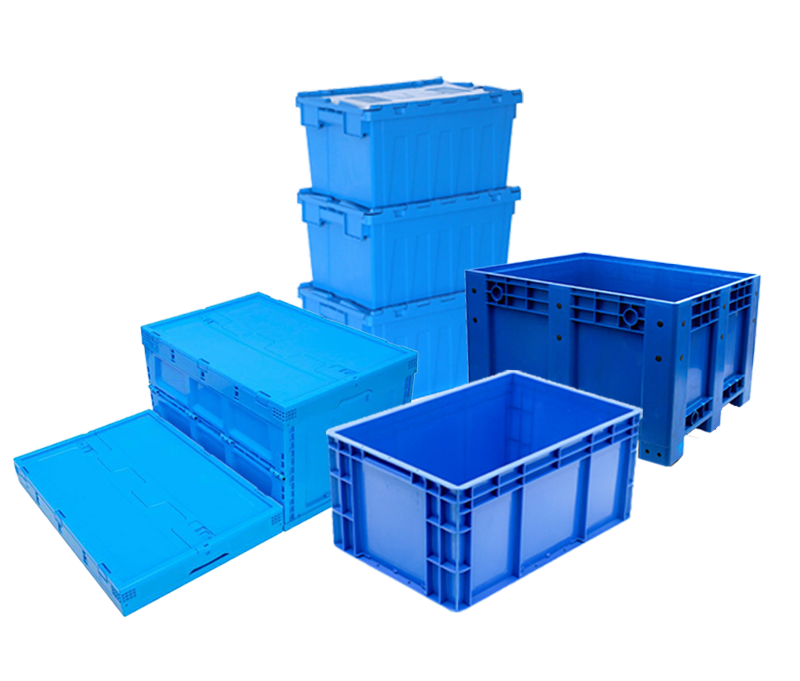
Plastic totes and crates are available from around 1 litre for small components up to several hundred litres for bulk handling, and the useful ones share three traits: a moulded two handed grip, a stack height that keeps the top layer within comfortable reach, and a footprint that fits standard shelving and flow lanes. Dividable totes with 2 to 30 compartments replace loose bin picking with a single controlled movement, which cuts both reach and search time. Collapsible crates fold for return transport, so the empty trip costs less space and less handling. Stack and nest designs let full containers stack securely and empty ones nest into a compact block.
For supermarket and retail distribution, ventilated or open crates such as 22 litre to 67 litre foldable fruit and vegetable crates allow quick inspection without unloading, which reduces the number of times a product is touched before it reaches the shelf. Each eliminated touch is a small ergonomic saving that multiplies across a network.
Reduce Vertical Lifts Before Buying Anything Else
If a site can only fix one thing, it should be the height at which loads are picked up and put down. Floor level starts and above shoulder placements are the most expensive positions for the human body, and they are also the easiest to engineer away.
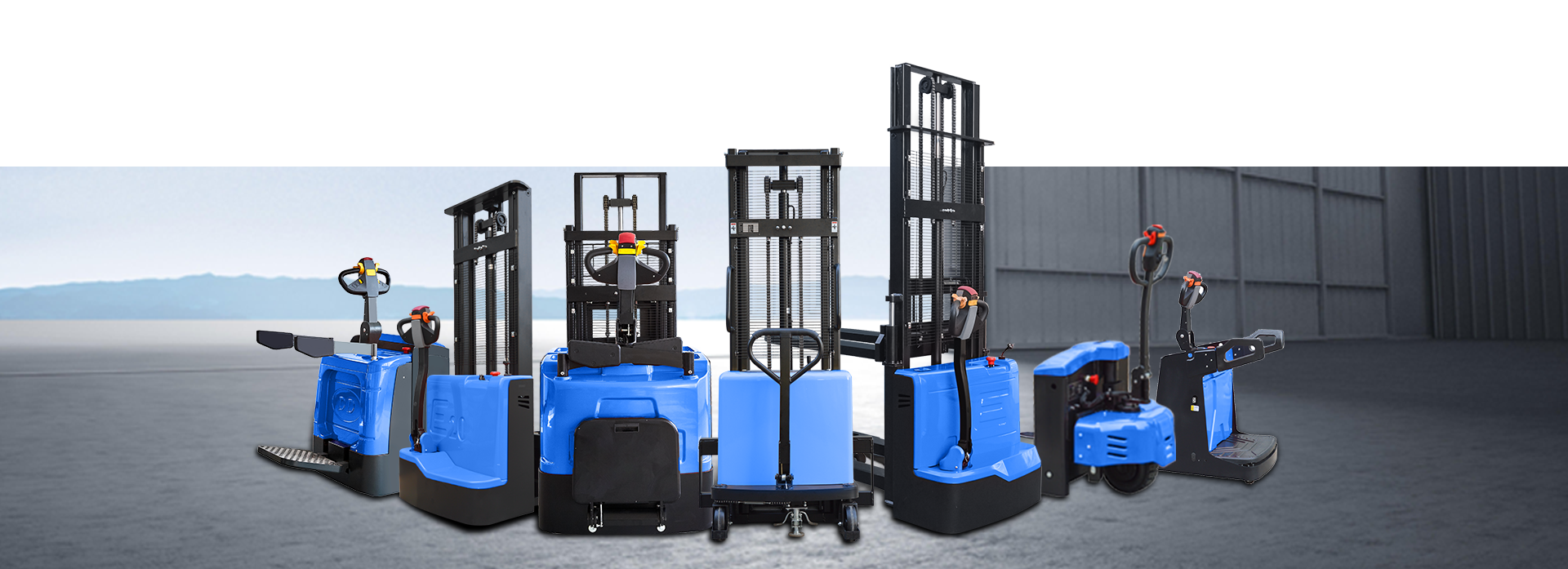
Mechanical assistance is available across a wide range. Semi electric stackers with 1500 kg or 2000 kg capacity handle routine pallet lifting without a full battery fleet. Self-lifting stackers around 1000 kg move and raise goods with a single powered action. Stand-on reach stackers at 1500 kg and 2000 kg suit higher racking where the operator needs to travel and place loads precisely, and counterbalanced and reach models cover lighter duties from 500 kg upward.
 CDD20E 2000kg Electric Stand-On Stacker2000kg stand-on electric stacker with EPS and multiple lift heights; relevant for heavy high-reach racking where mechanical assistance and layout planning matter.View Product →
Layout decisions do the rest. Reserve the waist to chest band of every racking bay for the heaviest and fastest moving items, and place light slow movers above shoulder or below knee level. Adjustable beams make this practical, and high density systems such as shuttle, drive-in and automated storage reduce the walking and turning that quietly accumulates across a shift.
Floor, Wheels and Traffic: The Details Buyers Miss
Two warehouses can run identical equipment and get completely different ergonomic results, because the floor decides how much force a load needs to move. Expansion joints, drainage slopes, worn concrete and dock plates all raise rolling resistance, and the operator absorbs that difference directly.
Before ordering anything, walk the actual route. Measure the narrowest aisle, the steepest slope, the tightest turn and the height of the charger location. Check that fork length matches pallet depth, since undersized forks make loads unstable and oversized forks damage goods. Confirm that a loaded pallet can pass a doorway or lift entrance without repositioning. These checks cost an hour and prevent the most common complaint after delivery, which is that the equipment works but the route does not.
A Procurement Checklist for the Next Site Visit
- Weigh the ten heaviest items handled manually and note how often each is lifted.
- Record the pickup height and the placement height for every repetitive task.
- Measure the full travel route, including ramps, joints, doors and turns.
- Confirm the pallet footprint and tolerance against truck, racking and conveyor dimensions.
- Decide the threshold for powered lifting, and apply it consistently across shifts.
- Check consumables and spares, including wheels, load wheels and batteries, so equipment stays within specification over its working life.
- Include operator training in the project, because correct use of a handle or a brake is part of the ergonomic result.
Where the Payoff Shows Up by Industry
The same principles apply across sectors, but the priorities differ. On a manufacturing supply chain site, line side presentation and short travel distances dominate, so compartment totes and light stackers do most of the work. In ecommerce and retail distribution, pick rate and travel distance matter more, which pushes the balance toward flow racking, powered pallet trucks and consistent container sizes. Cold chain operations add a further constraint, since HDPE containers and pallets need to stay tough at low temperature rather than becoming brittle. Pharmaceutical and biomedical storage adds cleanliness and traceability to the list, along with stable, splinter free surfaces.
None of these sectors need a different definition of ergonomics. They need the same four numbers measured properly: weight, vertical travel, horizontal reach and required force.
Ergonomic material handling equipment is not a premium category, and it is not a single purchase. It is a sequence of decisions that starts with the unit load, moves through how the load is moved and lifted, and ends with how the floor and the layout support it. Get the load footprint right, remove the vertical lift wherever the load is heavy, keep manual movement short and low friction, and present goods at a height people can work at without bending or reaching. Those choices are measurable, testable and repeatable, which is exactly why they hold up better than any claim printed on a brochure.

Copyright @ Yancheng Bingo Machinery Equipment Co., Ltd. All rights reserved Warehouse Logistics Equipment Manufacturer Pallet Truck Supplier
