 en
 Español

Forklifts and Pallet Jacks: How to Choose the Right Warehouse Equipment
Content
- 1 The Short Answer: Choose by Lift Height and Distance
- 2 Forklifts and Pallet Jacks Compared Side by Side
- 3 Load, Height and Aisle: The Three Numbers That Decide
- 4 Matching a Jack to the Flow Inside the Building
- 5 Where Electric Pallet Trucks and Stackers Take Over
- 6 Cost, Maintenance and Training
- 7 The Equipment Around the Truck
- 8 Daily Checks and Safety Points
A 2,500 kg pallet of bottled water and a 300 kg cage of machine parts can leave the same loading dock, but they rarely leave on the same machine. That detail sits at the centre of the forklifts and pallet jacks question. Both machines move palletized loads, yet one lifts a load a few centimetres off the floor and travels, while the other raises it to a rack beam three metres up and holds it there while an operator works at height.
Getting that split right keeps a fleet lean. A hand pallet truck can run receiving and order picking all day at a fraction of the cost per pallet moved, while a counterbalance forklift assigned to the same job burns fuel, aisle space and tyre life. The opposite mistake is worse: a jack pushed past its rating, or a pallet that will not accept the forks, turns a routine task into a damaged load and a lost hour.
The Short Answer: Choose by Lift Height and Distance
Use a pallet jack when the load stays at floor level, travels short or medium distances on smooth concrete, and sits within the jack's rated capacity. Use a forklift, reach truck or stacker when the load has to go onto racking, be stacked above floor level, be handled on rough or outdoor ground, or move in a flow where travel speed decides throughput.
Most warehouses above a few hundred square metres need both. The workable rule is to reserve the lifting machine for height, weight and terrain, and to keep horizontal, floor level movement on jacks where the cost per pallet moved is lowest.
Forklifts and Pallet Jacks Compared Side by Side
| Factor | Manual pallet jack | Electric pallet truck | Counterbalance forklift |
|---|---|---|---|
| Typical load rating | 2,000 to 2,500 kg | 1,500 to 3,000 kg | 1,500 to 3,500 kg and above |
| Lift height | About 80 to 200 mm, floor level only | About 80 to 200 mm, floor level only | 3,000 to 6,000 mm with a standard mast |
| Clear aisle needed | About 1.8 to 2.3 m | About 1.9 to 2.4 m | About 3.5 to 4.2 m with a 1.2 m load |
| Best surface | Smooth, level concrete | Smooth to slightly uneven concrete | Concrete, asphalt and outdoor yards |
| Power source | Manual hydraulic pump | Battery and charger | Diesel, LPG or battery |
| Operator requirement | Task level instruction | Task level instruction plus battery handling | Formal certification and refresher training |
| Typical job | Receiving, trailer unloading, line feeding | Dock to dock transfer, long horizontal runs | Put away at height, yard work, heavy loads |
Load, Height and Aisle: The Three Numbers That Decide
Lift height is the cleanest dividing line. A pallet jack raises its forks roughly 80 to 200 mm, just enough to clear the floor and roll. If every destination in your building is the floor, a jack is almost always the cheaper answer. If any load has to reach a second or third beam level, you need a machine with a mast.
Capacity is the second filter, and it is where buyers get caught. A hand pallet truck labelled 2,500 kg is rated at a specific load centre, often 600 mm. A load sitting further forward, or carried on one fork, reduces that figure. Read the rating at the load centre you actually use, and allow a margin for uneven floors and worn wheels.
Aisle width is the third. A manual pallet jack turns inside roughly 1.8 to 2.3 m of clear aisle, while a counterbalance forklift carrying a 1,200 mm load needs closer to 3.5 to 4.2 m. In a fixed width building that difference can remove an entire rack bay, so the equipment decision often reshapes the layout rather than the other way around.
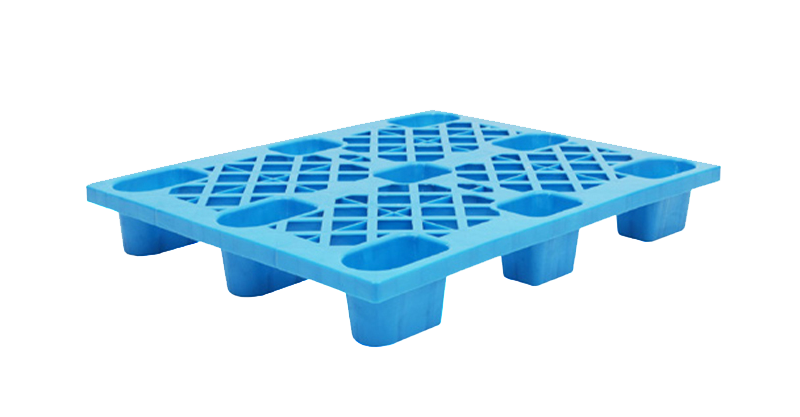
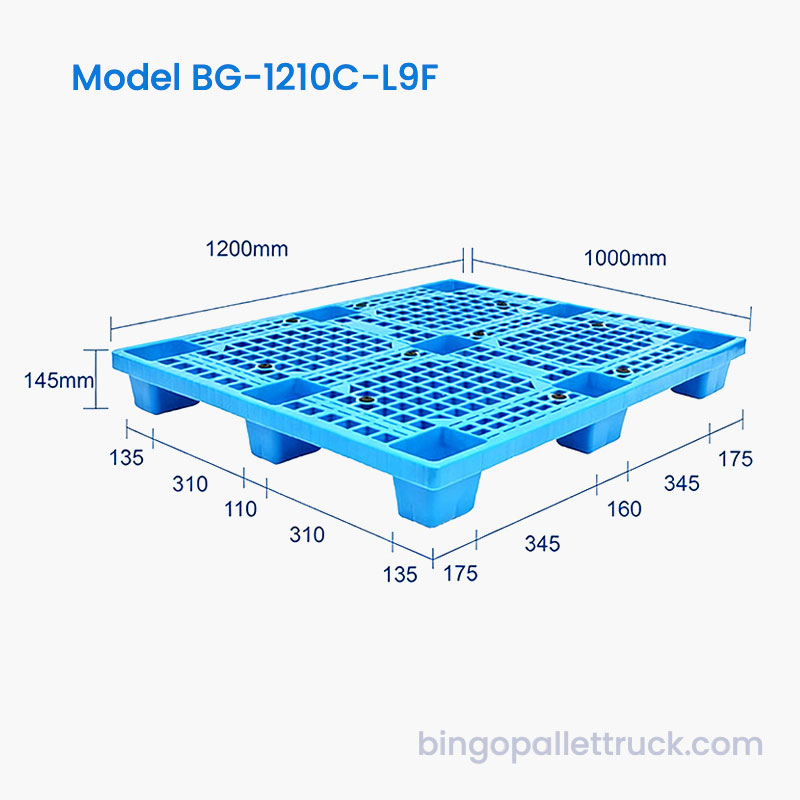
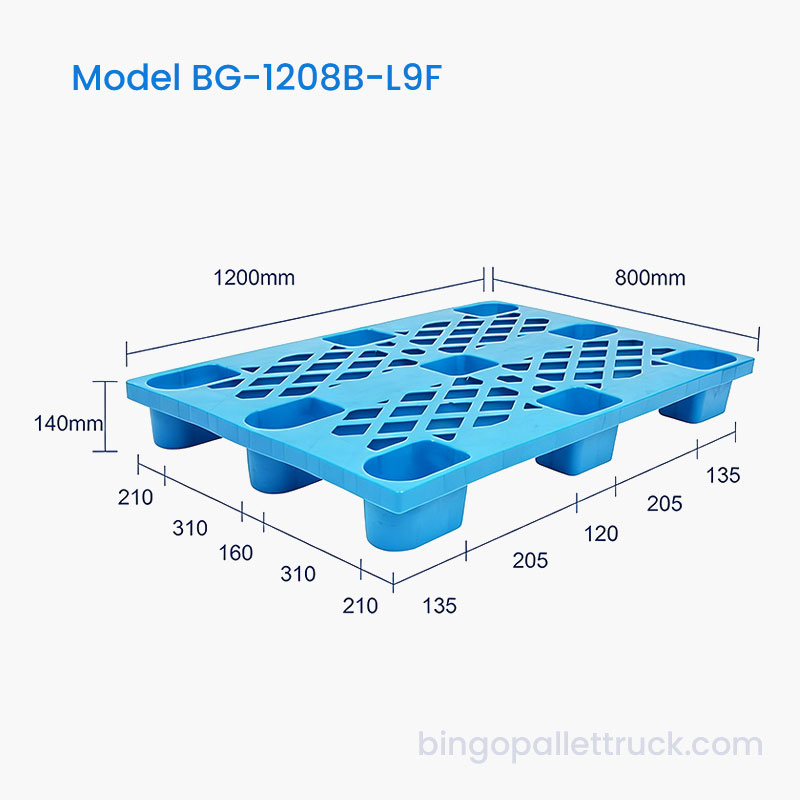
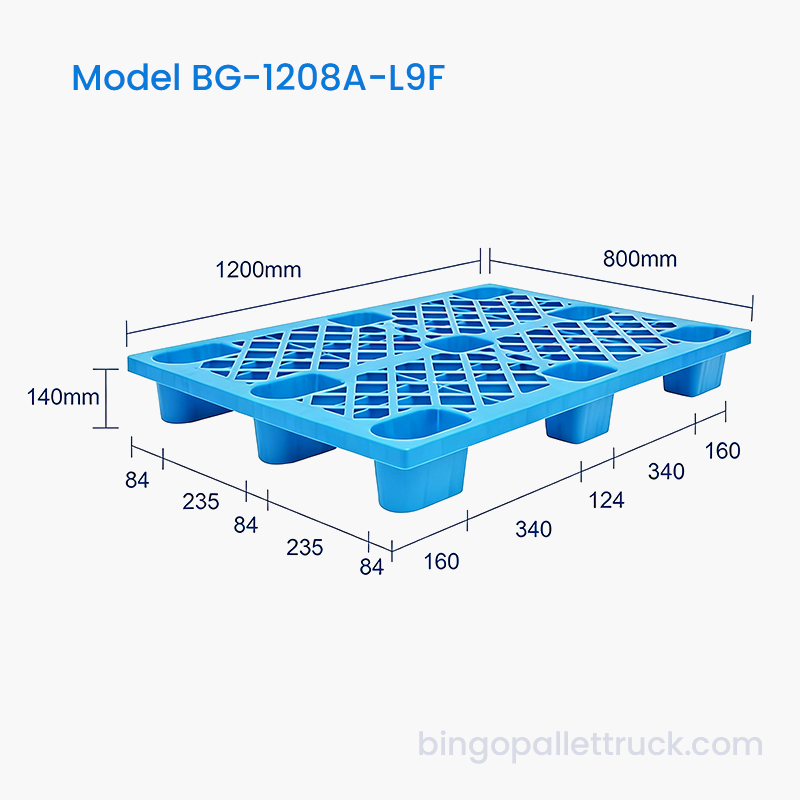
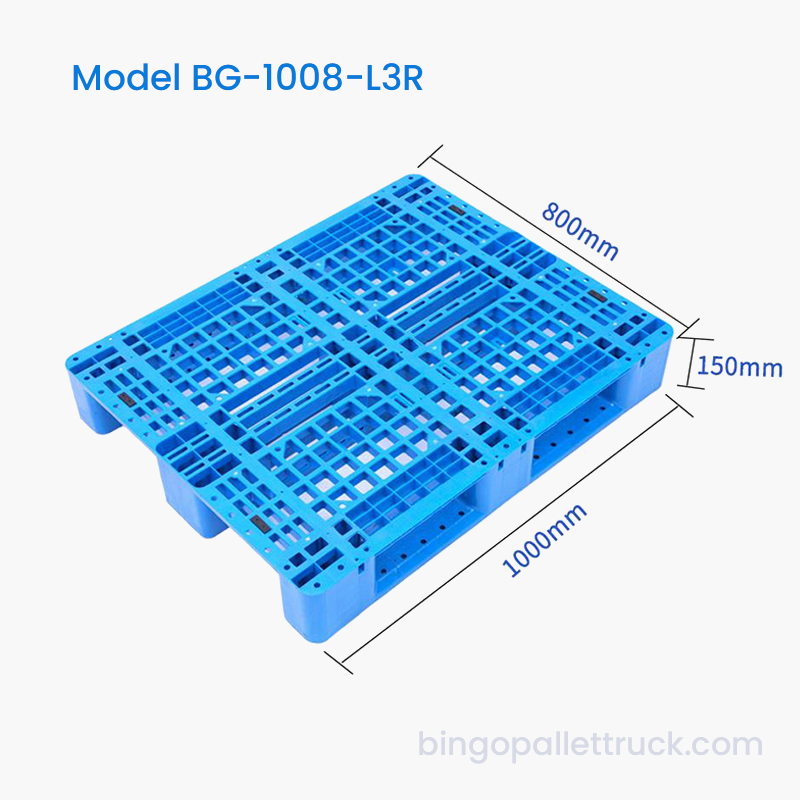
Pallet format decides whether the forks fit at all. Common footprints include 1,200 x 1,000 mm, 1,200 x 800 mm in European use, and 1,100 x 1,100 mm in parts of Asia. Entry pattern matters as much as size: nine leg and six runner bases usually accept forks from four sides, while some three runner bases allow only two way entry. Measure a loaded pallet before assuming a jack can pick it from the side you need.
Matching a Jack to the Flow Inside the Building
A receiving bay, a picking line and a staging area can look similar on a layout drawing, yet they place different demands on a jack. In receiving, the priority is a low profile that slides under a pallet on a trailer bed and a pump that lifts on the first stroke. In order picking, it is wheel material and steering effort across an eight hour shift. In staging, it is holding a load without the forks creeping down.
Assign work by distance and repetition:
- Under 20 m and fewer than 20 trips per shift: a manual pallet jack at 2,000 kg or 2,500 kg is usually enough.
- 20 to 50 m with light loads: a hand truck still works, but a powered unit starts to pay back.
- Repeated round trips of 30 m or more: move the job to a powered truck, because operator fatigue becomes the limit before the machine does.
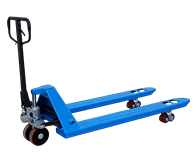
For standard receiving and line feeding, a 2,500 kg hand pallet truck covers most palletized goods, from beverage cases to bagged material, with no battery to manage and no charger to install.
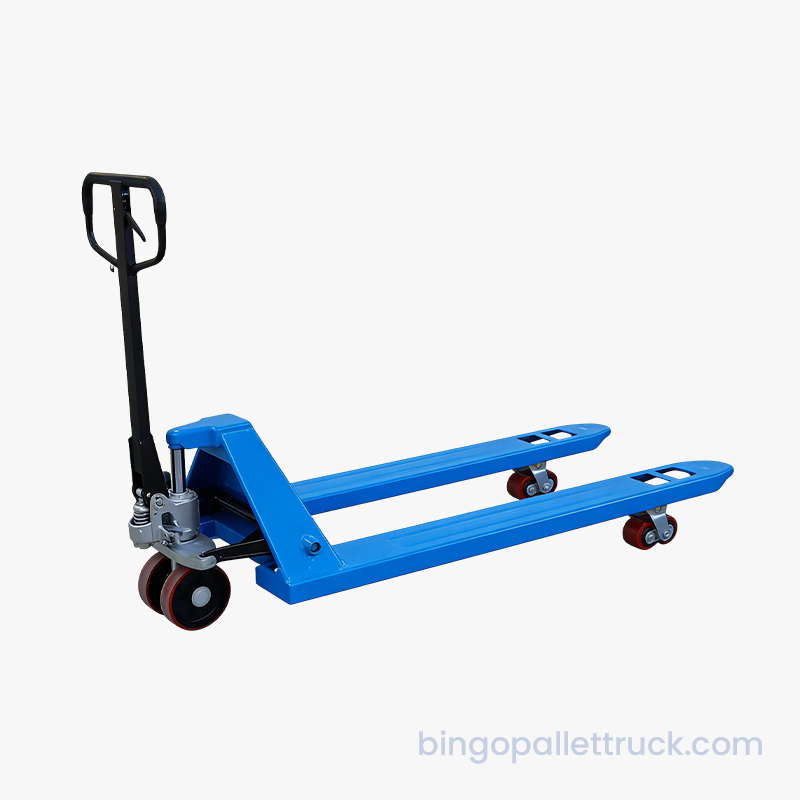
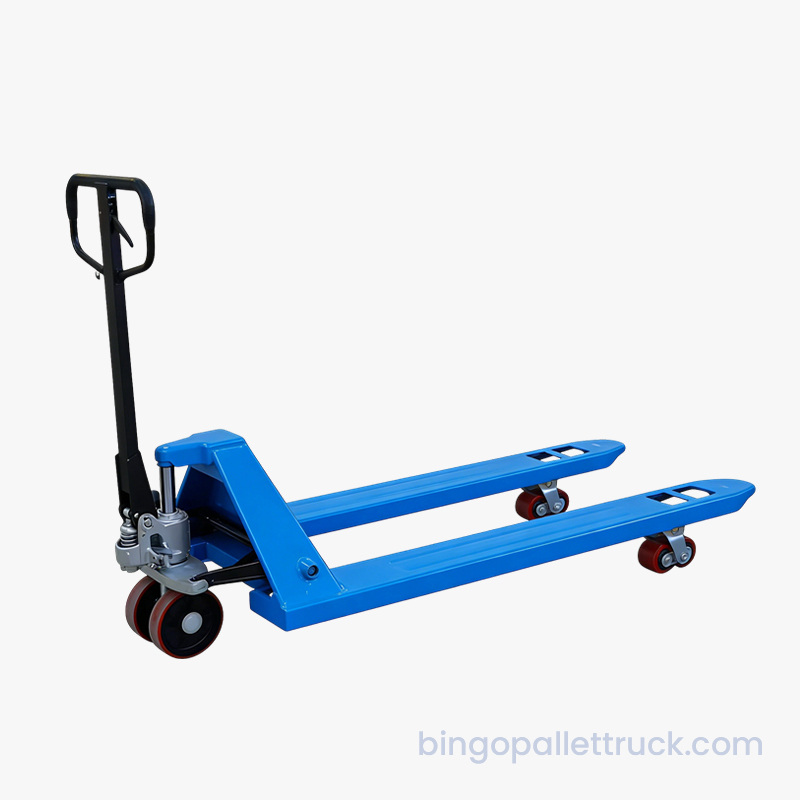 2500 kg Heavy-Duty Manual Pallet Truck CBY25S/CBY25LAvailable in CBY25S and CBY25L, this 2,500 kg hand pallet truck suits standard receiving and line feeding without battery management or charging.View Product →
Where Electric Pallet Trucks and Stackers Take Over
Once a horizontal trip passes about 30 to 40 m, or repeats dozens of times per shift, a manual pump becomes the bottleneck. A powered truck removes the pumping effort, holds a steadier travel speed and moves more pallets per operator hour with less physical strain.
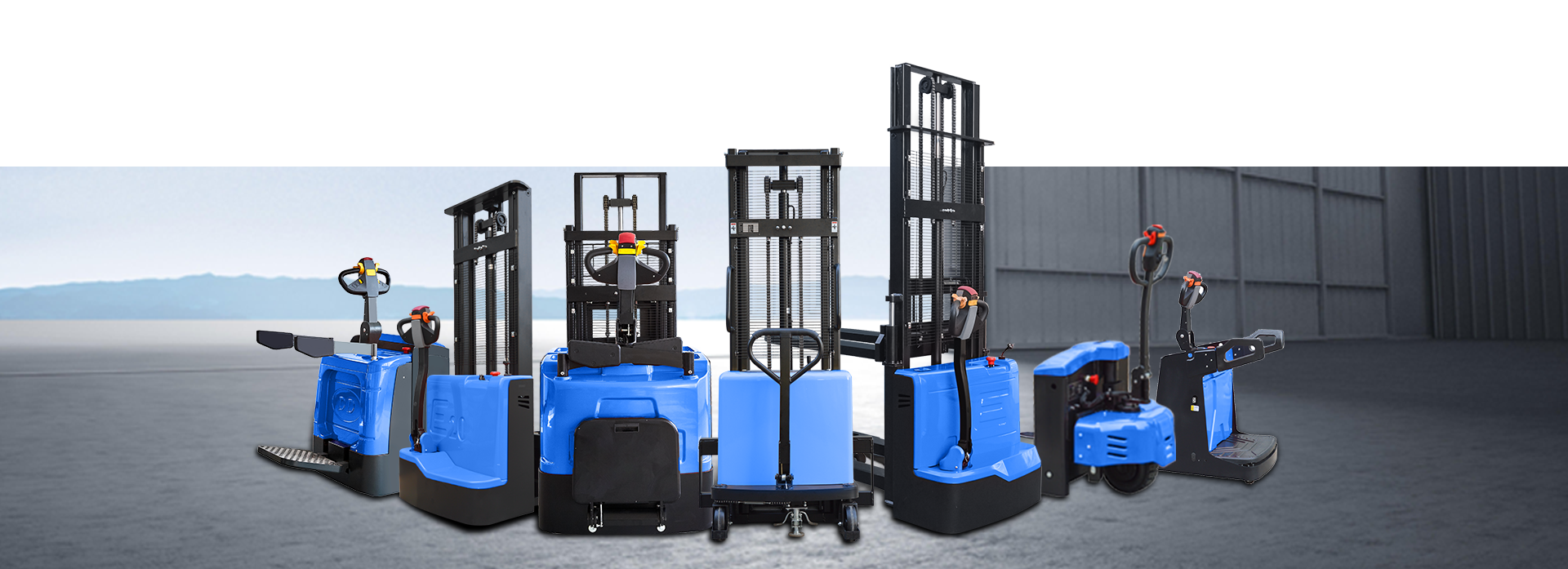
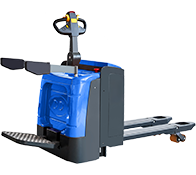
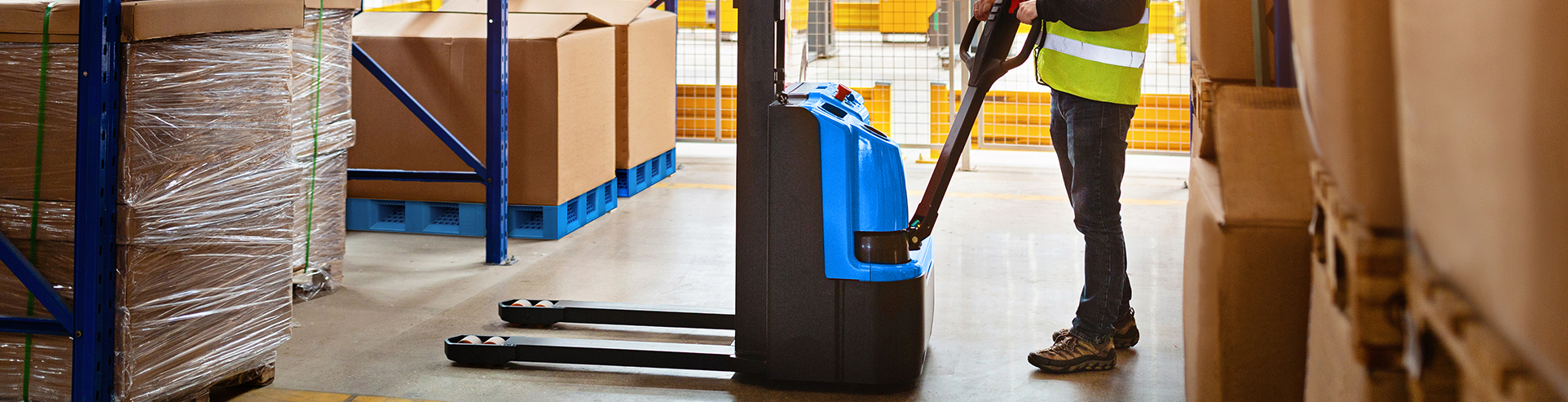
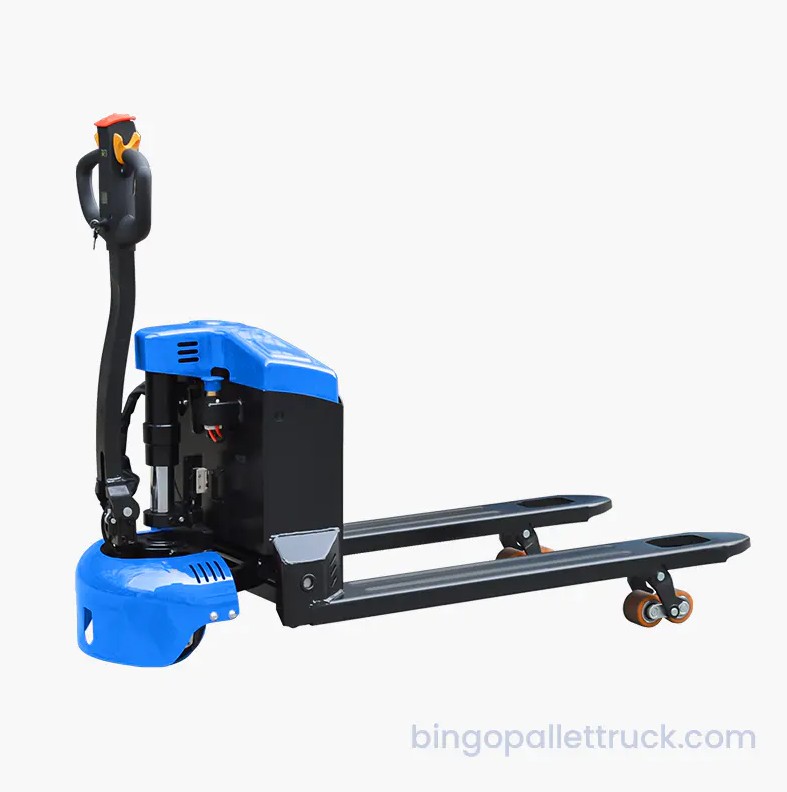
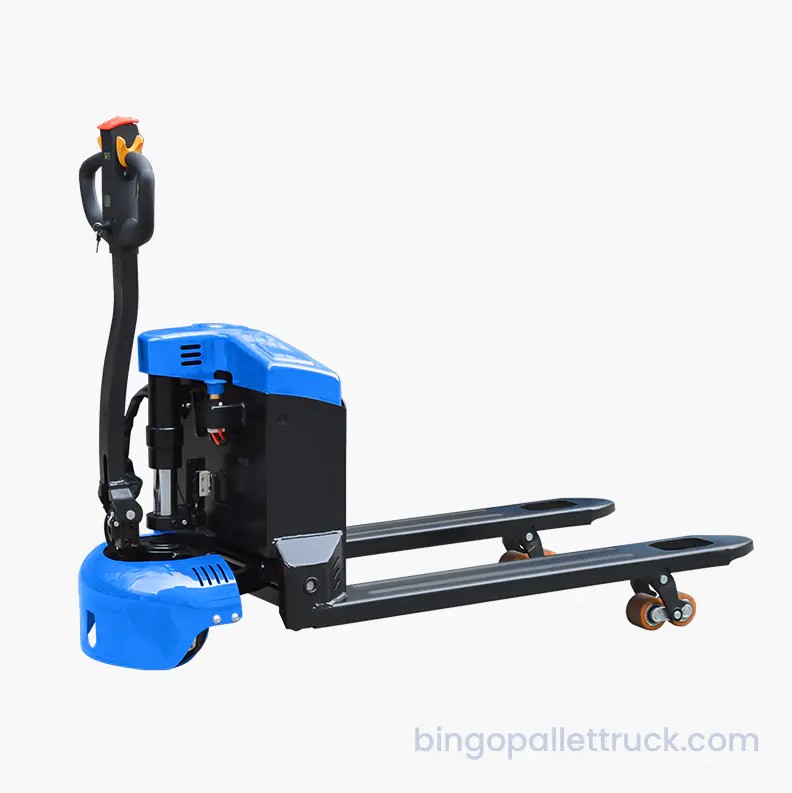
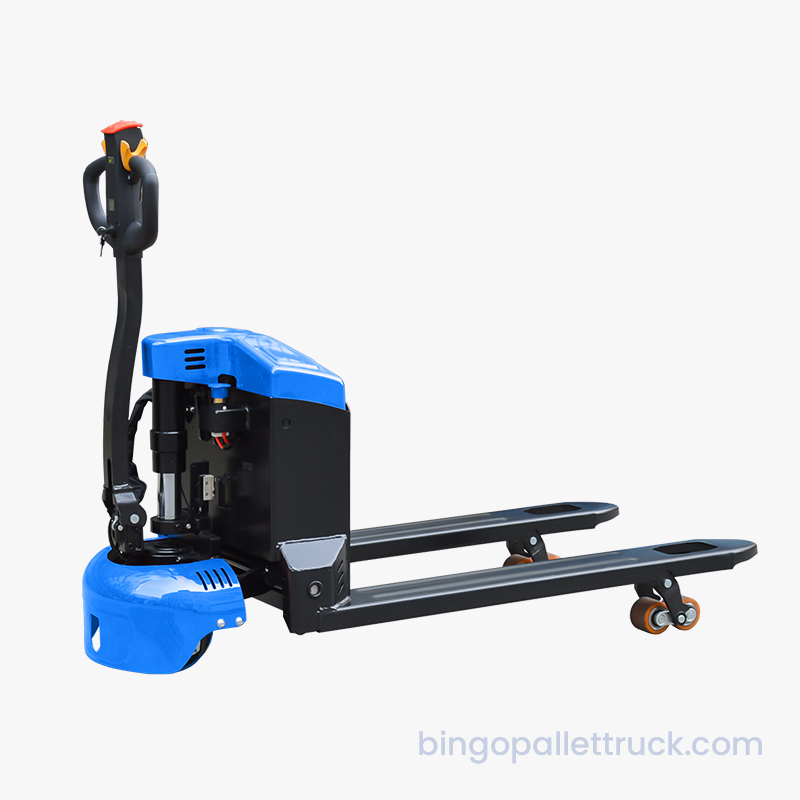
A walkie electric pallet truck suits dock to dock transfer, trailer loading and long picking runs, while a stand on model adds a platform for high traffic shifts. Ratings from 1,500 kg to 3,000 kg cover most palletized freight, and the battery becomes the main operating constraint, because charging windows and watering schedules shape how the fleet is rostered.
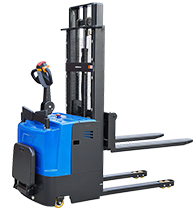
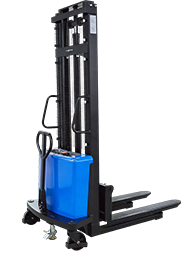
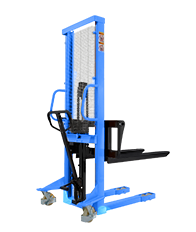
When the job needs height but not a full counterbalance truck, a stacker is the middle step. Electric stackers in the 500 kg to 3,000 kg range lift loads onto low racking, feed production lines and stack empty pallets, and semi electric units at 1,500 kg or 2,000 kg handle the same tasks with manual travel. They weigh and cost far less than a forklift, which matters in older buildings with lower floor loading allowances.
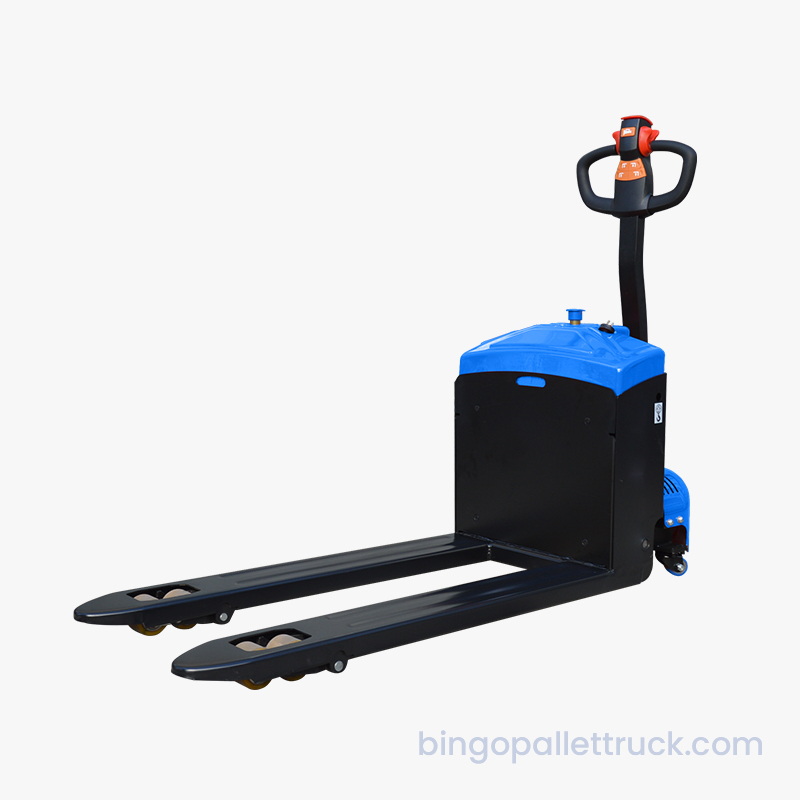 2000 kg Electric Walkie Pallet Truck CBD20JPedestrian-operated 2,000 kg pallet truck with integrated charger and removable battery plate, positioned above manual jacks for powered horizontal handling.View Product →
Cost, Maintenance and Training
Capital cost runs in a clear order. A manual pallet jack is the lowest, a powered pallet truck sits above it once battery and charger are included, and a counterbalance forklift carries the highest price along with fuel, tyres, mast service and operator certification. Total cost of ownership usually follows the same order, because a mast, a hydraulic system and a drive motor all need scheduled attention.
Maintenance falls into a few predictable items:
- Hydraulic seals and oil: a jack that creeps down under load is losing pressure, not capacity.
- Wheels and rollers: nylon rolls easily on smooth concrete, while polyurethane grips better on coated or slightly uneven floors.
- Battery care: charge cycles, water levels and terminal condition drive the life of a powered truck more than any other factor.
- Forks and frame: bent forks or a cracked weld are a replacement decision, not a repair one.
Training scales with risk. Manual jacks need task level instruction on load limits and safe travel. Powered industrial trucks, including powered pallet trucks and stackers, generally fall under workplace certification rules in most markets, which require training, evaluation and refresher cycles.
The Equipment Around the Truck
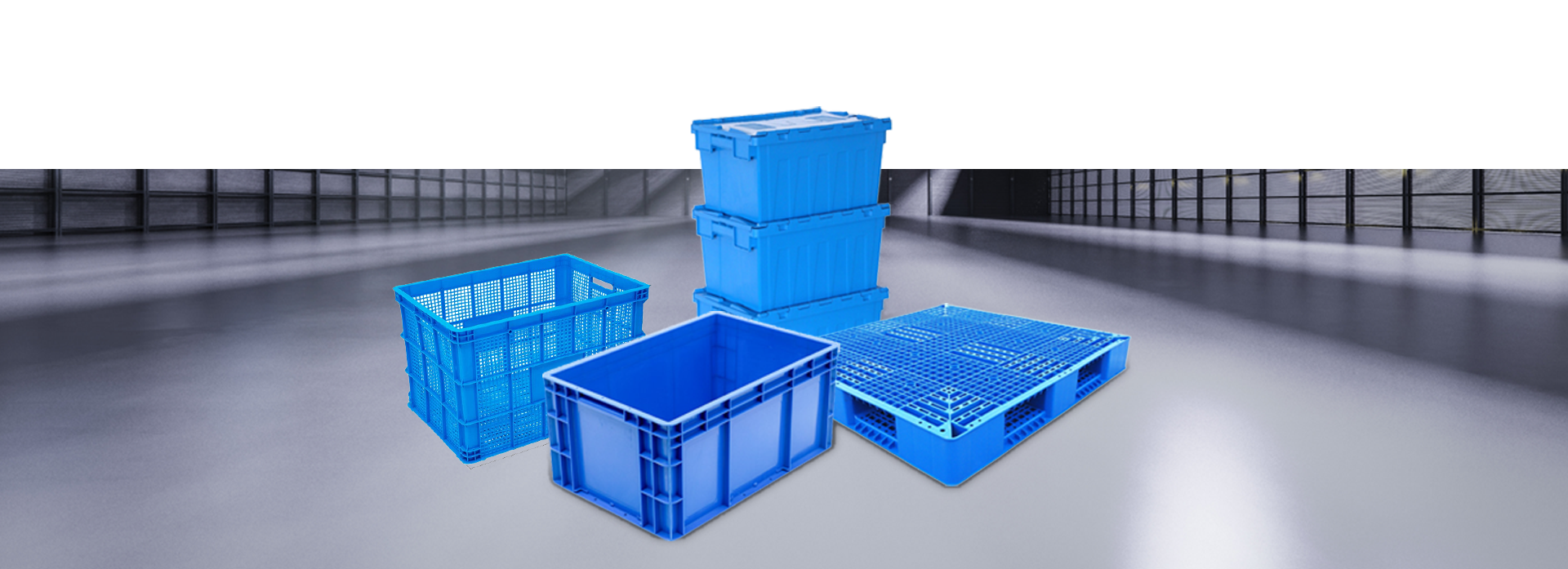
The truck is one link in a chain, and the chain sets the real cost. A jack rated at 2,500 kg is useless under a pallet with a damaged bottom deck, and a forklift is wasted if the racking behind it is not rated for the load on that beam level. Plastic pallets in HDPE, for instance, come in rackable and nestable versions, and the rackable type carries the load on its own structure while the nestable type exists to save space when empty.
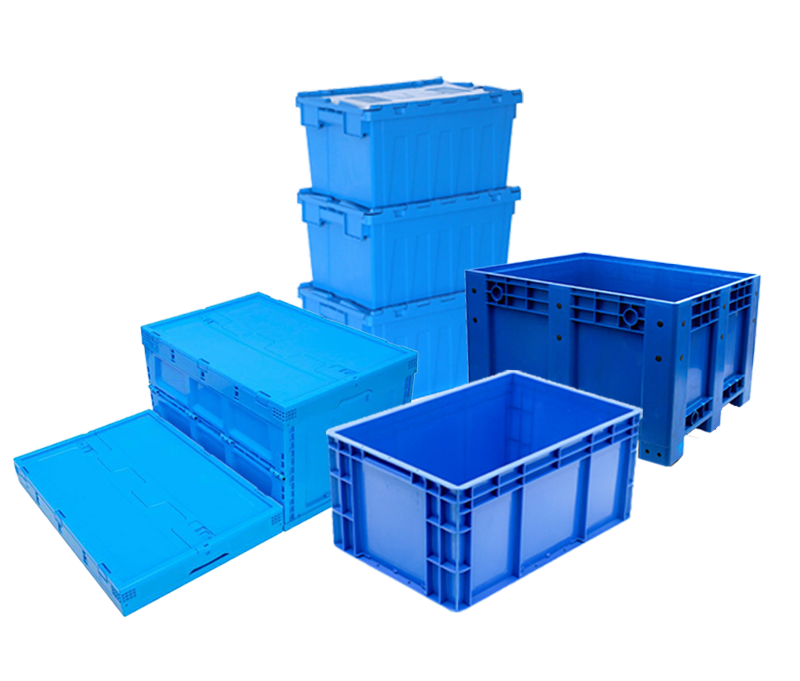
Container choice matters for the same reason. A tote that stacks when full and nests when empty saves trailer space on the return leg, while a divider box keeps fasteners or spare parts separated without extra packaging. Warehouses serving industries such as the manufacturing supply chain usually buy pallets, containers and racking together so that load ratings, dimensions and entry patterns stay consistent.
If loads are going into racking, the rack itself has to match the machine that serves it. Selective pallet racking with adjustable beams covers most mixed pallet profiles and gives direct access to every pallet position, which matters when a small fleet has to put away quickly.
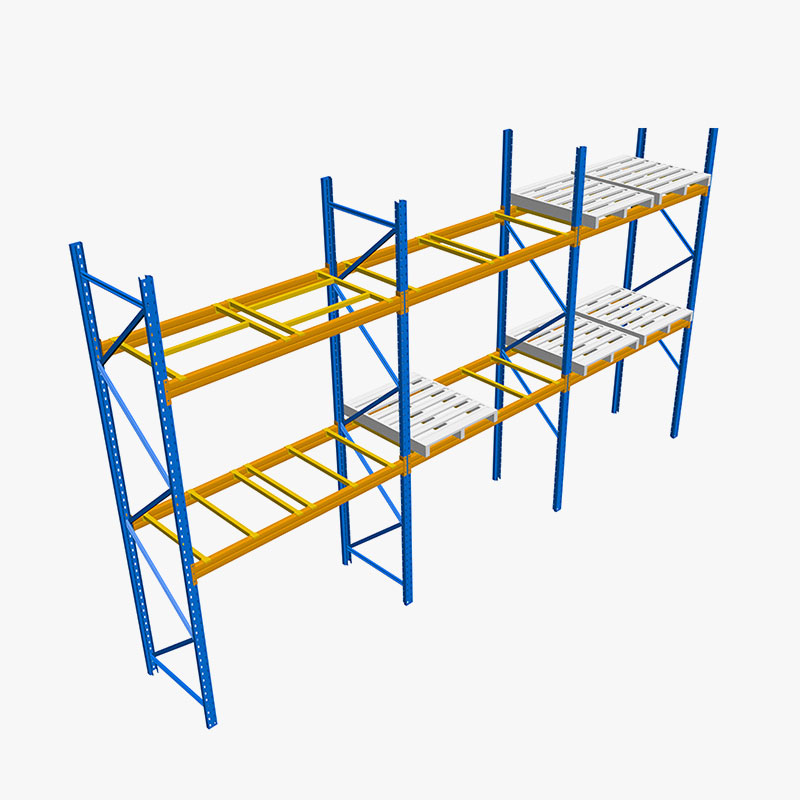 Heavy-Duty Selective Pallet Racking with Adjustable BeamsCold-rolled steel selective racking supports up to 1,800 kg per layer and adjustable beams for mixed pallet profiles with direct forklift access.View Product →
Daily Checks and Safety Points
Most incidents with palletized loads come from avoidable details rather than machine failure. A short pre shift check covers most of them:
- Forks: straight, level and free of cracks, with the load centred and the fork tips fully under the pallet.
- Hydraulics: no visible leaks, and the load holds height without creeping when the unit is parked.
- Wheels: no flat spots or embedded debris, and both rollers turning freely.
- Travel path: clear of debris, cables and pallet fragments that can stop a small wheel abruptly.
- Load: weight known and within rating, stretch wrap intact, and no overhang that raises the centre of gravity.
Build the fleet around height and distance rather than the machine that happens to be available. Keep floor level movement on jacks where the cost per pallet is lowest, reserve lifting machines for loads that need height or rough ground, and confirm load centre, aisle width and pallet entry pattern before any purchase order is signed. Those four checks prevent the expensive mistake of buying the wrong class of truck for the work your building actually does.

Copyright @ Yancheng Bingo Machinery Equipment Co., Ltd. All rights reserved Warehouse Logistics Equipment Manufacturer Pallet Truck Supplier
