 en
 Español
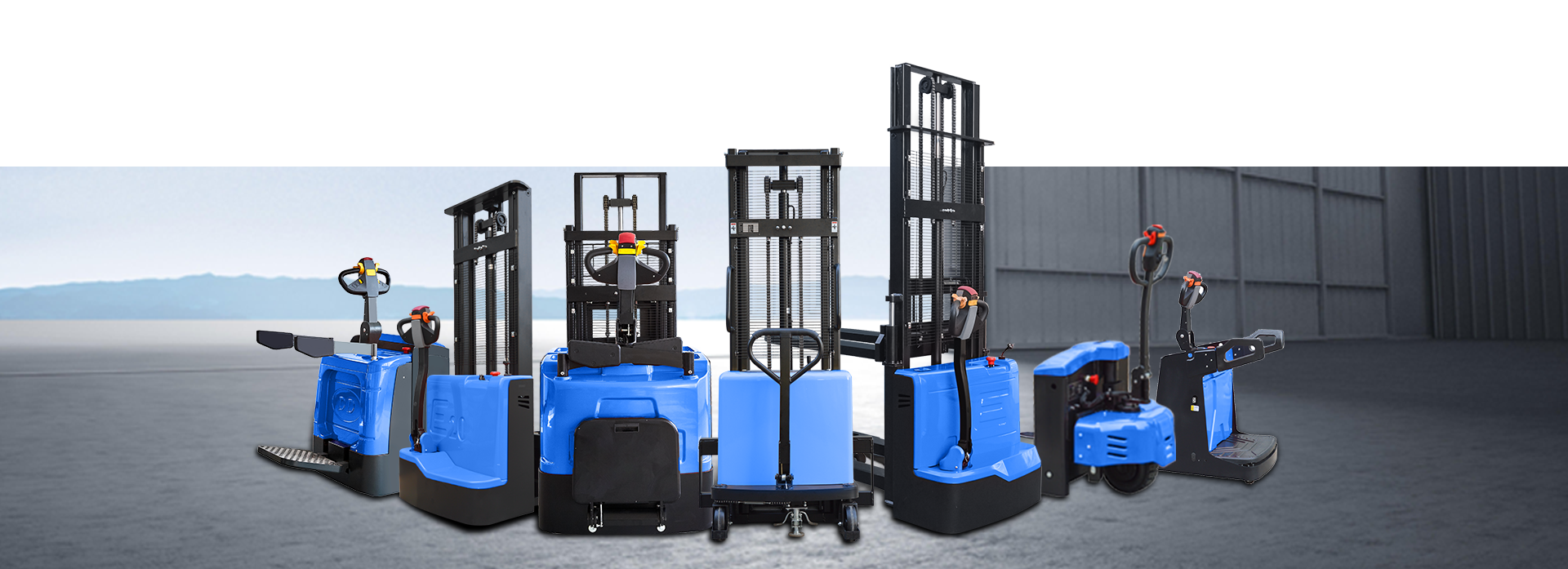

Heavy Duty Material Handling Equipment: Load Ratings, Racking and Selection Guide
Content
- 1 What Heavy Duty Means in Practice
- 2 The Four Families That Carry Heavy Loads
- 3 Load Ratings Across Common Equipment Classes
- 4 How Racking Choice Changes Storage Density
- 5 Why Maintenance Discipline Pays Back
- 6 Comparing Three Heavy Duty Configurations
- 7 Specification Details That Decide Whether a Project Works
A single pallet of machined castings can weigh 1,200 kg, and nobody wants to move it twice by hand. Once unit loads pass roughly 1.5 tonnes, the buying question shifts from which trolley is cheapest to which combination of truck, pallet, racking and packaging keeps that load stable, movable and auditable for a decade. That combination is what heavy duty material handling equipment actually means.
The conclusion comes first because it changes how a specification is written. Heavy duty performance is a property of the whole system, not of the machine alone. A 2,000 kg electric stand-on stacker paired with a weak pallet deck or an overlong racking beam will fail sooner than a lighter truck working inside a well matched bay. Load weight, load centre, floor condition and cycle frequency decide the outcome, and each one needs checking before a purchase order is signed.
What Heavy Duty Means in Practice
Suppliers quote capacity in kilograms, but a single rating hides three variables: how far the load sits from the fork root, how evenly it is distributed on the deck, and how many times per shift it moves. A 1,500 kg load on a compact 1,200 by 1,000 mm pallet is easier to handle than the same mass in a long steel crate, because the load centre moves forward and the bending moment on the mast and chassis grows with it. Duty banding keeps that conversation organised before a vendor visit.
| Duty band | Typical unit load | Common equipment | First constraint |
|---|---|---|---|
| Light duty | Under 500 kg | Hand trolleys, small plastic totes, light shelving | Manual effort per move |
| Medium duty | 500 kg to 1,500 kg | Hand pallet trucks, semi-electric stackers, selective racking | Aisle width and lift height |
| Heavy duty | 1,500 kg to 3,000 kg | Electric pallet trucks, electric stackers, heavy duty racking | Floor condition and wheel load |
| Very heavy duty | Above 3,000 kg | Engineered racking, custom platforms, multi-pallet handling | Structural design and safety review |
Two numbers deserve more attention than the headline rating. The first is the load centre printed on the data plate, because usable capacity falls as the load centre moves outward. The second is the point load the floor has to carry, since a 3,000 kg truck with a heavy battery can push several tonnes through a single wheel when it is standing still.
The Four Families That Carry Heavy Loads
Four equipment families cover nearly every heavy duty requirement, and a project becomes expensive when one of them is treated as an afterthought.
Lifting and moving
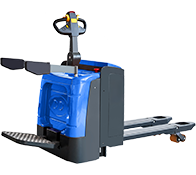
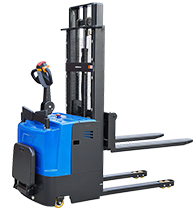
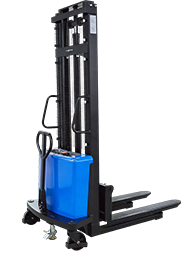
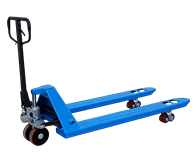
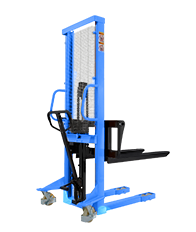
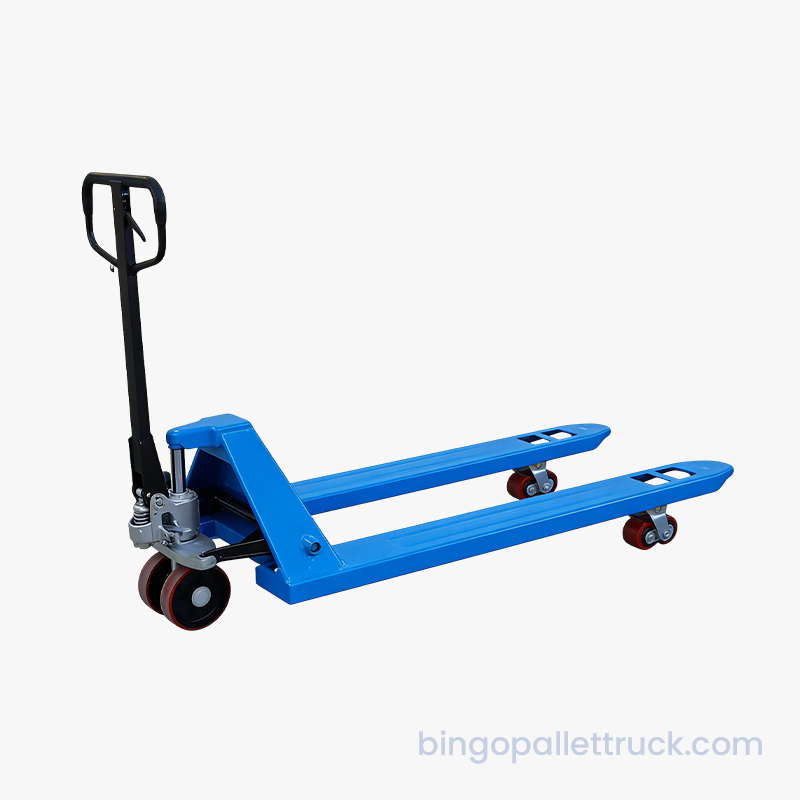
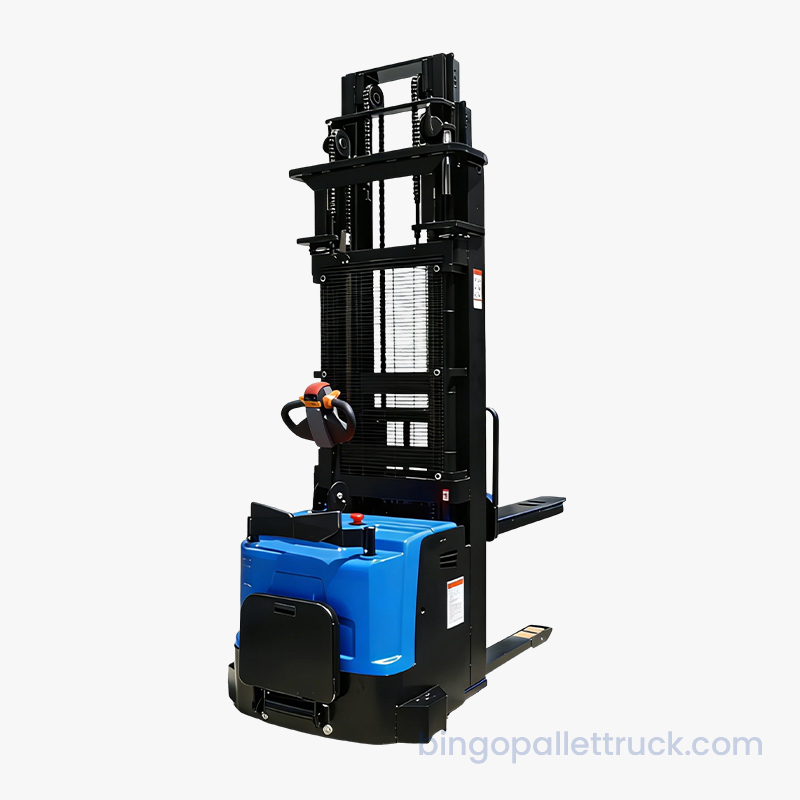
Hand pallet trucks rated at 2,000 kg, 2,500 kg and 3,000 kg cover the majority of palletised loads in manufacturing and distribution. Beyond that, powered units take over: walkie and stand-on electric pallet trucks handle 2,000 kg to 3,000 kg, while electric stackers span 500 kg walkie models up to 3,000 kg stand-on machines. The practical split is not weight alone but travel distance and lift height. Moving 2,000 kg thirty metres across a dock is a pallet truck task, while lifting the same pallet to a 4,500 mm beam level is a stacker or reach truck task.
Load platforms
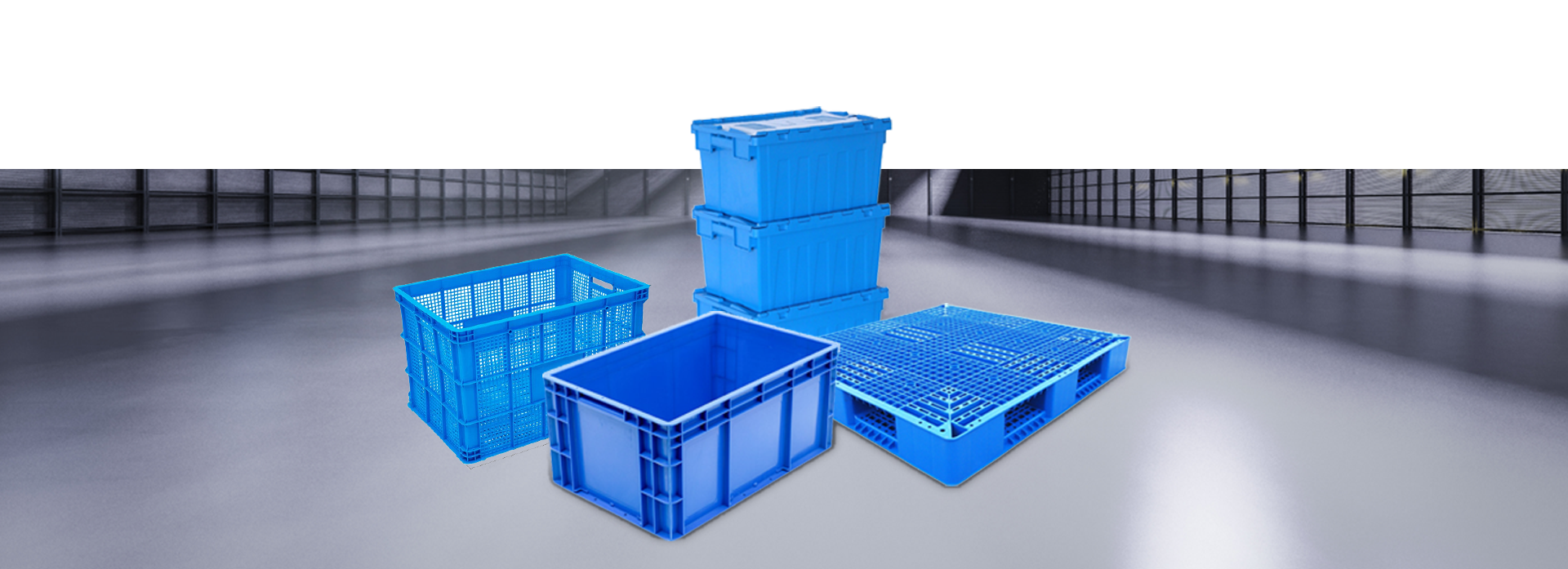
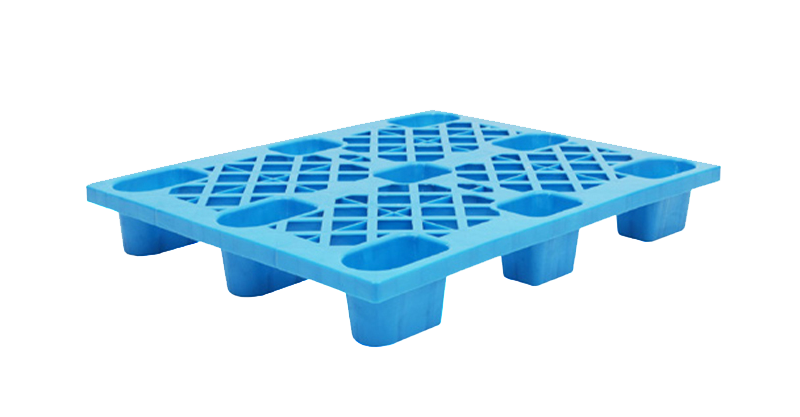
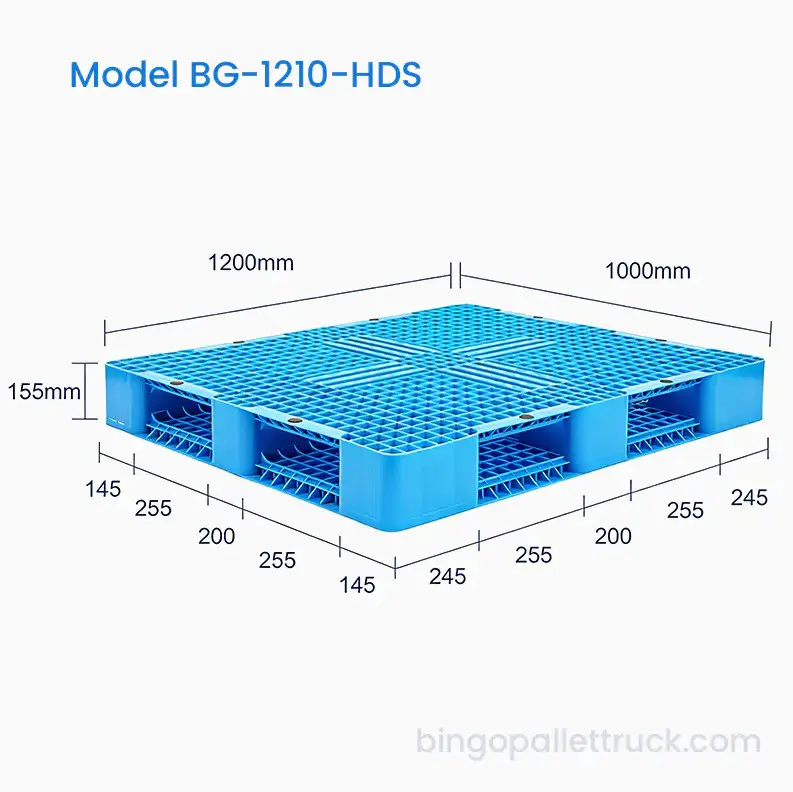
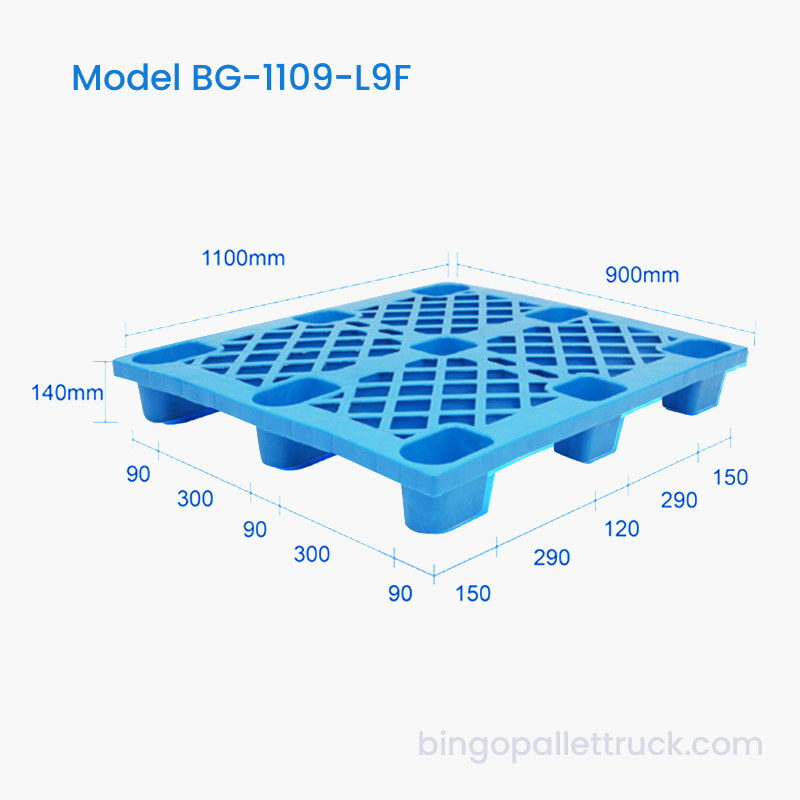
The pallet under the load often limits the system before the truck does. A one-piece moulded pallet spreads point loads across its runners and deck, so a 1,200 kg crate that dents a thin timber deck travels safely on a properly specified plastic platform. Double-sided models add a second deck so the pallet can be handled from either face, which matters when the same load is stacked on one day and retrieved by different equipment the next. Dimensions come next, because a 1,200 by 1,000 mm pallet fits the widest range of standard racking and fork sizes, while regional formats such as 1,200 by 800 mm and 1,100 by 1,100 mm need matched equipment.
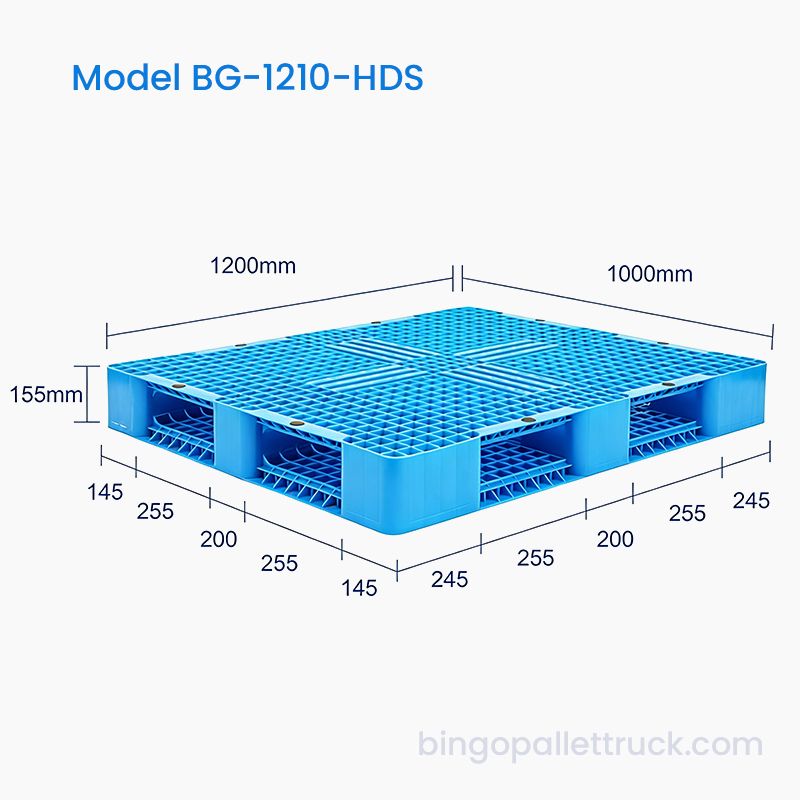 1200x1000mm Double Sided Plastic Pallet for Heavy LogisticsBG-1210-HDS double sided heavy duty plastic pallet is tailored for high-bay racking systems and automated warehouses. Sized 1200×1000×155mm, it supports 2000kg dynamic...View Product →
Storage structures and unitising
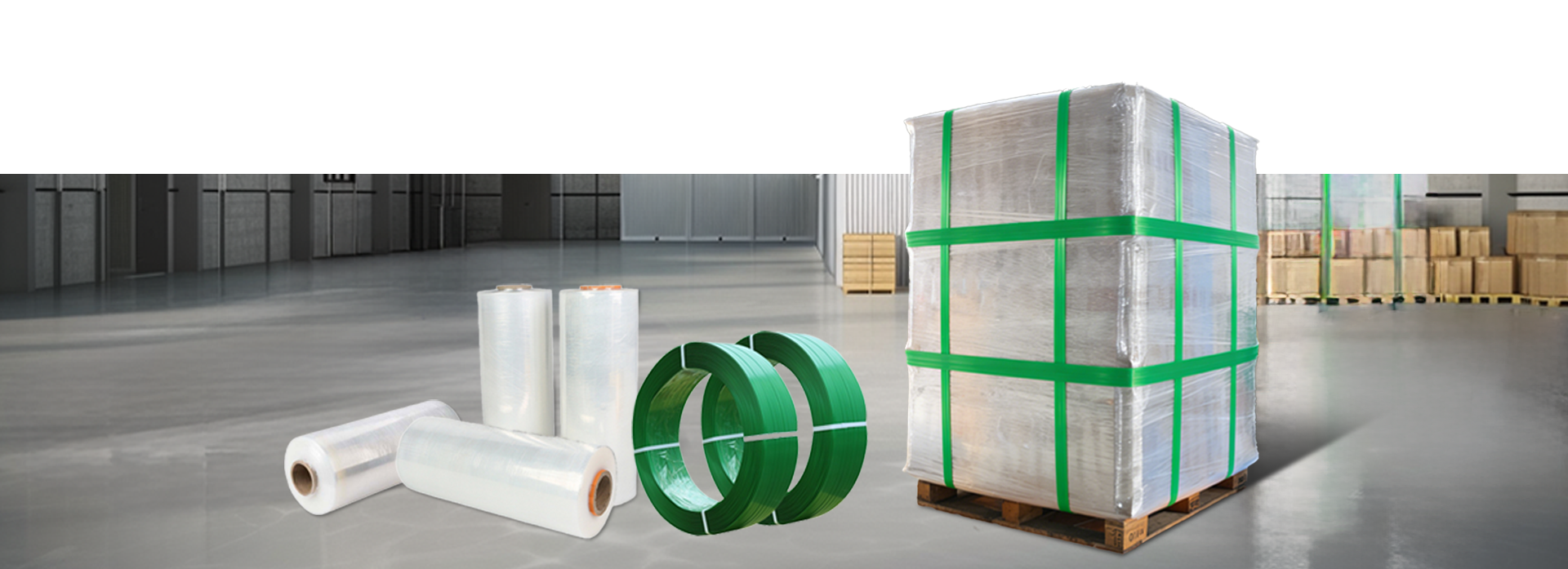
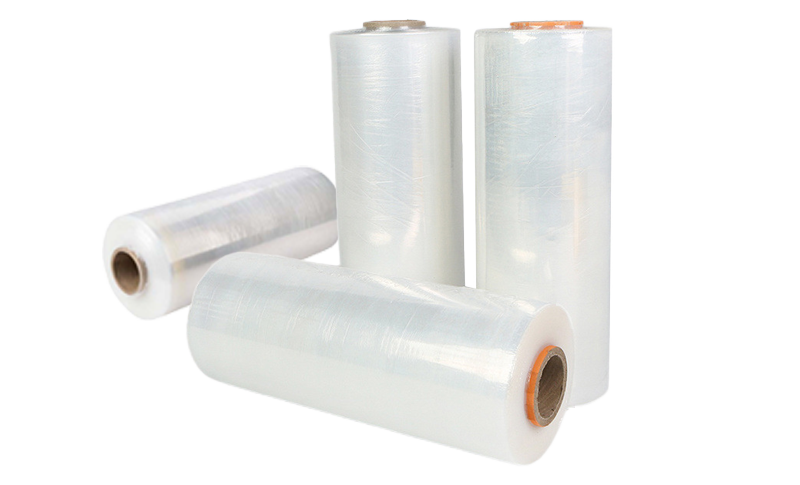
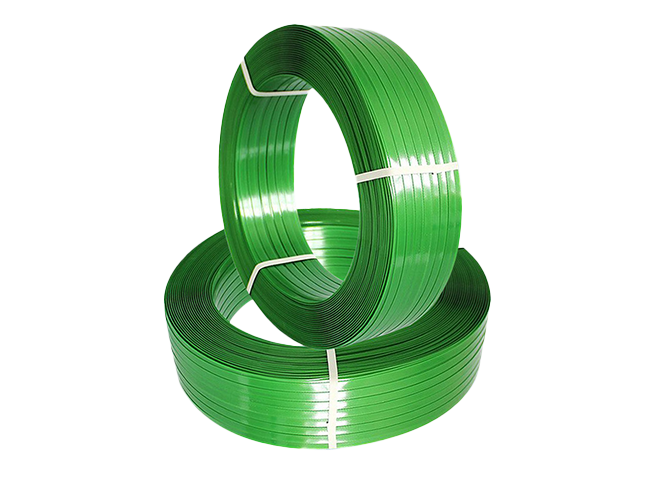
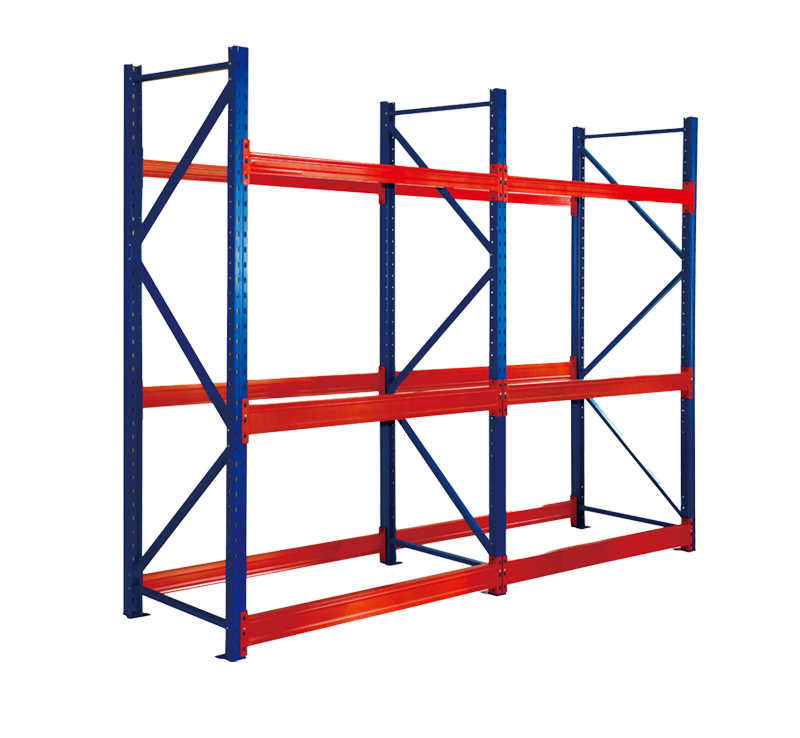
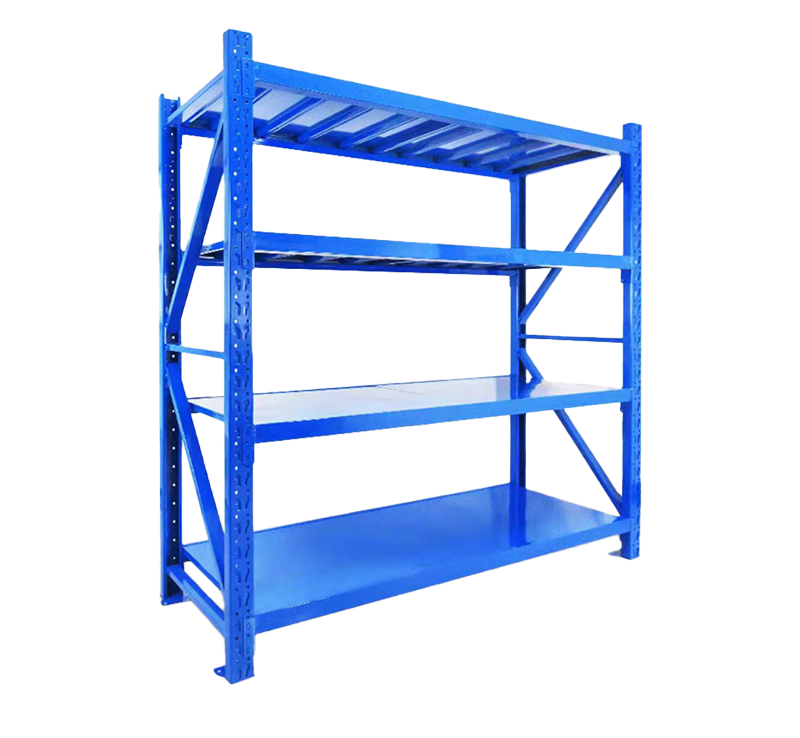
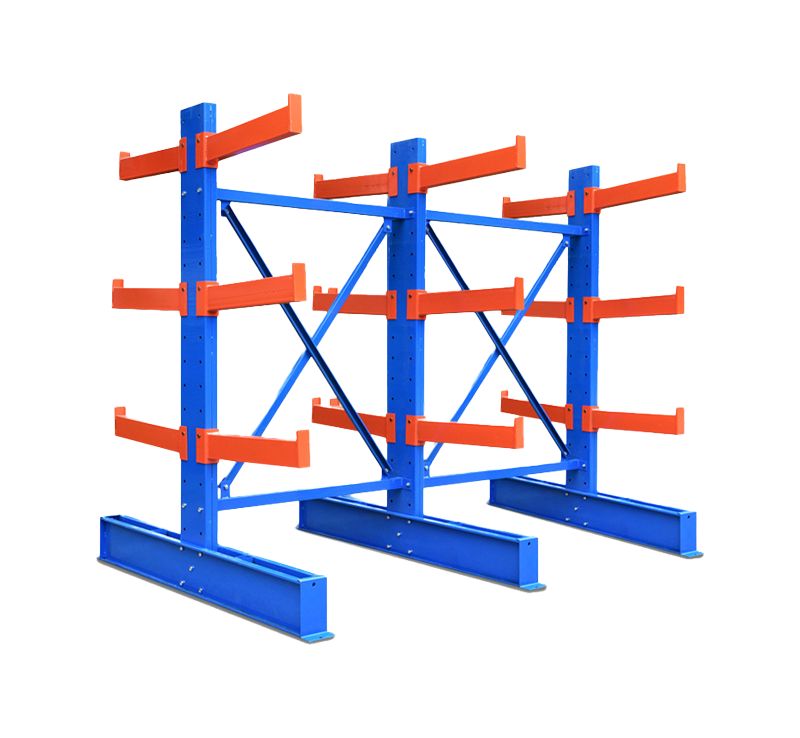
Racking carries the static half of heavy duty handling. Selective pallet racking stays the default because every pallet is directly accessible, but density improves quickly when drive-in, push-back, pallet flow or shuttle systems replace single-deep lanes. Structure aside, beam capacity, deflection limits and frame capacity per level must be checked against the heaviest pallet in the fleet rather than the average one. Packaging closes the loop: stretch film and PET or PP strapping keep a stacked load square, which is what allows a 1,400 kg unit to be lifted, turned and set down without shedding layers.
Load Ratings Across Common Equipment Classes
These bands are catalogue ranges rather than the maximum a machine can be pushed to with a favourable load centre. Hand pallet trucks, electric walkie pallet trucks and electric stand-on pallet trucks all top out at 3,000 kg, which is the practical ceiling for this equipment class. Semi-electric stackers sit lower, between 1,500 kg and 2,000 kg, because the operator still supplies the travel effort. Electric walkie stackers cover the widest band, from 500 kg units for light cartons up to 2,000 kg models, while electric stand-on stackers start at 1,000 kg and reach 3,000 kg. Two machines that look almost identical on a quotation can therefore differ by a factor of six in capacity, which is why the data plate matters more than the model name.
How Racking Choice Changes Storage Density
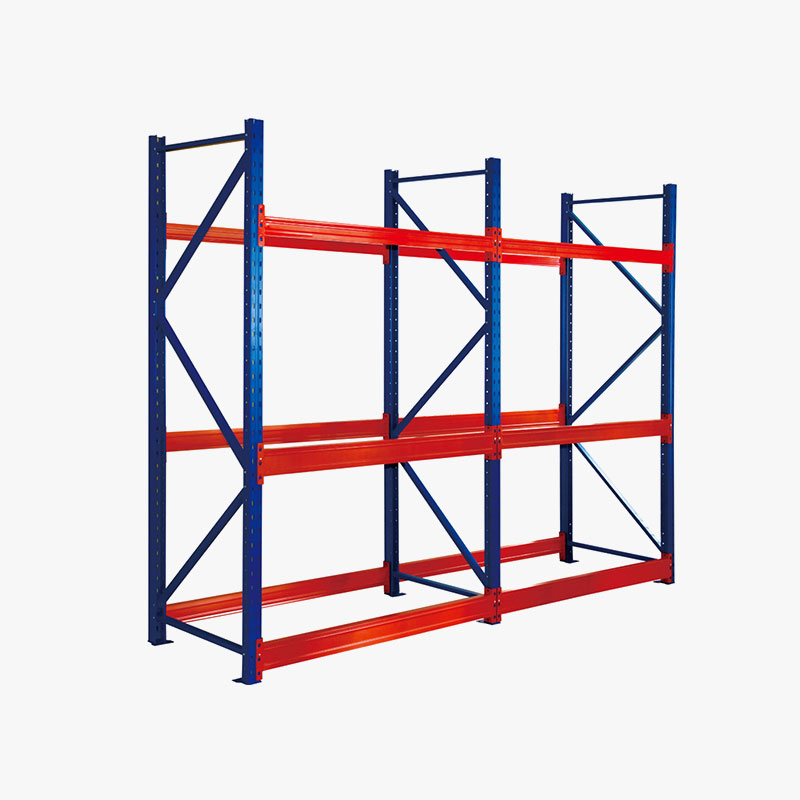
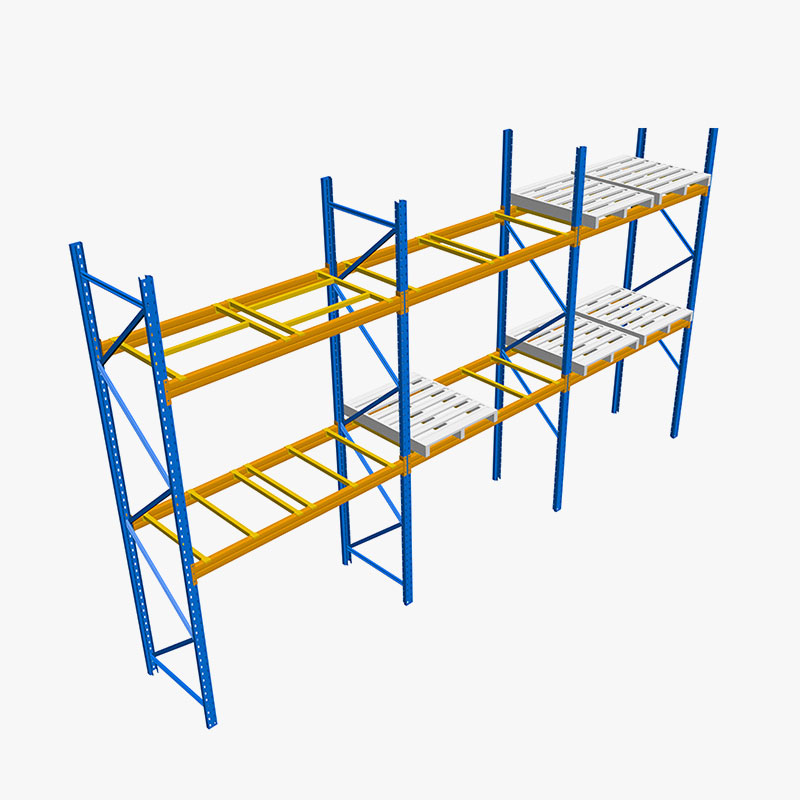 Heavy Duty Selective Pallet Racking Designed with Adjustable Beams for Flexible Storage ArThis heavy‑duty selective pallet racking system is engineered for optimal warehouse storage efficiency. Constructed from cold‑rolled steel, it features adjustable beam...View Product →
Storage density is the number most often understated in a heavy duty project, and racking choice can multiply the pallet positions available on the same floor. The figures shown are indicative planning values for 1,000 square metres of usable racking footprint, not a vendor guarantee. Selective racking sits at the low end because every aisle stays open for direct access to every pallet. Double deep, push-back and pallet flow systems recover part of that aisle space, and drive-in and shuttle systems push density higher still. Automated storage and retrieval reaches the highest figure because the aisle shrinks to machine dimensions, but the trade is access: the denser the system, the fewer pallets can be retrieved independently.
Why Maintenance Discipline Pays Back
Downtime is where heavy duty equipment earns or loses its reputation. The chart compares cumulative unscheduled downtime for a single unit under planned maintenance against a run-to-failure approach across five years. Both lines start level, because new machines rarely fail, but by year three the gap is roughly twenty hours and by year five it reaches about sixty. Those hours include waiting for parts, diverting loads to a serviceable truck and rescheduling the shift that depended on the machine, so the real cost runs far above the repair invoice. A programme covering hydraulic seals, wheel and roller wear, battery charging discipline and rack inspection keeps the gap from compounding, which is the same pattern described in our note on upgrading warehousing and logistics equipment for better operational performance.
Comparing Three Heavy Duty Configurations
No single configuration wins every criterion, so the comparison is drawn as a profile rather than a score. A fleet of electric pallet trucks working with selective racking scores well on flexibility and ease of maintenance, because every aisle stays open and one machine can serve the whole building. High-density racking improves space efficiency and throughput but reduces flexibility, since fewer pallets can be reached without moving others first. An automated shuttle system leads on density and throughput while scoring lowest on upfront cost and flexibility. Load capacity varies far less between the three options than most buyers expect, because the racking and the pallet design usually set the ceiling rather than the truck.
Specification Details That Decide Whether a Project Works
Specifications tend to fail on details rather than on headline capacity. The following checks catch most of the problems that surface during commissioning rather than during the quotation stage.
- Load centre: a stacker rated at 3,000 kg at 600 mm may be rated considerably lower at 900 mm, so state the real load centre in the enquiry.
- Floor condition: verify slab capacity against the point load of a fully loaded wheel and allow for joints, expansion gaps and drainage slopes.
- Aisle width: working aisle width is truck width plus load overhang plus a steering margin, not the truck width on its own.
- Beam deflection: check the permitted deflection for the actual span and the heaviest pallet, not the average pallet.
- Fork length against pallet depth: forks should support most of the pallet depth, otherwise the deck flexes under load and the runners fatigue.
- Battery and charging: confirm shift length, available charging windows and whether opportunity charging fits the operating pattern.
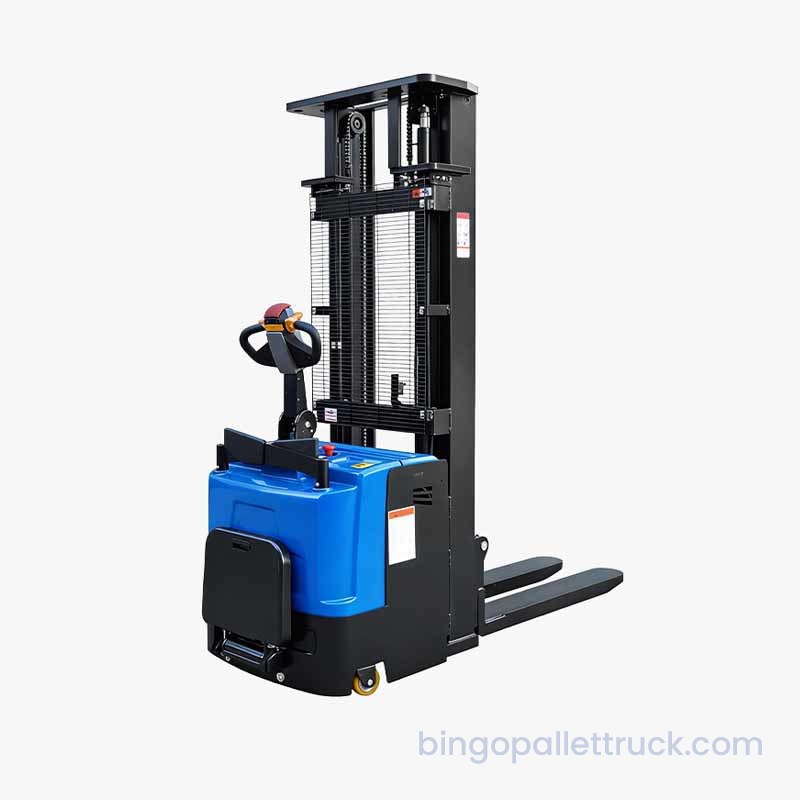
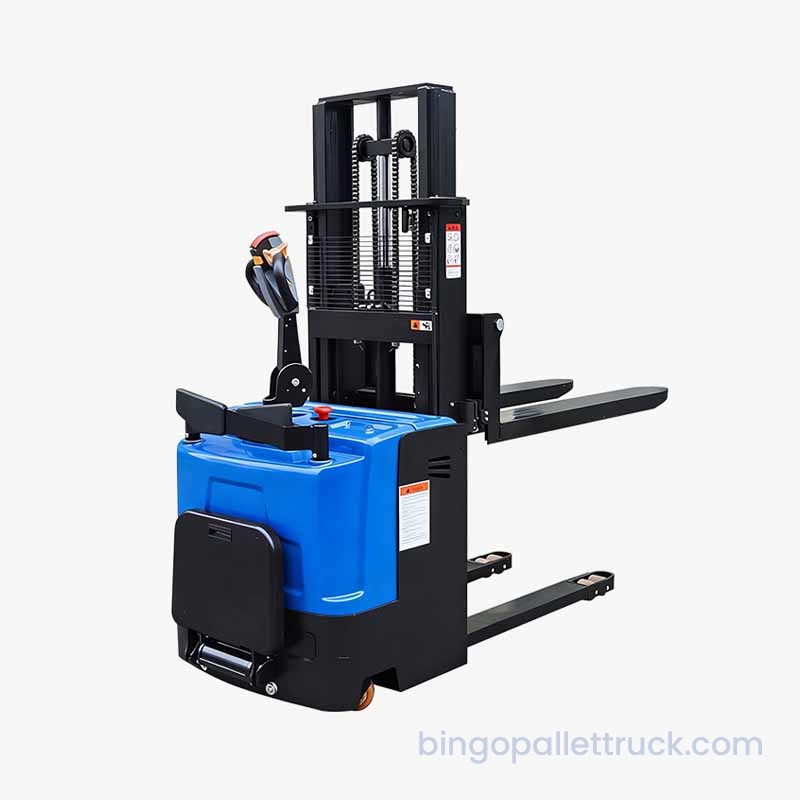 3000kg Heavy Duty EPS Electric Stand-on Stacker for LogisticsLoad center distanceView Product →
Where several of these checks pull in different directions, a phased plan usually beats one large purchase. Buying handling equipment first, proving the duty cycle on real loads, then adding high-density racking or automation keeps capital aligned with measured throughput; our manufacturing supply chain solutions follow exactly that sequence for factory and assembly sites.
Heavy duty material handling equipment is a load path rather than a product category. The load starts on a pallet, travels on a truck, rests on a beam and leaves held together by film or strapping; every link carries the same mass, and the weakest link sets the real capacity of the system. Match the four families to a measured duty cycle, keep load centre and floor loads honest, and the equipment will outlast the warehouse layout that prompted the purchase.

Copyright @ Yancheng Bingo Machinery Equipment Co., Ltd. All rights reserved Warehouse Logistics Equipment Manufacturer Pallet Truck Supplier
