 en
 Español

Warehouse Material Handling Equipment: The Practical Buyer's Guide for 2025
Content
- 1 Start With the Load Unit, Not the Machine List
- 2 The Four Equipment Families and What Each One Fixes
- 3 Pallet Trucks and Stackers: Capacity Is Only Half the Spec
- 4 Pallets, Totes and Containers: Standardise the Load Unit
- 5 Racking: You Are Buying Density, Not Steel
- 6 Packaging Materials Finish the Job
- 7 A Procurement Checklist That Prevents Rework
- 8 Different Industries, Different Priorities
A 1,200 x 1,000 mm pallet loaded to 900 kg behaves nothing like a 1,200 x 800 mm pallet loaded to 1,400 kg, even when both arrive on the same trailer. That single difference decides whether you buy a hand pallet truck, a 2,000 kg electric walkie unit or a stand-on stacker. It also decides the pallet itself, the rack beam level and how much aisle space you give up.
The short answer is to buy the load unit and the flow first, then the machines that move it. Buy the machines first and you will spend the next three years working around an aisle that is 200 mm too narrow and a fork that is 50 mm too short. The sections below break warehouse material handling equipment into the four families that have to agree with each other, and list the specifications worth confirming before anyone signs a purchase order.
Start With the Load Unit, Not the Machine List
Every handling decision traces back to the load unit: the pallet or container that stays together from receiving to dispatch. Get that wrong and no amount of motor power fixes it. Three numbers define it.
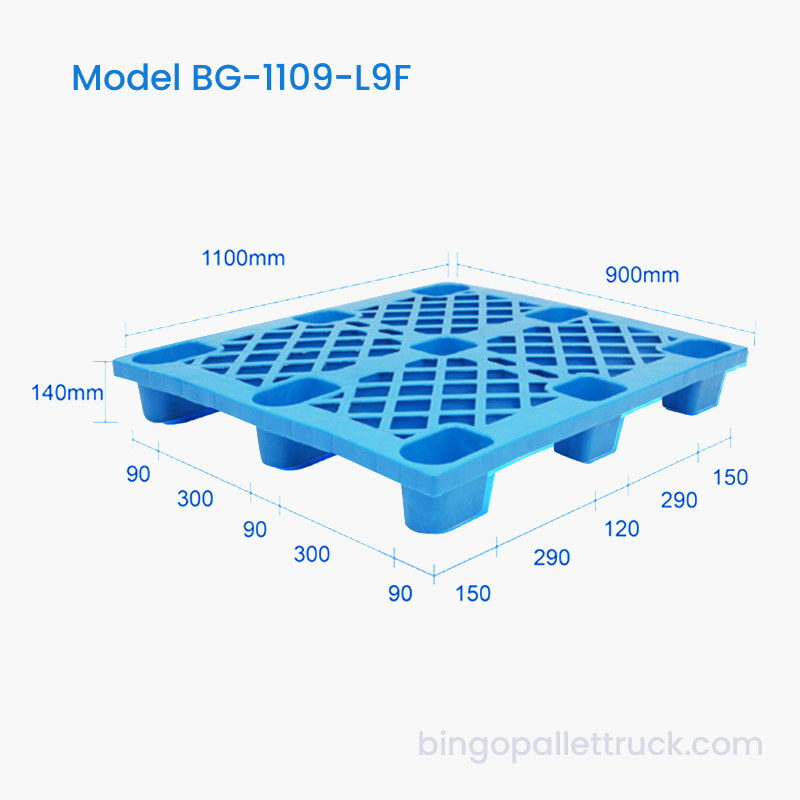
- Footprint and entry. Common pallet sizes include 1200 x 1000 mm (global), 1200 x 800 mm (Euro), 1100 x 1100 mm (Asia, Japan and Korea), 1219 x 1016 mm (GMA) and 1165 x 1165 mm (Australia and New Zealand). Four-way or two-way entry decides how a truck approaches the load inside a rack aisle.
- Load ratings. The same pallet may carry 4,000 kg on the floor, 1,000 kg on a conveyor and far less when unsupported across rack beams. Use the racked rating whenever the pallet leaves the ground.
- Stability and material. HDPE pallets, lidded plastic totes and stacked crates behave differently under vibration. A load that shifts in transit is a safety problem, not a cosmetic one.
The Four Equipment Families and What Each One Fixes
Warehouse material handling equipment is normally sold as four families. They are often bought separately and then blamed collectively when throughput stalls.
| Family | Typical items | What it fixes | Confirm first |
|---|---|---|---|
| Handling equipment | Hand pallet trucks, electric walkie and stand-on pallet trucks, manual, semi-electric and electric stackers | Horizontal movement and lifting to beam height | Rated capacity, fork length and width, lift height, aisle width required |
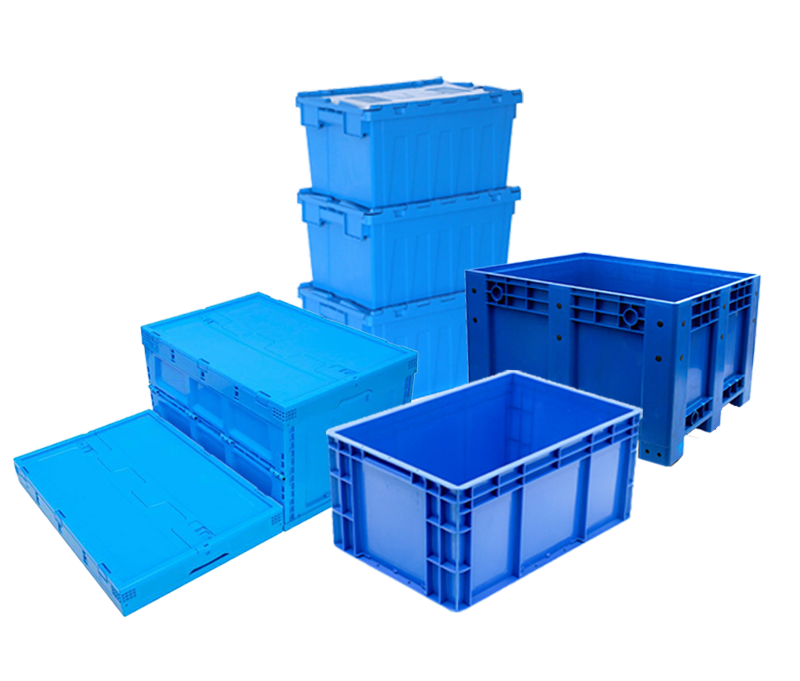
| Storage containers | Plastic pallets, totes, crates, pallet boxes, water tanks, spill pallets | Containment, stacking and traceability | Footprint, entry type, racked rating, nesting or stacking ratio |
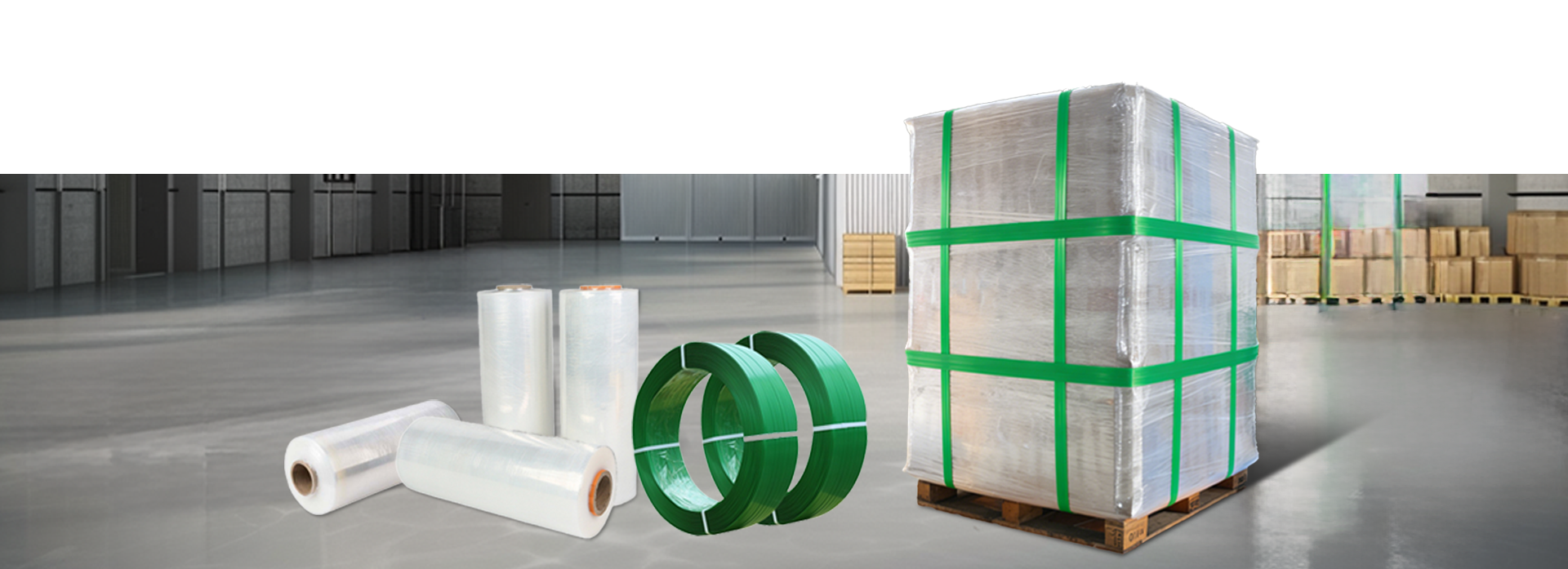
| Packaging materials | Stretch wrap for hand and machine use, PET, PP and polyester fibre strapping | Unitising loads so they survive transport | Film gauge and pre-stretch, strap break strength and elongation |
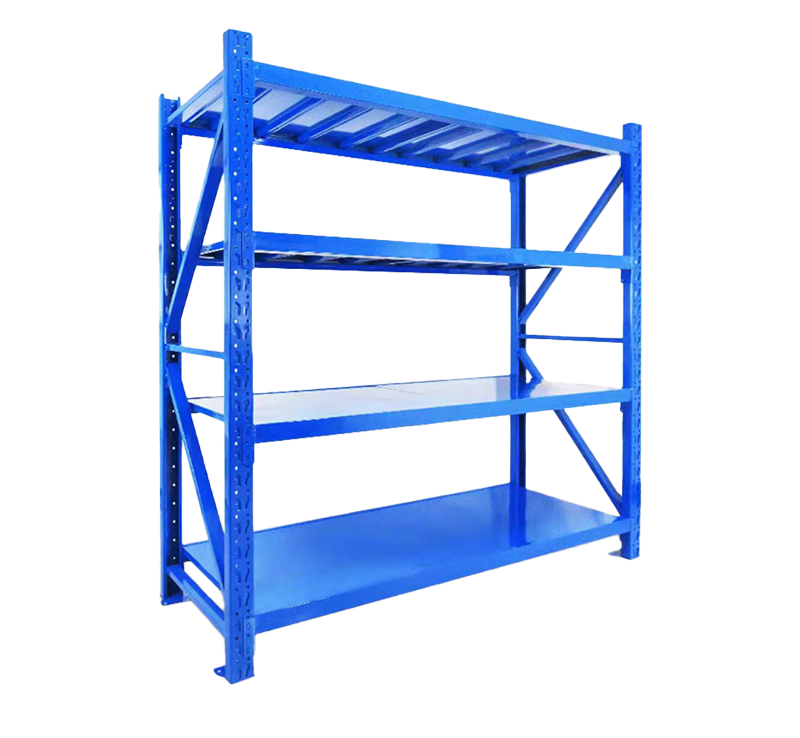
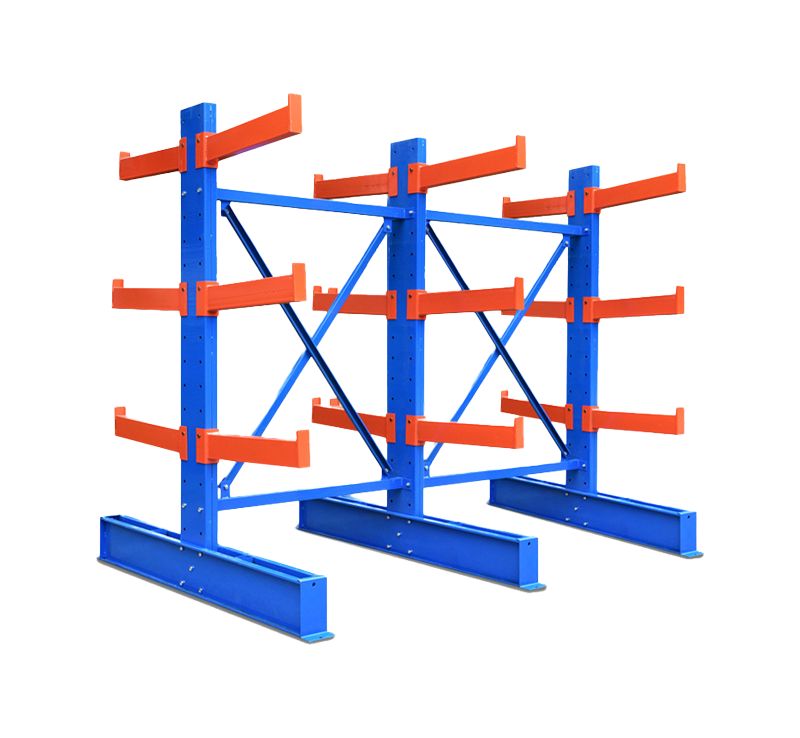
| Racking and shelving | Selective, double deep, drive-in, push-back, shuttle and automated pallet racking, boltless and long span shelving | Vertical density and pick access | Beam level load, clear entry height, truck type, sprinkler rules |
Pallet Trucks and Stackers: Capacity Is Only Half the Spec
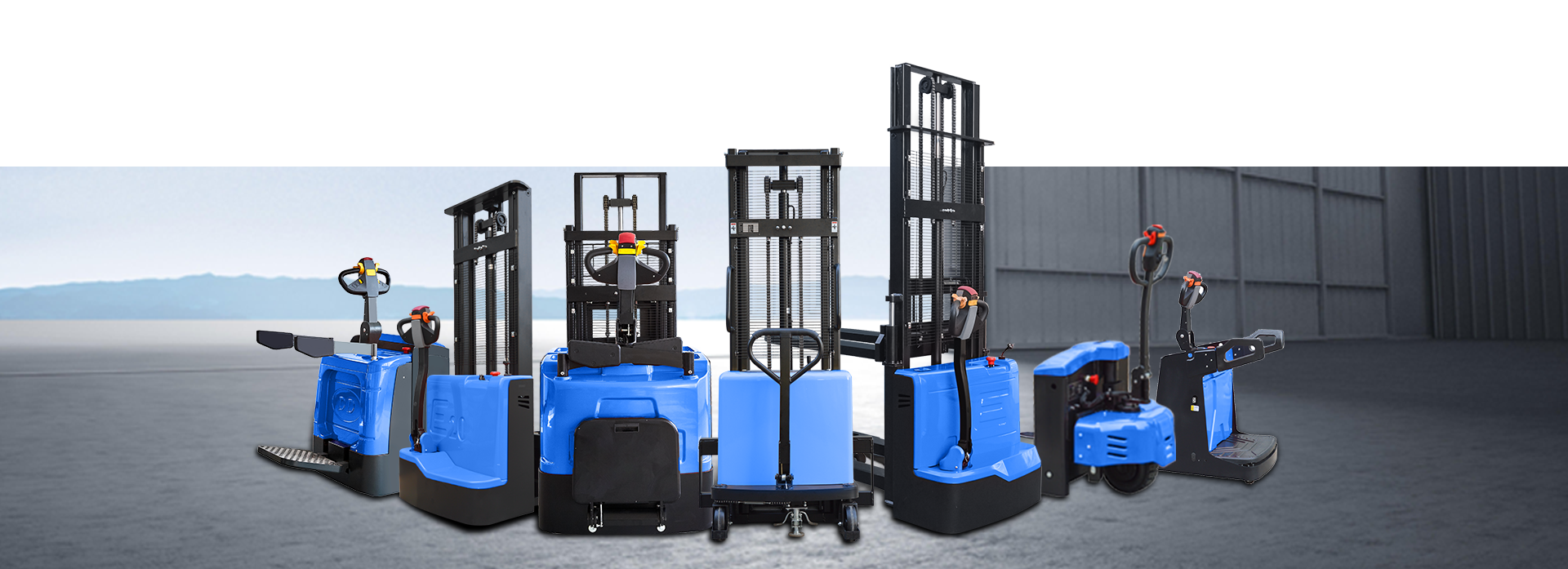
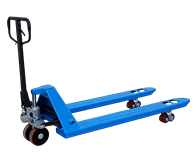
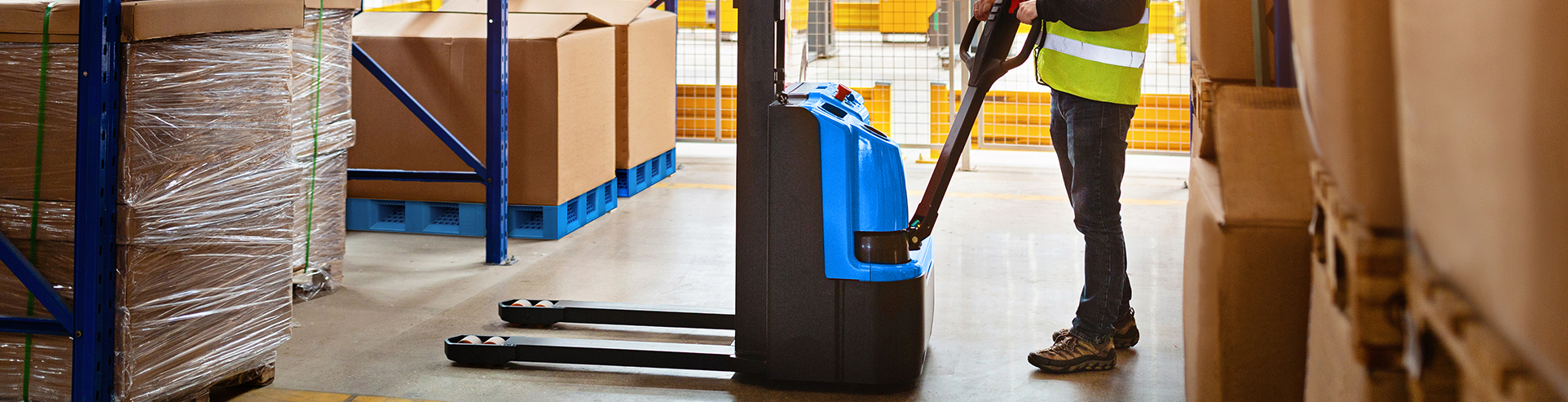
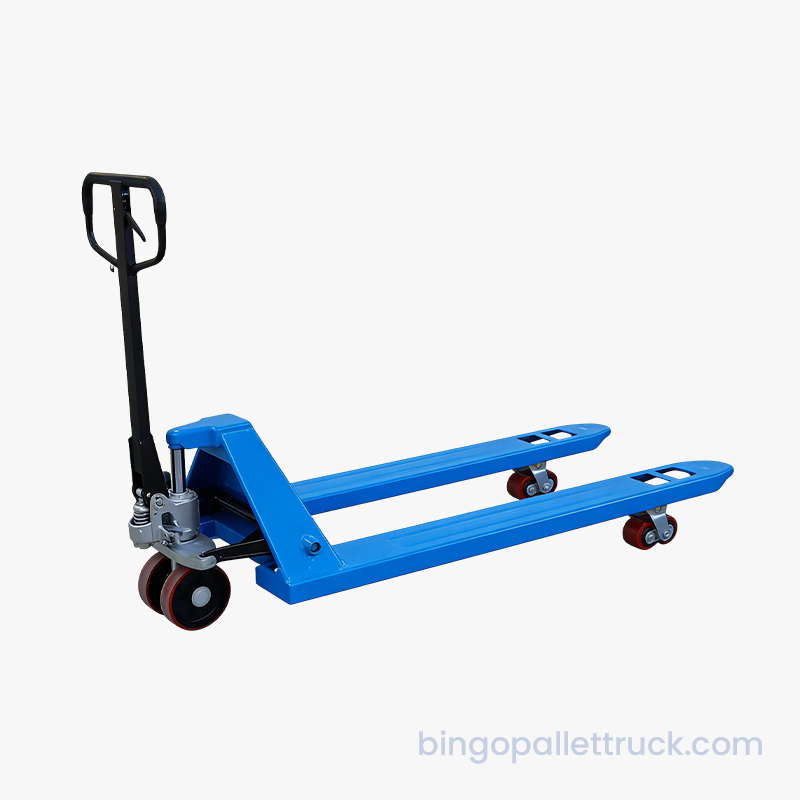
Hand pallet trucks start around 2,000 kg and 2,500 kg capacity, which covers most dock and cross-dock work at low capital cost. They stop being the right answer the moment a load has to go above knee height, or when one operator walks several kilometres of aisle per shift.
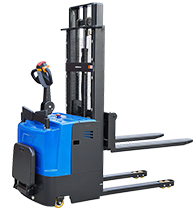
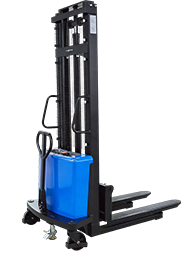
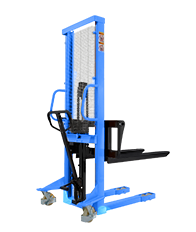
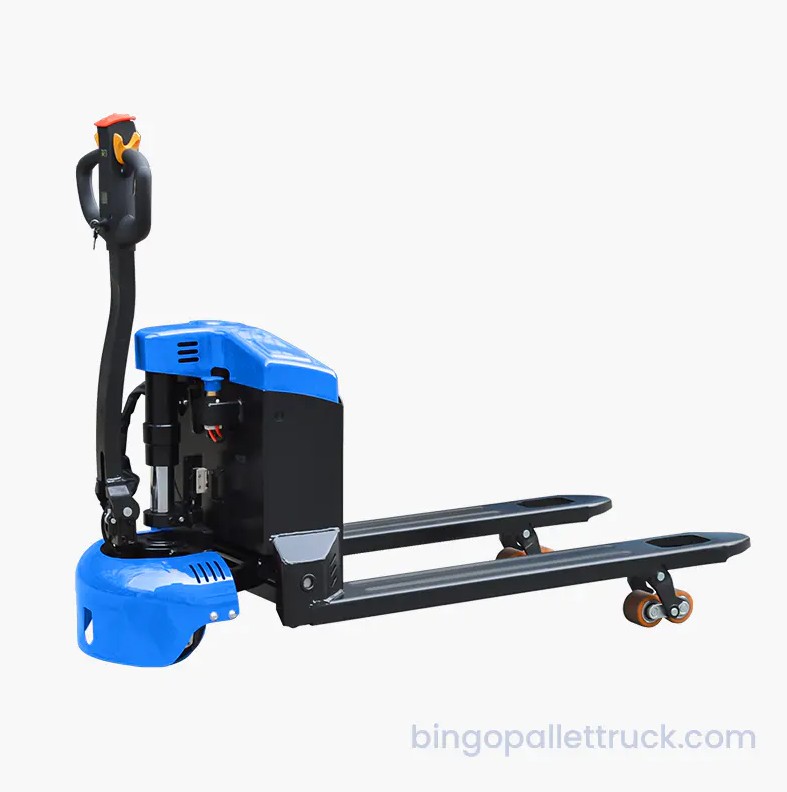
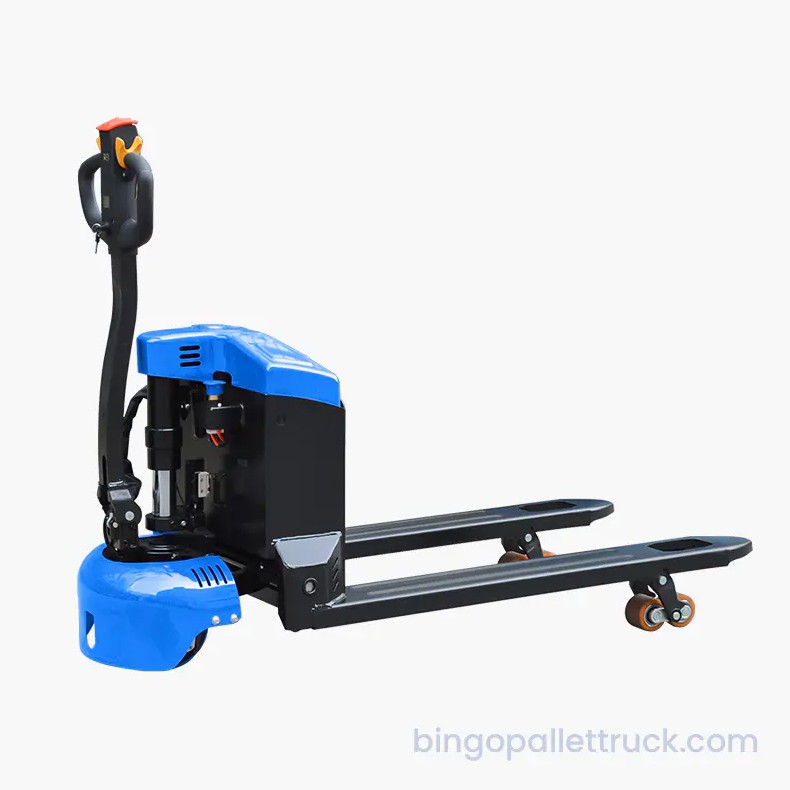
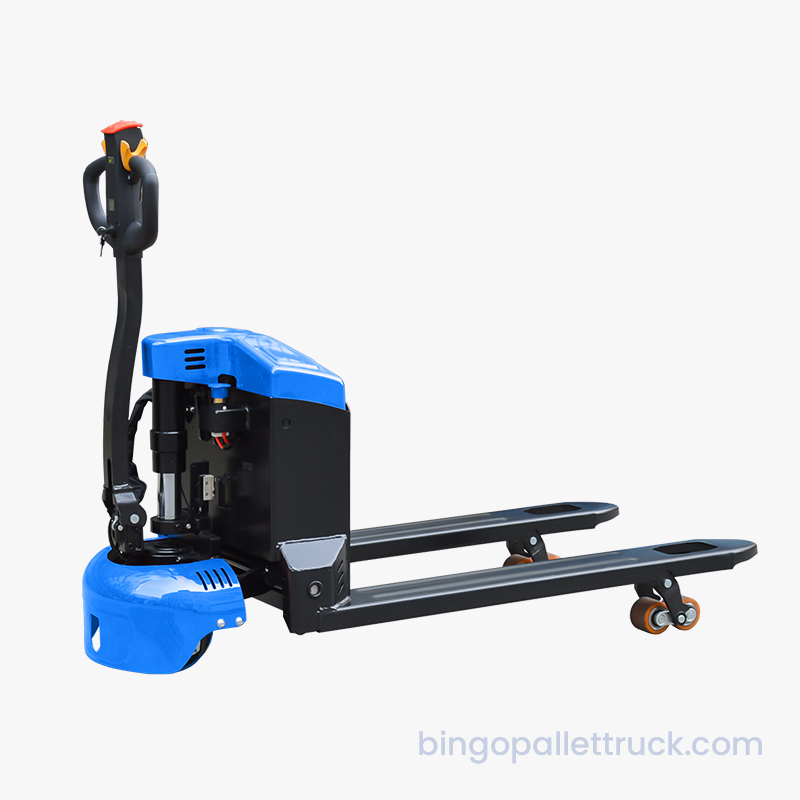
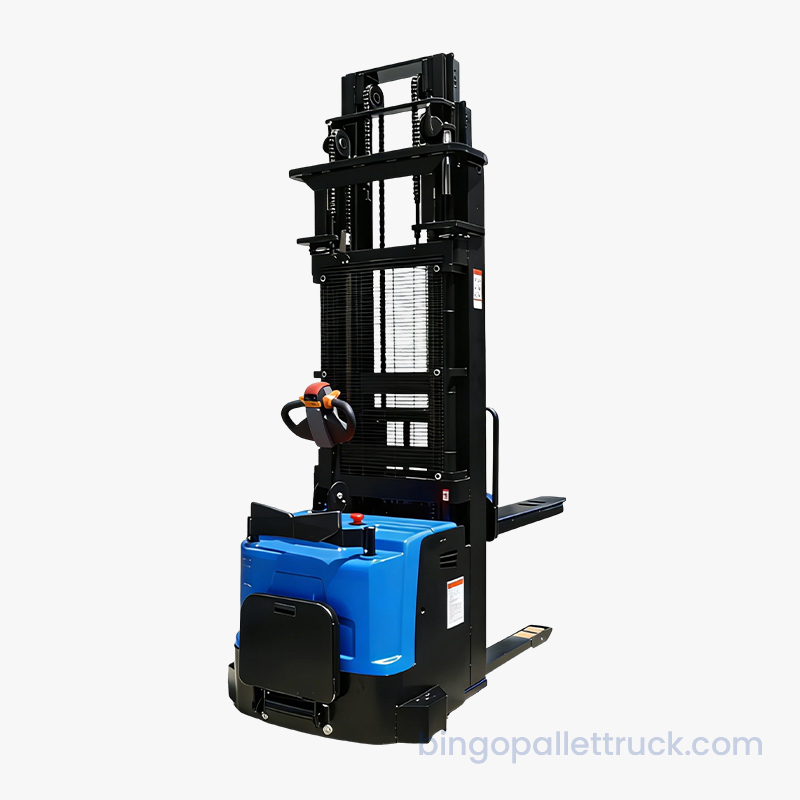
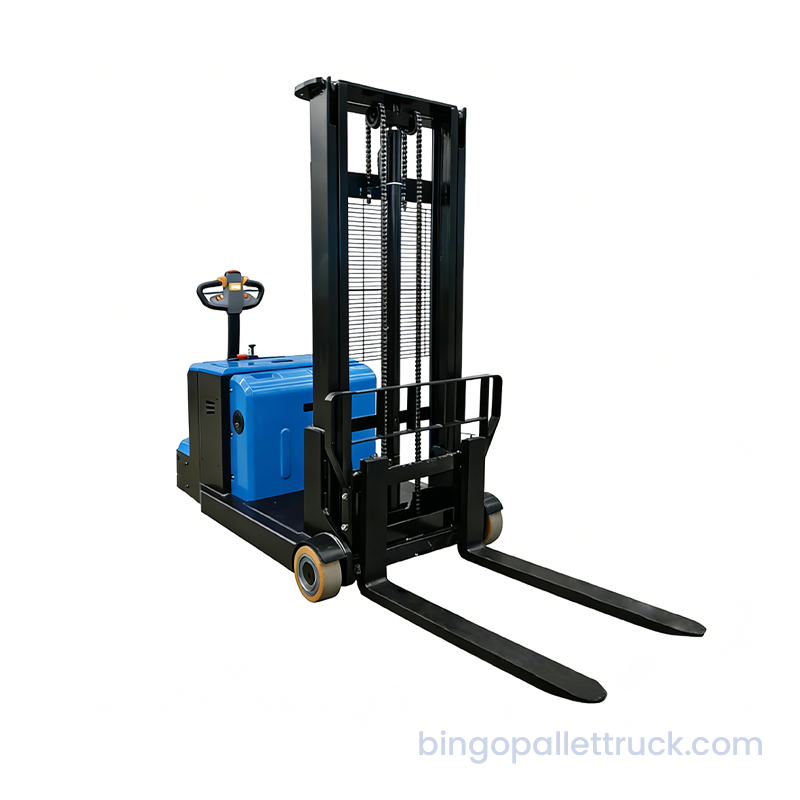
That is where powered equipment earns its price. Electric walkie pallet trucks in the 2,000 kg to 3,000 kg range handle horizontal transfers and trailer loading without a rider platform, while stand-on models cut travel time on long runs. Stackers cover the vertical job, from 500 kg entry-level self-lifting units up to 3,000 kg stand-on machines used with double-stacked pallets or high beam levels.
Before comparing prices, confirm five things: fork length against pallet depth, fork width against the pallet entry, lift height against the highest beam level plus a safety margin, aisle width with the load on the forks, and the battery or charger plan for multi-shift operation. A stacker that lifts to the right height but cannot enter the pallet is an expensive piece of parking lot decoration.
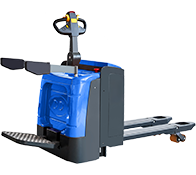
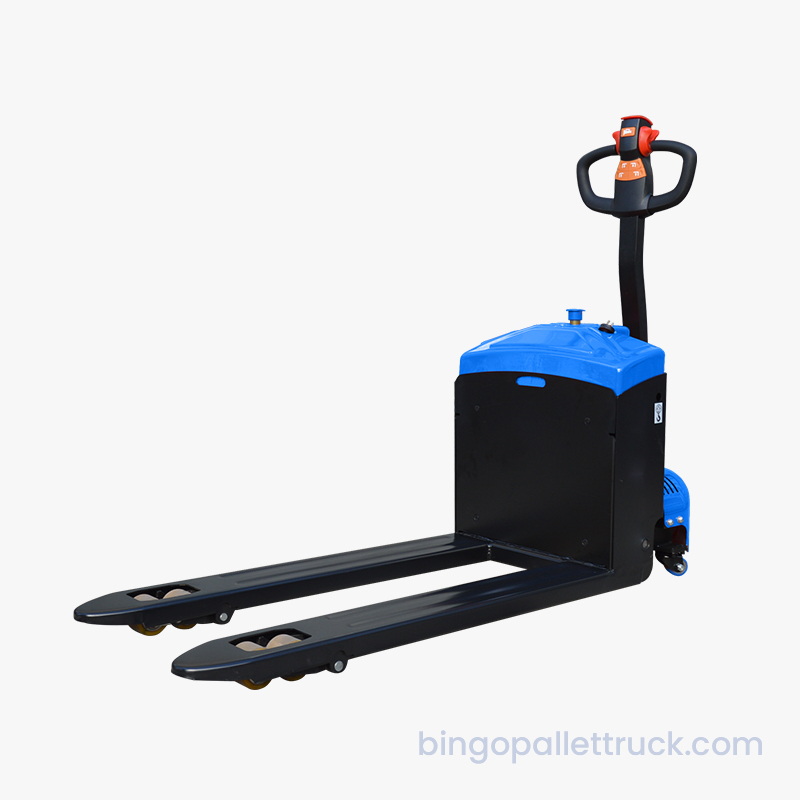 2000kg Electric Walkie Pallet Truck for WarehouseLoad center distanceView Product →
If your team is still weighing manual against powered horizontal movement, this explanation of what an electric pallet truck actually does is worth reading before the specification meeting.
Pallets, Totes and Containers: Standardise the Load Unit
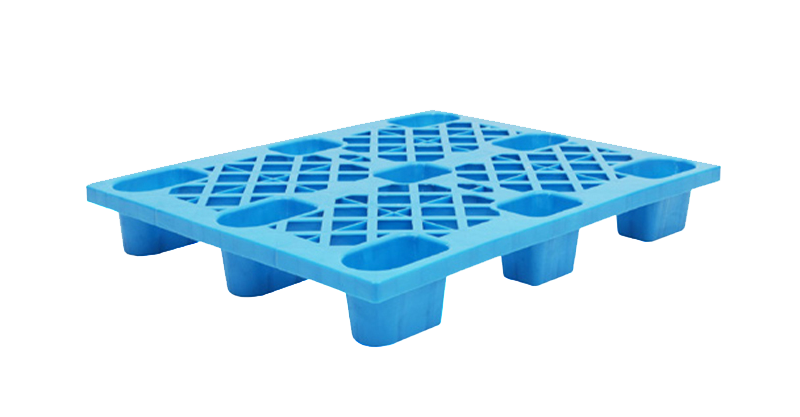
Plastic pallets are the cheapest place to standardise because they touch every process. Choose footprint first, then deck and base. A nine-foot base suits hand pallet trucks and general floor storage, a three-runner base with four-way entry suits racking and conveyor movement, and a solid-top deck protects bagged goods or small parts from falling through a grid. HDPE tolerates cold rooms and wash-down areas better than timber, but reinforcement matters when a racked load rating is part of the requirement.
| Pallet size | Common market | Typical use |
|---|---|---|
| 1200 x 1000 mm | Global | General warehousing, export containers, automated systems |
| 1200 x 800 mm | Europe | Euro pallet flows, retail and manufacturing supply chains |
| 1100 x 1100 mm | Asia, Japan and Korea | Domestic distribution, retail and food logistics |
| 1219 x 1016 mm | North America | Grocery and retail distribution |
| 1165 x 1165 mm | Australia and New Zealand | Grocery, beverage and general freight |
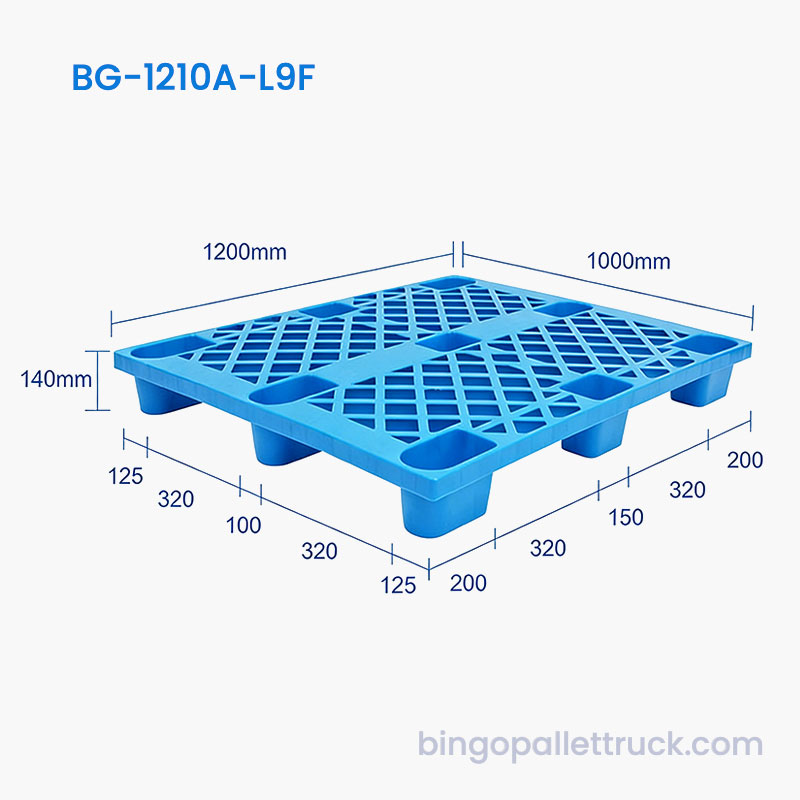 1200x1000mm Lightweight Plastic Pallet for WarehouseThe BG-1210A-L9F single-sided lightweight plastic pallet features a standard dimension of 1200×1000mm, perfectly compatible with global logistics and warehousing syste...View Product →
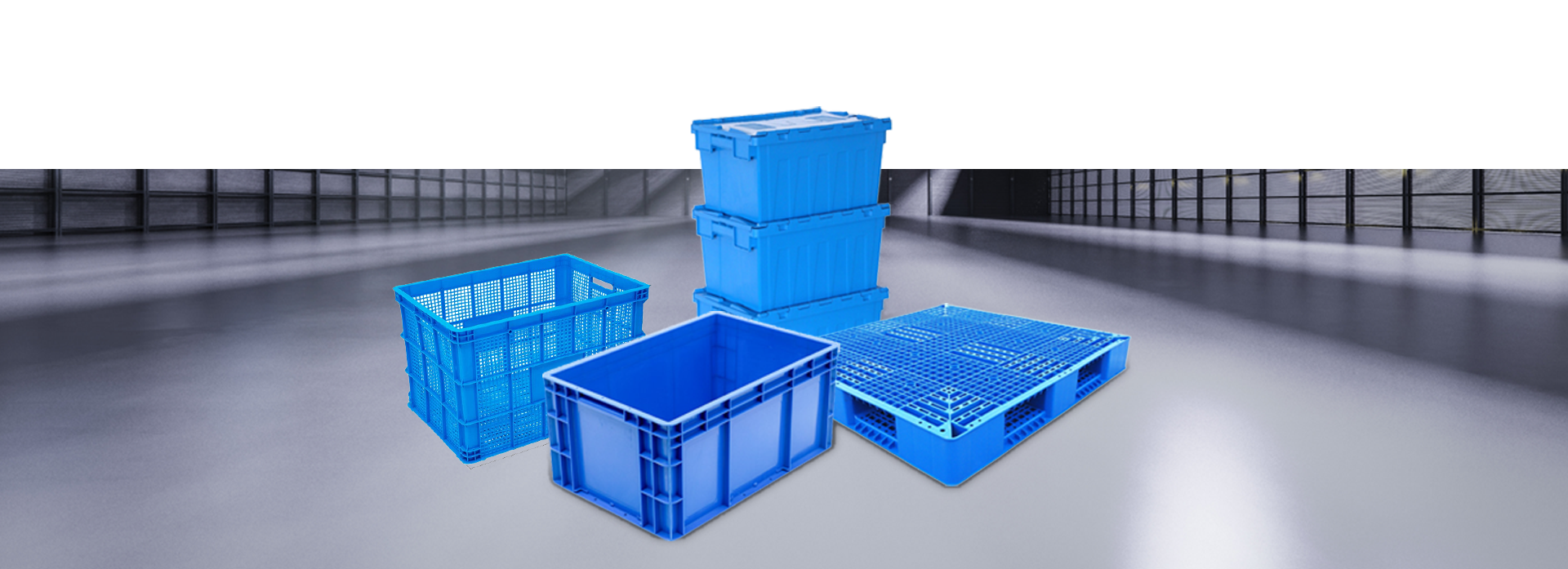
Above the pallet, containers do the sorting work. Stackable and nestable totes, dividable boxes with fixed compartments, side-door totes for line-side picking and collapsible crates for fruit and vegetables all cut handling steps because they arrive, store and ship as one unit. Stack-and-nest designs return empty at a fraction of their loaded height, which is the difference between one return trip and three.
Racking: You Are Buying Density, Not Steel
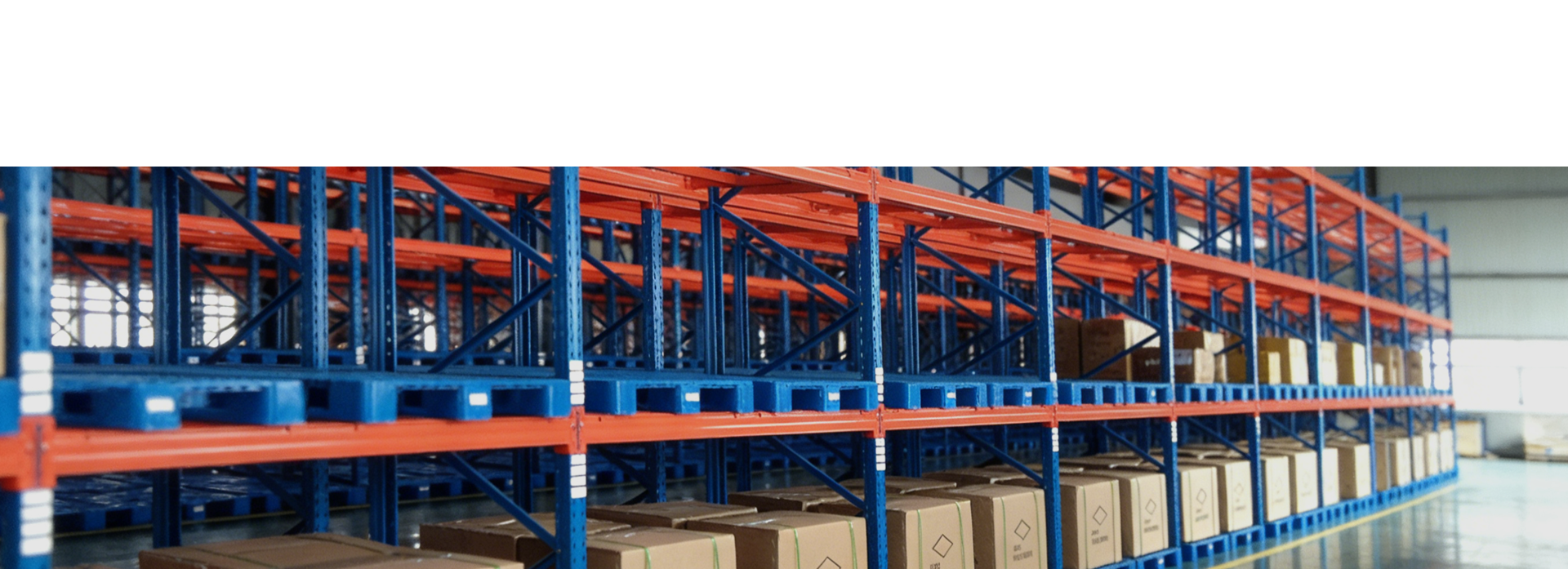
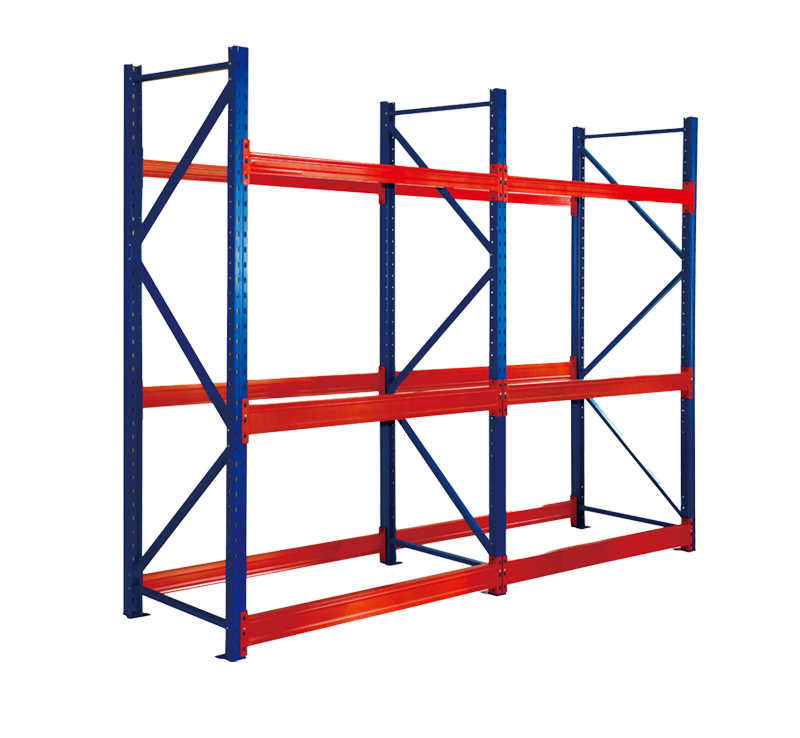
Racking choices trade access against density. Selective pallet racking gives full accessibility and remains the default for mixed SKUs. Double deep, drive-in and push-back systems raise density but restrict which pallet can be retrieved and when. Pallet flow and shuttle systems deliver first-in, first-out movement in deep lanes, and automated storage and retrieval systems take the operator out of the aisle entirely when labour cost or cold-chain exposure justifies it.
Two numbers decide the design: beam level load and clear entry height. Add the truck mast height, the load overhang and the pallet's own deflection. If the building has sprinklers, ESFR requirements may cap the top beam level no matter how much steel fits under the roof.
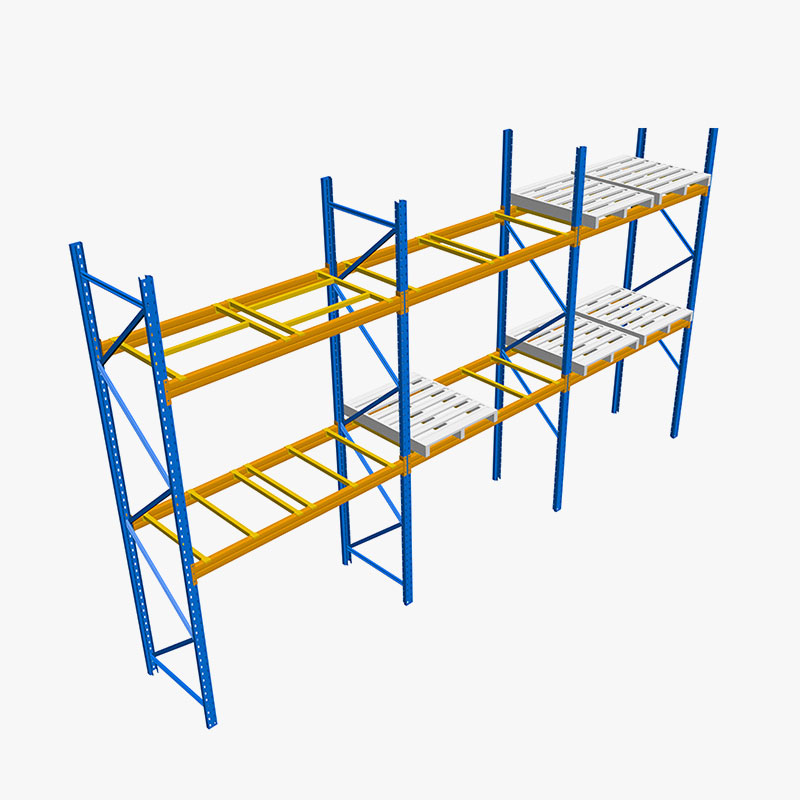 Heavy Duty Selective Pallet Racking Designed with Adjustable Beams for Flexible Storage ArThis heavy‑duty selective pallet racking system is engineered for optimal warehouse storage efficiency. Constructed from cold‑rolled steel, it features adjustable beam...View Product →
Packaging Materials Finish the Job
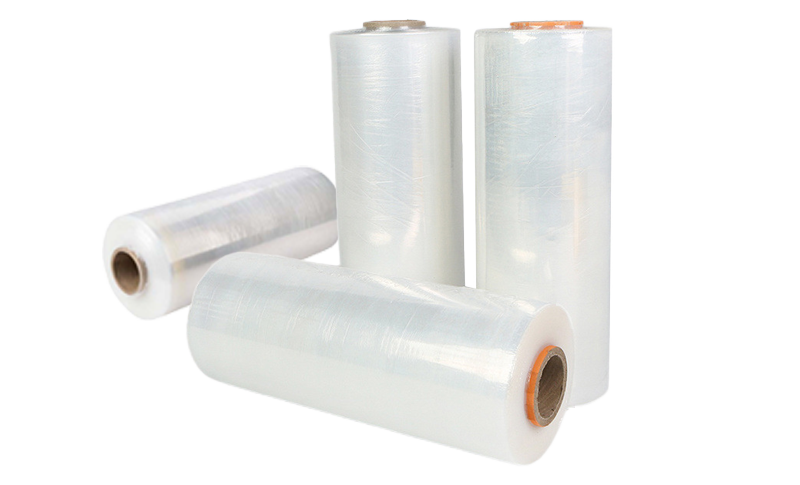
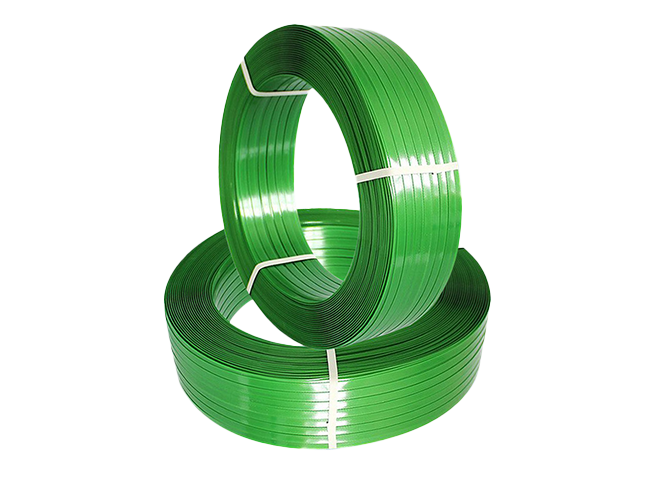
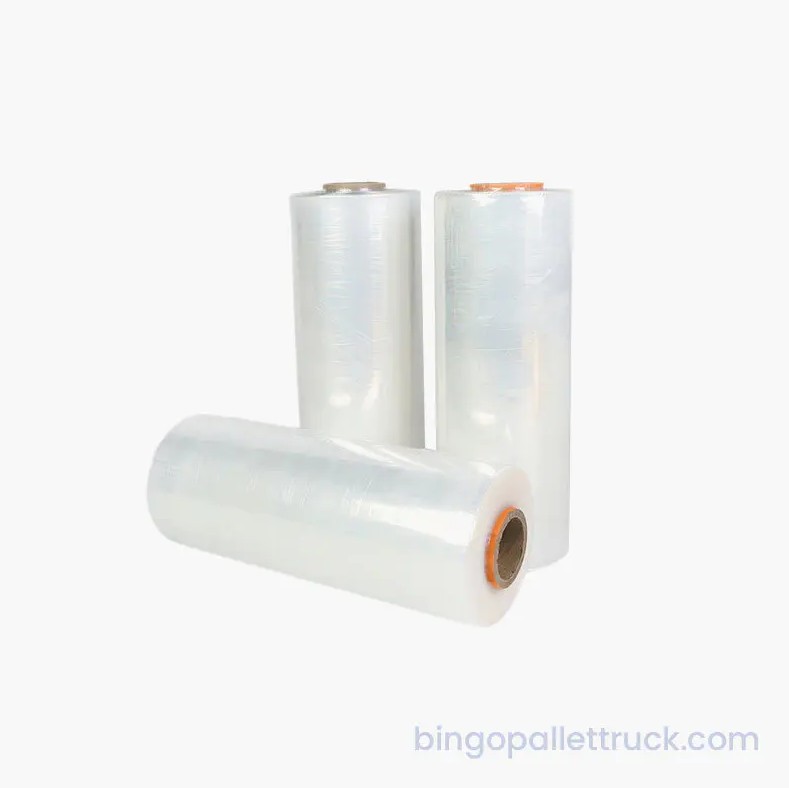
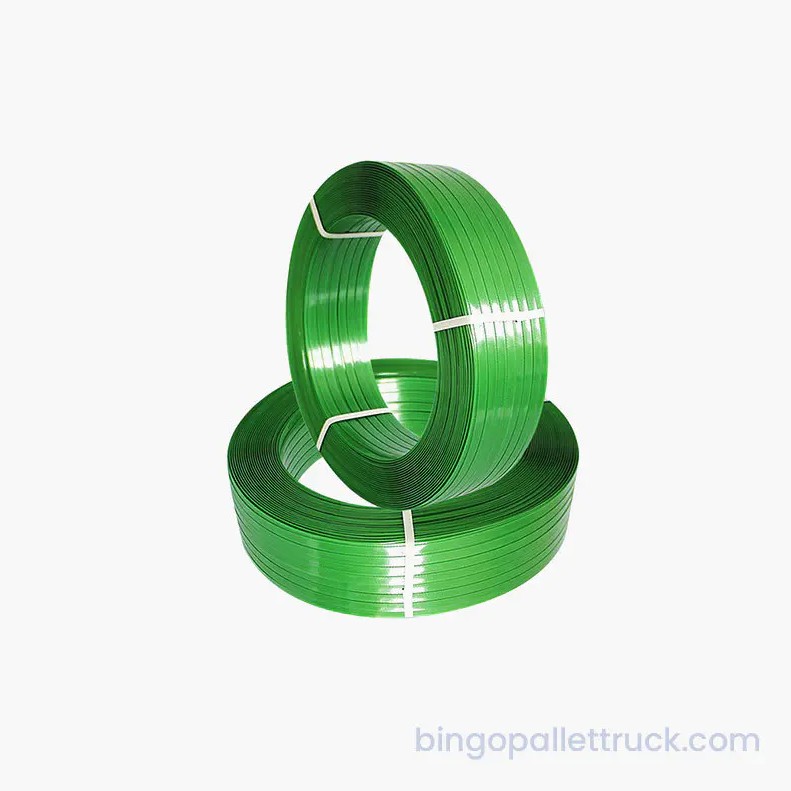
A stable load is the cheapest safety device in the building. Machine stretch wrap in LLDPE handles high-volume pallet wrapping with controlled pre-stretch, while hand film suits low volumes and awkward shapes. For unitising heavy or sharp loads, PET strapping offers high tensile strength with low elongation, polyester fibre strapping absorbs shock on loads that compress, and PP strapping suits cartons and light bundles where edge damage is a concern. Choosing by load behaviour rather than price per roll is what keeps goods arriving intact.
A Procurement Checklist That Prevents Rework
Before you request quotes
- Weigh the heaviest and the lightest load unit, not the average.
- Measure the narrowest aisle on the route the equipment will travel.
- Record every pallet footprint already present in your supply chain.
- Confirm the highest beam level and the free lift required above it.
- Note temperature range, wash-down frequency and floor condition.
- Set service and spare parts expectations for year three, not year one.
Steps five and six are the ones buyers skip. Cold rooms make some plastics brittle, uneven floors wear load wheels faster, and a machine with no regional spare parts support becomes a liability once the warranty ends.
Different Industries, Different Priorities
A food cold chain warehouse prioritises hygiene, cold tolerance and condensation control, so sealed batteries and washable surfaces move up the list. A retail distribution centre prioritises cube utilisation and fast replenishment. Manufacturing supply chains focus on line-side presentation and container standardisation. E-commerce operations live and die by pick density and pack bench throughput, which is why storage containers and shelving often matter more than one more powered truck. A look at how a typical e-commerce warehousing and logistics setup is arranged shows pallets, flow racking and totes layered inside the same building.
Get the load unit, the aisle and the beam level right, and the equipment list becomes a set of predictable choices instead of a series of compromises. Treat the four families as one system: the truck that lifts the pallet, the pallet that fits the rack, the rack that matches the truck's reach, and the wrap that holds the load together between all three. That discipline is what separates a warehouse that scales from one that is rebuilt every time volumes change, and it is far cheaper to apply before the purchase order than after the first month of operation.

Copyright @ Yancheng Bingo Machinery Equipment Co., Ltd. All rights reserved Warehouse Logistics Equipment Manufacturer Pallet Truck Supplier
