 en
en  Español



What is the service life of an electric pallet truck?
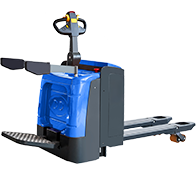
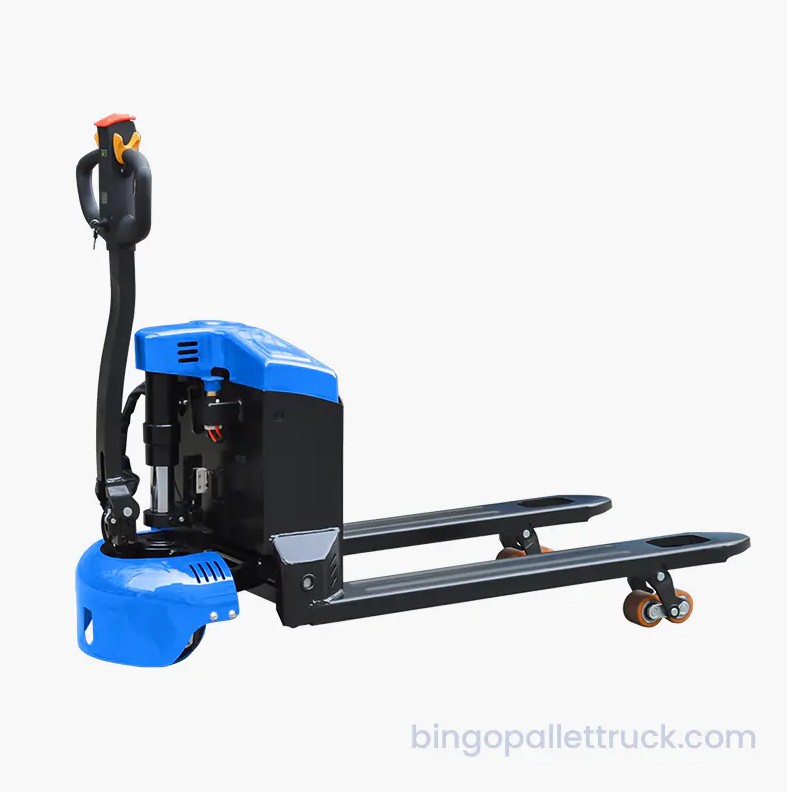
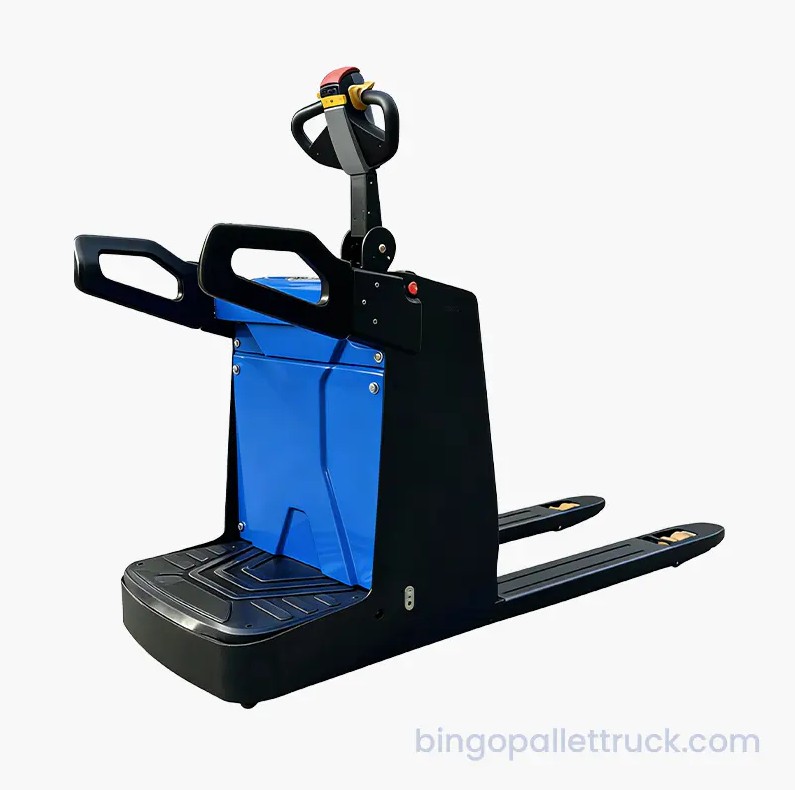
An electric pallet truck typically has a service life of 8 to 12 years under normal warehouse operating conditions, though actual lifespan varies significantly based on daily usage intensity, battery type, and how consistently the equipment receives scheduled maintenance. Since these machines combine mechanical components like the hydraulic lift system with electrical components including the motor and battery, overall service life depends on how well each of these subsystems is maintained rather than any single component determining the truck's total usable years. Material handling equipment lifecycle data commonly referenced in warehouse operations shows that facilities following manufacturer-recommended maintenance schedules typically achieve 20 to 30 percent longer service life from their electric pallet trucks compared to facilities operating on a reactive, repair-only maintenance approach.
Content
- 1 Key Factors That Determine Actual Service Life
- 2 Battery Lifespan and Its Effect on Overall Service Life
- 3 How Usage Intensity Affects Mechanical Wear
- 4 The Role of Scheduled Maintenance in Extending Lifespan
- 5 Signs That Indicate a Truck Is Nearing End of Service Life
- 6 Comparing Service Life Across Different Truck Types
- 7 Planning Replacement and Fleet Management Strategy
- 8 Who Should Pay Close Attention to Service Life Planning
Key Factors That Determine Actual Service Life
While manufacturers commonly cite an 8 to 12 year lifespan range, several practical variables determine where a specific unit will fall within that range based on how it is used and maintained.
Primary Factors Affecting Lifespan
- Daily operating hours and cycle frequency, since higher usage intensity accelerates component wear
- Battery type and charging habits, which significantly affect one of the most replacement-prone components
- Adherence to scheduled maintenance, including hydraulic fluid checks and brake system inspection
An Electric Pallet Truck operated within its rated load capacity and maintained on a consistent inspection schedule generally performs closer to the upper end of the expected lifespan range, while units regularly overloaded or neglected mechanically tend to require major component replacement or full retirement sooner.
Battery Lifespan and Its Effect on Overall Service Life
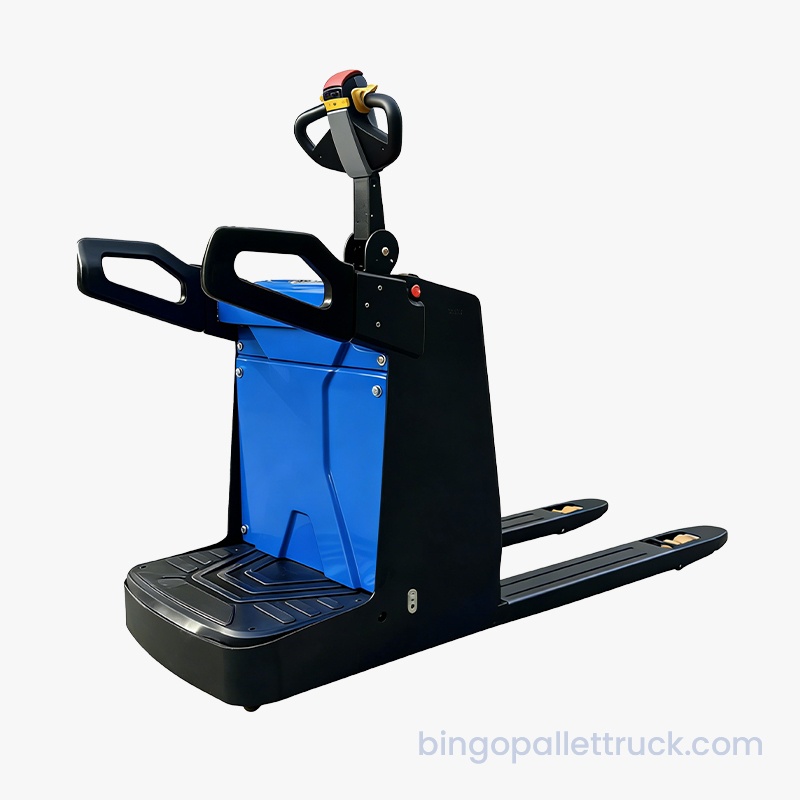
The battery is often the limiting factor in an electric pallet truck's overall service life, since battery degradation typically occurs faster than wear on the truck's mechanical frame and lift components.
Battery Type Comparison
| Battery Type | Typical Service Life |
| Lead-acid battery | 3 to 5 years with regular maintenance |
| Lithium-ion battery | 5 to 8 years or more, depending on charge cycle management |
Since lead-acid batteries typically require replacement one or more times over the truck's full service life, factoring this recurring cost into total ownership planning helps facilities budget more accurately than assuming the original battery will last the equipment's entire operational lifespan.
How Usage Intensity Affects Mechanical Wear
The frequency and intensity of daily use directly influences how quickly mechanical components such as the hydraulic pump, drive motor, and wheel assemblies experience wear over the truck's operational life.
Comparing Light and Heavy Duty Cycles
- Light-duty operation, involving occasional use across a few hours per day, generally results in slower component wear
- Continuous multi-shift operation places significantly greater cumulative stress on hydraulic and drive components
- Facilities running trucks near maximum rated load capacity regularly tend to see accelerated wear on lift mechanisms specifically
Facilities operating trucks continuously across multiple shifts should anticipate needing more frequent component servicing and potentially a shorter overall replacement cycle compared to operations using the equipment more moderately throughout a standard single shift.
The Role of Scheduled Maintenance in Extending Lifespan
Consistent, proactive maintenance plays one of the most significant roles in determining whether an electric pallet truck reaches the upper or lower end of its expected service life range.
Key Maintenance Practices
- Regular hydraulic fluid level checks and timely fluid replacement according to manufacturer intervals
- Periodic inspection of brake components and wheel condition to catch wear before it affects safe operation
- Consistent battery charging practices that avoid deep discharge cycles known to shorten battery lifespan
Facilities that document and follow a structured maintenance schedule for their equipment fleet generally identify developing issues earlier, preventing minor component wear from progressing into more significant, costly repairs that could otherwise shorten the truck's practical service life.
Signs That Indicate a Truck Is Nearing End of Service Life
Recognizing the practical indicators that a unit is approaching the end of its useful operational life helps facilities plan replacement budgets proactively rather than reacting to sudden equipment failure.
Common Indicators of Aging Equipment
Increasingly frequent hydraulic system repairs, declining battery performance despite proper charging habits, and rising overall maintenance costs relative to the equipment's replacement value are all signals that a truck may be approaching a point where continued repair no longer makes economic sense compared to replacement.
Comparing Service Life Across Different Truck Types
Walkie and rider configurations can experience somewhat different service life patterns based on their typical usage intensity and mechanical complexity.
Walkie Versus Rider Configuration Lifespan
| Configuration | Typical Usage Pattern | Relative Service Life Impact |
| Walkie electric pallet truck | Shorter distance, frequent stop and start use | Moderate wear on drive components |
| Rider electric pallet truck | Longer distance, sustained travel speeds | Higher cumulative drive system usage hours |
Facilities selecting between these configurations should consider not only immediate operational needs but also how the expected duty cycle for each type might influence long-term maintenance frequency and eventual replacement timing.
Planning Replacement and Fleet Management Strategy
Facilities managing multiple units benefit from tracking individual equipment age and maintenance history, allowing more informed decisions about when to repair versus replace a specific Electric Pallet Truck within their fleet. Staggering replacement timing across a fleet, rather than purchasing all units simultaneously, can also help distribute future replacement costs more evenly across annual budgeting cycles rather than facing a large simultaneous replacement expense once multiple units reach end of service life at the same time.
Who Should Pay Close Attention to Service Life Planning
Warehouse operations managers and equipment procurement teams overseeing material handling fleets should track usage hours and maintenance history closely to accurately anticipate replacement timing rather than relying solely on general lifespan estimates. Facilities operating equipment continuously across multiple shifts should budget for a shorter practical replacement cycle and more frequent battery replacement compared to operations with lighter, single-shift usage patterns.

Copyright @ Yancheng Bingo Machinery Equipment Co., Ltd. All rights reserved Warehouse Logistics Equipment Manufacturer Pallet Truck Supplier
