 en
 Español
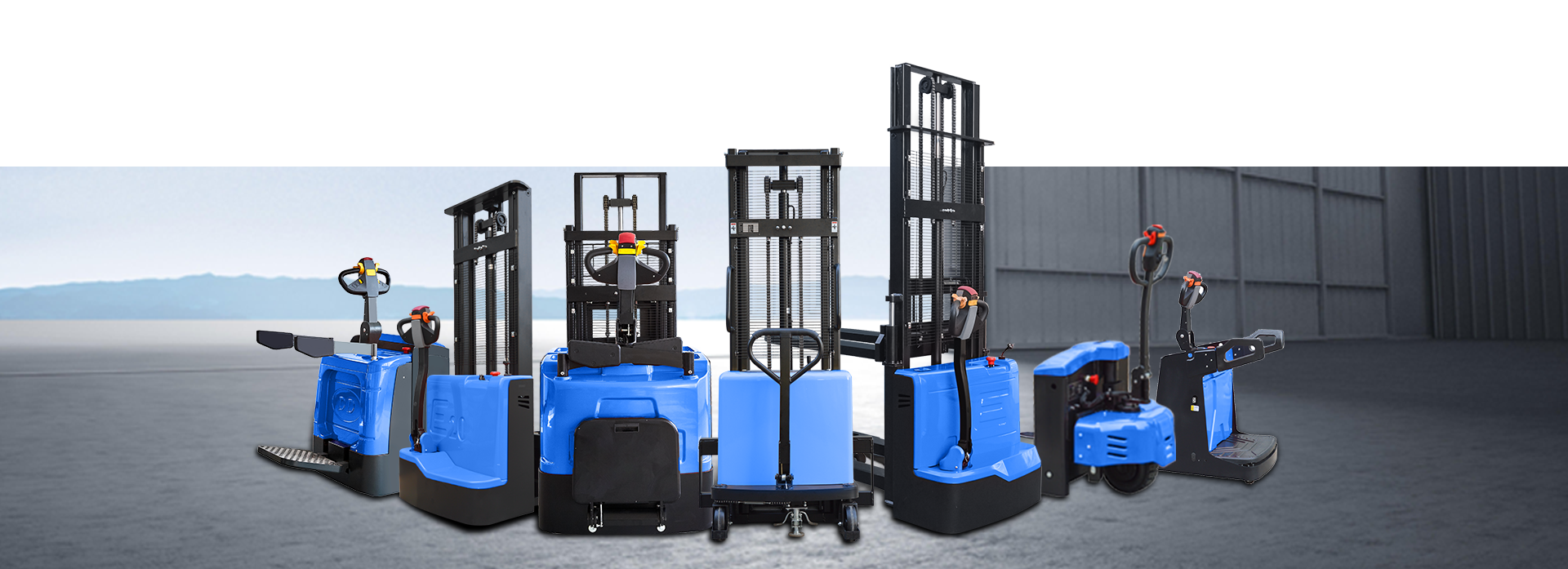

Warehouse Pallet Lift Guide: Choosing the Right Truck, Stacker and Pallet
Content
- 1 The Four Numbers That Set the Specification
- 2 Walkie or Stand-On: Matching the Pallet Truck to the Route
- 3 Stackers and Pallet Trucks: What the Wrong Tool Costs
- 4 Pallets and Lifts Have to Agree With Each Other
- 5 Where Pallet Lifts Sit in a Working Warehouse Day
- 6 A Practical Checklist Before You Order
Most warehouse pallet lift projects are decided by the wrong detail first. Buyers compare truck models, prices and battery options, then discover that the chosen machine cannot enter the pallet cleanly, lift to the top beam, or turn in the narrowest aisle on the route.
The sequence that works runs the other way round. Start with the pallet and the load, move to lift height and aisle width, and only then look at truck classes. Pallet geometry fixes fork length and fork spread. Load weight fixes rated capacity. Lift height separates a pallet truck from a stacker. Aisle width decides whether a rider machine or a pedestrian machine makes sense at all. Get those four right and most of the remaining specification writes itself.
The Four Numbers That Set the Specification
Collect these four measurements before a single quotation is requested. They are the figures that reliably narrow the field, and each one can be checked on site in an afternoon.
| What to measure | Why it decides the equipment | Typical values seen in practice |
|---|---|---|
| Pallet footprint and entry direction | Sets fork length and fork spread, and whether fixed forks are safe | 1200 x 1000 mm global, 1200 x 800 mm Euro, 1100 x 1100 mm Asia, 1219 x 1016 mm GMA |
| Load per pallet, including the pallet | Sets the rated capacity you actually need rather than the figure on the brochure | 800 to 1200 kg in distribution, 1500 kg and above in manufacturing |
| Lift height required | Separates a pallet truck from a stacker or a reach machine | Floor level transport, up to 1600 mm, or higher racking levels |
| Narrowest aisle on the route | Decides walkie against stand-on, and whether forward reach is needed | Measured to the rack upright, not to the aisle centre line |
Two details cause most of the trouble. Capacity figures are normally quoted at a defined load centre, often 600 mm, so a long or off-centre load lowers the usable number. Aisle width has to be measured between the real obstructions and to the face of the rack upright; a 100 mm error is enough to turn a comfortable route into a daily scraped rack.
Walkie or Stand-On: Matching the Pallet Truck to the Route
Electric pallet trucks are the workhorse of the flat warehouse floor. They raise a pallet 60 to 200 mm and move it horizontally between the dock, the staging lane and the storage block. The useful distinction between them is where the operator stands.
Electric walkie pallet trucks
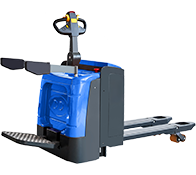
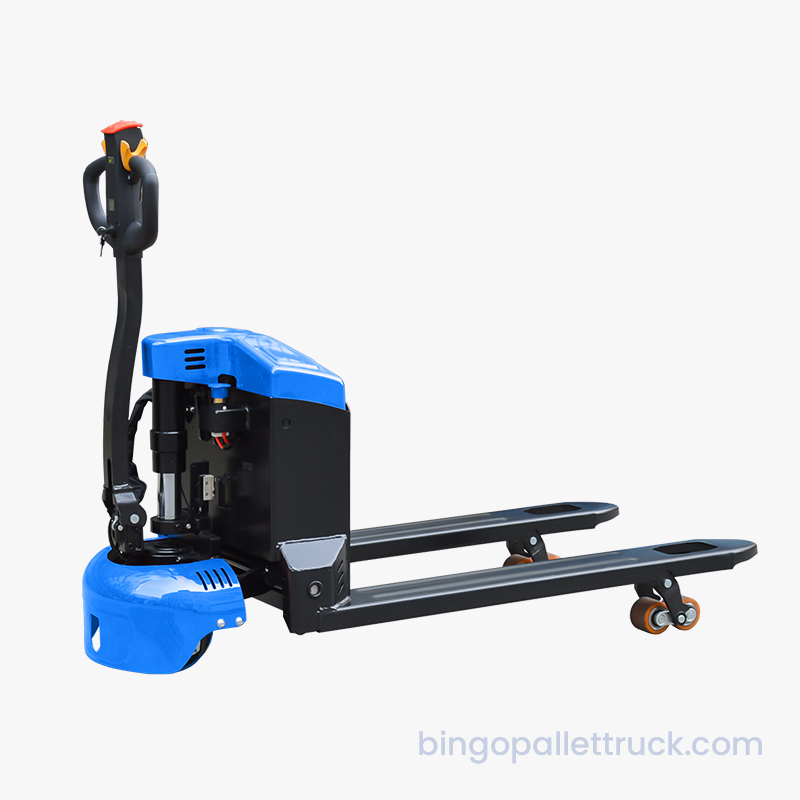
On a walkie truck the operator walks behind the machine and steers with a tiller. This suits short routes, split shifts and congested pick faces where a compact machine is the only thing that fits. Ratings of 2000 kg and 3000 kg are standard, with fork lengths from about 1150 mm. The purchase price is lower and the truck slots easily into a narrow aisle, but walking limits how many pallets one person can move in a shift. That walking limit, not the motor, is what caps throughput.
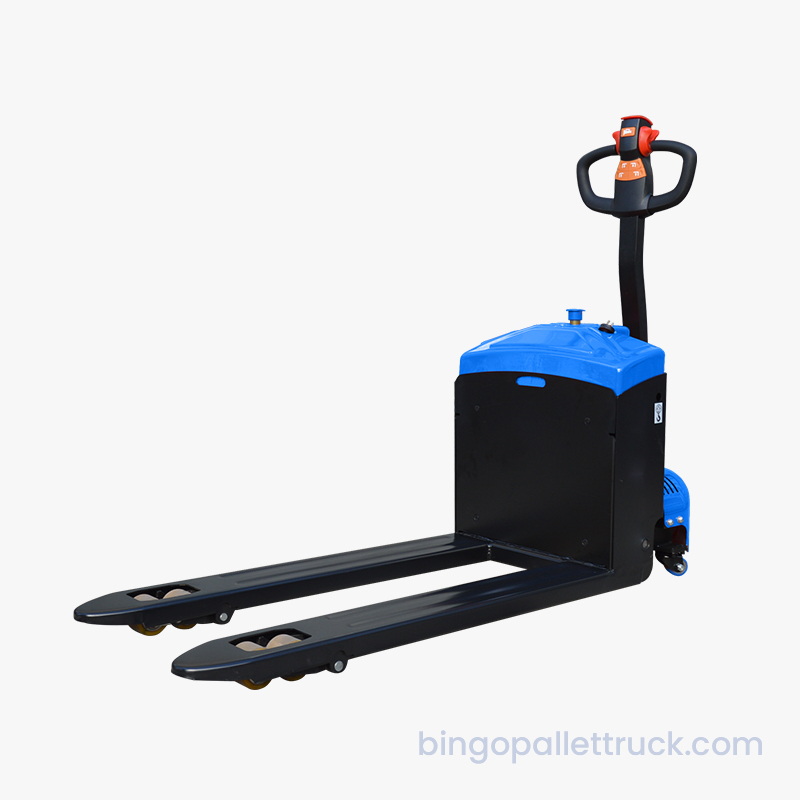 CBD20J 2000 kg Electric Walkie Pallet TruckPedestrian-operated 2000 kg pallet truck with compact width, built-in charger and quick battery access, suited to short routes and congested pick faces.View Product →
Electric stand-on pallet trucks
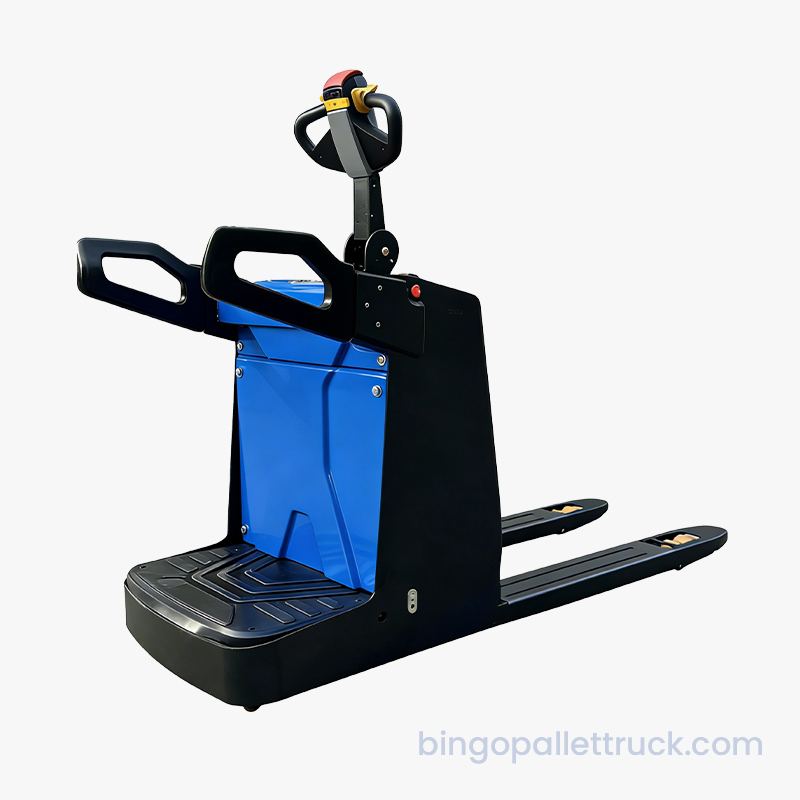
On a stand-on truck the operator rides on a folding platform. Travel speed is higher, fatigue is lower, and the machine stays productive for a full shift. Once haul distances pass roughly 30 metres, or a site handles several hundred pallets a day, the stand-on version usually repays its higher price in saved walking time. The trade-off is length and width: a rider machine needs a wider right-angle stacking aisle. The 2000 kg class is a sensible reference point to check against the aisle measurements before the layout is fixed.
 CBD20C 2000 kg Electric Stand-on Pallet TruckStand-on 2000 kg pallet truck with electronic steering and higher travel speed, suited to longer hauls where rider comfort outweighs a wider aisle requirement.View Product →
Stackers and Pallet Trucks: What the Wrong Tool Costs
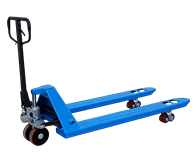
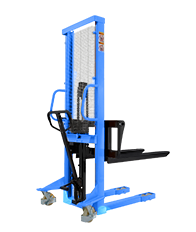
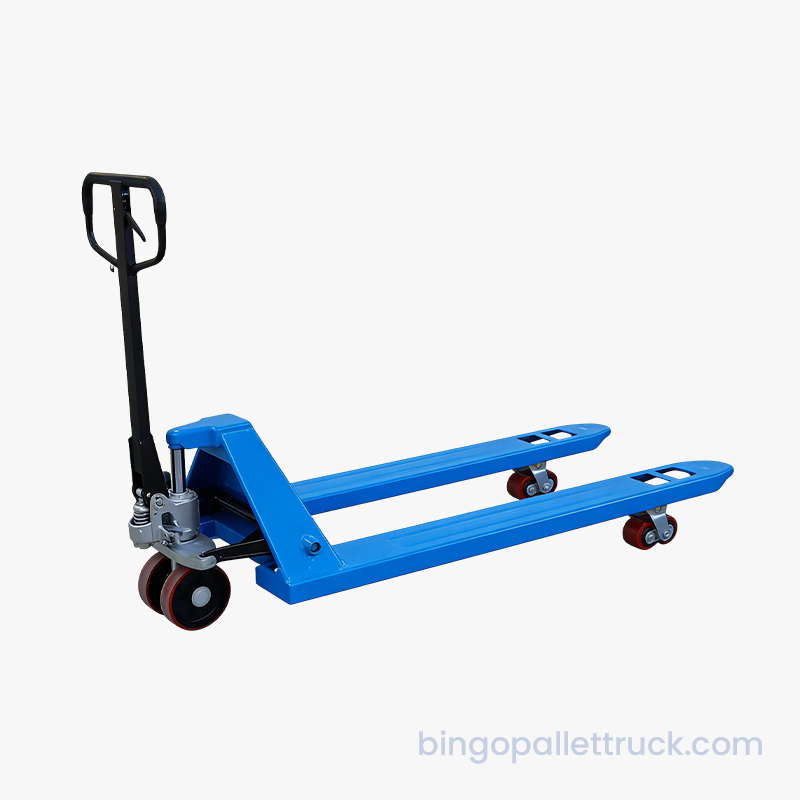
A pallet truck and a stacker look similar in a catalogue photo and behave nothing alike on the floor. A pallet truck is a horizontal transport machine. A stacker adds a mast, and with it the ability to place a load on the second, third or sixth beam level. Buying transport equipment for a racking job means every put-away becomes a manual exercise and the upper bays stay empty, which is an expensive way to store air.
The opposite mistake is just as common. Over-specifying a stacker for a dock-to-storage shuttle that never lifts above floor level adds weight, cost and a mast that blocks the operator view.
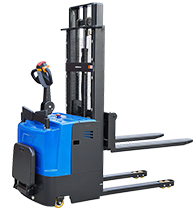
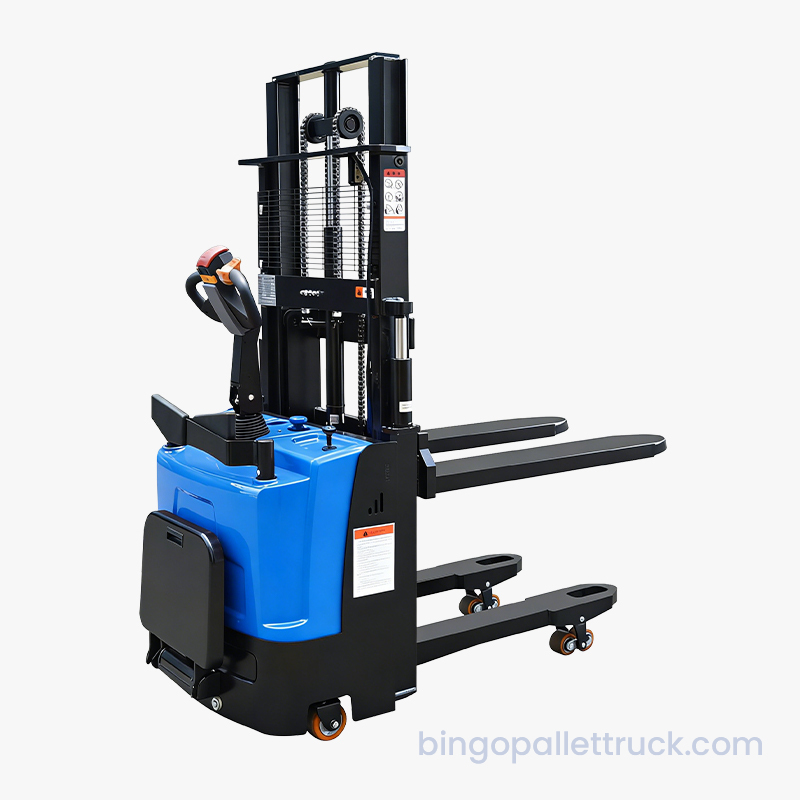
For mixed duty, a 1500 kg electric stand-on stacker covers both motions. It travels at rider speed over distance and still lifts to the lower racking levels, so one truck can unload, transfer and put away without a change of machine. Where the top beam sits above roughly 4.5 metres, or where the aisle cannot be widened, the conversation moves on to reach trucks and eventually to automated storage and retrieval systems, which is a different budget entirely.
 CDD15G 1500 kg Electric Stand-on Stacker1500 kg stand-on stacker for mixed-duty warehousing, combining rider-speed travel with lifting to lower racking levels and a foldable pedal for confined-space maneuvering.View Product →
Pallets and Lifts Have to Agree With Each Other
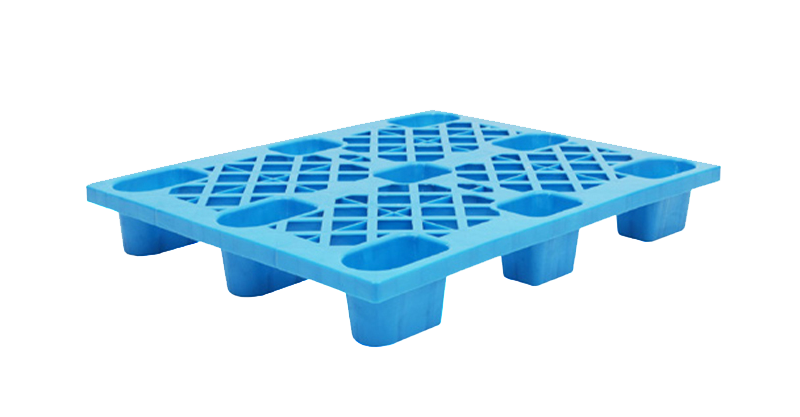
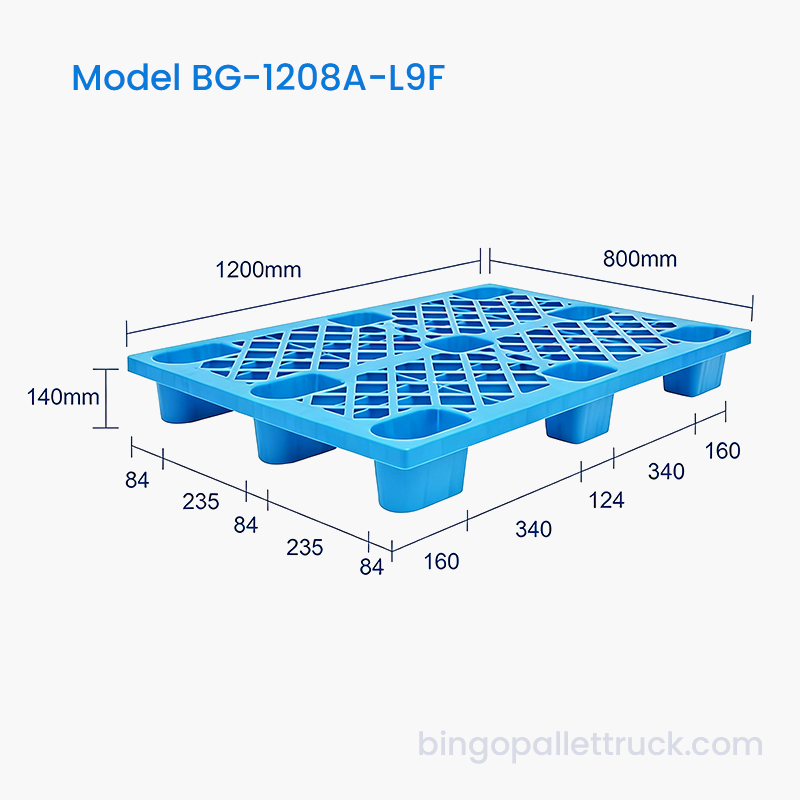
Most pallet handling complaints trace back to a mismatch between the pallet base and the equipment that picks it up. Nine-foot, six-runner and three-runner pallets all present different entry geometry. A manual pallet truck with fixed fork spacing may lift one pallet cleanly and scrape the next. A stacker with adjustable forks can be set to the pallet in front of it, but the setting has to be recorded and checked, because the next shift inherits whatever was left behind.
Plastic pallets add two variables worth knowing. A solid top deck spreads point loads and is easier to clean, which matters in food and pharmaceutical storage. A grid deck drains and weighs less. Nestable pallets save floor space when empty but generally cannot carry racking loads, so they belong in transport and staging, not in the rack. When pallets and racking are bought together, the load per pallet, the beam tolerance and the dynamic capacity the rack must carry should be checked against each other rather than assumed.
Where Pallet Lifts Sit in a Working Warehouse Day
In a distribution centre running three shifts, no single machine covers the whole route. Walkie trucks unload at the dock and move pallets to the staging lane. Stand-on trucks handle the longer transfer to the storage block, where a stacker puts each pallet away at height. Hand pallet trucks take the last few metres into a pick face that no powered equipment can reach. The mix matters more than any individual model, because a bottleneck at one point in the route sets the pace for the whole building.
The balance shifts by industry. E-commerce sites favour high-frequency horizontal movement and short lifts, and they tend to standardise on one pallet size so that every truck on the floor can handle every pallet. Manufacturing plants move heavier unit loads and often need stackers for work-in-progress buffers near the line. A cold chain operation has to factor in condensation, wash-down routines and battery behaviour at low temperature, and its pallets have to survive repeated temperature cycling without cracking.
A Practical Checklist Before You Order
Run through these points with the people who will actually use the truck, not only with the purchasing department.
- Measure the pallet, including the entry direction, and write down the fork length and fork spread that follow from it.
- Weigh the heaviest realistic load rather than the average one, and add the weight of the pallet itself.
- Measure every aisle and doorway on the route at its narrowest point, at floor level and at racking height.
- Confirm the maximum lift height and whether the truck will travel with a raised load, because that changes the stability limit that applies.
- Check floors, ramps and dock levellers for slope and joint gaps before blaming the tyres.
- Match battery and charging arrangements to the shift pattern. A truck that spends four hours on charge is not a truck you have bought.
- For cold rooms, confirm that the machine, the pallet and the wheel material are all rated for the operating temperature.
- Put fork dimensions, wheel specification and the spare parts list in writing before delivery, so a replacement truck three years later still fits the same pallets.
The most common purchasing risk is not price. It is a specification that looks complete on paper but was never checked against the pallet in the rack and the aisle on the floor.
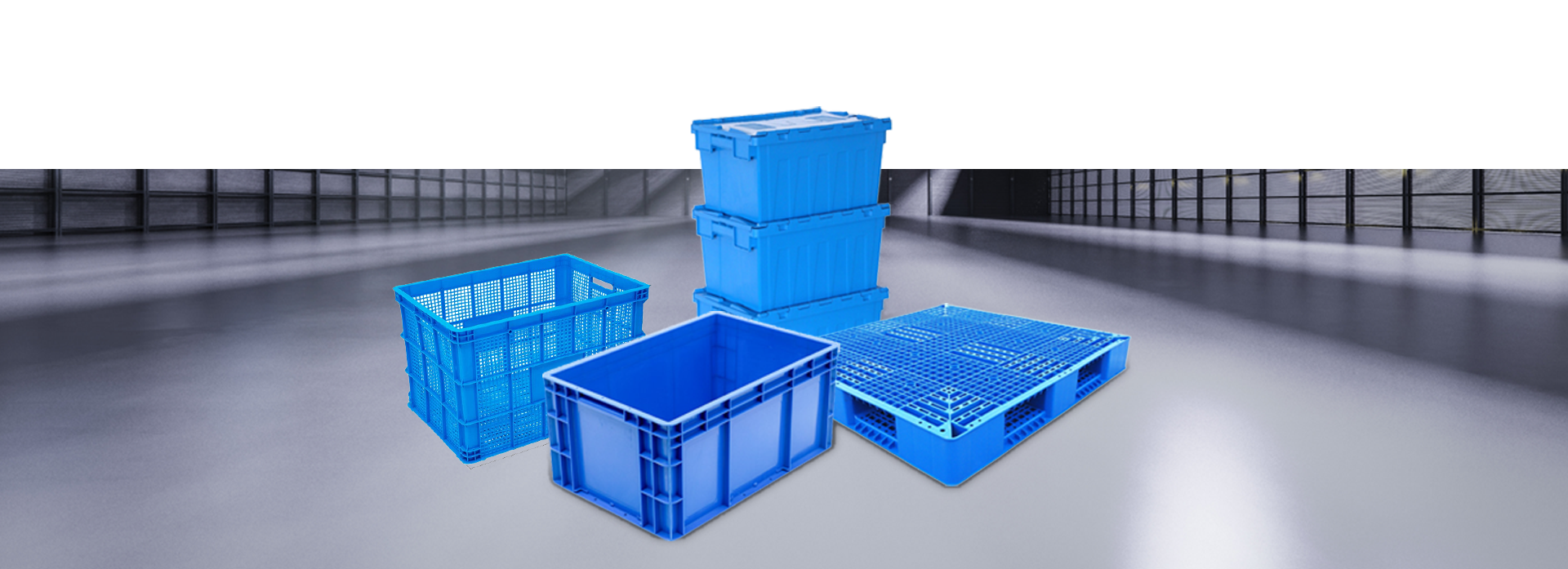
A warehouse pallet lift only earns its money when the pallet, the load, the height and the aisle have all been settled first. Fix the pallet and the racking, confirm the four measurements on site, and the truck class becomes a short and defensible decision rather than a guess. Buying handling equipment, storage containers, packaging materials and racking from one supplier also removes the gap where a truck and a pallet from different sources quietly disagree with each other.
If the route, the loads or the racking layout are still open questions, it is worth having them reviewed together before the order goes out. Talk to our team with the four numbers from Table 1 and the shortlist narrows quickly.

Copyright @ Yancheng Bingo Machinery Equipment Co., Ltd. All rights reserved Warehouse Logistics Equipment Manufacturer Pallet Truck Supplier
