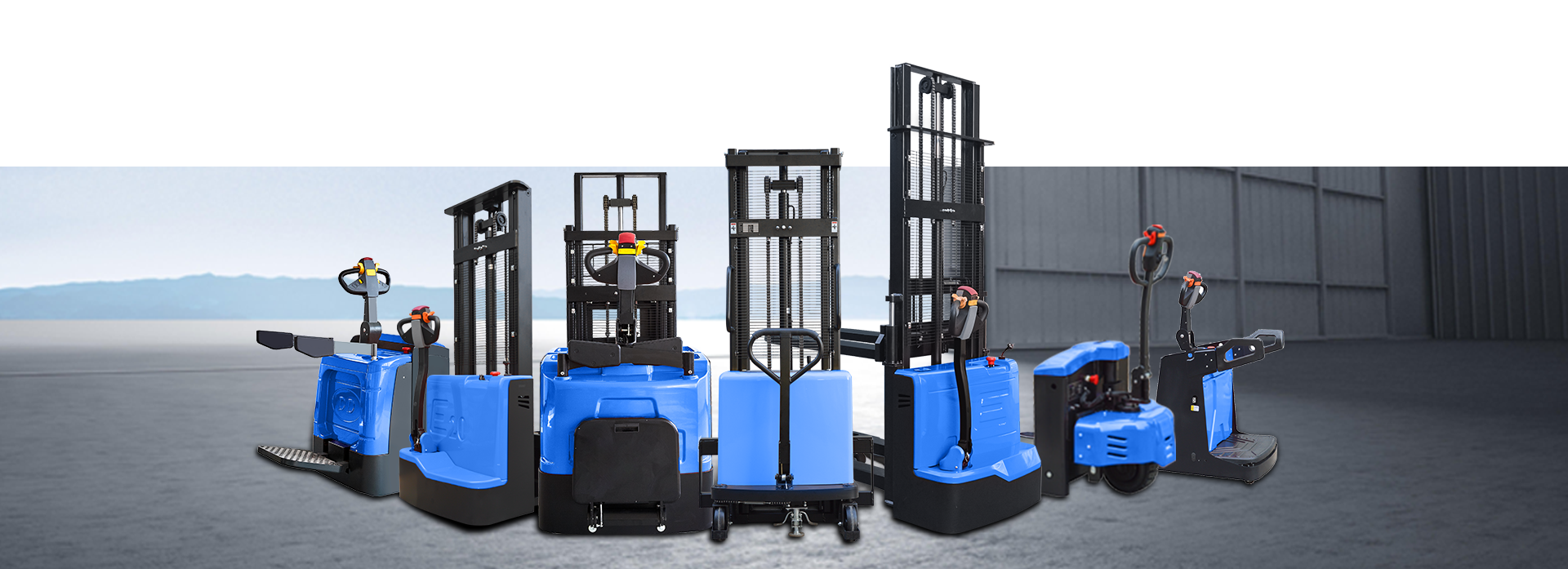
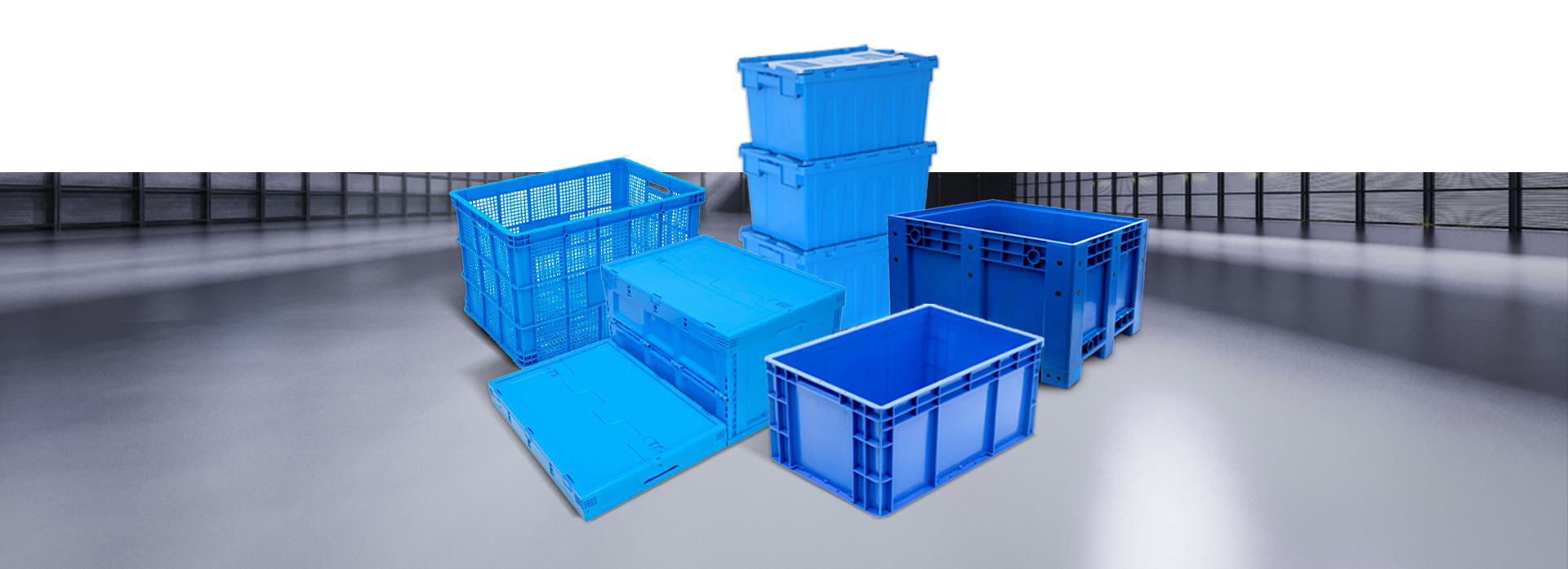
Bingo is an enterprise specializing in the production, sales, and service of warehousing and logistics equipment. Focusing on the equipment needs of various warehousing and logistics scenarios, we provide global customers with one-stop, integrated solutions for material storage and handling.
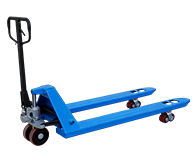
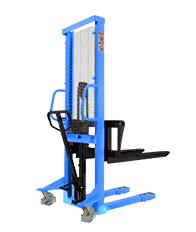
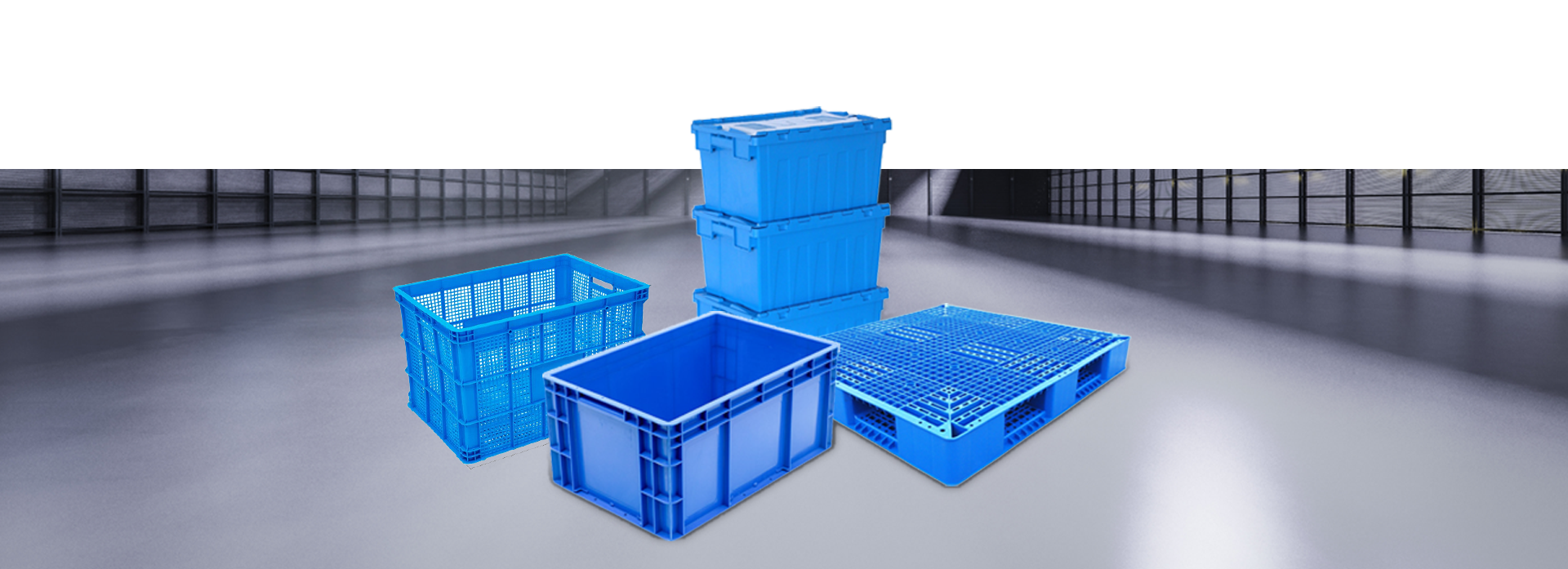
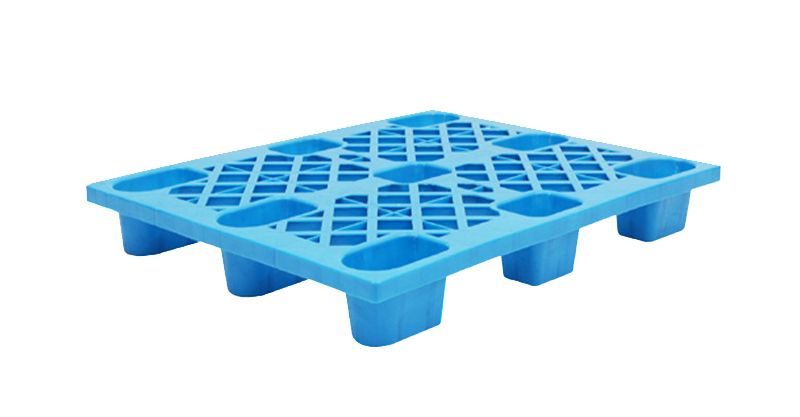
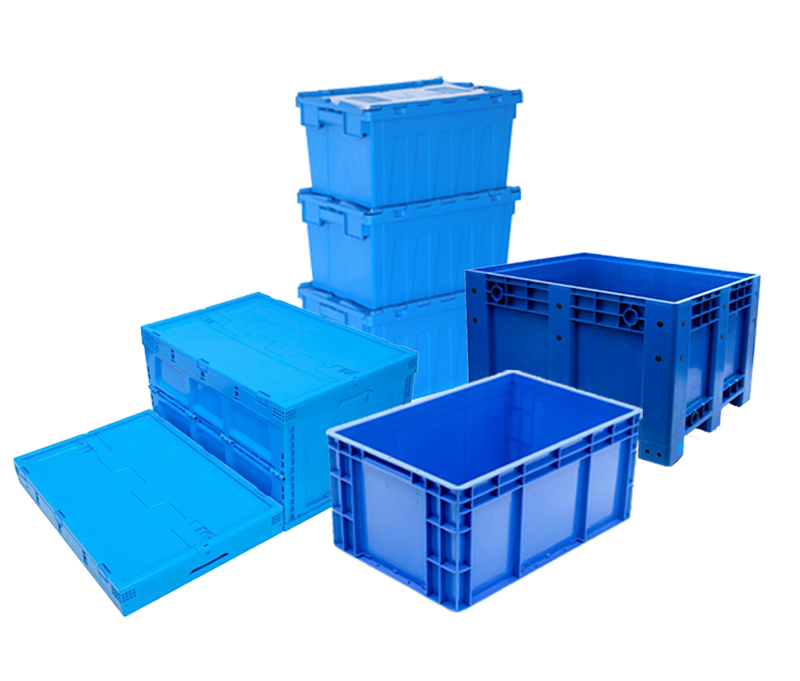
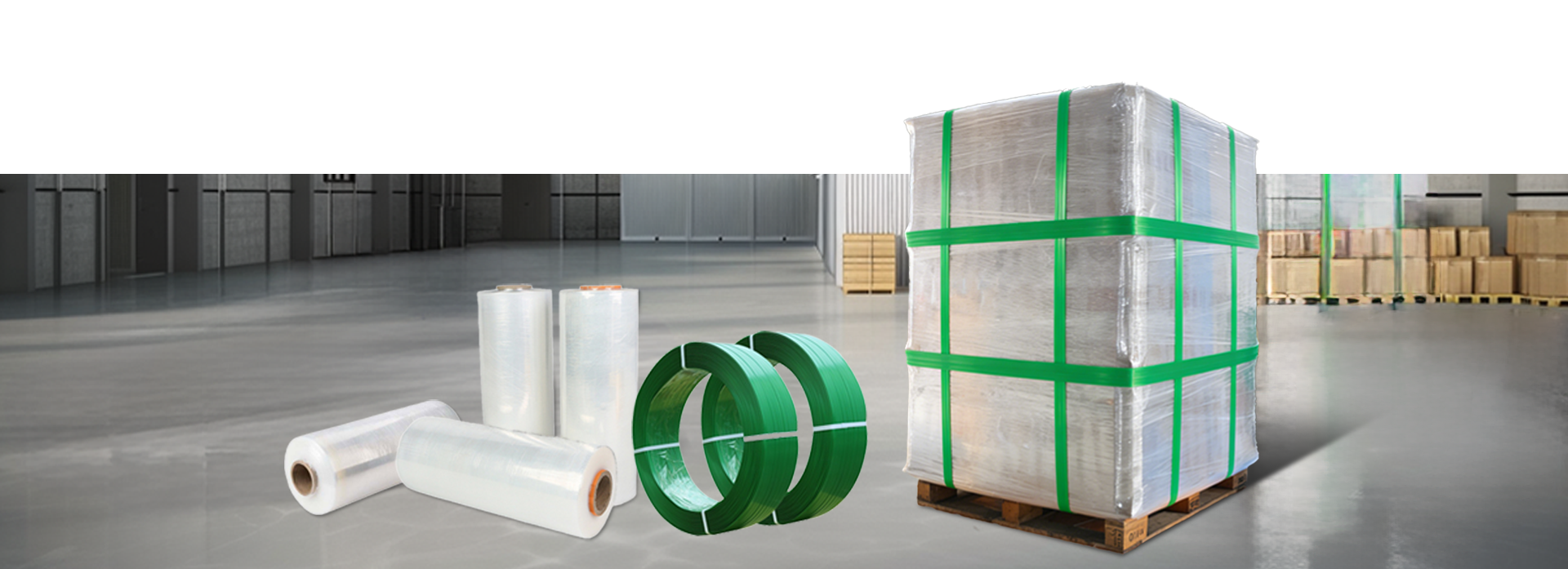
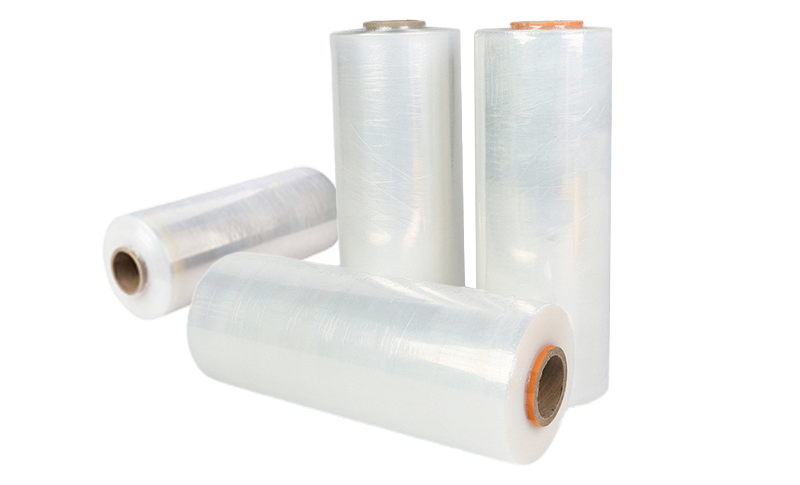
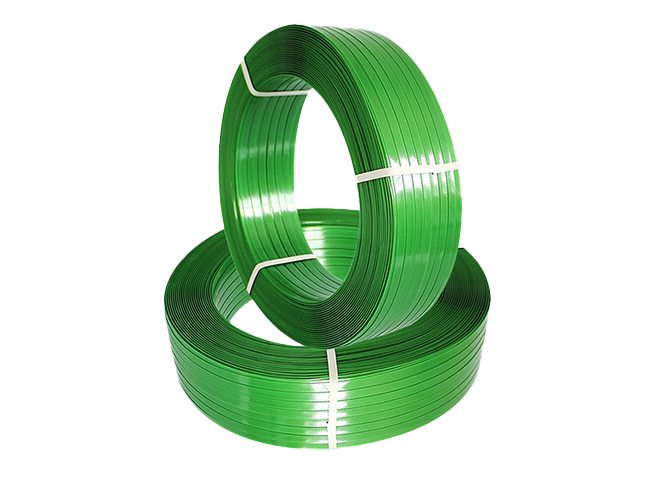
Bingo is a China OEM Plastic Pallet Boxes Supplier and Plastic Pallet Boxes Factory, and has built a complete warehousing and logistics equipment supply chain covering four core systems. In the field of handling equipment, we offer a full range of manual and electric pallet trucks and stackers. Our storage container line includes plastic pallets, plastic totes, crates, and bulk containers to meet diverse logistics needs. while the packaging material series provides supporting products such as stretch wrap and packing strapping. The warehousing racks series encompasses light-duty, medium-duty, and heavy-duty products of various specifications. Adhering to quality as our core value, we rely on a mature supply chain system and strict quality inspection processes to ensure that every product complies with international standards. We are committed to delivering cost-effective product solutions for industries including manufacturing, e-commerce logistics, warehousing and distribution, as well as supermarket retail.
Upholding the philosophy of "Quality First, Win-Win Cooperation", we actively expand our global market presence and are willing to join hands with partners around the world to jointly promote the intelligent and efficient development of the logistics industry.
Every warehouse supervisor knows the moment when manual pallet handling stops being workable. The heaviest pallets exceed 2500 kg, the dock staging area sits 80 meters from the storage bays, and the shift plan demands more pallet moves tha...
During a routine walkthrough at a distribution center, a warehouse manager noticed a small dent in the bottom flange of a pallet rack upright. No load was in that bay, so the dent was recorded as cosmetic. Three weeks later, a forklift gra...
Bingo Machinery, a trusted global supplier of smart warehouse handling equipment, officially launches the brand new CDDA15 1.5 ton pedestrian electric walkie stacker. This compact stacking solution is engineered for medium height pallet st...
Everything You Need to Know About Plastic Pallet Boxes
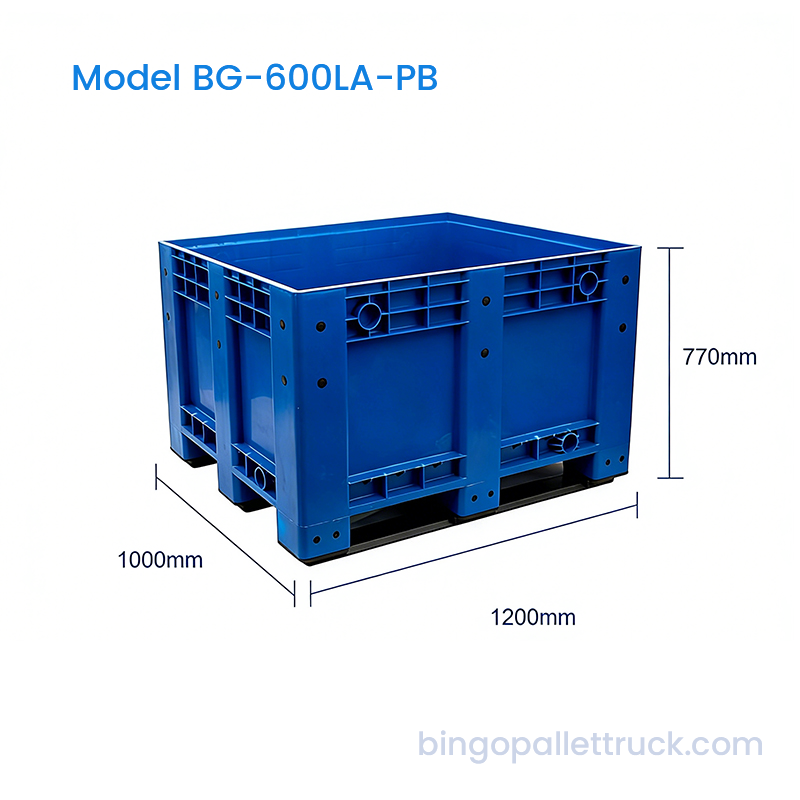
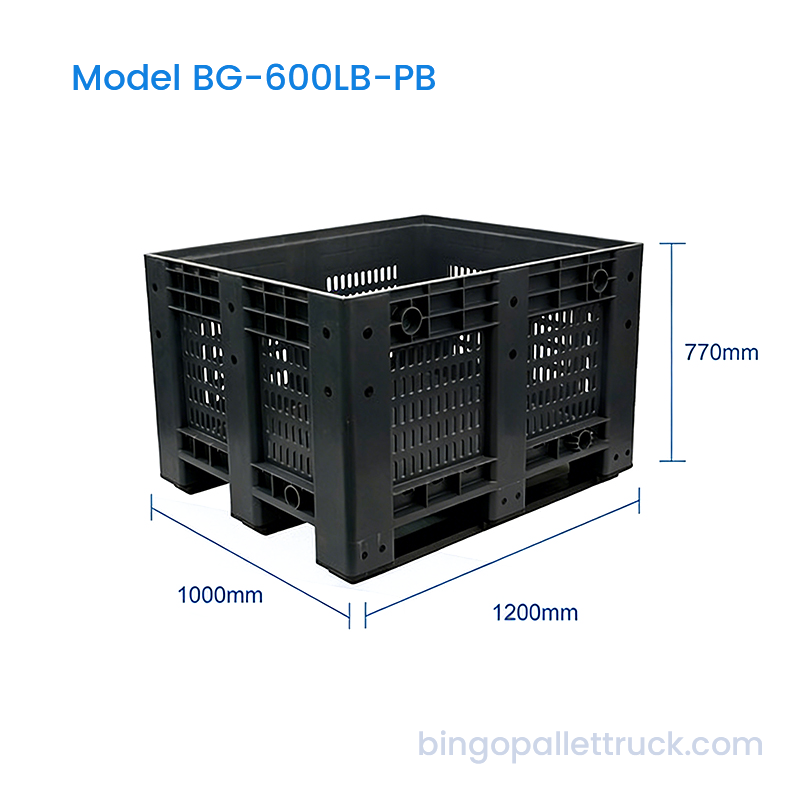
The most commonly used plastic pallet boxes in Europe are the 1200×1000mm (Euro pallet) format, typically with capacities ranging from 600 to 1,000 liters and load-bearing capacities of 500–1,500 kg. These dimensions are standardized to align with Euro pallets, making them the dominant choice across manufacturing, food processing, agriculture, and logistics industries throughout the continent. Beyond this standard, the 1200×800mm and 800×600mm sizes also see substantial adoption, especially in retail and pharmaceutical supply chains. Understanding which size fits your operation can significantly impact storage density, handling efficiency, and total logistics cost.
Standard Sizes of Plastic Pallet Boxes Used Across Europe
European logistics infrastructure has converged on several standardized formats for bulk plastic containers and large plastic storage boxes on pallets. These sizes are engineered to integrate seamlessly with existing warehouse racking systems, forklift specifications, and transportation vehicles. Below is a breakdown of the most widely referenced size categories:
Size (L×W×H mm)
Volume (Liters)
Load Capacity (kg)
Primary Application
Market Share (EU)
1200 × 1000 × 975
~1,000
Up to 1,500
Agriculture, Chemical, Food
~42%
1200 × 1000 × 760
~740
Up to 1,200
Manufacturing, Auto Parts
~28%
1200 × 800 × 800
~600
Up to 800
Retail, Pharma, E-commerce
~18%
800 × 600 × 600
~200
Up to 500
Food Distribution, Small Parts
~12%
Table 1: Common plastic pallet box sizes used across European logistics and warehousing sectors, with approximate market share estimates based on industry surveys.
The 1200×1000mm footprint dominates because it perfectly matches the Euro pallet standard (EN 13698-1), which is used by over 90% of European warehouses. This compatibility drastically reduces the need for repacking or adapting cargo when transferring between different transport and storage modes. The 1000-liter variants are sometimes referred to as IBCs (Intermediate Bulk Containers) in colloquial logistics usage, though technically plastic pallet boxes differ in their open-top or lidded rigid construction.
European Market Size Distribution — Horizontal Bar Chart
The chart below illustrates the relative adoption rates of each plastic pallet box format across European industries. Data is derived from aggregated logistics procurement reports and warehousing surveys conducted between 2021 and 2024. The dominance of the 1200×1000 format is clearly visible, reinforcing why most bulk container manufacturers prioritize this specification for their flagship product lines. Smaller formats, while less represented overall, maintain strong positions in niche markets such as food service distribution, pharmaceutical cold chains, and retail replenishment operations. Understanding this distribution helps procurement managers align purchasing decisions with the most widely compatible and interchangeable assets in the European logistics ecosystem.
Industry-by-Industry Breakdown: Which Sector Uses What
Different European industries display distinct preferences for heavy-duty plastic storage bins with pallets based on the specific demands of their supply chains. Here is a detailed view of how industry requirements translate into size choices:
Agriculture and Food Processing
The agricultural sector is the largest adopter of 1200×1000×975mm plastic pallet containers in Europe, particularly for bulk storage and transport of vegetables, fruits, grains, and animal feed. These large-volume containers — capable of holding close to 1,000 liters — reduce the number of handling cycles and labor costs involved in moving bulk produce from farm to processing facility. Many units are designed with ventilated sidewalls or fully closed food-grade HDPE construction to meet EU food safety regulations (EC 1935/2004). Stackable designs allow up to four units high when empty, maximizing return-trip freight efficiency. Germany, Poland, the Netherlands, and France are the top consumers of this format in the agricultural supply chain.
Manufacturing and Automotive
Automotive and general manufacturing plants across Germany, Czech Republic, and Sweden favor the 1200×1000×760mm format — a slightly shallower variant that facilitates ergonomic access to parts at workstation height. These industrial plastic pallet boxes are frequently used with fitted lids and internal dividers to organize sub-assemblies, hardware, and components. Their standardized footprint means they can be moved by the same forklifts, pallet jacks, and conveyors as standard Euro pallets without any adaptation. Load ratings typically reach 1,200 kg dynamic and 5,000 kg static stacking load, making them robust enough for heavy metal components.
E-commerce, Retail, and Pharmaceuticals
With the explosive growth of online retail and temperature-sensitive pharmaceutical distribution in Europe, the demand for medium-sized plastic pallet boxes in the 600-liter range (1200×800mm footprint) has grown by an estimated 15–20% annually since 2020. These units are favored for their compatibility with half-pallet handling systems and narrow-aisle warehouse racking. Pharmaceutical cold chain operators particularly value HDPE containers with tight-fitting lids, tamper-evident seals, and cleanroom compatibility. Retailers use similar units for store replenishment flows where full-pallet quantities are excessive.
Growth Trend of Plastic Pallet Box Demand in Europe (2019–2024)
The line chart below illustrates the steady increase in demand for plastic pallet boxes across European logistics and industrial sectors from 2019 through 2024. Growth was notably accelerated from 2020 onward as supply chain disruptions prompted companies to invest in reusable, durable bulk containers rather than single-use packaging. The shift toward circular economy packaging standards in the EU further incentivized adoption of long-lifespan HDPE and PP containers over cardboard or wood alternatives. The pharmaceutical and e-commerce segments showed the steepest growth trajectory, while agriculture maintained the largest baseline volume throughout the period. Overall, the European market for rigid plastic bulk containers is estimated to have grown at a compound annual growth rate (CAGR) of approximately 7.3% during this window.
Material Choices: HDPE vs PP vs Recycled Plastic Pallet Boxes
Beyond dimensions, the material composition of plastic bulk storage containers significantly influences their suitability for different European industries. Three primary polymers dominate the market:
HDPE (High-Density Polyethylene): The most widely used material, accounting for approximately 58% of European plastic pallet box production. HDPE offers outstanding chemical resistance, UV stability, and compliance with food-contact regulations. It performs reliably between -30°C and +60°C, covering most cold chain and ambient storage scenarios.
PP (Polypropylene): Preferred in higher-temperature industrial applications such as hot-fill food processing or automotive parts washing stations. PP containers typically weigh 10–15% less than HDPE equivalents of the same volume, reducing tare weight on transport loads. Market share is approximately 30%.
Recycled / rHDPE: As EU packaging sustainability regulations tighten, recycled-content containers are gaining share — currently around 12% and projected to exceed 25% by 2030 under targets set by the EU Packaging and Packaging Waste Regulation. These units often carry GRS (Global Recycled Standard) certification.
The choice of material also affects the container's expected service life. A high-quality virgin HDPE collapsible plastic pallet box typically achieves 8–12 years of use in normal warehouse conditions, whereas rHDPE versions may offer 6–9 years. Both substantially outperform single-use wood or cardboard alternatives on total lifecycle cost.
Volume by Industry Sector — Clustered Bar Chart
The clustered bar chart below compares the estimated annual consumption (in millions of units) of plastic pallet boxes across five major European industry sectors for two benchmark years: 2021 and 2024. Agriculture consistently leads in volume, reflecting the seasonal, high-throughput nature of harvest logistics. Manufacturing demonstrates stable growth driven by lean supply chain practices that favor standardized reusable containers. The most notable jump between 2021 and 2024 appears in the e-commerce and pharmaceutical sectors, reflecting structural shifts in European consumer behavior and healthcare supply chain requirements post-pandemic. Food processing and retail also show meaningful growth, supported by regulatory pressure to transition away from single-use packaging under the EU Green Deal framework. The data underscores the broad-based nature of plastic pallet box adoption — it is not limited to any single vertical.
Key Feature Comparison: Choosing the Right Plastic Pallet Box
When selecting a large plastic storage box with pallet base for European warehouse operations, buyers must evaluate several interconnected performance factors. The table below summarizes how the most common size variants compare across the features most cited in procurement decisions:
Feature
1200×1000×975mm
1200×1000×760mm
1200×800×800mm
800×600×600mm
Capacity (L)
~1,000
~740
~600
~200
Euro Pallet Compatible
Yes
Yes
Partial
No
Empty Stack (units high)
4–5
4–5
5–6
6–8
Forklift Access
4-way
4-way
2-way
2-way
Food-Grade Option
Yes
Yes
Yes
Yes
Lid Available
Yes
Yes
Yes
Yes
Collapsible Variant
Yes
Yes
Limited
No
Table 2: Comparative feature overview of major European plastic pallet box formats to assist procurement decisions.
Radar Comparison: Performance Attributes Across Size Formats
The radar chart below provides a multi-dimensional comparison of four plastic pallet box formats across six critical performance attributes: Storage Capacity, Handling Versatility, Space Efficiency (when empty), Regulatory Compliance Range, Load Bearing, and Total Lifecycle Value. No single format excels across all dimensions, which is why many European distribution centers maintain a mixed fleet of container sizes. The 1200×1000×975mm format scores highest on storage capacity and load bearing but slightly lower on space efficiency due to its larger footprint and fixed height. Smaller formats score high on space efficiency and regulatory flexibility but sacrifice volumetric capacity. The radar visualization is a powerful decision-making tool for logistics managers balancing these trade-offs against the specific demands of their supply chains.
Collapsible vs. Fixed-Wall Plastic Pallet Boxes: What European Buyers Prefer
One of the most consequential decisions for European logistics operators is whether to invest in collapsible plastic pallet boxes or fixed-wall (solid-sided) equivalents. Both formats are available across the major size classes and have distinct economic profiles:
Collapsible Plastic Pallet Boxes
Collapsible designs reduce to approximately 25–35% of their full height when folded flat. This is particularly valuable in European logistics loops where outbound shipments are full but return journeys involve many empty units. A typical 40-foot container can transport approximately 80 full 1200×1000 collapsible boxes, but when folded, that same container can carry 300–320 empty units. The annual transport savings on return trips can offset the typically 15–25% higher acquisition cost of collapsible units within 2–3 years of operation. Major automotive OEM logistics networks in Germany and France have adopted collapsible bulk containers as a standard specification precisely for this reason.
Fixed-Wall Plastic Pallet Boxes
Fixed-wall or rigid plastic bulk containers offer superior structural integrity, higher static stacking loads, and lower unit cost. They are the default choice in agricultural and food processing applications where structural strength during filling and transport is paramount. In cold storage environments, fixed-wall HDPE boxes perform more predictably at temperatures below -20°C, where the hinges of collapsible units can become stiff or brittle. Most agricultural cooperatives in Spain, the Netherlands, and Poland operate predominantly fixed-wall 1200×1000mm containers for potato, onion, and root vegetable logistics.
The choice ultimately depends on logistics loop structure. If your operation has high empty-return volumes, foldable plastic pallet boxes deliver measurable savings. If your containers rarely travel empty or operate in extreme temperature ranges, fixed-wall variants are the more cost-effective and durable option.
Regulatory Standards Shaping Plastic Pallet Box Specifications in Europe
The European market is one of the most heavily regulated in the world when it comes to packaging materials and reusable containers. Several key standards directly shape which plastic pallet box specifications are adopted:
EN 13698-1: Defines the Euro pallet (1200×800mm) and by extension influences the footprint of compatible containers.
EC Regulation 1935/2004: Governs food-contact materials, requiring HDPE containers used in food logistics to be free of harmful chemical migration. Food-grade plastic pallet containers must be clearly marked with the fork-and-glass symbol.
EU Packaging and Packaging Waste Regulation (PPWR, 2025): Sets mandatory recycled content targets for plastic packaging, accelerating adoption of rHDPE containers and driving design-for-recyclability requirements.
ISO 15629: Specifies the markings and performance test standards for large reusable transport packaging, including drop tests, stacking loads, and racking tests.
ADR Regulations: For containers used in hazardous materials transport, UN certification codes (e.g., UN 3H2) must appear on containers meeting specific wall thickness, drop, and permeability criteria.
Compliance with these standards is not optional in the European supply chain — non-compliant plastic pallet boxes risk rejection at retailer docks, failure in food safety audits, and exclusion from pharmaceutical cold chain tenders. Choosing a supplier that provides full regulatory documentation, material declarations, and third-party test reports is essential for European buyers.
Adoption Rate by Country — Donut-Style Distribution Chart
The chart below represents the approximate share of European plastic pallet box procurement volume distributed across key countries. Germany leads as the continent's largest logistics and manufacturing economy, with its automotive and chemical sectors driving particularly high demand for standardized reusable container systems. The Netherlands, as Europe's primary logistics gateway (with Rotterdam being the continent's largest port), accounts for a disproportionately large share relative to its size, particularly in transit and distribution operations. France, Spain, and Poland round out the top five, with Poland showing the fastest growth trajectory due to its rapidly expanding manufacturing base and cross-border logistics corridors with Germany and other Central European markets. The remaining EU countries collectively represent roughly one-third of the market, indicating significant untapped potential in Eastern and Southern European regions.
About Yancheng Bingo Machinery Equipment Co., Ltd.
Yancheng Bingo Machinery Equipment Co., Ltd. is an enterprise specializing in the production, sales, and service of warehousing and logistics equipment. Focusing on the equipment needs of various warehousing and logistics scenarios, Bingo provides global customers with one-stop, integrated solutions for material storage and handling.
Bingo has built a complete warehousing and logistics equipment supply chain covering four core systems. In the field of handling equipment, we offer a full range of manual and electric pallet trucks and stackers. Our storage container line includes plastic pallets, plastic totes, crates, and bulk containers to meet diverse logistics needs, while the packaging material series provides supporting products such as stretch wrap and packing strapping. The warehousing racks series encompasses light-duty, medium-duty, and heavy-duty products of various specifications.
Adhering to quality as our core value, we rely on a mature supply chain system and strict quality inspection processes to ensure that every product complies with international standards. We are committed to delivering cost-effective product solutions for industries including manufacturing, e-commerce logistics, warehousing and distribution, as well as supermarket retail. Upholding the philosophy of "Quality First, Win-Win Cooperation", we actively expand our global market presence and are willing to join hands with partners around the world to jointly promote the intelligent and efficient development of the logistics industry.
Smooth Logistics · Smart Storage
Frequently Asked Questions
Q1: What is the most standard plastic pallet box size used in European warehouses?
A1: The 1200×1000mm footprint, most commonly in a 975mm height (approx. 1,000-liter capacity), is the most widely adopted format across Europe. It is compatible with the Euro pallet standard and accounts for roughly 42% of market demand.
Q2: Are plastic pallet boxes suitable for food storage and transport in Europe?
A2: Yes. Food-grade HDPE plastic pallet boxes compliant with EC Regulation 1935/2004 are widely used across European food processing and distribution. They must be marked with the fork-and-glass symbol to indicate food contact safety.
Q3: What is the difference between collapsible and fixed-wall plastic pallet boxes?
A3: Collapsible boxes fold flat to 25–35% of their original height, reducing return transport costs significantly. Fixed-wall boxes offer higher structural strength and static stacking loads, making them preferred for heavy-duty agricultural and industrial use.
Q4: How long do plastic pallet boxes typically last in a European logistics environment?
A4: Virgin HDPE plastic pallet boxes typically last 8–12 years under normal warehouse and logistics conditions, while recycled-content (rHDPE) units generally achieve 6–9 years. Service life depends on load intensity, UV exposure, and temperature range.
Q5: Do I need UN-certified plastic pallet boxes for chemical or hazardous goods in Europe?
A5: Yes. Containers used for hazardous materials transport under ADR regulations must carry a UN certification marking (e.g., UN 3H2). These containers undergo rigorous testing for wall thickness, drop resistance, and chemical permeability before approval.
Q6: Which material is better for cold-chain logistics — HDPE or PP plastic pallet boxes?
A6: HDPE is generally preferred for cold-chain applications, as it maintains consistent mechanical properties down to -30°C. PP can become brittle at very low temperatures, especially at the hinge points of collapsible designs, making HDPE the safer and more reliable choice for frozen or chilled goods logistics.

 en
en  Español