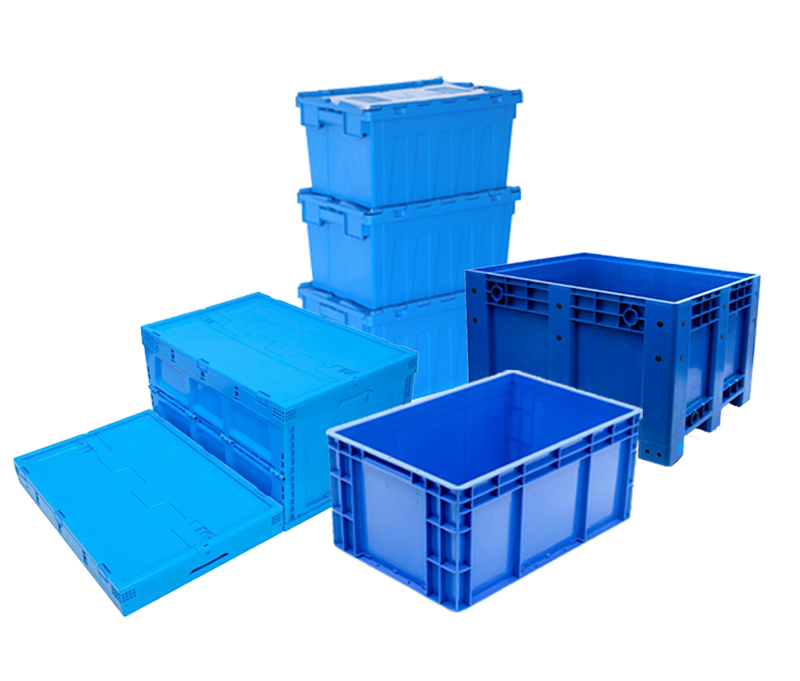
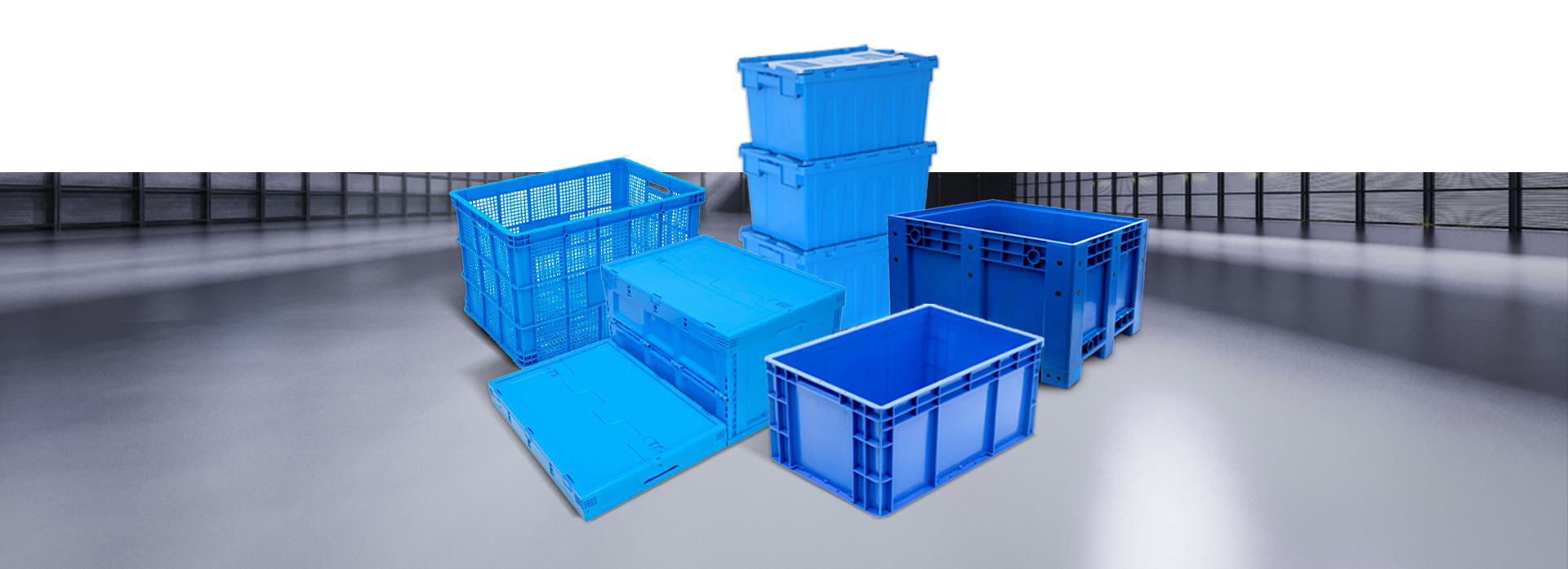
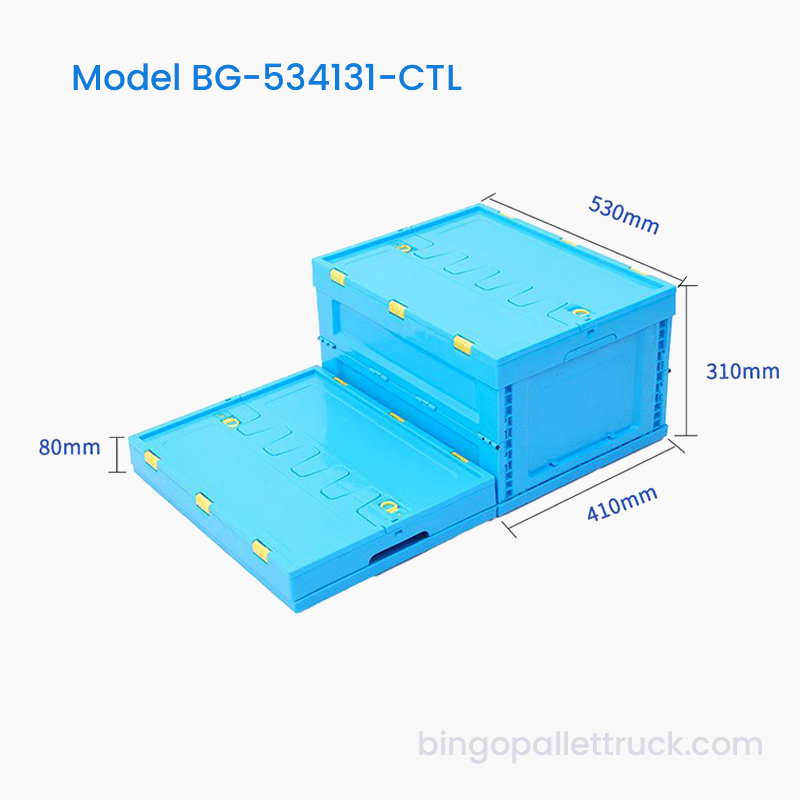
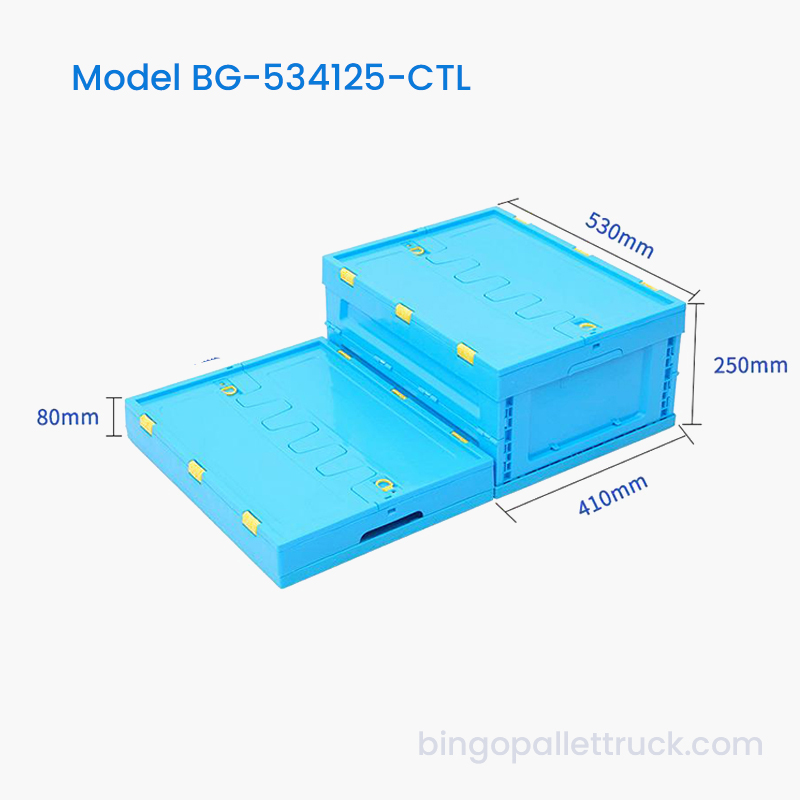
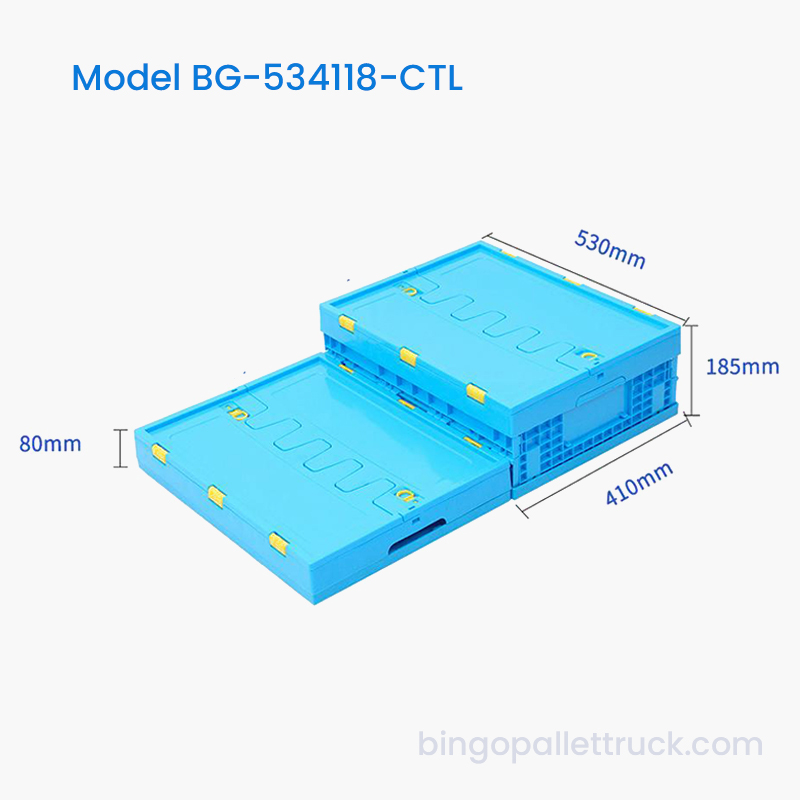
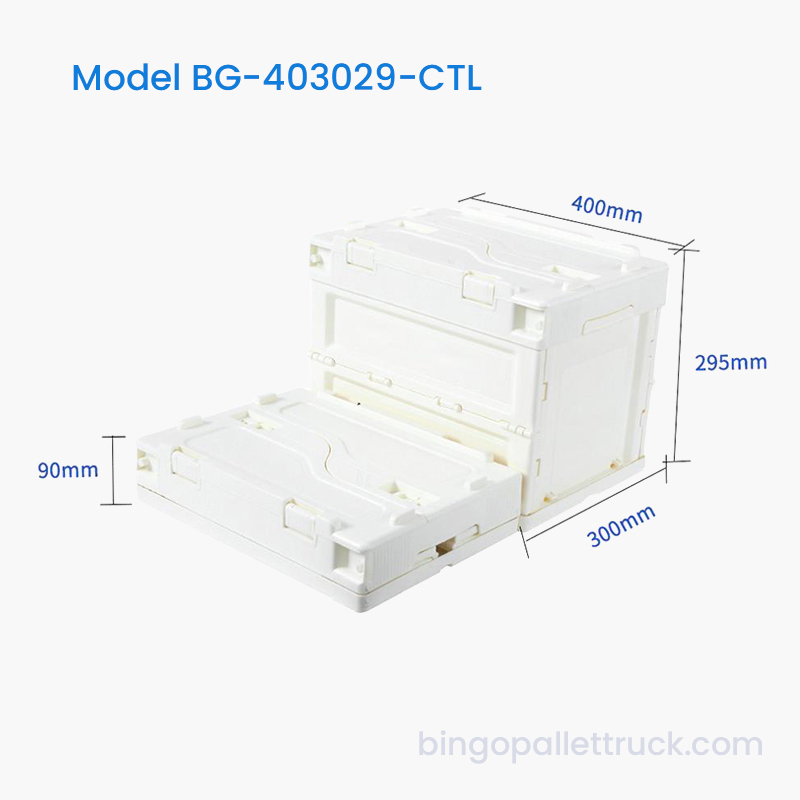
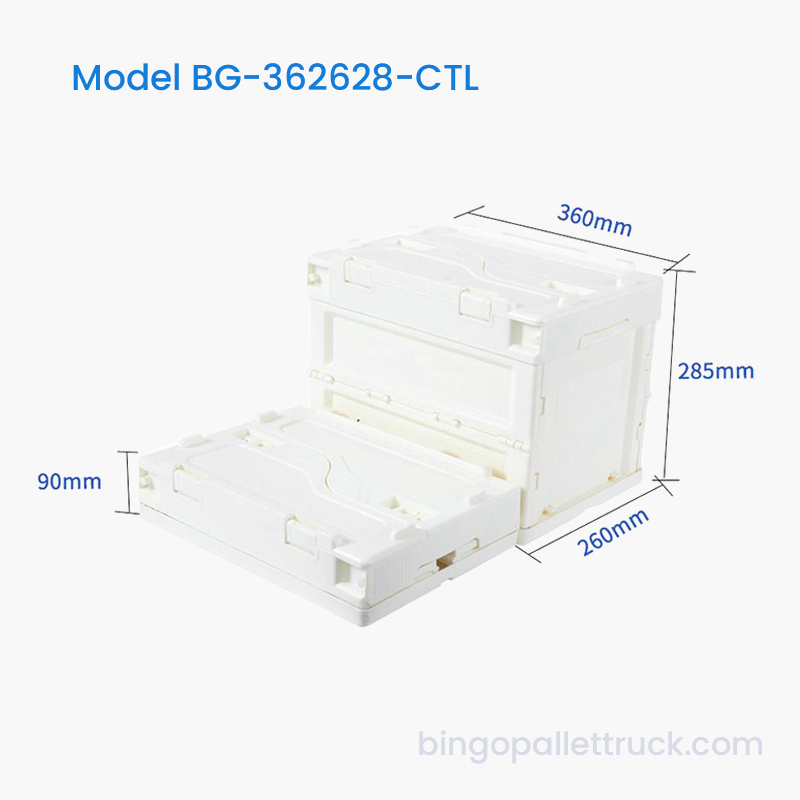
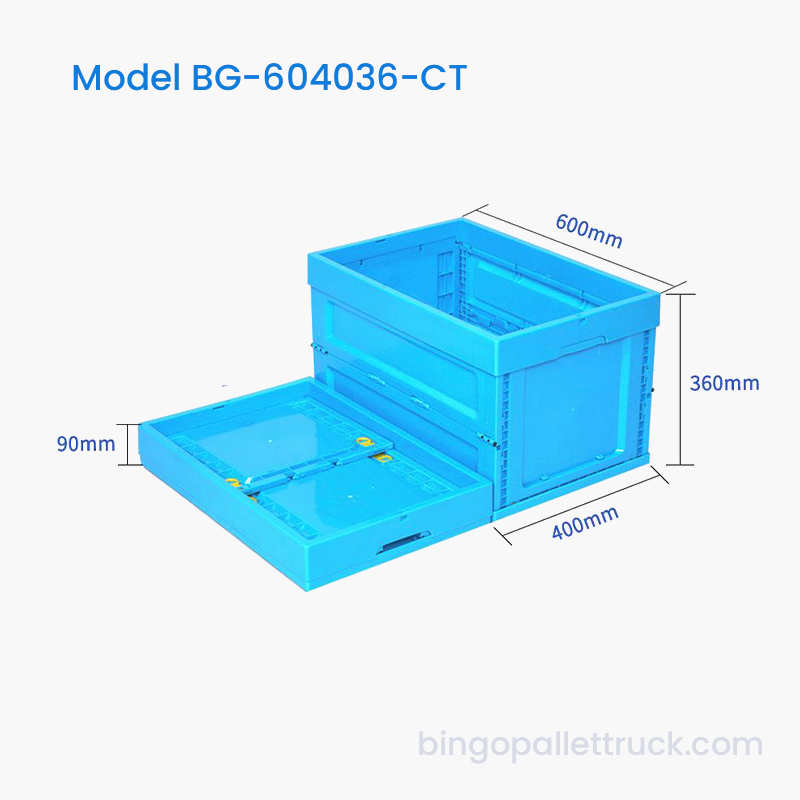
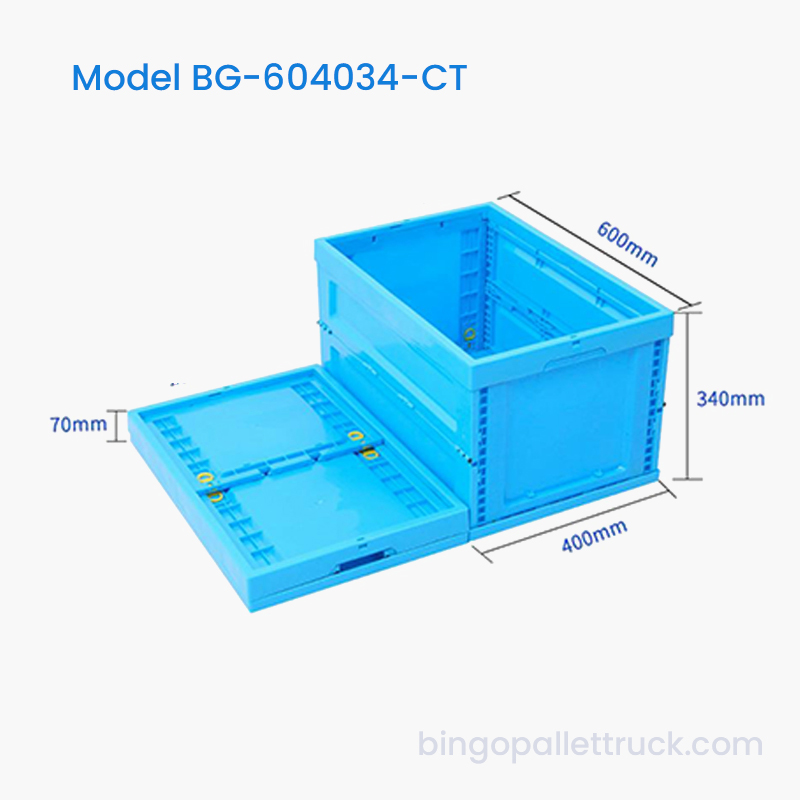
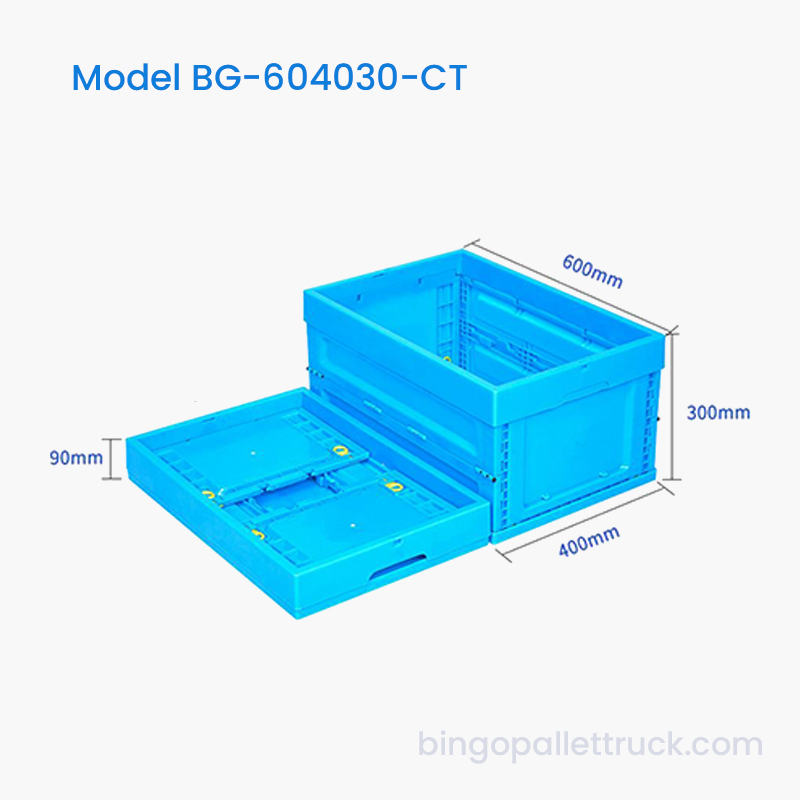
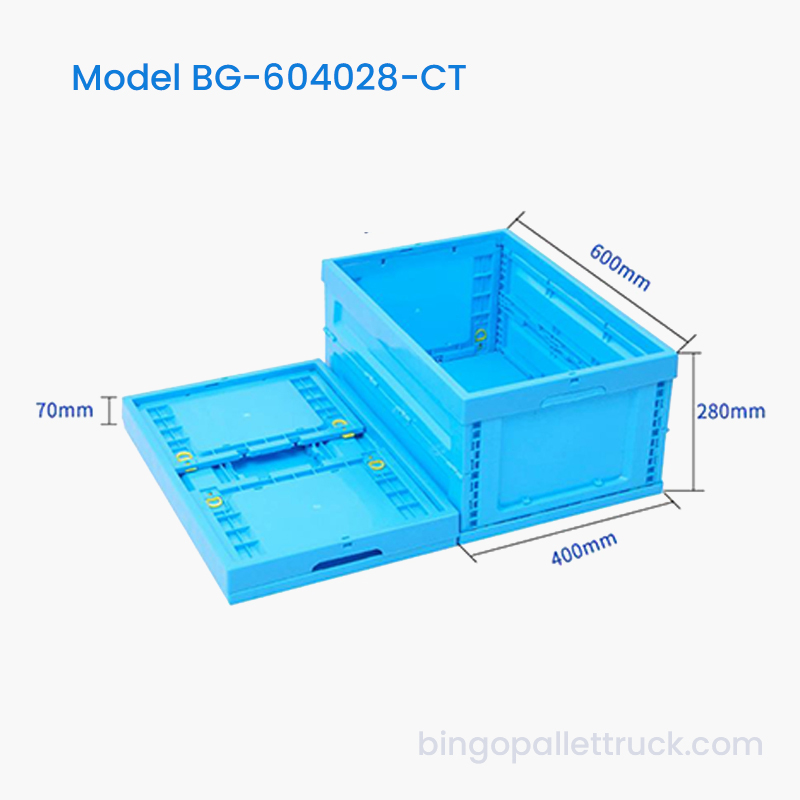
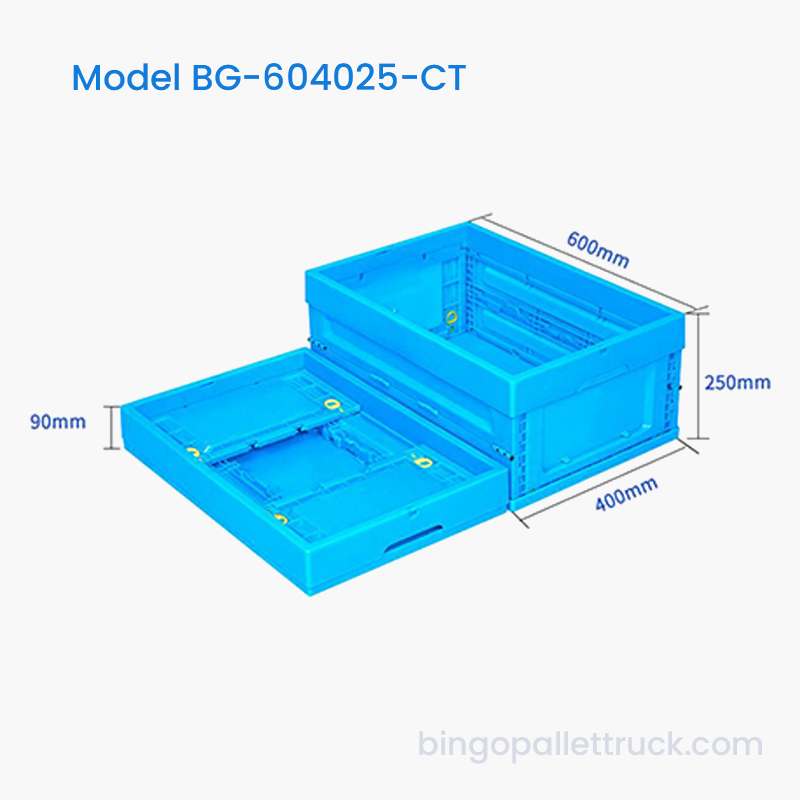
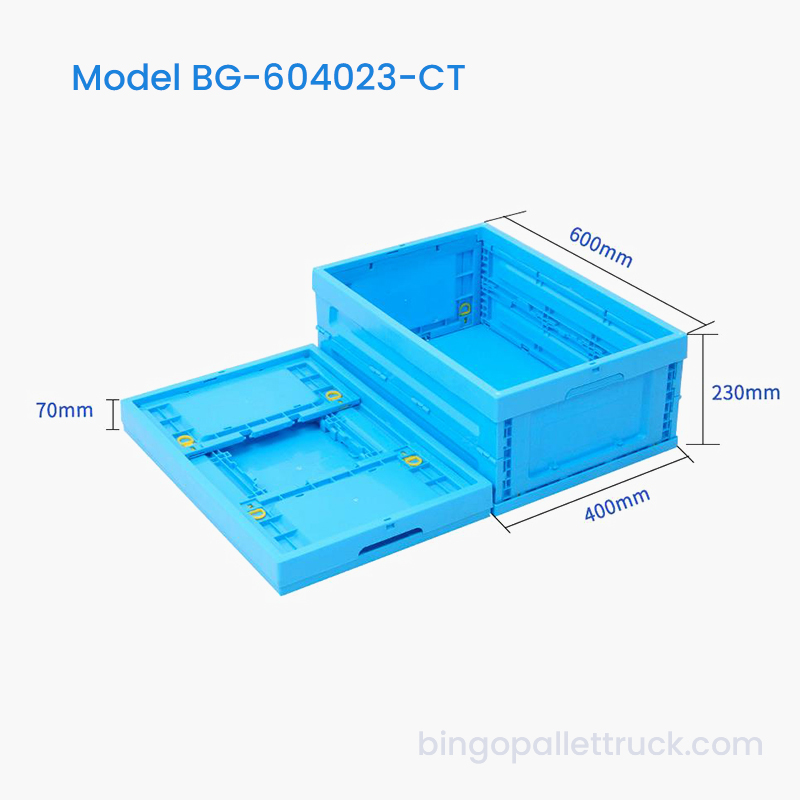
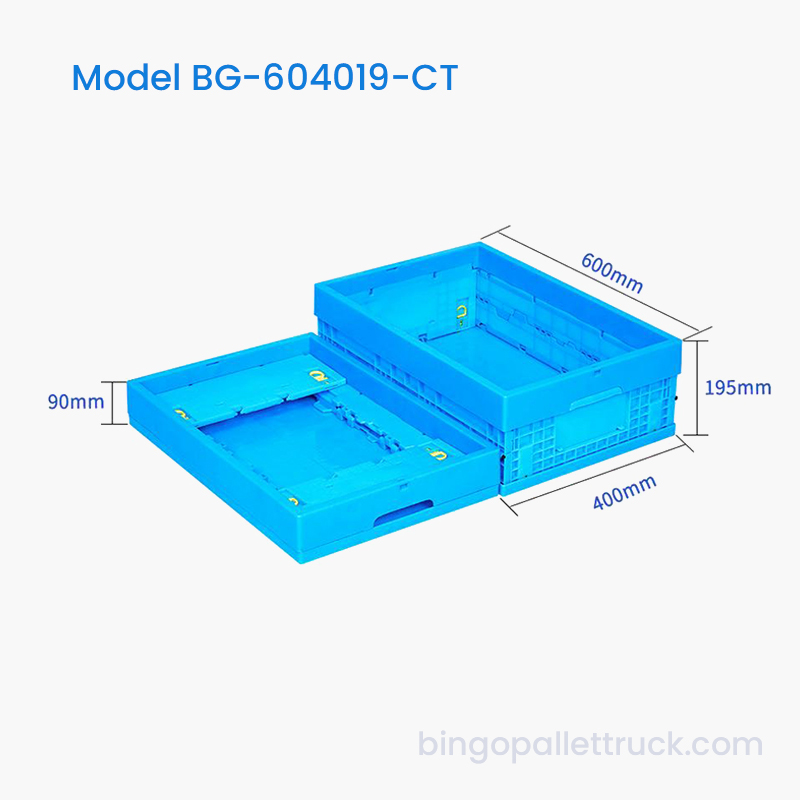
Plastic totes, crates and containers are injection-molded storage and transport units made from high-density polyethylene (HDPE) or polypropylene (PP). They serve as the foundational handling units across warehousing, food processing, agriculture, pharmaceuticals, and industrial production — replacing single-use packaging such as cartons and wooden boxes with reusable, standardized alternatives.
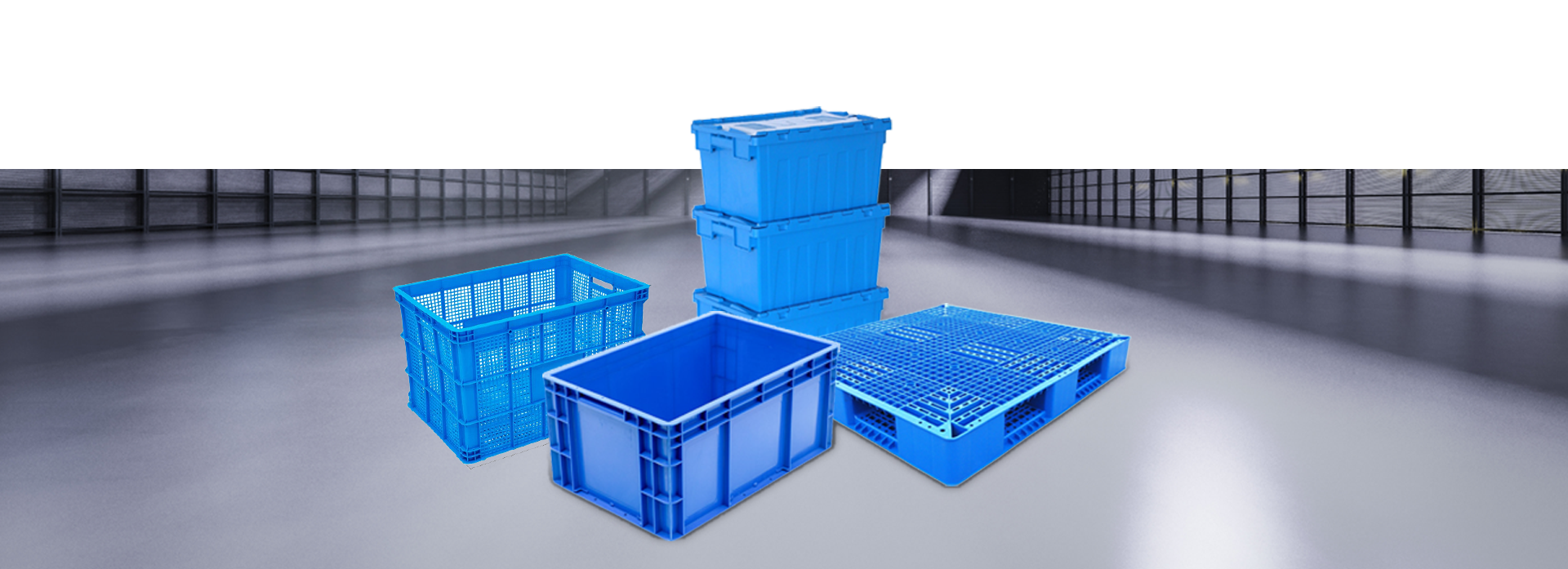
The category covers a wide range of products: plastic tote boxes for sealed or open-top storage of small and delicate items, grid or solid-wall plastic crates for fresh produce and bulk goods, and large-capacity bulk containers for industrial parts and heavy loads. Each format is engineered for stackability, dimensional consistency, and compatibility with standard handling equipment — qualities that directly reduce labor costs and improve storage utilization in high-throughput operations.
How Plastic Totes, Crates and Containers Are Manufactured
All products in this category are produced through one-time injection molding, a process that forms the entire unit as a single seamless piece. This method eliminates weak points such as seams, joints, and fasteners that are common failure modes in assembled or corrugated containers. The resulting structure offers uniform stress distribution and no burrs or sharp edges — important for both worker safety and product protection.
Material selection determines the performance profile of the finished product:
- HDPE (High-Density Polyethylene): Superior impact resistance and flexibility at low temperatures; preferred for cold storage environments, outdoor use, and heavy-duty industrial applications.
- PP (Polypropylene): Higher rigidity, smoother surface finish, and better chemical resistance; the standard choice for food-grade plastic tote boxes and pharmaceutical containers where hygiene compliance is mandatory.
Reputable plastic tote box manufacturers and plastic crates manufacturers offer both food-grade and industrial-grade material options, with load capacities typically ranging from 10 kg to 100 kg per unit depending on wall thickness, base reinforcement, and overall geometry.
Core Advantages of Plastic Tote Bins and Crates Over Traditional Packaging
Switching from single-use cartons or wooden boxes to reusable plastic tote bins and crates delivers measurable operational and financial benefits across most logistics environments:
- Long Service Life: Injection-molded plastic containers resist cracking, deformation, and impact far better than corrugated cartons, enabling years of repeated use across multiple product cycles.
- Hygienic and Easy to Clean: The smooth, non-porous surface of food-grade plastic tote boxes can be washed with water or disinfected with approved chemical agents, meeting the hygiene requirements of food, beverage, and pharmaceutical operations without absorbing contaminants.
- Moisture and Corrosion Resistance: Unlike cardboard or wood, plastic is unaffected by humidity, water, oil, or mild chemical exposure — making plastic crates suitable for wet processing areas, cold storage, and outdoor staging.
- Stable Stacking Performance: Interlocking stackable geometries allow containers to be stacked vertically without tilting or collapsing, maximizing racking density and floor storage utilization in warehouses.
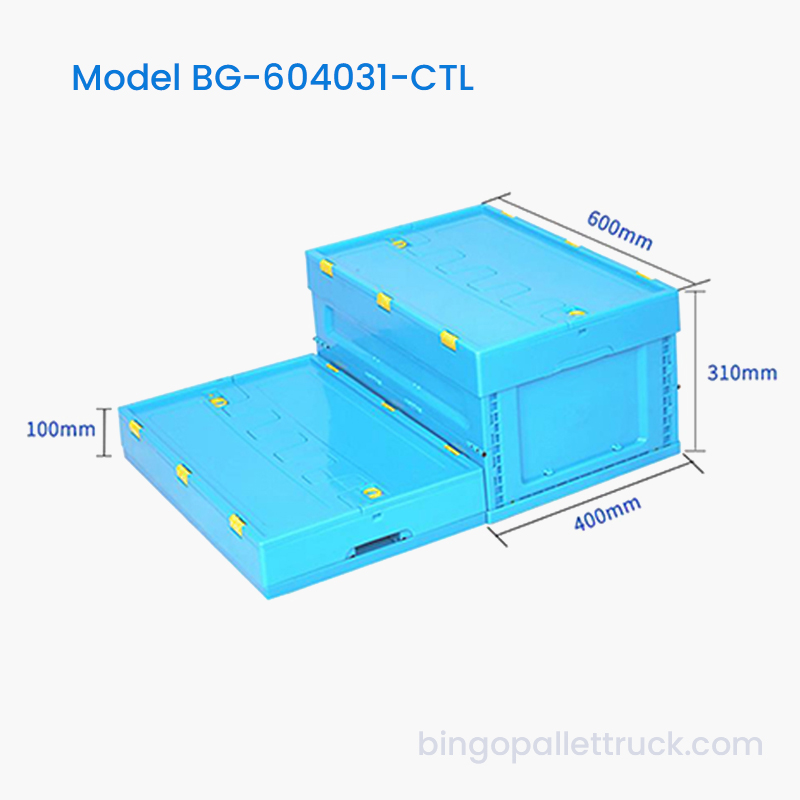
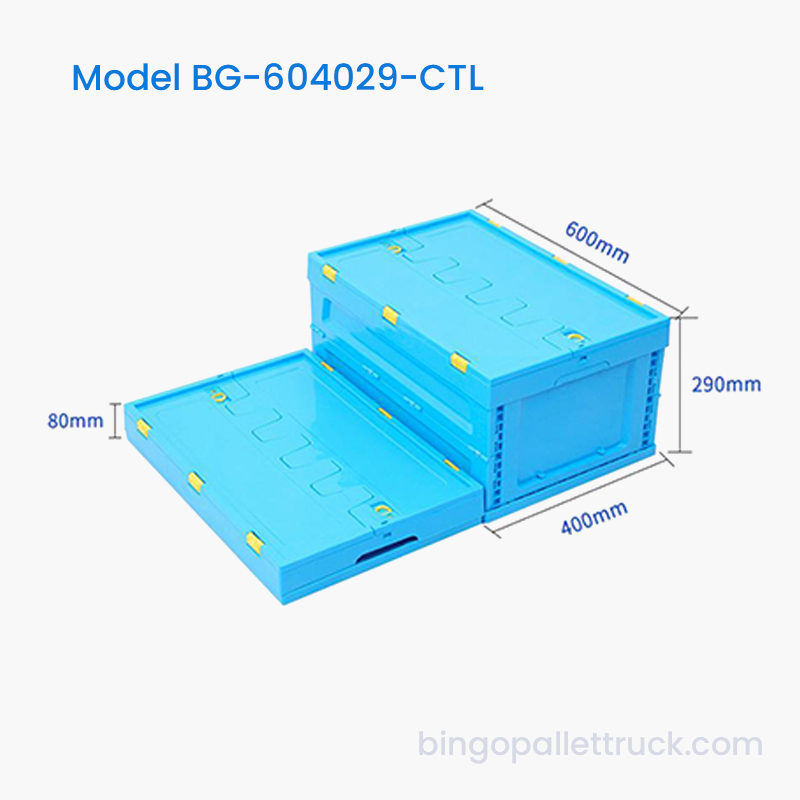
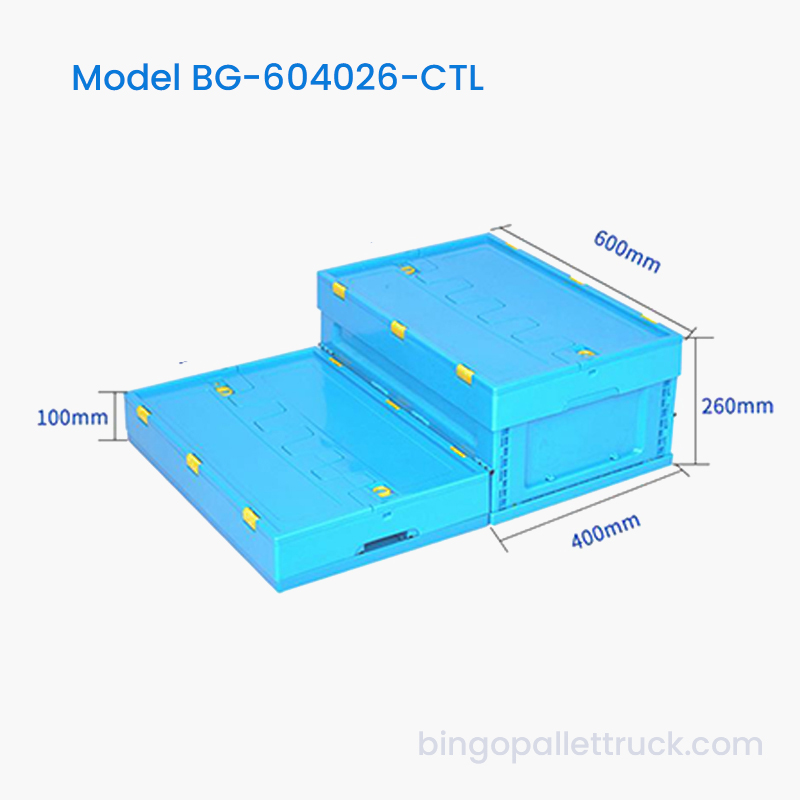
- Nesting When Empty: Many plastic tote bin designs can be nested inside one another when empty, reducing the return footprint by up to 60–70% and cutting transportation costs for empty container cycles.
- Recyclability: End-of-life units can be ground and reprocessed into recycled plastic material, supporting waste reduction commitments and circular economy supply chain strategies.
Product Types Compared: Plastic Tote Box, Tote Bin, Crate, and Bulk Container
The terms used in this product category can overlap, but each format has distinct structural characteristics and optimal use cases. The table below summarizes the key differences:
| Product Type |
Typical Capacity |
Wall Design |
Primary Use Case |
| Plastic Tote Box |
5–50 L |
Solid (sealed or open-top) |
Small parts, pharmaceuticals, retail goods |
| Plastic Tote Bin |
20–120 L |
Solid or reinforced |
Warehouse sorting, industrial components |
| Plastic Crate |
10–60 L |
Grid / vented |
Fresh produce, agriculture, ventilated storage |
| Bulk Container |
200–1000+ L |
Heavy-duty solid |
Industrial raw materials, large-scale storage |
Overview of plastic container types, typical capacities, and recommended applications
Industry Applications: Where Plastic Crates and Tote Boxes Deliver the Most Value
Food and Agricultural Supply Chains
Grid-wall plastic crates are the standard container for harvesting and transporting fruits, vegetables, and fresh produce. The ventilated design promotes airflow around the contents, slowing deterioration during transit and cold storage. Solid-wall plastic tote boxes in food-grade PP are used for processed food, condiments, and packaged snacks where sealed containment is required.
Pharmaceutical and Healthcare Storage
GMP-compliant facilities require containers that are non-toxic, dimensionally stable, and cleanable with pharmaceutical-grade disinfectants. Plastic tote boxes manufactured to food-grade or pharmaceutical-grade material standards meet these requirements, with smooth interiors that leave no residue and no risk of fragmenting like cardboard under repeated handling.
Warehousing and Order Fulfillment
In high-velocity distribution centers, plastic tote bins are used for pick-and-pack operations, goods-to-person sorting systems, and conveyor-compatible order processing. Their consistent external dimensions allow them to interface reliably with automated conveyor systems, robotic picking cells, and vertical lift modules.
Industrial Production and Parts Management
On manufacturing shop floors, plastic tote bins and bulk containers manage the flow of raw materials, work-in-progress components, and finished parts between workstations. Their wear resistance and impact tolerance suit the rough handling typical of industrial environments, while color coding by bin type enables visual management systems such as 5S and kanban.
Retail and In-Store Operations
Lightweight plastic tote boxes are widely used in retail for backroom storage, shelf replenishment trolleys, and inter-store transfers. Their stackable design allows efficient use of stock room space, and their smooth surfaces are easy to label and relabel as inventory rotates.
What to Look for When Sourcing from a Plastic Tote Box or Plastic Crates Manufacturer
Working directly with a qualified plastic tote box manufacturer or plastic crates manufacturer allows buyers to specify products precisely for their operational requirements. Key criteria to evaluate include:
- Material Grade: Confirm whether food-grade or industrial-grade resin is used. For food, beverage, pharmaceutical, or medical device applications, food-grade PP or HDPE with the relevant certifications is required.
- Load Capacity Ratings: Request both static load (when stationary) and dynamic load (when handled) ratings. For stacking applications, verify the maximum stack height and the per-unit compression load the container can bear without deforming.
- Dimensional Tolerances: Tight dimensional control is essential when containers must interface with automated handling systems, standardized racking, or conveyor equipment.
- Customization Options: Leading bulk containers manufacturers offer customization of size, wall thickness, color, logo molding, and lid configurations — enabling product differentiation and visual management systems within facilities.
- Nesting and Stacking Compatibility: Verify that the container's nesting ratio (the reduction in stack height when empty) meets your return logistics requirements, particularly for closed-loop distribution networks.
Frequently Asked Questions About Plastic Totes, Crates and Containers
What is the difference between a plastic tote box and a plastic tote bin?
The terms are often used interchangeably, but in practice a plastic tote box typically refers to a smaller, enclosed or open-top container used for retail, pharmaceutical, or small-parts storage, while a plastic tote bin describes a larger, open-top unit designed for warehouse sorting, industrial parts management, or bulk handling operations. The distinction is more about industry convention than a strict technical definition.
Can plastic crates be used in freezer and cold storage environments?
Yes. HDPE plastic crates and containers are specifically suited for cold storage use because HDPE retains its impact resistance and flexibility at temperatures as low as -30°C. PP containers are also suitable for refrigerated environments, though HDPE is generally preferred where temperatures drop below -10°C on a sustained basis.
How do I calculate how many containers I can stack safely?
Safe stacking height depends on two factors: the compression load rating of the individual container (the force it can bear on its top rim without deforming) and the actual loaded weight of the containers below. As a general rule, do not exceed the manufacturer's stated maximum stack load, and always verify that the bottom container in a stack can bear the combined weight of all containers above it. A plastic tote box manufacturer or bulk containers manufacturer can provide the specific compression ratings for each product model.
Are plastic tote bins and crates compatible with forklift handling?
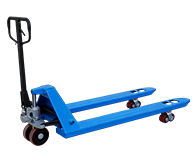
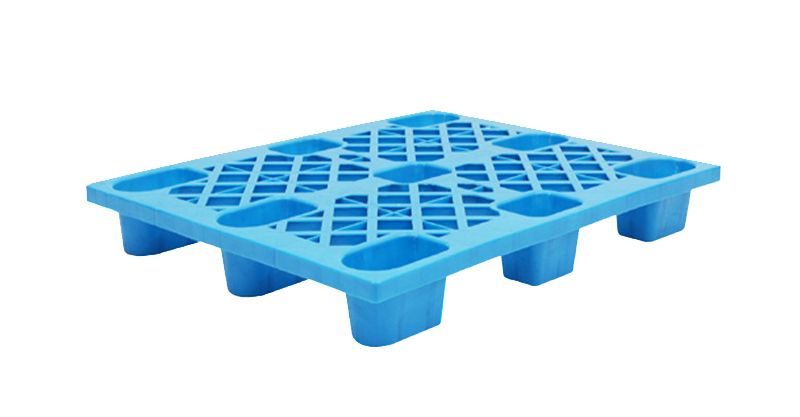
Larger plastic tote bins and bulk containers are designed with forklift-compatible base structures, including reinforced bottom rails or pallet-integrated bases that accept standard forklift tines or pallet jack entry. Smaller plastic tote boxes are typically handled manually or by conveyor, but can be placed on plastic pallets for forklift movement as a unit load.
What customization options are available from plastic crates manufacturers?
Most plastic crates manufacturers and plastic tote box manufacturers support customization of external and internal dimensions, wall thickness, color (for visual management and zone identification), molded-in logos or text, lid configurations (hinged, removable, or snap-fit), and handle design. Minimum order quantities for custom tooling vary by manufacturer and mold complexity.
How should plastic containers be cleaned and maintained?
Plastic totes, crates and containers can be cleaned with water, neutral detergents, or industry-standard disinfectants depending on the application. For food and pharmaceutical use, follow your facility's validated cleaning and sanitation protocols. Avoid prolonged exposure to strong oxidizing agents or solvents not specified as compatible with PP or HDPE, as these can degrade the surface over time.
Sustainability and Reuse: The Environmental Case for Plastic Totes and Bulk Containers
Replacing single-use cartons and wooden crates with reusable plastic totes, crates and containers reduces ongoing packaging waste in distribution networks. The lifecycle environmental benefit grows with each reuse cycle: over a product's operational life, a single reusable plastic container can displace dozens of single-use cardboard boxes from the waste stream.
- Reduced Packaging Waste: Reusable containers eliminate the corrugated cardboard and wood waste generated by single-use packaging at every fulfillment cycle.
- Lower Transport Emissions: Nesting empty containers reduces return load volume, allowing more units per truck and lowering the carbon footprint per container trip in closed-loop logistics networks.
- End-of-Life Recyclability: When plastic tote bins, crates, and bulk containers reach the end of their service life, the plastic material can be collected, granulated, and reprocessed into recycled-content products — diverting material from landfill.
- Pooling and Sharing Programs: Some industries operate shared container pool systems where plastic crates and tote boxes circulate between multiple supply chain participants, maximizing asset utilization and reducing the total number of containers required in the system.
For businesses with sustainability reporting requirements, sourcing from a bulk containers manufacturer that offers recycled-content material options or take-back programs for end-of-life containers can contribute to measurable waste reduction targets.

 en
en  Español