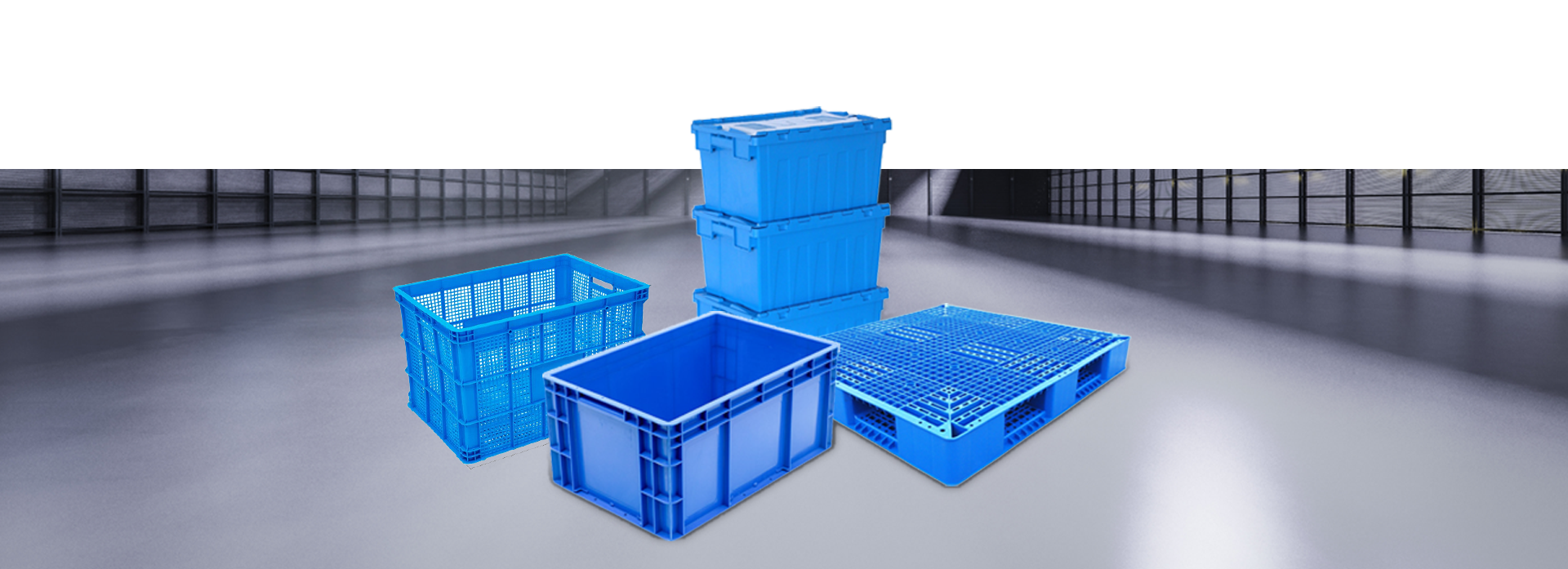
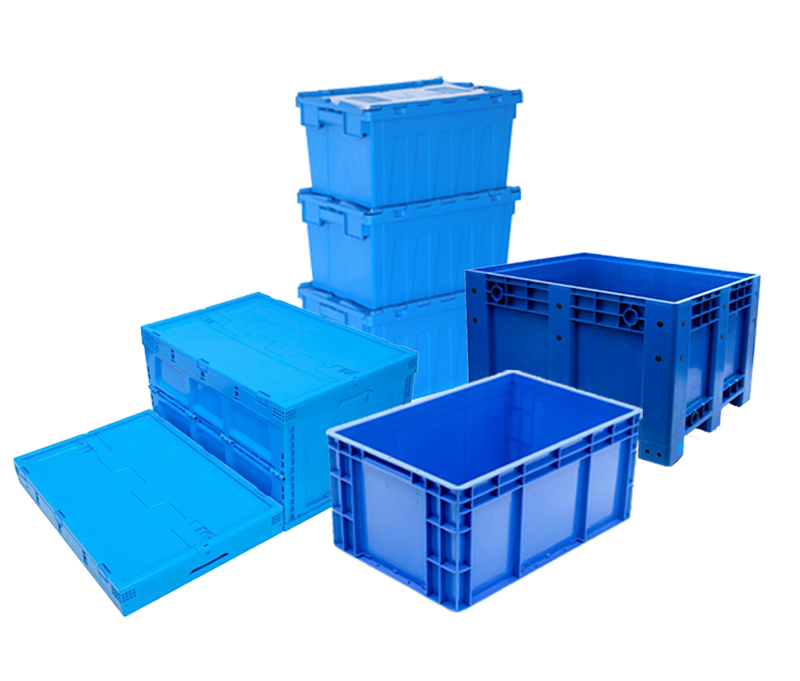
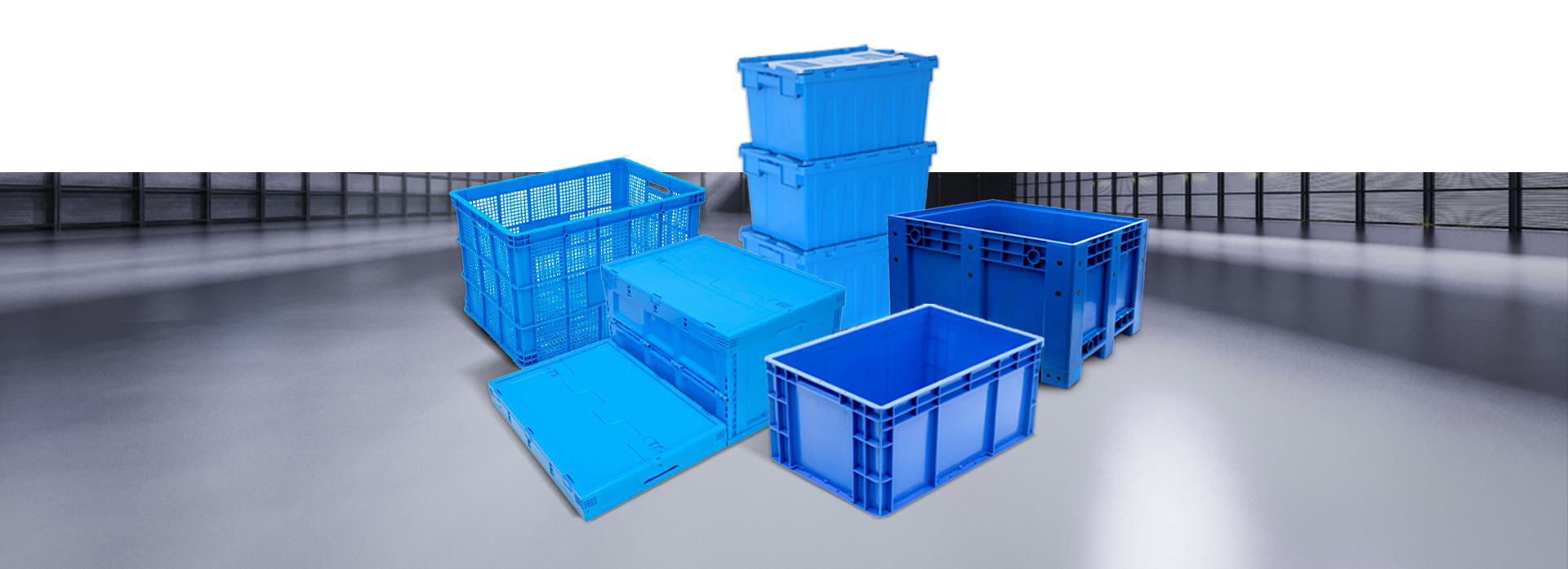
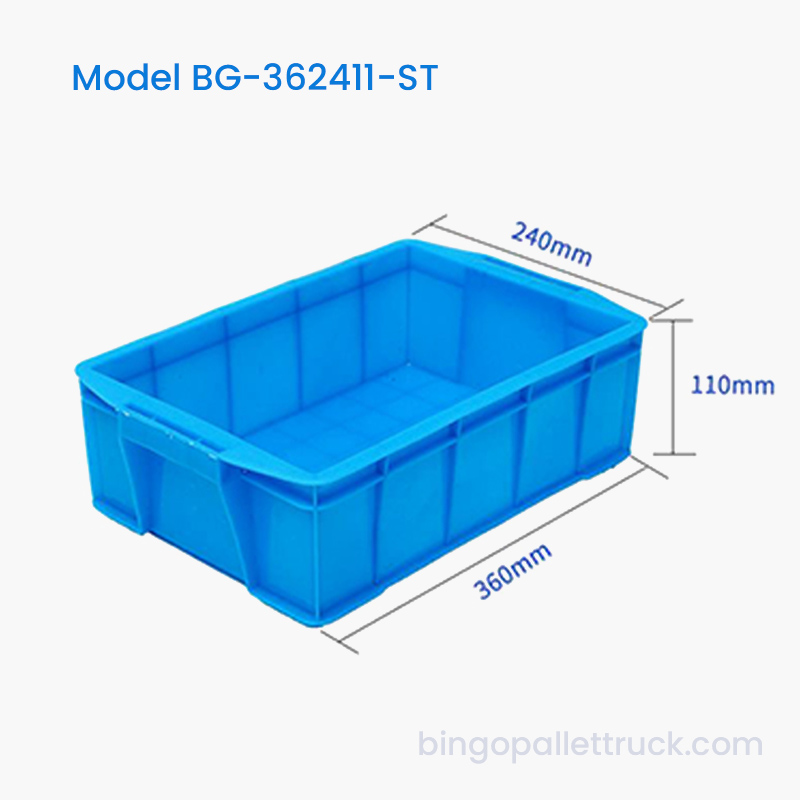
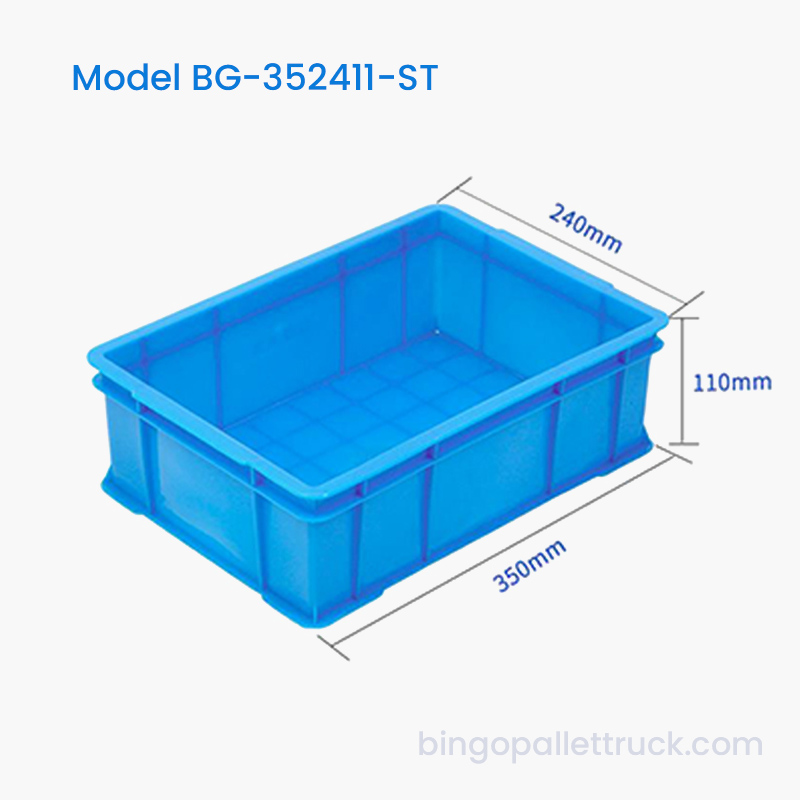
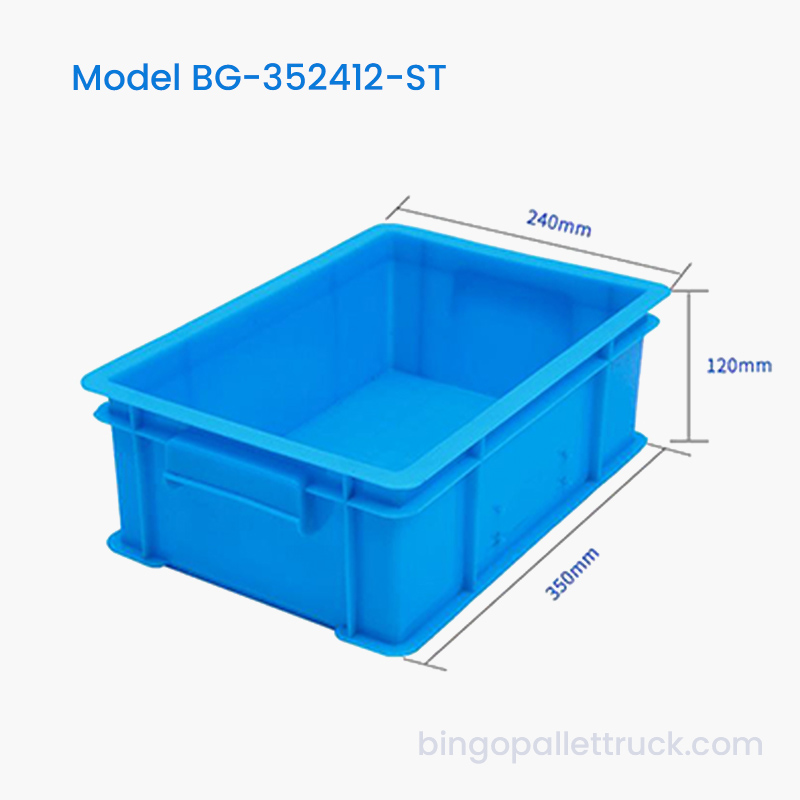
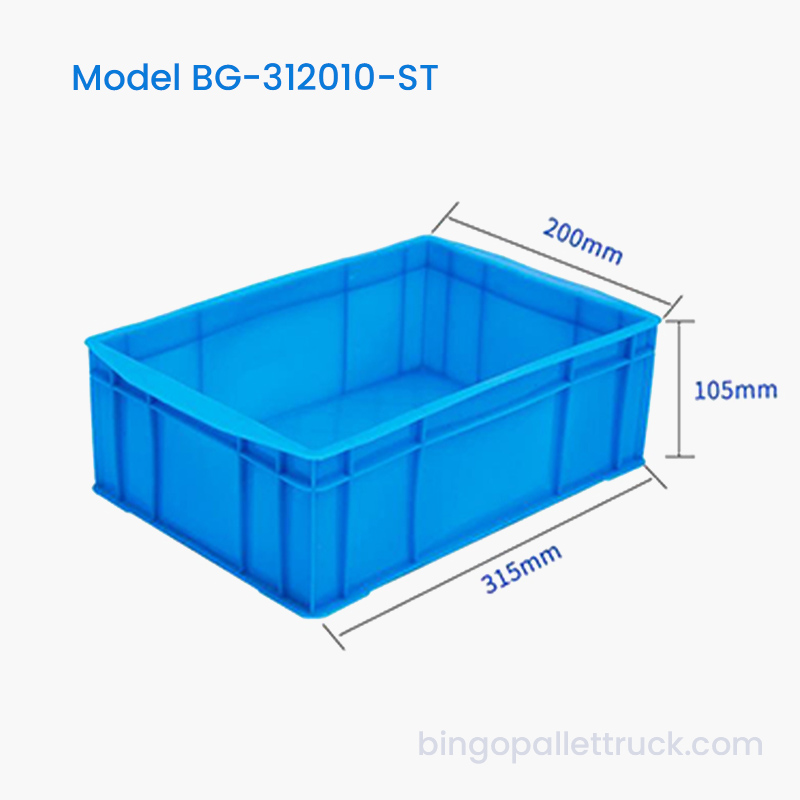
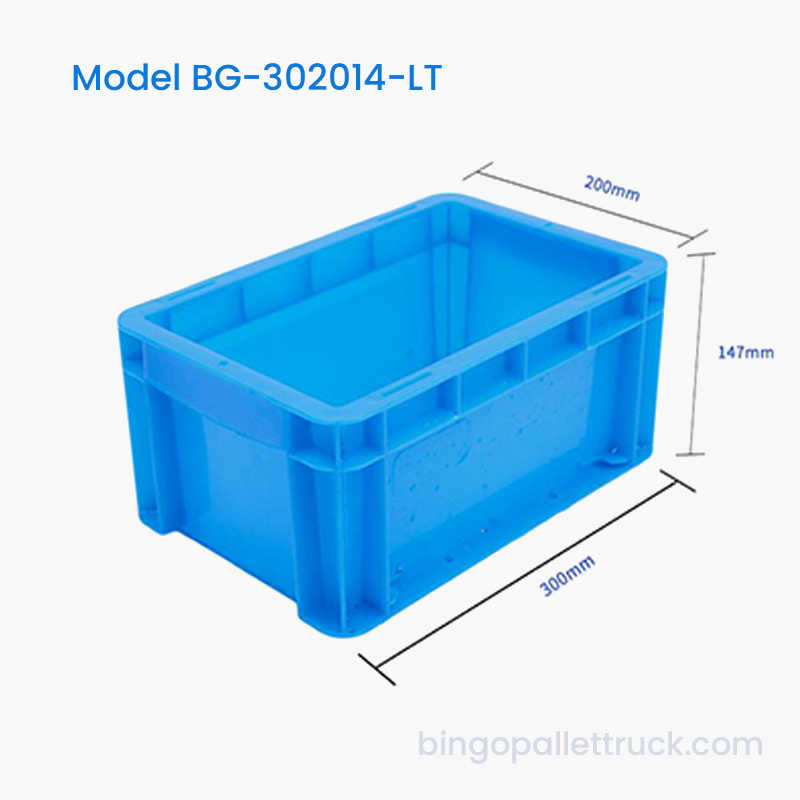
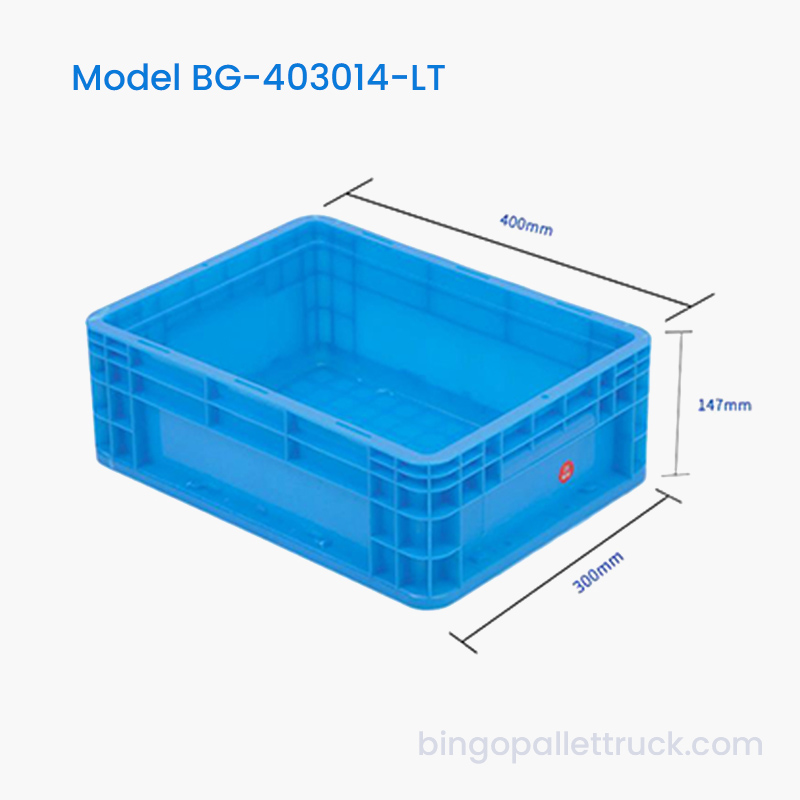
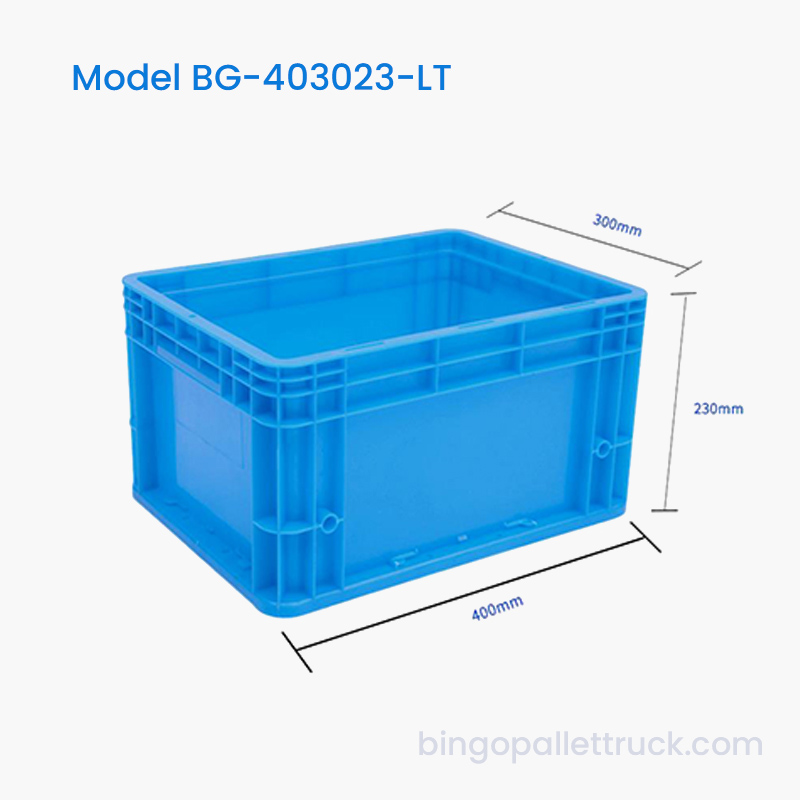
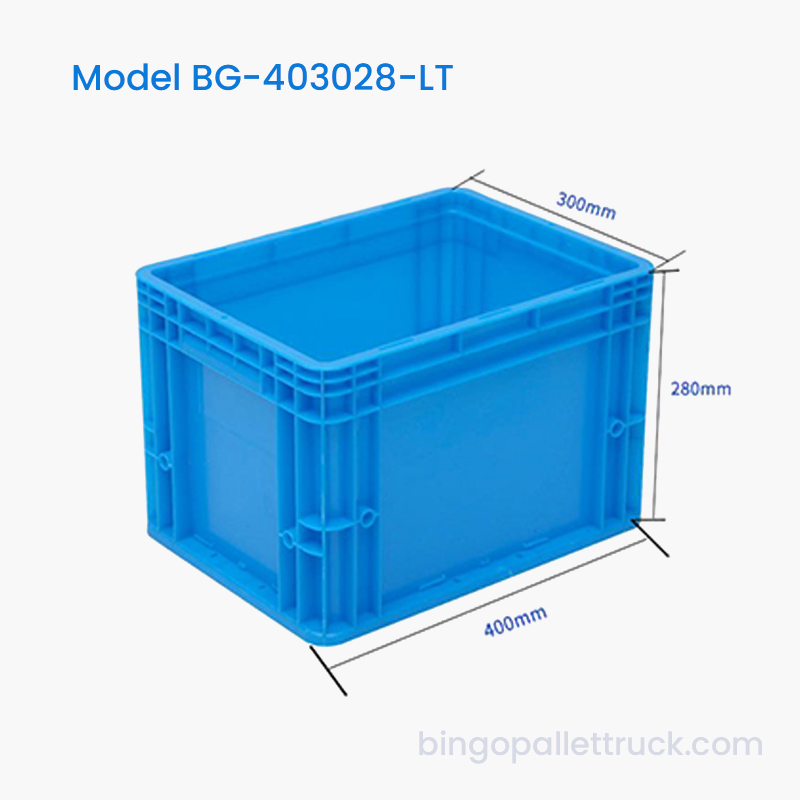
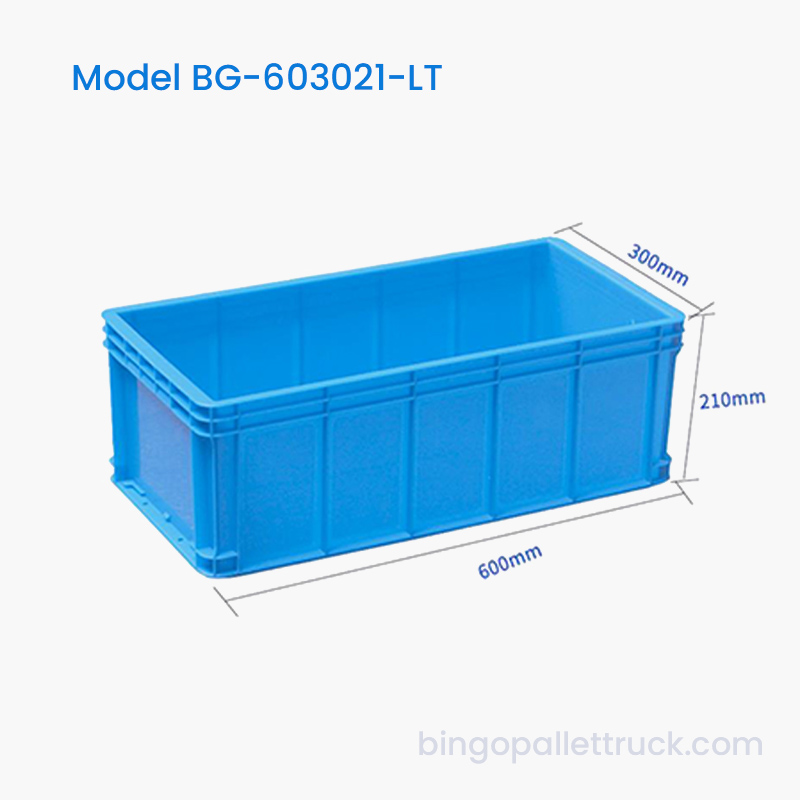
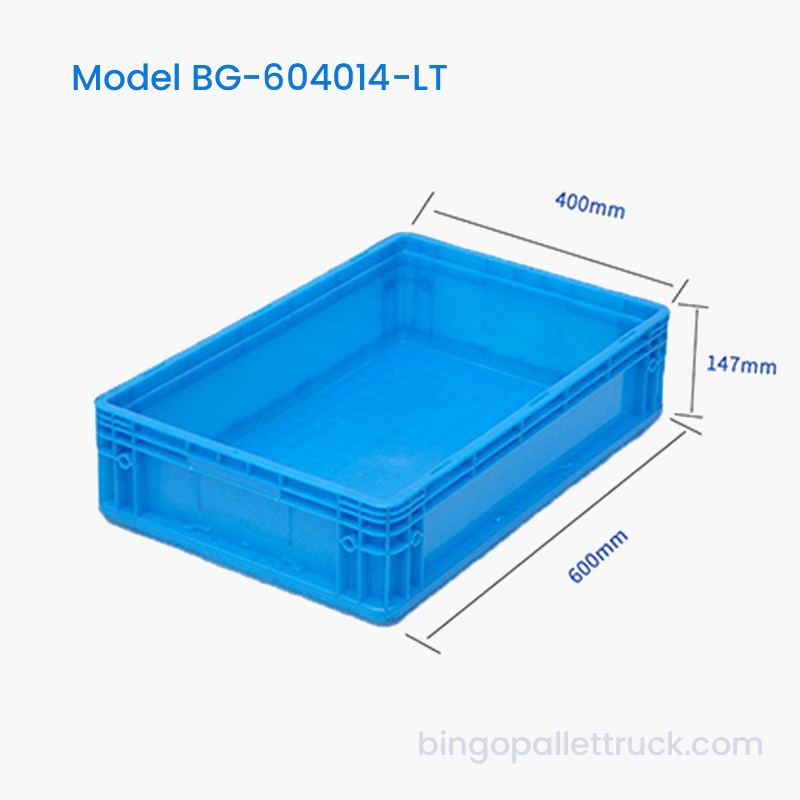
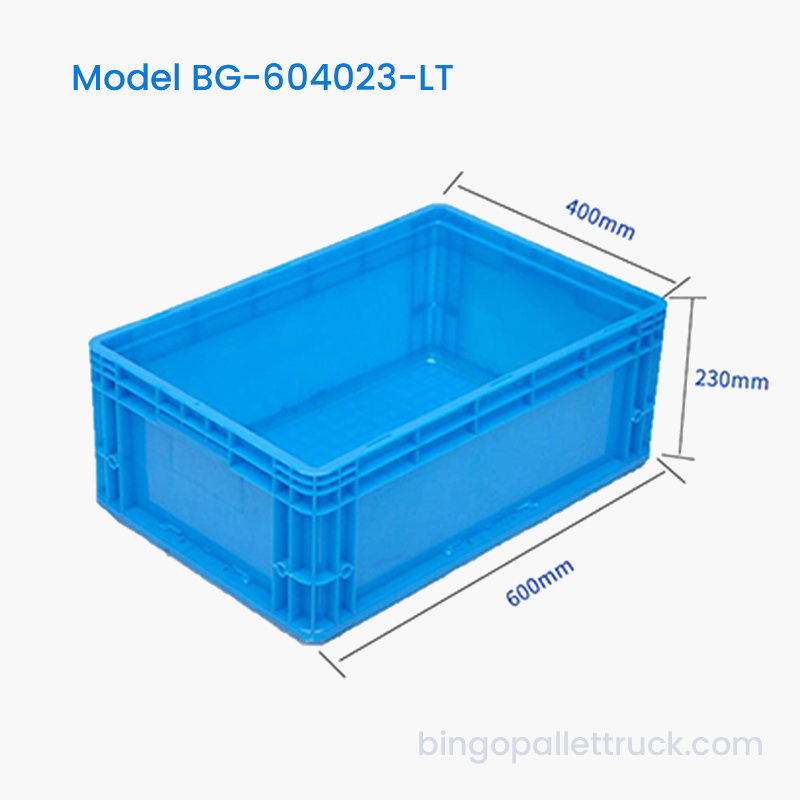
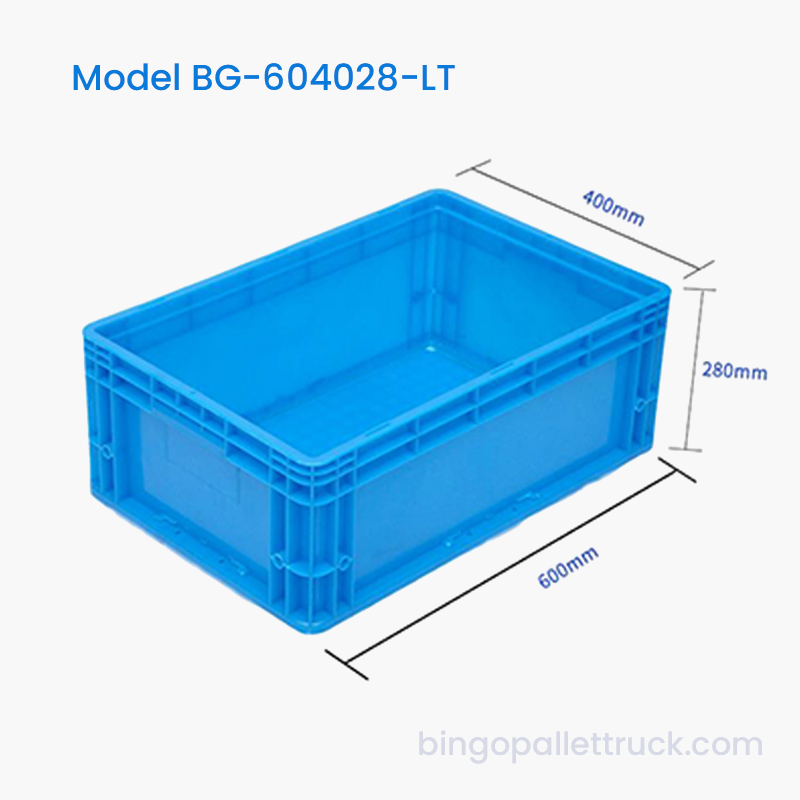
Plastic totes are reusable, rigid plastic containers used throughout warehousing, manufacturing, retail distribution, and logistics operations to store, transport, and organise goods at the unit or piece level. Unlike cardboard cartons that are single-use and vulnerable to moisture, plastic totes offer service lives of 10 years or more, delivering long-term cost savings while reducing packaging waste. With five distinct design types — Collapsible, Stack & Nest, Dividable, Nestable, and Stackable — modern plastic totes are engineered to address specific storage density, space efficiency, and product protection requirements across the full supply chain.
Five Types of Plastic Totes and What Sets Them Apart
Collapsible Plastic Totes
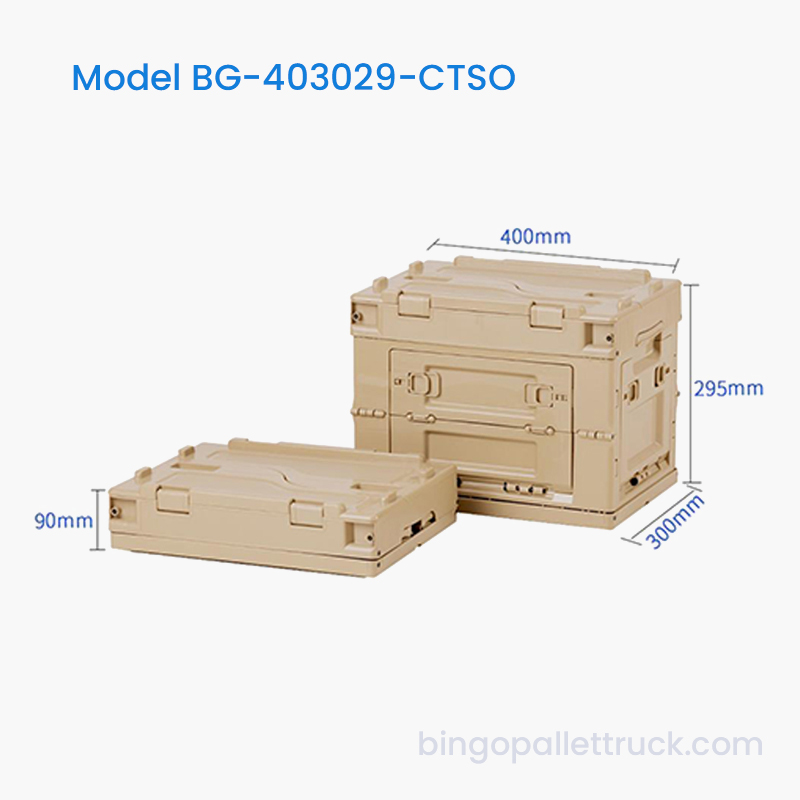
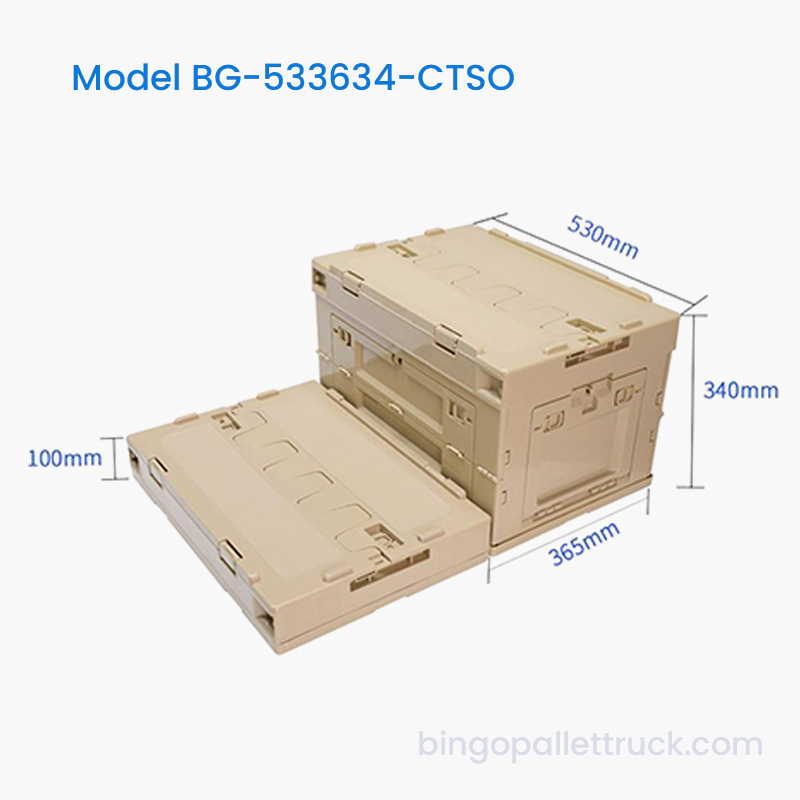
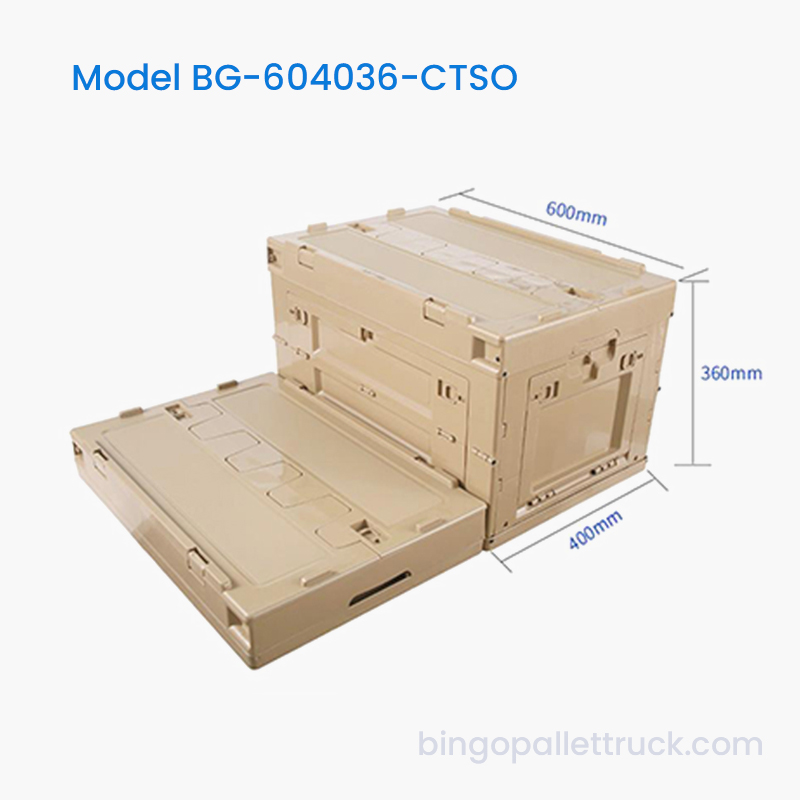
Collapsible totes feature hinged side walls that fold flat when the container is empty, reducing the overall height to as little as 25–30% of the full erect height. An 80-litre collapsible tote that stands 440 mm tall when in use can fold down to roughly 110–130 mm for return storage or transport. This dramatically reduces the space and freight cost associated with empty container management — a critical issue in any closed-loop logistics system where totes travel outbound loaded and return empty. Most collapsible totes include an attached lid that folds with the body, keeping all components together and eliminating the risk of lost lids.
Stack & Nest Plastic Totes
Stack & nest totes offer two operational modes in a single design. When loaded, they stack stably one on top of another, with the upper tote resting on the rim of the lower one. When empty, a 180° rotation of the upper tote allows it to nest inside the lower one, reducing the combined stack height by approximately 60–70%. This dual functionality makes stack & nest totes exceptionally versatile in operations where both loaded stacking during active use and compact empty storage are required without maintaining separate container types.
Dividable Plastic Totes
Dividable totes are fitted with internal divider systems — removable inserts that partition the tote interior into multiple compartments. This allows a single tote to store several different SKUs or part types simultaneously without mixing, which is particularly valuable in kitting operations, assembly line supply, and small-parts warehousing. A standard dividable tote can typically be configured into 2, 4, 6, or more compartments depending on divider size, making the same physical container adaptable to different product assortments as operations change.
Nestable Plastic Totes
Nestable totes are designed solely for empty-state nesting — the tapered body of each tote slides into the one below, creating compact stacks that minimise storage footprint. They do not stack when loaded; their primary advantage is the reduction of empty tote storage volume, making them a cost-effective choice for one-way or predominantly outbound logistics flows where empty return management is the key operational constraint.
Stackable Plastic Totes
Stackable totes have a rigid, straight-sided body that allows loaded totes to be safely stacked in multi-tier columns on shelving, conveyors, or warehouse floors. The base of each tote sits securely on the rim or locating features of the tote below, creating a stable column that does not require racking infrastructure. Stackable totes are the standard choice for high-density shelving systems and pick-face storage where maximum cube utilisation within a given bay is the priority.
Plastic Tote Type Comparison
| Type |
Loaded Stacking |
Empty Space Saving |
Internal Dividers |
Best Application |
| Collapsible |
Yes |
Up to 75% when folded |
Optional |
Closed-loop logistics, retail replenishment |
| Stack & Nest |
Yes |
60–70% when nested |
Optional |
Mixed-use warehousing, e-commerce |
| Dividable |
Yes |
Moderate |
Yes — configurable |
Kitting, parts supply, small-item picking |
| Nestable |
No |
High when nested |
No |
One-way flows, outbound shipments |
| Stackable |
Yes |
Low |
Optional |
High-density shelving, pick-face storage |
Comparison of plastic tote types across stacking, space-saving, and application criteria
Key Advantages of Plastic Totes Over Cardboard and Other Containers
- Long service life and lower total cost: A quality HDPE or PP plastic tote withstands hundreds to thousands of use cycles. Replacing single-use cardboard cartons with reusable plastic totes in a closed-loop operation typically breaks even within 12–18 months, after which the tote effectively carries goods for free.
- Moisture and contamination resistance: Plastic totes do not absorb water, warp, or collapse when wet — a critical advantage in cold chain, fresh produce, and food processing environments where cardboard deteriorates rapidly.
- Dimensional consistency: Injection-moulded plastic totes maintain exact external dimensions throughout their service life, ensuring consistent fit on shelving systems, conveyors, and automated picking equipment without the variation introduced by hand-assembled cardboard cartons.
- Hygiene and cleanability: Smooth plastic surfaces can be pressure-washed, sanitised, and returned to service quickly — meeting the cleaning requirements of food, pharmaceutical, and consumer goods operations without degradation.
- Reduced packaging waste: Replacing cardboard with reusable plastic totes removes a significant volume of packaging material from the waste stream. Facilities that make this switch commonly report reductions in packaging disposal costs of 30–50%.
Selecting the Right Plastic Tote for Your Operation
Choosing the correct tote type requires matching the container's functional characteristics to the specific demands of the logistics flow it will serve. Consider the following factors:
- Empty return volume: If totes travel long distances empty after delivering goods, collapsible or nestable designs are essential to control return freight costs. For short-loop or on-site circulation, stackable or dividable totes may be more practical.
- Product type and protection needs: Fragile, mixed, or small-item content benefits from dividable totes with foam or plastic inserts. Bulkier items suited to simple containment are well served by stackable or collapsible designs.
- Shelving and racking compatibility: Tote external dimensions must align with the bay widths and shelf depths of your storage infrastructure. Standardising on a single external footprint across multiple tote volumes maximises shelf fill efficiency.
- Automation integration: Conveyor and automated picking systems impose strict dimensional tolerances. Confirm tote base dimensions, corner radii, and stacking engagement geometry with your automation supplier before finalising a tote specification.
- Lid requirements: Attached lids — as standard on Bingo's collapsible tote range — keep contents secure during transport and prevent loss of the lid itself. Separate lids offer more flexibility in storage applications where the lid is not always needed.
As a Wholesale Plastic Totes Manufacturer and OEM Plastic Totes Company, Bingo provides global customers with one-stop integrated solutions for material storage and handling. Bingo's plastic tote range spans all five design types — from compact 32-litre collapsible totes to 80-litre heavy-duty versions — all manufactured with strict quality inspection processes to international standards. Committed to delivering cost-effective solutions for manufacturing, e-commerce logistics, warehousing and distribution, and supermarket retail, Bingo upholds the philosophy of "Quality First, Win-Win Cooperation".
Frequently Asked Questions About Plastic Totes
What is the difference between a collapsible tote and a stack & nest tote?
Both types save space when empty, but through different mechanisms. A collapsible tote folds flat by hinging its side walls inward, reducing height to roughly a quarter of the erect dimension — the most compact empty storage of any tote type. A stack & nest tote does not fold; instead, rotating the empty tote 180° allows it to nest inside the one below, saving 60–70% of height. Collapsible totes achieve greater space reduction when empty; stack & nest totes are more robust under repeated heavy loading because they have no fold hinges that could wear or break.
Can plastic totes be used in automated conveyor and picking systems?
Yes — plastic totes are one of the most common unit load carriers in automated fulfillment systems. Their dimensional consistency and rigid structure make them well suited to conveyor lines, sortation systems, and goods-to-person picking robots. For automated applications, stackable or collapsible totes in their erect form are typically preferred, as they present a consistent flat base to conveyor rollers and a uniform external profile for sensor and camera-based positioning systems.
How do I clean plastic totes used in food or pharmaceutical environments?
Plastic totes made from food-grade HDPE or PP can be cleaned with warm water, food-safe detergents, and standard industrial sanitisers. For pharmaceutical applications, validated cleaning procedures using isopropyl alcohol or quaternary ammonium compounds are commonly used. Most plastic totes withstand automated washing in commercial tote-washing machines at temperatures up to 60–70°C. Avoid prolonged exposure to temperatures above 80°C, which can cause dimensional distortion in standard HDPE totes. Always confirm material grade and temperature rating with your supplier when specifying totes for hygiene-critical environments.

 en
en  Español