Packaging materials are the consumable supplies used to wrap, secure, bundle, and protect goods throughout storage, handling, and transportation. In warehousing and logistics operations, the right packaging materials directly determine whether products arrive at their destination intact, whether pallets remain stable during transit, and whether operational costs stay under control. Studies in supply chain management consistently show that damage caused by inadequate packaging costs the logistics industry billions of dollars annually — making the selection of appropriate packaging materials a strategic, not merely operational, decision.
Main Types of Packaging Materials and Their Uses
Modern logistics relies on a core set of packaging materials, each suited to specific load types and handling conditions. The table below outlines the most widely used options.
| Material |
Primary Function |
Typical Application |
| Stretch Wrap |
Unitize and stabilize pallet loads |
Warehousing, outbound shipping |
| Packing Strapping |
Bundle and reinforce heavy loads |
Heavy goods, timber, steel, palletized cartons |
| Corrugated Cartons |
Contain and cushion individual items |
E-commerce, retail distribution |
| Bubble Wrap / Foam |
Cushion fragile or high-value items |
Electronics, glassware, precision parts |
| Packing Tape |
Seal carton flaps and reinforce seams |
All parcel and carton-based operations |
| Edge Protectors |
Distribute strap pressure, prevent corner damage |
Strapped pallets, furniture, building materials |
Common packaging materials, their functions, and typical logistics applications
Stretch Wrap and Packing Strapping: How They Work
Stretch Wrap
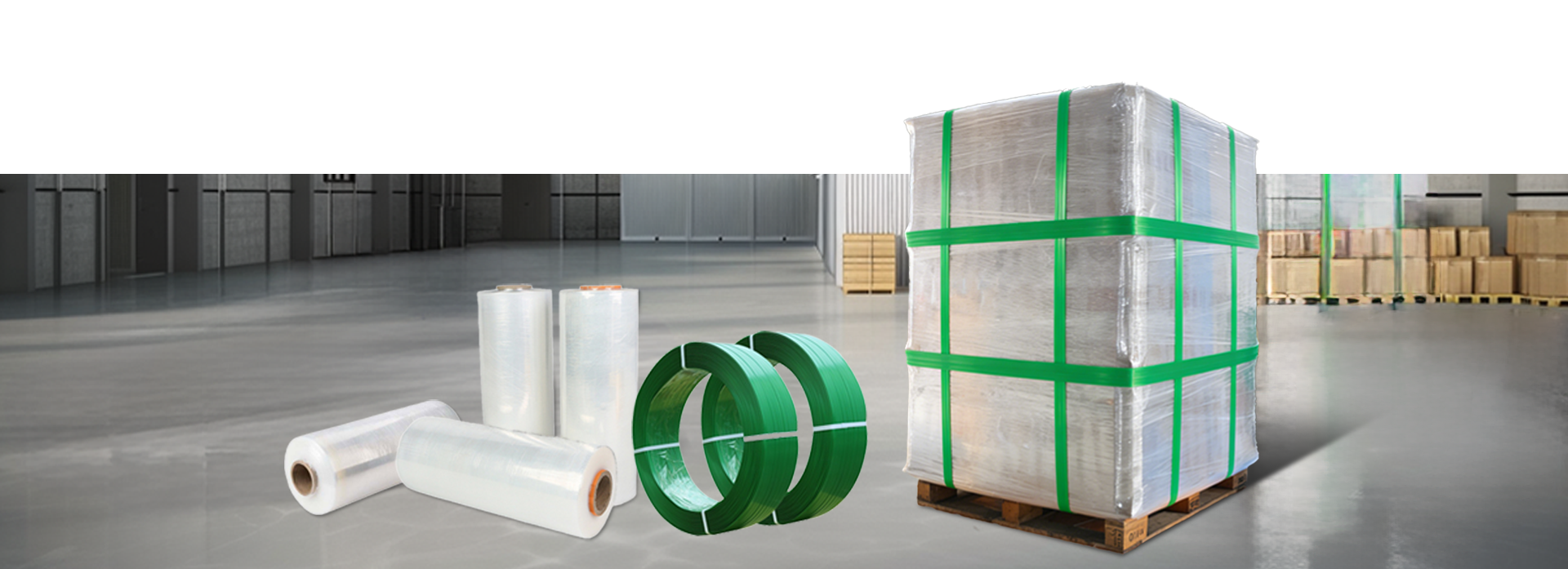
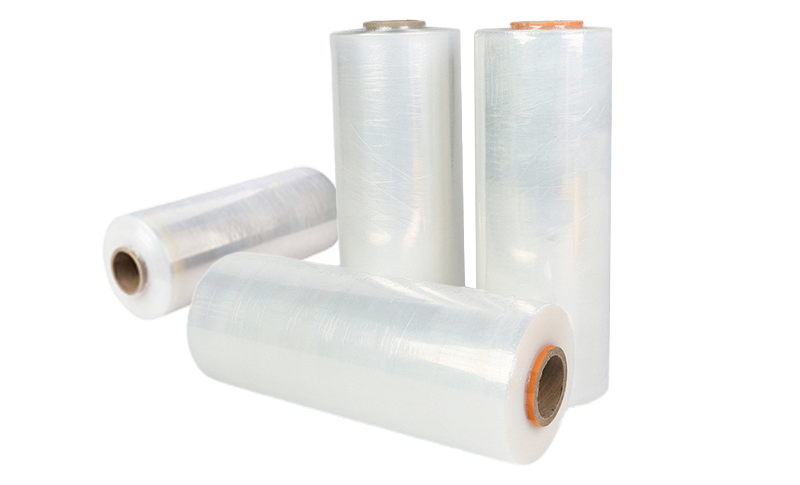
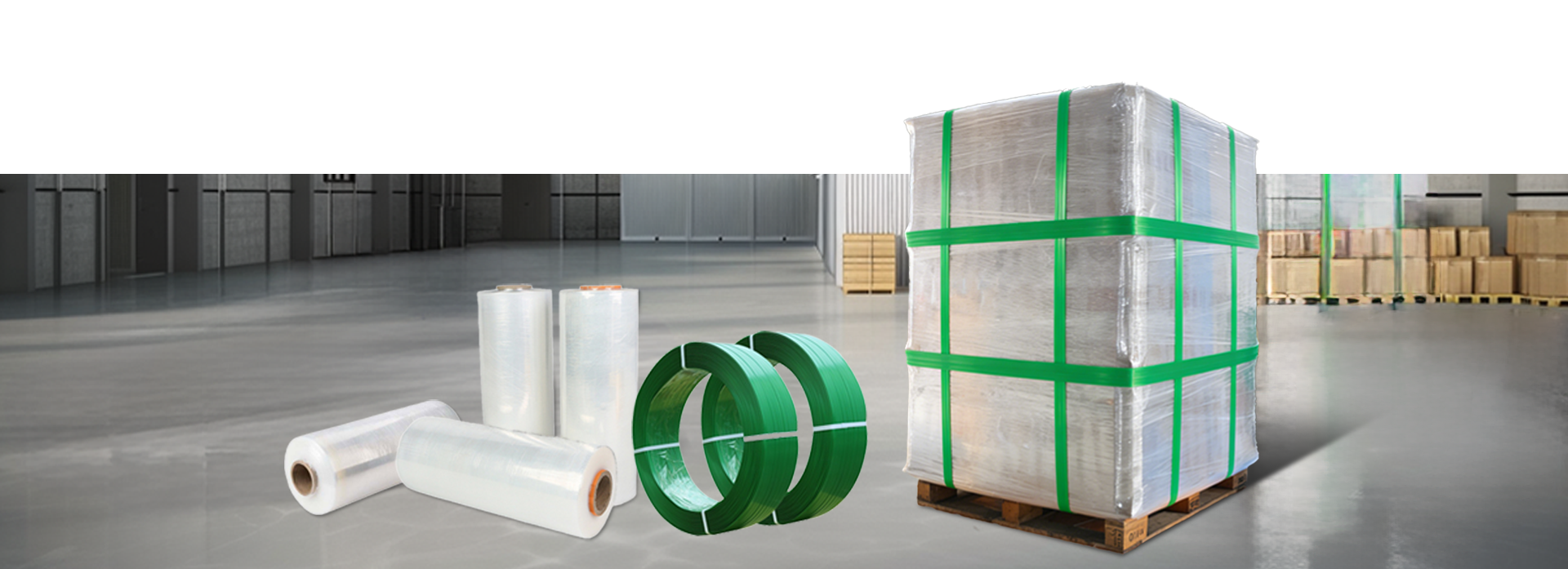
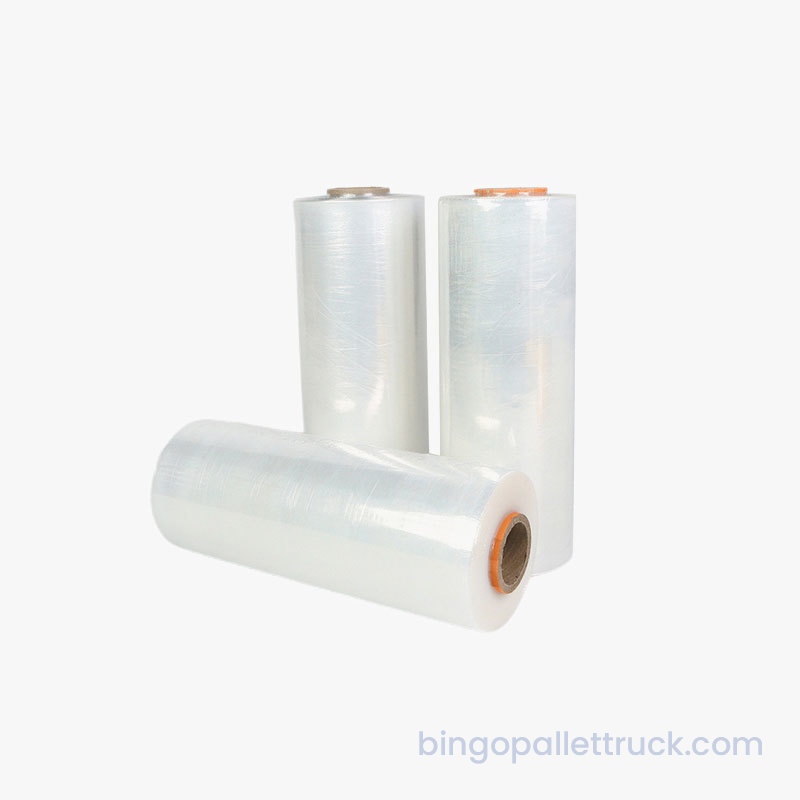
Stretch wrap is a highly elastic polyethylene (LLDPE) film that is wound around pallet loads under tension. As the film is applied — either manually or by a stretch wrapping machine — it stretches by 150–300% of its original length, then contracts to bind the load tightly. This elastic memory holds boxes in place, resists shifting during transit, and provides a degree of moisture and dust protection. Machine-grade stretch wrap typically delivers a tighter, more consistent wrap than hand-grade film, reducing film consumption by up to 30% per pallet.
Packing Strapping
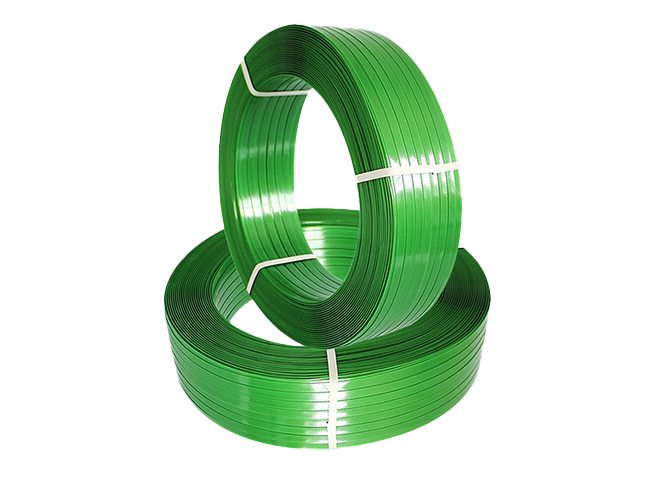
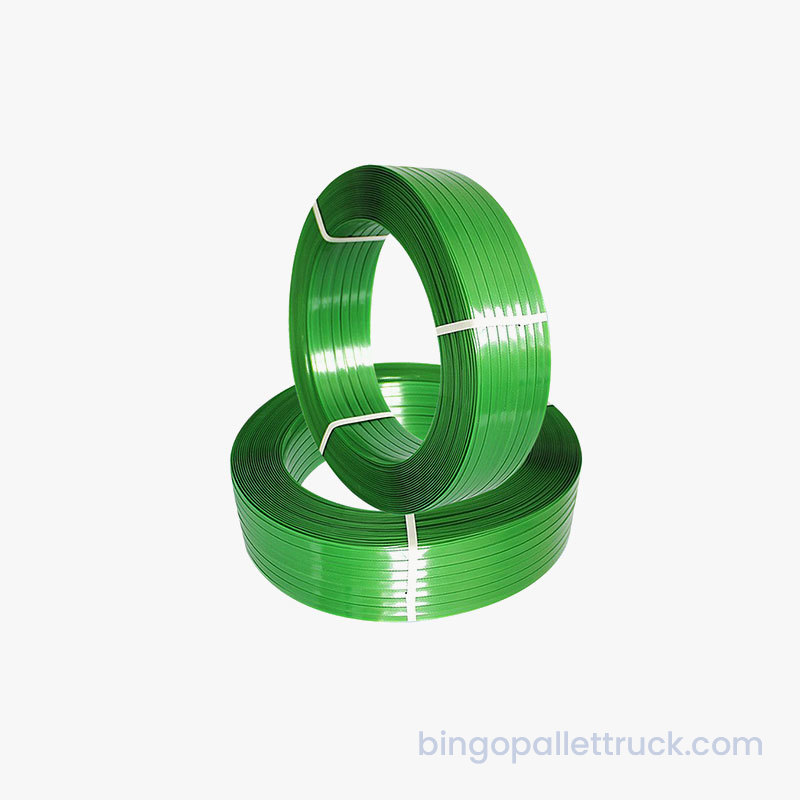
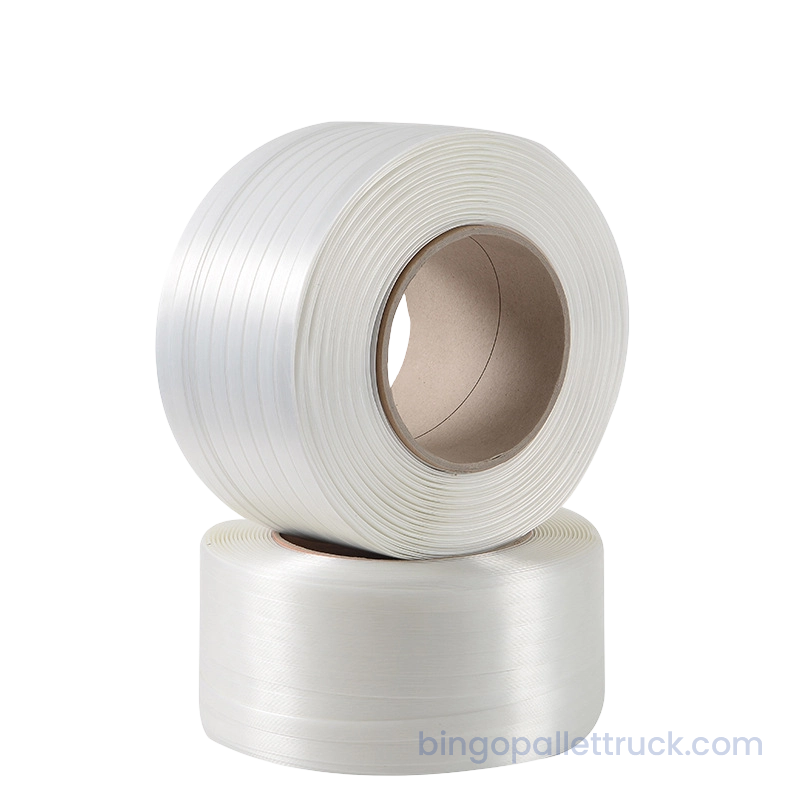
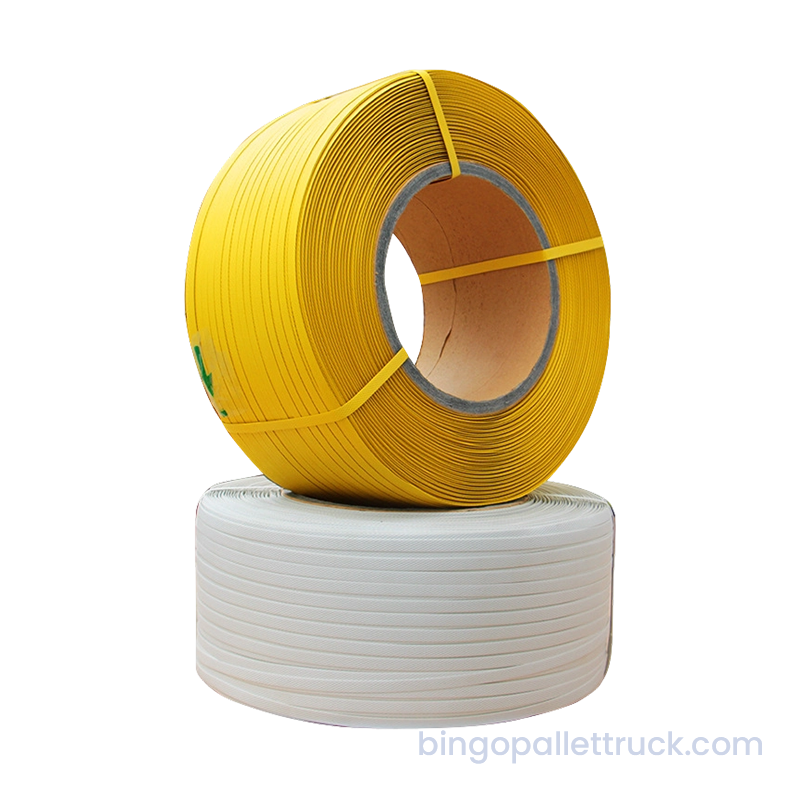
Packing strapping (also called banding or bundling strap) is used to compress, bundle, or reinforce loads that stretch wrap alone cannot adequately secure. Polypropylene (PP) strapping is the most common type, suitable for light to medium loads; polyester (PET) strapping offers higher tensile strength and is preferred for heavy or sharp-edged goods. Steel strapping remains the choice for the heaviest industrial applications, such as coiled metal or heavy machinery, where break loads can exceed 1,000 kg per strap. Strapping is tensioned using manual tensioners or pneumatic/electric tools, then sealed with a clip or heat weld.
Key Advantages of Using the Right Packaging Materials
- Reduced product damage: Properly stabilized pallet loads experience significantly fewer transit-related damages. Industry data indicates that effective stretch wrapping alone can reduce pallet load shifting incidents by over 50%.
- Lower freight costs: Stable, compact loads maximize trailer and container fill rates. Eliminating wasted void space can reduce the number of shipments required and cut freight spend by 5–15%.
- Faster warehouse throughput: Pre-strapped or pre-wrapped pallets can be moved, stacked, and loaded without additional securing steps, reducing dock processing time per pallet by several minutes — a significant saving across hundreds of daily movements.
- Improved worker safety: Unsecured loads on pallet trucks and stackers are a leading cause of warehouse accidents. Properly wrapped and strapped loads remove this risk entirely.
- Brand and compliance protection: Consistent, professional packaging reduces customer complaints about damaged goods and supports compliance with carrier and retailer packaging requirements.
Selecting Packaging Materials for Your Operation
No single packaging material suits every scenario. Matching the material to the load and handling conditions is essential for both performance and cost efficiency. Consider the following:
- Load weight and shape: Irregular or heavy loads benefit from a combination of strapping for structural reinforcement and stretch wrap for surface protection. Uniform, lightweight carton stacks are generally well-secured by stretch wrap alone.
- Transit distance and mode: Long-distance road or sea freight exposes loads to far more vibration and humidity than local delivery. Thicker stretch wrap (23–25 microns vs. the standard 17–20 microns) and PET strapping rather than PP are advisable for export shipments.
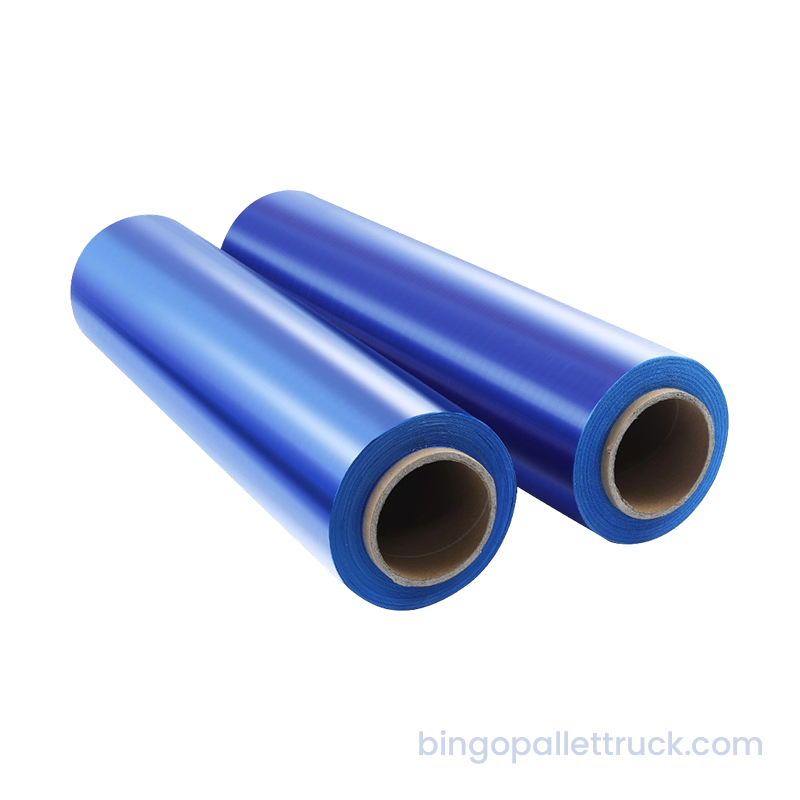
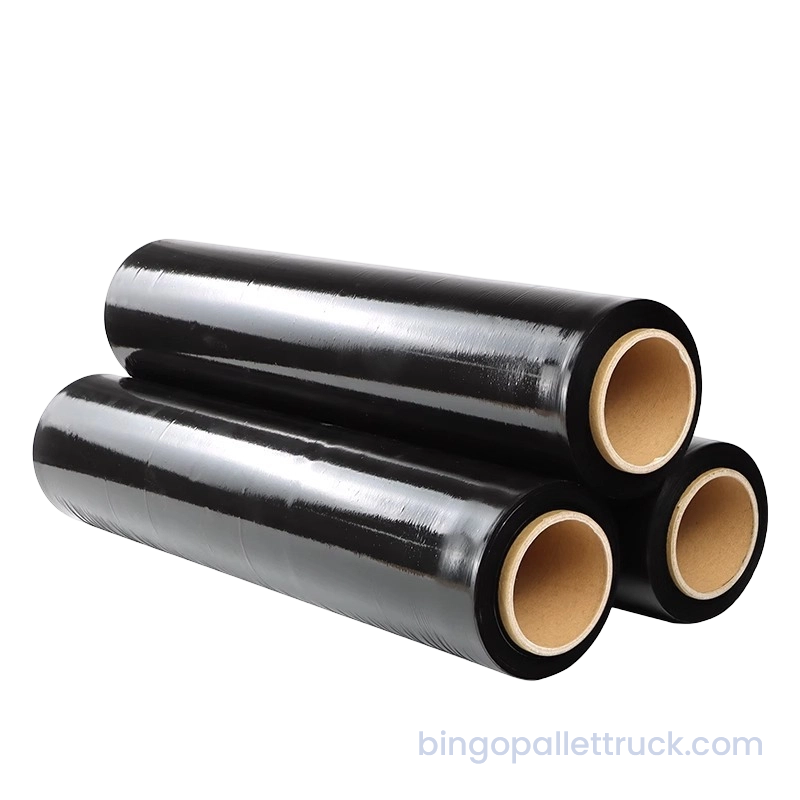
- Storage duration: Goods stored for extended periods under stretch wrap may be subject to UV degradation if near skylights or open doors. UV-stabilized or black stretch wrap eliminates this risk for long-term outdoor or semi-outdoor storage.
- Volume and automation level: High-throughput facilities processing hundreds of pallets per shift should evaluate semi-automatic or automatic stretch wrapping machines, which reduce labor input and film waste simultaneously.
As a China Custom Packaging Materials Manufacturer and OEM Packaging Materials Factory, Bingo specializes in the production, sales, and service of warehousing and logistics equipment. The packaging material series from Bingo provides essential supporting products — including stretch wrap and packing strapping — built to international quality standards and suited to the full range of manufacturing, e-commerce, warehousing, and retail distribution environments.
Frequently Asked Questions
What is the difference between hand stretch wrap and machine stretch wrap?
Hand stretch wrap is thicker (typically 17–25 microns) and designed to be applied manually using a dispensing handle. Machine stretch wrap is thinner (12–17 microns) but applied at higher pre-stretch ratios — often 200–300% — by a turntable or rotary arm wrapping machine, delivering comparable or superior load containment with up to 50% less film per pallet. For operations wrapping fewer than 15–20 pallets per day, hand wrap is generally more cost-effective; higher volumes justify investment in a wrapping machine.
When should I use PP strapping versus PET strapping?
Polypropylene (PP) strapping is suitable for loads up to approximately 500 kg where some elongation under load is acceptable. Polyester (PET) strapping has higher tensile strength, lower elongation, and greater retained tension over time — making it the preferred choice for heavy loads, sharp-edged goods, or shipments where strap tension must remain consistent throughout a long journey. PET is also more resistant to temperature variation than PP, which can relax noticeably in warm environments.
How many layers of stretch wrap does a standard pallet need?
A standard pallet for domestic road freight typically requires 3–5 overlapping layers applied with 50% overlap between passes, plus a base wrap to anchor the film to the pallet. Heavier loads, unstable stacks, or export shipments may require 6–8 layers or the use of reinforced pre-stretch film. Always apply extra wrapping at the top and base of the load — the two most vulnerable points during handling and transit.

 en
en  Español