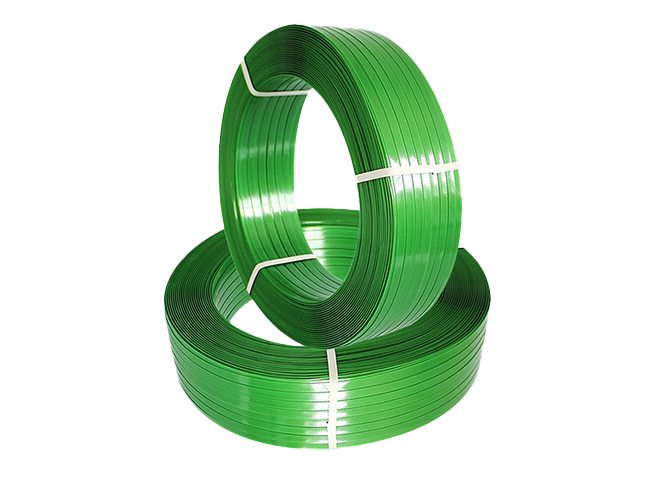
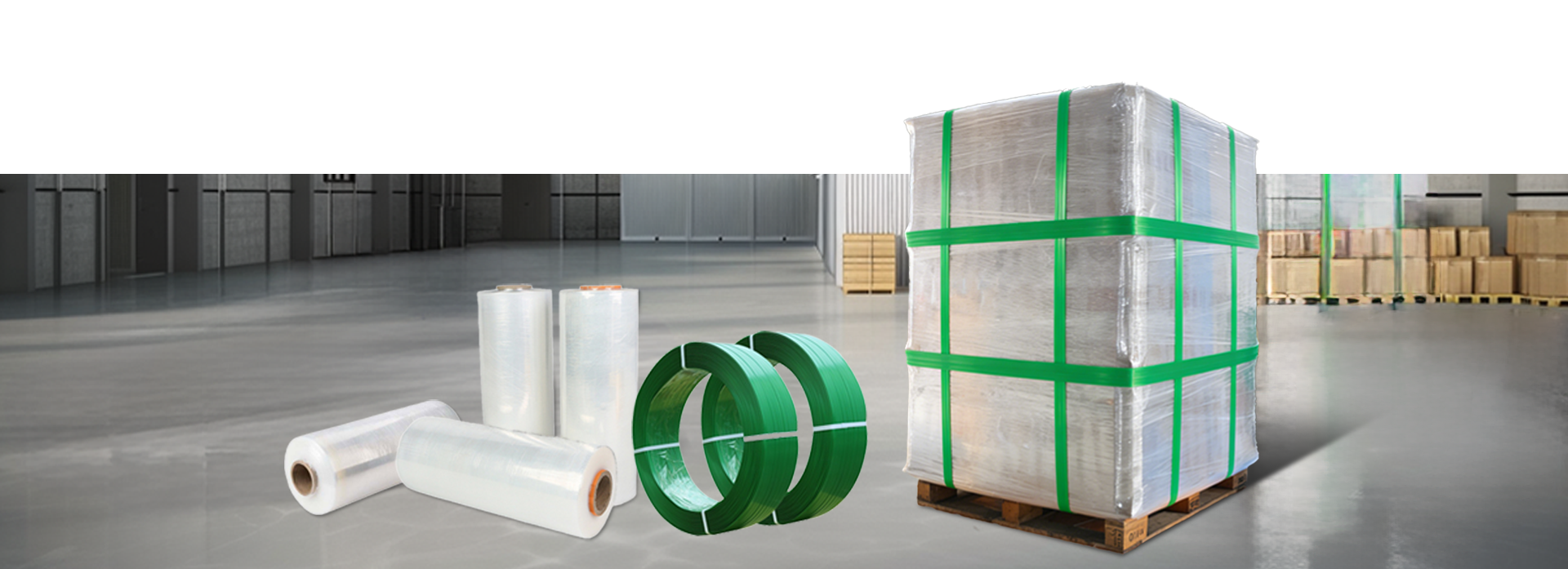
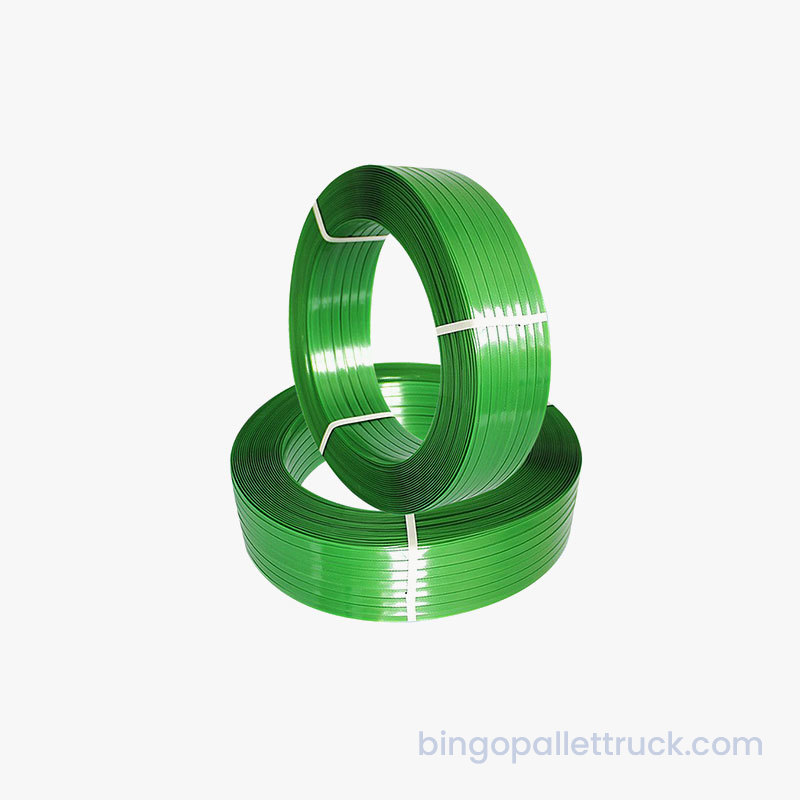
PET strapping — short for polyethylene terephthalate strapping — is a high-performance plastic banding material manufactured by extruding and orienting polyester resin into flat, rigid bands. It is the strongest plastic strapping material available and is widely regarded as the direct alternative to steel strapping in medium-to-heavy duty packaging and logistics applications. PET strapping combines exceptional tensile strength with superior elastic recovery, meaning it maintains consistent tension around a load even as the load compresses or settles during transit.
Used across industries including steel, construction, paper, timber, ceramics, and bulk logistics, PET strapping has steadily displaced steel strapping in many operations over the past two decades — offering comparable holding strength with significant advantages in operator safety, corrosion resistance, and total cost of ownership. As a manufacturer and supplier of integrated warehousing and logistics solutions, Bingo supplies PET strapping products and compatible strapping equipment to support the full spectrum of load containment requirements across global operations.
How PET Strapping Works
PET strapping functions by encircling a load with a taut band whose ends are fastened together to form a closed, tensioned loop. The key performance mechanism that distinguishes PET from other plastic strapping is its high elastic recovery: when the strap is tensioned and then the load compresses slightly — due to vibration, moisture absorption, or product settling — PET recovers a significant proportion of that tension rather than going slack. This property makes it critical for loads that need sustained containment force over extended storage or long-distance transport.
Sealing Methods for PET Strapping
- Heat seal (friction weld): The overlapping strap ends are vibrated at high frequency by the strapping machine, generating frictional heat that fuses the polyester together. This is the standard seal for machine-grade PET strapping, achieving joint efficiency of 60%–80% of the strap's rated break strength.
- Metal buckle seal: A steel or aluminum buckle is crimped over the overlapping strap ends using a hand sealer or pneumatic tool. Preferred for manual applications or situations where a heat seal machine is unavailable. Buckle seals are also used when the strap must be removed and re-applied in the field.
- Push-type (snap-on) seal: A notched metal seal clips mechanically onto the strap overlap without the need for a separate crimping action. Used for rapid manual applications in outdoor or site environments.
Application Equipment
- Battery-powered combination tools: Tension and seal in one cordless tool, ideal for heavy loads in areas without compressed air. Capable of applying tension up to 3,000–4,500 N consistently.
- Pneumatic combination tools: Air-powered tools that deliver high, repeatable tension for heavy industrial applications such as steel coil, pipe bundle, or stone slab strapping.
- Semi-automatic strapping machines: Operator-positioned machines that tension, seal, and cut automatically. Typical throughput is 15–30 straps per minute for PET applications.
- Fully automatic strapping machines: Inline systems integrated into packaging or dispatch conveyor lines, wrapping without operator involvement at speeds matching production output.
Key Advantages of PET Strapping
PET strapping offers a compelling combination of performance and safety attributes that make it the preferred choice when PP strapping is insufficient and steel strapping is impractical:
- Superior elastic recovery: PET recovers up to 80%–100% of its elongation after load settling — far exceeding PP strapping (near zero recovery) and steel (no elasticity). This means the load stays secured even as it shifts or compresses over a multi-day journey.
- High tensile strength: PET strapping is available in break strengths from 400 kg up to over 2,000 kg per strap, covering the majority of pallet and unit load applications previously requiring steel strapping.
- Corrosion and moisture resistance: Unlike steel strapping, PET does not rust, stain, or degrade in humid, wet, or chemically aggressive environments — eliminating the risk of rust marks on finished goods or weakened straps due to oxidation.
- Operator safety: PET strap ends, when cut, do not create the sharp, springing metal edges that cause lacerations with steel strapping. This significantly reduces workplace injury risk during strapping and destrapping operations.
- Lighter weight than steel: PET strapping weighs approximately 30%–40% less than equivalent-strength steel strapping, reducing coil weight, simplifying machine loading, and lowering transportation costs for the strapping material itself.
- No surface damage to goods: PET strapping does not leave rust stains on products, timber, or packaging surfaces — a critical advantage for finished goods, white goods, and construction materials where surface appearance matters.
- Recyclable material: PET is a Category 1 recyclable plastic — one of the most widely recycled polymers globally — making end-of-life disposal straightforward and supporting corporate sustainability commitments.
PET Strapping Specifications and Grades
PET strapping is manufactured in a range of widths, thicknesses, and surface finishes to suit different load weights and application methods. Selecting the correct specification is essential for both load security and equipment compatibility.
Table 1: Common PET Strapping Specifications and Typical Applications
| Width × Thickness |
Break Strength |
Typical Load Weight |
Common Applications |
| 12mm × 0.60mm |
350–450 kg |
100–200 kg |
Cartons, light industrial goods, compressible loads |
| 15.5mm × 0.73mm |
550–700 kg |
200–400 kg |
Timber, baled paper, palletized goods |
| 19mm × 0.90mm |
900–1,100 kg |
400–700 kg |
Building materials, ceramic tiles, heavy pallets |
| 25mm × 1.00mm |
1,300–1,600 kg |
700–1,200 kg |
Steel coils, stone slabs, pipe bundles |
| 32mm × 1.27mm |
1,800–2,200 kg |
1,200–2,000 kg |
Heavy steel, granite, large industrial loads |
PET strapping is also produced in embossed (textured) and smooth surface finishes. Embossed PET provides better grip between strap layers for improved heat seal performance and is the standard choice for machine applications. Smooth PET is often used with metal buckle seals in manual or semi-manual scenarios.
PET Strapping vs. PP Strapping vs. Steel Strapping
Understanding where PET strapping sits relative to PP and steel helps procurement managers and warehouse engineers select the most appropriate material for each application without over- or under-specifying:
Table 2: PET vs. PP vs. Steel Strapping — Performance and Suitability Comparison
| Property |
PET Strapping |
PP Strapping |
Steel Strapping |
| Tensile Strength |
Medium–Very High |
Low–Medium |
Very High |
| Elastic Recovery |
High (80%–100%) |
Low (near zero) |
None |
| Corrosion Resistance |
Excellent |
Excellent |
Poor (rusts) |
| Operator Safety |
High |
High |
Low (sharp edges) |
| Surface Damage Risk |
Low |
Low |
High (rust staining) |
| Weight vs. Steel |
~35% lighter |
~50% lighter |
Baseline |
| Relative Material Cost |
Medium |
Low |
High |
| Recommended Max Load |
Up to 2,000 kg |
Up to 700 kg |
2,000 kg+ |
| Best For |
Compressible or settling loads, long transit |
Light loads, short transit, cost-sensitive |
Ultra-heavy, rigid loads |
The defining advantage of PET over PP is its elastic recovery — for any load that compresses, settles, or shrinks after strapping, PET maintains containment force while PP goes slack. The defining advantage of PET over steel is safety, corrosion resistance, and lower total cost when handling, injury risk, and product damage are factored in.
Industries and Applications Where PET Strapping Is the Preferred Choice
PET strapping's combination of high strength and elastic recovery makes it indispensable in sectors where loads are heavy, compressible, or subject to long transit times:
- Steel and metals: Securing steel coils, bar bundles, tube packs, and sheet stacks for shipment. PET withstands the high tension required without the rust contamination risk of steel strapping on finished metal surfaces.
- Paper and printing: Unitizing paper reels, newsprint rolls, and baled waste paper where loads compress significantly after strapping. PET's elastic recovery maintains bundle integrity throughout the supply chain.
- Timber and building materials: Bundling sawn timber, engineered wood panels, and brick packs for transport. PET resists moisture and maintains tension as wood adjusts to ambient humidity.
- Ceramics and stone: Securing tile pallets, granite slabs, and marble blocks where the combination of high load weight and brittle material demands secure, high-tension strapping without metal rust risk.
- Glass and windows: Unitizing glass packs and window frames where a non-corroding, non-marking strap is essential to protect product surfaces throughout the distribution chain.
- Agriculture and food: Securing compressed bales of cotton, hay, or recycled materials, and stabilizing heavy pallets of bagged or canned goods for export, where moisture resistance and food-safe material properties are required.
- Logistics and distribution: Reinforcing heavy mixed pallets destined for long-haul or ocean freight, where sustained tension over days or weeks is essential to prevent load collapse.
Selecting the Right PET Strapping for Your Application
Matching PET strapping specification to the application requires evaluating load characteristics, application method, and operating environment. Key selection criteria include:
Break Strength and Safety Factor
Select a strap with a minimum break strength of at least twice the load weight per strap applied. For dynamic applications involving vibration, braking forces, or multi-drop deliveries, apply a safety factor of 3× to account for shock loads that can momentarily multiply static weight by 2–4×.
Machine Compatibility
PET strapping for automatic and semi-automatic machines must match the machine's strap width range and core size — typically a 406mm (16-inch) outer diameter coil for machine applications, versus 200mm coils for manual tools. Using the wrong coil dimensions causes feeding errors and machine downtime.
Surface Finish Selection
Embossed PET strapping is recommended for all heat-seal machine applications as the textured surface improves friction weld quality and joint efficiency. Smooth PET is suitable for buckle seal applications or where the strap will contact a surface-sensitive product requiring a flat profile.
Recycled Content Grade vs. Virgin PET
PET strapping is commonly available in both virgin (first-use) PET and recycled-content grades incorporating post-consumer PET (typically from recycled bottles). Recycled-content PET strap performs comparably to virgin PET for most industrial applications and supports sustainability objectives — some grades incorporate up to 100% recycled PET content while meeting standard break strength specifications.
Best Practices for Applying PET Strapping
Correct application technique is essential to achieve rated performance from PET strapping. Operators and packaging line engineers should follow these guidelines:
- Use edge protectors on all sharp or hard load corners: PET strap under high tension will concentrate stress at contact points with pallet board edges or product corners. Plastic or cardboard edge protectors distribute this load, preventing premature strap failure and protecting the product surface.
- Set tension to load requirements — not machine maximum: Excessive tension on rigid, non-compressible loads (such as bricks or stone) wastes material and risks overloading the strap joint. Calibrate tension settings by load type and weight category.
- Inspect heat seals after application: A correctly formed PET heat seal shows consistent fusion across the full strap width without burning or discoloration. Partial or scorched seals indicate incorrect temperature or pressure settings and should be adjusted before continuing production.
- Apply straps at structural load points: Position straps at the lower third and upper third of pallet height to prevent both base spreading and top-load tipping. Strapping only at mid-height leaves the top and base vulnerable to lateral movement.
- Do not reuse cut PET strapping: Once a PET strap has been tensioned and released, its molecular orientation is partially disrupted. Reusing cut strapping can result in unpredictable break strength well below the rated specification.
- Maintain strapping tools regularly: For battery-powered tools, calibrate tension output monthly. For machine heat sealers, clean sealing plates quarterly to remove PET residue that degrades seal quality over time.
Sustainability Profile of PET Strapping
PET strapping has one of the strongest sustainability profiles of any industrial strapping material, driven by the widespread recyclability of polyethylene terephthalate and the availability of high-recycled-content manufacturing grades:
- Category 1 recyclable plastic: PET is one of the most widely recycled polymers in the world, accepted by the vast majority of industrial plastic recycling streams. Used PET strapping collected from warehouses and distribution centers can be reprocessed into new strapping, packaging materials, or fiber products.
- Recycled PET (rPET) strapping: High-quality PET strapping incorporating 50%–100% recycled content is commercially available and performs to the same break strength and elongation standards as virgin PET for the majority of industrial applications.
- Lower carbon impact than steel: PET production generates significantly lower greenhouse gas emissions per kilogram than steel manufacturing. Transitioning from steel to PET strapping where load requirements allow reduces the carbon footprint of the packaging operation.
- Reduced product waste: PET's elastic recovery reduces the incidence of load damage in transit — damaged goods represent a significant hidden environmental cost in logistics operations. Fewer damaged loads mean less waste and fewer return shipments.
Bingo actively supports customers seeking sustainable packaging solutions by sourcing PET strapping from suppliers committed to recycled-content manufacturing and responsible production practices, enabling warehousing operations to meet both performance and environmental objectives simultaneously.
Frequently Asked Questions About PET Strapping
Why does PET strapping cost more than PP strapping?
PET strapping is manufactured from polyethylene terephthalate, a higher-cost raw material than polypropylene, and requires more intensive molecular orientation processes during production to achieve its high elastic recovery and tensile strength. However, the total cost comparison should include load damage rates, injury costs from sharp metal strapping, and the number of straps required per load — in applications where PP goes slack and allows load damage, the cost of damaged goods often far exceeds the PET material premium.
Can PET strapping replace steel strapping in all applications?
PET strapping can replace steel strapping for loads up to approximately 2,000 kg per strap and where the load does not require the absolute rigidity that only steel can provide. Applications that genuinely require steel include ultra-heavy loads exceeding 2,000 kg per strap, loads that must not move at all under any circumstances (such as certain structural steel assemblies), and situations where very high temperatures (above 80°C) are involved, as PET can soften at elevated temperatures. For the majority of medium and heavy industrial applications, PET is a viable and preferable alternative to steel.
What is the shelf life of PET strapping?
PET strapping stored correctly in a dry, indoor environment away from direct sunlight, UV exposure, and temperatures above 50°C has a shelf life of 3–5 years without significant performance degradation. PET is more UV-sensitive than PP, so outdoor storage or exposure to direct sunlight should be avoided even for short periods, as UV degradation can reduce break strength below rated values.
Does PET strapping work with the same machines as PP strapping?
Not necessarily. Many semi-automatic strapping machines are designed to run either PP or PET, but require different heat seal temperature settings for each material — PET seals at a higher temperature than PP. Some lower-cost machines are configured for PP only. Always verify with the equipment manufacturer that the machine is rated for PET strapping before switching materials, as using PET at incorrect temperatures produces weak seals that fail under load.
How do I know if my load needs PET instead of PP strapping?
Choose PET strapping when any of the following conditions apply: the load weighs more than 500–700 kg per strap; the load material is compressible or will settle during transit (bales, cartons, timber); the transit time exceeds 24–48 hours; the storage or transport environment is humid or wet; or previous PP strapping has failed or gone slack during transit. If load damage or strap slack has been observed with PP, PET's elastic recovery will almost always resolve the issue.
What core sizes are standard for PET strapping coils?
PET strapping for manual tools and small dispensers typically comes on 200mm outer diameter coils. Machine-grade PET strapping is supplied on 406mm (16-inch) outer diameter coils, which fit the coil holders of most semi-automatic and automatic strapping machines. Confirming core size before procurement is critical — using wrong-sized coils on a machine is a common source of feeding failures and unplanned downtime.
Integrating PET Strapping into a Complete Load Containment System
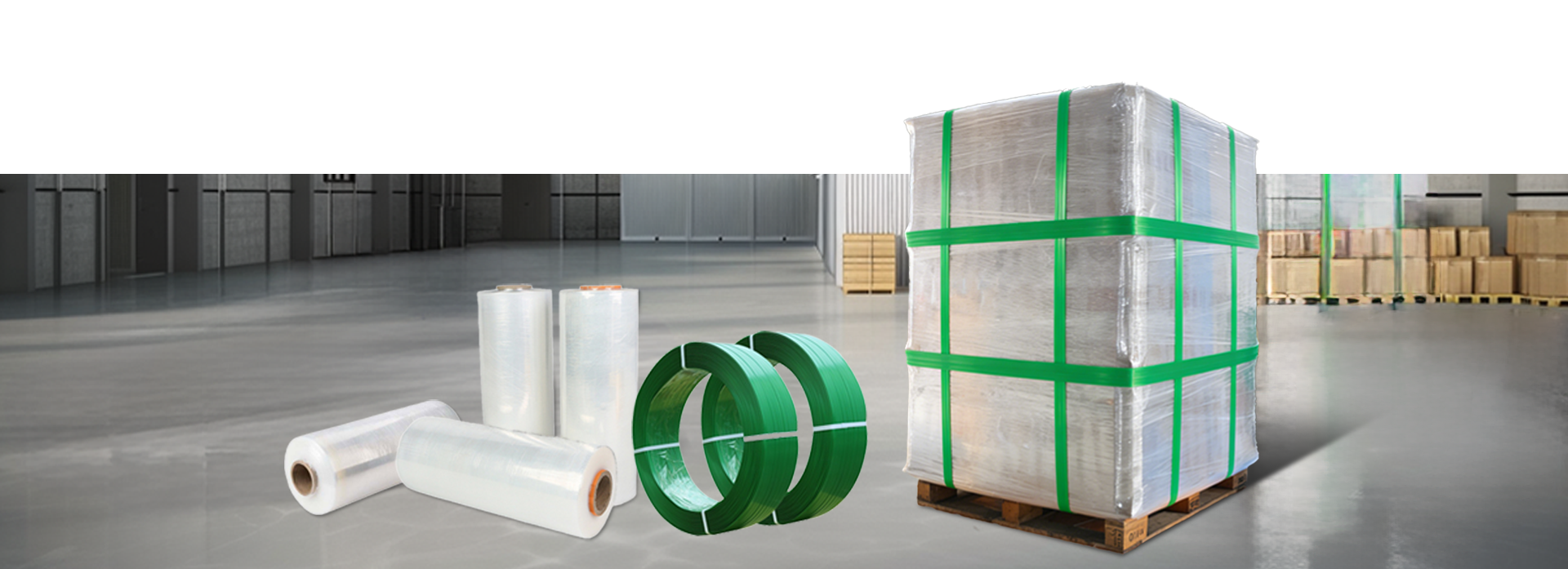
PET strapping performs best as part of a coordinated load containment system — not as a standalone solution. In a well-designed pallet dispatch process, PET strapping works alongside stretch wrap, edge protectors, slip sheets, and pallet stability accessories to create multi-layered containment that addresses different failure modes simultaneously.
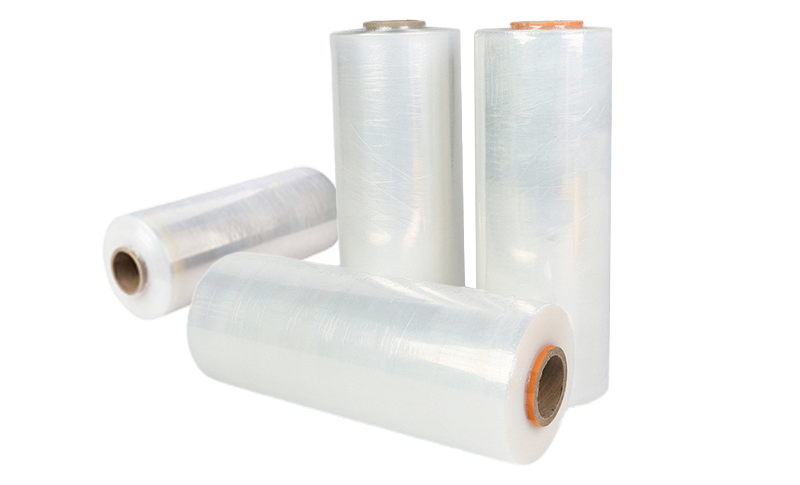
For example, a standard configuration for a heavy mixed pallet might apply two PET straps at 120° spacing for vertical stability, followed by a full machine stretch wrap cycle to provide horizontal unitization and weather protection — a combination that addresses both vertical load tipping and lateral product shift during transport.
Selecting and integrating these components requires an understanding of load profiles, machine compatibility, and workflow sequencing that goes beyond individual product selection. As an enterprise specializing in the production, sales, and service of warehousing and logistics equipment, Bingo provides global customers with one-stop, integrated solutions that cover strapping systems, stretch wrapping equipment, material handling tools, and storage infrastructure — ensuring every element of the packaging and dispatch process is optimized as a complete, reliable system.

 en
en  Español