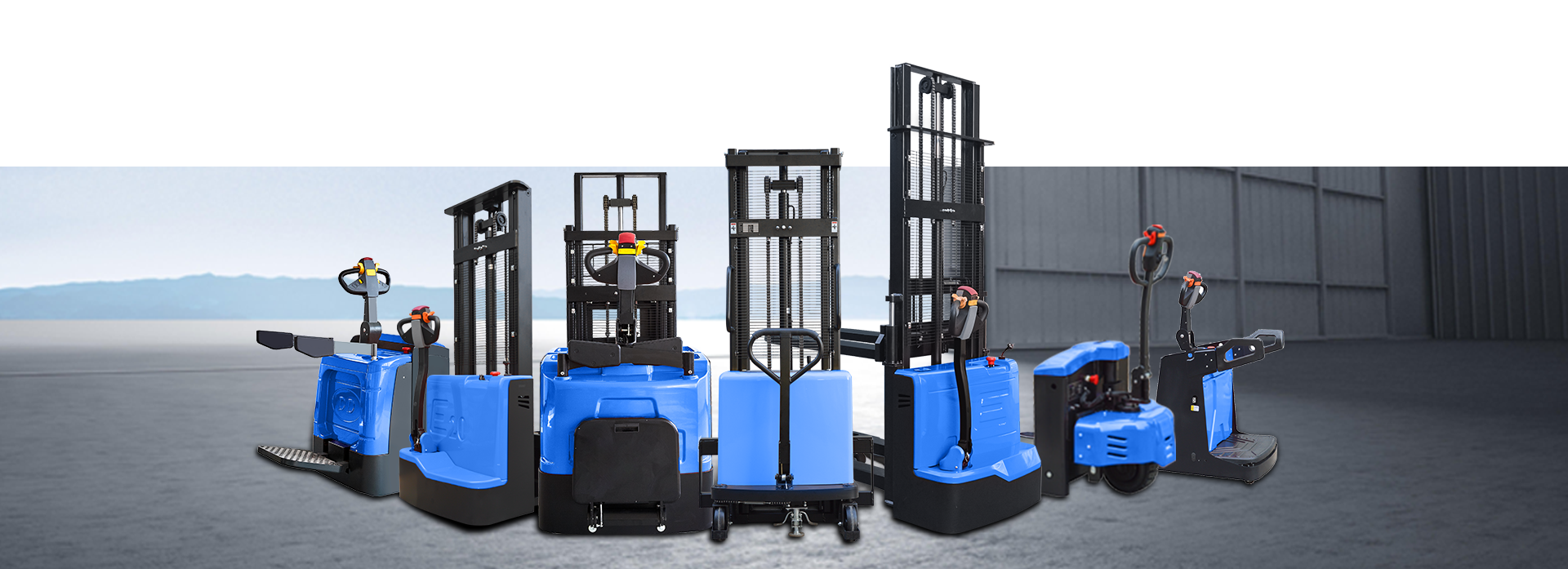
Bingo is an enterprise specializing in the production, sales, and service of warehousing and logistics equipment. Focusing on the equipment needs of various warehousing and logistics scenarios, we provide global customers with one-stop, integrated solutions for material storage and handling.
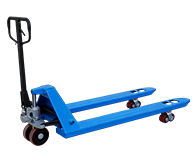
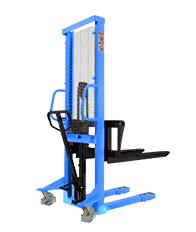
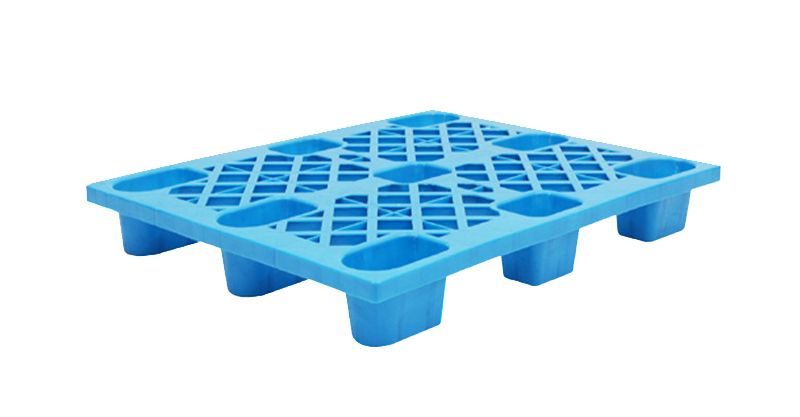
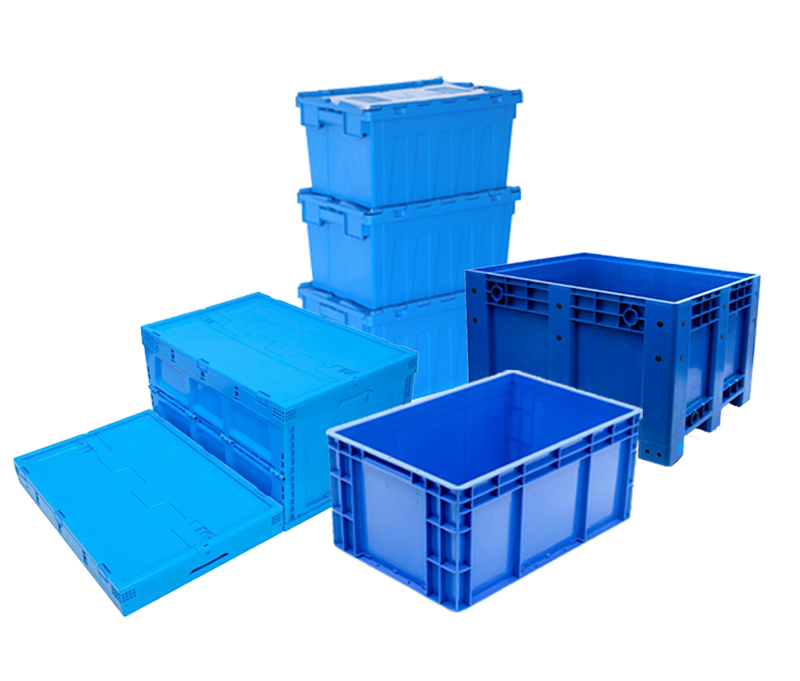
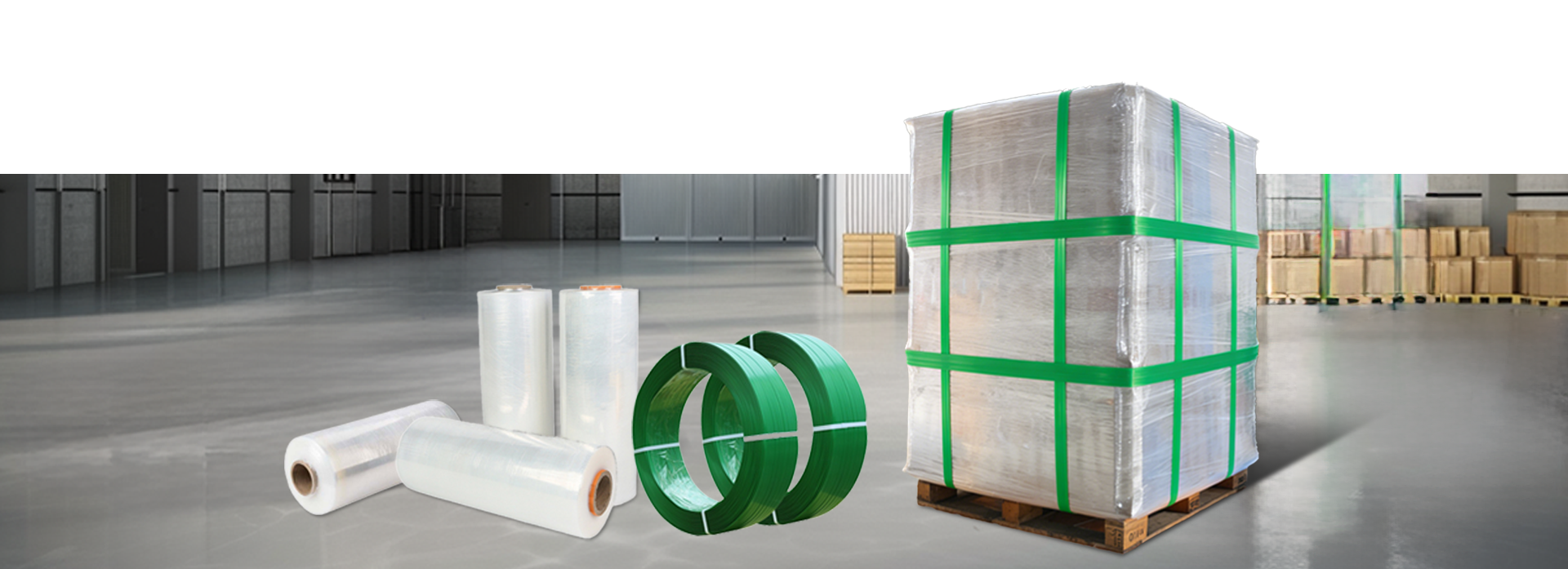
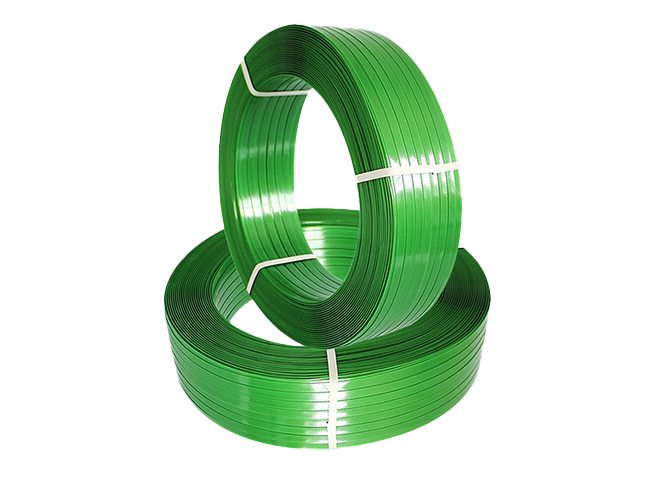
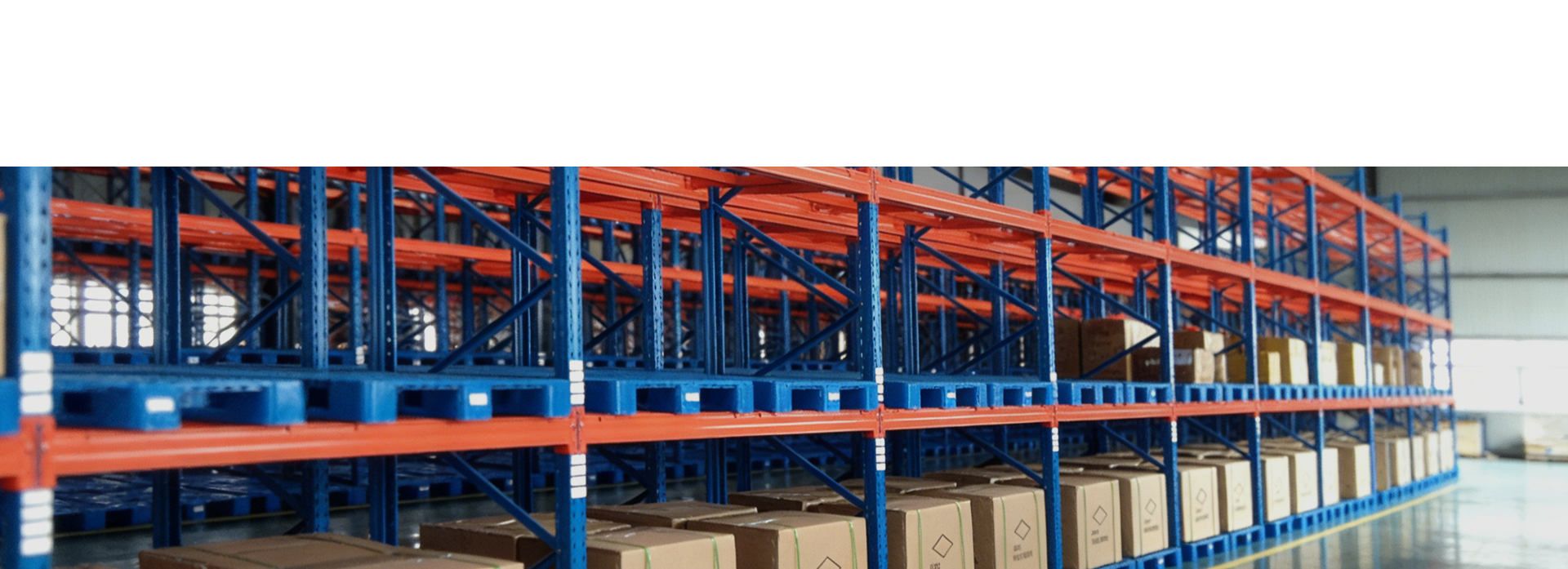
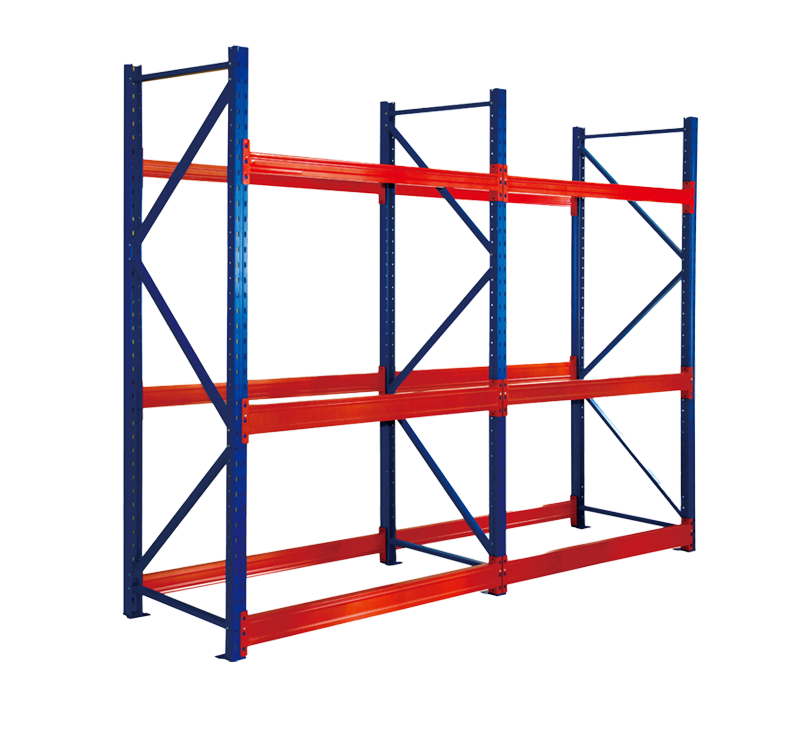
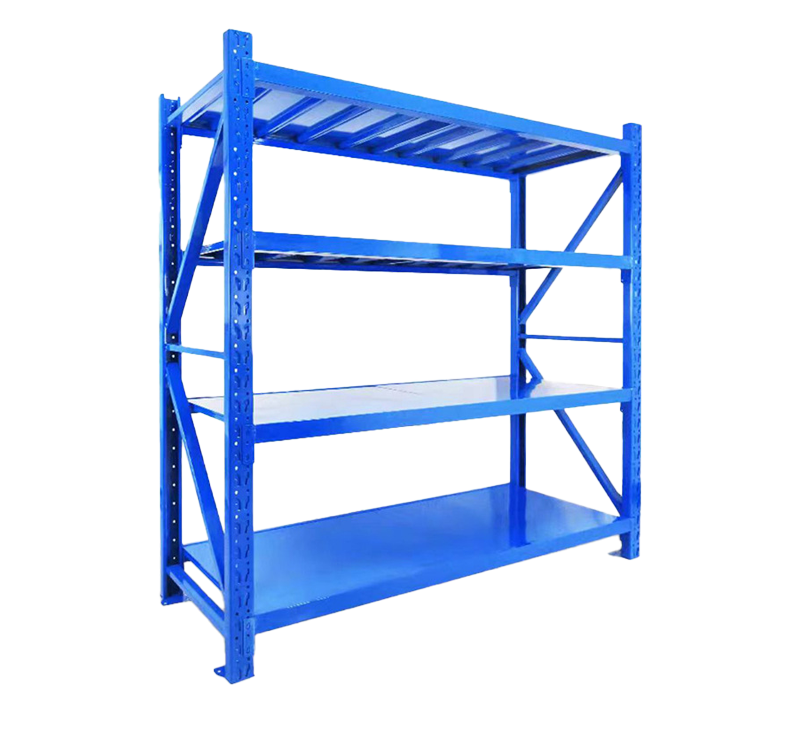
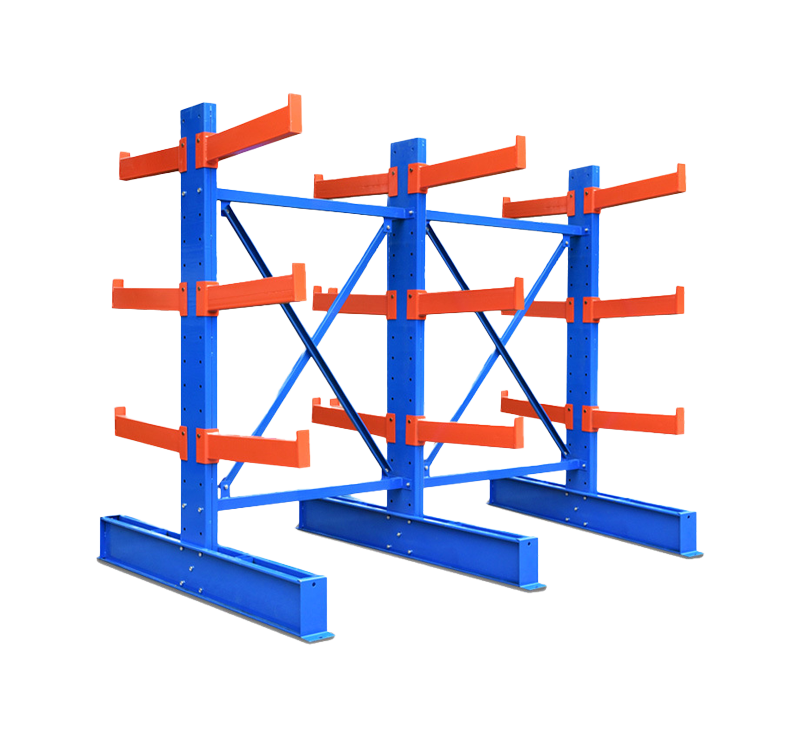
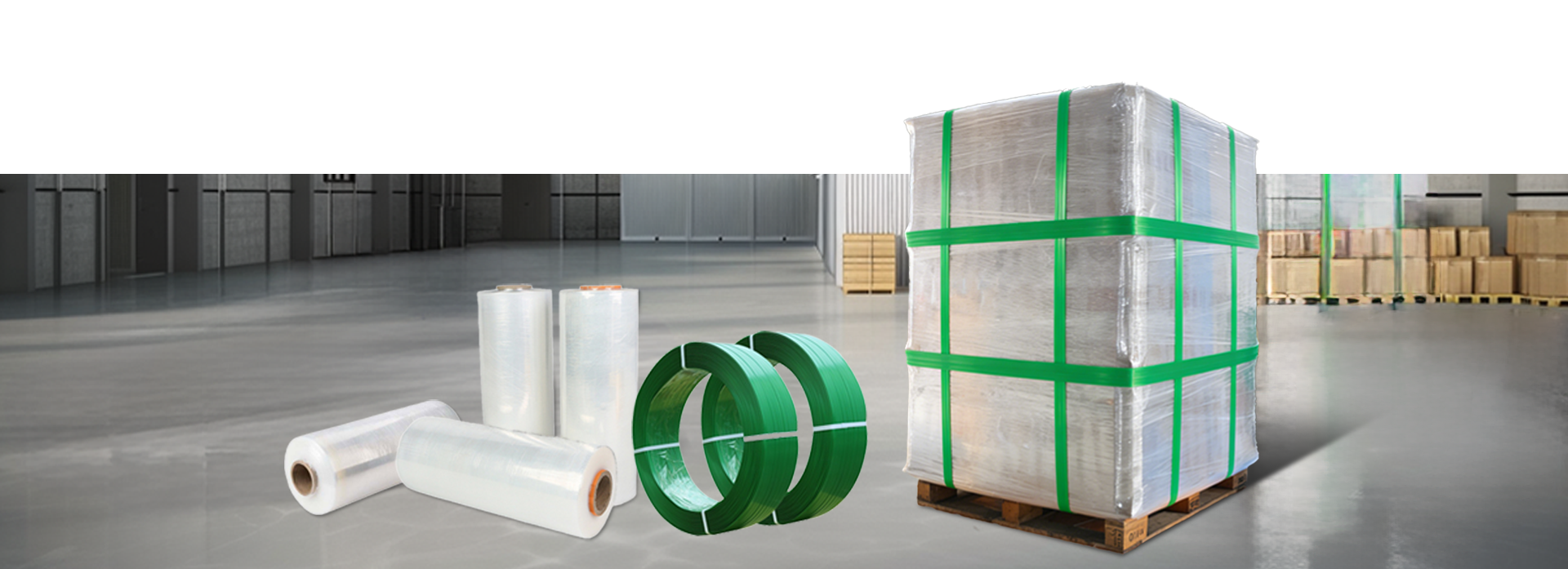
Bingo is a China Wholesale Stretch Wrap Types Manufacturer and OEM Stretch Wrap Types Company, and has built a complete warehousing and logistics equipment supply chain covering four core systems. In the field of handling equipment, we offer a full range of manual and electric pallet trucks and stackers. Our storage container line includes plastic pallets, plastic totes, crates, and bulk containers to meet diverse logistics needs. while the packaging material series provides supporting products such as stretch wrap and packing strapping. The warehousing racks series encompasses light-duty, medium-duty, and heavy-duty products of various specifications. Adhering to quality as our core value, we rely on a mature supply chain system and strict quality inspection processes to ensure that every product complies with international standards. We are committed to delivering cost-effective product solutions for industries including manufacturing, e-commerce logistics, warehousing and distribution, as well as supermarket retail.
Upholding the philosophy of "Quality First, Win-Win Cooperation", we actively expand our global market presence and are willing to join hands with partners around the world to jointly promote the intelligent and efficient development of the logistics industry.
Every warehouse supervisor knows the moment when manual pallet handling stops being workable. The heaviest pallets exceed 2500 kg, the dock staging area sits 80 meters from the storage bays, and the shift plan demands more pallet moves tha...
During a routine walkthrough at a distribution center, a warehouse manager noticed a small dent in the bottom flange of a pallet rack upright. No load was in that bay, so the dent was recorded as cosmetic. Three weeks later, a forklift gra...
Bingo Machinery, a trusted global supplier of smart warehouse handling equipment, officially launches the brand new CDDA15 1.5 ton pedestrian electric walkie stacker. This compact stacking solution is engineered for medium height pallet st...
Everything You Need to Know About Stretch Wrap Types
Stretch wrap — also called stretch film — is one of the most widely used packaging materials in modern warehousing, logistics, and manufacturing. The right type of stretch wrap can reduce product damage by up to 35%, lower packaging costs by 20%, and significantly improve load stability during transport. From hand-applied rolls to machine-grade films, each stretch wrap type is engineered for specific applications, load sizes, and environmental conditions. Understanding these differences is not a minor detail — it directly impacts operational efficiency, product safety, and total packaging spend. This article breaks down every major category of stretch wrap, compares performance attributes, and provides practical guidance to help procurement and logistics professionals make informed decisions.
What Is Stretch Wrap and Why Does the Type Matter?
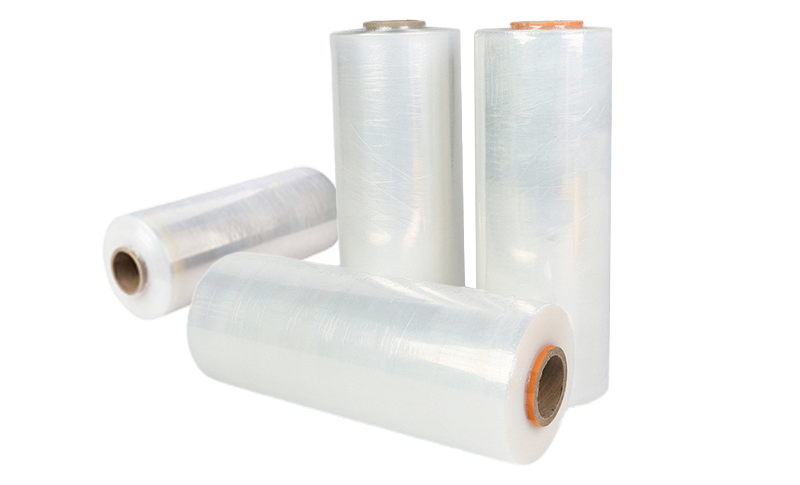
Stretch wrap is a highly elastic plastic film — most commonly made from linear low-density polyethylene (LLDPE) — that is stretched tightly around products or pallet loads to bundle, stabilize, and protect them. Unlike shrink wrap, which requires heat to conform, stretch wrap relies purely on mechanical tension and memory elasticity to hold goods together.
The type of stretch wrap selected determines how far the film can be elongated before breaking (elongation-at-break), how much holding force it applies (cling force), how well it resists puncture from sharp edges, and how efficiently it uses material per pallet. Using an undersized or wrong-category film leads to load failures, rewrapping labor costs, and elevated product damage claims — all of which erode margins.
The global stretch film market was valued at approximately USD 9.2 billion in 2023 and is projected to grow at a CAGR of around 4.8% through 2030, driven by e-commerce expansion and the globalization of supply chains. This growth makes it more important than ever for businesses to understand what they are purchasing and whether it genuinely matches their operational needs.
Global Stretch Film Market Share by Region (2023)
Asia Pacific dominates the global stretch film market, driven by massive manufacturing output in China, India, and Southeast Asia. North America holds the second-largest share, largely due to the region's advanced retail and e-commerce distribution infrastructure. Europe's mature recycling regulations are reshaping film formulations toward thinner, more sustainable grades. Emerging regions like Latin America and the Middle East & Africa (MEA) are growing fastest in percentage terms as logistics networks modernize. These regional dynamics directly influence which stretch wrap types are in highest demand — and how product innovation priorities are set globally.
Hand Stretch Wrap: The Most Accessible Option
Hand stretch wrap is applied manually, without the need for any mechanical equipment. It is available in standard roll widths of 12 to 18 inches, with thicknesses (gauges) typically ranging from 37 to 80 gauge (approximately 9 to 20 microns). It remains the most commonly purchased format for small businesses, retail operations, and situations where only a limited number of pallets are wrapped per shift.
Pre-stretched hand wrap is a notable subcategory that has been mechanically pre-elongated during manufacturing, so operators apply it with far less physical effort — typically requiring 50–80% less force than standard hand wrap. This reduces worker fatigue and repetitive strain injuries while improving wrapping consistency. Pre-stretched film also uses less raw material per pallet because much of the elongation has already occurred.
For operations wrapping fewer than 15 pallets per day, hand stretch wrap is typically the most cost-efficient entry point. The core types within this category include:
Standard hand wrap: General-purpose film; adequate for regular box and lightweight loads.
Pre-stretched hand wrap: Lower tension required; better for high-volume manual wrapping environments.
Colored hand wrap: Used for load segregation, inventory coding, or tamper-evident packaging.
UV-stabilized hand wrap: Formulated for outdoor storage applications where sunlight exposure is a concern.
Machine Stretch Wrap: Built for High-Volume Throughput
Machine stretch wrap is designed for use with semi-automatic or fully automatic pallet wrapping equipment. It comes in jumbo rolls — typically 20 inches wide and weighing 30 to 100 lbs — and is considerably more cost-effective per unit of film used than hand wrap when throughput is high. Operations wrapping more than 30 pallets per day commonly achieve 25–40% film savings by switching from hand to machine wrap, largely because machines apply film at consistent, calibrated tension levels that humans cannot replicate.
Machine films are formulated to withstand the high elongation rates that wrapping machines apply — often stretching the film 150–300% beyond its original length during application. This requires a film with excellent tensile strength and puncture resistance at maximum elongation. Key machine stretch wrap subcategories include:
Standard machine wrap (cast film): Clear, quiet unwinding, excellent cling — ideal for food-grade and retail applications.
Blown machine wrap: Higher puncture resistance, hazy appearance, louder unwinding — preferred for sharp-edged or heavy industrial loads.
Nano-layer machine wrap: Advanced multi-layer coextrusion technology that achieves superior performance at thinner gauges, reducing plastic consumption by up to 30%.
Film Usage Per Pallet: Hand Wrap vs. Machine Wrap (grams/pallet)
This chart illustrates how film consumption per pallet drops significantly as wrapping technology advances. Standard hand wrapping uses the most film per pallet due to inconsistent human tension and overlapping layers. Pre-stretched hand wrap cuts this figure by roughly 30% because the film is already elongated before application. Machine-applied standard film achieves further reduction through calibrated tension control, and nano-layer machine wrap represents the most material-efficient option on the market. For high-throughput warehouses, shifting to machine nano wrap can reduce annual film costs by tens of thousands of dollars while also lowering plastic waste disposal burdens. These gains are why many operations treat stretch wrap optimization as a direct cost-reduction priority rather than a minor supply decision.
Cast vs. Blown Stretch Film: Understanding the Core Manufacturing Difference
The most fundamental technical distinction in stretch wrap types is whether the film was produced using a cast extrusion or a blown extrusion process. These two manufacturing methods produce films with meaningfully different physical properties, and matching the right process type to the application is essential for performance.
Cast Stretch Film
Cast film is produced by extruding molten resin through a flat die onto chilled rollers. The rapid, uniform cooling creates a clear, glossy, consistent film with excellent optical clarity and quiet, easy unwinding. Cast stretch film typically has one-sided cling — one tacky side adheres to itself while the outer side remains non-sticky, which is useful when products need to not adhere to the film surface.
Cast film can be stretched 150–300% at the machine level with lower break rates. It is the dominant choice for food packaging, pharmaceutical distribution, and any environment where product visibility is important. Approximately 75% of stretch film sold globally is cast film, owing to its production speed, lower cost, and broad applicability.
Blown Stretch Film
Blown film is produced by extruding molten resin upward through a circular die, inflating it into a bubble, and allowing it to cool slowly in air. This slower, more complex cooling process creates a film with two-sided cling, higher memory (it tries to return to original length more aggressively), superior puncture resistance, and a slightly hazy appearance.
Blown stretch film is the preferred solution for heavy, irregularly shaped, or sharp-edged loads — such as metal components, lumber bundles, or construction materials — where puncture resistance is critical. The trade-off is higher production cost, louder unwinding noise, and lower elongation efficiency compared to cast film at equivalent gauges.
Table 1: Cast vs. Blown Stretch Film — Key Property Comparison
Property
Cast Film
Blown Film
Clarity
High (clear)
Moderate (hazy)
Cling Type
One-sided
Two-sided
Puncture Resistance
Moderate
High
Elongation at Break
200–300%
100–200%
Noise on Unwind
Quiet
Louder
Relative Cost
Lower
Higher
Best Application
Food, retail, general pallets
Industrial, sharp-edged loads
Specialty Stretch Wrap Types for Specific Applications
Beyond the standard hand and machine categories, a wide range of specialty stretch wrap types address specific operational requirements. Selecting the right specialty film can reduce ancillary damage, meet regulatory requirements, or enable supply chain visibility that standard film cannot provide.
Vented Stretch Wrap
Vented stretch wrap contains a pattern of small perforations that allow airflow through the film. It is essential for wrapping fresh produce, perishable food items, or any load that requires ventilation during cold storage or transit. Without ventilation, condensation buildup inside standard stretch wrap causes mold, spoilage, and weight loss — leading to significant product losses estimated at 2–5% of perishable shipment value when using the wrong film type.
Anti-Static Stretch Wrap
Anti-static or ESD (electrostatic discharge) stretch wrap is compounded with additives that dissipate static electricity. It is required when wrapping electronic components, circuit boards, printed circuit assemblies, or any sensitive equipment where a static discharge could cause latent or immediate damage. The global electronics packaging market increasingly mandates anti-static wrap for all outbound shipments, and failure to comply can void product warranties.
UV-Resistant Stretch Wrap
UV-stabilized stretch film is formulated with UV inhibitors that prevent photodegradation of the film and the products it protects. Standard LLDPE films begin to degrade after approximately 6–8 weeks of direct sun exposure; UV-resistant grades can maintain film integrity for 12–18 months in outdoor storage environments. This type is widely used in agriculture, construction material staging, and ports where wrapped loads may sit in the open for extended periods.
Colored and Opaque Stretch Wrap
Colored stretch wrap — available in black, white, red, blue, green, and other colors — serves multiple operational purposes. Black and opaque films conceal contents for security-sensitive shipments. Color-coding different load types (e.g., red for hazardous goods, blue for refrigerated items) accelerates warehouse sorting and reduces mispicking errors. Studies in large distribution centers show that color-coded wrapping reduces load misidentification errors by up to 18%.
Bundling Stretch Wrap
Bundling film — also called mini stretch wrap or bundling film — comes in narrow widths of 1 to 5 inches and is used to unitize small groups of products without full pallet wrapping. It is popular in retail display preparation, newspaper bundling, pipe and tube bundling, and securing coiled wire or cable. The narrow width allows targeted bundling without wasting film on areas that don't require coverage.
Specialty Stretch Wrap Performance Radar: Key Attributes by Type
This radar chart compares three specialty stretch wrap types across six performance dimensions. Blown film excels in puncture resistance and cling force, making it the go-to choice for industrial and sharp-edged load applications, but it scores low on optical clarity and UV resistance. UV-resistant wrap prioritizes outdoor durability and maintains reasonable performance across most other dimensions, making it a versatile choice for staged outdoor inventory. Anti-static film is uniquely positioned by its electrostatic dissipation capability, which no other film type replicates, and is essential for electronics shipments despite being average in most other categories. Selecting a specialty film type should always start from the most critical performance dimension for the load type, not from a general-purpose default. This targeted selection approach prevents both over-specification (paying for unnecessary properties) and under-specification (using the wrong film for a demanding application).
Stretch Wrap Gauge and Thickness: Matching Film to Load Weight
Gauge (or thickness) is one of the most critical selection criteria in stretch wrap. It is measured in gauge (US) or microns (metric), where 100 gauge equals approximately 25.4 microns. Selecting too thin a film for a heavy load risks film breakage, load instability, and damaged goods. Selecting an unnecessarily thick film wastes material and increases per-pallet packaging costs.
A practical rule of thumb: for every 500 lbs of pallet load weight, increase film gauge by approximately 10–15 gauge. However, this is only a starting guideline — load shape, sharpness of edges, stacking requirements, and transport mode (air, sea, land) also influence gauge selection.
Table 2: Gauge Selection Guide by Application and Load Weight
Gauge (US)
Microns
Typical Load Weight
Best Application
37–47
9–12
Up to 500 lbs
Light retail, bundles, documents
60–70
15–18
500–1,000 lbs
General warehouse pallets, FMCG
80
20
1,000–1,500 lbs
Standard industrial pallet wrap
100–120
25–30
1,500–2,500 lbs
Heavy manufacturing, metals, lumber
150+
38+
2,500+ lbs
Extreme loads, sharp-edged goods
It is worth noting that nano-layer and multi-layer co-extruded films often perform at thinner gauges than their rating suggests. A 47-gauge nano-layer film may outperform a conventional 70-gauge film in tensile strength — which is why reviewing actual lab test data (ASTM D5748, D5720) rather than relying solely on gauge number is important when evaluating film options.
Stretch Wrap in Cold Chain and Temperature-Sensitive Logistics
Temperature is a critical but often overlooked factor in stretch wrap selection. Standard LLDPE stretch films are formulated for use in ambient temperature environments and may become brittle, lose cling, or break at sub-zero temperatures. For cold chain logistics — spanning frozen food, pharmaceuticals, and temperature-sensitive chemicals — specialized low-temperature stretch films are required.
Cold-temperature stretch films are compounded with flexibility additives that maintain elasticity at temperatures as low as -40°C. They also incorporate anti-fog treatments to prevent condensation clouding from obscuring barcodes and labels, which is critical for automated scanning in refrigerated distribution centers. The global cold chain packaging market exceeded USD 15 billion in 2023, and stretch wrap represents a meaningful portion of that spend.
On the opposite end of the spectrum, loads stored or transported in high-temperature environments — such as outdoor building materials in tropical climates — require heat-stabilized films that resist softening, creep, and elongation under sustained warmth. Using the wrong film in a hot environment allows loads to loosen over time, creating stability hazards during forklift handling.
Stretch Film Elongation-at-Break vs. Temperature (Standard vs. Cold-Grade Film)
This line chart illustrates how elongation-at-break — a key indicator of film performance — changes across temperatures for standard LLDPE film versus cold-grade stretch film. Standard film loses a significant portion of its elongation capacity at sub-zero temperatures, making it brittle and prone to breakage during cold-storage pallet handling. Cold-grade film maintains consistently high elongation across all temperature ranges, making it far more reliable in refrigerated or frozen distribution environments. Note also that at high temperatures (40°C+), both film types show a slight reduction in performance due to molecular softening — which is why heat-stabilized films exist for outdoor tropical applications. This data underscores why temperature environment is a non-negotiable input in stretch wrap selection for any supply chain involving refrigerated or heated storage stages. Ignoring this variable is one of the most common and costly mistakes in cold chain packaging decisions.
Coreless Stretch Wrap and Sustainability-Oriented Film Options
Sustainability has become a material purchasing criterion across logistics operations globally. Stretch wrap is one of the highest-volume plastic consumables in warehousing, so small improvements in material efficiency or recyclability create significant environmental impact at scale.
Coreless stretch wrap eliminates the cardboard or plastic core that standard rolls are wound around. This removes a solid waste stream from the packaging process — in a high-volume distribution center wrapping 500 pallets per day, that can mean more than 180,000 discarded cores annually. Coreless roll designs also reduce shipping weight and enable higher rolls-per-carton density, lowering transportation emissions.
Recycled-content stretch wrap, incorporating post-industrial recycled (PIR) or post-consumer recycled (PCR) LLDPE, is increasingly available. While PCR-based stretch films traditionally showed performance compromises, advances in compatibilizer chemistry have enabled films with 30–50% recycled content that meet or approach virgin-grade performance benchmarks.
Stretch film is classified as a type 4 plastic (LDPE) and is recyclable through specialized drop-off programs, though it is not accepted in most curbside recycling streams. Many large retailers and logistics operators run closed-loop film reclaim programs where used stretch wrap from receiving docks is collected, baled, and returned to film converters for reprocessing.
How to Choose the Right Stretch Wrap Type: A Decision Framework
Choosing the optimal stretch wrap type requires evaluating multiple interdependent variables. A structured decision approach avoids common pitfalls like defaulting to the cheapest option or copying a competitor's specification without understanding whether it fits the operation.
Assess daily pallet volume. Under 15 pallets/day → hand wrap; 15–30 → consider semi-auto machine; 30+ → full machine or automated wrapping system.
Determine load characteristics. Weight, shape, edge sharpness, and fragility determine gauge and film type (cast vs. blown, standard vs. specialty).
Identify environmental conditions. Cold storage, outdoor staging, UV exposure, or electrostatic hazards each point to specific film formulations.
Evaluate containment force requirements. Calculate required holding force based on load weight and transport vibration levels; match to film specification sheets.
Calculate total cost of ownership. Include film cost per pallet, labor time, damage rates, and any compliance costs — not just roll purchase price.
Request film trials. Lab data and supplier samples should be validated with real pallet wrapping trials before committing to volume orders.
Relative Importance of Stretch Wrap Selection Factors (Industry Survey, 2023)
This horizontal bar chart reflects findings from a 2023 logistics packaging survey in which procurement managers and warehouse supervisors ranked the most important factors when selecting stretch wrap. Load safety consistently ranked first, affirming that preventing product damage during transport is the primary driver of film selection. Film cost is the second-most-cited factor, but experienced buyers note that the cheapest film is rarely the most cost-effective when total damage, labor, and rewrapping costs are included. Environmental conditions — temperature, humidity, UV — ranked third, reflecting growing awareness of how these variables affect film performance. Sustainability criteria are now in the top four for the first time, with many companies under corporate sustainability commitments to reduce plastic intensity. Regulatory compliance (food safety, anti-static requirements for electronics) and supplier lead times round out the top factors, both increasingly relevant as supply chains remain volatile.
About Yancheng Bingo Machinery Equipment Co., Ltd.
Yancheng Bingo Machinery Equipment Co., Ltd. is an enterprise specializing in the production, sales, and service of warehousing and logistics equipment. Focusing on the equipment needs of various warehousing and logistics scenarios, Bingo provides global customers with one-stop, integrated solutions for material storage and handling.
Bingo has built a complete warehousing and logistics equipment supply chain covering four core systems. In the field of handling equipment, Bingo offers a full range of manual and electric pallet trucks and stackers. The storage container line includes plastic pallets, plastic totes, crates, and bulk containers to meet diverse logistics needs. The packaging material series provides supporting products such as stretch wrap and packing strapping — encompassing all major film types covered in this article, including hand stretch wrap, machine stretch wrap, specialty films, and coreless formats. The warehousing rack series encompasses light-duty, medium-duty, and heavy-duty products across a wide range of specifications.
Adhering to quality as its core value, Bingo relies on a mature supply chain system and strict quality inspection processes to ensure every product complies with international standards. Bingo is committed to delivering cost-effective product solutions for industries including manufacturing, e-commerce logistics, warehousing and distribution, and supermarket retail.
Upholding the philosophy of "Quality First, Win-Win Cooperation", Bingo actively expands its global market presence and is willing to join hands with partners around the world to jointly promote the intelligent and efficient development of the logistics industry. Smooth Logistics, Smart Storage.
Frequently Asked Questions About Stretch Wrap Types
Q1: What is the difference between hand stretch wrap and machine stretch wrap?
Hand stretch wrap is designed for manual application and comes in narrower, lighter rolls. Machine stretch wrap is produced in wide, heavy jumbo rolls for use with semi-automatic or fully automatic pallet wrappers. Machine film is generally more cost-efficient per pallet at volumes above 30 pallets/day, while hand wrap is more practical for low-volume or flexible operations.
Q2: Is cast or blown stretch film better?
Neither is universally better — they serve different applications. Cast film offers greater clarity, quieter unwinding, and better elongation efficiency, making it suitable for most general warehouse and food industry uses. Blown film provides superior puncture resistance and two-sided cling, making it the preferred choice for sharp-edged industrial loads. The best choice depends on your specific load type and environment.
Q3: What stretch wrap gauge should I use for standard warehouse pallets?
For typical warehouse pallets weighing 800–1,500 lbs with regular box shapes, 70–80 gauge (17–20 microns) cast film is the most commonly recommended starting point. Heavier or irregular loads should move up to 100–120 gauge, while lighter retail consolidation loads can use 47–60 gauge. When using nano-layer film, you may achieve the same performance at a lower gauge number.
Q4: Can stretch wrap be used for outdoor storage?
Yes, but standard stretch wrap will degrade in direct sunlight within 6–8 weeks. For outdoor storage lasting longer than a few weeks, UV-stabilized stretch film is recommended. These formulations contain UV inhibitors that maintain film integrity for 12–18 months under sun exposure and are widely used in construction, agriculture, and port logistics.
Q5: What type of stretch wrap should I use for wrapping fresh produce or perishable goods?
Vented (perforated) stretch wrap is specifically designed for fresh produce and perishable loads. The perforation pattern allows airflow through the film during cold storage and refrigerated transport, preventing condensation buildup and mold growth. Using standard non-vented film on produce pallets is a common cause of unnecessary spoilage losses.
Q6: Is stretch wrap recyclable?
Stretch wrap (LLDPE, type 4 plastic) is recyclable but typically not accepted in standard curbside recycling programs. It must be clean and dry, and can be recycled through designated film drop-off locations or through closed-loop commercial reclaim programs where used film is baled and returned to film converters. Coreless stretch wrap and recycled-content films are additional options for operations seeking to reduce plastic waste impact.

 en
en  Español