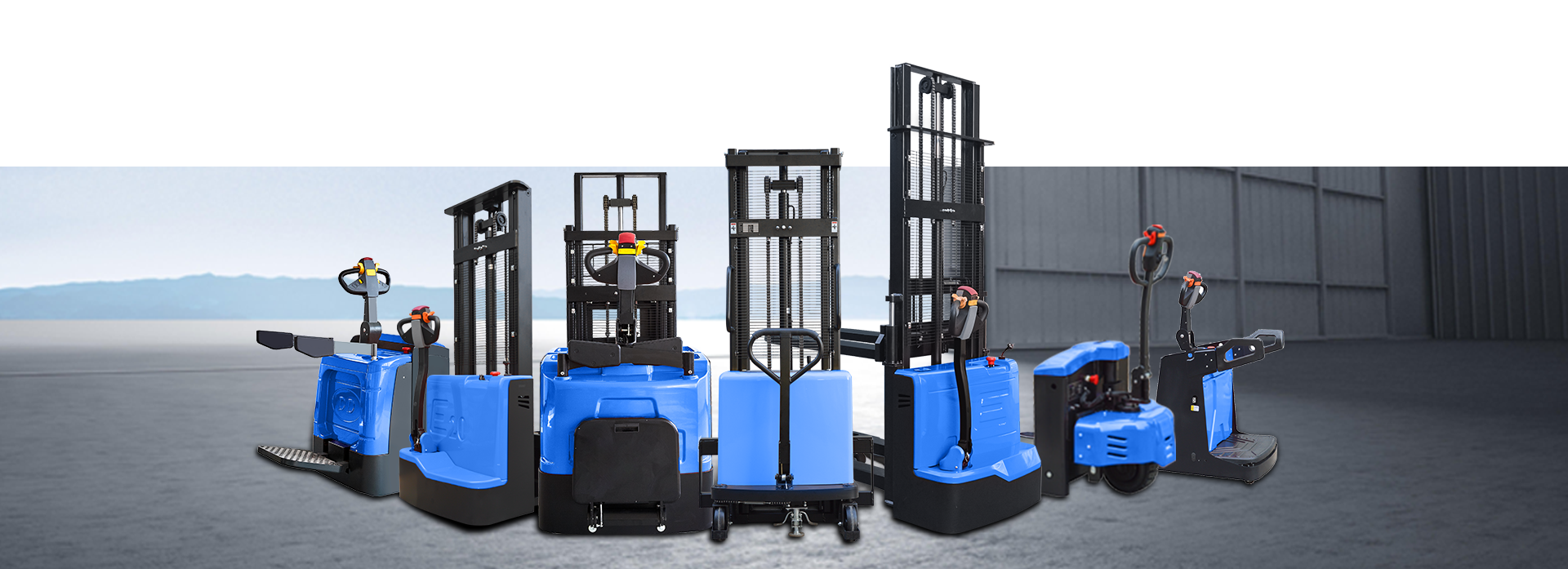
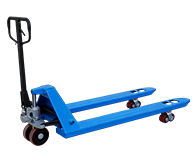
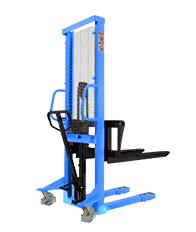
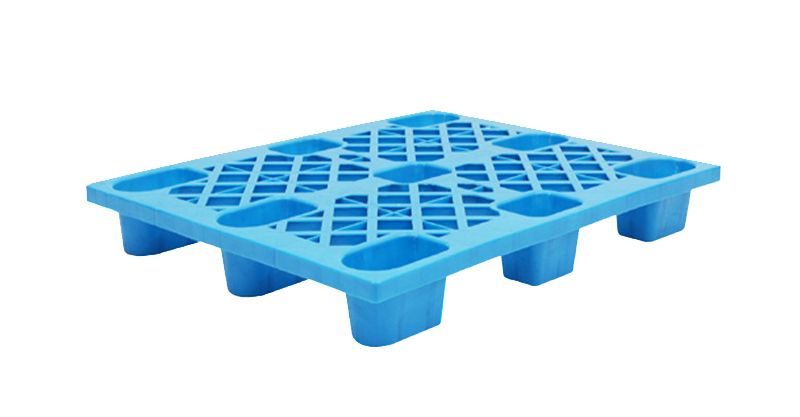
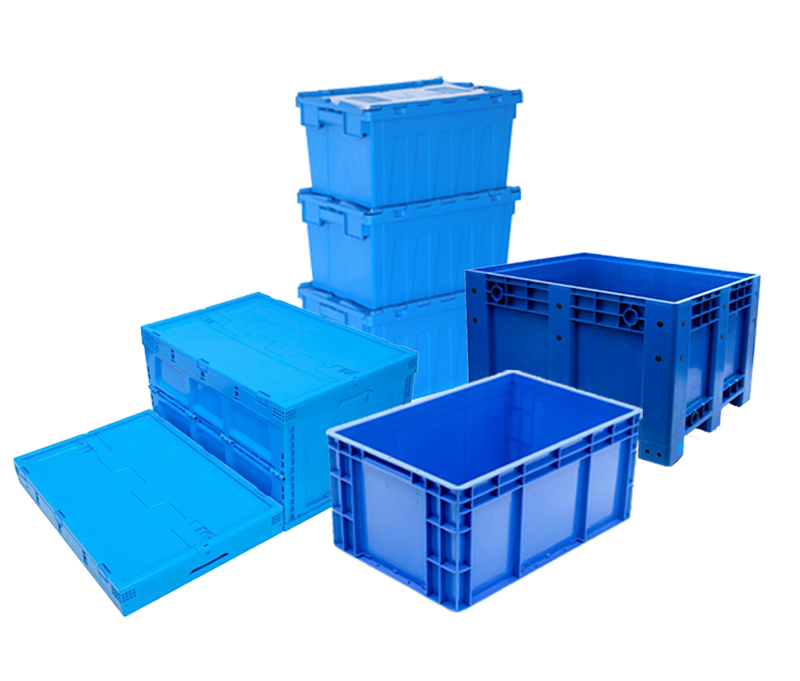
Bingo is an enterprise specializing in the production, sales, and service of warehousing and logistics equipment. Focusing on the equipment needs of various warehousing and logistics scenarios, we provide global customers with one-stop, integrated solutions for material storage and handling.
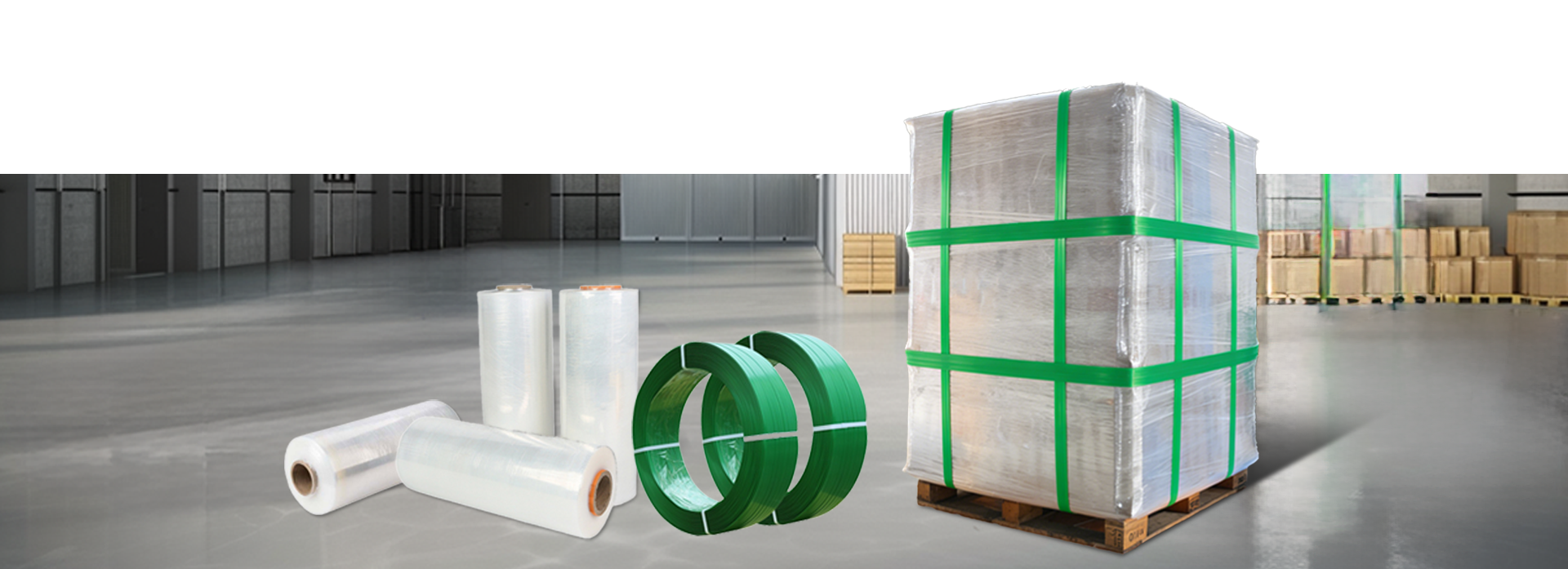
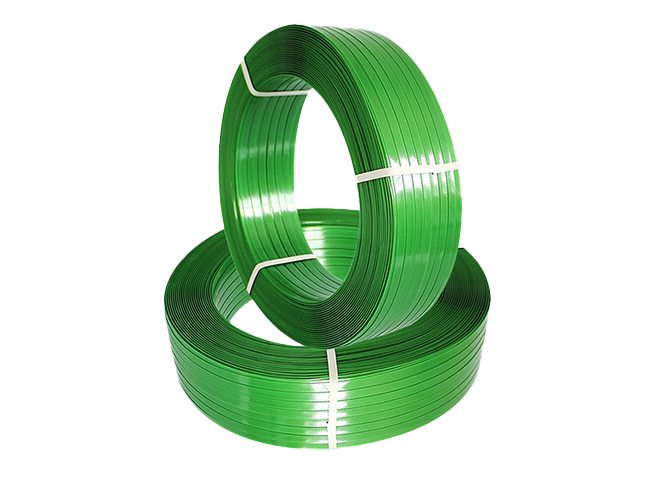
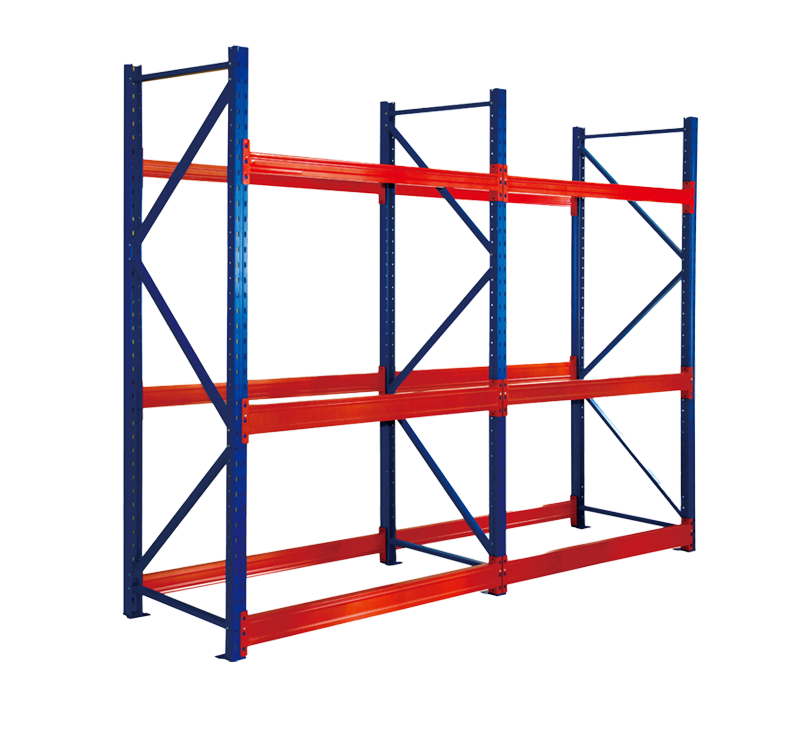
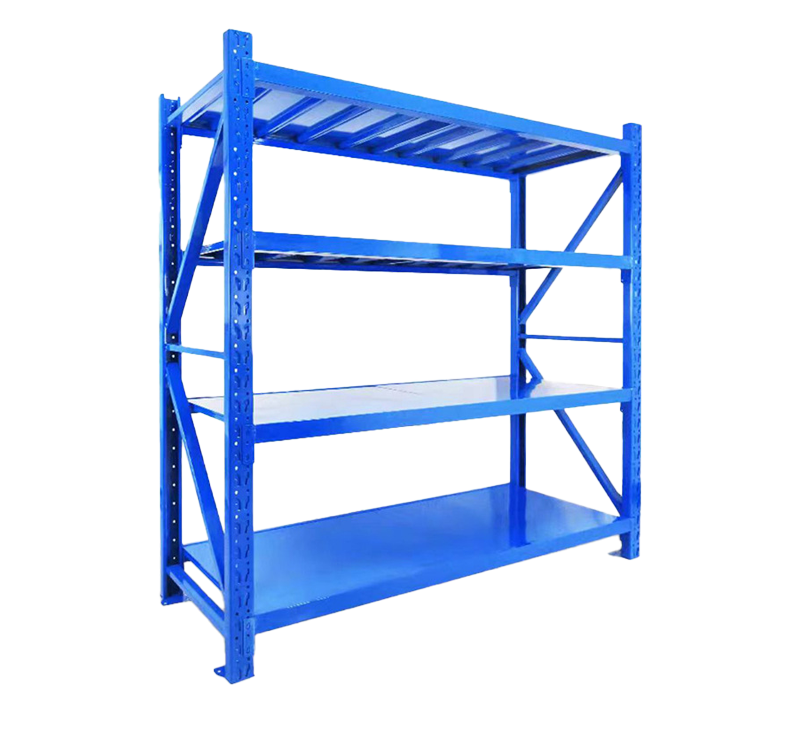
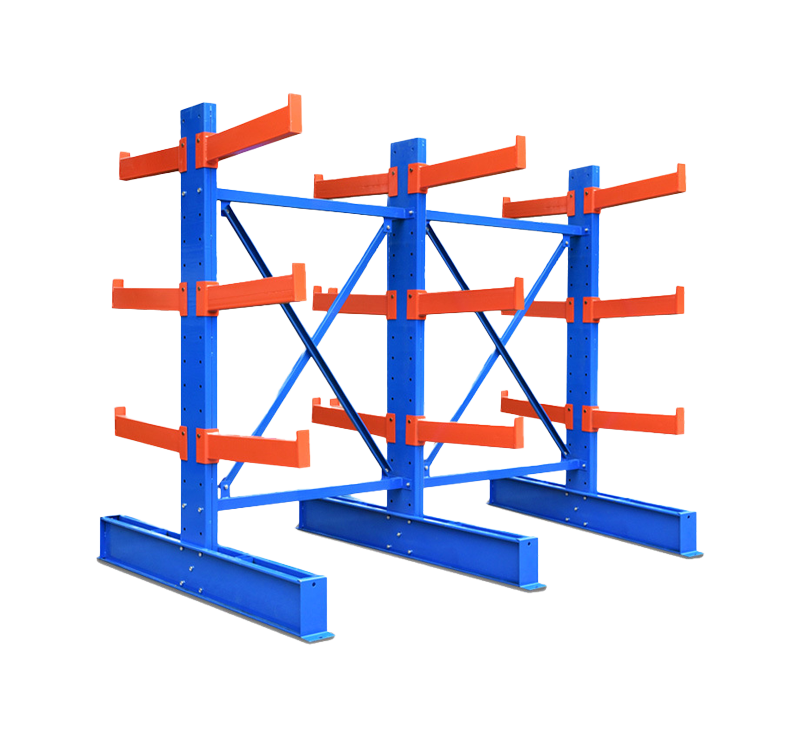
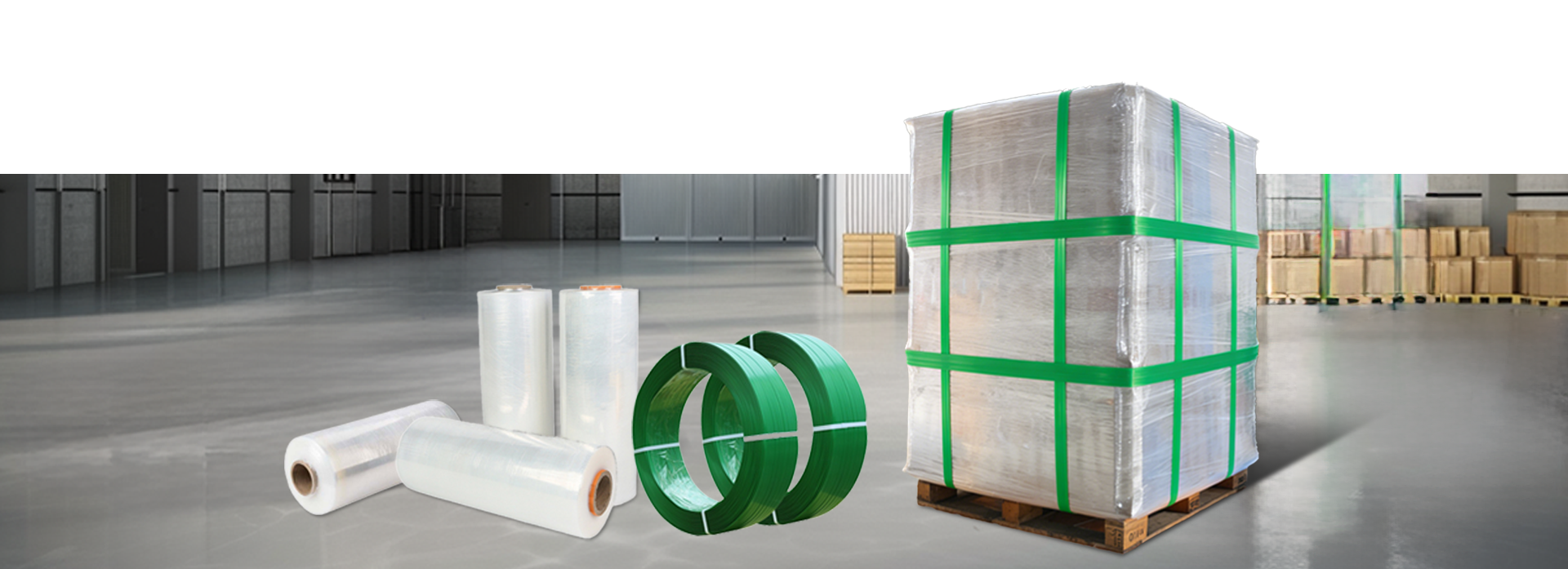
Bingo is a China OEM Clear Stretch Wrap Supplier and Clear Stretch Wrap Factory, and has built a complete warehousing and logistics equipment supply chain covering four core systems. In the field of handling equipment, we offer a full range of manual and electric pallet trucks and stackers. Our storage container line includes plastic pallets, plastic totes, crates, and bulk containers to meet diverse logistics needs. while the packaging material series provides supporting products such as stretch wrap and packing strapping. The warehousing racks series encompasses light-duty, medium-duty, and heavy-duty products of various specifications. Adhering to quality as our core value, we rely on a mature supply chain system and strict quality inspection processes to ensure that every product complies with international standards. We are committed to delivering cost-effective product solutions for industries including manufacturing, e-commerce logistics, warehousing and distribution, as well as supermarket retail.
Upholding the philosophy of "Quality First, Win-Win Cooperation", we actively expand our global market presence and are willing to join hands with partners around the world to jointly promote the intelligent and efficient development of the logistics industry.
Every warehouse supervisor knows the moment when manual pallet handling stops being workable. The heaviest pallets exceed 2500 kg, the dock staging area sits 80 meters from the storage bays, and the shift plan demands more pallet moves tha...
During a routine walkthrough at a distribution center, a warehouse manager noticed a small dent in the bottom flange of a pallet rack upright. No load was in that bay, so the dent was recorded as cosmetic. Three weeks later, a forklift gra...
Bingo Machinery, a trusted global supplier of smart warehouse handling equipment, officially launches the brand new CDDA15 1.5 ton pedestrian electric walkie stacker. This compact stacking solution is engineered for medium height pallet st...
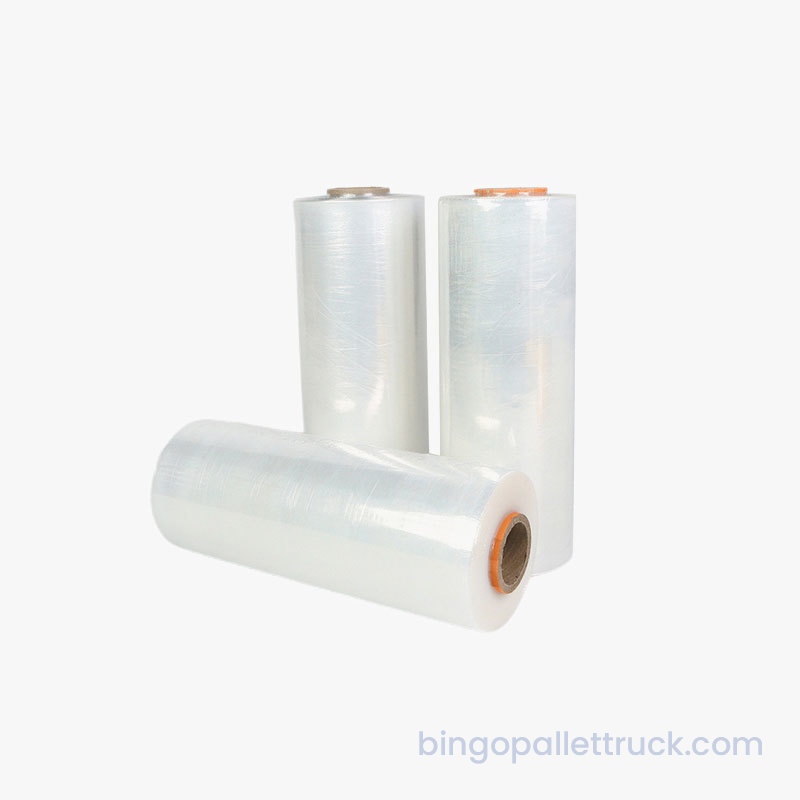
Everything You Need to Know About Clear Stretch Wrap
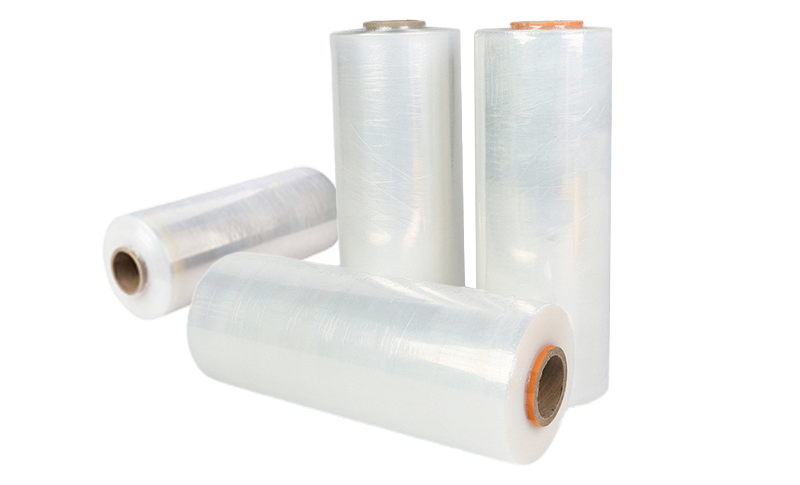
For most standard warehouse pallet loads between 800 and 1,500 lbs, 70 to 80 gauge (approximately 17–20 microns) clear stretch wrap is the most practical and widely used thickness. Lighter retail or bundling applications can use 47–60 gauge, while heavy industrial loads with sharp edges or extreme weight may require 100–150 gauge film. Selecting the wrong thickness is one of the most common and costly packaging mistakes — too thin and loads fail in transit; too thick and you overspend on film with no additional performance benefit. This guide provides a clear, data-backed framework for matching clear stretch wrap thickness to your specific load type, wrapping method, and operational environment.
Understanding Gauge and Microns: The Two Measurement Systems
Stretch wrap thickness is described using two parallel measurement systems depending on geography and industry: gauge (used primarily in the United States) and microns (used in Europe, Asia, and most international markets). Understanding both is essential when sourcing film globally.
The conversion is straightforward: 100 gauge equals 25.4 microns, or approximately 0.001 inch. This means a 70-gauge film is about 17.8 microns thick — thinner than a human hair, yet strong enough to contain loads weighing over a thousand pounds when applied at correct tension. The deceptive thinness of stretch film is a product of its linear low-density polyethylene (LLDPE) composition, which gives it extraordinary elongation and tensile strength relative to its thickness.
One important nuance: gauge numbers do not always reliably predict performance across different film technologies. A 47-gauge nano-layer or multi-layer co-extruded clear stretch wrap film may outperform a conventional 70-gauge single-layer film in puncture resistance and containment force. This is why experienced buyers always request ASTM test data alongside the gauge specification rather than relying on gauge alone.
Gauge to Micron Conversion with Typical Application Range
This chart visually maps the most common clear stretch wrap gauges to their micron equivalents and typical application zones. The thin end of the spectrum (37–47 gauge) is suitable for bundling, light product grouping, and low-weight retail pallets where physical containment is modest. The 70–80 gauge range — represented by the longer bars — covers the broadest range of everyday warehousing and distribution operations, making it the most commercially significant thickness tier. At 100–120 gauge, film is engineered for demanding industrial environments where sharp load protrusions, extreme pallet weights, or rough handling conditions would cause thinner films to fail. Selecting from the correct tier from the outset prevents both load failures (from under-gauging) and unnecessary material cost (from over-gauging). Understanding this spectrum also helps procurement teams have more productive conversations with film suppliers about whether a thinner, higher-performance film technology could achieve the same functional result at a lower material cost.
The Standard Thickness Tiers and What Each Is Designed For
Clear stretch wrap is commercially produced across a distinct set of gauge tiers, each targeting a different load profile. Understanding what distinguishes each tier — not just numerically but functionally — is essential for making an informed purchase.
37–47 Gauge (9–12 Microns): Light Bundling and Retail Display
This is the thinnest commercially available stretch film range. At these gauges, clear stretch wrap provides excellent optical clarity — the film is nearly invisible — and conforms tightly around small or irregularly shaped items. It is widely used in retail product display preparation, newspaper and magazine bundling, document or folder grouping, and light-duty unitizing of small SKUs. This gauge range is not suitable for pallet loads exceeding 400–500 lbs, as the film will break under the lateral stress of transport without adequate cling and containment force.
The 60–70 gauge range is the workhorse of clear pallet stretch film. It is the most commonly specified thickness for operations handling mixed pallet loads of boxed goods, FMCG products, consumer electronics, and similar packaged items in the 500–1,000 lb range. This gauge offers a practical balance: enough tensile strength to secure the load through typical freight handling, while remaining thin enough to stretch efficiently and reduce per-pallet film costs. In high-volume e-commerce fulfillment centers, 70-gauge film is often the default specification because it covers approximately 80% of standard pallet profiles without requiring a heavier film.
80 Gauge (20 Microns): The Industry Standard for Medium-Heavy Loads
80-gauge clear stretch wrap is arguably the most universally recognized stretch film specification. It targets pallet loads in the 1,000–1,500 lb range and is commonly used across manufacturing, food and beverage distribution, building material supply, and general industrial warehousing. It provides a meaningful step up in puncture resistance and load retention force compared to 70-gauge film, while remaining suitable for both hand application and standard machine wrapping. When in doubt about gauge selection for a new application, 80-gauge cast film is often the appropriate starting point for a wrapping trial.
100–120 Gauge (25–30 Microns): Heavy Industrial Applications
For pallet loads exceeding 1,500 lbs, or loads with sharp protrusions — metal components, extruded profiles, timber, roofing materials — 100-gauge or heavier film is the appropriate specification. These thicker films are almost exclusively used with machine wrapping equipment, as manual application of heavy film is physically demanding and produces inconsistent results. The additional material provides meaningfully improved tear resistance and the ability to maintain containment force over longer transit times and rougher handling conditions.
150+ Gauge: Extreme Load and High-Security Applications
Films at 150 gauge and above serve niche applications: very heavy and unstable loads (2,500+ lbs), high-security wrapping where film cut resistance is a deterrent, or specialized industrial bundling of dense materials. These films require heavy-duty machine wrapping equipment and consume significantly more material per pallet — which is why they should be specified only when genuinely needed rather than as a blanket "extra safe" choice.
How Load Weight and Shape Drive Thickness Selection
Pallet weight is the most commonly cited thickness driver, but it is not the only one — and in some cases, it is not even the most important. Load shape, center of gravity, edge sharpness, and stacking stability all interact with film gauge to determine whether a load will arrive safely or fail in transit.
Table 1: Recommended Clear Stretch Wrap Thickness by Load Weight and Load Type
Load Weight
Load Profile
Recommended Gauge
Microns
Wrap Method
Under 400 lbs
Bundles, display items
37–47
9–12μm
Hand
400–800 lbs
Boxed goods, FMCG
60–70
15–18μm
Hand or semi-auto
800–1,500 lbs
Mixed warehouse loads
80
20μm
Hand or machine
1,500–2,500 lbs
Industrial, sharp edges
100–120
25–30μm
Machine
2,500+ lbs
Extreme loads, metals
150+
38+μm
Heavy machine only
Load shape modifies gauge selection in important ways. A tall, narrow pallet with a high center of gravity is more prone to tipping during transport and requires more wrapping passes and potentially a heavier film than a compact, stable load of the same weight. Similarly, loads with protruding corners — angled steel sections, roofing tiles, pipe ends — can puncture thinner films on the first corner contact, making a heavier or blown-process film necessary even at moderate load weights.
A practical rule supported by industry packaging engineers: for every significant sharp protrusion on a load, move up at least one gauge tier from what the weight alone would suggest. This compensates for the localized stress concentration at contact points, which is the most common cause of film failure in transit.
Hand Wrap vs. Machine Wrap: How Application Method Affects Thickness Choice
The same load wrapped by hand and by machine will typically require different film thicknesses to achieve equivalent containment force — and this distinction is consistently underestimated by operations transitioning between wrapping methods.
Hand wrapping achieves inconsistent elongation rates — typically 10–30% stretch in practice — because human strength and wrapping speed vary between operators, shifts, and fatigue levels. Machine wrapping, by contrast, applies film at calibrated, consistent elongation rates of 150–300% for standard machine film. This means a machine applying 200% pre-stretch elongation is extracting three times the film length from the same roll, dramatically reducing the film mass applied per pallet while maintaining containment force through the physics of the tension lock.
The practical implication: hand stretch wrap is typically specified at 60–80 gauge, while machine stretch wrap for the same load may only require 47–60 gauge because the machine is extracting more functional coverage per unit of film. Attempting to use machine film by hand produces poor results — machine film is engineered to be elongated mechanically, and manual application applies insufficient tension for the film to perform as intended.
Containment Force Achieved: Hand Wrap vs. Machine Wrap at Same Gauge (lbs force)
This clustered column chart shows the dramatic difference in containment force achieved between hand wrapping and machine wrapping at the same film gauge. At 60 gauge, hand wrapping delivers approximately 5 lbs of containment force — often insufficient for even light pallets in transit — while a machine applying 200% pre-stretch from the same film delivers around 13 lbs, more than double. This performance gap widens with heavier gauges: at 80 gauge, hand wrapping yields about 9 lbs versus 20 lbs from machine application. This data illustrates why downgrading film thickness after transitioning from hand to machine wrapping is both possible and economically rational — the machine is extracting more performance per micron of film. It also shows why organizations that switch from machine to hand wrapping without adjusting their gauge specification often see increased load damage rates: the film appears identical but delivers fundamentally less containment force under manual application.
Nano-Layer and Multi-Layer Clear Stretch Film: Getting More from Thinner Gauges
One of the most significant developments in stretch wrap technology over the past decade has been the commercial scaling of nano-layer and multi-layer co-extrusion. These technologies produce clear stretch wrap film by layering dozens to hundreds of ultra-thin resin layers together in a single extrusion pass, rather than producing a single homogeneous layer.
The result is a film where the crystalline structure is more uniform, defects are distributed across layers rather than concentrated in one, and tensile strength and elongation performance are significantly improved relative to gauge. A 47-gauge nano-layer film can deliver equivalent puncture resistance and containment force to a conventional 70-gauge film, while using approximately 33% less plastic material per roll.
For high-volume operations, the implications are material. A distribution center wrapping 400 pallets per day using conventional 70-gauge film that switches to 47-gauge nano-layer film — with equivalent performance — can reduce annual plastic film consumption by 30–35% and achieve meaningful cost reduction despite a higher per-roll price for the advanced film. This is the core value proposition of thin-gauge, high-performance clear stretch wrap for sustainability-focused logistics operations.
Multi-layer clear pallet wrap also typically shows improved cling consistency, better optical clarity (useful for barcode scanning through the film), and smoother unwinding on high-speed wrapping machines. When evaluating these films, request ASTM D5748 (puncture resistance) and ASTM D5720 (yield load testing) data from the supplier to compare performance on a like-for-like basis rather than gauge alone.
Clarity and Optical Performance of Clear Stretch Wrap by Thickness
"Clear" stretch wrap describes any film with sufficient optical transparency to allow barcode scanning, label reading, and visual product identification through the wrapped film. This optical performance is not uniform across all thicknesses or film processes, and in automated distribution environments it has a direct operational impact.
Cast process clear stretch wrap films — at any gauge — provide higher clarity than blown process films. Cast film is produced by cooling molten resin rapidly on a chilled roller, which creates a uniform, glossy surface with minimal haze. Blown film, cooled by air, develops more molecular irregularity and a characteristic haze that reduces optical clarity. For applications where barcodes must be scanned through the film on a wrapped pallet — common in automated conveyor scanning in fulfillment centers — cast clear stretch wrap is the preferred specification, typically achieving 90%+ light transmission.
At higher gauges (100+), even cast films begin to show a slight reduction in clarity due to increased material thickness. For extremely thick films used in industrial applications, clarity becomes a secondary consideration since the primary function is load containment rather than product visibility.
Optical Clarity (% Light Transmission) vs. Film Gauge: Cast vs. Blown Clear Stretch Wrap
This line chart demonstrates the relationship between film gauge and optical clarity for cast versus blown clear stretch wrap films. Cast film maintains superior light transmission across all gauges, starting near 97% at thin 37-gauge and declining gradually to around 82% at 120-gauge — still acceptable for most barcode scanning applications. Blown film starts at a lower baseline of approximately 82% clarity even at thin gauges, and declines more steeply as thickness increases, reaching around 64% at 120-gauge. This divergence matters significantly in automated logistics environments where scanners read barcodes and QR codes through wrapped pallet film: dropped scan rates caused by poor film clarity directly impact throughput and create manual intervention requirements. For operations running automated conveyor scanning or robotic identification systems, cast film is not merely a preference — it is a functional requirement at any gauge. The clarity gap also explains why blown film, despite its superior puncture resistance, is rarely specified in food retail or pharmaceutical distribution where product identification through the film is operationally critical.
The Role of Film Width in Thickness Selection
Film width — the roll diameter — interacts with gauge selection in ways that affect both performance and efficiency. Standard hand stretch wrap rolls are typically 12–18 inches wide, while machine stretch wrap rolls are most commonly 20 inches wide. The relationship between width and thickness matters because wider film covers more pallet surface per revolution, reducing the number of passes required and potentially allowing a slightly thinner gauge to achieve adequate containment.
For narrow, tall loads, wider film provides better top-to-bottom coverage and reduces the "fishnet" effect that can occur when film is applied in widely spaced spirals. For standard pallet dimensions (48 x 40 inches), a 20-inch wide machine film provides appropriate overlap coverage in a standard wrapping pattern. Reducing film width to save cost without adjusting gauge or wrap pattern can leave gaps in coverage that significantly reduce effective containment force.
Common Thickness Mistakes and How to Avoid Them
Across warehousing and distribution operations, a predictable set of thickness selection errors recurs. Recognizing these patterns helps procurement and logistics managers avoid expensive rework and damage claims.
Using hand-wrap gauge specifications on machine-fed equipment. Machine film engineered for 200% pre-stretch behaves differently and will not deliver expected containment if used at hand-wrap tension settings.
Selecting gauge based on price per roll rather than film yield. A heavier gauge roll has more mass — it costs more and produces fewer meters of film per kilogram. Total cost should be evaluated on a per-pallet-wrapped basis, not per roll.
Ignoring load shape and edge conditions. A 1,000 lb load of smooth, boxed goods and a 1,000 lb load of metal brackets have entirely different film requirements despite identical weights.
Assuming all 80-gauge films perform equally. Film quality varies significantly between producers; gauge is a thickness specification, not a performance guarantee. Always verify with ASTM test data.
Not accounting for environmental storage conditions. Cold or outdoor storage environments may require adjusted gauge specifications due to film brittleness at low temperatures or UV degradation under sunlight.
Film Performance Attributes Across Three Key Thickness Tiers
This radar chart compares three stretch wrap thickness profiles across five key performance dimensions. The 47-gauge nano-layer film excels in clarity and material efficiency — it delivers outstanding optical transparency for scanning applications and uses the least plastic per pallet, making it the most sustainable and potentially most cost-efficient option for medium-weight loads. The 80-gauge standard film represents the balanced mid-tier: adequate on all dimensions, with better containment force than the nano-layer film and reasonable clarity, making it the safe default for most general warehouse applications. The 120-gauge heavy-duty film dominates the containment force and puncture resistance axes — precisely why it is specified for industrial loads — but scores low on clarity, material efficiency, and cost efficiency, reinforcing that it should be reserved for applications that genuinely require its protective properties. Reading this chart holistically highlights that no single gauge "wins" across all dimensions; the right selection depends on which two or three attributes are most critical for the specific application at hand.
Thickness and Sustainability: Reducing Plastic Intensity Without Sacrificing Performance
Stretch wrap is one of the largest single-category plastic consumables in warehouse operations, and reducing film thickness — or transitioning to higher-performance thin-gauge films — is one of the most accessible sustainability levers available to logistics operators.
The opportunity is significant. A distribution center wrapping 300 pallets per day using 80-gauge conventional film consumes approximately 21,000 kg of LLDPE film annually. Transitioning to a validated 47-gauge nano-layer film achieving equivalent containment force reduces that figure by roughly 6,500 kg per year — a 30%+ reduction in plastic consumption with no change in load protection.
Additionally, coreless stretch wrap rolls — available at most gauge levels — eliminate the cardboard or plastic inner core, removing a secondary waste stream. For an operation wrapping 300 pallets per day across 250 working days, eliminating cores removes approximately 75,000 cores from the waste stream annually. Clear stretch wrap is a type 4 LLDPE plastic and is recyclable through film drop-off programs, though typically not through standard municipal curbside streams.
Recycled-content LLDPE stretch film — incorporating post-industrial recycled (PIR) material — is now available at most standard gauge levels and offers a further reduction in primary plastic demand. When evaluating recycled-content films, request film performance test data to confirm the recycled content has not materially reduced elongation or tensile strength relative to the virgin-resin equivalent.
About Yancheng Bingo Machinery Equipment Co., Ltd.
Yancheng Bingo Machinery Equipment Co., Ltd. is an enterprise specializing in the production, sales, and service of warehousing and logistics equipment. Focusing on the equipment needs of various warehousing and logistics scenarios, Bingo provides global customers with one-stop, integrated solutions for material storage and handling.
Bingo has built a complete warehousing and logistics equipment supply chain covering four core systems. In the field of handling equipment, Bingo offers a full range of manual and electric pallet trucks and stackers. The storage container line includes plastic pallets, plastic totes, crates, and bulk containers to meet diverse logistics needs. The packaging material series provides supporting products such as clear stretch wrap and packing strapping — spanning all standard thickness tiers from light bundling film through heavy-gauge industrial formats. The warehousing rack series encompasses light-duty, medium-duty, and heavy-duty products across a wide range of specifications.
Adhering to quality as its core value, Bingo relies on a mature supply chain system and strict quality inspection processes to ensure every product complies with international standards. Bingo is committed to delivering cost-effective product solutions for industries including manufacturing, e-commerce logistics, warehousing and distribution, and supermarket retail. Upholding the philosophy of "Quality First, Win-Win Cooperation", Bingo actively expands its global market presence and is willing to join hands with partners around the world to jointly promote the intelligent and efficient development of the logistics industry. Smooth Logistics, Smart Storage.
Frequently Asked Questions About Clear Stretch Wrap Thickness
Q1: What is the most common thickness of clear stretch wrap used in warehouses?
80 gauge (approximately 20 microns) is the most widely used clear stretch wrap thickness in standard warehouse and distribution operations. It balances containment force, puncture resistance, and material cost for typical pallet loads in the 800–1,500 lb range, and is suitable for both hand and machine application.
Q2: Is thicker always better for clear stretch wrap?
No. Thicker film uses more material, adds cost, and can actually reduce wrapping efficiency by limiting how far the film can stretch. Advanced nano-layer films often deliver equivalent or better performance at lower gauges than conventional film. The right thickness is the thinnest gauge that reliably meets your containment force and puncture resistance requirements for the specific load.
Q3: What gauge of clear stretch wrap should I use for hand wrapping?
For hand wrapping, 60–80 gauge is the most practical range for general warehouse loads. 60–70 gauge suits loads up to approximately 800 lbs with regular profiles, while 80 gauge is recommended for heavier or slightly irregular loads. Pre-stretched hand film at 47–60 gauge is another option — it reduces operator effort while still achieving adequate containment for lighter loads.
Q4: Does film thickness affect barcode scanning through the wrap?
Yes, and the process type matters more than gauge alone. Cast clear stretch wrap maintains high optical clarity (90%+) at most standard thicknesses, while blown film has noticeably lower transparency even at thinner gauges. For automated scanning environments, cast film is preferred regardless of thickness. Above 100 gauge, even cast film clarity begins to decline noticeably.
Q5: Can I use the same film thickness for machine wrapping as I do for hand wrapping?
Generally no — machine film is engineered for high pre-stretch ratios (150–300%) applied by wrapping equipment, and using it manually does not deliver the tension needed for proper performance. Conversely, using hand film on a machine can result in film breaks. After transitioning to machine wrapping, operations can typically specify a lower gauge than they used for hand wrapping and achieve equivalent or better containment force.
Q6: How do I verify that a clear stretch wrap film actually performs as its gauge suggests?
Request ASTM test data from the supplier — specifically ASTM D5748 for puncture resistance and ASTM D5720 for yield load and elongation at break. These standardized tests allow meaningful comparison between films from different suppliers at the same gauge. Running real-world pallet wrapping trials under actual loading conditions before committing to a volume order is also strongly recommended.

 en
en  Español