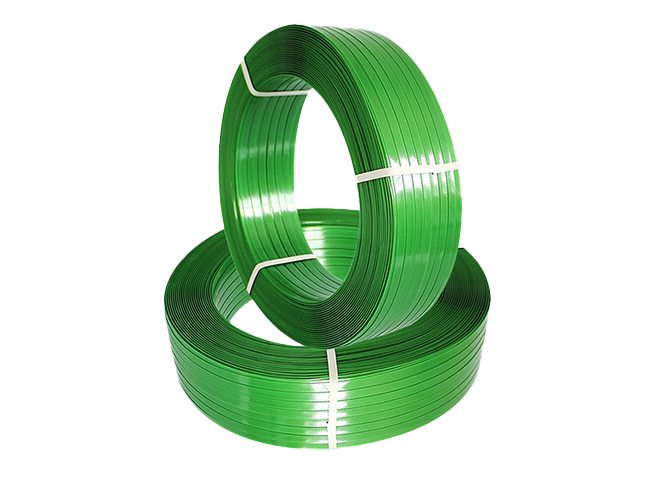
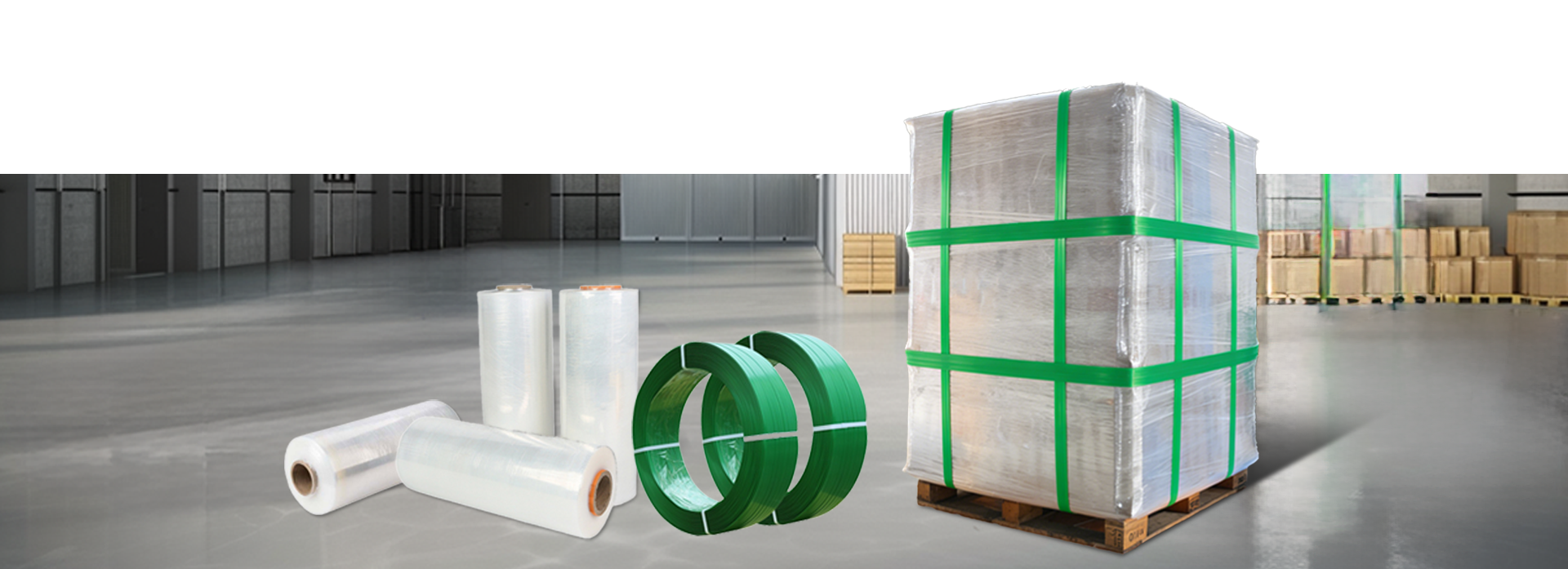
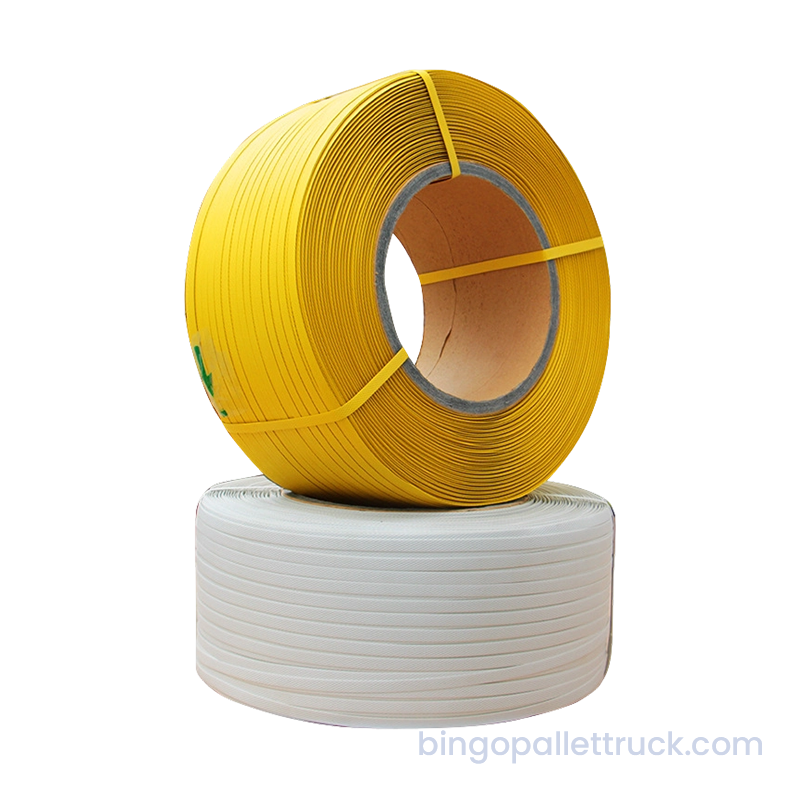
PP strapping — short for polypropylene strapping — is a lightweight, flexible plastic banding material widely used in packaging, warehousing, and logistics to secure, bundle, and unitize goods for storage and transport. Manufactured by extruding polypropylene resin into flat, oriented bands, PP strapping combines tensile strength with elasticity, making it one of the most cost-effective and versatile strapping solutions available today.
PP strapping is suitable for light to medium-duty applications and is the go-to choice for industries ranging from printing and paper to food and beverage, agriculture, and general manufacturing. As a manufacturer and supplier committed to comprehensive warehousing and logistics solutions, Bingo offers PP strapping products and compatible strapping equipment tailored to the operational needs of distribution centers and production facilities worldwide.
How PP Strapping Works
PP strapping functions by looping a band tightly around a load or package, then fastening the two ends together to create a closed loop that holds the contents securely. The method of fastening depends on the application and the tools available:
Sealing Methods
- Heat seal (friction weld): A strapping machine vibrates the overlapping strap ends at high frequency, generating friction heat that fuses the polypropylene together. This creates a clean, reliable joint and is the standard method for automatic and semi-automatic strapping machines. Joint efficiency typically reaches 70%–80% of the strap's rated tensile strength.
- Metal seal (buckle): A small metal clip or seal is crimped over the overlapping strap ends using a hand tool or tensioner. Preferred for manual applications and situations where a heat seal tool is unavailable.
- Notch seal: A serrated metal seal bites into the strap surface for a mechanical grip without heat. Often used in outdoor or wet environments where heat sealing is impractical.
Application Methods
- Manual tools: A hand tensioner tightens the strap around the load, and a separate sealer crimps the metal clip. Cost-effective for low-volume or occasional use.
- Combination tools: Battery-powered or pneumatic tools that tension and seal in one operation, significantly increasing speed and consistency.
- Semi-automatic strapping machines: The operator positions the load and the machine tensions, seals, and cuts the strap automatically. Typical throughput: 20–40 straps per minute.
- Fully automatic strapping machines: Integrated into production or packaging lines, these systems apply straps without operator involvement. Throughput can exceed 60 straps per minute.
Key Advantages of PP Strapping
PP strapping has earned its dominant position in the packaging industry through a combination of performance, economy, and safety attributes that competing materials struggle to match at the same price point:
- Low cost per meter: PP strapping is among the most affordable strapping materials available, costing significantly less per meter than polyester (PET) or steel strapping, making it ideal for high-volume packaging lines where material cost per unit matters.
- Lightweight and easy to handle: A standard 19mm × 1,000m PP strapping coil weighs approximately 6–8kg, reducing handling fatigue and simplifying machine loading.
- Safe for operators: Unlike steel strapping, PP strap ends do not create sharp edges when cut, significantly reducing the risk of hand and wrist lacerations in packaging environments.
- Elastic elongation: PP strapping stretches under impact and then partially recovers, absorbing shock loads during transit without immediately breaking — an important property for loads subject to vibration or sudden movement.
- Weather and moisture resistance: Polypropylene is chemically inert and does not rust, corrode, or absorb moisture, making it suitable for outdoor storage and humid warehouse environments.
- Printable surface: PP strap can be manufactured with printed text, logos, or barcodes, enabling product identification, branding, or tamper evidence without additional labeling.
- Recyclable material: Polypropylene is a widely recyclable thermoplastic (Category 5), supporting waste reduction goals in sustainable logistics operations.
PP Strapping Specifications and Grades
PP strapping is available in a wide range of widths, thicknesses, and tensile strengths. Matching the correct specification to the load weight and application is essential for both security and cost efficiency.
Table 1: Common PP Strapping Specifications and Typical Applications
| Width × Thickness |
Tensile Strength |
Typical Load Weight |
Common Applications |
| 9mm × 0.55mm |
90–120 kg |
Up to 50 kg |
Small boxes, bundling printed matter |
| 12mm × 0.55mm |
130–160 kg |
50–100 kg |
Cartons, agriculture produce, general freight |
| 15.5mm × 0.65mm |
180–230 kg |
100–200 kg |
Timber, building materials, appliances |
| 19mm × 0.75mm |
250–320 kg |
200–400 kg |
Pallet unitization, industrial goods |
| 25mm × 0.90mm |
380–450 kg |
400–700 kg |
Heavy pallet loads, pipe bundles, rolls |
Beyond standard grades, PP strapping is also available in embossed (textured) finishes that improve grip and sealing reliability, and in woven or corded variants that offer enhanced elongation recovery for applications involving vibration-intensive transport.
PP Strapping vs. PET Strapping vs. Steel Strapping
Choosing between PP, PET (polyester), and steel strapping depends on load weight, rigidity requirements, environmental conditions, and budget. The table below provides a direct comparison to guide material selection:
Table 2: PP Strapping vs. PET Strapping vs. Steel Strapping
| Property |
PP Strapping |
PET Strapping |
Steel Strapping |
| Tensile Strength |
Low–Medium |
Medium–High |
Very High |
| Elongation at Break |
15%–25% |
10%–15% |
1%–3% |
| Elastic Recovery |
Low |
High |
None |
| Corrosion Resistance |
Excellent |
Excellent |
Poor (rusts) |
| Operator Safety |
High (no sharp edges) |
High (no sharp edges) |
Low (sharp cut ends) |
| Relative Material Cost |
Low |
Medium |
High |
| Recommended Load Weight |
Up to 700 kg |
Up to 2,000 kg |
2,000 kg+ |
| Recyclability |
Yes (PP, Category 5) |
Yes (PET, Category 1) |
Yes (scrap metal) |
For loads up to approximately 700kg that do not require high retained tension over long periods, PP strapping delivers the best cost-performance ratio. For heavier loads or loads that compress and settle during transit (such as baled materials or shrinkable goods), PET strapping's superior elastic recovery makes it a better choice despite the higher material cost.
Industries and Applications Where PP Strapping Excels
PP strapping's combination of low cost, light weight, and versatility makes it the preferred strapping choice across a diverse range of industries:
- Printing and publishing: Bundling newspapers, magazines, and printed matter for distribution. PP strap's printable surface allows edition and route information to be integrated directly into the strap.
- Food and beverage: Securing cases and trays of bottled, canned, or packaged food products. PP strapping is food-safe, moisture-resistant, and compatible with high-speed automatic strapping machines on production lines.
- Agriculture: Bundling produce crates, baled hay, or sacked goods. PP's resistance to moisture and UV degradation (in UV-stabilized grades) supports outdoor storage applications.
- Timber and construction materials: Unitizing boards, planks, bricks, and tiles for warehousing and transport. Wider, thicker PP strap grades (19mm–25mm) provide the containment force needed for these heavier product categories.
- E-commerce and retail distribution: Reinforcing carton closures and securing mixed SKU pallet loads in fulfillment centers where wrapping speed and cost per strap are critical metrics.
- Textile and apparel: Bundling rolls of fabric or boxes of garments where a non-marring, lightweight strap is essential to protect surface finishes.
Selecting the Right PP Strapping for Your Operation
With multiple width, thickness, and grade options available, selecting the optimal PP strapping specification requires evaluating several operational factors:
Load Weight and Stability
Always select a strap with a minimum break strength at least twice the load weight to account for dynamic forces during transport. For unstable or asymmetric loads, use a wider strap and consider applying two straps per pallet at different heights rather than increasing strap width alone.
Machine Compatibility
Automatic and semi-automatic strapping machines specify compatible strap widths and core sizes (typically 200mm or 406mm core outer diameter). Always confirm film roll dimensions match the machine's coil holder and strap path width before ordering in bulk. Using an incompatible strap width is a leading cause of machine jams and downtime.
Surface Sensitivity of the Load
For loads with polished, painted, or soft surfaces — such as wood panels, glass, or finished appliances — use a strap with a smooth surface finish and consider placing edge protectors at strap contact points to prevent surface marking under tension.
Environmental Conditions
Standard PP strapping performs well in indoor warehouse environments at temperatures between -10°C and 60°C. For outdoor storage or direct sunlight exposure exceeding several weeks, specify UV-stabilized PP strapping to prevent photo-degradation and unexpected strap failure.
Best Practices for PP Strapping Application
Even the highest-quality PP strapping will underperform if applied incorrectly. Following these best practices ensures reliable load containment and minimizes strap consumption:
- Apply correct tension: Over-tensioning crushes soft loads such as corrugated cartons; under-tensioning allows loads to shift. Semi-automatic machines allow tension to be set precisely in Newtons — calibrate to the load type rather than using a universal setting.
- Use edge protectors on sharp corners: PP strapping in contact with sharp pallet or load edges will concentrate stress at the contact point and may fail below its rated tensile strength. Plastic or cardboard edge protectors distribute the load across a wider surface and protect both the strap and the load.
- Position straps at load stress points: Apply straps at the top and bottom thirds of the pallet height, not just at mid-height, to prevent the top or base of the load from shifting independently.
- Inspect seals after application: A correctly formed heat seal or crimped metal seal should show uniform fusing or even metal deformation across the full strap width. Partial seals significantly reduce joint efficiency and should be re-applied.
- Maintain strapping equipment regularly: Heat seal plates on strapping machines should be cleaned monthly to remove polypropylene residue that degrades seal quality. Tensioner wheels should be inspected for wear that reduces grip on the strap.
Sustainability and Recycling of PP Strapping
As supply chains face growing pressure to reduce single-use plastics and improve packaging sustainability, PP strapping compares favorably against many alternatives on environmental metrics:
- Recyclable thermoplastic: Polypropylene (Category 5) is accepted by many industrial plastic recycling programs. Used PP strapping collected from warehouse and distribution operations can be reprocessed into new strap, plastic lumber, or other PP products.
- Recycled-content PP strap: PP strapping incorporating post-industrial or post-consumer recycled polypropylene content is commercially available and performs comparably to virgin PP for many light-to-medium duty applications.
- Lower carbon footprint than steel: PP production is significantly less energy-intensive than steel manufacturing. Replacing steel strapping with PP where load requirements allow reduces the packaging carbon footprint per pallet substantially.
- Optimizing strap count: Using the minimum number of straps required for safe containment — validated through transit testing rather than habit — reduces material consumption without compromising load security.
Bingo recognizes that sustainable packaging choices are increasingly a supply chain priority. Our product sourcing focuses on suppliers who maintain environmental compliance and can provide recycled-content options for customers with specific sustainability commitments.
Frequently Asked Questions About PP Strapping
What is the difference between embossed and smooth PP strapping?
Smooth PP strapping has a flat, polished surface and provides consistent tensile performance. Embossed (or textured) PP strapping has a cross-hatched or diamond pattern pressed into the surface during manufacturing. The texture improves grip between overlapping strap ends during heat sealing and between the strap and metal seal teeth, resulting in higher and more consistent joint efficiency. Embossed strap is generally preferred for automatic machine applications; smooth strap is common for manual and semi-automatic use.
Can PP strapping be used on automatic strapping machines?
Yes — PP strapping is the most widely used strap type for automatic and semi-automatic strapping machines. It is important to specify machine-grade PP strap, which is produced to tighter dimensional tolerances and surface consistency to ensure reliable feeding through the machine's strap track and consistent heat seal formation. Using lower-grade manual strap on a machine often leads to frequent jams.
How do I know if PP strapping is strong enough for my load?
The key specification to check is the strap's break strength (sometimes listed as tensile strength or minimum break load). As a general rule, select a strap whose break strength is at least twice the weight of the load per strap applied. For example, a 300kg pallet secured with two straps needs each strap to have a break strength of at least 300kg. Also factor in dynamic forces: loads subject to vibration, drops, or vehicle braking may experience forces 2–4× their static weight.
Why does my PP strap lose tension after application?
PP strapping has lower elastic recovery than PET strapping. Once stretched under tension, it does not fully return to its original length — a phenomenon known as tension loss or creep. This is most noticeable when strapping compressible loads (corrugated cartons, textiles, or foam-filled goods) that settle after strapping. For applications where sustained tension over days or weeks is critical, PET strapping is a better material choice. For most short-to-medium transit applications, PP tension loss is acceptable.
What core sizes are available for PP strapping coils?
PP strapping coils are available on two standard core sizes: 200mm outer diameter (small core) for manual tools and bench-top dispensers, and 406mm outer diameter (large core) for automatic and semi-automatic strapping machines. Always confirm the core size your machine or dispenser requires before ordering, as these are not interchangeable.
How should PP strapping coils be stored?
Store coils in a clean, dry indoor environment away from direct sunlight, UV sources, and temperatures above 60°C. Do not store coils in contact with chemicals, oils, or solvents that can degrade polypropylene. Coils should be stored flat or standing on end — not stacked on their sides under heavy weights, which can deform the coil and cause feeding problems on strapping machines. Under proper storage conditions, PP strapping has a shelf life of 2–3 years without significant performance degradation.
PP Strapping as Part of a Complete Warehousing Solution
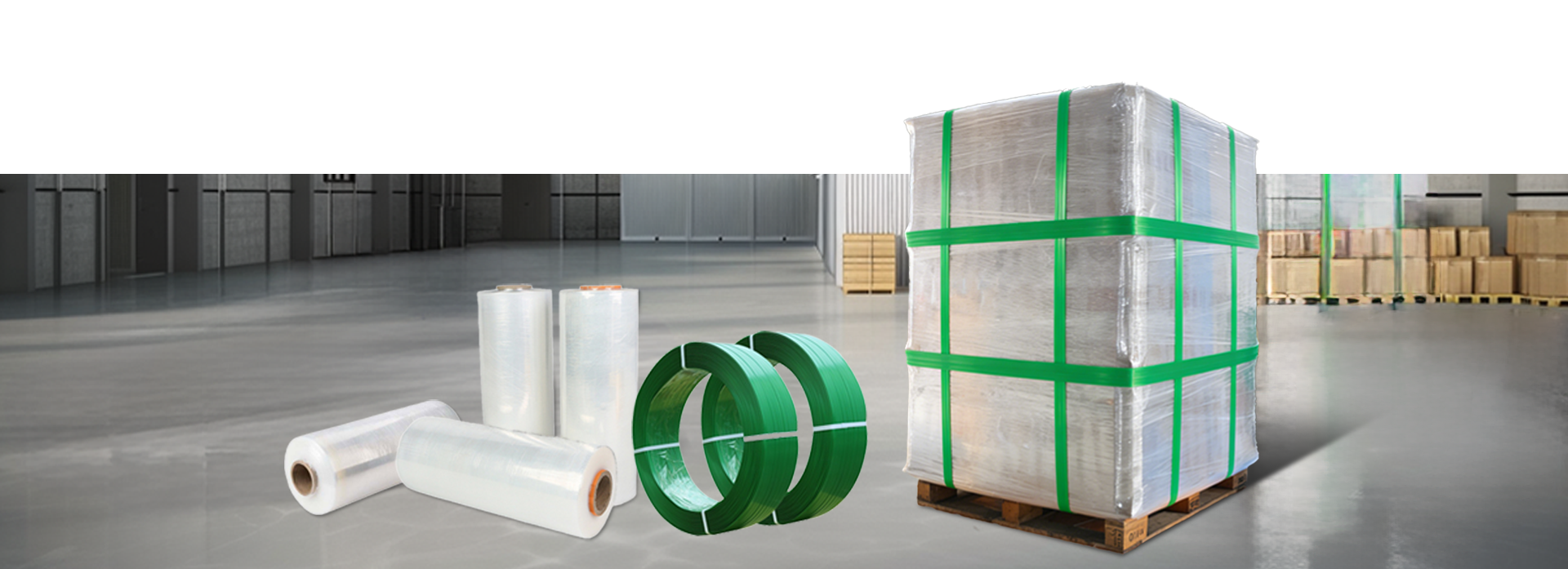
PP strapping does not operate in isolation — it is one component of a broader pallet preparation and load security system that also includes stretch wrapping, edge protection, slip sheets, and labeling. In high-throughput distribution centers, the efficiency of the strapping step directly affects the entire outbound dispatch workflow.
Integrating the right strapping machine with compatible PP strapping, a correctly specified conveyor system, and downstream stretch wrapping equipment creates a seamless, fast, and cost-effective pallet dispatch line. Mismatches between any of these elements — such as a strapping machine incompatible with available strap widths, or a wrapping machine positioned to conflict with strapper output — create bottlenecks that increase labor cost and reduce throughput.
Bingo specializes in the production, sales, and service of warehousing and logistics equipment, with a focus on the complete equipment needs of diverse warehousing scenarios. By providing global customers with one-stop, integrated solutions for material storage and handling — including PP strapping supply, strapping machines, stretch wrappers, and pallet handling equipment — Bingo helps operations eliminate integration gaps and build packaging lines that perform reliably at scale.

 en
en  Español