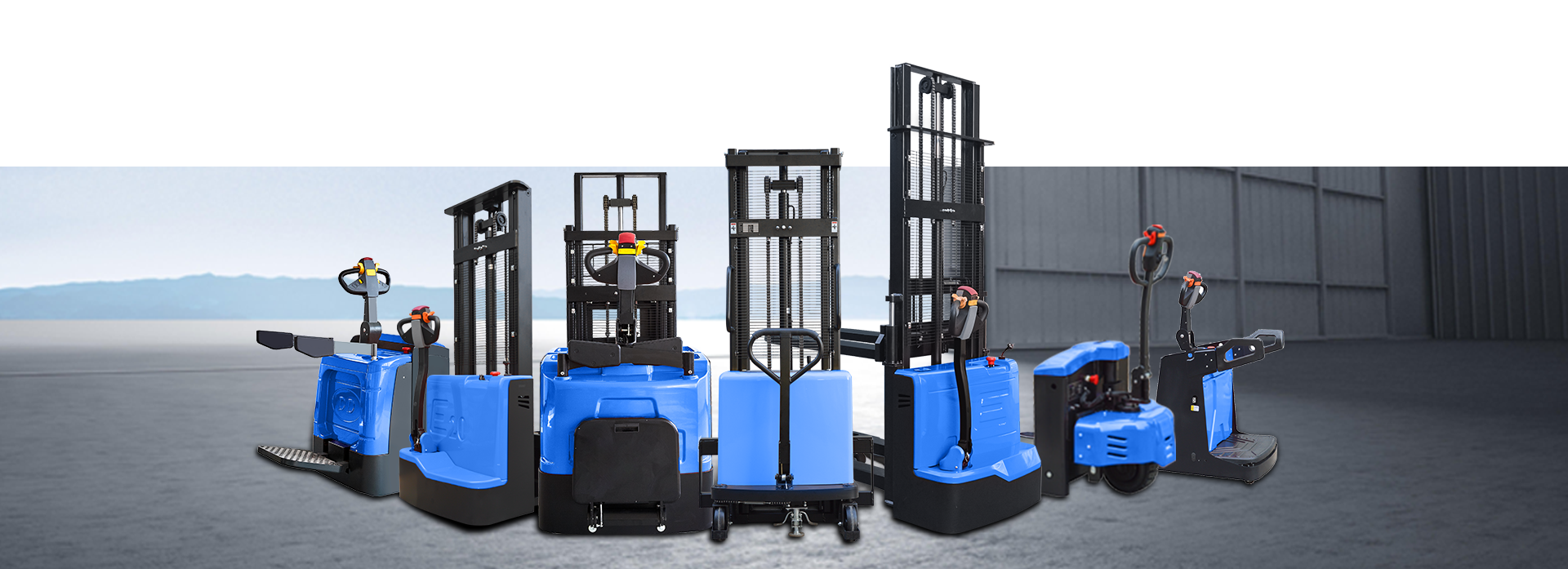
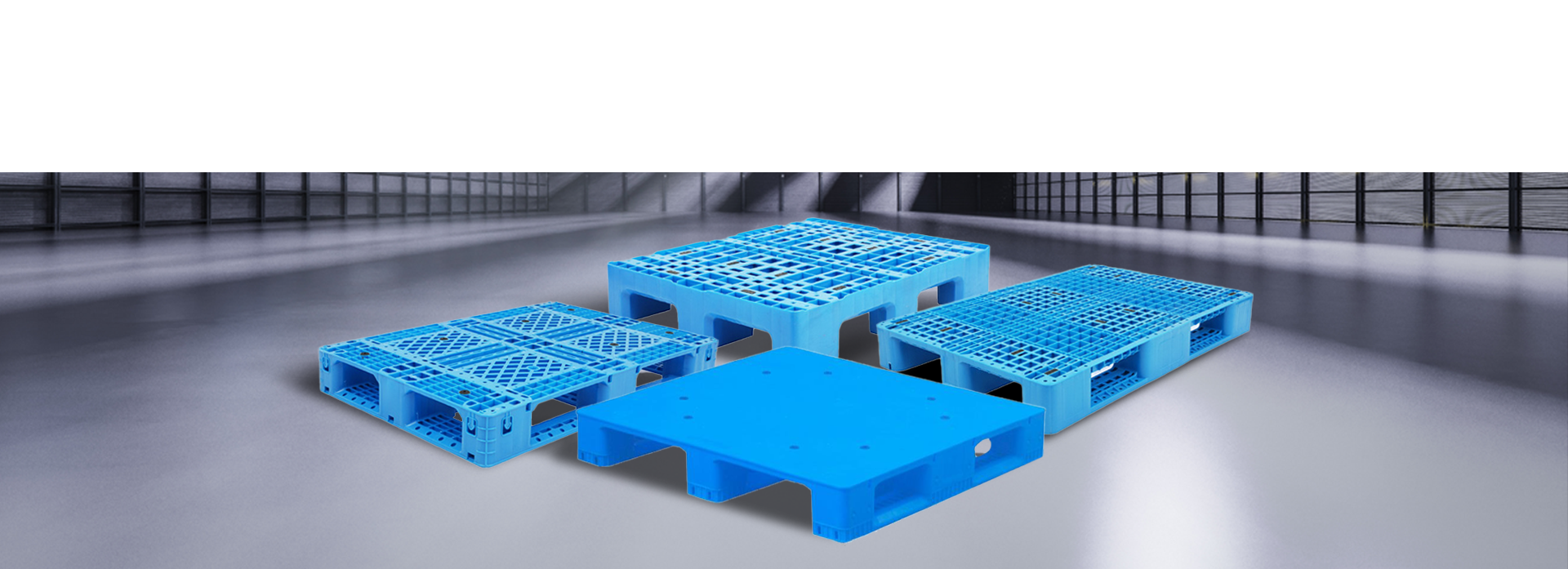
Bingo is an enterprise specializing in the production, sales, and service of warehousing and logistics equipment. Focusing on the equipment needs of various warehousing and logistics scenarios, we provide global customers with one-stop, integrated solutions for material storage and handling.
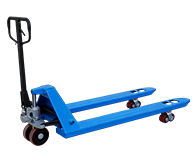
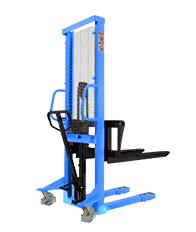
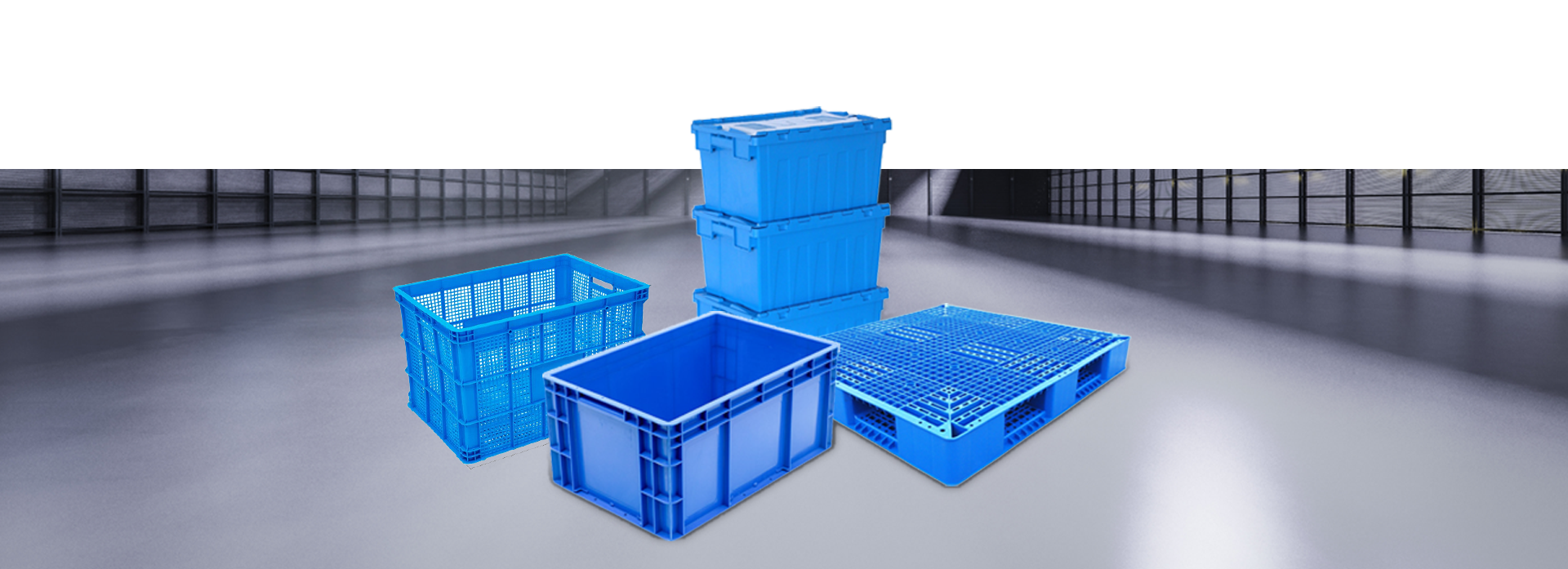
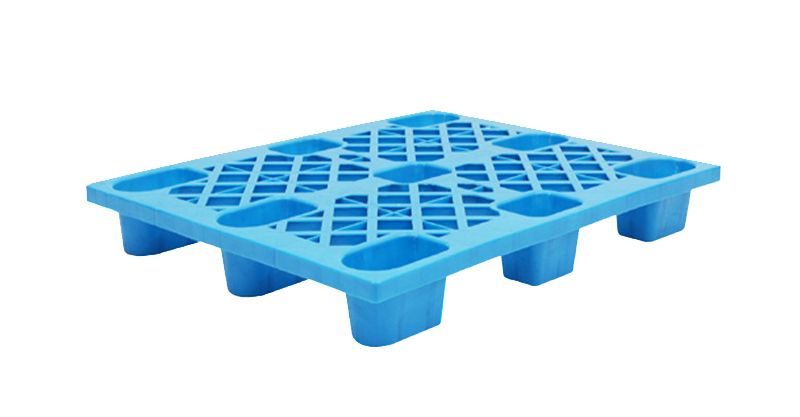
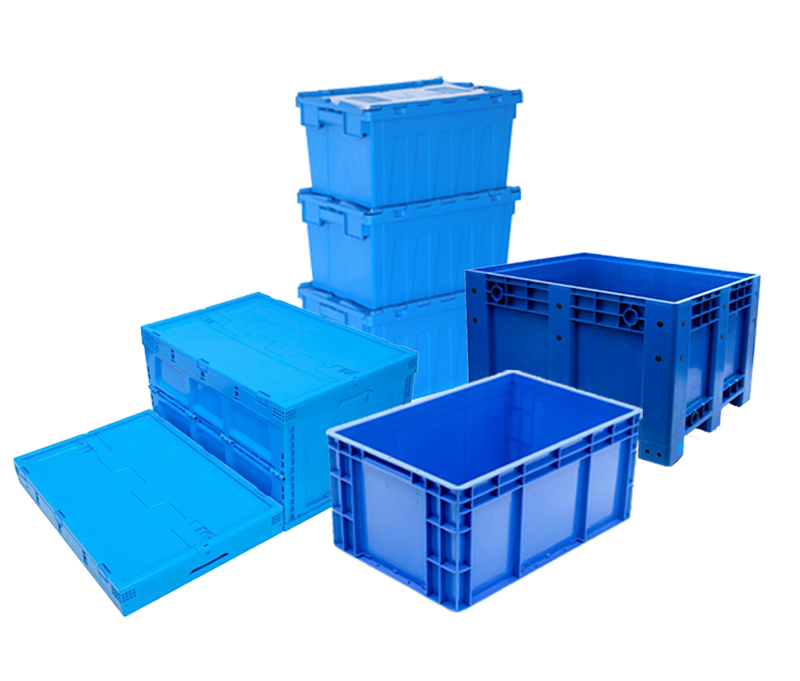
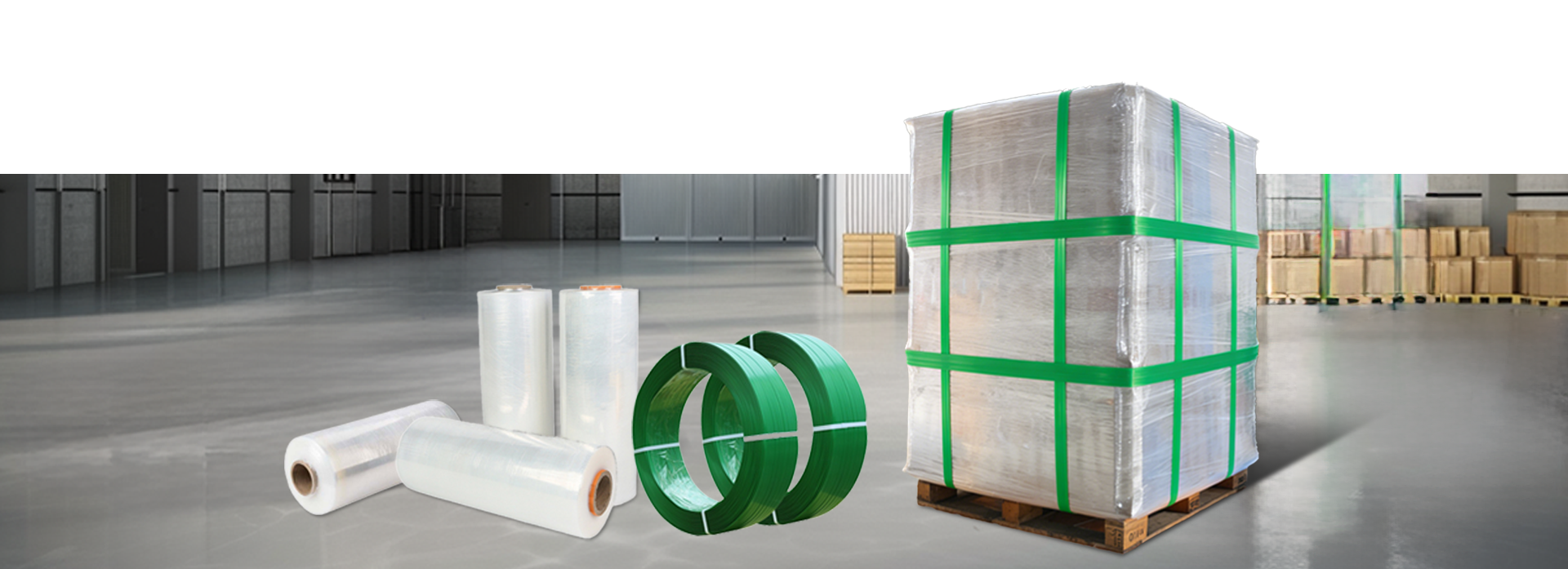
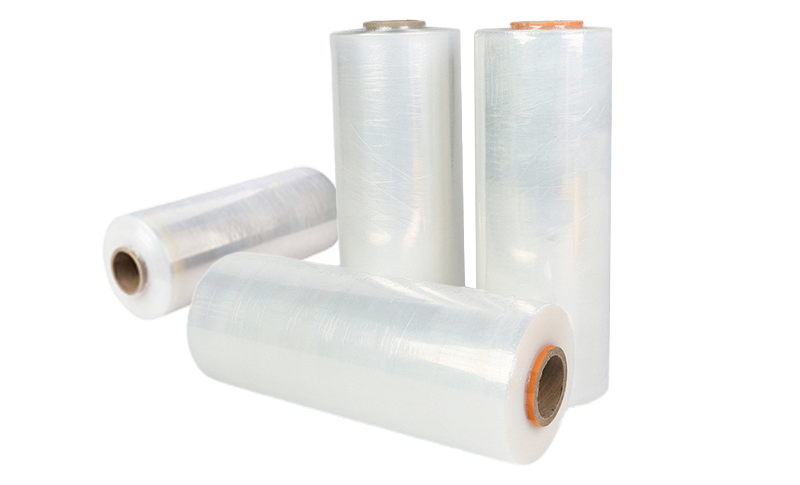
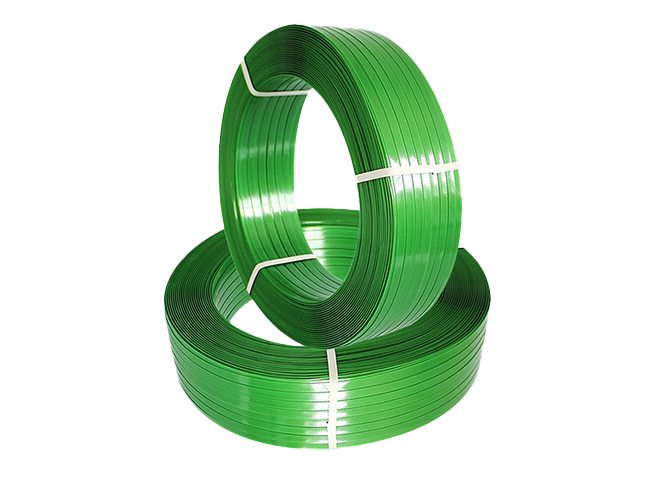
Bingo is a China OEM Double Sided Plastic Pallets Supplier and Double Sided Plastic Pallets Factory, and has built a complete warehousing and logistics equipment supply chain covering four core systems. In the field of handling equipment, we offer a full range of manual and electric pallet trucks and stackers. Our storage container line includes plastic pallets, plastic totes, crates, and bulk containers to meet diverse logistics needs. while the packaging material series provides supporting products such as stretch wrap and packing strapping. The warehousing racks series encompasses light-duty, medium-duty, and heavy-duty products of various specifications. Adhering to quality as our core value, we rely on a mature supply chain system and strict quality inspection processes to ensure that every product complies with international standards. We are committed to delivering cost-effective product solutions for industries including manufacturing, e-commerce logistics, warehousing and distribution, as well as supermarket retail.
Upholding the philosophy of "Quality First, Win-Win Cooperation", we actively expand our global market presence and are willing to join hands with partners around the world to jointly promote the intelligent and efficient development of the logistics industry.
Every warehouse supervisor knows the moment when manual pallet handling stops being workable. The heaviest pallets exceed 2500 kg, the dock staging area sits 80 meters from the storage bays, and the shift plan demands more pallet moves tha...
During a routine walkthrough at a distribution center, a warehouse manager noticed a small dent in the bottom flange of a pallet rack upright. No load was in that bay, so the dent was recorded as cosmetic. Three weeks later, a forklift gra...
Bingo Machinery, a trusted global supplier of smart warehouse handling equipment, officially launches the brand new CDDA15 1.5 ton pedestrian electric walkie stacker. This compact stacking solution is engineered for medium height pallet st...
Everything You Need to Know About Double Sided Plastic Pallets
Double sided plastic pallets are among the most versatile and durable load-bearing platforms available in modern warehousing and logistics. Unlike single-faced alternatives, both deck surfaces of a double sided plastic pallet are fully usable, effectively doubling the functional lifespan of each unit and reducing long-term replacement costs. This structural advantage, combined with superior resistance to moisture, chemicals, and pests, makes double sided plastic pallets a preferred choice for industries ranging from food processing and pharmaceuticals to retail distribution and cold-chain logistics. This article explores what defines double sided plastic pallets, how they perform across critical metrics, and why a growing number of supply chain operators are transitioning away from traditional wooden alternatives.
At Bingo, we specialize in the production, sales, and service of warehousing and logistics equipment. Focusing on the equipment needs of various warehousing and logistics scenarios, we provide global customers with one-stop, integrated solutions for material storage and handling — including a comprehensive range of double sided plastic pallets engineered for real-world operational demands.
What Are Double Sided Plastic Pallets?
A double sided plastic pallet features a full deck on both the top and bottom surfaces, connected by a series of structural legs or a closed-box body. This design allows forklifts and pallet jacks to engage the pallet from any side — a critical advantage in high-throughput warehouse environments where speed and flexibility are essential. The closed or perforated deck construction also provides a cleaner, more hygienic contact surface compared to wood, which is why double sided plastic pallets are widely mandated in regulated industries.
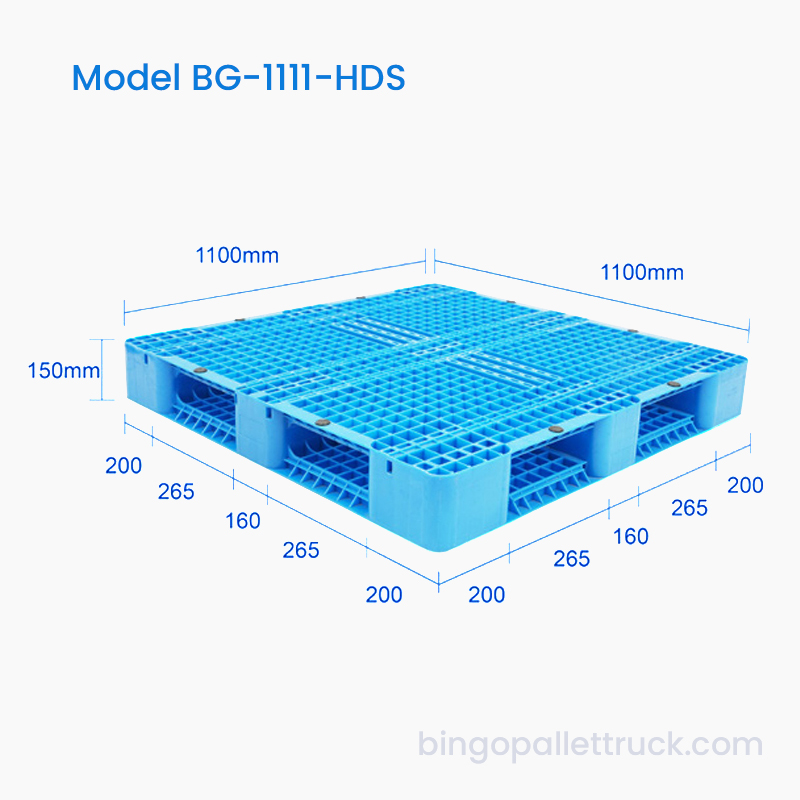
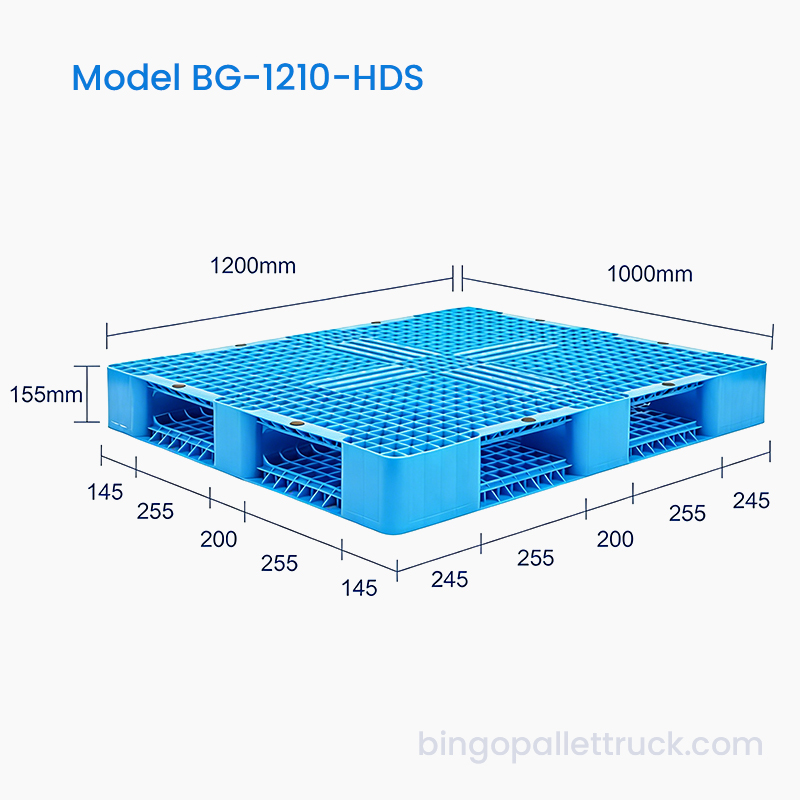
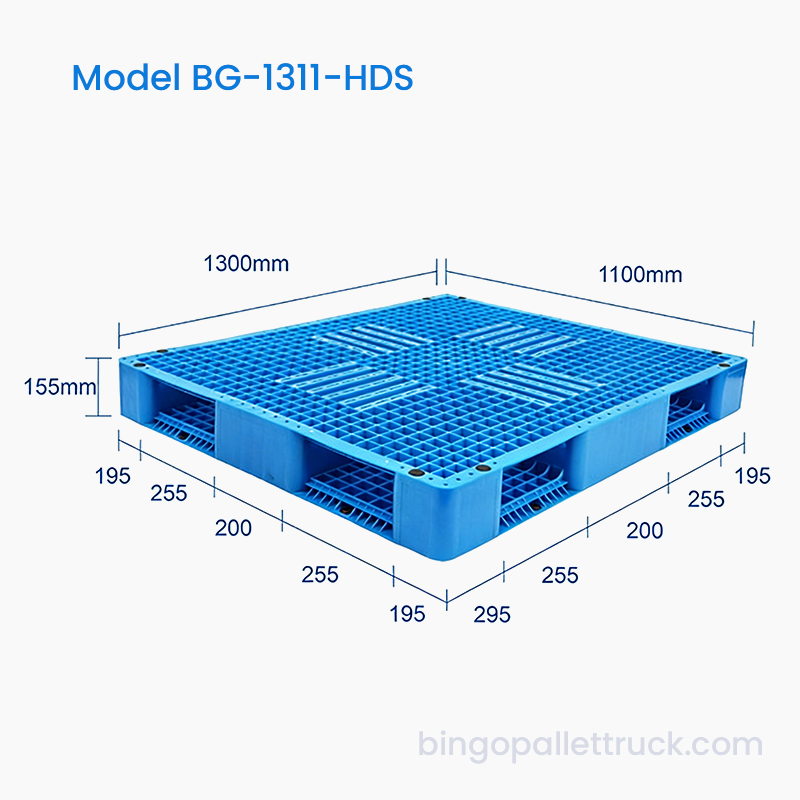
Most double sided plastic pallets are manufactured from High-Density Polyethylene (HDPE) or Polypropylene (PP), both of which offer excellent impact resistance, UV stability, and recyclability. Entry points (fork openings) can be configured as two-way or four-way, depending on the operational workflow. Standard dimensions typically follow ISO guidelines — 1200×1000mm and 1200×800mm being the most globally prevalent — though custom sizing is readily available from manufacturers like Bingo.
Key Structural Features
Dual-deck construction: both upper and lower surfaces fully functional
Four-way or two-way fork entry for flexible handling equipment compatibility
Smooth or anti-slip surface textures depending on cargo type
Reinforced racking capacity for heavy static loads
Nestable or non-nestable configurations for return logistics
Performance Comparison: Double Sided vs. Single Sided Plastic Pallets
Choosing between single sided and double sided plastic pallets requires a careful evaluation of use case, load requirements, and operational environment. The table below provides a direct side-by-side comparison across the most decision-critical parameters.
Table 1: Performance comparison between double sided and single sided plastic pallets across key operational metrics.
Parameter
Double Sided Plastic Pallet
Single Sided Plastic Pallet
Usable Deck Surfaces
2 (Top & Bottom)
1 (Top only)
Static Load Capacity
Up to 6,000 kg
Up to 4,000 kg
Dynamic Load Capacity
Up to 2,500 kg
Up to 1,500 kg
Average Service Life
8–12 years
5–8 years
Racking Compatibility
High
Moderate
Hygienic Compliance
Excellent
Good
Recyclability
100% HDPE recyclable
100% recyclable
Industry Adoption Rates by Sector
The following horizontal bar chart illustrates the estimated adoption rate of double sided plastic pallets across major industries. Data reflects global supply chain surveys and industry reports from logistics operators in 2023–2024.
The pharmaceutical sector leads all industries in double sided plastic pallet adoption, with 88% of surveyed operations having transitioned away from wooden pallets. Regulatory requirements around contamination prevention and the need for traceable, cleanroom-compatible handling equipment are the primary drivers. The food and beverage sector follows closely at 82%, where HACCP compliance and washable surfaces reduce bacterial harbor risks significantly. Cold-chain logistics operators prioritize double sided plastic pallets for their superior performance in sub-zero temperatures — wood becomes brittle and loses structural integrity below -10°C, while HDPE plastic maintains its load-bearing properties down to -40°C. Even in general logistics, nearly half of all operations have adopted plastic pallets as their standard platform, reflecting a broader industry-wide shift driven by total cost of ownership analysis over multi-year horizons.
Lifecycle Cost Trend: Plastic vs. Wood Pallets Over 10 Years
One of the most compelling arguments for double sided plastic pallets is total lifecycle cost. While the initial investment per unit is higher than wood, the cumulative cost advantage becomes pronounced over a 5–10 year operational window due to dramatically reduced replacement frequency, zero treatment costs (no fumigation, heat treatment, or painting), and lower breakage-related cargo damage claims.
The chart above maps the cumulative cost per 100 pallet units over a decade of continuous operation. Double sided plastic pallets require a higher upfront investment, but this is typically recovered within 18–24 months as wooden pallets begin to require frequent repairs, replacements, and mandatory phytosanitary treatments for international shipments. By year five, operators using double sided plastic pallets typically spend 50–55% less cumulatively than those relying on wooden pallets. Over ten years, the cost differential can exceed $16,000 per 100 units — a significant operational saving for large-scale distribution centers processing thousands of pallet movements per day. The flat trajectory of the plastic pallet cost line also reflects the predictability and financial planning advantage that comes with low-maintenance infrastructure assets.
Load Capacity by Pallet Configuration: Column Bar Chart
Double sided plastic pallets are available in multiple structural configurations, each optimized for different load weights, rack systems, and handling environments. The chart below compares the dynamic and static load capacities of four common configurations.
The heavy-duty solid-deck double sided plastic pallet offers the highest load performance, supporting up to 6,000 kg static and 2,500 kg dynamic — making it ideal for automotive parts, machinery components, and dense commodity storage. The racking-optimized variant is specifically engineered with reinforced bottom ribs and anti-deflection structure to perform on beam racking systems without bending at mid-span, where most plastic pallet failures occur. Standard closed-deck models remain the most cost-effective choice for general distribution applications where extreme loads are not anticipated. Perforated variants offer slightly better drainage and airflow, making them the configuration of choice for fresh produce, meat processing, and wet-environment warehouses. Understanding these configuration differences allows procurement teams to right-size their pallet selection rather than defaulting to a single specification across all applications.
Radar Comparison: Double Sided Plastic Pallet vs. Wooden Pallet
The radar chart below provides a multi-dimensional attribute comparison between double sided plastic pallets and traditional wooden pallets across six performance dimensions: Durability, Hygiene, Weight Efficiency, Load Stability, Environmental Impact, and Racking Suitability. Each axis is scored on a scale of 0 to 10.
The radar chart reveals a clear and comprehensive performance advantage for double sided plastic pallets across nearly every measured dimension. Hygiene is the single most differentiated attribute — plastic pallets score 9.5 versus wood's 3 — a disparity explained by plastic's non-porous surface that resists bacterial infiltration, can be pressure-washed with industrial detergents, and does not harbor moisture after cleaning. Durability is the next most significant gap: plastic scores 9 versus wood's 5, reflecting the fact that wooden pallets often develop cracks, broken deckboards, and exposed nails within 12–18 months of heavy use. Racking suitability is another area where double sided plastic pallets excel — the uniform, engineered geometry ensures consistent beam contact, reducing the risk of catastrophic rack failures that can occur when warped or broken wooden pallets are used. Environmental impact scores also favor plastic, primarily because modern HDPE pallets are fully recyclable at end-of-life, whereas wooden pallets generate significant waste wood that may be treated with hazardous chemicals.
Key Applications of Double Sided Plastic Pallets
The versatility of double sided plastic pallets has driven their adoption across an extensive range of industrial and commercial contexts. Their performance characteristics make them suitable not only as storage platforms but as active logistics assets that improve throughput, reduce damage claims, and simplify compliance documentation.
Cold Chain and Frozen Food Distribution
In cold storage environments operating at -18°C to -30°C, wooden pallets absorb moisture from freeze-thaw cycles, swelling and splitting over time. HDPE double sided plastic pallets maintain structural integrity across this range without moisture absorption or dimensional changes. Their closed deck also prevents condensation from dripping onto products on lower rack levels, which is a common contamination vector in frozen food warehouses. Operators report a 30–40% reduction in product damage claims after transitioning to plastic pallets in cold chain environments.
Pharmaceutical and Medical Device Warehousing
GMP-compliant pharmaceutical warehouses typically require pallets that can be validated for cleanliness, are free from splinters or foreign body contamination risks, and can be tracked through RFID or barcode systems embedded in the pallet body. Double sided plastic pallets meet all three requirements. The smooth surface allows for thorough visual inspection and meets FDA 21 CFR Part 211 storage requirements for drug manufacturing. Many pharmaceutical operators use colored pallets — a feature only available in plastic — to visually segregate quarantine stock, approved stock, and returned goods.
Automated and Robotic Warehouses
AS/RS (Automated Storage and Retrieval Systems), AGVs (Automated Guided Vehicles), and robotic picking systems all depend on dimensional consistency in the pallets they handle. A wooden pallet that has warped, broken, or lost a deckboard can cause conveyor jams, sensor misfires, and system shutdowns costing thousands of dollars per incident. Double sided plastic pallets deliver ±2mm dimensional tolerance throughout their service life, making them the standard platform in most automated fulfillment centers globally. Bingo's double sided plastic pallets are engineered to meet the specification requirements of major conveyor and AS/RS system integrators.
Global Market Growth of Plastic Pallets
The global plastic pallet market has expanded significantly over the past decade, driven by rising logistics automation, tightening food safety regulations, and growing sustainability mandates. The data below reflects estimated market size figures and projected growth.
The global plastic pallet market was valued at approximately $4.8 billion in 2018 and is projected to surpass $11.5 billion by 2028, representing a compound annual growth rate (CAGR) of approximately 9.1%. This growth is accelerating, with the Asia-Pacific region — particularly China, India, and Southeast Asia — driving the largest volume increases as manufacturing sectors modernize their supply chain infrastructure. Stricter import phytosanitary regulations enforced by over 180 countries under ISPM-15 have also accelerated demand for plastic pallets, which are exempt from heat treatment and fumigation requirements applied to wood. Double sided plastic pallets represent the fastest-growing segment within the broader plastic pallet category, as operators prioritize platforms that can serve dual roles and reduce pallet inventory requirements. Bingo positions itself at the forefront of this growth by delivering high-volume, customizable double sided plastic pallet solutions to warehousing clients across Asia, Europe, and North America.
How to Select the Right Double Sided Plastic Pallet
Selecting the correct double sided plastic pallet specification requires a structured evaluation of your operational environment, load profile, handling equipment, and regulatory context. The following checklist-style framework provides a practical guide for procurement decision-makers.
Define your maximum load weight — separate dynamic (in transit), static (at rest), and racking loads, as each requires a different structural specification.
Confirm fork entry requirements — standard 4-way entry accommodates most forklift and pallet jack operations; 2-way entry may be sufficient for conveyor or robotic systems with defined approach directions.
Assess environmental conditions — cold storage, chemical exposure, outdoor storage, or wet processing areas may require specific polymer grades or UV-stabilized materials.
Check dimensional compatibility — confirm pallet dimensions align with rack beam spacing, conveyor width, and container floor dimensions to prevent costly retrofitting.
Consider tracking and compliance needs — if RFID, barcode labels, or color-coded segregation is required, specify these in advance with the supplier rather than retrofitting post-delivery.
Evaluate total lifecycle cost, not unit price — the lowest-cost pallet per unit may carry the highest total cost of ownership over three to five years of operation.
Bingo's technical team provides pre-purchase consultation to support customers in navigating these decisions, ensuring that each pallet specification is matched to the actual demands of the warehouse environment rather than generic catalog selections.
About Bingo
Bingo is an enterprise specializing in the production, sales, and service of warehousing and logistics equipment. Focusing on the equipment needs of various warehousing and logistics scenarios, Bingo provides global customers with one-stop, integrated solutions for material storage and handling. From double sided plastic pallets and industrial shelving to automated conveyors and racking systems, Bingo's product portfolio is engineered to support the full spectrum of modern warehousing demands. With manufacturing facilities meeting ISO 9001 quality management standards and a global service network spanning over 40 countries, Bingo is a trusted partner for logistics operators seeking reliable, high-performance equipment that delivers long-term operational value.
Frequently Asked Questions
Q1: What is the main difference between a double sided and single sided plastic pallet?
A double sided plastic pallet has a full deck on both the top and bottom surfaces, allowing either side to be used as the load-bearing surface. This makes it more structurally robust and effectively extends the usable service life compared to a single sided pallet where only the top surface is functional.
Q2: Are double sided plastic pallets suitable for use in automated warehouses?
Yes. Double sided plastic pallets are widely specified for automated and robotic warehouse systems due to their consistent dimensions (±2mm tolerance), smooth surface compatibility with conveyors, and absence of nails or splinters that could damage equipment. They are the standard platform for most AS/RS and AGV-integrated facilities.
Q3: Can double sided plastic pallets be used in cold storage facilities?
Absolutely. HDPE double sided plastic pallets maintain structural integrity in temperatures as low as -40°C without absorbing moisture or becoming brittle, making them the preferred choice for frozen food distribution centers, blast freezers, and cold chain logistics operations.
Q4: What materials are double sided plastic pallets typically made from?
Most double sided plastic pallets are manufactured from High-Density Polyethylene (HDPE) or Polypropylene (PP). HDPE offers superior impact resistance and UV stability, while PP provides a lighter weight option. Both materials are 100% recyclable at end of life.
Q5: How should double sided plastic pallets be cleaned and maintained?
Double sided plastic pallets can be cleaned with high-pressure water jets, steam cleaning, or industrial detergent washing without risk of deformation or damage. Routine inspection for stress cracks on deck edges and fork entry points is recommended every 6–12 months depending on usage intensity.
Q6: Do double sided plastic pallets comply with international shipping regulations?
Yes. Plastic pallets are exempt from the ISPM-15 phytosanitary treatment requirements that apply to wooden pallets for international shipments. This simplifies export documentation and reduces the risk of border delays associated with non-compliant wood packaging materials.

 en
en  Español