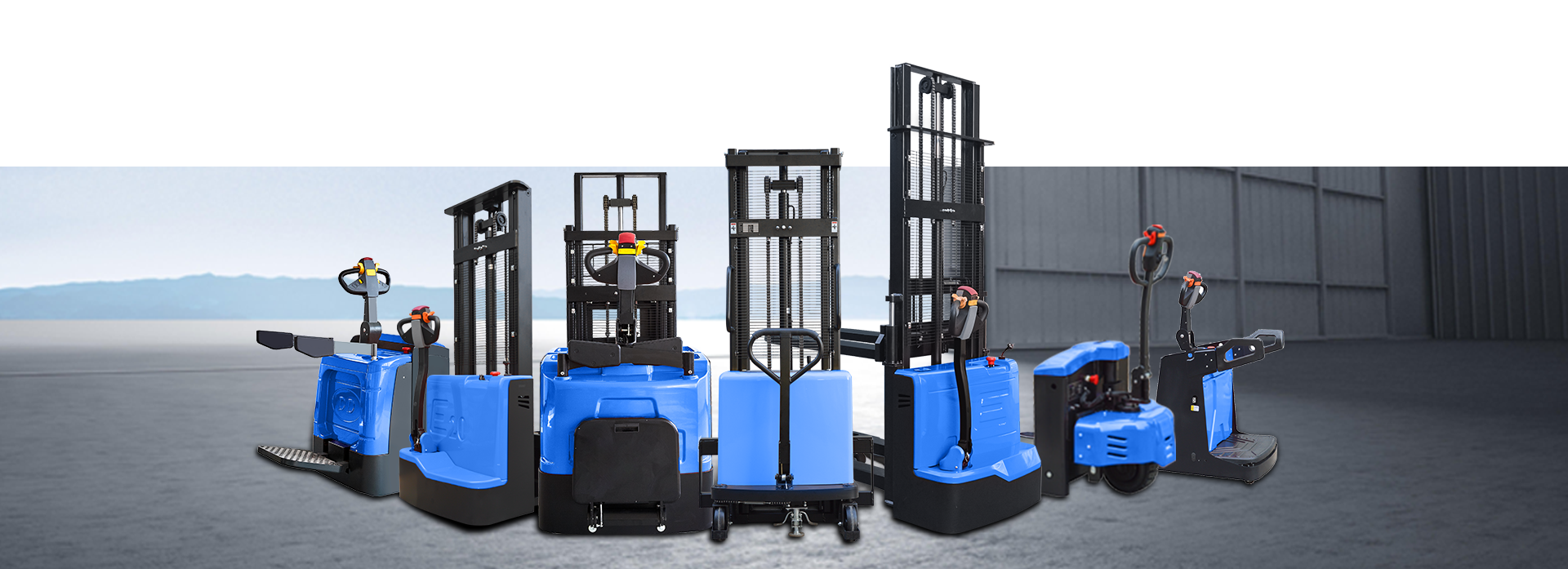
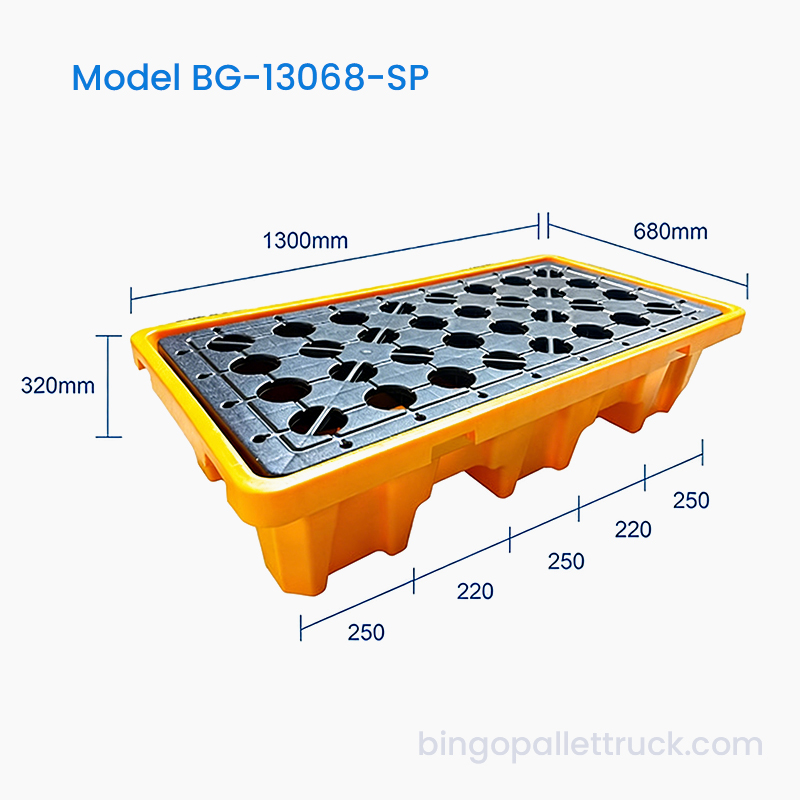
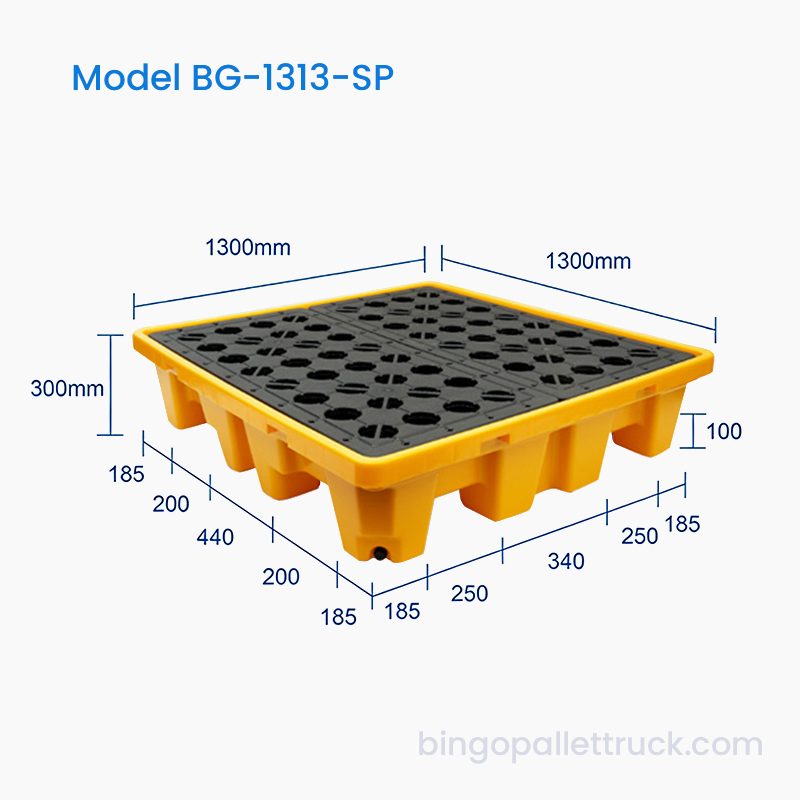
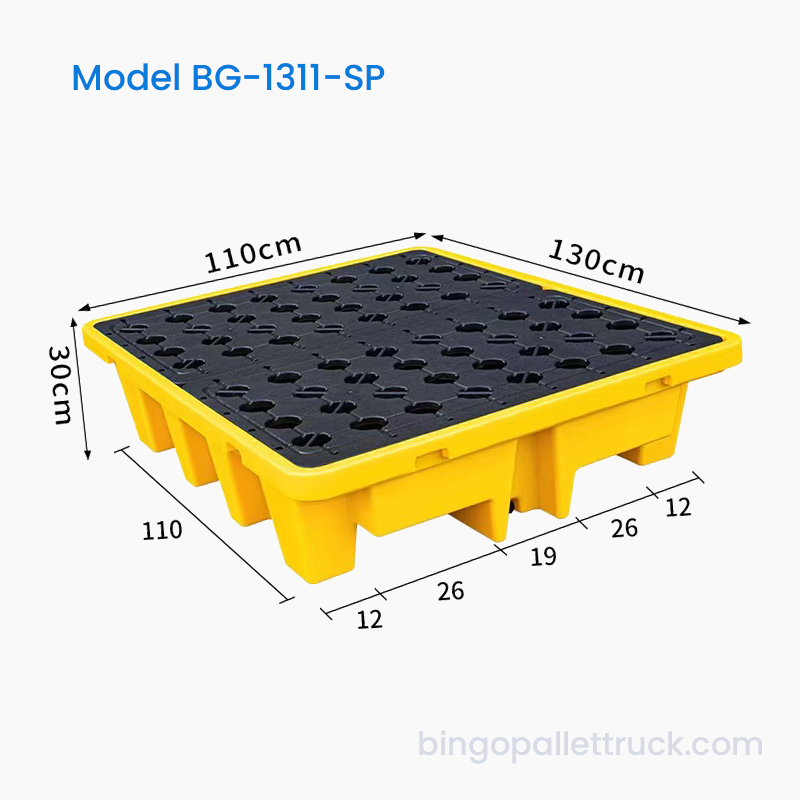
Bingo is an enterprise specializing in the production, sales, and service of warehousing and logistics equipment. Focusing on the equipment needs of various warehousing and logistics scenarios, we provide global customers with one-stop, integrated solutions for material storage and handling.
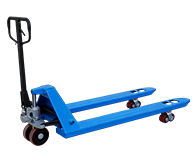
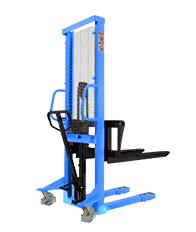
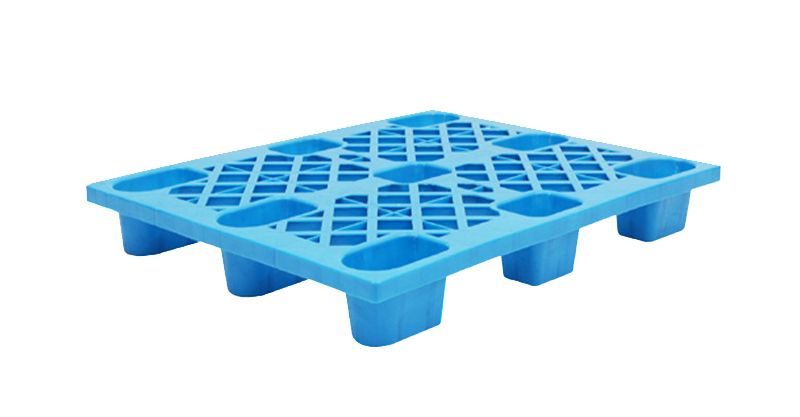
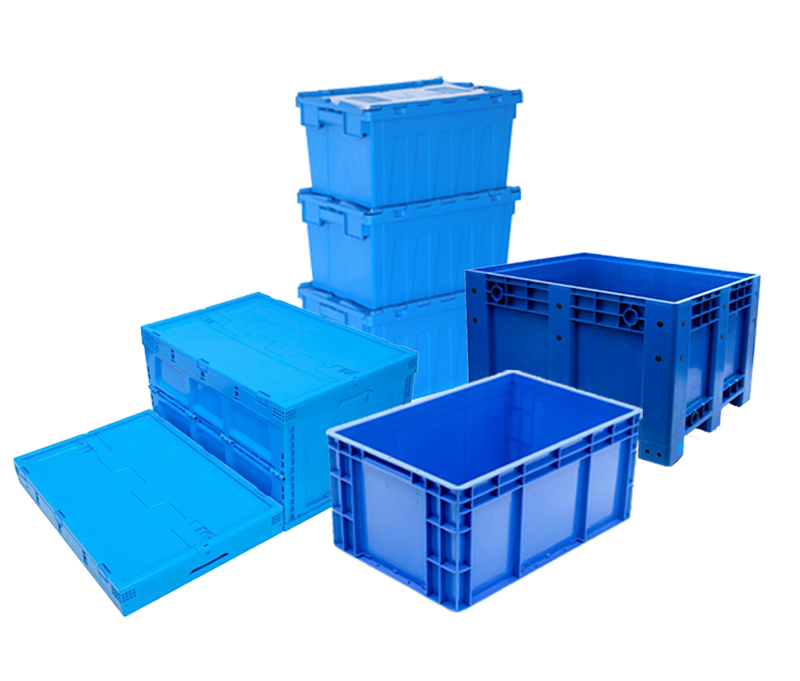
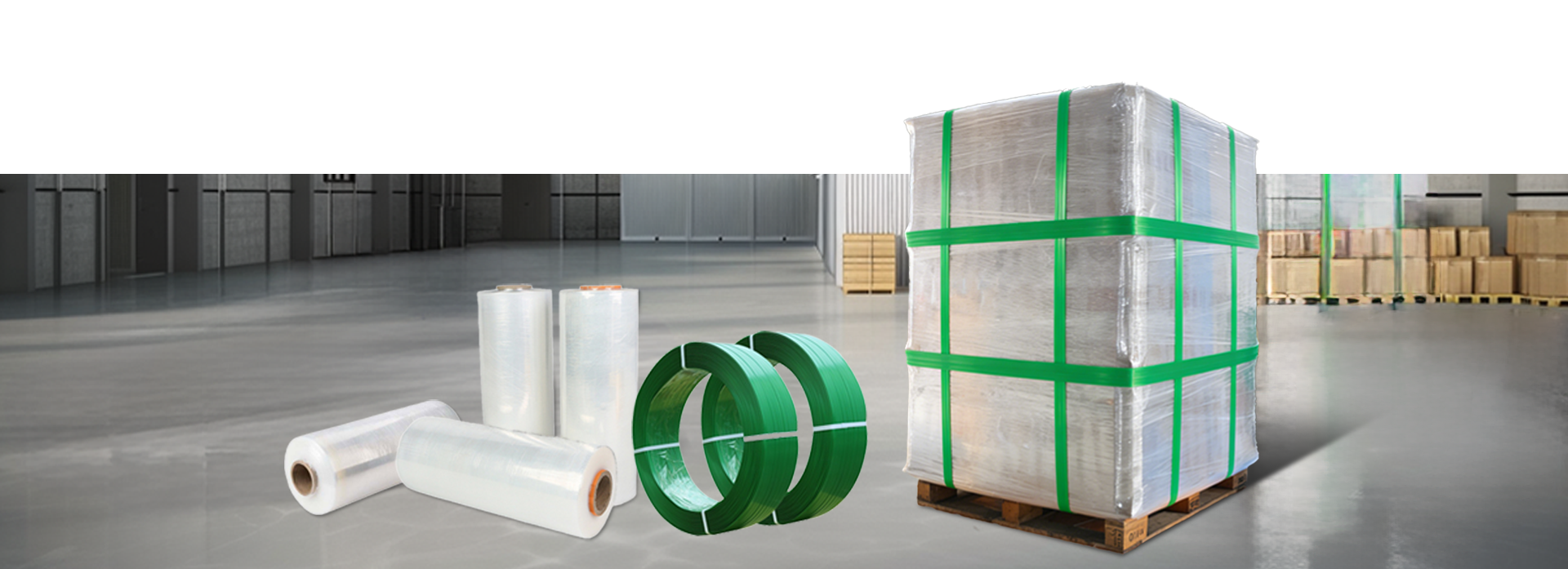
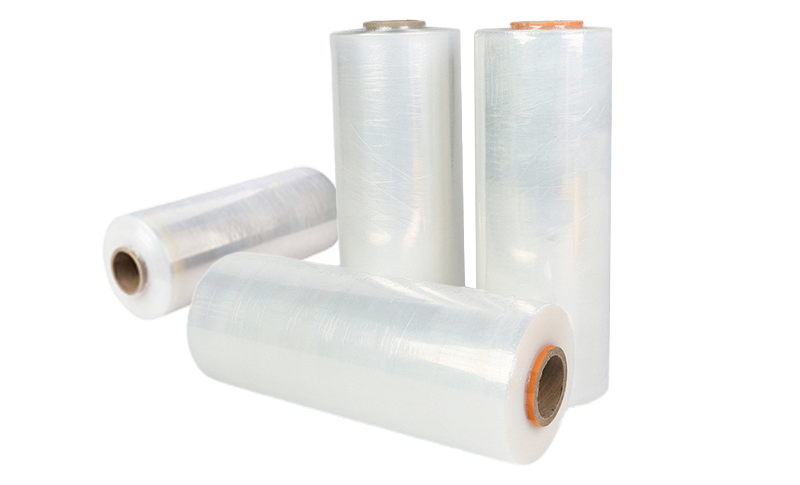
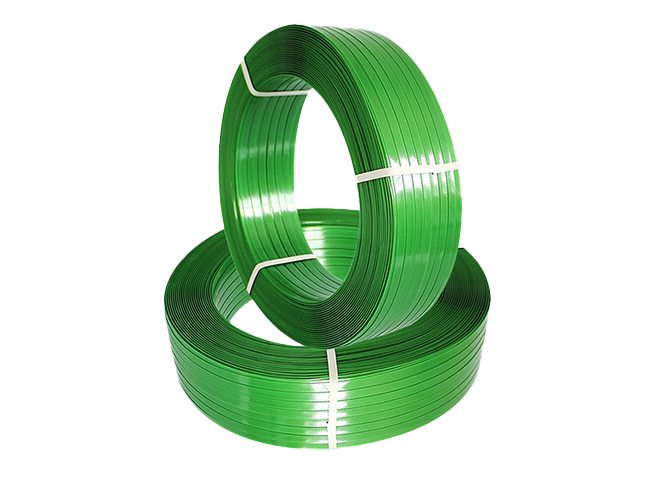
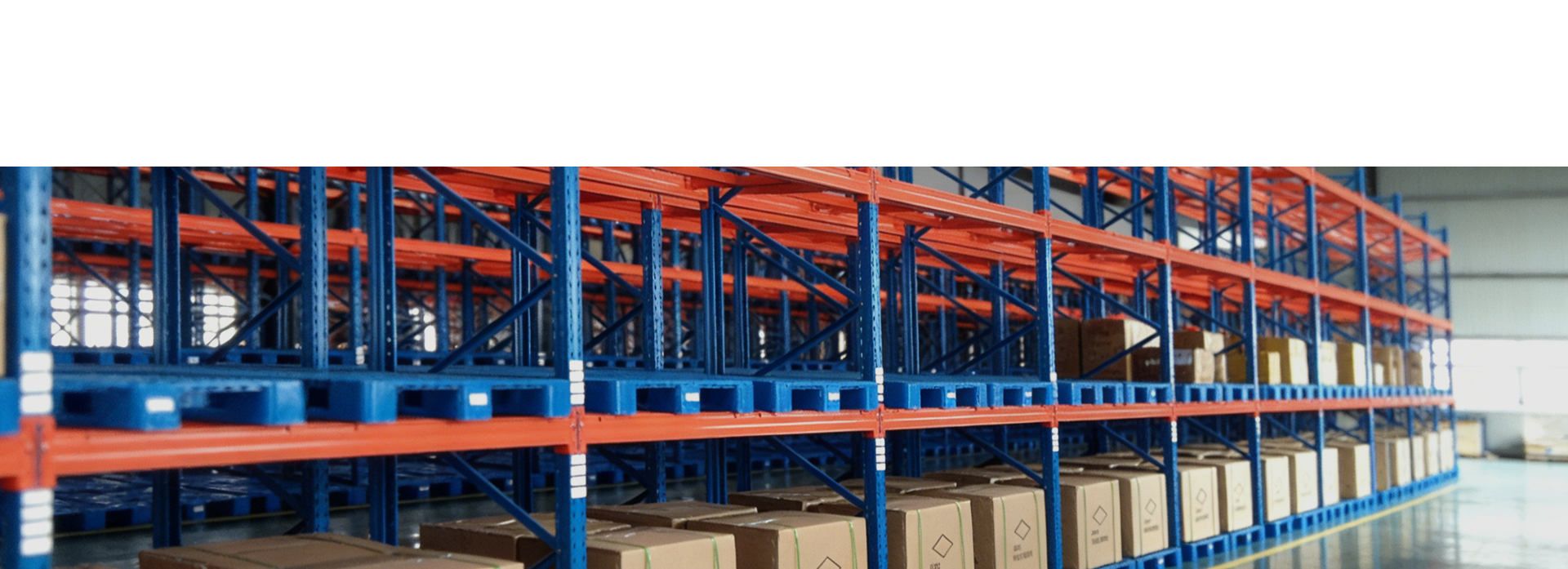
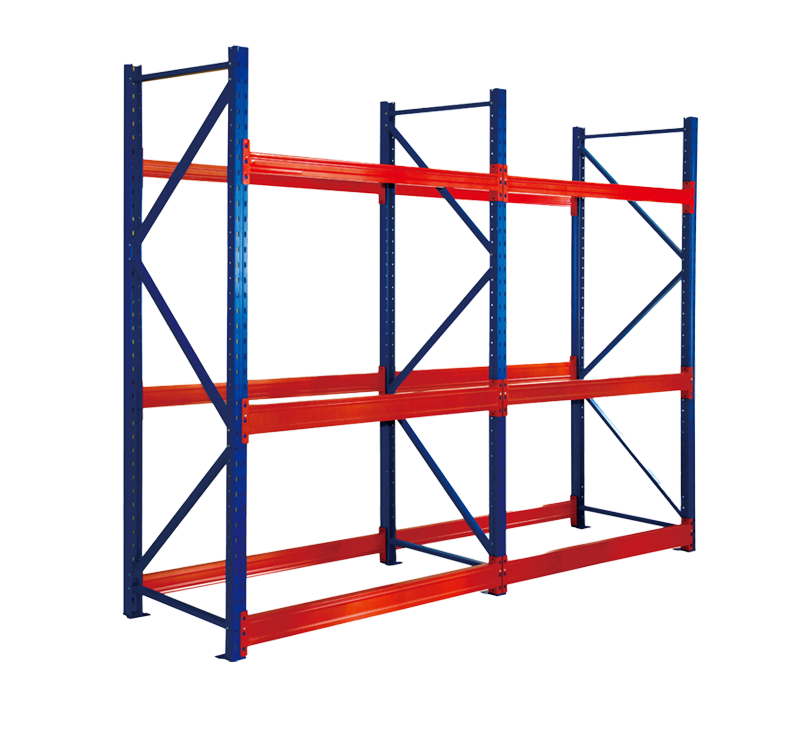
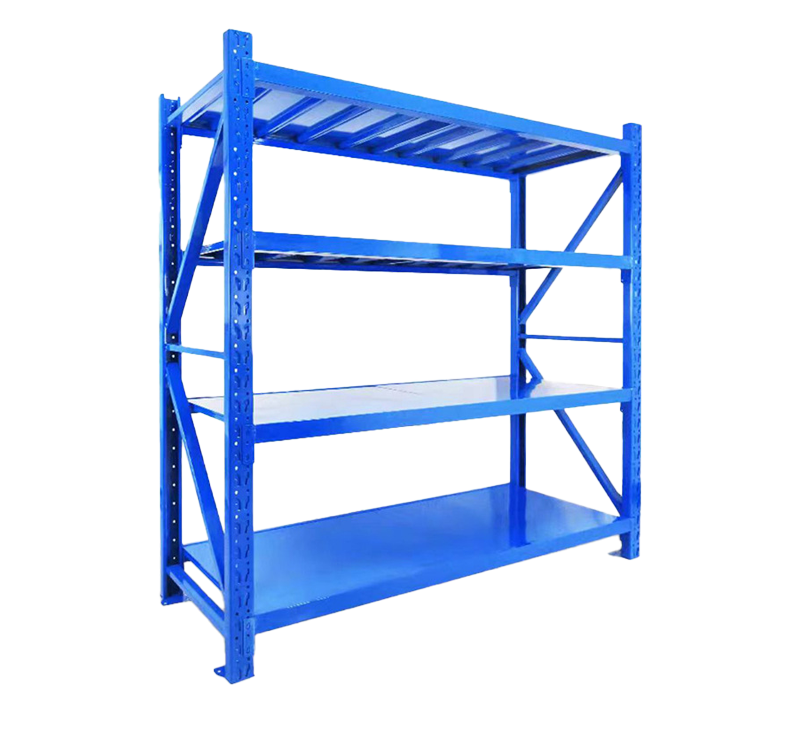
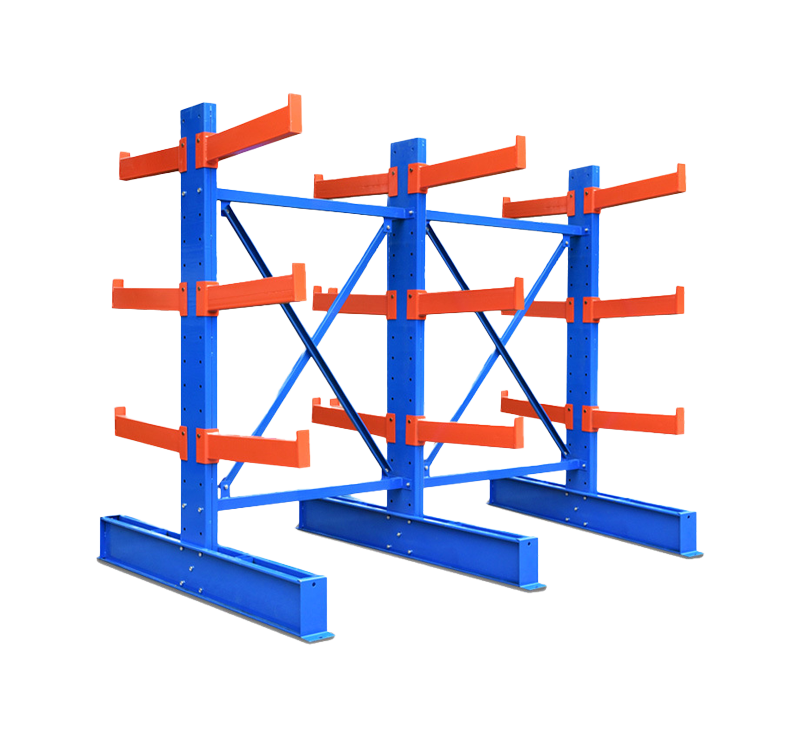
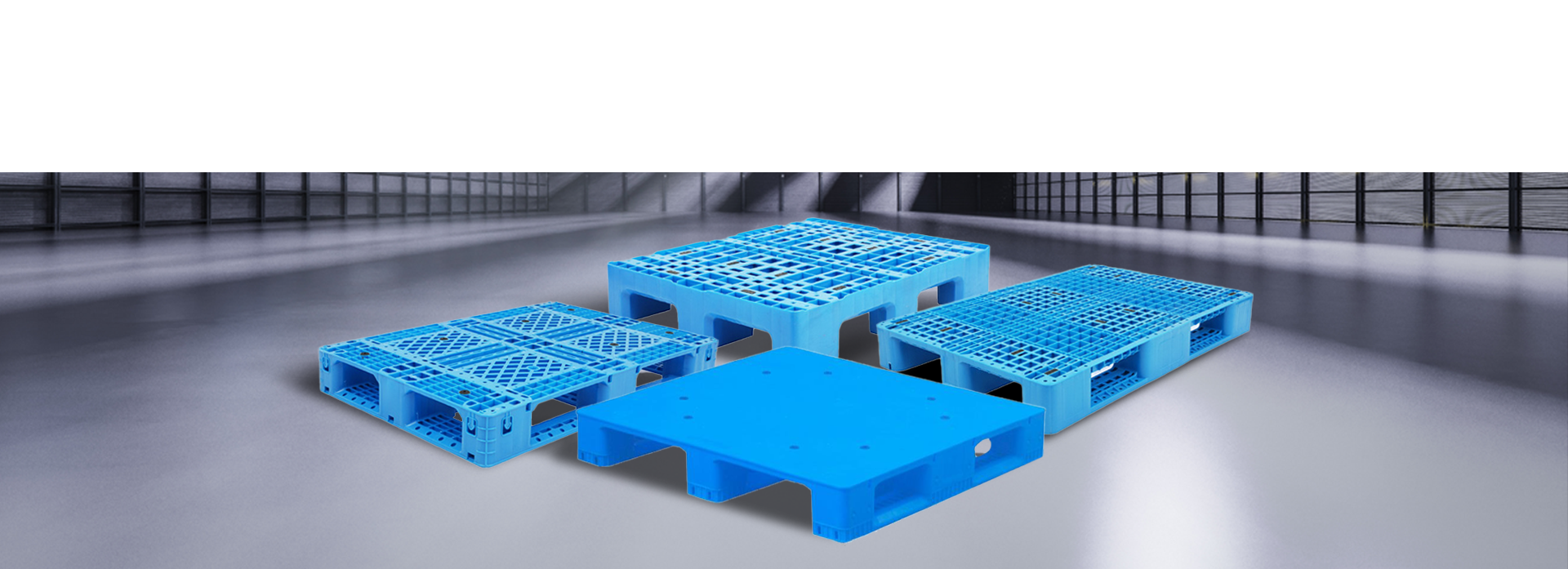
Bingo is a China OEM Spill Pallets Supplier and Spill Pallets Factory, and has built a complete warehousing and logistics equipment supply chain covering four core systems. In the field of handling equipment, we offer a full range of manual and electric pallet trucks and stackers. Our storage container line includes plastic pallets, plastic totes, crates, and bulk containers to meet diverse logistics needs. while the packaging material series provides supporting products such as stretch wrap and packing strapping. The warehousing racks series encompasses light-duty, medium-duty, and heavy-duty products of various specifications. Adhering to quality as our core value, we rely on a mature supply chain system and strict quality inspection processes to ensure that every product complies with international standards. We are committed to delivering cost-effective product solutions for industries including manufacturing, e-commerce logistics, warehousing and distribution, as well as supermarket retail.
Upholding the philosophy of "Quality First, Win-Win Cooperation", we actively expand our global market presence and are willing to join hands with partners around the world to jointly promote the intelligent and efficient development of the logistics industry.
Every warehouse supervisor knows the moment when manual pallet handling stops being workable. The heaviest pallets exceed 2500 kg, the dock staging area sits 80 meters from the storage bays, and the shift plan demands more pallet moves tha...
During a routine walkthrough at a distribution center, a warehouse manager noticed a small dent in the bottom flange of a pallet rack upright. No load was in that bay, so the dent was recorded as cosmetic. Three weeks later, a forklift gra...
Bingo Machinery, a trusted global supplier of smart warehouse handling equipment, officially launches the brand new CDDA15 1.5 ton pedestrian electric walkie stacker. This compact stacking solution is engineered for medium height pallet st...
Everything You Need to Know About Spill Pallets
Spill pallets are the most reliable front-line defense against liquid containment failures in warehouses, industrial facilities, and chemical storage environments. They are engineered platforms designed to capture, contain, and prevent hazardous liquids — including oils, fuels, solvents, and chemicals — from reaching drains, soil, or waterways in the event of a drum leak or spill. Whether you manage a single storage bay or an expansive logistics hub, integrating the correct spill pallet system is not optional — it is a fundamental regulatory and operational requirement. This article breaks down everything you need to know about spill pallets: their types, capacity standards, compliance requirements, and how to choose the right model for your specific application.
According to industry data, improper chemical storage and spill containment failures account for over 35% of environmental compliance violations in manufacturing and warehousing sectors globally. Facilities using certified spill pallet systems report a reduction in incident-related costs by an average of 62% compared to those relying on ad hoc containment methods. The business case for spill pallets goes beyond regulatory compliance — it directly impacts liability exposure, insurance premiums, workforce safety, and environmental reputation.
Bingo is an enterprise specializing in the production, sales, and service of warehousing and logistics equipment. Focusing on the equipment needs of various warehousing and logistics scenarios, Bingo provides global customers with one-stop, integrated solutions for material storage and handling. With deep expertise in spill containment systems, Bingo delivers spill pallets engineered for durability, compliance, and operational efficiency across diverse industry verticals.
What Are Spill Pallets and Why They Matter
A spill pallet — also referred to as a spill containment pallet, drip pallet, or drum containment pallet — is a platform constructed from polyethylene, steel, or fiberglass that features an integrated sump beneath a grated surface. When drums, IBCs (Intermediate Bulk Containers), or chemical containers are placed on the grating, any leaking fluid flows through the grate and collects in the sump below, preventing floor contamination. This deceptively simple mechanism is what makes spill pallets so critical in regulated environments.
Regulations such as the EPA's Spill Prevention, Control, and Countermeasure (SPCC) rule in the United States, the UK's Control of Pollution (Oil Storage) Regulations, and the EU's Industrial Emissions Directive all mandate secondary containment for liquid chemical and petroleum storage. Non-compliance can result in fines ranging from $10,000 to over $70,000 per violation per day, making the investment in proper spill pallets not just responsible — but financially essential.
Beyond regulatory mandates, spill pallets serve a proactive safety function. They protect workers from hazardous slip-and-fall incidents caused by floor-level chemical pooling, and they safeguard facility infrastructure from corrosive damage. Facilities that implement standardized spill pallet programs also find it significantly easier to pass third-party safety audits and achieve certifications such as ISO 14001 (Environmental Management Systems).
Industry Adoption Rate of Spill Pallet Systems (%)
This horizontal bar chart illustrates the adoption rates of spill pallet systems across major industrial sectors. Chemical manufacturing leads at 94%, reflecting the strict regulatory environment surrounding hazardous liquid handling. Pharmaceuticals follow closely at 88%, driven by both compliance mandates and contamination prevention requirements. Warehousing and logistics — the fastest-growing adopters — have reached 83% penetration, a significant increase from just 58% five years ago, demonstrating growing awareness of spill risks even in non-chemical contexts. Automotive and food processing sectors, while lower in adoption, are rapidly closing the gap as their respective regulatory frameworks tighten. These figures underscore that spill pallet adoption is no longer industry-specific — it is becoming a universal operational standard.
Types of Spill Pallets: Choosing the Right Platform
The market offers a wide range of spill pallets differentiated by material, capacity, configuration, and intended use. Understanding these distinctions is critical for selecting the appropriate containment solution for your specific operational environment.
Polyethylene (PE) Spill Pallets
High-density polyethylene spill pallets are the most widely used category globally. They offer excellent chemical resistance, are lightweight compared to steel, and require no painting or rust treatment. PE spill pallets are ideal for acids, alkalis, and most solvents, and they comply with UN/USDOT regulations for chemical storage. Standard single-drum PE spill pallets typically hold around 66 liters (17.4 gallons) in their sump, while four-drum models can contain up to 225 liters (59.5 gallons).
Steel Spill Pallets
Steel spill pallets provide superior structural strength, making them suitable for heavy drum configurations and forklift loading. They are typically powder-coated or galvanized to resist corrosion, though they are not suitable for highly acidic or corrosive chemical environments without additional lining. Steel models are commonly used in petroleum product storage, lubricants, and hydraulic fluid containment applications. Load capacities often exceed 2,000 kg (4,400 lbs), making them the preferred choice for industrial-scale drum storage.
Modular and Collapsible Spill Pallets
Modular spill containment systems allow facilities to configure custom-sized containment areas for large IBC totes, multiple drum clusters, or irregularly shaped equipment. Collapsible designs are particularly valuable in space-constrained warehouses, reducing storage footprint when containment is not actively needed. These systems are especially popular in logistics and distribution centers where inventory footprints vary seasonally.
Table 1: Comparison of Spill Pallet Types by Key Performance Criteria
Type
Material
Typical Sump Capacity
Max Load (kg)
Chemical Resistance
Best For
PE Single-Drum
Polyethylene
66 L
500
Excellent
Acids, Solvents, Labs
PE Four-Drum
Polyethylene
225 L
1,200
Excellent
Chemical Warehouses
Steel Four-Drum
Galvanized Steel
200 L
2,000+
Moderate
Petroleum, Lubricants
Modular IBC
PE / Steel
Up to 1,100 L
3,000+
High
IBC Totes, Bulk Storage
Collapsible PE
Polyethylene
110–450 L
1,500
Good
Flexible Warehousing
Regulatory Standards and Compliance Requirements
Compliance with spill containment regulations is non-negotiable for facilities handling hazardous substances. The primary regulatory frameworks governing spill pallet requirements vary by region but share common principles of secondary containment capacity and spill prevention design. Understanding which standards apply to your facility is the starting point for any procurement decision.
In the United States, the EPA's SPCC rule (40 CFR Part 112) requires secondary containment systems that can hold 110% of the volume of the largest container stored. This means if you store 200-liter drums, your spill pallet sump must hold at least 220 liters of liquid. In the European Union, the EN 14816 and EN 13463 standards govern containment equipment design, while ATEX directives apply in explosive atmospheres. The British Standards BS 7176 and BS EN 61241 further specify requirements for static-dissipative materials in hazardous environments.
Beyond structural compliance, documentation and inspection records are mandatory in most jurisdictions. Facilities must be able to demonstrate that spill pallets are regularly inspected, that sump contents are properly disposed of as hazardous waste, and that equipment is rated for the specific chemicals being stored. Facilities that maintain complete spill containment records reduce audit failure rates by an estimated 47%, according to environmental compliance surveys.
Growth in Global Spill Containment Enforcement Actions (2018–2024)
The line chart above tracks the global growth in regulatory enforcement actions related to spill containment non-compliance from 2018 to 2024. The data reveals a consistent upward trajectory, with enforcement actions increasing by more than 220% over the six-year period — from approximately 1,200 incidents in 2018 to nearly 3,850 in 2024. The most pronounced acceleration occurred between 2021 and 2023, coinciding with post-pandemic regulatory catch-up and heightened environmental policy focus in both North America and Europe. This trend strongly suggests that enforcement agencies are becoming more active and better resourced, making regulatory compliance with spill containment standards more pressing than ever. Facilities that delay implementing compliant spill pallet systems face increasing risk of inspection, citation, and financial penalty.
Spill Pallet Capacity: How to Size Your Containment System
Sizing a spill pallet system correctly is both a technical and regulatory exercise. The fundamental rule — derived from most major compliance frameworks — is that your containment sump must be capable of holding 110% of the volume of the largest single container being stored on or near the pallet. However, real-world scenarios often involve multiple containers simultaneously, requiring careful capacity planning.
For a standard 200-liter (55-gallon) drum, you need a sump capacity of at least 220 liters. For IBC totes of 1,000 liters, the sump requirement rises to 1,100 liters. When multiple drums are stored on a single containment platform, some regulations (particularly OSHA 29 CFR 1910.106) require the sump to hold the entire volume of all containers combined. This distinction — whether containment applies to the largest single container or all containers combined — varies by jurisdiction and substance classification, making it critical to consult local regulations and a qualified environmental compliance specialist.
Practical capacity planning should also account for firefighting water infiltration — many facilities add 20–30% additional sump volume to handle sprinkler system runoff in fire scenarios. This is particularly important in facilities handling flammable liquids where the risk of both a fire event and containment overflow is significant.
Required Sump Capacity by Container Type (Liters, 110% Rule)
This column chart visualizes the minimum required sump capacities for various container types when the 110% containment rule is applied. The dramatic step between standard 200-liter drums (220L required) and IBC totes (up to 1,100L required) illustrates why IBC containment demands a fundamentally different class of spill pallet. The final column shows the combined requirement when four 200-liter drums are stored on a single platform — a scenario common in chemical warehouses — requiring 880 liters of sump volume. Proper capacity planning is not a one-size-fits-all exercise; each storage scenario must be evaluated individually based on the specific containers in use, the substances stored, and the applicable regulatory framework. Undersizing a spill containment sump is a compliance violation that can be identified and cited during routine inspections.
Key Selection Criteria for Spill Pallets
Selecting the right spill pallet requires evaluating multiple interdependent factors. A pallet that meets chemical compatibility requirements but lacks adequate structural capacity is as problematic as one that supports the required load but fails under exposure to the stored substance. The following criteria should be assessed systematically before procurement.
Chemical Compatibility: Always verify that the pallet material is rated for the specific chemicals being stored. HDPE is compatible with most acids, bases, and organic solvents, but may be damaged by concentrated oxidizing acids. Steel requires additional liners for corrosive substances.
Sump Capacity vs. Container Volume: As discussed above, the sump must hold 110% of the largest container or the combined volume depending on jurisdiction and stored substance classification.
Load Rating: Consider both static (resting) and dynamic (forklift entry) loads. A 200-liter drum filled with a dense liquid such as sulfuric acid can exceed 300 kg alone.
ATEX / Electrostatic Dissipation: In environments with flammable vapors, the pallet must be constructed of or coated with static-dissipative materials to prevent spark generation.
Grating Design: Removable grating facilitates easy sump cleaning, while fixed grating may be preferable for high-traffic environments where stability is paramount.
Forklift Accessibility: Models designed for forklift entry allow drums to be loaded and unloaded without manual handling, reducing ergonomic risk and improving warehouse throughput.
Drainage: Some models include a drain plug for controlled removal of collected liquids into an appropriate waste stream, simplifying sump maintenance.
Spill Pallet Type Performance Comparison (Radar Chart)
The radar chart above provides a multi-dimensional performance comparison between polyethylene (PE) spill pallets and steel spill pallets across six critical evaluation criteria. PE pallets demonstrate clear advantages in chemical resistance (95), ease of cleaning (90), compliance score (92), and flexibility (88), making them the preferred choice for chemical and laboratory environments. Steel pallets, conversely, significantly outperform PE in load capacity (95 vs. 55), reflecting their superior structural engineering for heavy-duty industrial applications. Cost efficiency scores reveal that PE pallets offer better value for most standard applications, while steel's premium cost is justified only when load demands or temperature extremes exceed PE's capabilities. The visual gap between the two profiles effectively illustrates that neither type is universally superior — the optimal choice depends entirely on the specific operational, chemical, and regulatory context of your facility. Both types can achieve full regulatory compliance when properly specified and maintained.
Spill Pallet Applications Across Warehouse and Logistics Environments
Spill pallets are not confined to chemical plants and refineries. Their application has expanded dramatically across modern warehousing and logistics operations, where a wide variety of liquid goods — from lubricants and cleaning agents to food-grade oils and beverage concentrates — are stored and handled daily. Bingo's integrated spill containment solutions are specifically designed to address the evolving needs of logistics-intensive environments.
Distribution Centers and Fulfillment Hubs
Large-scale distribution centers handling household chemical products, automotive fluids, or personal care goods require spill containment at multiple points in the storage and pick-and-pack workflow. Spill pallets are deployed both in static storage racks and at active goods receiving and dispatch stations. Forklift-accessible PE spill pallets are the standard solution for high-throughput environments, allowing rapid drum repositioning without compromising containment integrity.
Chemical and Hazardous Materials Warehouses
Dedicated hazmat storage areas demand spill containment systems that meet the most rigorous regulatory standards. In these environments, spill pallets are typically grouped into larger containment zones using modular berm and wall systems, creating secondary containment areas capable of holding multiple pallet volumes simultaneously. Segregation of incompatible chemicals — such as acids and bases, or oxidizers and flammables — is enforced through physically separate containment zones, each equipped with appropriately specified spill pallets.
Manufacturing and Assembly Facilities
In manufacturing environments, spill pallets serve a dual purpose: they contain incidental leaks from process chemical storage, and they protect equipment and personnel from floor-level chemical exposure. Steel spill pallets with high load ratings are commonly integrated into production lines where hydraulic fluid reservoirs, coolant tanks, and process chemical drums are positioned adjacent to manufacturing equipment. The ergonomic profile of low-profile spill pallets is important in these settings to minimize trip hazards and allow personnel movement.
Market Growth and Investment Trends in Spill Containment
The global spill containment market — of which spill pallets represent the largest single product segment — has experienced robust growth over the past decade. Increasing environmental regulation stringency, expanding chemical production, and heightened corporate sustainability commitments are the primary demand drivers. The market was valued at approximately $3.8 billion in 2023 and is projected to reach $5.6 billion by 2029, growing at a compound annual growth rate (CAGR) of approximately 6.7%.
Asia-Pacific is the fastest-growing regional market, driven by rapid industrialization in China, India, and Southeast Asia and the concurrent tightening of environmental regulations in those jurisdictions. North America remains the largest market in absolute terms, supported by extensive SPCC enforcement and a mature industrial chemicals sector. Europe continues to lead in regulatory sophistication, with the EU's ongoing revisions to the Industrial Emissions Directive driving demand for higher-specification containment equipment.
Global Spill Containment Market Size Forecast 2020–2029 (USD Billion)
This combined area and line chart illustrates the trajectory of the global spill containment market from 2020 through the 2029 forecast period. The solid line and shaded blue area represent confirmed market data, while the dashed line and lighter shading represent analyst projections. The market has grown consistently since 2020, with growth accelerating notably between 2022 and 2023 as post-pandemic industrial activity resumed and regulatory enforcement intensified. The forecast projects continued robust expansion to $5.6 billion by 2029, translating to a CAGR of approximately 6.7% — well above average manufacturing sector growth. This upward trajectory reflects the combination of mandatory compliance spending, voluntary ESG investment, and market expansion into emerging economies in Asia, Latin America, and the Middle East. For procurement managers and facility planners, this growth signals increasing product availability, competitive pricing, and continued innovation in spill containment technology.
Best Practices for Spill Pallet Deployment and Maintenance
Purchasing the right spill pallet is only the first step. Proper deployment, ongoing inspection, and maintenance are equally critical to ensuring that your containment system performs when needed. A spill pallet with a full, unmonitored sump provides no meaningful protection — and may actually make a spill situation worse by creating an overflow hazard.
Placement and Positioning
Spill pallets should be positioned on level surfaces away from floor drains. If floor drains cannot be avoided, drain plugs or drain seals should be installed prior to drum placement. Containers should be positioned with their bungs and valves easily accessible for inspection and dispensing, and emergency spill kits should be located within 3 meters of any active spill pallet to enable rapid response.
Regular Inspection Protocols
Inspections should be conducted on a regular schedule — weekly at minimum for active chemical storage areas, and daily in high-risk environments. Inspection checklists should cover: sump liquid level (collect and dispose of any accumulated liquid before it reaches 50% capacity), grating integrity (check for cracks or deformation), chemical compatibility markings (verify the pallet remains appropriate for current contents), and structural integrity of the pallet body and forklift pockets if present.
Sump Waste Management
Liquid collected in spill pallet sumps is classified as hazardous waste in most jurisdictions and must be removed, containerized, labeled, and disposed of through a licensed hazardous waste contractor. Facilities must maintain disposal records — typically for a minimum of 3 years under EPA requirements, and up to 5 years under some EU member state regulations. Failure to properly manage sump waste constitutes a separate compliance violation independent of the containment equipment itself.
About Bingo: Your Trusted Warehousing and Logistics Equipment Partner
Bingo is an enterprise specializing in the production, sales, and service of warehousing and logistics equipment. Focusing on the equipment needs of various warehousing and logistics scenarios, Bingo provides global customers with one-stop, integrated solutions for material storage and handling. From spill pallets and drum storage systems to racking solutions and material flow equipment, Bingo brings together engineering expertise, regulatory knowledge, and global logistics capability to deliver complete warehousing solutions that meet the highest standards of safety, compliance, and operational efficiency.
Bingo's spill containment product line spans the full spectrum of application requirements: PE drum pallets for chemical warehouses, heavy-duty steel platforms for industrial facilities, IBC containment systems for bulk liquid storage, and modular containment systems for custom facility configurations. Every Bingo product is engineered to meet or exceed applicable international standards, and our team of application specialists works directly with customers to ensure the correct specification for every deployment.
Frequently Asked Questions About Spill Pallets
Q1: How much sump capacity does a spill pallet need for a standard 200-liter drum?
A: Under the widely applied 110% containment rule, a spill pallet used for a single 200-liter drum must have a minimum sump capacity of 220 liters. If multiple drums are stored on one platform, requirements vary by jurisdiction — some mandate holding 110% of the largest single container, while others require containing the combined volume of all containers.
Q2: Can I use a polyethylene spill pallet for all chemical types?
A: HDPE spill pallets offer broad chemical compatibility, including most acids, bases, and organic solvents. However, they are not recommended for concentrated oxidizing acids (such as fuming nitric acid) or certain halogenated solvents at elevated temperatures. Always consult chemical resistance charts specific to the pallet material and the stored substance before use.
Q3: How frequently should spill pallet sumps be inspected and emptied?
A: Best practice recommends weekly inspections for active storage areas, and emptying sumps when liquid accumulation reaches 50% of capacity. High-risk or high-volume areas should be checked daily. Records of each inspection and disposal activity should be maintained to support regulatory audits.
Q4: Are steel spill pallets suitable for outdoor use?
A: Steel spill pallets can be used outdoors if they are powder-coated or galvanized and appropriately covered to prevent rainwater accumulation in the sump. However, HDPE models are often preferred for outdoor applications due to their superior corrosion resistance and lower maintenance requirements in variable weather conditions.
Q5: Do spill pallets need to be ATEX-rated for use in flammable environments?
A: In environments classified as ATEX zones (where explosive atmospheres may be present), spill pallets must be constructed of static-dissipative materials or grounded appropriately to prevent ignition from electrostatic discharge. Standard polyethylene is not inherently static-dissipative; look for pallets specifically designated as ATEX-compliant or ESD-safe.
Q6: Can spill pallets be used with a standard forklift?
A: Many spill pallet models include integrated forklift pockets that allow the entire loaded pallet to be moved by a standard counterbalance or reach truck. It is essential to verify the pallet's rated dynamic load capacity before moving it under load, and to ensure the forklift operator is aware of the liquid-filled sump and its effect on load stability during transport.

 en
en  Español