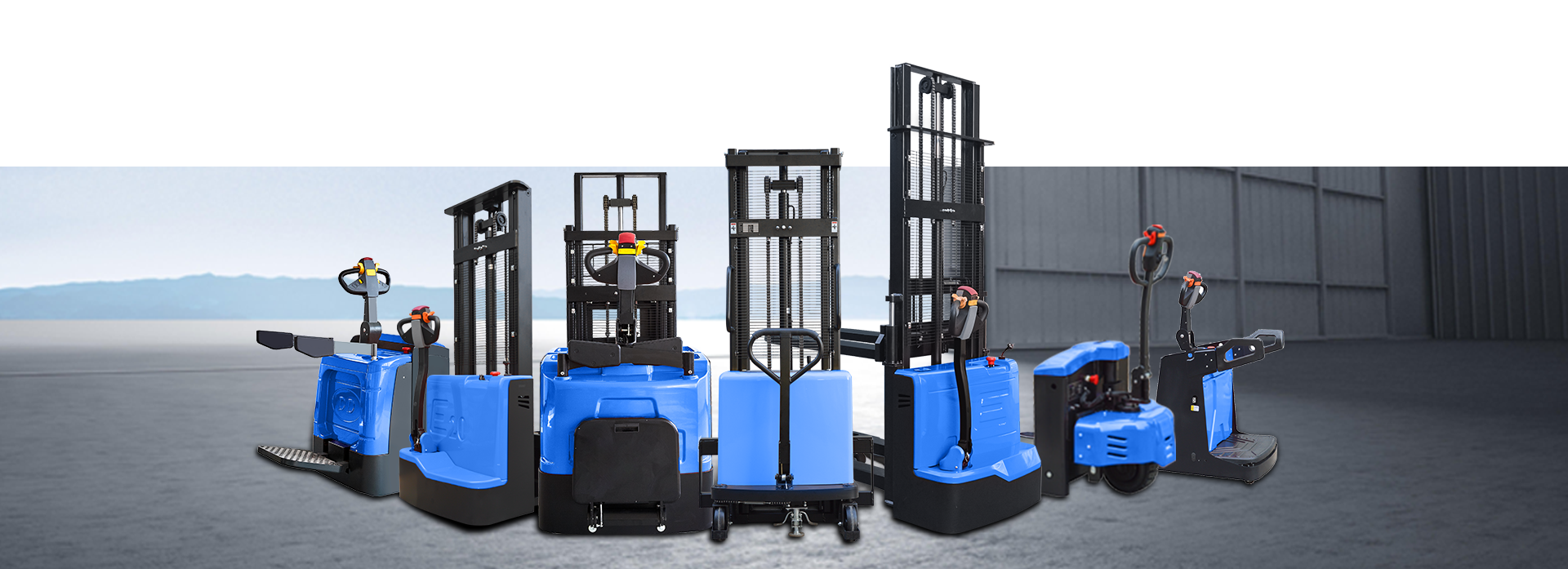
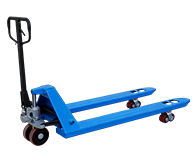
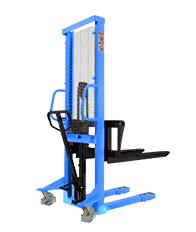
Bingo is an enterprise specializing in the production, sales, and service of warehousing and logistics equipment. Focusing on the equipment needs of various warehousing and logistics scenarios, we provide global customers with one-stop, integrated solutions for material storage and handling.
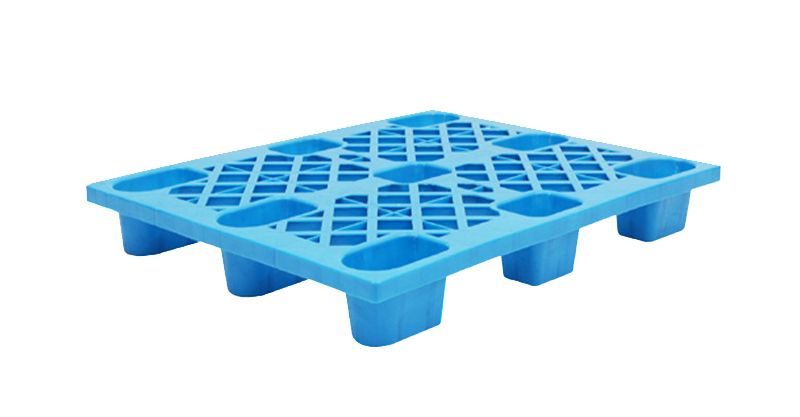
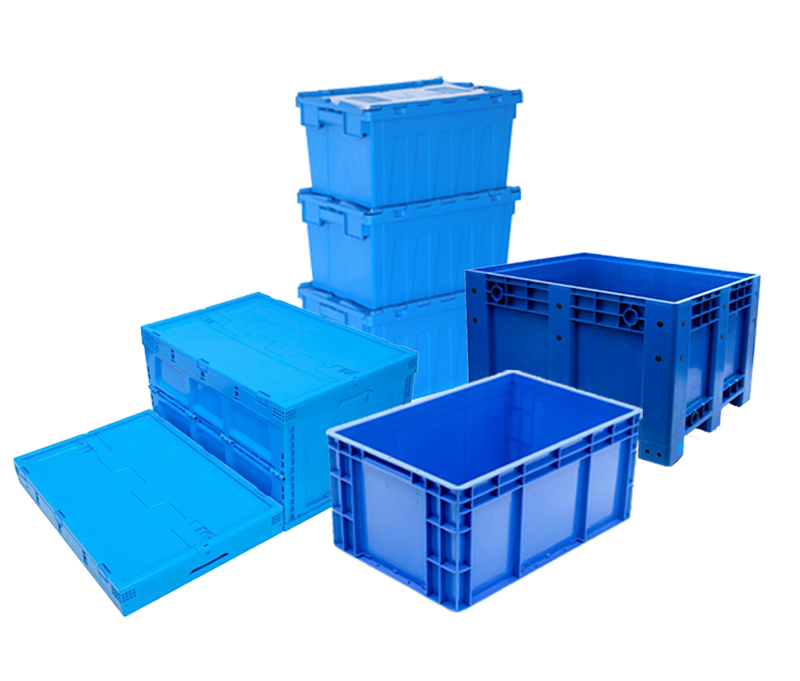
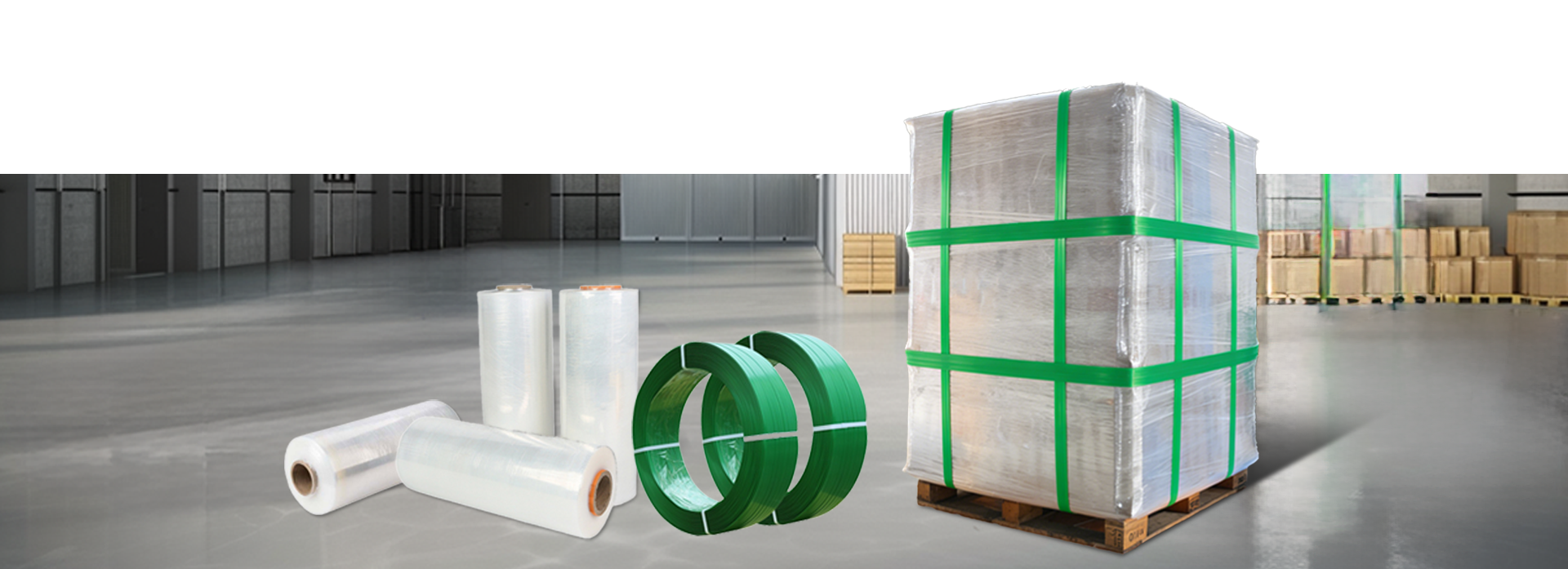
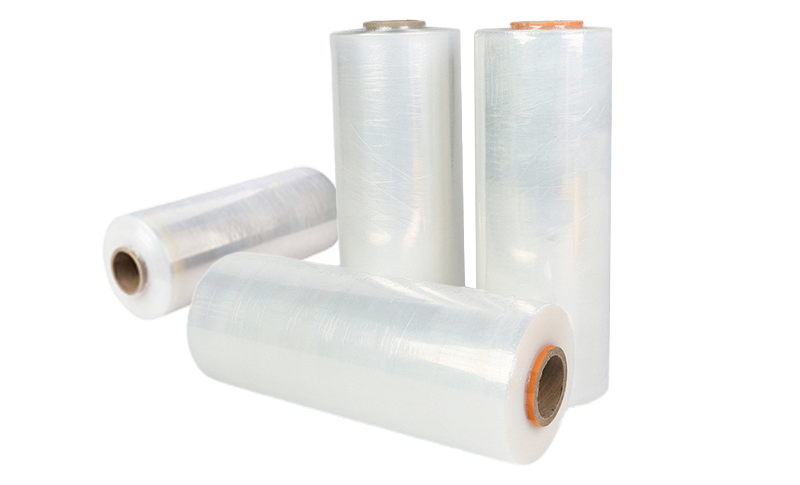
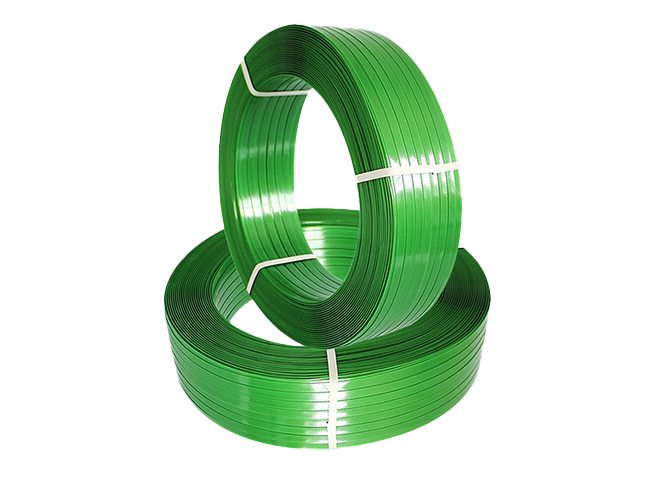
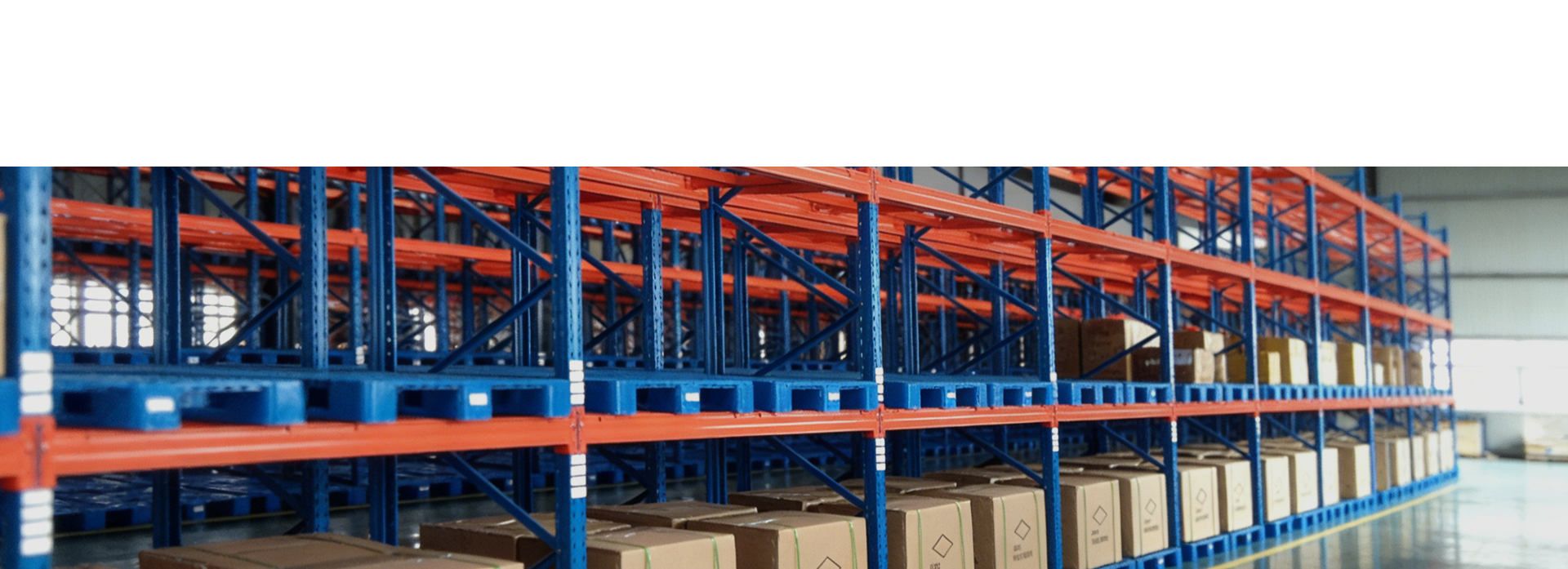
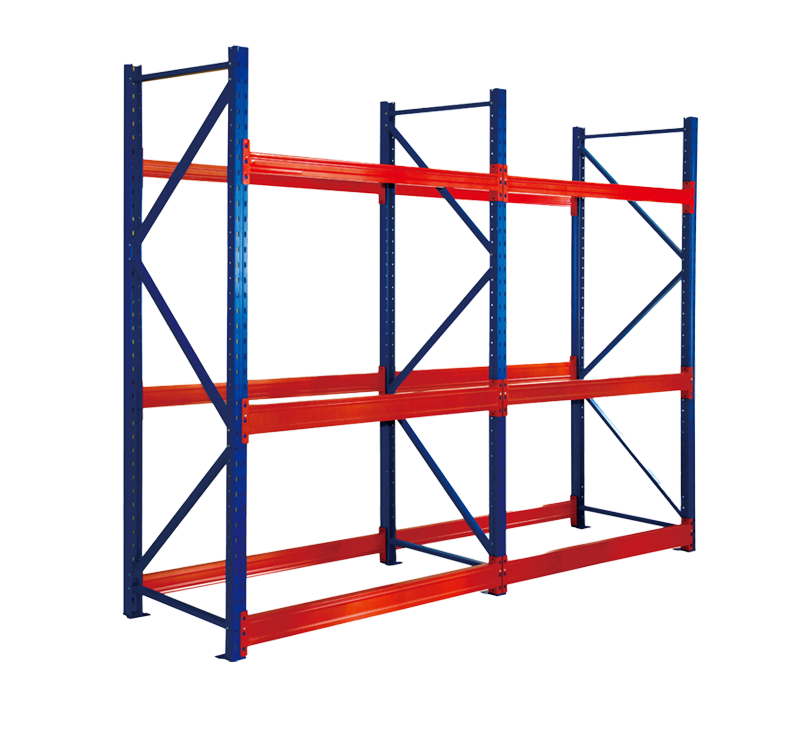
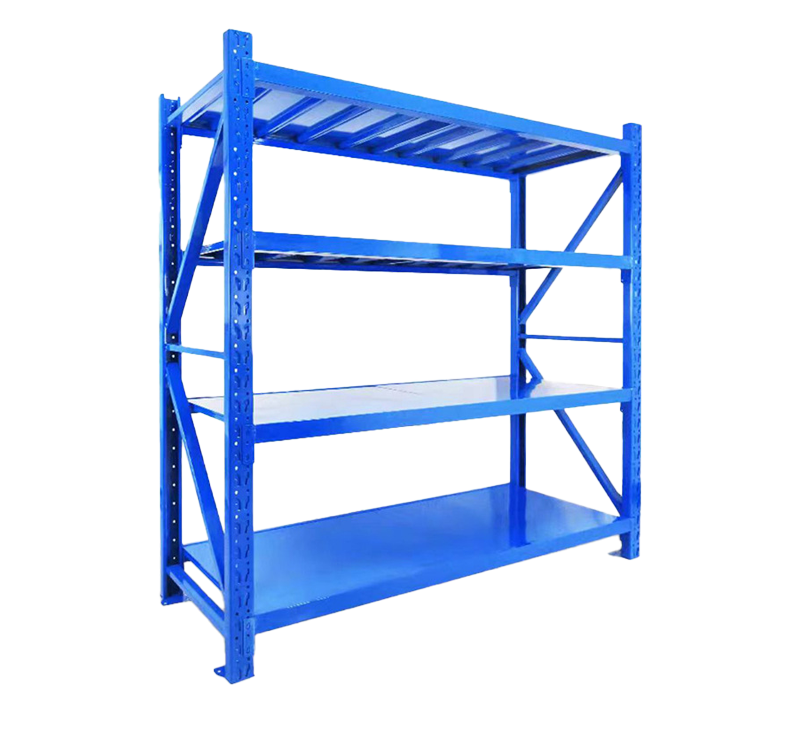
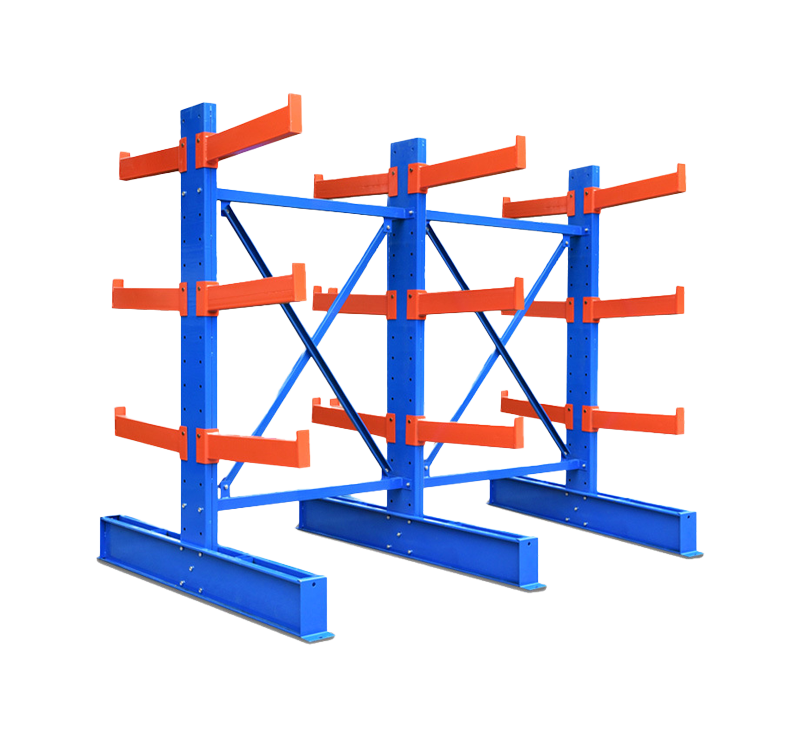
Bingo is a China OEM Heavy Duty Plastic Pallet Supplier and Heavy Duty Plastic Pallet Factory, and has built a complete warehousing and logistics equipment supply chain covering four core systems. In the field of handling equipment, we offer a full range of manual and electric pallet trucks and stackers. Our storage container line includes plastic pallets, plastic totes, crates, and bulk containers to meet diverse logistics needs. while the packaging material series provides supporting products such as stretch wrap and packing strapping. The warehousing racks series encompasses light-duty, medium-duty, and heavy-duty products of various specifications. Adhering to quality as our core value, we rely on a mature supply chain system and strict quality inspection processes to ensure that every product complies with international standards. We are committed to delivering cost-effective product solutions for industries including manufacturing, e-commerce logistics, warehousing and distribution, as well as supermarket retail.
Upholding the philosophy of "Quality First, Win-Win Cooperation", we actively expand our global market presence and are willing to join hands with partners around the world to jointly promote the intelligent and efficient development of the logistics industry.
Every warehouse supervisor knows the moment when manual pallet handling stops being workable. The heaviest pallets exceed 2500 kg, the dock staging area sits 80 meters from the storage bays, and the shift plan demands more pallet moves tha...
During a routine walkthrough at a distribution center, a warehouse manager noticed a small dent in the bottom flange of a pallet rack upright. No load was in that bay, so the dent was recorded as cosmetic. Three weeks later, a forklift gra...
Bingo Machinery, a trusted global supplier of smart warehouse handling equipment, officially launches the brand new CDDA15 1.5 ton pedestrian electric walkie stacker. This compact stacking solution is engineered for medium height pallet st...
Everything You Need to Know About 1200×1200mm Heavy-Duty Plastic Pallet
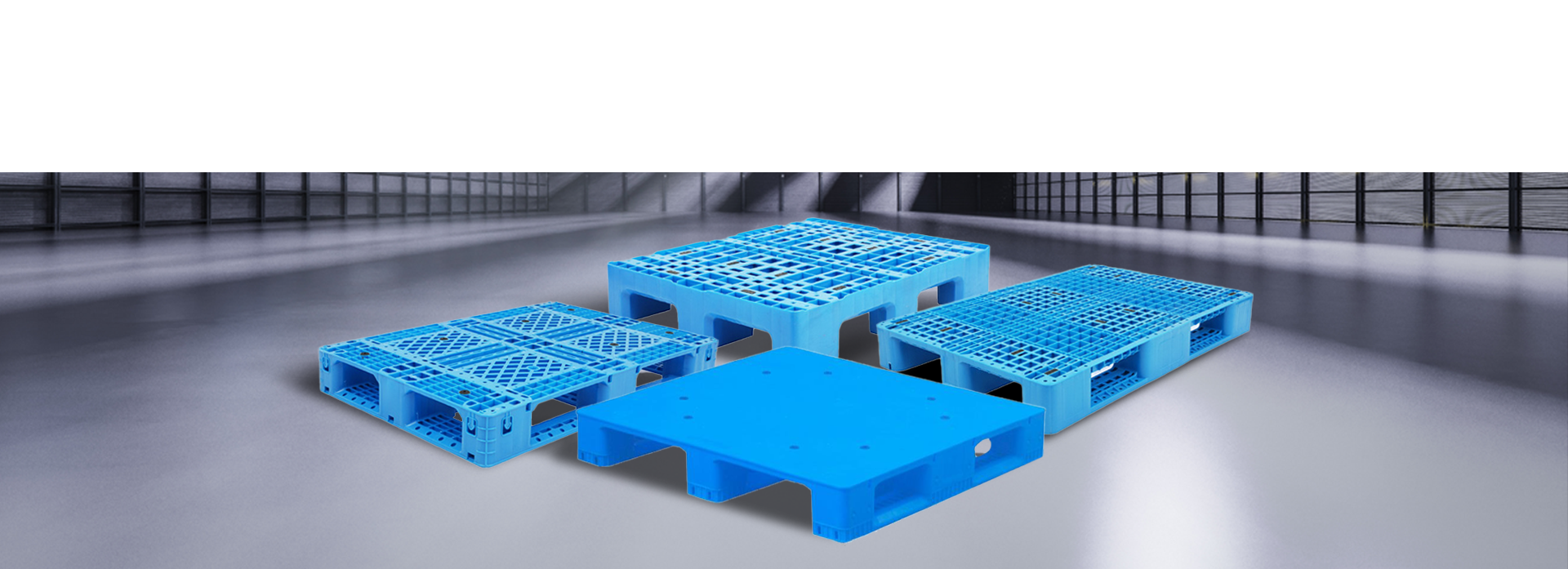
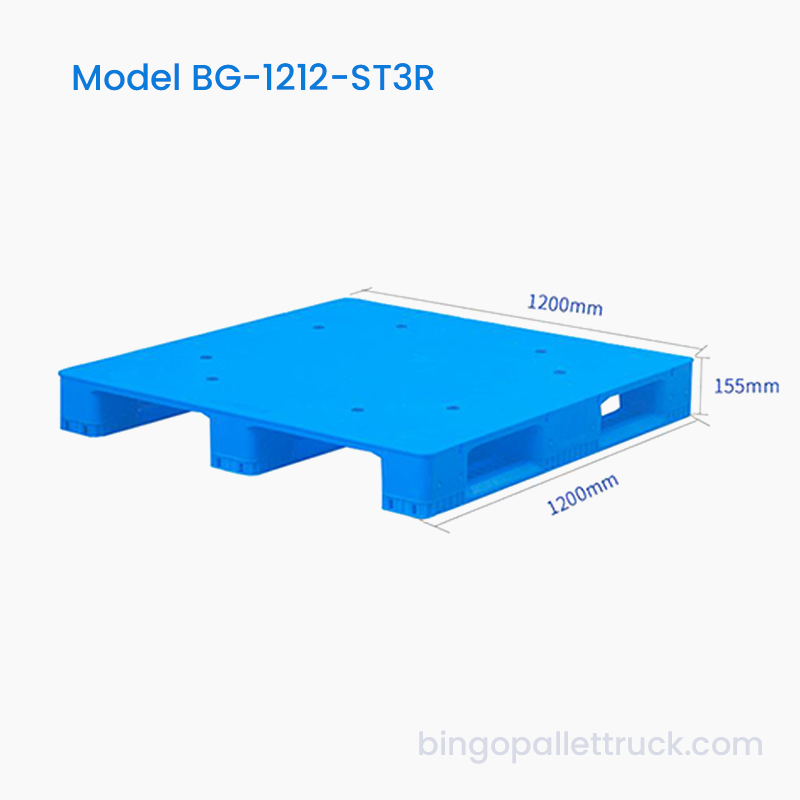
The 1200×1200mm Heavy Duty Plastic Pallet is one of the most versatile and structurally capable load-bearing platforms available in modern warehousing and logistics. With a static load capacity typically exceeding 5,000 kg and a dynamic load capacity of up to 1,500 kg, this pallet format is purpose-built for high-intensity industrial environments. Its square footprint provides symmetrical handling from all four sides, making it especially suited for automated storage and retrieval systems (AS/RS), racking installations, and cross-docking operations. Unlike traditional wooden pallets, the 1200×1200mm heavy duty plastic pallet delivers consistent dimensional precision, resistance to moisture and chemicals, and a significantly longer operational lifespan — all of which translate to measurable cost savings over time.
Industries ranging from automotive parts manufacturing to pharmaceutical cold-chain logistics have adopted the 1200×1200mm plastic pallet as a standard unit load device. Its uniform dimensions align perfectly with European and ISO pallet racking configurations, while its plastic construction eliminates the risk of nail protrusions, splinter contamination, and pest infestation — critical compliance requirements in food-grade and cleanroom facilities.
Why the 1200×1200mm Format Outperforms Other Pallet Sizes
The square 1200×1200mm dimension is not arbitrary — it is a calculated engineering standard that maximizes storage density, handling flexibility, and compatibility with industrial equipment. Compared to the common 1200×800mm EUR pallet and the 1200×1000mm industrial pallet, the 1200×1200mm format offers a 44% larger surface area than the EUR pallet, enabling more goods to be stacked per unit without increasing the number of pallet movements required.
For operations using heavy or irregularly shaped components — such as automotive sub-assemblies, machinery parts, or bulk containers — the additional surface area prevents overhang, reducing product damage and improving load stability. The four-way entry design standard on most 1200×1200mm heavy duty plastic pallets also allows forklifts and pallet jacks to approach from any direction, cutting handling time in busy dock environments.
This horizontal bar chart illustrates the surface area advantage of the 1200×1200mm heavy duty plastic pallet versus smaller standard formats. At 1,440,000 mm², the 1200×1200mm pallet provides 20% more usable surface than the 1200×1000mm format and a substantial 50% more than the classic 1200×800mm EUR pallet. For industrial operations handling bulky or heavy goods, this difference directly reduces the number of pallet moves required per shift. A larger footprint also contributes to improved load distribution, reducing pressure points on racking beams and warehouse flooring. Over a full year of operations, fewer pallet cycles translates to measurable savings in labor and equipment wear.
Material Composition and Structural Engineering
The structural performance of a 1200×1200mm heavy duty plastic pallet is largely determined by its material composition and internal engineering. Most high-grade versions are manufactured from High-Density Polyethylene (HDPE) or Polypropylene (PP), both of which offer an exceptional balance of rigidity, impact resistance, and chemical inertness. HDPE-based pallets tend to exhibit superior resistance to low temperatures, making them a preferred choice for cold-storage logistics, while PP variants offer slightly better resistance to acids and solvents.
Advanced manufacturing techniques such as injection molding and blow molding allow internal ribbing and hollow-section geometries to be precisely engineered for maximum strength-to-weight ratios. A well-engineered 1200×1200mm heavy duty plastic pallet weighs between 18 kg and 30 kg, yet can support static loads exceeding 5 tonnes — a weight-to-load ratio that underscores the sophistication of modern polymer engineering.
Key Material Properties Comparison
Table 1: Material property comparison for heavy duty plastic pallet types
Property
HDPE
Polypropylene (PP)
Recycled Blend
Static Load (kg)
5,500
5,000
4,200
Cold Resistance (°C)
−40
−20
−15
Chemical Resistance
High
Very High
Medium
Lifespan (Years)
10+
8–10
5–7
Recyclability
100%
100%
Partial
Load Capacity Performance Across Application Scenarios
Understanding load capacity is critical when selecting the right 1200×1200mm heavy duty plastic pallet for your application. Load ratings are typically expressed across three conditions: static load (pallet at rest on flat surface), dynamic load (pallet in motion on a forklift), and racking load (pallet supported only at its edges on racking beams). Each condition produces different stress profiles across the pallet's structure, and misapplication — such as using a dynamic-rated pallet in a racking environment — can result in deflection, cracking, or catastrophic failure.
In automotive logistics, where individual engine blocks or gearbox assemblies can weigh 400–800 kg each, static loads of 4,000–5,500 kg per pallet are routine. For pharmaceutical distribution, where load weights are lower but contamination control is paramount, the chemical resistance and cleanability of the plastic pallet body is equally important as raw load capacity.
The clustered column chart above compares the three primary load capacity metrics — static, dynamic, and racking — for HDPE and PP grade 1200×1200mm heavy duty plastic pallets. Static load capacity is consistently the highest across both material grades, reflecting the ability to bear significant weight when the pallet is immobile on flat ground. Dynamic load is the most restricted condition, requiring the pallet structure to absorb vibration and impact forces during forklift transport. Racking load falls between the two, as the pallet must bridge unsupported spans on storage beams without excessive deflection. Choosing the correct grade for your specific application — rather than the highest-rated option by default — ensures an optimal balance of performance and investment.
Plastic vs. Wood: A Direct Performance Analysis
The transition from wood to heavy duty plastic pallets has accelerated in recent years, driven by hygiene regulations, export compliance requirements, and total cost of ownership analysis. While wooden pallets typically carry a lower initial unit cost, their operational lifespan of 2–4 years — compared to 10+ years for high-quality plastic — fundamentally changes the financial equation across a fleet of thousands of units.
ISPM-15 phytosanitary regulations require heat treatment or fumigation of wooden pallets used in international trade, adding logistical complexity and cost. The 1200×1200mm heavy duty plastic pallet is fully exempt from these requirements, simplifying cross-border shipment documentation and reducing delays at customs inspection points. Additionally, plastic pallets do not absorb moisture, harbor bacteria, or shed splinters — critical advantages in food processing, pharmaceutical manufacturing, and electronics assembly environments.
The radar chart above presents a six-axis performance comparison between heavy duty plastic pallets and conventional wooden pallets. The 1200×1200mm heavy duty plastic pallet excels in durability, hygiene, handling precision, and ecological recyclability — all critical factors for regulated industries and long-cycle logistics networks. Wooden pallets score higher on short-term cost efficiency due to their lower initial unit cost, and remain competitive on raw load capacity for standard applications. However, when lifecycle analysis is applied across a pallet fleet of 500–1,000 units, the plastic pallet's superior durability and elimination of maintenance costs consistently produce lower total cost of ownership. The radar format also makes it visually clear that no single axis should be evaluated in isolation — the overall polygon area represents the pallet's true value proposition for a specific operating environment.
Industry Applications: Where the 1200×1200mm Heavy Duty Plastic Pallet Excels
The 1200×1200mm heavy duty plastic pallet has established itself as the platform of choice across multiple high-demand sectors, each with its own distinct operational and compliance requirements. Understanding the application-specific advantages enables procurement teams to make more informed decisions.
Automotive & Heavy Manufacturing
In automotive assembly plants and Tier 1 supplier warehouses, the 1200×1200mm plastic pallet is used to transport engine components, stamped body panels, and transmission assemblies. The pallet's four-way entry and consistent dimensional tolerance ensure precise alignment with conveyor systems and robotic pick stations. Unlike wooden pallets, there is no risk of nail protrusions damaging sensitive components or contaminating hydraulic fluid systems.
Food & Beverage Processing
Plastic pallets are mandated or strongly recommended by major food safety standards including HACCP, BRC, and IFS. The non-porous surface of a 1200×1200mm heavy duty plastic pallet prevents bacterial growth and allows full pressure-wash sanitization at temperatures up to 80°C. This is impossible with wooden pallets, which absorb moisture and harbor pathogens in surface fissures.
Pharmaceutical & Cold-Chain Logistics
Pharmaceutical supply chains operate under stringent GDP (Good Distribution Practice) guidelines that require traceable, cleanable, and dimensionally stable load carriers. HDPE-based 1200×1200mm heavy duty plastic pallets maintain structural integrity from −40°C to +60°C, covering the full temperature range from ultra-cold vaccine storage to ambient distribution warehouses. RFID tags can be embedded during molding for automated track-and-trace compliance.
Chemical & Industrial Storage
Industrial chemical facilities often require pallets that resist spill penetration and can be contained in bunded areas. Closed-deck variants of the 1200×1200mm heavy duty plastic pallet provide a fully sealed upper surface that prevents liquid ingress into the pallet body, supports spill containment trays, and resists degradation from common industrial solvents, acids, and alkalis.
This line chart tracks the global market adoption rate of plastic pallets from 2018 to 2024, illustrating the consistent upward trend driven by regulatory requirements, sustainability mandates, and supply chain modernization. The adoption rate grew from 22% in 2018 to 51% in 2024 — a remarkable 132% relative growth within just six years. The steepest acceleration occurred between 2022 and 2024, coinciding with post-pandemic supply chain restructuring and intensified food safety and pharmaceutical compliance enforcement globally. Emerging markets in Southeast Asia and Latin America contributed significantly to growth volumes, as expanding cold-chain infrastructure specifically requires plastic pallet solutions. This trajectory strongly indicates that the 1200×1200mm heavy duty plastic pallet segment will continue to expand as the preferred standard for high-performance logistics.
Design Variants and Customization Options
The 1200×1200mm heavy duty plastic pallet is available in several structural configurations, each optimized for specific handling and storage scenarios. The most common variants are:
Solid Deck / Closed Deck: Maximum surface coverage, ideal for small parts, bags, and liquid containers where product may fall through open surfaces.
Perforated / Ventilated Deck: Allows air circulation, essential for fresh produce, refrigerated goods, and fire suppression system compatibility.
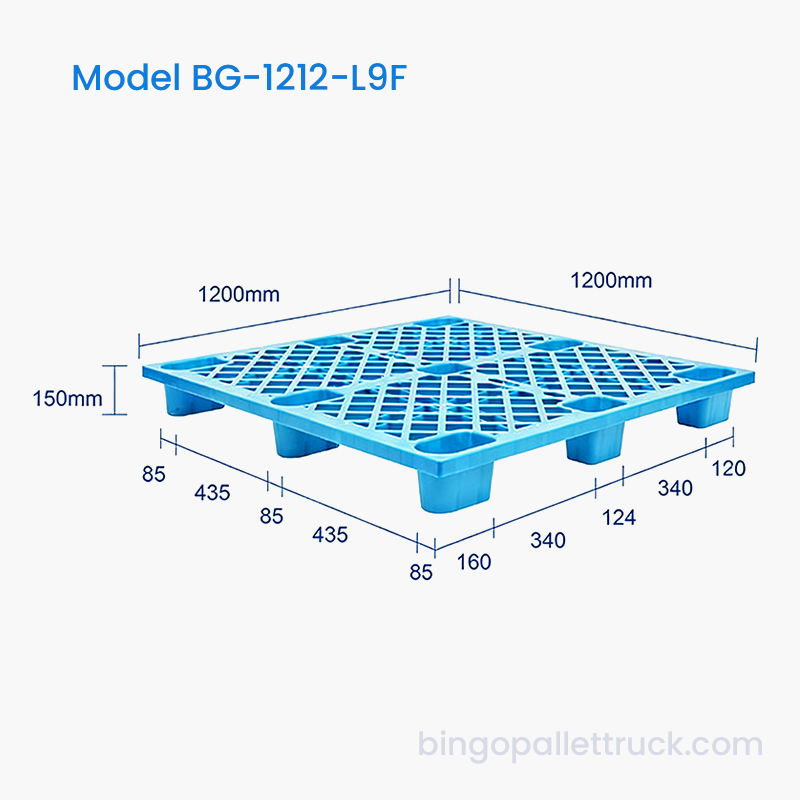
Nine-Leg / Runner Base: Supports fork entry from all four sides and enables hand pallet jack use; the most common configuration for general warehousing.
Racking-Compatible Reinforced Variant: Features steel tube inserts or additional ribbing to meet racking load requirements without deflection across standard 800mm beam spans.
Anti-Slip Surface Variant: Textured or rubberized deck surface reduces load movement during transport, critical for tall unstable loads.
Beyond structural variants, color coding by product type, zone, or product family is a widely adopted practice. Custom colors allow warehouse staff to visually identify pallet allocation at a glance, reducing cross-contamination risk in mixed-product facilities. Most manufacturers offer a minimum order quantity for custom color runs, and Bingo's production capabilities support full-color customization with consistent HDPE pigmentation across large fleet orders.
Total Cost of Ownership: Long-Term Financial Analysis
Many procurement decisions are initially driven by unit cost comparisons, but a rigorous total cost of ownership (TCO) analysis over a 10-year fleet cycle consistently favors the 1200×1200mm heavy duty plastic pallet. The key cost drivers over a pallet's lifetime include initial purchase, repair and replacement, cleaning and sanitation, compliance documentation, and end-of-life recycling or disposal.
A typical wooden pallet in heavy industrial use requires replacement every 2–3 years due to structural degradation, with annual repair rates of 15–25% of the fleet. Over 10 years, a fleet of 1,000 wooden pallets may require the equivalent of 3,500–5,000 replacement units. By contrast, a heavy duty plastic pallet fleet of 1,000 units — with an average lifespan exceeding 10 years and a repair rate below 3% annually — requires minimal replacement investment over the same period.
This TCO comparison column chart estimates the 10-year fleet cost per 1,000 pallets for both plastic and wooden alternatives. The heavy duty plastic pallet fleet totals approximately $160,000 in lifetime cost — encompassing purchase, minimal repair, cleaning, and compliance — compared to approximately $300,000 for an equivalent wooden pallet fleet. The wood pallet cost is dominated by repeat purchasing, high repair rates, and significantly greater cleaning and sanitation labor. Compliance costs for wooden pallets — including ISPM-15 treatment documentation, customs delays, and periodic fumigation — add a further layer of expense with no counterpart in plastic pallet operations. The net saving of approximately $140,000 per 1,000 pallets over 10 years represents a compelling business case for transitioning to 1200×1200mm heavy duty plastic pallets at scale.
Sustainability and Environmental Credentials
Sustainability has become a non-negotiable dimension of procurement strategy for logistics-intensive industries. The 1200×1200mm heavy duty plastic pallet supports multiple dimensions of environmental responsibility. At end of life, HDPE and PP pallets are 100% recyclable — the material can be granulated and reprocessed into new pallets or other plastic products, closing the material loop completely. This is in stark contrast to wooden pallets, which — while biodegradable in theory — typically end up in landfill or incineration when contaminated with chemicals, oils, or food residue.
Furthermore, the extended lifespan of plastic pallets fundamentally reduces the volume of material consumed per unit of logistics throughput. A single heavy duty plastic pallet that completes 500+ load cycles over 10 years displaces the production of 4–5 wooden pallets over the same period — reducing timber consumption, transportation, and manufacturing emissions proportionally. For companies with Scope 3 emissions reduction commitments, transitioning pallet fleets is a measurable and documented action.
Bingo's 1200×1200mm heavy duty plastic pallets can be produced using recycled post-industrial HDPE content for customers seeking to maximize circular economy credentials, with material traceability documentation available upon request for supply chain transparency reporting.
Racking System Compatibility and Warehouse Integration
One of the most technically demanding use cases for the 1200×1200mm heavy duty plastic pallet is racking system integration. When a loaded pallet is placed in a selective racking bay, it is supported only at two parallel beam contact points separated by a span of typically 700–900mm. The pallet must bridge this span without exceeding a maximum permissible deflection — commonly specified at 20–30mm for plastic pallets under operational racking loads.
Standard 1200×1200mm heavy duty plastic pallets typically carry a racking load rating of 1,500–3,000 kg depending on beam span. For heavier loads in racking, steel-reinforced variants — featuring embedded steel tubes running parallel to the fork entry direction — can extend racking capacity to 4,000+ kg while maintaining the hygienic and handling properties of plastic. It is critical to match the pallet's racking load certificate to the actual loaded weight and the warehouse racking beam span, and Bingo's technical team can provide load testing documentation for specific configurations.
About Bingo
Bingo is an enterprise specializing in the production, sales and service of warehousing and logistics equipment. Focusing on the equipment needs of various warehousing and logistics scenarios, Bingo provides global customers with one-stop, integrated solutions for material storage and handling. With deep expertise in pallet engineering, racking systems, and automated warehouse solutions, Bingo serves clients across automotive, pharmaceutical, food and beverage, chemical, and e-commerce sectors worldwide. Our commitment to quality, precision manufacturing, and responsive technical support makes Bingo a trusted partner for logistics infrastructure investments of all scales.
Frequently Asked Questions
Q1. What is the maximum static load capacity of a 1200×1200mm heavy duty plastic pallet?
A: Depending on the material grade and design, the static load capacity typically ranges from 4,000 kg to 5,500 kg. HDPE-based variants generally offer the highest static capacity. Always verify the load rating certificate provided by the manufacturer for your specific model.
Q2. Can the 1200×1200mm plastic pallet be used in racking systems?
A: Yes, but the racking load rating is significantly lower than the static load rating. Standard variants support 1,500–3,000 kg on racking beams, while steel-reinforced models can support up to 4,000 kg. Always match the pallet's racking certificate to your beam span and actual load weight before deployment.
Q3. Are 1200×1200mm heavy duty plastic pallets suitable for cold storage environments?
A: HDPE-grade pallets are specifically suited for cold-chain applications, maintaining structural integrity at temperatures as low as −40°C. PP-grade variants offer cold resistance to −20°C. Select the material grade based on your facility's minimum operating temperature.
Q4. Is the 1200×1200mm plastic pallet compliant with international export requirements?
A: Plastic pallets are exempt from ISPM-15 phytosanitary treatment requirements that apply to wooden pallets in international trade. This simplifies export documentation and eliminates heat-treatment or fumigation costs and delays at customs.
Q5. What customization options are available for 1200×1200mm heavy duty plastic pallets?
A: Bingo offers customization including color options for zone identification, deck configurations (solid, perforated, ventilated), anti-slip surface treatments, embedded RFID tags for track-and-trace, and steel-reinforced models for high racking loads. Custom color orders are available for fleet deployments requiring volume quantities.
Q6. How long does a heavy duty plastic pallet typically last?
A: High-quality HDPE heavy duty plastic pallets typically last 10 years or more under normal industrial use conditions. Factors that extend lifespan include avoiding overloading, proper forklift entry technique, and periodic inspection. Even after primary service life, the material remains fully recyclable.

 en
en  Español