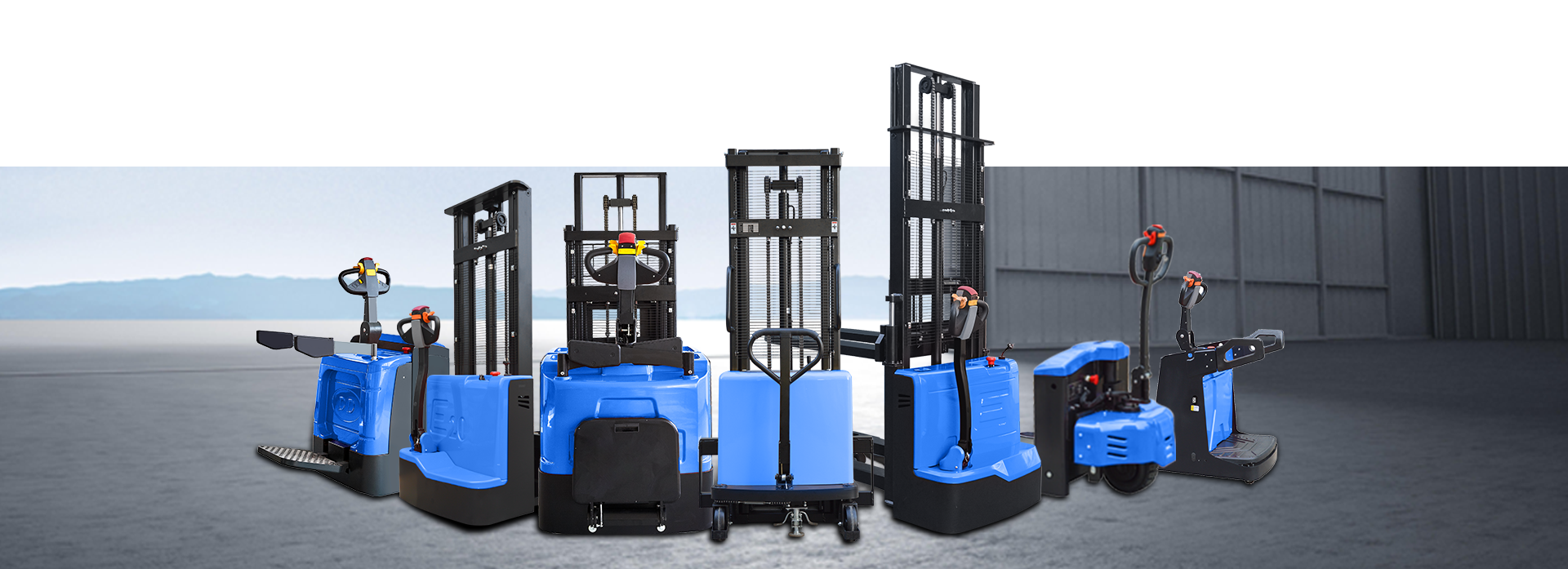
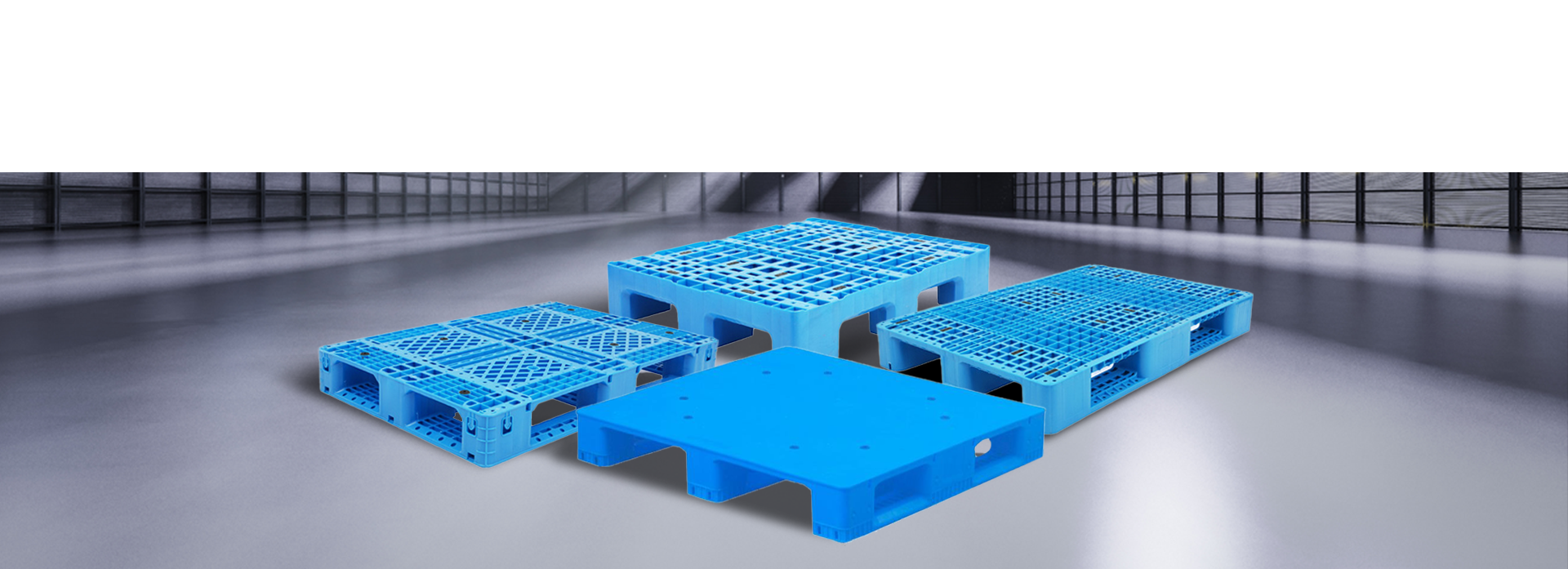
Bingo is an enterprise specializing in the production, sales, and service of warehousing and logistics equipment. Focusing on the equipment needs of various warehousing and logistics scenarios, we provide global customers with one-stop, integrated solutions for material storage and handling.
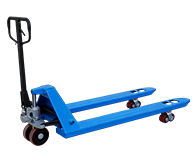
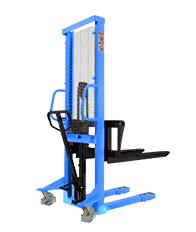
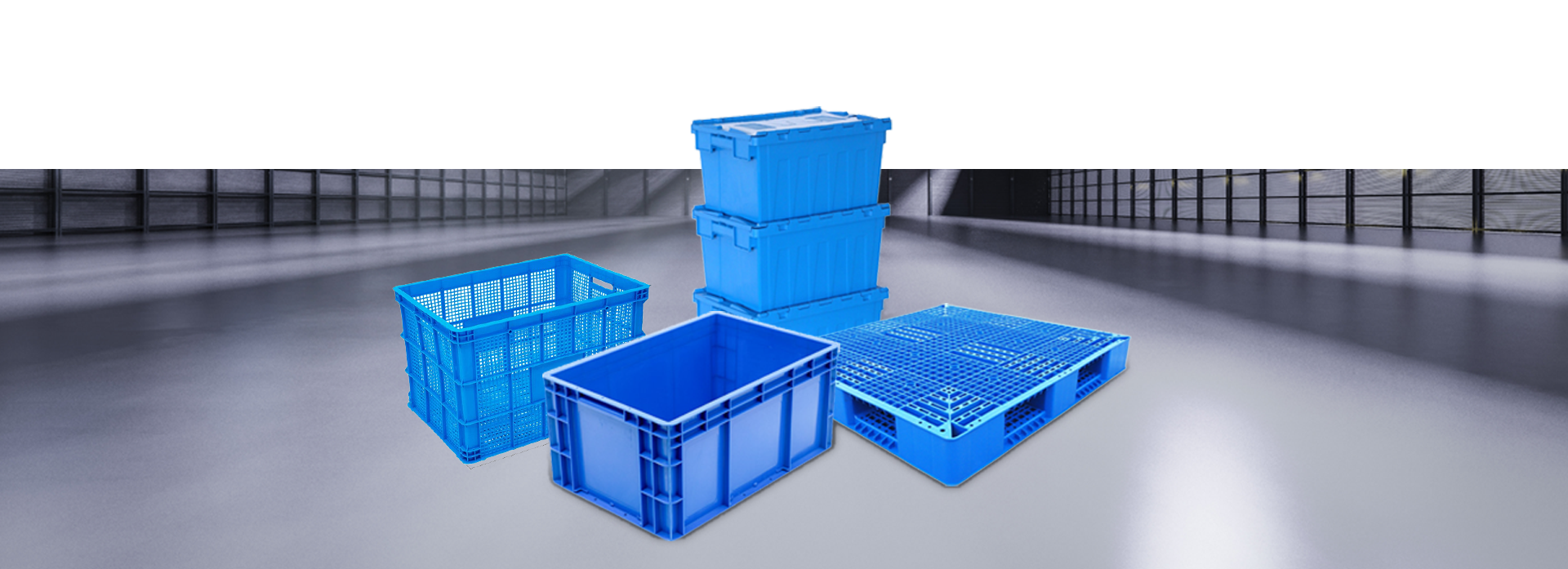
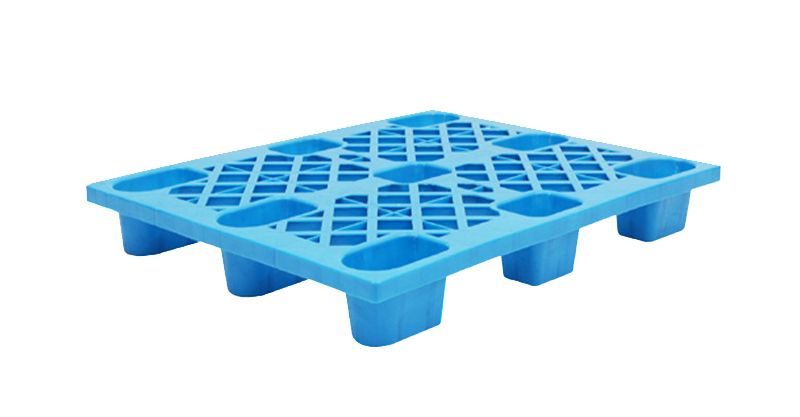
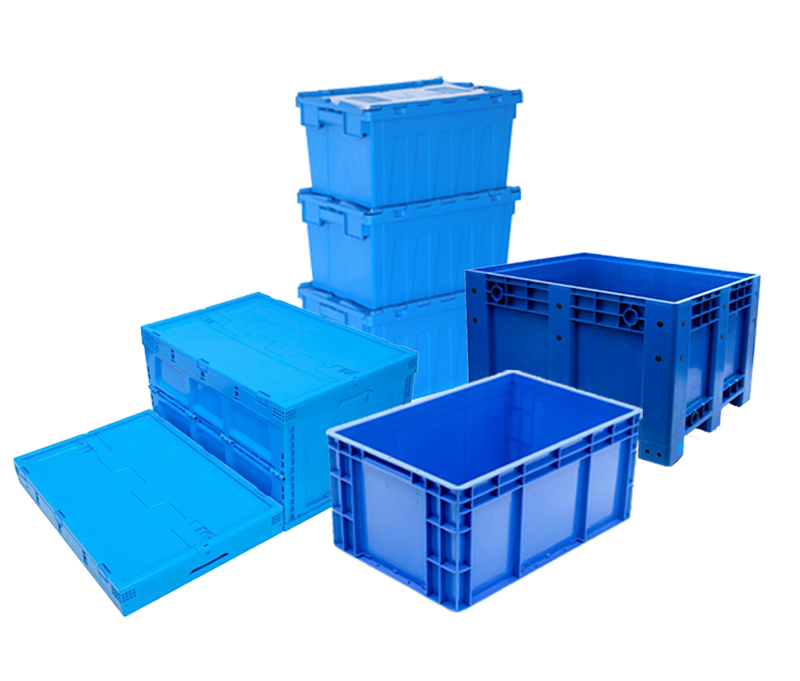
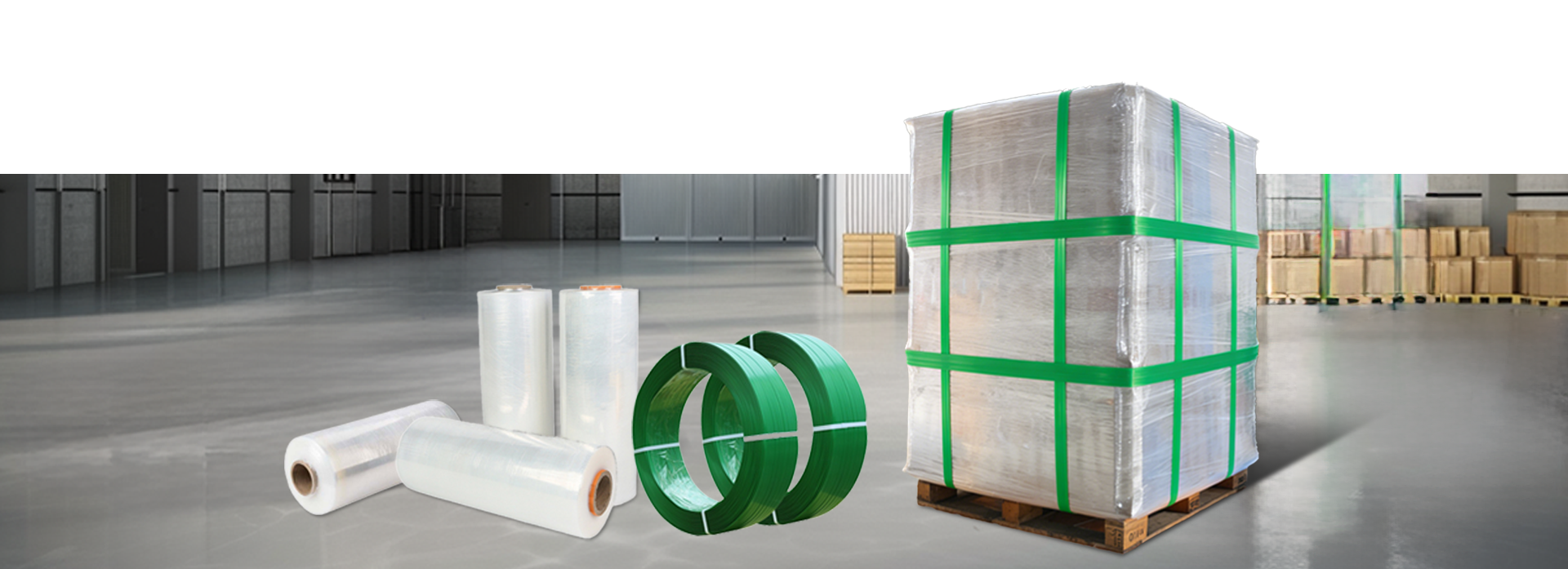
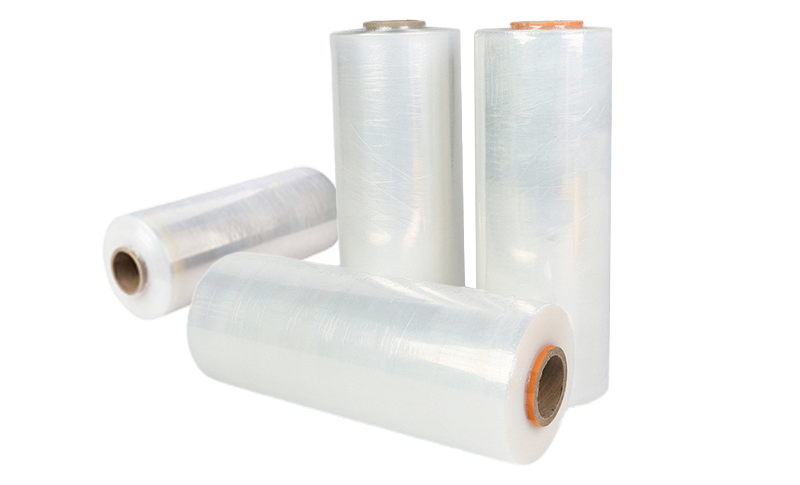
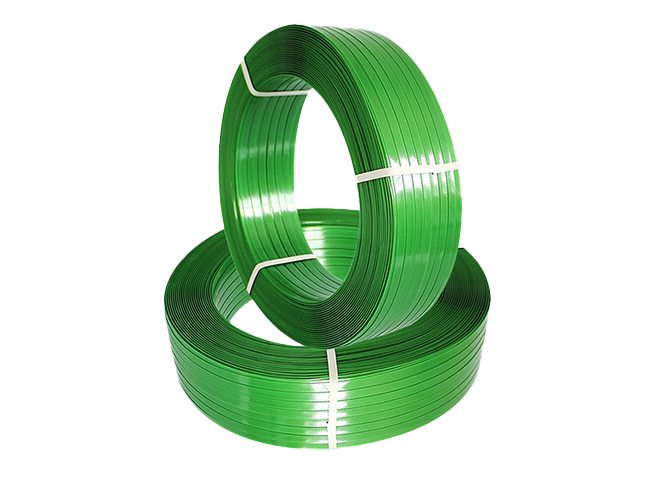
Bingo is a China OEM Three Runner Plastic Pallets Supplier and Three Runner Plastic Pallets Factory, and has built a complete warehousing and logistics equipment supply chain covering four core systems. In the field of handling equipment, we offer a full range of manual and electric pallet trucks and stackers. Our storage container line includes plastic pallets, plastic totes, crates, and bulk containers to meet diverse logistics needs. while the packaging material series provides supporting products such as stretch wrap and packing strapping. The warehousing racks series encompasses light-duty, medium-duty, and heavy-duty products of various specifications. Adhering to quality as our core value, we rely on a mature supply chain system and strict quality inspection processes to ensure that every product complies with international standards. We are committed to delivering cost-effective product solutions for industries including manufacturing, e-commerce logistics, warehousing and distribution, as well as supermarket retail.
Upholding the philosophy of "Quality First, Win-Win Cooperation", we actively expand our global market presence and are willing to join hands with partners around the world to jointly promote the intelligent and efficient development of the logistics industry.
Every warehouse supervisor knows the moment when manual pallet handling stops being workable. The heaviest pallets exceed 2500 kg, the dock staging area sits 80 meters from the storage bays, and the shift plan demands more pallet moves tha...
During a routine walkthrough at a distribution center, a warehouse manager noticed a small dent in the bottom flange of a pallet rack upright. No load was in that bay, so the dent was recorded as cosmetic. Three weeks later, a forklift gra...
Bingo Machinery, a trusted global supplier of smart warehouse handling equipment, officially launches the brand new CDDA15 1.5 ton pedestrian electric walkie stacker. This compact stacking solution is engineered for medium height pallet st...
Everything You Need to Know About Three Runner Plastic Pallets
Three runner plastic pallets are a structurally distinct and highly practical pallet format defined by three parallel longitudinal runners — solid base rails that span the full length of the pallet and provide a continuous support surface for the deck above. Unlike nine-leg pallets where load is transferred through discrete contact points, three runner plastic pallets distribute weight across the entire runner length, creating a stable, flush-base platform that performs exceptionally well on smooth warehouse floors, conveyor systems, and automated roller beds. This makes the three-runner format one of the most operationally reliable configurations in environments where surface continuity and load stability are critical.
The conclusion is straightforward: for applications requiring consistent floor contact, high racking load performance, and reliable conveyor integration, three runner plastic pallets deliver a compelling combination of structural rigidity and handling flexibility. With two-way or four-way entry options available and a range of polymer grades covering cold-chain through chemical-resistant applications, the three-runner format is a versatile workhorse across manufacturing, distribution, and logistics environments globally.
The Runner Architecture: What Sets Three Runner Pallets Apart
The defining structural feature of three runner plastic pallets is the three solid, full-length base runners — one on each outer edge and one running through the center of the pallet. These runners are typically manufactured as integral components of the injection-molded or blow-molded pallet body, forming a unified structural assembly rather than separate components bonded together. The continuous runner contact with the floor surface distributes static load across a much larger footprint area than a leg-based pallet, substantially reducing point-load pressure on warehouse flooring and reducing the risk of pallet tipping under eccentric loading conditions.
Three runner plastic pallets are typically configured for two-way fork entry — tines enter parallel to the runners from the short edges of the pallet. Variants with cross-boards or notched runners offer four-way entry capability, though at a minor reduction in runner structural continuity. For operations where consistent approach direction is predictable — such as in automated conveyor lines, selective racking bays, or defined production cell layouts — the two-way entry three-runner format offers the highest possible racking load rating of any plastic pallet format, often exceeding 3,500 kg on standard beam spans.
This horizontal bar chart compares racking load capacity across four common pallet formats on a standard 900mm beam span. Three runner plastic pallets achieve the highest racking load rating at 3,800 kg, outperforming nine-leg pallets by 36% and conventional wooden stringer pallets by over 72%. The runner architecture's continuous beam-like structure transfers load directly to racking beams with minimal mid-span deflection, which is the primary factor behind this superior racking performance. Solid-deck plastic pallets deliver respectable racking performance at 3,200 kg but sacrifice handling flexibility due to limited fork entry options. For facilities where racking load is the primary specification driver — such as high-density selective racking or drive-in systems — three runner plastic pallets offer the most structurally efficient solution in the plastic pallet family.
Material Selection for Three Runner Plastic Pallets
The performance of three runner plastic pallets is fundamentally shaped by the polymer material from which they are produced. Three primary materials dominate the market: High-Density Polyethylene (HDPE), Polypropylene (PP), and recycled polymer blends. Each offers a distinct trade-off between temperature tolerance, chemical resistance, structural stiffness, and end-of-life recyclability, and selecting the right material requires a clear understanding of the operating environment and load conditions.
HDPE three runner pallets are the preferred choice for cold-chain logistics, withstanding temperatures as low as −40°C without becoming brittle, and offering excellent impact resistance under the repeated mechanical stress of forklift engagement and conveyor transitions. PP three runner plastic pallets provide enhanced rigidity at ambient temperatures and superior resistance to acids, solvents, and alkaline chemicals — making them the specification of choice for chemical processing, pharmaceutical manufacturing, and industrial storage applications. Recycled-blend pallets serve cost-sensitive applications where the performance requirements fall within their reduced capability envelope.
Table 1: Material performance comparison for three runner plastic pallets
Property
HDPE
Polypropylene (PP)
Recycled Blend
Min. Temp. Resistance
−40°C
−20°C
−15°C
Max. Temp. Resistance
+60°C
+80°C
+55°C
Chemical Resistance
High
Very High
Medium
Impact Resistance
Very High
High
Medium
Racking Rigidity
High
Very High
Medium
Service Life
10+ years
8–10 years
5–7 years
Recyclability
100%
100%
Partial
Three Runner vs. Nine Feet Plastic Pallets: Choosing the Right Format
The choice between three runner plastic pallets and nine-feet (nine-leg) plastic pallets is one of the most common procurement decisions in industrial logistics, and the right answer depends entirely on the specific operational context. Both formats share the core advantages of plastic — hygiene, durability, dimensional consistency, and recyclability — but differ fundamentally in load distribution geometry, handling flexibility, and racking performance.
Three runner plastic pallets excel in high-racking-load applications where the pallet must bridge standard beam spans carrying heavy goods without deflection. Their runner geometry creates an effective structural beam that minimizes mid-span sag — a critical requirement in high-bay selective racking, drive-in racking, and push-back racking systems where beam spans of 800–1100mm are standard. Nine-feet pallets, by contrast, provide superior four-way handling flexibility and are better suited to operations where forklift approach direction is variable — such as cross-docking terminals, retail distribution, and any facility without fixed approach lanes.
For automated conveyor and AS/RS environments, three runner plastic pallets often offer an advantage: their flat runner bases create consistent, predictable contact with roller conveyor beds, reducing the risk of pallet rocking or jamming that can occur with leg-based pallets on worn roller surfaces. In facilities that combine both racking storage and conveyor transport, the three runner format frequently proves the more technically aligned choice.
This radar chart presents a six-axis performance comparison between three runner plastic pallets and nine feet plastic pallets across the dimensions most relevant to industrial selection decisions. Three runner plastic pallets dominate the racking load, floor stability, and conveyor integration axes — reflecting their continuous runner geometry and beam-like structural performance in storage and transport applications. Nine feet plastic pallets lead on handling flexibility, a direct consequence of their four-way entry configuration that accommodates variable forklift approach angles. Hygiene and durability scores are comparable across both formats, as both benefit equally from the inherent properties of HDPE and PP polymer materials. The radar visualization confirms that format selection should be driven by the operational profile of the facility: racking-intensive and conveyor-driven operations favor the three runner format, while multi-directional handling environments favor the nine-leg configuration.
Standard Sizes, Deck Configurations, and Entry Options
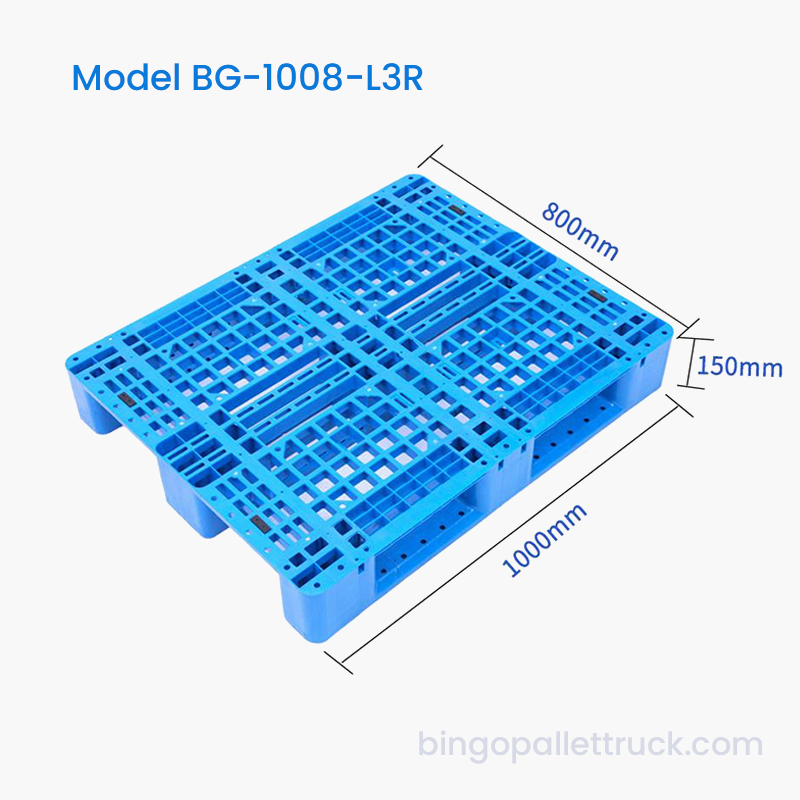
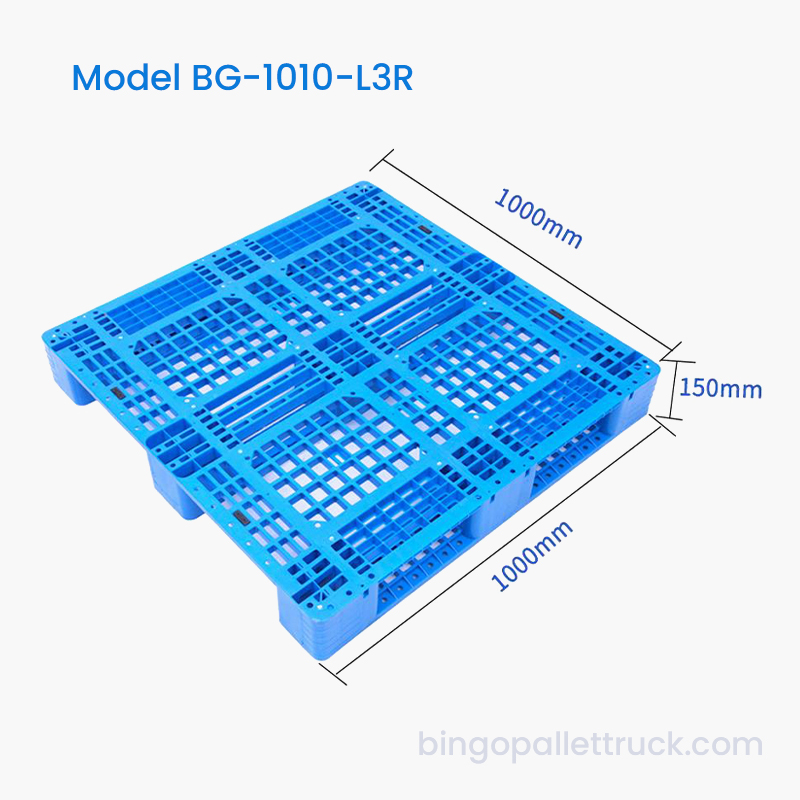
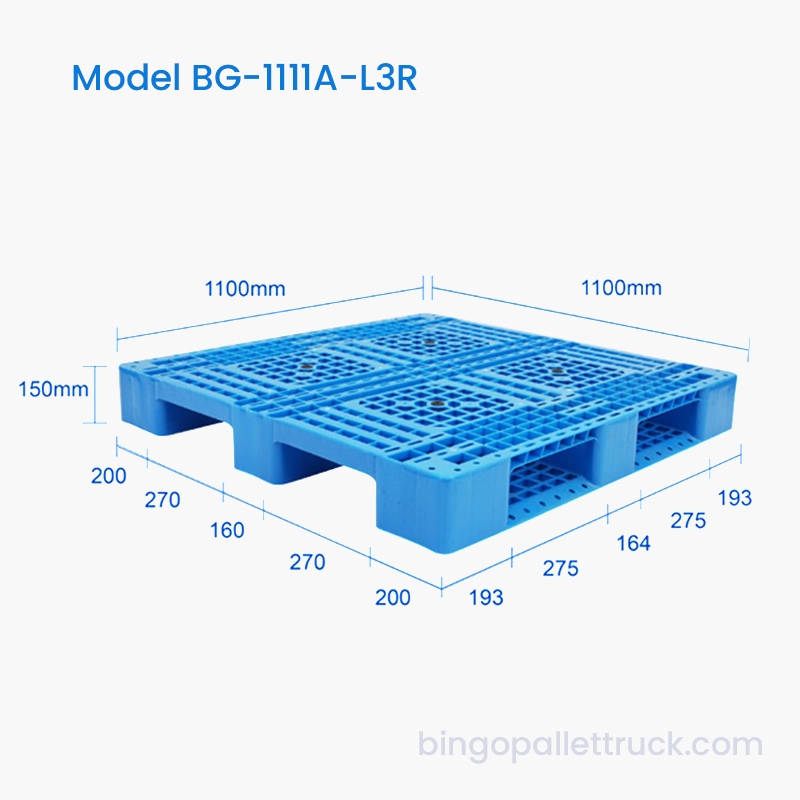
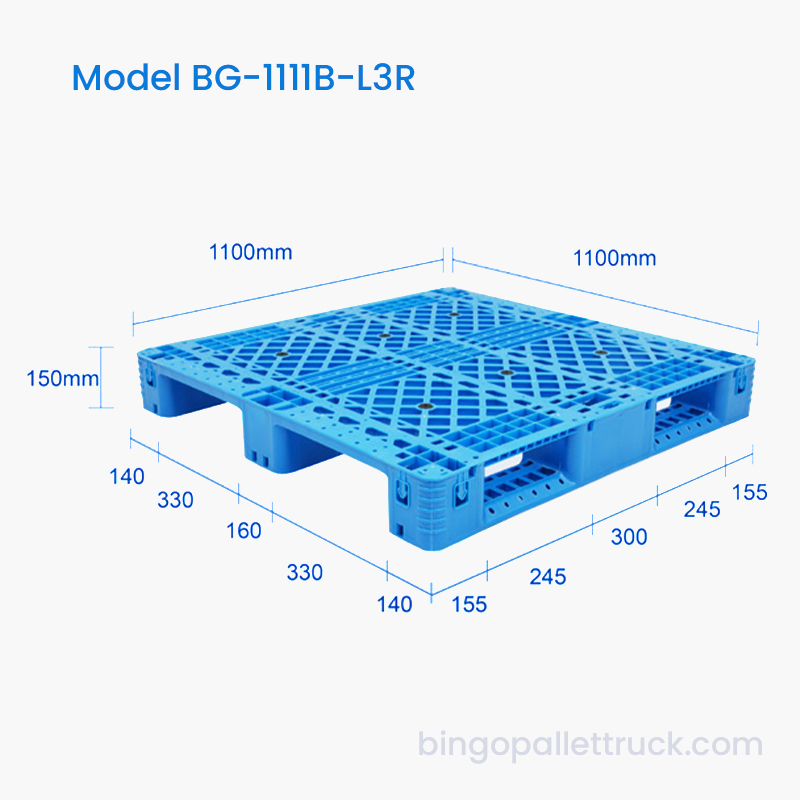
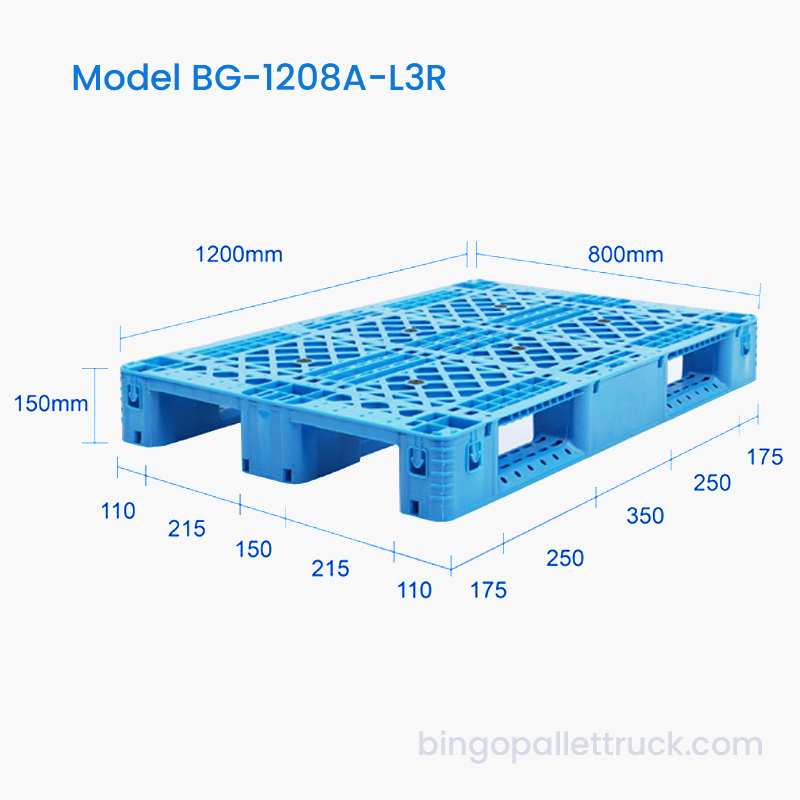
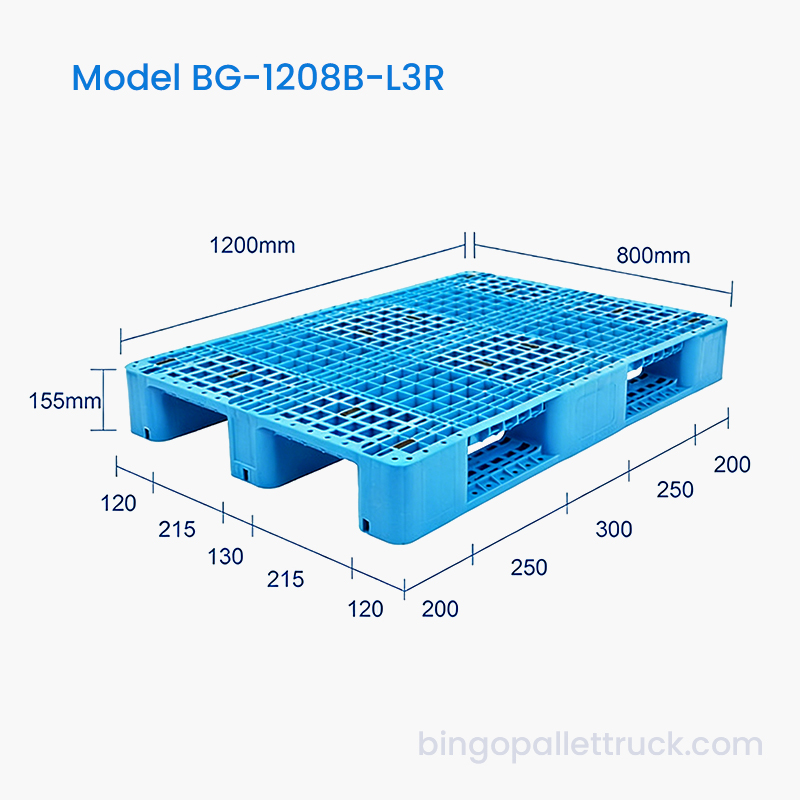
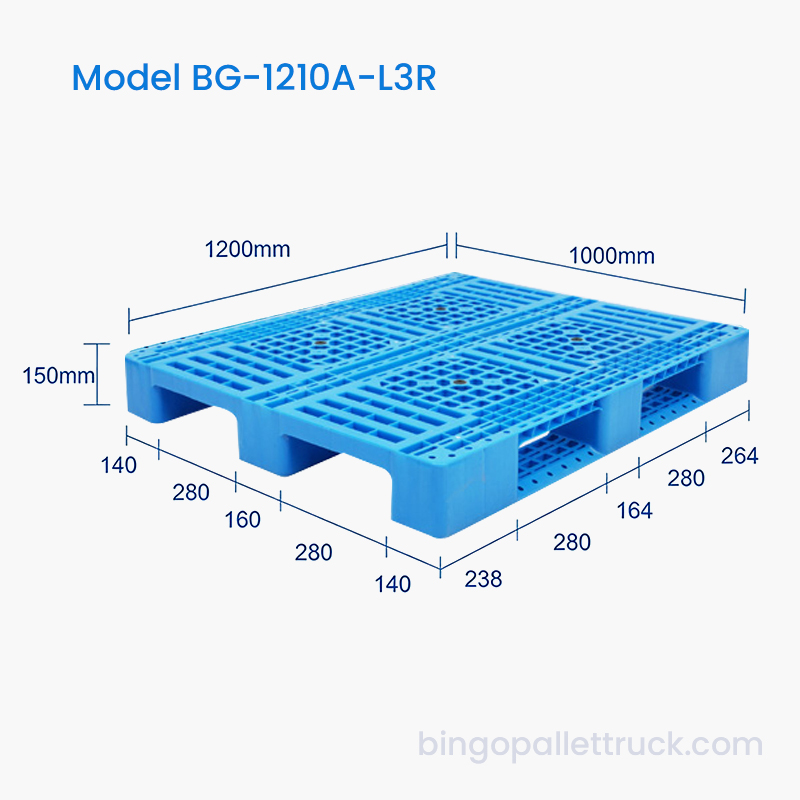
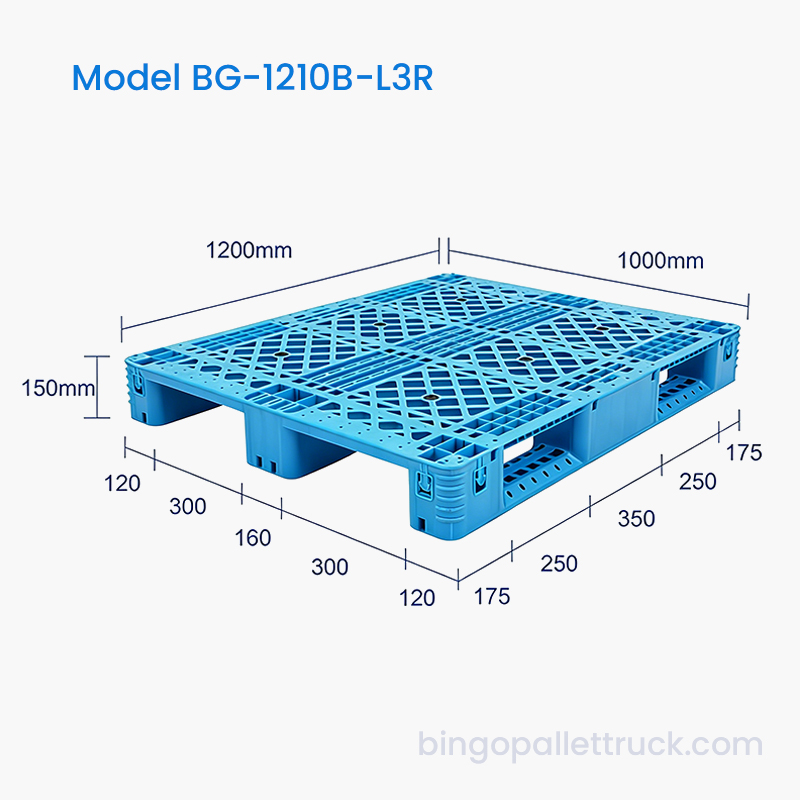
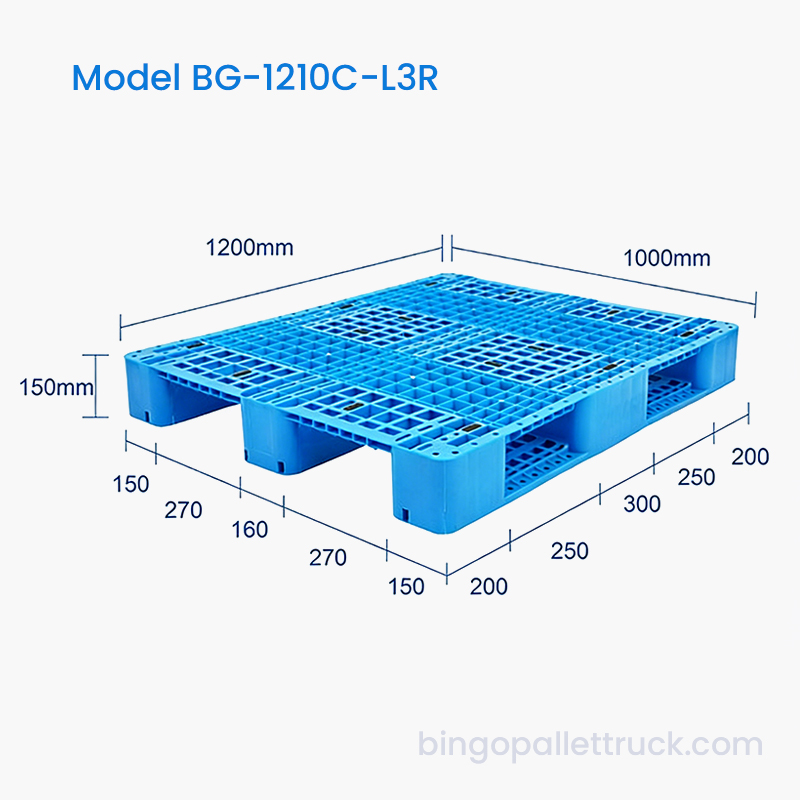
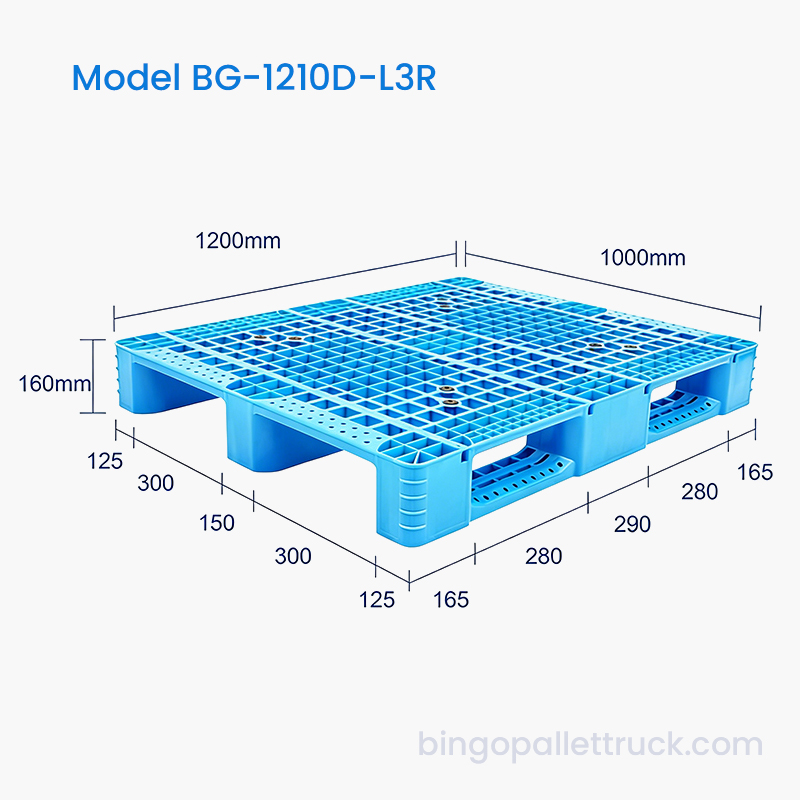
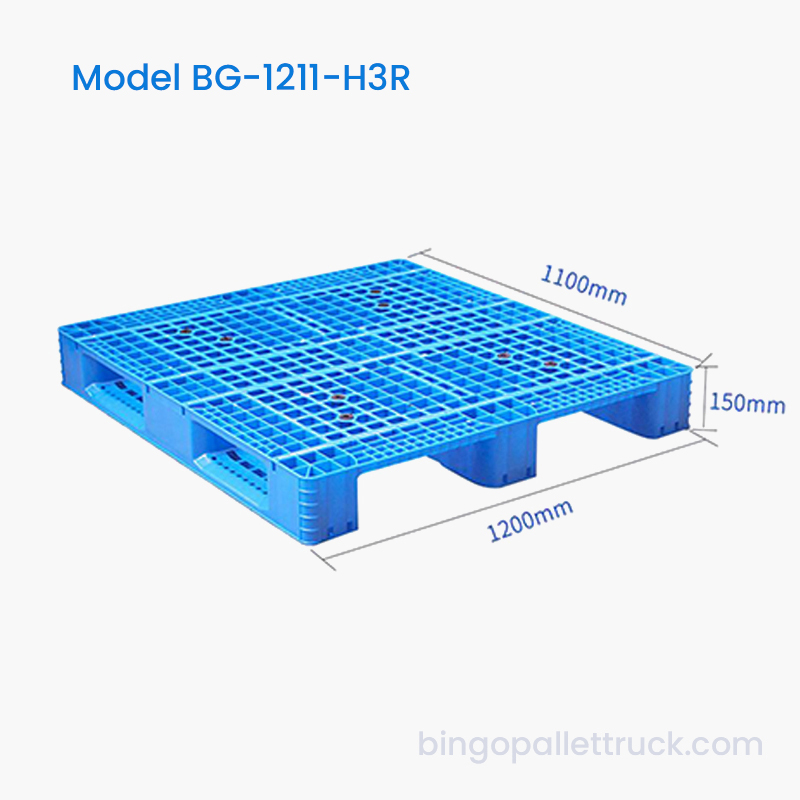
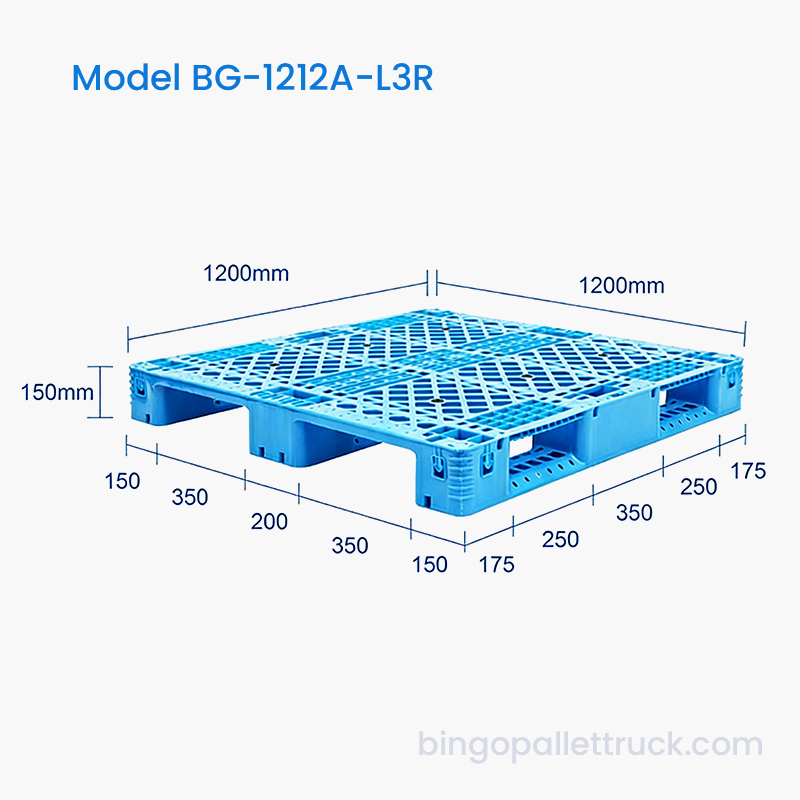
Three runner plastic pallets are available in the full range of standard international pallet footprints, as well as in custom dimensions for application-specific deployments. The most common standard formats are the 1200×1000mm industrial pallet, the 1200×800mm EUR-format pallet, and the 1200×1200mm square pallet — all of which are compatible with standard selective racking, drive-in racking, and the majority of conveyor systems operating globally. The runner orientation runs along the long axis of the pallet in most standard configurations, with fork tines entering parallel to the runners from the short (800mm or 1000mm) edges.
Deck surface options for three runner plastic pallets include solid (closed) deck, perforated deck for ventilation and weight reduction, and ribbed or textured surfaces for anti-slip performance under unstable or top-heavy loads. Runner height — which determines fork and hand pallet jack clearance — typically ranges from 100mm to 150mm, with the specific height selected based on the handling equipment in use. Bingo offers three runner plastic pallets with adjustable runner height specifications to match any standard forklift or hand jack tine geometry.
Table 2: Standard three runner plastic pallet sizes, load ratings, and primary applications
Pallet Size (mm)
Static Load (kg)
Racking Load (kg)
Primary Sectors
1200×1000
Up to 5,500 kg
Up to 3,800 kg
Automotive, chemical, general warehousing
1200×800
Up to 4,500 kg
Up to 3,200 kg
Food and beverage, retail distribution
1200×1200
Up to 6,000 kg
Up to 4,000 kg
Heavy industry, bulk storage, export
Custom
Per specification
Per specification
Pharma, cleanroom, automated lines
Industry Applications Where Three Runner Plastic Pallets Excel
The structural and handling characteristics of three runner plastic pallets make them the preferred choice across a specific set of high-demand industries. Understanding where this format delivers maximum value helps procurement teams make informed fleet decisions rather than defaulting to the most common pallet type.
Heavy Industrial Manufacturing and Automotive
In automotive parts warehouses and heavy manufacturing storage facilities, three runner plastic pallets are specified for their superior racking load performance and resistance to the concentrated loads created by dense metal components. Engine blocks, transmission assemblies, and stamped body panels routinely require pallet racking loads of 2,500–4,000 kg — a range that three runner plastic pallets handle comfortably while maintaining deck flatness and structural integrity over hundreds of cycles.
Chemical and Hazardous Materials Storage
PP-grade three runner plastic pallets are the specification of choice for chemical storage environments due to their resistance to a broad spectrum of industrial solvents, acids, and alkalis. The closed-runner profile prevents liquid ingress into the pallet body, supporting spill containment protocols and facilitating decontamination cleaning after chemical exposure. Unlike wooden stringer pallets — which absorb chemical spills and create hazardous waste classification problems — three runner plastic pallets can be fully decontaminated and returned to service after chemical contact.
Cold Storage and Frozen Food Distribution
HDPE three runner plastic pallets maintain full structural integrity at temperatures as low as −40°C, making them the preferred platform for frozen food distribution, pharmaceutical cold chains, and industrial cold stores. Wooden pallets become progressively brittle and prone to splitting at sub-zero temperatures, creating pallet failure risks that are eliminated by HDPE's cold-temperature impact resistance. The smooth runner surfaces of plastic pallets also prevent frost accumulation patterns that can cause wooden pallets to adhere to freezer floors — a common operational problem in high-turnover cold stores.
Automated Conveyor and AS/RS Integration
The flat, continuous base surface of three runner plastic pallets creates reliable contact with roller conveyors and chain transfer systems without the rocking or instability that can occur with leg-based pallets on worn rollers. This makes them a technically preferred format for automated facilities where conveyor speed and throughput depend on consistent, predictable pallet behavior at every transfer point. The dimensional precision of injection-molded three runner plastic pallets — held to ±0.5mm tolerances — ensures consistent engagement with racking cranes and automated transfer cars in high-bay AS/RS installations.
This column chart illustrates the prevalence of three runner plastic pallets across five key industry sectors. Cold-chain logistics shows the highest usage rate at 91%, reflecting the critical importance of HDPE's low-temperature performance and the clean, continuous runner surface that prevents ice adhesion on freezer floors. AS/RS integration follows at 87%, driven by the consistent conveyor contact and dimensional precision that three runner formats provide in automated environments. Automotive reaches 84% — a rate tied to high racking load requirements and the need for reliable repeated cycling on transfer lines. Chemical and general warehousing also show strong adoption, confirming that three runner plastic pallets serve a broad operational base beyond their core high-performance applications.
Market Growth and Industry Trends for Three Runner Plastic Pallets
The global market for three runner plastic pallets has expanded consistently over the past six years, driven by the convergence of warehouse automation investment, food safety and pharmaceutical compliance mandates, and supply chain sustainability objectives. The overall plastic pallet market was estimated at USD 6.5 billion in 2024, with the three-runner segment representing approximately 22–26% of total plastic pallet volume — a share that has grown from under 15% a decade ago as racking-intensive warehouse formats have become more prevalent.
Growth is particularly strong in Asia-Pacific markets where expanding cold-chain infrastructure for pharmaceutical and frozen food distribution is creating large-scale demand for HDPE three runner pallets. European markets are driven by food safety regulation upgrades and increasing AS/RS deployment in fast-moving consumer goods (FMCG) distribution. North American growth is concentrated in automotive just-in-time supply chains and chemical sector compliance-driven replacements of wooden pallet fleets.
This line chart tracks global shipment volumes for three runner plastic pallets from 2018 to 2024, illustrating robust and accelerating growth from 22 million units in 2018 to 56 million units in 2024 — a 155% increase over six years. The acceleration between 2021 and 2024 is particularly notable, coinciding with the global surge in AS/RS and cold-chain infrastructure investment following supply chain disruptions and post-pandemic logistics network restructuring. The compound annual growth rate (CAGR) of approximately 17% over this period significantly outpaces the overall plastic pallet market, reflecting the three-runner format's growing structural fit with modern automated and high-racking-density warehousing. Analysts project continued double-digit growth through 2027 as pharmaceutical and frozen food distribution networks in Asia-Pacific and Latin America expand their cold-chain capacity. This trajectory positions three runner plastic pallets as one of the most dynamically growing segments within the broader material handling equipment market.
Sustainability and Total Cost of Ownership
Three runner plastic pallets deliver a strong sustainability profile across multiple dimensions. HDPE and PP are 100% recyclable at end of service life — granulated material re-enters the polymer production stream with no material quality loss, supporting true closed-loop recycling. In contrast, wooden stringer pallets that have been exposed to chemicals, food residue, or moisture cannot be recycled and typically end as landfill or incineration waste.
From a total cost of ownership perspective, three runner plastic pallets consistently outperform wood across multi-year fleet analysis. A fleet of 1,000 three runner plastic pallets with a 10-year service life and under 3% annual repair rate will typically generate lifecycle costs approximately 40–50% lower than an equivalent wooden stringer pallet fleet that requires replacement every 2–3 years, annual repair rates of 15–25%, and ISPM-15 treatment costs for every cross-border shipment. For high-throughput operations conducting hundreds of racking cycles per pallet per year, the durability advantage of the three-runner plastic format translates directly into measurable CAPEX and OPEX savings.
10+ year service life vs. 2–3 years for wooden stringer pallets under comparable conditions.
No ISPM-15 treatment required — simplifies cross-border export documentation and eliminates fumigation or heat-treatment costs.
100% HDPE/PP recyclability at end of life — supports circular economy procurement policies and Scope 3 emissions reduction reporting.
Sanitizable surfaces — no residual contamination risk, reducing product loss and hygiene audit non-conformances.
Consistent dimensional tolerance — eliminates conveyor jams and automated handling faults that generate hidden downtime costs.
About Bingo
Bingo is an enterprise specializing in the production, sales and service of warehousing and logistics equipment. Focusing on the equipment needs of various warehousing and logistics scenarios, Bingo provides global customers with one-stop, integrated solutions for material storage and handling. With deep expertise in three runner plastic pallets, nine-feet pallets, racking systems, and automated warehouse integration, Bingo serves industrial clients across automotive, pharmaceutical, food and beverage, chemical, and cold-chain sectors worldwide. Our vertically integrated manufacturing capability — from polymer material selection through mold engineering, injection molding production, dimensional certification, and load testing — ensures that every three runner plastic pallet delivered meets precise specifications and performs reliably across its full design service life.
Frequently Asked Questions
Q1. What does "three runner" mean in a plastic pallet?
A: "Three runner" refers to the three solid, full-length longitudinal base rails — one on each outer edge and one through the center — that support the pallet deck. These runners create continuous contact with the floor or racking beams, providing superior racking load performance and floor stability compared to leg-based pallet formats.
Q2. Are three runner plastic pallets compatible with hand pallet jacks?
A: Standard two-way three runner plastic pallets allow hand pallet jack entry from the two short-edge directions (parallel to the runners). Four-way entry variants with notched runners or cross-boards also accommodate fork entry from the long edges, providing full hand jack and forklift access from all sides.
Q3. What racking load can three runner plastic pallets support?
A: On a standard 900mm beam span, three runner plastic pallets typically support 3,200–3,800 kg racking load for standard HDPE/PP grades, and up to 4,000 kg for reinforced variants. The exact rating depends on material grade, runner cross-section, and beam span. Bingo provides full load certification documentation for each pallet model.
Q4. Are three runner plastic pallets suitable for frozen food and cold storage?
A: HDPE three runner plastic pallets are specifically well-suited for cold-chain applications, maintaining full structural integrity at temperatures down to −40°C. Unlike wooden pallets, they do not absorb moisture, become brittle at low temperatures, or adhere to frozen floors — making them the recommended specification for blast-freezing tunnels, cold stores, and frozen food distribution networks.
Q5. Can three runner plastic pallets be used in automated conveyor systems?
A: Yes. The flat, continuous runner base of three runner plastic pallets provides reliable, stable contact with roller and chain conveyors, reducing rocking and jam events compared to leg-based formats. Their injection-molded ±0.5mm dimensional tolerances ensure consistent engagement with conveyor guides, racking cranes, and automated transfer systems in AS/RS installations.
Q6. What standard sizes does Bingo offer for three runner plastic pallets?
A: Bingo offers three runner plastic pallets in standard sizes including 1200×1000mm, 1200×800mm, and 1200×1200mm, as well as fully custom dimensions for specific equipment interfaces. Both solid-deck and perforated-deck configurations are available, with HDPE, PP, and recycled-blend material options across all sizes.

 en
en  Español