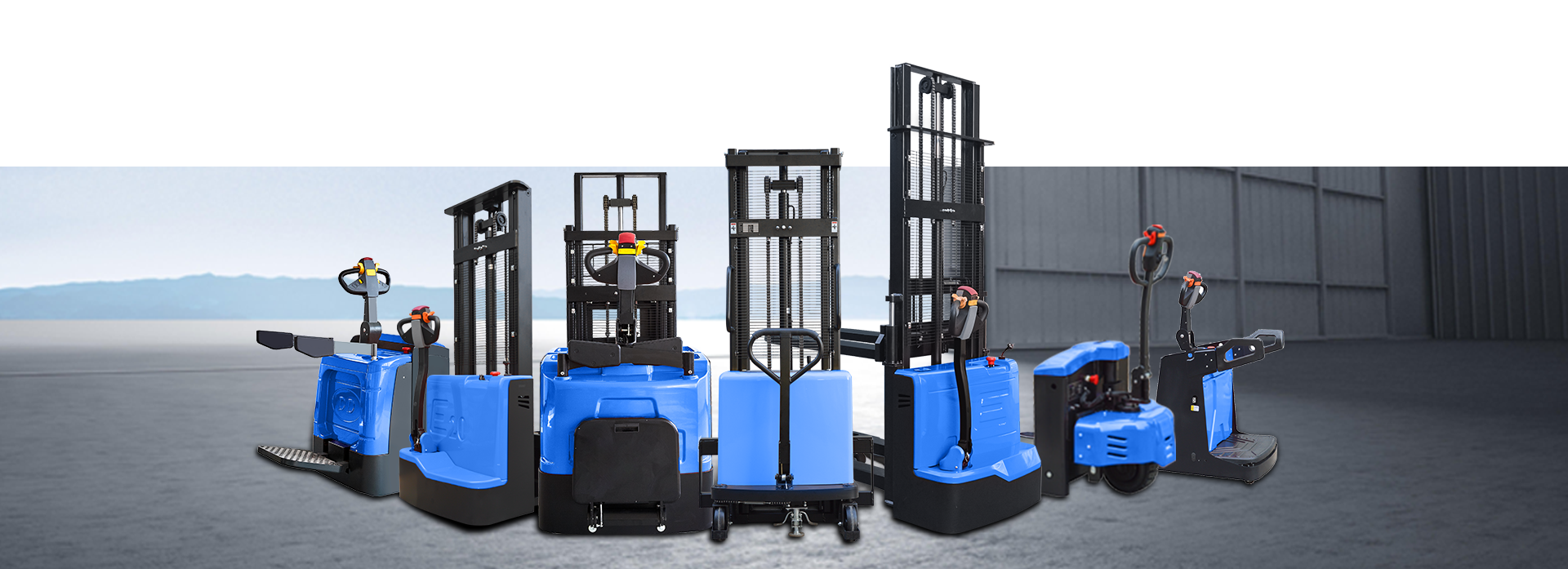
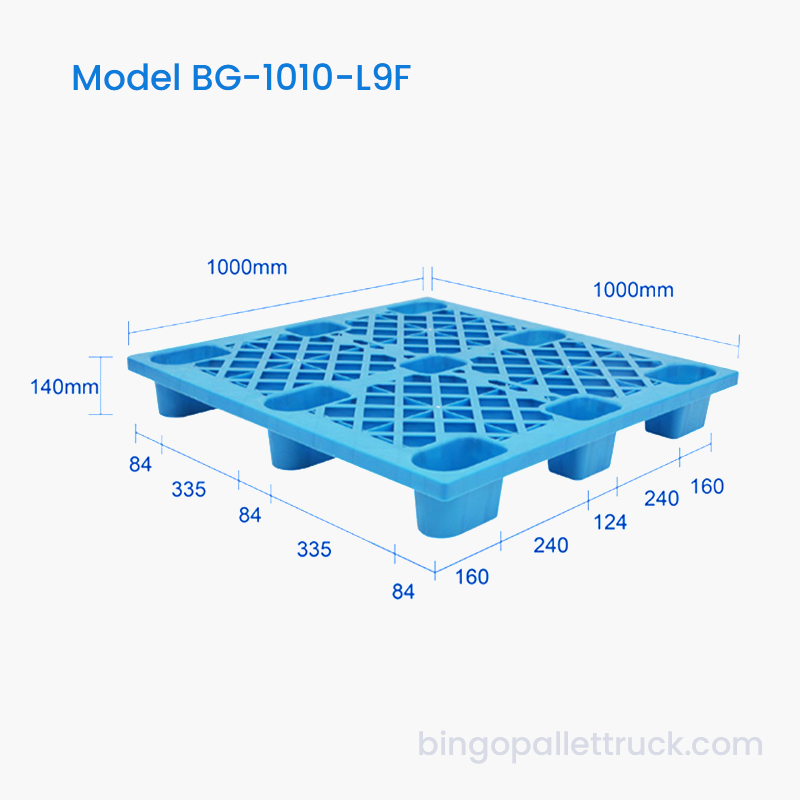
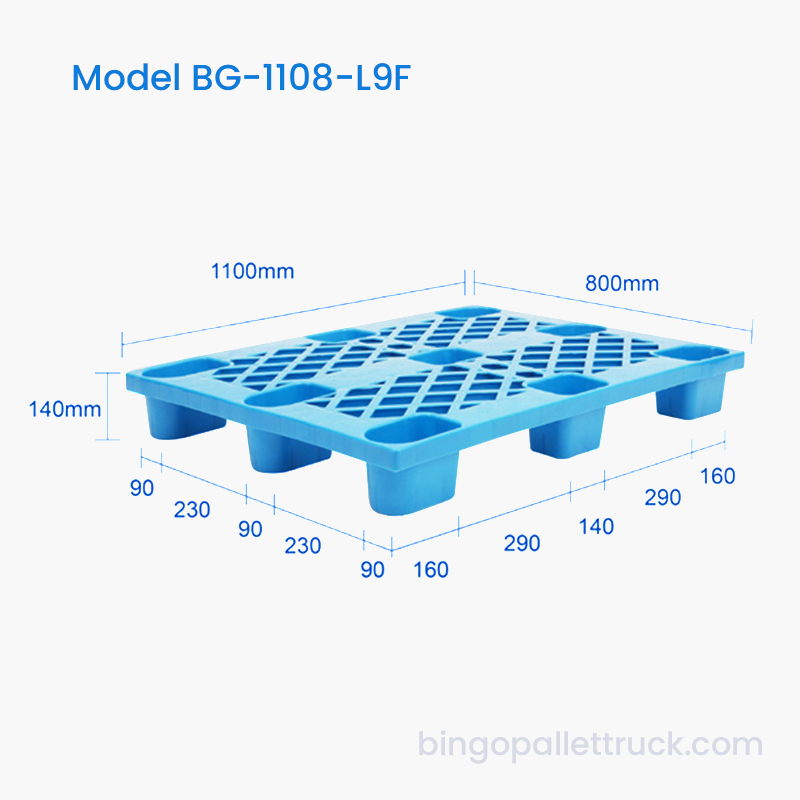
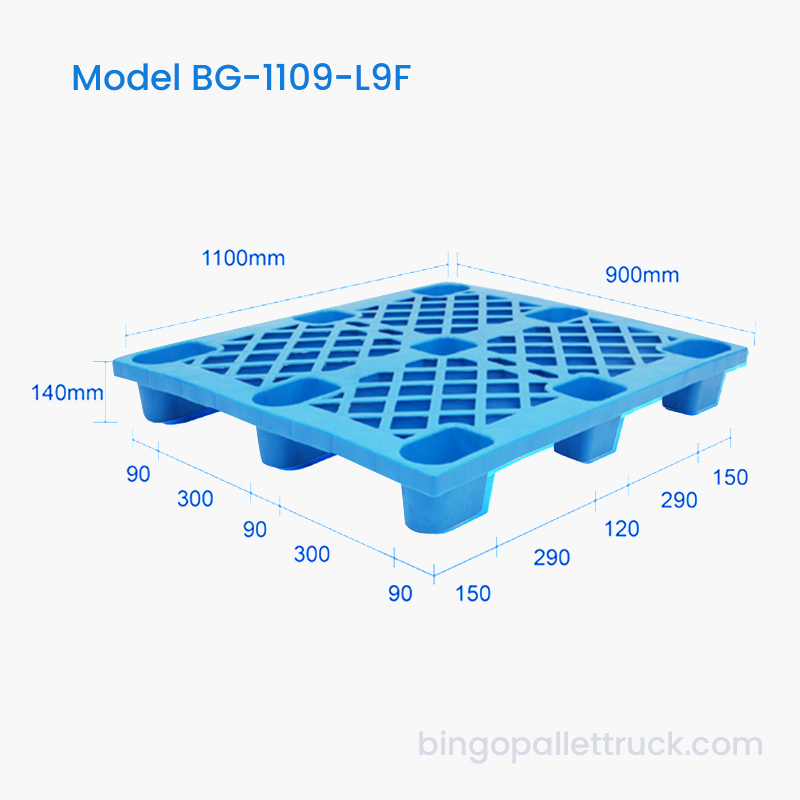
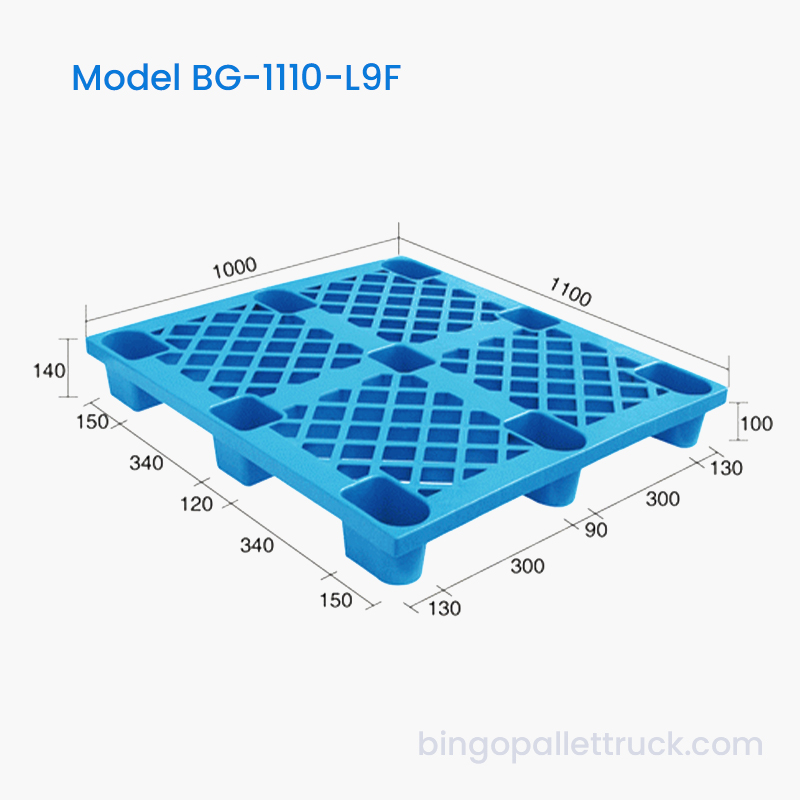
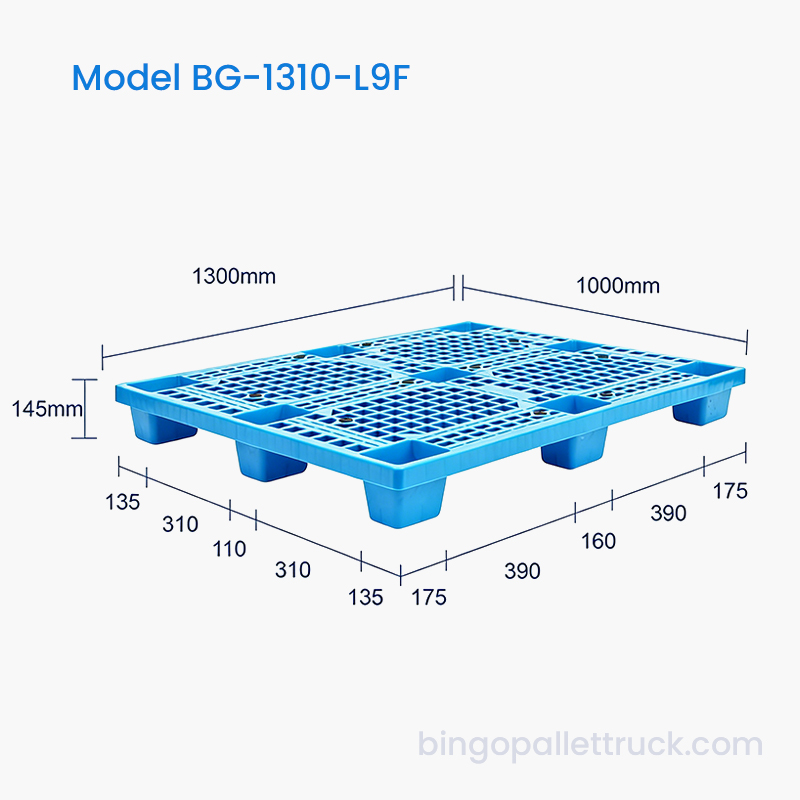
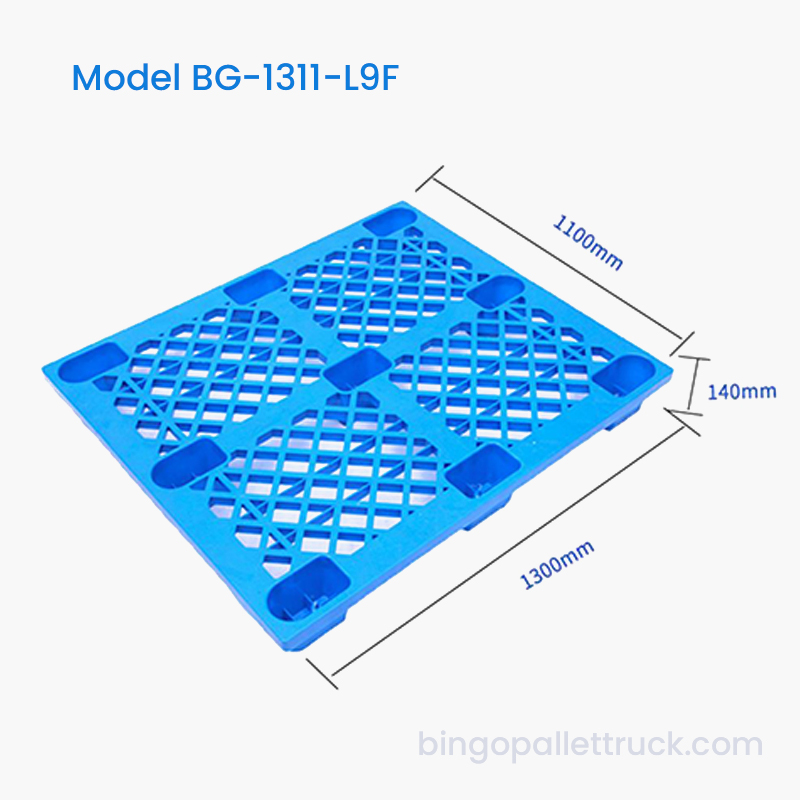
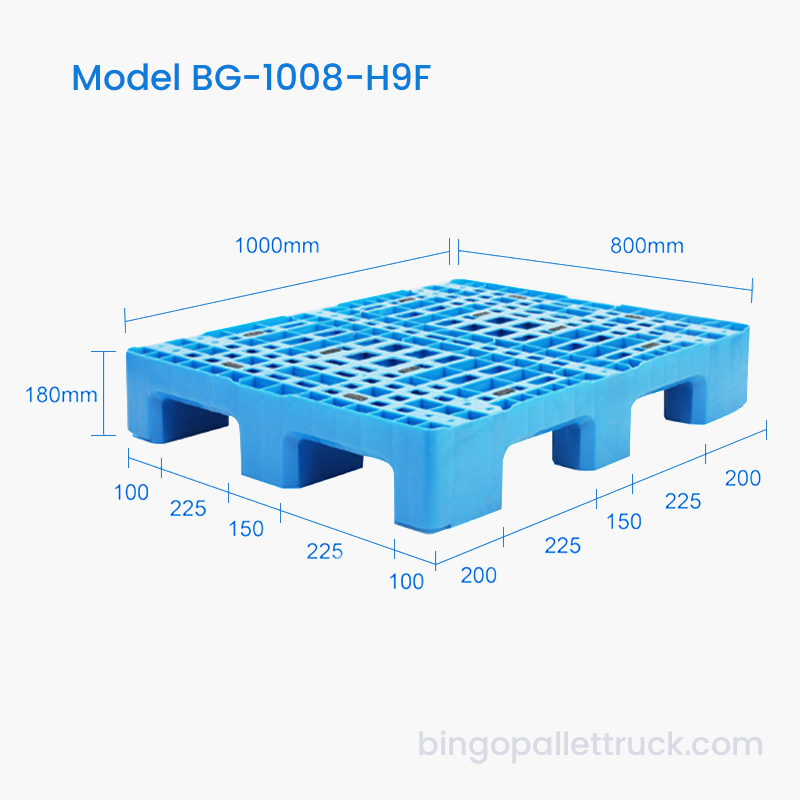
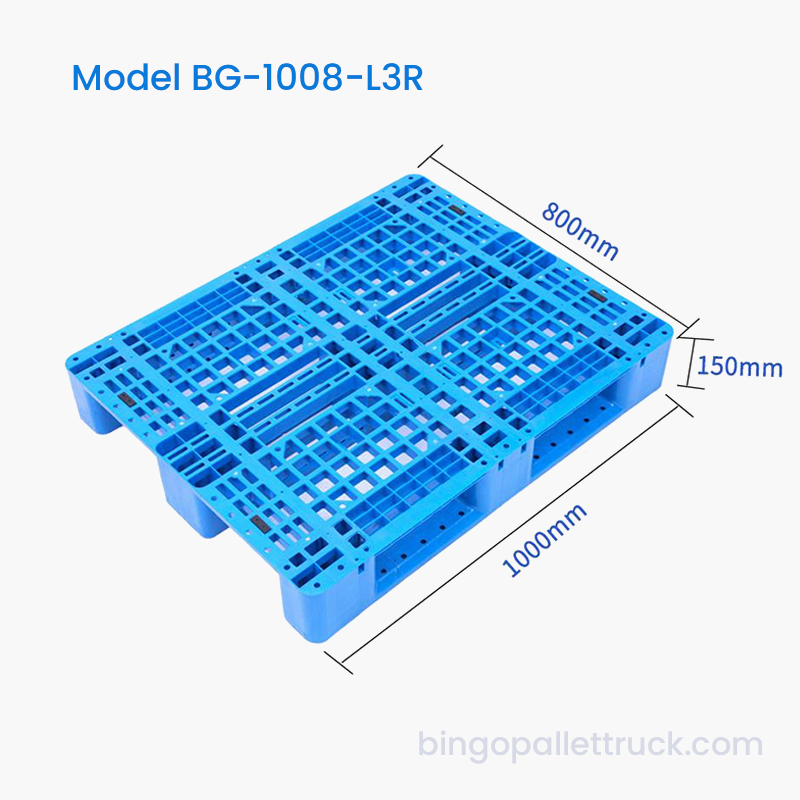
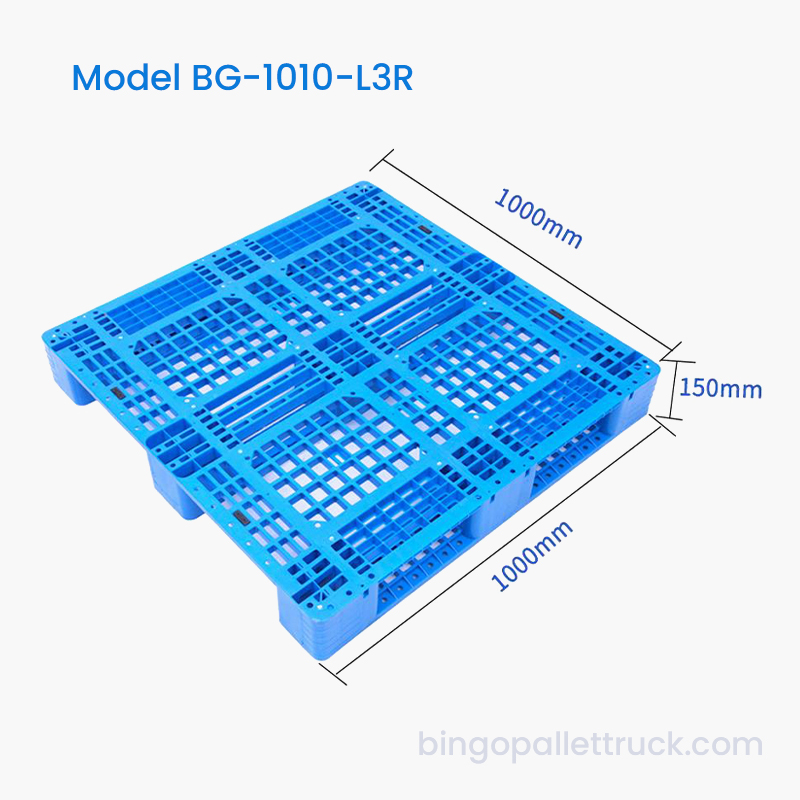
Bingo is an enterprise specializing in the production, sales, and service of warehousing and logistics equipment. Focusing on the equipment needs of various warehousing and logistics scenarios, we provide global customers with one-stop, integrated solutions for material storage and handling.
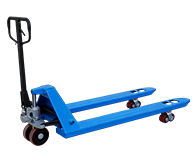
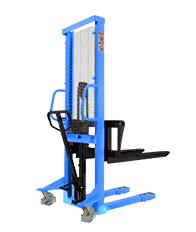
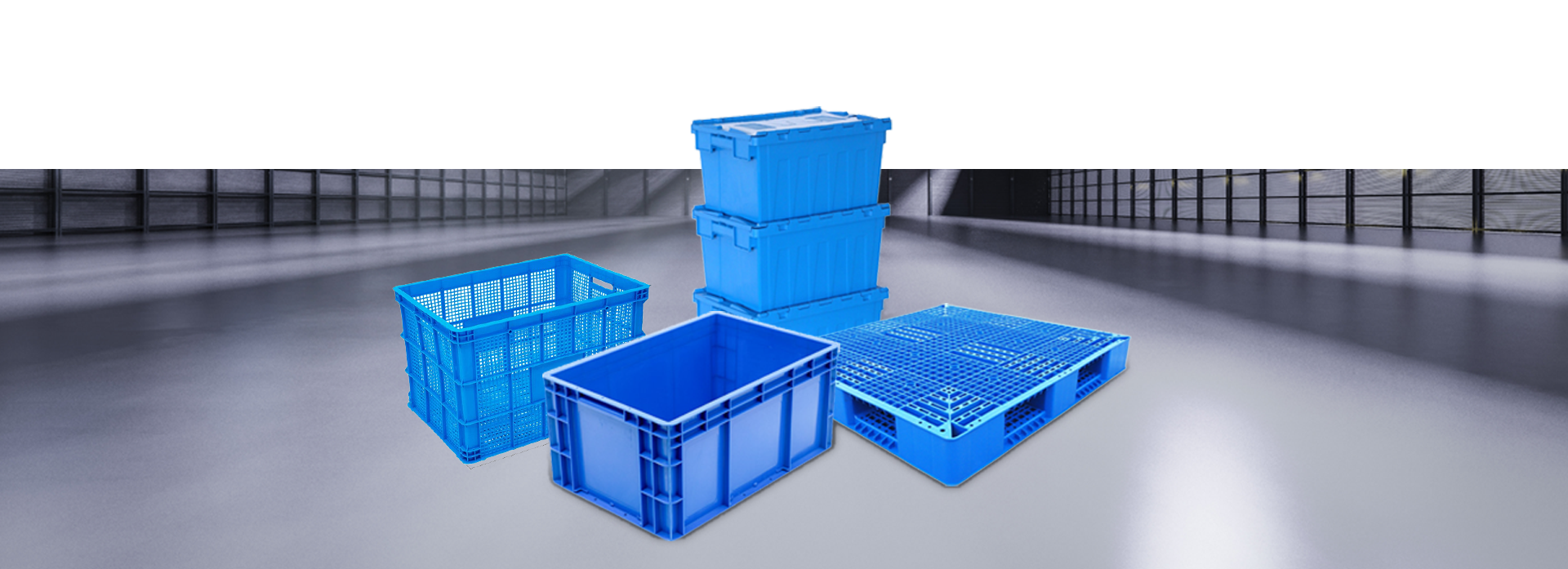
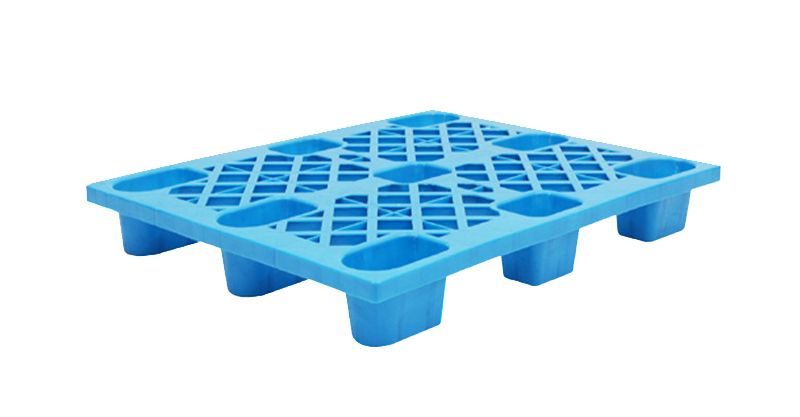
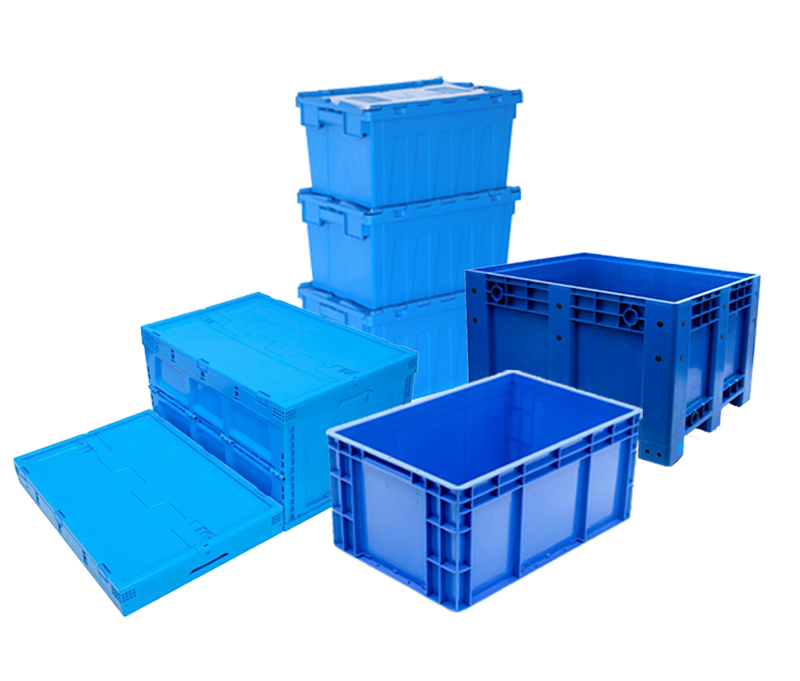
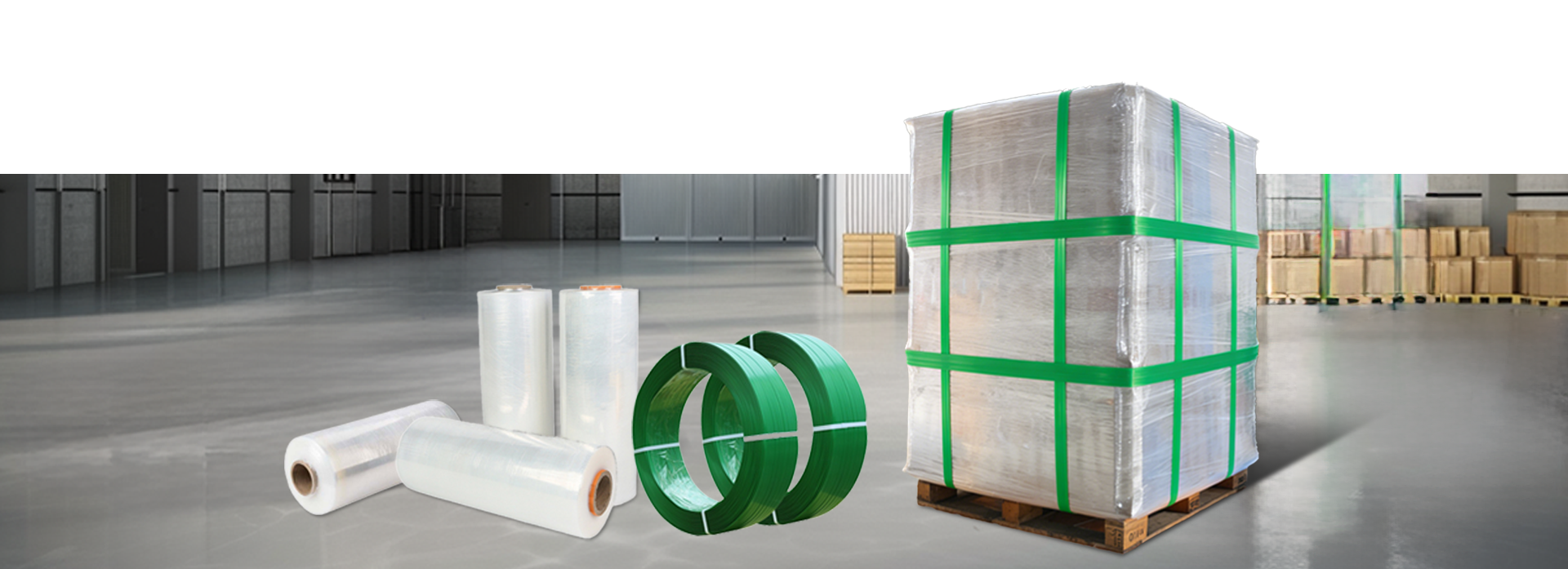
Bingo is a China Custom Sizes Plastic Pallets Supplier and Custom Sizes Plastic Pallets Factory, and has built a complete warehousing and logistics equipment supply chain covering four core systems. In the field of handling equipment, we offer a full range of manual and electric pallet trucks and stackers. Our storage container line includes plastic pallets, plastic totes, crates, and bulk containers to meet diverse logistics needs. while the packaging material series provides supporting products such as stretch wrap and packing strapping. The warehousing racks series encompasses light-duty, medium-duty, and heavy-duty products of various specifications. Adhering to quality as our core value, we rely on a mature supply chain system and strict quality inspection processes to ensure that every product complies with international standards. We are committed to delivering cost-effective product solutions for industries including manufacturing, e-commerce logistics, warehousing and distribution, as well as supermarket retail.
Upholding the philosophy of "Quality First, Win-Win Cooperation", we actively expand our global market presence and are willing to join hands with partners around the world to jointly promote the intelligent and efficient development of the logistics industry.
Every warehouse supervisor knows the moment when manual pallet handling stops being workable. The heaviest pallets exceed 2500 kg, the dock staging area sits 80 meters from the storage bays, and the shift plan demands more pallet moves tha...
During a routine walkthrough at a distribution center, a warehouse manager noticed a small dent in the bottom flange of a pallet rack upright. No load was in that bay, so the dent was recorded as cosmetic. Three weeks later, a forklift gra...
Bingo Machinery, a trusted global supplier of smart warehouse handling equipment, officially launches the brand new CDDA15 1.5 ton pedestrian electric walkie stacker. This compact stacking solution is engineered for medium height pallet st...
Everything You Need to Know About Custom Sizes Plastic Pallets
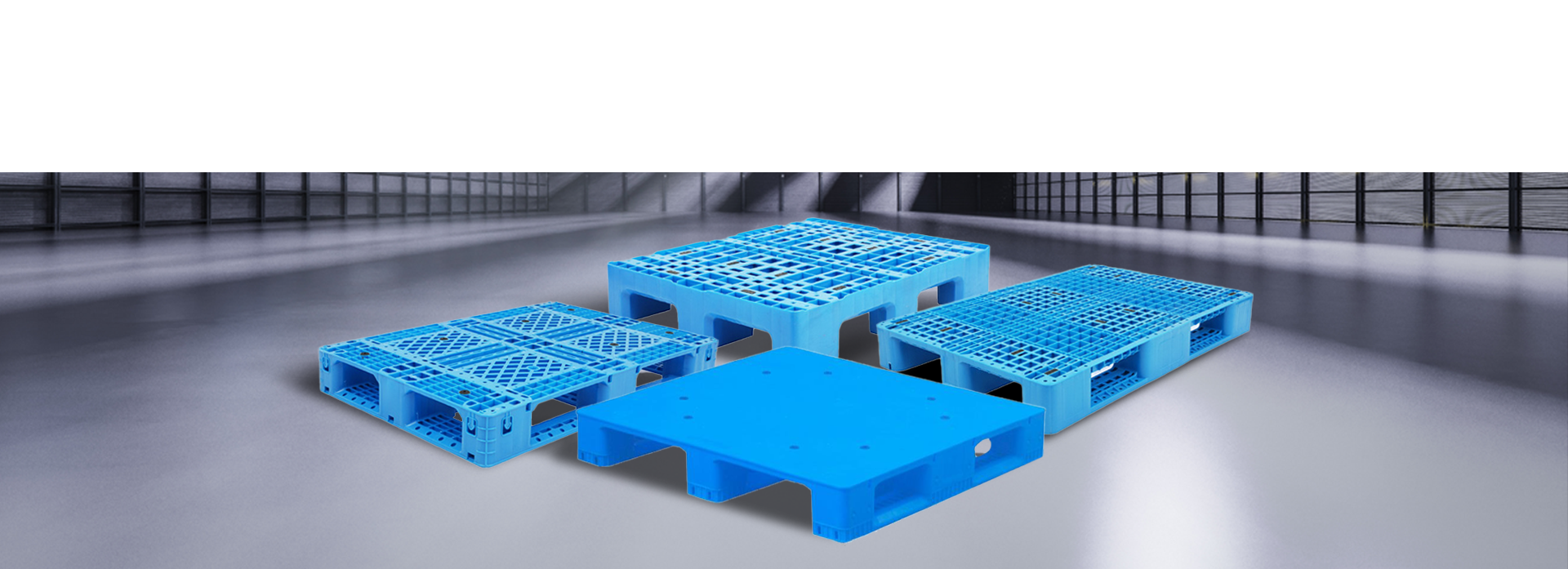
Custom sizes plastic pallets are the most effective solution when standard pallet dimensions fail to match the specific demands of your storage systems, production lines, or transport configurations. Rather than forcing irregular loads onto undersized or oversized standard pallets — causing instability, space inefficiency, and increased handling risk — a custom-dimensioned plastic pallet is engineered precisely to your operational footprint. Facilities that have transitioned to custom sizes plastic pallets consistently report measurable gains in rack utilization, load stability, and handling throughput. The ability to specify exact deck dimensions, entry configurations, load ratings, and material grades transforms the pallet from a generic commodity into a precision logistics component.
This article explores the full value proposition of custom sizes plastic pallets — from engineering and material selection through to industry-specific applications, sustainability credentials, and integration with automated warehouse systems. Whether you operate a compact manufacturing cell or a high-throughput distribution center, understanding your options for custom plastic pallet sizing is a foundational step toward a more efficient and compliant supply chain.
Why Standard Pallet Sizes Are Often Insufficient
The logistics industry has long operated around a handful of dominant pallet footprints — the 1200×800mm EUR pallet, the 1200×1000mm industrial pallet, and the 1200×1200mm square pallet. While these formats serve the majority of general warehousing needs, a significant proportion of manufacturing and logistics operations involve equipment, processes, or products that simply do not conform to these standards. Automated guided vehicle (AGV) systems may require pallets with specific corner-notch geometries. Injection molding lines may produce components on bespoke tooling that generates sub-pallet-width assemblies. Cleanroom environments may need pallets with no internal cavities to prevent particle accumulation.
In these scenarios, forcing a standard pallet into service creates measurable inefficiencies: wasted floor space, overhang risk, conveyor mis-alignment, and non-compliance with internal material handling protocols. Custom sizes plastic pallets eliminate these compromises by matching the pallet geometry precisely to the application. Industry surveys suggest that over 35% of facilities using automated conveyor or sorting systems have at least one pallet format that is non-standard, underscoring the commercial scale of the custom pallet requirement.
This horizontal bar chart illustrates the proportion of facilities across five key industries that require custom sizes plastic pallets as part of their standard material handling infrastructure. The automotive sector leads with 68%, reflecting the prevalence of bespoke component geometries, transfer lines, and AGV systems that demand non-standard pallet footprints. Electronics and pharmaceutical sectors follow closely, driven by cleanroom requirements and specialized equipment interfaces. Even in food and beverage — the most standardized of the five sectors — nearly 38% of facilities have at least one application that cannot be adequately served by off-the-shelf pallet dimensions. This data reinforces the commercial and operational significance of custom sizes plastic pallets across the industrial landscape.
The Engineering Behind Custom Sizes Plastic Pallets
Producing custom sizes plastic pallets requires a fundamentally different approach than running standard-format production. The process begins with a detailed application brief — including deck dimensions, fork entry direction, load type, operating environment, and handling equipment interface specifications. From this brief, design engineers develop a pallet geometry that optimizes material distribution, wall thickness, and internal ribbing patterns to achieve the required load ratings within the specified dimensional envelope.
Injection molding is the dominant manufacturing process for custom sizes plastic pallets, offering dimensional tolerances of ±0.5mm across the finished part — a level of precision that is impossible with wooden or metal alternatives. The tooling investment required for injection-molded custom pallets is amortized across the production run, with per-unit costs declining sharply as volumes increase. For very large or structurally complex custom pallets, twin-sheet thermoforming or rotational molding may be more appropriate, each offering different trade-offs in wall thickness uniformity, undercut geometry capability, and tooling lead time.
Common Customizable Parameters
Deck Dimensions: Length and width can be specified in millimeter increments, accommodating any footprint from small intra-cell transfer trays to oversized heavy-industry platforms.
Deck Height and Overall Pallet Height: Fork clearance height and deck surface height are independently adjustable to match specific conveyor, racking, and AGV interface requirements.
Entry Configuration: Two-way, four-way, or directional-only entry to match forklift, hand jack, or automated equipment constraints.
Deck Surface Type: Solid closed deck, perforated/ventilated deck, ribbed anti-slip surface, or grid pattern for specific product interface requirements.
Structural Reinforcement: Embedded steel tubes, additional ribbing density, or composite inserts for high racking or dynamic load requirements.
Color and Marking: Custom pigmentation for zone identification, company branding, or product category coding; molded-in text or logo inserts available.
RFID and Barcode Integration: Tag pockets or molded-in barcode windows enable automatic identification in track-and-trace and warehouse management systems.
Material Selection for Custom Plastic Pallets
The choice of polymer material for custom sizes plastic pallets directly determines the pallet's performance envelope across load, temperature, chemical, and hygiene dimensions. The three primary materials used in custom plastic pallet production are High-Density Polyethylene (HDPE), Polypropylene (PP), and recycled post-industrial blends. Each has distinct advantages depending on the target application.
Table 1: Material comparison for custom sizes plastic pallets across key performance dimensions
Property
HDPE
Polypropylene (PP)
Recycled Blend
Temperature Range
−40°C to +60°C
−20°C to +80°C
−15°C to +55°C
Chemical Resistance
High
Very High
Medium
Impact Resistance
Very High
High
Medium–High
Dimensional Stability
High
Very High
Medium
Recyclability
100%
100%
Partial
Typical Lifespan
10+ years
8–10 years
5–7 years
HDPE remains the most widely specified material for custom sizes plastic pallets in cold-chain and heavy-impact applications, while PP is favored in chemical processing environments where resistance to solvents and acids is paramount. Recycled-blend pallets offer an entry point for sustainability-focused procurement at reduced material cost, though with some performance trade-offs that must be evaluated against the specific operational demand.
Load Performance: How Custom Plastic Pallets Are Rated and Tested
Every custom sizes plastic pallet must be validated against its intended load conditions before deployment. Load rating is assessed across three standard conditions: static load (pallet resting on flat ground), dynamic load (pallet under forklift or AGV transport), and racking load (pallet spanning between two parallel support beams). For automated systems, additional tests may include vibration endurance, corner drop simulation, and repeated cycling fatigue.
A well-engineered custom plastic pallet in HDPE can achieve static loads of 4,000–6,000 kg, dynamic loads of 1,000–2,000 kg, and racking loads of 1,500–3,500 kg depending on beam span and reinforcement. For applications such as automotive press-line tooling or large-format machinery transfer, custom pallets with steel-tube reinforcement can support static loads exceeding 8,000 kg — a performance tier inaccessible to standard production pallets.
This column chart illustrates how reinforcement grade directly determines the static load ceiling for custom sizes plastic pallets. Standard-grade custom pallets achieve up to 4,000 kg static capacity — sufficient for most consumer goods and pharmaceutical applications. Heavy-duty custom plastic pallets, with enhanced internal ribbing and wall thickness, reach 6,000 kg, covering the majority of industrial manufacturing scenarios. Steel-tube-reinforced custom plastic pallets break the 8,000 kg barrier, opening the format to the most demanding sectors including press-line tooling, large machinery staging, and heavy casting logistics. Matching reinforcement grade to actual load requirements — rather than over-specifying — is a key cost optimization step in custom pallet procurement. Bingo's engineering team conducts load analysis for each custom order to recommend the most efficient structural specification.
Industry Applications for Custom Sizes Plastic Pallets
The demand for custom sizes plastic pallets spans a remarkably broad range of industries, each with its own operational logic and compliance requirements. The following sectors represent the most active adopters of custom plastic pallet solutions.
Automotive Manufacturing
Automotive assembly lines operate on extremely tight dimensional tolerances. Custom sizes plastic pallets are specified to match body panel dimensions, powertrain sub-assemblies, and sequencing carrier requirements. Transfer pallets used in automated body-in-white (BIW) lines may be as large as 2400×1800mm or as compact as 600×400mm for small-part sequencing trays. The consistency and dimensional repeatability of injection-molded custom plastic pallets is essential for maintaining conveyor synchronization and robotic pick accuracy.
Pharmaceutical and Medical Device Logistics
GDP-compliant pharmaceutical distribution requires load carriers that are traceable, cleanable, and dimensionally stable across temperature ranges. Custom sizes plastic pallets for this sector often incorporate embedded RFID transponders for automated batch tracking, smooth-bore leg geometries that prevent debris accumulation, and closed-deck designs that eliminate internal cavities. Non-standard pallet dimensions are frequently required to fit within validated cold-room layouts or specific shipping container configurations.
Electronics and Semiconductor Fabrication
Semiconductor fabs and PCB assembly facilities operate within controlled electrostatic environments. Custom plastic pallets for these applications are formulated with ESD-dissipative or conductive additives to prevent charge accumulation, and are dimensionally tailored to interface with cleanroom conveyor systems where standard pallet sizes would trigger footprint violations. The ability to specify both the electrical properties and physical dimensions of a custom pallet in a single product makes plastic the only practical material choice.
Food Processing and Cold Chain
Custom sizes plastic pallets in the food industry are often driven by the dimensions of blast-freezing tunnels, high-care processing rooms, or specific packaging line footprints that deviate from standard racking grid dimensions. HDPE custom pallets with fully smooth, crevice-free surfaces meet the highest food hygiene standards and can be sanitized with high-pressure hot water, steam, or chemical disinfectants without material degradation.
The radar chart above provides a six-dimensional comparison between custom sizes plastic pallets and off-the-shelf standard plastic pallets across the attributes most relevant to industrial operations. Custom plastic pallets score substantially higher on precision fit — the axis most directly tied to dimensional customization — as well as on automation compatibility and traceability integration, reflecting embedded RFID and exact-tolerance conveyor interfacing. Standard pallets retain strong scores on hygiene and sustainability due to inherent material properties shared with custom variants. The key takeaway is that custom sizes plastic pallets deliver a meaningfully broader capability polygon across all six axes, particularly in facilities where dimensional precision and automated handling are critical. For operations where standard pallet dimensions already align with equipment interfaces, the incremental benefit of customization may be lower — reinforcing the importance of an application-specific evaluation before specifying.
Custom Plastic Pallet Adoption Growth and Market Trends
The market for custom sizes plastic pallets has grown consistently over the past decade, propelled by the rapid expansion of warehouse automation, tightening regulatory requirements, and growing awareness of the total cost of ownership advantages of plastic over wood. The global plastic pallet market was valued at approximately USD 6.2 billion in 2023, with the custom and non-standard segment accounting for an estimated 28–32% of total volume — a proportion that has grown from under 15% a decade ago.
Growth is being driven particularly strongly in Asia-Pacific, where accelerating investment in automated distribution centers and pharmaceutical cold chains is creating substantial demand for custom-dimensioned load carriers. European markets continue to be driven by food safety regulation and sustainability mandates, while North American growth is concentrated in e-commerce fulfillment automation and automotive just-in-time supply chains.
The line chart tracks the rising share of custom sizes plastic pallets as a proportion of total global pallet volume from 2017 to 2024. Beginning at just 15% in 2017, the custom segment has more than doubled its share to reach 32% in 2024 — a trajectory driven by automation investment, regulatory compliance pressure, and the economics of precision material handling. The steepest growth phase occurred between 2020 and 2022, coinciding with the post-pandemic surge in warehouse automation capital expenditure globally. As more facilities transition to AGV-based and robotic handling systems — where exact pallet dimensions are a system requirement rather than a preference — the custom plastic pallet segment is positioned for continued structural growth. Projections for 2026 suggest the custom segment could account for over 38% of all plastic pallet volume, reinforcing the strategic importance of custom sizing capability for pallet suppliers.
Integrating Custom Plastic Pallets with Automated Warehouse Systems
The proliferation of automated storage and retrieval systems (AS/RS), autonomous mobile robots (AMR), and high-speed conveyor sorters has raised the dimensional tolerance requirements for pallets from an acceptable range to a precise specification. Automated systems are programmed with exact pallet footprint parameters — any deviation outside tolerance causes mis-registration, jam events, or outright system rejection of the load. Custom sizes plastic pallets manufactured via injection molding deliver the ±0.5mm dimensional consistency that automated systems demand, making them the standard platform for high-throughput automated facilities.
Beyond dimensional accuracy, custom plastic pallets for automated environments are often specified with smooth-base leg geometry to ensure clean engagement with conveyor roller beds and chain conveyors, no-protrusion deck surfaces to prevent sensor false-triggers, and RFID integration for seamless WMS (warehouse management system) connectivity. In high-bay AS/RS installations, the racking load specification of the custom pallet must be validated against the exact beam span and load weight for each storage location — a process that Bingo supports with full load certification documentation.
Sustainability Advantages of Custom Sizes Plastic Pallets
Custom sizes plastic pallets contribute to sustainability objectives in several concrete ways. When a pallet is dimensioned precisely to its application, material waste is minimized — no excess deck area is manufactured only to remain unused. More importantly, because custom plastic pallets fit their handling systems precisely, damage rates from mis-handling drop significantly, extending actual service life well beyond the nominal 10-year design figure. A pallet that survives 700 load cycles rather than 500 due to reduced edge damage represents a 40% reduction in material consumption per unit of logistics throughput.
HDPE and PP used in custom plastic pallet production are 100% recyclable at end of service life, with granulated regrind material fully suitable for re-entry into the production cycle. Bingo offers take-back and recycling support for custom pallet fleets at end of life, supporting customers' circular economy reporting requirements. For customers with specific recycled-content procurement policies, custom pallets incorporating post-industrial recycled polymer are available, with material certificates confirming recycled content percentage.
The Custom Pallet Specification Process: From Brief to Delivery
Ordering custom sizes plastic pallets from Bingo follows a structured process designed to ensure the delivered product precisely meets operational requirements while minimizing risk of specification error. The typical sequence is:
Application Brief: Customer provides deck dimensions, entry type, load requirements, operating environment, and any special features (color, RFID, ESD, surface texture).
Engineering Review: Bingo's team reviews the brief, proposes material grade and structural configuration, and identifies any dimensional constraints that may affect moldability or performance.
Design Validation: 3D model and load simulation are shared with the customer for approval before tooling commences.
Tooling and Sample Production: Injection mold tooling is produced and first-article samples are manufactured for dimensional and load testing by the customer.
Production and Delivery: Upon sample approval, full production volume is manufactured and shipped with dimensional inspection records and load certification documentation.
Lead times for custom sizes plastic pallets vary by complexity and order volume, but typically range from 8 to 16 weeks from brief approval to first-article delivery. Repeat orders from existing tooling can be fulfilled in 3–5 weeks.
About Bingo
Bingo is an enterprise specializing in the production, sales and service of warehousing and logistics equipment. Focusing on the equipment needs of various warehousing and logistics scenarios, Bingo provides global customers with one-stop, integrated solutions for material storage and handling. With extensive expertise in custom sizes plastic pallets, racking systems, and automated warehouse integration, Bingo serves industrial clients across automotive, pharmaceutical, food and beverage, electronics, and chemical sectors worldwide. Our vertically integrated manufacturing capability — from polymer compounding through mold design, injection molding, and quality testing — ensures that every custom plastic pallet meets precise specifications and delivers consistent long-term performance.
Frequently Asked Questions
Q1. What dimensions are available for custom sizes plastic pallets?
A: Custom sizes plastic pallets can be specified in virtually any length and width combination, from compact transfer trays of 400×300mm up to large-format platforms of 2400×2000mm or beyond. Deck height, leg height, and overall pallet height are also independently adjustable. Bingo's engineering team will advise on moldability constraints for any given dimension combination.
Q2. What is the minimum order quantity for custom sizes plastic pallets?
A: Minimum order quantities for custom plastic pallets depend on the mold tooling investment and per-unit production cost. Typical minimums range from 200 to 500 units for initial tooled orders. For existing tooling, repeat orders can often be placed in smaller quantities. Contact Bingo for a project-specific assessment based on your required dimensions and volume.
Q3. Can custom plastic pallets be used in automated conveyor and AS/RS systems?
A: Yes — custom sizes plastic pallets are specifically well-suited for automated systems because injection molding delivers ±0.5mm dimensional tolerances that match the tight registration windows of conveyor sorters, AGVs, and AS/RS cranes. Bingo designs custom pallet geometries to interface precisely with customer-specified conveyor and racking systems.
Q4. Are custom plastic pallets available with RFID or barcode integration?
A: Yes. Custom plastic pallets from Bingo can be supplied with molded-in RFID tag pockets, pre-installed UHF or HF RFID transponders, or molded barcode window inserts. This enables full integration with WMS and ERP systems for automated track-and-trace compliance in pharmaceutical, automotive, and food safety applications.
Q5. How long does it take to receive custom sizes plastic pallets after order confirmation?
A: For new tooling orders, the typical lead time from brief approval to first-article delivery is 8–16 weeks, depending on pallet complexity and mold design requirements. Repeat production orders from existing tooling are typically fulfilled within 3–5 weeks. Bingo provides a project timeline at the start of each custom engagement.
Q6. Are custom plastic pallets recyclable at end of service life?
A: HDPE and PP custom plastic pallets are 100% recyclable at end of life. Bingo offers take-back and recycling support programs for fleet customers, and can supply pallets incorporating post-industrial recycled polymer content for sustainability-focused procurement. Material traceability documentation is available for circular economy reporting purposes.

 en
en  Español