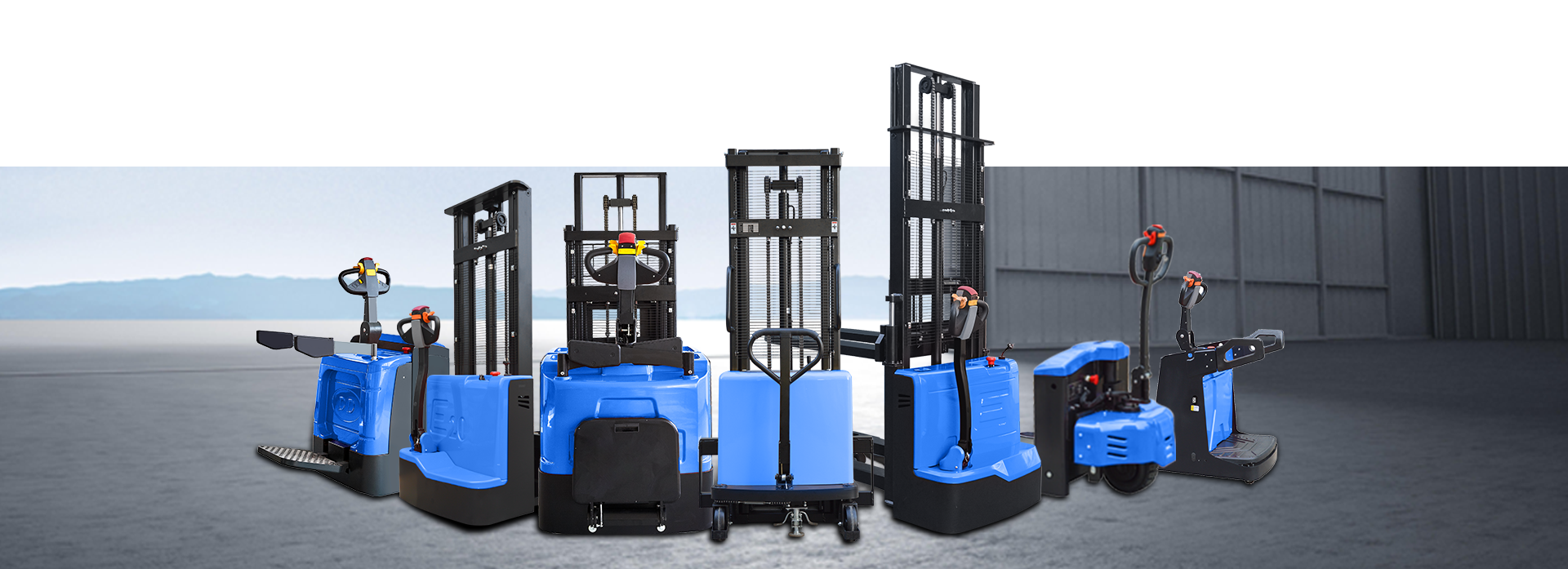
Bingo is an enterprise specializing in the production, sales, and service of warehousing and logistics equipment. Focusing on the equipment needs of various warehousing and logistics scenarios, we provide global customers with one-stop, integrated solutions for material storage and handling.
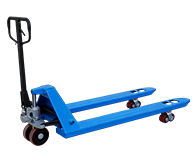
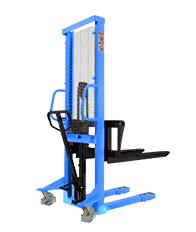
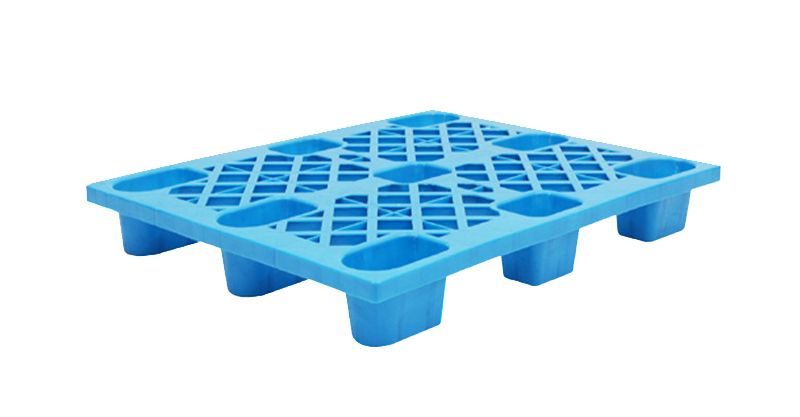
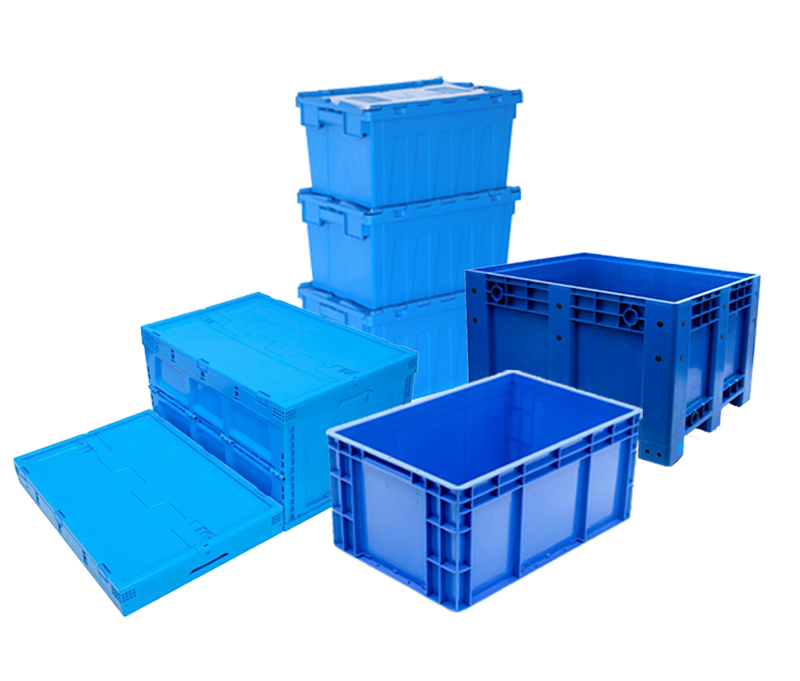
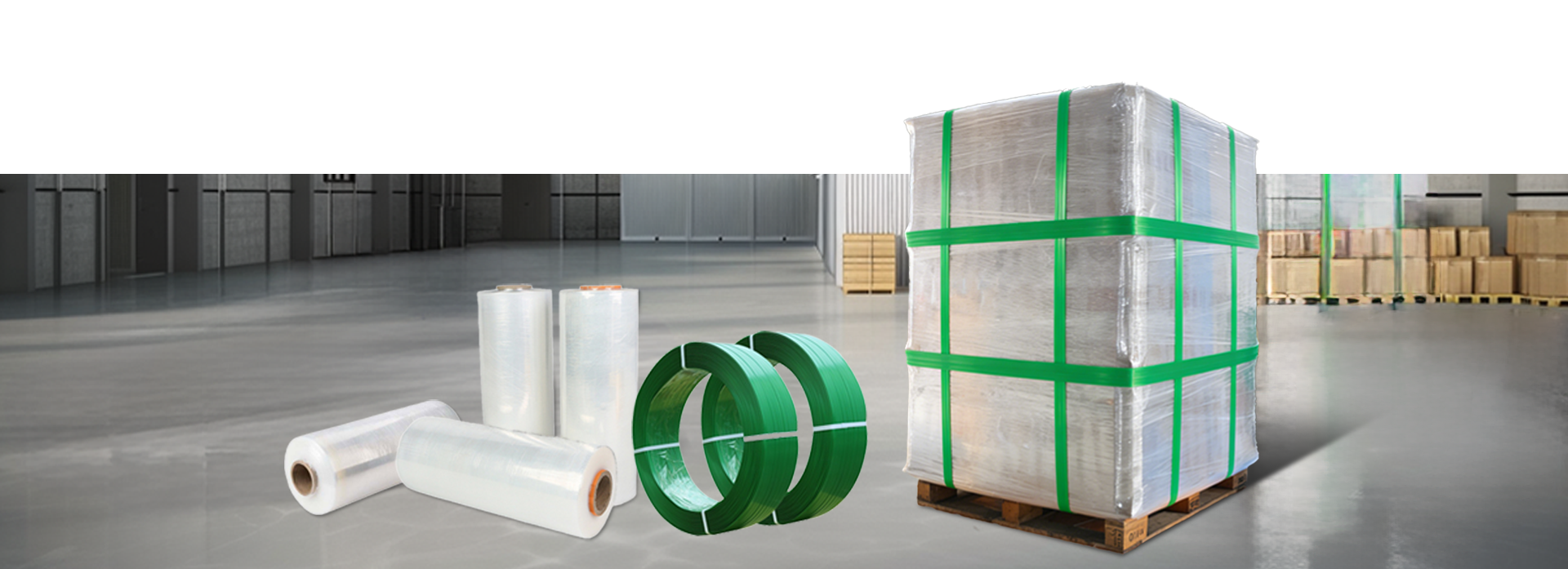
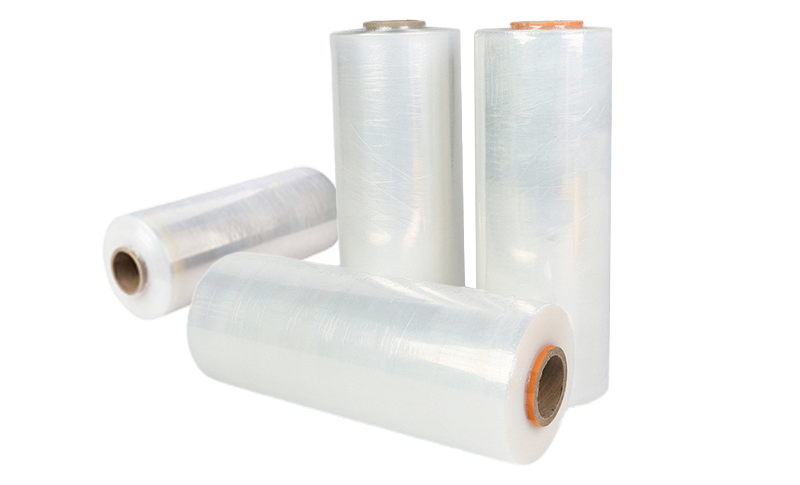
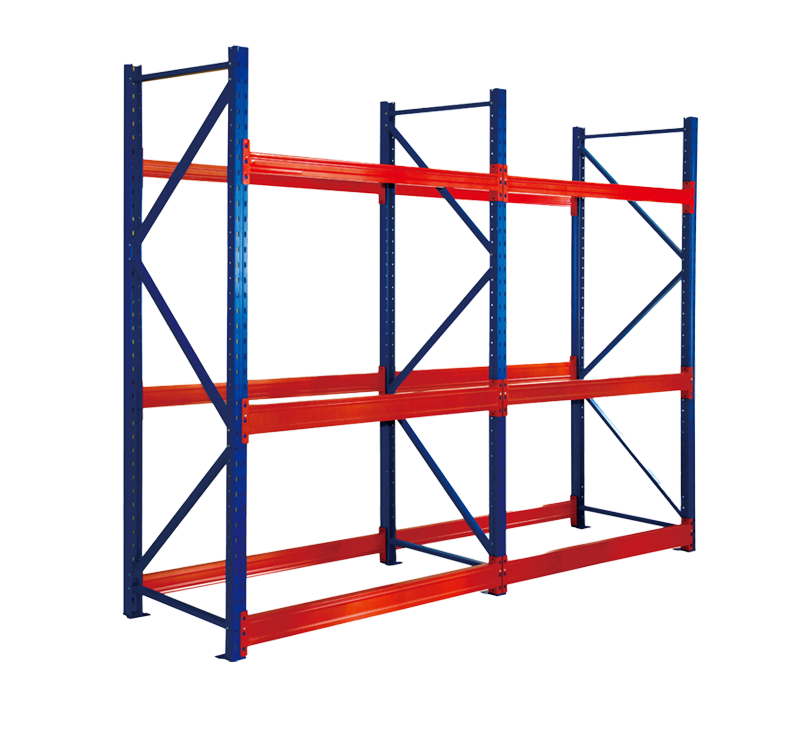
Bingo is a China OEM 1219×1016mm GMA Plastic Pallets Supplier and 1219×1016mm GMA Plastic Pallets Factory, and has built a complete warehousing and logistics equipment supply chain covering four core systems. In the field of handling equipment, we offer a full range of manual and electric pallet trucks and stackers. Our storage container line includes plastic pallets, plastic totes, crates, and bulk containers to meet diverse logistics needs. while the packaging material series provides supporting products such as stretch wrap and packing strapping. The warehousing racks series encompasses light-duty, medium-duty, and heavy-duty products of various specifications. Adhering to quality as our core value, we rely on a mature supply chain system and strict quality inspection processes to ensure that every product complies with international standards. We are committed to delivering cost-effective product solutions for industries including manufacturing, e-commerce logistics, warehousing and distribution, as well as supermarket retail.
Upholding the philosophy of "Quality First, Win-Win Cooperation", we actively expand our global market presence and are willing to join hands with partners around the world to jointly promote the intelligent and efficient development of the logistics industry.
Every warehouse supervisor knows the moment when manual pallet handling stops being workable. The heaviest pallets exceed 2500 kg, the dock staging area sits 80 meters from the storage bays, and the shift plan demands more pallet moves tha...
During a routine walkthrough at a distribution center, a warehouse manager noticed a small dent in the bottom flange of a pallet rack upright. No load was in that bay, so the dent was recorded as cosmetic. Three weeks later, a forklift gra...
Bingo Machinery, a trusted global supplier of smart warehouse handling equipment, officially launches the brand new CDDA15 1.5 ton pedestrian electric walkie stacker. This compact stacking solution is engineered for medium height pallet st...
Everything You Need to Know About 1219×1016mm GMA Plastic Pallets
The 1219×1016mm GMA Plastic Pallet is the definitive standard for North American supply chain operations, offering a footprint precisely engineered to align with the Grocery Manufacturers Association (GMA) specification. Unlike traditional wood pallets, the plastic GMA pallet delivers a consistent, hygienic, and structurally repeatable platform that supports modern automated warehousing. For any facility prioritizing throughput efficiency, regulatory compliance, and long-term cost reduction, the 1219×1016mm GMA plastic pallet is not merely a product choice—it is a strategic infrastructure decision.
Bingo is an enterprise specializing in the production, sales and service of warehousing and logistics equipment. Focusing on the equipment needs of various warehousing and logistics scenarios, Bingo provides global customers with one-stop, integrated solutions for material storage and handling. With decades of engineering expertise, Bingo's GMA plastic pallets are designed to deliver measurable value across food distribution, pharmaceutical cold chain, automotive parts, and retail logistics sectors.
The horizontal bar chart above illustrates the adoption rate of GMA plastic pallets across five major industries. The food and beverage sector leads with an 84% adoption rate, reflecting stringent hygiene and FDA compliance requirements that plastic pallets readily satisfy. Retail and FMCG follows closely at 78%, driven by the GMA footprint's compatibility with standard racking and conveyor systems. Pharmaceutical logistics adopts plastic GMA pallets at 72%, primarily due to their resistance to moisture, pests, and chemical contamination. Cold chain operations show a 66% adoption rate, where plastic's thermal stability and cleanability are non-negotiable. Automotive applications, while lower at 54%, are accelerating as facilities modernize their internal material handling infrastructure. These figures underscore the cross-sector versatility of the 1219×1016mm GMA plastic pallet as the preferred platform in modern warehousing.
What Makes the 1219×1016mm Dimension the GMA Standard
The 1219×1016mm footprint—commonly expressed as 48×40 inches—was established by the Grocery Manufacturers Association as the universal pallet size for the North American grocery and consumer goods supply chain. This dimension was carefully selected to maximize trailer utilization: a standard 53-foot dry van trailer can accommodate two columns of 48×40 pallets side-by-side with minimal wasted floor space. When warehouses, distributors, and retailers all operate on the same pallet specification, the entire supply chain gains velocity—no re-palletizing at distribution crossings, no incompatibility with automated conveyor lanes.
Beyond dimensional compatibility, the 1219×1016mm GMA plastic pallet satisfies the load-bearing requirements of most commercial racking systems. Its standardized deck area supports uniform weight distribution, which is critical when stacking loaded pallets in high-bay storage. Bingo's engineering team has validated that its GMA plastic pallets maintain structural integrity under both static and dynamic load conditions, making them suitable for floor stacking, cantilever racking, and drive-in racking configurations.
Table 1: Key Dimensional and Structural Specifications of 1219×1016mm GMA Plastic Pallets
Parameter
Specification
Industry Benchmark
Footprint (L×W)
1219 × 1016 mm
GMA Standard (48×40 in)
Static Load Capacity
Up to 6,000 kg
≥ 3,000 kg
Dynamic Load Capacity
Up to 1,500 kg
≥ 1,000 kg
Deck Height
130–160 mm
≥ 130 mm (forklift clearance)
Pallet Weight
11–16 kg
≤ 20 kg
Temperature Range
-40°C to +80°C
-30°C to +60°C
Service Life
8–12 years
5–7 years (wood)
Material Composition and Structural Engineering
Bingo's 1219×1016mm GMA plastic pallets are manufactured from high-density polyethylene (HDPE) or polypropylene (PP), selected for their superior impact resistance, chemical inertness, and recyclability. The choice of polymer is determined by the application environment: HDPE excels in cold chain logistics due to its flexibility at sub-zero temperatures, while PP offers better rigidity and UV resistance for outdoor staging areas. Both materials are 100% recyclable at end of service life, supporting circular economy commitments.
The structural design employs a nine-leg or twin-deck configuration, both of which are fully compatible with standard forklifts, pallet jacks, and automated guided vehicles (AGVs). The nine-leg design provides four-way entry access, enabling efficient maneuvering in tight aisle conditions. Bingo applies finite element analysis (FEA) during the design phase to simulate real-world load distribution and identify stress concentration points before tooling is finalized, ensuring every pallet shipped meets its rated capacity without compromise.
Anti-slip surface texturing is molded directly into the deck surface, eliminating the need for adhesive strips or secondary treatments. This feature is particularly important in cold storage environments where condensation can reduce friction between the pallet and its cargo. Edge reinforcement ribs running longitudinally and transversally across the deck undersurface distribute concentrated point loads—such as those from heavy palletized equipment—without deforming the deck surface.
The column chart above compares static load capacity across four common pallet types used in industrial warehousing. Bingo's GMA plastic pallet leads the comparison at 6,000 kg static capacity, nearly double that of a conventional wood pallet. The HDPE standard pallet at 4,500 kg represents a strong mid-range option suitable for general distribution, while the PP light-duty variant at 3,000 kg is designed for lighter retail or pharmaceutical applications. Wood pallets, though widely used historically, fall short at 2,000 kg and introduce contamination risks that plastic eliminates entirely. This capacity advantage is particularly significant for heavy manufacturing sectors, where stacked pallet storage in high-bay racking demands reliable structural performance across thousands of load cycles. The data confirms that for high-throughput warehousing, the 1219×1016mm GMA plastic pallet from Bingo is an engineering-driven upgrade over conventional alternatives.
Hygiene, Food Safety, and Regulatory Compliance
GMA plastic pallets are the preferred solution for food-grade logistics because they satisfy the most demanding hygiene requirements set by the FDA, USDA, and international food safety frameworks including FSMA, GMP, and HACCP. Unlike wood, plastic does not absorb moisture, harbor microorganisms, or generate splinters and nail protrusions that can contaminate food packaging. Bingo manufactures its GMA pallets using food-grade HDPE or PP, both of which are compliant with FDA 21 CFR standards for indirect food contact materials.
Cleaning and sanitization cycles are straightforward: plastic GMA pallets can be pressure-washed, steam-cleaned, or treated with food-safe chemical sanitizers without degradation. This makes them ideal for environments requiring documented sanitation protocols, such as FSSC 22000 or SQF-certified facilities. The closed-cell plastic surface does not absorb cleaning agents, ensuring that no residual chemicals remain trapped in the pallet structure after washing—a critical distinction from wood, which can retain moisture and cleaning agents in its grain structure.
For pharmaceutical applications, GMA plastic pallets satisfy current Good Manufacturing Practice (cGMP) guidelines. Their non-porous surface prevents particulate shedding, a concern that wood pallets present due to fiber fragmentation under load. The ability to assign individual pallets to specific product lines and track them through RFID chips embedded in the pallet structure ensures full batch traceability—an increasingly mandatory requirement in regulated industries.
FDA 21 CFR compliant material formulations available
Compatible with HACCP, GMP, FSMA, and SQF sanitation protocols
No splinters, nails, or absorbent surfaces to harbor contamination
RFID chip embeddable for product traceability in pharmaceutical supply chains
ISPM 15 exemption: no fumigation required for international shipments
Performance Over Time: Durability and Lifecycle Analysis
The lifecycle economics of 1219×1016mm GMA plastic pallets favor operations with high pallet rotation frequency and multi-year planning horizons. A well-maintained plastic GMA pallet from Bingo is engineered to withstand 8 to 12 years of service under normal warehousing conditions, compared to 2–4 years for a wood pallet subject to typical warehouse abuse, moisture exposure, and load cycling. The lower per-trip cost of plastic over its extended service life translates directly into operational savings that accumulate across large pallet fleets.
Plastic pallets also generate significantly lower repair and replacement costs. Wood pallets frequently require board replacement, nail re-setting, and fumigation after international travel, costs that are entirely absent for plastic. Studies across North American distribution centers show that facilities transitioning from wood to GMA plastic pallets reduce pallet-related operational expenditures by 30–45% over a five-year window when total cost of ownership is calculated—including acquisition, repair, replacement, and disposal.
The line chart illustrates the cumulative cost per pallet unit over a 10-year operational horizon, comparing Bingo's GMA plastic pallet against a standard wood pallet. The plastic pallet line rises gently and consistently, reflecting a single acquisition cost spread over many years with minimal maintenance expense. The wood pallet line, while starting lower, escalates rapidly as replacement units and repair costs accumulate—particularly at the 3-year and 6-year marks where replacement cycles typically occur. By year five, the total cost of the wood pallet exceeds that of the plastic option, and the gap widens dramatically through years seven to ten. This analysis demonstrates that facilities with annual pallet volumes above 10,000 units can realize substantial cost savings by committing to GMA plastic pallets. The long-term financial case is clear: the 1219×1016mm GMA plastic pallet from Bingo is not an added expense but a cost-reduction strategy deployed at the infrastructure level.
Automation Compatibility and Smart Warehouse Integration
The modern warehousing landscape is defined by automation: autonomous mobile robots (AMRs), automated storage and retrieval systems (AS/RS), robotic palletizers, and conveyor-based sorting lines. The 1219×1016mm GMA plastic pallet is engineered with the dimensional precision and surface consistency that automation demands. Unlike wood pallets, which warp, splinter, and vary dimensionally due to moisture content, plastic GMA pallets maintain their geometry throughout their service life—a non-negotiable requirement for robotic pickup systems with millimeter-level positional tolerances.
Bingo integrates optional RFID chips and barcode-compatible deck surfaces into its GMA pallet designs. These features enable seamless warehouse management system (WMS) integration, allowing real-time inventory visibility at the pallet level. Facilities using automated conveyor systems benefit from the uniform deck height and flat bottom surface of plastic pallets, which eliminate jam events caused by protruding nails or warped boards—a common source of unplanned downtime in wood pallet environments.
Key Automation-Ready Features of Bingo GMA Plastic Pallets
Dimensional consistency: ±2mm tolerance across all units, ensuring robotic arm repeatability
Four-way entry: Compatible with AGVs, forklifts, and electric pallet jacks from any approach angle
RFID embeddable: Supports ISO 18000-6C (EPC Gen 2) tags for WMS integration
Smooth runner bottom: Optimized for roller conveyor systems with low friction and no snagging
No debris generation: Eliminates wood fiber and nail contamination on conveyor belts and in automated sortation systems
Radar Comparison: GMA Plastic vs Wood Pallet Performance Attributes
The following radar chart evaluates the 1219×1016mm GMA plastic pallet against a traditional wood pallet across six performance dimensions critical to modern warehousing operations. These dimensions—hygiene, durability, automation compatibility, load consistency, environmental profile, and international compliance—represent the core decision criteria for supply chain managers when selecting a pallet platform.
The radar chart reveals a commanding performance advantage for the 1219×1016mm GMA plastic pallet from Bingo across all six dimensions evaluated. In hygiene and international compliance—both scored at 95—the plastic pallet's non-porous surface and ISPM 15 exemption make it the unambiguous leader. Automation compatibility scores 95, reflecting dimensional precision and absence of debris that robotic systems demand. Load consistency at 92 underlines the structural uniformity that plastic molding delivers compared to the natural variability of wood grain. Even in environmental profile—where wood is sometimes assumed to have an advantage—the long service life and 100% recyclability of HDPE and PP narrow the gap significantly, with the GMA plastic scoring 85 versus wood's 55 when lifecycle analysis is applied. The radar visualization makes clear that selecting a GMA plastic pallet over wood is not a trade-off but a comprehensive upgrade. Facilities adopting Bingo's GMA plastic pallets gain advantages across every dimension that matters for modern, high-throughput warehousing.
Cold Chain and Temperature-Controlled Applications
Cold chain logistics—spanning fresh produce distribution, frozen food manufacturing, pharmaceutical cold storage, and vaccine distribution—imposes extreme demands on pallet materials. Wood pallets absorb moisture in cold, humid environments, leading to weight gain, biological contamination, and structural degradation. Bingo's GMA plastic pallets maintain structural integrity from -40°C to +80°C, covering the full temperature spectrum of commercial cold chain operations including quick-freeze tunnels, blast chiller antechambers, and ambient staging areas.
In frozen food facilities, thermal expansion and contraction cycles impose cumulative stress on pallet materials. The polymer formulations selected by Bingo for cold chain GMA pallets are specifically chosen for low-temperature impact resistance, maintaining flexibility without becoming brittle at sub-zero temperatures. This prevents cracking failures that can occur with inferior plastic formulations, ensuring that forklift operations in -25°C blast freeze rooms proceed without pallet structural events.
The washdown compatibility of plastic GMA pallets is particularly advantageous in cold chain environments where daily sanitation with hot water and chemical sanitizers is mandatory. Plastic pallets do not swell, delaminate, or lose structural strength when repeatedly exposed to washdown cycles. Drainage holes molded into the deck surface ensure rapid water runoff, preventing standing water that could compromise sanitation protocols or add unnecessary weight to pallet loads.
Sustainability and Environmental Responsibility
Sustainability is an increasingly central criterion in procurement decisions for Fortune 500 companies, retailers with published ESG commitments, and global logistics providers operating under carbon reduction mandates. The 1219×1016mm GMA plastic pallet addresses sustainability from multiple angles. First, its extended service life of 8–12 years means fewer units manufactured and fewer disposed of per unit of freight handled compared to wood pallets replaced every two to three years. Second, HDPE and PP are both fully recyclable polymers, with established recycling pathways that convert end-of-life pallets into post-consumer resin for new products.
Bingo offers a closed-loop take-back program for its GMA plastic pallets, ensuring that retired pallets are returned, ground, and reprocessed rather than entering landfill streams. This program is particularly relevant for customers with Scope 3 emission reduction targets under GHG Protocol frameworks. The remanufacturing of end-of-life plastic pallets into recycled content resins reduces raw material energy demand, contributing measurably to lifecycle carbon footprint reduction.
Additionally, the elimination of fumigation treatments required for wood pallet international shipments under ISPM 15 regulations removes methyl bromide or heat treatment carbon costs from the supply chain. For companies shipping products to Europe, Asia, and Australia—all regions with strict phytosanitary import requirements—the regulatory simplicity of plastic GMA pallets eliminates compliance overhead entirely while removing a chemical treatment step from the logistics chain.
The donut chart breaks down the relative sustainability contributions of adopting 1219×1016mm GMA plastic pallets across five environmental impact categories. Extended lifecycle accounts for the largest share at 35%, representing the most significant environmental benefit—fewer production cycles mean lower cumulative energy and carbon cost per freight movement. Recyclability contributes 28%, reflecting that HDPE and PP can re-enter the manufacturing stream at end of life, diverting material from landfill. The elimination of chemical fumigation treatments accounts for 17%, removing methyl bromide from the international logistics chain. Fewer replacement cycles contribute 12%, as plastic pallets require no mid-life repairs that consume additional materials and labor. Reduced packaging waste from eliminating pallet strapping and corner board reinforcement needed on irregular wood decks adds the final 8%. Together, these dimensions confirm that the GMA plastic pallet is a measurably superior environmental choice for operations committed to responsible supply chain management.
Customization Options and Configuration Variants
Bingo understands that no two warehousing environments are identical, which is why its 1219×1016mm GMA plastic pallets are available in a range of configuration variants designed to match specific operational requirements. The base GMA dimension is maintained across all variants, ensuring supply chain interoperability, while structural modifications address the unique demands of each application sector.
Available Configuration Variants
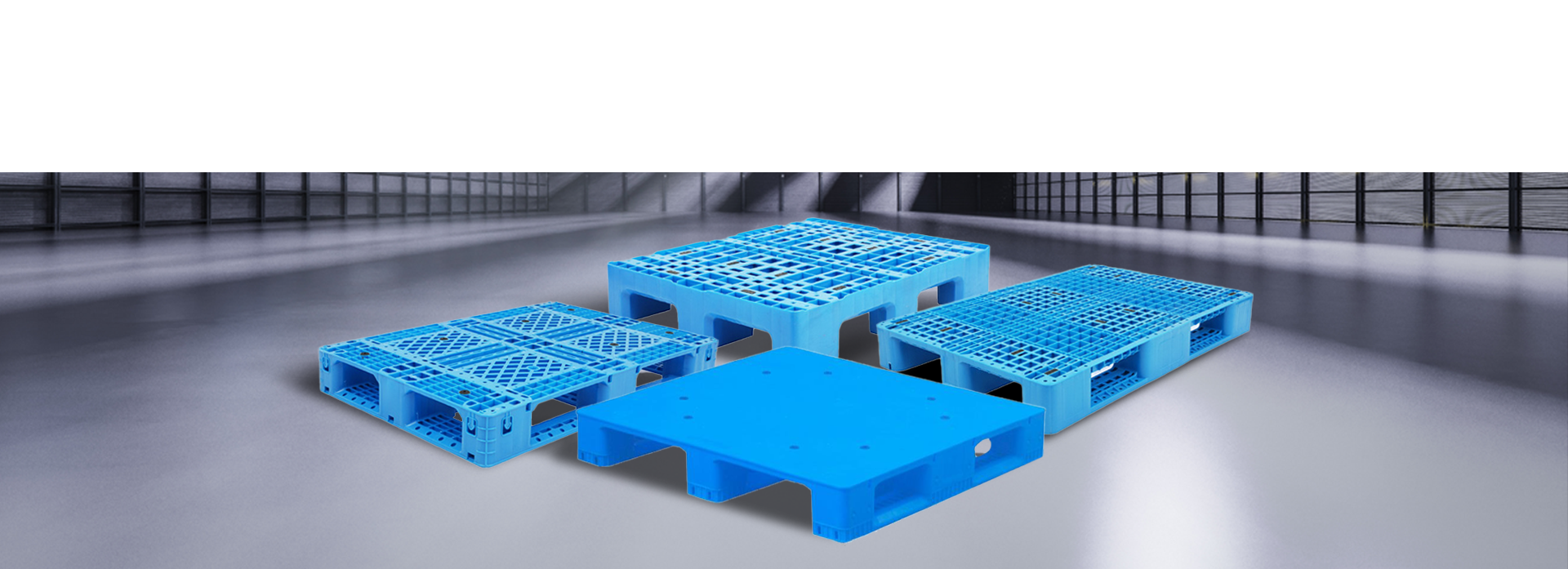
Nine-leg rackable GMA pallet: The most common configuration for general warehousing and racking-intensive distribution centers. Nine legs provide excellent rack contact area and four-way forklift access.
Twin-deck closed-top GMA pallet: Features a solid top deck and solid bottom deck with solid runners, maximizing surface area for high-value goods and pharmaceutical applications where particulate shedding must be minimized.
Perforated deck GMA pallet: Openings in the top deck allow for air circulation—critical in cold storage and blast-freeze environments where temperature equalization across the pallet load is required.
Anti-static GMA pallet: Formulated with carbon-black additives or anti-static polymer compounds for electronics manufacturing and semiconductor distribution environments where electrostatic discharge must be controlled.
Stackable export GMA pallet: A lightweight variant designed for single-trip or limited-trip international shipments, optimized for container space efficiency while maintaining full GMA dimensional compliance.
Color options are available across the full variant range, supporting color-coded pallet management systems used by 3PL providers and large retail distribution networks. Custom logo molding is available for branded pallet programs, and RFID chip positions are pre-engineered into Bingo's tooling to allow seamless post-manufacture tag insertion without compromising structural integrity.
Global Sourcing and Bingo's Supply Chain Capabilities
Bingo serves global customers from manufacturing facilities equipped with high-capacity injection molding infrastructure calibrated to GMA pallet tooling specifications. The company's production scale supports both large fleet orders—typically 10,000 to 500,000+ units for major distribution center fitouts—and smaller initial procurement orders for pilot programs or supplementary fleet additions. Consistent quality across production runs is ensured through Bingo's ISO 9001-aligned quality management system, with dimensional verification performed on every production batch.
Bingo's global logistics network enables delivery to major port destinations across North America, Europe, Southeast Asia, the Middle East, and Oceania. Container packing configurations for GMA plastic pallets are optimized to maximize unit density per 20-foot and 40-foot shipping containers, reducing per-unit logistics costs for international customers. Technical documentation, including load rating test reports, material safety data sheets, and FDA compliance certificates, is provided with every order to streamline customer procurement and quality audit processes.
For customers requiring just-in-time delivery programs or regional safety stock arrangements, Bingo works directly with customers to establish tailored supply agreements that align pallet availability with projected facility throughput ramp-up timelines. This integrated supply chain partnership model distinguishes Bingo from commodity pallet suppliers and positions the company as a long-term equipment partner for warehousing infrastructure build-outs.
Frequently Asked Questions
Q1: What does GMA stand for and why is the 1219×1016mm dimension significant?
GMA stands for Grocery Manufacturers Association. The 1219×1016mm (48×40 inch) dimension is the North American supply chain standard established by GMA, ensuring compatibility across trailers, racking systems, and conveyor lines throughout the distribution network.
Q2: What is the maximum load capacity of Bingo's GMA plastic pallet?
Bingo's 1219×1016mm GMA plastic pallets support up to 6,000 kg static load and 1,500 kg dynamic load. Specific capacities vary by configuration—rackable, twin-deck, or export variants—and load ratings are provided in product technical documentation.
Q3: Are Bingo's GMA plastic pallets compliant with FDA food safety requirements?
Yes. Bingo manufactures food-grade GMA pallets using HDPE and PP materials compliant with FDA 21 CFR standards for indirect food contact. These pallets are suitable for HACCP-controlled, FSMA-regulated, and SQF-certified food distribution environments.
Q4: Can GMA plastic pallets be used in automated warehouse systems?
Absolutely. Bingo's GMA plastic pallets are engineered with ±2mm dimensional tolerance for robot and AGV compatibility, smooth runner surfaces for conveyor lines, and optional RFID chip embeds for WMS integration. They are fully compatible with AS/RS systems, robotic palletizers, and automated sortation equipment.
Q5: What happens to GMA plastic pallets at the end of their service life?
Bingo offers a closed-loop take-back program. Retired GMA plastic pallets are collected, shredded, and reprocessed into post-consumer resin for new plastic products. HDPE and PP are both fully recyclable, ensuring that end-of-life pallets do not enter landfill streams.
Q6: Do plastic GMA pallets require fumigation for international shipping?
No. Plastic pallets are exempt from ISPM 15 phytosanitary treatment requirements applicable to wood pallets. This exemption simplifies customs clearance for international shipments and eliminates the chemical treatment step entirely from the export logistics process.

 en
en  Español