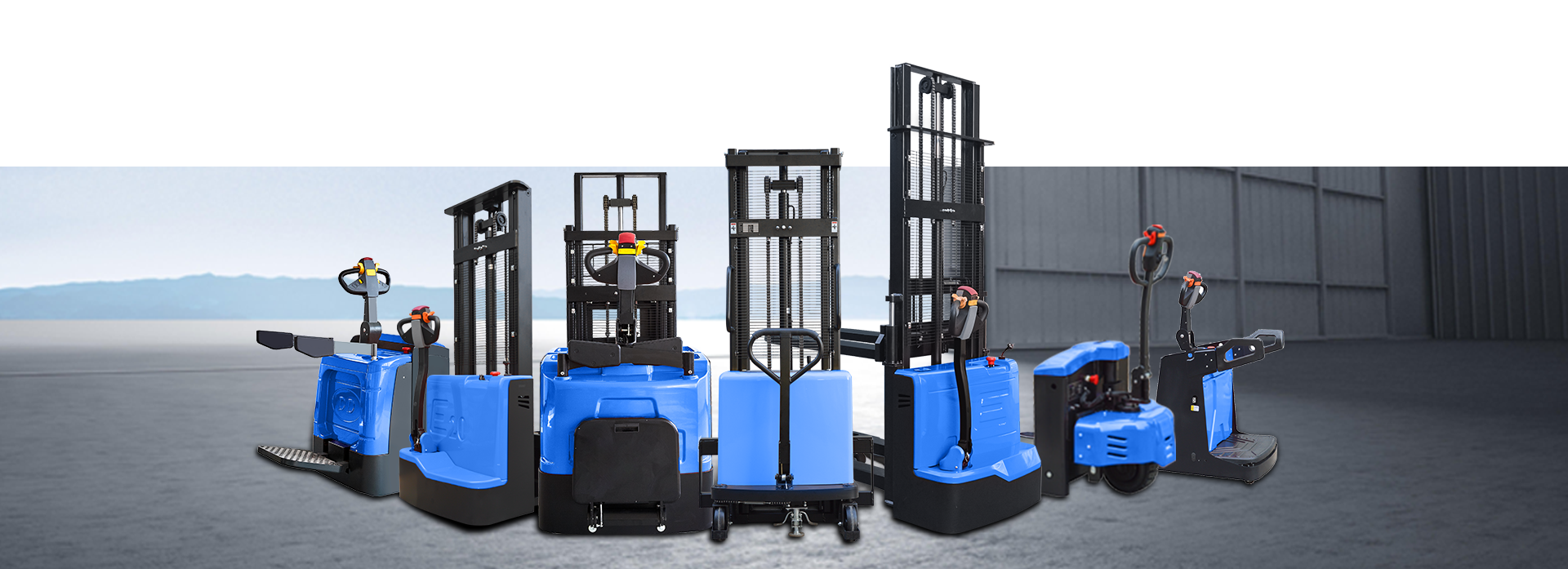
Bingo is an enterprise specializing in the production, sales, and service of warehousing and logistics equipment. Focusing on the equipment needs of various warehousing and logistics scenarios, we provide global customers with one-stop, integrated solutions for material storage and handling.
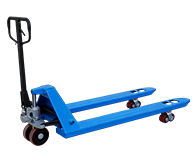
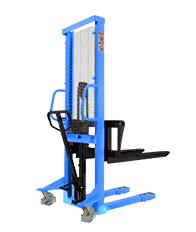
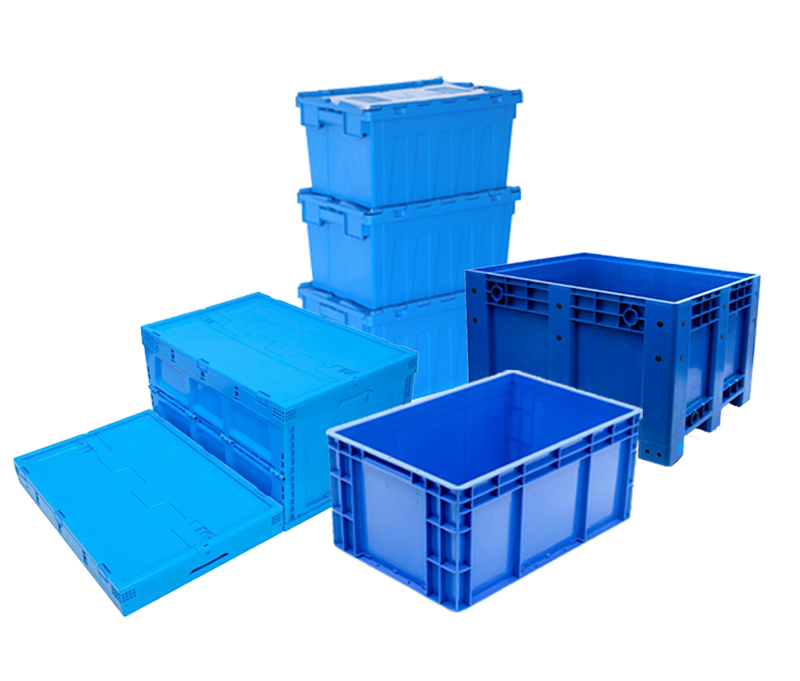
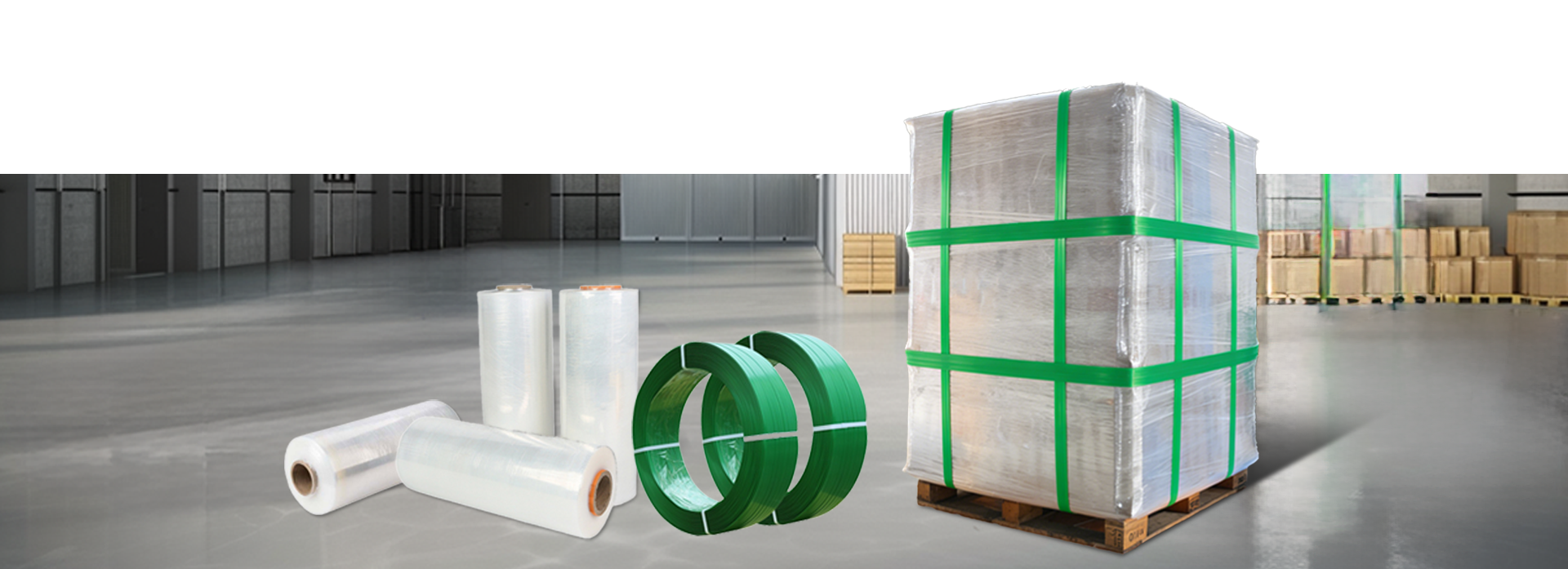
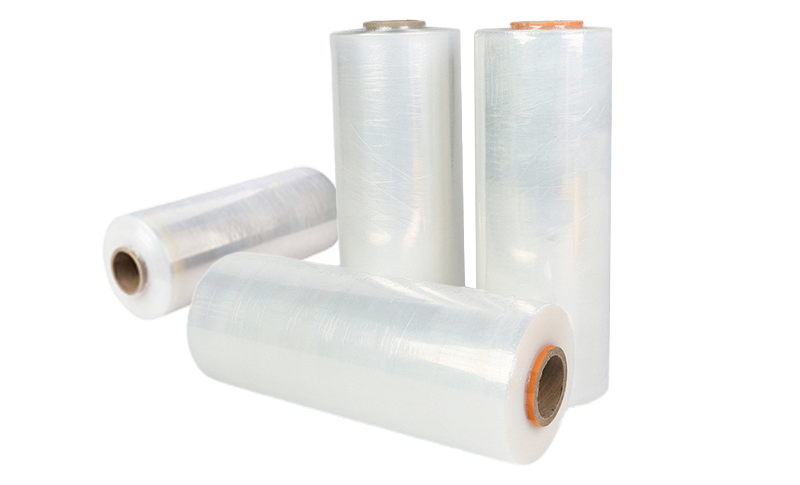
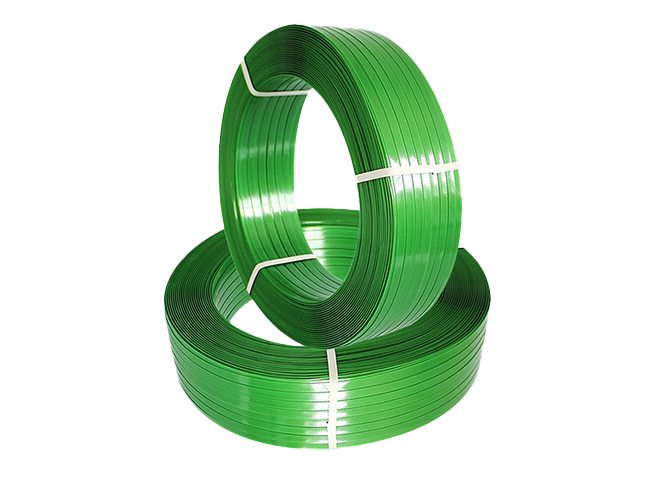
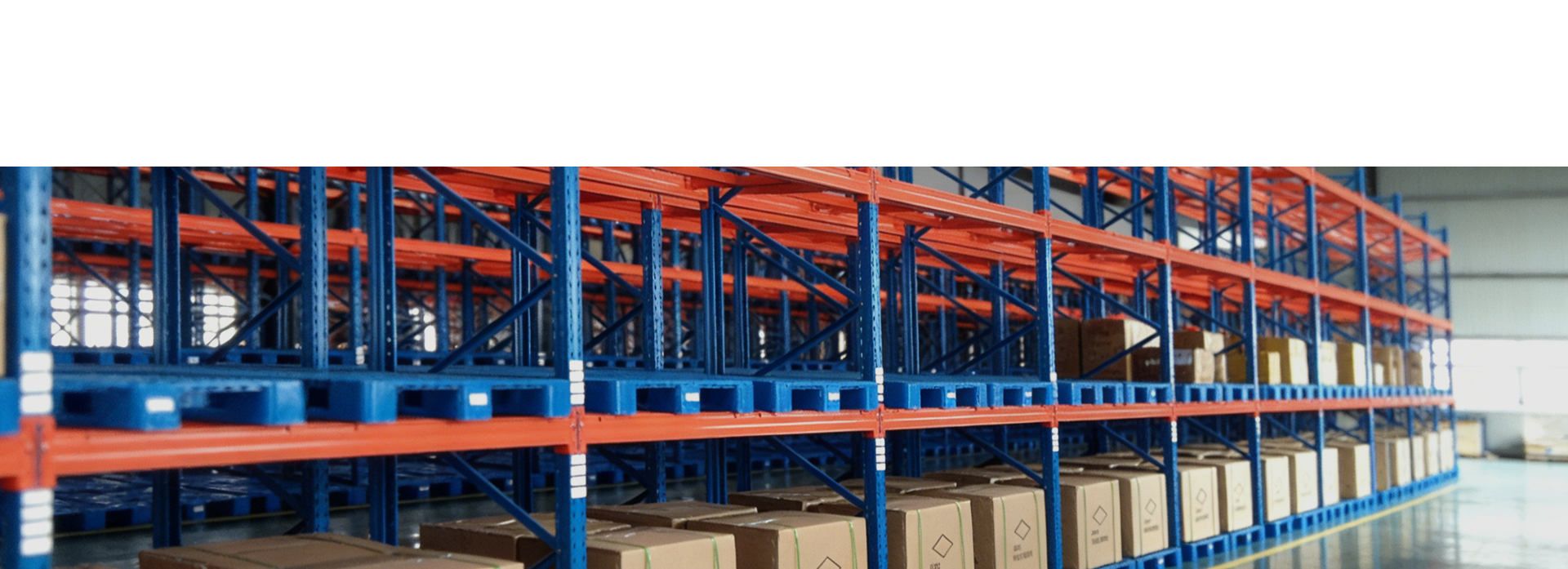
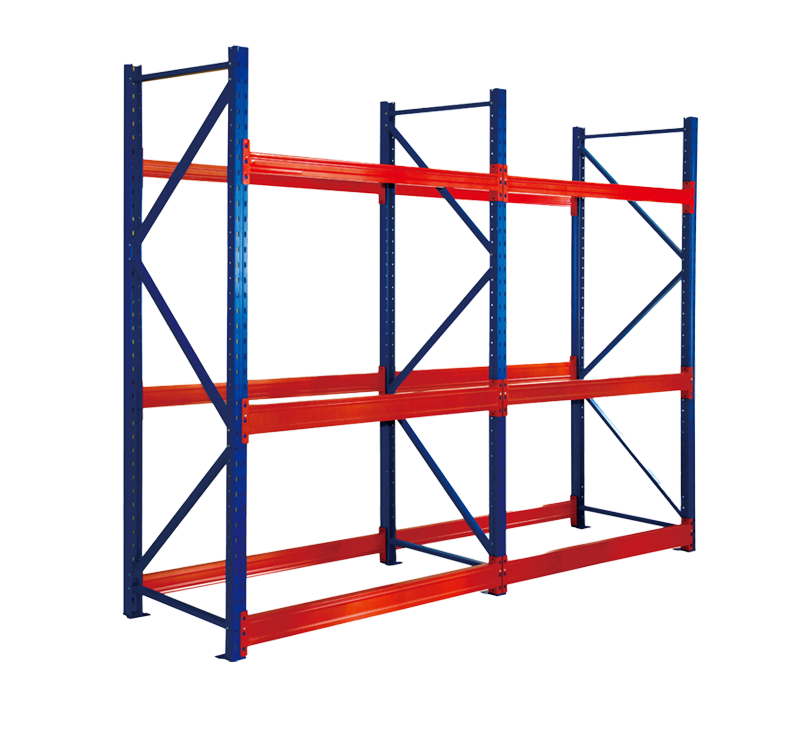
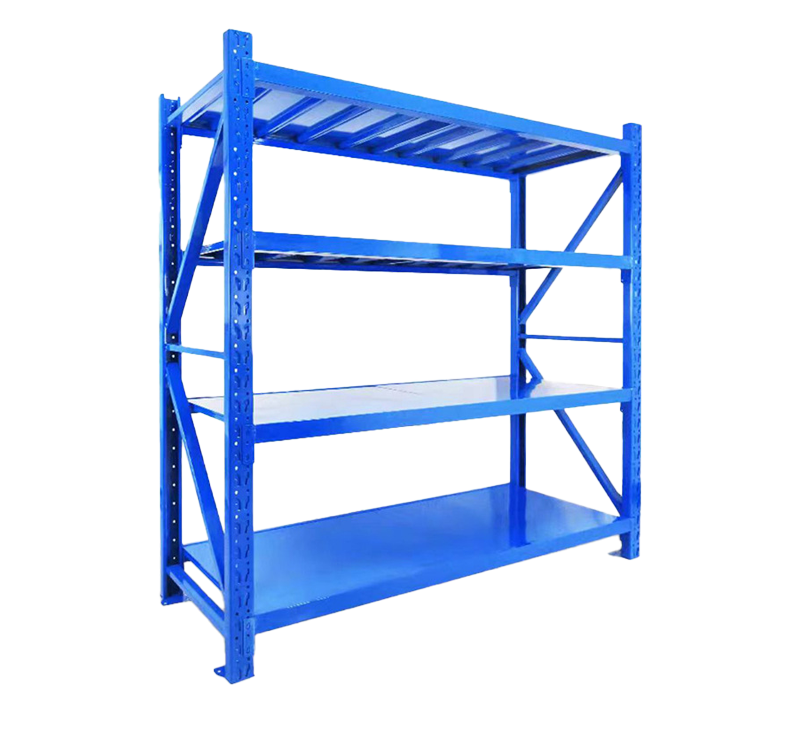
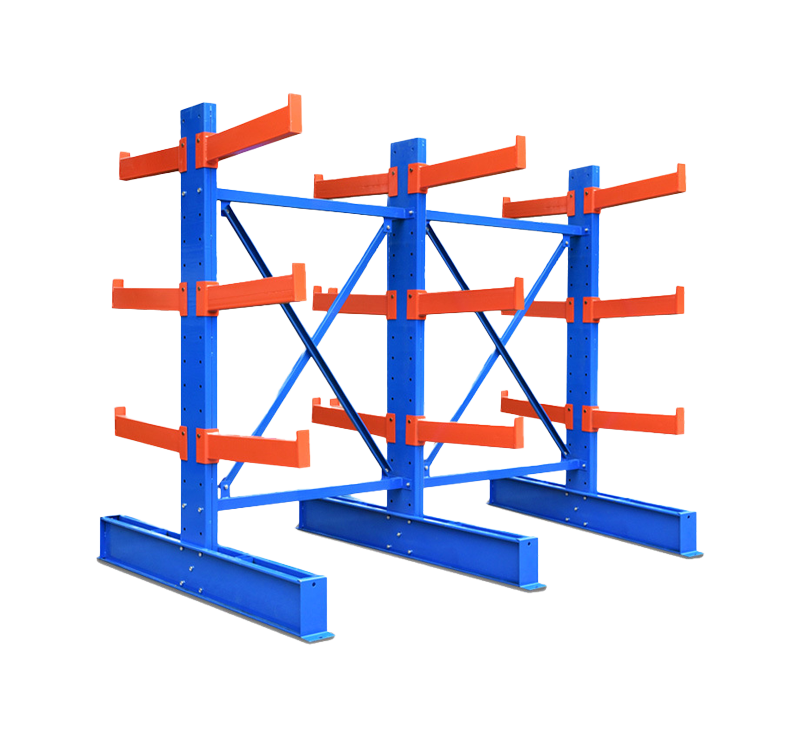
Bingo is a China OEM Euro Plastic Pallet Supplier and Euro Plastic Pallet Factory, and has built a complete warehousing and logistics equipment supply chain covering four core systems. In the field of handling equipment, we offer a full range of manual and electric pallet trucks and stackers. Our storage container line includes plastic pallets, plastic totes, crates, and bulk containers to meet diverse logistics needs. while the packaging material series provides supporting products such as stretch wrap and packing strapping. The warehousing racks series encompasses light-duty, medium-duty, and heavy-duty products of various specifications. Adhering to quality as our core value, we rely on a mature supply chain system and strict quality inspection processes to ensure that every product complies with international standards. We are committed to delivering cost-effective product solutions for industries including manufacturing, e-commerce logistics, warehousing and distribution, as well as supermarket retail.
Upholding the philosophy of "Quality First, Win-Win Cooperation", we actively expand our global market presence and are willing to join hands with partners around the world to jointly promote the intelligent and efficient development of the logistics industry.
Every warehouse supervisor knows the moment when manual pallet handling stops being workable. The heaviest pallets exceed 2500 kg, the dock staging area sits 80 meters from the storage bays, and the shift plan demands more pallet moves tha...
During a routine walkthrough at a distribution center, a warehouse manager noticed a small dent in the bottom flange of a pallet rack upright. No load was in that bay, so the dent was recorded as cosmetic. Three weeks later, a forklift gra...
Bingo Machinery, a trusted global supplier of smart warehouse handling equipment, officially launches the brand new CDDA15 1.5 ton pedestrian electric walkie stacker. This compact stacking solution is engineered for medium height pallet st...
Everything You Need to Know About 1200×800mm Euro Plastic Pallet
The 1200×800mm Euro plastic pallet is the definitive standard for intra-European and international supply chains, recognized under ISO 6780 and widely adopted across food and beverage, pharmaceutical, retail, and manufacturing industries. Unlike wooden Euro pallets, the plastic variant delivers superior dimensional consistency, hygienic surface properties, and a service life of 50–100 trip cycles — making it the preferred choice for operators seeking to reduce total cost of ownership while meeting rigorous compliance requirements.
The core advantage is straightforward: the 1200×800mm footprint aligns perfectly with European racking standards, truck loading bays, and automated conveyor systems. This dimensional alignment eliminates wasted floor space in storage configurations and maximizes pallet density per trailer load. For cross-border shipments, plastic Euro pallets are exempt from ISPM-15 phytosanitary regulations, removing fumigation requirements and the associated cost and delay that wooden pallets incur at every international border crossing.
From a practical standpoint, operations that transition from wood to Euro plastic pallets consistently report lower pallet-related downtime, fewer conveyor jams in automated facilities, and measurable reductions in product contamination incidents. For any warehouse or distribution center operating at scale in Europe or serving European trade lanes, the 1200×800mm plastic pallet is not simply an option — it is the operational foundation on which reliable, efficient logistics is built.
Performance Comparison: Euro Plastic Pallet vs. Wood vs. Metal
Selecting the right pallet material requires evaluating a full spectrum of operational parameters. The table below provides a structured comparison of the 1200×800mm Euro plastic pallet against wooden and metal alternatives across the metrics most relevant to modern supply chain operations.
Parameter
1200×800mm Euro Plastic Pallet
Wooden Euro Pallet
Metal Pallet
Dynamic Load Capacity (kg)
1,000 – 1,500
800 – 1,200
2,000 – 4,000
Static Load Capacity (kg)
5,000 – 8,000
2,500 – 5,000
8,000 – 15,000
Pallet Weight (kg)
10 – 18
20 – 30
20 – 50
Average Trip Cycles
50 – 100
10 – 20
100 – 200
ISPM-15 Fumigation Required
No
Yes
No
Food-Grade / FDA Compliance
Available
Not standard
Varies
100% Recyclable
Yes (HDPE/PP)
Limited
Yes
Automation Compatibility
Excellent
Moderate
Good
Table 1: Key performance parameters comparing 1200×800mm Euro plastic pallets with wooden and metal alternatives.
The data reveals that Euro plastic pallets offer the most balanced operational profile for the majority of European and international logistics scenarios. While metal pallets lead in raw load capacity and cycle life, their high weight and cost make them impractical for general warehousing. Wooden pallets remain the cheapest entry-point option, but their low cycle count, mandatory fumigation, and poor hygiene profile significantly erode their value in high-frequency operations. The 1200×800mm plastic pallet consistently delivers the optimal combination of load performance, weight efficiency, compliance, and long-term economics.
Industry Adoption of 1200×800mm Euro Plastic Pallets by Sector
Adoption of 1200×800mm Euro plastic pallets is accelerating across multiple industry sectors, driven by stricter hygiene legislation, the rapid growth of automated distribution infrastructure, and increasing demand for sustainable, recyclable supply chain materials. The horizontal bar chart below shows adoption rates across six key industries, based on European logistics and warehousing surveys.
The pharmaceutical sector leads adoption at 95%, reflecting non-negotiable GMP requirements for hygienic, non-porous handling surfaces in cleanroom and cold-chain environments. Food and beverage follows at 88%, where EU food contact material regulations and HACCP compliance programs have accelerated the switch from wood. E-commerce at 83% reflects the sector's reliance on automated picking, sortation, and conveyor infrastructure where dimensional consistency of the 1200×800mm plastic Euro pallet is critical. Electronics at 77% prioritizes ESD-safe, contamination-free handling. Retail and automotive sectors, while showing slightly lower adoption, are both trending upward as operators recognize the long-term cost and sustainability advantages of plastic over wood. Across all sectors, the 1200×800mm dimension is the specific format most frequently cited as the standard for European distribution, as it aligns precisely with the European pallet rack and truck load specifications that have been in place for decades.
Euro Plastic Pallet Market Value Growth (2019–2028)
The European plastic pallet market has maintained consistent expansion, supported by regulatory pressure on wooden pallet use, the growth of automated warehouse infrastructure, and rising sustainability mandates from major retailers and manufacturers. The line chart below tracks estimated market value (USD billions) for European plastic pallets including the 1200×800mm Euro format, from 2019 through 2028, at a projected CAGR of approximately 5.8%.
From an estimated $3.1 billion in 2019, the European plastic pallet market is forecast to approach $5.7 billion by 2028. This sustained growth trajectory is driven by several converging forces: the EU's Single-Use Plastics Directive has paradoxically accelerated the adoption of durable, reusable plastic pallets as a compliant sustainable alternative to single-use and short-life wooden pallets; major European retailers have implemented mandatory plastic pallet standards in their supplier specifications; and the explosive expansion of automated fulfillment centers across Germany, the Netherlands, France, and Poland requires the precise dimensional repeatability that only plastic provides. The projected growth from 2025 onward (marked in blue) reflects conservative modeling that accounts for macroeconomic variability, yet still points to a robust and durable market expansion. For procurement teams, this trajectory signals that the infrastructure ecosystem — including racking, conveyor, and pooling systems — will continue to be designed and optimized around the 1200×800mm Euro plastic pallet standard.
Design Variants of the 1200×800mm Euro Plastic Pallet
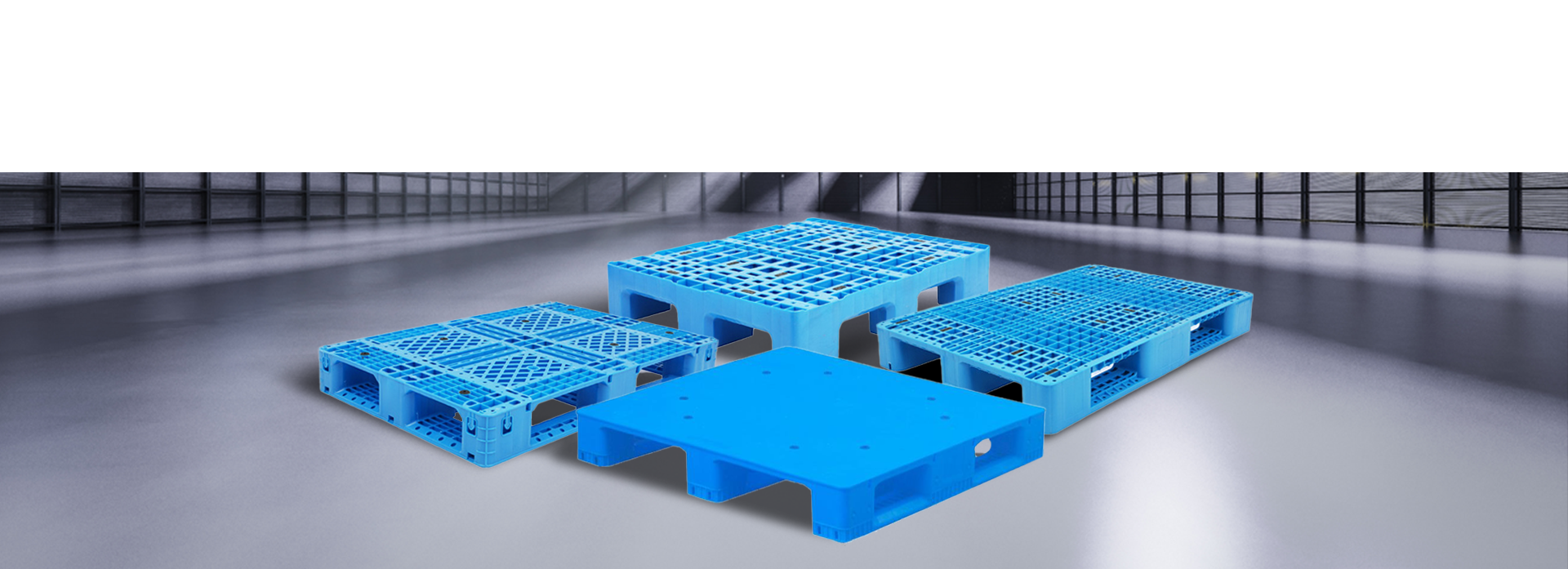
The 1200×800mm Euro plastic pallet is not a single product — it is a family of designs, each optimized for specific operational environments. Understanding the key variants allows logistics and procurement professionals to specify the right configuration for their application rather than defaulting to a generic solution.
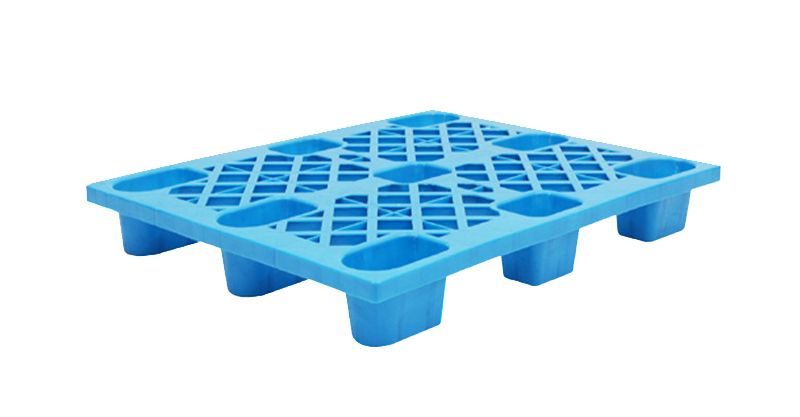
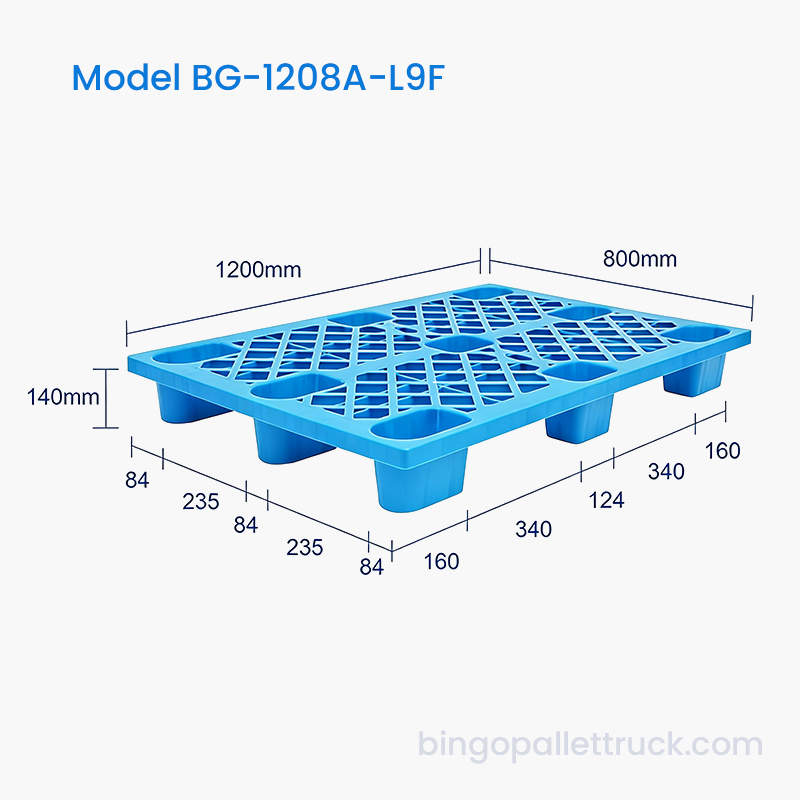
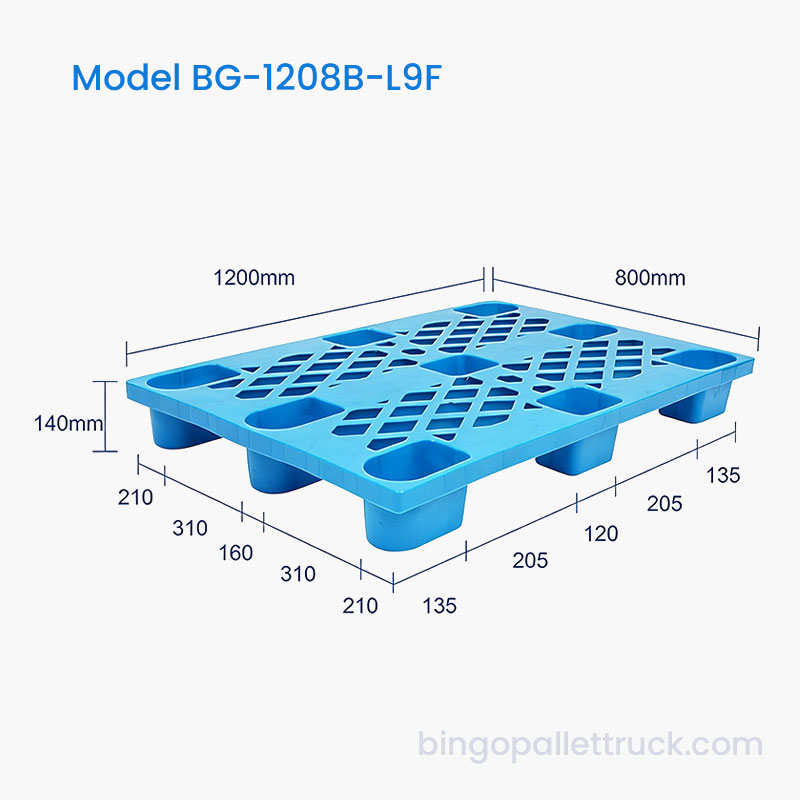
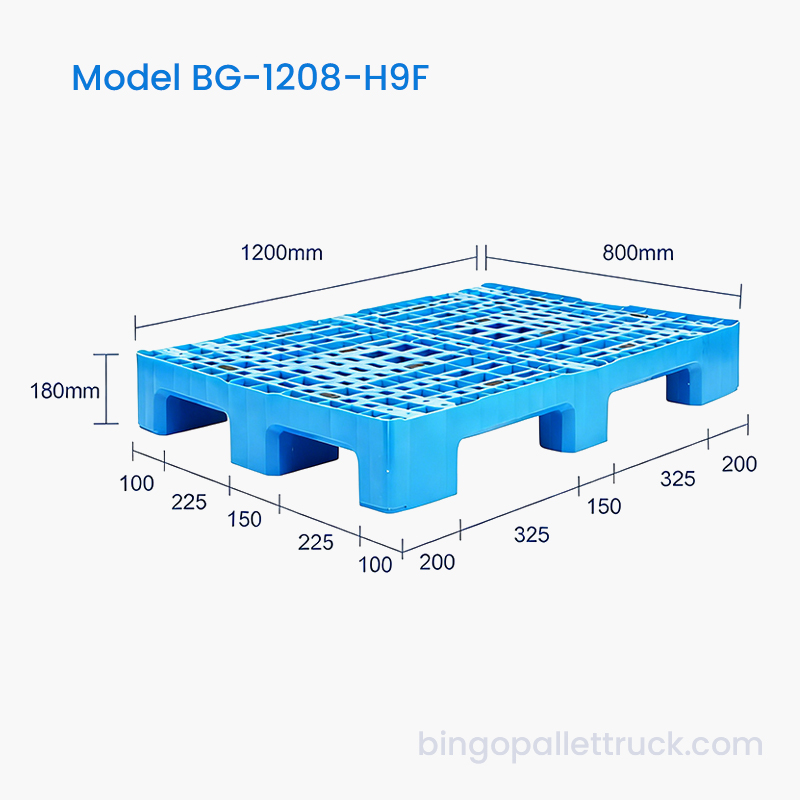
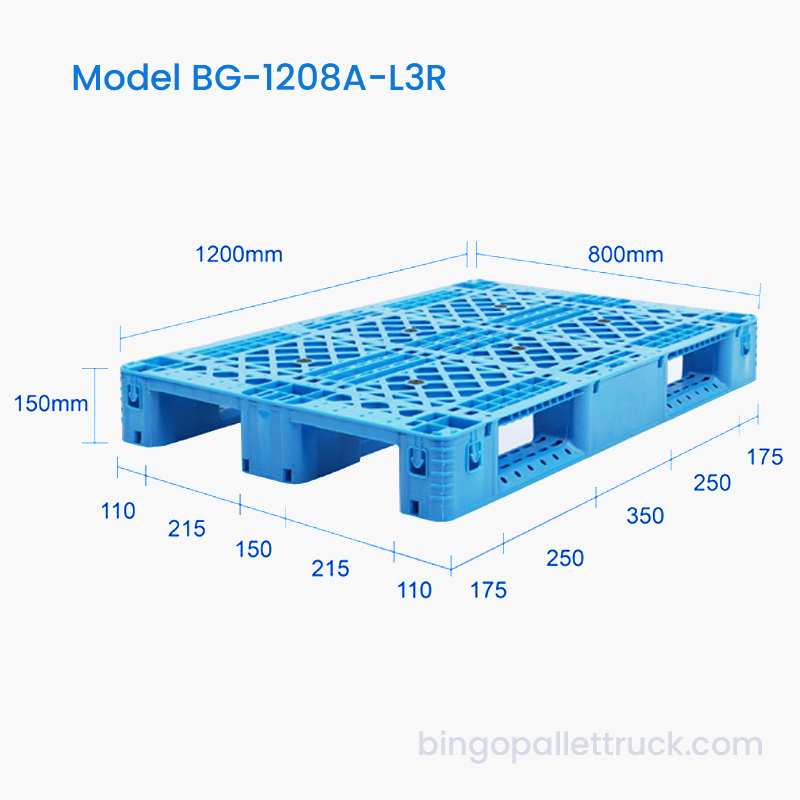
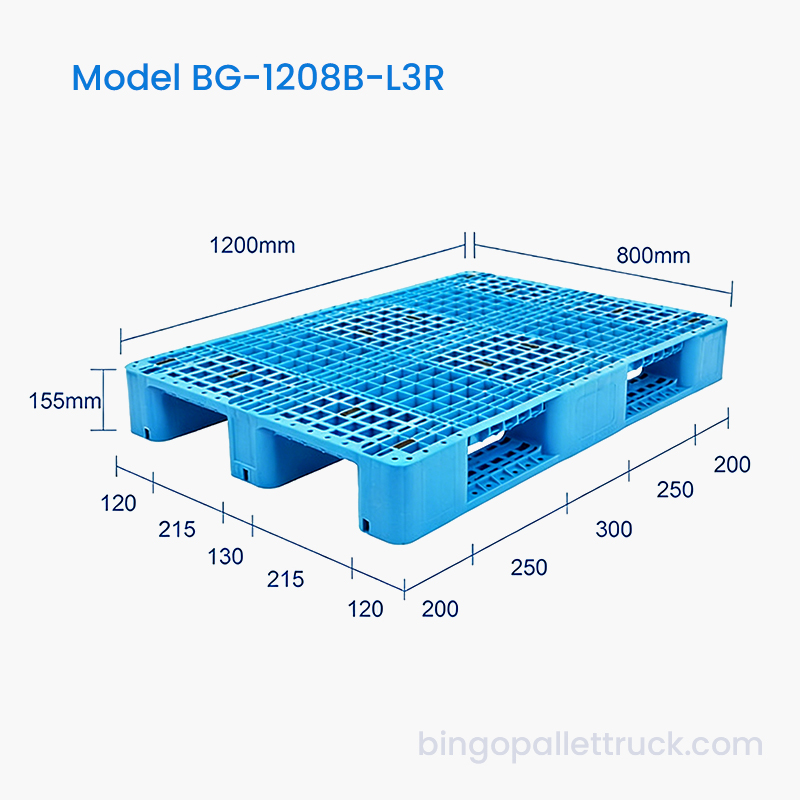
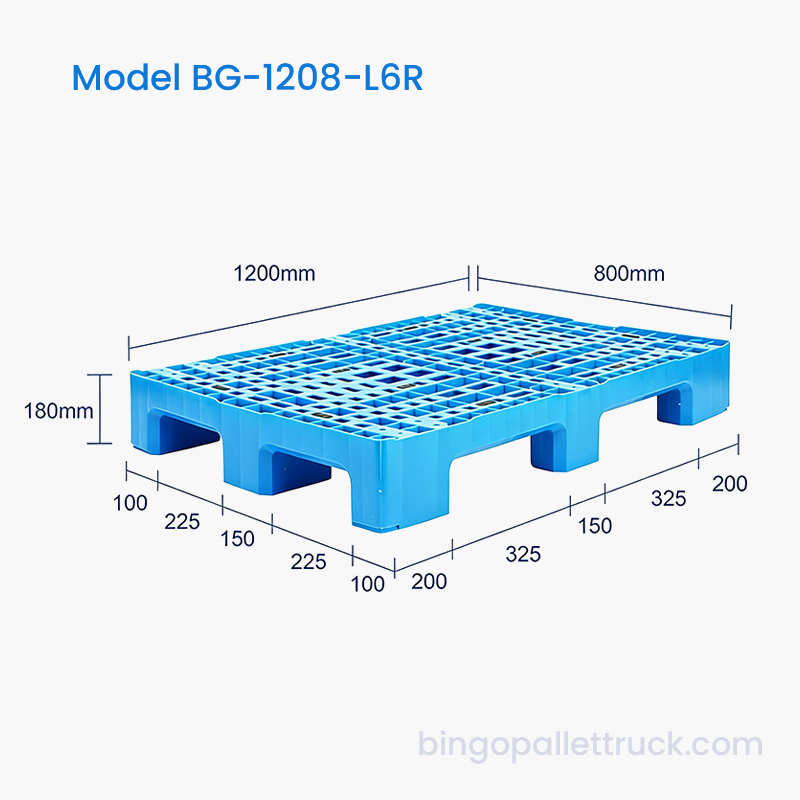
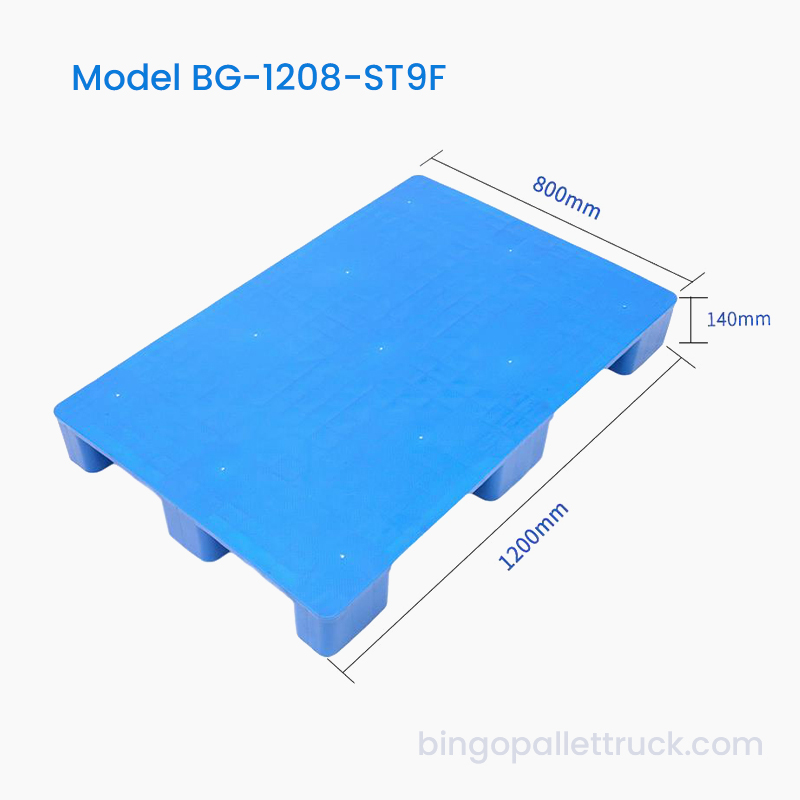
Nine-Leg (9-Foot) Euro Plastic Pallet: The most widely deployed design across European distribution. Nine-leg construction provides excellent four-way forklift and pallet jack entry, consistent load distribution, and strong racking performance. This variant is the default specification for most European warehouse automation systems.
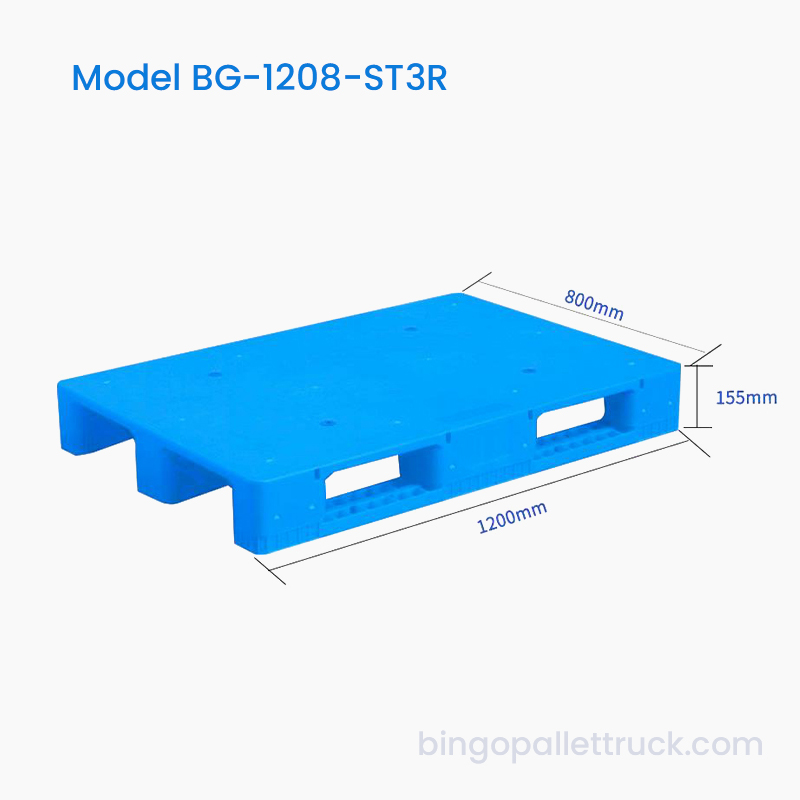
Solid Deck Euro Plastic Pallet: A continuous flat top surface with no perforations, preferred wherever small or unpackaged items must be handled, or where cleaning and disinfection is a routine operational requirement. Widely specified in pharmaceutical manufacturing, cosmetics, and food processing facilities governed by GMP and HACCP protocols.
Open Grid Deck Euro Plastic Pallet: A perforated or grid-pattern top deck that reduces pallet weight while maintaining structural strength through geometric reinforcement. The open deck is the standard format for cold-chain and chilled logistics, where adequate airflow around the product is essential for temperature uniformity and regulatory compliance.
Nestable Euro Plastic Pallet: Engineered to stack inside each other when empty, reducing return shipment volume by up to 70%. Nestable variants are ideal for one-way export logistics, pooling systems, and any operation where empty pallet storage and return freight costs are significant concerns.
Double-Face (Reversible) Euro Plastic Pallet: Both upper and lower surfaces are load-bearing, providing maximum operational flexibility and significantly extended service life. This design is common in heavy manufacturing and automotive parts logistics where pallets are subjected to demanding load cycles.
ESD (Electrostatic Discharge) Euro Plastic Pallet: Manufactured with carbon-loaded or conductive resin to dissipate static charges, this variant is specifically required for electronics, semiconductor, and precision instrument handling where ESD could cause component damage or safety incidents.
Selecting the correct variant requires a systematic assessment of racking type (cantilever, selective, drive-in), forklift and AGV entry requirements, load profile (weight, distribution, dynamic shock), temperature range, and hygiene standards. Bingo's technical team supports clients through this selection process, providing detailed load testing data and configuration recommendations aligned to specific warehouse and operational parameters.
The vertical bar chart below compares the typical static load capacity of each Euro plastic pallet design variant, providing a quick reference for structural selection decisions.
The double-face Euro plastic pallet leads with a static load capacity of 9,000 kg, reflecting its robust dual-surface construction that distributes load across both faces. The solid deck variant follows at 8,500 kg, combining maximum load distribution with the cleanable, non-porous surface demanded by regulated industries. Nine-leg pallets, the most commercially prevalent Euro format, deliver 7,500 kg — entirely sufficient for the vast majority of European distribution and racking applications. ESD and open-grid variants offer moderate capacity in the 6,000–6,500 kg range, prioritizing specific functional properties over maximum load performance. Nestable pallets, at 3,500 kg, are optimized for return logistics efficiency rather than heavy static loading. These capacity figures are critical inputs for rack load calculations and forklift specification when commissioning or expanding a warehouse facility using 1200×800mm Euro plastic pallets.
Multi-Attribute Radar: How Euro Plastic Pallets Compare Holistically
Procurement decisions for Euro plastic pallets should never rest on a single metric. The radar chart below compares the 1200×800mm plastic Euro pallet against wooden and metal alternatives across six key operational dimensions: Hygiene, Durability, Weight Efficiency, Cost Efficiency (TCO), Sustainability, and Automation Compatibility. All scores are normalized on a 0–10 scale from multi-source industry benchmark data.
The radar chart delivers a clear visual verdict: the 1200×800mm Euro plastic pallet dominates across the combined profile of all six operational dimensions. In Hygiene and Automation Compatibility — the two dimensions increasingly critical for modern regulated and automated operations — plastic scores 9.5/10, the highest of all three materials. Its Sustainability score of 9/10 reflects full HDPE recyclability and elimination of wood-sourcing environmental impact. Durability at 8.5/10 far exceeds wood (3.5/10) while remaining fully adequate for standard warehousing applications. Cost Efficiency at 8/10 reflects the total cost of ownership over 5+ years, accounting for the higher trip cycle count, avoided fumigation costs, and lower repair rates. Metal pallets score highest in Durability at 9.5/10 and are competitive in Sustainability, but their poor Weight Efficiency and low Cost Efficiency (4.5/10 due to high procurement and freight costs) limit their applicability to specialist heavy industrial operations. The radar confirms that for any standard European distribution or manufacturing environment, the Euro plastic pallet is the objectively superior all-round specification.
5-Year Total Cost of Ownership: Making the Economic Case
The economics of the 1200×800mm Euro plastic pallet become compelling when analyzed on a total cost of ownership (TCO) basis rather than purchase price alone. Wooden pallets appear less expensive at the point of purchase, but their short service life, fumigation costs, repair requirements, and disposal expenses create a cost structure that becomes significantly more expensive over time. The grouped column chart below models cumulative costs per 1,000 pallets over five years for plastic, wood, and metal pallet fleets.
The 5-year cumulative cost analysis reveals a decisive economic argument for the 1200×800mm Euro plastic pallet. In Year 1, wood appears competitive at $72k vs. $48k for plastic — a gap that narrows within 18 months once amortized trip cycle costs are considered. By Year 3, wood has reached $156k while plastic stands at just $76k — a $80k gap per 1,000 pallets. By Year 5, the difference widens to $117k ($215k wood vs. $98k plastic). Metal pallets, while more durable, carry high procurement costs that produce a Year 1 outlay of $118k, and their total 5-year cost of $175k still exceeds plastic by $77k per 1,000 pallets — while adding freight cost penalties from their significantly higher weight. The plastic pallet's TCO advantage stems from three compounding factors: far fewer replacement cycles, zero fumigation costs on every cross-border shipment, and lower repair and disposal costs throughout the fleet lifecycle. For any operation running more than 30–40 pallet movements per day, the economics of transitioning to Euro plastic pallets are straightforward and compelling.
Compliance, Hygiene, and Food-Grade Standards
For industries operating under regulatory frameworks governing product safety and hygiene, the 1200×800mm Euro plastic pallet provides a compliance-ready foundation that wooden pallets fundamentally cannot match. The key compliance and hygiene attributes include:
ISPM-15 Exemption for International Trade
Plastic Euro pallets are fully exempt from ISPM-15 phytosanitary requirements. This means no heat treatment, no methyl bromide fumigation, and no phytosanitary certification is required for international shipments. For operations shipping to or from markets including Australia, the US, China, and all EU member states, this exemption eliminates a recurring compliance cost and administrative burden that wooden pallets carry on every international consignment.
Food-Grade and Pharmaceutical Compliance
Bingo's food-grade Euro plastic pallets are manufactured from FDA 21 CFR compliant HDPE or PP resins, meeting EU Regulation (EC) No 1935/2004 on materials in contact with food. Their non-porous, splinter-free surfaces withstand high-pressure hot-water washing and chemical disinfection with standard food-safe cleaning agents, making them fully compatible with HACCP food safety management systems and pharmaceutical GMP environments. Unlike wood, plastic pallets do not absorb moisture, harbor bacteria, or shed splinters into packaged goods.
ISO 8611 Load Testing Compliance
Quality 1200×800mm Euro plastic pallets are tested in accordance with ISO 8611 — the international standard for pallet load performance testing — covering static load, dynamic (forklift) load, and racking load configurations. Compliance with ISO 8611 provides warehouse operators and procurement teams with independently verified performance data that can be used in rack load calculations, insurance assessments, and quality management documentation.
About Bingo: Integrated Warehousing and Logistics Solutions
Bingo is an enterprise specializing in the production, sales, and service of warehousing and logistics equipment. Focusing on the equipment needs of various warehousing and logistics scenarios, Bingo provides global customers with one-stop, integrated solutions for material storage and handling. From selective and drive-in racking systems and automated conveyor infrastructure to the complete range of 1200×800mm Euro plastic pallets and specialized material handling equipment, Bingo's product portfolio addresses the full operational spectrum of modern distribution centers, manufacturing facilities, and third-party logistics providers.
Bingo operates to ISO 9001 quality management standards and serves clients across Europe, Asia-Pacific, North America, the Middle East, and Africa. Bingo's engineering and applications team works alongside customers from initial needs assessment through product specification, delivery, and ongoing support — ensuring that every pallet, racking system, and handling solution performs reliably and delivers measurable return on investment. For organizations evaluating a transition to Euro plastic pallets or seeking to standardize their warehousing fleet, Bingo provides comprehensive consultation, customization, and supply services tailored to each client's operational requirements.
Frequently Asked Questions
Q1: What are the standard dimensions of a Euro plastic pallet?
A: The standard Euro plastic pallet measures 1200mm × 800mm in footprint, conforming to the ISO 6780 international pallet standard. Standard deck height is typically 150mm, though this varies by design. This footprint is specifically dimensioned to maximize loading efficiency in European trucks, racking systems, and automated conveyor lines.
Q2: What load capacity should I expect from a 1200×800mm Euro plastic pallet?
A: Load capacity varies by design type. A standard nine-leg Euro plastic pallet typically supports 1,000–1,500 kg dynamic load and up to 7,500 kg static load. Solid-deck and double-face designs can reach 8,500–9,000 kg static. Always verify the specific pallet datasheet for ISO 8611-compliant load ratings before specifying for racking applications.
Q3: Are 1200×800mm Euro plastic pallets compatible with European racking systems?
A: Yes. The 1200×800mm footprint is the defining Euro standard specifically designed for compatibility with European selective racking, drive-in racking, and push-back racking systems. Its precise dimensions also ensure reliable performance on automated conveyor lines, AS/RS systems, and robotic picking infrastructure common in modern European distribution centers.
Q4: What material is used in Euro plastic pallets — HDPE or PP?
A: Both materials are used depending on the application. HDPE is preferred for cold-chain environments (rated to -40°C), high-impact applications, and food-contact requirements. PP offers higher stiffness and can withstand steam sterilization up to 120°C, making it suited for pharmaceutical and lightweight precision applications. Bingo can advise on the optimal material grade for your specific operating environment.
Q5: How long do Euro plastic pallets last compared to wooden ones?
A: A quality 1200×800mm Euro plastic pallet typically achieves 50–100 trip cycles, translating to 5–10 years in a standard closed-loop distribution environment. Wooden Euro pallets generally last 10–20 trips before requiring significant repair or replacement. This 3–5× lifecycle advantage is one of the key drivers of the plastic pallet's superior 5-year total cost of ownership.
Q6: Are Euro plastic pallets recyclable at end of life?
A: Yes. HDPE and PP Euro plastic pallets are 100% recyclable. End-of-life pallets are ground into regrind material used to manufacture new pallets or other plastic products. Bingo also offers pallets with up to 100% recycled HDPE content for clients pursuing sustainability certifications or corporate ESG targets. The full recyclability of Euro plastic pallets is a key environmental advantage over wood, which has limited and inconsistent recycling pathways.

 en
en  Español