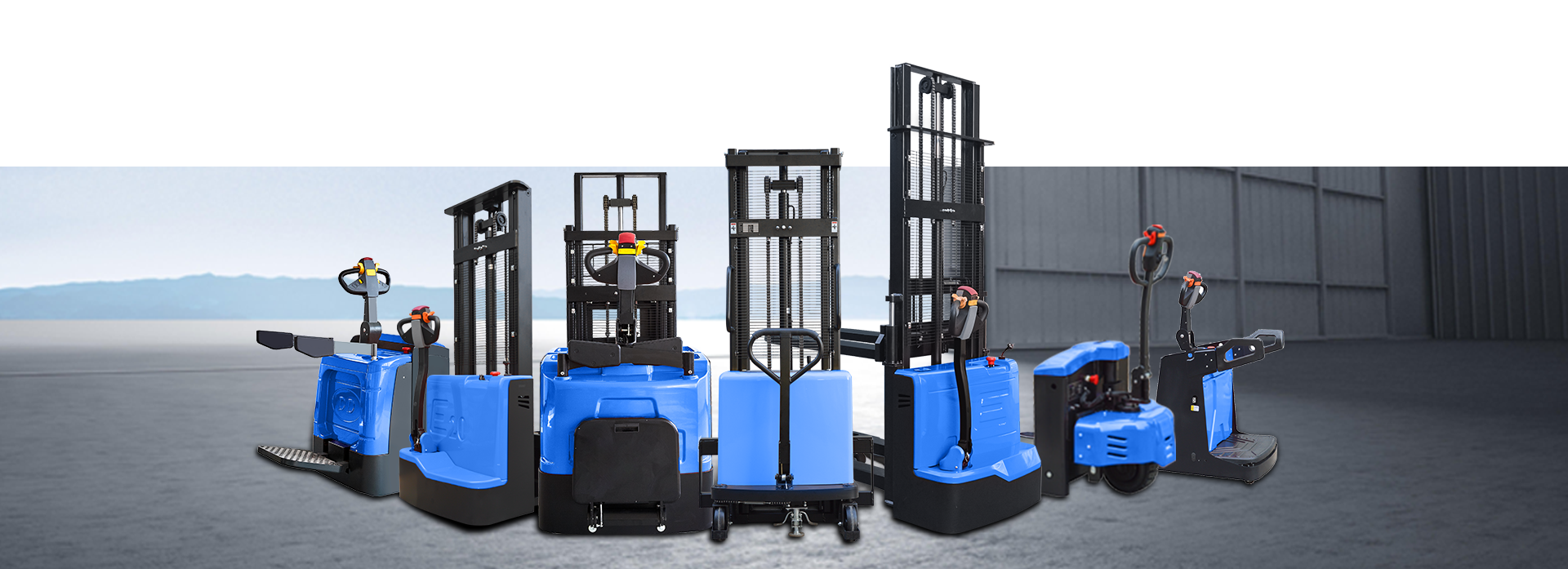
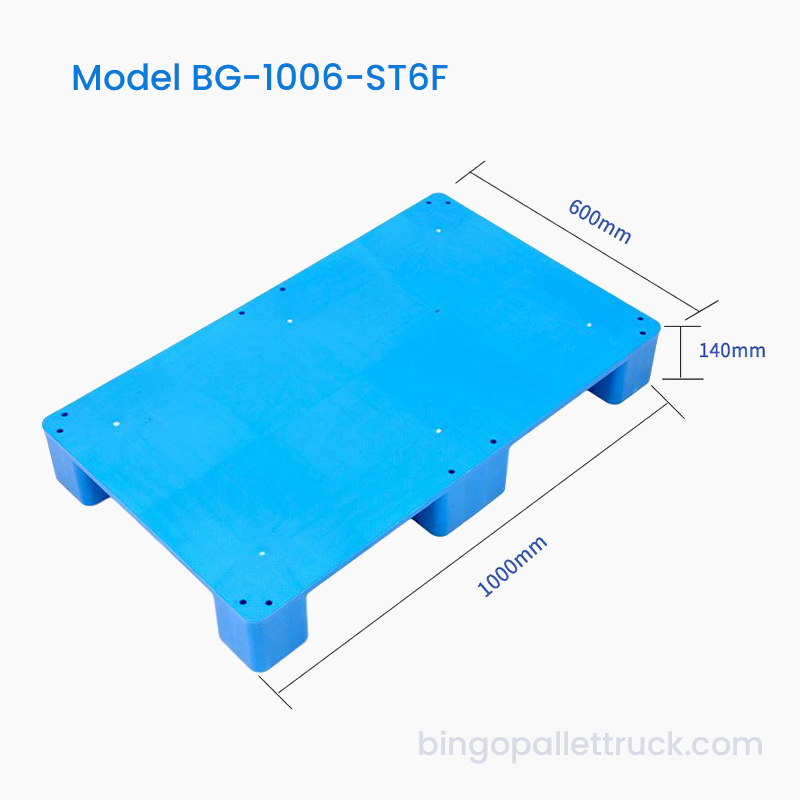
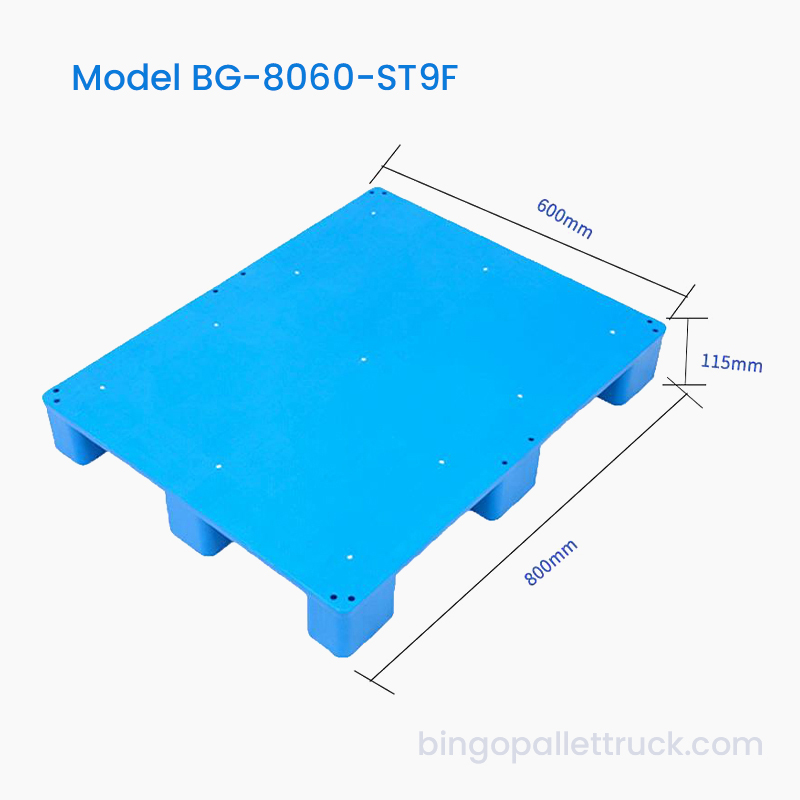
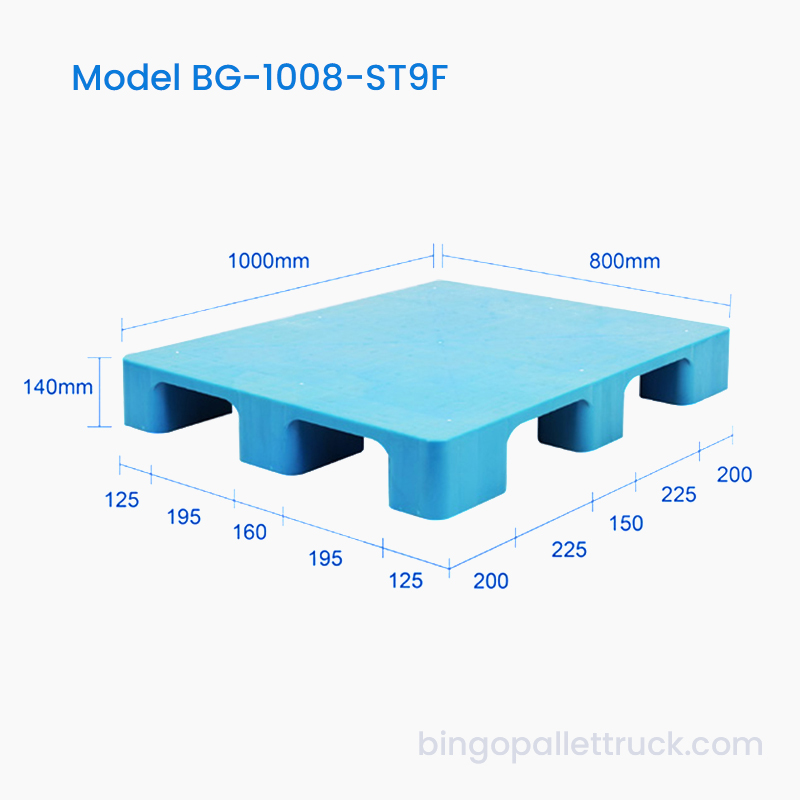
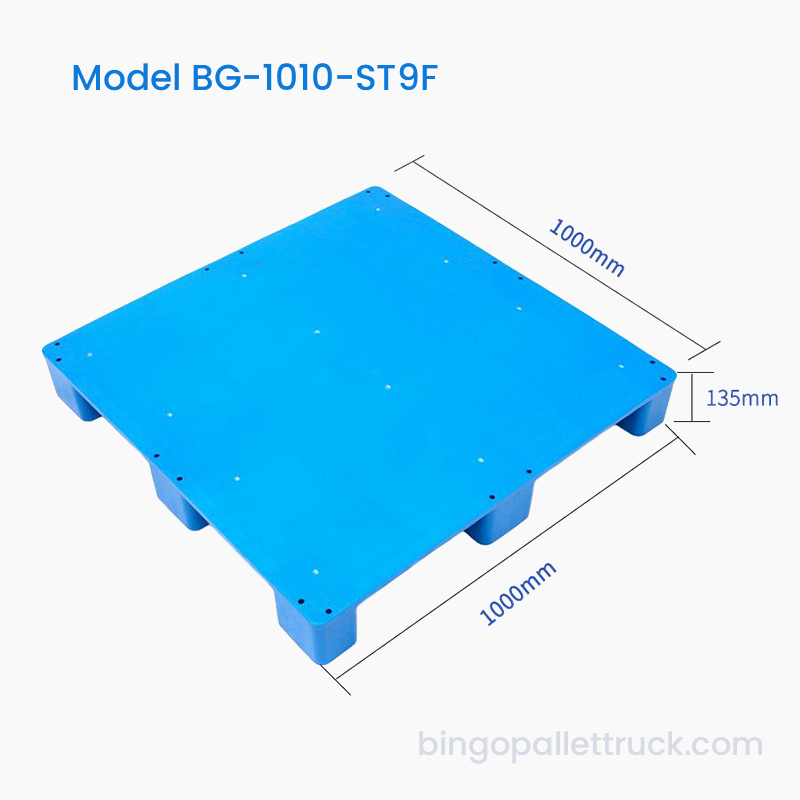
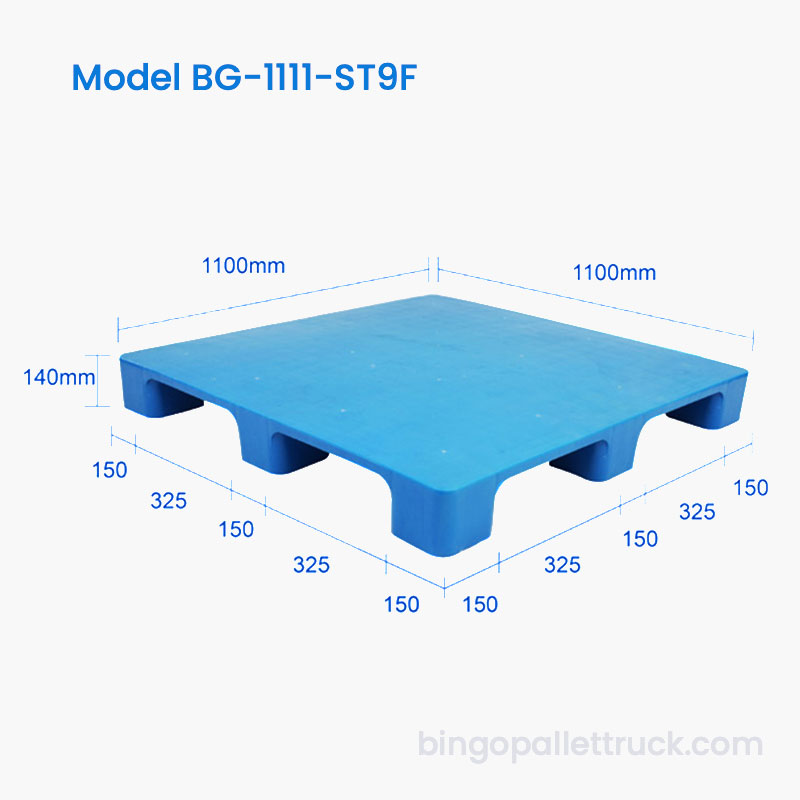
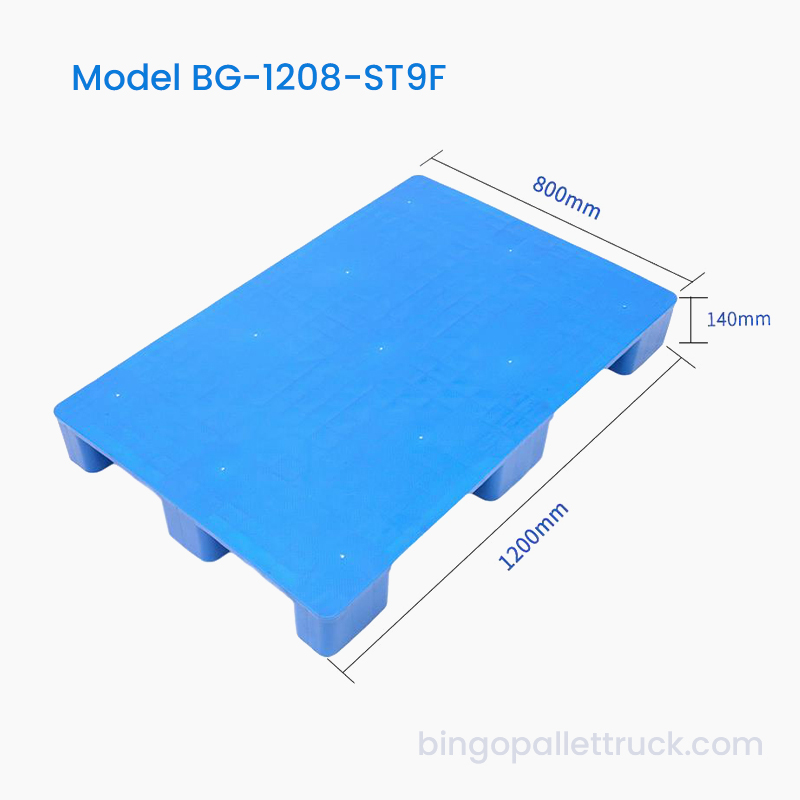
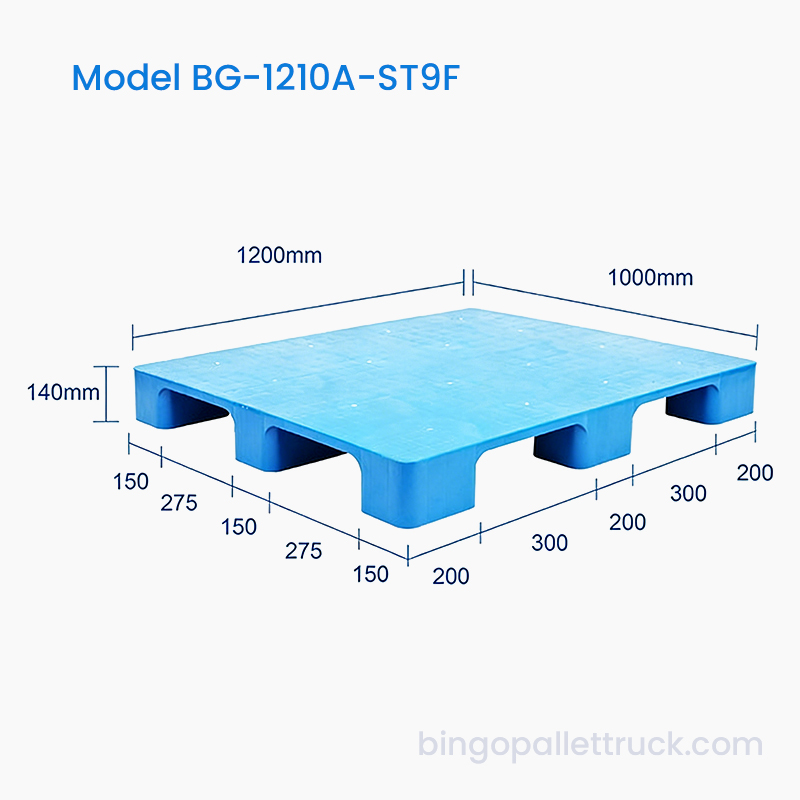
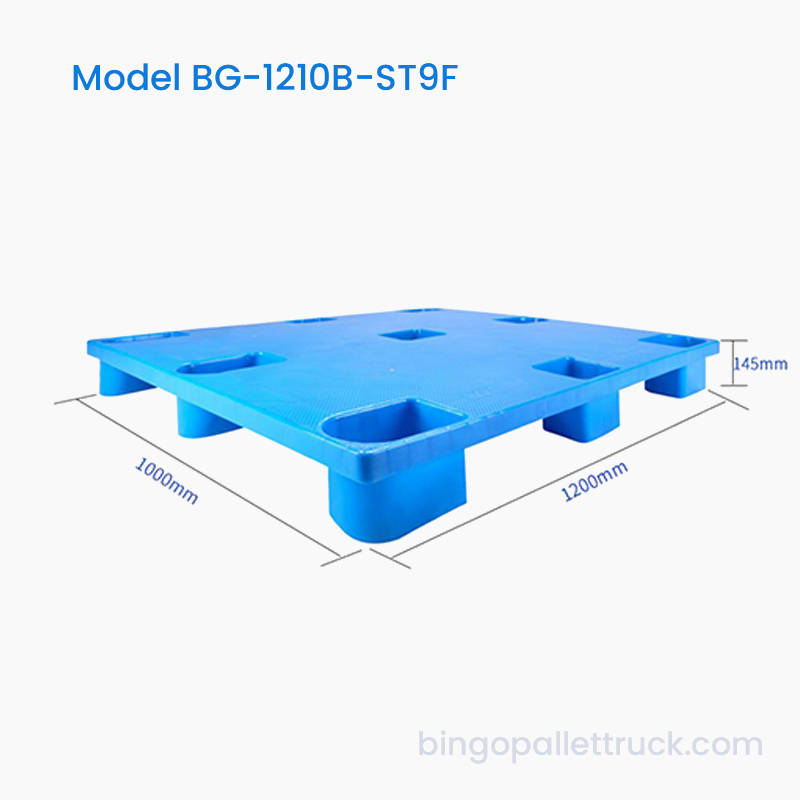
Bingo is an enterprise specializing in the production, sales, and service of warehousing and logistics equipment. Focusing on the equipment needs of various warehousing and logistics scenarios, we provide global customers with one-stop, integrated solutions for material storage and handling.
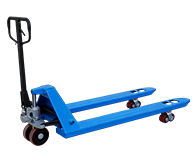
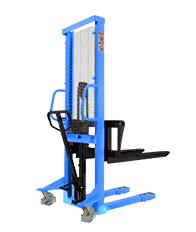
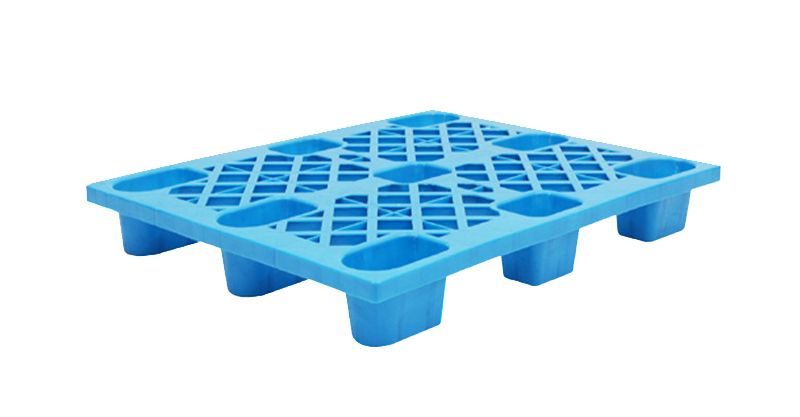
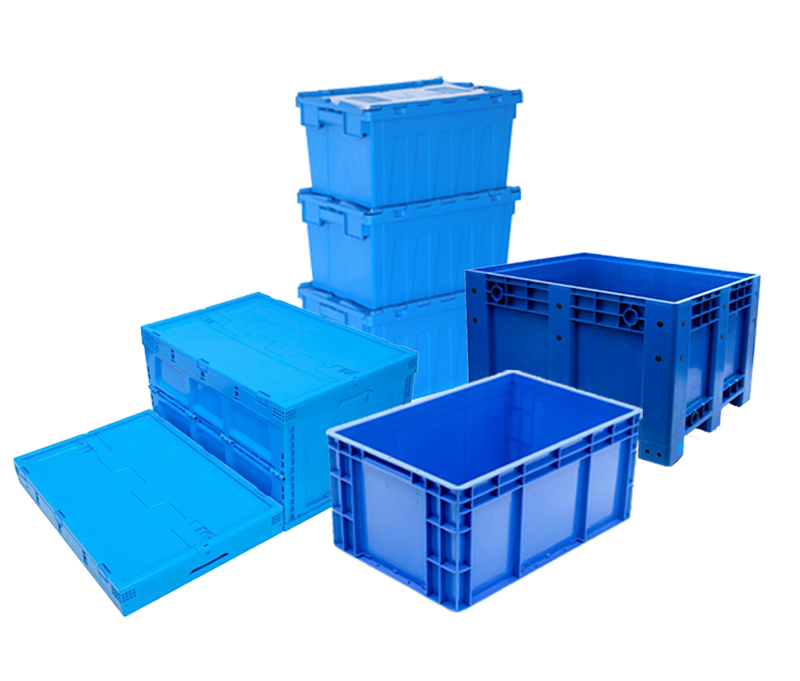
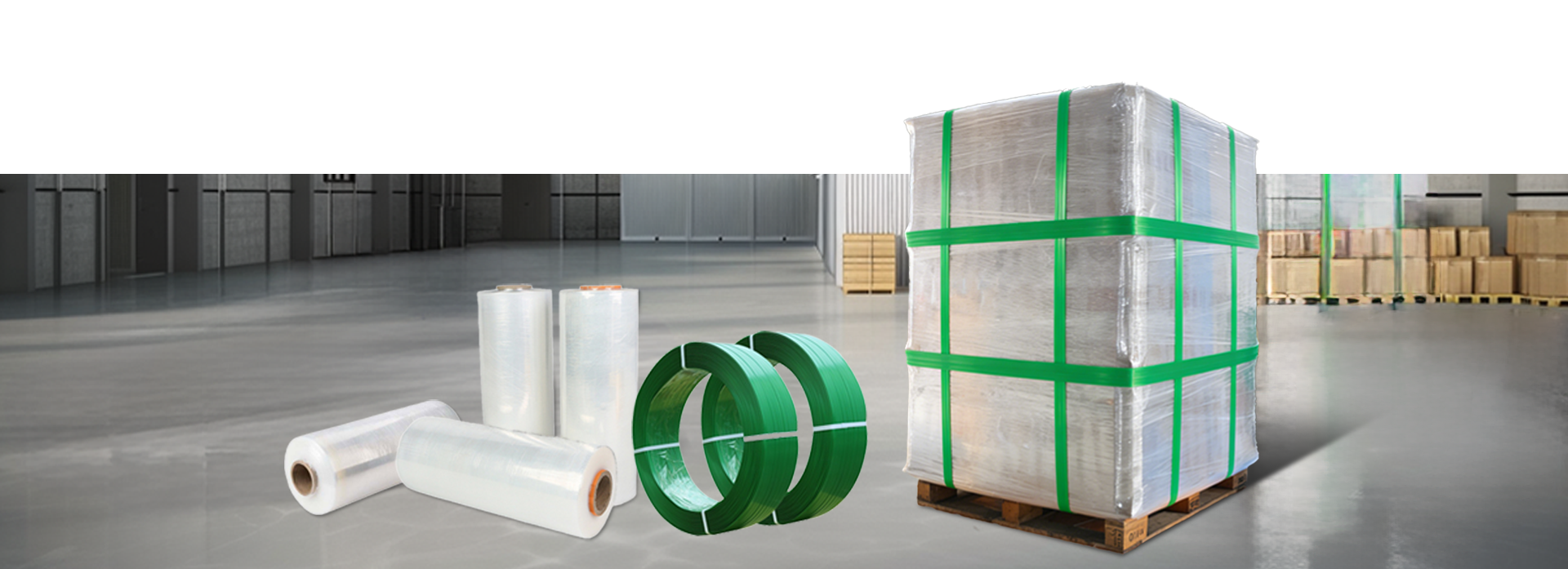
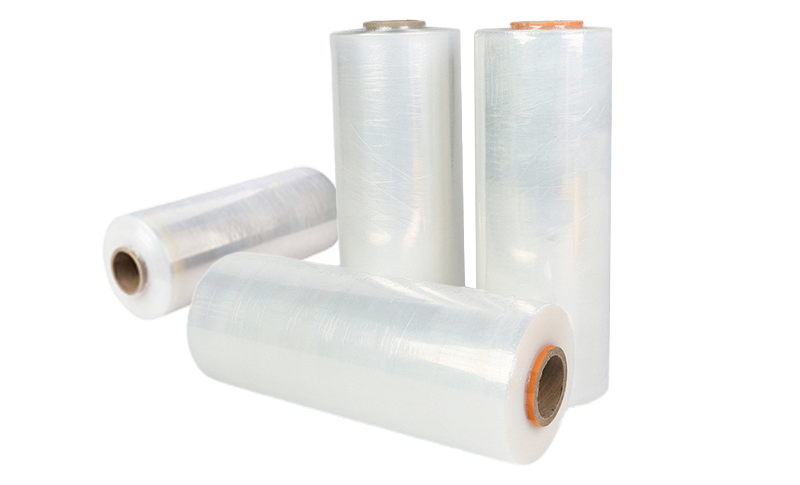
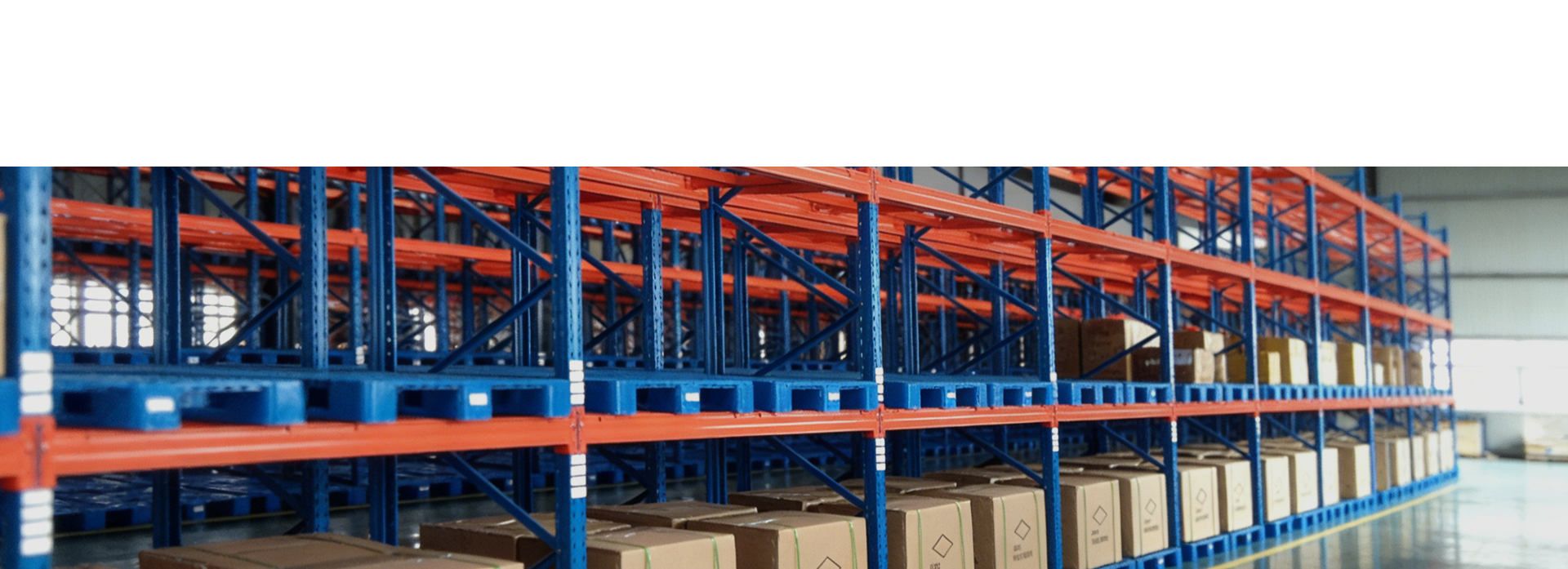
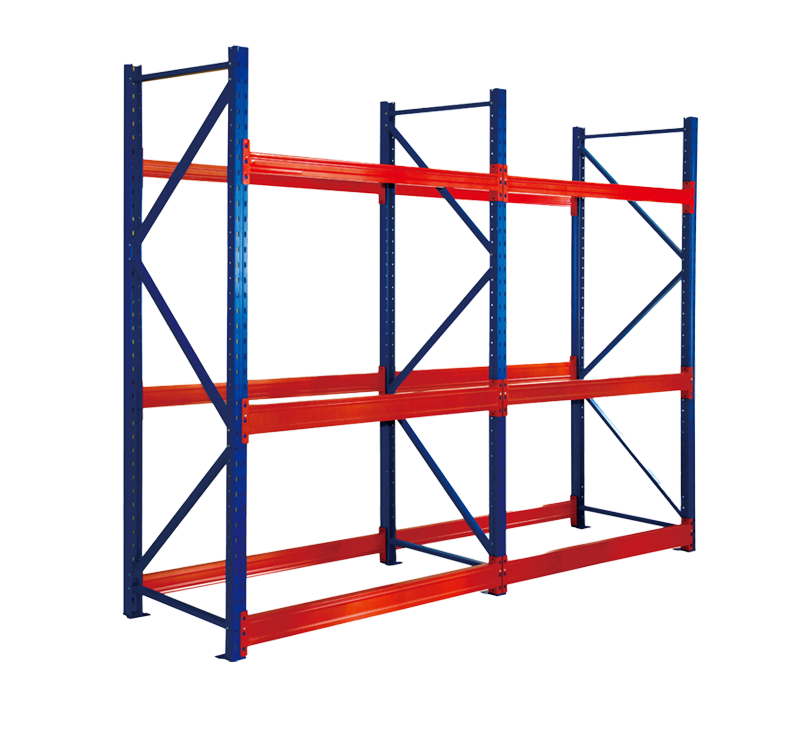
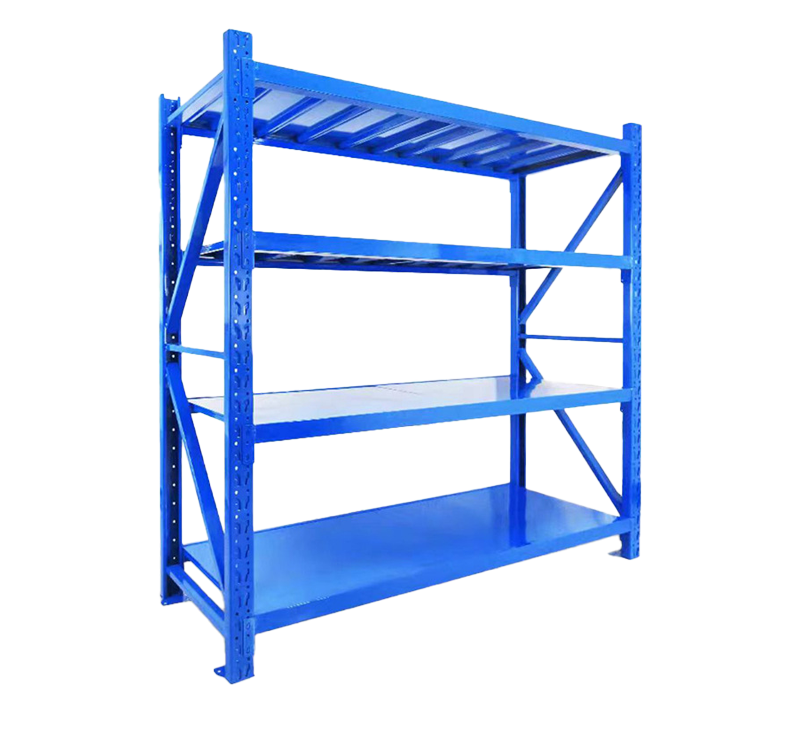
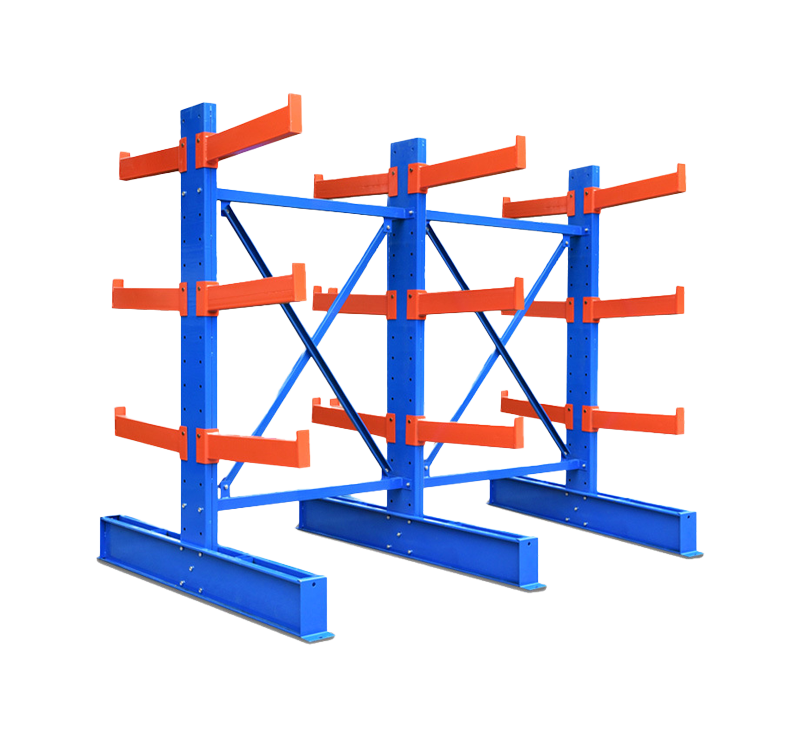
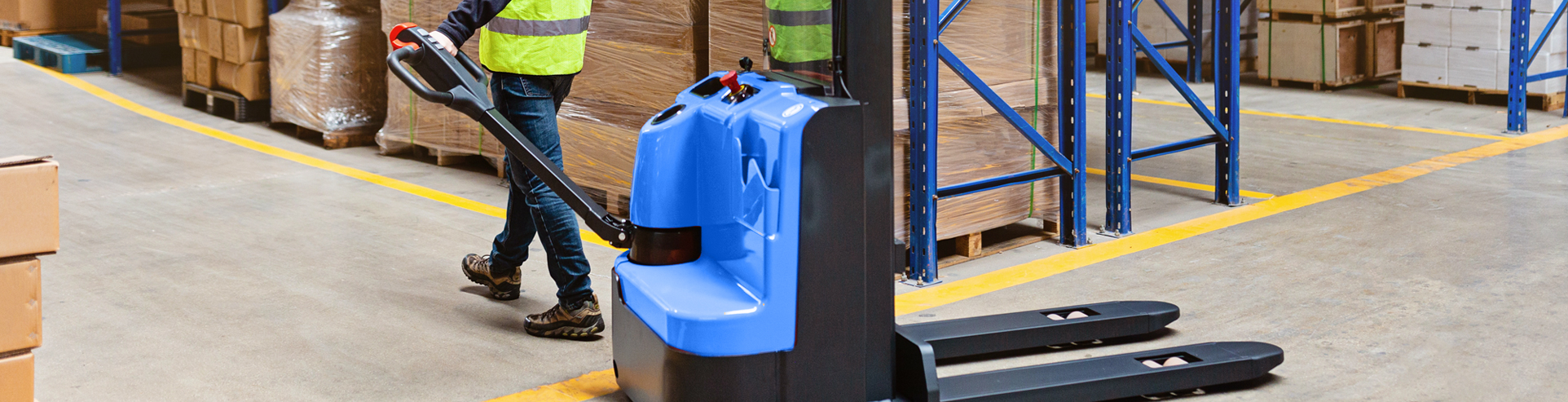
Bingo is a China OEM Solid Top Plastic Pallets Supplier and Solid Top Plastic Pallets Factory, and has built a complete warehousing and logistics equipment supply chain covering four core systems. In the field of handling equipment, we offer a full range of manual and electric pallet trucks and stackers. Our storage container line includes plastic pallets, plastic totes, crates, and bulk containers to meet diverse logistics needs. while the packaging material series provides supporting products such as stretch wrap and packing strapping. The warehousing racks series encompasses light-duty, medium-duty, and heavy-duty products of various specifications. Adhering to quality as our core value, we rely on a mature supply chain system and strict quality inspection processes to ensure that every product complies with international standards. We are committed to delivering cost-effective product solutions for industries including manufacturing, e-commerce logistics, warehousing and distribution, as well as supermarket retail.
Upholding the philosophy of "Quality First, Win-Win Cooperation", we actively expand our global market presence and are willing to join hands with partners around the world to jointly promote the intelligent and efficient development of the logistics industry.
Every warehouse supervisor knows the moment when manual pallet handling stops being workable. The heaviest pallets exceed 2500 kg, the dock staging area sits 80 meters from the storage bays, and the shift plan demands more pallet moves tha...
During a routine walkthrough at a distribution center, a warehouse manager noticed a small dent in the bottom flange of a pallet rack upright. No load was in that bay, so the dent was recorded as cosmetic. Three weeks later, a forklift gra...
Bingo Machinery, a trusted global supplier of smart warehouse handling equipment, officially launches the brand new CDDA15 1.5 ton pedestrian electric walkie stacker. This compact stacking solution is engineered for medium height pallet st...
Everything You Need to Know About Solid Top Plastic Pallets
Solid top plastic pallets deliver a continuous, uninterrupted deck surface that eliminates the gaps, openings, and slat-spacing found on standard open-deck or perforated plastic pallets. This closed surface design prevents small parts, loose packaging, vials, and granular products from falling through during transit or storage — a critical operational advantage in pharmaceutical, electronics, and fine chemical applications. Solid top plastic pallets are engineered to combine load integrity with cleanability, offering a platform that can be thoroughly washed, sanitized, and returned to service with minimal downtime. This article examines the structural characteristics, performance metrics, industry applications, and selection criteria for solid top plastic pallets, providing procurement managers and logistics engineers with the technical depth needed to make informed sourcing decisions.
Bingo is an enterprise specializing in the production, sales, and service of warehousing and logistics equipment. Focusing on the equipment needs of various warehousing and logistics scenarios, Bingo provides global customers with one-stop, integrated solutions for material storage and handling — including a comprehensive lineup of solid top plastic pallets designed for demanding industrial and regulated-environment applications.
What Defines a Solid Top Plastic Pallet?
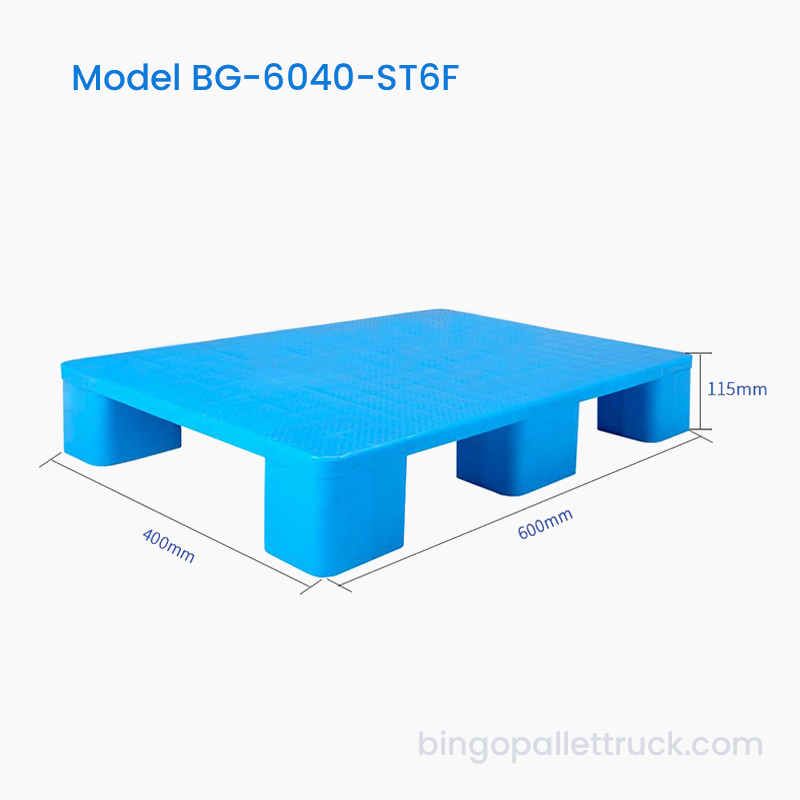
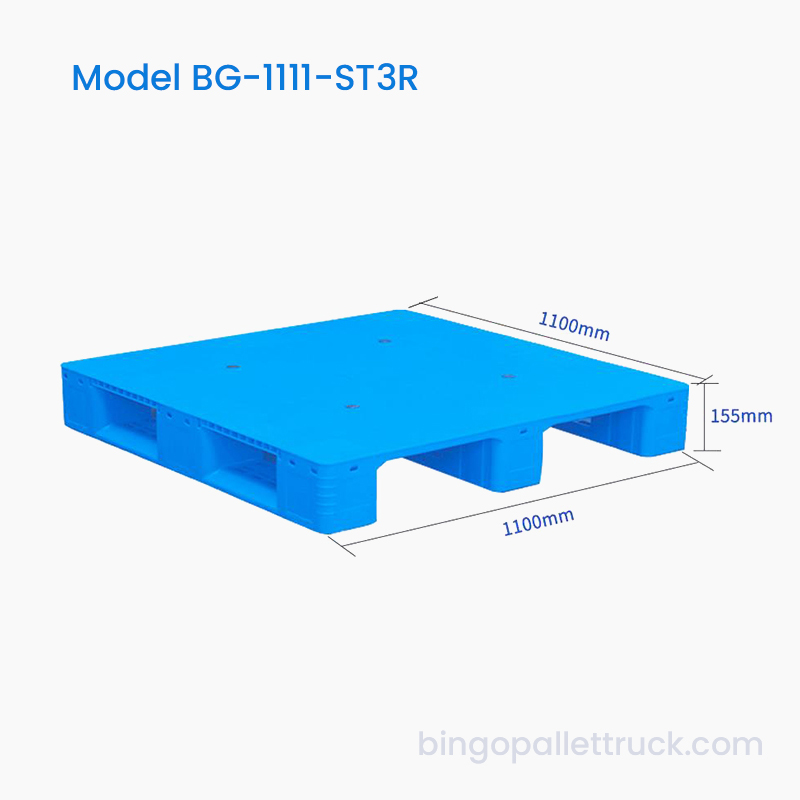
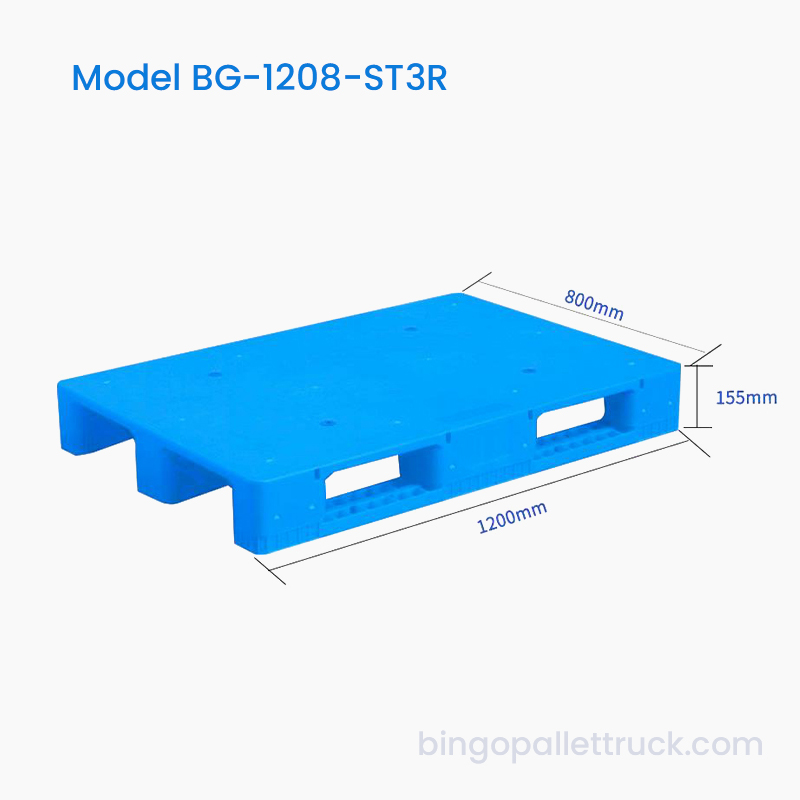
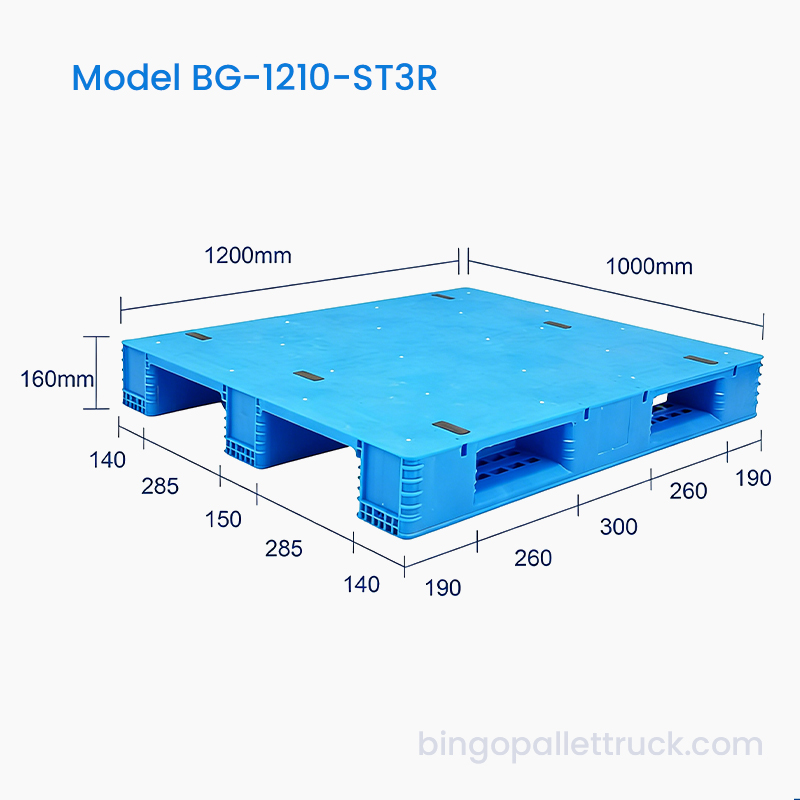
Unlike open-deck or perforated variants, a solid top plastic pallet features a fully closed upper deck with no holes, channels, or gaps in the load-bearing surface. Below this solid deck, the pallet body transitions into a leg or runner structure that provides fork and pallet jack entry clearance while maintaining the structural rigidity required for racking, stacking, and heavy-load applications. The deck is typically manufactured from High-Density Polyethylene (HDPE) or Polypropylene (PP) through injection molding or compression molding processes, resulting in a homogeneous surface with no stress concentrations around perforations.
The solid surface provides several distinct functional benefits: it acts as a containment barrier for small items, creates a uniform load distribution plane for soft or flexible packaging, and presents a smooth, non-porous contact surface that resists bacterial biofilm formation. Many solid top plastic pallets are also produced with a slightly textured or ribbed upper surface to improve friction and prevent load sliding during forklift transport — a design refinement particularly valued in cold chain and steep-ramp logistics operations.
Core Structural Characteristics
Fully closed top deck with no gaps or perforations across the entire load surface
Available in 2-way or 4-way fork entry configurations
Single-faced or double-faced (reversible) deck options depending on application
Optional anti-slip surface texture or rubber inserts for load stability
RFID-ready cavities and embedded tracking support available on custom specifications
Color options for visual segregation and inventory management protocols
Solid Top vs. Open Deck vs. Perforated: A Direct Comparison
The three primary deck configurations for plastic pallets each carry distinct advantages and trade-offs. The table below compares solid top plastic pallets against open-deck and perforated variants across the dimensions most relevant to operational decision-making.
Table 1: Comparative analysis of plastic pallet deck configurations across key operational criteria.
Criterion
Solid Top Plastic Pallet
Open Deck Pallet
Perforated Deck Pallet
Small Part Containment
Excellent
Poor
Moderate
Hygiene / Washability
Excellent
Good
Good
Weight (per unit)
Higher
Lowest
Low
Load Distribution
Uniform across full deck
Concentrated on slats
Near-uniform
Drainage / Airflow
Limited (surface only)
Excellent
Good
Pharmaceutical Suitability
High
Moderate
Moderate
Automation Compatibility
High
Moderate
High
Industry Preference for Solid Top Plastic Pallets
The horizontal bar chart below shows the percentage of surveyed industry operators in each sector that specifically specify solid top plastic pallets as their standard platform over open-deck or perforated alternatives. The data reflects procurement surveys across manufacturing and distribution operations in 2023–2024.
Electronics manufacturing leads all sectors in solid top plastic pallet preference at 91%, driven by the critical need to prevent small components, circuit boards, and packaged assemblies from slipping through deck gaps during warehouse handling and inter-facility transport. The pharmaceutical sector follows closely at 89%, where GMP compliance mandates a cleanable, splinter-free, and fully inspectable pallet surface. Fine chemical operations cite both contamination control and liquid containment as primary motivations — a solid top deck acts as a spill barrier when sealed drum or intermediate bulk container (IBC) cargo leaks during transport. Cosmetics and personal care manufacturers prioritize solid top plastic pallets to maintain product presentation integrity and prevent packaging damage from deck contact. Even in general distribution, over 44% of operations now specify solid top variants for their portion of stock-keeping units involving small-format packaging or high-value goods.
Load Performance Across Solid Top Pallet Configurations
Solid top plastic pallets are available in multiple structural configurations, each targeting different load profiles and handling environments. The 3D column chart below compares dynamic and static load capacities across four common solid top pallet categories.
The heavy-duty solid top plastic pallet configuration achieves the highest performance ratings, with a static load capacity of 5,000 kg and a dynamic load of 2,500 kg, making it suitable for the most demanding manufacturing and distribution applications including engine block storage, metal component handling, and dense FMCG distribution. Racking-rated solid top pallets are specifically reinforced to resist mid-span deflection when supported only at beam contact points, with a static racking capacity typically in the range of 1,200–1,500 kg — a specification that must be confirmed against actual beam spacing in the target warehouse. Anti-slip solid top variants incorporate a textured or embossed upper deck pattern that increases friction between load and pallet surface, reducing load-shift incidents during inclined conveyor transport by up to 35% compared to smooth-deck models. Standard solid top models serve as an effective entry point for operations that require containment and hygiene without extreme load requirements, offering a cost-effective platform for pharmaceutical staging areas, cleanroom receiving docks, and electronics kitting stations.
Hygiene and Regulatory Compliance Advantages
The hygiene case for solid top plastic pallets is compelling and quantifiable. A 2023 independent microbiological study comparing wood, open-deck plastic, and solid top plastic pallets found that solid top surfaces harbored 97% fewer bacterial colony-forming units (CFUs) after standard pressure-wash cleaning cycles compared to untreated wooden pallet surfaces. The absence of gaps, crevices, and fiber absorption points eliminates the primary bacterial harborage zones that make wooden and even open-deck pallets problematic in food contact and pharmaceutical environments.
Regulatory Frameworks Supporting Solid Top Plastic Adoption
FDA 21 CFR Part 211 — requires storage areas and equipment to be free of contamination sources; solid top plastic pallets satisfy this by eliminating wood fiber shedding and moisture retention
EU GMP Annex 1 (2023 revision) — tightened requirements for cleanroom and controlled environment pallet specifications now explicitly favor non-porous, easily cleaned surfaces
HACCP compliance — solid top surfaces support HACCP critical control point management by reducing contamination transfer risk between production and storage zones
ISPM-15 exemption — plastic pallets are globally exempt from phytosanitary treatment requirements, simplifying export logistics across more than 180 signatory countries
ISO 8611 pallet testing — Bingo solid top plastic pallets are manufactured and tested to ISO 8611-1 performance benchmarks for consistent, verifiable structural performance
Radar Analysis: Solid Top Plastic vs. Wooden Pallet Performance Profile
The radar chart below evaluates solid top plastic pallets against wooden pallets across six performance dimensions scored on a 0–10 scale: Hygiene, Durability, Load Consistency, Automation Fit, Environmental Score, and Regulatory Compliance. This multi-axis view captures the holistic operational advantage rather than focusing on any single metric.
The radar chart makes the performance divergence immediately apparent: solid top plastic pallets occupy a consistently large footprint across all six axes, while wooden pallets show a significantly contracted profile particularly in the hygiene, regulatory compliance, and automation fit dimensions. Hygiene scores the largest gap — 9.5 vs. 2.5 — reflecting the fundamental impossibility of fully sanitizing a porous, fibrous wood surface to pharmaceutical or food-grade cleanliness standards. Load consistency is another axis of major differentiation: wooden pallets warp, crack, and lose dimensional stability over time, creating unpredictable load behavior that can trigger AS/RS errors and conveyor misalignment. Regulatory compliance scores reflect the increasing burden of ISPM-15 treatment documentation, phytosanitary certificates, and wood packaging inspections at customs — costs and delays entirely absent from plastic pallet operations. The automation fit score highlights a critical operational reality: robotic systems, conveyors, and AS/RS cranes are engineered to tolerances that wooden pallet variability routinely violates, making solid top plastic pallets a default requirement in any warehouse undergoing automation investment.
Lifecycle Cost Projection: Solid Top Plastic vs. Wood (8-Year Horizon)
Total cost of ownership analysis consistently supports solid top plastic pallet investment when evaluated over multi-year operational horizons. The line chart below models cumulative cost per 100 pallet units over eight years, incorporating initial acquisition, repair, replacement, treatment, and disposal costs.
The cost trajectories diverge dramatically from year two onward. Wooden pallets incur replacement cycles every 12–24 months under heavy industrial use, and each replacement cohort carries not only the unit cost but also disposal fees, treatment certification expenses, and labor for damage assessment. By year four, the cumulative cost of wooden pallets surpasses solid top plastic pallets, and by year eight the gap exceeds $11,000 per 100 units — a figure that scales linearly with fleet size. Operations running 10,000 pallet positions will realize cost avoidances exceeding $1.1 million over an eight-year horizon simply by transitioning to solid top plastic pallets. The relatively flat cost profile of the plastic pallet line also reflects a significant secondary benefit: operational budget predictability. Wooden pallet replacement occurs in unpredictable bursts following inspection cycles, while plastic pallet costs are largely front-loaded and then stable across the service life.
How to Specify the Right Solid Top Plastic Pallet
Selecting the appropriate solid top plastic pallet specification requires a structured needs assessment that considers load profile, handling equipment, rack system compatibility, environmental conditions, and regulatory requirements. The following framework guides procurement teams through the key decision points.
Determine load classification — identify the maximum static load (at rest in racking), dynamic load (when carried by forklift), and racking load (on beam supports at mid-span) for each product family the pallet will serve.
Confirm dimensional requirements — verify that pallet length, width, and height dimensions align with rack beam spacing, conveyor lane width, and container floor footprint to avoid costly mis-specification.
Assess surface friction requirements — if loads include soft bags, flexible packaging, or round containers, specify anti-slip textured top deck or request rubber insert placement options.
Evaluate chemical and temperature exposure — confirm that the selected polymer grade (HDPE or PP) is compatible with cleaning agents, sterilization protocols, and the operating temperature range of the target environment.
Specify tracking and compliance features — if RFID embedded tracking, barcode panels, or color-coded segregation is required, define these in the initial specification to avoid field retrofits.
Request test data and certifications — ask for ISO 8611-compliant load test results and any industry-specific compliance certifications relevant to your regulatory environment.
Bingo's applications engineering team works directly with procurement and warehouse design teams to translate operational requirements into validated pallet specifications, reducing the risk of field performance gaps that emerge when pallets are selected from generic catalog listings without application-specific review.
About Bingo
Bingo is an enterprise specializing in the production, sales, and service of warehousing and logistics equipment. Focusing on the equipment needs of various warehousing and logistics scenarios, Bingo provides global customers with one-stop, integrated solutions for material storage and handling. Our product range spans solid top plastic pallets, industrial racking systems, conveyors, and automated handling equipment, all engineered to the quality and dimensional standards required by modern supply chain operations. With ISO 9001 certified manufacturing processes and a global service network covering over 40 countries, Bingo delivers consistent, reliable warehousing solutions that support operational efficiency, regulatory compliance, and long-term asset value for clients across industries.
Frequently Asked Questions
Q1: What makes a solid top plastic pallet different from a standard plastic pallet?
A solid top plastic pallet has a fully closed, uninterrupted upper deck surface with no holes, slats, or perforations. Standard open-deck or perforated plastic pallets have gaps in the deck surface that can allow small items to fall through. The solid deck provides full load contact across the entire surface, improving load stability and hygiene performance.
Q2: Are solid top plastic pallets suitable for pharmaceutical GMP environments?
Yes. Solid top plastic pallets are well-suited to GMP pharmaceutical warehousing. Their non-porous surface can be thoroughly cleaned and disinfected without retaining moisture or bacteria. They produce no splinters or fibers, eliminating a key foreign body contamination risk, and can be specified in a range of colors for visual stock segregation protocols.
Q3: What load capacities are available for solid top plastic pallets?
Solid top plastic pallets are available across a range of load capacities depending on configuration. Standard models typically handle 1,200–3,200 kg static loads, while heavy-duty variants are rated to 5,000 kg static and 2,500 kg dynamic. Racking-rated configurations are specifically tested for mid-span beam support performance as per ISO 8611 standards.
Q4: Can solid top plastic pallets be used in automated warehouse systems?
Solid top plastic pallets are widely used in automated warehouse systems including AS/RS, AGV-guided operations, and conveyor-integrated environments. Their consistent dimensions (±2mm manufacturing tolerance) and smooth underside geometry ensure reliable sensor detection and conveyor tracking, reducing system faults and mechanical jams caused by dimensional variability.
Q5: What materials are solid top plastic pallets made from?
Most solid top plastic pallets are manufactured from High-Density Polyethylene (HDPE) or Polypropylene (PP). HDPE is the more common choice for heavy-duty and hygiene-sensitive applications due to its excellent impact resistance, chemical resistance, and performance at low temperatures. Both materials are 100% recyclable at end of service life.
Q6: Do solid top plastic pallets require phytosanitary treatment for international shipments?
No. Plastic pallets, including solid top variants, are exempt from ISPM-15 phytosanitary treatment requirements that apply to wooden pallets in international trade. This eliminates the need for heat treatment or fumigation certificates, simplifying export documentation and reducing the risk of border inspection delays across more than 180 participating countries.

 en
en  Español