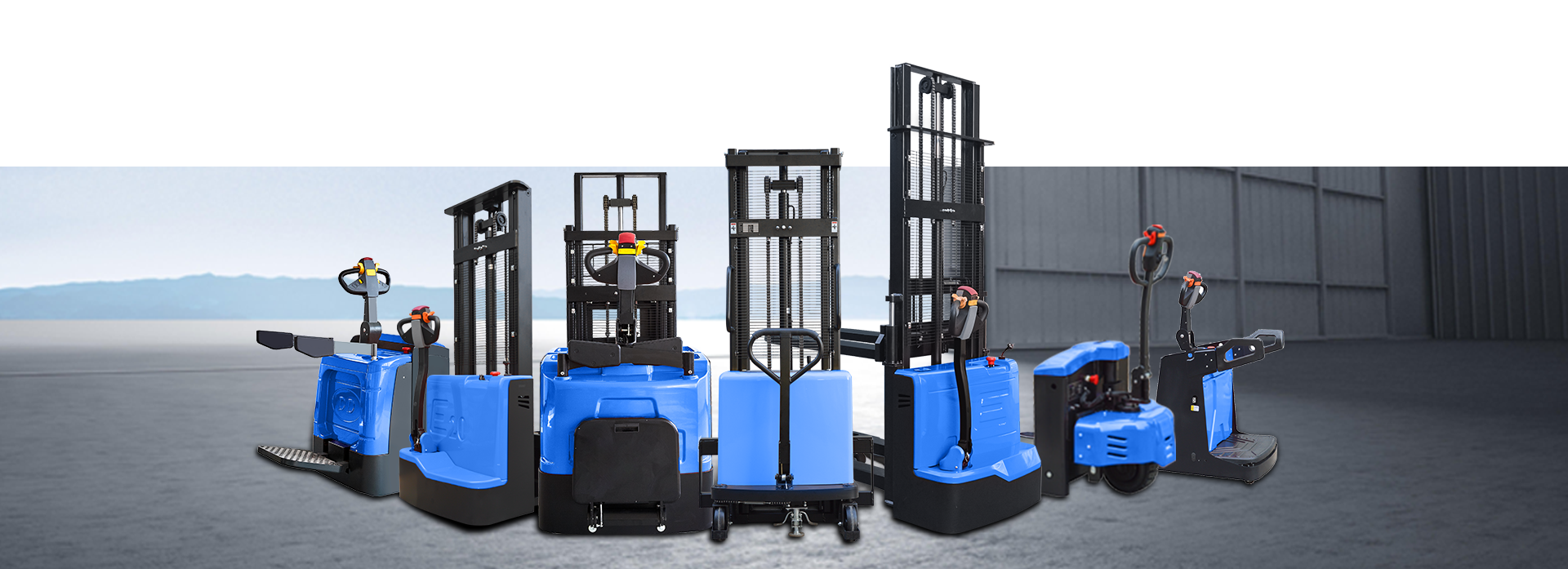
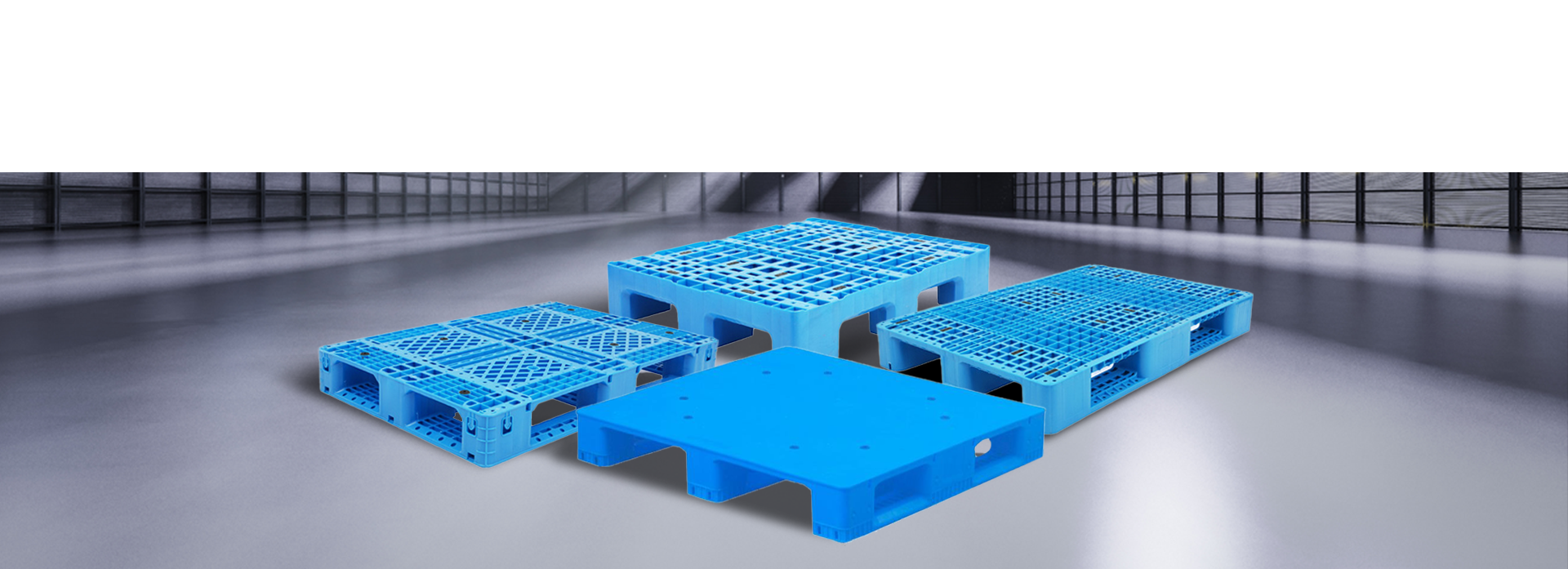
Bingo is an enterprise specializing in the production, sales, and service of warehousing and logistics equipment. Focusing on the equipment needs of various warehousing and logistics scenarios, we provide global customers with one-stop, integrated solutions for material storage and handling.
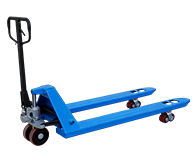
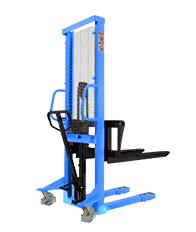
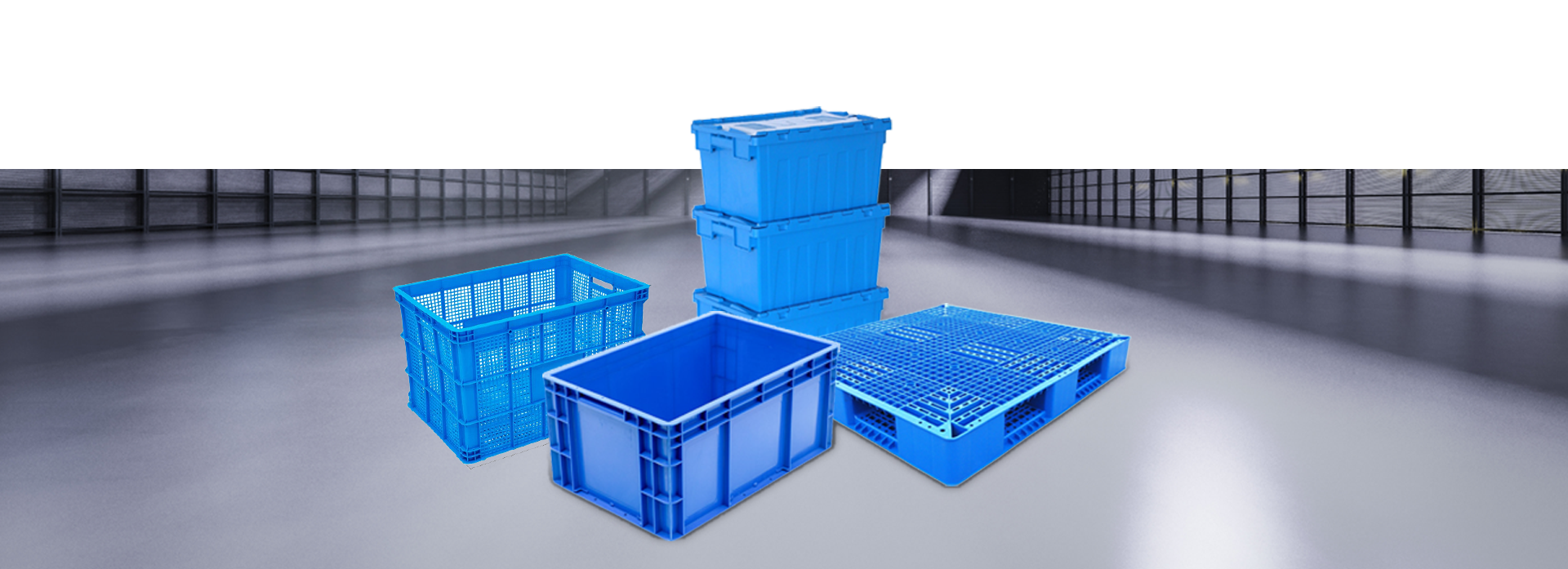
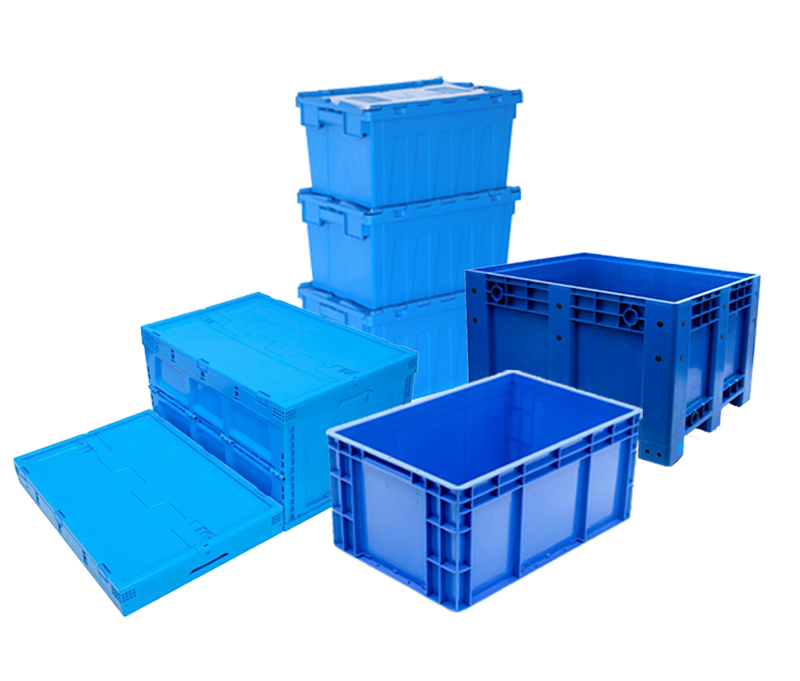
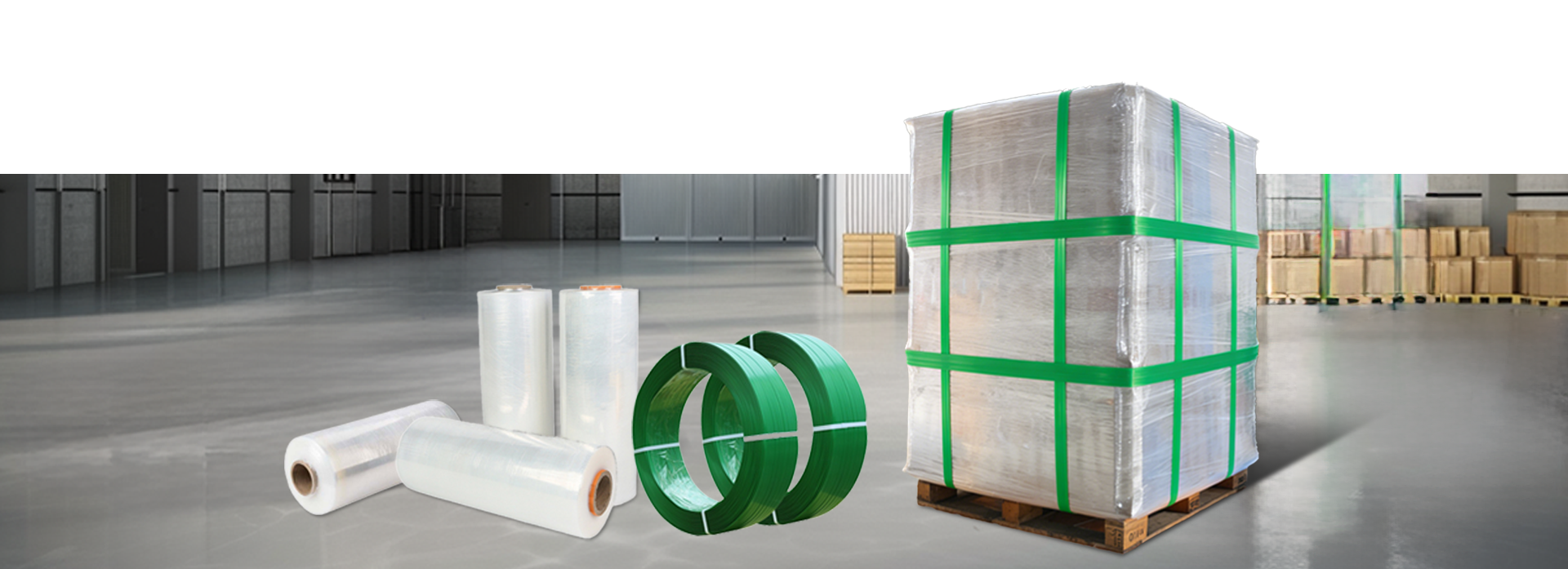
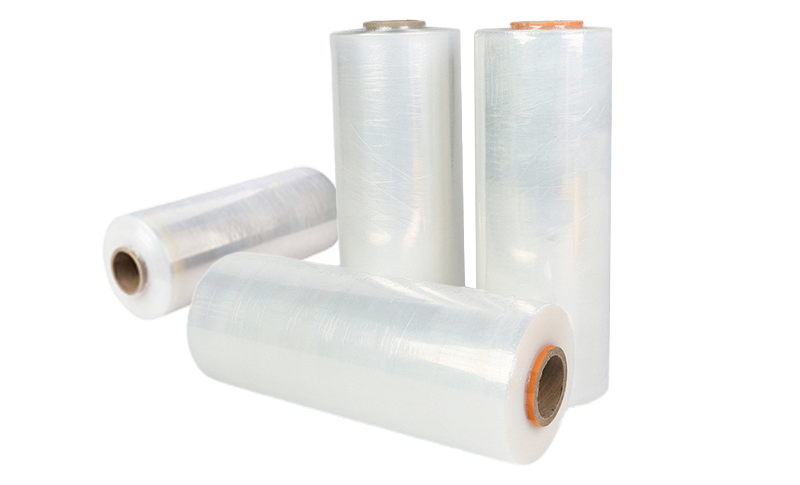
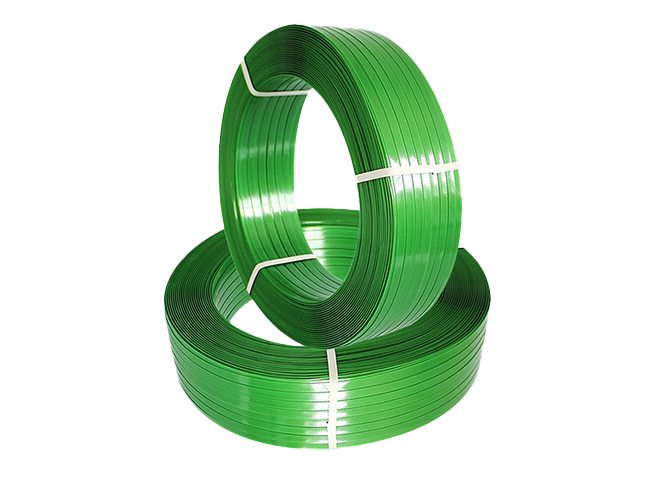
Bingo is a China OEM Nine Feet Plastic Pallets Supplier and Nine Feet Plastic Pallets Factory, and has built a complete warehousing and logistics equipment supply chain covering four core systems. In the field of handling equipment, we offer a full range of manual and electric pallet trucks and stackers. Our storage container line includes plastic pallets, plastic totes, crates, and bulk containers to meet diverse logistics needs. while the packaging material series provides supporting products such as stretch wrap and packing strapping. The warehousing racks series encompasses light-duty, medium-duty, and heavy-duty products of various specifications. Adhering to quality as our core value, we rely on a mature supply chain system and strict quality inspection processes to ensure that every product complies with international standards. We are committed to delivering cost-effective product solutions for industries including manufacturing, e-commerce logistics, warehousing and distribution, as well as supermarket retail.
Upholding the philosophy of "Quality First, Win-Win Cooperation", we actively expand our global market presence and are willing to join hands with partners around the world to jointly promote the intelligent and efficient development of the logistics industry.
Every warehouse supervisor knows the moment when manual pallet handling stops being workable. The heaviest pallets exceed 2500 kg, the dock staging area sits 80 meters from the storage bays, and the shift plan demands more pallet moves tha...
During a routine walkthrough at a distribution center, a warehouse manager noticed a small dent in the bottom flange of a pallet rack upright. No load was in that bay, so the dent was recorded as cosmetic. Three weeks later, a forklift gra...
Bingo Machinery, a trusted global supplier of smart warehouse handling equipment, officially launches the brand new CDDA15 1.5 ton pedestrian electric walkie stacker. This compact stacking solution is engineered for medium height pallet st...
Everything You Need to Know About Nine Feet Plastic Pallets
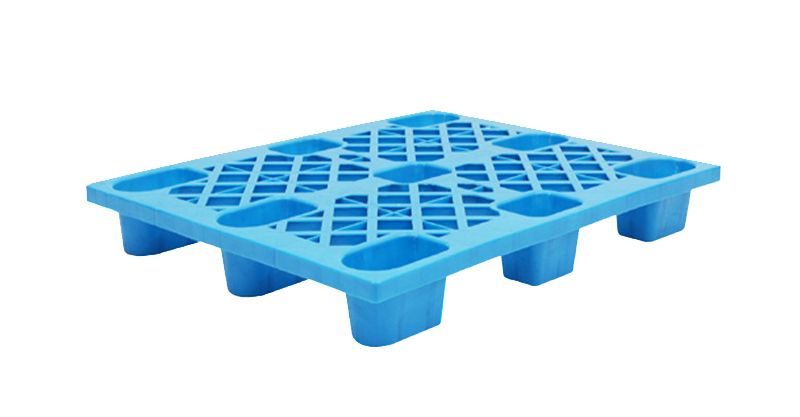
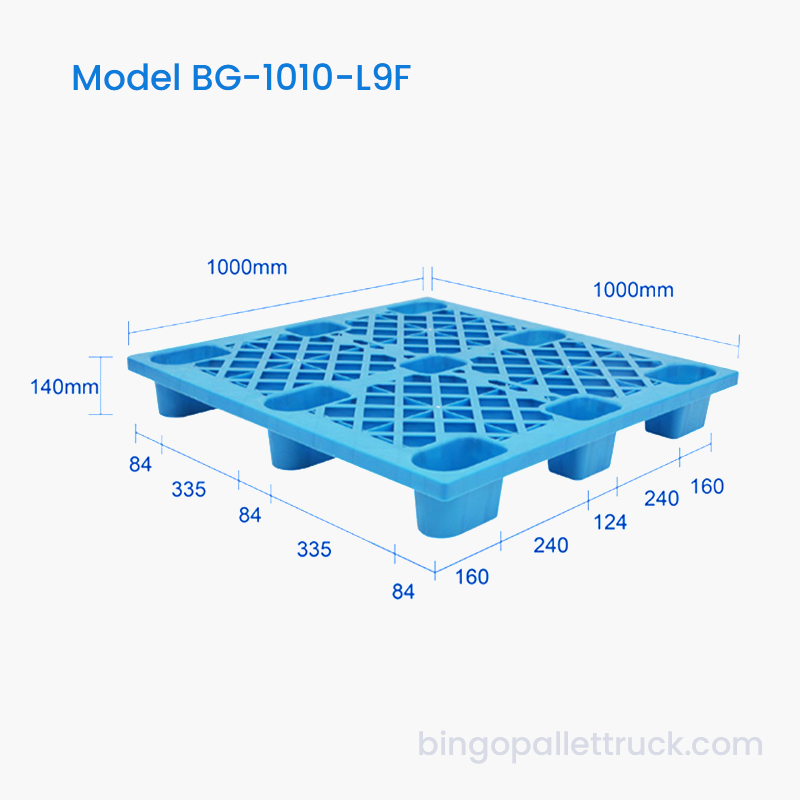
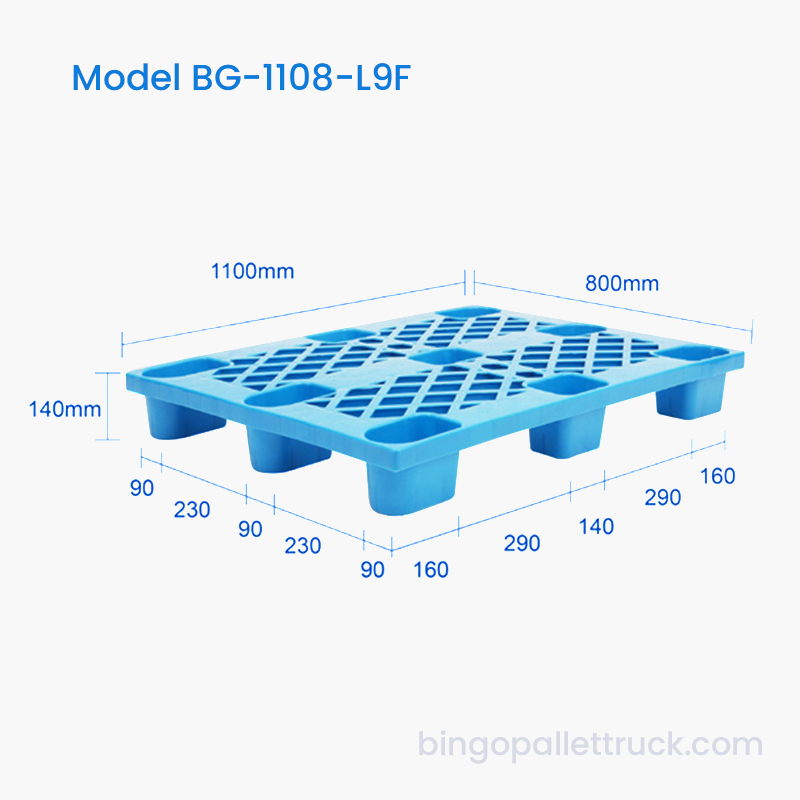
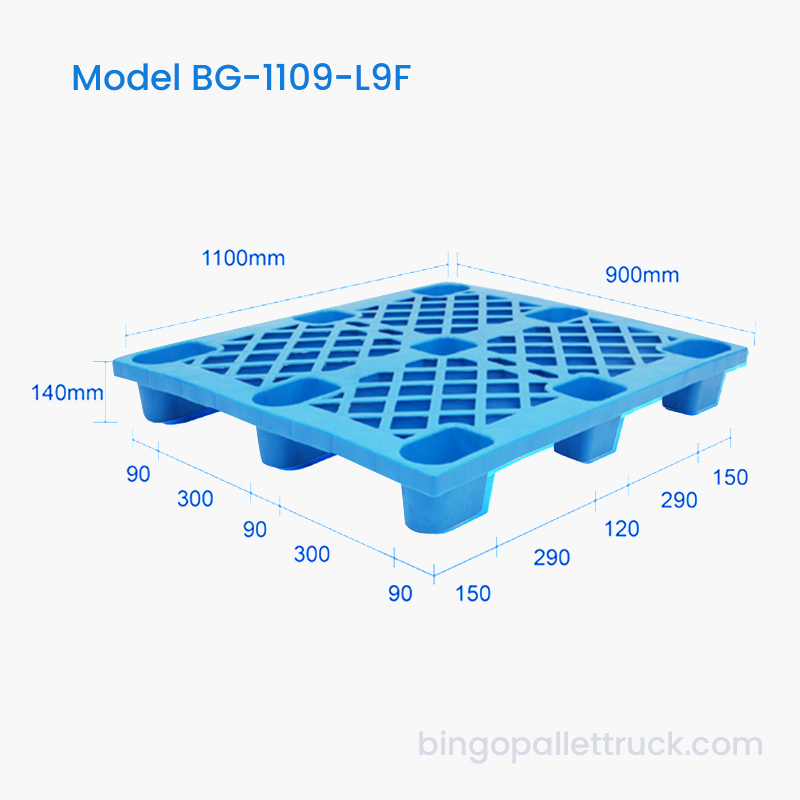
Nine feet plastic pallets — also referred to as nine-leg plastic pallets — are the most widely deployed pallet format in global warehousing and logistics, offering a precisely engineered combination of four-way forklift entry, hand pallet jack compatibility, and racking-ready structural performance. The nine-foot configuration positions one leg at each corner, one at the midpoint of each side, and one at the center of the deck, creating a load distribution geometry that balances stress across the entire pallet body regardless of how the load is applied. This architecture makes nine feet plastic pallets the default specification for a remarkably broad range of industries — from food and pharmaceutical distribution to automotive parts logistics and general manufacturing.
The core advantage of the nine-leg format is its universal handling compatibility. Unlike two-way-entry runner-base pallets, nine feet plastic pallets accept forklift entry from all four sides and allow hand pallet jacks to engage the deck from any direction — a practical necessity in busy dock environments and narrow-aisle warehouses where approach angles are unpredictable. Combined with the hygiene, durability, and dimensional consistency of modern polymer engineering, nine feet plastic pallets represent the most operationally flexible load carrier available to logistics professionals today.
The Nine-Leg Architecture: Engineering Logic and Structural Benefits
The structural design of nine feet plastic pallets is not arbitrary — it is the product of decades of load analysis, material science, and real-world logistics testing. Each of the nine legs serves a specific function in the overall stress distribution system. The four corner legs carry the primary load when the pallet is positioned on flat ground or racking beams. The four mid-edge legs prevent deck deflection under distributed loads and support the pallet during conveyor transitions. The central leg acts as a critical anti-sag point for the deck surface, preventing long-span deflection under heavy or concentrated loads.
In practical terms, this geometry allows nine feet plastic pallets to achieve static load capacities of 3,000–6,000 kg depending on material grade and wall thickness specification, while maintaining dynamic load ratings of 1,000–2,000 kg during forklift transport. The nine-leg layout also creates four open fork pockets on each side of the pallet — two per entry direction — providing the tine clearance required by all standard counterbalance forklifts, reach trucks, and hand pallet jacks without modification.
Structural Geometry Advantages at a Glance
Four-way entry: Full forklift and hand jack access from all sides, maximizing handling flexibility in constrained spaces.
Nine-point load distribution: Spreads load across maximum contact points, reducing peak stress on any individual leg or deck section.
Central leg support: Prevents mid-span deck sag under heavy or centrally concentrated loads, maintaining consistent deck flatness.
Racking compatibility: Leg positioning aligns with standard racking beam spans, allowing direct placement in selective, drive-in, and push-back racking systems.
Stacking efficiency: Uniform leg footprint enables stable stacking of empty pallets with predictable stack height per unit.
This horizontal bar chart compares the static load capacity of nine feet plastic pallets against runner-base plastic pallets, standard wooden pallets, and metal mesh alternatives. Nine feet plastic pallets achieve a strong 5,500 kg static rating — well above the wooden standard and fully competitive with runner-base designs for most warehousing applications. Metal mesh pallets lead in raw static capacity but lack the four-way entry, hygiene properties, and weight advantage of the nine-leg plastic format. The chart illustrates that nine feet plastic pallets occupy the optimal performance zone: high load capacity combined with universal handling flexibility and cleanable surfaces. For the vast majority of warehousing and distribution applications, the nine-leg format delivers the most balanced capability profile of any pallet type in this comparison.
Material Options for Nine Feet Plastic Pallets
Nine feet plastic pallets are produced in several polymer grades, each with a distinct performance envelope. Selecting the correct material for your operating environment is one of the most consequential decisions in pallet fleet procurement, as it determines temperature tolerance, chemical resistance, impact durability, and ultimate service life. The three dominant materials are High-Density Polyethylene (HDPE), Polypropylene (PP), and recycled polymer blends.
HDPE remains the preferred material for nine feet plastic pallets in cold-chain and impact-intensive applications, offering structural integrity at temperatures as low as −40°C and exceptional resistance to cracking under repeated drop and impact cycles. PP-grade nine-leg pallets offer slightly higher rigidity and improved chemical resistance to acids and solvents — advantages that make them the preferred specification for chemical processing and pharmaceutical environments. Recycled-blend pallets serve cost-sensitive applications where some performance trade-off is acceptable in exchange for reduced material cost and improved sustainability credentials.
Table 1: Material performance comparison for nine feet plastic pallets
Property
HDPE
Polypropylene (PP)
Recycled Blend
Min. Operating Temp.
−40°C
−20°C
−15°C
Max. Operating Temp.
+60°C
+80°C
+55°C
Chemical Resistance
High
Very High
Medium
Impact Resistance
Very High
High
Medium
Service Life
10+ years
8–10 years
5–7 years
Recyclability
100%
100%
Partial
Nine Feet Plastic Pallets vs. Wooden Pallets: A Practical Comparison
The transition from wooden pallets to nine feet plastic pallets has accelerated across all major logistics-intensive sectors. While the initial unit investment for plastic pallets is higher, the operational and compliance advantages compound significantly over the fleet lifecycle. Wooden pallets require replacement every 2–4 years under typical industrial use conditions — driven by nail protrusion, board splitting, moisture absorption, and structural degradation. Nine feet plastic pallets, by contrast, are designed for service lives exceeding a decade, with annual repair rates typically below 3% of fleet compared to 15–25% for wooden alternatives.
From a compliance standpoint, wooden pallets used in international trade require ISPM-15 phytosanitary treatment — heat treatment or methyl bromide fumigation — adding cost and logistical complexity to every cross-border shipment. Nine feet plastic pallets are fully exempt from these requirements, simplifying export documentation and eliminating treatment delays at customs inspection points. In food-grade facilities, the non-porous surface of nine feet plastic pallets enables full pressure-wash sanitization, a capability that wooden pallets structurally cannot replicate.
This radar chart presents a six-axis comparison of nine feet plastic pallets against conventional wooden pallets across the dimensions most relevant to industrial logistics decision-making. Nine feet plastic pallets demonstrate clear superiority in durability, hygiene, and ecological score — the three axes most directly tied to lifecycle cost and regulatory compliance. Wooden pallets retain a notable advantage in short-term cost efficiency, reflecting their lower initial unit cost, and in raw load capacity for basic floor-storage applications. The radar format makes visually clear that no single metric should drive pallet selection — the cumulative polygon area, representing overall operational value, strongly favors the nine-leg plastic format across virtually all regulated and automation-intensive environments. For facilities where hygiene, durability, and handling flexibility are operational priorities, the nine feet plastic pallet delivers a consistently broader capability profile than any wooden alternative.
Standard Sizes and Configurations of Nine Feet Plastic Pallets
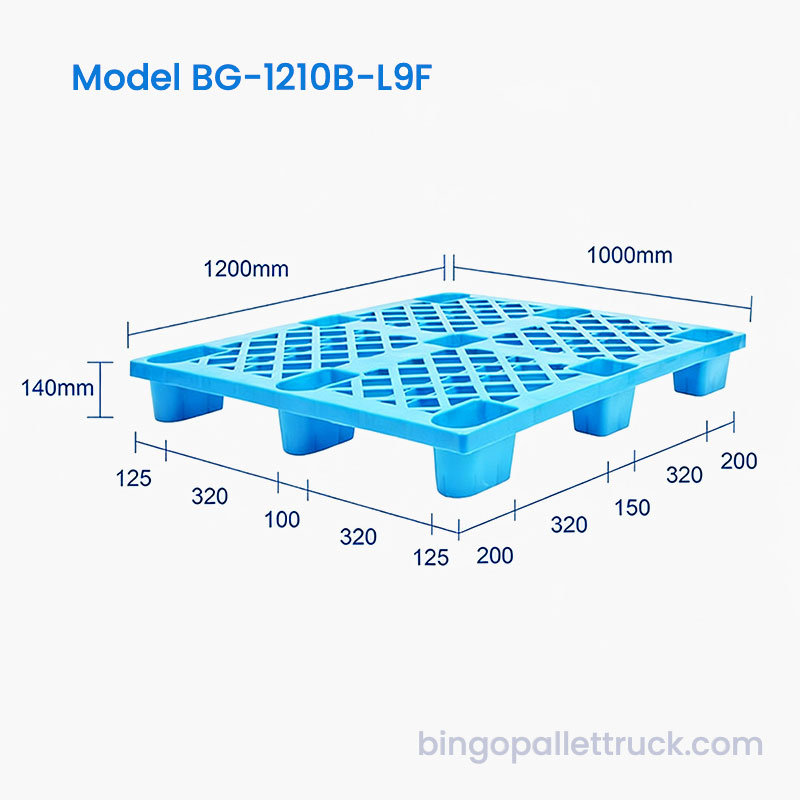
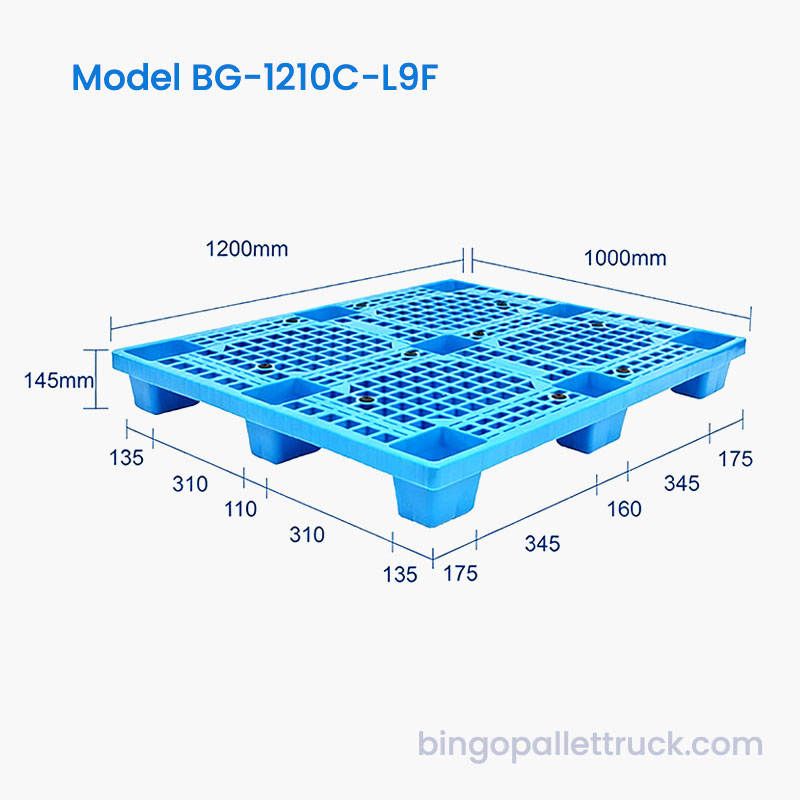
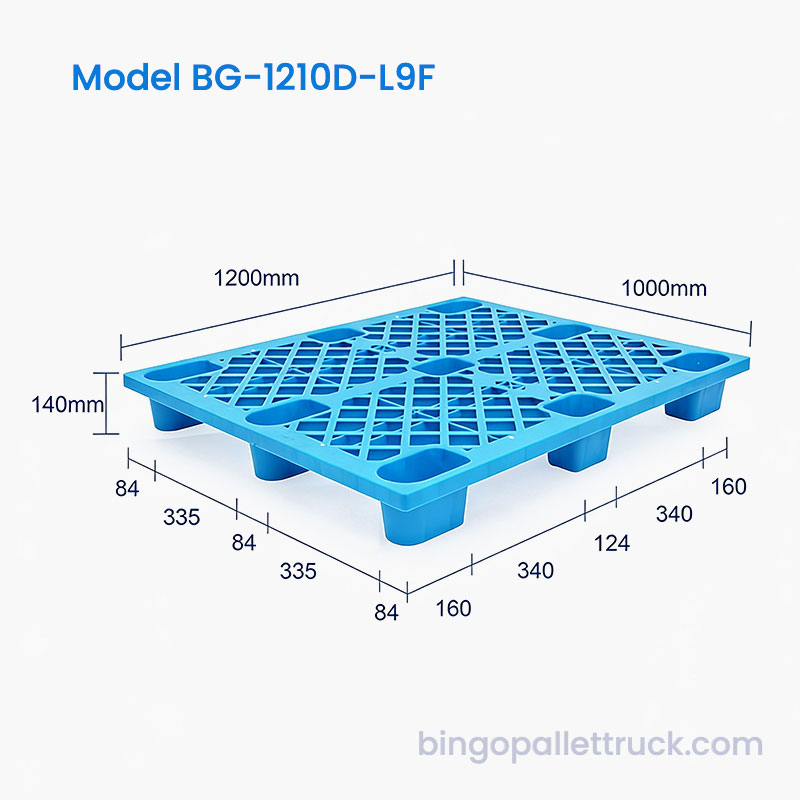
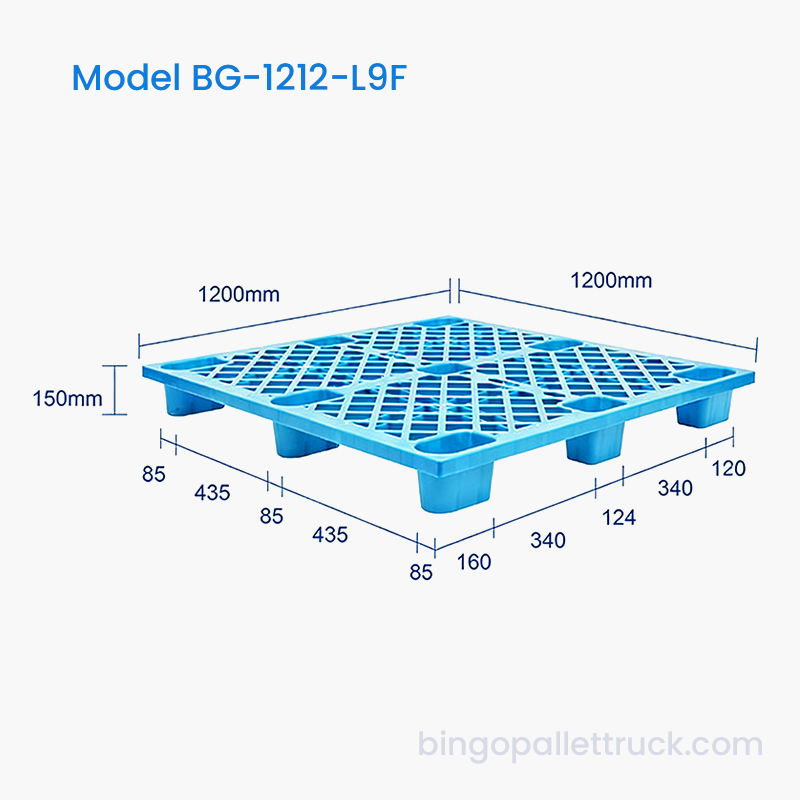
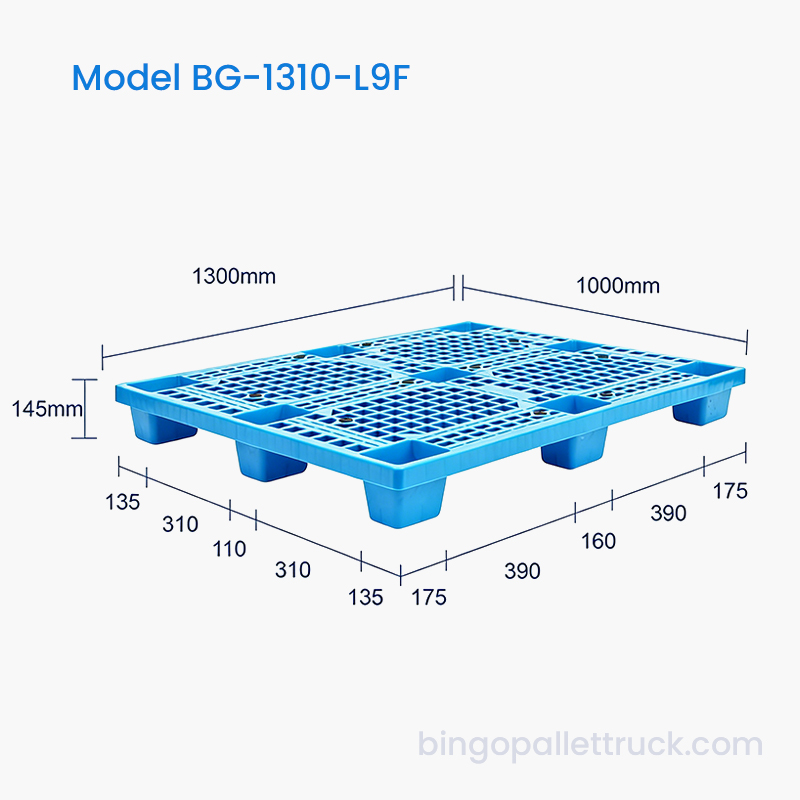
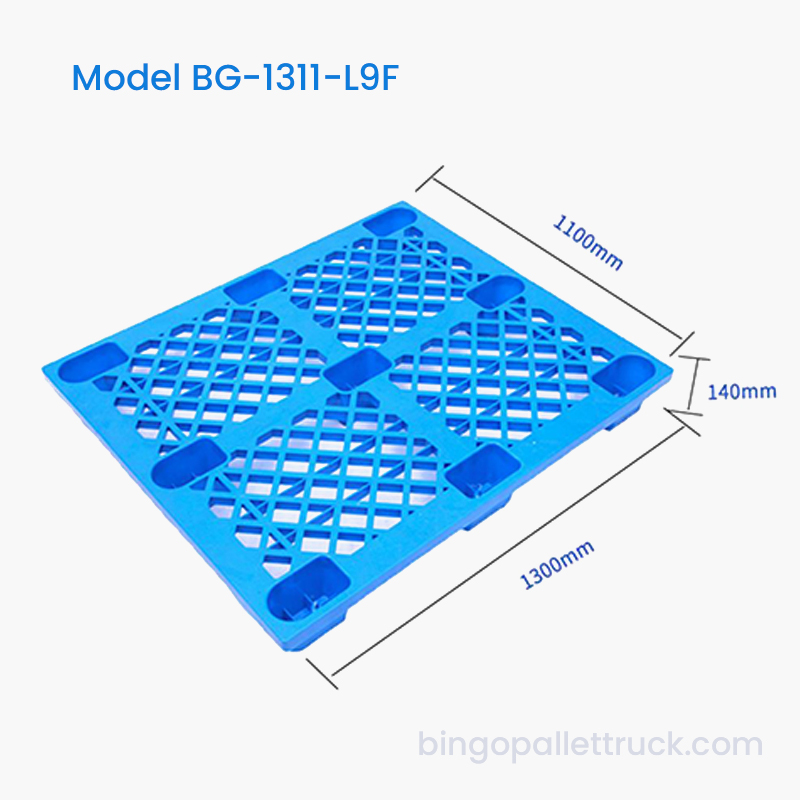
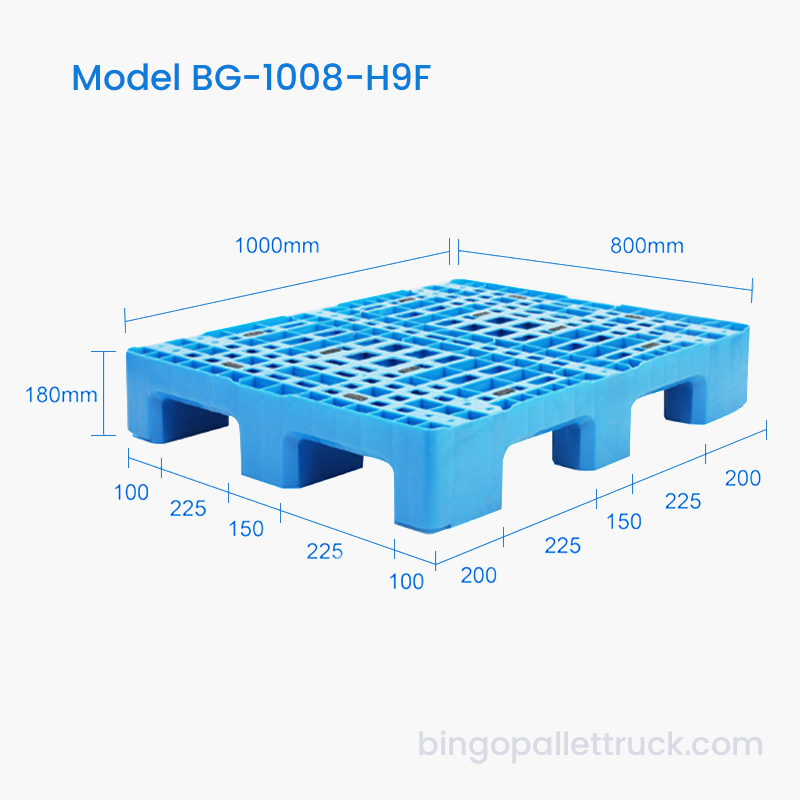
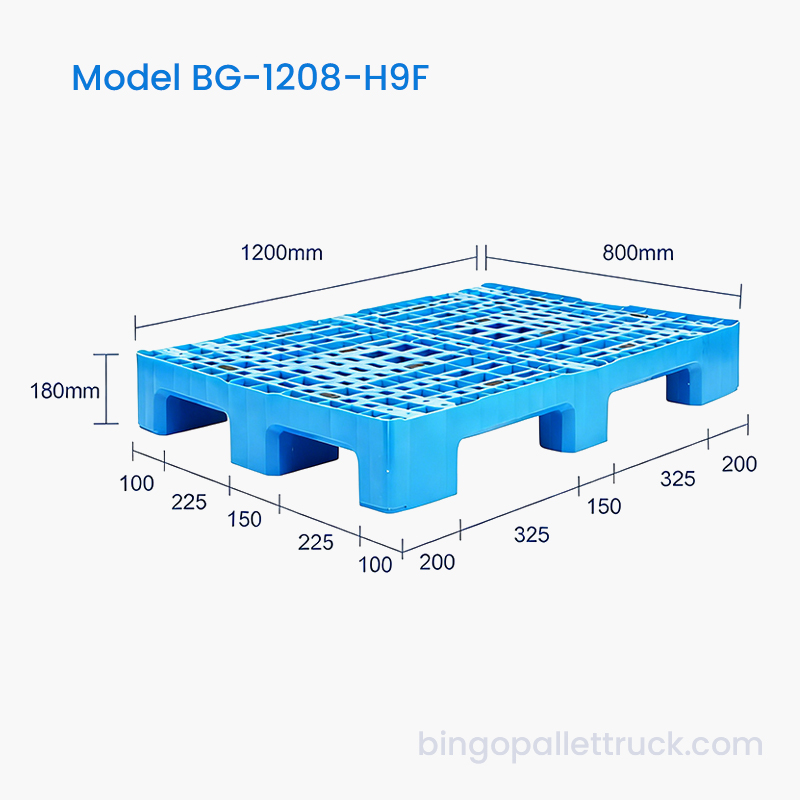
Nine feet plastic pallets are available in a range of standard footprint sizes that align with the dominant global logistics infrastructure. The most widely adopted formats include the 1200×1000mm industrial pallet, the 1200×800mm EUR-compatible format, and the square 1200×1200mm platform. Each footprint is available with either a solid (closed) deck or a perforated/ventilated deck, and with varying leg heights to accommodate different fork entry and hand pallet jack clearance requirements.
Beyond standard sizes, nine feet plastic pallets can be manufactured in fully custom dimensions to match specific conveyor systems, racking configurations, or product footprints. Custom-dimensioned nine-leg pallets are particularly common in automotive transfer lines, pharmaceutical cold-room installations, and food processing facilities where non-standard equipment layouts mandate non-standard pallet geometry. Injection-molded nine feet plastic pallets maintain dimensional tolerances of ±0.5mm across the finished part, ensuring consistent fit with automated handling systems regardless of production batch.
Common Standard Sizes and Their Primary Applications
Table 2: Standard nine feet plastic pallet sizes and primary application sectors
Pallet Size (mm)
Typical Static Load
Primary Industries
Racking Compatible
1200×1000
Up to 5,000 kg
General warehousing, automotive, chemical
Yes
1200×800
Up to 4,500 kg
Food and beverage, retail distribution
Yes
1200×1200
Up to 5,500 kg
Heavy industry, bulk storage, exports
Yes
1100×1100
Up to 4,000 kg
Asia-Pacific logistics, FMCG
Yes
Custom
Per specification
Automotive lines, pharma, cleanroom
Configurable
Industry Applications: Where Nine Feet Plastic Pallets Perform Best
The operational flexibility and hygiene performance of nine feet plastic pallets make them the preferred specification across a wide range of sectors. Each industry presents distinct requirements that the nine-leg format addresses in ways that alternative pallet types cannot replicate.
Food and Beverage Manufacturing
Nine feet plastic pallets are mandated or strongly recommended by major food safety frameworks including HACCP, BRC Global Standards, and IFS. Their non-porous surface prevents bacterial colonization and allows complete sanitization with hot-water pressure washing at temperatures up to 80°C, caustic cleaning agents, and food-grade disinfectants. The absence of absorbent materials eliminates any risk of moisture retention near food products — a compliance requirement in high-care and ready-to-eat processing environments.
Pharmaceutical and Cold-Chain Distribution
GDP-compliant cold chains require load carriers that maintain structural integrity across the full operational temperature range without introducing contamination risk. HDPE nine feet plastic pallets perform reliably from −40°C to +60°C, covering the spectrum from ultra-cold vaccine storage through ambient distribution. RFID tags embedded during injection molding enable automated GDP track-and-trace compliance, while smooth-bore leg geometries eliminate debris accumulation that would compromise cleaning validation records.
Chemical and Industrial Warehousing
Chemical facilities require pallets that resist spill penetration, degradation from solvents and acids, and moisture absorption that could compromise drum or container seals. Closed-deck nine feet plastic pallets provide a fully sealed upper surface that prevents liquid ingress and supports spill containment protocols. PP-grade nine-leg pallets offer the highest chemical resistance in the family, withstanding exposure to a broad spectrum of industrial chemicals without discoloration, swelling, or structural weakening.
E-Commerce Fulfillment and Retail Distribution
High-throughput e-commerce fulfillment centers operate conveyor, sorter, and AMR systems that demand precise dimensional consistency from every pallet entering the system. Nine feet plastic pallets — manufactured by injection molding — deliver this consistency cycle after cycle, enabling zero-jam conveyor operation and reliable robotic pick-and-place alignment. Their lighter weight compared to metal alternatives also reduces conveyor motor load and extends equipment service intervals in high-cycle-count operations.
This column chart presents the adoption rate of nine feet plastic pallets across five key industry sectors based on facility surveys. The food and beverage sector leads with 88% adoption, reflecting the non-negotiable hygiene and sanitization requirements of food safety standards worldwide. Pharmaceutical follows at 82%, driven by GDP compliance and cold-chain temperature integrity demands. E-commerce fulfillment shows strong momentum at 79%, propelled by the explosive growth of automated picking and conveyor sorting infrastructure that demands dimensionally precise plastic pallets. Chemical and automotive sectors also demonstrate solid adoption rates, confirming the broad versatility of the nine-leg format across diverse operational environments. The chart reinforces that nine feet plastic pallets have moved beyond a niche application to become the baseline specification across the most demanding logistics sectors globally.
Nine Feet Plastic Pallets in Automated Warehouse Systems
The expansion of warehouse automation — from conveyor-based sortation systems to autonomous mobile robots (AMR) and automated storage and retrieval systems (AS/RS) — has significantly elevated the dimensional requirements placed on pallets. Automated systems are programmed with exact pallet geometry parameters; any deviation outside tolerance causes mis-registration events that disrupt throughput and trigger maintenance interventions. Nine feet plastic pallets, manufactured by injection molding, deliver the ±0.5mm dimensional repeatability that automated systems demand across every unit in a large fleet.
The nine-leg geometry offers additional advantages in automation contexts. The defined fork pockets provide consistent tine engagement depth for robotic forklift systems, while the flat, smooth leg bases ensure clean engagement with conveyor roller beds and chain conveyors without snagging or rocking. For high-bay AS/RS installations, nine feet plastic pallets with racking-load certification ensure safe, deflection-controlled placement on storage beams at heights of 10m or more — where any pallet failure carries severe consequences for stored goods and racking infrastructure.
This line chart tracks global annual shipment volumes for nine feet plastic pallets from 2018 to 2024, illustrating the sector's sustained upward trajectory. Shipments grew from 85 million units in 2018 to 210 million units in 2024 — a 147% increase that reflects both the absolute growth of global logistics activity and the accelerating shift from wooden to plastic pallet formats across regulated industries. The steepest growth phase occurred between 2021 and 2024, coinciding with massive capital investment in warehouse automation infrastructure globally. Asia-Pacific markets contributed the largest absolute volume growth during this period, driven by expanding pharmaceutical cold chains and food safety regulation upgrades in rapidly industrializing economies. The trajectory strongly suggests that the nine feet plastic pallet segment will continue to expand as more warehousing facilities modernize their material handling infrastructure.
Customization, Color Coding, and Traceability Features
Beyond standard format and material selection, nine feet plastic pallets offer a broad range of customization options that add operational value in complex logistics environments. Color coding by product family, temperature zone, or warehouse area is one of the most practically impactful customizations available — allowing warehouse staff to identify pallet allocation at a glance without barcode scanning or system lookup. Common color-coding strategies include separating raw material pallets from finished goods pallets, designating allergen-zone pallets in food facilities, and marking cold-chain pallets by temperature tier.
For facilities operating under stringent traceability requirements — pharmaceutical GDP, food lot recall, or automotive part serialization — RFID transponders molded into nine feet plastic pallets during production enable automatic identification at every handling point without any manual intervention. UHF RFID tags embedded in the pallet body provide reliable read distances of 3–8m with standard warehouse-grade readers, supporting fully automated pallet tracking in AS/RS systems, dock doors, and picking stations. Bingo's nine feet plastic pallets support RFID integration as a standard option across all material grades and footprint sizes.
Sustainability and End-of-Life Recyclability
Nine feet plastic pallets contribute positively to corporate sustainability objectives in multiple measurable ways. HDPE and PP pallets are 100% recyclable at end of service life — granulated material re-enters the production stream as regrind, suitable for manufacturing new pallets or other plastic components. This closed-loop recyclability stands in contrast to wooden pallets, which — once contaminated with chemicals, oils, or food residue — typically cannot be recycled and are disposed of in landfill or incineration streams.
The extended service life of nine feet plastic pallets — commonly exceeding 10 years and 500+ load cycles — means that far fewer units are consumed per unit of logistics throughput compared to wooden alternatives. A single nine-leg plastic pallet completing 600 load cycles over 12 years displaces the production, transport, and disposal of approximately 4–5 wooden pallets over the same period, representing a significant reduction in timber consumption and manufacturing carbon emissions. For customers with Scope 3 emissions reporting obligations, this displacement is a documented, quantifiable contribution to supply chain decarbonization.
About Bingo
Bingo is an enterprise specializing in the production, sales and service of warehousing and logistics equipment. Focusing on the equipment needs of various warehousing and logistics scenarios, Bingo provides global customers with one-stop, integrated solutions for material storage and handling. With deep expertise in nine feet plastic pallets, racking systems, and automated warehouse solutions, Bingo serves clients across food and beverage, pharmaceutical, automotive, chemical, and e-commerce sectors worldwide. Our vertically integrated manufacturing capability — from polymer compounding through mold engineering, injection molding, and quality certification — ensures that every nine-leg plastic pallet delivered meets precise dimensional and load specifications with full traceability documentation.
Frequently Asked Questions
Q1. What does "nine feet" mean in the context of plastic pallets?
A: "Nine feet" refers to the nine individual legs or posts that support the pallet deck — one at each corner, one at the midpoint of each side, and one at the center. This configuration creates four-way fork entry pockets on all sides while distributing load across nine contact points for superior structural performance.
Q2. Can nine feet plastic pallets be used with hand pallet jacks?
A: Yes. Nine feet plastic pallets are specifically designed with adequate tine clearance for standard hand pallet jack entry from all four sides. The leg height and spacing are engineered to accommodate the tine dimensions of most industrial hand jacks, making them suitable for dock operations, retail storage, and any environment where powered forklifts are not available.
Q3. Are nine feet plastic pallets suitable for racking systems?
A: Yes, with the appropriate specification. Nine feet plastic pallets are rated for racking loads, though the racking load rating is lower than the static load rating. Standard nine-leg pallets support 1,500–2,500 kg on racking beams, while steel-reinforced variants extend this to 3,500 kg or more. Always verify the racking certificate against your beam span and load weight before installation.
Q4. What sizes are available for nine feet plastic pallets from Bingo?
A: Bingo offers nine feet plastic pallets in standard sizes including 1200×1000mm, 1200×800mm, 1200×1200mm, and 1100×1100mm, as well as fully custom dimensions tailored to your specific equipment and facility requirements. Both solid-deck and perforated-deck configurations are available across all standard sizes.
Q5. How are nine feet plastic pallets cleaned and sanitized?
A: Nine feet plastic pallets can be sanitized using high-pressure hot water at temperatures up to 80°C, food-grade disinfectants, caustic cleaning agents, and steam — methods that are incompatible with wooden pallets. Their non-porous surfaces do not absorb cleaning chemicals or harbor bacteria, supporting full cleaning validation in food, pharmaceutical, and other regulated environments.
Q6. What is the typical service life of nine feet plastic pallets?
A: High-quality HDPE nine feet plastic pallets typically last 10 years or more under standard industrial operating conditions, completing 500–700 load cycles over that period. Actual service life depends on load levels, handling conditions, and environmental exposure. Periodic visual inspection and load-cycle tracking are recommended to optimize fleet management.

 en
en  Español