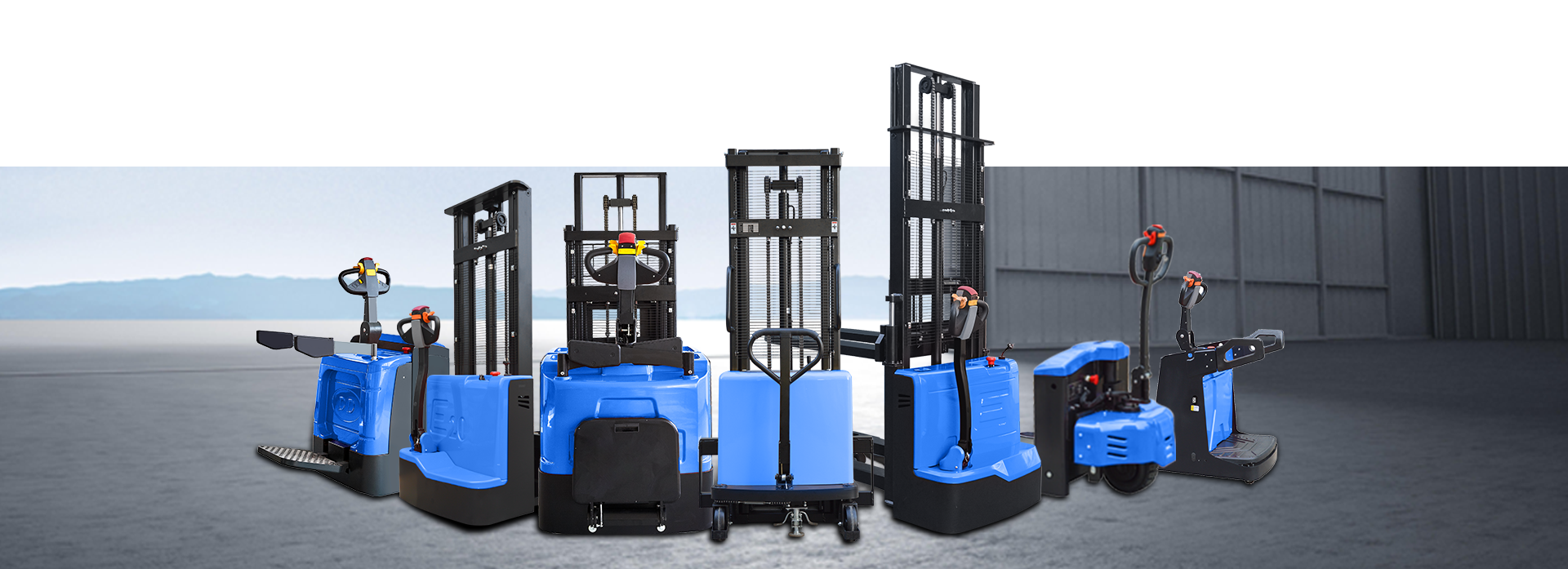
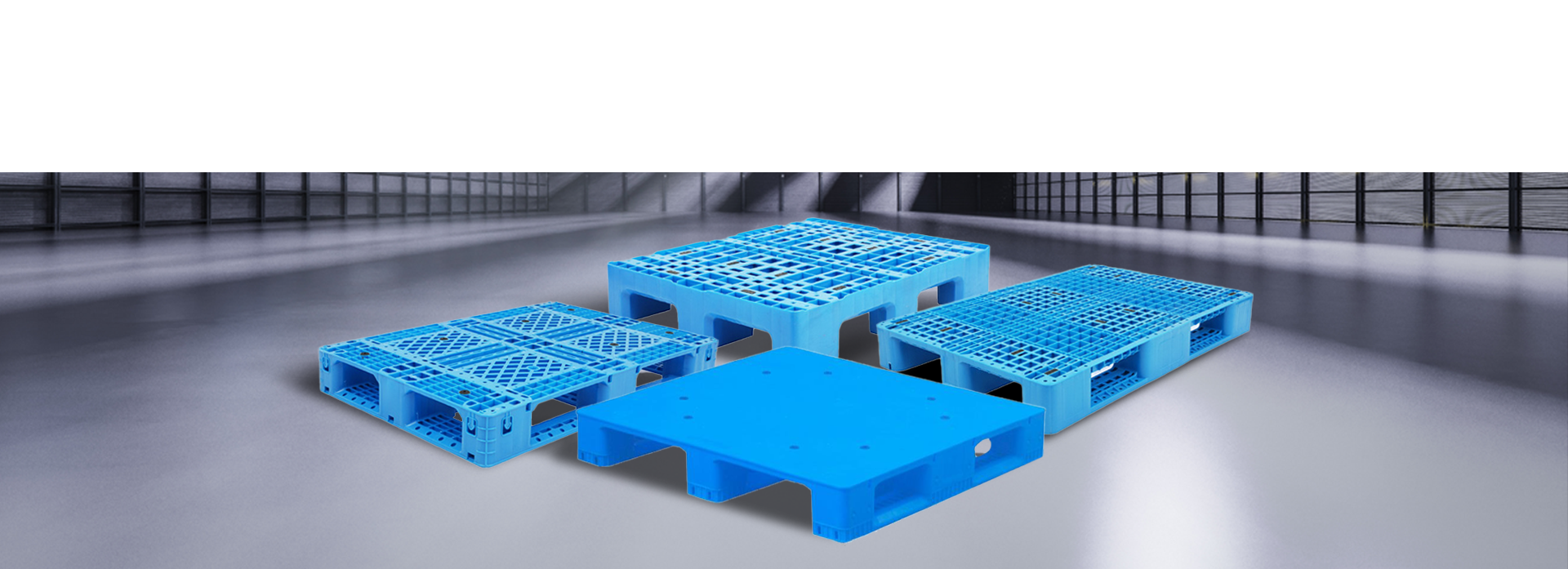
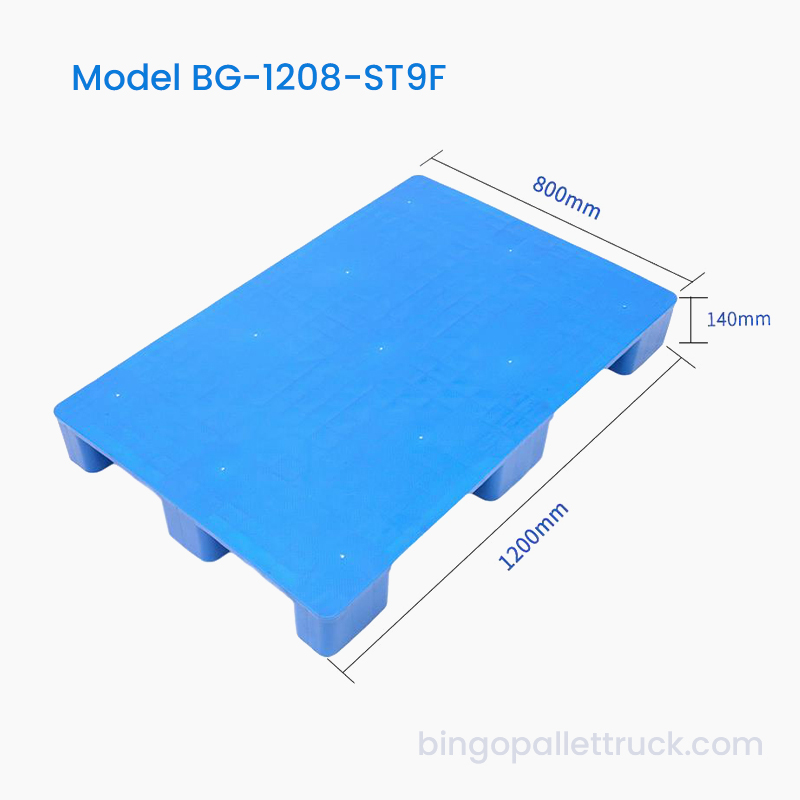
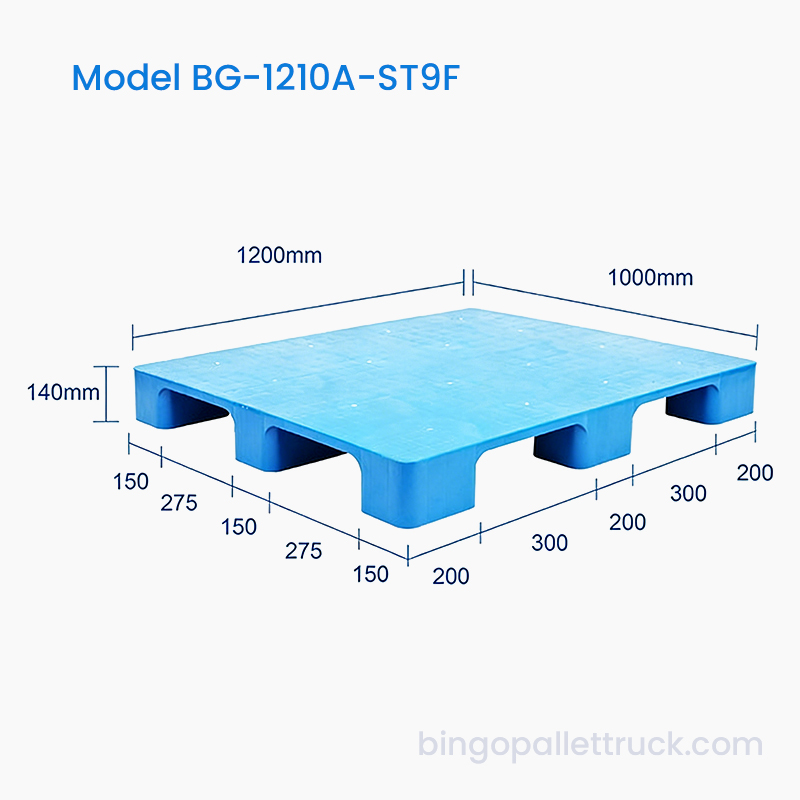
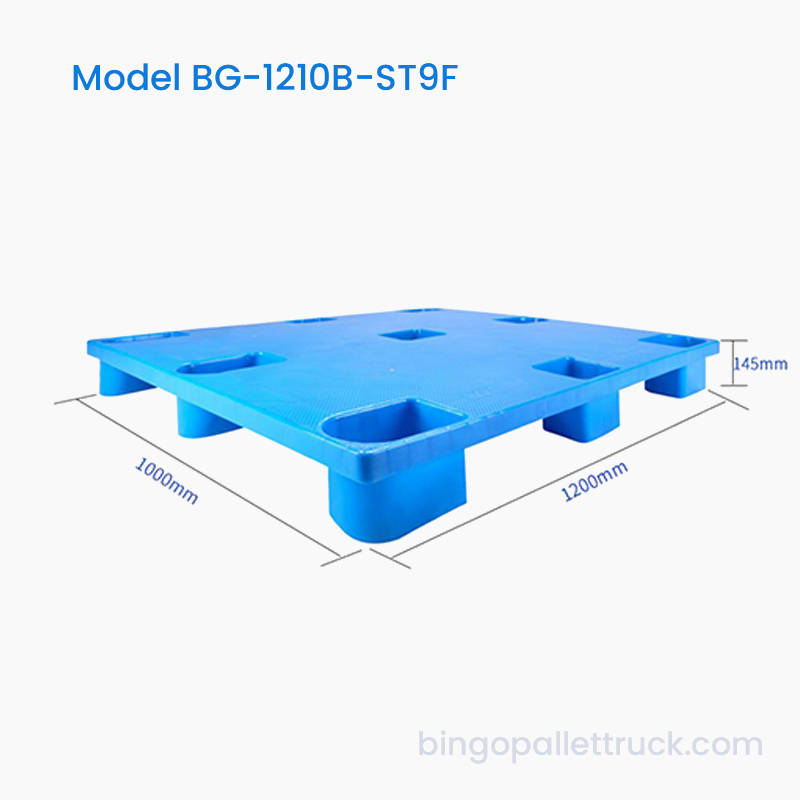
Bingo is an enterprise specializing in the production, sales, and service of warehousing and logistics equipment. Focusing on the equipment needs of various warehousing and logistics scenarios, we provide global customers with one-stop, integrated solutions for material storage and handling.
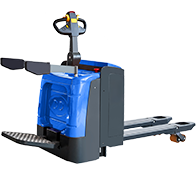
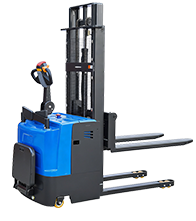
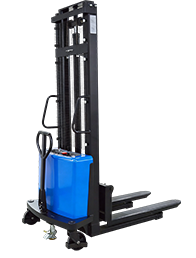
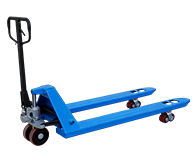
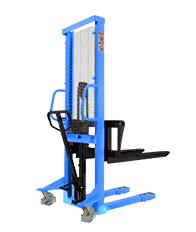
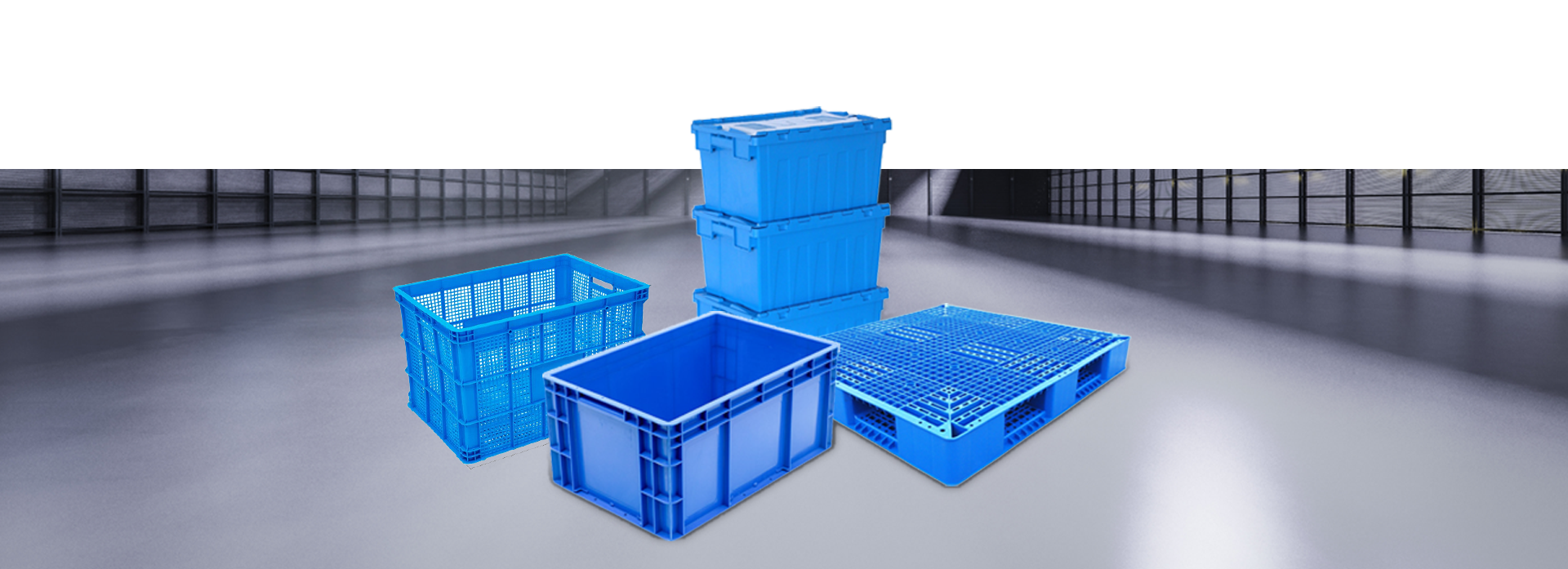
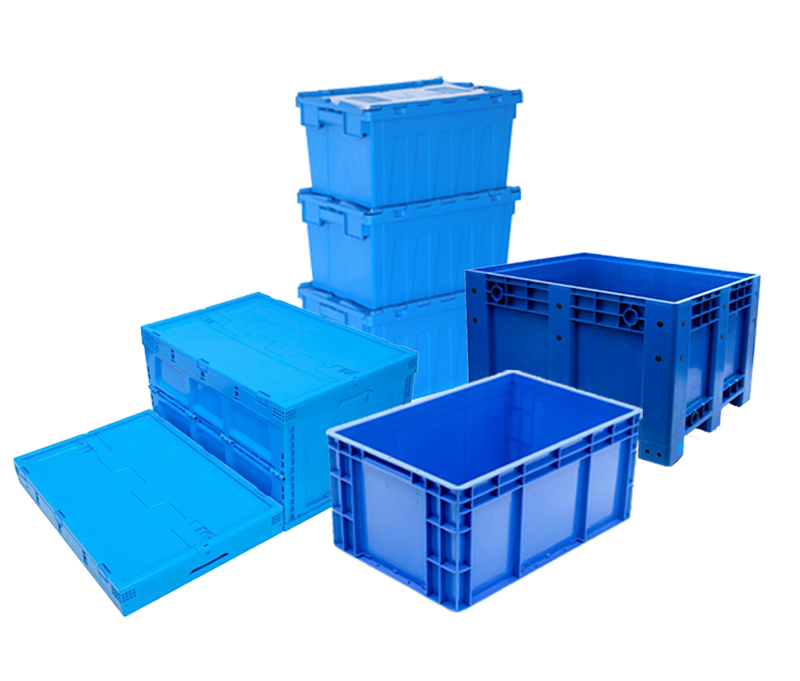
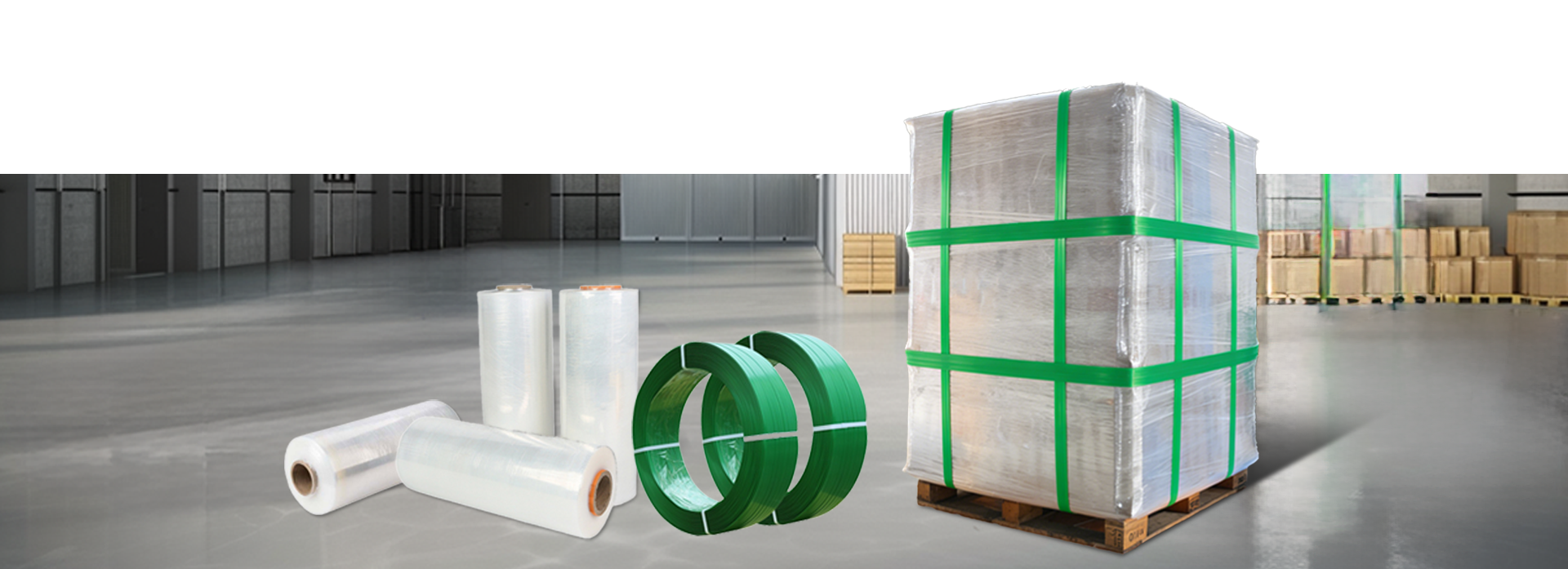
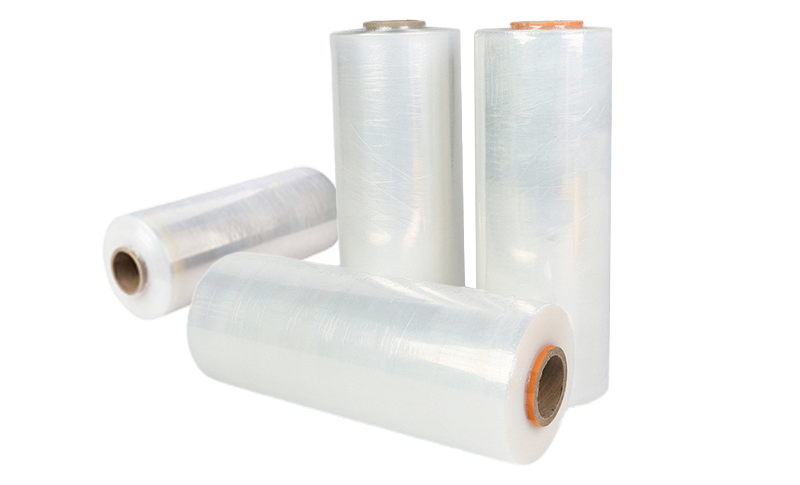
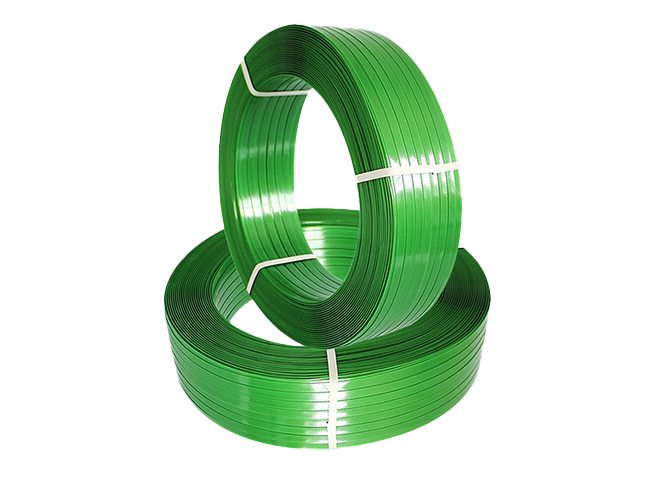
Bingo is a China OEM Nestable Plastic Pallets Supplier and Nestable Plastic Pallets Factory, and has built a complete warehousing and logistics equipment supply chain covering four core systems. In the field of handling equipment, we offer a full range of manual and electric pallet trucks and stackers. Our storage container line includes plastic pallets, plastic totes, crates, and bulk containers to meet diverse logistics needs. while the packaging material series provides supporting products such as stretch wrap and packing strapping. The warehousing racks series encompasses light-duty, medium-duty, and heavy-duty products of various specifications. Adhering to quality as our core value, we rely on a mature supply chain system and strict quality inspection processes to ensure that every product complies with international standards. We are committed to delivering cost-effective product solutions for industries including manufacturing, e-commerce logistics, warehousing and distribution, as well as supermarket retail.
Upholding the philosophy of "Quality First, Win-Win Cooperation", we actively expand our global market presence and are willing to join hands with partners around the world to jointly promote the intelligent and efficient development of the logistics industry.
Every warehouse supervisor knows the moment when manual pallet handling stops being workable. The heaviest pallets exceed 2500 kg, the dock staging area sits 80 meters from the storage bays, and the shift plan demands more pallet moves tha...
During a routine walkthrough at a distribution center, a warehouse manager noticed a small dent in the bottom flange of a pallet rack upright. No load was in that bay, so the dent was recorded as cosmetic. Three weeks later, a forklift gra...
Bingo Machinery, a trusted global supplier of smart warehouse handling equipment, officially launches the brand new CDDA15 1.5 ton pedestrian electric walkie stacker. This compact stacking solution is engineered for medium height pallet st...
Everything You Need to Know About Nestable Plastic Pallets
Nestable plastic pallets are the most space-efficient, hygienic, and durable material handling solution for modern warehousing and logistics operations. Unlike traditional wooden pallets, nestable plastic pallets interlock and stack into one another when empty, dramatically reducing storage footprint by up to 80%. This design innovation has transformed how global supply chains manage pallet inventories, transportation costs, and operational hygiene standards. For businesses handling high pallet volumes across distribution centers, cold chain logistics, retail, food processing, and export operations, the switch to nestable plastic pallets delivers measurable ROI within months. In this article, Bingo—a global leader in warehousing and logistics equipment—provides a thorough guide to nestable plastic pallets, their advantages, applications, and selection criteria.
Space Savings: Pallet Type Comparison (Empty Storage Footprint Reduction %)
The horizontal bar chart above illustrates the dramatic space-saving advantage of nestable plastic pallets over other pallet types. When stored empty, nestable plastic pallets reduce required floor space by up to 80% compared to their stacked footprint—far surpassing stackable plastic pallets (50%), metal pallets (30%), and wooden pallets (approximately 5%). This space efficiency is achieved through the unique nesting geometry, where each pallet slides into the cavity of the one below it. For a warehouse managing 1,000 empty pallets, this can mean reclaiming hundreds of square meters of valuable storage space. The operational and real estate cost implications of this advantage are significant, especially in high-rent distribution hubs and cold storage facilities.
What Are Nestable Plastic Pallets?
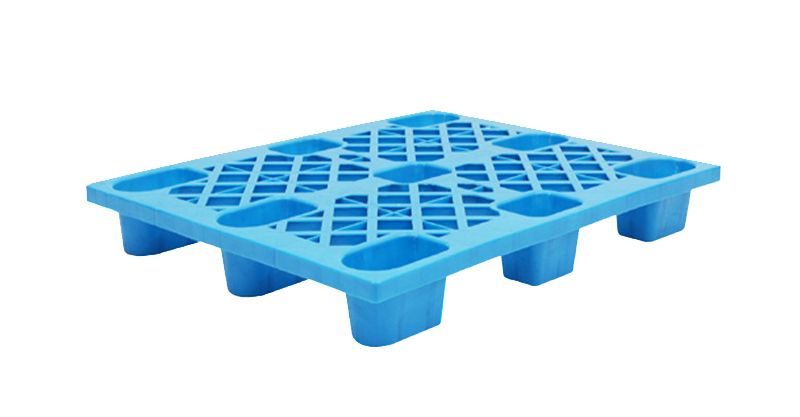
Nestable plastic pallets are a category of plastic pallets specifically engineered with tapered legs or feet that allow one empty pallet to sit inside another, reducing the vertical space occupied per pallet when not in use. They are manufactured from high-density polyethylene (HDPE) or polypropylene (PP) using injection molding processes that ensure consistent dimensions and structural integrity. The term "nestable" directly refers to this stacking behavior—unlike block pallets where legs prevent overlapping, nestable designs taper inward, allowing the upper pallet's legs to descend into the spaces of the lower pallet.
Table 1: Common Nestable Plastic Pallet Specifications
Parameter
Light Duty
Medium Duty
Heavy Duty
Dynamic Load
500 kg
1,000 kg
1,500 kg
Static Load
2,000 kg
4,000 kg
6,000 kg
Nesting Ratio
5:1
6:1
7:1
Weight (kg)
8–12
12–18
18–25
Material
HDPE
HDPE/PP
Reinforced PP
Key Advantages of Nestable Plastic Pallets Over Traditional Options
The adoption of nestable plastic pallets in global logistics is not coincidental—it is driven by a cluster of measurable performance advantages that address pain points inherent in wooden and metal pallets. From space optimization to food safety compliance, these pallets deliver across multiple operational dimensions simultaneously.
1. Exceptional Space Efficiency in Return Logistics
The defining feature of nestable plastic pallets is their ability to nest. A stack of 10 nestable pallets occupies roughly the same height as 2–3 conventional block pallets. This means that during return shipments—when trucks are carrying empty pallets back to origin—a single truck can carry 5× more nestable pallets than standard designs. For high-frequency distribution networks, this directly reduces return freight costs and carbon emissions per pallet cycle.
2. Superior Hygiene for Food, Pharma, and Cold Chain
Plastic is inherently non-porous, meaning nestable plastic pallets do not absorb moisture, bacteria, mold, or chemicals. They meet HACCP, FDA, and EU food contact standards, making them the preferred choice for food processing plants, pharmaceutical warehouses, and clean room environments. Unlike wooden pallets that can harbor pests and require ISPM-15 fumigation for international shipping, plastic pallets are pest-resistant and globally compliant without treatment. High-pressure washing and chemical sanitization do not degrade the surface or structural properties of quality nestable plastic pallets.
3. Long Service Life and Reduced Total Cost
A well-maintained nestable plastic pallet typically lasts 7–10 years in closed-loop logistics environments, compared to 1–3 years for wooden pallets in high-frequency use. While the upfront cost is higher, the total cost of ownership (TCO) calculation favors plastic when factoring in replacement frequency, repair costs, pest treatment, and product contamination risk. HDPE and PP formulations with UV stabilizers further extend outdoor service life for yard storage scenarios.
Total Cost of Ownership: Nestable Plastic vs Wooden Pallet (USD per pallet, 10 years)
The line chart tracks the cumulative total cost of ownership (TCO) per pallet over a 10-year period for nestable plastic pallets versus wooden pallets. While nestable plastic pallets have a higher initial investment, their cumulative cost curve flattens significantly after year three as replacement, repair, and compliance costs are avoided. Wooden pallets, by contrast, require frequent replacement (typically every 12–18 months in active use), pest treatment, and moisture damage write-offs that cause the cumulative TCO to climb steeply. By year five, the wooden pallet cost exceeds the plastic pallet by nearly 100%, and this gap widens to over 200% by year ten. Businesses operating at scale—managing tens of thousands of pallet movements per year—can realize hundreds of thousands of dollars in lifecycle savings by transitioning to nestable plastic pallets.
Top Industries Using Nestable Plastic Pallets
Nestable plastic pallets serve a remarkably broad range of industries. Their versatility stems from the combination of hygiene compliance, structural reliability, and space efficiency—properties that map directly onto the needs of high-throughput, compliance-sensitive, or space-constrained sectors.
Food and Beverage Processing: Sanitation standards require non-porous, wash-down-safe pallet surfaces. Nestable plastic pallets support HACCP compliance and prevent cross-contamination.
Pharmaceutical and Healthcare: ISO cleanroom environments demand non-particulate, non-absorbent pallets that tolerate chemical disinfection without degradation.
Cold Chain and Frozen Logistics: The open-deck perforated design allows maximum airflow in blast freezers, and HDPE remains structurally stable at temperatures as low as -40°C.
Retail Distribution: High pallet turnover rates and diverse SKU handling benefit from lightweight, standardized nestable plastic pallet designs compatible with automated conveyor and sorter systems.
Export and International Trade: Plastic pallets are exempt from ISPM-15 phytosanitary treatment, eliminating fumigation delays and costs at border crossings worldwide.
Automotive and Industrial Parts: Heavy-duty nestable plastic pallet variants with steel reinforcement support dense, heavy components without deflection under racking loads.
Nestable Plastic Pallet Adoption Rate by Industry (%)
The column chart reveals that food and beverage leads all sectors in nestable plastic pallet adoption at 88%, closely followed by pharmaceutical (82%) and cold chain logistics (79%). These three sectors share a common driver: strict hygiene regulations that wooden pallets simply cannot meet consistently. Export logistics (72%) has seen rapid adoption driven by the elimination of ISPM-15 compliance costs and processing delays at international borders. Retail distribution (68%) is growing its share rapidly as automated fulfillment systems demand standardized, dimensionally consistent pallet formats. Automotive (55%) is the newest major growth sector, where heavy-duty nestable plastic pallets are replacing steel totes for internal parts transport. Across all sectors, the trend is clearly toward higher adoption rates as businesses recognize the operational and compliance advantages.
Material Grades and Structural Design Options
Not all nestable plastic pallets are created equal. Material selection, leg configuration, deck design, and reinforcement options fundamentally affect performance in specific applications. Understanding the technical options helps procurement managers and logistics engineers specify the correct pallet for their environment.
HDPE vs. Polypropylene (PP)
High-density polyethylene (HDPE) is the most common material for nestable plastic pallets due to its excellent impact resistance, especially in cold environments. HDPE remains ductile at -40°C and resists cracking under sudden loads. Polypropylene (PP), while slightly more rigid and lighter, can become brittle below -10°C but offers better chemical resistance and is preferred in pharmaceutical and chemical handling applications. Many heavy-duty nestable pallets use a co-polymer or glass fiber reinforced PP for enhanced rigidity under racking loads.
Deck and Leg Design Variations
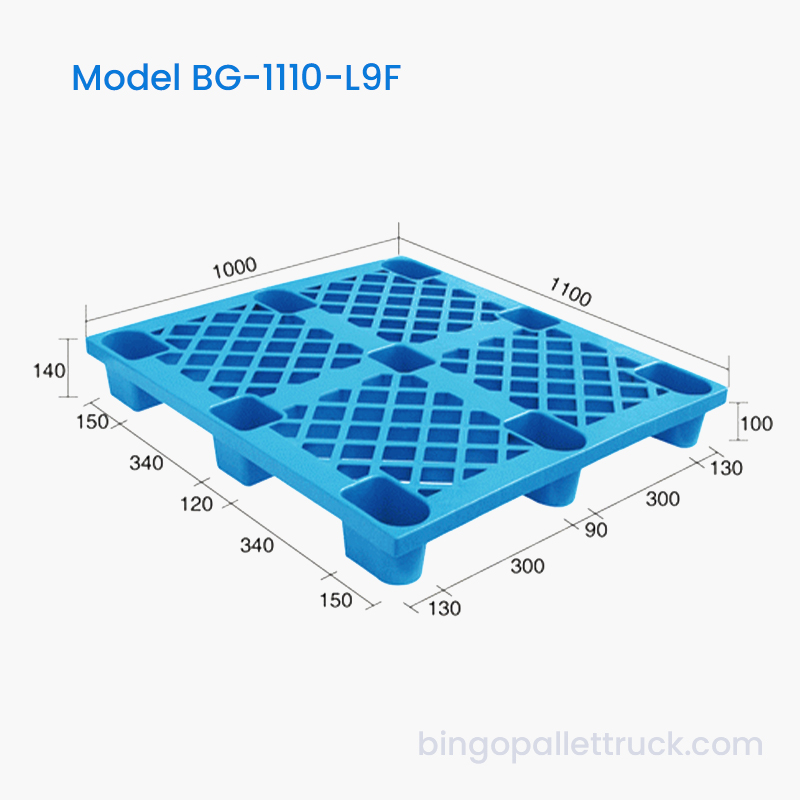
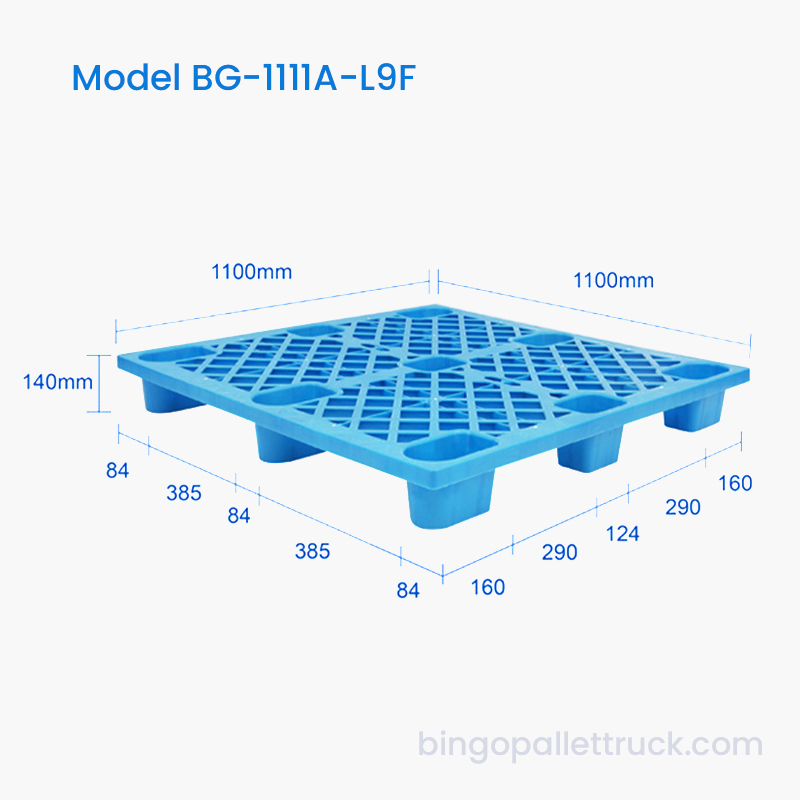
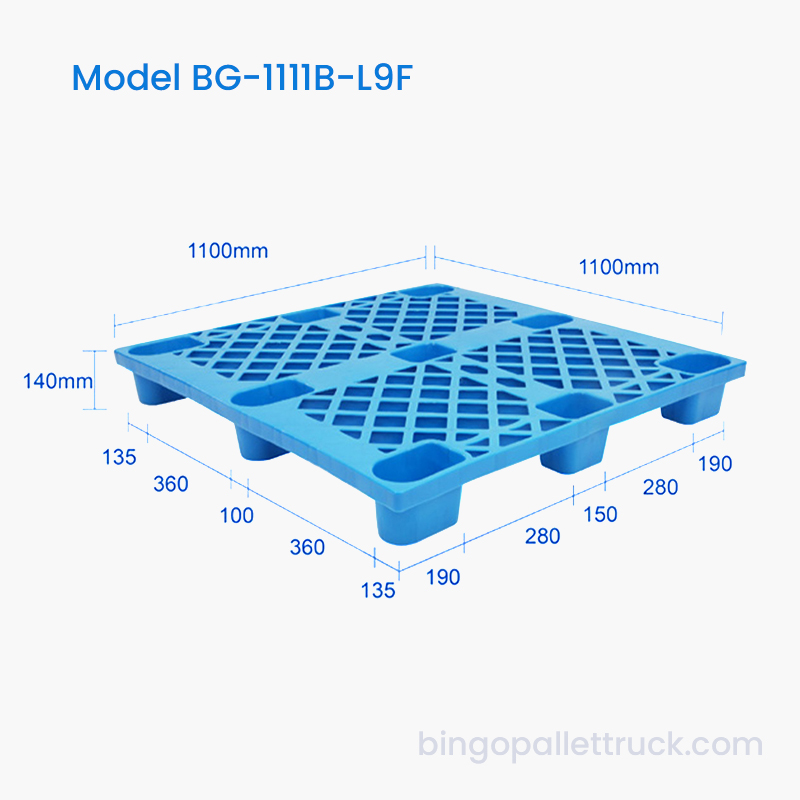
Nestable plastic pallet deck designs include solid top, perforated top, and open grid. Perforated and open grid designs are preferred in cold chain for airflow, while solid tops are used where spillage containment is needed. Leg configurations vary from 3-runner, 5-leg, to 9-leg designs—each affecting nesting ratio, fork entry compatibility, and ground contact pressure. Three-runner designs offer all four-way fork entry and are optimal for pallet jack compatibility, while 9-leg designs maximize stability on conveyor systems.
Material Performance Radar: HDPE vs PP Nestable Pallets
The radar chart provides a direct performance comparison between HDPE and PP (polypropylene) nestable plastic pallet materials across six critical performance dimensions. HDPE demonstrates superior cold resistance (95%) and impact resistance (92%), making it the preferred material for cold chain, frozen food, and outdoor logistics applications. PP outperforms HDPE in chemical resistance (90%) and rigidity (88%), which explains its dominance in pharmaceutical, chemical manufacturing, and automated racking environments. Both materials score comparably on nesting ratio and UV stability, meaning the choice between HDPE and PP should be determined by the specific thermal and chemical environment of the application. For operations spanning both cold and chemical exposure, co-polymer blends or reinforced PP grades are available from Bingo that combine benefits of both material families.
Nestable Plastic Pallets in Automated Warehousing Systems
The integration of nestable plastic pallets into automated warehousing and distribution systems is one of the most significant trends in logistics infrastructure today. As warehouses deploy automated storage and retrieval systems (AS/RS), conveyor networks, robotic picking systems, and pallet handling AGVs (automated guided vehicles), the pallet becomes a critical interface element between human-designed cargo and machine systems.
Global Warehouse Automation Growth & Nestable Plastic Pallet Demand Index (2018–2024)
The dual-line area chart demonstrates a strong correlation between global warehouse automation investment and nestable plastic pallet demand growth from 2018 to 2024. Both indices grew in parallel, reflecting the interdependence between automation technology rollout and the need for dimensionally consistent, machine-compatible pallet formats. The 2020–2021 acceleration coincides with the COVID-19-driven surge in e-commerce fulfillment and the rapid deployment of robotics in distribution centers globally. By 2024, the nestable plastic pallet demand index reached 90 out of 100, closely tracking the automation growth curve. This data reinforces the thesis that nestable plastic pallets are not just a cost-saving measure—they are an enabling technology for the next generation of logistics automation infrastructure.
How to Select the Right Nestable Plastic Pallet for Your Operation
Selecting the optimal nestable plastic pallet requires a systematic analysis of five key parameters: load profile, temperature environment, handling equipment, hygiene requirements, and volume economics. A mismatch in any of these dimensions can result in premature pallet failure, compliance issues, or suboptimal nesting ratios that erode the space-saving benefits.
Load Profile: Define the maximum dynamic load (forklift in motion), static load (in rack), and racking span load. Select pallet grade accordingly—light, medium, or heavy duty.
Temperature Range: For cold chain applications below -20°C, specify HDPE material with cold-rated formulation. For operations above 60°C (e.g., near furnaces), reinforced PP or metal-insert pallets are required.
Fork Entry Requirements: Confirm whether 2-way or 4-way fork entry is needed. Three-runner nestable pallets offer full 4-way entry; 9-leg designs may restrict to 2-way depending on leg configuration.
Hygienic Grade: Food-grade or pharma-grade applications require FDA-compliant resin (no recycled content), smooth deck surfaces, and no metal reinforcement to prevent corrosion risks.
Nesting Ratio and Return Logistics: If return freight cost is a major budget item, prioritize pallets with nesting ratios of 6:1 or higher. Confirm that the selected pallet is compatible with your current pallet dispenser or denesting machine.
Table 2: Nestable Plastic Pallet Selection Matrix by Application
Application
Recommended Material
Deck Type
Load Grade
Key Feature
Frozen Food Storage
HDPE Cold Grade
Perforated
Medium–Heavy
Airflow, -40°C rated
Pharmaceutical Cleanroom
Virgin PP
Solid
Light–Medium
FDA-compliant, no metal
Export Shipping
HDPE/PP
Perforated/Open Grid
Medium
ISPM-15 exempt, lightweight
Automated DC
Reinforced PP
Solid/Perforated
Heavy
±2mm tolerance, RFID ready
Automotive Parts
PP + Steel Insert
Solid
Heavy Duty
High racking load, anti-slip
About Bingo: Your Global Partner for Warehousing and Logistics Equipment
Bingo is an enterprise specializing in the production, sales and service of warehousing and logistics equipment. Focusing on the equipment needs of various warehousing and logistics scenarios, Bingo provides global customers with one-stop, integrated solutions for material storage and handling. From nestable plastic pallets and industrial shelving to automated conveyor systems and pallet dispensers, Bingo's product portfolio is engineered for operational performance across diverse industry environments—including food processing, cold chain, pharmaceutical, retail distribution, automotive, and export logistics.
Frequently Asked Questions about Nestable Plastic Pallets
Q1: What is the nesting ratio of nestable plastic pallets, and why does it matter?
A: The nesting ratio describes how many empty pallets can be stored in the space of a single conventional pallet when stacked. For most nestable plastic pallets, this ratio is between 5:1 and 7:1, meaning 5–7 pallets occupy the same height as one. This directly reduces storage space requirements for empty pallets and significantly cuts return freight costs per pallet.
Q2: Are nestable plastic pallets suitable for heavy racking environments?
A: Yes, heavy-duty nestable plastic pallets—particularly those made from reinforced PP or PP with steel inserts—are designed for use in adjustable pallet racking systems. Racking load ratings (the span between two rack beams) are specified per product model. It is important to verify the pallet's racking load rating against the actual beam span in your racking system before deployment, as nestable pallet leg configurations affect this performance differently from block pallet designs.
Q3: Can nestable plastic pallets be used in automated conveyor and AS/RS systems?
A: Yes, nestable plastic pallets are widely used in automated warehousing systems including conveyor networks, automated storage and retrieval systems, and robotic pallet handlers. Their injection-molded dimensional precision (typically ±2mm) ensures consistent interaction with sensors, conveyor guides, and automated forks. RFID chip embedding options further enable seamless integration with warehouse management systems for automated tracking.
Q4: Do nestable plastic pallets comply with international phytosanitary regulations for export?
A: Yes. Plastic pallets, including nestable plastic pallets, are classified as non-wood packaging materials and are therefore exempt from the ISPM-15 (International Standards for Phytosanitary Measures No. 15) requirements that mandate heat treatment or fumigation for wooden packaging. This makes nestable plastic pallets the default choice for international export operations seeking to avoid phytosanitary inspection delays and treatment costs at border crossings.
Q5: How should nestable plastic pallets be cleaned and maintained?
A: Nestable plastic pallets can be cleaned using high-pressure water washing, steam cleaning, or chemical sanitization with most standard detergents, disinfectants, and food-safe cleaners. Unlike wooden pallets, plastic does not absorb moisture or chemical residues. For food or pharma applications, periodic sanitization schedules should be defined per HACCP protocols. Visual inspection for cracking, deformation, or leg damage should be performed regularly, and damaged pallets removed from circulation promptly.
Q6: What happens to nestable plastic pallets at the end of their service life?
A: End-of-life nestable plastic pallets made from HDPE or PP are fully recyclable through standard industrial plastic recycling channels. They can be ground into granules and reprocessed into new pallet material or other plastic products. Bingo supports responsible end-of-life management through guidance on recycling channels and, where available, take-back programs that ensure materials re-enter productive use rather than going to landfill.

 en
en  Español