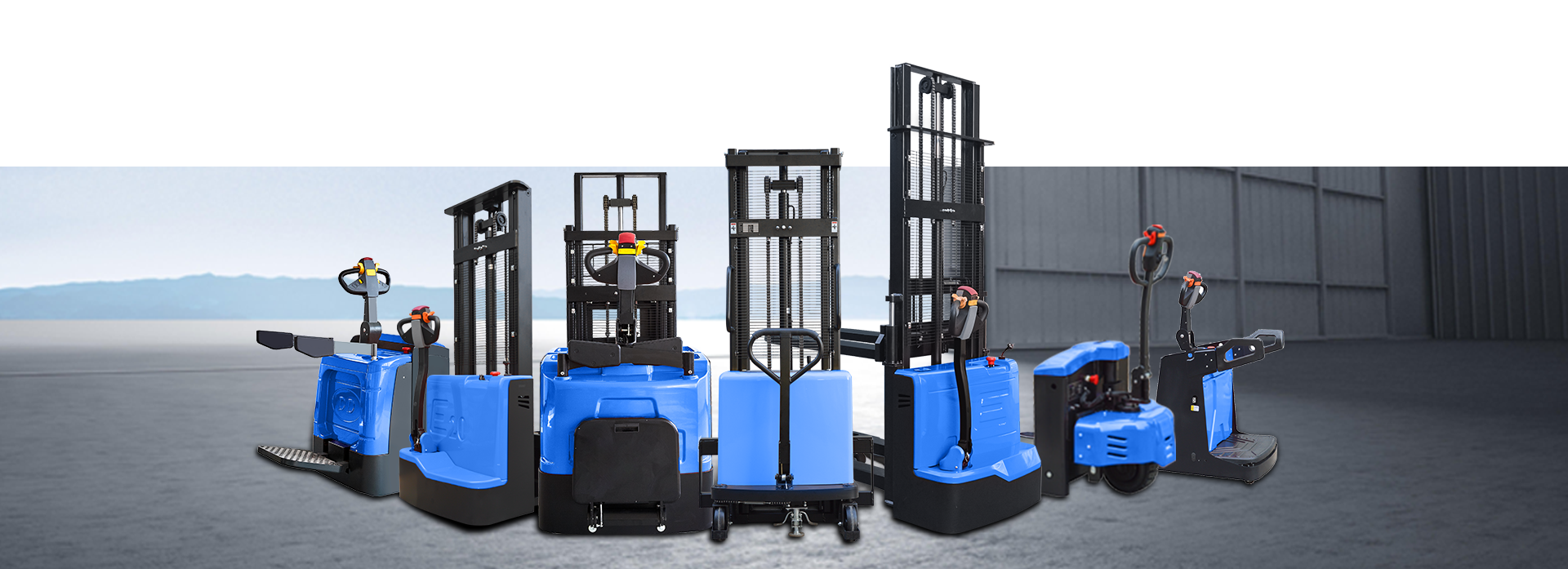
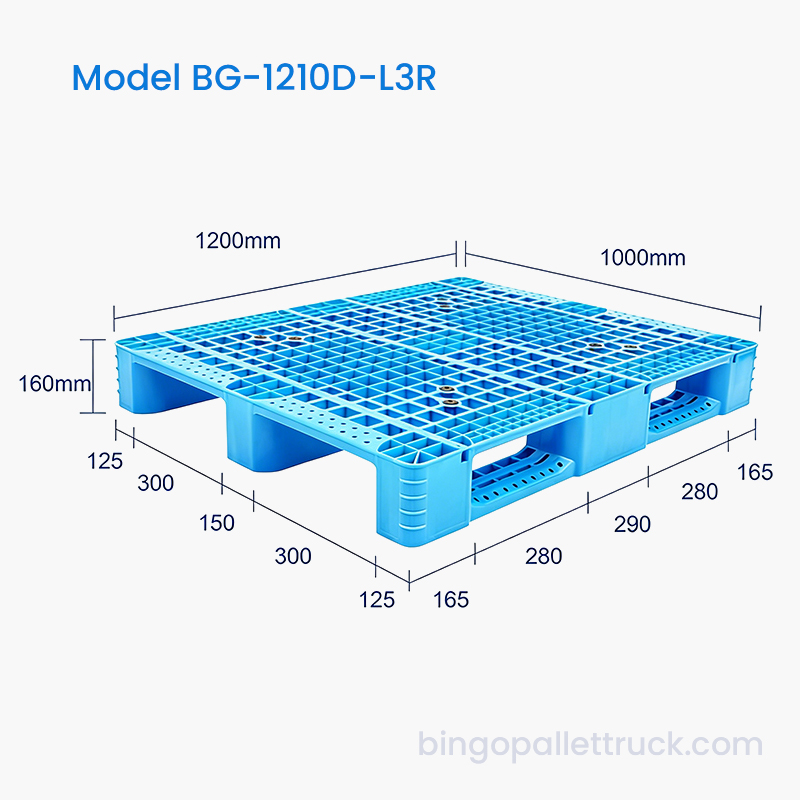
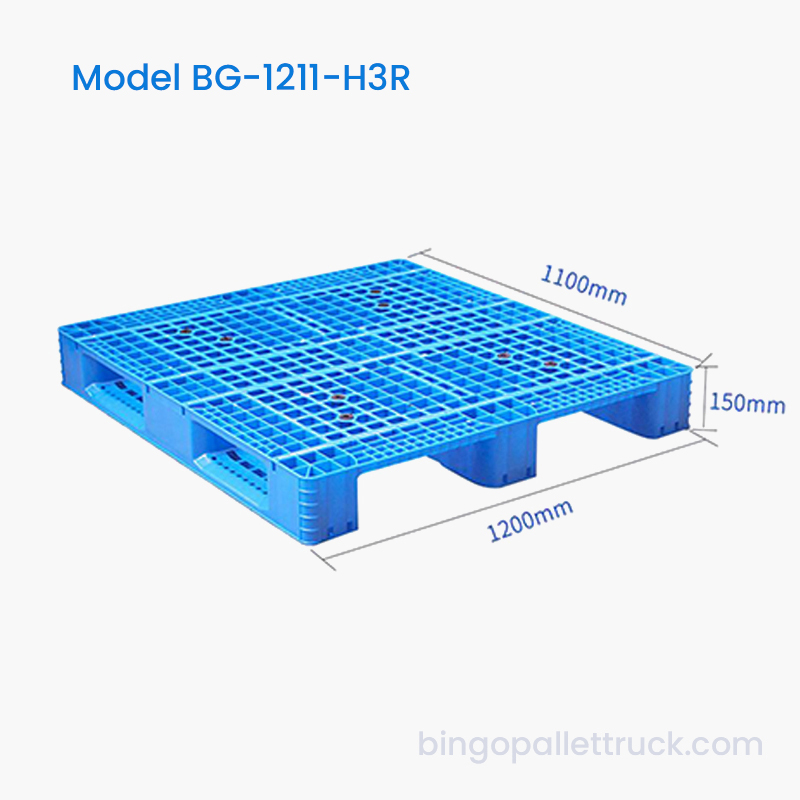
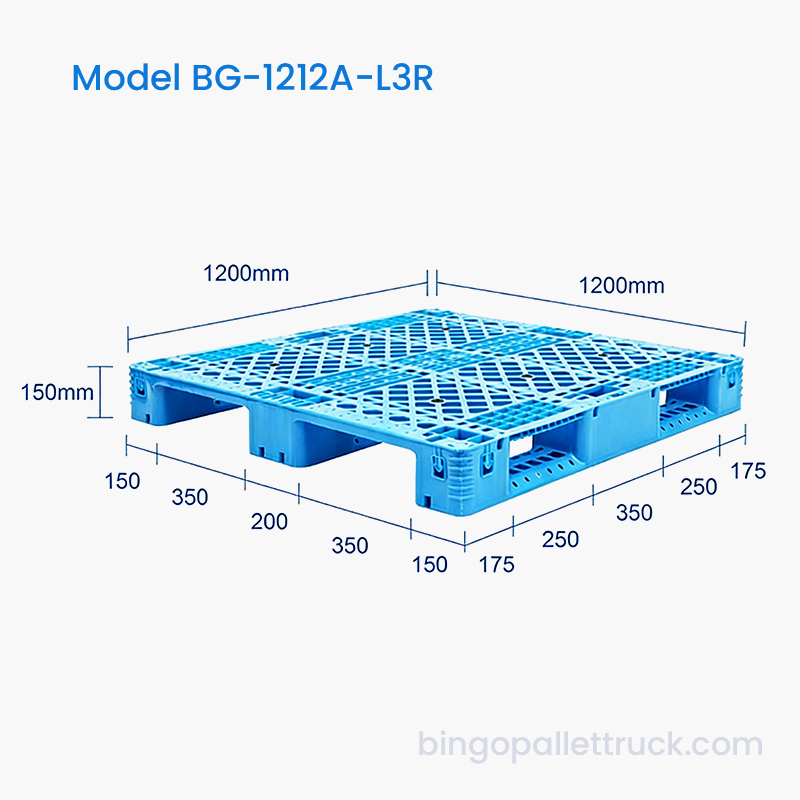
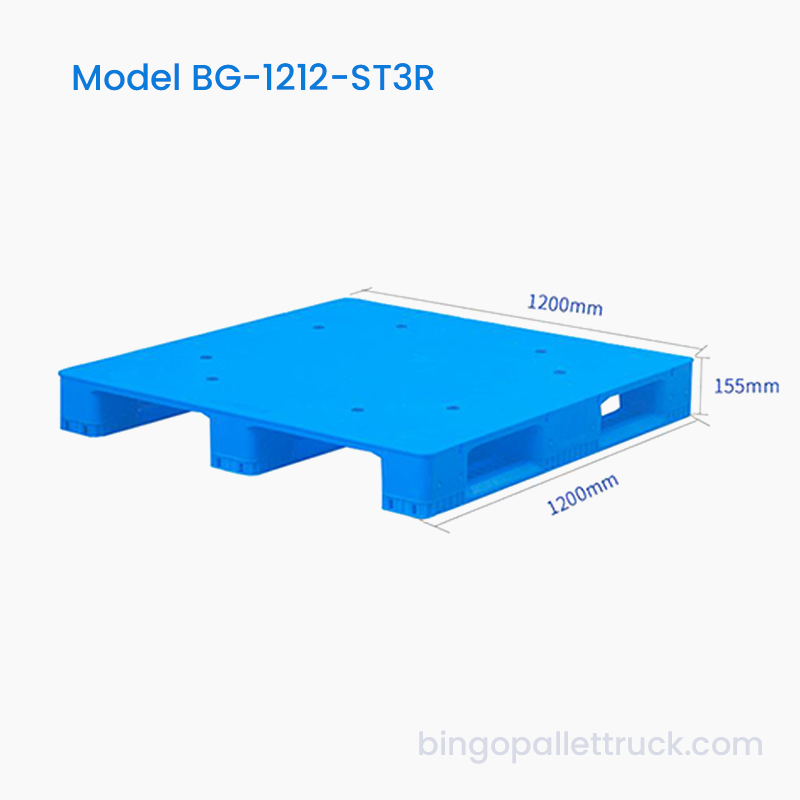
Bingo is an enterprise specializing in the production, sales, and service of warehousing and logistics equipment. Focusing on the equipment needs of various warehousing and logistics scenarios, we provide global customers with one-stop, integrated solutions for material storage and handling.
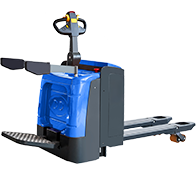
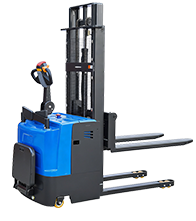
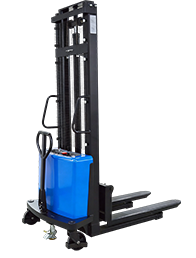
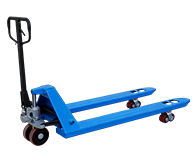
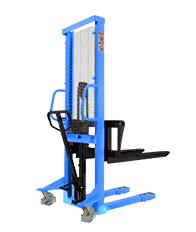
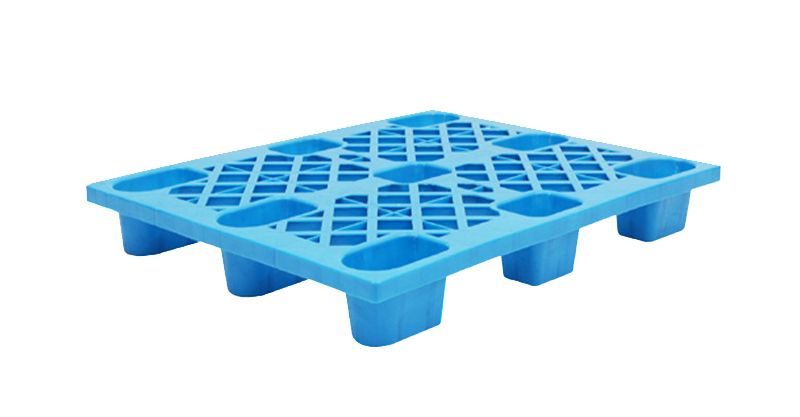
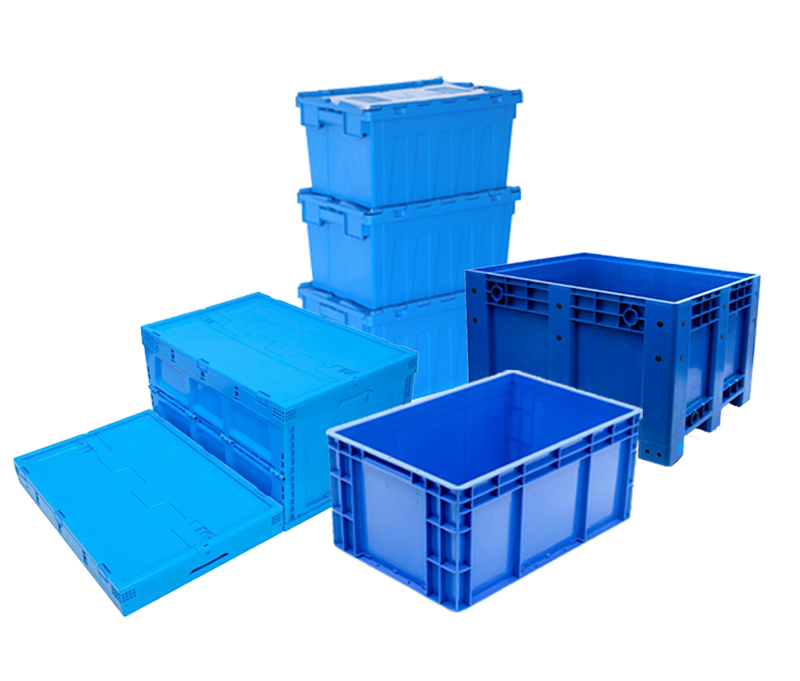
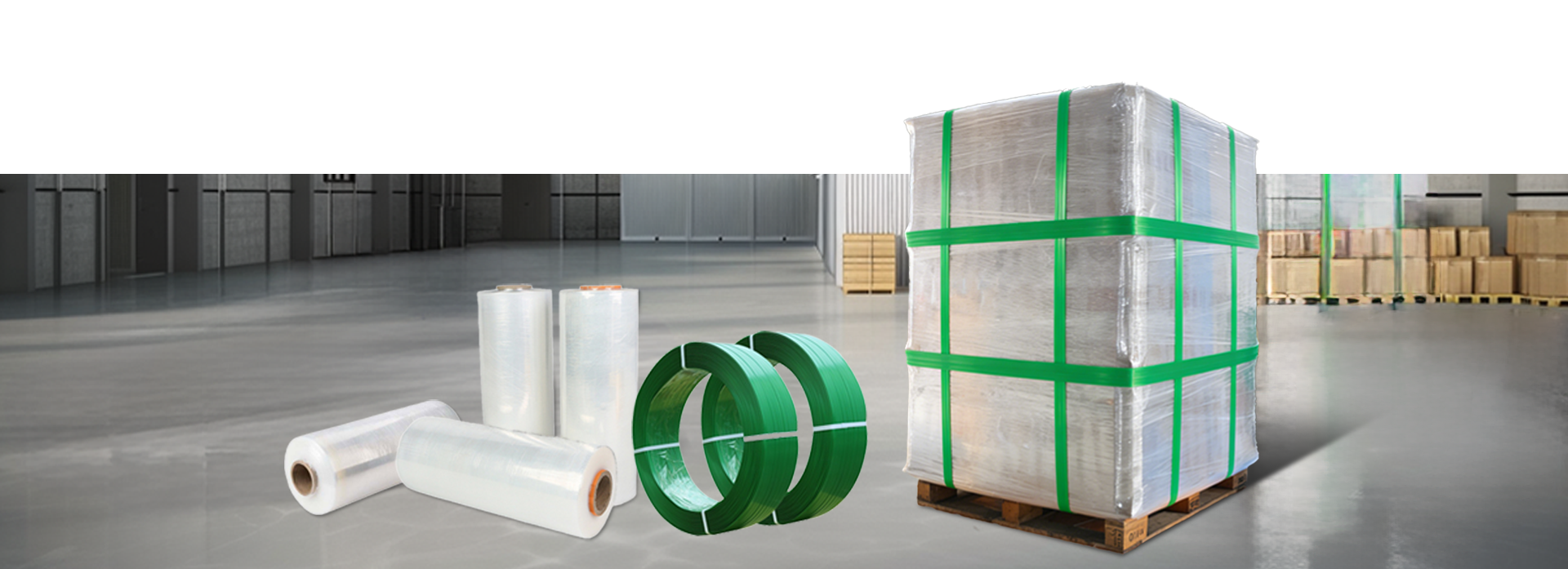
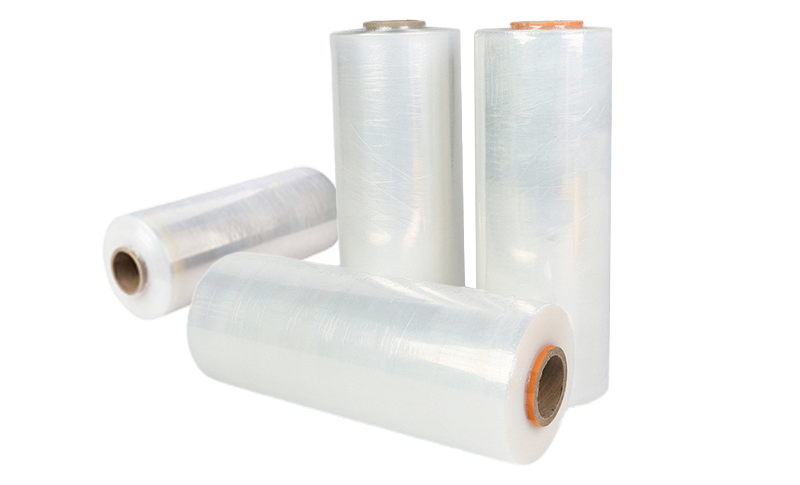
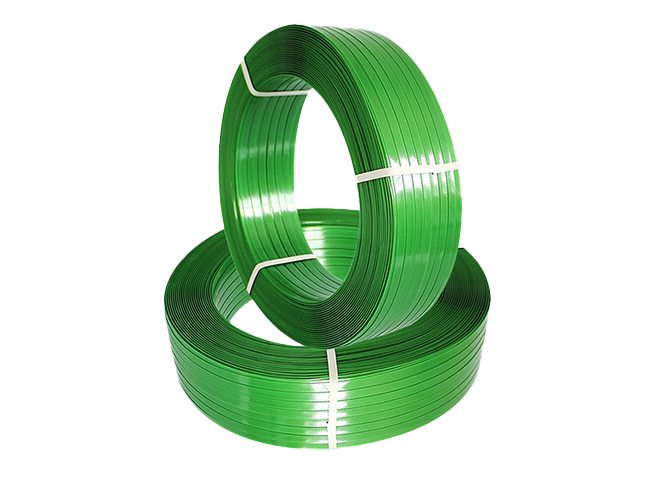
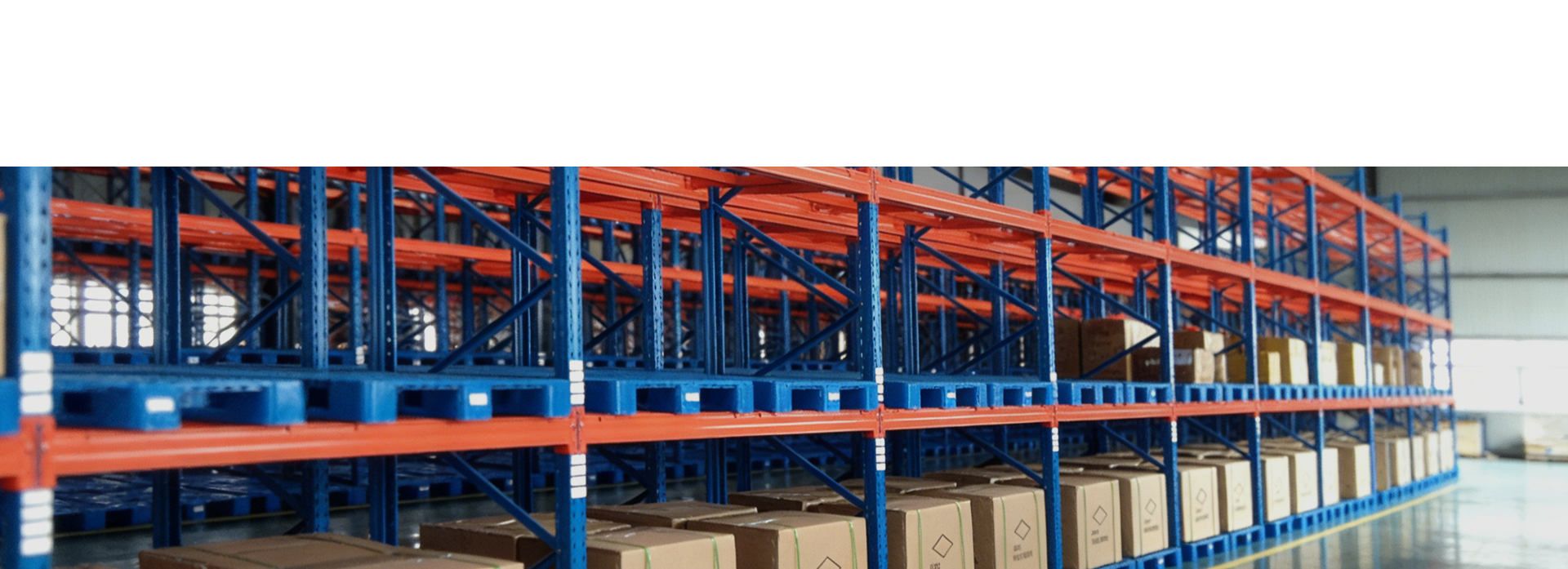
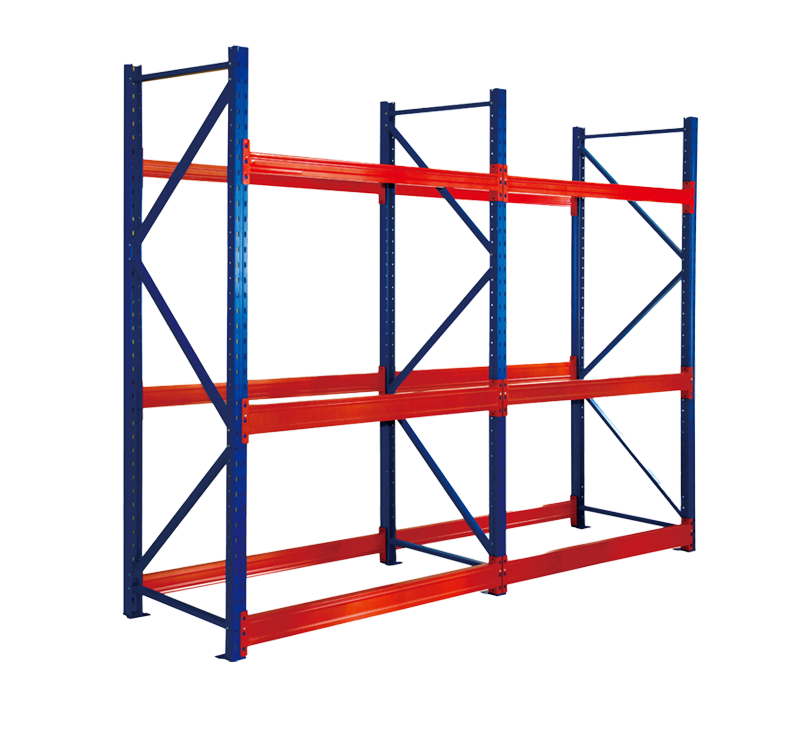
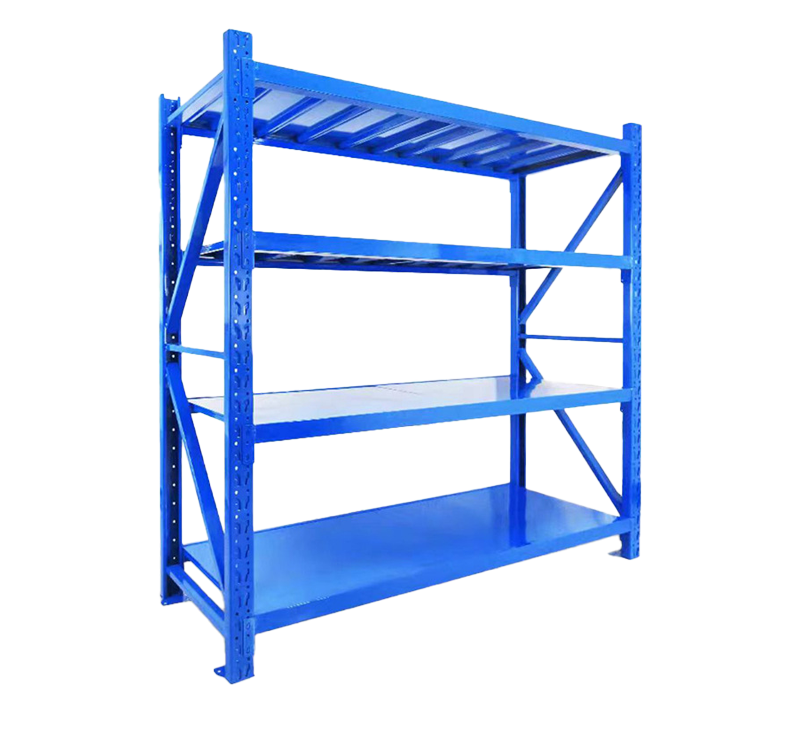
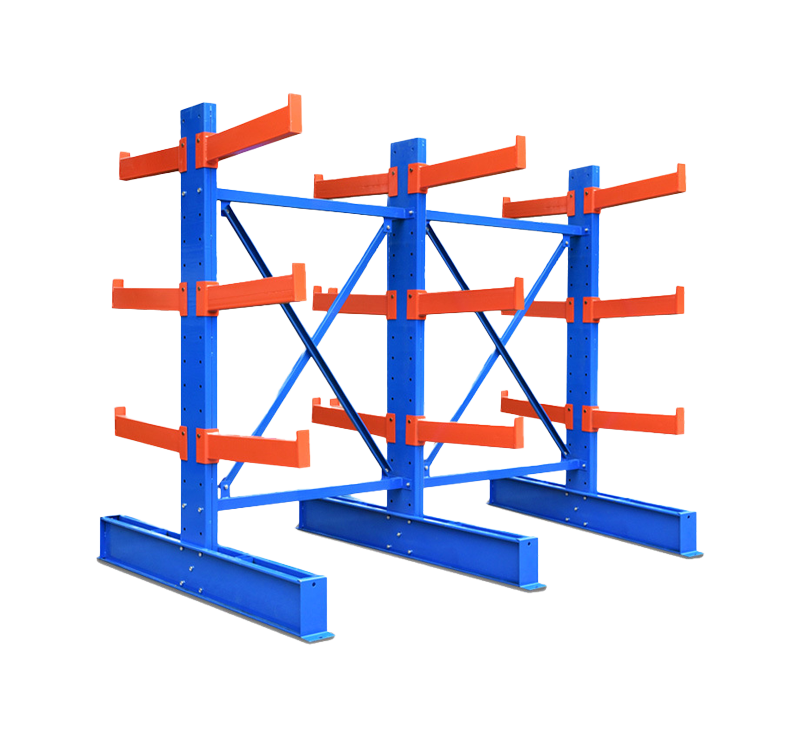
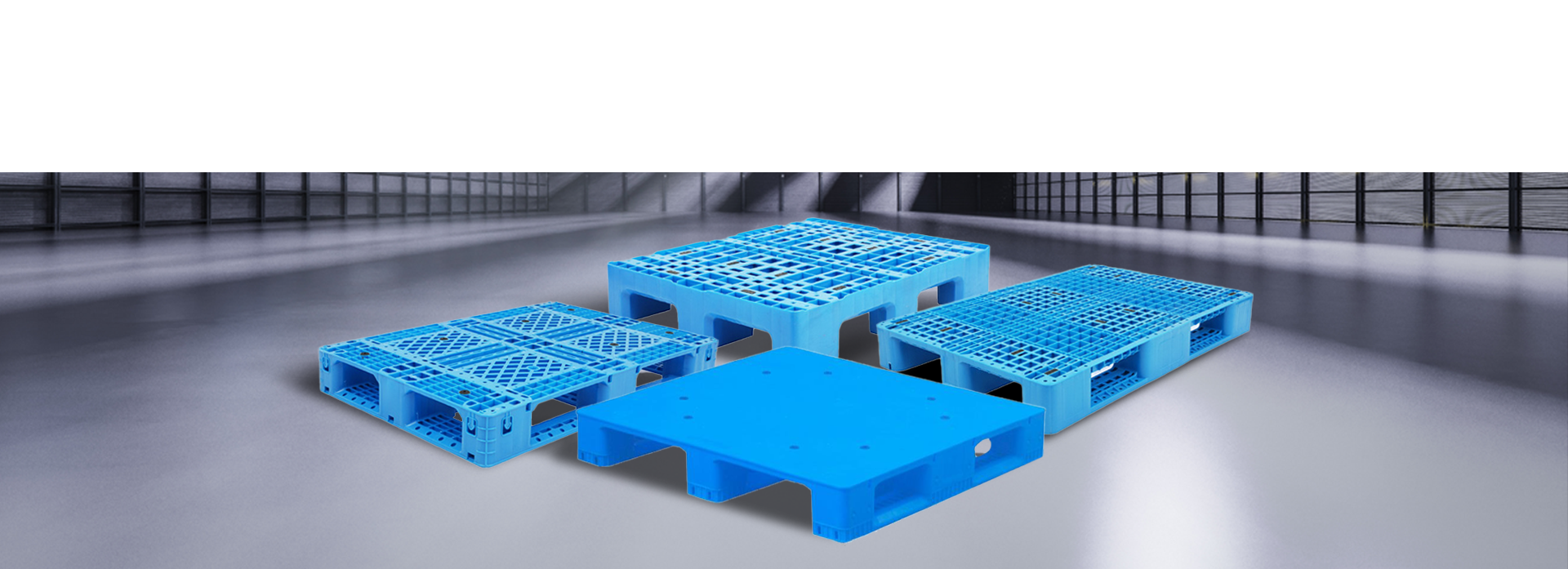
Bingo is a China OEM Rackable Plastic Pallets Supplier and Rackable Plastic Pallets Factory, and has built a complete warehousing and logistics equipment supply chain covering four core systems. In the field of handling equipment, we offer a full range of manual and electric pallet trucks and stackers. Our storage container line includes plastic pallets, plastic totes, crates, and bulk containers to meet diverse logistics needs. while the packaging material series provides supporting products such as stretch wrap and packing strapping. The warehousing racks series encompasses light-duty, medium-duty, and heavy-duty products of various specifications. Adhering to quality as our core value, we rely on a mature supply chain system and strict quality inspection processes to ensure that every product complies with international standards. We are committed to delivering cost-effective product solutions for industries including manufacturing, e-commerce logistics, warehousing and distribution, as well as supermarket retail.
Upholding the philosophy of "Quality First, Win-Win Cooperation", we actively expand our global market presence and are willing to join hands with partners around the world to jointly promote the intelligent and efficient development of the logistics industry.
Every warehouse supervisor knows the moment when manual pallet handling stops being workable. The heaviest pallets exceed 2500 kg, the dock staging area sits 80 meters from the storage bays, and the shift plan demands more pallet moves tha...
During a routine walkthrough at a distribution center, a warehouse manager noticed a small dent in the bottom flange of a pallet rack upright. No load was in that bay, so the dent was recorded as cosmetic. Three weeks later, a forklift gra...
Bingo Machinery, a trusted global supplier of smart warehouse handling equipment, officially launches the brand new CDDA15 1.5 ton pedestrian electric walkie stacker. This compact stacking solution is engineered for medium height pallet st...
Everything You Need to Know About Rackable Plastic Pallets
Rackable plastic pallets are the definitive choice for modern warehousing operations that demand durability, hygiene, and racking compatibility. Unlike traditional wood pallets, rackable plastic pallets are engineered to bear substantial loads when placed on rack beams without sagging or structural failure—a capability that directly determines storage efficiency and worker safety. For logistics managers and procurement teams, understanding the performance distinctions, load specifications, and return-on-investment timelines of rackable plastic pallets is essential before making infrastructure decisions.
What Makes a Pallet Truly "Rackable"
The term "rackable" refers to a pallet's ability to span rack beams and support a dynamic or static load without excessive deflection. For plastic pallets, this requires a specific internal structure: either a solid deck with integrated reinforcement ribs, a twin-deck design with cross-struts, or a steel-reinforced core embedded within the plastic body. Not all plastic pallets qualify—entry-level nestable or stackable pallets are designed for floor storage only and will bow catastrophically if placed on racking.
Key structural features of a rackable plastic pallet include a racking load rating (typically 1,000–2,500 kg dynamic and 4,000–6,000 kg static), a deck thickness exceeding 140 mm for twin-deck models, and foot configurations that align with standard racking beam widths of 75–100 mm. Entry points on all four sides (four-way entry) and compatibility with both forklifts and pallet jacks further define true rackability. The foot geometry must distribute load evenly across beam contact surfaces, preventing point stress that could fracture plastic under temperature cycling.
Structural Comparison: Rackable vs. Non-Rackable Plastic Pallets
Feature
Rackable Plastic Pallet
Standard Nestable Pallet
Rack Load Rating
1,000–2,500 kg
Not rated
Deck Design
Twin-deck or solid with ribs
Single deck, thin wall
Entry
4-way
2-way or 4-way
Steel Reinforcement Option
Available
Rarely available
Typical Weight
12–25 kg
6–12 kg
Lifespan (trips)
5–10 years
2–4 years
Table 1: Structural and performance comparison between rackable and standard nestable plastic pallets.
Load Capacity Benchmarks Across Rackable Plastic Pallet Types
Load capacity is the single most critical specification when selecting rackable plastic pallets. Capacity is measured in three scenarios: dynamic load (pallet in motion via forklift), static load (pallet sitting on floor under weight), and racking load (pallet bridging two rack beams with weight on top). Most industrial rackable plastic pallets achieve dynamic ratings of 1,000–1,500 kg, static ratings of 4,000–6,000 kg, and racking ratings of 1,000–2,500 kg—figures significantly superior to non-reinforced alternatives.
Steel-bar reinforced rackable plastic pallets can push racking capacity to 3,000 kg or beyond, making them viable in heavy manufacturing and automotive sectors. HDPE (High-Density Polyethylene) pallets offer excellent chemical resistance alongside these structural benefits. PP (Polypropylene) variants are preferred in cold storage due to lower temperature brittleness thresholds. Understanding the load requirement of your specific SKU mix is the starting point for correct pallet specification.
The horizontal bar chart above illustrates racking load capacities across four common rackable plastic pallet configurations. Steel-reinforced HDPE pallets lead at 3,000 kg—nearly double the capacity of solid-deck alternatives. This performance gap matters enormously in practice: undersizing racking load capacity is one of the most common causes of rack collapse incidents in industrial warehouses. Twin-deck PP pallets at 2,200 kg represent the most common choice in general-purpose distribution centers because they balance structural performance with cost efficiency. Standard nestable pallets, shown at the bottom, carry no racking rating whatsoever and should never be placed on beam racking regardless of their floor-stack capacity. When specifying pallets for your racking system, always match the pallet's racking load rating to the heaviest unit load in your inventory—not the average.
Industry Applications: Where Rackable Plastic Pallets Deliver Maximum Value
Rackable plastic pallets are not a universal default—they excel in specific environments where their properties create measurable operational advantages. Understanding these environments helps operations managers justify the higher upfront investment with concrete performance data.
Pharmaceutical and Medical: No splinters, nails, or wood fibers that could contaminate product. ESD (electrostatic discharge) versions available for sensitive equipment. Consistent tare weight enables precise inventory management.
Cold Chain Logistics: PP variants rated to –30°C without brittleness. No moisture absorption eliminates weight variation and wood freeze bonding. Compatible with blast freezers and cooled distribution centers.
Automotive Parts: Oil-resistant surfaces. Steel-reinforced variants handle heavy component loads on selective pallet racking. Consistent dimensions support just-in-time delivery accuracy.
Retail E-Commerce Fulfillment: Lightweight enough for manual handling in pick-and-pack zones. Uniform dimensions enable robotic and automated guided vehicle (AGV) integration without adjustment.
The radar chart maps rackable plastic pallet suitability scores across five major industry categories, each scored out of 10 based on hygiene requirements, load profiles, environmental conditions, and automation compatibility. Food and beverage operations score highest at 9.5 due to the convergence of hygiene mandates, heavy SKU loads, and high rack utilization in distribution centers. Cold chain logistics scores 9.2, reflecting the critical advantage of temperature-stable PP construction in freezer warehouse environments. Pharmaceutical suitability at 9.0 is driven primarily by contamination control requirements and the need for traceable, consistent pallet weights. E-commerce fulfillment scores 8.5—not because rackable pallets are less suitable, but because the variety of unit loads in that environment demands careful pallet specification to avoid over-engineering costs. Automotive parts warehouses score 8.0, largely because the very heaviest components still require steel or wooden pallet alternatives, though rackable plastic covers the majority of parts handling scenarios effectively.
Lifecycle Cost Analysis: The True Economic Case for Rackable Plastic Pallets
The upfront cost of rackable plastic pallets is typically 3–5 times higher than equivalent wooden pallets, a gap that initially concerns procurement teams. However, a lifecycle cost analysis consistently reverses this conclusion. A high-quality rackable plastic pallet in a closed-loop supply chain typically delivers a total cost per trip of $0.60–$1.20, compared to $2.00–$3.50 for wooden pallets when repair, replacement, and product damage costs are included.
The economic advantage compounds across several dimensions. Plastic pallets require no repair in the traditional sense—a cracked pallet is retired and recycled rather than repaired with nails and boards, eliminating the labor cost of pallet repair crews. They generate no wood splinters or nails that damage product packaging, reducing product damage claims by an estimated 12–18% in studies from distribution operations that switched from wood. Their consistent weight (no moisture absorption) improves scale accuracy in weight-based freight billing, often recovering 1–3% of freight cost. Finally, their longer service life (5–10 years versus 1.5–3 years for wood) spreads acquisition cost over far more trips.
The line chart above plots cumulative cost per pallet for rackable plastic pallets versus wooden pallets (including repair and replacement) over a seven-year horizon. Despite a higher initial investment for plastic pallets, the cumulative cost curves cross at approximately year two—the break-even point at which total ownership cost equalizes. Beyond year two, plastic pallets generate increasing savings as wooden pallets require progressively more frequent repair and replacement cycles. By year seven, the cumulative cost gap widens to over $120 per pallet—a meaningful figure when multiplied across a fleet of several hundred or several thousand pallets in a large distribution center. For operations running multi-shift schedules with high trip frequencies, the break-even may arrive as early as 18 months. This chart underscores why total cost of ownership (TCO), rather than purchase price, must drive pallet procurement decisions.
Material Science: HDPE vs PP in Rackable Plastic Pallets
The two dominant materials for rackable plastic pallets are High-Density Polyethylene (HDPE) and Polypropylene (PP). Each has a distinct performance profile, and selecting the right material is as important as selecting the right load rating. Choosing the wrong polymer for your operating environment can result in premature failure—either from cold-temperature brittleness, chemical attack, or UV degradation.
HDPE Rackable Plastic Pallets
HDPE offers superior impact resistance across a wide temperature range (–40°C to +60°C), making it suitable for most ambient and cold chain environments. Its chemical resistance is broad, covering alkalis, acids, and most solvents—a critical property in chemical manufacturing and agricultural supply chains. HDPE pallets exhibit less creep (gradual deformation under sustained load) than PP at elevated temperatures, which matters in long-term static storage scenarios. The material is also more easily colored with UV stabilizers, improving outdoor yard storage durability.
PP Rackable Plastic Pallets
Polypropylene rackable pallets are lighter for equivalent stiffness, which benefits operations where pallet weight directly affects freight costs or manual handling ergonomics. PP has a higher surface hardness and scratch resistance, preserving appearance over more handling cycles. However, PP becomes brittle below –10°C without specific copolymer formulations, so standard PP rackable pallets should not be used in blast freezer environments without temperature rating verification. For ambient-temperature distribution, PP's combination of stiffness, light weight, and cost efficiency makes it the most widely deployed material in rackable plastic pallet fleets globally.
Rackable Plastic Pallets and Warehouse Automation Compatibility
Modern distribution centers are rapidly integrating automated storage and retrieval systems (AS/RS), autonomous mobile robots (AMR), automated guided vehicles (AGV), and conveyor-based sortation. Rackable plastic pallets are uniquely positioned to enable this automation transition because their dimensional consistency, weight stability, and surface uniformity are prerequisites for reliable robot-pallet interface.
Wooden pallets introduce dimensional variability of ±10–15 mm due to moisture content changes, board warping, and repair inconsistency. This variability causes pallet recognition errors in vision-guided robotic systems and misalignment in AS/RS cranes. Rackable plastic pallets, manufactured in injection-molded or compression-molded processes, maintain dimensional tolerance within ±1–2 mm across their service life—a critical enabler of reliable automation performance.
RFID and barcode integration is simpler on plastic pallets: flat, smooth surfaces allow clean label adhesion and embedded RFID chip installation without the interference caused by metal nails or moisture content variation in wood. Facilities implementing pallet-level inventory tracking with RFID report 15–22% improvement in inventory accuracy after transitioning to rackable plastic pallets with embedded RFID tags.
The column chart above compares automation interface error rates—misalignment, sensor misreads, and robot approach failures—across three pallet types in an AS/RS environment. Rackable plastic pallets achieve a remarkably low error rate of 0.8%, compared to 6.5% for standard wooden pallets and 4.2% for repaired wooden pallets. This difference has direct operational consequences: in a facility processing 5,000 pallet movements per day, a 6.5% error rate generates 325 intervention events daily—each requiring human intervention, system pauses, and cycle time delays. The plastic pallet's 0.8% rate reduces that to just 40 interventions—an 88% reduction in automation failure events. The repaired wood category shows that partial improvements (repairing damaged pallets rather than replacing them) reduce errors but cannot match the consistency of manufactured plastic. This data makes a compelling case for rackable plastic pallets as the foundational infrastructure choice for any facility pursuing automation.
Sustainability Profile: Environmental Advantages of Rackable Plastic Pallets
Environmental performance is increasingly central to procurement decisions as companies pursue ESG targets and supply chain decarbonization. Rackable plastic pallets present a nuanced sustainability picture: their production is energy-intensive, but their long service life and end-of-life recyclability create significant lifecycle environmental advantages over alternatives.
Life cycle assessment (LCA) studies consistently show that rackable plastic pallets have lower cumulative environmental impact per trip than wooden pallets when service life exceeds three years. The key drivers: no deforestation-linked wood sourcing, no chemical preservative treatment (methyl bromide fumigation required for some international wooden pallet trade), and full recyclability at end of service life. A retired HDPE rackable pallet can be ground, repelletized, and reprocessed into new pallets or other HDPE products, achieving a closed material loop.
Rackable plastic pallets also reduce transportation emissions indirectly. Their consistent, lighter weight versus wooden alternatives means lower average truck payload mass per pallet position. In high-frequency closed-loop distribution (e.g., manufacturer to retailer DC), the cumulative fuel saving from replacing 1,000 wooden pallets with plastic across 50 trips per year can represent 4–7 metric tons of CO₂ equivalent annually—a meaningful contribution to Scope 3 emissions reduction.
The donut chart breaks down where rackable plastic pallets generate CO₂e reductions compared to conventional wooden pallets across a full lifecycle. Recyclability at end of life contributes the largest share at 32%, reflecting the closed-loop material recovery enabled by HDPE and PP recycling infrastructure. Elimination of methyl bromide fumigation—required under international phytosanitary regulations for wooden pallets in cross-border trade—accounts for 28%, as fumigation is both chemically intensive and operationally costly. Production material savings from longer service life (fewer pallets needed) account for 22%, while transport weight reduction contributes 18%. Together, these factors produce a meaningful lifecycle environmental advantage for rackable plastic pallets, particularly relevant for companies reporting Scope 3 supply chain emissions under GHG Protocol frameworks. The environmental case complements the economic case and reinforces the strategic logic of transitioning pallet fleets to rackable plastic.
Key Performance Metrics: Rackable Plastic Pallets in Operation
This grouped bar chart compares rackable plastic pallets against standard wooden pallets across four critical operational performance dimensions, each scored out of 100. Hygiene performance—capturing surface cleanability, pest resistance, and contamination risk—shows the most dramatic gap: plastic pallets score 95 versus wood's 45, reflecting the fundamental material advantage of non-porous, washable polymer surfaces in sanitary environments. Dimensional consistency scores 96 for plastic and just 28 for wood, quantifying the impact of moisture-driven dimensional variation in wood versus the tight manufacturing tolerances of molded plastic pallets. Durability scores (92 vs. 38) reflect average service life ratios and resistance to damage during normal handling operations. Load uniformity—measuring consistent weight and center-of-gravity behavior across the pallet fleet—scores 90 for plastic versus 50 for wood, the latter penalized by moisture content variation and repair inconsistency. Together, these metrics confirm that rackable plastic pallets outperform wooden alternatives across every dimension that matters in a modern logistics operation.
About Bingo: Your Integrated Warehousing and Logistics Equipment Partner
Bingo is an enterprise specializing in the production, sales, and service of warehousing and logistics equipment. Focusing on the equipment needs of various warehousing and logistics scenarios, Bingo provides global customers with one-stop, integrated solutions for material storage and handling. From rackable plastic pallets and pallet racking systems to automated handling equipment and custom storage solutions, Bingo combines engineering expertise with deep industry knowledge to help clients build efficient, safe, and scalable warehouse operations.
With a global customer base across food and beverage, pharmaceutical, cold chain, e-commerce, and manufacturing sectors, Bingo brings proven expertise in matching rackable plastic pallet specifications to specific racking configurations, load requirements, and automation ecosystems. Whether you are upgrading an existing pallet fleet or designing a new distribution center from the ground up, Bingo's team of solutions engineers delivers recommendations grounded in operational data and long-term cost analysis.
Frequently Asked Questions About Rackable Plastic Pallets
Q1: What is the difference between a rackable and a stackable plastic pallet?
A rackable plastic pallet is structurally engineered to span rack beams and carry load without sagging, with a verified racking load rating. A stackable pallet is designed only for floor or stack storage and has no racking load rating—placing it on beam racking risks structural failure and safety incidents.
Q2: How long do rackable plastic pallets typically last?
In a controlled closed-loop warehouse environment, well-maintained rackable plastic pallets typically last 5–10 years or several hundred trips. Lifespan depends on operating environment (temperature, chemicals), load intensity, and handling care. Pallets used in outdoor or mixed environments may have shorter service lives.
Q3: Are rackable plastic pallets compatible with all pallet racking systems?
Most rackable plastic pallets are designed for selective pallet racking with standard beam spacings. Compatibility should always be verified against your specific racking dimensions, beam width, and beam spacing before ordering. Some racking configurations (drive-in, push-back, pallet flow) may require specific pallet foot designs for safe operation.
Q4: Can rackable plastic pallets be used in cold storage and freezer warehouses?
Yes, but material selection is critical. HDPE rackable pallets perform reliably down to –40°C. Standard PP pallets may become brittle below –10°C. Always confirm the low-temperature rating of the specific pallet model with your supplier before deploying in blast freezers or chilled chambers.
Q5: What happens to rackable plastic pallets at the end of their service life?
Retired HDPE and PP rackable plastic pallets can be returned to the manufacturer or a recycler, where they are shredded, repelletized, and reprocessed into new pallets or other plastic products. This closed-loop recyclability is a key environmental advantage and increasingly a requirement under corporate sustainability policies.
Q6: Do rackable plastic pallets meet food safety and pharmaceutical compliance standards?
HDPE and PP rackable pallets made from food-grade raw materials can be FDA-compliant and meet EU food contact regulations. For pharmaceutical applications, confirm that the pallet material meets your specific GMP and contamination control requirements. Request material certifications and traceability documentation from your supplier for regulated industries.

 en
en  Español