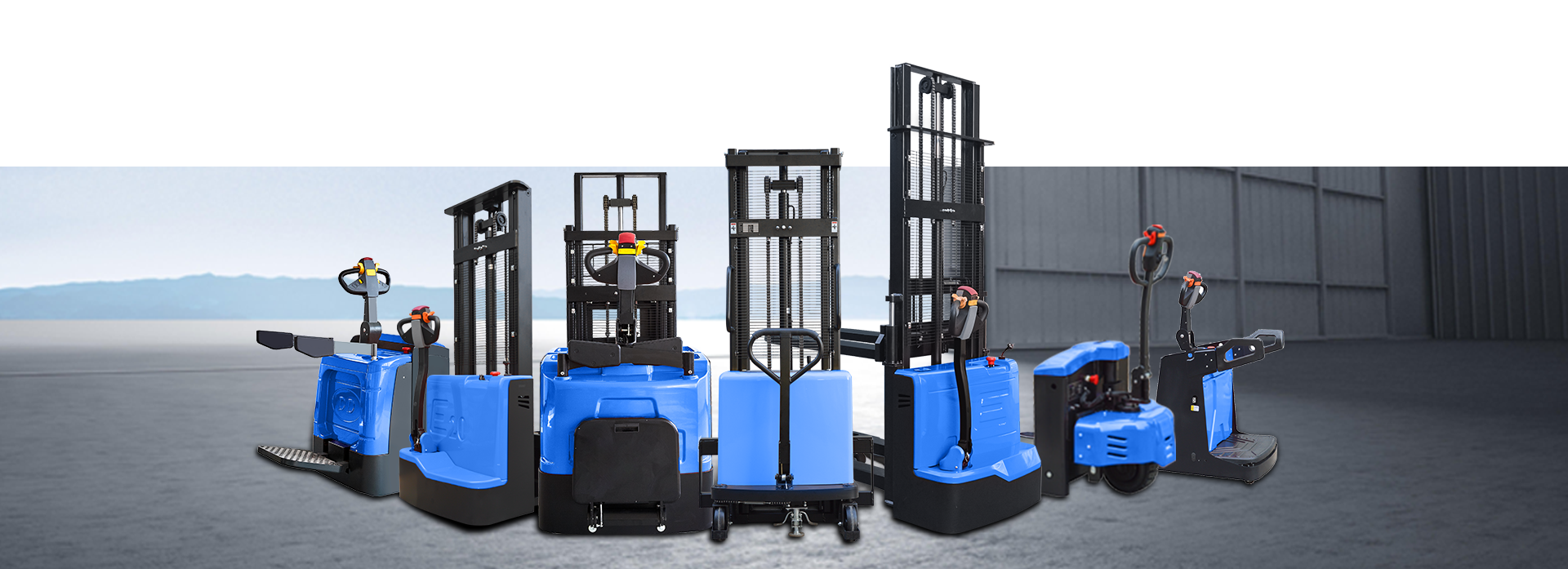
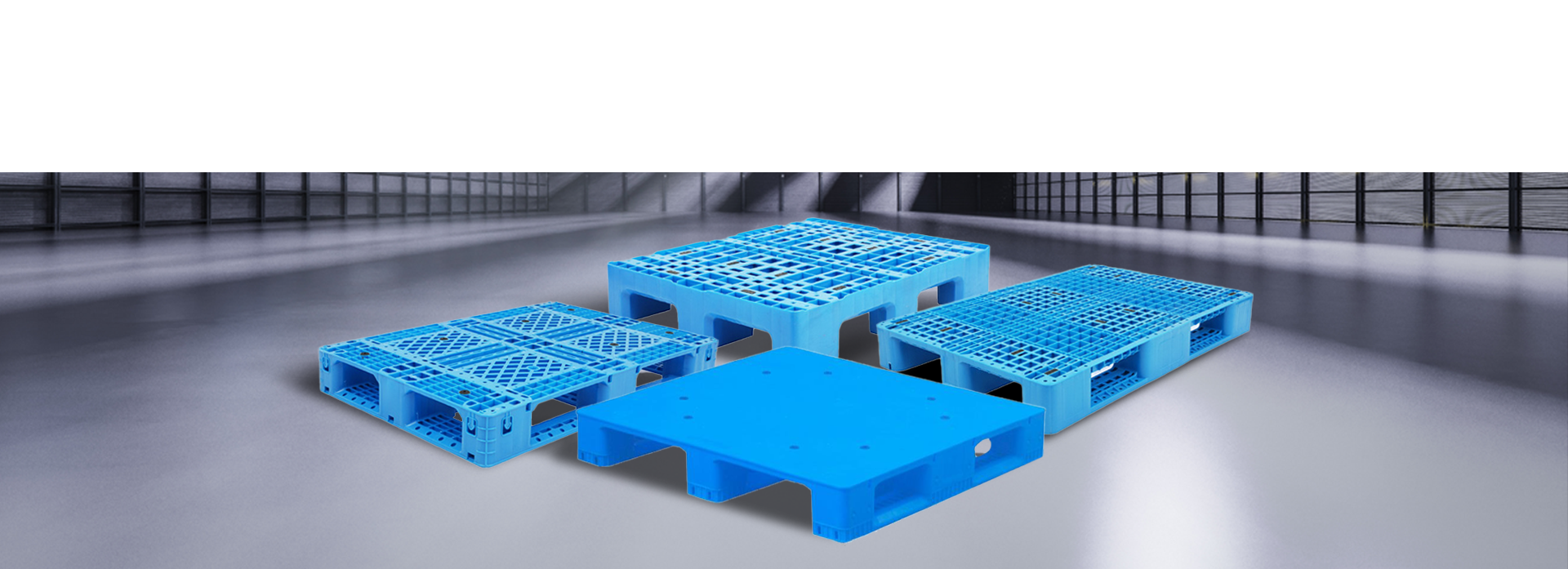
Bingo is an enterprise specializing in the production, sales, and service of warehousing and logistics equipment. Focusing on the equipment needs of various warehousing and logistics scenarios, we provide global customers with one-stop, integrated solutions for material storage and handling.
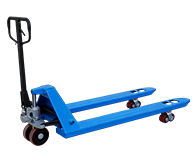
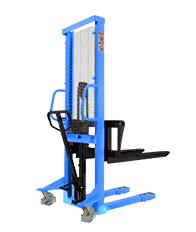
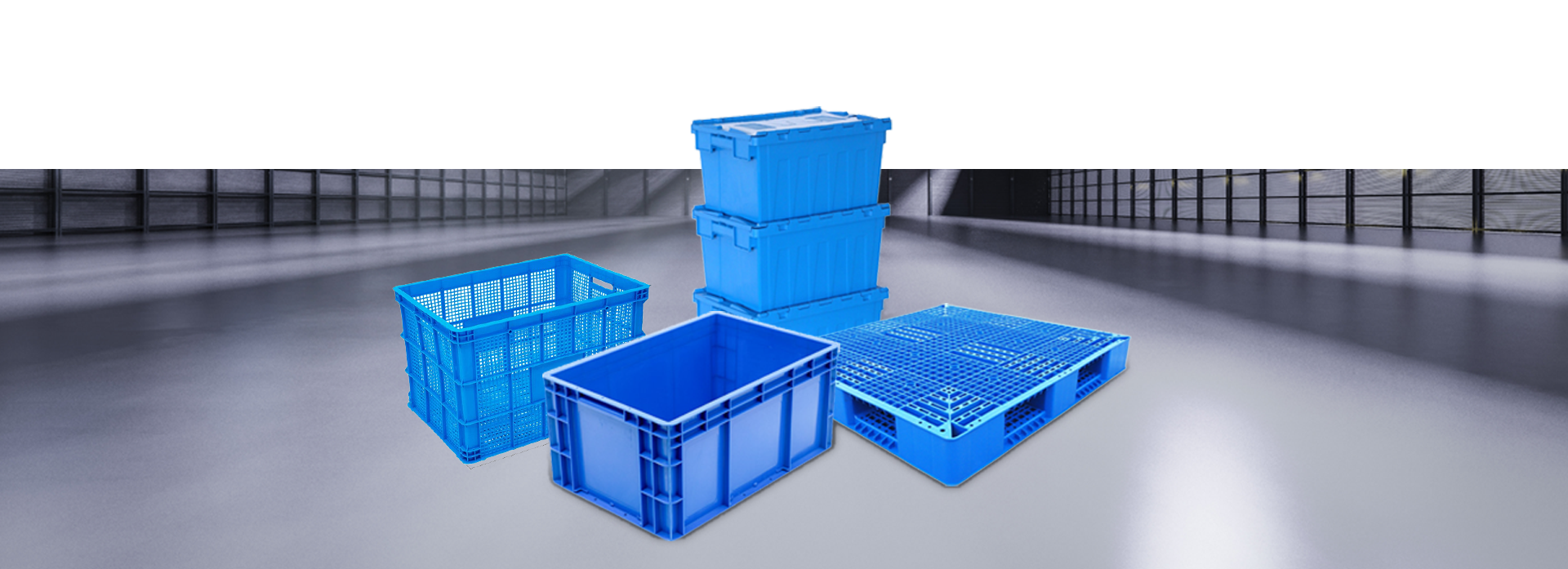
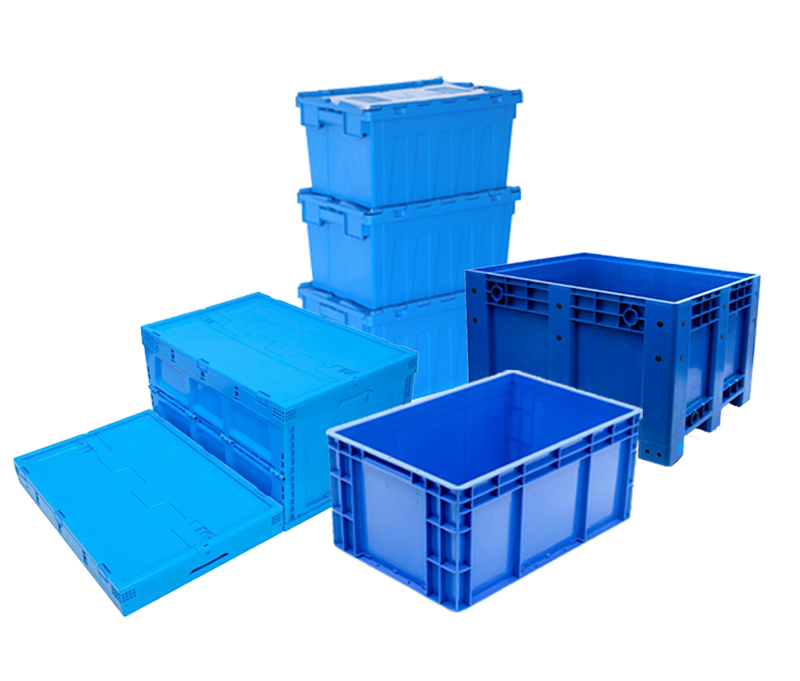
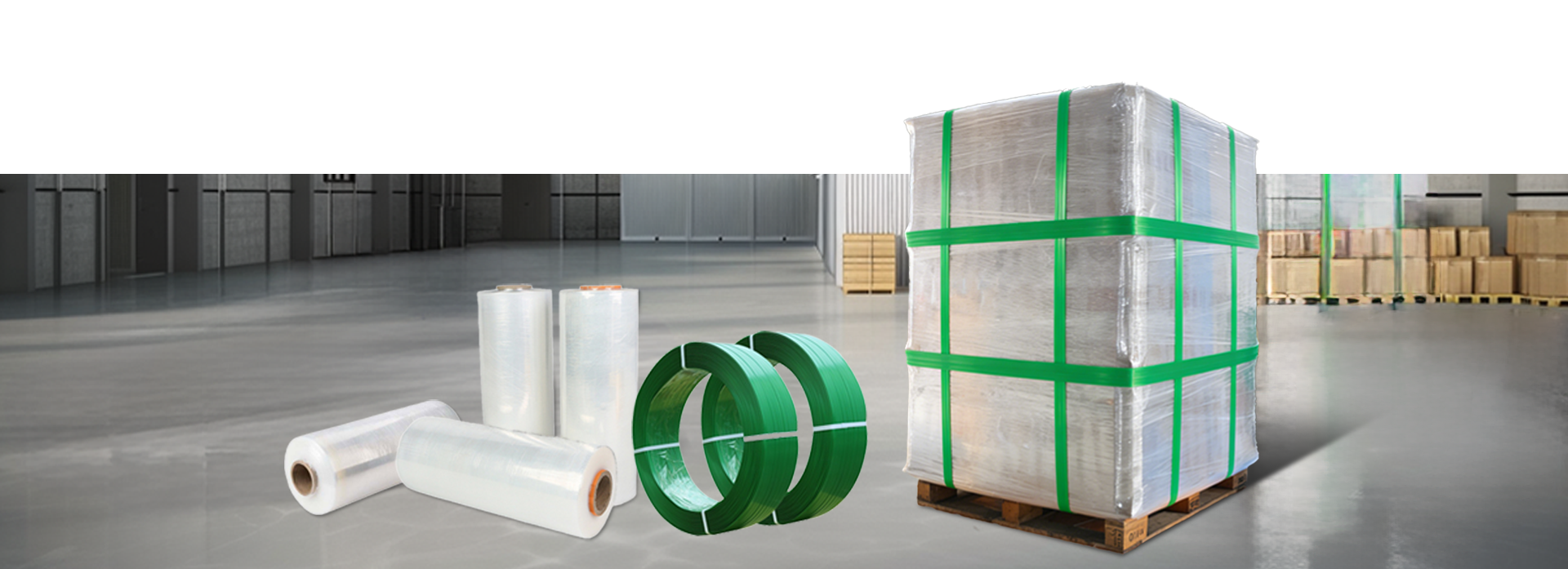
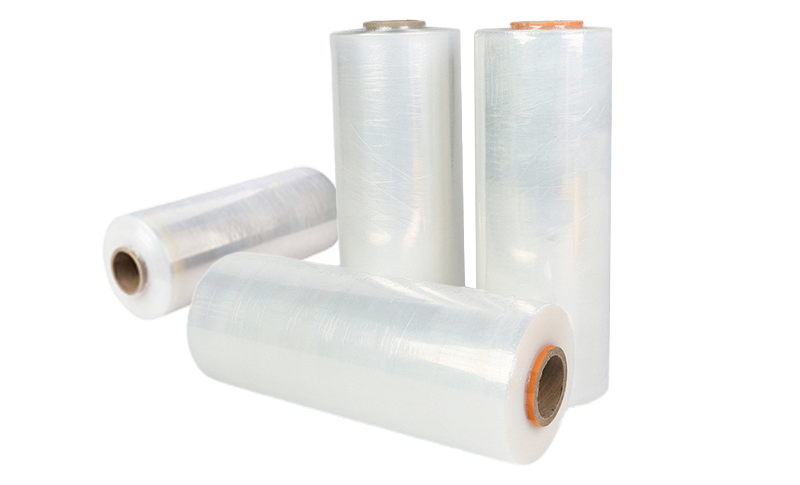
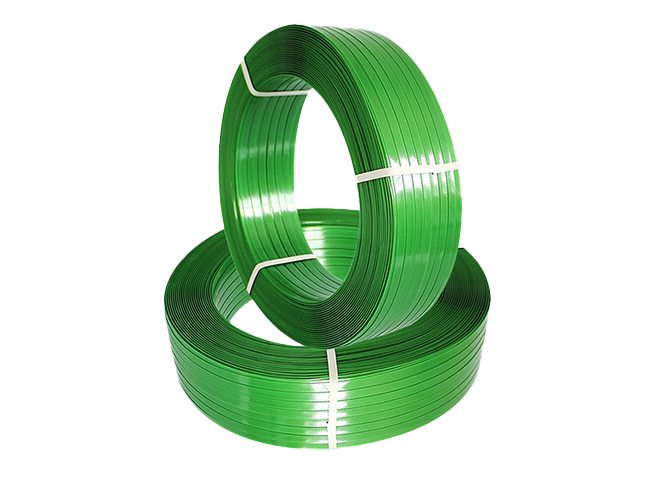
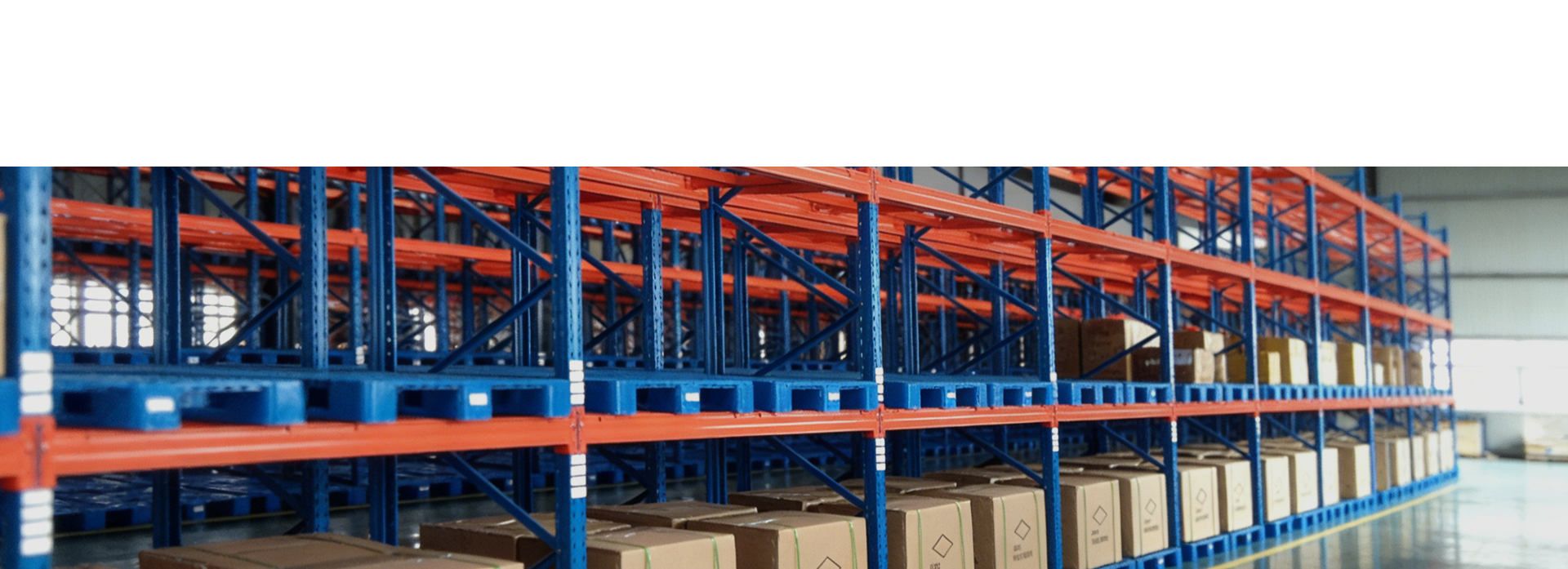
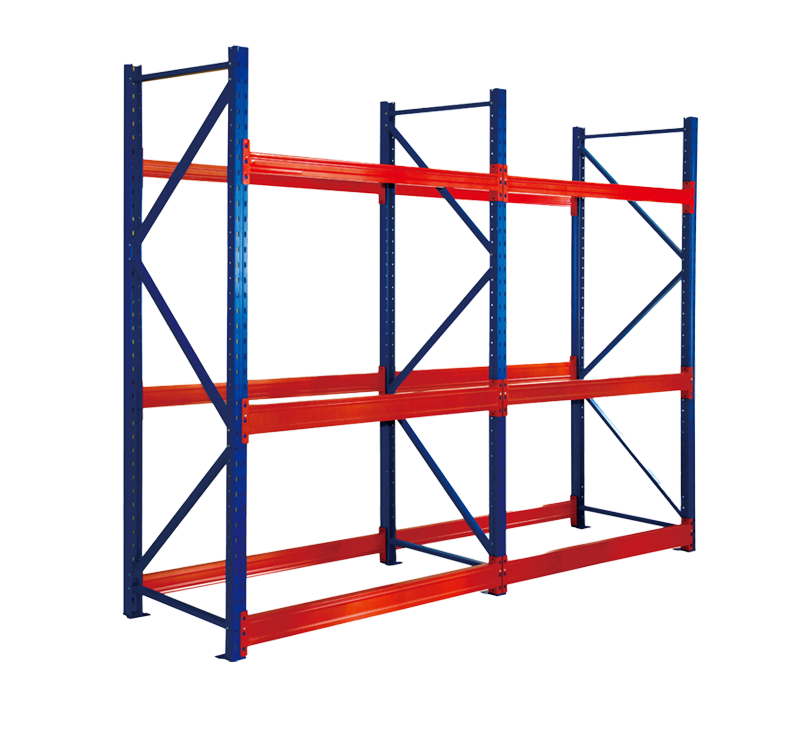
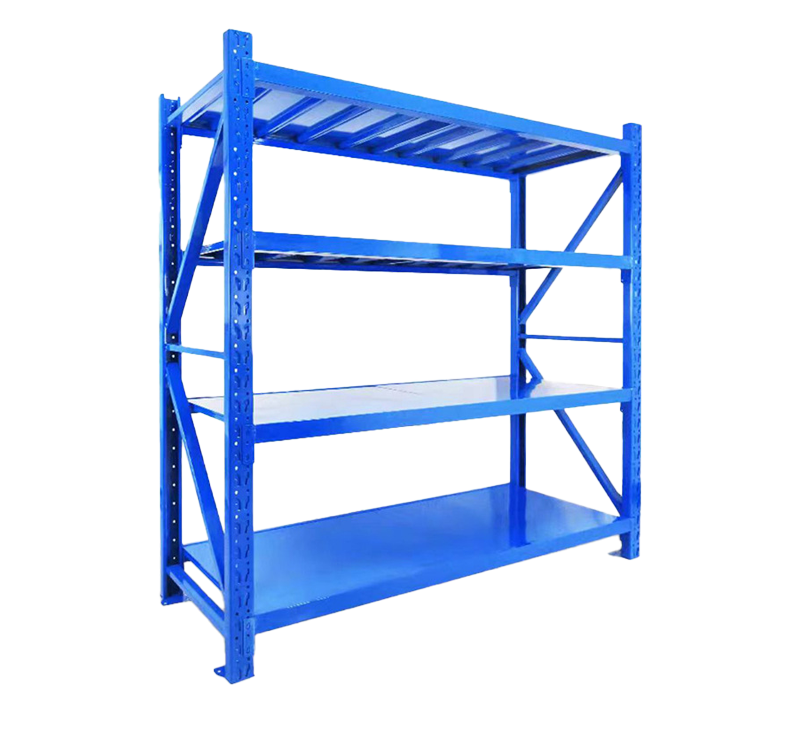
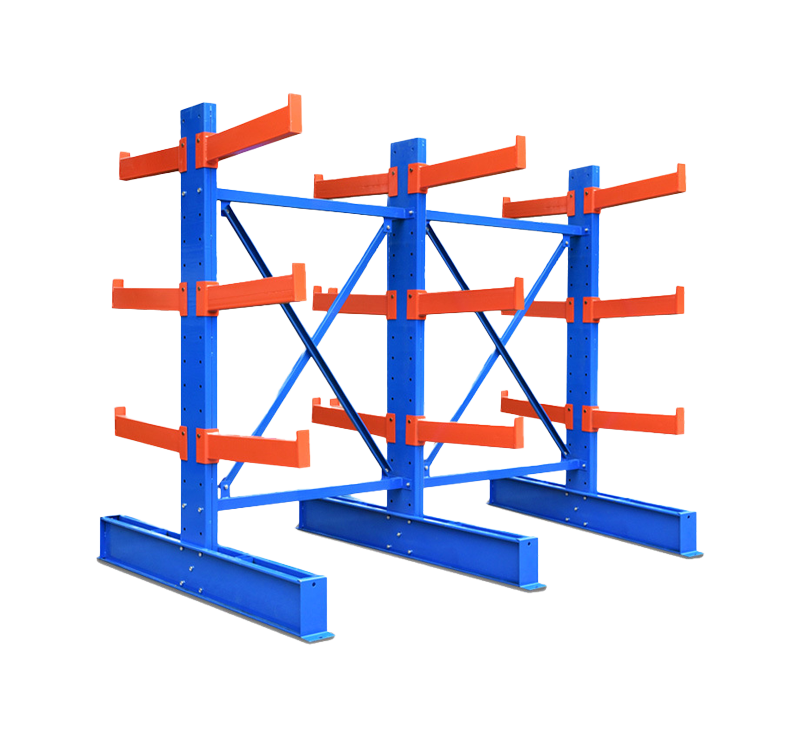
Bingo is a China OEM Stackable Plastic Pallets Supplier and Stackable Plastic Pallets Factory, and has built a complete warehousing and logistics equipment supply chain covering four core systems. In the field of handling equipment, we offer a full range of manual and electric pallet trucks and stackers. Our storage container line includes plastic pallets, plastic totes, crates, and bulk containers to meet diverse logistics needs. while the packaging material series provides supporting products such as stretch wrap and packing strapping. The warehousing racks series encompasses light-duty, medium-duty, and heavy-duty products of various specifications. Adhering to quality as our core value, we rely on a mature supply chain system and strict quality inspection processes to ensure that every product complies with international standards. We are committed to delivering cost-effective product solutions for industries including manufacturing, e-commerce logistics, warehousing and distribution, as well as supermarket retail.
Upholding the philosophy of "Quality First, Win-Win Cooperation", we actively expand our global market presence and are willing to join hands with partners around the world to jointly promote the intelligent and efficient development of the logistics industry.
Every warehouse supervisor knows the moment when manual pallet handling stops being workable. The heaviest pallets exceed 2500 kg, the dock staging area sits 80 meters from the storage bays, and the shift plan demands more pallet moves tha...
During a routine walkthrough at a distribution center, a warehouse manager noticed a small dent in the bottom flange of a pallet rack upright. No load was in that bay, so the dent was recorded as cosmetic. Three weeks later, a forklift gra...
Bingo Machinery, a trusted global supplier of smart warehouse handling equipment, officially launches the brand new CDDA15 1.5 ton pedestrian electric walkie stacker. This compact stacking solution is engineered for medium height pallet st...
Everything You Need to Know About Stackable Plastic Pallets
Stackable plastic pallets are the practical foundation of space-efficient warehousing, offering reliable load-bearing performance, consistent dimensional stability, and exceptional return density when empty. For warehouse managers, logistics planners, and procurement professionals, the ability to stack empty pallets high in storage or on return transport is not a minor convenience—it is a direct driver of storage space utilization and freight cost reduction. Understanding precisely which stackable plastic pallet design matches your operation's load weight, handling equipment, environmental conditions, and trip frequency is the difference between a smart infrastructure investment and a costly mismatch.
Across retail distribution, food processing, pharmaceutical supply chains, and general manufacturing, stackable plastic pallets have displaced wooden alternatives in applications where hygiene, dimensional consistency, and empty-pallet return logistics are priorities. Their nestable or stackable geometries allow 3–5 times more empty pallets to occupy the same space versus standard flat pallets stacked directly—a savings that compounds quickly at scale. Bingo, specializing in warehousing and logistics equipment, engineers stackable plastic pallet solutions tailored to the full range of storage and handling scenarios that modern supply chains demand.
This article provides a thorough examination of stackable plastic pallets—covering design typologies, stacking height and load performance, industry applications, material selection, and total cost logic—so logistics decision-makers can move from evaluation to confident specification.
Stackable vs. Nestable Plastic Pallets: Understanding the Core Distinction
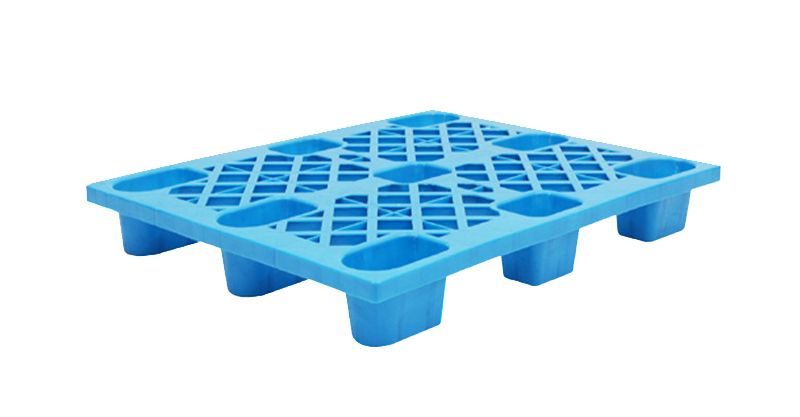
The terms "stackable" and "nestable" are often used interchangeably in the market, but they describe two different empty-pallet storage geometries. A stackable plastic pallet is designed so that when empty, one pallet sits flat on top of another with feet resting on the deck—creating a stable column that can reach 8–12 pallets high. A nestable plastic pallet, by contrast, has a tapered or recessed foot design that allows one empty pallet to drop partially into the one below, reducing the total height of a stack of 10 by 40–60% compared to flat stacking.
Both types are categorized under the broad "stackable plastic pallet" umbrella because both solve the same problem: maximizing the number of empty pallets stored or returned per unit of space. The choice between true stackable and nestable designs depends on your specific operation. If pallets are handled primarily by forklifts and stored in racking while loaded, true stackable designs with solid feet offer superior loaded stability. If pallets are frequently returned empty on trucks and handled by hand or pallet jack, nestable designs with their superior empty-stack density offer more return logistics savings.
Design Comparison: Stackable vs. Nestable Plastic Pallet Types
Feature
Stackable Plastic Pallet
Nestable Plastic Pallet
Empty Stack Method
Foot-on-deck stacking
Feet nest inside lower pallet
Empty Stack Height Reduction
Moderate (full height per pallet)
40–60% height reduction per unit
Loaded Stability
High
Moderate to High
Racking Compatibility
Often rackable
Usually floor/stack only
Typical Static Load (kg)
3,000–6,000
1,500–4,000
Best Use Case
Heavy loads, racking, automation
Light-medium loads, return logistics
Table 1: Design and performance comparison between stackable and nestable plastic pallet types.
Load Capacity Standards for Stackable Plastic Pallets
Load capacity in stackable plastic pallets is measured across three standard conditions: dynamic load (pallet being moved by forklift or pallet jack), static load (pallet stationary under weight on the floor), and stacking load (multiple loaded pallets stacked on top of each other). Industrial-grade stackable plastic pallets typically achieve dynamic ratings of 1,000–1,500 kg, static ratings of 3,000–6,000 kg, and stacking load ratings of 800–1,500 kg per pallet in a stack of two to four.
The stacking load rating is the figure most frequently overlooked in procurement. When two loaded pallets are stacked—a common practice in floor storage to maximize vertical space—the lower pallet must bear both its own load and the full weight of the upper pallet plus its goods. If the lower pallet's stacking load rating is insufficient, the feet or deck may deform over time, creating instability that poses a serious safety risk to warehouse personnel. Always verify that the stacking load rating exceeds your maximum combined unit load before specifying stackable pallets for stacked floor storage.
The horizontal bar chart above shows static load ratings across four representative categories of stackable plastic pallets. Heavy-duty HDPE stackable pallets lead at 6,000 kg static capacity, making them suitable for the heaviest manufacturing and distribution loads. Standard twin-deck stackable pallets at 4,500 kg represent the workhorse category for most general distribution center operations. Nestable light-duty PP pallets at 2,800 kg serve retail and food service flows where unit loads are lighter but empty-return logistics savings are a priority. Entry-level stackable pallets at 1,800 kg are appropriate for promotional or seasonal product distribution where load requirements are well within standard consumer goods weight ranges. Selecting the correct tier prevents both costly over-specification and dangerous under-specification—the latter being the more common and consequential error in practice.
Space Efficiency: How Stackable Plastic Pallets Transform Return Logistics
One of the most quantifiable advantages of stackable plastic pallets is their impact on empty-pallet return logistics. In any closed-loop or pool pallet system, empty pallets must be transported back from delivery points to origin facilities. The number of empty pallets that fit in a standard 13.6-meter trailer is directly determined by the pallet type: flat wooden pallets typically allow 280–320 units per load, while nestable plastic pallets can achieve 700–900 units per load—more than double the payload density.
This density advantage translates directly into fewer return truck movements, lower fuel consumption per pallet returned, and reduced handling labor at both collection points and origin facilities. For a distribution network making 100 empty-pallet return trips per year, switching from wooden to nestable stackable plastic pallets can reduce return transport trips by 40–55%. At current freight rates, this represents a substantial annual logistics saving that forms a core part of the total cost of ownership calculation for stackable plastic pallets.
Even in warehouse storage, the stacking advantage matters. An empty pallet storage area holding 200 wooden pallets in a single layer can hold 600–800 nestable plastic pallets in the same footprint when stacked to safe heights—freeing valuable floor space for productive storage rather than empty-pallet buffer zones.
The column chart above compares the number of empty pallets that can be loaded onto a standard 13.6-meter trailer for three pallet types. Wooden pallets achieve approximately 300 units per trailer due to their fixed height and inability to compress on stacking. Standard stackable plastic pallets improve on this considerably at 580 units, as their consistent foot geometry allows safe stacking to greater heights than wood. Nestable plastic pallets achieve 860 units per trailer—nearly three times the wooden pallet density—because their nesting geometry continuously reduces the effective height per pallet in a stack. For operations running frequent empty-pallet return routes, this density difference directly determines the number of truck movements required annually, making nestable stackable plastic pallets a strong economic choice for high-frequency return logistics. The environmental benefit in reduced transport emissions is equally significant.
Material Options for Stackable Plastic Pallets: HDPE, PP, and Recycled Blends
The polymer material of a stackable plastic pallet determines its temperature performance, chemical resistance, surface hardness, and recyclability. Three material categories dominate the market: virgin HDPE, virgin PP, and recycled material blends. Each has a distinct performance and cost profile.
Virgin HDPE Stackable Pallets: Superior impact resistance at low temperatures (rated to –40°C), broad chemical resistance, FDA food-contact compliance available, and high UV stability with appropriate additives. Preferred for cold chain, food processing, and outdoor applications.
Virgin PP Stackable Pallets: Higher surface hardness and scratch resistance than HDPE, lighter weight for equivalent stiffness, and cost-competitive in ambient-temperature environments. Standard PP becomes brittle below –10°C; copolymer formulations extend low-temperature use to –20°C.
Recycled Material Blend Pallets: Produced from post-consumer or post-industrial recycled HDPE or PP. Performance varies significantly by recycled content percentage and blend quality. Suitable for non-food, ambient-temperature applications where sustainability credentials are a priority and consistent material properties are less critical.
For regulated industries (food, pharma, medical), virgin material stackable plastic pallets are strongly preferred because recycled material blends may contain trace contaminants and cannot consistently meet food-contact material declarations. For general manufacturing, construction material distribution, and retail ambient goods, recycled blend pallets offer a sustainable, cost-effective alternative with acceptable performance characteristics.
Industry-Specific Performance of Stackable Plastic Pallets
Stackable plastic pallets deliver differentiated value across industries, and understanding these distinctions helps operations teams make sector-appropriate choices rather than defaulting to generic specifications.
The radar chart illustrates how stackable plastic pallets score across six major industry categories, each rated out of 10 based on operational fit, hygiene requirements, return logistics benefits, and load compatibility. Food and beverage operations score highest at 9.5, driven by stringent surface hygiene requirements and the high frequency of empty pallet returns in beverage distribution networks where nestable designs dramatically reduce return freight costs. Retail distribution scores 9.2, reflecting the combination of consistent pallet dimensions for automated sortation, hygienic surfaces for consumer goods, and excellent empty-stack density for store delivery vehicles. Cold chain logistics and e-commerce both score 9.0—cold chain for the temperature-stable material performance, e-commerce for the dimensional consistency that enables robotic handling integration. Pharmaceutical applications score 8.8, where the contamination control benefits are paramount. Manufacturing scores 7.5, not due to poor fit, but because the heaviest manufacturing loads sometimes exceed the capacity of standard stackable designs, requiring rackable variants instead.
Food and Beverage Distribution
In beverage distribution—one of the highest-frequency pallet use cases globally—stackable plastic pallets are favored because they withstand high-pressure washdown between trips, resist the sugary and acidic residues common in beverage handling, and nest efficiently for backhaul. Major grocery distribution centers report 18–25% reductions in pallet return transport costs after transitioning primary-tier delivery pallets to nestable stackable plastic designs.
Pharmaceutical and Medical Devices
Pharmaceutical warehouses require pallets that generate no particulates, have consistent tare weight for precise inventory calculation, and can be cleaned and validated under GMP protocols. Stackable plastic pallets in food-grade HDPE satisfy these requirements while offering reliable stacked storage in temperature-controlled rooms where every square meter of floor space carries significant infrastructure cost.
Lifecycle Cost of Stackable Plastic Pallets vs. Wooden Alternatives
Stackable plastic pallets carry a higher initial acquisition cost than wooden pallets, a fact that sometimes creates procurement hesitation without full economic context. Across a 5-year operational horizon in a closed-loop or semi-closed distribution network, stackable plastic pallets consistently deliver lower total cost per trip—typically $0.55–$1.00 per trip versus $1.80–$3.20 for wooden pallets when repair, replacement, and associated handling costs are included.
The line chart above plots cumulative per-pallet costs over a six-year period for stackable plastic pallets versus wooden pallets (inclusive of repair and replacement costs). The higher upfront cost of plastic pallets is visible at Year 0, but the cost curves cross at approximately 18 months as wooden pallet repair and replacement cycles begin to accumulate. By Year 6, the cumulative cost differential reaches approximately $93 per pallet—a figure that multiplies dramatically across large fleets. A distribution operation managing 2,000 pallets would realize approximately $186,000 in cumulative savings over six years by transitioning to stackable plastic pallets. This analysis does not include indirect savings from reduced product damage, lower freight costs on empty returns, or reduced pallet management labor—factors that further strengthen the plastic pallet's economic case. Total cost of ownership, not purchase price, is the correct lens for this evaluation.
Operational Best Practices for Maximizing Stackable Plastic Pallet Performance
Even the best-specified stackable plastic pallets underperform if operational practices are misaligned with their design limits. The following guidelines help operations teams extract maximum service life and performance from their pallet fleet.
Respect Load and Stack Height Limits
Always post the pallet's rated stacking load and maximum stack height at receiving docks and storage areas. The most common cause of premature stackable plastic pallet failure is stacking three or four loaded pallets when the design is rated for two. Train forklift operators on the visual indicators of overloaded stacks—visible deck deformation or foot cracking—and establish a remove-and-inspect protocol for any pallet showing these signs.
Maintain Consistent Load Placement
Loads should be centered on the pallet deck with weight distributed evenly across the full deck surface. Cantilevered loads—where product overhangs one end of the pallet significantly—create bending moments that can crack deck ribs or foot structures on stacked pallets. For irregularly shaped loads, use slip sheets or load-distribution boards on top of the pallet to spread contact area.
Cleaning and Inspection Protocols
One of the primary advantages of stackable plastic pallets over wood is the ability to wash and sanitize them. Establish regular inspection and cleaning cycles—typically at every third or fifth trip in food and pharmaceutical operations. Inspect foot structures for cracking, deck surfaces for deep abrasion, and entry points for deformation. Retire pallets showing structural damage; a cracked foot under a loaded stack is a serious safety hazard that far outweighs the cost of pallet replacement.
Temperature Awareness in Storage and Transport
In ambient-temperature warehouses, standard PP stackable pallets perform without restriction. However, for facilities with outdoor staging areas subject to summer temperatures above 40°C, HDPE pallets are preferred as PP can soften and exhibit increased creep under sustained load at elevated temperatures. Similarly, for cold store operations, verify the pallet's rated low-temperature threshold before deployment to prevent brittleness-related fracture.
Sustainability and Circular Economy: Stackable Plastic Pallets' Environmental Role
As supply chain sustainability becomes a board-level priority, the environmental profile of stackable plastic pallets is increasingly relevant to procurement decisions. Life cycle assessment data shows that stackable plastic pallets used in closed-loop systems achieve lower per-trip CO₂e emissions than wooden pallets after approximately 30–40 trips, the break-even point at which the higher manufacturing energy of plastic is offset by the longer service life and lower replacement frequency.
End-of-life recyclability further strengthens the environmental case. HDPE and PP stackable pallets can be returned to material recyclers, shredded, repelletized, and reprocessed into new pallets or other plastic goods—creating a closed material loop that avoids landfill. Some manufacturers operate take-back programs that ensure retired pallets re-enter the production stream rather than becoming waste. This circularity is increasingly valued in corporate ESG reporting frameworks, where Scope 3 supply chain emissions reductions from longer-life, lower-trip-count pallet solutions are directly measurable.
The return logistics density advantage of nestable stackable plastic pallets also carries a direct carbon benefit: fewer truck movements per pallet returned means lower transport emissions per pallet trip. For large distribution networks, the cumulative Scope 3 transport emission reductions from switching to nestable stackable plastic pallets can represent several hundred tonnes of CO₂ equivalent per year—a meaningful and increasingly reportable sustainability metric.
Key Specification Parameters at a Glance
This grouped performance chart benchmarks stackable plastic pallets against wooden pallets across four dimensions central to modern warehouse operations. Stack efficiency—measuring both empty-stack density and loaded-stack stability—scores 96 for plastic versus just 30 for wood, quantifying the enormous structural and geometric advantage of molded plastic designs over planked wood construction. Dimensional consistency scores 95 versus 30, reflecting the fundamental limitation of wood as a moisture-sensitive natural material. Hygiene performance (94 vs. 42) captures the non-porous surface advantage of plastic in sanitary environments. Durability (90 vs. 40) reflects average service life ratios across comparable use conditions. Taken together, these metrics make a compelling case that stackable plastic pallets represent a superior operational platform across every dimension that drives warehouse performance—not just in specific niche applications, but broadly.
About Bingo: Integrated Warehousing and Logistics Equipment Solutions
Bingo is an enterprise specializing in the production, sales, and service of warehousing and logistics equipment. Focusing on the equipment needs of various warehousing and logistics scenarios, Bingo provides global customers with one-stop, integrated solutions for material storage and handling. From stackable plastic pallets and pallet racking systems to automated material handling and custom warehouse storage solutions, Bingo combines engineering precision with deep operational insight to help clients build efficient, safe, and scalable supply chain infrastructure.
Bingo serves customers across food and beverage, pharmaceutical, cold chain, e-commerce, and general manufacturing sectors worldwide, with proven expertise in matching stackable plastic pallet configurations to specific load profiles, handling equipment, and environmental conditions. Whether optimizing an existing pallet fleet or specifying pallets for a new distribution center, Bingo's solutions engineers provide data-driven recommendations grounded in lifecycle cost analysis and operational experience.
Frequently Asked Questions About Stackable Plastic Pallets
Q1: What is the maximum safe number of loaded pallets to stack?
The maximum safe stack height depends on the specific pallet's stacking load rating and the weight of each loaded pallet. Most standard stackable plastic pallets are rated for two loaded pallets high. Heavy-duty designs may support three. Always refer to the pallet's technical data sheet and never exceed the stacking load rating of the bottom pallet in any stack.
Q2: Can stackable plastic pallets be used in freezer warehouses?
Yes, but material selection is critical. HDPE stackable pallets are rated to –40°C and suitable for blast freezer environments. Standard PP pallets may become brittle below –10°C. Copolymer PP formulations extend low-temperature tolerance to around –20°C. Always verify the pallet's rated low-temperature threshold with your supplier before cold chain deployment.
Q3: Are stackable plastic pallets compatible with automated handling and conveyor systems?
Generally yes, but compatibility must be verified against your specific system. Conveyor systems require a closed or structured bottom deck to prevent pallets from catching on rollers. AGV and AS/RS systems require dimensional tolerance within ±2 mm—which plastic pallets consistently achieve. Always provide the pallet's dimensional drawing to your automation supplier for fit verification.
Q4: What is the difference in return logistics between nestable and non-nestable stackable plastic pallets?
Nestable plastic pallets reduce the effective height per pallet in an empty stack by 40–60%, enabling significantly more units per return truck load—typically 860 versus 580 units per trailer. This density advantage reduces the number of return transport trips required, lowering freight costs and carbon emissions per pallet returned.
Q5: How should stackable plastic pallets be cleaned and maintained?
Plastic pallets can be cleaned with high-pressure water jets, mild detergents, and food-safe sanitizers—a significant advantage over wood, which cannot be fully sanitized. Establish a regular inspection cycle (every 3–5 trips for food and pharmaceutical applications) to check for structural damage. Retire any pallet with cracked feet or significant deck deformation immediately.
Q6: When do stackable plastic pallets become more cost-effective than wooden pallets?
In most closed-loop or semi-closed distribution operations, the cumulative cost per pallet equalizes between plastic and wood at approximately 18 months, after which plastic pallets generate ongoing savings. Operations with high trip frequencies, hygiene requirements, or return logistics complexity typically reach break-even earlier, sometimes within 12 months.

 en
en  Español