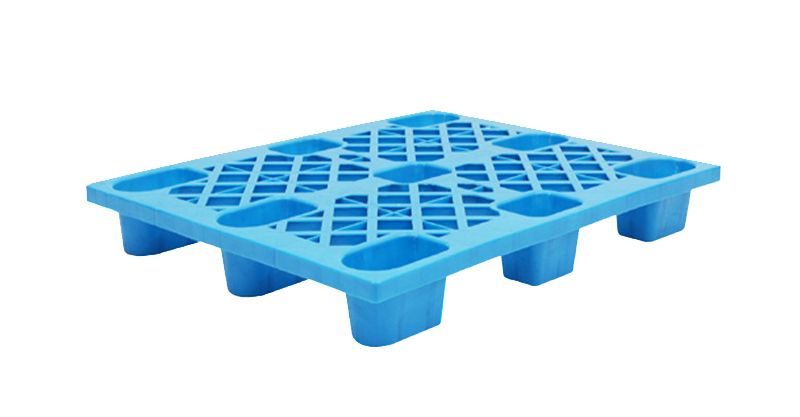
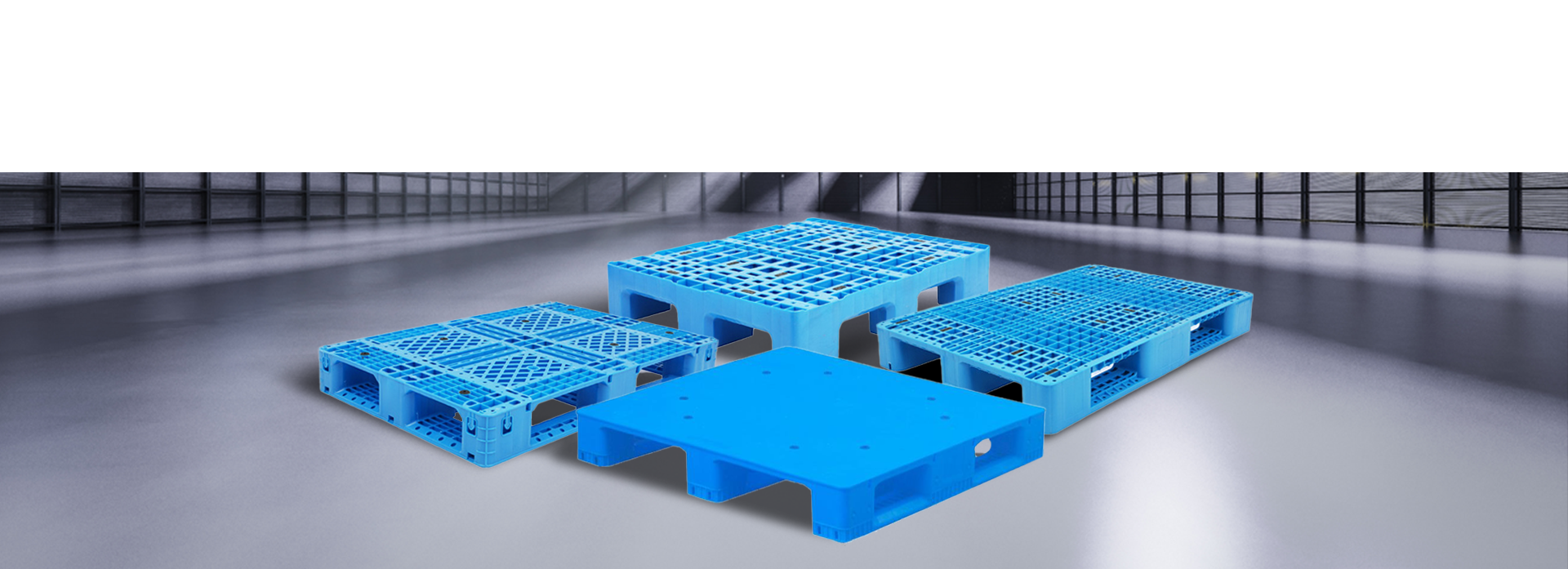
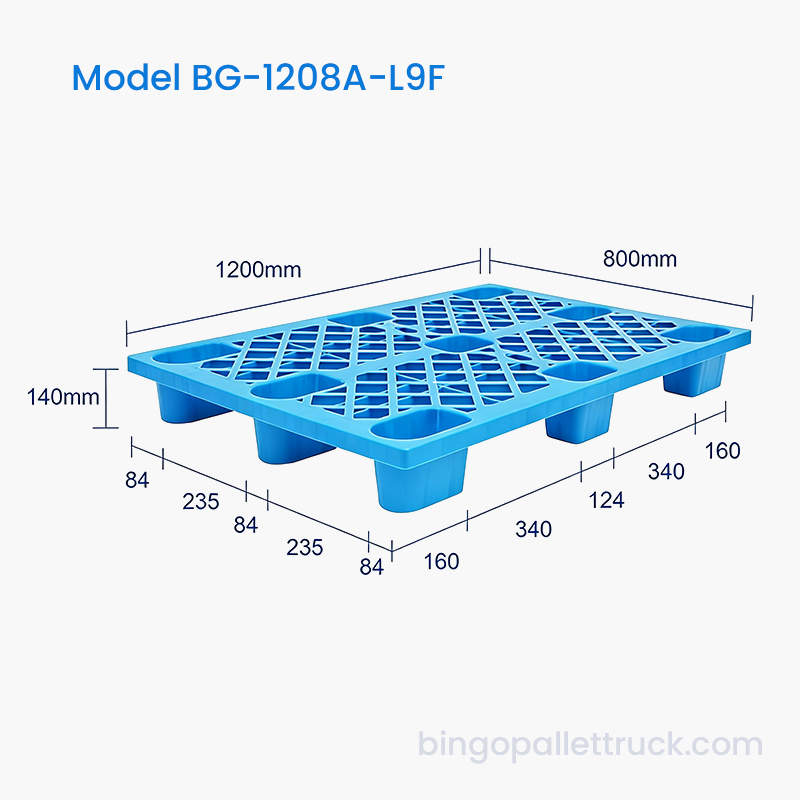
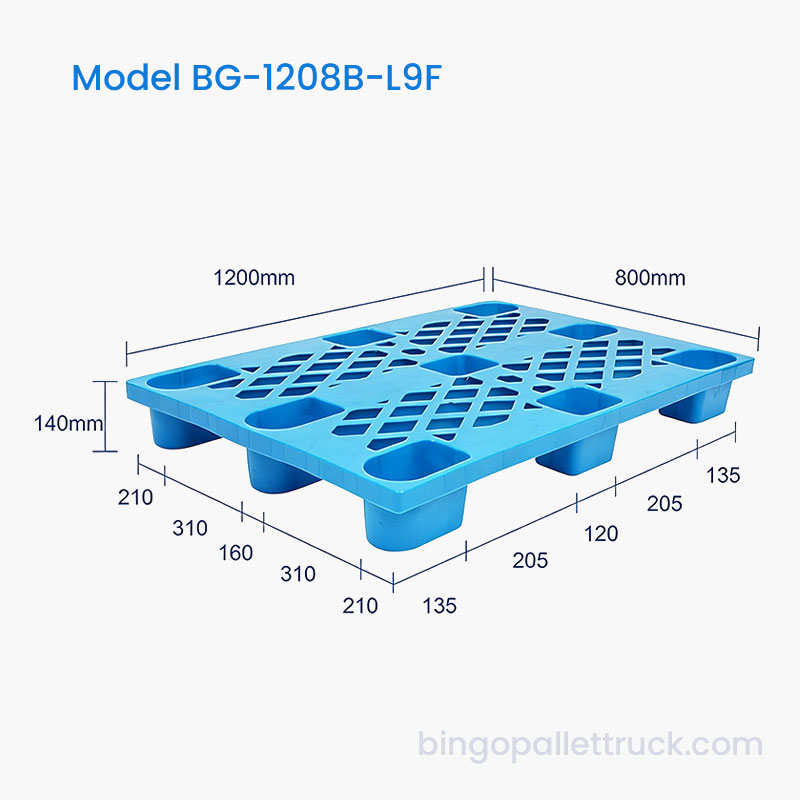
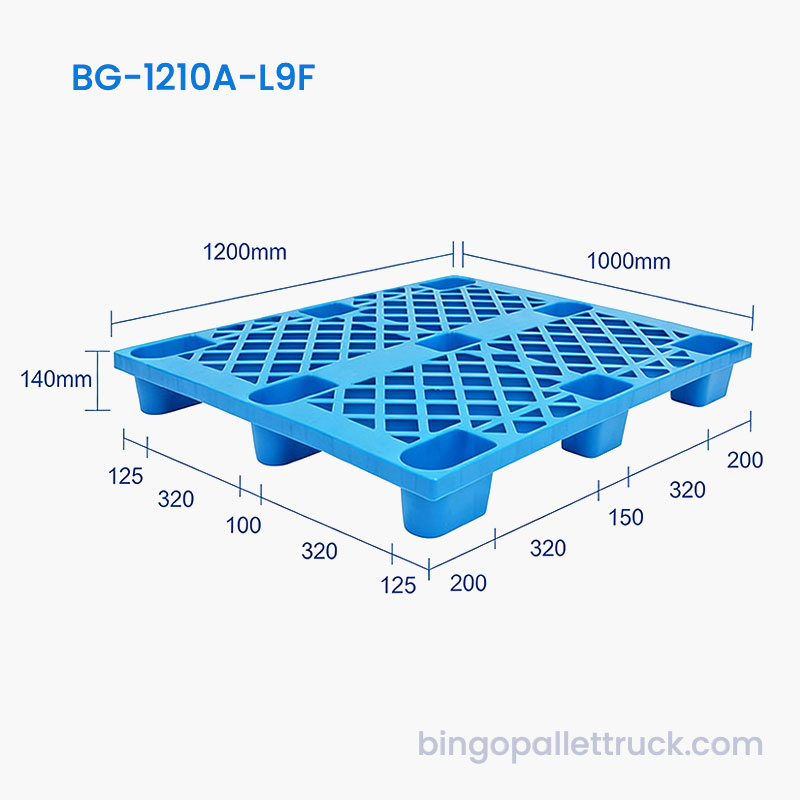
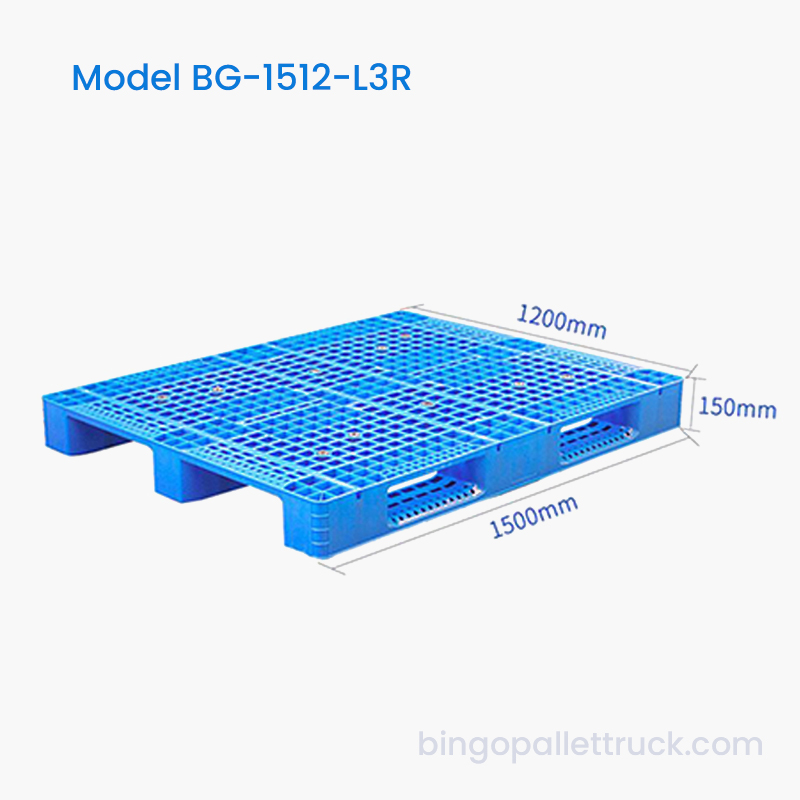
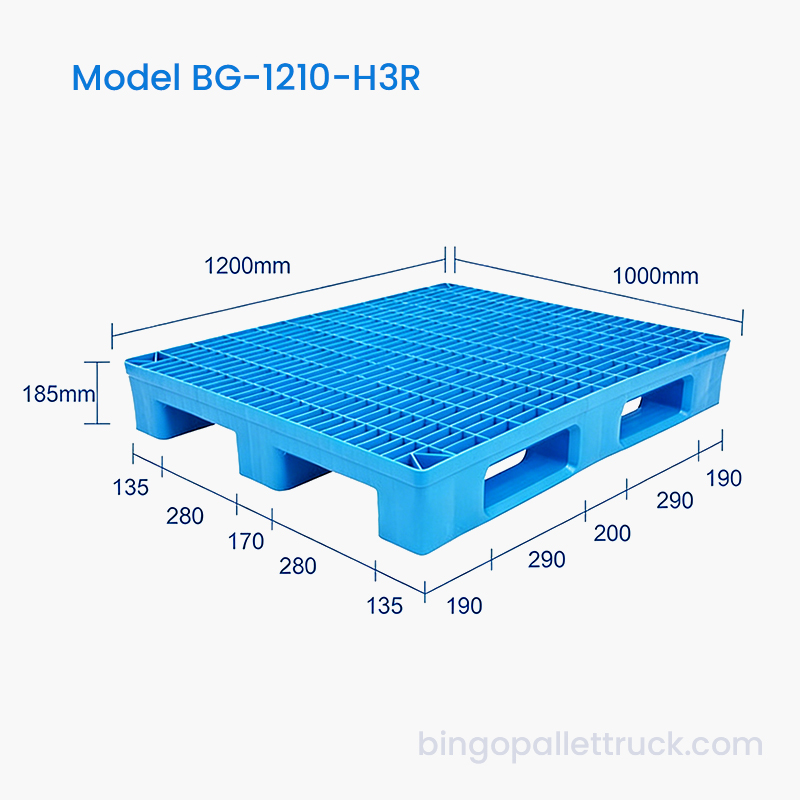
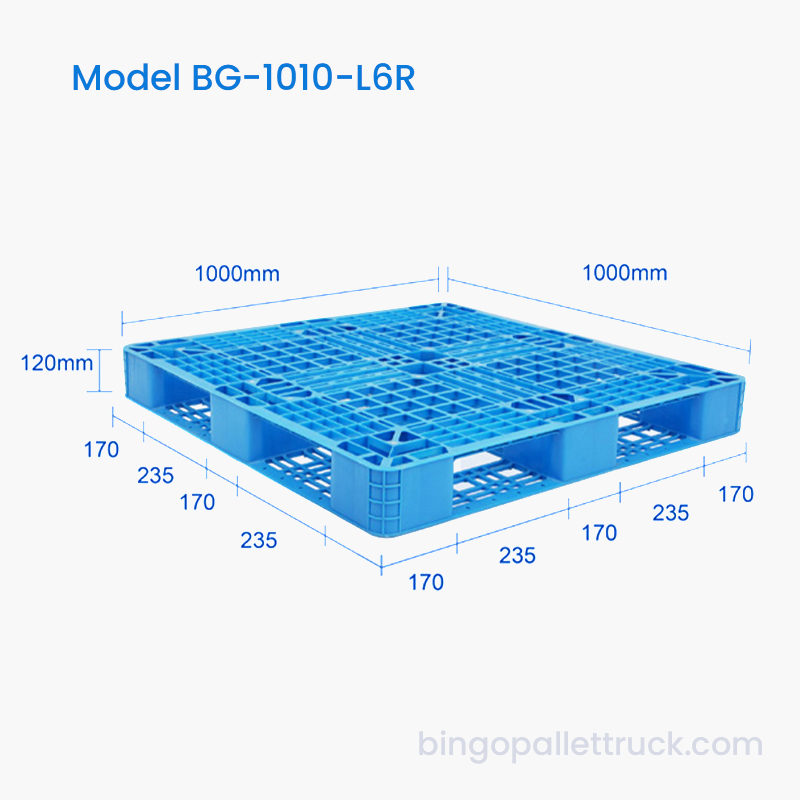
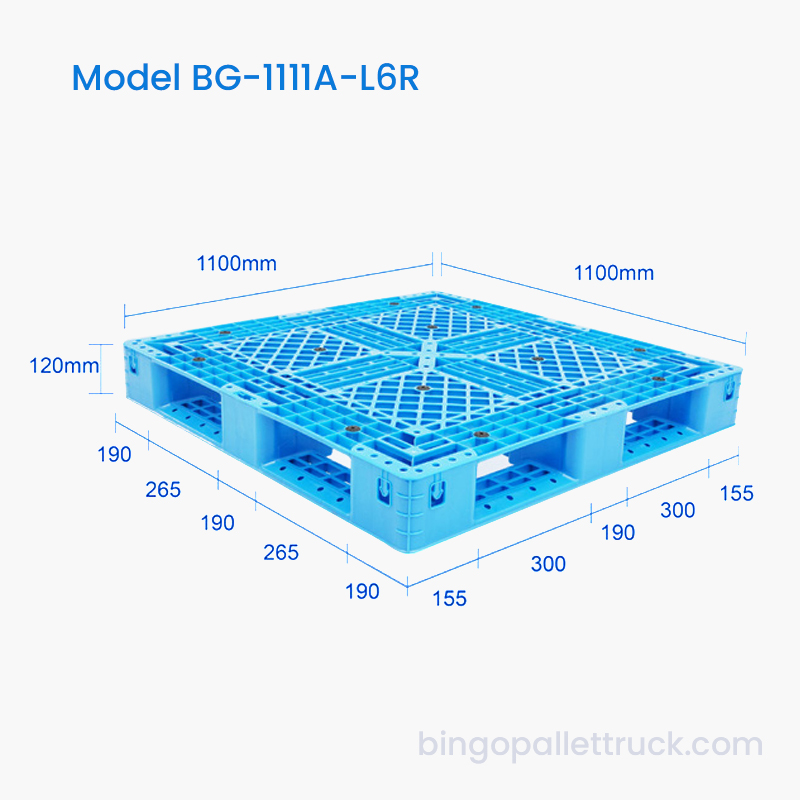
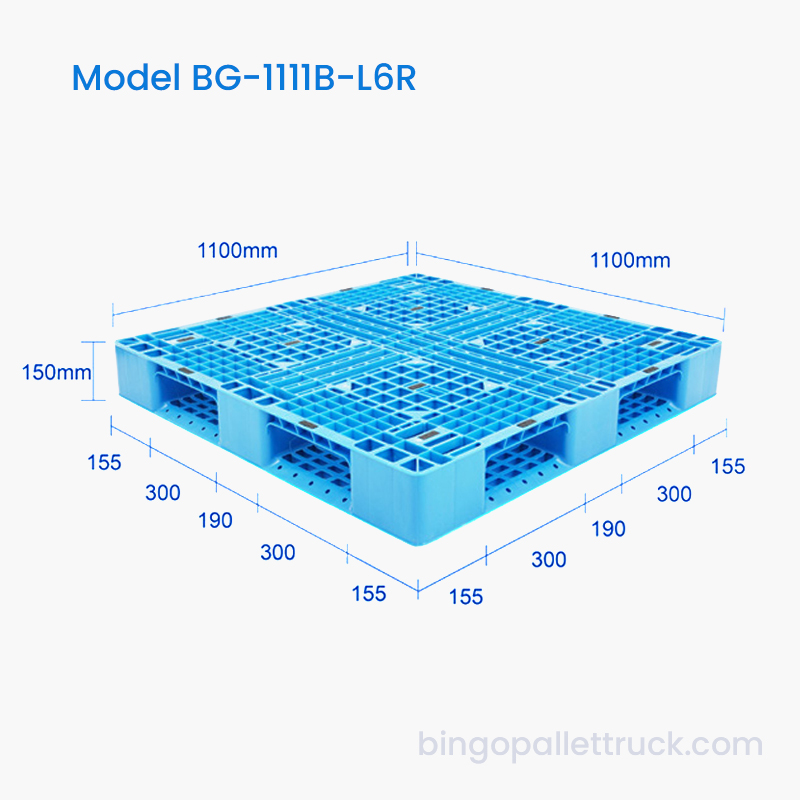
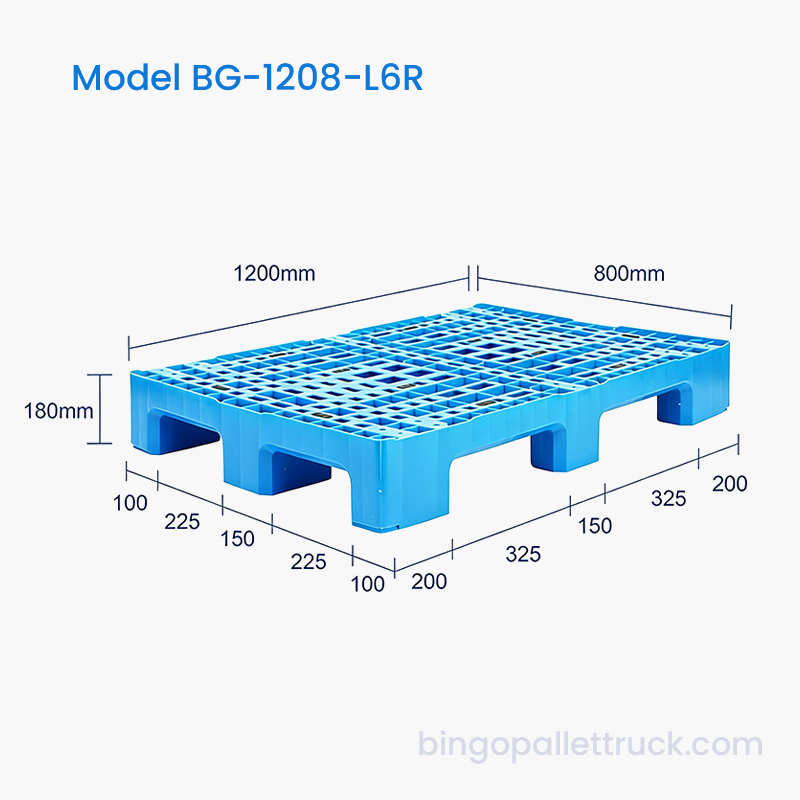
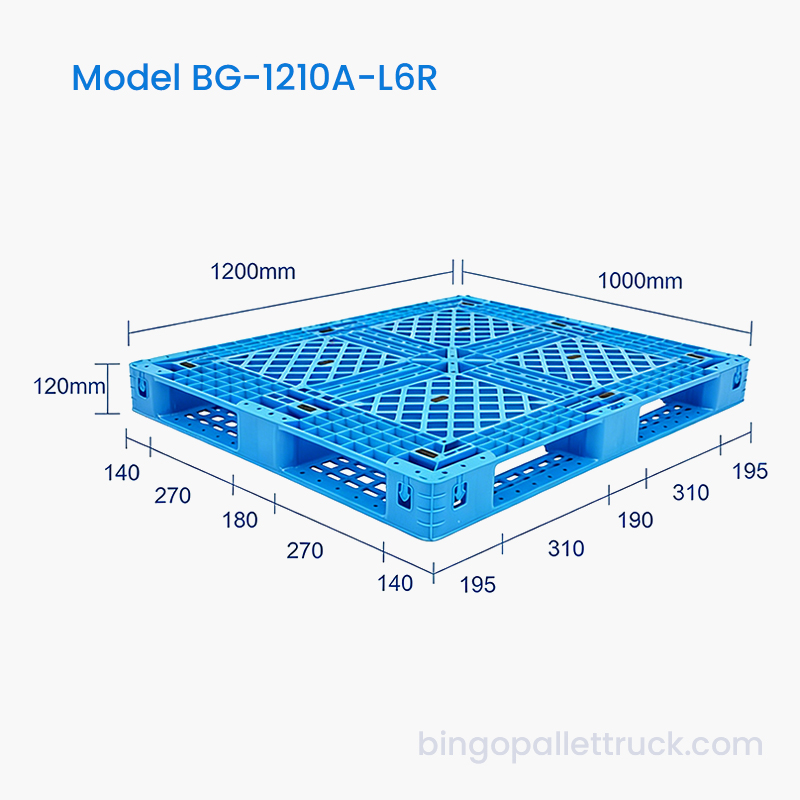
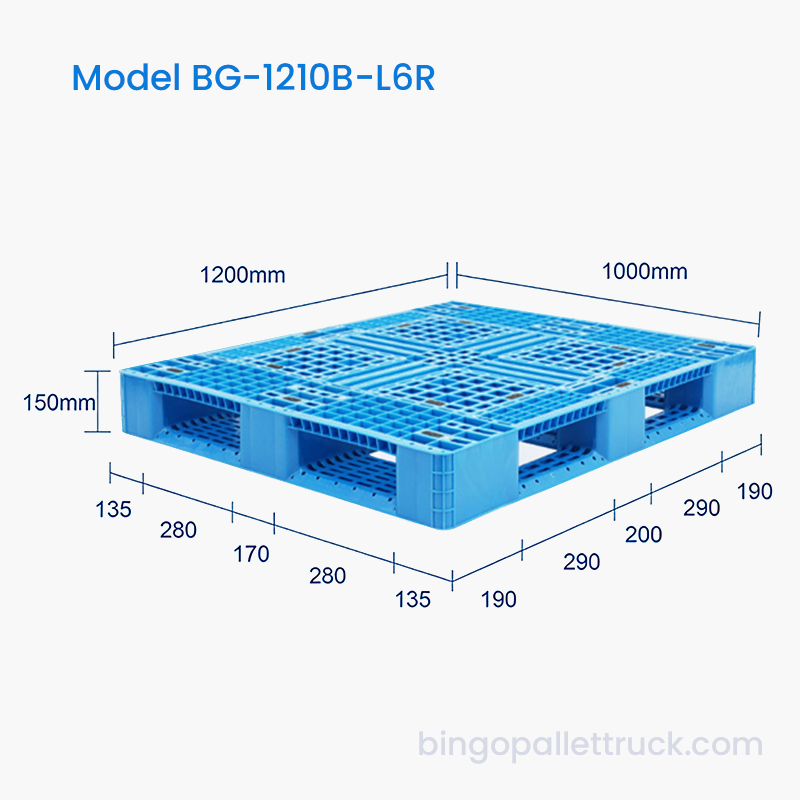
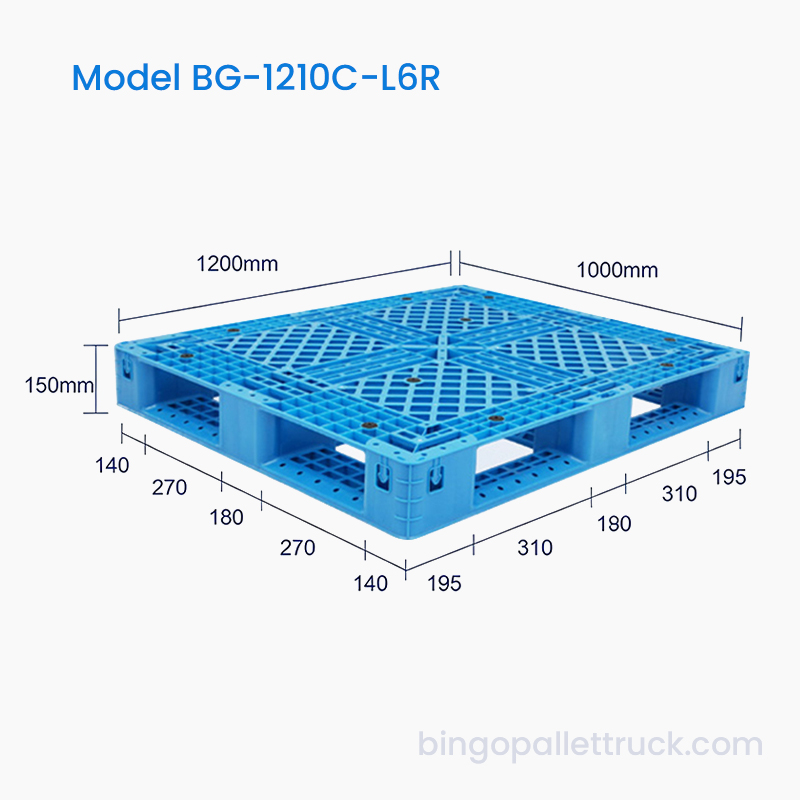
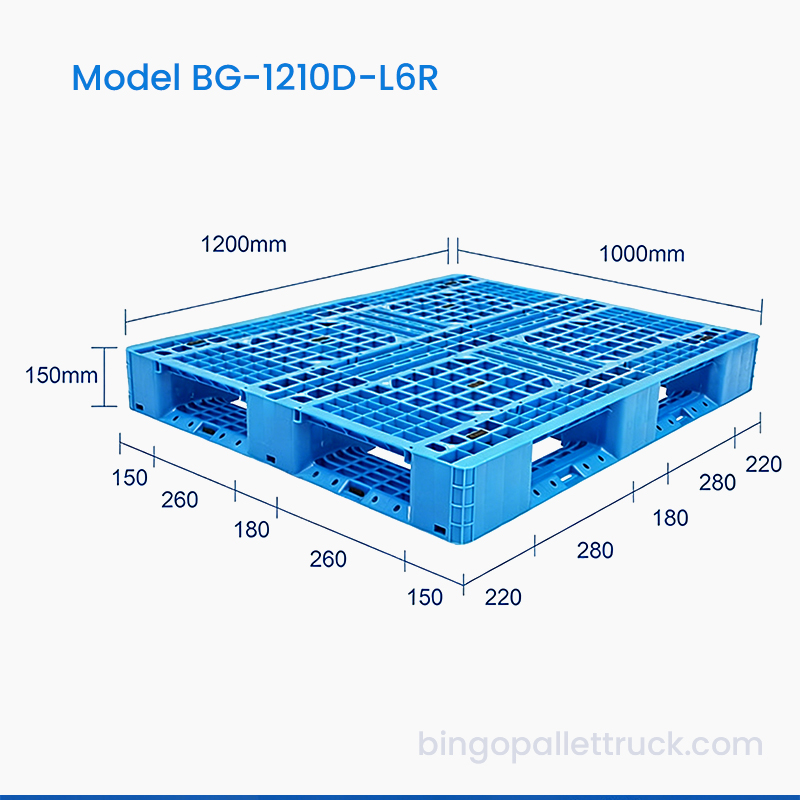
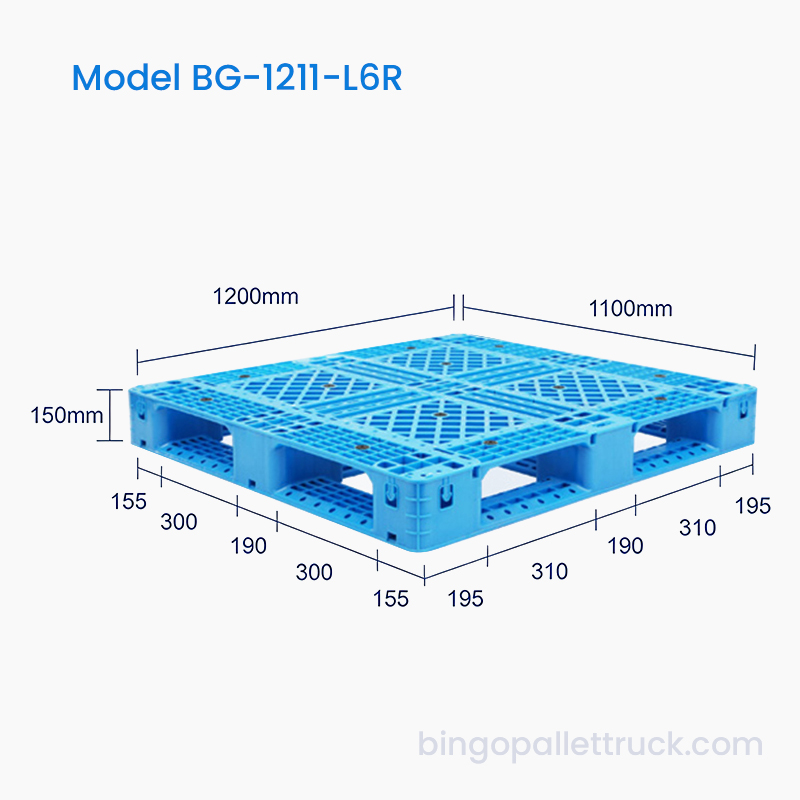
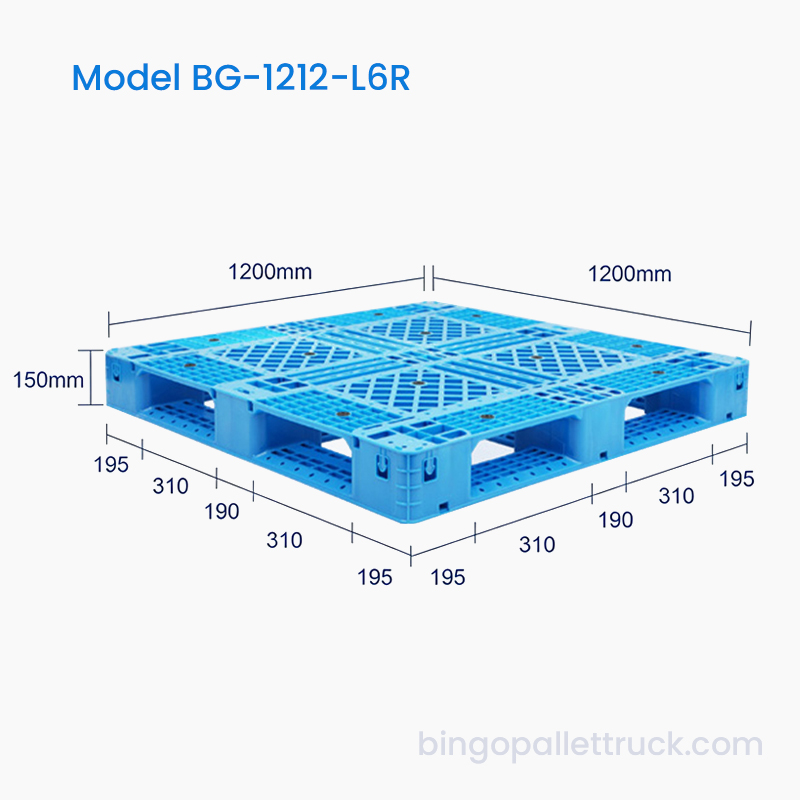
Plastic pallets are load-bearing platforms made from high-density polyethylene (HDPE) or polypropylene (PP), manufactured through one-time injection molding to create a uniform, burr-free structure. Unlike traditional wooden alternatives, they offer consistent dimensional accuracy, chemical resistance, and hygiene compliance — qualities that have made them a standard across warehousing, food processing, pharmaceuticals, and cold chain logistics.
The shift toward plastic warehouse pallets reflects a broader transformation in supply chain management: businesses are prioritizing long-term cost efficiency, regulatory compliance, and reusability over short-term material savings. A single plastic pallet typically lasts 3 to 5 times longer than a comparable wooden pallet, fundamentally changing the total cost of ownership calculation for warehouses and distribution centers.
How Plastic Pallets Are Made: Materials and Manufacturing
Understanding the production process helps buyers select the right pallet for their specific application. The two primary raw materials are:
- High-Density Polyethylene (HDPE): Offers excellent impact resistance and flexibility at low temperatures, making it suitable for cold storage environments and heavy-duty industrial use.
- Polypropylene (PP): Provides higher rigidity and a smoother surface finish, commonly used in food-grade and pharmaceutical applications where hygiene standards are critical.
Both materials are processed through injection molding, which produces a single-piece, seamless structure. This eliminates the joints, nails, and splinters associated with wooden pallets — reducing contamination risks and improving structural integrity. The result is a product that can bear loads from 0.5 to 5 tons depending on the model, with no risk of wood rot, moisture absorption, or pest infestation.
Core Advantages of Industrial Plastic Pallets Over Wooden Alternatives
When evaluating industrial plastic pallets against wooden or steel options, several performance factors consistently favor plastic across most use cases:
- Extended Service Life: Plastic pallets withstand repeated use without deforming or rotting, lasting 3–5 times longer than wood under equivalent conditions.
- Hygienic Surface: The smooth, non-porous surface can be washed with water or disinfected with chemical agents, meeting food-grade and GMP standards without absorbing odors or bacteria.
- Corrosion and Moisture Resistance: Unlike steel pallets, plastic does not rust; unlike wood, it does not warp or swell in humid or wet environments, making it ideal for cold storage and outdoor staging areas.
- Consistent Weight: Plastic pallets maintain a predictable tare weight throughout their lifespan — important for automated weighing systems and logistics documentation.
- Recyclability: End-of-life plastic pallets can be ground and reprocessed into new plastic products, supporting circular economy goals and reducing landfill waste.
| Feature |
Plastic Pallet |
Wooden Pallet |
Steel Pallet |
| Service Life |
5–10 years |
1–3 years |
10+ years |
| Moisture Resistance |
Excellent |
Poor |
Moderate (may rust) |
| Hygiene / Cleanability |
Excellent |
Poor |
Good |
| Weight |
Light–Medium |
Medium |
Heavy |
| Recyclable |
Yes |
Partially |
Yes |
| Food/Pharma Compliance |
Yes (food-grade options) |
Limited |
Conditional |
Comparison of pallet material types across key performance criteria
Key Application Scenarios for Plastic Warehouse Pallets
Plastic warehouse pallets are not a one-size-fits-all product — different industries have distinct requirements. Below are the primary sectors where plastic pallets deliver measurable advantages:
Food and Beverage Production
In food manufacturing and distribution, contamination control is paramount. Plastic pallets made from food-grade PP or HDPE comply with international food safety standards. Their non-porous surface prevents bacterial growth and allows thorough cleaning between product runs — a critical requirement in facilities handling raw ingredients, processed foods, or beverages.
Pharmaceutical and Healthcare Logistics
GMP-certified facilities require materials that are non-toxic, dimensionally stable, and resistant to the cleaning agents used in pharmaceutical production environments. Industrial plastic pallets meet these requirements and do not introduce contaminants such as wood fragments, mold spores, or metal particles into sensitive supply chains.
Cold Storage and Refrigerated Warehousing
At temperatures as low as -30°C, wooden pallets can become brittle and splinter, while steel pallets can cause frost condensation issues. HDPE plastic pallets maintain structural performance across a wide temperature range, making them the preferred choice for cold chain operations including frozen food storage and pharmaceutical cold rooms.
Electronics Manufacturing and Assembly
Electronic components are sensitive to electrostatic discharge (ESD). Anti-static plastic pallets with surface resistivity values in the range of 10⁶–10⁹ Ω are available specifically for electronics handling environments, preventing damage to components during intra-facility transport and storage.
General Warehousing and Distribution
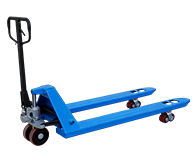
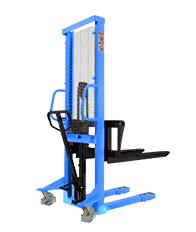
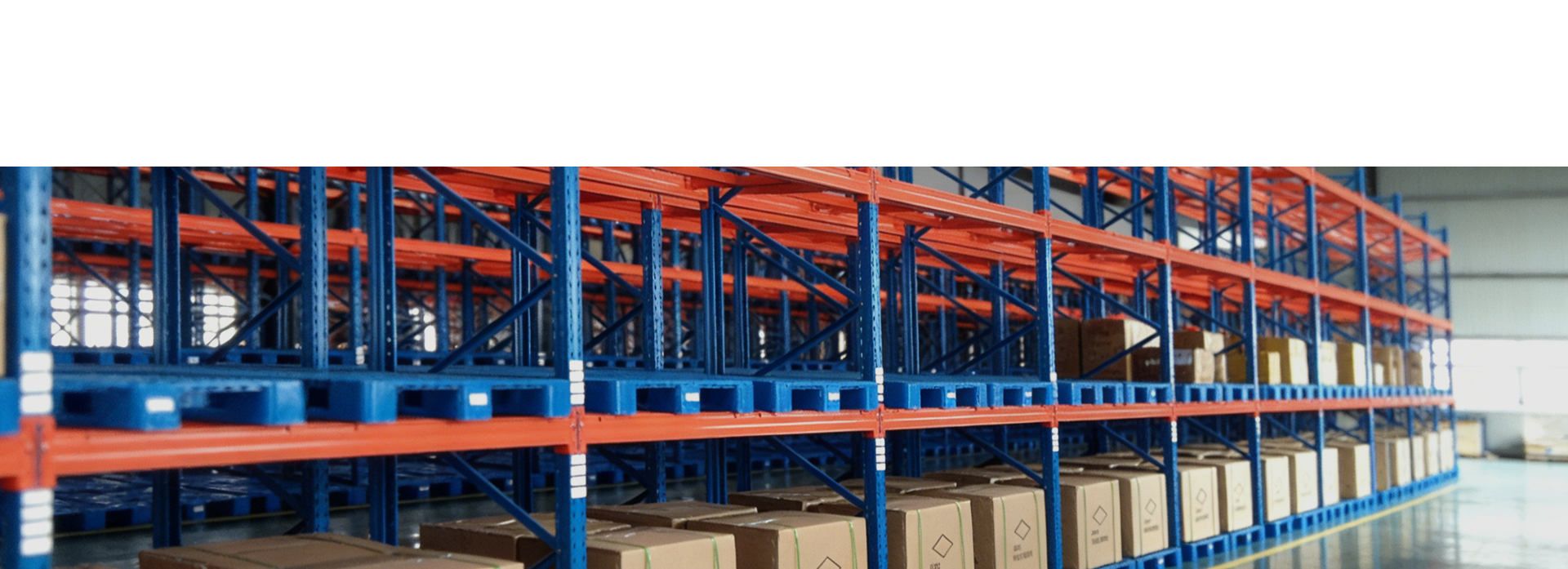
For high-throughput distribution centers, plastic warehouse pallets are compatible with standard forklift tines, electric pallet trucks, and automated guided vehicles (AGVs). Their consistent dimensions improve racking density and reduce the risk of load shifting during transport.
Selecting the Right Industrial Plastic Pallet: Key Specifications to Consider
Choosing the correct industrial plastic pallet requires evaluating several parameters against your operational requirements:
- Load Capacity: Static load capacity (when stationary in racking) is always higher than dynamic load capacity (when in motion via forklift). Confirm both figures match your heaviest typical load.
- Entry Type: Two-way entry pallets allow forklift access from two sides; four-way entry pallets allow access from all four sides, improving handling flexibility in tight warehouse environments.
- Deck Configuration: Solid-deck pallets offer full surface coverage for small or loose items; open-deck (grid) pallets are lighter and allow drainage — useful in wet processing areas.
- Dimensions: Common standard sizes include 1200×1000 mm (Euro pallet footprint) and 1200×800 mm, but custom dimensions are available for specialized racking systems or export requirements.
- Color Coding: Plastic pallets can be produced in multiple colors, allowing visual differentiation by product zone, hygiene zone, or department — a practical inventory management tool.
Frequently Asked Questions About Plastic Pallets
How long do plastic pallets last compared to wooden pallets?
Under normal warehouse conditions, a well-maintained plastic pallet typically lasts between 5 and 10 years, compared to 1–3 years for a standard wooden pallet. This extended service life significantly reduces per-cycle material costs even though the initial purchase price of a plastic pallet is higher.
Are plastic pallets suitable for outdoor use?
Yes. Because plastic does not absorb moisture, swell, or rot, plastic warehouse pallets perform reliably in outdoor staging areas, loading docks, and yard storage environments. UV-stabilized grades are available for extended outdoor exposure to prevent surface degradation from sunlight.
Can plastic pallets be repaired if damaged?
Minor damage such as cracked feet or broken deck boards can sometimes be repaired through plastic welding techniques. However, severely damaged pallets are more cost-effectively recycled: the material is ground down and reprocessed into new plastic products, recovering a portion of the original material value.
What load capacity should I specify for racking applications?
For racking (shelf storage), always refer to the pallet's racking load capacity, which is distinct from static and dynamic ratings. A pallet rated at 3 tons static load may only be rated at 1–1.5 tons when supported only at two points in a racking beam configuration. Confirm the racking load figure directly with your supplier before deploying industrial plastic pallets in elevated storage systems.
Are plastic pallets compliant with international shipping regulations?
Unlike wooden pallets, plastic pallets are exempt from ISPM 15 phytosanitary treatment requirements. This means they do not require heat treatment or fumigation for international export, simplifying cross-border logistics and reducing documentation burden for exporters.
Environmental Considerations and Sustainability of Plastic Pallets
A common misconception is that plastic pallets are inherently less sustainable than wooden ones. In practice, the lifecycle environmental impact depends heavily on usage patterns and end-of-life handling:
- Longer Use Cycles: Because one plastic pallet replaces 3–5 wooden pallets over its lifetime, the total material consumed per unit of work performed is significantly lower.
- No Chemical Treatments Required: Wooden pallets often require methyl bromide fumigation or heat treatment for export compliance — processes with their own environmental costs. Plastic pallets require no such treatment.
- Closed-Loop Recycling: End-of-life plastic pallets can be collected, ground, and reprocessed into recycled plastic content for new pallets or other products, diverting material from landfill.
- Pallet Pooling Programs: Many logistics operators participate in pallet pooling schemes where pallets are shared across multiple companies, maximizing utilization rates and reducing the total number of pallets in circulation.
For organizations with formal sustainability reporting requirements, sourcing industrial plastic pallets made from recycled or partially recycled content can contribute meaningfully to material efficiency and waste reduction targets.

 en
en  Español