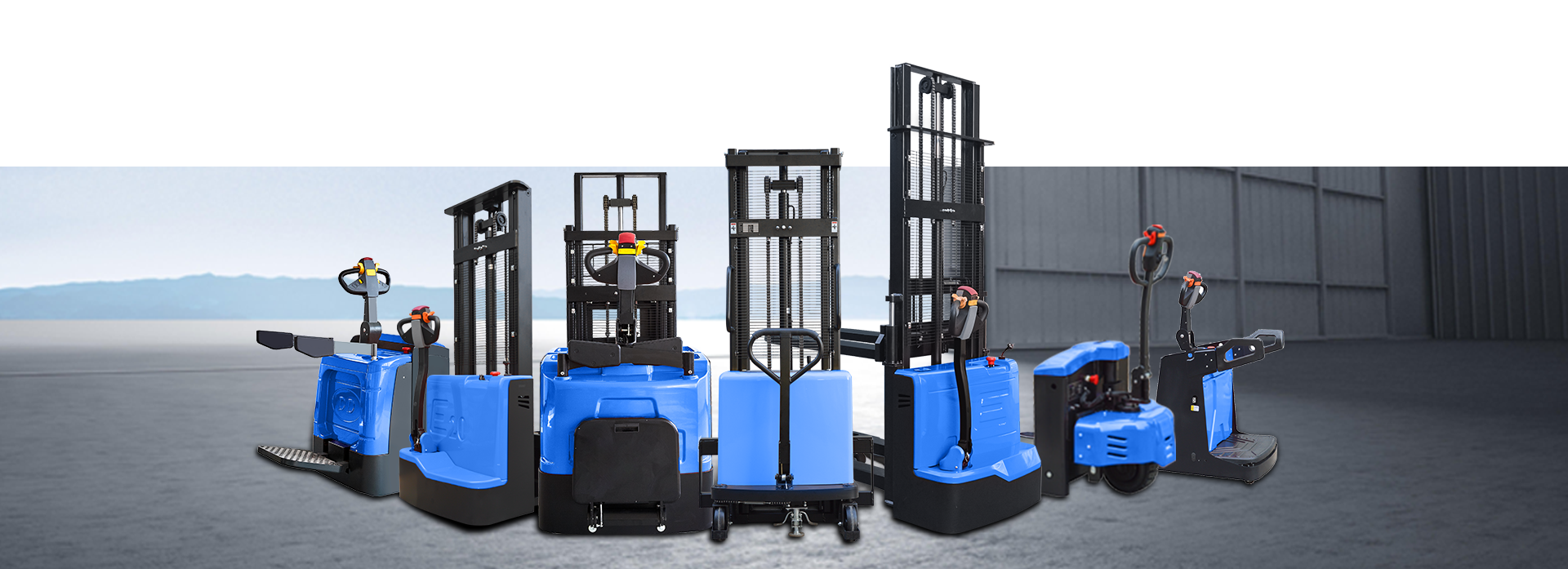
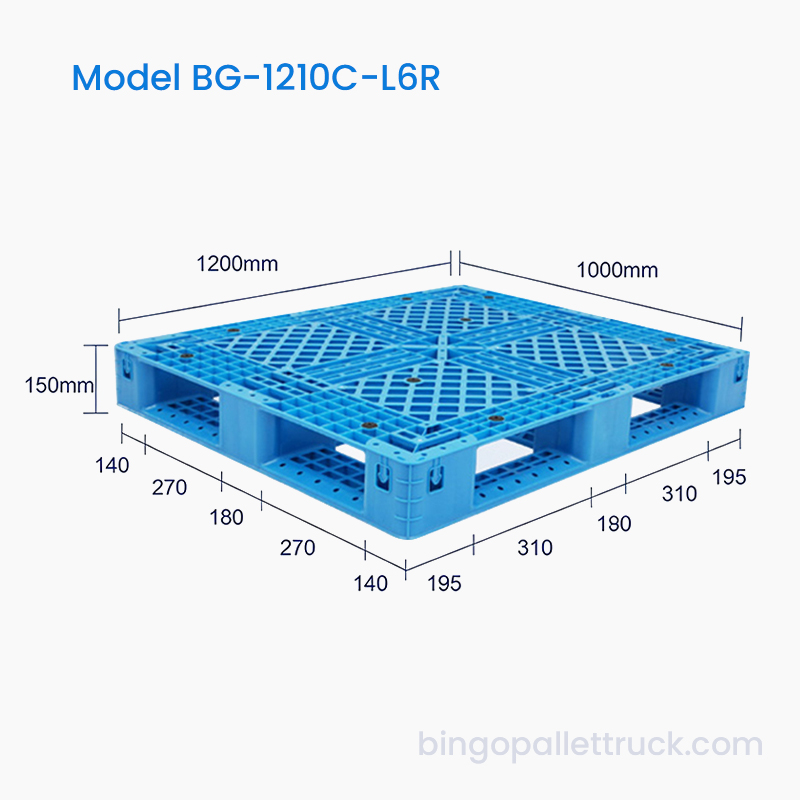
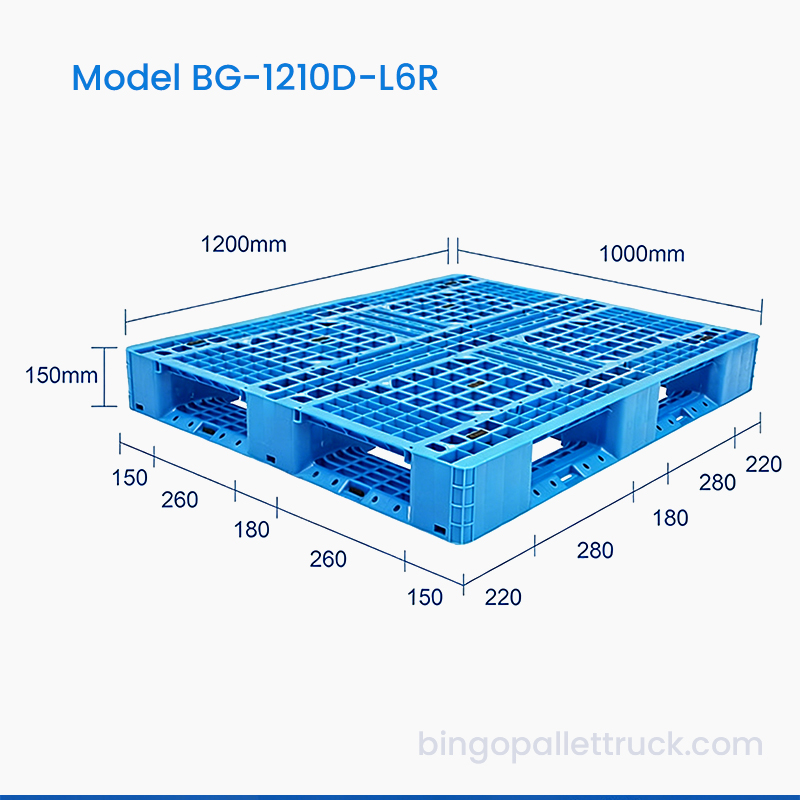
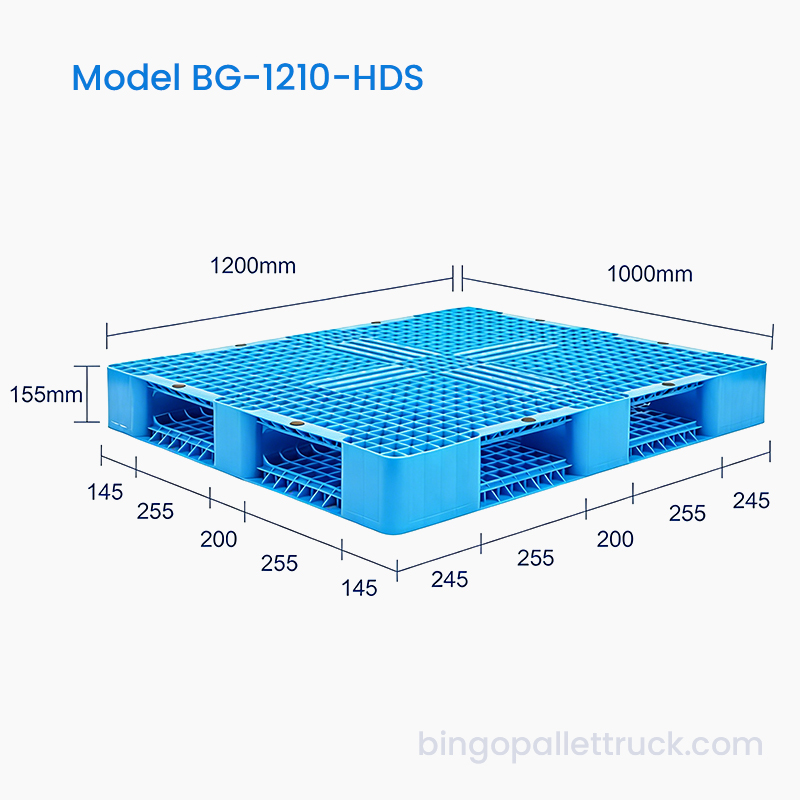
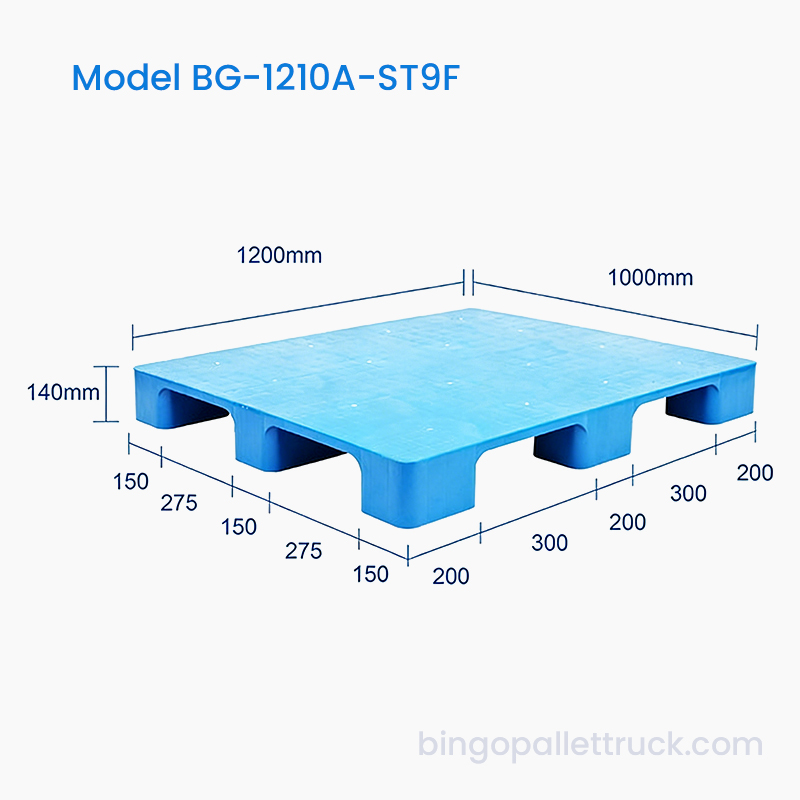
Bingo is an enterprise specializing in the production, sales, and service of warehousing and logistics equipment. Focusing on the equipment needs of various warehousing and logistics scenarios, we provide global customers with one-stop, integrated solutions for material storage and handling.
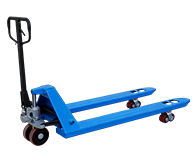
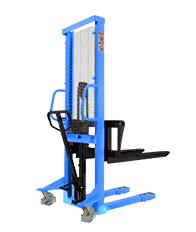
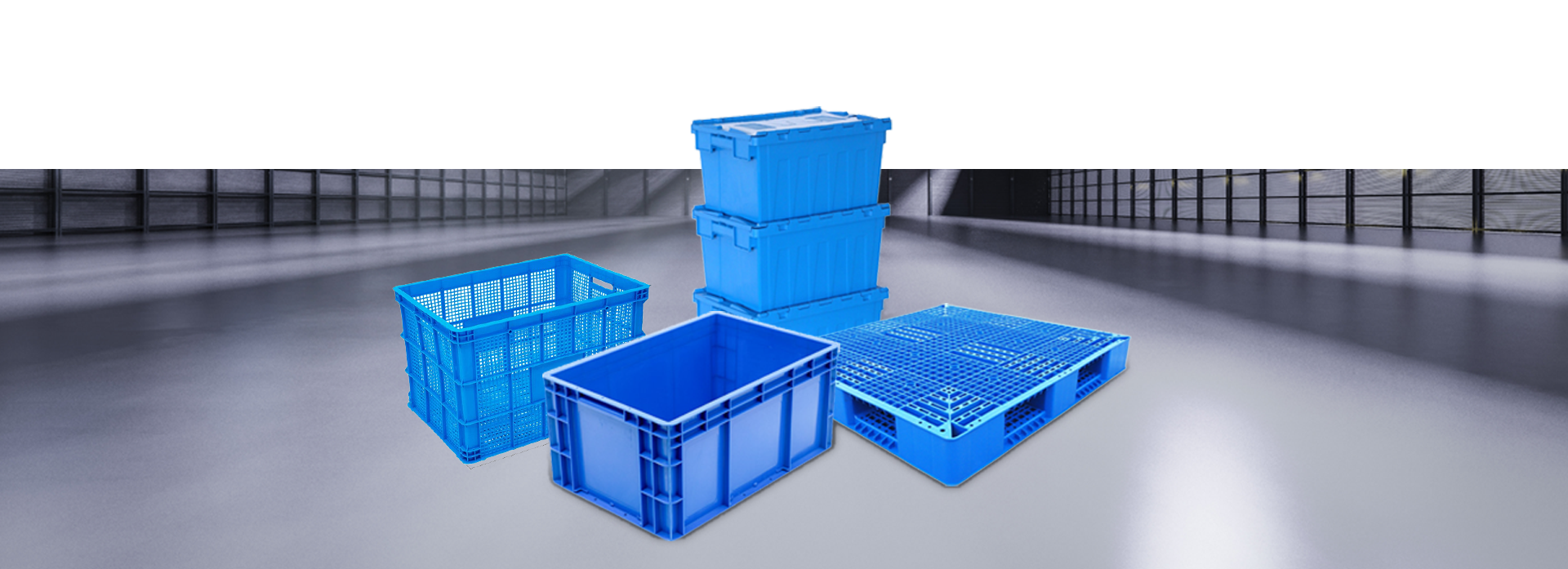
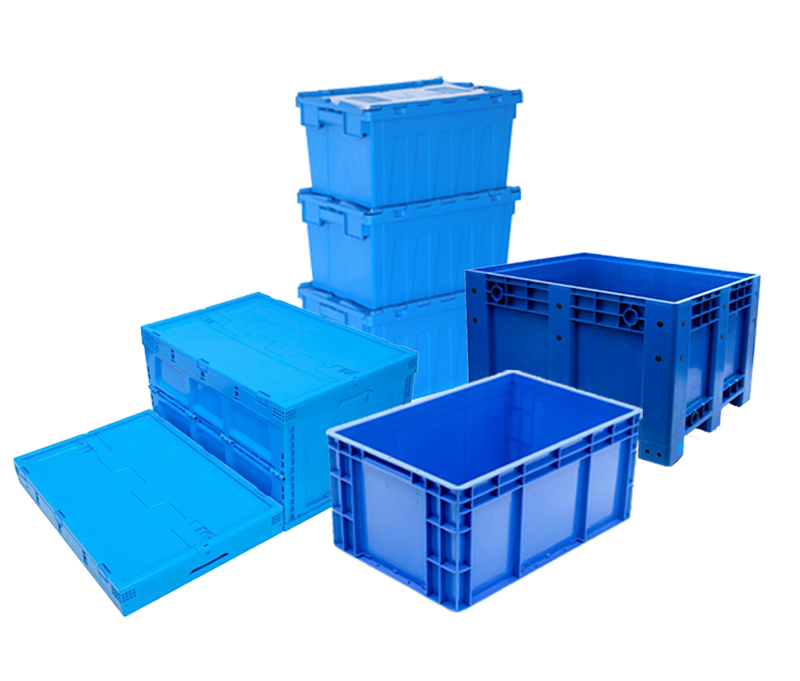
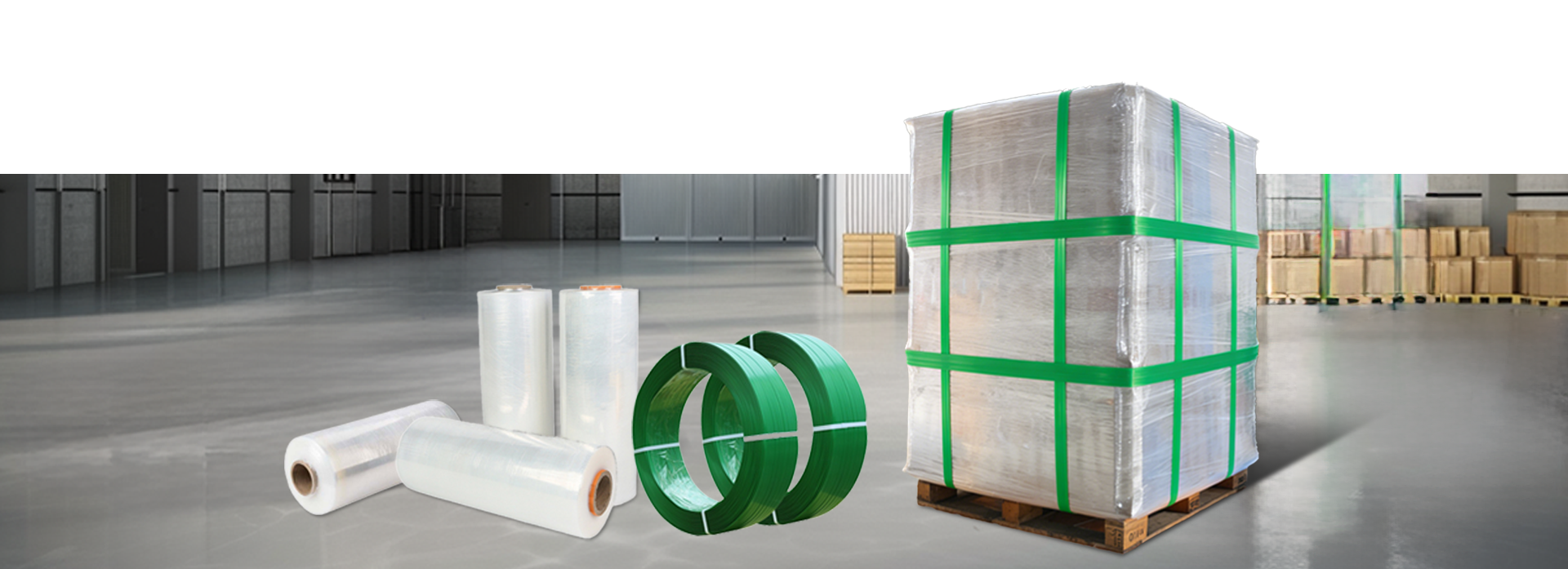
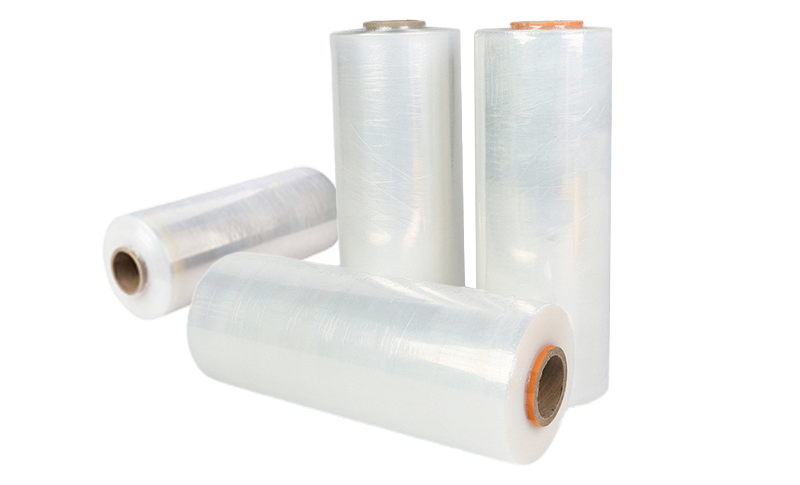
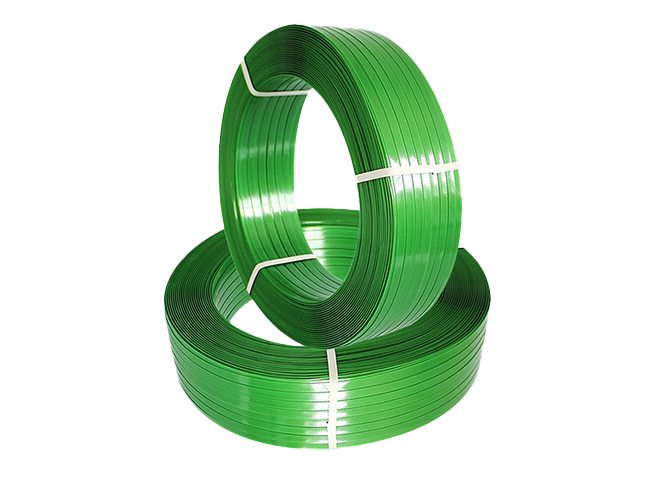
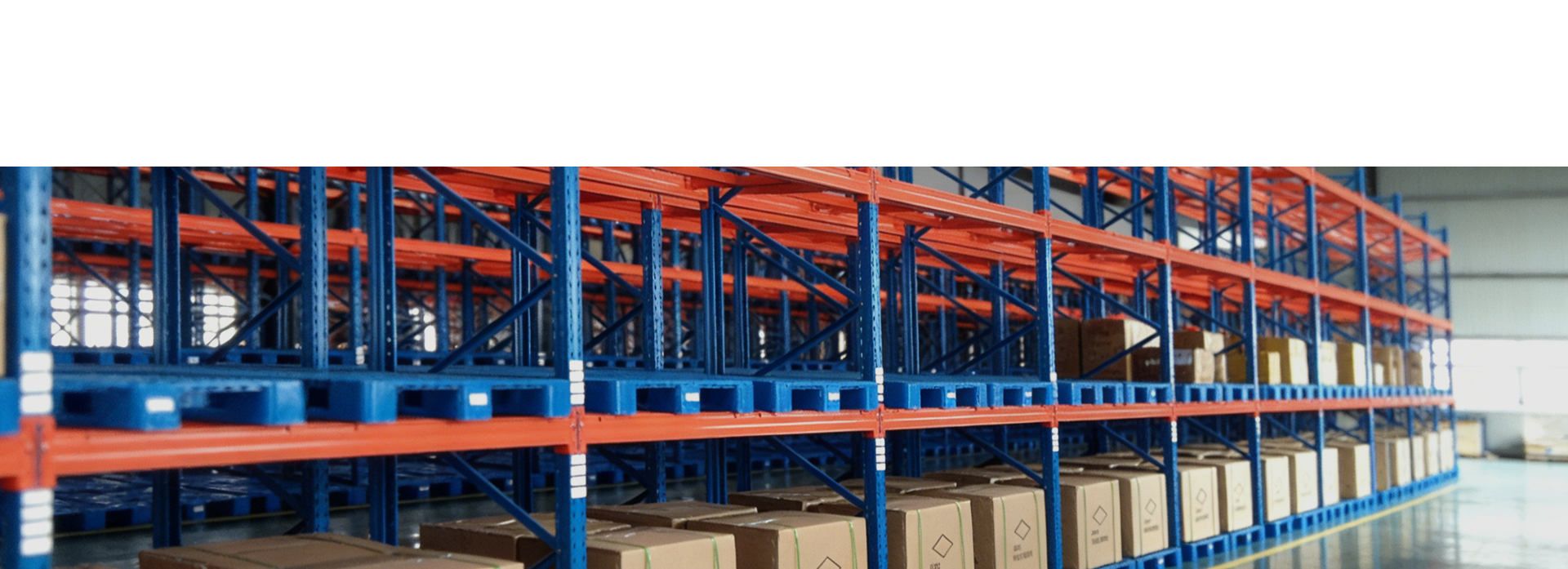
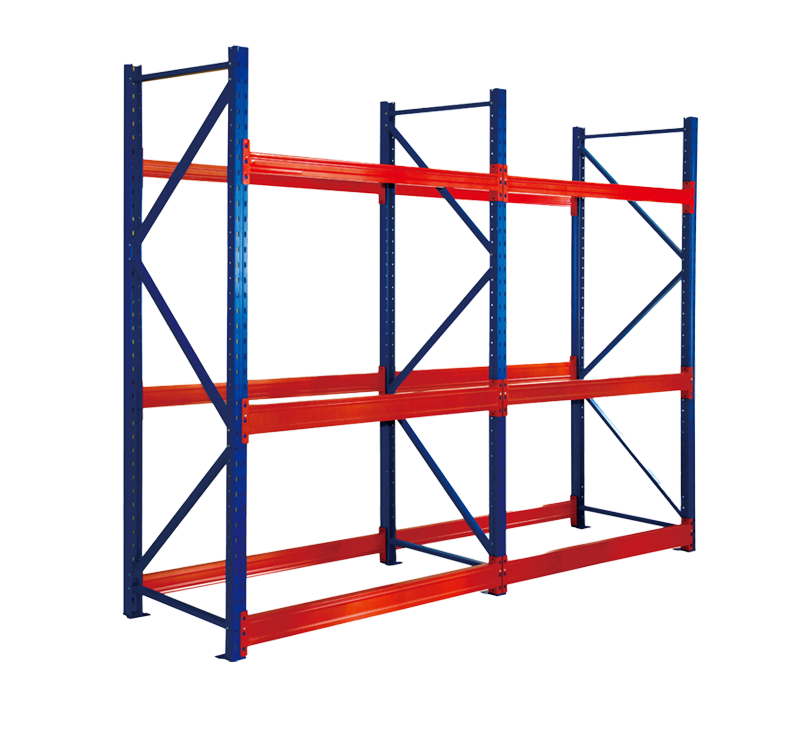
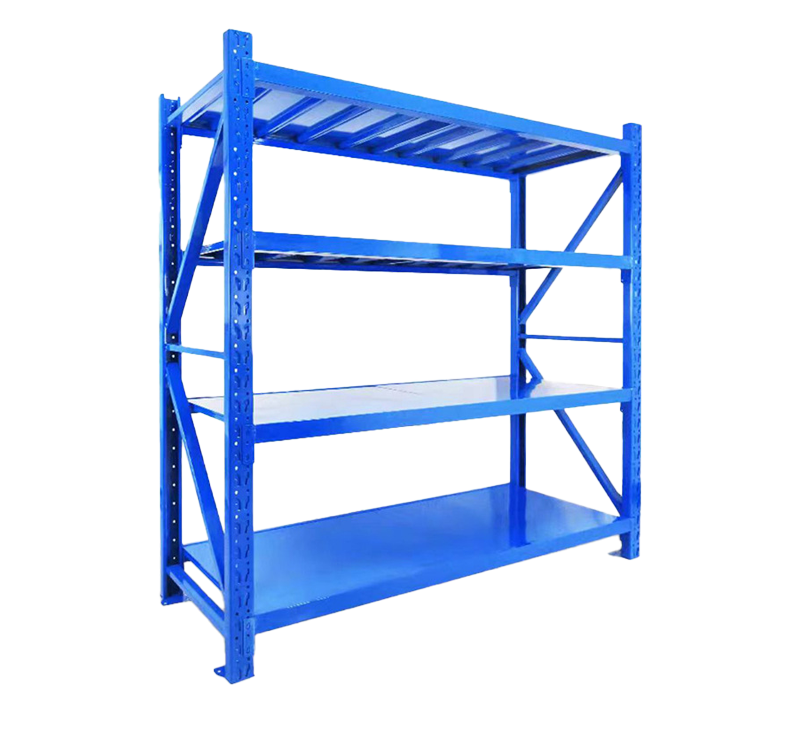
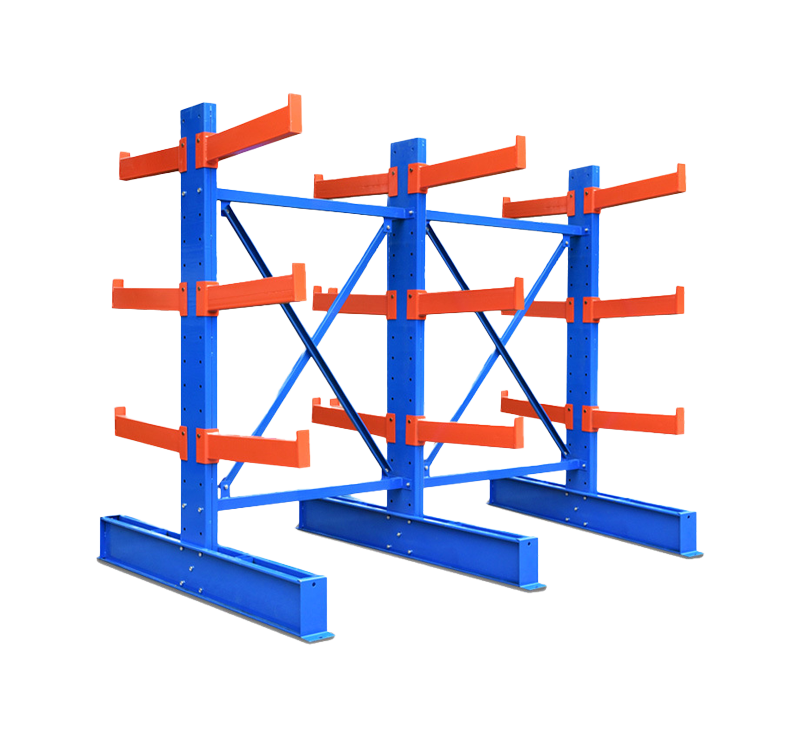
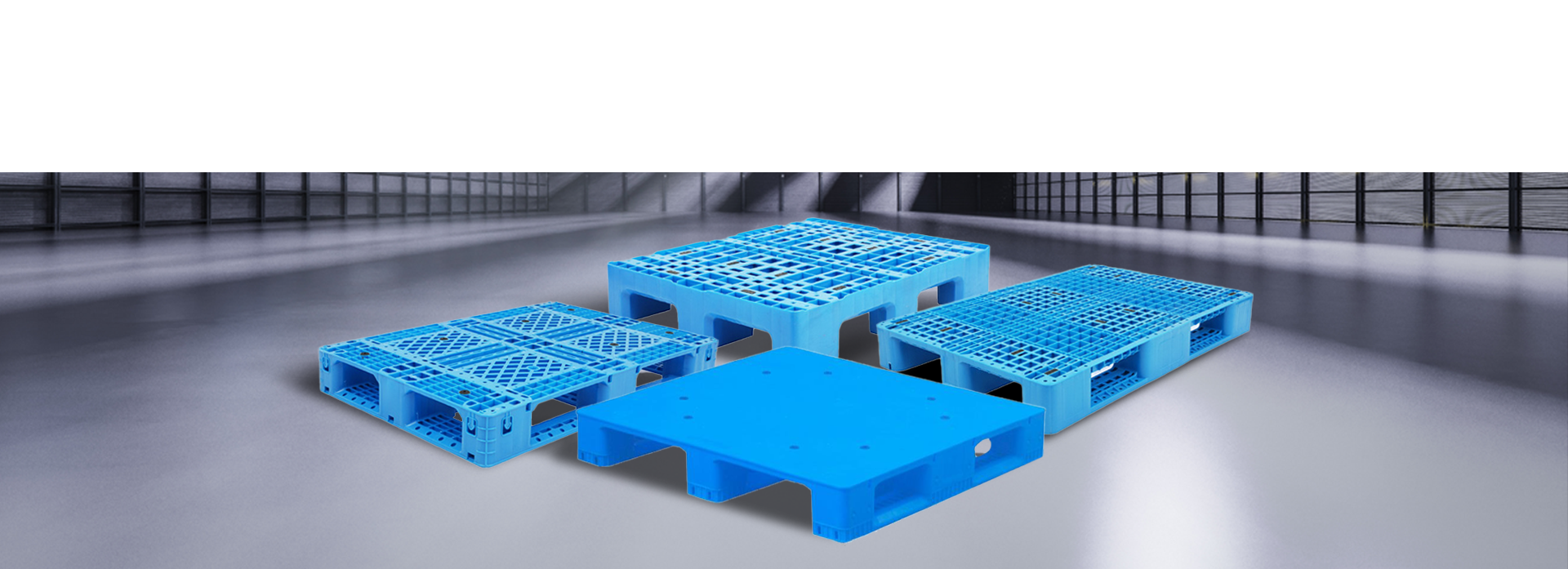
Bingo is a China OEM 1200×1000mm Global Plastic Pallets Supplier and 1200×1000mm Global Plastic Pallets Factory, and has built a complete warehousing and logistics equipment supply chain covering four core systems. In the field of handling equipment, we offer a full range of manual and electric pallet trucks and stackers. Our storage container line includes plastic pallets, plastic totes, crates, and bulk containers to meet diverse logistics needs. while the packaging material series provides supporting products such as stretch wrap and packing strapping. The warehousing racks series encompasses light-duty, medium-duty, and heavy-duty products of various specifications. Adhering to quality as our core value, we rely on a mature supply chain system and strict quality inspection processes to ensure that every product complies with international standards. We are committed to delivering cost-effective product solutions for industries including manufacturing, e-commerce logistics, warehousing and distribution, as well as supermarket retail.
Upholding the philosophy of "Quality First, Win-Win Cooperation", we actively expand our global market presence and are willing to join hands with partners around the world to jointly promote the intelligent and efficient development of the logistics industry.
Every warehouse supervisor knows the moment when manual pallet handling stops being workable. The heaviest pallets exceed 2500 kg, the dock staging area sits 80 meters from the storage bays, and the shift plan demands more pallet moves tha...
During a routine walkthrough at a distribution center, a warehouse manager noticed a small dent in the bottom flange of a pallet rack upright. No load was in that bay, so the dent was recorded as cosmetic. Three weeks later, a forklift gra...
Bingo Machinery, a trusted global supplier of smart warehouse handling equipment, officially launches the brand new CDDA15 1.5 ton pedestrian electric walkie stacker. This compact stacking solution is engineered for medium height pallet st...
Everything You Need to Know About 1200×1000mm Global Plastic Pallets
The 1200×1000mm global plastic pallet has become the dominant standard in international logistics, adopted across Europe, Asia-Pacific, and North America for its compatibility with a wide range of racking systems, automated conveyor lines, and stretch wrapping equipment. Unlike legacy wooden alternatives, these pallets are engineered from high-density polyethylene (HDPE) or polypropylene (PP), delivering a repeatable load-bearing surface that resists moisture, chemicals, pests, and biological contamination — all critical factors for food-grade, pharmaceutical, and electronics supply chains.
The core value proposition is clear: a 1200×1000mm footprint matches the ISO 6780 international pallet standard, making it the preferred size for companies shipping goods between Europe and North America, where mixed-fleet logistics is the norm. Warehouses operating automated storage and retrieval systems (AS/RS) rely on consistent dimensional accuracy, and plastic pallets hold tolerances far tighter than wood. In practice, this means fewer jammed conveyors, lower rejection rates at quality checkpoints, and reduced downtime in high-throughput distribution centers.
Beyond dimensional fit, the life-cycle economics strongly favor plastic. A quality 1200×1000mm plastic pallet typically achieves 50–100 trip cycles compared to 10–15 for a standard wooden pallet. When the total cost of ownership (TCO) is calculated — including repair, fumigation, and disposal costs — plastic consistently delivers lower per-trip costs over a 5-year horizon, especially in closed-loop and pooling systems.
Key Performance Metrics: Plastic vs. Wood vs. Metal Pallets
Choosing the right pallet material goes beyond upfront cost. The table below compares performance parameters relevant to global supply chains, including dynamic load capacity, hygiene compliance, weight, and recyclability.
Parameter
1200×1000mm Plastic Pallet
Wooden Pallet
Metal Pallet
Dynamic Load (kg)
1,000 – 2,000
800 – 1,500
2,000 – 5,000
Static Load (kg)
6,000 – 10,000
3,000 – 6,000
10,000+
Pallet Weight (kg)
12 – 22
20 – 35
25 – 60
Average Trip Cycles
50 – 100
10 – 15
100 – 200
ISPM-15 Fumigation Required
No
Yes
No
100% Recyclable
Yes (HDPE/PP)
Limited
Yes
FDA / Food-Grade Approval
Available
Not standard
Varies
Table 1: Comparative performance overview of common pallet materials for global logistics applications.
The data makes a compelling case: for most commercial warehousing environments, the 1200×1000mm plastic pallet strikes the ideal balance between load capacity, weight savings, compliance, and circular-economy credentials. Metal pallets are reserved for extreme-weight or high-temperature environments, while wood remains viable only in low-frequency, domestic short-haul scenarios.
Global Adoption Rates by Industry Sector
Plastic pallet adoption is accelerating across multiple sectors, driven by tightening hygiene regulations, the expansion of automated warehousing, and increasing cross-border trade flows. The horizontal bar chart below illustrates adoption rates of 1200×1000mm plastic pallets across six major industry verticals, based on supply chain surveys conducted across 28 countries.
The pharmaceutical sector leads with a 96% adoption rate, reflecting strict GMP (Good Manufacturing Practice) requirements and the complete incompatibility of wood with cleanroom and cold-chain logistics. Food and beverage follows closely at 87%, driven by FDA and EU food contact material regulations that prohibit untreated surfaces capable of harboring pathogens. The electronics sector at 83% reflects sensitivity to electrostatic discharge (ESD) and contamination. Automotive and retail sectors show healthy but slightly lower adoption, partly because these industries still operate legacy wooden pallet fleets in regional distribution. Chemical applications at 56% are growing rapidly as chemical producers seek pallets that resist solvent spills and corrosive materials. Across all sectors, the 1200×1000mm dimension is specifically cited as the preferred format for cross-border shipments because it aligns with European 1200×1000 racking standards and North American 48×40-inch pallet equivalences when converted.
Global Plastic Pallet Market Growth Trend (2019–2028)
The global plastic pallet market has demonstrated sustained growth, underpinned by the boom in e-commerce fulfillment, tighter phytosanitary trade regulations under ISPM-15, and the accelerating deployment of automated warehouse systems. The line chart below tracks estimated market value (USD billions) from 2019 to 2028, with a projected compound annual growth rate (CAGR) of approximately 6.4%.
From a market value of approximately $5.1 billion in 2019, the global plastic pallet market is on track to surpass $9 billion by 2028. This trajectory is not merely a post-pandemic rebound — it reflects structural shifts including the growth of third-party logistics (3PL) providers who standardize on plastic pallets for pool management, the adoption of RFID-embedded pallets for real-time asset tracking, and the surge in cold-chain infrastructure investment driven by pharmaceutical cold storage mandates. Asia-Pacific is the fastest-growing regional market, with China, India, and Southeast Asian manufacturing hubs transitioning from wood to plastic en masse. Europe, historically the largest market for 1200×1000mm plastic pallets, continues to grow steadily as sustainability legislation tightens. The projections from 2025 onward (shown in blue markers) reflect conservative estimates accounting for potential supply chain normalization post-pandemic, and even these conservative figures point to a robust market expansion trajectory.
Structural Design Variants: Choosing the Right Configuration
Not all 1200×1000mm plastic pallets are built the same. The structural design profoundly impacts how a pallet performs in specific operational environments. The major variants include:
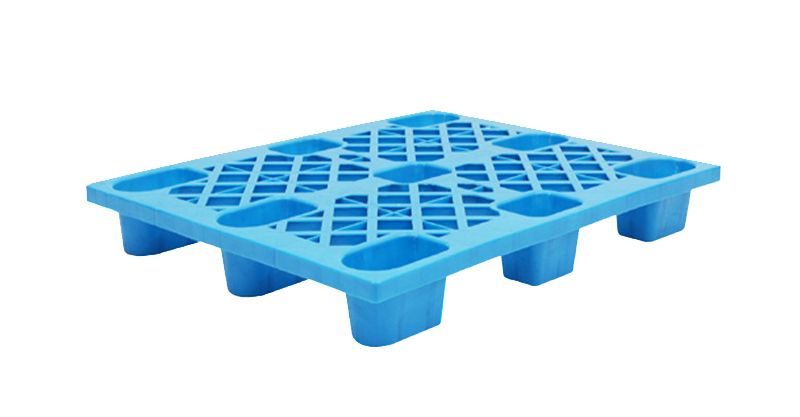
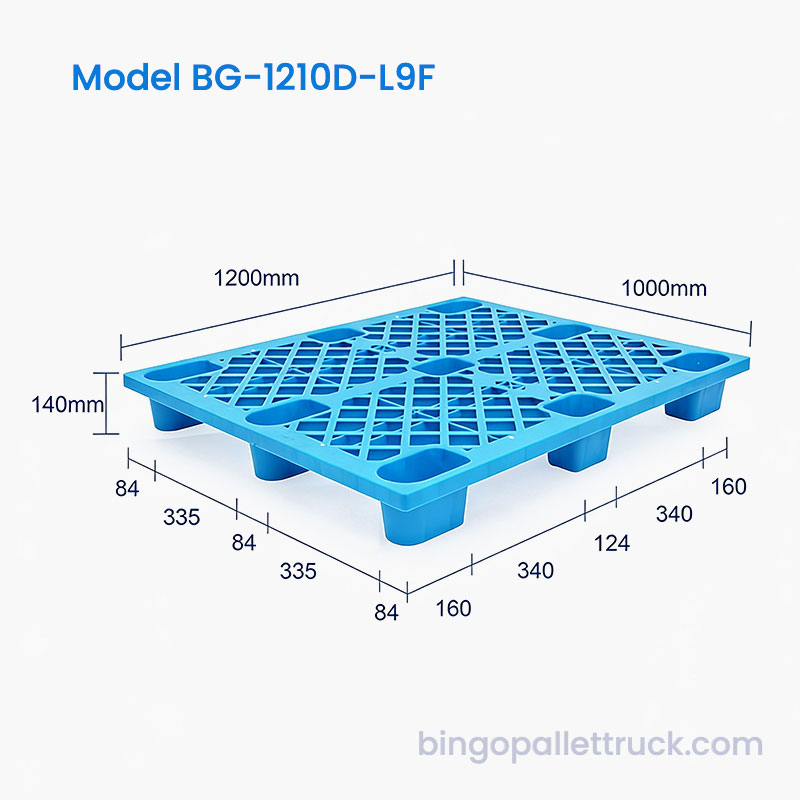
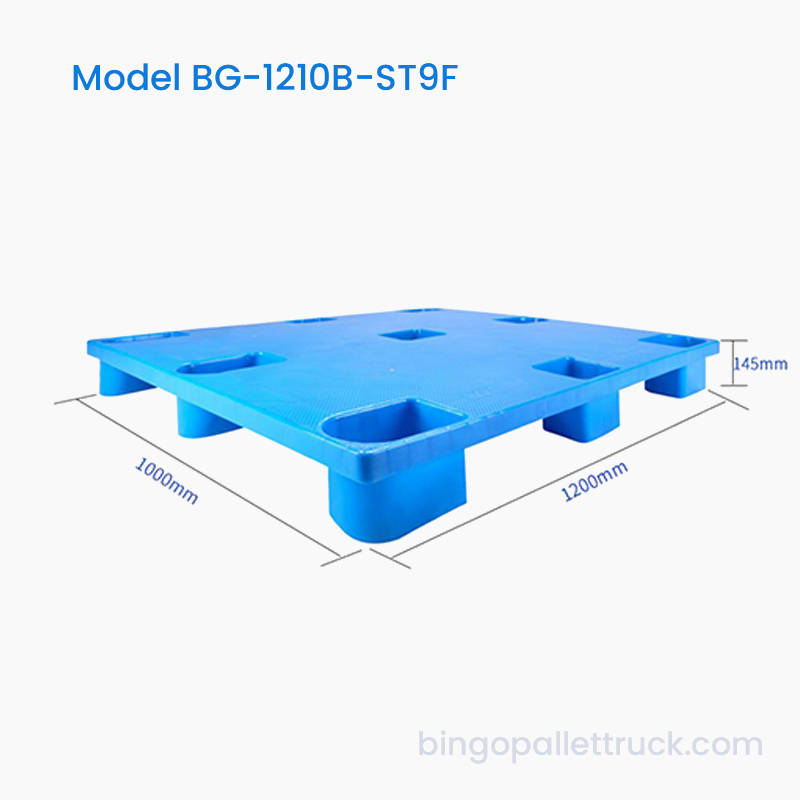
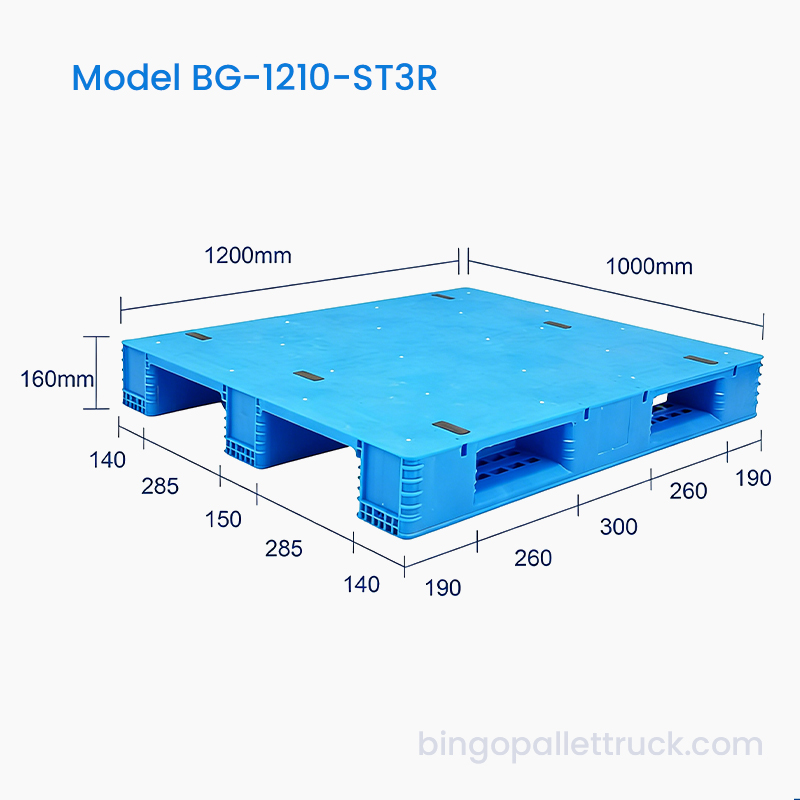
Nine-Leg (9-Foot) Plastic Pallet: The most versatile configuration, compatible with 2-way and 4-way pallet trucks and forklifts. The nine-leg design offers excellent racking performance due to distributed load points. This is the most widely used variant in global distribution and export logistics.
Solid Deck Plastic Pallet: Features a continuous flat surface with no openings, making it the preferred choice for small-item or unpackaged goods. Solid deck designs are easier to clean and disinfect, making them standard in pharmaceutical and food processing clean rooms.
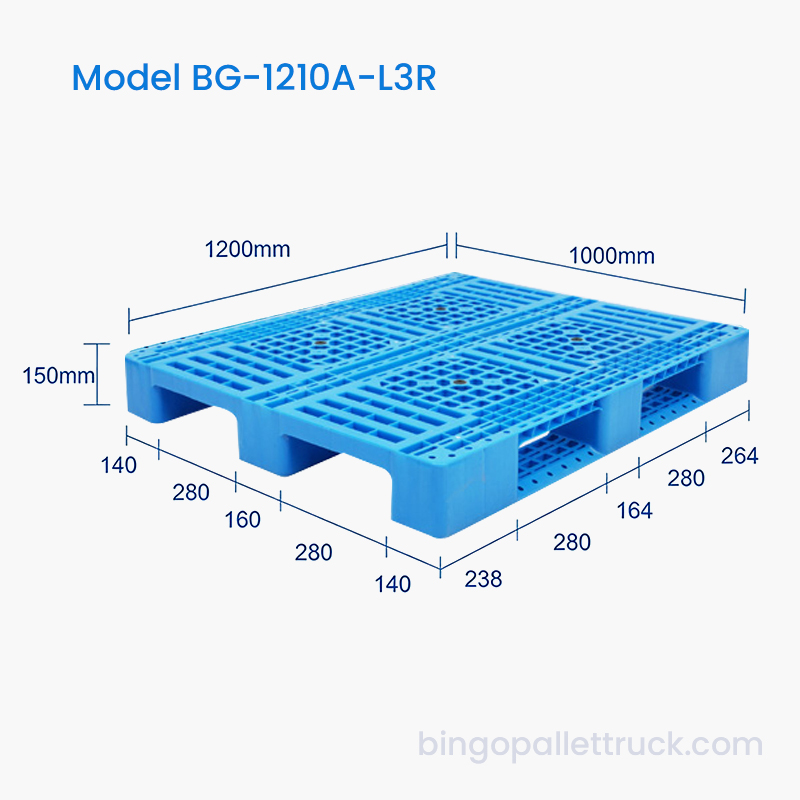
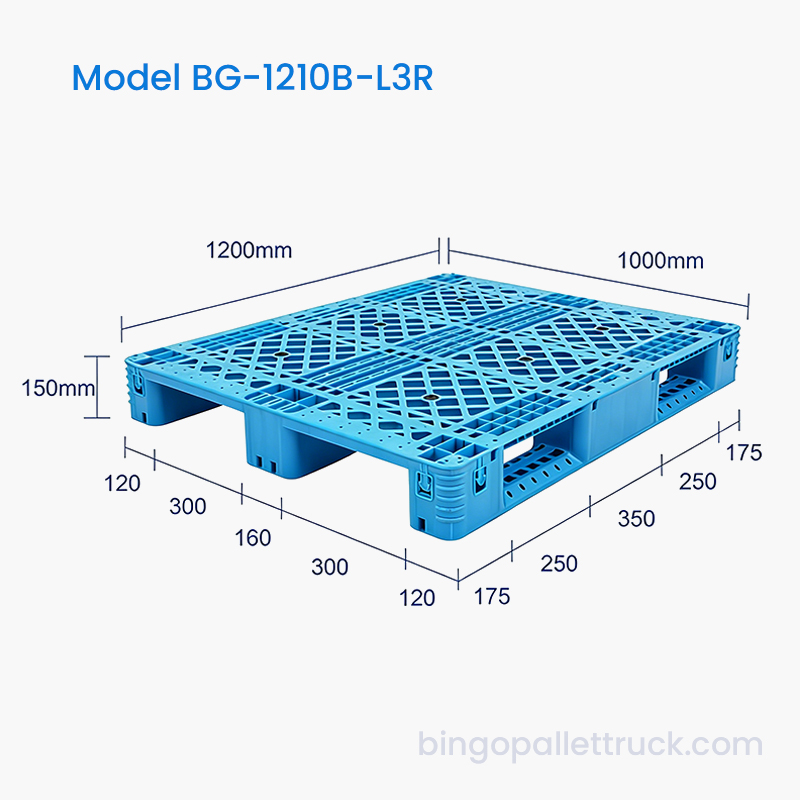
Open-Deck (Grid Deck) Plastic Pallet: Reduces material use and weight while maintaining structural rigidity via a grid or perforated top surface. Air circulation through the deck is critical for cold-chain and frozen food applications where uniform airflow around product is required for temperature integrity.
Double-Face (Reversible) Plastic Pallet: Both top and bottom surfaces are load-bearing, doubling the operational surface area and significantly extending service life. Commonly used in heavy industrial applications and automotive parts logistics where maximum durability is prioritized.
Nestable Plastic Pallet: Designed to stack inside each other when empty, reducing return shipping volume by up to 75%. Nestable designs are ideal for one-way or pooling systems where empty pallet logistics is a significant cost driver.
The selection process should be guided by racking system specifications, forklift entry requirements, load profile, hygiene standards, and whether the pallet will operate in a closed-loop or open supply chain. A warehouse deploying automated guided vehicles (AGVs) will have different dimensional tolerance requirements than a traditional hand-pallet-truck environment. Bingo's engineering team provides application-specific consultation to help clients match pallet design to operational requirements with precision.
The vertical bar chart below compares the static load capacity of each structural design variant on a standard 1200×1000mm footprint, providing a clear performance reference for procurement decisions.
The double-face design achieves the highest static load capacity at 10,000 kg, making it the go-to choice for heavy industrial racking in automotive and manufacturing facilities. The solid deck variant follows closely at 9,500 kg, combining maximum load distribution with the hygienic surface properties required by regulated industries. Nine-leg pallets, the most commercially widespread format, deliver 8,500 kg static capacity — more than sufficient for the vast majority of warehousing and distribution scenarios. The open-deck design trades some static capacity for lighter weight and airflow, while nestable designs prioritize space efficiency over maximum load performance. Understanding these trade-offs is essential for building a pallet fleet that is both operationally capable and economically optimized.
Radar Performance Comparison: 1200×1000mm Plastic Pallet Across Key Attributes
Supply chain professionals must evaluate pallets across multiple simultaneous criteria rather than any single metric. The radar chart below compares the 1200×1000mm plastic pallet against wooden and metal alternatives across six critical operational dimensions: Hygiene, Durability, Weight Efficiency, Cost Efficiency, Sustainability, and Automation Compatibility. Scores are normalized on a 0–10 scale derived from industry benchmark data.
The radar chart reveals the outstanding multi-dimensional advantage of the 1200×1000mm plastic pallet in most operational contexts. In Hygiene and Automation Compatibility, plastic scores 9.5/10 — the highest of all three materials — reflecting its non-porous surface that withstands high-pressure washing and its consistent dimensional profile compatible with robotic handling systems. In Sustainability, plastic scores 9/10 due to its 100% recyclability and elimination of deforestation-linked procurement. Durability at 8.5/10 is substantially higher than wood (4/10), though metal leads at 9.5/10 for applications demanding extreme longevity. Cost efficiency at 8/10 for plastic reflects the superior TCO rather than just the upfront purchase price; when trip cycles and avoided fumigation costs are included, plastic consistently beats wood on a per-use basis. The only area where plastic trails is Weight Efficiency compared to open-frame metal structures in very heavy industrial environments, but for the vast majority of warehousing and distribution scenarios, the plastic advantage across the full radar is decisive. This comprehensive profile makes the 1200×1000mm global plastic pallet the optimal all-around solution for most supply chain operators.
Material Science: HDPE vs. PP — What's Inside Your Plastic Pallet?
The performance of a 1200×1000mm plastic pallet depends critically on the polymer resin used. The two dominant materials are High-Density Polyethylene (HDPE) and Polypropylene (PP), each with distinct mechanical and thermal properties that favor different application environments.
High-Density Polyethylene (HDPE)
HDPE is the most widely used resin for global plastic pallets. Its density of 0.93–0.97 g/cm³ delivers excellent impact resistance, even at sub-zero temperatures as low as -40°C, making it the standard material for cold-chain and frozen-food distribution. HDPE is highly resistant to a wide range of chemicals including acids, alkalis, and alcohols, and is fully compliant with FDA 21 CFR standards for direct food contact. Its flexibility allows it to absorb impact energy without cracking, extending service life in high-throughput automated environments. HDPE pallets can incorporate recycled content (rHDPE) at 30–100% without significant performance degradation, supporting circular economy commitments.
Polypropylene (PP)
PP offers a higher stiffness-to-weight ratio than HDPE, making it preferable where maximum rigidity at minimum pallet weight is the priority. PP pallets handle temperatures up to 120°C, allowing steam sterilization — a requirement in some pharmaceutical and food processing environments. However, PP is more brittle at temperatures below -10°C and should not be used in deep-freeze cold chains without impact modifiers. PP is also the standard material for injection-molded open-deck and nestable plastic pallets where dimensional precision and thin-wall geometry are required.
Many high-performance 1200×1000mm plastic pallets incorporate co-polymer blends or glass-fiber reinforcement to achieve a balance between HDPE toughness and PP stiffness. The manufacturing process — injection molding for precision components vs. compression molding or blow molding for heavier-duty variants — also significantly affects the final mechanical properties and dimensional consistency of the finished pallet.
Cost-Per-Trip Analysis Over a 5-Year Period
One of the most persuasive arguments for switching to 1200×1000mm global plastic pallets is the long-term cost-per-trip economics. While the initial investment per plastic pallet is higher than wood, the extended service life and elimination of fumigation, repair, and disposal costs generate substantial savings over a 5-year fleet lifecycle. The grouped bar chart below models total cost per 1,000 pallets over 5 years for three pallet types.
The grouped cost analysis is striking. In Year 1, wooden pallets appear competitive at $80k vs. $55k for plastic — but this picture reverses dramatically by Year 3 ($170k for wood vs. $85k for plastic) and reaches a $125k cumulative gap by Year 5 ($230k wood vs. $105k plastic). Wood's cost trajectory is steep because it requires replacement fleets every 12–18 months, plus fumigation costs for every international shipment. Metal pallets carry high upfront costs ($130k Year 1) but offer better long-term economics than wood — though still more expensive than plastic over 5 years, while adding 3–5x the weight penalty in freight costs. For any warehousing operation running more than 50 pallet movements per day, the economics of plastic are overwhelming. The 5-year TCO gap easily justifies the higher initial investment and typically delivers full payback within 18–24 months of fleet conversion.
Sustainability and Circular Economy: The Environmental Case for Plastic Pallets
The environmental credentials of 1200×1000mm global plastic pallets are often misunderstood. Critics initially point to plastic as an environmentally problematic material, but a comprehensive lifecycle assessment (LCA) paints a more nuanced picture that consistently favors plastic over wood in high-frequency global logistics.
End-of-Life Recyclability: HDPE and PP pallets are 100% recyclable. At end-of-life, they are ground into regrind material and used to manufacture new pallets, pipe fittings, construction materials, or automotive components. This closed-loop recyclability prevents landfill accumulation and reduces demand for virgin resin.
Reduced Deforestation Impact: Global wooden pallet production consumes an estimated 1.5 billion board feet of lumber annually. Transitioning even 30% of global pallet fleets from wood to plastic would eliminate a measurable fraction of logging pressure on natural forests.
Lower Per-Trip Carbon Footprint: When carbon emissions are amortized over 75 trip cycles (a reasonable mid-range estimate), the per-trip CO₂ equivalent of a plastic pallet is significantly lower than wood, because the carbon cost of pallet manufacture is divided over far more uses.
Elimination of Chemical Treatment: Wooden pallets for international trade require methyl bromide fumigation or heat treatment under ISPM-15. These processes consume energy and, in the case of chemical fumigation, release harmful compounds. Plastic pallets require no such treatment, eliminating this environmental impact entirely.
Recyclable Content Options: Bingo's 1200×1000mm plastic pallets are available with up to 100% recycled HDPE content for clients targeting sustainability certifications including ISO 14001, GreenPro, and environmental product declarations (EPDs).
Supply chains under pressure to reduce Scope 3 greenhouse gas emissions will find that a fleet transition to recyclable plastic pallets on a 1200×1000mm footprint offers measurable, documentable carbon reductions — an increasingly important factor for corporate ESG reporting and customer sustainability audits.
About Bingo: Your Global Partner in Warehousing and Logistics Equipment
Bingo is an enterprise specializing in the production, sales, and service of warehousing and logistics equipment. Focusing on the equipment needs of various warehousing and logistics scenarios, Bingo provides global customers with one-stop, integrated solutions for material storage and handling. From heavy-duty racking systems and automated conveyor infrastructure to 1200×1000mm global plastic pallets and specialized material handling equipment, Bingo's product portfolio covers the complete operational spectrum of modern distribution centers, manufacturing facilities, and third-party logistics providers.
With deep technical expertise, a robust global supply network, and a commitment to quality conforming to ISO 9001 standards, Bingo serves clients across North America, Europe, Southeast Asia, the Middle East, and Africa. Bingo's engineering and application teams work closely with customers from initial feasibility consultation through installation, commissioning, and ongoing technical support — ensuring that every pallet, rack, and handling system delivers measurable operational performance and return on investment. For organizations seeking to standardize on high-performance 1200×1000mm plastic pallets for their global supply chain operations, Bingo offers comprehensive consultation, customization, and sourcing services to meet the most demanding requirements.
Frequently Asked Questions
Q1: What is the standard weight capacity of a 1200×1000mm plastic pallet?
A: The load capacity varies by design type and resin. Typically, a 1200×1000mm solid-deck HDPE pallet supports 9,000–10,000 kg static load and 1,000–2,000 kg dynamic (forklift) load. Nestable designs have lower capacity (~4,000 kg static). Always verify the specific datasheet for the pallet variant selected.
Q2: Are 1200×1000mm plastic pallets compatible with automated conveyor and AS/RS systems?
A: Yes. The 1200×1000mm footprint is a recognized ISO 6780 standard dimension and is directly compatible with most European racking and conveyor systems. Dimensional consistency of injection-molded or compression-molded plastic pallets ensures reliable automated handling with very low rejection rates. Bingo can advise on specific tolerance requirements for your conveyor or AS/RS specification.
Q3: Do plastic pallets require fumigation for international shipments?
A: No. Plastic pallets are exempt from ISPM-15 phytosanitary regulations because they are non-wood and do not harbor pests or plant diseases. This eliminates fumigation or heat treatment costs and paperwork, significantly simplifying cross-border logistics compliance and reducing per-shipment costs.
Q4: Can 1200×1000mm plastic pallets be used in cold-storage or freezer environments?
A: Yes, HDPE-based plastic pallets are well-suited for cold-chain applications and retain impact resistance down to -40°C. For freezer environments below -20°C, it is important to specify an HDPE formulation with cold-impact modifiers. PP pallets are generally not recommended for deep-freeze use without impact-modified grades.
Q5: What is the typical service life of a 1200×1000mm plastic pallet?
A: With proper handling and maintenance, a quality 1200×1000mm plastic pallet achieves 50–100 full trip cycles, equating to 5–10 years in a typical closed-loop distribution environment. Pooling system pallets that are inspected, cleaned, and repaired regularly can achieve even longer operational lifespans. Individual results depend on load conditions, handling equipment, and environmental exposure.
Q6: Are recycled-content plastic pallets available, and do they meet quality standards?
A: Yes. Bingo offers 1200×1000mm plastic pallets manufactured with recycled HDPE content ranging from 30% to 100% post-industrial regrind. Pallets with recycled content still meet standard load capacity and dimensional specifications, and are tested in accordance with ISO 8611 pallet testing protocols. They are a viable option for organizations pursuing environmental certifications or ESG reporting targets.

 en
en  Español