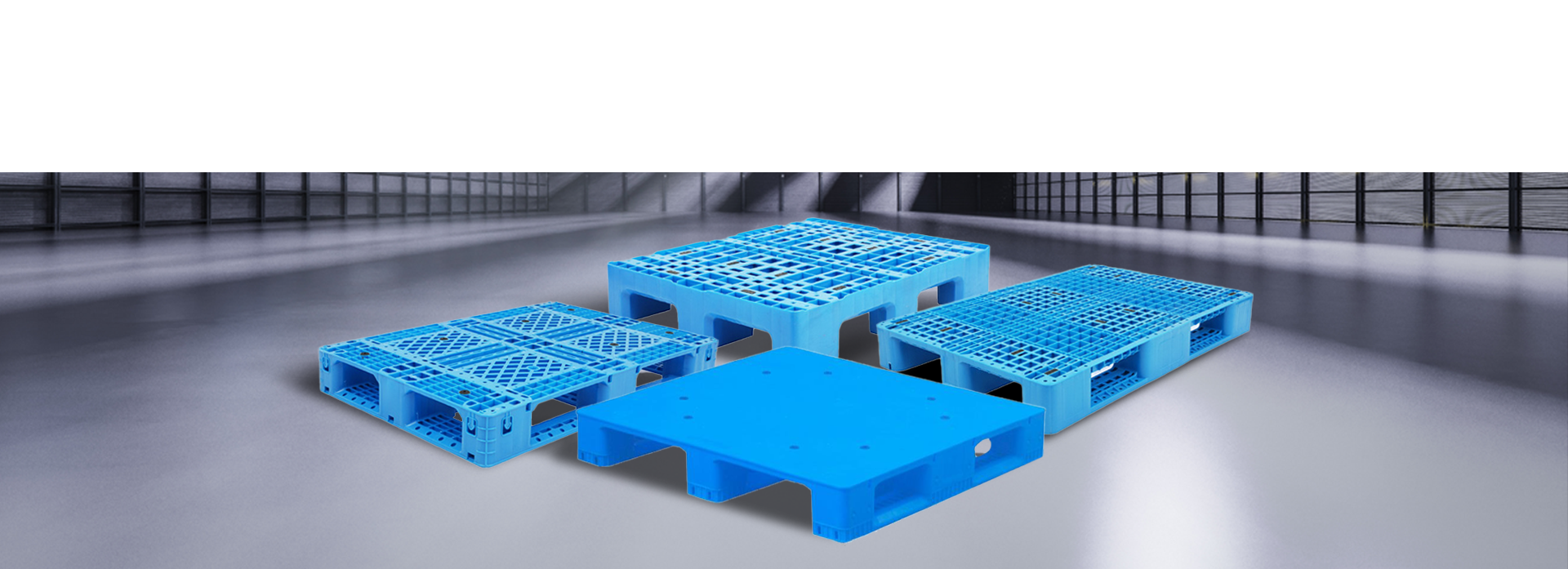
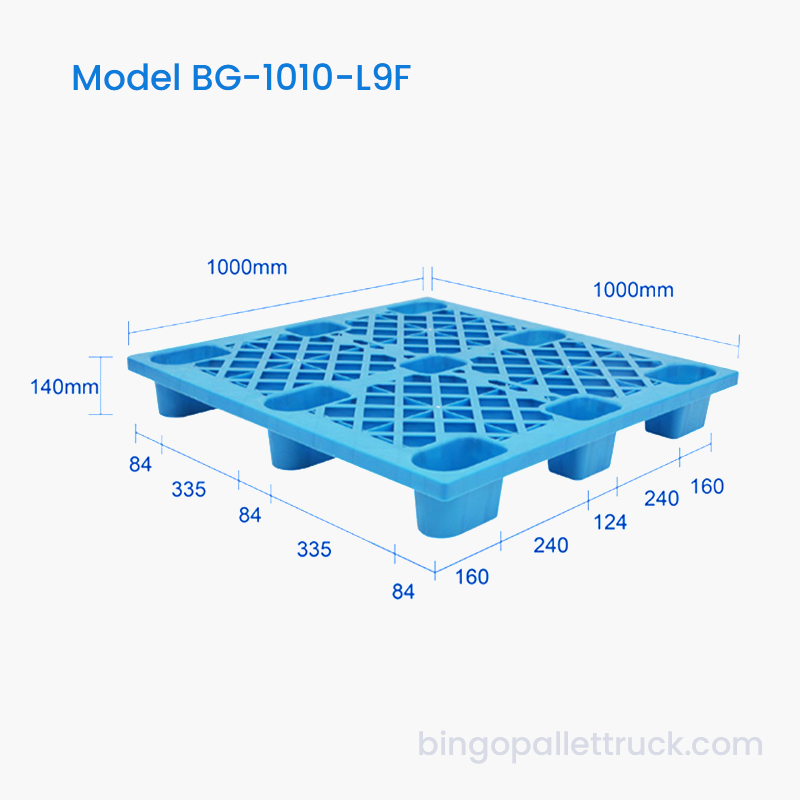
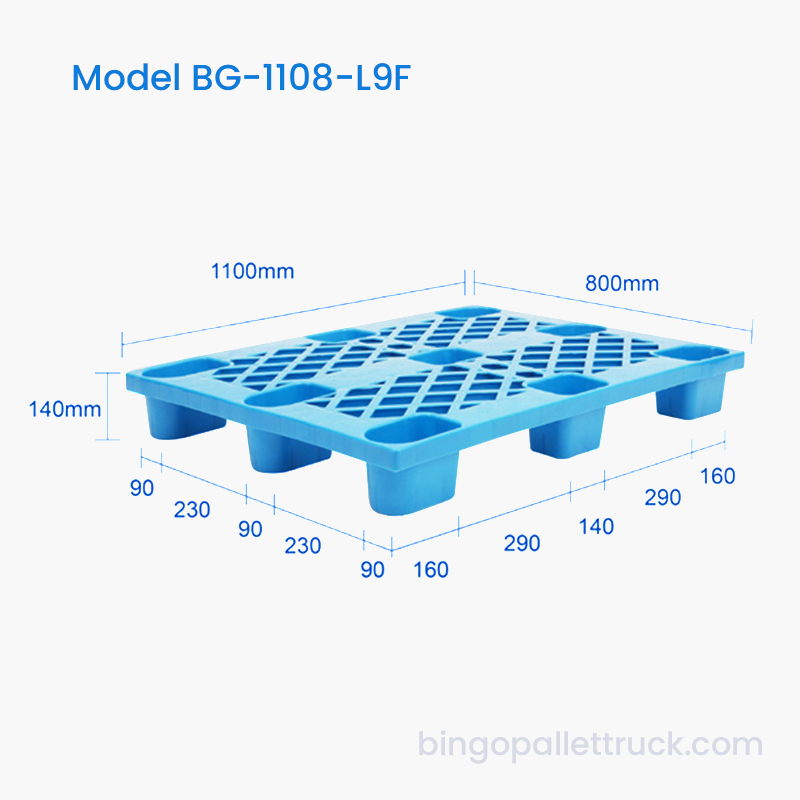
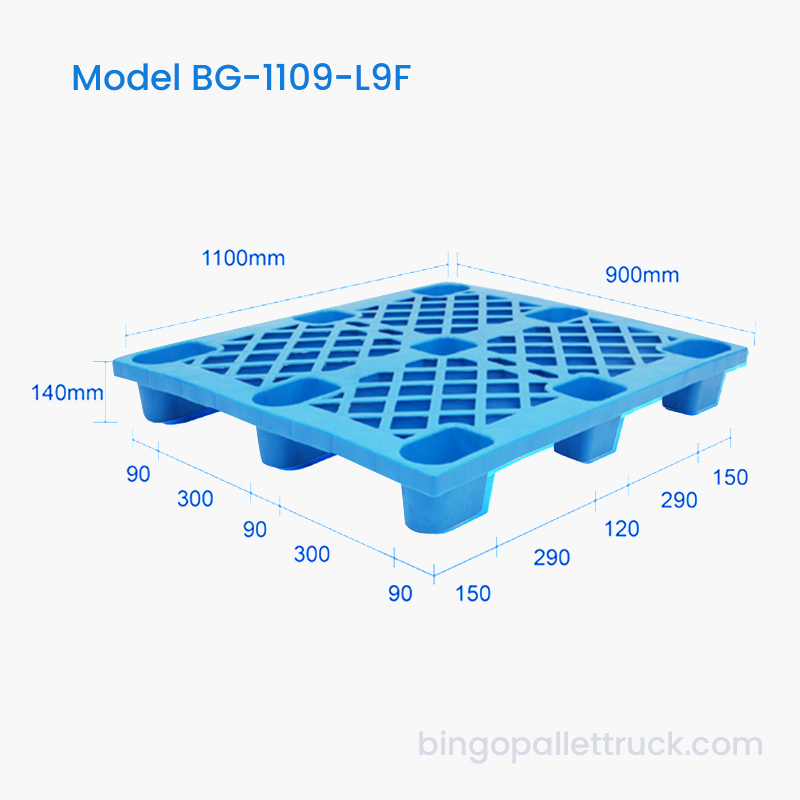
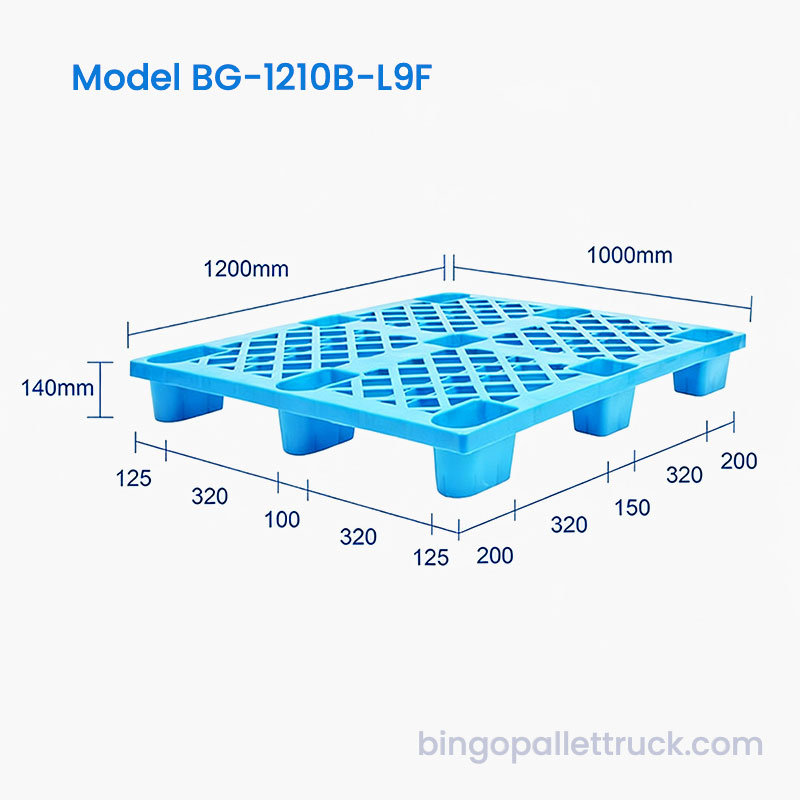
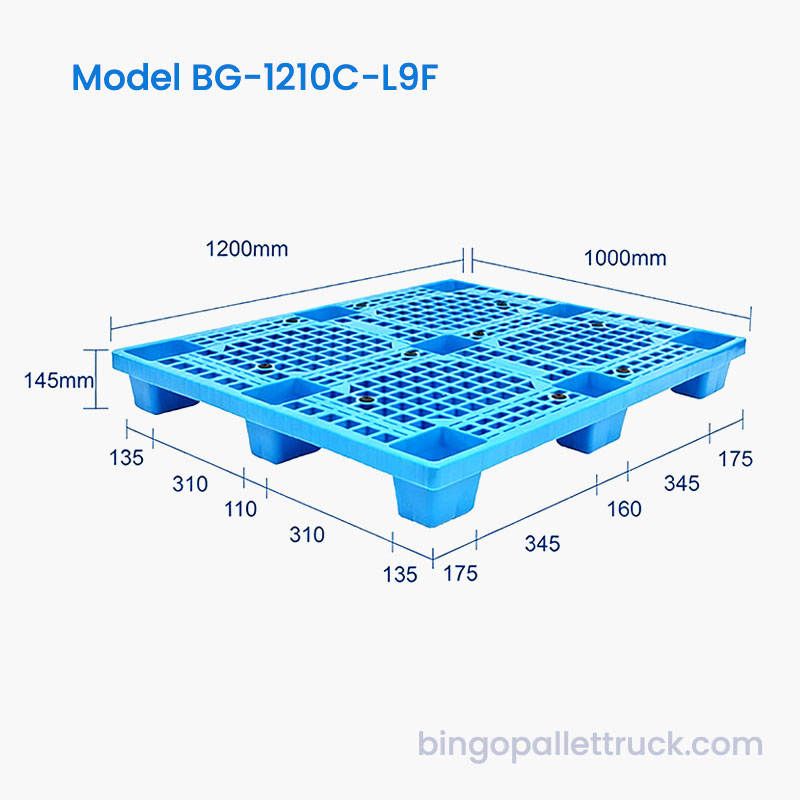
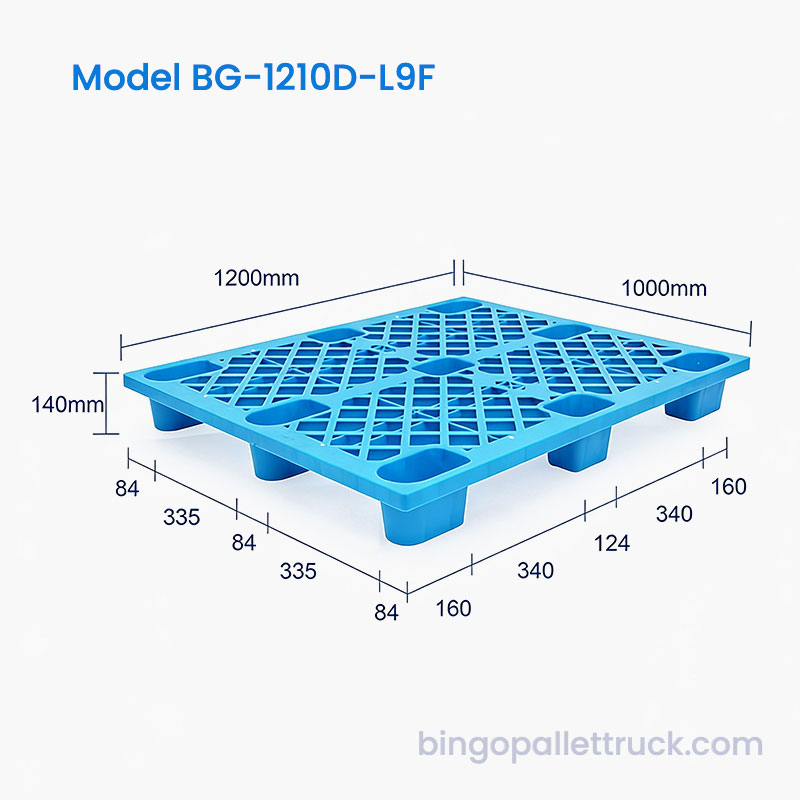
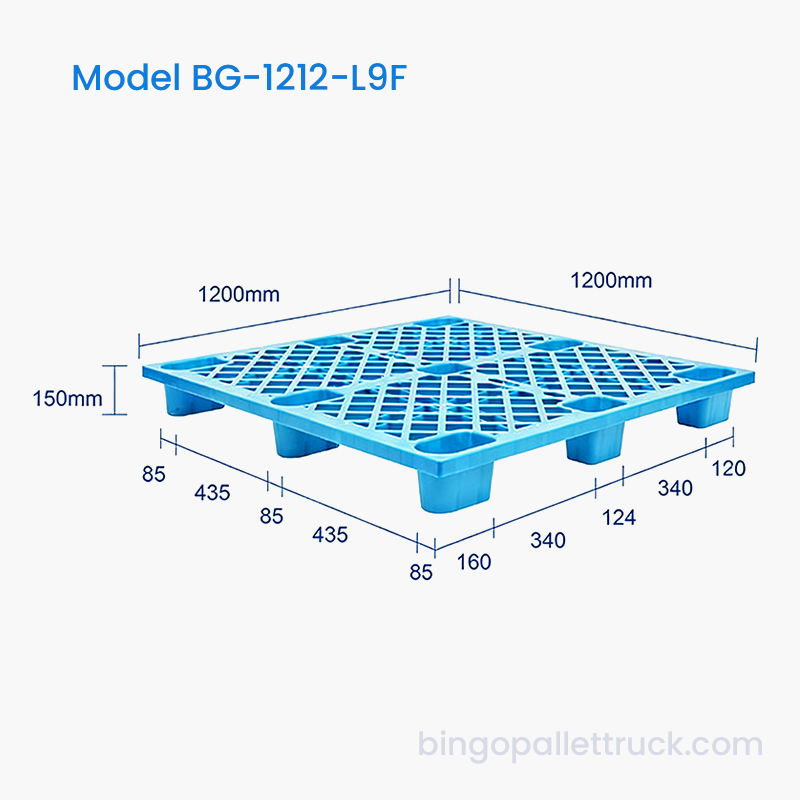
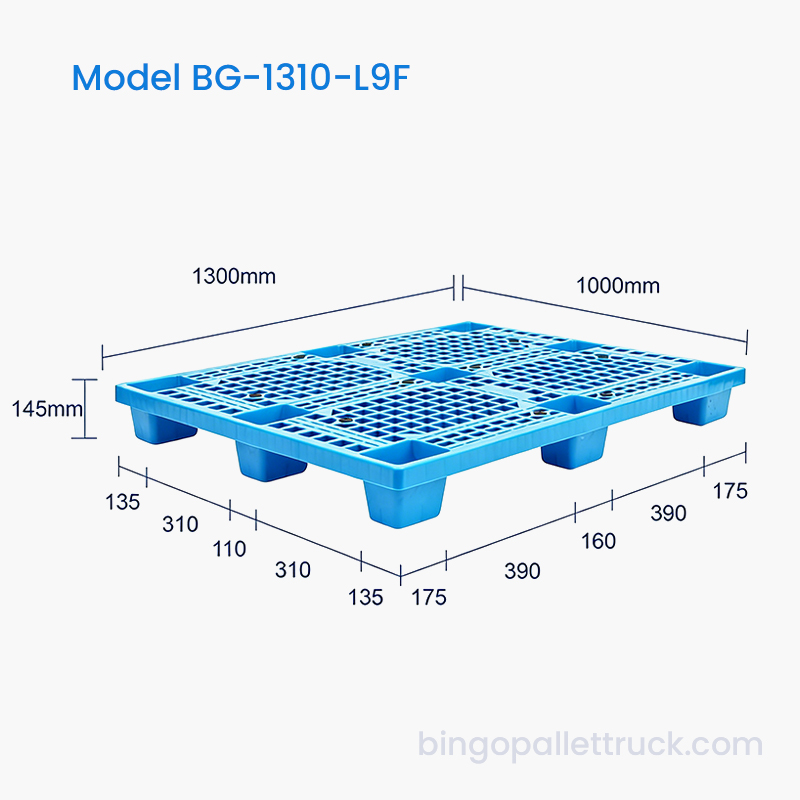
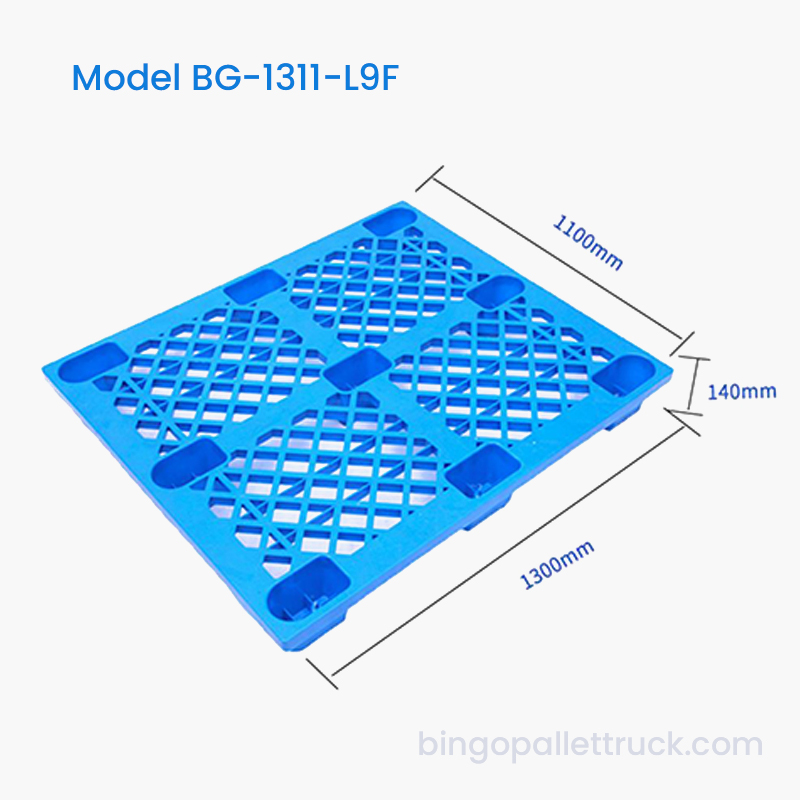
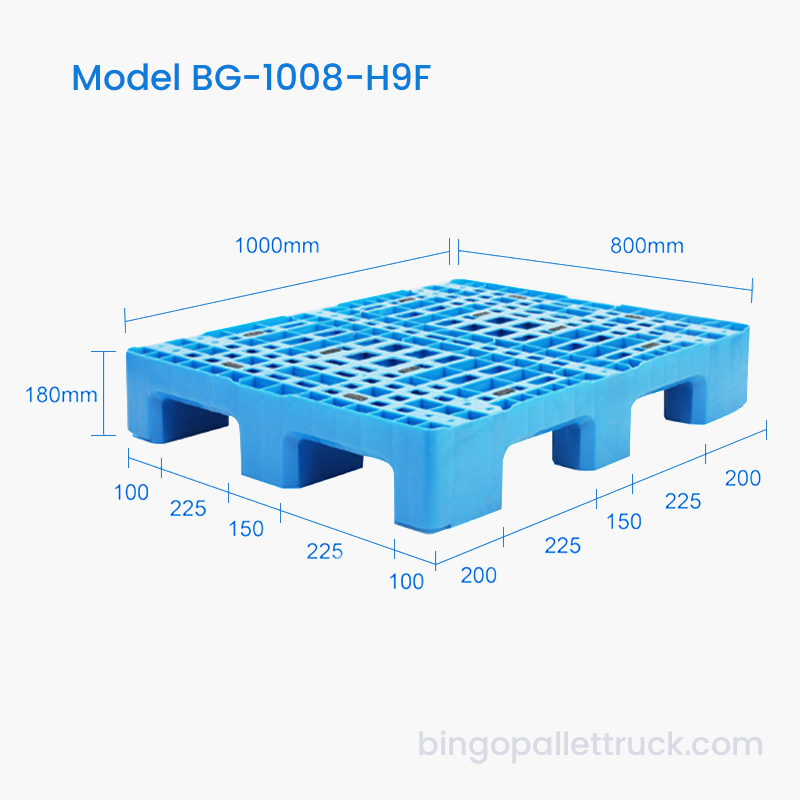
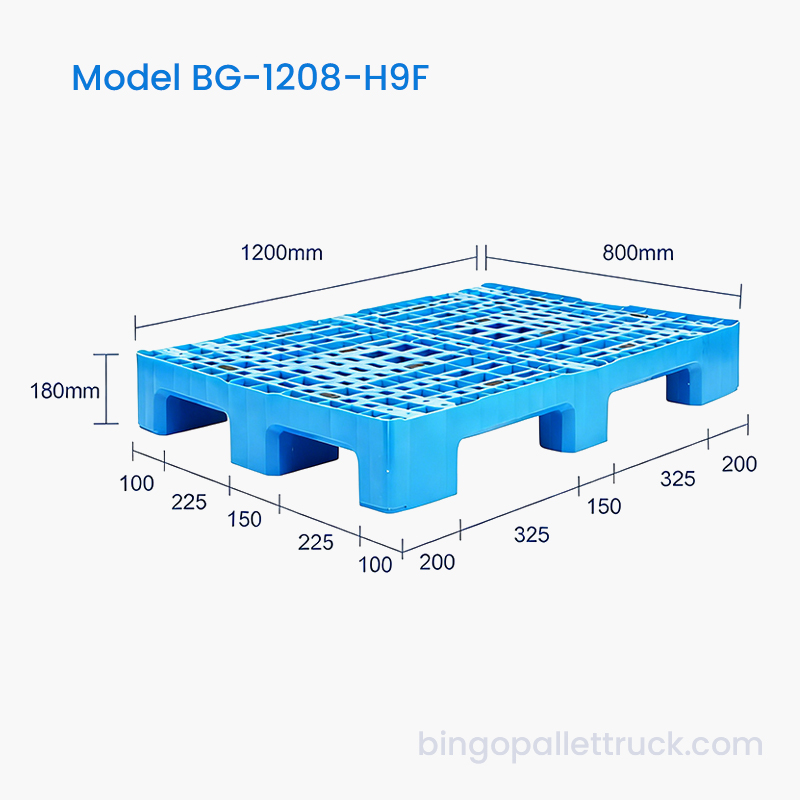
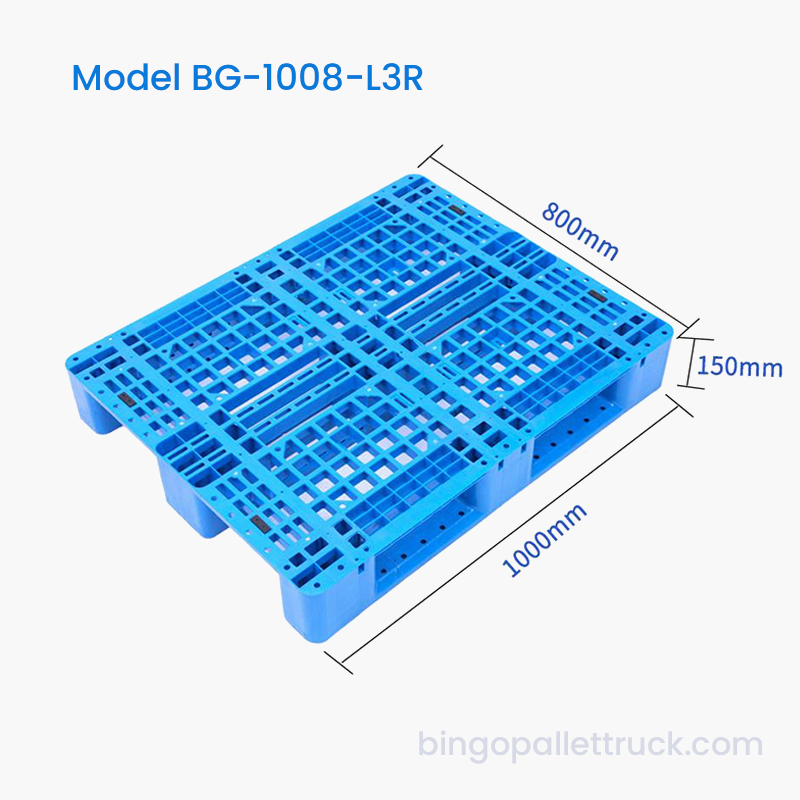
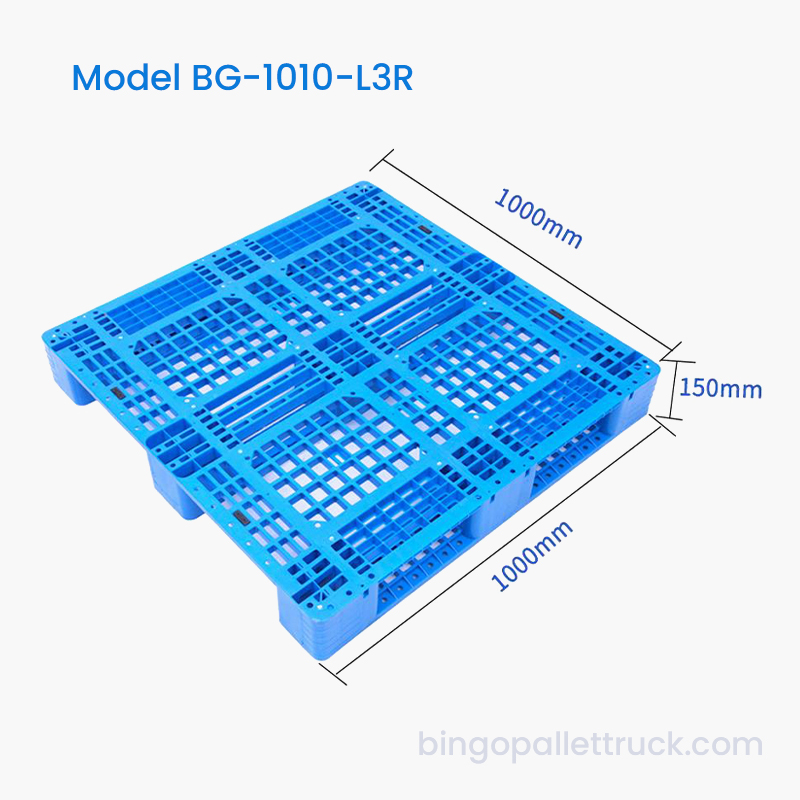
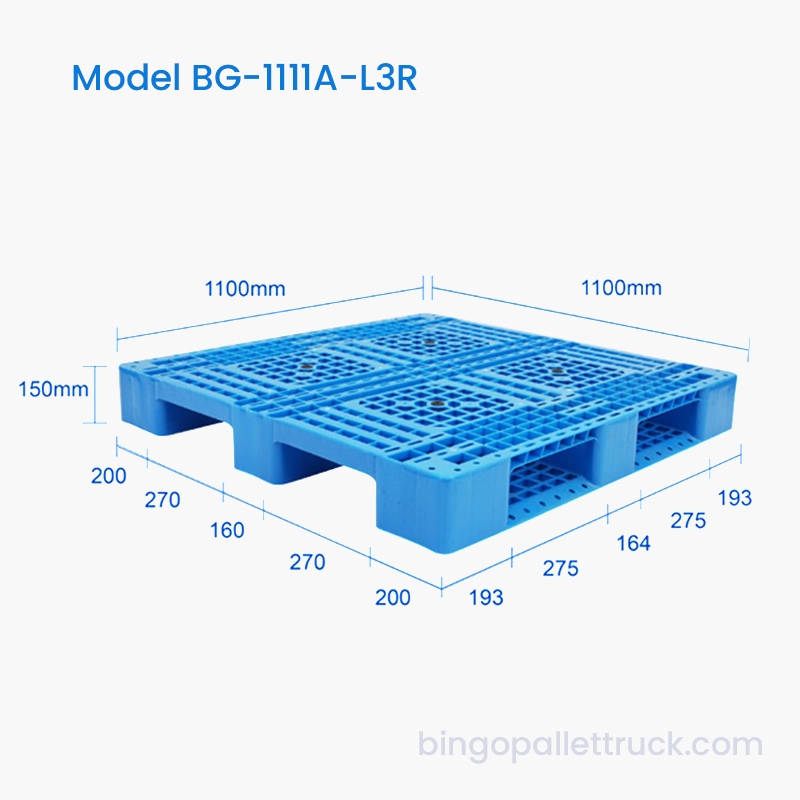
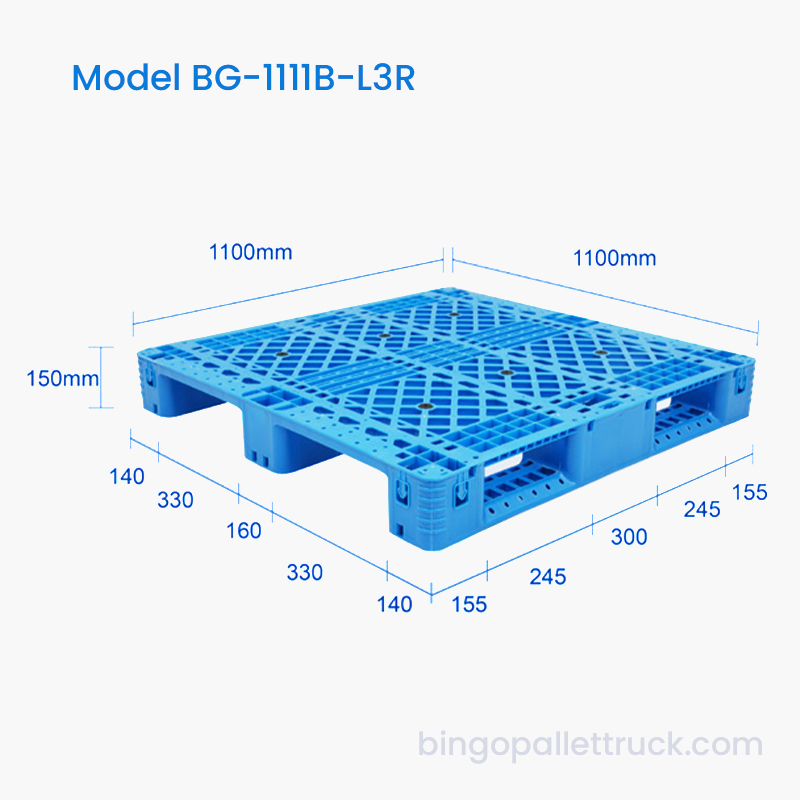
Choosing the correct plastic pallet size is one of the most consequential decisions in warehouse and logistics planning. An ill-matched pallet wastes racking space, creates load instability, and can cause costly incompatibilities with conveyors, pallet trucks, and shipping containers. With dozens of standard and custom size options available globally, understanding which dimensions suit your specific operation prevents expensive mistakes before they happen. This guide covers the most widely used plastic pallet sizes, how regional standards differ, and the practical factors that should drive your selection.
Why Pallet Size Matters More Than Most Buyers Expect
Pallet dimensions affect nearly every link in the supply chain. A pallet that is 50 mm too wide for a racking bay renders an entire aisle unusable. A pallet that is too small for a standard ISO shipping container leaves dead space that inflates freight costs. Even a few centimetres of overhang on a racking beam significantly increases the risk of load collapse under dynamic forces during forklift operation.
Beyond physical fit, size directly influences load capacity. Larger deck areas distribute weight more evenly, allowing higher dynamic and static load ratings without requiring thicker or heavier plastic construction. A 1200 × 1000 mm pallet typically supports 20–30% more evenly distributed load than a 1000 × 800 mm pallet of equivalent material grade, simply because the contact area with rack beams and floor is greater.
Standard Plastic Pallet Sizes by Region
Pallet sizing is not globally uniform. ISO 6780 defines six internationally recognized footprint sizes, but regional trade conventions mean that certain dimensions dominate specific markets. The table below summarizes the most common plastic pallet sizes in use worldwide.
| Size (L × W mm) |
Common Name |
Primary Region |
Typical Application |
| 1200 × 1000 |
Euro Pallet (ISO 1) |
Europe, Asia |
General warehousing, export logistics |
| 1200 × 800 |
Euro Pallet (ISO 2) |
Europe |
Retail, food and beverage, narrow-aisle racking |
| 1219 × 1016 (48″ × 40″) |
GMA / North American |
North America |
Grocery, manufacturing, general distribution |
| 1100 × 1100 |
Asian / JP Pallet |
Japan, Southeast Asia |
Automotive, electronics, intra-Asia trade |
| 1200 × 1200 |
Square Pallet |
Australia, UK |
Beverages, building materials |
| 1067 × 1067 (42″ × 42″) |
Telecom Pallet |
Americas, global telecom |
Telecommunications equipment, drums |
Commonly used plastic pallet sizes, regional prevalence, and typical applications
For businesses engaged in international trade, the 1200 × 1000 mm footprint offers the broadest compatibility — it fits both European and Asian racking systems and loads efficiently into standard ISO 20-foot and 40-foot shipping containers. Operations confined to a single domestic market are better served by the locally dominant size to maximize rack utilization and minimize handling equipment adjustments.
Pallet Height and Deck Thickness: The Overlooked Dimensions
Footprint size receives most of the attention, but pallet height and deck thickness are equally important for operational compatibility. Standard plastic pallet heights range from 120 mm to 175 mm. The height determines whether a manual pallet truck with standard 85 mm fork clearance can enter the pallet, and whether the combined pallet-plus-load height fits within racking bay dimensions.
- Flat-deck pallets (120–130 mm): Minimum profile, suited to conveyor systems and automated handling where low overall height is critical. Fork entry typically requires a jack with extra-low fork profile.
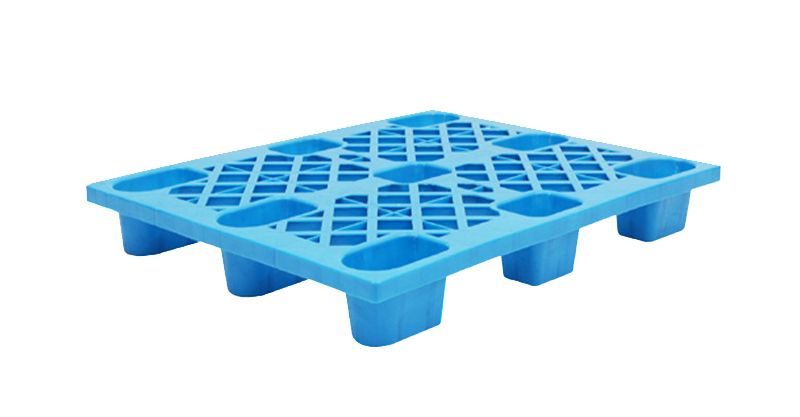
- Standard nine-leg pallets (140–150 mm): The most common configuration, compatible with all standard pallet trucks and forklifts. Four-way entry enables approach from any direction, reducing handling time.
- Heavy-duty block pallets (160–175 mm): Thicker cross-beams and reinforced legs support higher dynamic loads. Preferred in automotive manufacturing and chemical industries where loads regularly exceed 1,500 kg.
Deck thickness — the depth of the top surface — typically ranges from 15 mm to 30 mm on plastic pallets. Thicker decks distribute point loads more evenly, which matters when stacking small, dense items such as drums or machinery components that concentrate weight over a small contact area.
Matching Pallet Size to Racking, Containers, and Handling Equipment
Racking Compatibility
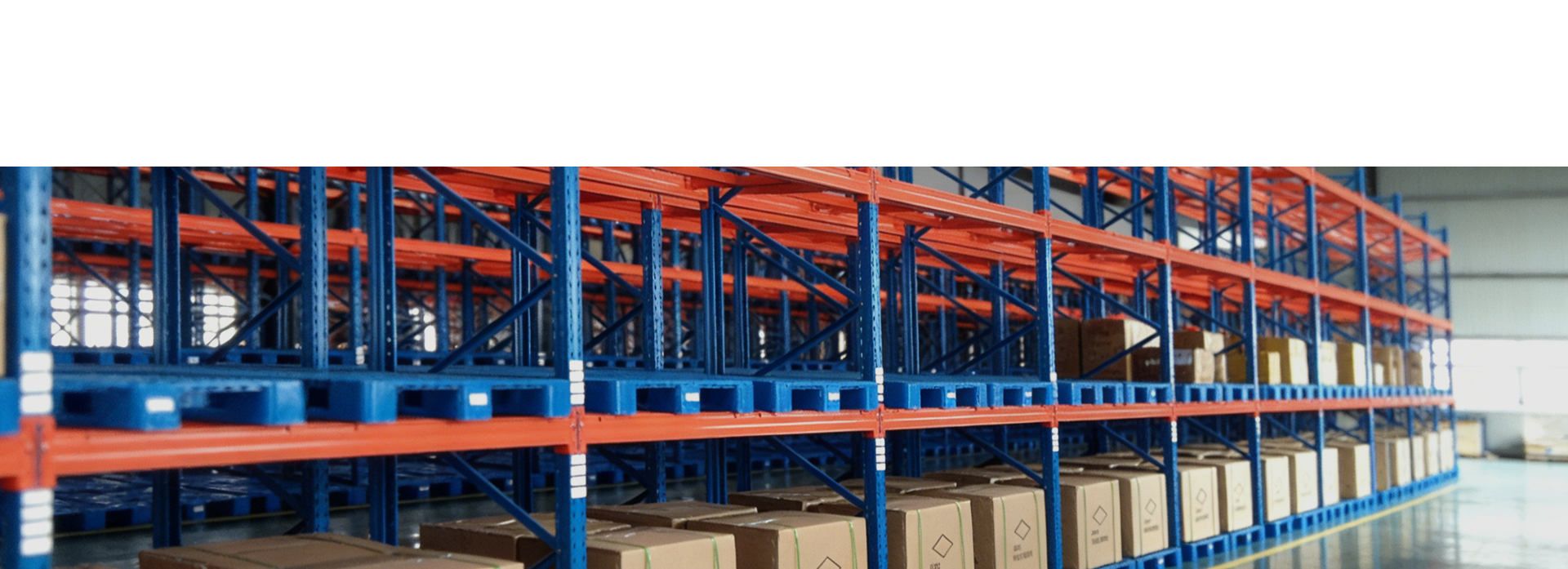
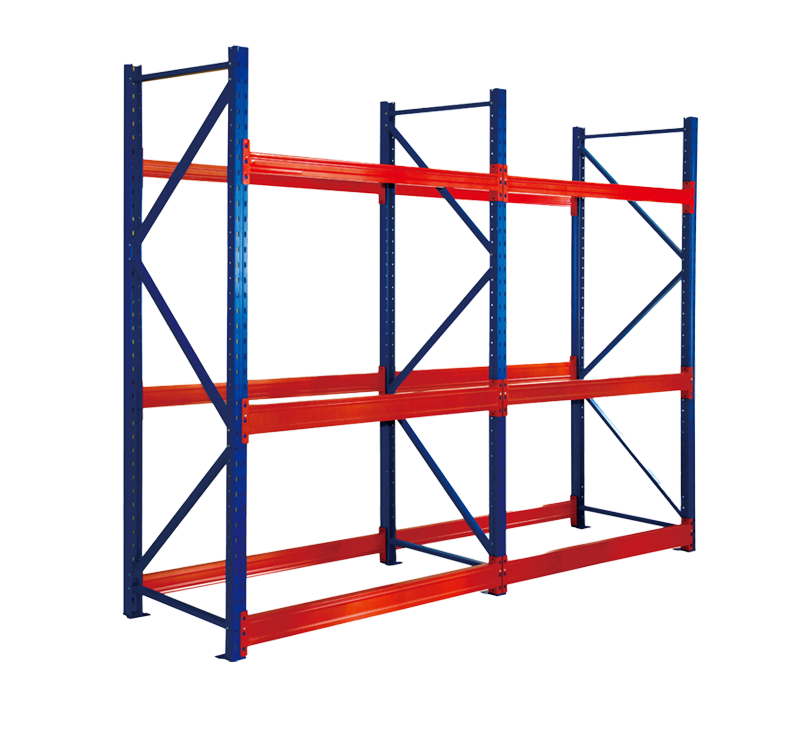
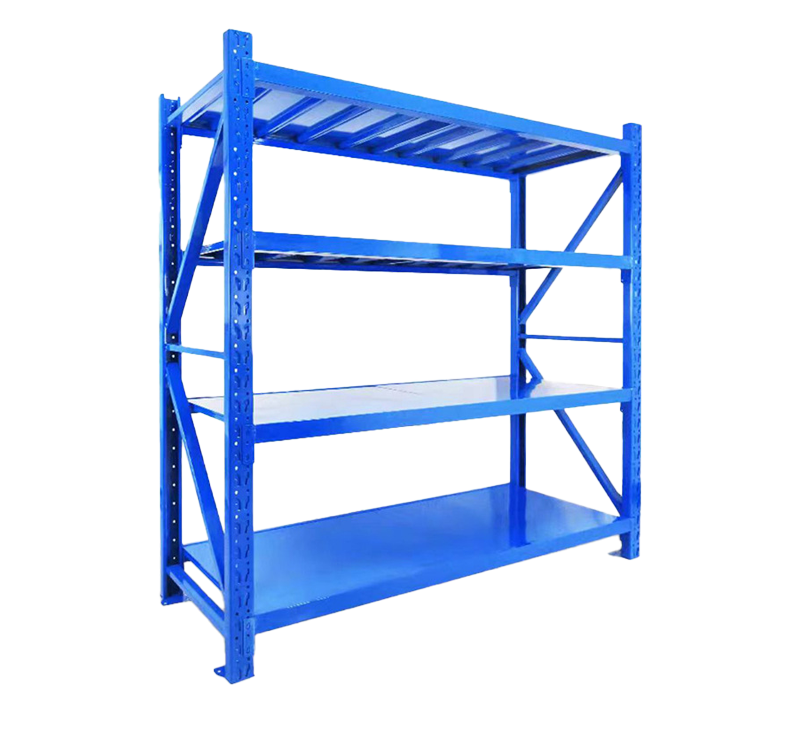
Selective pallet racking is typically designed with beam lengths of 2,700 mm or 2,750 mm to accommodate two 1200 mm pallets side by side with clearance. Narrow-aisle and drive-in racking configurations are dimensioned to specific pallet widths. Before purchasing plastic pallets, always confirm beam length, upright pitch, and load beam depth with your racking supplier to ensure safe overhang does not exceed 50 mm per side.
Shipping Container Optimization
Container fill efficiency varies significantly by pallet size. A standard 20-foot ISO container (internal floor: approximately 5,900 × 2,350 mm) accommodates eleven 1200 × 1000 mm pallets in a 2+1 arrangement, but only ten 1200 × 800 mm pallets in a straight configuration. For businesses exporting to multiple regions, selecting the size that maximizes fill rate for your most common container type can reduce per-unit freight costs by 8–12%.
Pallet Truck and Forklift Fork Spread
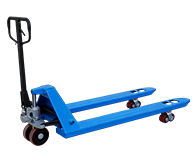
Standard pallet truck forks have a spread of 540–685 mm and a length of 1,150 mm, compatible with all major standard pallet footprints. Non-standard pallet sizes — particularly very small or wide formats — may require custom fork spreads or extended forks, adding equipment cost. Confirming fork compatibility before finalizing a non-standard pallet size avoids this issue.
Custom Plastic Pallet Sizes: When Standard Dimensions Are Not Enough
Certain industries require pallet dimensions that fall outside standard ISO sizes. Pharmaceutical clean rooms, semiconductor fabs, and food processing facilities frequently specify non-standard footprints to match proprietary conveyor layouts or cleanroom bay dimensions. Custom plastic pallet sizes can also be warranted when a product's footprint — such as a specific appliance or vehicle component — does not align neatly with standard pallet dimensions, causing excessive overhang.
Bingo, as a Custom Plastic Pallet Manufacturer and OEM Warehouse Logistics Equipment Factory, provides global customers with one-stop, integrated solutions for material storage and handling. With a mature supply chain system and strict quality inspection processes, Bingo ensures every plastic pallet — whether standard or custom-dimensioned — complies with international standards and delivers cost-effective performance across manufacturing, e-commerce logistics, warehousing and distribution, and supermarket retail operations.
Frequently Asked Questions About Plastic Pallet Sizes
What is the most common plastic pallet size globally?
The 1200 × 1000 mm footprint (ISO 1) is the most widely used size in global trade. It fits standard European racking, loads efficiently into ISO shipping containers, and is accepted by most major international retailers and logistics providers. For businesses operating exclusively in North America, the 48″ × 40″ (1219 × 1016 mm) format is the dominant standard.
Can I use different pallet sizes within the same warehouse?
Yes, but it requires careful planning. Mixed pallet sizes in the same racking system require either adjustable beam configurations or dedicated bays for each size. Handling equipment fork spreads must accommodate the smallest pallet in use. Where possible, limiting operations to one or two pallet sizes significantly simplifies racking design, reduces equipment requirements, and minimizes operator error.
Does pallet size affect the static and dynamic load capacity?
Yes. Load capacity ratings on plastic pallets are specified for a particular footprint, deck design, and support condition — whether on a flat floor (static), on rack beams (racking load), or in motion (dynamic). A larger footprint generally allows a higher distributed load rating. However, switching to a larger pallet size does not automatically increase the allowable point load — the deck thickness and leg geometry must also be appropriate for the specific load type.

 en
en  Español