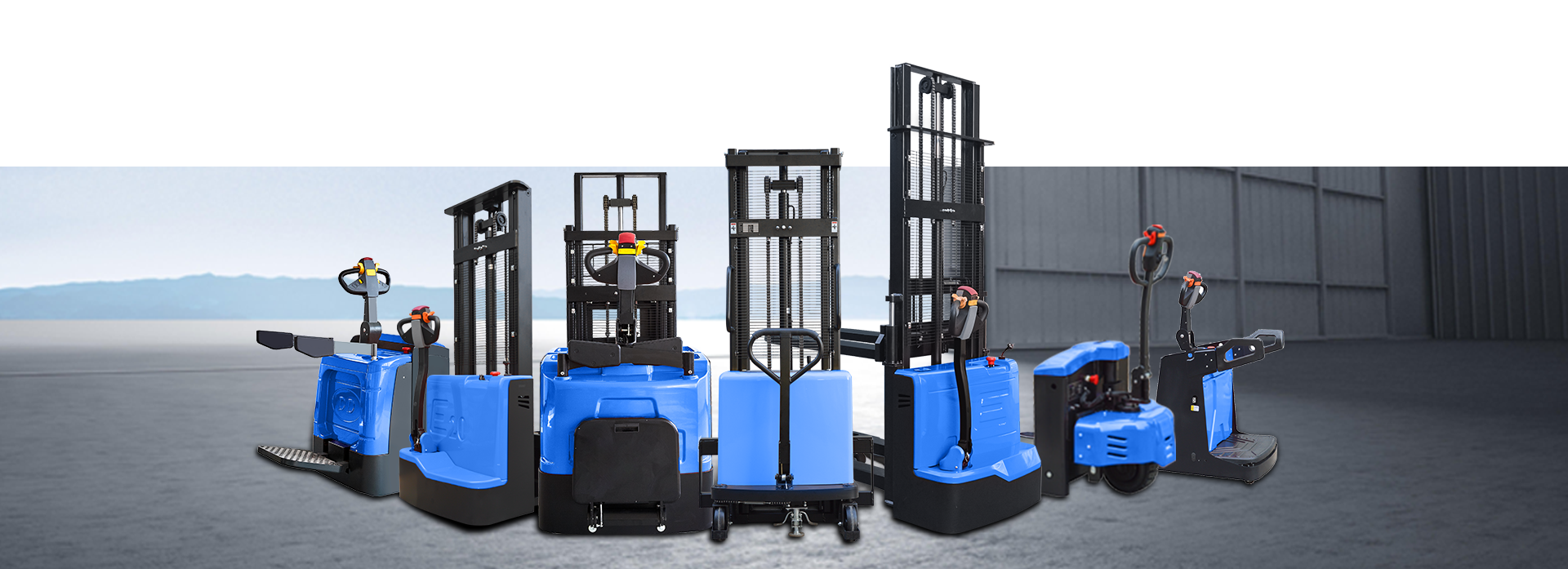
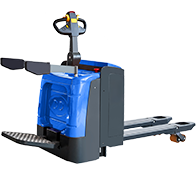
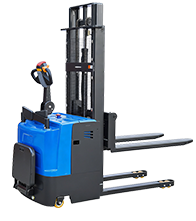
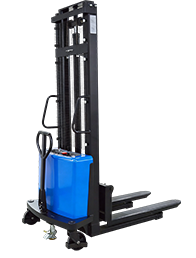
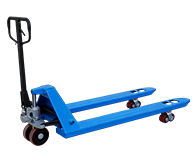
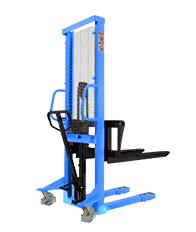
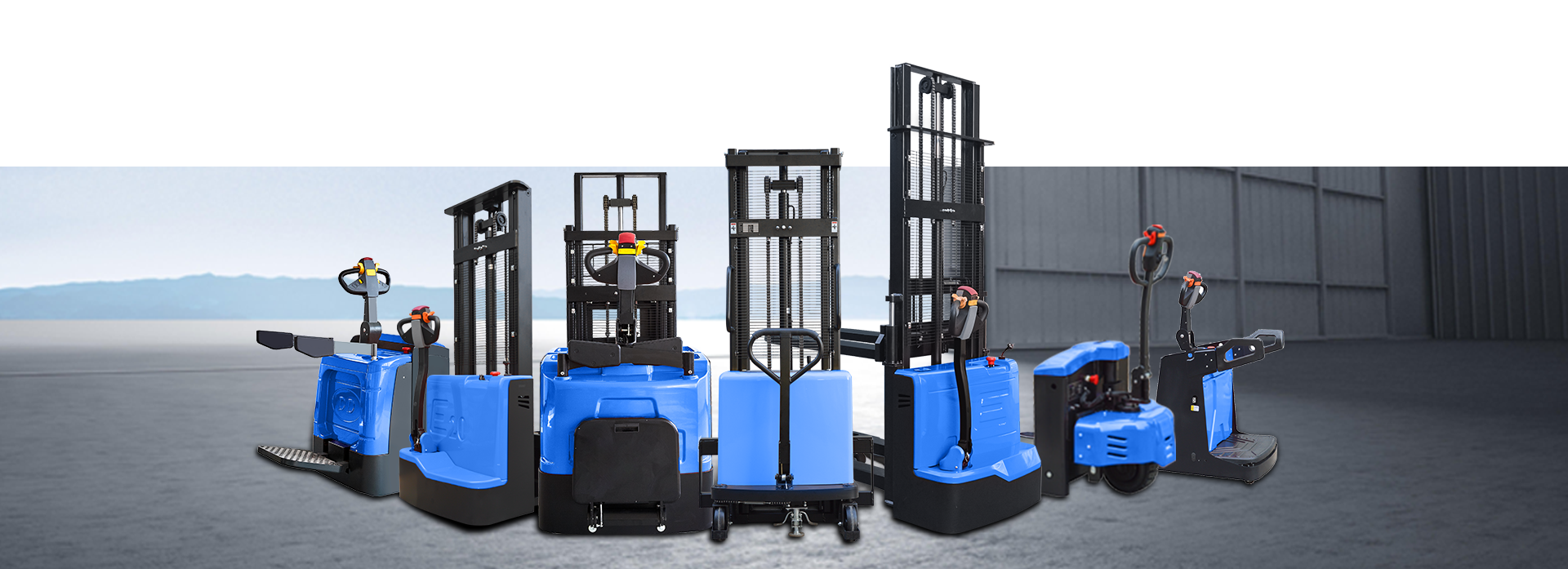
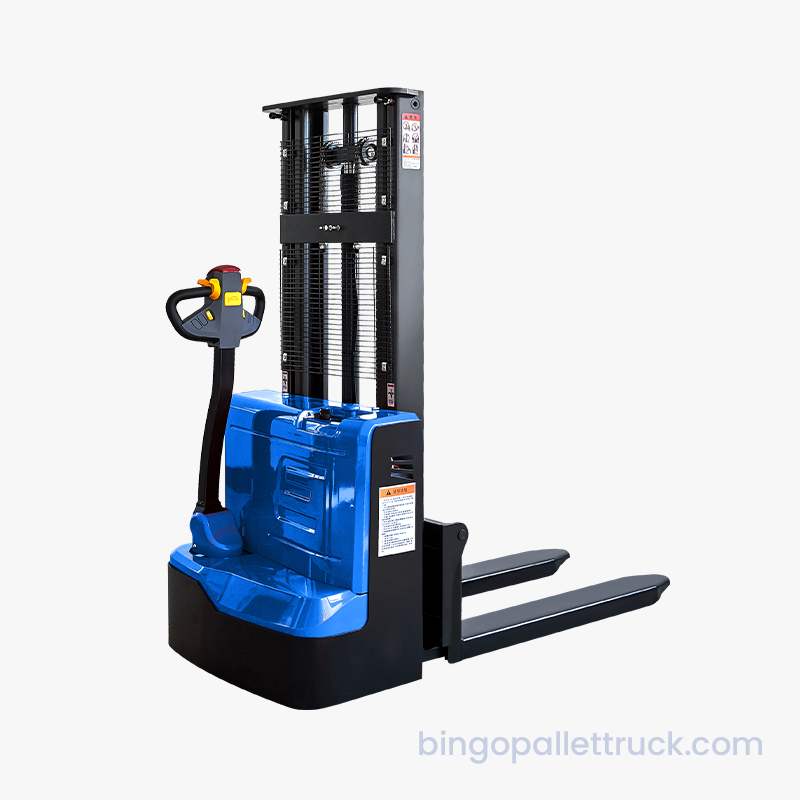
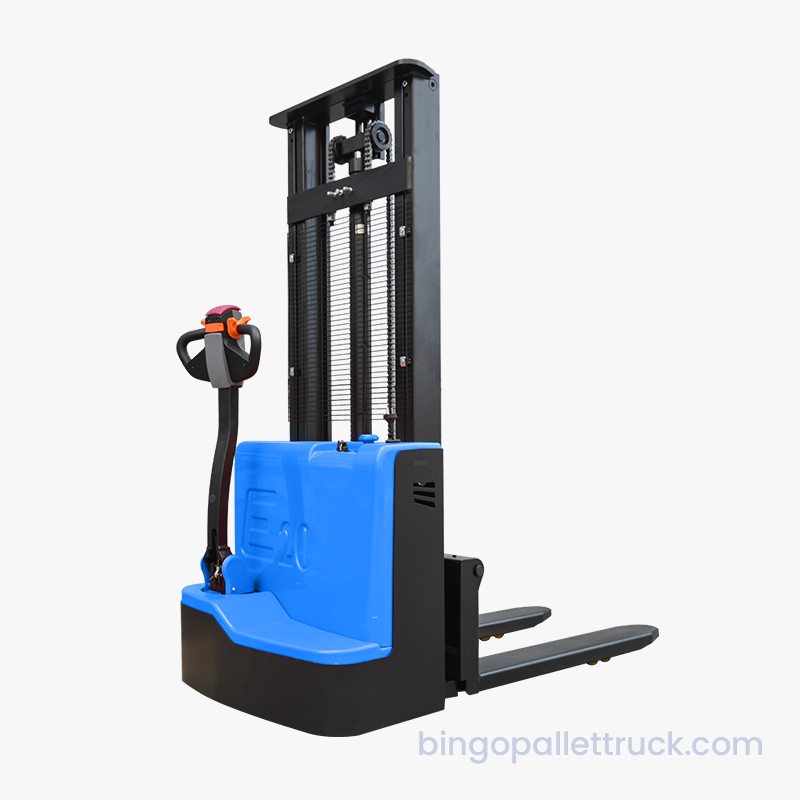
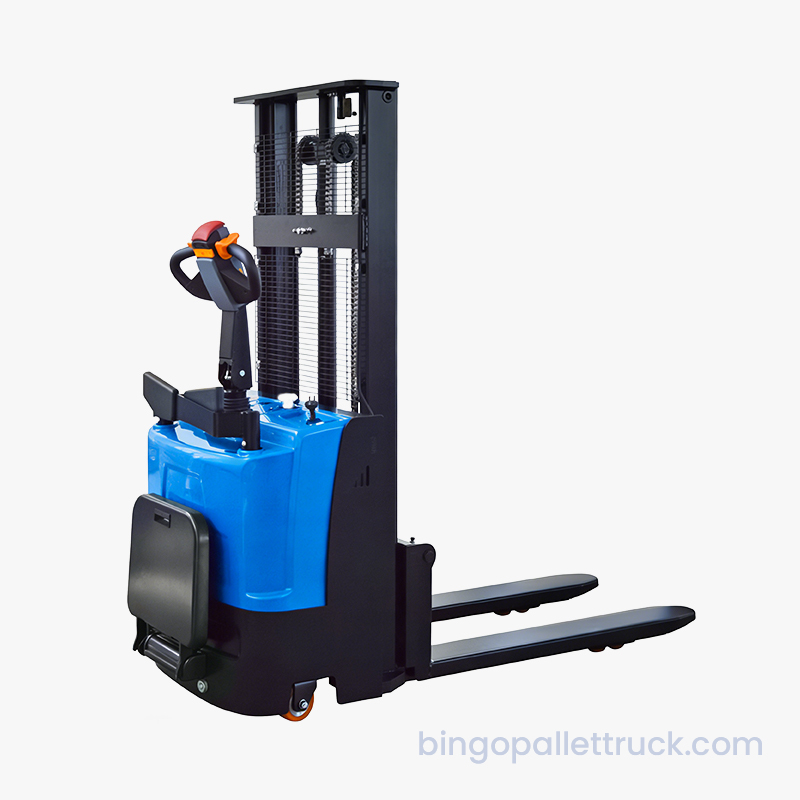
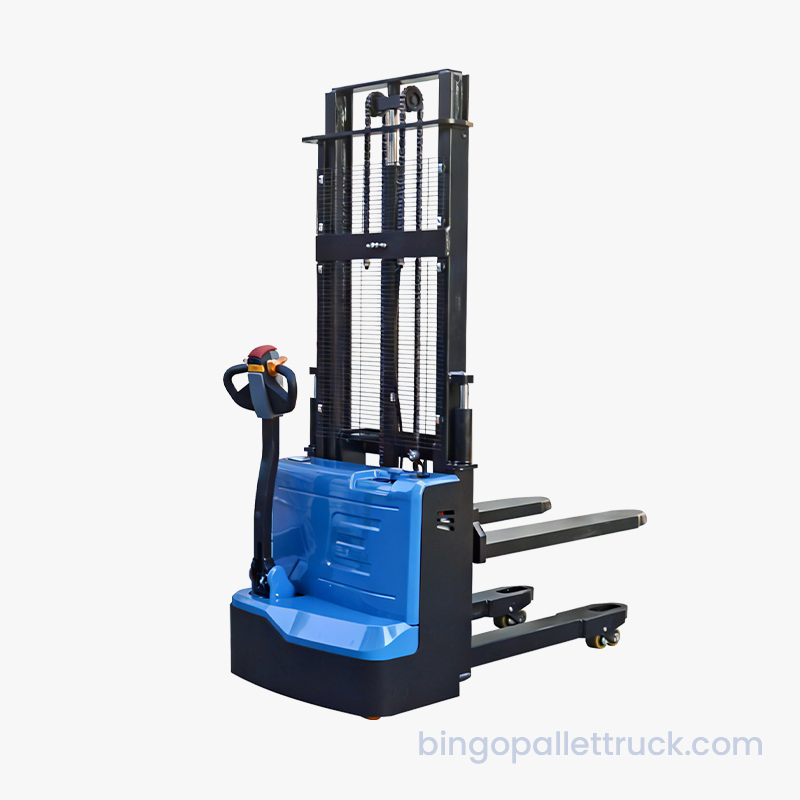
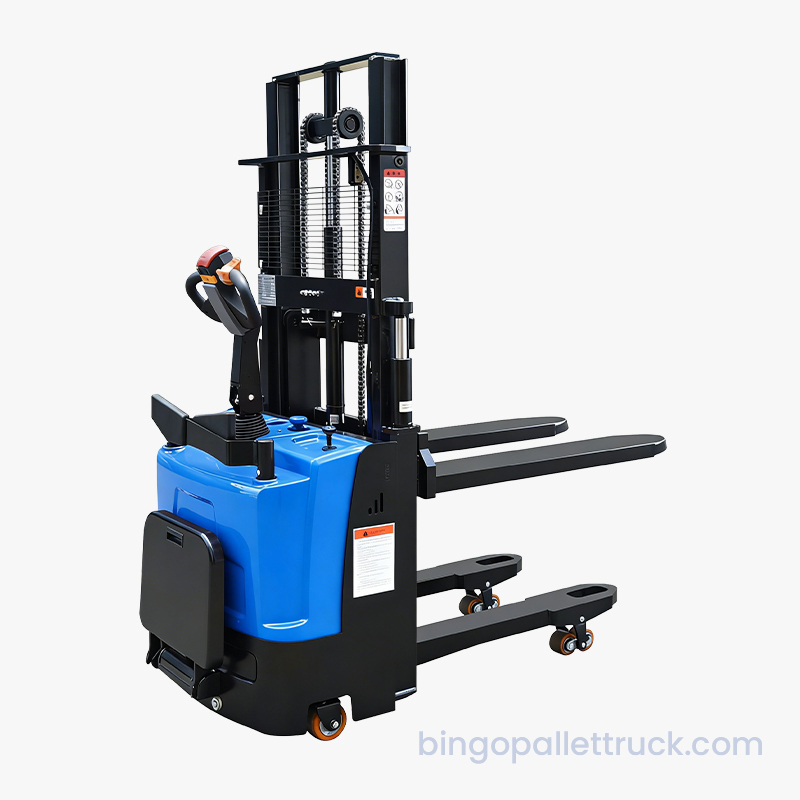
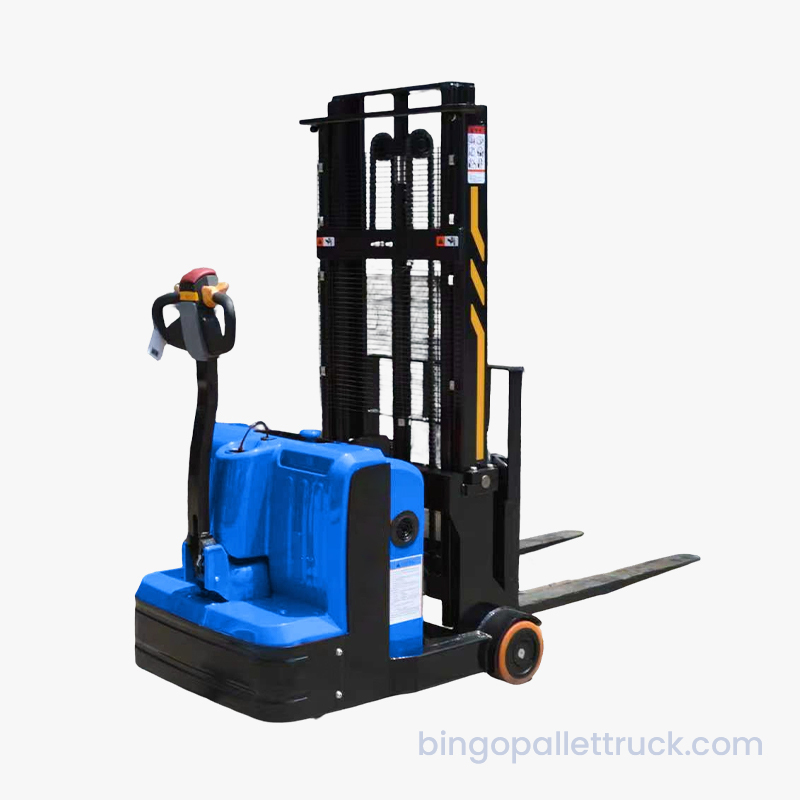
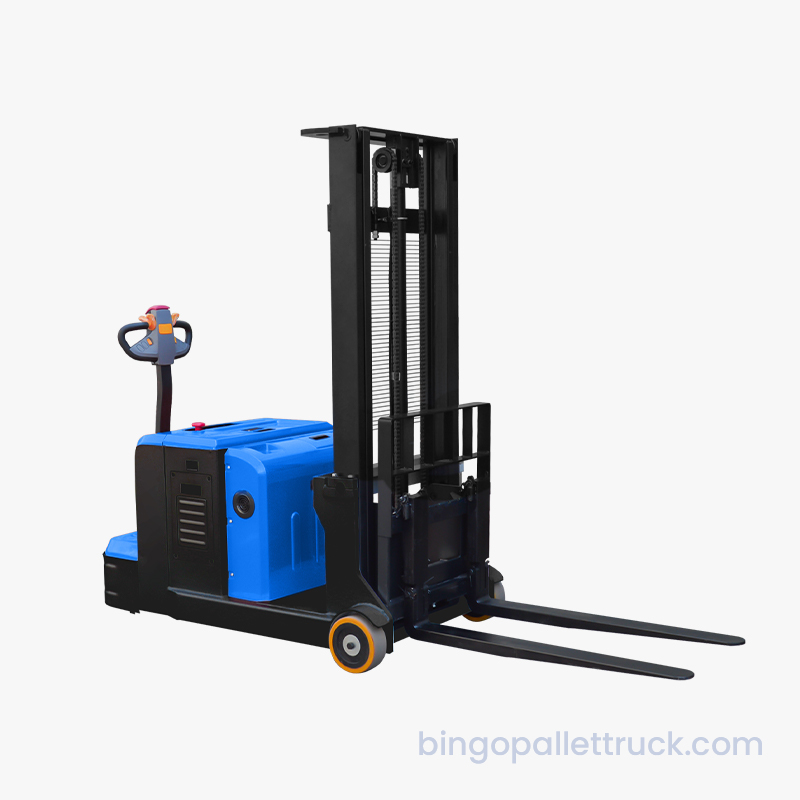
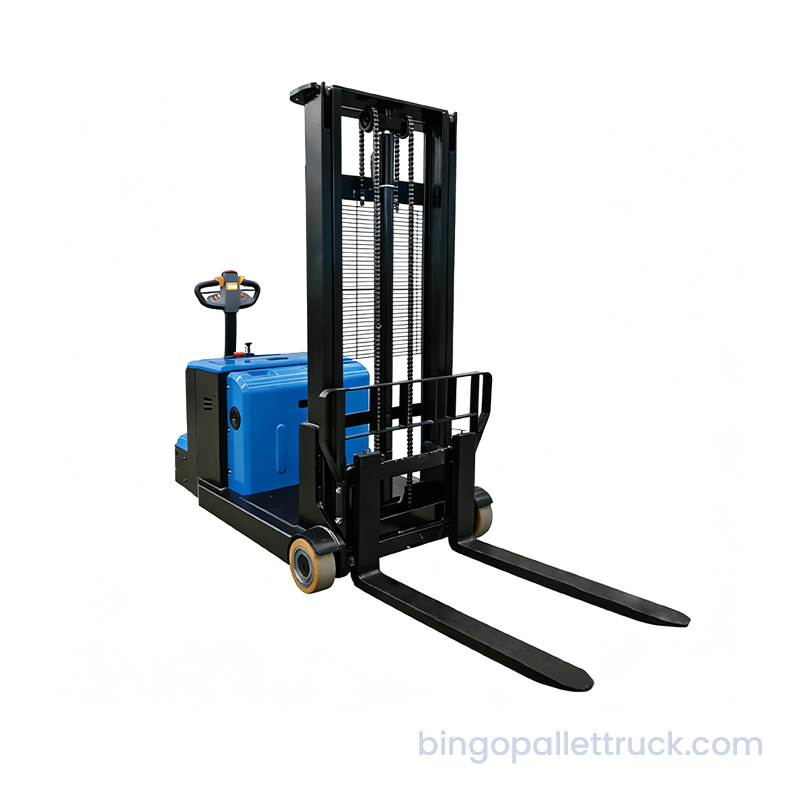
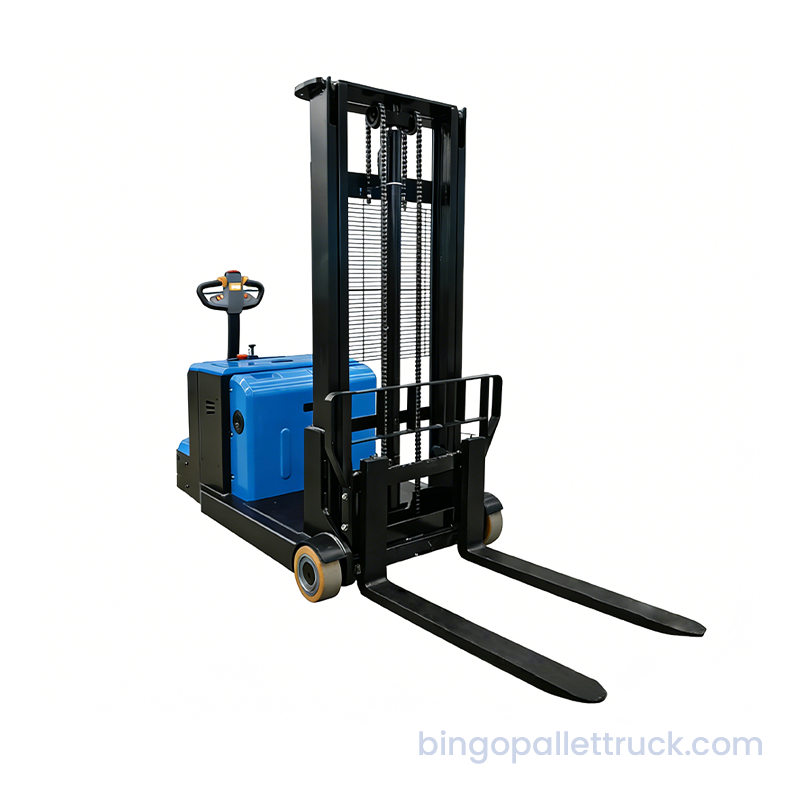
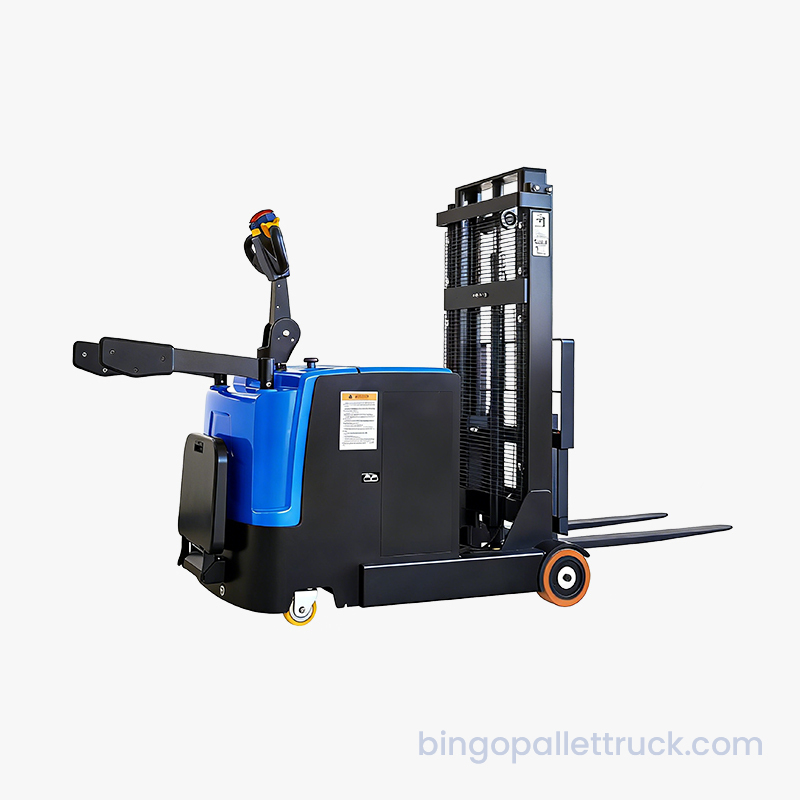
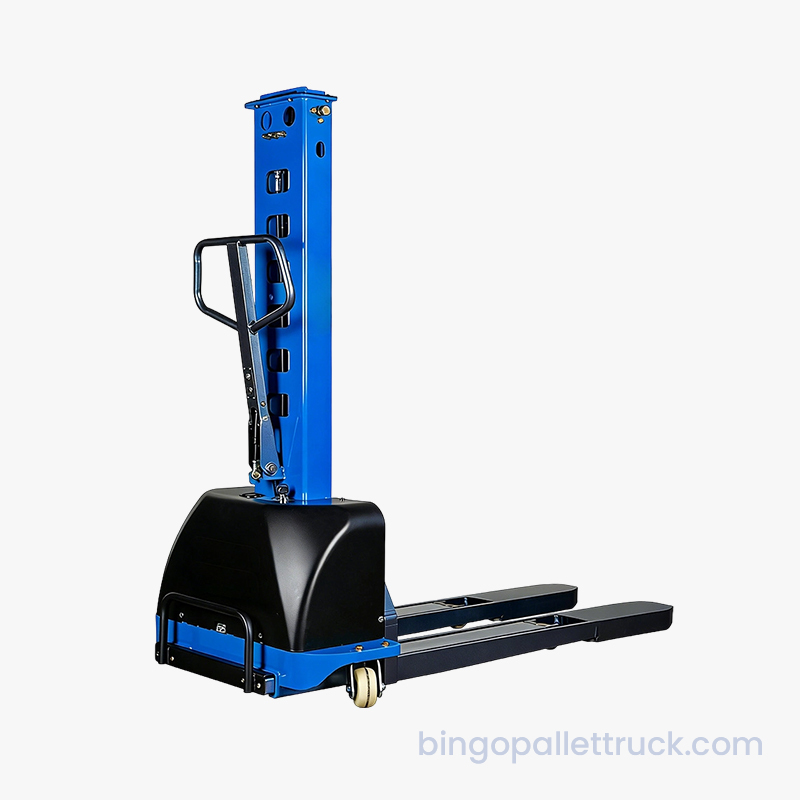
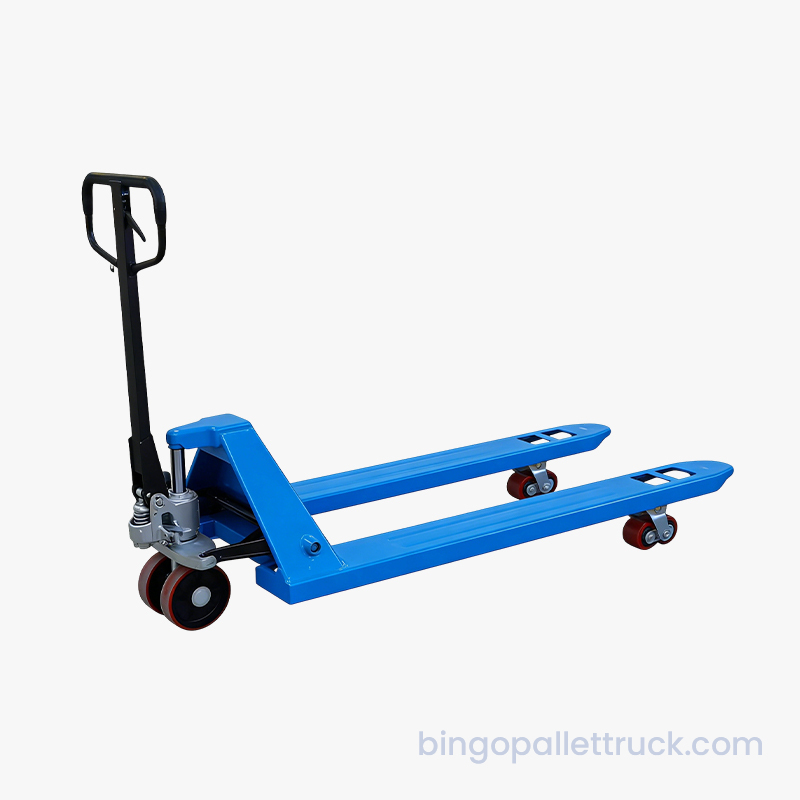
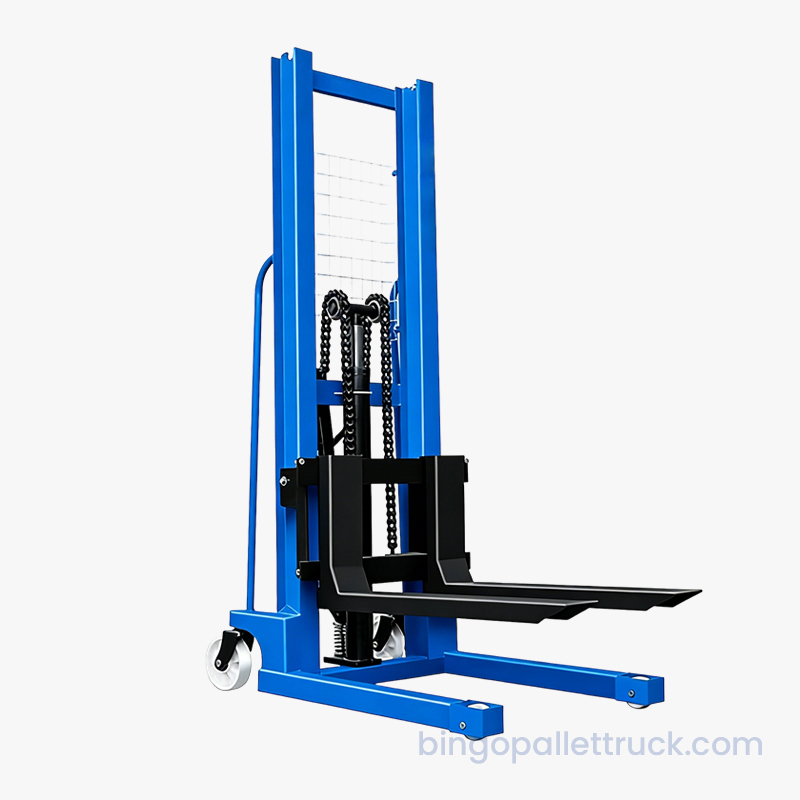
Handling equipment covers a broad range of tools and machines designed to move, lift, and position materials within warehouses, factories, distribution centers, and retail environments. From simple manual pallet trucks to electric stackers, the right handling equipment can reduce labor costs by 30–50% and cut workplace injury rates by up to 60% compared to purely manual operations. As global supply chains grow more demanding, selecting and maintaining the correct equipment has become a critical operational decision.
Core Types of Handling Equipment and Their Applications
Different logistics scenarios call for different equipment. The table below summarizes the most widely used types, their typical load capacities, and primary use cases.
| Equipment Type |
Load Capacity |
Max Lift Height |
Primary Application |
| Manual Pallet Truck |
1,500–3,000 kg |
200 mm |
Floor-level transport, loading docks, retail |
| Electric Pallet Truck |
1,500–2,500 kg |
200 mm |
High-frequency horizontal transport, e-commerce |
| Electric Stacker |
1,000–2,000 kg |
3,000–5,500 mm |
Racking systems, distribution centers |
| Reach Truck |
1,400–2,500 kg |
Up to 12,000 mm |
Narrow-aisle high-bay warehouses |
Common handling equipment types, capacities, and typical use cases
As a Custom Material Handling Equipment Manufacturer and OEM Warehouse/Logistics Equipment Factory, Bingo specializes in the production, sales, and service of warehousing and logistics equipment. Focusing on the needs of various warehousing and logistics scenarios, Bingo provides global customers with one-stop, integrated solutions for material storage and handling — covering the full range of manual and electric pallet trucks and stackers for manufacturing, e-commerce, distribution, and supermarket retail.
How to Choose the Right Handling Equipment
Choosing the wrong equipment is one of the most common — and costly — mistakes in warehouse planning. Before purchasing, evaluate these key factors:
- Load weight and lift height: Select capacity at least 20% above your maximum load. If loads must be placed above 3,000 mm, a manual stacker is no longer sufficient — an electric stacker or reach truck is required.
- Aisle width: Standard pallet trucks need aisles of approximately 2,500–3,000 mm. Narrow-aisle equipment can operate in aisles as tight as 1,800 mm, increasing storage density by 20–40%.
- Shift duration: Operations running more than 80 pallet moves per shift benefit strongly from lithium-ion-powered electric equipment, which supports opportunity charging and delivers consistent performance throughout the shift.
- Operating environment: Outdoor or cold-storage use requires specialist equipment rated for weather resistance or sub-zero temperatures. Standard indoor equipment should never be deployed outdoors without verification.
Safety and Operator Best Practices
Handling equipment is involved in nearly 10% of all workplace injuries in logistics and warehousing. Operators must follow established safety protocols to protect both personnel and equipment:
- Conduct a pre-shift inspection covering forks, hydraulics, tyres, brakes, and battery charge. A consistent pre-use checklist reduces equipment-related incidents by approximately 30%.
- Never exceed rated capacity; always distribute loads evenly across forks to prevent tipping.
- Travel with loads at the lowest safe fork height (150–300 mm) to maintain stability and sightlines.
- Maintain clearly marked pedestrian lanes and enforce speed limits in shared-use areas.
Compliance with international standards — including ISO 3691 for industrial trucks and the ANSI/ITSDF B56 series — is both a legal requirement in many jurisdictions and a condition for equipment warranty coverage. All powered equipment operators should hold current certification appropriate to their equipment class, with refresher training recommended at least every three years.
Routine Maintenance: Protecting Your Investment
Well-maintained handling equipment reliably operates for 8–12 years; neglected units may fail within 3–4 years. A structured maintenance program prevents costly unplanned downtime and keeps equipment safe to operate.
- Daily: Clean forks and frame to remove debris; check hydraulic oil level and top up with manufacturer-specified fluid if below the minimum line; inspect wheels for embedded wire or strapping; return electric units to the charger at end of shift to avoid damaging deep discharge cycles.
- Every 250–500 hours: Replace hydraulic oil and clean the hydraulic filter; inspect and lubricate mast channels and lift chains on stackers — chains should show no elongation beyond 3% of original length; measure wheel diameter and replace when worn below 80% of the original dimension.
- Annually: Schedule a full professional inspection covering overload protection systems, emergency stops, braking performance, and battery health. Keep a service log to support warranty claims and demonstrate compliance with statutory inspection requirements.
Adhering to quality as its core value, Bingo relies on a mature supply chain system and strict quality inspection processes to ensure that every product complies with international standards — giving customers confidence that their equipment will perform reliably from the first shift onward. Upholding the philosophy of "Quality First, Win-Win Cooperation", Bingo actively expands its global market presence and welcomes partnerships with operators worldwide to jointly advance the intelligent and efficient development of the logistics industry.
Frequently Asked Questions
What is the difference between a pallet truck and a stacker?
A pallet truck raises a load just enough to clear the floor and moves it horizontally. A stacker incorporates an extendable mast that lifts loads to racking height — typically 1.6 m to 5.5 m. If your operation involves only ground-level movement, a pallet truck is sufficient; vertical storage requires a stacker or forklift.
Lead-acid or lithium-ion battery — which is better?
Lead-acid batteries cost less upfront but require watering, longer recharge times (8–10 hours), and offer 1,000–1,500 charge cycles. Lithium-ion batteries cost 2–3 times more initially, but support opportunity charging, need no maintenance, and last 3,000–5,000 cycles. For operations running two or more shifts per day, lithium-ion typically delivers a lower total cost of ownership within 2–3 years.
How often should handling equipment be serviced?
Most manufacturers recommend professional servicing every 500 operating hours or every 6 months, whichever comes first. High-intensity operations — such as multi-shift e-commerce fulfillment or cold storage — should schedule inspections every 250 hours. Many jurisdictions also require annual statutory inspection by a certified engineer as a condition of legal operation.

 en
en  Español