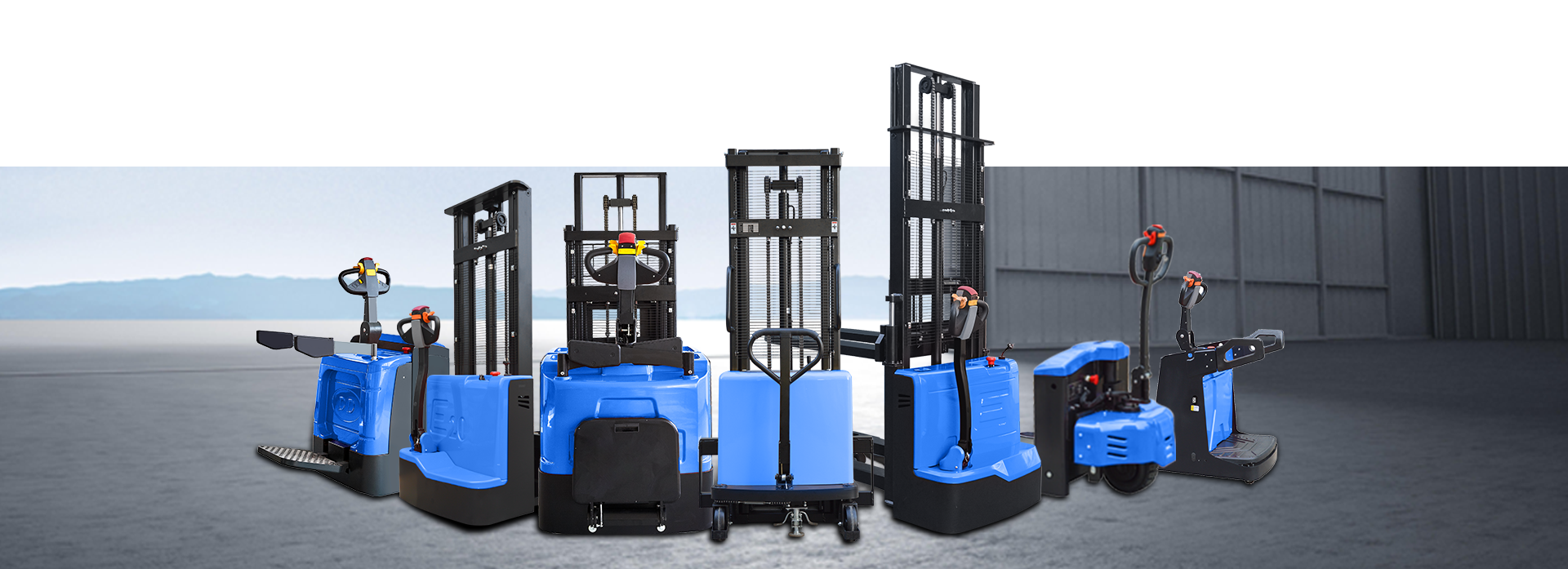
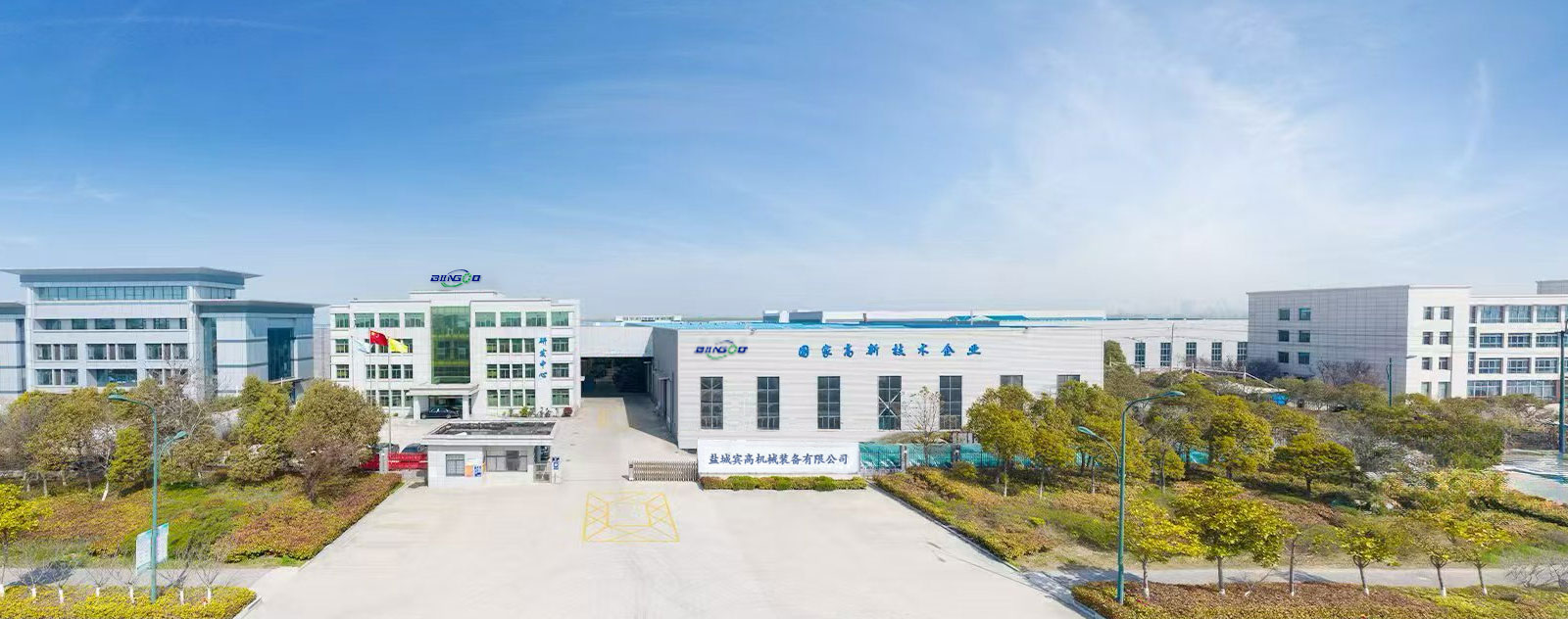
Bingo is an enterprise specializing in the production, sales, and service of warehousing and logistics equipment. Focusing on the equipment needs of various warehousing and logistics scenarios, we provide global customers with one-stop, integrated solutions for material storage and handling.
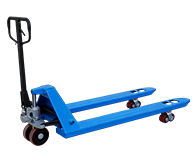
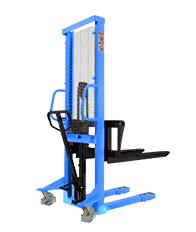
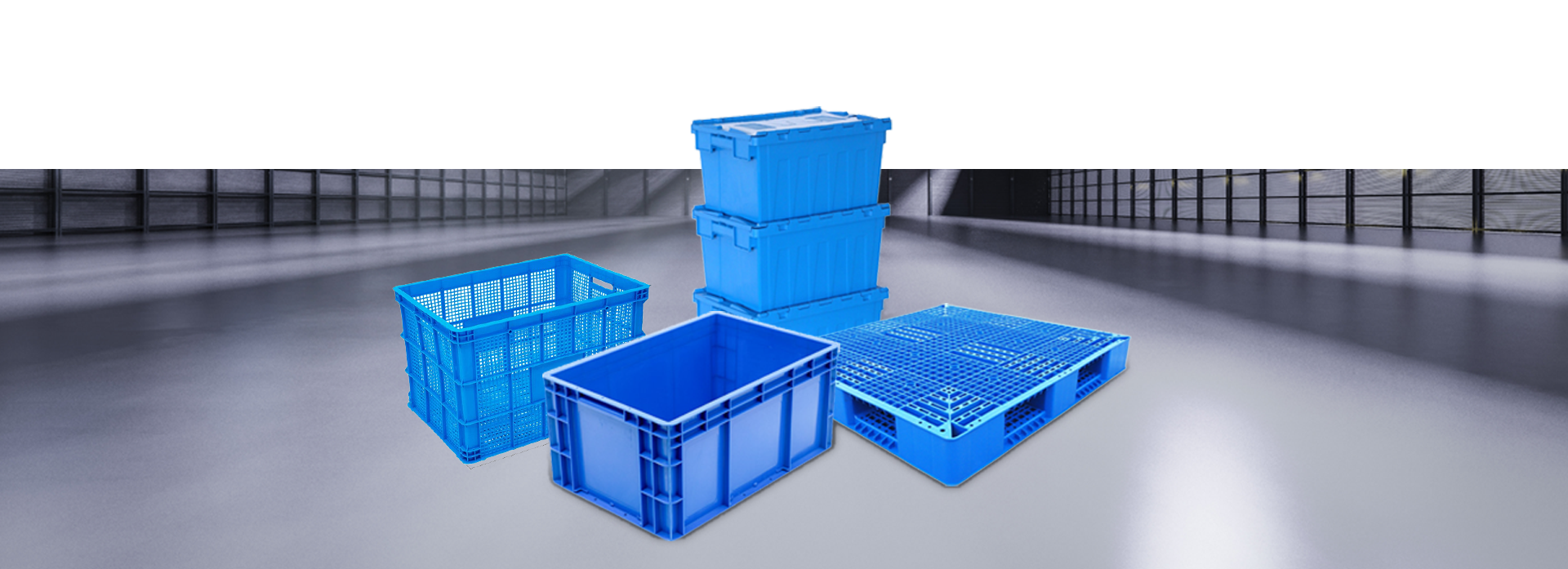
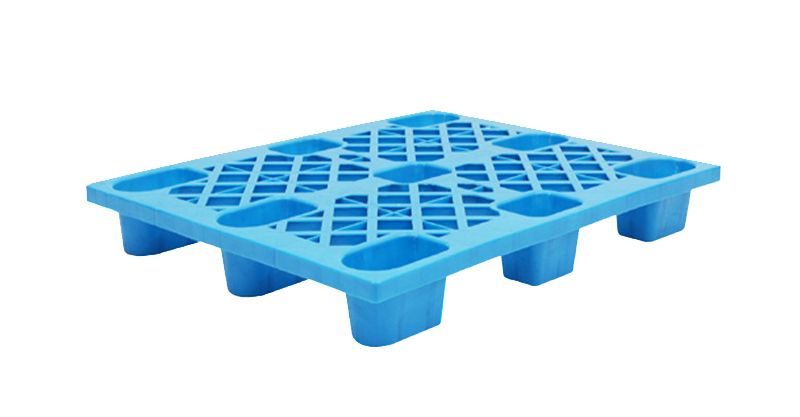
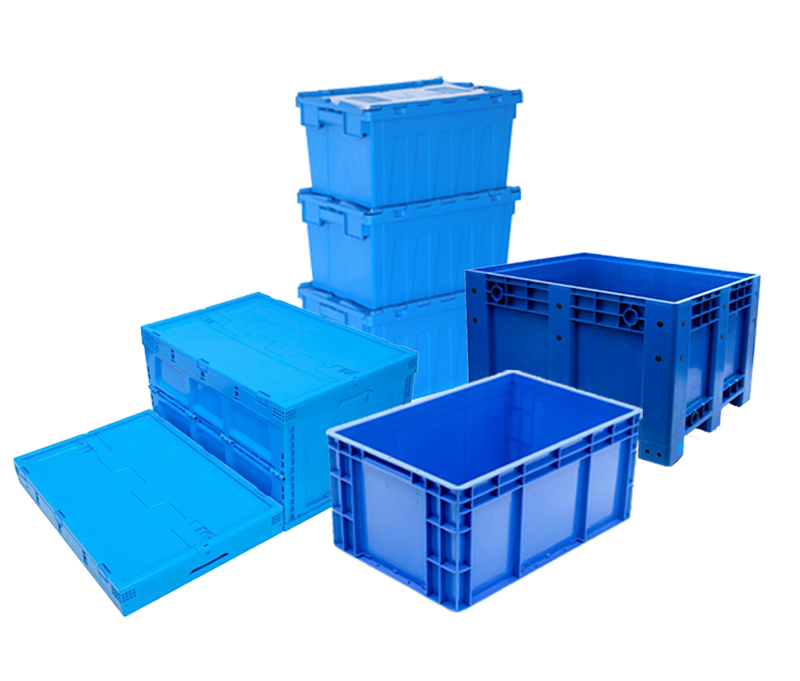
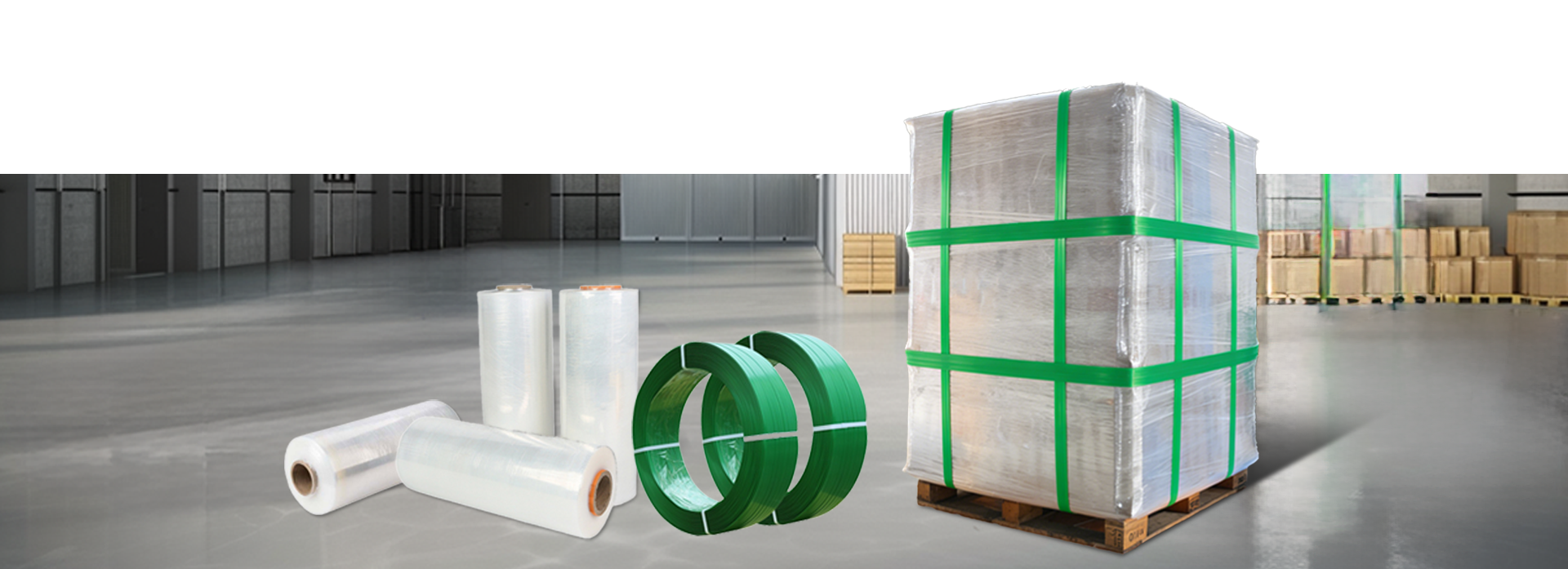
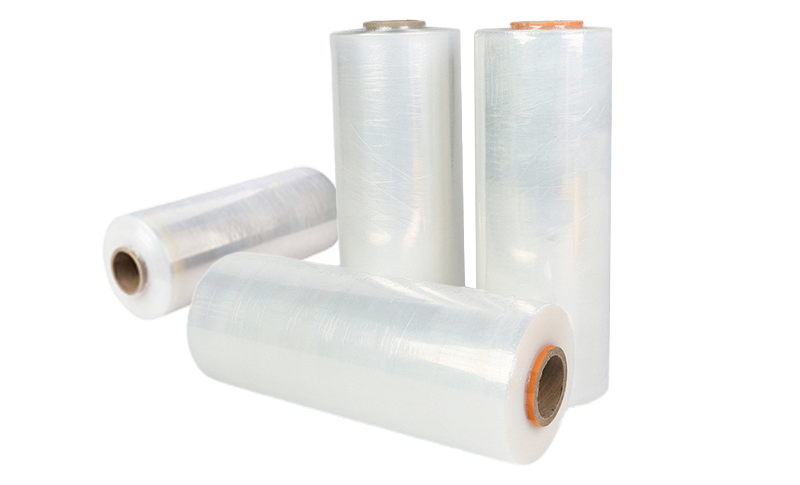
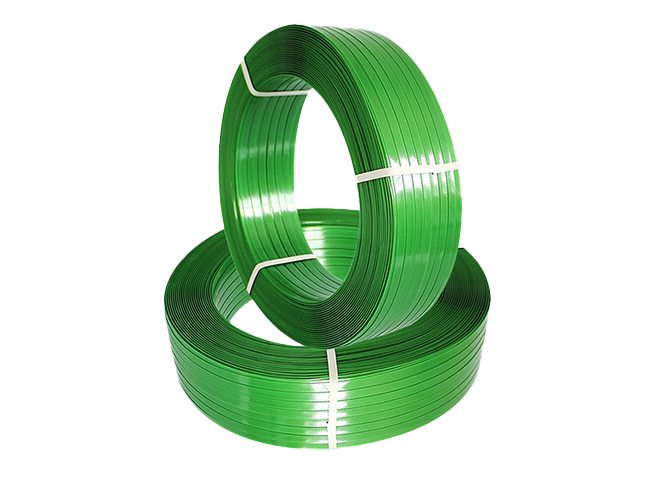
Bingo is a China Wholesale Cantilever Racking Manufacturer and OEM Cantilever Racking Company, and has built a complete warehousing and logistics equipment supply chain covering four core systems. In the field of handling equipment, we offer a full range of manual and electric pallet trucks and stackers. Our storage container line includes plastic pallets, plastic totes, crates, and bulk containers to meet diverse logistics needs. while the packaging material series provides supporting products such as stretch wrap and packing strapping. The warehousing racks series encompasses light-duty, medium-duty, and heavy-duty products of various specifications. Adhering to quality as our core value, we rely on a mature supply chain system and strict quality inspection processes to ensure that every product complies with international standards. We are committed to delivering cost-effective product solutions for industries including manufacturing, e-commerce logistics, warehousing and distribution, as well as supermarket retail.
Upholding the philosophy of "Quality First, Win-Win Cooperation", we actively expand our global market presence and are willing to join hands with partners around the world to jointly promote the intelligent and efficient development of the logistics industry.
Every warehouse supervisor knows the moment when manual pallet handling stops being workable. The heaviest pallets exceed 2500 kg, the dock staging area sits 80 meters from the storage bays, and the shift plan demands more pallet moves tha...
During a routine walkthrough at a distribution center, a warehouse manager noticed a small dent in the bottom flange of a pallet rack upright. No load was in that bay, so the dent was recorded as cosmetic. Three weeks later, a forklift gra...
Bingo Machinery, a trusted global supplier of smart warehouse handling equipment, officially launches the brand new CDDA15 1.5 ton pedestrian electric walkie stacker. This compact stacking solution is engineered for medium height pallet st...
Everything You Need to Know About Cantilever Racking
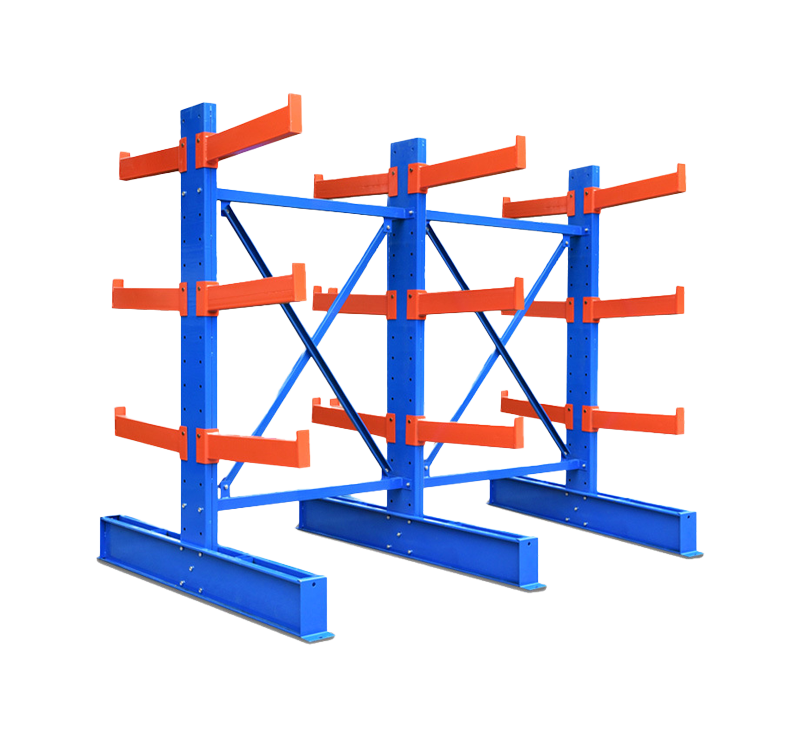
Cantilever racking is a specialized industrial storage system designed to store long, bulky, or irregularly shaped items that cannot be efficiently handled by conventional pallet racking. Unlike standard shelving, cantilever racking features horizontal arms extending outward from vertical columns, creating an open front with no vertical obstructions. This design makes it ideal for storing materials such as steel pipes, timber, aluminum profiles, furniture panels, PVC tubes, and rolled goods.
At Yancheng Bingo Machinery Equipment Co., Ltd, cantilever racking solutions are engineered with the core philosophy of "building highly reliable global warehousing and logistics equipment." From the initial R&D phase through to finished product delivery and after-sales service, every detail is guided by craftsmanship manufacturing and strict quality control, ensuring clients receive storage systems they can trust for years of heavy-duty operation.
Common Industries Using Cantilever Racking
How Cantilever Racking Works: Core Structure Explained
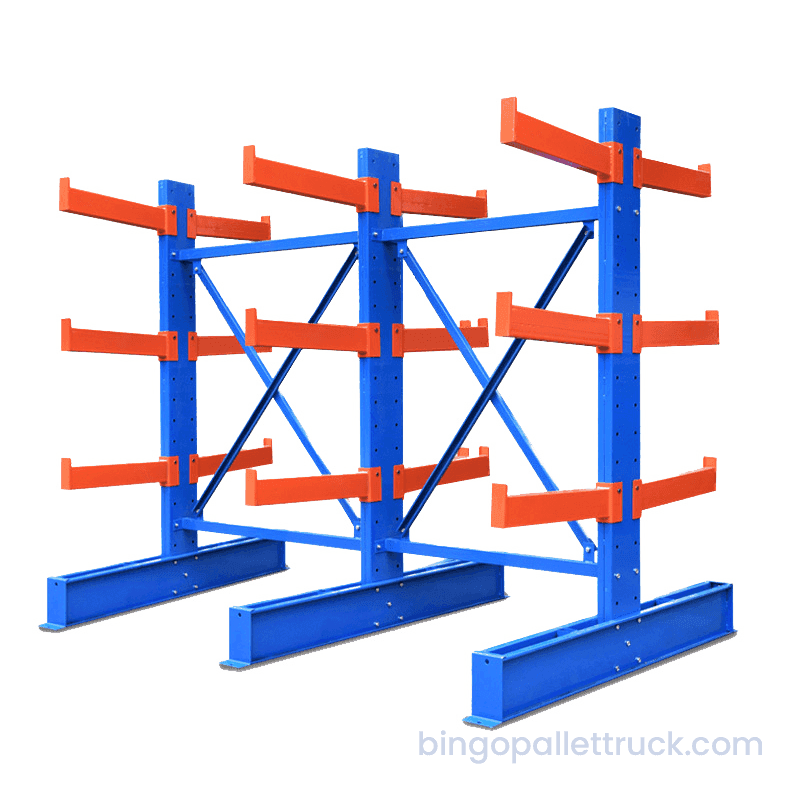
The structural logic of cantilever racking is straightforward yet highly effective. The system is composed of four primary components that work together to distribute load safely and maximize storage density:
Upright Columns: Vertical steel posts anchored to the floor, forming the backbone of the system. Available in single-sided and double-sided configurations.
Base Plates: Welded to the bottom of columns to distribute weight evenly across the floor surface, preventing tipping under load.
Horizontal Arms: Cantilever arms project outward from the columns at adjustable intervals, directly supporting the stored goods.
Bracing: Horizontal and diagonal braces link columns together, ensuring lateral stability under dynamic warehouse conditions.
The arm inclination angle is typically set at 3°–5° upward tilt to prevent goods from sliding off. Arm lengths commonly range from 400 mm to 1,500 mm, while individual arm load capacities span from 200 kg to 1,500 kg, depending on material thickness and profile design.
Single-Sided vs. Double-Sided Cantilever Racking
Feature
Single-Sided
Double-Sided
Arms Direction
One side only
Both sides
Space Efficiency
Wall-mounted, saves floor space
Higher density per column
Typical Load Capacity
Up to 5,000 kg/column
Up to 10,000 kg/column
Best For
Perimeter storage layouts
Central aisle storage layouts
Installation Cost
Lower
Higher, but better ROI per m²
Comparison of Single-Sided and Double-Sided Cantilever Racking Configurations
Key Advantages of Cantilever Racking for Modern Warehouses
Cantilever racking provides measurable operational benefits that translate directly into productivity and cost savings. Here are the most impactful advantages:
Unobstructed Storage for Long Goods
The absence of front vertical columns means items of virtually any length — from 2 m lumber to 12 m steel bars — can be stored and retrieved without maneuvering around obstacles. This reduces damage to goods by an estimated 30–40% compared to adapting standard pallet racks for long materials.
Flexible and Adjustable Configuration
Arms can be repositioned along the column at 100 mm or 150 mm pitch intervals, allowing warehouses to quickly adapt storage levels to different product dimensions without purchasing new components. This modularity is especially valuable in dynamic inventory environments.
High Load Capacity and Structural Integrity
Bingo's cantilever racking systems are fabricated from high-strength cold-rolled steel with surface treatment processes including hot-dip galvanizing or epoxy powder coating. Column heights can reach up to 6,000 mm, with total system capacities exceeding 20,000 kg per bay for heavy-duty configurations.
Optimized Forklift and Equipment Accessibility
Open aisle designs accommodate standard forklifts, telescopic handlers, and overhead cranes. Aisle widths can be tailored to specific equipment, with typical working aisles ranging from 2,500 mm to 3,500 mm, supporting efficient FIFO and LIFO inventory management.
Technical Specifications: What to Look for When Selecting Cantilever Racking
Selecting the right cantilever racking involves evaluating several interdependent technical parameters. A poorly specified system can lead to structural failure, wasted floor space, or inadequate throughput. Below is a practical framework for specification:
Parameter
Light Duty
Medium Duty
Heavy Duty
Column Height
1,500–3,000 mm
3,000–5,000 mm
5,000–6,000 mm+
Arm Load Capacity
200–500 kg/arm
500–900 kg/arm
900–1,500 kg/arm
Arm Length
400–600 mm
600–1,000 mm
1,000–1,500 mm
Steel Thickness
1.5–2.0 mm
2.0–3.0 mm
3.0–6.0 mm
Surface Treatment
Powder Coat
Powder Coat / Galvanized
Hot-dip Galvanized
Cantilever Racking Technical Parameters by Duty Rating
At Bingo, every cantilever racking product undergoes a rigorous quality inspection process anchored in a mature supply chain system, ensuring that each finished system fully complies with international standards such as EN 15512 (European), AS 4084 (Australian), and RMI standards (North American). This commitment means clients worldwide receive products that meet both local regulatory requirements and the highest global benchmarks for structural safety.
Bingo's Manufacturing Quality: From Design to Delivery
Yancheng Bingo Machinery Equipment Co., Ltd has built its reputation on a clear and unwavering principle: quality is not an end-stage checkpoint but a thread woven through every dimension of production. In cantilever racking manufacturing, this philosophy manifests through several concrete practices:
Raw Material Traceability: All steel used in Bingo's cantilever racking is sourced from certified mills and accompanied by mill test reports (MTRs). Material yield strength consistently meets or exceeds 235 MPa to 355 MPa depending on duty grade.
CNC Roll Forming: Column profiles and arm sections are formed using CNC-controlled roll-forming lines, ensuring dimensional tolerances within ±0.5 mm for precision fit during installation.
Weld Quality Inspection: Weld seams on base plates, arm brackets, and column connectors are inspected per ISO 5817 weld quality standards, with visual and dimensional checks performed on 100% of structural welds.
Surface Coating Adhesion: Powder coat layers are tested for adhesion and thickness (typically 60–80 μm), with cross-cut and impact tests conducted as per ISO 2409 and ISO 6272.
Load Testing: Random sampling of completed rack assemblies is subject to static load testing, verifying rated capacities with a safety factor of 1.5–2.0× rated load before shipment approval.
The upward trend in both on-time delivery and first-pass quality rates reflects Bingo's ongoing investment in process standardization, employee training, and supply chain optimization — all contributing to becoming a trustworthy logistics equipment partner for customers across more than 50 countries.
Cantilever Racking vs. Alternative Storage Systems: A Performance Comparison
Understanding where cantilever racking outperforms alternatives helps facility managers make confident procurement decisions. Below is a radar-style comparison across five performance dimensions:
The radar visualization confirms that cantilever racking achieves near-perfect scores in long goods suitability and load capacity, making it the unambiguous choice for storing non-palletized long materials. Standard pallet racking maintains advantages in pure space efficiency for uniform SKU pallets, but cannot match cantilever racking's flexibility when product dimensions vary significantly.
Installation Guidelines and Safety Considerations
Proper installation is critical to the long-term performance and safety of cantilever racking. Bingo provides detailed assembly documentation and, for large projects, on-site technical support. Key installation considerations include:
Floor Anchoring Requirements
All base plates must be anchored to concrete floors with appropriately sized chemical anchors or expansion bolts. Minimum concrete compressive strength of C20/25 (25 MPa) is required. Column bases should be shimmed and leveled to within ±2 mm per meter to prevent cumulative misalignment across multi-bay installations.
Arm Installation and Load Labeling
Arms must be inserted to their full engagement depth and locked using the safety pin or bolt provided. Every installation should include load capacity placards at aisle ends, clearly stating the maximum permitted load per arm level and per bay. Overloading a single arm by as little as 10% can initiate micro-cracking in weld zones that compounds under repeated dynamic loading.
Column Protectors and Impact Guards
In high-traffic areas, Bingo recommends fitting column base protectors (barrier posts or steel guards) to absorb forklift impacts before they transfer force to the racking structure. Studies show that over 60% of racking structural failures originate from repeated low-energy forklift impacts that progressively weaken column bases.
Periodic Inspection Schedule
Daily: Operator visual check for obvious damage, dislodged arms, or overloaded levels.
Monthly: Supervisor inspection for bent columns, cracked welds, and missing safety pins.
Annually: Formal inspection by a qualified racking inspector per EN 15635 or equivalent national standard, with written report and corrective action plan.
Cantilever Racking Market Growth and Industry Trends
The global cantilever racking market has experienced sustained growth driven by the expansion of construction material distribution, e-commerce fulfillment for oversized goods, and manufacturing sector investments in lean warehousing. Key data points illustrate the sector's trajectory:
The market is projected to surpass USD 1 billion by 2027, with compound annual growth rates estimated at 5.8–6.5%. Growth is particularly pronounced in Southeast Asia, the Middle East, and Africa, where infrastructure investment and manufacturing expansion are creating significant demand for industrial storage solutions — markets where Bingo has established a strong and growing export presence.
Emerging Trends Shaping Cantilever Racking Design
Integration with Automated Guided Vehicles (AGVs): New cantilever systems are being designed with standardized aisle widths and floor-level guides compatible with AGV navigation, enabling semi-automated long-goods retrieval.
Seismic-Rated Designs: In earthquake-prone regions, cantilever racking is increasingly specified with seismic calculation packages (UBC/IBC standard), requiring specific bracing patterns and anchor designs.
Hot-Dip Galvanized Outdoor Systems: Outdoor cantilever racking for lumber yards and construction sites is seeing growing demand, with hot-dip galvanizing providing corrosion protection for 25+ years of service life.
Frequently Asked Questions About Cantilever Racking
Q: What is the maximum item length that cantilever racking can store?
There is no fixed upper limit — the item length determines the number of support arms required per level rather than creating a hard ceiling. In practice, steel bar or pipe lengths of 6 m to 12 m are common, and with sufficient bays, even longer materials can be stored safely. The key calculation is ensuring the span between supporting arms does not exceed the material's deflection tolerance under load.
Q: Can cantilever racking be used outdoors?
Yes. Outdoor cantilever racking is widely used in timber yards, steel service centers, and building materials depots. For outdoor applications, hot-dip galvanized finish (minimum 85 μm zinc layer) is strongly recommended over standard powder coating to withstand exposure to rain, humidity, and UV. Bingo's outdoor cantilever racks are designed and tested for wind load compliance per local building codes.
Q: How long does it take to install a typical cantilever racking system?
A small system of 10–15 bays can typically be erected by a 2-person team in 1–2 working days. Larger projects involving 50+ bays with double-sided configuration may require 5–10 days with a crew of 4–6 installers. Bingo provides pre-assembled components and color-coded parts to minimize on-site assembly time and reduce installation errors.
Q: Is cantilever racking compatible with FIFO inventory management?
Standard cantilever racking naturally supports LIFO (last-in, first-out) operation. For FIFO requirements, roller arm accessories can be fitted to allow materials to gravity-feed from the loading end to the picking end, achieving true first-in-first-out rotation — particularly important for time-sensitive materials like construction timber or perishable industrial goods.
Q: What is the typical warranty period for Bingo cantilever racking?
Yancheng Bingo Machinery Equipment Co., Ltd backs its cantilever racking products with a minimum 5-year structural warranty covering material defects and weld failures under normal operating conditions. This warranty is supported by Bingo's after-sales service network, ensuring replacement parts and technical support are accessible for the life of the installation.
Total Cost of Ownership: Why Quality Cantilever Racking Pays for Itself
Procurement decisions for industrial racking are often driven by initial unit price, but total cost of ownership (TCO) over a 10-year horizon reveals a very different picture. Low-quality racking with inadequate steel thickness or poor surface treatment can require replacement or major repair within 3–5 years, while well-engineered systems from manufacturers like Bingo routinely deliver 15–20 years of service life with only routine maintenance.
Over a 10-year period, premium cantilever racking from a quality-first manufacturer delivers total savings of 30–45% versus entry-level alternatives when maintenance, repair, and operational downtime costs are factored in. Bingo's approach — integrating quality control into every production dimension from R&D through after-sales — directly translates into lower lifecycle costs and higher return on infrastructure investment for warehouse operators worldwide.

 en
en  Español