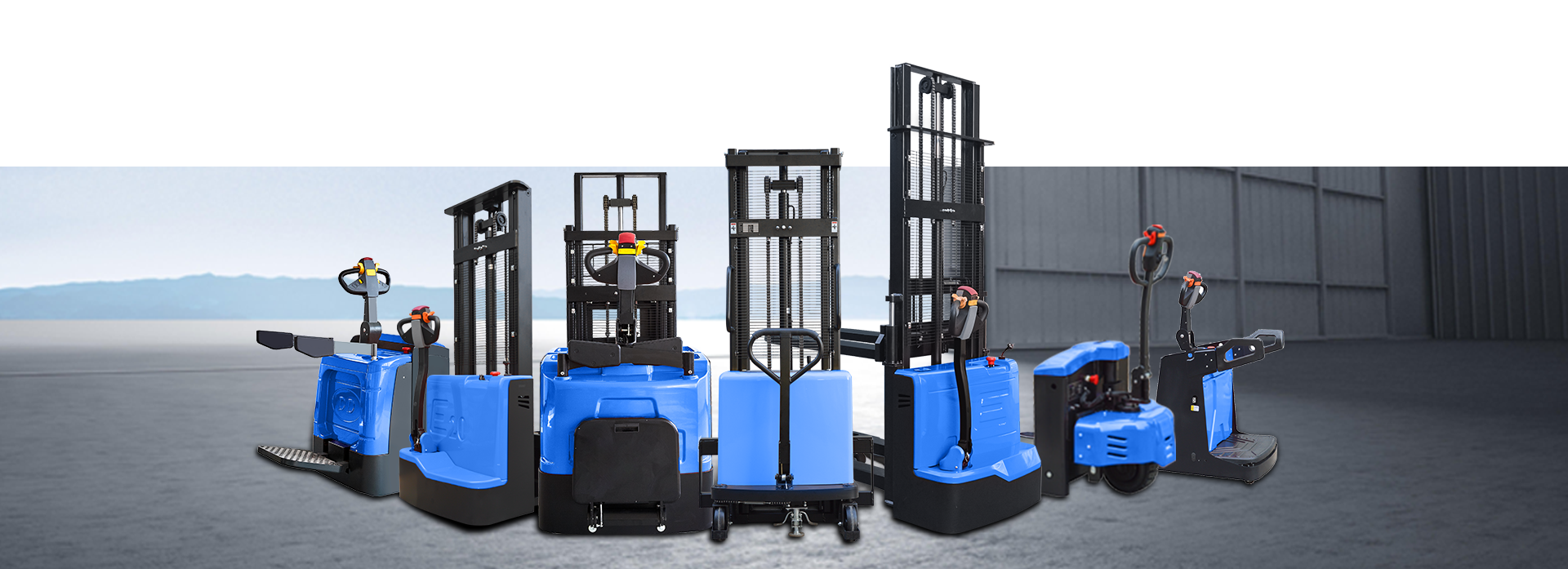
Bingo is an enterprise specializing in the production, sales, and service of warehousing and logistics equipment. Focusing on the equipment needs of various warehousing and logistics scenarios, we provide global customers with one-stop, integrated solutions for material storage and handling.
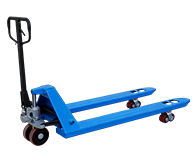
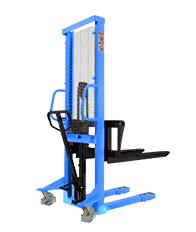
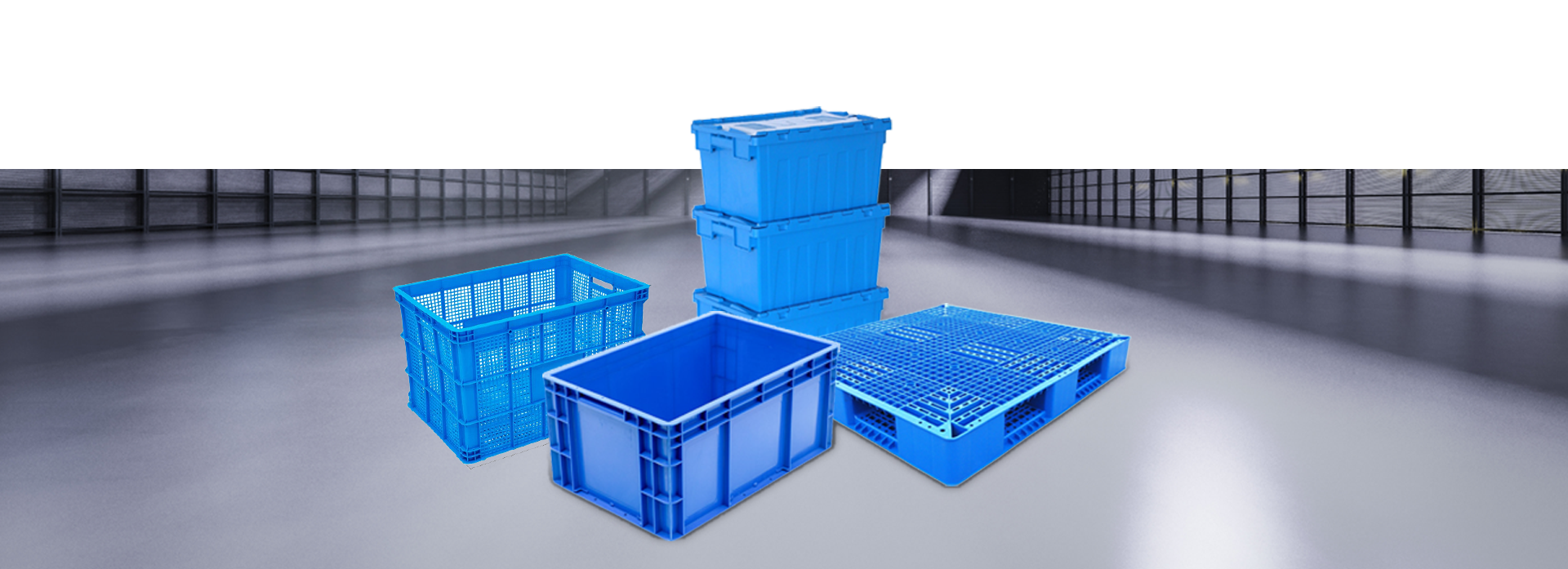
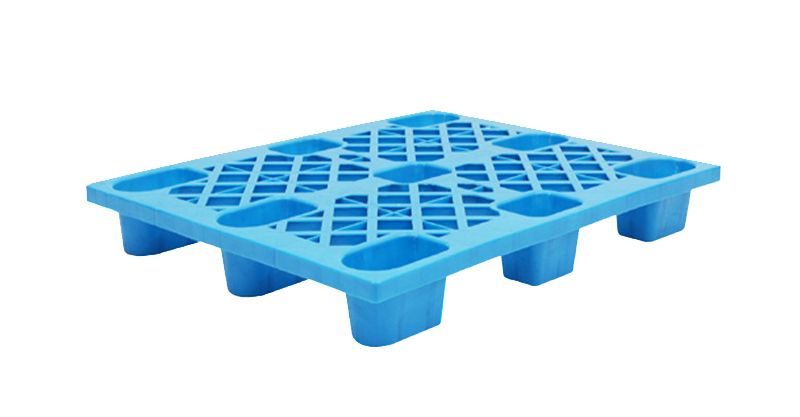
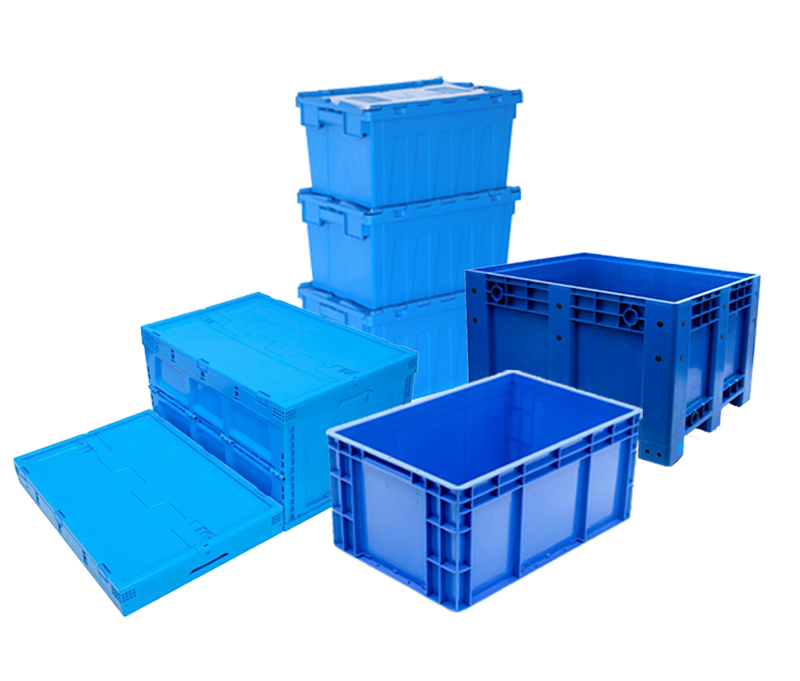
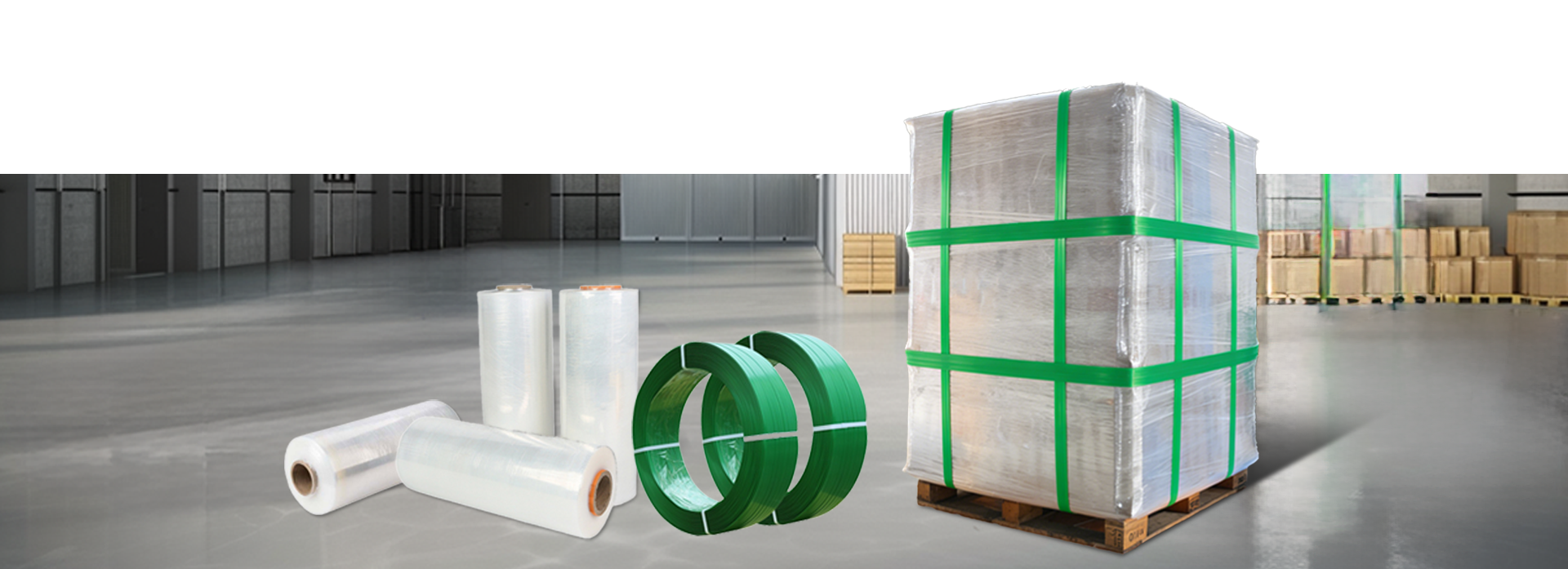
Bingo is a China Wholesale Mezzanine Racking Manufacturer and OEM Mezzanine Racking Company, and has built a complete warehousing and logistics equipment supply chain covering four core systems. In the field of handling equipment, we offer a full range of manual and electric pallet trucks and stackers. Our storage container line includes plastic pallets, plastic totes, crates, and bulk containers to meet diverse logistics needs. while the packaging material series provides supporting products such as stretch wrap and packing strapping. The warehousing racks series encompasses light-duty, medium-duty, and heavy-duty products of various specifications. Adhering to quality as our core value, we rely on a mature supply chain system and strict quality inspection processes to ensure that every product complies with international standards. We are committed to delivering cost-effective product solutions for industries including manufacturing, e-commerce logistics, warehousing and distribution, as well as supermarket retail.
Upholding the philosophy of "Quality First, Win-Win Cooperation", we actively expand our global market presence and are willing to join hands with partners around the world to jointly promote the intelligent and efficient development of the logistics industry.
Every warehouse supervisor knows the moment when manual pallet handling stops being workable. The heaviest pallets exceed 2500 kg, the dock staging area sits 80 meters from the storage bays, and the shift plan demands more pallet moves tha...
During a routine walkthrough at a distribution center, a warehouse manager noticed a small dent in the bottom flange of a pallet rack upright. No load was in that bay, so the dent was recorded as cosmetic. Three weeks later, a forklift gra...
Bingo Machinery, a trusted global supplier of smart warehouse handling equipment, officially launches the brand new CDDA15 1.5 ton pedestrian electric walkie stacker. This compact stacking solution is engineered for medium height pallet st...
Everything You Need to Know About Mezzanine Racking
Mezzanine racking is a structural storage system that creates an elevated platform — essentially a second or third floor — within an existing warehouse or industrial facility, without the cost and disruption of constructing a new building. By exploiting underutilized vertical space, it can effectively double or even triple usable floor area, making it one of the most cost-efficient capacity expansion solutions available today.
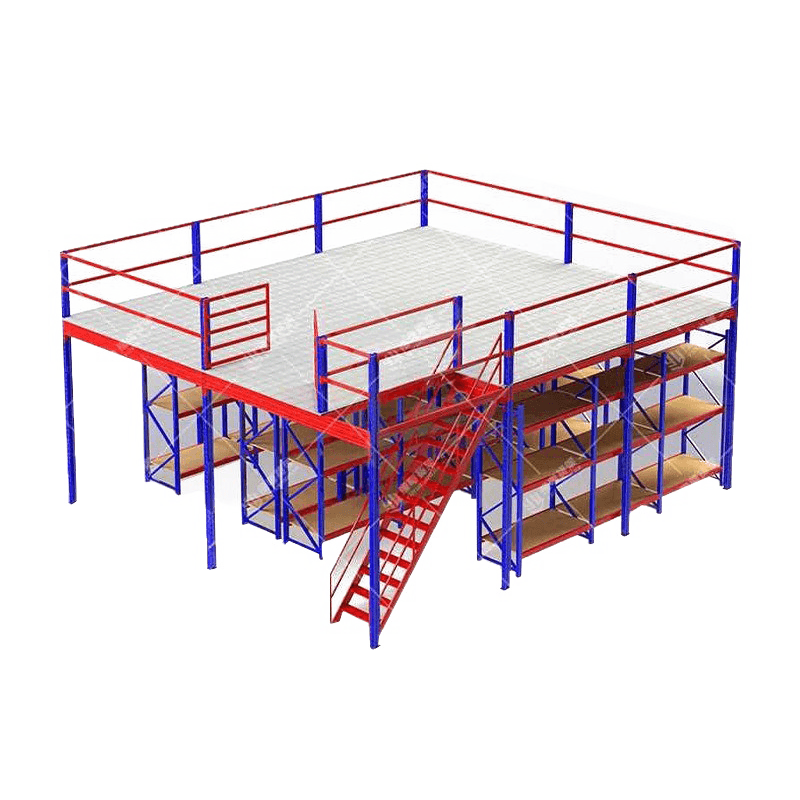
Unlike conventional shelving, a mezzanine racking system integrates load-bearing columns, beam frameworks, decking panels, staircases, safety railings, and pallet gates into a unified structure engineered to accommodate both static storage and live picking operations. Typical clear heights for mezzanine installations range from 4 m to 12 m, while floor load ratings commonly fall between 300 kg/m² and 800 kg/m², depending on application requirements.
For distribution centers, e-commerce fulfillment hubs, and manufacturing plants where real estate costs are escalating, mezzanine racking delivers a compelling return. Industry data suggests that a well-designed mezzanine installation typically recovers its capital cost within 18 to 36 months through savings on rent, lease expansion, or new-build avoidance. Upholding the philosophy of "Quality First, Win-Win Cooperation," Yancheng Bingo Machinery Equipment Co., Ltd. actively supports global logistics operators in deploying mezzanine racking solutions that balance structural integrity, operational flow, and long-term scalability.
Core Components and Structural Engineering of Mezzanine Racking
Understanding the anatomy of a mezzanine racking system helps buyers make informed specification decisions. A complete system consists of several interdependent components:
Structural columns: Cold-rolled or hot-rolled steel uprights, typically 80×80 mm to 120×120 mm cross-section, anchored to the concrete floor with chemically bonded fixings rated to withstand seismic and dynamic loads.
Primary and secondary beams: Horizontal steel beams spanning between columns, sized by span and imposed load. Primary beams carry concentrated loads from secondary beams or sub-frames.
Decking panels: Options include bar grating (for ventilation and fire suppression reach-through), steel sheet decking, chipboard/OSB panels, or anti-slip plate. Panel thickness is selected based on point-load requirements and deflection limits.
Staircases and access gates: Compliant staircase angles (typically 42°–45°) with handrails on both sides, plus pallet drop zones or powered pallet lifters for goods transfer.
Safety barriers and edge protection: Perimeter guardrails engineered to EN 1991-1-1 or equivalent standards, with kick plates to prevent items rolling off the deck edge.
Under-mezzanine shelving or racking: The ground-floor space beneath the platform can simultaneously house pallet racking, long-span shelving, or workbenches, multiplying storage density further.
Load Classification and Design Standards
Table 1 — Typical mezzanine load categories and common applications
Load Category
Uniform Distributed Load
Typical Application
Recommended Decking
Light
300–400 kg/m²
Offices, light picking areas
18 mm chipboard
Medium
400–600 kg/m²
Carton storage, shelving
Steel sheet + chipboard
Heavy
600–800 kg/m²
Pallet storage, machinery
Bar grating or steel plate
Very Heavy
>800 kg/m²
Industrial manufacturing
Heavy steel plate
Mezzanine racking designs must comply with regional structural standards such as EN 15512 (Europe), AS 4084 (Australia), or applicable local building codes. All structural calculations — including column base reactions, beam deflection limits (typically L/200 for storage platforms), and connection design — should be sealed by a qualified structural engineer.
Key Advantages of Mezzanine Racking Over Conventional Storage Expansion
Beyond raw cost savings, mezzanine racking offers operational and strategic benefits that alternative expansion methods cannot match. Here is a closer look at the most impactful advantages:
Vertical Space Utilization
Modern distribution facilities commonly feature clear heights of 8–12 m, yet single-level shelving typically exploits only the lower 3–4 m. Mezzanine racking closes this gap. A facility of 2,000 m² footprint with an 8 m clear height can gain an additional 1,600–1,800 m² of usable platform space — effectively tripling capacity without moving.
Modular and Relocatable Design
Unlike poured-concrete mezzanines, steel mezzanine racking systems are bolt-assembled. Components can be disassembled, transported, and reassembled at a new location — a significant advantage for businesses with leased premises or evolving layouts. Reconfiguration typically takes 30–50% less time than original installation.
Minimal Disruption During Installation
A standard 500 m² mezzanine project can be installed in 5–10 working days by an experienced crew, with operations continuing in adjacent aisles. This contrasts sharply with building extensions, which typically require planning permissions, foundation work, and a construction timeline of 3–6 months.
Multi-Tier Configuration for Maximum Density
Where building height permits, two or even three mezzanine levels can be stacked. Each additional tier typically costs 20–30% less per m² than the first, since existing columns and foundations already bear a portion of the load. At Yancheng Bingo Machinery Equipment Co., Ltd., our engineering team conducts site assessments to determine optimal tier configurations, ensuring structural safety while maximizing the investment return for every client.
Mezzanine Racking Applications Across Industries
Mezzanine racking is not a one-size-fits-all product — its value proposition varies considerably by sector. Below are the primary industries where it delivers measurable impact:
E-commerce fulfillment: High SKU counts demand multi-level pick zones. Mezzanine racking separates slow-movers on upper levels from fast-movers at ground level, reducing pick travel time by up to 35%.
Automotive parts distribution: Long, awkward components benefit from long-span shelving integrated beneath the mezzanine, while smaller boxed parts are stored on the platform above.
Pharmaceutical and cold-chain: Temperature-controlled environments benefit from the compact vertical footprint of mezzanine systems, which minimize the volume of conditioned air required relative to storage capacity.
Retail distribution centers: Seasonal stock can be stored on upper tiers and brought down during peak periods, keeping primary pick aisles clear year-round.
Light manufacturing and assembly: Sub-assemblies or work-in-progress inventory stored on the mezzanine are fed vertically to assembly lines below, improving production flow.
Planning and Design Considerations Before Installation
A successful mezzanine racking project requires careful upfront analysis. Rushing the planning phase leads to costly modifications later. The following factors must be addressed systematically:
Structural Site Assessment
The existing concrete slab must be assessed for thickness, compressive strength, and reinforcement before column baseplate positions are finalized. Most standard warehouse floors (150 mm slab, 25 MPa concrete) can support column reactions of 80–120 kN without remediation. Weaker slabs may require core drilling, resin anchor upgrades, or load-spreading plates.
Fire Suppression and Building Services Integration
Installing a mezzanine floor creates a concealed space that requires sprinkler heads both above and below the deck to maintain fire suppression coverage. HVAC, lighting conduits, and electrical distribution boards must be planned in coordination with the structural frame to avoid clashes — a step often underestimated in project budgeting.
Access and Goods Transfer Strategy
Personnel access via compliant staircases is mandatory. For goods transfer, the options include:
Pallet gates (manual or powered) — economical, suitable for low-to-medium throughput
Conveyor integration — for carton-based picking operations, belt or roller conveyors can link mezzanine levels to packing stations below
Forklift ramps — in very high-capacity facilities, purpose-built vehicular ramps allow reach trucks to drive onto the platform directly
Permit and Compliance Requirements
In most jurisdictions, a mezzanine floor constitutes a structural addition requiring a building permit, engineer-sealed drawings, and a final inspection certificate. Processing time varies from 2 weeks to 3 months depending on local authority workload. Engaging a supplier with documented compliance experience significantly reduces approval risk.
Mezzanine Racking Adoption Trends and Market Growth
The mezzanine racking market has grown consistently as e-commerce volumes, urban land constraints, and supply chain complexity have increased. The following trend data illustrates the expansion trajectory:
Between 2019 and 2023, the global mezzanine racking market grew at a compound annual growth rate (CAGR) of approximately 12%, reaching an estimated USD 4.4 billion. Projections through 2028 suggest continued expansion at 10–12% CAGR, driven by Asia-Pacific logistics buildout, European sustainability mandates favoring space densification over new construction, and North American e-commerce infrastructure investment.
Reflecting this global momentum, our mezzanine racking product line at Yancheng Bingo Machinery Equipment Co., Ltd. has been refined through thousands of completed installations across Southeast Asia, the Middle East, and Europe — with a growing partner network spanning over 40 countries.
Quality Standards and Supply Chain Reliability in Mezzanine Racking
For a structural product like mezzanine racking, quality is not a marketing attribute — it is a safety imperative. Compromised steel dimensions, substandard welds, or incorrect surface treatment can lead to catastrophic failures under dynamic warehouse loads. Yancheng Bingo Machinery Equipment Co., Ltd. relies on a mature supply chain system and strict quality inspection processes to ensure that every product complies with international standards — an assurance backed by documented traceability from raw material sourcing to finished-product dispatch.
Material Standards
Structural steel grades: Q235B and Q345B (GB/T 700, GB/T 1591) — equivalent to S235 and S355 under EN 10025
Surface treatment: electrostatic powder coating at 60–80 μm thickness, with salt-spray resistance of ≥500 hours per ISO 9227
Decking panels: chipboard to EN 312 P5 (load-bearing, moisture-resistant) or hot-dip galvanized steel grating to ASTM A123
Fasteners: Grade 8.8 bolts throughout structural connections, with locking washers at all dynamic load points
Inspection Process at Each Production Stage
Every shipment is accompanied by mill certificates for structural steel, powder coating test reports, and dimensional inspection records — documentation that facilitates smooth customs clearance and on-site acceptance testing in the destination country.
Integrating Mezzanine Racking with Other Warehouse Storage Systems
Mezzanine racking rarely operates in isolation. Its full potential is realized when combined with complementary storage systems in a coherent warehouse layout design. The following configurations represent best-practice integrations:
Table 2 — Mezzanine racking integration with complementary storage systems
Ground-Level System
Mezzanine Platform Use
Typical Sector
Density Improvement
Selective pallet racking
Carton / small parts shelving
3PL / Distribution
+80–120%
Long-span shelving
Slow-mover overstock
Retail / Auto parts
+60–90%
Workbenches / assembly lines
Component buffer storage
Manufacturing
+50–70%
Drive-in racking
Pick-to-order shelving
Cold chain / FMCG
+70–100%
When designing hybrid systems, aisle widths beneath the mezzanine must accommodate the turning radius of materials handling equipment — typically 2.5–3.5 m for counterbalance forklifts and 2.3–2.7 m for reach trucks. Minimum clear height under the mezzanine deck is generally set at 2.7–3.0 m for pedestrian zones and 4.0–4.5 m for powered vehicle aisles.
Frequently Asked Questions About Mezzanine Racking
How long does a mezzanine racking installation typically take?
For a project in the 300–600 m² range with standard staircase and guardrail configuration, installation typically takes 5–10 working days. Larger projects exceeding 1,000 m² or multi-tier systems may require 3–5 weeks. Lead time from order to site delivery varies by geography, but most standard configurations ship within 3–6 weeks of drawing approval.
Can mezzanine racking be installed in a leased warehouse?
Yes — this is one of the primary advantages of steel mezzanine racking over concrete mezzanines. The system is bolted, not embedded, allowing it to be disassembled and relocated at lease end. Most landlords accept bolt-fixed mezzanines subject to reinstatement clauses. Always review the lease agreement and obtain landlord consent before proceeding with permitting.
What minimum clear height is required for a mezzanine floor?
A practical rule: the building must have a clear height sufficient to provide at least 2.2 m headroom on both levels — above the mezzanine deck and in the ground-floor space beneath. Accounting for structural beam depth (typically 250–450 mm) and deck thickness (50–80 mm), a minimum building clear height of approximately 5.0–5.5 m is generally required for a single-level mezzanine installation.
How is the cost of a mezzanine racking project estimated?
The primary cost drivers are platform area, imposed load rating, number of tiers, decking type, access equipment (staircase count, pallet lifter vs. gate), and surface finish specification. As a rough planning figure, turnkey mezzanine costs typically range from USD 120 to USD 300 per m² of platform area, excluding civil works and permitting fees.
Are mezzanine racking systems compatible with automated storage solutions?
Increasingly, yes. Modern mezzanine racking platforms can host automated goods-to-person systems, mini-load AS/RS shuttles, and conveyor sorters. The key requirement is ensuring that the structural frame is designed from the outset to accommodate the point loads and vibration characteristics of automated equipment — typically requiring a peer-reviewed structural upgrade compared to manual-picking configurations.
What certifications or compliance documents should I request from a mezzanine racking supplier?
Buyers should request: engineer-sealed structural calculations, material mill certificates, weld inspection records (where applicable), powder coating test reports, and a certificate of compliance referencing the applicable standard (e.g., EN 15512, AS 4084). Suppliers who cannot provide these documents on request should be treated with caution regardless of pricing advantage.

 en
en  Español