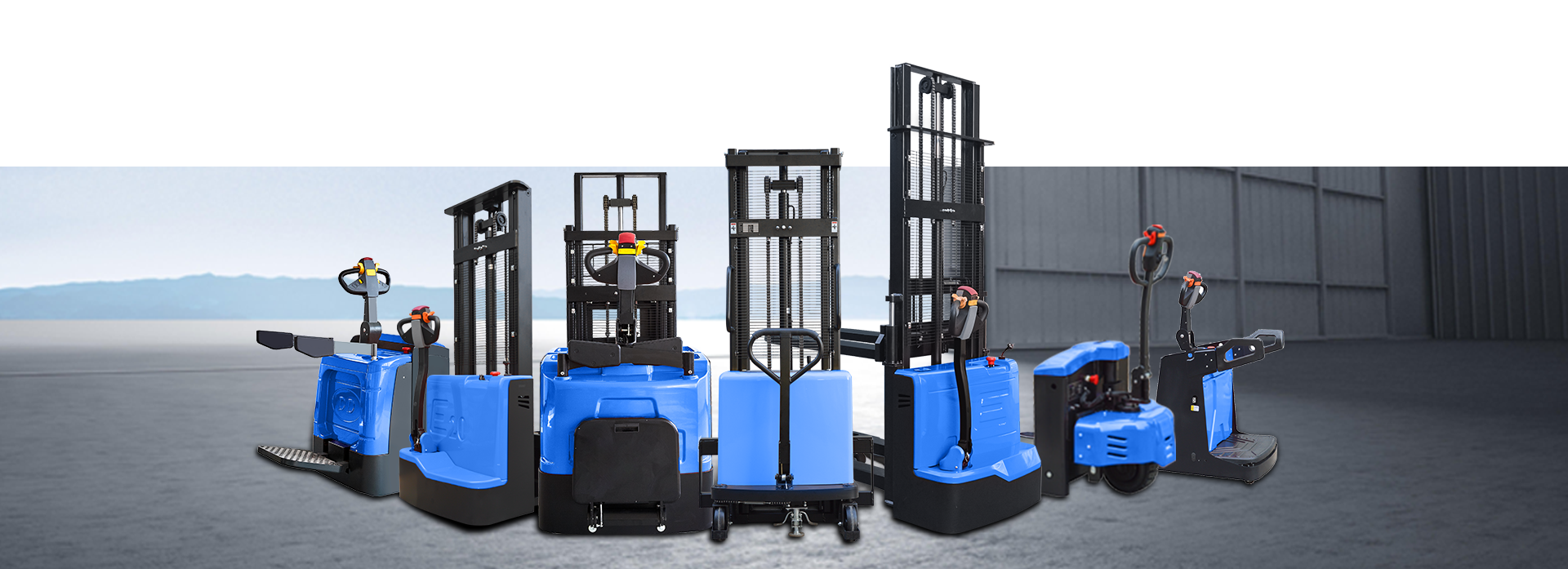
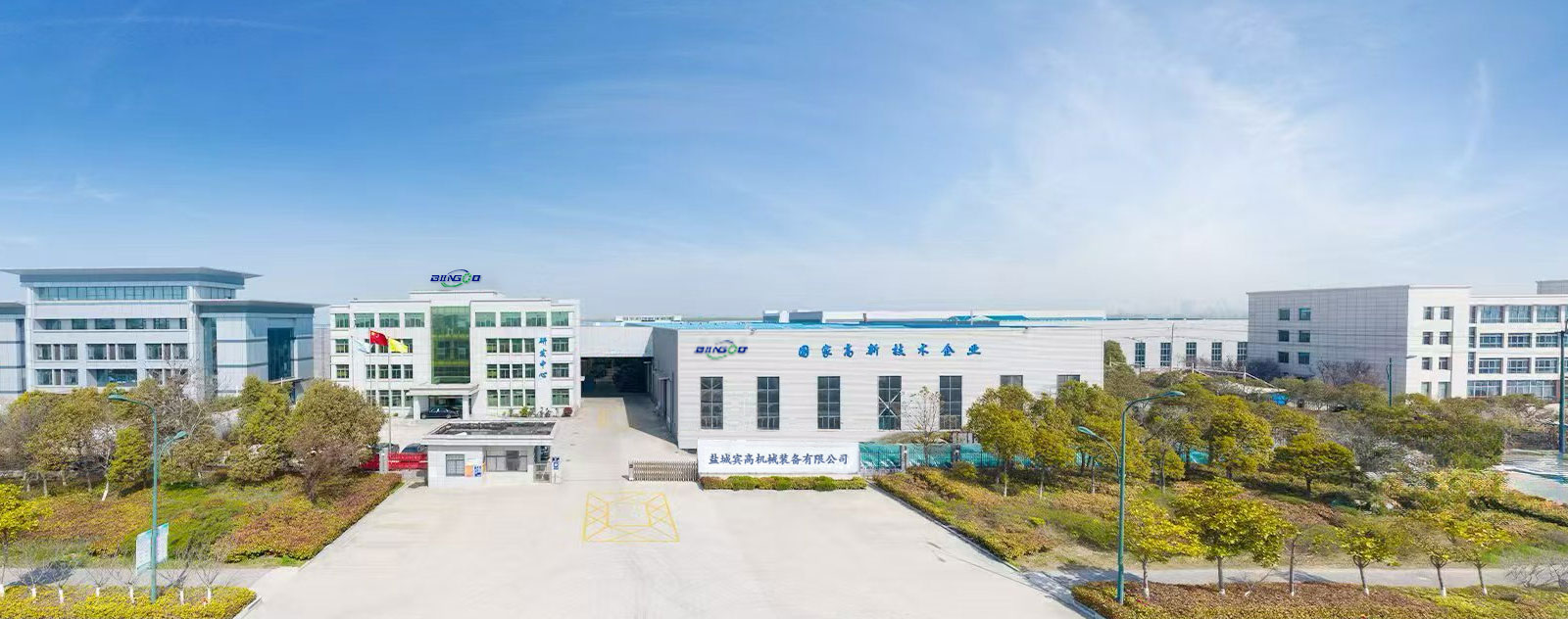
Bingo is an enterprise specializing in the production, sales, and service of warehousing and logistics equipment. Focusing on the equipment needs of various warehousing and logistics scenarios, we provide global customers with one-stop, integrated solutions for material storage and handling.
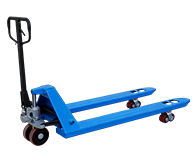
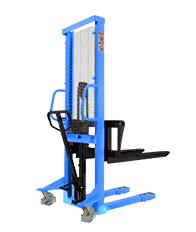
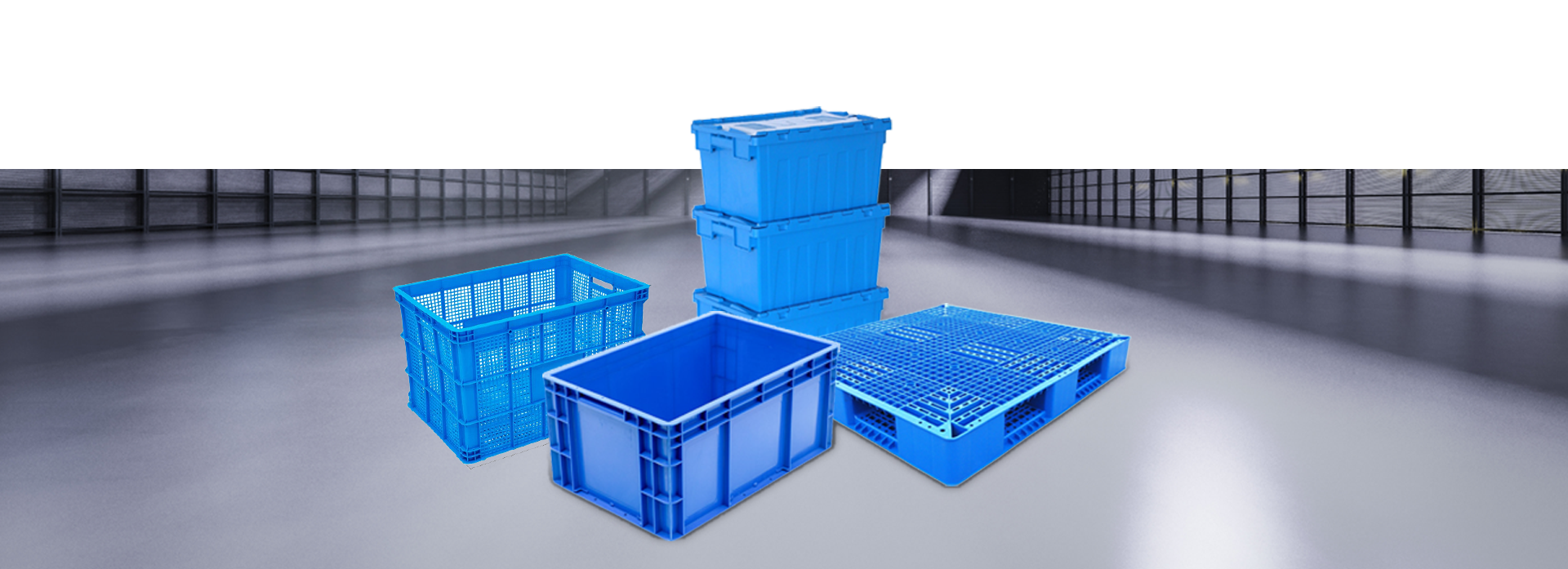
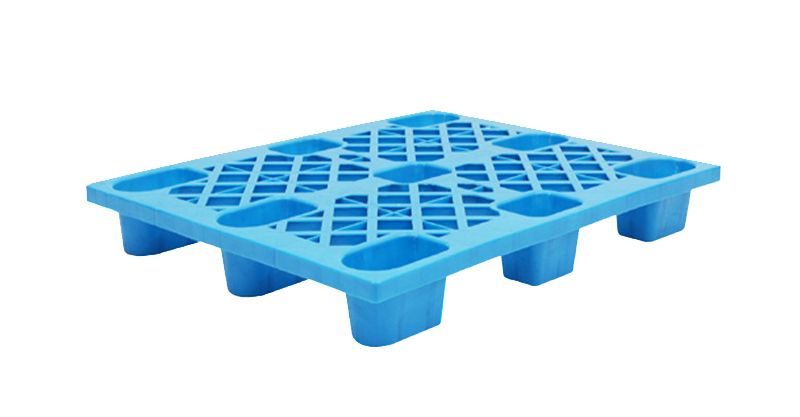
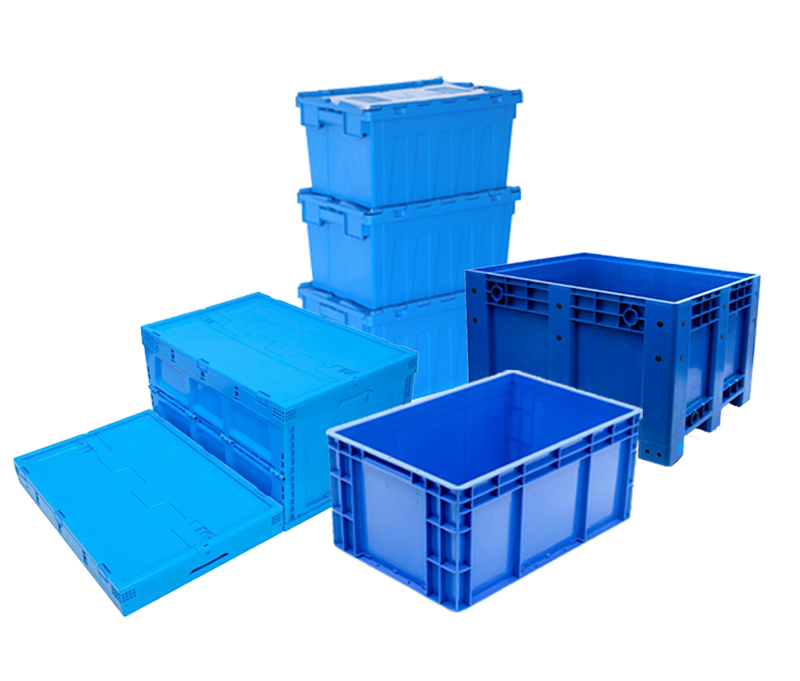
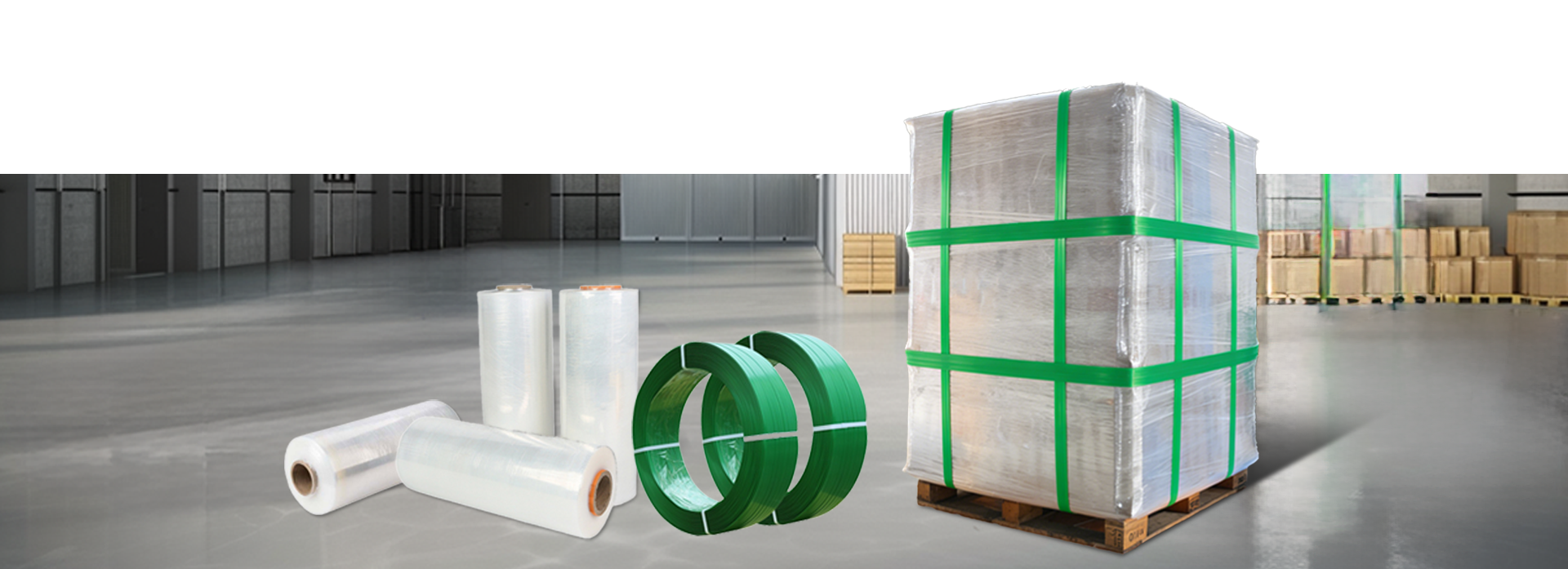
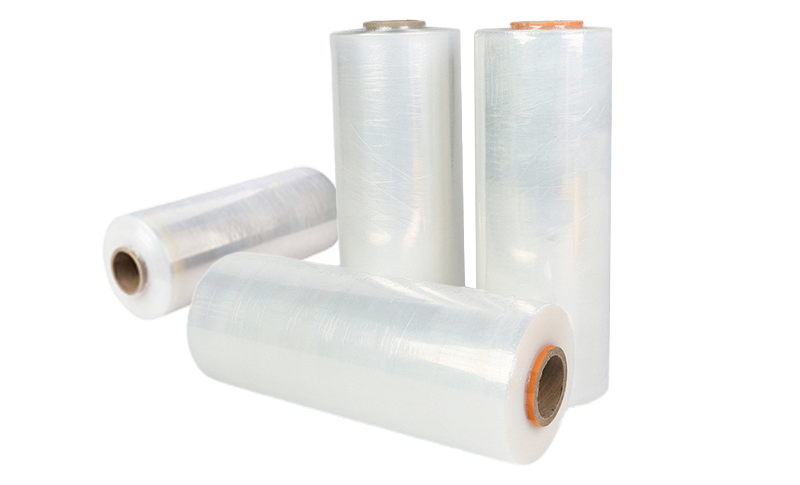
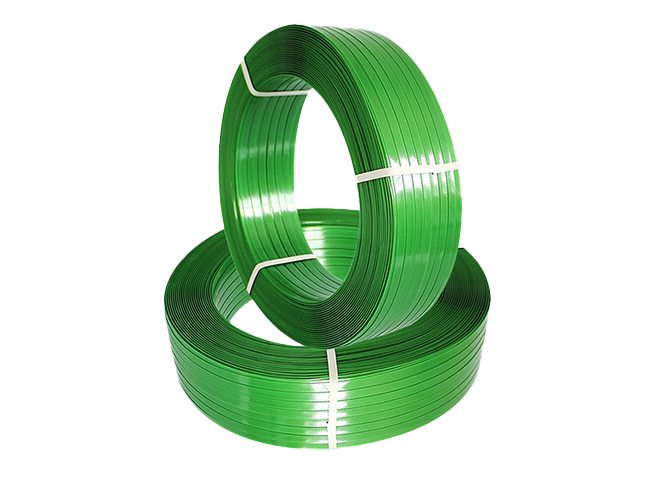
Bingo is a China OEM Carton Flow Racking Supplier and Carton Flow Racking Factory, and has built a complete warehousing and logistics equipment supply chain covering four core systems. In the field of handling equipment, we offer a full range of manual and electric pallet trucks and stackers. Our storage container line includes plastic pallets, plastic totes, crates, and bulk containers to meet diverse logistics needs. while the packaging material series provides supporting products such as stretch wrap and packing strapping. The warehousing racks series encompasses light-duty, medium-duty, and heavy-duty products of various specifications. Adhering to quality as our core value, we rely on a mature supply chain system and strict quality inspection processes to ensure that every product complies with international standards. We are committed to delivering cost-effective product solutions for industries including manufacturing, e-commerce logistics, warehousing and distribution, as well as supermarket retail.
Upholding the philosophy of "Quality First, Win-Win Cooperation", we actively expand our global market presence and are willing to join hands with partners around the world to jointly promote the intelligent and efficient development of the logistics industry.
Every warehouse supervisor knows the moment when manual pallet handling stops being workable. The heaviest pallets exceed 2500 kg, the dock staging area sits 80 meters from the storage bays, and the shift plan demands more pallet moves tha...
During a routine walkthrough at a distribution center, a warehouse manager noticed a small dent in the bottom flange of a pallet rack upright. No load was in that bay, so the dent was recorded as cosmetic. Three weeks later, a forklift gra...
Bingo Machinery, a trusted global supplier of smart warehouse handling equipment, officially launches the brand new CDDA15 1.5 ton pedestrian electric walkie stacker. This compact stacking solution is engineered for medium height pallet st...
Everything You Need to Know About Carton Flow Racking
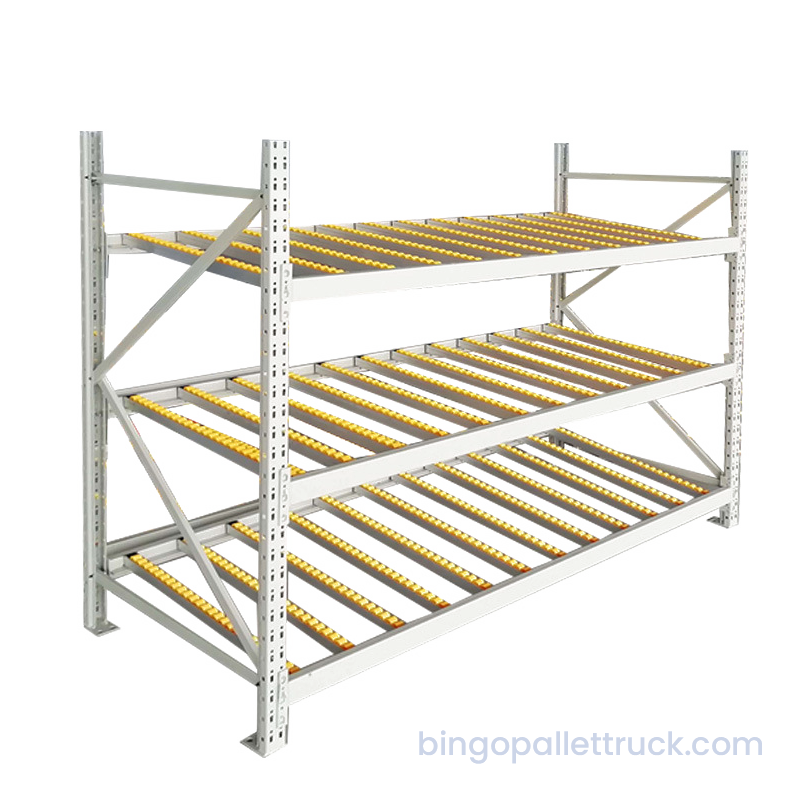
Carton flow racking — also called carton flow shelving or gravity flow racking — is a high-density storage solution that uses inclined roller or wheel lanes to allow cartons, boxes, and totes to slide forward automatically under gravity. Products are loaded from the rear of the rack and flow to the front pick face, creating a true First-In, First-Out (FIFO) rotation without any mechanical power or operator intervention.
The system separates the replenishment aisle from the picking aisle, meaning restocking and order-picking operations can happen simultaneously. This single structural feature alone can reduce pick-path travel by up to 60% compared with conventional shelving in high-SKU environments, directly improving throughput in e-commerce fulfillment, distribution centers, and supermarket back-of-house storage.
Core Components
Inclined roller / wheel tracks — typically set at a 3°–5° pitch to maintain a controlled flow speed of 0.2–0.5 m/s.
Speed controllers / brakes — decelerate heavy cartons near the pick face to prevent impact damage.
Lane separators — keep individual SKUs in dedicated channels, eliminating mixing errors.
Upright frames and beams — powder-coated structural steel rated to support lane loads from 30 kg up to 150 kg per shelf level.
End stops — hold the front carton in a stable, ergonomic pick position.
Key Advantages in High-Turnover Warehousing Environments
In fast-moving consumer goods distribution and e-commerce fulfillment, carton flow racking delivers measurable ROI across several operational dimensions. At Yancheng Bingo Machinery Equipment Co., Ltd, we engineer these systems around real-world throughput targets rather than theoretical maximums, so the performance gains below reflect what clients consistently achieve after installation.
Metric
Conventional Shelving
Carton Flow Racking
Improvement
Pick rate (picks/hr)
140
300–350
+115%–150%
Floor space utilization
Baseline
Up to 40% denser
+40%
Picking errors (FIFO compliance)
Manual rotation required
Automatic FIFO
Near-zero rotation errors
Restocking time per lane
4–6 min
1–2 min
–65%
Operator walking distance/shift
12–16 km
5–8 km
–50%
Table 1 — Operational performance comparison between conventional shelving and carton flow racking based on industry benchmarks.
Suitability by Industry Sector
E-commerce fulfillment — rapid SKU turnover and strict same-day shipping windows benefit most from the high pick rate.
Food and beverage distribution — automatic FIFO prevents expiry-date violations and reduces product waste.
Pharmaceutical warehousing — lane-separated SKU control supports batch traceability requirements.
Supermarket retail back-stock — compact depth (typically 2–6 m) fits store-room constraints while supporting shelf-replenishment cycles.
Manufacturing parts kitting — sequenced feeding to assembly lines eliminates manual part counting and walking.
Design Parameters and Configuration Options
Correct specification of a carton flow system requires matching the rack geometry, track type, and lane width to the actual carton dimensions and weight range in the facility. Oversizing a system increases cost unnecessarily; undersizing it causes jamming or uncontrolled flow speeds that damage product.
Track Type Selection Guide
Plastic wheel tracks — ideal for light loads (under 25 kg/carton), smooth-bottomed cartons, and food-contact environments. Low noise, corrosion-resistant.
Steel roller tracks — suited for heavier cartons (25–80 kg), corrugated or rough-bottomed boxes, and high-cycle applications.
Full-width roller beds — used when carton sizes vary widely within the same lane, or for totes and trays with consistent widths.
Skate-wheel tracks — cost-effective option for light, uniformly sized cartons in lower-intensity picking operations.
Standard Dimensional Ranges
Parameter
Typical Range
Notes
Rack height
1,500–6,000 mm
Above 2,400 mm requires picking aids or mezzanine
Bay depth (flow direction)
1,500–6,000 mm
Deeper bays = more buffer stock per lane
Bay width
900–2,700 mm
Subdivided into individual SKU lanes
Shelf load capacity
30–150 kg per level
Upright frame UDL determines structural limit
Flow pitch angle
3°–5°
Steeper angle requires speed retarders
Table 2 — Standard dimensional and load parameters for carton flow racking systems.
Installation, Maintenance, and Compliance Considerations
Unlike pallet racking, carton flow systems contain moving components — rollers, wheels, speed controllers — that require periodic inspection to maintain safe and consistent flow behavior. A structured maintenance schedule is as important as correct initial installation.
Installation Best Practices
Anchor to structural floor — base plates must be chemically anchored or through-bolted per local seismic and wind load codes (EN 15512 in Europe, ANSI MH16.1 in North America).
Verify floor levelness — a cross-aisle floor deviation exceeding ±10 mm over 2 m causes uneven lane loading and premature bearing wear.
Calibrate pitch angle per load — test flow with the heaviest expected carton before final track installation to confirm braking distance is within 200 mm of end stop.
Label each lane with load limits — visible carton weight and size range prevents overloading by warehouse staff during replenishment shifts.
Commission with full load simulation — run a full bay depth of cartons from rear to front to check for lane blockage, lateral drift, or excessive speed at the pick face.
Preventive Maintenance Schedule
Weekly — visually inspect end stops for deformation; check that lane separators are fully engaged.
Monthly — manually rotate each roller and wheel; replace any that spin unevenly or produce grinding noise.
Quarterly — re-torque all beam-to-upright connections; verify anchor bolt integrity at base plates.
Annually — full structural inspection per rack safety standard; document findings and replace worn components before restocking cycles resume.
With a mature supply chain and strict quality inspection processes, every carton flow racking system supplied by Yancheng Bingo Machinery Equipment Co., Ltd undergoes dimensional verification, weld quality checks, and surface coating adhesion tests before dispatch — ensuring that structural performance matches the design specification from day one.
Integrating Carton Flow Racking with Broader Warehouse Automation
Carton flow racking is not a standalone solution — it functions most effectively when integrated into a broader warehouse management ecosystem. Understanding how it interacts with adjacent systems helps planners extract maximum value from the investment.
Compatibility with Warehouse Management Systems (WMS)
Each lane in a carton flow bay can be assigned a unique bin location code in a WMS. This enables directed replenishment — the WMS signals when a lane falls below minimum stock level and directs the replenishment operator to the correct rear-loading position. Real-time lane status visibility reduces stock-out incidents by 30–45% in high-SKU environments compared with manual cycle count methods.
Combination with Pallet Flow and Static Racking
A common layout combines pallet flow racking at the upper levels (full-case buffer) with carton flow at the mid levels (broken-case pick) and static shelving at the lower levels (slow-moving SKUs). This three-tier zone picking model can increase warehouse throughput by 35% while holding aisle count constant. The separation of replenishment and pick aisles remains consistent across all three tiers when the rack frame depth exceeds 2,400 mm.
Pick-to-Light and Barcode Scanning Integration
LED pick-to-light modules mount directly on the front beam of each flow lane, illuminating the required lane and displaying the pick quantity on a small display. Combined with the automatic carton advance of the flow system, this configuration achieves pick accuracy rates above 99.8% and eliminates the need for paper-based pick lists, reducing order processing time by an average of 22%.
Frequently Asked Questions About Carton Flow Racking
What is the minimum carton size suitable for a flow lane?
Most manufacturers specify a minimum carton footprint of approximately 150 mm × 150 mm for reliable flow behavior on standard wheel tracks. Smaller items tend to drop between wheels or skate unpredictably. For very small items, totes or trays carrying multiple units can be used to bring the effective footprint within the operating range of the track.
Can carton flow racking handle mixed-weight SKUs in the same bay?
Yes, but each lane must be independently configured for its specific load. Heavier lanes require steel rollers and speed-retarding brakes; lighter lanes may use plastic wheels. Mixing incompatible track types within a single lane — for example, using light-duty wheels with heavy cartons — causes premature wear and inconsistent flow speed, so lane-level specification is essential.
How deep should the racking be to justify the investment?
The economic break-even point versus standard static shelving typically occurs when bay depth exceeds 1,800 mm and pick frequency for each lane is at least 15–20 picks per hour. Below that threshold, the productivity premium of a flow system may not offset the higher capital cost. For high-frequency picking environments with daily replenishment, bays of 2,400–3,600 mm depth are common.
What industries use carton flow racking most extensively?
Carton flow racking is most extensively adopted in e-commerce and third-party logistics (3PL), followed by food and beverage distribution, pharmaceutical warehousing, and automotive parts kitting. In e-commerce specifically, industry surveys indicate that over 65% of fulfillment centers with more than 5,000 active SKUs employ some form of gravity flow picking, with carton flow being the most prevalent variant.
How does Yancheng Bingo Machinery Equipment Co., Ltd ensure product quality?
We rely on a mature supply chain system and strict quality inspection processes to ensure that every product complies with international standards. Raw steel is sourced from certified mills with documented mechanical properties; each upright frame and beam undergoes dimensional inspection and load deflection testing prior to surface coating. Finished systems are verified against design drawings before packaging, and all products are documented for traceability throughout the production cycle — giving clients in manufacturing, e-commerce logistics, warehousing and distribution, and supermarket retail the confidence that the system they receive matches the specification they ordered.
Is a building permit required for carton flow racking installation?
Requirements vary by jurisdiction. In most markets, racking systems exceeding a defined height (commonly 2,400 mm or 8 feet) or total bay load (often 2,000 kg) require a structural engineering sign-off and in some cases a building permit. We provide full structural calculation packages for our systems on request, which can be submitted directly to local authorities for approval.

 en
en  Español