1. What Is Shuttle Pallet Racking?
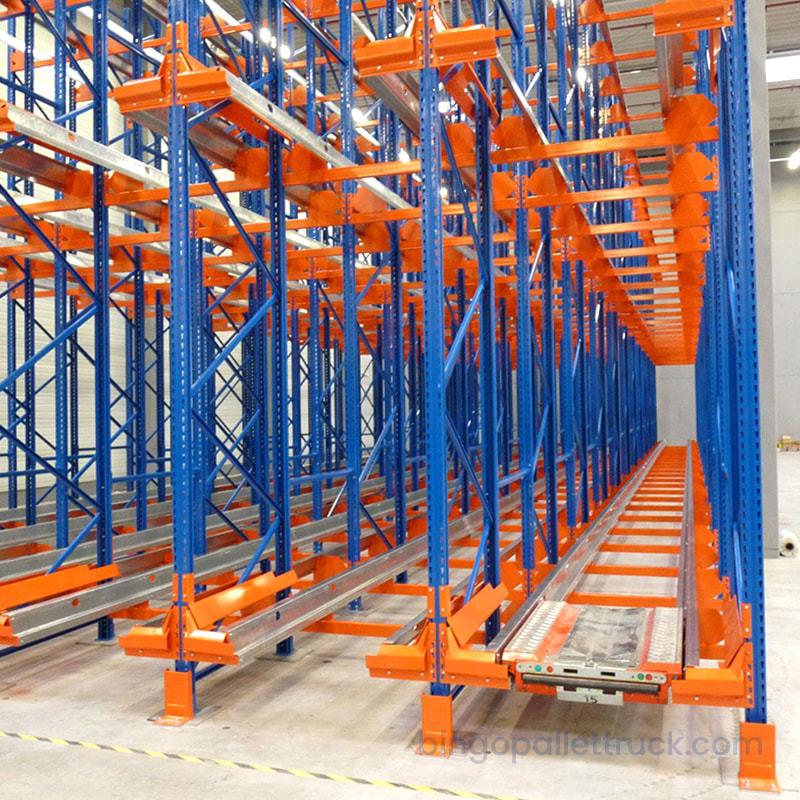
Shuttle pallet racking is a high-density storage system in which a battery-powered, rail-mounted carrier — referred to as the shuttle — travels autonomously within rack channels to store and retrieve pallets. Unlike drive-in racking, where a forklift physically enters the channel, shuttle racking keeps the forklift outside the structure entirely. The operator places or collects pallets at the channel entrance, while the shuttle handles all internal movement via remote control or WMS command.
The system occupies a position between conventional manual racking and fully automated AS/RS (Automated Storage and Retrieval Systems), offering substantially higher storage density than selective racking while maintaining a lower capital investment than a full AS/RS installation.
2. Working Principle
A standard shuttle cycle proceeds as follows:
- The forklift places the shuttle at the entrance of the target channel.
- The operator sends a command via RF remote or integrated control system.
- The shuttle travels to the deepest available position (for inbound) or to the outermost loaded pallet (for outbound).
- The shuttle's lifting platform raises, transports the pallet to the designated position, and lowers it onto the support rails.
- The shuttle returns to the channel entrance. The forklift then handles the pallet at the entrance level.
- When work in one channel is complete, the forklift repositions the shuttle to another channel.
3. System Types
By Inventory Flow Mode
- LIFO (Last-In, First-Out): Single-entry channels. The most recently stored pallet is retrieved first. Suitable for homogeneous SKUs without strict date rotation requirements.
- FIFO (First-In, First-Out): Double-entry (flow-through) channels with separate inbound and outbound aisles. Required for perishable goods, pharmaceuticals, and any inventory subject to expiry date management.
By Automation Level
- Semi-automatic: One shuttle per channel, repositioned manually by forklift. The most common configuration.
- Shuttle + transfer car: An automated transfer car moves the shuttle between channels and levels, significantly reducing forklift involvement and increasing throughput.
- Multi-shuttle (4-way): A shuttle capable of movement in both axes within the rack, used in fully automated, high-capacity installations.
4. Key Technical Parameters
| Parameter |
Typical Range |
| Pallet load capacity |
500 – 2,500 kg |
| Shuttle travel speed (loaded) |
0.3 – 1.0 m/s |
| Channel depth |
5 – 50+ pallet positions |
| Battery type |
Lithium-ion or lead-acid |
| Battery operating time |
8 – 12 hours per charge |
| Operating temperature |
−30°C to +40°C (model-dependent) |
| Floor space utilization |
75 – 90% |
| Applicable standards |
EN 15512, EN 15620, RMI ANSI MH16.1 |
5. Common Applications
Shuttle racking is most effective in operations with a limited number of SKUs at high volume per SKU. Typical industry applications include:
- Cold storage and refrigerated warehouses: Fewer aisles reduce the refrigerated volume to be maintained, directly lowering energy costs.
- Food and beverage distribution: FIFO configurations manage expiry date rotation for perishable products.
- Pharmaceutical storage: Lot traceability and FIFO compliance for temperature-sensitive products.
- Manufacturing buffer stock: LIFO systems support rapid replenishment of production lines with a small number of raw material types.
- E-commerce and FMCG distribution: High-velocity single-SKU zones benefit from the system's throughput capacity and density.
6. Comparison with Other High-Density Systems
| Criterion |
Drive-In Racking |
Push-Back Racking |
Pallet Flow Racking |
Shuttle Racking |
| Storage density |
High |
Medium-High |
High |
Very High |
| Flow mode |
LIFO only |
LIFO only |
FIFO only |
FIFO or LIFO |
| Forklift enters rack |
Yes |
No |
No |
No |
| Rack damage risk |
High |
Low–Medium |
Low |
Low |
| Throughput |
Low |
Medium |
Medium |
High |
| Initial cost |
Medium |
Medium |
Medium-High |
High |
The primary advantage of shuttle racking over drive-in racking — the system it most closely resembles — is that the shuttle moves faster and more precisely than a forklift within a channel, eliminates the risk of structural damage from forklift entry, and supports both FIFO and LIFO modes.
7. Advantages and Limitations
Advantages: higher storage density; no forklift entry reduces structural damage and improves safety; supports both FIFO and LIFO; reduced aisle count lowers refrigeration costs; compatible with WMS integration; shuttle units can be added as throughput grows.
Limitations: higher initial capital investment than drive-in or selective racking; low SKU selectivity — each channel is typically dedicated to a single SKU; requires battery management and periodic replacement; stricter pallet quality requirements; shuttle maintenance requires specialized technical knowledge; system performance depends on stable Wi-Fi coverage throughout the rack.
8. Frequently Asked Questions
Q: How many shuttles are needed?
One shuttle typically handles 30–60 pallet moves per hour depending on channel depth. A common baseline is one shuttle per two to four active channels. For higher throughput, transfer car configurations allow one shuttle per level to serve all channels automatically.
Q: What happens if the shuttle fails inside a channel?
Most designs include a manual extraction procedure — the shuttle can be retrieved via a forklift using a mechanical attachment point or rope. Operating procedures should document this process and all relevant staff should be trained accordingly.
Q: Are all pallet types compatible?
Rail spacing must be matched to the pallet type in use (e.g., EUR/EPAL 800×1200 mm or ISO 1000×1200 mm). Pallets must be structurally sound — broken boards or deformed bases cause positioning errors. Mixed pallet types require separate channel configurations.
Q: Can shuttle racking operate in deep-freeze environments?
Yes, with appropriate specification. Shuttle units rated for sub-zero operation use cold-rated lithium-ion batteries and sealed electronics, and are designed for operating temperatures down to approximately −30°C. Temperature range must be declared at the project design stage.
Q: What is a typical payback period?
ROI depends on the incremental storage capacity gained, forklift labor savings, and energy cost reductions in refrigerated environments. Payback periods commonly range from three to seven years, varying with labor costs, facility size, and application type.
9. Bingo Machinery and Shuttle Racking
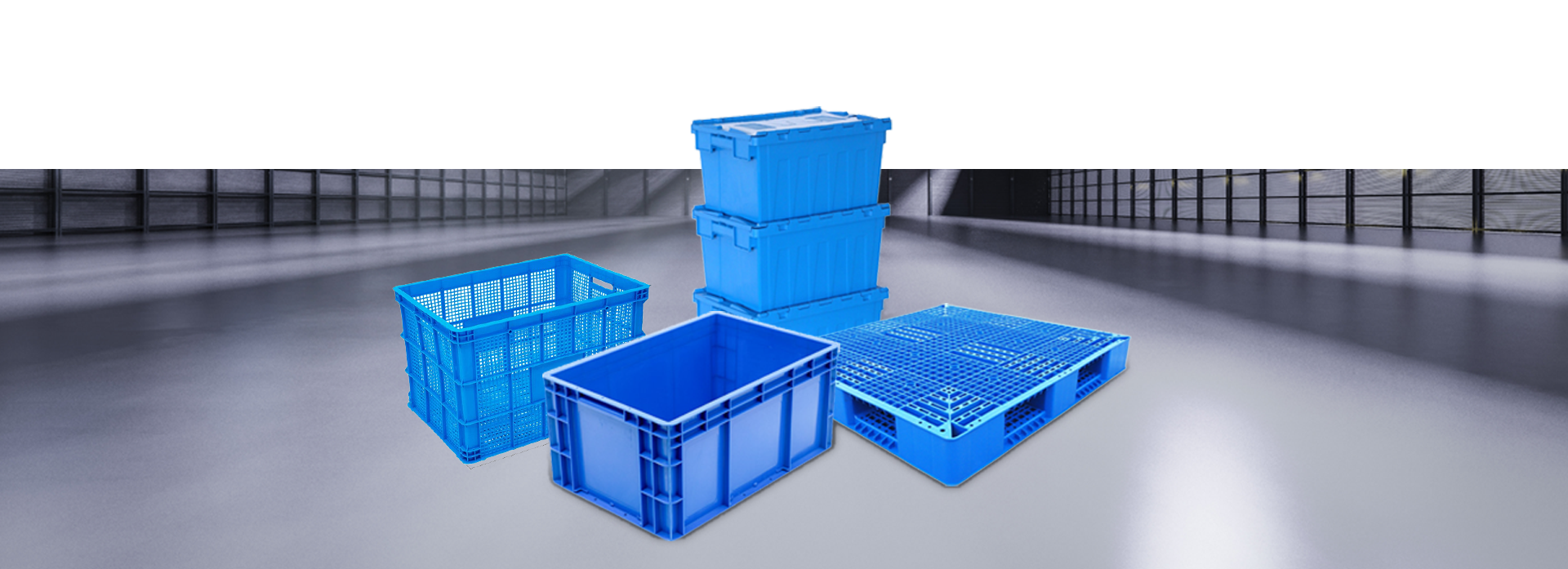
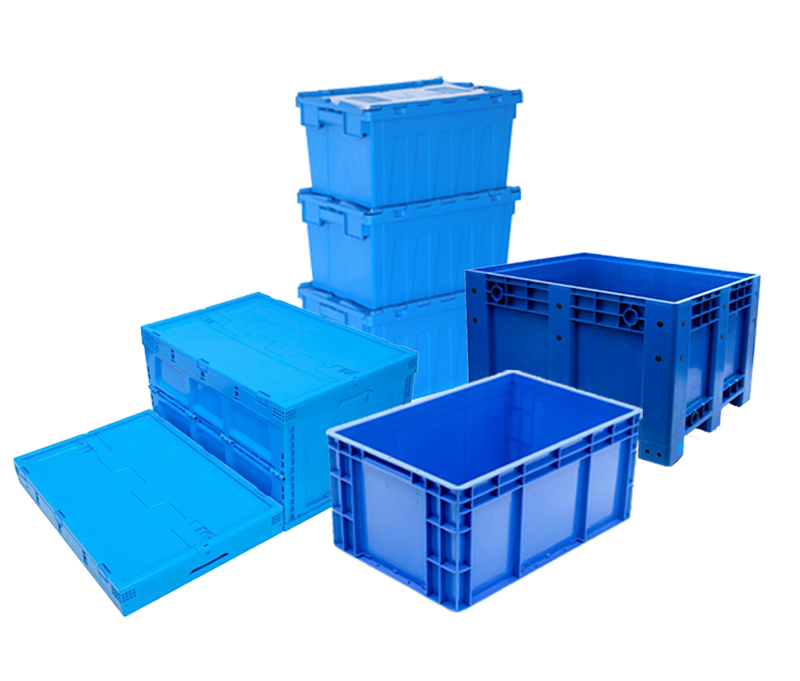
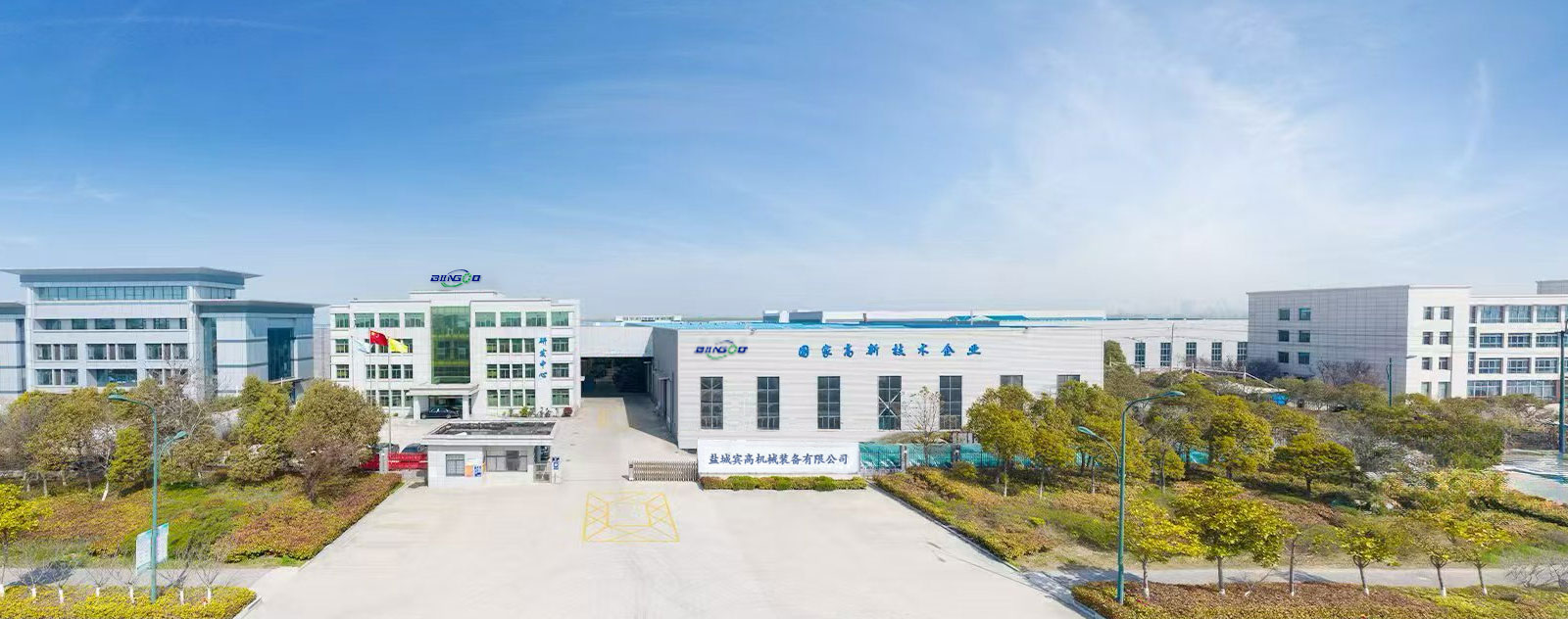
Yancheng Bingo Machinery Equipment Co., Ltd. is a manufacturer and supplier of warehousing and logistics equipment covering handling equipment, storage containers, packaging materials, and warehouse racking across light-duty, medium-duty, and heavy-duty categories. The heavy-duty racking range includes the structural components — uprights, beams, rails, and accessories — that form the basis of shuttle pallet racking installations.
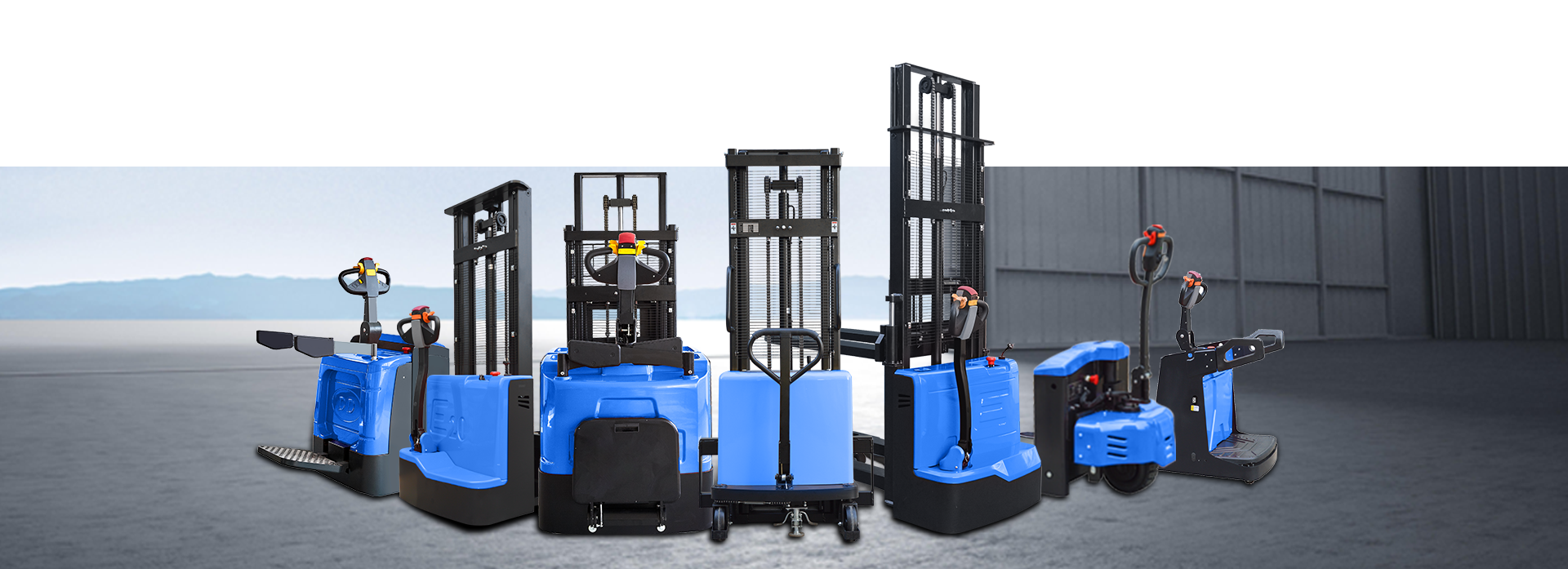
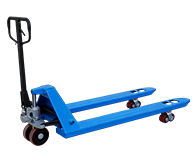
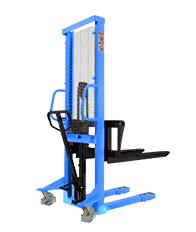
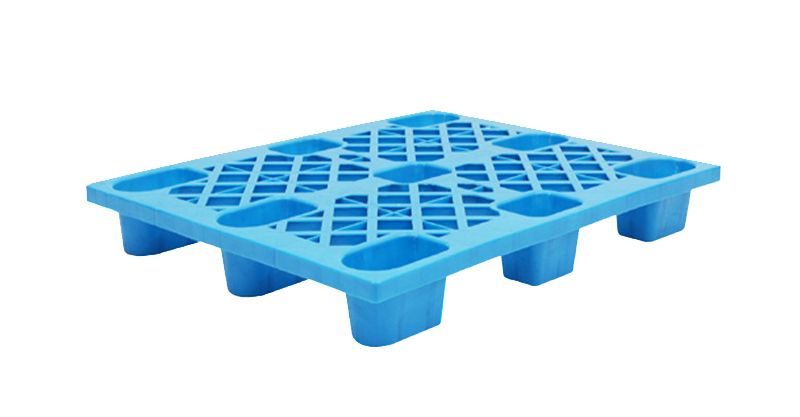
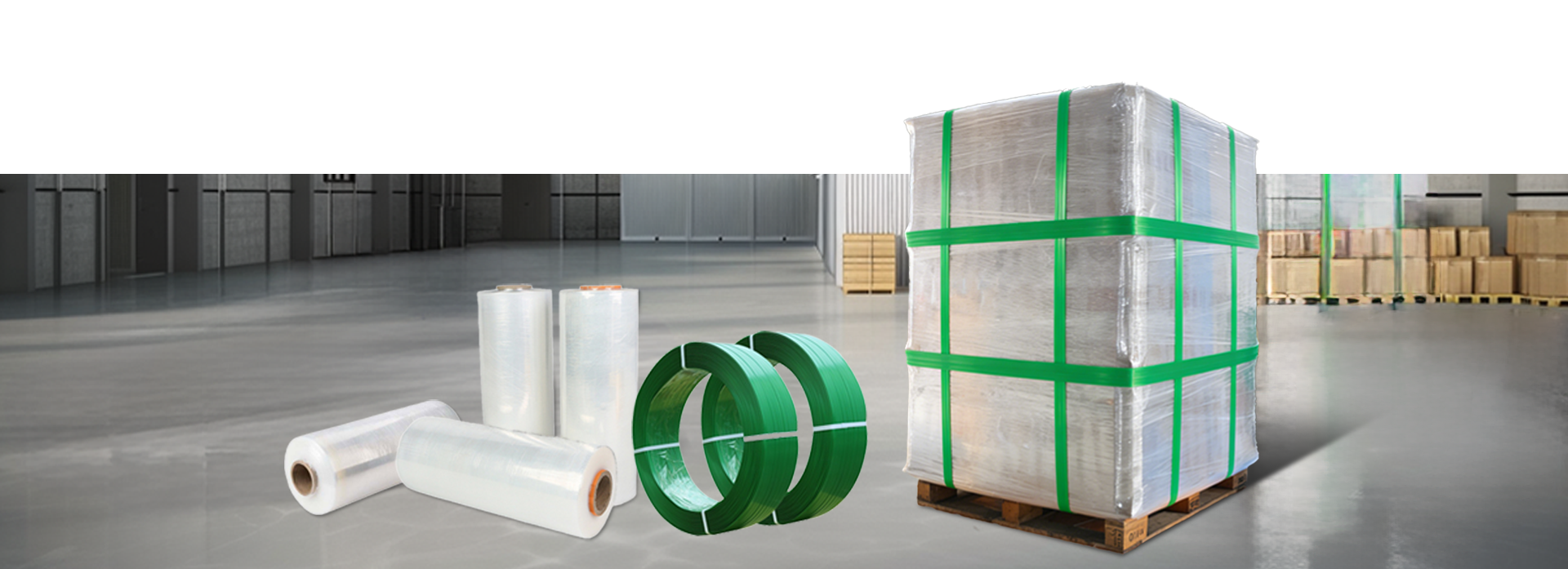
Bingo's broader product portfolio also supplies equipment directly relevant to shuttle racking operations: electric stackers and reach trucks for shuttle placement and pallet interface; plastic pallets in standard dimensions compatible with shuttle rail configurations; and pallet wrap and strapping materials for load stabilization prior to storage. This integrated supply capability supports one-stop procurement for warehouse fit-out projects involving shuttle racking systems.

 en
en  Español