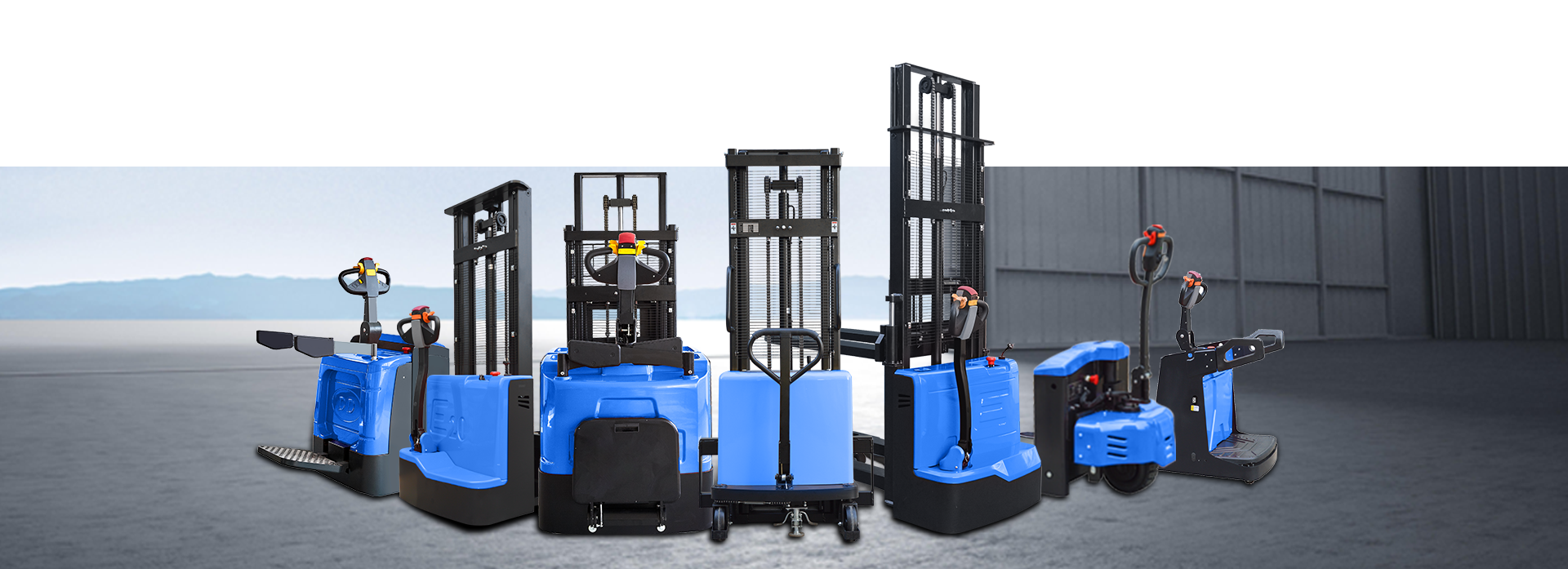
Bingo is an enterprise specializing in the production, sales, and service of warehousing and logistics equipment. Focusing on the equipment needs of various warehousing and logistics scenarios, we provide global customers with one-stop, integrated solutions for material storage and handling.
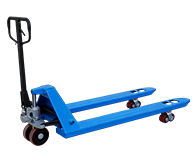
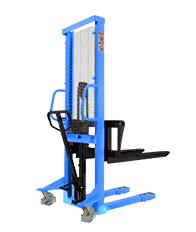
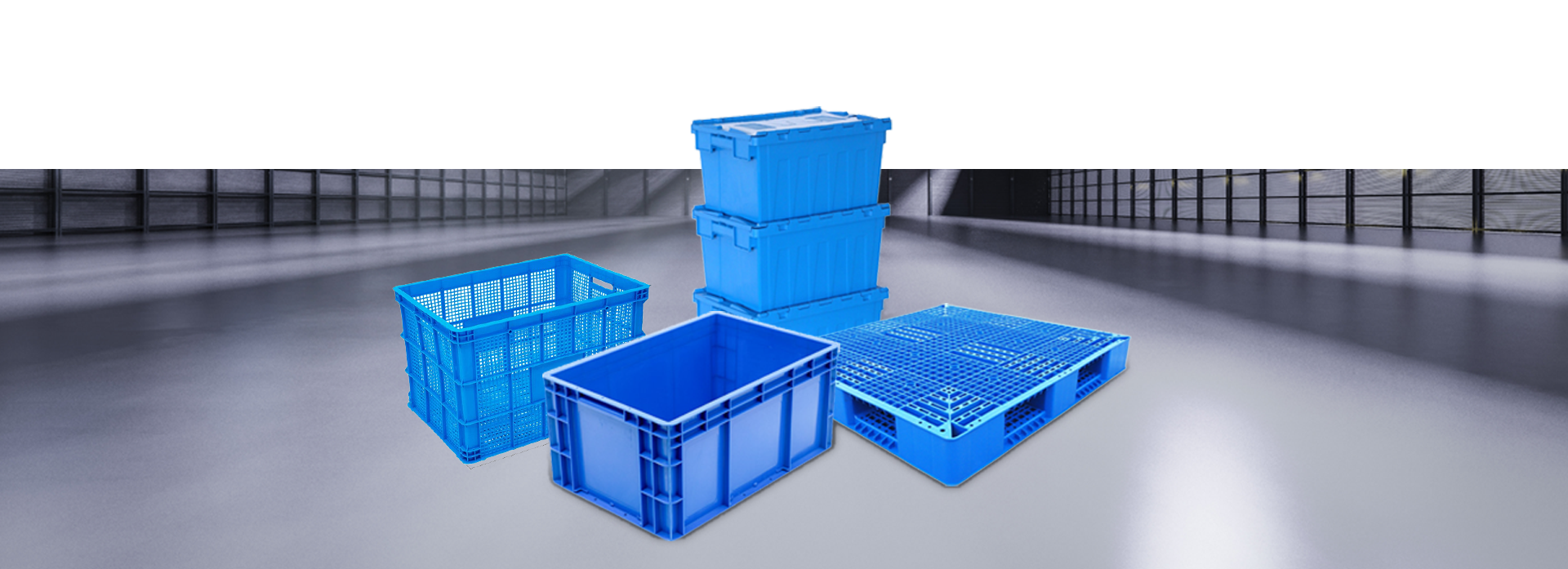
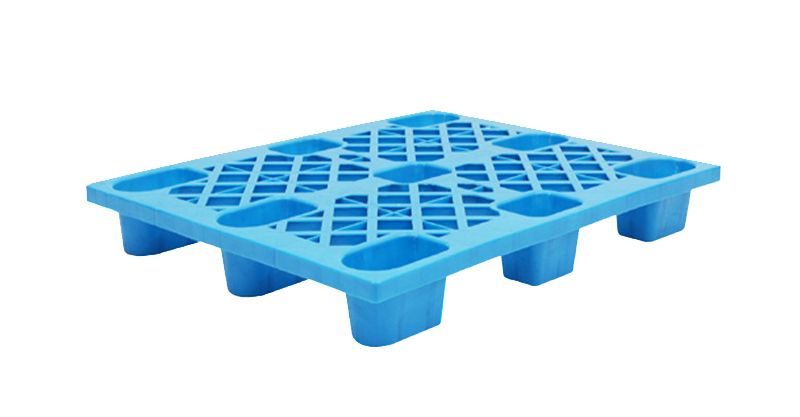
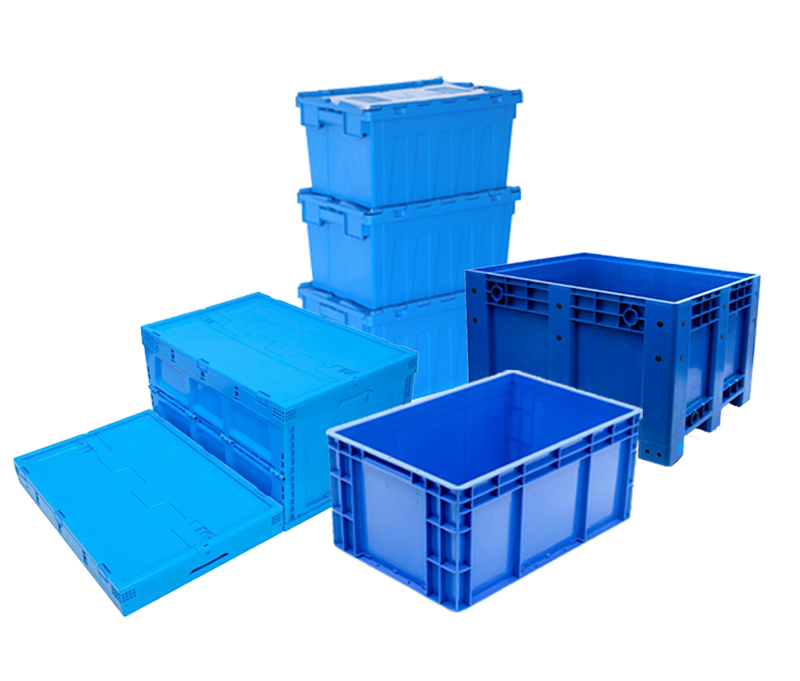
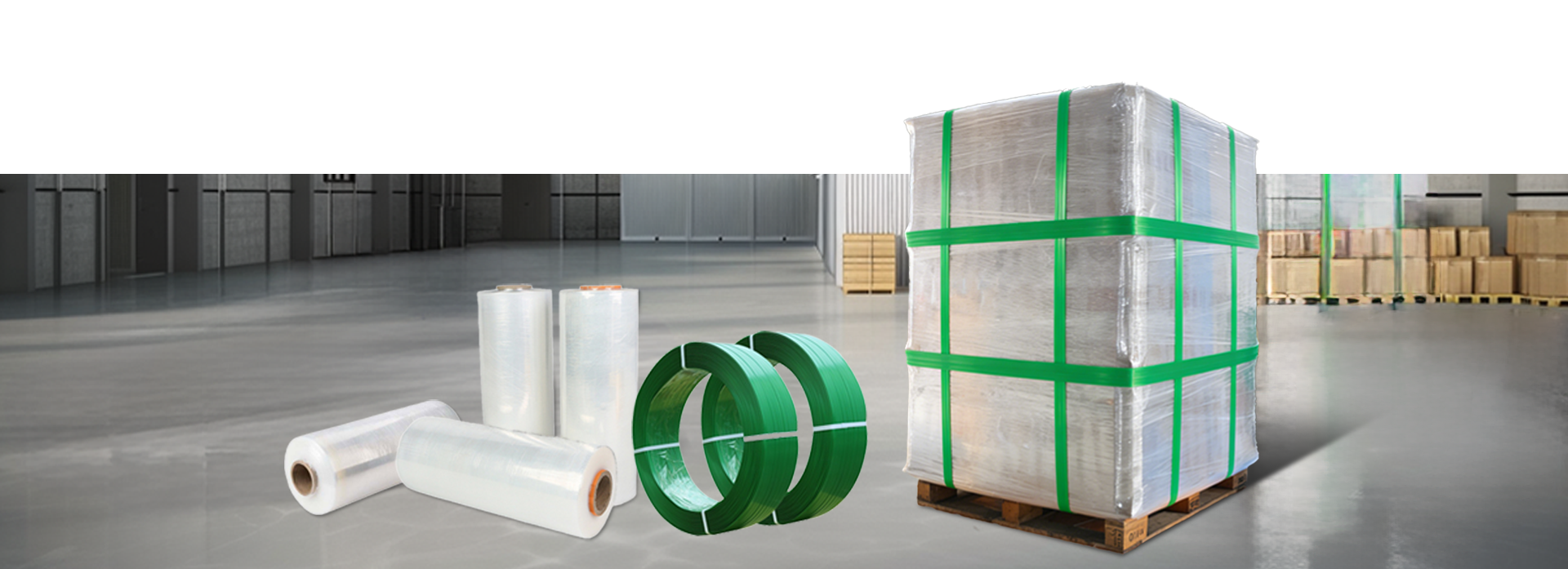
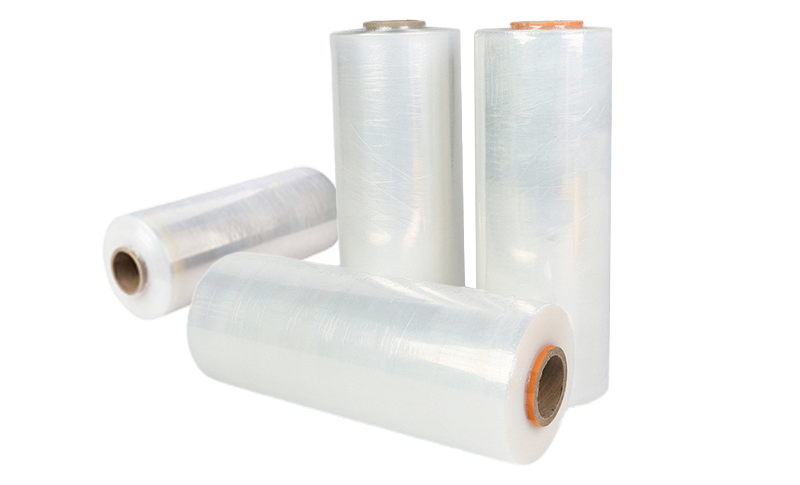
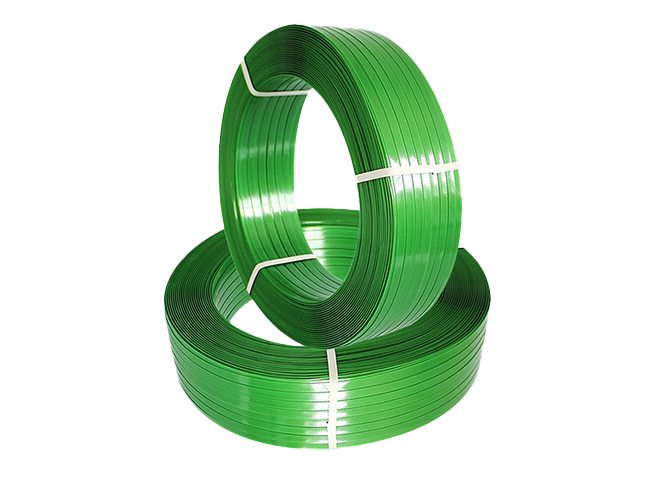
Bingo is a China Wholesale Drawer Racking Manufacturer and OEM Drawer Racking Company, and has built a complete warehousing and logistics equipment supply chain covering four core systems. In the field of handling equipment, we offer a full range of manual and electric pallet trucks and stackers. Our storage container line includes plastic pallets, plastic totes, crates, and bulk containers to meet diverse logistics needs. while the packaging material series provides supporting products such as stretch wrap and packing strapping. The warehousing racks series encompasses light-duty, medium-duty, and heavy-duty products of various specifications. Adhering to quality as our core value, we rely on a mature supply chain system and strict quality inspection processes to ensure that every product complies with international standards. We are committed to delivering cost-effective product solutions for industries including manufacturing, e-commerce logistics, warehousing and distribution, as well as supermarket retail.
Upholding the philosophy of "Quality First, Win-Win Cooperation", we actively expand our global market presence and are willing to join hands with partners around the world to jointly promote the intelligent and efficient development of the logistics industry.
Every warehouse supervisor knows the moment when manual pallet handling stops being workable. The heaviest pallets exceed 2500 kg, the dock staging area sits 80 meters from the storage bays, and the shift plan demands more pallet moves tha...
During a routine walkthrough at a distribution center, a warehouse manager noticed a small dent in the bottom flange of a pallet rack upright. No load was in that bay, so the dent was recorded as cosmetic. Three weeks later, a forklift gra...
Bingo Machinery, a trusted global supplier of smart warehouse handling equipment, officially launches the brand new CDDA15 1.5 ton pedestrian electric walkie stacker. This compact stacking solution is engineered for medium height pallet st...
Everything You Need to Know About Drawer Racking
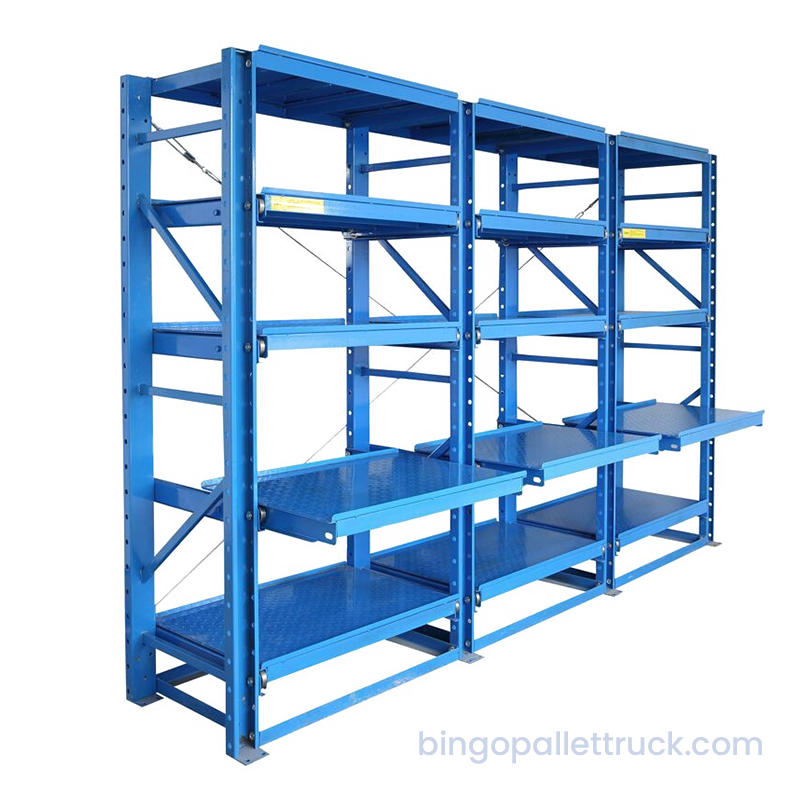
Drawer racking — sometimes called mold racking or pull-out drawer rack — is a specialized heavy-duty storage system designed to store large, irregular, or high-value items that cannot be safely placed on conventional open shelves. Each storage level consists of a heavy steel drawer that slides fully outward on roller or ball-bearing tracks, giving operators complete, unobstructed access to the entire contents without repositioning adjacent loads.
Unlike standard pallet racking where items must be lifted from the front, a drawer racking system allows workers to pull a load — which can weigh anywhere from 500 kg to over 5,000 kg per drawer — horizontally outward at a controlled, ergonomic height. This is particularly valuable in mold storage, tooling rooms, automotive parts warehouses, and precision-component facilities where damage prevention and retrieval speed are equally critical.
At Yancheng Bingo Machinery Equipment Co., Ltd, drawer racking is part of a complete industrial racking portfolio built to solve real warehousing challenges. The Bingo philosophy is straightforward: listen to your pain points, understand your unique challenges, and engineer solutions that deliver lasting value. Whether you manage a single tooling room or a multi-aisle industrial warehouse, the right drawer racking configuration can fundamentally change how efficiently your operation runs.
The chart below compares typical per-drawer load capacities across common industrial storage system types:
How Drawer Racking Works: Structural Principles
The engineering logic behind drawer racking is straightforward but precise. Each unit consists of a rigid upright frame structure supporting multiple horizontal drawer levels. Each drawer travels on high-load roller tracks — often using hardened steel rollers or recirculating ball-bearing slides — that allow smooth, low-friction extension even under maximum load.
Core Structural Components
Upright columns: Cold-rolled steel columns, typically 2–3 mm thick, anchored to the floor for stability. Column height typically ranges from 2,000 mm to 6,000 mm.
Drawer body: Fabricated from welded steel plate with reinforced base ribs; internal dimensions are fully customizable to fit molds, tools, or components of varying sizes.
Roller track system: Telescopic full-extension slides allow the drawer to extend 100% of its depth, ensuring zero blind spots when retrieving contents.
Safety lock mechanism: Each drawer includes a positive locking device that prevents accidental opening during forklift or overhead crane operations.
Surface treatment: Electrostatic powder-coating (standard thickness 60–80 μm) over a phosphate primer base, providing corrosion resistance suitable for industrial environments.
When a load is placed on a drawer, the weight is transferred through the roller tracks to the upright columns and ultimately to the floor anchors. This load path ensures that even a 3,000 kg mold can be stored and retrieved with consistent structural integrity. Bingo's engineering team sizes all components to the specific load and cycle-frequency requirements stated by each customer — a direct application of the partnership philosophy that defines how Bingo works with every client.
Key Features That Define Industrial-Grade Drawer Racking
Not all drawer racks are created equal. The features listed below separate commodity-grade products from the industrial systems that Bingo designs and delivers:
Table 1: Key feature comparison between standard and heavy-duty drawer racking
Feature
Standard Drawer Rack
Heavy-Duty Industrial (Bingo)
Load per drawer
≤ 500 kg
500 – 5,000 kg (custom)
Drawer extension
Partial (60–75%)
Full 100% telescopic
Steel thickness
1.0 – 1.5 mm
2.0 – 4.0 mm
Surface finish
Paint spray
Electrostatic powder coat
Safety locking
Optional
Standard on every drawer
Customization
Fixed sizes only
Full OEM/ODM capability
Compliance
Local standards only
International standards (ISO, EN)
Bingo operates with a mature supply chain system and strict quality inspection processes to ensure that every drawer rack leaving the factory meets or exceeds international standards. From raw steel sourcing to finished powder-coated frames, each production step undergoes documented quality checks — a practice that has helped Bingo consistently deliver defect rates below 0.3% across exported product lines.
Advantages of Drawer Racking Over Conventional Storage Systems
Facilities that switch from open pallet racking or flat stacking to drawer racking consistently report measurable improvements across four operational dimensions:
1. Space Utilization
Drawer racking makes full use of available building height. A standard 6-meter column can house 4–6 drawer levels, storing the equivalent volume of what previously required two or three floor-level stacking positions. In practice, companies that have upgraded from floor stacking to drawer racking report floor space savings of 30–60% for the same inventory volume.
2. Retrieval Efficiency
When molds or heavy tools are stacked on the floor or on standard shelves, retrieving a single item buried in a stack requires moving every item on top of it — a process that can take 15–30 minutes per retrieval. With drawer racking, any drawer can be accessed in under 2 minutes regardless of its position in the stack. This reduction in retrieval time directly cuts labor costs and production downtime.
3. Asset and Product Protection
Molds and precision tooling represent some of the highest-value assets in a manufacturing facility. A single injection mold can cost anywhere from $10,000 to over $200,000. Stacking these items creates collision risk and surface damage. Drawer racking isolates each item in its own compartment, eliminating contact-related damage and extending tool service life by an estimated 20–35%.
4. Safety and Ergonomics
Retrieving heavy molds from floor stacks requires overhead crane operations in confined spaces — a major source of workplace accidents. Drawer racking moves loads at a consistent, accessible height and allows controlled, linear movement on tracks rather than suspended crane lifts in crowded aisles. This measurably reduces the frequency of near-miss incidents in tooling rooms.
The radar chart below scores drawer racking against floor stacking and standard open racking across five operational criteria (scale: 1–10):
Primary Industries and Applications for Drawer Racking
Drawer racking is most valuable in environments where items are heavy, irregularly shaped, or too valuable to risk surface damage. The five sectors below represent the largest use cases globally:
Injection Molding and Die-Casting Facilities
This is the most common application. A mid-size injection molding plant may hold 200–800 individual molds, each weighing between 200 kg and 3,000 kg. Without a structured storage system, operators spend an average of 45–90 minutes per shift relocating molds to access the one needed for the current production run. Drawer racking cuts that figure to under 5 minutes per retrieval.
Automotive Parts and Stamping Plants
Press dies and stamping tools used in automotive manufacturing can weigh 1,000–8,000 kg each. Drawer racking, when integrated with overhead crane systems, allows these tools to be stored multi-level without stacking, protecting their precision surfaces and enabling fast changeover between production batches.
Aerospace and Defense Manufacturing
Jigs, fixtures, and test equipment used in aerospace production must be stored in controlled conditions that prevent dimensional distortion. Drawer racking provides flat, supported storage surfaces with zero contact stacking, maintaining dimensional integrity over long storage periods.
Electronics and Semiconductor Manufacturing
Precision PCB jigs, wafer carriers, and test fixtures are fragile, expensive, and often ESD-sensitive. Drawer racking can be fitted with anti-static liners and foam inserts to provide secure, separated compartments for each unit — preventing the static discharge and mechanical damage that standard shelving cannot prevent.
General Industrial Maintenance and MRO
Maintenance, repair, and operations (MRO) departments stock large quantities of heavy spare parts — motors, gearboxes, hydraulic cylinders — that are infrequently accessed but business-critical when needed. Drawer racking organizes these items by category or equipment type, turning a disorganized storage room into a structured inventory that reduces emergency search time from hours to minutes.
The chart below illustrates the approximate share of drawer racking installations by industry sector in Asia-Pacific manufacturing facilities:
Bingo's Approach to Drawer Racking: From Pain Point to Delivered Value
At Yancheng Bingo Machinery Equipment Co., Ltd, we don't see ourselves as a supplier that ships boxes and issues invoices. We see every customer as a partner. Our commitment is straightforward: we listen to your warehousing pain points, solve your unique challenges, and deliver value that lasts well beyond the initial sale. We promise transparent communication, fair pricing, and a relentless pursuit of excellence in every drawer rack we produce.
This philosophy is backed by operational capability. Bingo relies on a mature supply chain system that covers structural steel sourcing, precision laser cutting, CNC bending, welding, surface treatment, and final load-testing — all within a managed supplier network. Strict quality inspection processes are embedded at every production stage, not just at the final shipping gate. This means customers receive drawer racking systems that are dimensionally accurate, structurally sound, and compliant with international standards including ISO 9001, EN 15512, and relevant ASRS load requirements.
What the Bingo Partnership Process Looks Like
Discovery call: We ask about your storage space dimensions, the heaviest items you need to store, your retrieval frequency, and any access equipment (forklift, overhead crane) already in use.
Custom engineering proposal: Our technical team produces a dimensioned layout drawing showing column configuration, number of drawer levels, per-drawer load ratings, and total system footprint — at no charge.
Transparent pricing: Customers receive an itemized quotation covering materials, production, surface treatment, packaging, and freight — no hidden fees.
Production and QC: Each drawer rack batch undergoes load testing at 125% of rated capacity before packaging, with documented inspection records provided on delivery.
After-sale support: Bingo provides installation guidance, spare parts availability, and ongoing technical consultation as your warehouse needs evolve.
Together, this process builds the stronger, more efficient supply chains that Bingo is committed to creating for customers across manufacturing, e-commerce logistics, warehousing and distribution, and retail sectors worldwide.
Drawer Racking Specifications: What to Look for When Sourcing
When evaluating drawer racking systems, the following specifications should guide your purchasing decision. These are the same parameters that Bingo's engineering team uses during the design consultation phase:
Table 2: Typical drawer racking specification ranges for industrial applications
Parameter
Typical Range
Bingo Custom Capability
Unit height
2,000 – 4,000 mm
Up to 6,000 mm
Unit width
1,000 – 2,000 mm
Up to 3,000 mm
Unit depth
800 – 1,500 mm
Up to 2,000 mm
Load per drawer
500 – 3,000 kg
Up to 5,000 kg
Drawer levels per unit
2 – 4
2 – 6
Steel grade
Q235B
Q235B / Q345B (high-load)
Finish
Powder coat (standard color)
Any RAL color, galvanized option
ROI Potential: Quantifying the Business Case for Drawer Racking
Many facilities resist investing in drawer racking because the upfront cost is higher than open shelving or floor stacking. However, when the full cost picture is examined, most installations achieve payback within 12–24 months. The following example illustrates a typical mid-size mold storage scenario:
Before: 120 molds stored on floor — 3 operators spend 2 hours/day on average retrieving and repositioning molds. At $25/hour labor cost, annual labor waste = $54,750.
Before: 4 mold damage incidents per year at an average repair cost of $8,000 each = $32,000 in annual damage costs.
After drawer racking installation: Retrieval time drops to 15 minutes/day total. Annual labor saving: ~$49,000. Mold damage incidents: near zero.
Total annual benefit: ~$81,000. Typical drawer racking system for 120 molds: $45,000–$65,000 installed. Payback period: 7–10 months.
The line chart below models cumulative net savings from drawer racking versus continued floor stacking over 36 months:
Installation and Integration: What to Prepare Before Delivery
Successful drawer racking installation depends on preparation at the facility level. The following checklist covers the key factors that Bingo's project team reviews with customers during the pre-delivery phase:
Floor load capacity: Confirm that your warehouse floor slab can support the fully loaded rack. A typical heavy-duty drawer racking unit with a 3,000 kg per drawer rating exerts a point load of 8,000–12,000 kg through its four base plates — your structural engineer should verify adequacy.
Floor levelness: Drawer tracks must operate on a level surface. Floors with more than 10 mm deviation across 3 meters require grinding or shimming before installation.
Clear height: Ensure that building ceiling height, HVAC ducts, and sprinkler heads allow the chosen rack height plus 300 mm clearance for safe crane operation above the top drawer.
Aisle width: When drawers are fully extended, the aisle in front of the rack must be at least 1.5× the drawer depth to allow safe loading and unloading operations.
Anchor points: All uprights must be chemically or mechanically anchored to concrete floor per the manufacturer's load tables and local building codes.
Frequently Asked Questions About Drawer Racking
How does drawer racking differ from cantilever racking?
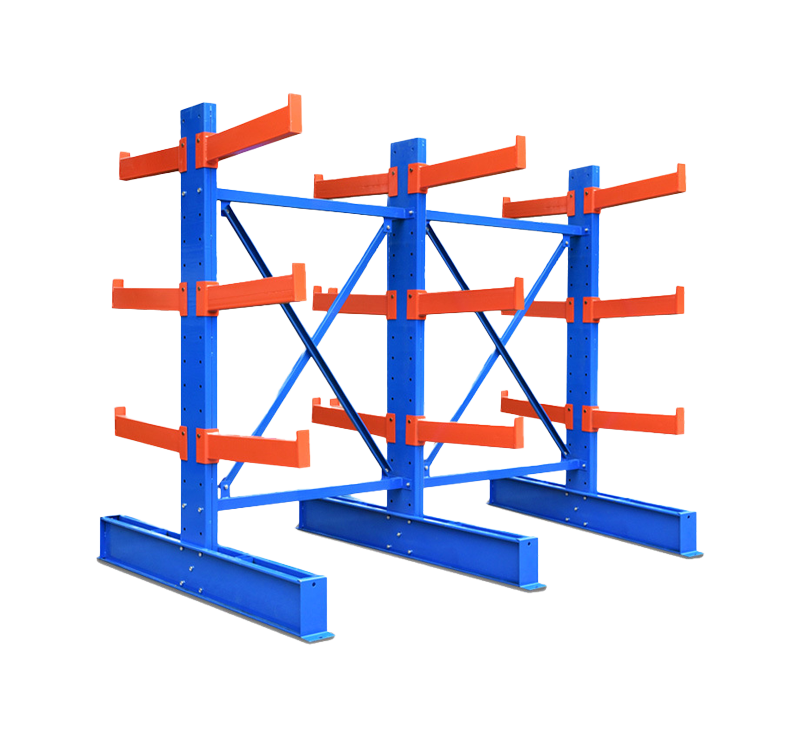
Cantilever racking stores long, horizontal items like pipes, lumber, and profiles on open arms — items are placed and lifted vertically from above. Drawer racking stores compact, heavy items that are accessed by pulling the drawer horizontally forward. The choice depends on the item's shape: long and uniform = cantilever; compact and heavy = drawer racking. Bingo supplies both systems and can advise on the optimal configuration for mixed inventory requirements. Learn more about cantilever racking options here.
Can drawer racking be integrated with an overhead crane?
Yes — this is the standard configuration for mold storage facilities. The drawer is pulled out to its fully extended position, and the overhead crane lifts the mold vertically from the drawer using C-hooks or customized lifting fixtures. The rack structure is designed so that the top of each drawer is unobstructed and accessible from above when open. Bingo can coordinate with your crane supplier to confirm hook height clearances during the engineering phase.
What is the maximum load per drawer that Bingo can manufacture?
Standard Bingo drawer racking is rated for up to 5,000 kg per drawer. For applications exceeding this figure, the engineering team conducts a custom structural analysis and can design reinforced systems with higher-grade Q345B steel and double-row roller tracks. Contact us with your specific load requirements for a tailored proposal.
How long does production and delivery take?
Standard drawer racking orders typically require 15–25 working days from order confirmation to readiness for shipping. Complex OEM orders with non-standard dimensions or special surface treatments may require 30–40 working days. Bingo maintains a transparent production schedule and provides customers with milestone updates throughout the process.
Does drawer racking require special maintenance?
Drawer racking is low-maintenance relative to its load capacity. Roller tracks should be inspected quarterly and lubricated with a light machine oil every 6–12 months depending on usage frequency. Structural uprights and welds should be visually inspected annually for any signs of deformation, corrosion, or impact damage. Bingo provides a maintenance guide with every system and offers spare roller assemblies as replacement parts.
Can the system be expanded after initial installation?
Yes. Bingo designs drawer racking systems with modular expansion in mind. Additional units can be installed adjacent to existing frames, and in many cases, extra drawer levels can be added to existing columns if the floor load and clear height permit. This scalability is an important part of the long-term value Bingo aims to deliver to every partner customer.
Quality Assurance: How Bingo Ensures Every Drawer Rack Meets International Standards
Yancheng Bingo Machinery Equipment Co., Ltd relies on a mature supply chain system and strict quality inspection processes that cover raw materials, fabrication, finishing, and final load testing. This is not simply a marketing statement — it is an operational framework with documented checkpoints at each stage:
Incoming material inspection: All structural steel is tested for yield strength, thickness, and surface quality before entering production. Materials failing to meet Q235B or Q345B specifications are rejected.
Dimensional control during fabrication: CNC laser-cut components are dimensionally verified against engineering drawings with a tolerance of ±0.5 mm. Weld quality is inspected visually and by fillet gauge on all structural welds.
Surface treatment verification: Powder coat thickness is measured using a digital film thickness gauge. Minimum acceptance is 60 μm; the standard target is 80 μm.
Load testing: Drawer assemblies are tested at 125% of rated capacity in the factory. The drawer must extend and retract smoothly under full test load before passing final inspection.
Documentation: Each batch ships with material certificates, dimensional inspection records, load test reports, and installation drawings — evidence that every product complies with international standards.
This commitment to quality is why Bingo consistently builds long-term partnerships rather than one-time transactions. When you choose drawer racking from Bingo, you are not only buying a storage system — you are gaining a partner committed to the efficient, reliable operation of your warehouse for years to come.

 en
en  Español