1. Concept and Definition
Automated Storage and Retrieval Systems (AS/RS) are computer-controlled systems that automatically place and retrieve unit loads — pallets, totes, trays, or cartons — from defined storage locations within a racking structure. Unlike semi-automated systems such as shuttle racking or mobile racking, AS/RS performs storage and retrieval operations without direct human intervention in the storage zone. The system is directed by a Warehouse Control System (WCS) or Warehouse Management System (WMS), which assigns locations, issues movement commands, and tracks inventory in real time.
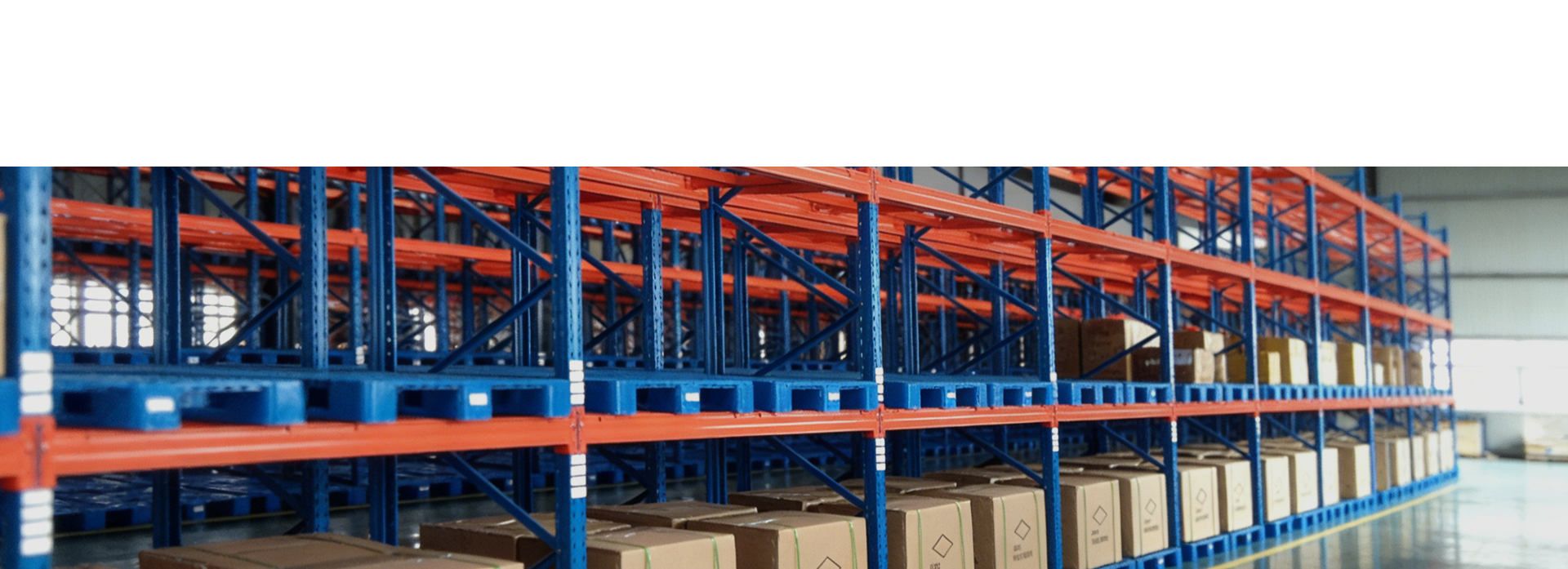
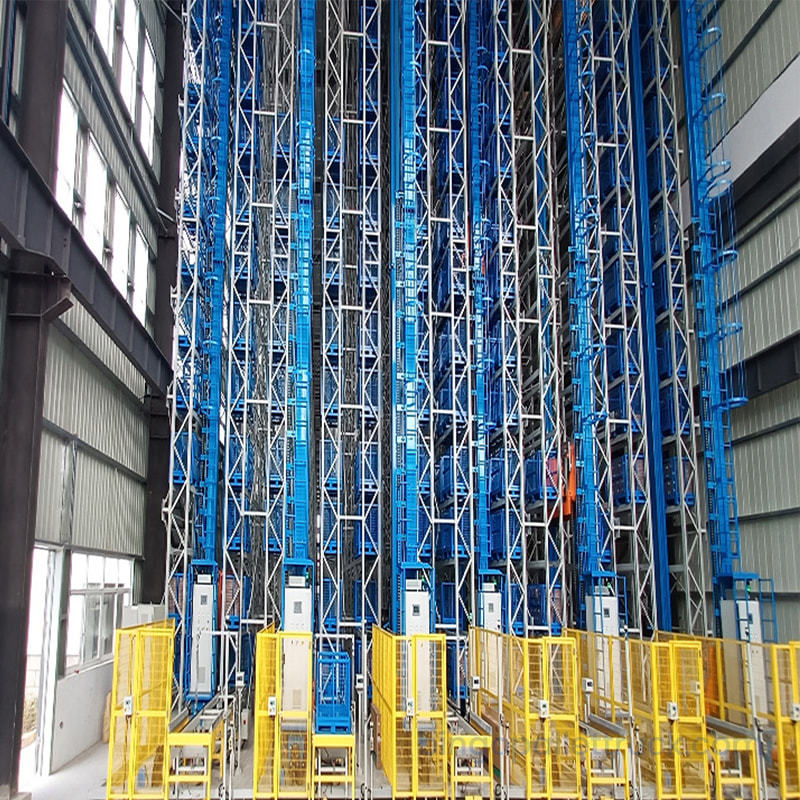
The racking structure in an AS/RS installation is purpose-built to interface precisely with the automated retrieval machine — typically a stacker crane (Storage and Retrieval Machine, or SRM) or a shuttle-based carrier. Rack dimensions, rail tolerances, and load position accuracy are engineered to tighter specifications than in manually operated systems, as the automated machine relies on positional repeatability rather than operator judgment.
AS/RS installations are commonly housed in high-bay buildings of 15–45 m clear height, though lower-bay configurations exist. In rack-supported building (RSB) designs, the rack structure itself forms the primary structural frame of the building, with the external cladding attached directly to the rack uprights, eliminating the need for a separate building structure.
2. System Types
Unit Load AS/RS (Pallet-Level)
Handles full pallets or large unit loads. A stacker crane (SRM) operates in a fixed aisle between two rows of racking, traveling horizontally along a floor rail and overhead guide rail while a lifting carriage moves vertically on the mast. The SRM extends a load handling device — typically telescopic forks or a shuttle platform — to deposit or retrieve a pallet from any rack position in its aisle. Unit load AS/RS systems are the most common configuration in high-bay automated warehouses.
Mini-Load AS/RS (Tote or Tray Level)
Handles smaller loads such as plastic totes, trays, or cartons rather than full pallets. Mini-load cranes operate at lower heights (typically 4–15 m) and higher speeds than unit load SRMs, and are commonly used in order fulfillment, parts storage, and e-commerce operations where individual item or case picking from totes is required.
Shuttle-Based AS/RS
Instead of a single SRM per aisle, multiple shuttle carriers operate on each rack level, moving loads within the rack channels. A vertical lift module or elevator transfers shuttles and loads between levels. Shuttle-based AS/RS systems can achieve higher throughput than single-SRM configurations by operating multiple carriers concurrently, and are increasingly used in both pallet-level and tote-level applications.
Vertical Lift Modules (VLM) and Carousels
VLMs are enclosed automated storage units in which trays are stored in a vertical column and retrieved by an internal extractor to an ergonomic access opening. Horizontal and vertical carousels rotate shelving to bring items to the operator. These systems are used for smaller goods and are typically installed within existing buildings rather than in purpose-built high-bay structures.
3. Key Technical Parameters
| Parameter |
Unit Load AS/RS |
Mini-Load AS/RS |
| Load unit |
Pallet (500–1,500 kg) |
Tote / tray (up to 50 kg) |
| Typical rack height |
15 – 45 m |
4 – 15 m |
| SRM horizontal speed |
2.0 – 4.0 m/s |
3.0 – 6.0 m/s |
| SRM vertical speed |
0.3 – 0.8 m/s |
0.5 – 1.5 m/s |
| Aisle width (SRM) |
~1.0 – 1.6 m |
~0.5 – 1.0 m |
| Throughput per aisle |
30 – 60 pallets/hr |
100 – 300 totes/hr |
| Positional accuracy |
±5 – 10 mm |
±2 – 5 mm |
| Control system |
WMS / WCS integration; PLC-based machine control |
| Applicable standards |
EN 15512, FEM 9.831/9.832, ISO 22166, local machinery directives |
4. Applications and Industries
AS/RS installations are capital-intensive and are justified where one or more of the following conditions apply: very high storage volume, high throughput requirements, significant labor cost reduction objectives, constrained land or floor space, controlled-temperature environments, or stringent inventory accuracy requirements.
- Food and beverage distribution: High-volume, high-velocity pallet operations with temperature control requirements. AS/RS reduces both labor dependency and refrigerated aisle volume.
- Pharmaceutical manufacturing and distribution: Strict lot control, expiry date management, and serialization traceability are managed at the system level, with every movement recorded automatically.
- E-commerce fulfillment: Mini-load and shuttle-based AS/RS systems handle high-SKU, high-order-frequency environments where goods-to-person (GTP) order picking significantly reduces travel time and labor cost.
- Automotive and manufacturing: Buffer storage of components and finished goods with precise sequencing requirements for production line supply.
- Third-party logistics (3PL): High-throughput distribution hubs where labor costs, accuracy, and throughput SLAs justify the capital investment in automation.
5. Comparison with Other Pallet Storage Systems
| Criterion |
Selective Racking |
Shuttle Racking |
Mobile Racking |
AS/RS |
| Storage density |
Baseline |
+60–90% |
+45–85% |
Very High |
| Pallet selectivity |
100% |
Low per channel |
100% |
100% |
| Automation level |
Manual |
Semi-automated |
Semi-automated |
Fully automated |
| Labor dependency |
High |
Medium |
Medium |
Low |
| Inventory accuracy |
WMS-dependent |
WMS-dependent |
WMS-dependent |
System-enforced |
| Throughput scalability |
Add forklifts |
Add shuttles |
Limited |
Add SRM aisles |
| Initial capital cost |
Low |
High |
High |
Very High |
| Implementation timeline |
Weeks |
Months |
Months |
12 – 36 months |
6. Advantages and Limitations
Advantages: very high storage density, particularly in high-bay rack-supported building configurations; full pallet selectivity with 100% system-tracked inventory accuracy; substantially reduced reliance on forklift operators in the storage zone, lowering labor costs and eliminating human error in putaway and retrieval; 24-hour operation capability without shift constraints; consistent cycle times regardless of storage location depth or height; effective in temperature-controlled environments by minimizing human presence and associated door openings.
Limitations: the highest initial capital investment of any pallet storage system category; project timelines of 12–36 months from design to commissioning; requires a stable, high-quality power supply and robust IT infrastructure; any SRM or system failure suspends access to the affected aisle until repair is completed — redundancy planning is essential; load unit standardization is mandatory — mixed or non-conforming pallet types cause machine errors; ongoing maintenance requires specialist technical capability not typically available in general warehouse operations teams.
7. Frequently Asked Questions
Q: What is a rack-supported building (RSB) in an AS/RS context?
A rack-supported building is a structure in which the AS/RS racking forms the primary structural frame of the building. External wall cladding, roofing, and weather protection are attached directly to the rack uprights rather than to a separate building skeleton. RSB designs are common in greenfield AS/RS projects as they eliminate the cost of a separate building structure, reduce construction time, and optimize the relationship between rack height and building volume. They are not suitable for retrofit into existing buildings.
Q: What pallet quality standards are required for AS/RS compatibility?
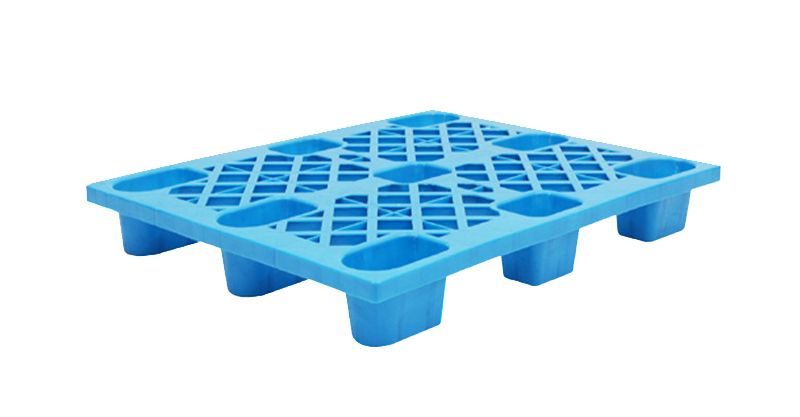
AS/RS systems impose stricter pallet quality requirements than manually operated racking. Pallets must conform precisely to the specified dimensions (length, width, height, and deck board configuration), be free from deformation or damage that would affect the SRM's load handling device engagement, and meet the load rating specified in the system design. Non-conforming pallets are rejected at the inbound conveyor before entering the AS/RS zone. Most installations include an automatic pallet dimensioning and weight check station at the system entry point.
Q: How is throughput calculated for a unit load AS/RS?
Throughput for a single SRM aisle is typically expressed in combined cycles per hour — a combined cycle being one storage and one retrieval movement in a single SRM trip. Combined cycle throughput depends on rack geometry (aisle length and height), SRM travel speeds, and the statistical distribution of storage locations. FEM 9.851 provides a standardized methodology for calculating AS/RS throughput under defined conditions, which is used during system design to verify that the specified number of SRM aisles meets the required throughput.
Q: Can an AS/RS be expanded after initial installation?
Expansion is possible but must be planned at the initial design stage. Adding SRM aisles requires additional rack bays, floor rail extensions, overhead guide rail extensions, and WCS software capacity. In rack-supported buildings, structural expansion is more complex than in conventional buildings. The most practical approach is to design the initial system with defined expansion zones and pre-engineer the structural connections, power supply capacity, and WCS architecture to accommodate future aisles without redesign of the core system.
Q: What is the role of a WCS versus a WMS in an AS/RS installation?
A Warehouse Management System (WMS) manages inventory at the business logic level — order management, stock assignment, and reporting. A Warehouse Control System (WCS) manages the physical equipment — directing SRM movements, conveyor routing, and load tracking in real time. In AS/RS installations, the WCS receives tasks from the WMS and translates them into precise machine commands. Some modern platforms integrate WMS and WCS functionality in a unified system, while others maintain them as separate layers with defined interfaces.
8. Bingo Machinery and AS/RS
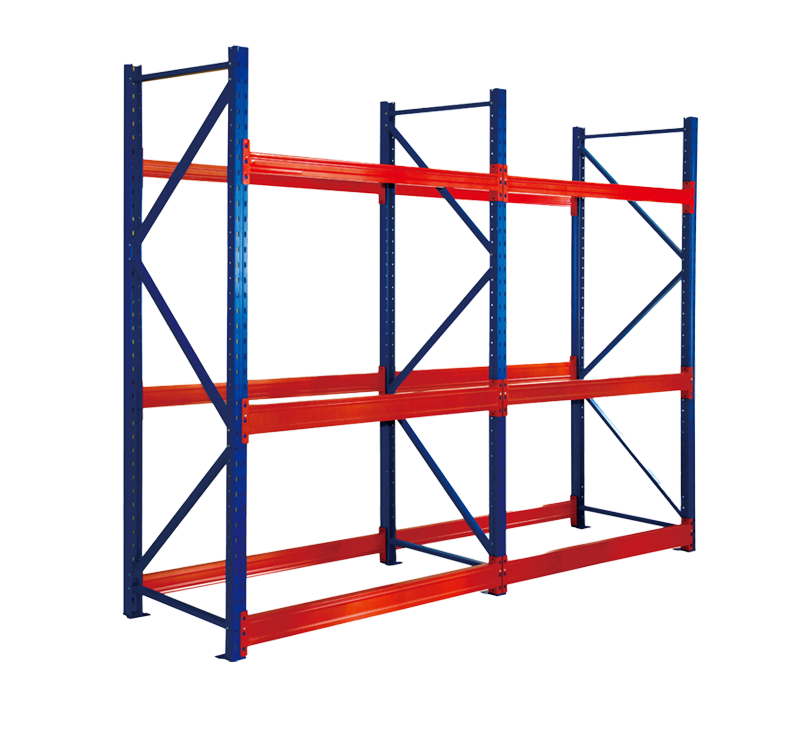
Yancheng Bingo Machinery Equipment Co., Ltd. manufactures and supplies warehousing and logistics equipment across racking, handling, and storage categories. While AS/RS installations are highly engineered systems requiring specialist automation integrators, the heavy-duty racking components that form the structural basis of unit load AS/RS systems — uprights, beams, and structural accessories — fall within Bingo's racking product range, produced to international quality standards through a structured supply chain and inspection process.
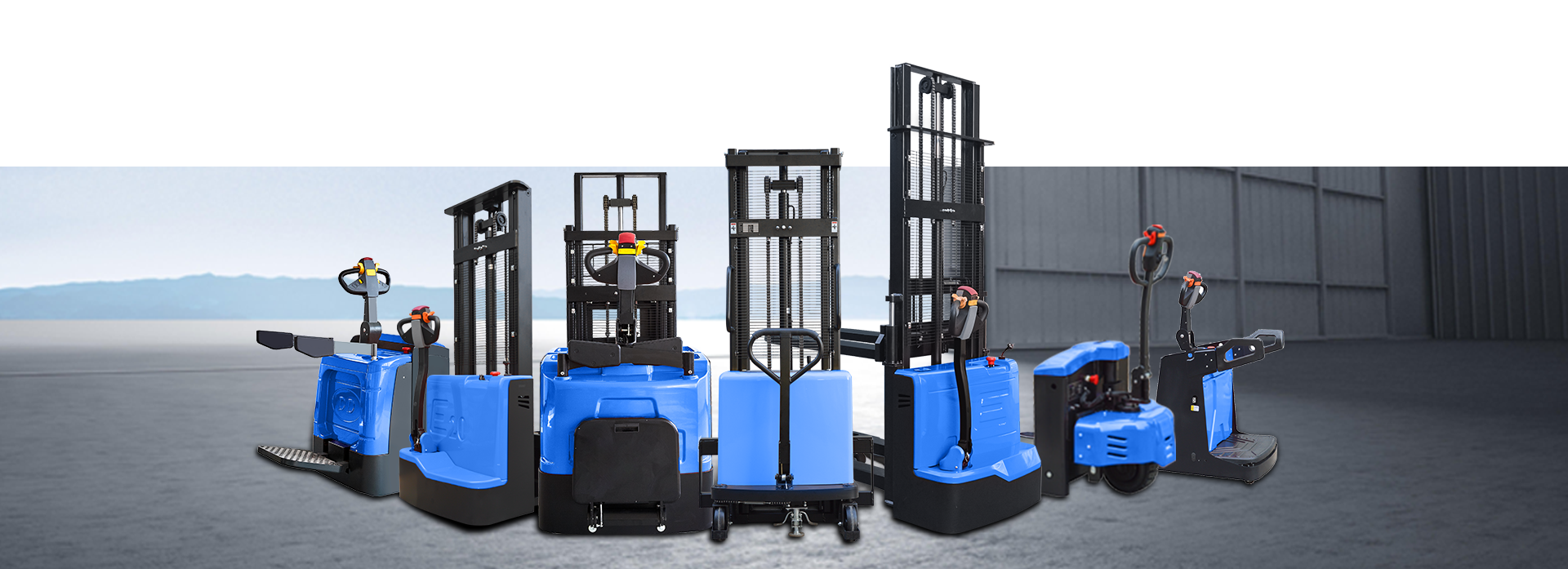
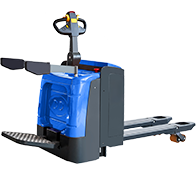
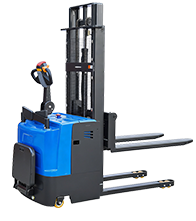
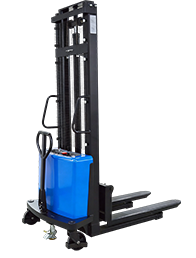
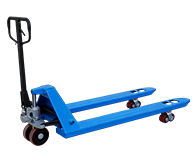
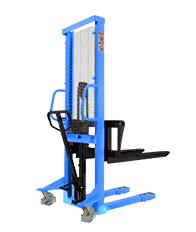
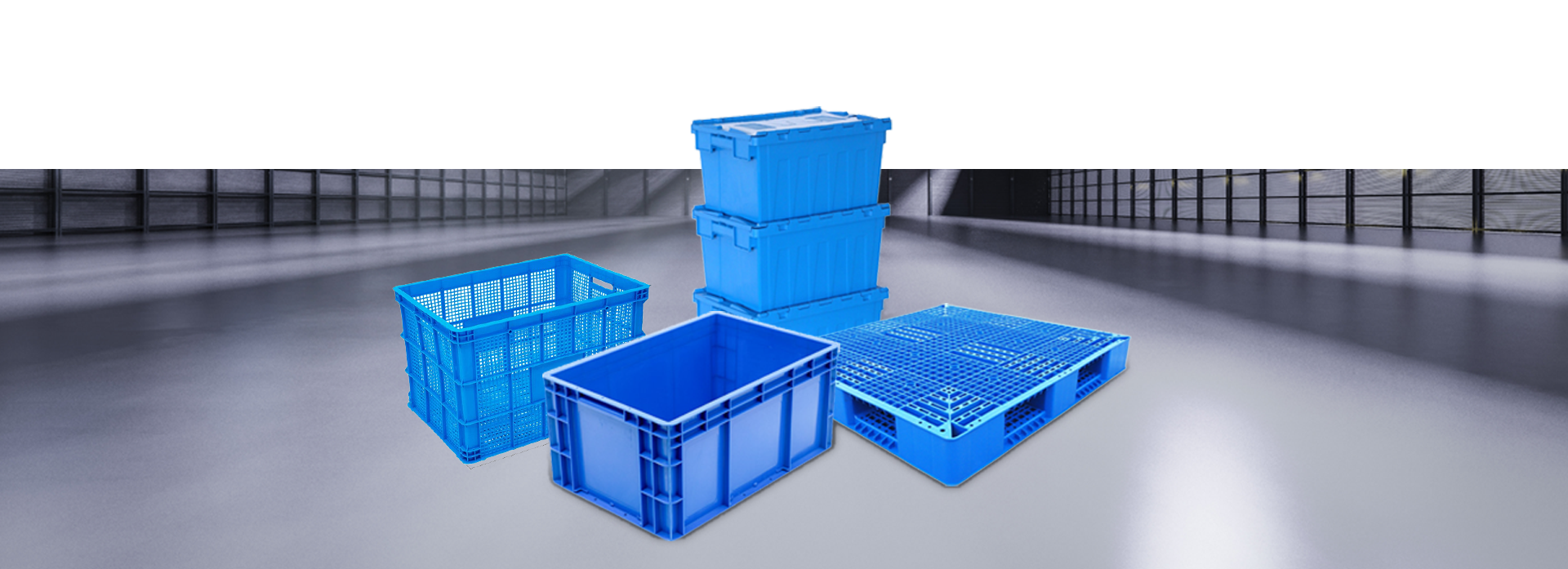
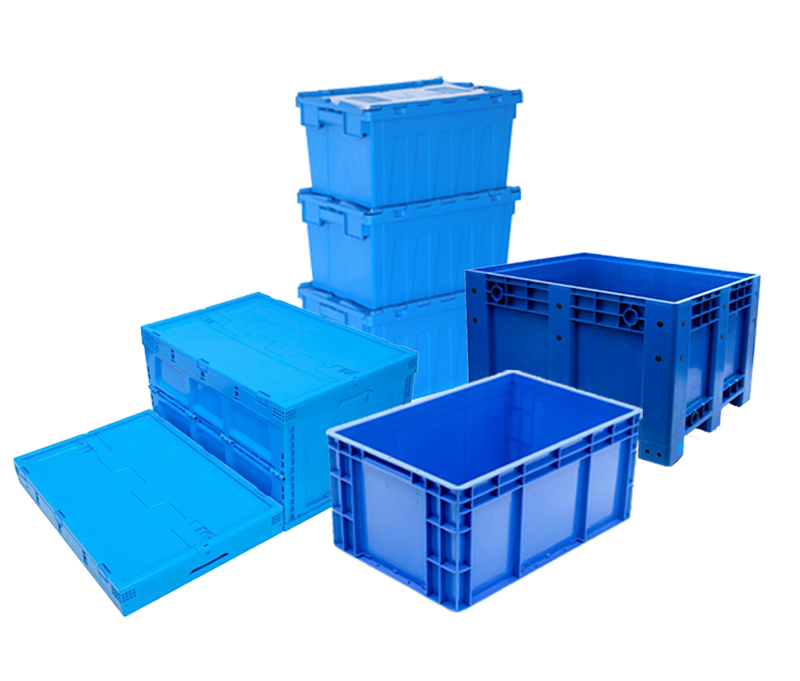
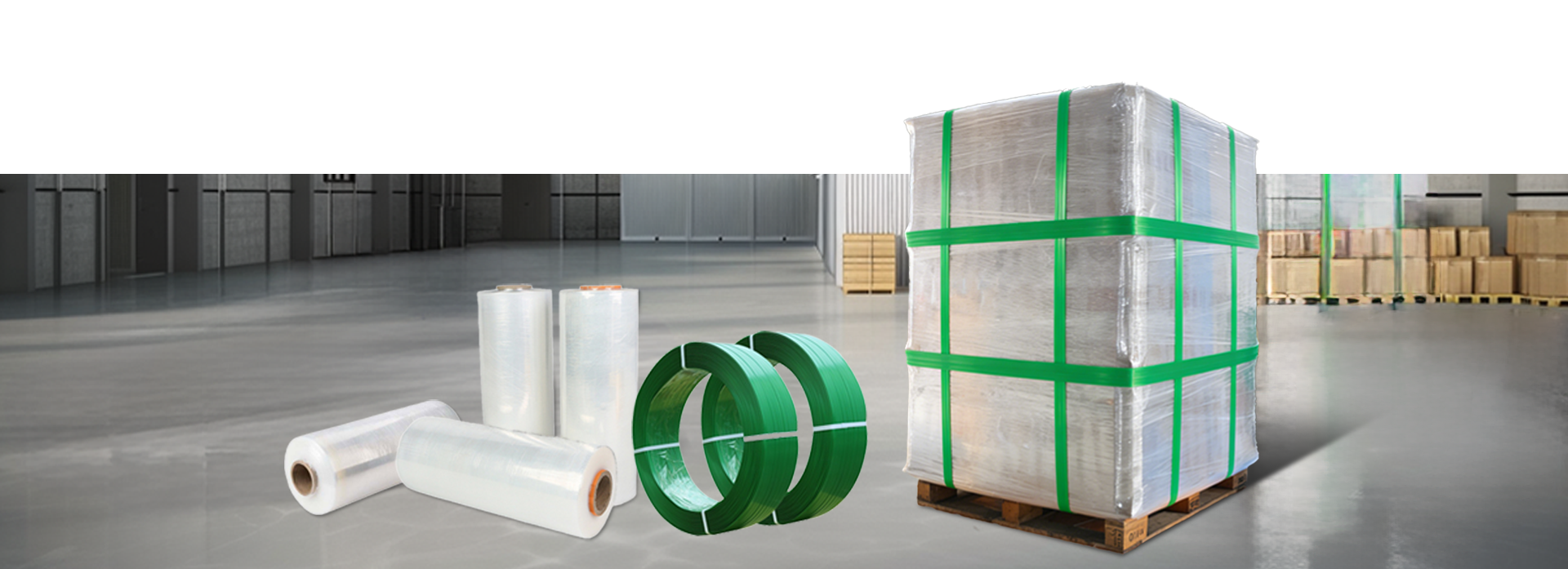
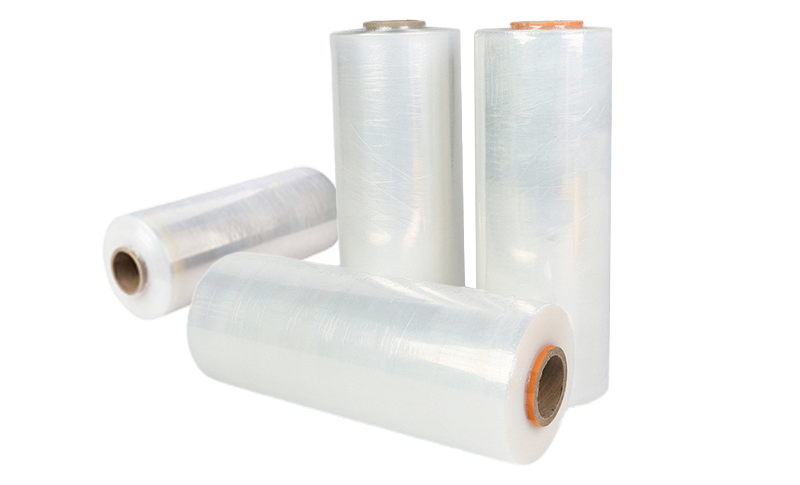
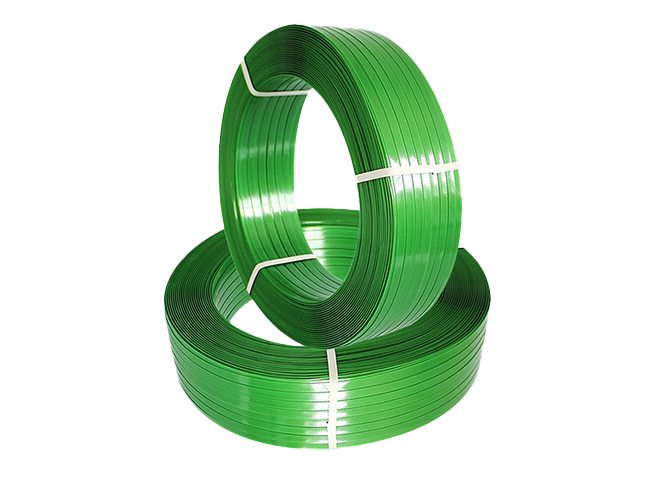
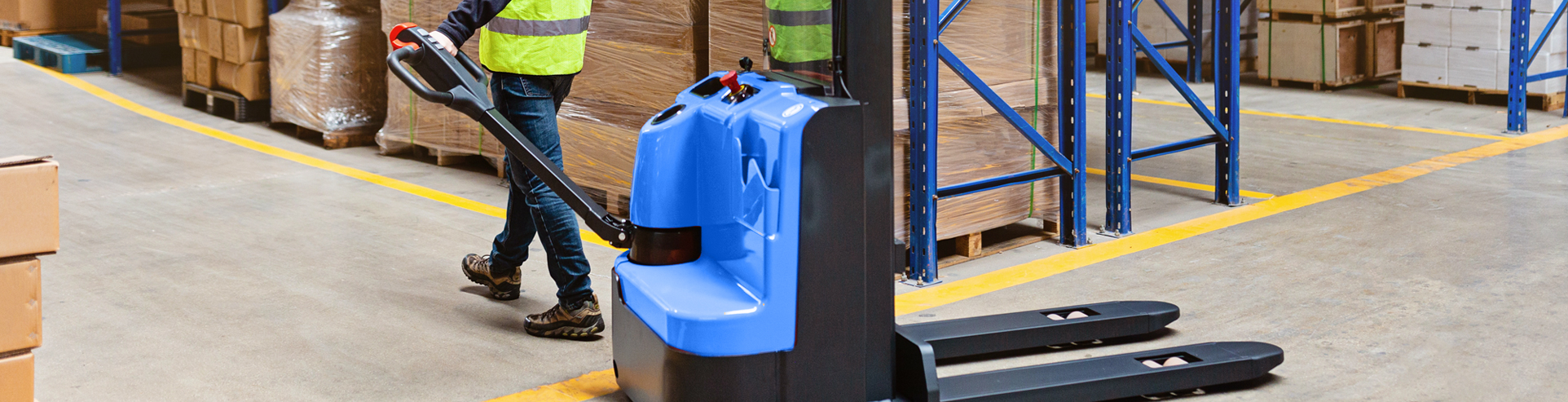
In warehousing environments that incorporate both AS/RS automated zones and conventional manual storage areas, Bingo's broader product portfolio supports the manual handling perimeter: electric pallet trucks and stackers for inbound receiving and outbound dispatch staging; plastic totes and crates compatible with mini-load AS/RS tote dimensions for goods unitization; and stretch wrap and packing strapping for load securing prior to system entry. This product range supports integrated procurement for facilities operating AS/RS alongside conventional storage and handling workflows.
Yancheng Bingo Machinery Equipment Co., Ltd. · Standards reference: EN 15512, FEM 9.831, FEM 9.832, FEM 9.851, ISO 22166, RMI ANSI MH16.1

 en
en  Español