What Is Boltless Shelving and Why It Dominates Modern Warehousing
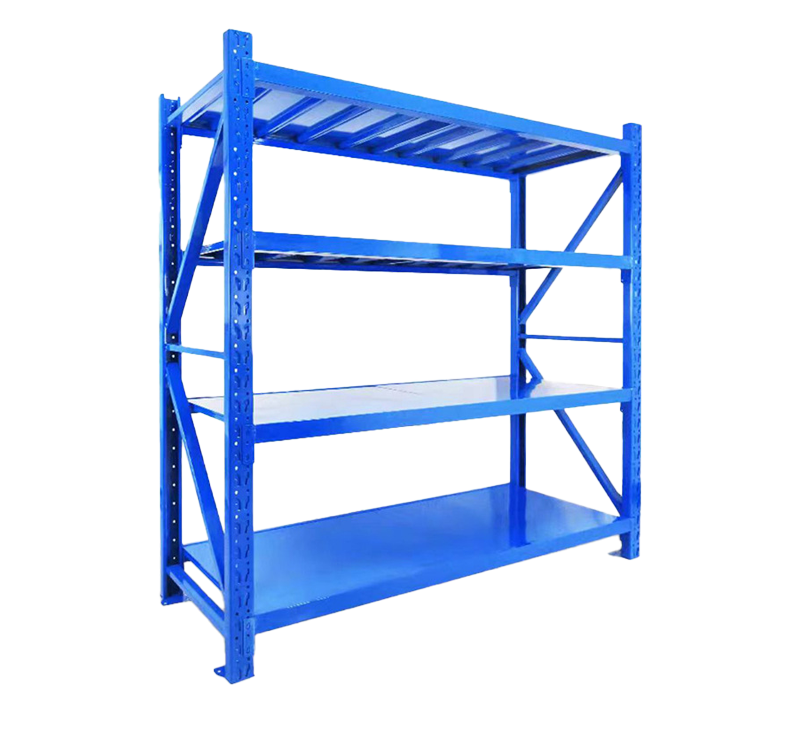
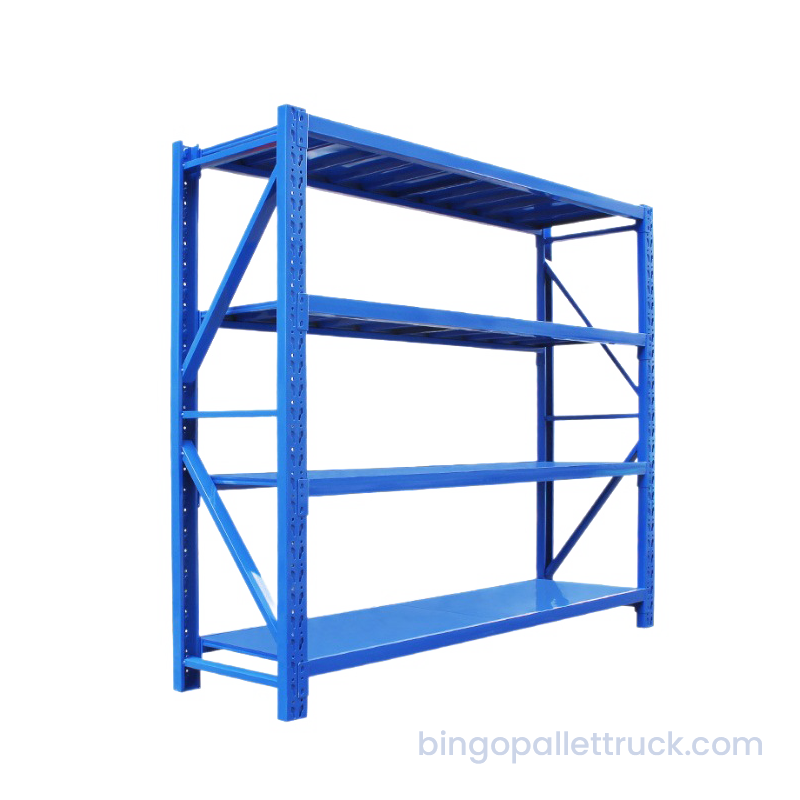
Boltless shelving is the go-to storage solution for warehouses, retail stockrooms, and light industrial facilities because it requires no tools for assembly, offers flexible configuration, and delivers a load capacity of 200–900 kg per shelf depending on the specification. Unlike traditional bolt-together racking, boltless shelving uses a rivet or clip-lock mechanism that snaps steel beams directly into upright frames — no wrenches, no loose hardware, no technical expertise required.
The conclusion is straightforward: for operations that need reliable, reconfigurable storage with minimal setup time, boltless shelving outperforms nearly every alternative in its class. Assembly time for a standard 5-tier unit typically runs 15–30 minutes, compared to 60–90 minutes for comparable bolted rack systems. This article examines how boltless shelving works, how to select the right specification, and where it delivers the most operational value.
How Boltless Shelving Works: The Rivet and Clip-Lock Mechanism
The defining feature of boltless shelving is its tool-free connection system. Two primary joint types are used across the industry:
- Rivet-style (snap-fit): Horizontal beams have stamped tabs that insert into pre-punched slots on vertical uprights and lock under gravity and load. This is the most common design for medium-duty applications.
- Clip-lock (Z-beam or L-beam): A spring-steel clip or folded steel profile locks the beam to the upright, offering slightly higher shear resistance and used in heavier-duty configurations.
- Boltless nut-and-slot (hybrid): Combines a channel-style upright with a captured nut — no external bolt required — for premium load ratings up to 900 kg per level.
Shelf decks — typically steel wire mesh, particle board, or solid steel panels — drop directly onto the beams. Height adjustment is achieved by repositioning the beams at different slot levels, usually spaced at 25–50 mm increments along the upright. This granularity allows exact fitment around stored goods, maximizing vertical cube utilization.
Key Specifications: Load Capacity, Dimensions, and Material Grades
Selecting the wrong specification is the most common mistake buyers make. The table below summarizes the three primary duty classes of boltless shelving and their typical parameters:
Table 1: Boltless Shelving Duty Class Comparison
| Duty Class |
Load per Shelf |
Steel Thickness |
Typical Shelf Width |
Common Applications |
| Light Duty |
100–250 kg |
0.6–0.8 mm |
900–1200 mm |
Offices, retail back rooms, archives |
| Medium Duty |
250–500 kg |
1.0–1.2 mm |
1200–1500 mm |
E-commerce fulfilment, spare parts, tools |
| Heavy Duty |
500–900 kg |
1.5–2.0 mm |
1500–2000 mm |
Industrial warehouses, automotive, manufacturing |
Upright heights typically range from 1800 mm to 3000 mm, with custom heights available from manufacturers. Shelf depth commonly runs from 300 mm to 600 mm. For most warehouse applications, a 1500 mm wide × 500 mm deep × 2000 mm high unit with 5 shelves is the most versatile starting point.
Surface Finish and Corrosion Resistance
Standard boltless shelving is powder-coated with an electrostatic epoxy finish, providing adequate corrosion resistance for dry indoor environments. For cold storage, food-grade, or high-humidity applications, hot-dip galvanizing or stainless steel construction is recommended. Galvanized units add approximately 20–30% to structural weight but extend service life significantly in moisture-prone settings.
Boltless Shelving vs. Other Racking Systems: When to Choose What
Boltless shelving is not universally the best choice. Understanding where it excels versus alternatives prevents costly mismatches:
- vs. Pallet racking: Pallet racking handles 1,000–5,000 kg per level and suits forklift-accessed bulk storage. Boltless shelving is manual-pick oriented and better for SKU-dense, hand-picked environments where forklift access is impractical.
- vs. Wire shelving: Wire shelving offers better airflow and visibility, making it preferred for food service and cleanroom environments. Boltless steel shelving wins on load capacity and surface area coverage.
- vs. Mobile shelving (compactus): Mobile systems save 40–50% floor space by eliminating fixed aisles. Boltless shelving is significantly more affordable and faster to reconfigure, making it preferred when budgets or layout change frequency are concerns.
- vs. Mezzanine shelving: For facilities that need vertical expansion beyond 3 m, mezzanine platforms are necessary. Boltless shelving can be integrated on mezzanine decks as a second-tier storage layer.
The practical rule: if your operation involves hand-picking individual items, processes fewer than 500 kg per shelf level, and needs storage that can be reconfigured seasonally or as product lines change, boltless shelving is the optimal solution.
Shelf Deck Options and Their Impact on Usability
The deck type significantly affects functionality. Each material suits different product types and operational requirements:
Solid Steel Decking
The most common choice. Provides a flat, stable surface for boxes, totes, and irregular items. Typically 0.8–1.2 mm cold-rolled steel, with a load-bearing capacity matching the frame's rated capacity. Solid decking is the default for general-purpose warehousing.
Wire Mesh Decking
Reduces weight, improves visibility, and allows sprinkler water penetration in fire-suppression systems — a critical safety requirement in many jurisdictions. Wire mesh is mandatory in some markets for shelving over 2.4 m in height under local fire codes. It is the preferred deck type for archive and pharmaceutical storage.
Particle Board (Chipboard) Decking
Offers a cost-effective, smooth surface that prevents small items from falling through gaps. Particle board decks are common in retail stockrooms and light manufacturing. They are not suitable for humid environments, as moisture causes warping and delamination over time.
Perforated Steel Decking
A middle ground between solid and wire mesh: provides partial airflow and partial coverage. Common in electronics warehouses where anti-static properties are combined with the perforation pattern to dissipate charge.
Installation Best Practices and Safety Considerations
Although boltless shelving is marketed as tool-free, correct installation is critical for both safety and rated load performance. The following practices should be standard:
- Floor anchoring: Any freestanding unit taller than 1800 mm should be bolted to the floor or wall-braced. An unanchored 2400 mm unit can tip under as little as 150 kg of eccentric load — far below its rated shelf capacity.
- Level alignment: Use a spirit level during assembly. Even a 2° tilt increases lateral stress on rivet connections by up to 15% and accelerates joint wear.
- Back-to-back bracing: For rows exceeding 4 bays, install back-bracing every 3–4 bays to prevent longitudinal racking (lateral sway in the direction of the shelf depth).
- Uniform load distribution: Avoid concentrating heavy items at one end of a shelf. Distribute weight symmetrically, or account for the reduced effective capacity under eccentric loading conditions.
- Periodic inspection: Check rivet connections every 6–12 months for signs of deformation or disengagement, especially in high-throughput environments where shelves are frequently loaded and unloaded.
As a manufacturer and supplier of warehousing equipment, Bingo incorporates load-rating labels on all shelving units, clearly indicating maximum UDL (uniformly distributed load) per shelf and per unit, in compliance with international standards.
Optimizing Boltless Shelving Layout for Warehouse Efficiency
A well-designed boltless shelving layout can reduce average pick travel distance by 20–35% compared to a default linear arrangement. Key layout principles include:
Aisle Width Standards
For pedestrian-access shelving, maintain a minimum aisle width of 900 mm for single-person access and 1200 mm for two-way traffic. Where picking carts or trolleys are used, 1200–1500 mm is the practical minimum to allow maneuvering without shelf contact.
Slotting Strategy by Velocity
Position fast-moving (A-class) SKUs at ergonomic pick height — typically between 750 mm and 1400 mm from floor level — to minimize bend-and-reach time. B-class items go above and below this zone. C-class (slow-moving) items are assigned to the lowest and highest shelves, or to shelf bays furthest from the dispatch area.
Row Configuration and End-Aisle Access
A double-deep (back-to-back) shelving arrangement reduces the aisle-to-storage ratio and increases storage density by approximately 30–40% compared to single-sided rows. End-of-aisle end caps can be used to add label holders, safety mirrors, or additional hanging storage, making the most of otherwise underutilized space.
Integration with Complementary Warehousing Equipment
Boltless shelving does not operate in isolation. Its effectiveness is multiplied when integrated with the right supporting equipment. As a full-line manufacturer and supplier, Bingo designs its shelving to work seamlessly within a broader warehousing ecosystem:
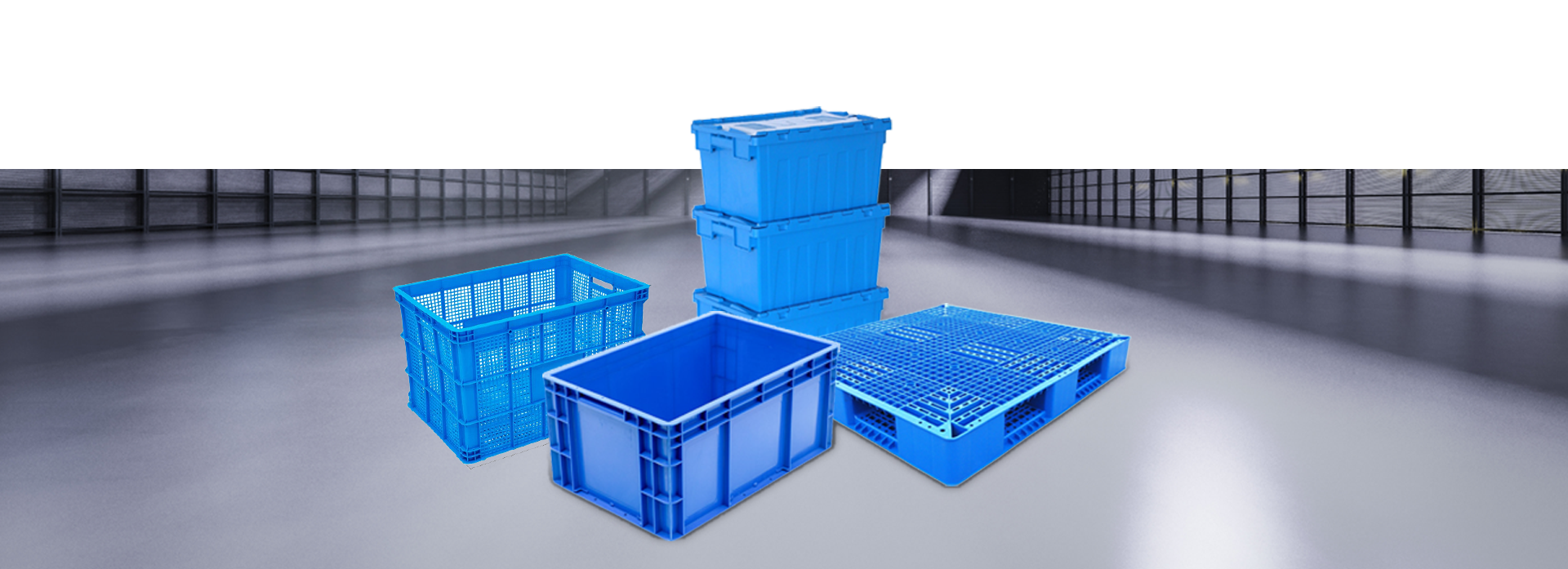
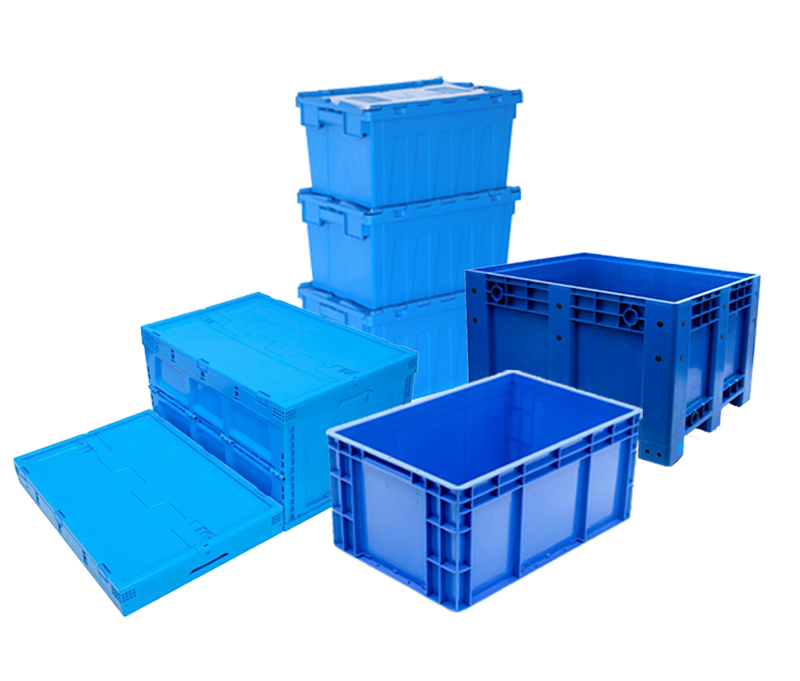
- Plastic totes and crates: Standardized tote dimensions (e.g., 600 × 400 mm footprint) align precisely with 1200 mm or 900 mm shelf widths, maximizing horizontal coverage and eliminating wasted space between containers.
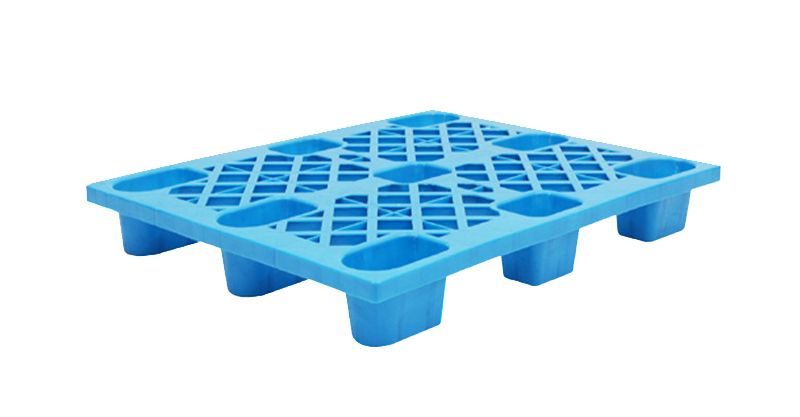
- Plastic pallets: For ground-level storage beneath the lowest shelf tier, plastic pallets provide a hygienic, moisture-resistant base and facilitate pallet jack access without damaging shelf uprights.
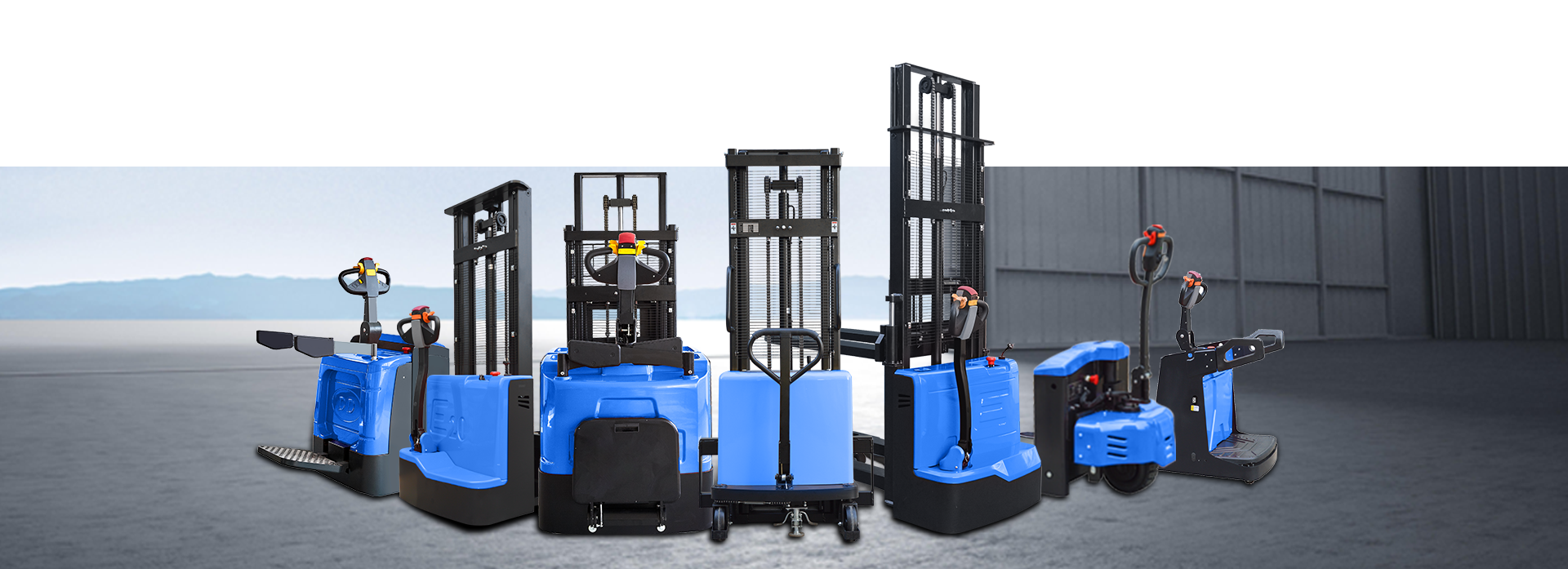
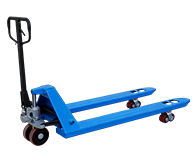
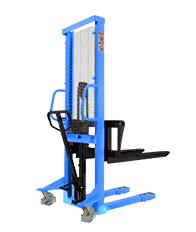
- Manual pallet trucks and stackers: When restocking shelving from floor-level pallets, a low-profile manual pallet truck or pedestrian electric stacker reduces physical strain and accelerates replenishment cycles.
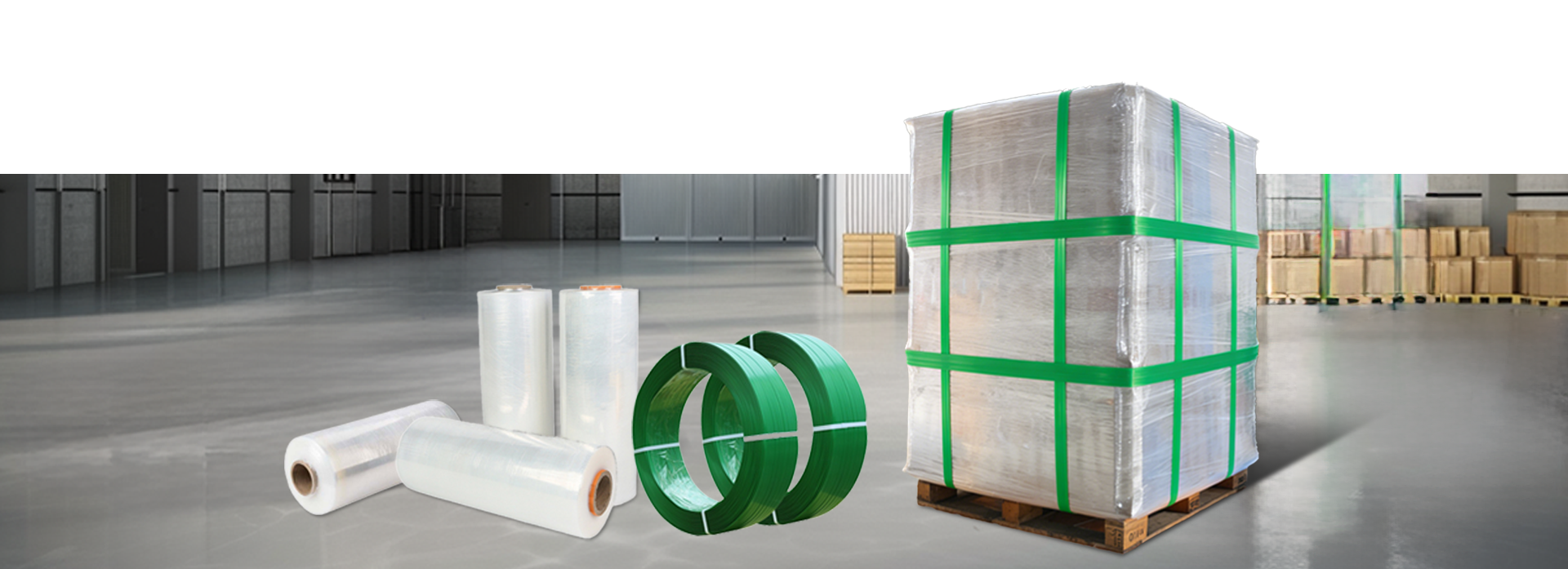
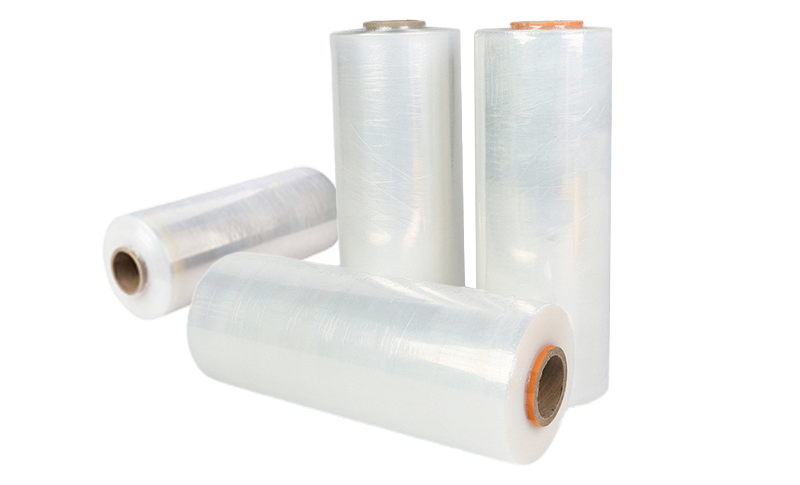
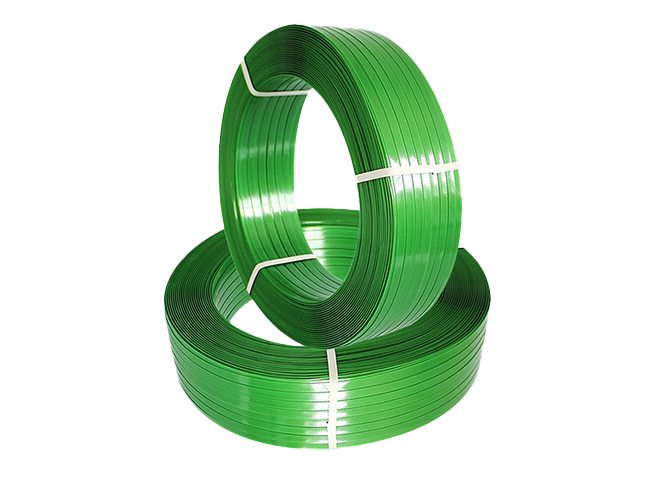
- Stretch wrap and packing strapping: During goods-in processes, securing incoming stock with stretch wrap before placing on shelves prevents item migration and simplifies inventory control during audits.
This end-to-end approach — from shelving structure to container, handling equipment, and packaging materials — is the foundation of the one-stop warehousing solutions that Bingo provides to clients across manufacturing, retail, and third-party logistics sectors.
Quality Standards and What to Look for When Sourcing Boltless Shelving
The global boltless shelving market is served by manufacturers at very different quality levels. When evaluating suppliers, the following criteria separate reliable industrial-grade products from budget units prone to premature failure:
Table 2: Key Quality Checkpoints for Boltless Shelving Procurement
| Evaluation Criterion |
Minimum Acceptable Standard |
Red Flags |
| Steel grade |
Q235 or equivalent (yield strength ≥ 235 MPa) |
No material certification provided |
| Load testing |
Third-party tested to rated UDL × 1.5 safety factor |
Load claims with no test report |
| Powder coat thickness |
60–80 microns minimum |
Uneven finish, bare metal visible at edges |
| Rivet/slot tolerance |
Tabs seat flush with no perceptible play |
Loose fit requiring force to disengage under load |
| Certifications |
ISO 9001 manufacturing process certification |
No traceable quality management documentation |
Buyers should also request assembly instructions with torque specifications (for hybrid boltless designs) and confirm that replacement parts — particularly uprights and beams — are available from the supplier's stock. An incompatible replacement part from a secondary source can compromise the structural integrity of an entire shelving run.
Common Use Cases: Industries Where Boltless Shelving Delivers Maximum Value
While boltless shelving is broadly applicable, certain sectors see disproportionate benefit due to their operational characteristics:
E-Commerce Fulfilment Centers
High SKU counts (often 5,000–50,000 unique items), frequent layout changes driven by seasonal product mix shifts, and tight floor space make boltless shelving the dominant storage format. The ability to add or relocate bays in under 30 minutes without tools allows fulfilment operations to adapt within a single shift.
Automotive Parts Distribution
Automotive spare parts vary enormously in size and weight. Medium-to-heavy-duty boltless shelving with adjustable deck heights accommodates everything from small fasteners in totes to engine ancillaries. Parts distributors typically configure shelves at irregular intervals — 150 mm for small parts sections, 400 mm for mid-size components — made possible by the fine slot pitch of boltless uprights.
Pharmaceutical and Medical Device Storage
GDP (Good Distribution Practice) and GMP guidelines require traceable, cleanable storage environments. Wire mesh boltless shelving meets these requirements by allowing airflow for temperature-sensitive products, easy visual inspection, and surfaces that can be wiped down without disassembly. Stainless steel variants satisfy the most stringent cleanroom specifications.
Manufacturing Shop Floors
Work-in-progress (WIP) storage adjacent to production lines benefits from boltless shelving's compact footprint and the option to mount label holders, bin clips, and dividers directly onto the shelf face. In lean manufacturing environments, boltless shelving is a core component of 5S storage systems for tools, jigs, and consumables.

 en
en  Español