1. Concept and Definition
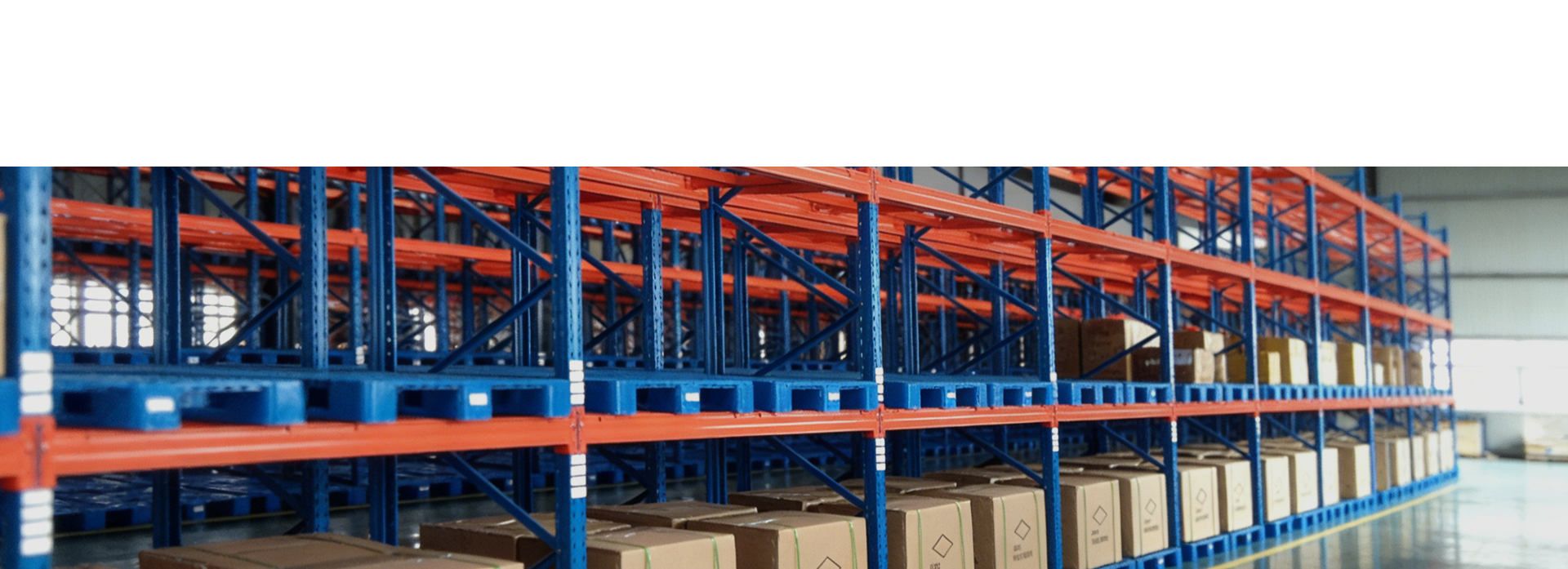
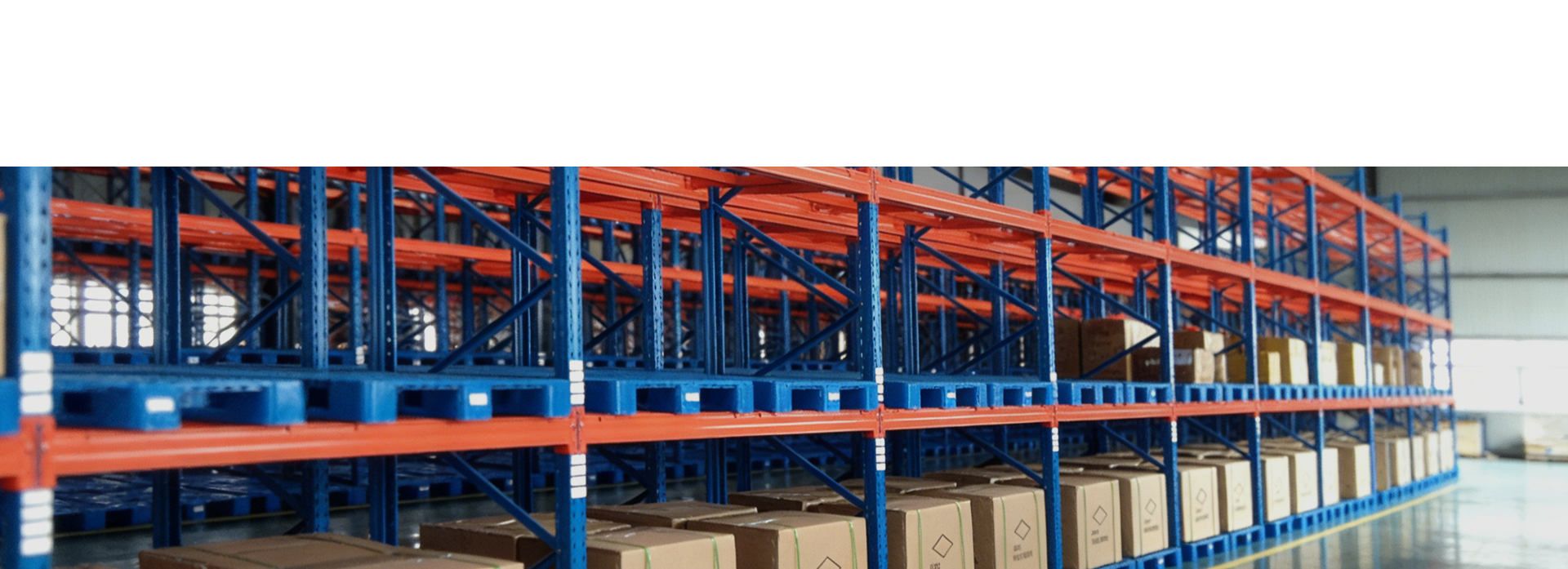
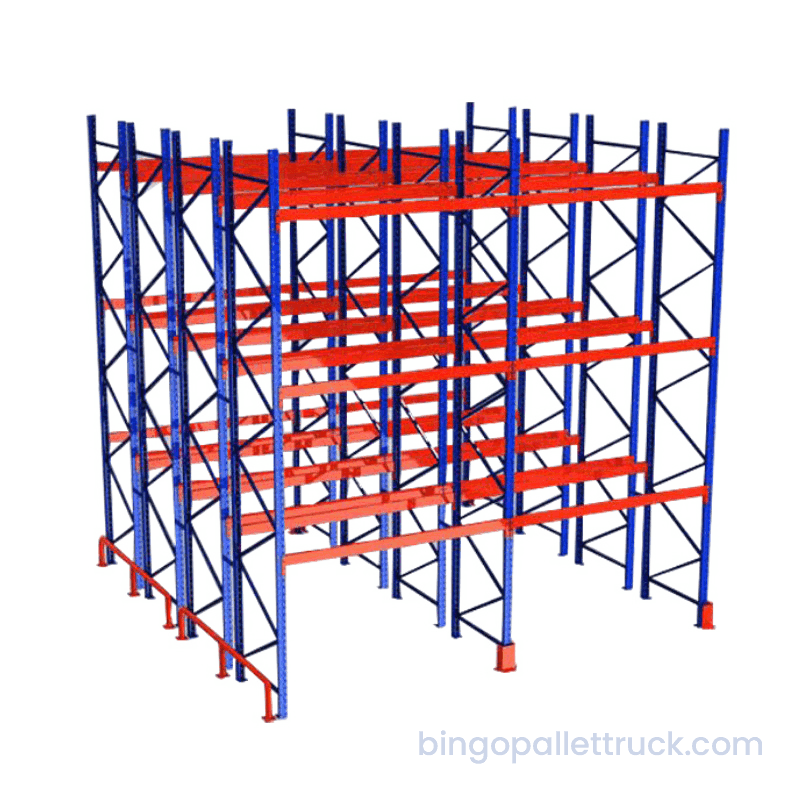
Double deep racking is a variant of selective pallet racking in which two pallet loads are stored back-to-back in a single rack lane, doubling the storage depth per aisle compared to standard single-deep selective racking. The front pallet position faces the aisle; the rear pallet position sits directly behind it, accessible only after the front pallet has been removed.
Because a standard counterbalance forklift cannot reach the rear pallet position, double deep racking requires a double-deep reach truck — a specialized forklift equipped with a pantograph (scissor-extend) mechanism that extends the forks an additional pallet depth into the rack. This equipment requirement is a defining characteristic of the system and must be factored into any double deep racking project.
The system achieves a practical balance between storage density and inventory accessibility, making it one of the most widely deployed high-density racking solutions in general warehousing environments.
2. Working Principle
In a double deep configuration, each aisle serves two rows of racking rather than one. The reach truck approaches the rack face from the aisle, extends its pantograph mechanism to place or retrieve the rear pallet without physically entering the rack structure. The front pallet is accessed in the same manner as standard single-deep selective racking — no extension required.
The operational implication is that rear pallets are only directly accessible once the front pallet has been moved. This creates a last-in, first-out (LIFO) sequence within each lane, which restricts the system's suitability for inventory requiring strict date rotation.
3. System Configurations
Standard Double Deep
Two pallet rows share one aisle, with racking arranged back-to-back. This is the most common configuration and reduces the total number of aisles by approximately 30–40% compared to single-deep selective racking in the same footprint.
Double Deep with Guided Aisle (VNA Variant)
In very narrow aisle (VNA) warehouses, double deep racking can be combined with guided reach trucks operating in aisles as narrow as 1.5–1.8 m. This configuration further increases storage density but requires wire-guided or rail-guided truck systems and higher upfront investment in guidance infrastructure.
Multi-Level Double Deep
Double deep racking is commonly installed in high-bay configurations of 10–15 m or more, accessed by high-reach double-deep trucks. Multi-level installations are typical in distribution centers where maximizing vertical storage utilization is a priority alongside density improvements at floor level.
4. Key Technical Parameters
| Parameter |
Typical Range |
| Pallet load capacity per position |
500 – 1,500 kg |
| Beam levels per bay |
3 – 6 levels (height-dependent) |
| Upright height |
Up to 12 m (standard); higher with engineering review |
| Aisle width required |
2.7 – 3.5 m (double-deep reach truck) |
| Storage depth per lane |
2 pallet positions |
| Inventory selectivity |
~50% (front positions directly accessible) |
| Floor space utilization gain vs. single-deep |
Approximately 30 – 40% |
| Applicable standards |
EN 15512, EN 15620, EN 15635, RMI ANSI MH16.1 |
5. Applications and Industries
Double deep racking is most effective in operations with a moderate number of SKUs at medium-to-high pallet volume per SKU, where full individual pallet selectivity is not required for every position. Typical applications include:
- General distribution centers: Where a mix of fast-moving and medium-moving SKUs can be organized so that rear positions hold reserve stock of the same product as the front position, preserving effective selectivity.
- Manufacturing warehouses: Buffer storage of raw materials or finished goods with consistent pallet volumes per SKU and LIFO-compatible rotation.
- Retail and FMCG: Products with long shelf lives and high pallet volumes per line, where expiry date management is not a strict operational constraint.
- Cold storage: Where reduced aisle count lowers the refrigerated volume to be maintained, though FIFO requirements in some cold chain operations may limit suitability.
- E-commerce logistics: Reserve storage zones for high-velocity SKUs where forward pick locations are replenished from double deep reserve bays.
6. Comparison with Related Systems
| Criterion |
Single-Deep Selective |
Double Deep |
Drive-In Racking |
Shuttle Racking |
| Storage density |
Baseline |
Medium-High |
High |
Very High |
| Pallet selectivity |
100% |
~50% |
Very Low |
Low (per channel) |
| Inventory flow |
FIFO / LIFO |
LIFO per lane |
LIFO only |
FIFO or LIFO |
| Special equipment required |
Standard reach truck |
Double-deep reach truck |
Counterbalance forklift |
Reach truck + shuttle unit |
| Aisle width |
2.3 – 2.8 m |
2.7 – 3.5 m |
3.0 – 3.5 m |
2.5 – 3.5 m |
| SKU variety tolerance |
Unlimited |
High |
Very Low |
Low |
| Initial system cost |
Low |
Low–Medium |
Medium |
High |
| Maintenance complexity |
Very Low |
Low |
Low |
Medium–High |
Double deep racking occupies a practical middle ground: it delivers meaningfully higher density than single-deep selective racking without the strict SKU homogeneity requirements of drive-in or shuttle systems, and at a significantly lower capital cost than shuttle-based alternatives.
7. Advantages and Limitations
Advantages: approximately 30–40% more storage positions than single-deep selective racking in the same footprint; retains a relatively high level of SKU variety tolerance compared to drive-in or shuttle systems; no mechanical components within the rack structure, resulting in low maintenance requirements; compatible with standard WMS slotting and inventory management; straightforward installation and reconfiguration.
Limitations: requires a double-deep reach truck, which represents an additional equipment investment and limits forklift fleet interchangeability; rear pallet positions are only accessible after removing the front pallet, reducing effective selectivity to approximately 50%; LIFO-only flow per lane makes the system unsuitable for products with strict expiry date rotation requirements; pantograph reach truck operation requires adequate aisle width and operator training; visibility into rear positions is limited, increasing reliance on accurate WMS location data.
8. Installation and Maintenance
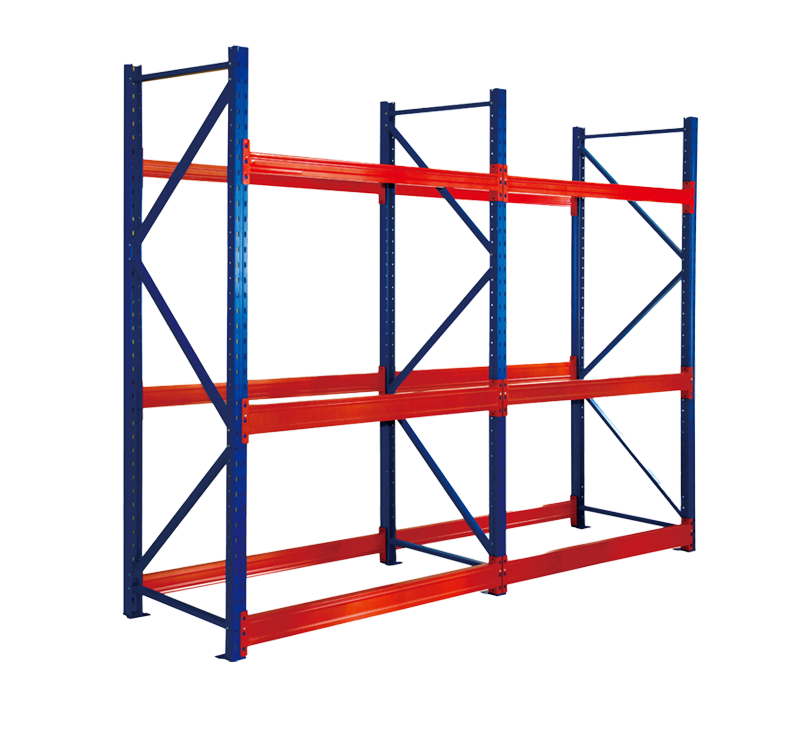
Double deep racking follows the same structural installation procedures as standard selective pallet racking. Frame uprights are anchored to the floor slab, beams are secured at designated heights using safety pins or locking clips, and row spacers maintain the correct gap between back-to-back rows. No special rail or channel components are required within the rack itself.
Floor levelness and upright plumb tolerances should comply with EN 15620 or equivalent standards. Each bay must display a rack load notice indicating maximum unit load and bay load per EN 15635. Routine inspection should include beam connector condition, upright base plate anchorage, and frame alignment — particularly in areas of frequent reach truck operation, where pantograph extension increases the risk of accidental contact with rack components.
Aisle floor marking to guide reach truck positioning is recommended, as consistent approach angles improve pantograph alignment with rear pallet positions and reduce the incidence of pallet misplacement.
9. Frequently Asked Questions
Q: Can a standard reach truck be used with double deep racking?
No. A standard reach truck can only access the front pallet position. Accessing the rear position requires a double-deep reach truck fitted with a pantograph (scissor-extend) mechanism. Using a standard reach truck in a double deep system will result in inability to store or retrieve rear pallets.
Q: How should SKUs be allocated in a double deep system?
The most effective slotting practice is to assign the same SKU to both the front and rear positions within a lane. This preserves effective full-lane selectivity, since both positions hold identical product and the rear pallet serves as reserve stock for the front position. Assigning different SKUs to front and rear positions in the same lane reduces effective selectivity to 50% and increases operational complexity.
Q: Is double deep racking compatible with FIFO inventory management?
Within a single lane, double deep racking operates on a LIFO basis — the front pallet must be removed before the rear pallet can be accessed. FIFO compliance can be achieved at the lane level by managing stock rotation across lanes rather than within them, but this requires disciplined WMS slotting. For operations with strict lot-level FIFO requirements, pallet flow racking or FIFO shuttle configurations are more appropriate.
Q: What floor slab requirements apply to double deep racking?
Floor load requirements depend on the rack bay load and pallet weight configuration. As double deep racking concentrates loads at fewer positions than single-deep systems, point load calculations should be reviewed by a structural engineer, particularly in high-bay installations or facilities with older floor slabs. Floor levelness should meet the tolerance specifications of the reach truck manufacturer as well as EN 15620.
Q: Can double deep racking be integrated with an existing single-deep installation?
In many cases, yes. Where aisle widths and frame depths are compatible, single-deep bays can be reconfigured to double deep by adding a second row of racking back-to-back and adjusting beam configurations. However, the reach truck fleet must be assessed for double-deep capability, and WMS location data must be updated to reflect the new lane depth. A structural review is advisable before any modification to an existing installation.
10. Bingo Machinery and Double Deep Racking
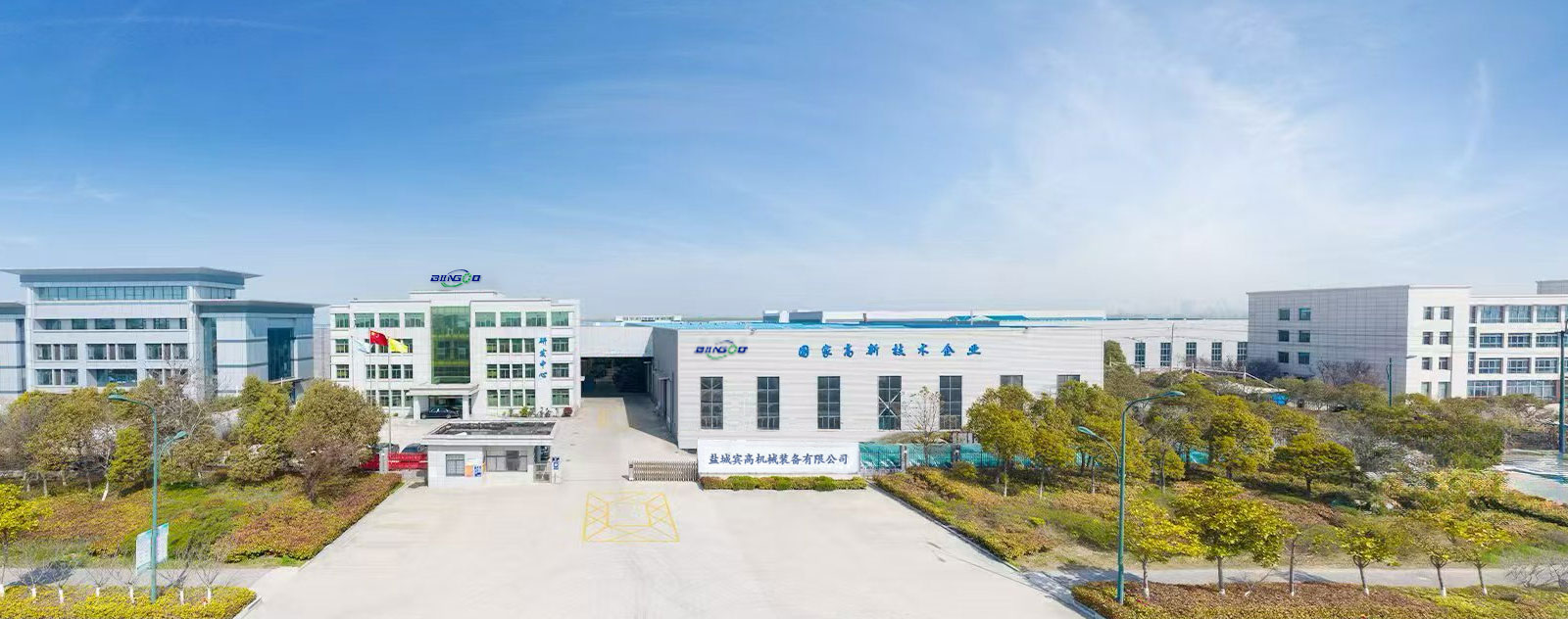
Yancheng Bingo Machinery Equipment Co., Ltd. manufactures and supplies warehousing equipment across handling, storage, and racking categories. The heavy-duty racking range includes upright frames, beams, row spacers, and accessories suitable for double deep racking configurations, manufactured to international quality standards through a structured supply chain and quality inspection process.
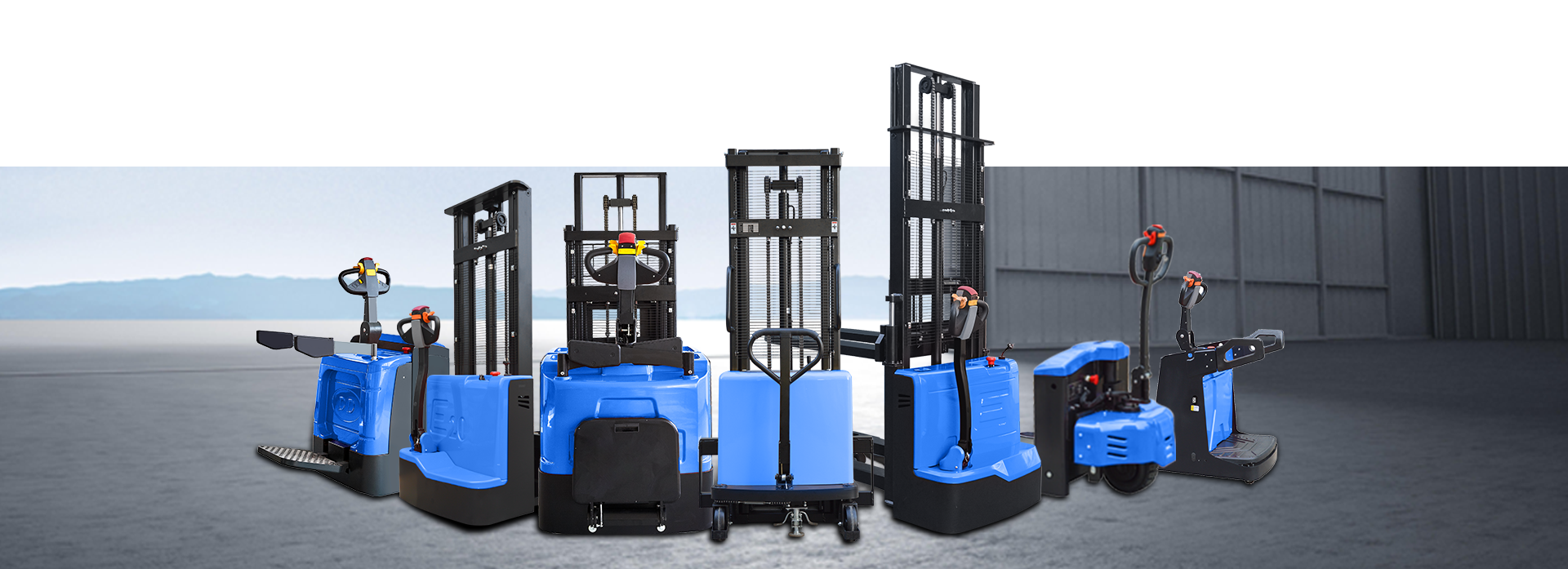
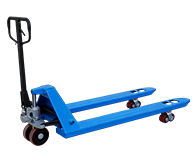
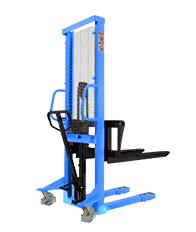
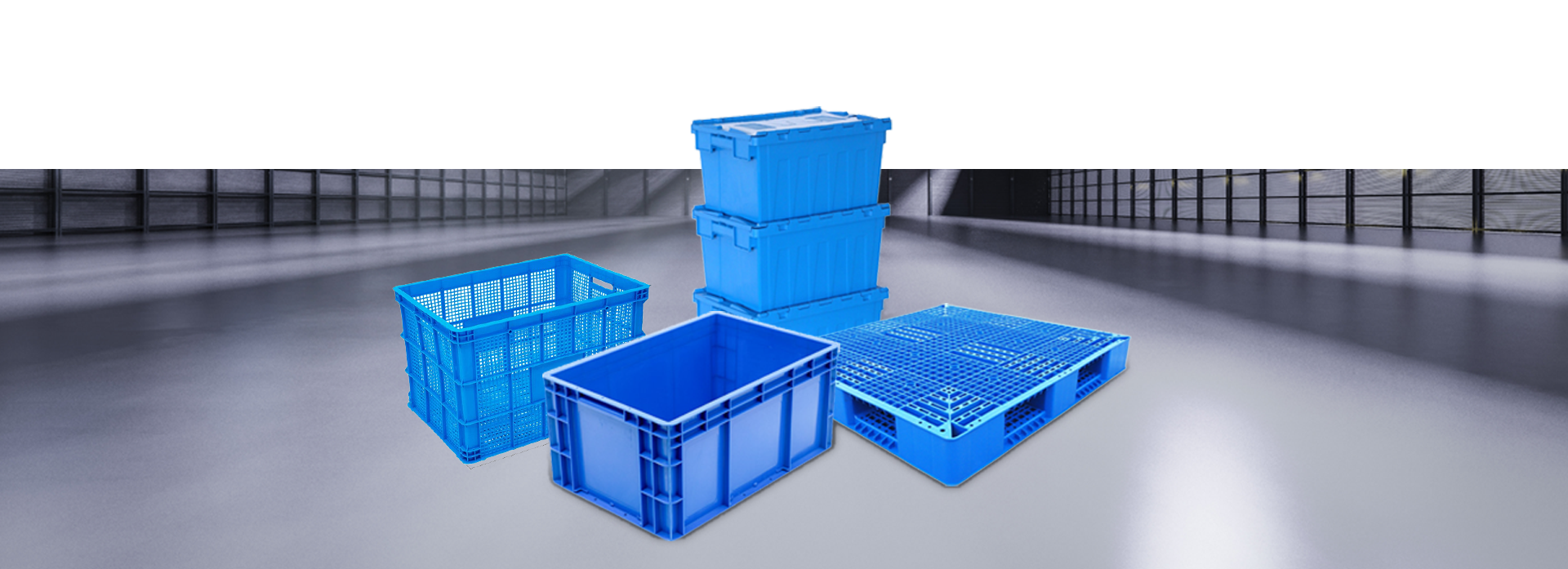
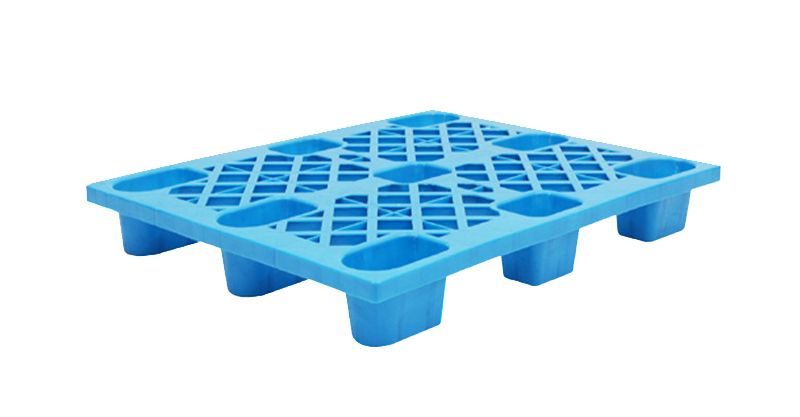
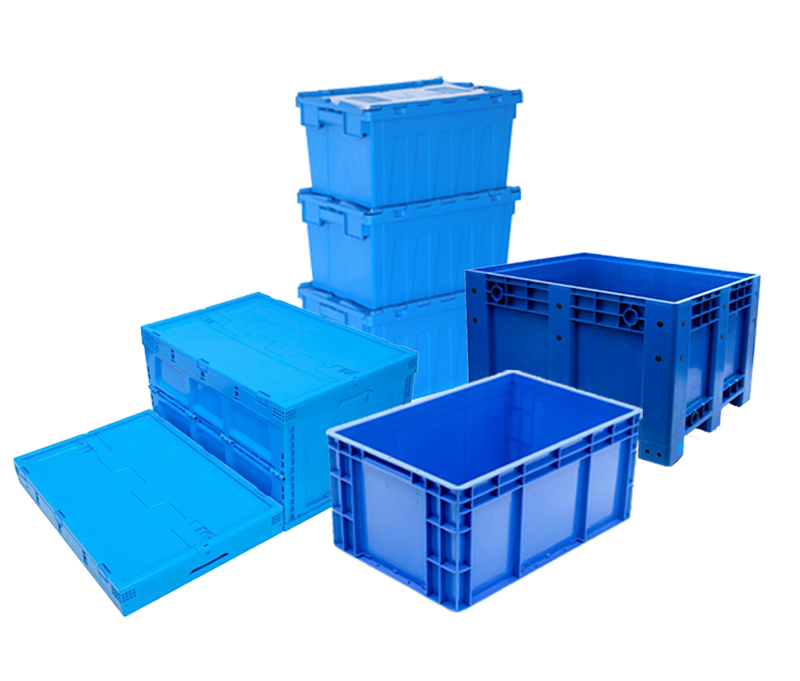
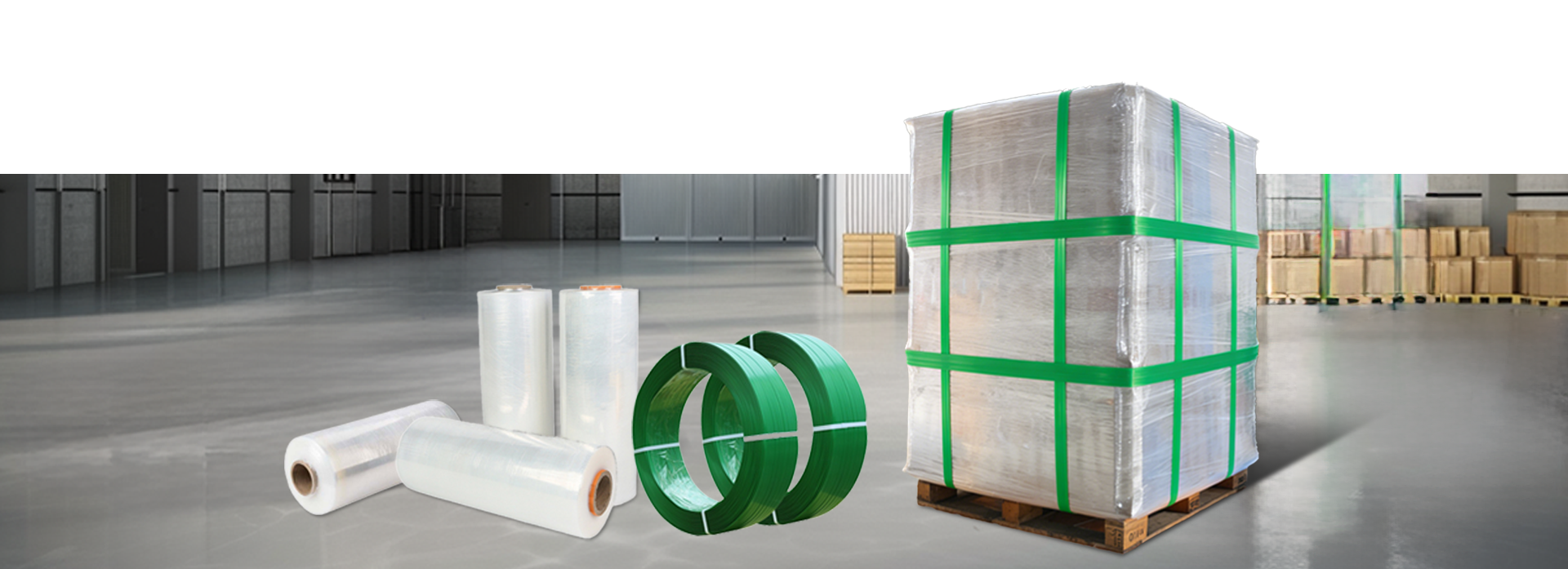
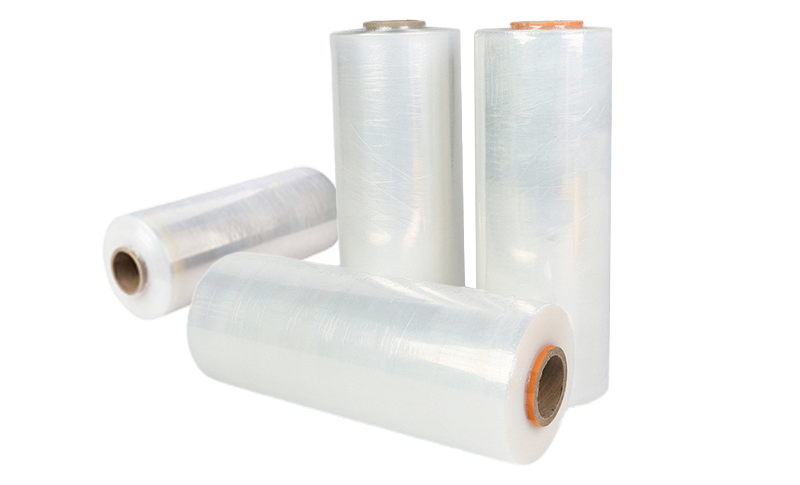
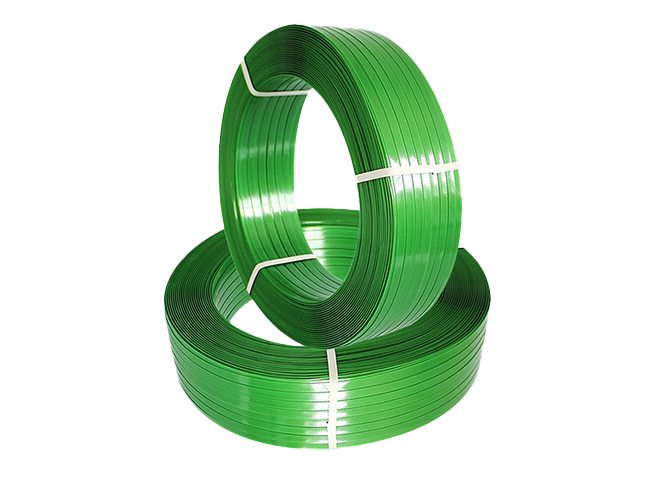
Complementary products relevant to double deep racking operations include electric reach trucks and stackers for pallet placement and retrieval, plastic pallets in standard dimensions compatible with rack beam configurations, and stretch wrap and packing strapping for load stabilization. This range supports integrated procurement for warehouse projects incorporating double deep racking systems.

 en
en  Español